Contemporary Actors

Collection of Contemporary Actors

Brian Kerwin

Brian Kerwin. IMDB.

Brian Kerwin was born in 1949 in Chicago.   His films include “Murphy’s Romance” with james Garner and Sally Field in 1985, “Torch Song Trilogy” and “Debating Robert Lee”.

Gary Brumburgh’s entry:

Lanky, blue-eyed blond American lead and second lead from Chicago whose fresh-scrubbed Ivy League good looks were first noticed on TV soaps and a couple of rugged series. His sensitive, innocent-eyed charm sometimes belied a less-than-honorable nature, as was the case when he played Sally Field‘s ne’er-do-well ex-husband in the filmMurphy’s Romance (1985). The attention he merited here led to the staunch lead in the film King Kong Lives (1986) and the promise of big-screen stardom, but things didn’t quite jell. For the most part, however, he has kept a pleasant visibility on the small screen and especially in the theater. He was singled out for his performance in the stage version of “Torch Song Trilogy” and was later asked to co-star in the movie adaptation by the show’s star/writer Harvey Fierstein.

– IMDb Mini Biography By: Gary Brumburgh / gr-home@pacbell.net

John Shea
John Shea
John Shea

John Shea was born in 1949 in New Hampshire.   He made his film debut in 1980 in the British film “Hussy” opposite Helen Mirren.   He starred in “Missing” with Jack Lemmon and Sissy Spacek, “Windy City” and “A New Life” with Alan Alda and Ann-Margret.   He starred as Lex Lutor in the television series “Lois and Clark”.

Gary Brumburgh’s entry:

Primarily known to TV audiences for his recurring role as the evil Lex Luthor in the early 90s Lois & Clark: The New Adventures of Superman (1993) TV series, handsome, slim-faced, curly-haired actor John Shea was born in New Hampshire in 1949, but raised in Massachusetts. He received his BA from Bates College, which he achieved on debating and football scholarships. He then attended Yale University and earned an MFA in directing from its School of Drama.

Following New York stage work, including his portrayal of Paris in a production of “Romeo and Juliet” (1977), initial on-camera notice came on TV with his reverential portrayal of Joseph in the mini-movie The Nativity (1978). A few years later on film he appeared in the small but memorable role of the impassioned, ill-fated American idealist who becomes a casualty to Chilean war-torn politics in Costa-Gavras‘ Academy Award-winning thriller Missing (1982). Although Jack Lemmon and Sissy Spacek, who respectively played his despairing father and wife, were nominated for Oscars for their starring performances, John’s role was central to the heart of the film and he made quite an impact. The actor was later honored by Amnesty International for his political work following the film’s release.

Critical kudos, as well as awards, have come in John’s direction over the years on stage, film and TV. In the film Windy City (1984) opposite Kate Capshaw, he earned the Best Actor Award at the Montreal Film Festival. On stage, he received a Drama Desk Award for “American Days”, an Obie Award for “The Dining Room” and a 1976 Theatre World Award for his portrayal of the Jewish student “Avigdor” in “Yentl”. The role was later portrayed by Mandy Patinkin in Barbra Streisand‘s 1983 film adaptation. On television, John was awarded the coveted Emmy for his depiction of the distressed husband and father wannabe who touches off a legal landmark case in the miniseries, Baby M (1988).

In a career pocked with remarkable versatility, interesting choices and challenging parts, John has played everything from a young Nazi in the miniseries Hitler’s S.S.: Portrait in Evil (1985) to ‘Robert F. Kennedy’ in the epic-styled Kennedy (1983). He has kept his face alive in guest parts over the years on such well-received series as Sex and the City(1998), Tales from the Crypt (1989), Deadly Nightmares (1983), Law & Order (1990) andMedium (2005). A budding Irish-American filmmaker, John co-wrote, directed and appeared in the low-budget film Southie (1998), a drama set in the Irish-American section of Boston. The film won the Jury Award for Best Independent Film at the 1998 Seattle International Film Festival.

Into the millennium, John found popularity on the Mutant X (2001) sci-fi series playing the role of “Adam Kane”. Based on Marvel Comic’s “X-Men”, he received a nomination for Canada’s prestigious Gemini Award as Best Actor. He also appears in a recurring role onGossip Girl (2007). More recent filming includes a spat of thrillers including The Insurgents (2006) with Mary Stuart Masterson; the British Framed (2008) and the Indian drama Achchamundu! Achchamundu! (2009), plus the Jessica Alba drama, An Invisible Sign (2010), and the horror opus 51 (2011).

A screenwriter and audio book performer in addition to all his other talents, John lives with his second wife, the painter Melissa MacLeod, and his family are based in New York and on Nantucket Island where he was a founding member of the Nantucket Film Festival and is currently Artistic Director of the Nantucket Theatre Workshop. He has one son, Jake, from his first marriage, and two children, Miranda and Caiden, by wife Melissa.

– IMDb Mini Biography By: Gary Brumburgh / gr-home@pacbell.net

Barry Bostwick
Barry Bostwick
Barry Bostwick
Barry Bostwick
Barry Bostwick

Barry Bostwick. IMDB.

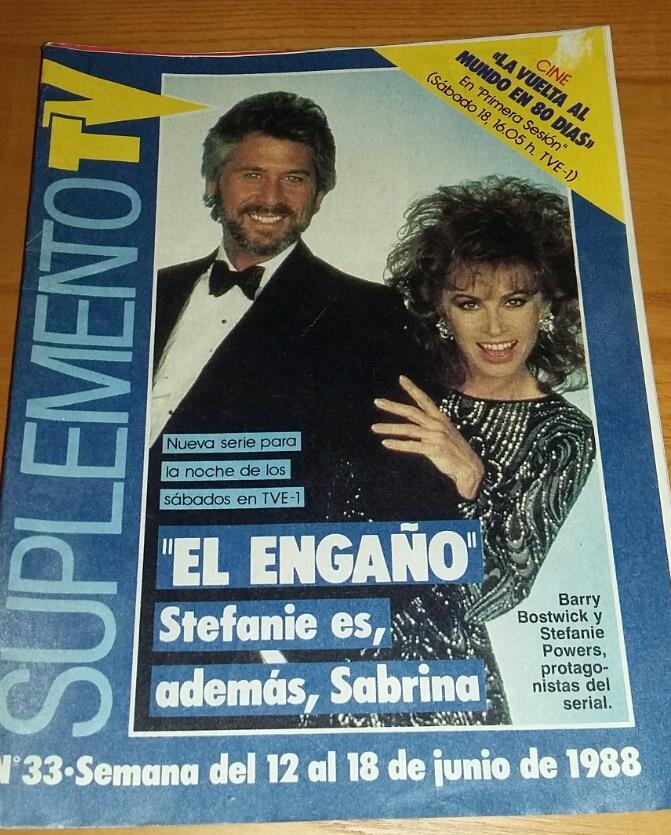
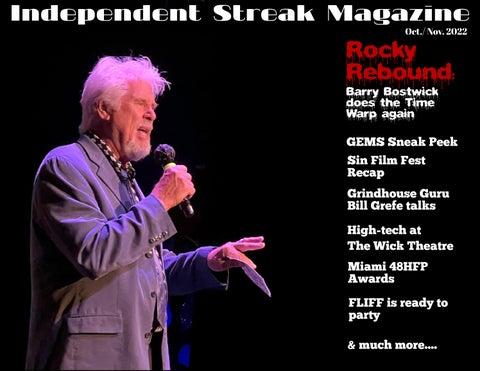
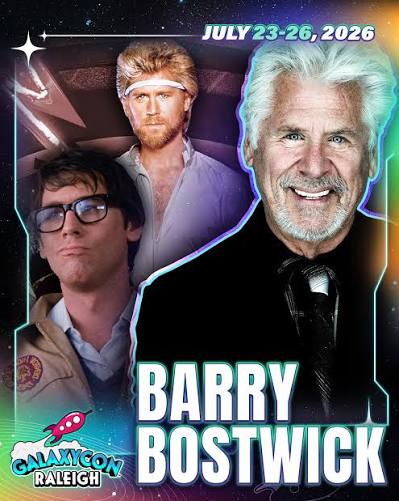
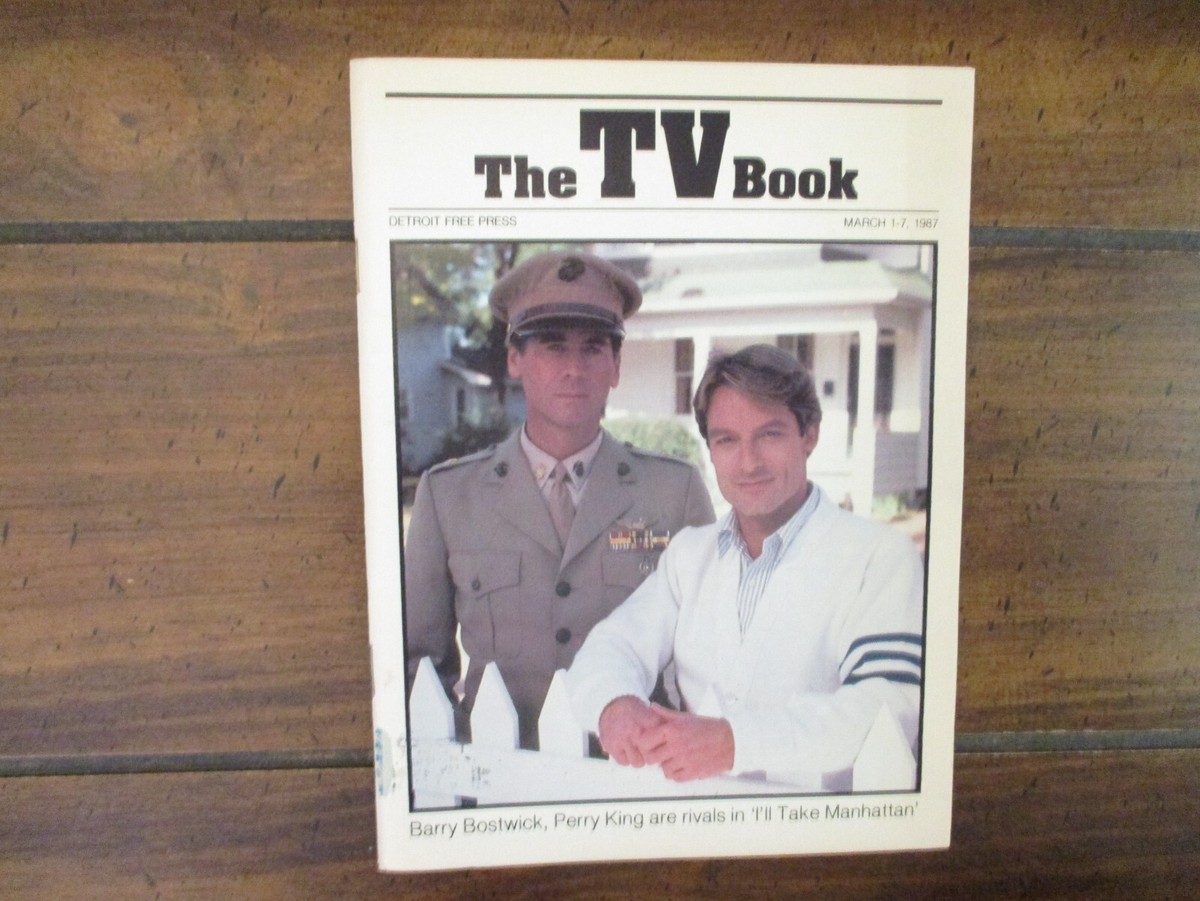
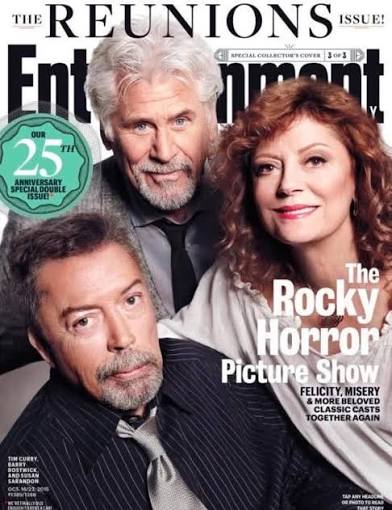
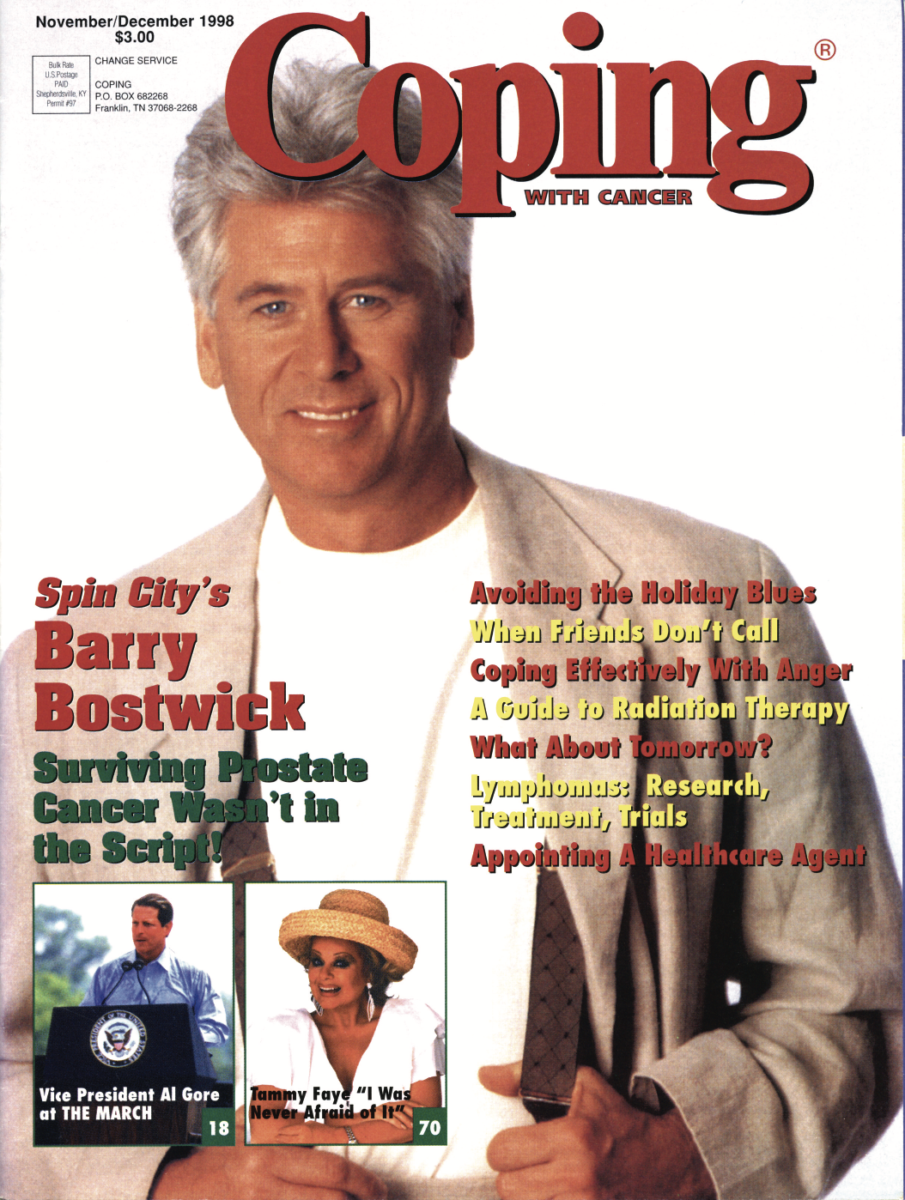
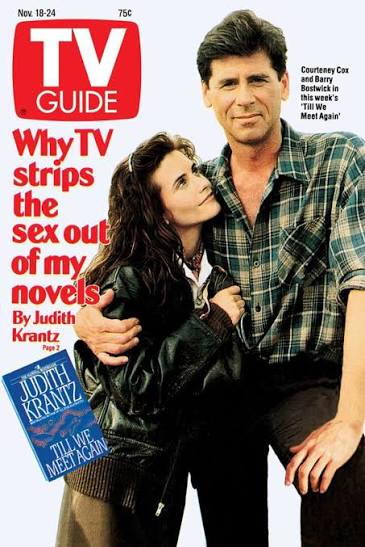
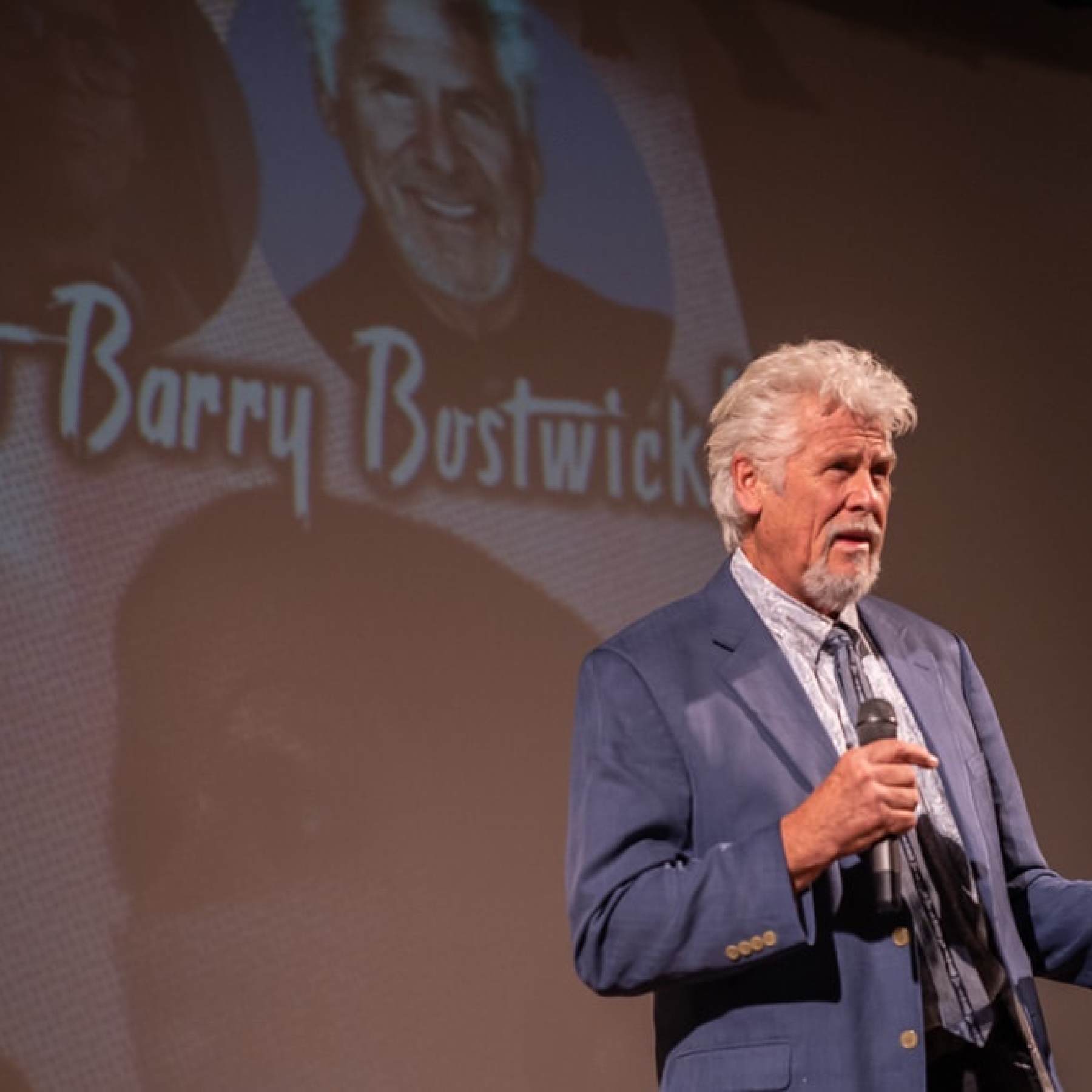
Barry Bostwick was born in 1945 in San Mateo, California.    He is perhaps best known for his role as Brad in the cult film classic “The Rocky Horror Picture Show” in 1975.   He originated the role of Danny in the 1972 Broadway production of “Grease”.   His films include “Road Movie” and “Jennifer on My Mind”.   His television successes include “Scruples” and “Spin City”.

Gary Brumburgh’s entry:

Tall (6′ 4″), agile, energetic, and ever-so-confident as both actor and singer, especially on the award-winning Broadway stage, Barry Bostwick possesses that certain narcissistic poise, charm and élan that reminds one instantly (and humorously) of a Kevin Kline — both were quite brilliant in their respective interpretations of The Pirate King in “The Pirates of Penzance”. Yet, for all his diverse talents (he is a Golden Globe winner and was nominated for the Tony Award three times, winning once), Barry is indelibly caught in a time warp. Even today, 35 years after the fact, he is indelibly associated with the role of nerdy hero Brad Majors in the midnight movie phenomena The Rocky Horror Picture Show (1975). While it is extremely flattering to be a part of such a cult institution, Barry’s acting legacy deserves much more than this.

He was born Barry Knapp Bostwick on February 24, 1945, in San Mateo, California, one of two sons born to Henry “Bud” Bostwick, a city planner, and his wife Betty. A student at San Mateo High School, he and his elder brother Peter use to put on musicals and puppet shows for the neighborhood kids. Barry attended San Diego’s United States International University’s School for the Performing Arts in 1967, and switched from music to drama during the course of his studies. He also worked occasionally as a circus performer, which would come in handy on the musical stage down the line. He subsequently moved to New York and attended the Graduate School of Arts and Sciences at New York University.

Making his stage debut at age 22 in a production of “Take Her, She’s Mine,” Barry performed in a number of non-musical roles in such productions of “War and Peace” (1968) and “The Misanthrope (1968). Making his 1969 Broadway debut in “Cock-a-Doodle Dandy”, which ran in tandem with “Hamlet” in which he was featured as Osric, it was his portrayal of the swaggering, leather jacket-wearing 50s “bad boy” Danny Zuko in the 1972 Broadway high-school musical smash “Grease” that put Barry’s name prominently and permanently on the marquee signs. Originating the role, he was nominated for a Tony but lost out that year to the older generation (Phil Silvers for “A Funny Thing Happened…”).

In the midst of all this star-making hoopla, Barry was also breaking into films with a minor role in Jennifer on My Mind (1971) and leading parts in the comedy spoofs Road Movie (1974) and The Wrong Damn Film (1975). It all paled after winning the role asSusan Sarandon‘s simp of a boyfriend in the The Rocky Horror Picture Show (1975), which featured a delicious Tim Curry camping it up as a transvestite monster-maker. The movie, based on the macabre 1973 British stage musical “The Rocky Horror Show,” packed the midnight movie houses with costumed fans replicating every move and, word and offering puns and props aplenty in recapturing the insanity of the show.

While the “Rocky” association hit like a tornado, Barry ventured on and tried to distance himself. He created sparks again on Broadway, garnering a second Tony nomination for the comedy revival “They Knew What They Wanted” in 1976. He finally took home the trophy the following year for the musical “The Robber Bridegroom” (1977), which relied again on his patented bluff and bravado as a Robin Hood-like hero. Following top roles in the musicals “She Loves Me” and “The Pirates of Penzance”, Barry turned rewardingly to film and TV.

The two-part feature Movie Movie (1978), which played like an old-style double feature, was a great success, performing alongside esteemed actor George C. Scott. Barry excelled in both features, but especially the musical parody. He fared just as well on the smaller screen in TV movies, playing everything from historical icons (George Washington) to preening matinée idols (John Gilbert), and winning a Golden Globe for his role as a military officer in the epic miniseries War and Remembrance (1988). A variety of interesting roles followed in glossy, soap-styled fare, farcical comedies and period drama.

A welcomed return to Broadway musicals in the form of “Nick & Nora” (he as sleuth Nick “The Thin Man” Charles) was marred when the glitzy production folded after only nine perfs. Instead, the prematurely grey-haired actor found steadier success in sitcoms as a smug comedy foil to Michael J. Fox playing Mayor Randall Winston for six seasons in Spin City (1996). He later enjoyed a recurring role as a dauntless attorney on Law & Order: Special Victims Unit (1999). Then again, Barry could be spotted pitching items in commercials or hamming it up in family-oriented Disneyesque entertainment in the “Parent Trap” and “101 Dalmatian” mold.

In 1997, Bostwick was diagnosed with prostate cancer, and 10 days later had his prostate removed. The operation was successful and in 2004, he won the Gilda Radner Courage Award from the Roswell Park Cancer Institute. Just a year earlier he appeared on an episode of “Scrubs” as a patient also having prostate cancer. Barry married somewhat late in life. For a brief time he was wed to actress Stacey Nelkin (1987-1991), but has since become a father of two, Brian and Chelsea, with second wife Sherri Jensen, an actress who appeared with Barry in the TV movie Praying Mantis (1993).

– IMDb Mini Biography By: Gary Brumburgh / gr-home@pacbell.net

Anjelica Huston, John Cusack & Annette Bening
Anjelica Huston
Anjelica Huston

Anjelica Huston was born in 1951 in Santa Monica, California.   Her grandfather was the wonderful actor Walter Huston who won an Academy Award for his performance in “The Treasure of the Sierra Madre” in 1948.   Her father was the faamous film director Walter Huston.   She was brought up in Galway in the West of Ireland.   In her teens she moved with her mothert to London.   Her father cast her when she was seventeen in the film “A Walk with Love and Death”.   It is neither a critical or box office success and she turned to modelling as a career.   In 1981 she had a part in “The Postman Always Rings Twice” with her then partner Jack Nicholson.   In 1985 she won an Academy Award for her performance in “Prizzi’s Honor” which was directed by her father.   Since then she has given many wonderful performances including “The Grifters” with John Cusack and Annette Bening and “The Royal Tenebaums” .   I think her best performace was as Greta Conroy in “The Dead” which was the last film directed by her father and based on the wonderful James Joyce short story.   John Cusack was born in 1966 in Evanston, Illnois to an Irish Catholic family.   His sister is the actress Joan Cusack.   His film credits include “Grosse Point Blank”, “The Sure Thing”, “Sixteen Candles” and “High Fidelity”.   Annette Bening was born in 1958 in Topeka, Kanas.   Her major film breakthrough came in 1989 for her performance in “Valmont” with Colin Firth.   Her other films include “Julia”, “American Beauty” and “The Kids Are Alright”.   She is married to the actor Warren Beatty by whom she has four children.

Andrew McCarthy

Andrew cCarthy was born in 1962 in Westfield, New Jersey.   He is best known for his association with the ‘brat pack’.      His best known films are “St Elmo’s Fire” and “Pretty in Pink”.   His more recent films include “Snatched” and “Camp Hope”.

TCM Overview:

Always a good guy stand-out amidst the bad boys of the infamous 1980s cinematic “Brat Pack,” Andrew McCarthy’s down-to-earth appeal helped the handsome actor earn millions of teen fans during his eighties heyday. Hitting the ball out of the park time and again with roles in iconic Generation X films like “St. Elmo’s Fire” (1985), “Pretty in Pink” (1986) and “Mannequin” (1987), McCarthy often played the well-off yet unassuming romantic lead with a good heart, who always should get the girl in the end. Unbeknownst to many of his young fans, however, McCarthy was also an accomplished theater actor, who appeared in productions of Tennessee Williams’, Eugene O’Neill’s, and Horton Foote’s works both on and off-Broadway. After taking a turn toward the dark side in Bret Easton Ellis’ feature adaptation of his edgy novel “Less Than Zero” (1987) and defying logic with a role in the misfire “Weekend at Bernie’s” (1989), the actor watched his star – as well as those of most of his fellow Brat Packers – fall as their fans grew up and moved on to the next big thing. Keeping a low profile throughout the 1990s, McCarthy consistently worked, but remained under the radar for the most part, until regaining a more mature but no less potent sex symbol status as billionaire Joe Bennett in the popular but short-lived Brooke Shields’ drama, “Lipstick Jungle” (NBC, 2008-09). Like his peers Patrick Dempsey and Robert Downey, Jr., McCarthy reemerged as a mature leading man for a new generation of fans.

Born on Nov. 29, 1962 in Westfield, NJ, Andrew T. McCarthy attended Edison Intermediate School. When he was 16, McCarthy’s family moved to New York City, where he attended Pingry Prep School. While there, the star appeared in high school plays and musical productions, as well as played basketball. Two years later, McCarthy enrolled at New York University to major in theater and also studied at the Circle in the Square Theater School. The 18-year-old scored his first film role in 1983, playing opposite Rob Lowe and Jacqueline Bisset in the teen sex comedy “Class.” McCarthy had fallen ill the day of the audition, yet he forced himself to go anyway and won the role as Bisset’s younger lover. “It was so out of the blue,” he said. “One week I’m in school and the next week I’m in bed with Jacqueline Bisset. I thought, ‘I’m doing something right here.'”

Lowe and McCarthy worked together again in the 1985 drama “St. Elmo’s Fire,” about a group of friends who discover the complexities of relationships, love, and life after college. McCarthy played sulky writer Kevin who has an affair with his philandering best friend’s (Judd Nelson) needy wife (Ally Sheedy). The ensemble film starred what famously became known collectively as “the Brat Pack” – a group of actors who – in addition to McCarthy, Nelson and Sheedy – included Lowe, Demi Moore and Emilio Estevez, amongst others on the honorary fringe, such as Anthony Michael Hall and Jon Cryer. In addition to starring in each other’s movies – particularly those directed by John Hughes, such as “The Breakfast Club” (1985) – the young turks ruled the Hollywood scene, with much romancing and in-fighting amongst them. Of the core group of Brat Packers, McCarthy became known as the quiet one, taking on a more reclusive approach to his stardom compared to the infamous playboys and partiers he appeared alongside on the big screen.

A year after “St. Elmo’s Fire,” McCarthy joined forces with Hughes’ acting muse Molly Ringwald – also a Brat Packer, herself – in the romantic coming-of-age film “Pretty In Pink.” As rich boy Blaine, the dreamy and baby-faced actor charmed not only Ringwald’s character, but also millions of teenage filmgoers everywhere. His star status rose quickly, and the New Jersey native became a legitimate heartthrob. It was later revealed that director Hughes had McCarthy wear a wig for the famous last scene of “Pretty In Pink,” as the actor had already shaved his head for his next role in the NY-based play, “The Boys of Winter.” McCarthy and Ringwald reunited later on in the much darker drama “Fresh Horses” (1988), but this film lacked the innocence and their coupling, the chemistry, of their earlier classic.

Riding high on his film success, McCarthy delivered a one-two punch in 1987 with a blockbuster comedy and a powerhouse teen drama. The former – “Mannequin” – paired him with a pre-“Sex and the City” sexpot Kim Cattrall in a harmless comedy about a struggling artist who falls in love with a department store mannequin who then magically comes to life. While “Mannequin” left critics less than enthused, the same could not be said for McCarthy’s other offering that year, “Less Than Zero.” In his serious turn as Clay, a young man who juggles a romance with his high school sweetheart (Jami Gertz) as he helps his other friend (Robert Downey, Jr.) battle a cocaine addiction, while all three learn to navigate the concrete jungle of post-high school Los Angeles, McCarthy was spellbinding. The film – based on the disturbing novel by Bret Easton Ellis – was quite a departure from McCarthy’s previous work and was a high point in all of their careers. Film critic Roger Ebert described the three actors’ performances as “flawless.”

McCarthy’s theater career also blossomed in the late 1980s, with the actor often jumping back and forth between film and stage projects. The same year that “Less Than Zero” was released, he starred as Henry Hopper in the PBS American Playhouse production of “Waiting for the Moon,” a 1987 play based on the lives of Gertrude Stein and Alice B. Toklas. His other theater credits included “Boys of Winter,” “Psychopathic Sexualicious” and “Long Days Journey Into Night,” in which he played Edmond. The Hartford Stage Company, which produced “Long Days,” was so impressed by the actor that they offered him the lead in “Death of Papa,” a role that was originally written for theater wunderkind, Matthew Broderick. McCarthy was more than happy to take it. The success and praise for his performance won the actor the role of Clifford in the Tony Award-winning play, “Side Man.” In 2001, McCarthy returned to the Hartford Stage to play Tom in the Tennessee Williams classic, “The Glass Menagerie.”

In 1989, McCarthy teamed up with Jonathan Silverman in the unspeakably odd film, “Weekend at Bernie’s,” a screwball comedy about two friends who pretend – to great and preposterous lengths – that their murdered boss Bernie Lomax (Terry Kiser) is still alive. The film became a surprise hit, and the actors even reprised their roles in the 1993 sequel, “Weekend at Bernie’s II” which received less-than-stellar reviews and box-office haul. Despite the odd “Bernie” choices, McCarthy proved he was much more than a former teen heartthrob-turned-goofy comedic actor, by appearing in two critically acclaimed 1994 ensembles – as a dissatisfied husband in “The Joy Luck Club” and as Eddie Parker in “Mrs. Parker and the Vicious Circle.”

By the late nineties, McCarthy appeared in several independent film releases – from the crime drama “Mulholland Falls” (1996) to the action thriller “Stag” (1997). Though none of his work in the 1990s and into the next millennium reached either blockbuster or iconic status like his eighties work, McCarthy developed into a serious and highly employable actor – particularly on television. He guest-starred on episodes of “Law & Order” (NBC, 1990- ) and “Law & Order: Special Victims Unit” (NBC, 1999- ). The actor was set to guest star on the show’s third franchise “Law & Order: Criminal Intent” (NBC, 2001- ), however, tensions on-set between him and star Vincent D’Onofrio forced creator Dick Wolf to decide against it. “I was fired because I refused to allow a fellow actor to threaten me with physical violence, bully me and try to direct me,” McCarthy later said of the highly volatile D’Onofrio.

In 2004, McCarthy was cast as surgeon Dr. Hook in “Kingdom Hospital” (ABC), a horror miniseries adapted by Stephen King and based on a series from Danish filmmaker, Lars von Trier. A year later, the actor joined Benjamin Bratt and Dennis Hopper on the short-lived series “E-Ring” (NBC, 2005-06), based on the people who work inside The Pentagon. McCarthy returned to film in 2008, playing Freddie Highmore’s dad in “The Spiderwick Chronicles.” That same year, he joined the cast of “Lipstick Jungle,” a series about three career women – Brooke Shields, Lindsay Price and Kim Raver – from the pen of “Sex and the City” (HBO, 1998-2004) scribe, Candace Bushnell. Audiences loved McCarthy as sexy billionaire Joe Bennett. “He’s one of these guys for whom anything goes,” McCarthy said about his character. “He’s not bound by any rules of society because money liberates you from all those constraints. The sky’s the limit.” In between his time on “Lipstick,” the actor squeezed in two films in during the Writer’s Strike of 2008 – the thriller “Camp Hope” with Dana Delany, and the romantic comedy “The Good Guy” (2009) with Alexis Bledel.

 This TCM Overview can also be accessed online here.

Dominic Monaghan
Dominic Monaghan
Dominic Monaghan

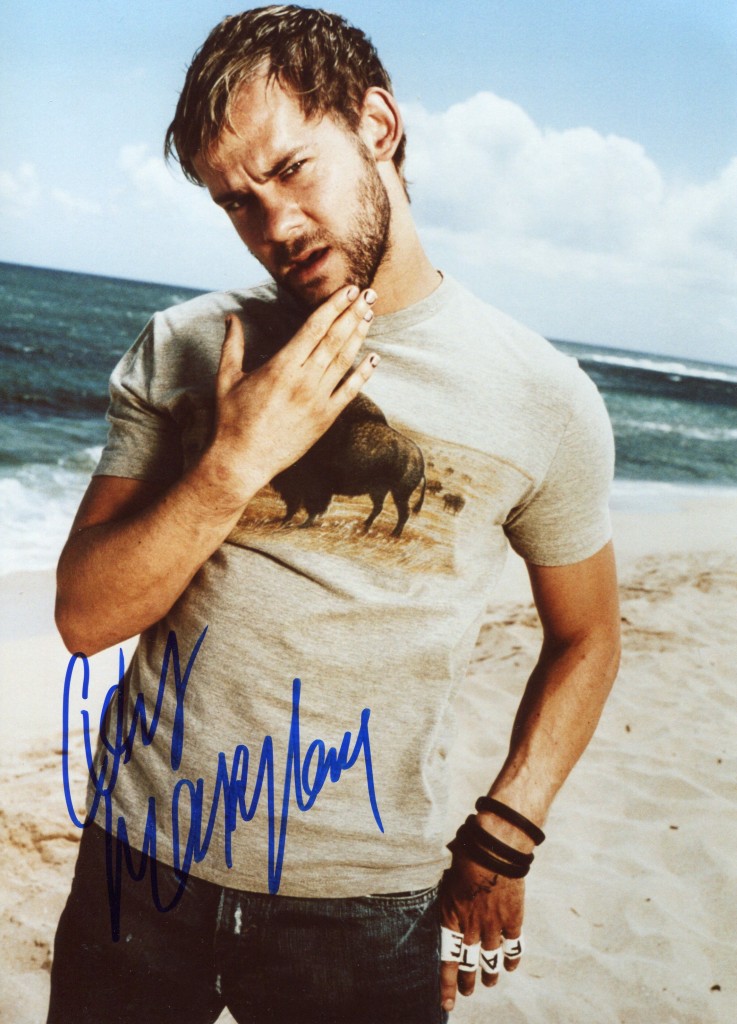
Dominic Monaghan was born in Berlish of British parents in 1976.   He first came to public attention as Jeffrey the teenage private detective in “Hetty Wainthorpe” starring Patricia Routledge.   This wonderful series was set in the North of England and concerned a lady pensioner and her teenage assistant who solve mysteries and petty crimes.   The series ran from 1996 to 1998.   He gained further prominence for his roles in “Lord of the Rings” and in the series “Flash Forward” and “Lost”.

IMDB entry:

Dominic Monaghan is best known for his role in the movie adaptations of “Lord of the Rings”. Before that he became known in England for his role in the British television drama Hetty Wainthropp Investigates (1996). He was studying English Literature, Drama and Geography at Sixth Form College when he was offered the co-starring role in the series, which ran for four seasons. His other television credits include This Is Personal: The Hunt for the Yorkshire Ripper (2000) and a leading role in Monsignor Renard (2000), a series starring John Thaw.

On the stage Monaghan has performed in the world premiere UK production of The Resurrectionists, Whale and Annie and Fanny from Bolton to Rome. Since watching Star Wars when he was six years old, Dominic has been consumed by films. His other obsessions include writing, music, fashion, playing/watching soccer and surfing. Utilizing his writing skills, he and LOTR co-star Billy Boyd are collaborating on a script.

Born and raised in Berlin, Monaghan and his family moved to England when he was twelve. In addition to speaking fluent German, he has a knack at impersonations and accents. He frequently returns to his hometown of Manchester, England.

– IMDb Mini Biography By: Anonymous

This above entry can be accessed also online at IMDB here.

Viggo Mortensen
Viggo

Viggo Mortensen was born in 1958 in New York City.   His father is Dutch and his mother is American.   He was raised in Europe and South America.   He made his debut as an Amish farmer in Peter Weir’s “Witness”.   His other films include “The Lord of the Rings” series, “Psycho” and “28 Days”.

TCM Overview:

Getting his start in forgettable grade-B movies and so-called “other man” roles, actor Viggo Mortensen made a slow, steady climb up the ranks to become one of Hollywood’s most reliable and in-demand talents. Though he had little trouble finding work, Mortensen spent a good deal of time looking for that one breakthrough that would catapult his career. That springboard came with a leading role in the epic “Lord of the Rings” trilogy (2001-03), in which he played a heroic, but displaced king in a fictional land beset by evil. Because of his being a central character in one of the biggest, most beloved trilogies in cinema history, Mortensen had a wealth of opportunities open up to him, including the critically acclaimed and award-nominated “History of Violence” (2005). Exceedingly humble about success and uncharacteristically un-Hollywood, Mortensen managed to stay somewhat reclusive and focused on other interests outside of acting, namely painting and writing poetry, despite becoming one of the most recognizable stars in the world.

  Interview in “Irish Times” here.

Vinnie Jones
Vinnie Jones
Vinnie Jones

Vinnie Jones was born in 1965 in Watford.   He was a reknowned footballer and played for Leeds United and Chelseaamong others.   In 1998 he made his feature film debut in “Lock, Stock and Two Smoking Barrels” directed by Guy Ritchie.   Other films include “Snatch”, “Gone in 60 Seconds” and “X-Men”.

TCM Overview:

One of the toughest of England’s “hard men” of football, Vinnie Jones parlayed his notoriety as a talented if ruthless player for championship teams into a career as a supporting actor and occasional lead in films on both sides of the Atlantic. Jones’ movie roles rarely asked him to do more than provide a physically imposing presence, but from time to time – most notably in Guy Richie’s “Lock, Stock and Two Smoking Barrels” (1998) – he displayed a knack for comic delivery as well. He also successfully parodied his two-fisted soccer persona in a string of popular television ads in England, making him a bit of public treasure in his homeland.

Born Vincent Peter Jones in Watford, Hertfordshire, England on Jan. 5, 1965, Jones’ soccer career began with the semi-professional Wealdstone Football Club and the Swedish club IFK Holmsund, before joining the Wimbledon Football Club in 1986. Jones quickly earned a reputation as an aggressive player – he set a still-unbroken record of earning a yellow flag (which cites a second warning from an official and removal from the game) after only five seconds of play, and earned admirers and detractors alike for distracting an opposing player by grabbing his testicles. Despite these and numerous other offenses, Jones helped to earn the Wimbledon team the Football Association Cup – the highest honor in English football – in 1988.

Jones left Wimbledon in 1989 and played for several other teams, including Chelsea and Leeds, before returning to Wimbledon in 1992. During his tenure in Leeds, he proved that he was able to play at the top of his skill set without resorting to dirty tricks. However, after returning to Wimbledon, he solidified his image as a brawler by hosting “Soccer’s Hard Men,” a direct-to-video compilation of footage featuring Jones and other players getting tough on the field. The Football Association publicly excoriated Jones for his participation and fined him 20,000 pounds.

While completing his final stint with Wimbledon, Jones’s record of 384 games and 33 goals earned him a spot on the Wales International Team, for which he played from 1994 to 1997. He eventually brought his professional sports career to a close with a stint as player/coach for the Queens Park Rangers in 1998. He retired from the game a year later after being passed over as the team’s manager; instead focusing on the business of living up to his reputation.

First on the docket was an autobiography, Vinnie, which was published in 1998. He quickly followed this with a string of television commercials which played up to his sports persona to great effect. His film career got off to a rollicking start with Guy Ritchie’s crime caper romp “Lock, Stock and Two Smoking Barrels,” in which he played Big Chris, the stone-faced and brutal debt collector for porn magnate “Hatchet” Harry Lonsdale (P.H. Moriarty). Jones’s dry delivery was perfect for the offbeat character, which brought his equally taciturn son with him on collection jobs, and it brought him the first of two Empire Awards; the second came for his reunion with Ritchie on the more star-studded (Brad Pitt, Benecio Del Toro) but less clever “Snatch” (2001).

Jones made his Hollywood debut as a taciturn car thief named “The Sphinx” in Dominic Sena’s overblown remake of “Gone in Sixty Seconds” (2000), and quickly settled into a string of roles in mediocre American product that emphasized his imposing figure, including “Swordfish” (2001) and “The Big Bounce” (2004). In his native England, however, Jones got his first chance to play a lead in “Mean Machine” (2001), a remake of “The Longest Yard” (1974), which cast him as an imprisoned former soccer champ who organizes a team from his fellow cons to play against the jail’s guards. Jones also cut an album of blues and soul covers titled Respect in 2002, and began a long and lucrative collaboration with Bacardi in spots for UK television. These came to an end in 2003 after Jones was convicted of assaulting a crew member on board a Virgin Atlantic flight.

Jones manfully handled the crooks and cronies he was assigned in a handful of bland action and comedy pictures for most of 2004 and 2005; his sole notable character during this period was, appropriately enough, a berserk soccer hooligan in the otherwise dim teen sex comedy “Eurotrip” (2004), which again gave Jones a showcase for his comic skills. He later proved that he could capably handle a lead role (and even a smattering of romance) in the little-seen Irish crime drama “Johnny Was” (2005), which cast him as a crook attempting to stay straight, despite the temptations of his former mentor (Patrick Bergin) and his girlfriend (Samantha Mumba).

Jones enjoyed another comic turn as a hard-nosed soccer coach in “She’s the Man” (2006), a likable teen comedy about a female soccer prodigy (Amanda Bynes) who must dress as a boy in order to play for a prestigious team. That same year, Jones was used to excellent effect as Cain Marko, the unstoppable and flippant mutant known as Juggernaut in “X-Men: The Last Stand” (2006) who makes life difficult for Ellen Page’s Kitty Pride in one tense chase scene through walls. Jones reportedly made enough of an impression on the film’s producers that his character was spared in the film’s room-clearing final assault, and was signed to future related projects.

In 2006, Jones appeared in several UK television ads promoting greyhound racing for the bookmaker company Ladbrokes; Jones was a recognized figure in that sport as both a greyhound owner and racing enthusiast. On the film front, he remained remarkably busy, and if the projects rarely allowed him to show much range, he had established himself as a dependable “type,” capable of handling most genres. In his native country, he acquitted himself nicely opposite such acclaimed talents as Vanessa Redgrave and Derek Jacobi in “The Riddle” (2007), a mystery about a sports reporter (Jones) who sets out to solve a murder connected to an unpublished Charles Dickens manuscript. Hollywood, however, continued to cast Jones as pure muscle; he was the most villainous of a group of criminals dispatched to a private island to compete in a televised elimination match in “The Condemned” (2007), a lunkheaded if entertaining exploitation effort that featured World Wrestling Entertainment hero “Stone Cold” Steve Austin in his first starring role. Jones even took to American television to help Austin promote the movie at “No Way Out,” a 2007 pay-for-view wrestling event promoted by the WWE.

Jones’ schedule was booked solid for most of 2008 and 2009; he was cast as a subway serial killer in the gruesome horror film “The Midnight Meat Train” (2008), which was directed by Japanese cult filmmaker Ryuhei Kitamura and based on a short story by acclaimed novelist Clive Barker. True to form, he then shifted gears to play a Biblical heavy in “Year One” (2009), a Judd Apatow-produced comedy set in ancient times that reunited “Superbad” (2007) stars Michael Cera and Christopher Mintz-Plasse under director Harold Ramis.

 TCH Overview on Vinnie Jones can also be accessed online here.
Brenda Vaccaro
Brenda Vaccaro
Brenda Vaccaro
Brenda Vaccaro

Brenda Vaccaro TCM Overview

Brenda Vaccaro was born in Brooklyn, New York in 1939 to parents of Italian origin.   She began her acting career on Broadway and starred in “Cactus Flower” with Lauren Bacall and Barry Nelson in 1965.   She made an impact on film in 1969 along with Dustin Hoffman and Jon Voight in the wonderful “Midnight Cowboy”.   She went on to an impressive film career.   Her films include “Summertree” with Michael Douglas, “Once is Not Enough” with Kirk Douglas and Alexis Smith in 1975 and more recently she gave a very sensitive performance in “The Boynton Beach Club”.

Her TCM Biography:

A husky-voiced actress who segued from beautiful leading lady to earthy character parts, Brenda Vaccaro enjoyed success in a variety of mediums. She earned three Tony nominations for her stage work in the 1960s, won a Golden Globe nomination for her role as a socialite paying Jon Voight for sex in “Midnight Cowboy” (1969), and an Oscar nomination for “Jacqueline Susann’s Once Is Not Enough” (1975). Although she was an accomplished dramatic actress, audiences embraced her most as a wisecracking second banana to everyone from Faye Dunaway in “Supergirl” (1984) to Barbra Streisand in “The Mirror Has Two Faces” (1996), as well as an in-demand voiceover actress.

The Emmy-winning Vaccaro earned an impressive array of TV credits as well, but found it harder to book jobs as she grew older. She did earn excellent reviews with the lead role in the gentle romantic comedy “Boynton Beach Club” (2005) and for a brilliant supporting turn as Al Pacino’s sister in the Dr. Kevorkian biopic, “You Don’t Know Jack” (HBO, 2010). Even 50 years into her career, Vaccaro remained a vital, formidable actress with the training and talent to deliver award-caliber performances – if Hollywood would only give the veteran performer the chance.

Born Nov. 18, 1939 in Brooklyn, NY to Christine M. and Mario A. Vaccaro, a pair of Italian-American restaurateurs, Brenda Buell Vaccaro was raised in Texas, where her parents co-founded the nationally-renowned Mario’s Restaurant. After high school, Vaccaro returned to New York City to study acting, making her Broadway debut in the 1961 comedy, “Everybody Loves Opal,” for which she won the Theatre World Award. Pairing her unmistakable husky voice with her acting talent, Vaccaro immediately stood out to critics and fans alike, and she earned a long string of Broadway credits, including “Cactus Flower” in 1965, “How Now, Dow Jones” in 1967, and “The Goodbye People” in 1968 – earning a Tony nomination for each of those roles.

Already the owner of a lengthy television résumé, her breakthrough in film came with the controversial hit “Midnight Cowboy” (1969), for which she earned a Golden Globe nomination playing a sexually voracious socialite who helps Jon Voight start up his male hustling business. She also earned a Golden Globe nomination for Most Promising Newcomer with her role of a sharp-witted secretary in “Where It’s At” (1969).

She ably supported Robert Mitchum as his sweetheart in the powerful but downbeat “Going Home” (1971), then won an Emmy for her performance in the revue by and about women, “The Shape of Things” (1974). After four years away from the big screen, Vaccaro roared back with a Golden Globe-winning, Oscar-nominated turn as wisecracking magazine editor Linda Riggs in “Jacqueline Susann’s Once Is Not Enough” (1975).

She tackled the tough role of a woman battling a gang of Canadian punks intent on rape in the dark, but cerebral horror thriller, “Death Weekend” (1976) and then earned an Emmy nomination for the short-lived “Sara” (CBS, 1975-1976), about a frontier schoolteacher. Vaccaro played James Brolin’s wife in the NASA conspiracy thriller “Capricorn One” (1977) – for which she earned a Best Supporting Actress Saturn Award nomination – and a threatened passenger in the cheesy-but-effective disaster smash, “Airport ’77” (1977).

Vaccaro worked constantly and successfully in all genres, but comedy was her forte, and she marked memorable turns as a villain’s sexually frustrated wife in “Zorro, the Gay Blade” (1981) and as Faye Dunaway’s wisecracking fellow witch in “Supergirl” (1984). She impressed even in subpar material, perfecting the art of stealing a project from the supporting sidelines. She chewed up scenery to delightful effect as top teen model Nicollette Sheridan’s stage mother/manager in the campy Morgan Fairchild nighttime soap, “Paper Dolls” (ABC, 1984).

Fleshing out her résumé with impressive guest-starring TV credits, Vaccaro kept busy, earning an Emmy nomination for an appearance on “The Golden Girls” (NBC, 1985-1992), as the widow of Dorothy’s cross-dressing, never-seen brother. The actress continued to be an in-demand second banana, ably sparring with Valerie Harper in “Stolen: One Husband” (CBS, 1990) and Ann-Margret in “Following Her Heart” (NBC, 1994), before playing the mother of J y (Matt LeBlanc) in “The One with the Boobies” episode of “Friends” (NBC, 1994-2004).

Besides a small role in “Love Affair” (1994) with Warren Beatty, Annette Bening and Katharine Hepburn (in the latter’s last screen performance), Vaccaro continued to lend her trademark raspy voice to numerous animated TV projects. Whether or not they could identify her by name, millions of children had grown up hearing Vaccaro voice characters on everything from “Nestor, the Long-Eared Christmas Donkey” (ABC, 1977), “The Smurfs” (NBC, 1981-89), “The Jetsons Meet the Flintstones” (syndicated, 1987), “Darkwing Duck” (ABC, 1991-92) to “The Critic” (ABC, 1994; FOX, 1995), “Johnny Bravo” (Cartoon Network, 1997-2004) and “American Dad!” (FOX, 2005- ). She essayed great humor and vulnerability on the big screen as Barbra Streisand’s frumpy best friend in the Oscar-nominated hit, “The Mirror Has Two Faces” (1996), in which she had to deal with feelings of abandonment when Streisand transforms from ugly duckling to swan.

A role that ech d her “Midnight Cowboy” success, Vaccaro earned good notices for a sweetly delusional customer of male prostitute James Franco in “Sonny” (2002), as well as for the lead role in the kind-hearted ensemble comedy, “Boynton Beach Club” (2005), which followed the lives and loves of a group of senior citizens in a Florida retirement community. Vaccaro played both tough and tender as a woman who is unexpectedly widowed when a neighbor (Renée Taylor) accidentally runs over her husband; she then must deal with her family and friends’ attempts to help her recover. Despite the vivid proof of her ability, Vaccaro, like many aging actresses, found it difficult find work in later years.

Although she was still able to notch the occasional prominent credit, like an episode of “Nip/Tuck” (FX, 2003-10), the offers slowed to a trickle, and she considered quitting show business completely and moving to France to be near her husband’s family. Luckily, fate conspired to put Vaccaro on the radars of the production team making “You Don’t Know Jack” (HBO, 2010), a pedigreed film about the life and career of controversial doctor-assisted-suicide advocate, Jack Kevorkian. Director Barry Levinson and star Al Pacino – who was an old theater buddy of the actress and at one time had shared a manager with her – were both fans of Vaccaro’s work, and she landed the role of Kevorkian’s protective sister, Margo Janus. Reviewers raved about the film, especially about Vaccaro’s performance, predicting she would be shortlisted for all the top awards. She was indeed nominated for an Emmy for Outstanding Supporting Actress in a Miniseries or Movie in 2010. Critics and fans alike hoped that it would be a turning point for the actress, and she would find herself as in-demand as her talent – regardless of her age – deserved.

The TCM biography can also be accessed online here.