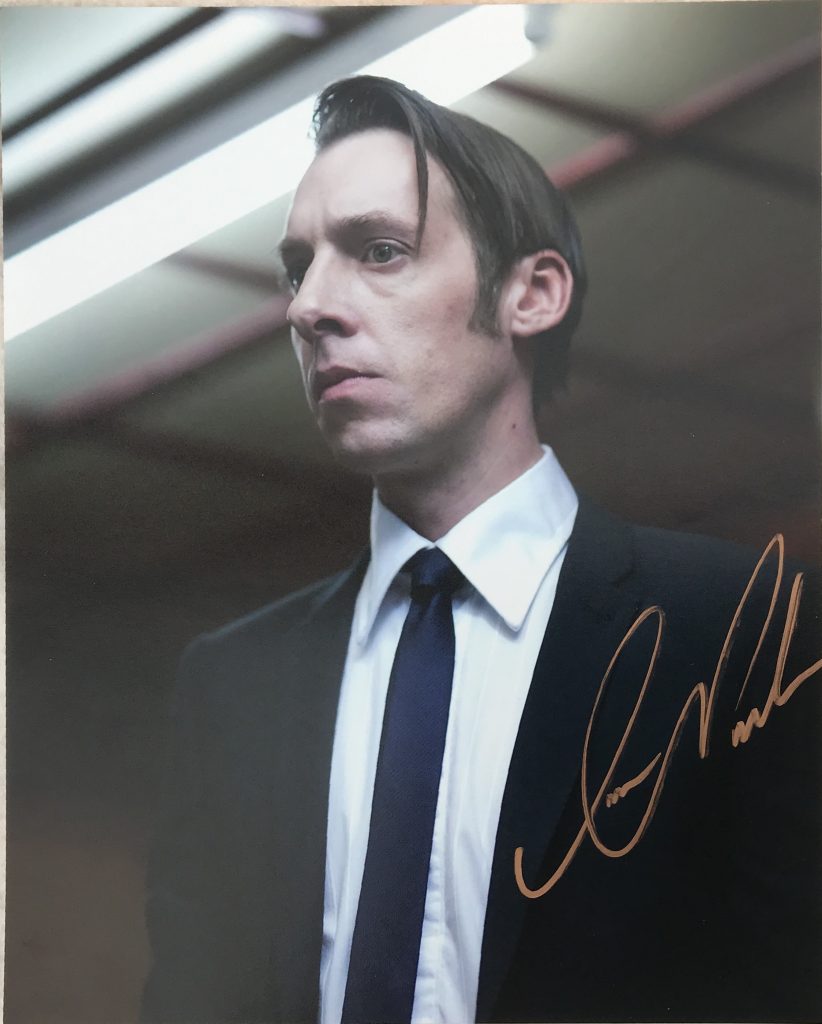
Allen Leech is one of Ireland’s most promising young actors. He was born in 1981 in Dublin. He had a major role in 2003 in the movie “Cowboys and Angels” followed by “Man About Dog”. He also starred in the 2011 film “Re-Wind” with Owen McDonnell and Amy Huberman. He is currently best known for his part as Branson the driver in the highly popular television series “Downton Abbey”.
“MailOnline” interview:
Tom Branson has emerged as one of the major characters in Downton Abbey. Are you pleased?
It came out of nowhere. When I first joined, I thought I’d be the chauffeur for a couple of episodes, and now here I am running the estate! I love that you can find Branson downstairs chatting to Mr Carson or upstairs having a whisky with Lord Grantham. He’s the only character who transcends the classes. Incidentally, the ‘whisky’ we drink on camera is burnt sugar and water, so when you see Tom having a drink, it’s not alcoholic.
How do you kill time between scenes?
We’ve discovered a great game called Bananagrams. It’s a bit like Scrabble, and Maggie Smith is the champion.
Are you afraid of being killed off, like Matthew Crawley (Dan Stevens) or Lady Sybil (Jessica Brown Findlay)?
Yes, it’s pot luck! Any of us could be caught under a falling tree, or poisoned by Mrs Patmore [the cook]. If I was going to go, I’d like Thomas [Downton’s underbutler] to kill me. We could have a wrestle for the knife and Thomas could win. But don’t make that happen – I don’t want to be killed off!
Tell us about your new film, In Fear…
It couldn’t be further from Downton – and that’s exciting. It’s set in Ireland and is very contained, claustrophobic and frightening. I went to watch it and it genuinely made me jump, which was a bit daft as I knew what was coming.
Do you ever get starstruck?
I was lucky enough to go to the Screen Actors Guild Awards in Los Angeles earlier this year – Downton won Outstanding Ensemble Performance in a Drama Series.
Jeff Daniels had been looking in my direction but I assumed he was looking at the cast of Breaking Bad, who were on the next table. I couldn’t believe he’d know who I was when he came up and said hello. We had a drink and I turned into a crazy fan and told him how much I loved him.
What was the last party you went to?
My friend’s birthday last week. We got through the Groucho Club’s entire cocktail menu. I’m not going to lie to you, I didn’t feel great the next day.
What do you do in your spare time?
I run a lot. I was supposed to do a marathon this year but unfortunately I got injured beforehand. I’m toying with the idea of doing my first triathlon next year instead.
Do you have a hidden talent?
If I do, it’s so hidden, even I don’t know about it!
What plans do you have for the rest of the year?
I’m going to Australia to watch the Melbourne Cup, which I’m really excited about. Horse racing is big in my family: my mum and brother both own horses. My older brother is going to come with me and that should make the trip even more special.
In Fear is in cinemas now
The above “MailOnline” interview can also be accessed online here.
Val Kilmer is one of the most interesting American actor on film. As he is moving into character parts. his weight gain and maturity brings an extra shade and nuance to his roles. His early movies include “Top Gun” in 1984, “Willow” and as ‘Jim Morrison’ in “The Doors”. He starred with Al Pacino and Robert De Niro ion “Heat”, “Batman Forever”, “Deja Vu” and “Felon
TCM overview:
Once described as Hollywood’s most difficult leading man, actor Val Kilmer accumulated his share of proponents over the years to offset the howls of his surprisingly vocal detractors, few of whom would argue that his best work rivaled Hollywood’s top leading men. Kilmer first made himself known as the chief rival of Tom Cruise in the blockbuster “Top Gun (1986) before delivering an uncanny performance of poet-singer Jim Morrison in Oliver Stone’s “The Doors” (1991) and a mesmerizing turn as Doc Holliday in “Tombstone” (1993). Around that time, the public began hearing rumblings of Kilmer’s difficult on-set persona. While playing the Caped Crusader in “Batman Forever” (1995), Kilmer entered into the low-point of his vampish behavior, which led to on-set shoving matches between himself and director Joel Schumacher. Following a strong supporting turn in Michael Mann’s epic crime drama, “Heat” (1995), he had more on-set shenanigans with “The Island of Dr. Moreau” (1996), which actually marked the beginning of a turning point with his questionable behavior. Kilmer starred in such box office duds like “The Ghost and the Darkness” (1996), “The Saint” (1997) and “At First Sight” (1999) before taking more interesting turns with the crime thriller, “The Salton Sea” (2002). Kilmer had his strongest performance in years as a gay private detective opposite Robert Downey, Jr.’s dimwitted thief in the hilarious “Kiss Kiss, Bang Bang” (2005), which led to a revitalization of his image as one of the most in-demand actors for both major Hollywood movies and independent films.
Born on Dec. 31, 1959 in Los Angeles, Kilmer was raised by his father, Eugene, an aerospace equipment distributor and real estate developer who made – and lost – a fortune developing a ranch once owned by Roy Rogers, and his mother, Gladys. After attending Chatsworth High School, where he was classmates with Mare Winningham and Kevin Spacey, and the Hollywood Professional School, Kilmer became the youngest student at the time to be allowed entrance into the famed Julliard School. While at Juilliard, he and his classmates wrote and performed “How It All Began,” a play that was eventually produced at the New York Shakespeare Festival with Kilmer in the lead. Meanwhile, he landed parts in “Henry IV, Part I” at the NYSF and “As You Like It” for the Tyrone Guthrie Theatre in Minneapolis, MN. Kilmer soon made his Broadway debut opposite Sean Penn and Kevin Bacon in “The Slab Boys” (1983). The following year, he made his feature debut with a starring role in “Top Secret!” (1984), a spy parody and all-around Hollywood spoof from the goofy minds of David Zucker, Jim Abrahams and Jerry Zucker which later achieved a cult following.
Also at the time, Kilmer had a supporting role in “One Too Many” (ABC, 1985), a rather stark “ABC Afterschool Special” that cautioned teens against drunk driving. In the comedy “Real Genius” (1985), he played a brilliant science student at a fictional university who teams up with a freshman (Gabe Jarret) to stop a wayward physics professor (William Atherton) from experimenting on unsuspecting students. Graduating from teen comedies to big studio films, Kilmer kick-started his career by costarring opposite Tom Cruise in one of the biggest movies of any decade, “Top Gun” (1986), playing the cocky F-14 pilot and chief antagonist Tom “Iceman” Kazansky, who butts heads with an equally brash Navy pilot, Pete “Maverick” Mitchell (Cruise), over the coveted Top Gun award. Despite upstaging Cruise with the critics, Kilmer was left behind in the dust professionally, as the other actor rocketed to superstardom. Meanwhile, he stumbled with his next few projects while murmurings that he was a “difficult” actor began to arise. After publishing My Edens After Burns, a collection of poems that included fond remembrances of former companion Michelle Pfeiffer, Kilmer displayed a flair for fantasy heroics as the dwarf-friendly lead in Ron Howard’s “Willow” (1988), a lavish but uninvolving fantasy from producer George Lucas that proved to be a commercial disappointment. While building his career throughout the decade, he also developed a reputation as something of a ladies man, dating a wide range of actress, including Cher – who was many years his senior – and Ellen Barkin.
Kilmer met his future wife Joanne Whalley on the set of “Willow,” and following their marriage in February 1988, the pair co-starred together in “Kill Me Again” (1989), director Tom Dahl’s post-modern noir about a seedy private detective (Kilmer) hired by a woman (Whalley) to fake her own death in order to escape mobsters from whom she had stolen money. Kilmer next earned considerable attention and plaudits for one of the best performances of the year when he carved out an uncanny portrait of tortured singer Jim Morrison in Oliver Stone’s metaphysical, but often muddled biopic, “The Doors” (1991). In order to secure the part, Kilmer videotaped himself singing Door songs. Though Stone was initially unimpressed, former Doors producer Paul Rothchild was struck by Kilmer’s ability to mimic Morrison’s voice. Stone cast the actor in the pivotal role, which proved in retrospect to be a wise decision: without Kilmer’s domineering performance, the film may have performed worse than it did, thanks to an uneven portrayal of the singer and weak supporting performances. Meanwhile, Kilmer’s method acting demands – including that everyone call him Jim on set – later prompted Stone to acknowledge that the actor “is passionate about his work; with the wrong approach, you may see a side of him you don’t like.”
Kilmer enjoyed a critical hit as the star of Michael Apted’s “Thunderheart” (1992), an engrossing crime drama in which he played a part-Sioux FBI agent who confronts his heritage while investigating a murder on an Oglala Sioux reservation. Part-Cherokee himself, Kilmer delivered a finely tuned performance noted for its subtle intensity. He put his film career back on commercial track with an acclaimed performance as the tubercular gunslinger, Doc Holliday, stealing the thunder from Kurt Russell’s strong portrayal of Wyatt Earp in the surprise hit Western, “Tombstone” (1993). Even though it proved to be successful both at the box office and with critics, “Tombstone” was marred with onset difficulties, including the firing of original director, Kevin Jarre. Let go after a month of shooting, Jarre later remarked that “[t]here’s a dark side to Val that I don’t feel comfortable talking about.” To back his claim, he relayed an anecdote to Entertainment Weekly about Kilmer taking a locust from an excited stand-in and eating it in front of him before saying, “As you know, I have a reputation for being difficult. But only with stupid people.” Meanwhile, Kilmer lost his father in April 1993, which precipitated a falling-out with his own brother, leading to their estrangement from each other for many years thereafter.
After giving a quirky portrayal of Elvis, complete with a rendition of “Heartbreak Hotel,” in the Quentin Tarantino-scripted “True Romance” (1993), Kilmer starred in “The Real McCoy” (1993), a crime thriller in which Kim Basinger played a burglar just released from prison and forced to pull one last heist to save her son. His on set troubles continued when news surfaced that he lost control during an argument with director Russell Mulcahy over changing his scenes, leading to him firing a prop gun at a car. Following a one-year absence from the screen, Kilmer had a banner 1995 when he was tapped by director Joel Schumacher to succeed the departing Michael Keaton as the Caped Crusader in “Batman Forever” (1995). Pitted against notorious scene stealers Jim Carrey and Tommy Lee Jones as the Joker and Two-Face respectively, Kilmer brought more intensity and humor to arguably the best installment of the franchise, a blockbuster earning over $200 million worldwide. But again, stories about Kilmer’s onset behavior emerged, with Schumacher refusing to mince his words when relaying details about a shoving match between the two: “He was rude and inappropriate. He was childish and impossible. I was forced to tell him that this would not be tolerated for one more second. Then we had two weeks where he did not speak to me – but it was bliss.” The normally gentile Schumacher later told Premiere magazine, “Val is the most psychologically troubled human being I’ve ever worked with. The tools I used to work with him – tools of communication, of patience and understanding – were the tools I use on my five-year-old godson.”
Both Warner Bros. and Schumacher were happy to see Kilmer leave the Batman franchise in favor of casting George Clooney for “Batman & Robin” (1997). But director Michael Mann, who cast Kilmer in a supporting role for his crime epic, “Heat” (1995), had nothing but praise for the actor. Mann was a lone voice of support from the directors encountering Kilmer in the mid-1990s; John Frankenheimer also had zero tolerance for the actor after taking over the disastrous sci-fi horror thriller “The Island of Dr. Moreau” (1996) from fired helmer Richard Stanley. Whenever Kilmer sought to contribute his ideas, Frankenheimer snapped and said, “I don’t give a f*ck!” Kilmer also ran afoul of a cameraman, whom he burned with a cigarette while seemingly joking around. Of Kilmer, Frankenheimer was unrelenting in his assessment: “I don’t like Val Kilmer. I don’t like his work ethic, and I don’t want to be associated with him ever again.” But of himself, Kilmer said, “Often I have been accused of being difficult, when in fact it’s a difficult character that I’m playing. (Hollywood) confuses the two. I work hard. I don’t know anybody who’s good at their job who doesn’t get into trouble.” Amidst the height of his reputation as a difficult actor, Kilmer was criticized for his performance in Stephen Hopkins’ “The Ghost and the Darkness” (1996), which earned the actor a Razzie award nomination for Worst Supporting Actor.
As if things were not difficult enough, Kilmer split with long-time wife, Joanna Whalley, shortly after the birth of their son, Jack, in 1995. But he soon found himself in the arms of model Cindy Crawford, though that particular relationship failed to last very long. Meanwhile, his penchant for casually slipping into different voices and guises led him to choose the role of Simon Templar, “The Saint” (1997). Though hopes for establishing a franchise were high, the ridiculously implausible story doomed Leslie Charteris’ debonair detective to inhabit yet another sub-par movie. By the time he voiced Moses in DreamWorks’ debut animated feature “The Prince of Egypt” (1998), Kilmer was determined to bury his bad boy image. He played the doting dad to his two children for journalists and ditched Hollywood for Pecos, NM, where he enjoyed fly-fishing and other outdoor activities on his 6,000 acre ranch. Back on screen, he played a blind man romancing Mira Sorvino, whose life is upended when his vision is restored in the mawkish “At First Sight” (1999).
Following a brief, but memorable turn as artist Willem DeKooning in director-star Ed Harris’ “Pollack” (2000), Kilmer made a career misstep when he starred as an astronaut on Mars in the seemingly commercial, but oxygen-deprived sci-fi vehicle, “Red Planet” (2000). He next starred in the meth-fueled neo-noir thriller “The Salton Sea” (2002), in which he played a crystal meth addict who tries to find his wife’s murderer by working with a pair of undercover narcotics cops (Anthony Lapaglia and Doug Hutchison) while trying to save his abused neighbor (Deborah Kara Unger). After a few little seen turns in low-profile projects, Kilmer returned to the limelight with his convincing portrayal of 1970s porn king John Holmes for the true-life crime drama, “Wonderland” (2003), based on the porn actor’s alleged involvement in the bloody drug-related murders on Los Angeles’ Wonderland Avenue in 1981. He next received positive reviews as a maverick government agent trying to recover a politico’s kidnapped daughter (Kristen Bell) in writer-director David Mamet’s crime drama “Spartan” (2004). Kilmer then starred as Moses in a controversial stage version of “The Ten Commandments” (2004), a glossy musical that appeared to many as being a Hollywood parody. The musical was forced to cut back performances for retooling following scathing reviews.
Kilmer reunited with Oliver Stone to co-star in the director’s epic drama, “Alexander” (2004), an ambitious, but ultimately failed look at the rise to power and eventual fall of conqueror Alexander the Great (Colin Farrell). Amidst the lavish excesses of Stone’s production and the endless narration from Ptolemy (Anthony Hopkins), Kilmer delivered a convincing portrayal of Alexander’s controlling father, King Philip II. Following a brief appearance as an FBI instructor in “Mindhunters” (2005), he was nothing short of brilliant as a homosexual private investigator partnered with none-too-bright petty thief (Robert Downey, Jr.) who is dragged into a murder investigation in “Kiss Kiss, Bang Bang” (2005), written and directed by Shane Black. Undeniably, the comedic chemistry between Kilmer and fellow reformed bad boy Downey, Jr. was infectious both on screen and off. Following a supporting role in the period crime thriller “10th and Wolf” (2006), he took a supporting role as a government agent who has knowledge of why an ATF agent (Denzel Washington) suddenly has strange memories about the future regarding a cataclysmic explosion in “Déjà Vu” (2006).
Over the next few years, Kilmer kept something of a lower profile despite working steadily in small budget films and on television. Following an episode of “Numb3rs” (CBS, 2004-10), he was the voice of KITT in the re-imagining of “Knight Rider” (NBC, 2008), which started as a two-hour television movie and wound up being a short-lived series during the 2008-09 season. Kilmer next had roles in little seen features like the crime thriller “Conspiracy” (2008), the Western “Comanche Moon” (2008) and the prison drama “Felon” (2008). Continuing along with independent film, he co-starred opposite Nicolas Cage and Eva Mendes in “Bad Lieutenant: Port of Call New Orleans” (2009), Werner Herzog’s remake of Abel Ferrera’s crime drama, “Bad Lieutenant” (1992). After a supporting role in “American Cowslip” (2009), an offbeat black comedy about an agoraphobic heroin addict (Ronnie Gene Blevens), he played Dieter von Cunth, sworn enemy to distracted special ops agent, “MacGruber” (2010), played by Will Forte, based on his recurring sketch on “Saturday Night Live” (NBC, 1975- ).
The above TCM overview can also be accessed online here.
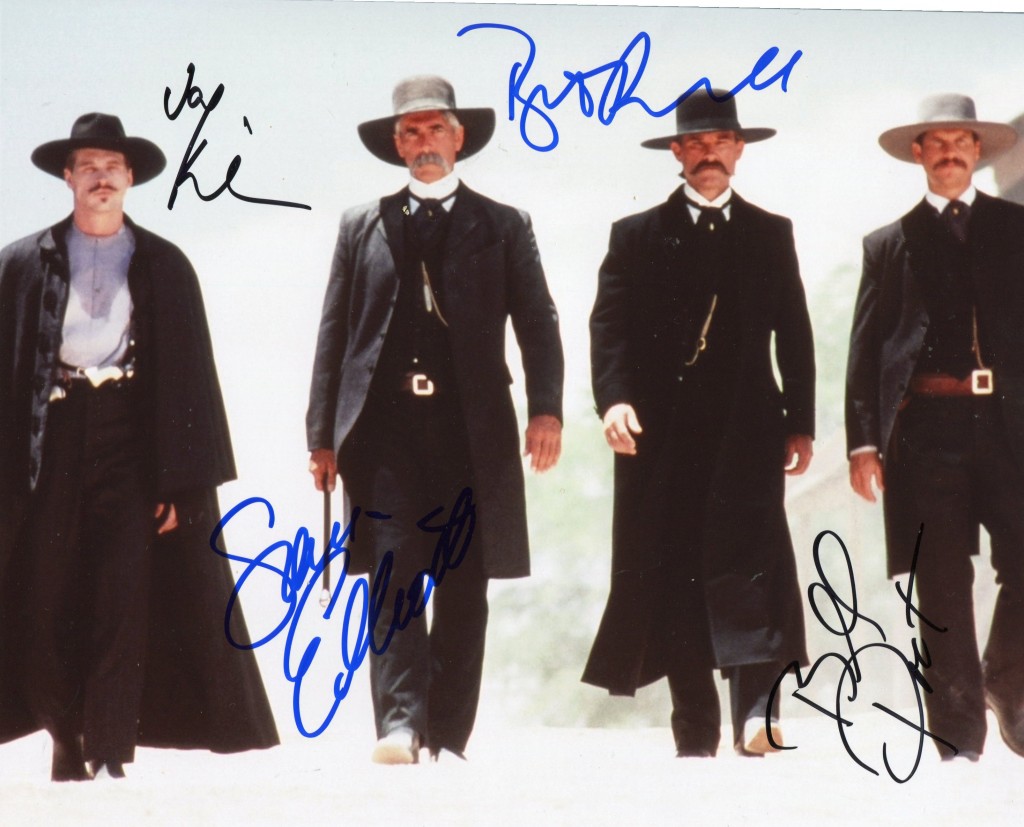
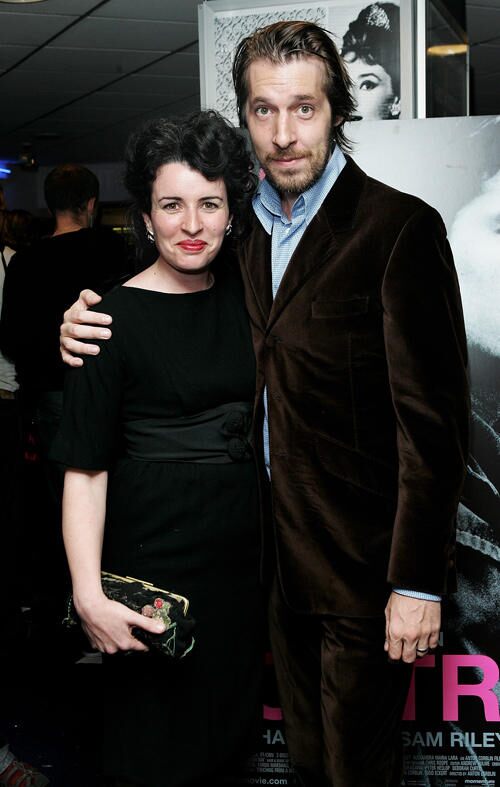
Sam Elliott, Kurt Russell, Val Kilmer & Bill PaxtonVal Kilmer & Lucy Gutteridge
The telegraph obituary in 2024.
Val Kilmer, who has died of pneumonia aged 65, was enthusiastically acclaimed for his portrayal of the cult rock star Jim Morrison in The Doors and for blockbuster films including Top Gun and Batman Forever; although at the height of his career he earned a reputation as something of a Hollywood bad boy, latterly he won warm affection from the public after undergoing gruelling treatment for throat cancer.
A prolific and hard-working actor, Kilmer could point to a thorough classical training, and his pretty-boy looks as a rising young star, defined by his pouting, bee-stung lips, promised a meteoric career as a major A-list contender. But his volatile temperament held him back, and by the late 1990s he seemed to have peaked. During quiet spells in his career he took to unwinding with art projects at his sprawling ranch in New Mexico..
Kilmer’s calling card was Top Gun (1986), Tony Scott’s gung-ho saga of trainee US Navy fighter pilots, which became the highest-grossing film of its year worldwide; he succeeded in bringing a sympathetic quality to the role of the swaggering, rebarbative “Iceman” Kazansky, chief rival of Tom Cruise’s heroic “Maverick” Mitchell
Kilmer was proud to have played the part and defended the film when it was accused of jingoistic pro-militarism: “I met a few of ’em like Iceman [while filming] – God bless ’em. We need a strong defence. I believe that if every hawk died one night, some of the doves would wake up and find their beaks had grown.”
In the history of rock biopics, Kilmer’s portrayal of the Dionysian lead singer of The Doors in Oliver Stone’s film of that name in 1991 was generally reckoned unbeatable. His extensive and meticulous preparation for the role was typical of Kilmer. Before filming started, he spent a year in character, wearing Morrison’s clothes and finessing his singing voice. His vocals were interspersed with recordings by Morrison on the soundtrack, and even Morrison’s old bandmates Robby Krieger and John Densmore confessed that they could not distinguish between the two. “It was like having him back for a while,” Krieger claimed, “spooky.”
On set, Kilmer insisted on members of the crew addressing him as “Jim”, as if the role was consuming him. The critic Roger Ebertdescribed it as “not just a case of casting, but of possession”.
Kilmer, who had Cherokee heritage, went on to play a part-Sioux detective in Michael Apted’s whodunnit Thunderheart (1992), prompting Ebert to declare that “if there is an award for the most unsung leading man of his generation, Kilmer should get it.”
In the Western Tombstone (1993), he was superb as Doc Holliday to Kurt Russell’s Wyatt Earp. It was thought that only studio delays in preparing the previews prevented him from being nominated for an Oscar.
The director Joel Schumacher, admiring the “dark edge” he brought to Tombstone, cast him as the Caped Crusader in Batman Forever (1995), but most critics compared him unfavourably with his predecessor, Michael Keaton; he did far more distinguished work the same year as a gambling-addicted bank robber in Michael Mann’s Heat, holding his own against Robert De Niro and Al Pacino.
Other examples of Kilmer’s immersive approach to a role were reported. During the filming of The Saint – a 1997 remake of the 1960s British television series in which he starred as Simon Templar for a $6 million fee – crew members were asked to avoid eye contact with him. When Marlon Brando co-starred with him on The Island of Dr Moreau (1996), he had to intervene to smooth out ructions between Kilmer and the director, John Frankenheimer.
Frankenheimer complained that Kilmer, determined not to be upstaged, refused to come out of his trailer until Brando was on the set. Having shot the film’s final scene, Frankenheimer shouted: “Cut. Now get that bastard off my set.”
In 1997 one movie magazine described Kilmer as one of the 12 Scariest People in Hollywood: “A star to whom other human beings are merely revolving planets.”
Although Kilmer denied that he was difficult to work with, the clamour never abated. When he lost his temper filming The Real McCoy (1993), he fired a potentially lethal prop-gun at nobody in particular.
His parents divorced when he was nine, and he attended Berkeley Hall School in Los Angeles, where he espoused the principles of Christian Science. From Chatsworth High School and the Hollywood Professional School, he became, at 17, the youngest drama student to enrol at the Juilliard School of Performing Arts.
While at Juilliard, Kilmer co-wrote How It All Began, a play based on the true story of a West German terrorist, which was produced by Joseph Papp at his Public Theatre, founded in New York in 1954 as the Shakespeare Workshop. Kilmer also appeared in Papp’s productions of Henry IV Part 1, in which he played the servant to Hotspur, as Orlando in As You Like It, taking the title role in Hamlet, and in ’Tis Pity She’s a Whore. His Broadway debut came in 1983 when he appeared in The Slab Boys with Sean Penn and Kevin Bacon.
Kilmer was top-billed in his first film, the hit espionage spoof Top Secret! (1984), in which he gave a very funny performance as an Elvis-style rocker who is also an undercover spy; he secured the role by dressing as Elvis at the audition. After Top Gun established him as a fully fledged star while still in his 20s, he became known for squiring a string of glamorous women, some many years older than he was, including the singing star Cher.
He also starred in Ron Howard’s fantasy Willow (1988), and had a memorable cameo as the spirit of Elvis Presley in True Romance (1993), written by Quentin Tarantino and directed by Tony Scott.
As a classically trained actor, Kilmer also continued to undertake theatre work, and in 1988 starred in the Colorado Shakespeare Festival production of Hamlet. But in 2005, making his stage debut in London’s West End, he fumbled in a disappointing adaptation of The Postman Always Rings Twice (Playhouse).
The Sunday Telegraph critic was particularly underwhelmed, comparing the sexual tension between Frank Chambers, the drifter played by Jack Nicholson in the 1981 film version, and the sexually repressed waitress Cora (Charlotte Emmerson) to that of the two ill-matched pandas Ming Ming and Bao Bao who failed to mate at London Zoo in 1990.
Kilmer’s more recent film roles included that of a career military officer in David Mamet’s Spartan (2004), and he featured in the action-comedy Kiss Kiss Bang Bang (2005), co-starring Robert Downey Jr; Déjà Vu (2006), an action-thriller with Denzel Washington; Felon (2008), with Stephen Dorff; Streets of Blood (2009), with Sharon Stone and Curtis “50 Cent” Jackson; and Francis Ford Coppola’s Twixt (2011).
Kilmer won the 2003 Prism Award for his work on the thriller The Salton Sea, appeared in the 3D epic Wings of Courage (1995) and voiced the character of Moses in the 1998 animation The Prince of Egypt. In 2008 he was also the uncredited voice of the car KITT in the Knight Rider revival pilot and the ensuing television series.
In 2015 he began treatment for throat cancer and stepped back from regular film work. For his final film appearance, in 2022, he reprised the role of Iceman, now promoted to commander of the US Pacific Fleet, in a moving reunion with Cruise for the Top Gun sequel Maverick.
Val Kilmer married Joanne Whalley in 1988 after working with her on Willow. The marriage ended after eight years, and he is survived by their daughter and son.
Val Kilmer, born December 31 1959, died April 1 2025
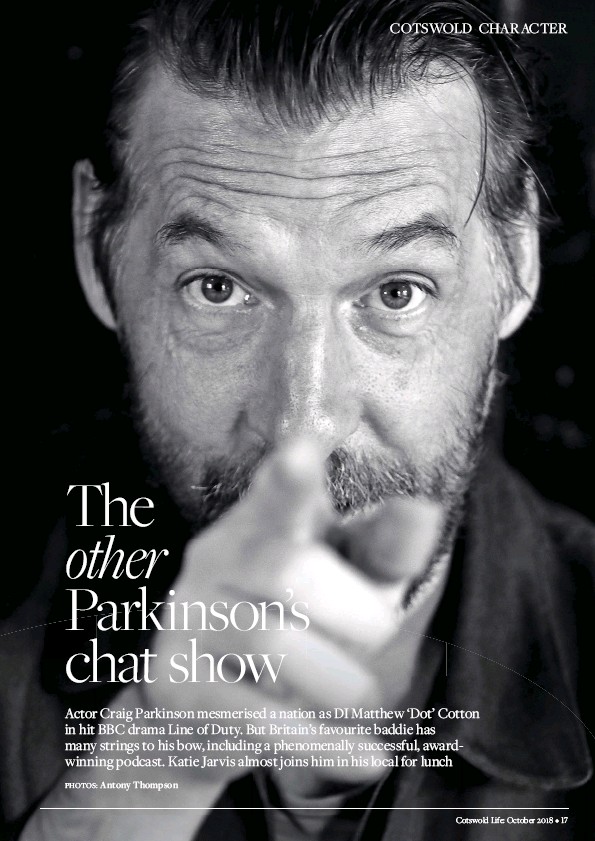
Craig Parkinson is one of the leading young actors coming up on British film and television. He was born in 1976 in Blackpool. He featured in such television series as “Dalziel and Pascoe”, “The Bill” and “Holby City”. On film he has starred in “Ghosted”, “SoulBoy” and the remake of “Brighton Rock”. He is married to actress to Susan Lynch.
Craig Parkinson
IMDB entry:
Craig Parkinson was brought up in his native Blackpool and attended Blackpool and Fylde College before, at age 17, moving to London to study at the Mountview Academy of Theatre Arts.
After several years in bit parts on TV, he came to notice as impresario Tony Wilson in the 2007 film ‘Control’ about the Joy Division singer Ian Curtis,played by Sam Riley (with whom he would again work in ‘Brighton Rock’) and made some impact on television in the second series of ‘Whitechapel’ as twins who were possibly descended from the Kray brothers.
Also on television he appeared in the 2013 ghost drama ‘The Secret of Crickley Hall’ with actress Susan Lynch,his real life spouse by whom he has a son. His theatre work has been varied,ranging from ‘Measure For Measure’ at the National Theatre to Mike Leigh’s revival of ‘Ecstasy.’
Christopher Lambert is best known for his role as ‘Connor MacLeod’ in “Highlander” in 1986. He was born in New York in 1957 as his father was a French diplomat in the UN. He was raised in Geneva in Switzerland. He is also know for his performances in “Greystoke: The Legend of Tarzan” and “The Sicilian.
TCM Overview:
A handsome, steely leading man in American films as well as those of his native France, Christopher Lambert gained worldwide fame with his first starring role in “Greystoke: The Legend of Tarzan, Lord of the Apes” (1984) before becoming something of a pop culture icon through the “Highlander” (1986) franchise. Though the “Highlander” films, which cast him as an immortal Scottish swordsman, became objects of cult worship, they also typecast Lambert as a man of action in dozens of low-budget shoot ’em ups and historical adventures. If the marginalization bothered Lambert, he did not seem to show it, as he continued to work steadily into the 21st century, providing a touch of Continental charm to his soulful assassins and stalwart lawmen, which in turn endeared him to a vast audience of action fans.
He was born Christophe Guy Denis Lambert on March 29, 1957 in Great Neck, NY, the son of a French diplomat for the United Nations. His time in America was short-lived, as the family relocated to Geneva, Switzerland when he was two, and later to Paris when Lambert was 16. Acting captured his interest after he appeared in a school play at the age of 12, but his parents felt that the profession lacked stability, and after a stint in the French military, Lambert took a job at the London Stock Exchange. His tenure there lasted just six months, after which he returned to Paris to work at a friend’s shop.
He began to study acting, but lacked a sincere drive to learn the craft, an attitude that resulted in his expulsion from an elite French dramatic academy. Regardless, he began appearing in minor roles in French-language films in the late 1970s, including “Ciao, les mecs” (“Ciao, You Guys”) (1979) opposite Charles Azanavour, and “Asphalt” (1981) with Carole Laure. In 1982, a casting agent looking for an unknown to play the next big screen incarnation of Tarzan discovered Lambert, and was taken by his intense gaze, which, ironically, was the result of extreme myopia. Lambert went on to join a cast of international stars, including Ian Holm, Ralph Richardson (in his final screen role) and newcomer Andie MacDowell in Hugh Hudson’s “Greystoke: The Legend of Tarzan, Lord of the Apes” (1984). Lambert’s highly physical performance as the abandoned child raised by gorillas in Africa who returns to his ancestral home in England was praised by critics, but did little to enhance his screen career.
After turning down scores of roles that required him to essentially repeat his “Greystoke” role, Lambert returned to France to hone his screen craft. There, he co-starred with the legendary Catherine Deneuve in “Paroles et musique” (“Love Songs”) (1985), a romance about a would-be musician (Lambert) who falls for his older talent manager (Deneuve). That same year, he earned a Best Actor Cesar for Luc Besson’s New Wave fantasy, “Subway” (1985), which cast him as a musician who falls in love with the wife (Isabelle Adjani) of a gangster from whom he stole important documents. But in 1986, Lambert would return to Hollywood moviemaking for his most iconic screen role.
Former music video director Russell Mulcahy cast him in “Highlander” (1986) as Connor MacLeod, an immortal 16th-century Scottish warrior who battled his ancient enemy (Clancy Brown) in modern-day New York. The science fiction film, which grew progressively more convoluted over the course of five sequels – four of which with Lambert in the lead – and a television series, cemented him the minds of audiences as an action star, a mantle he begrudgingly carried for the better part of the next two decades. In interviews, he stated that while he welcomed the chance to play more dramatic roles, he was keenly aware of his own limitations as an actor, and felt that he best served less challenging genres like action and fantasy. The genre was also somewhat hazardous to his health, as his sight issues prevented him from wearing contacts during fight sequences, which he performed while largely blind.
Lambert’s post-“Highlander” output was largely comprised of B-movies from both sides of the Atlantic. Some received theatrical releases in the United States, like Michael Cimino’s poorly received “The Sicilian” (1987), which cast him as a determined Italian gunman; Stuart Gordon’s “Fortress” (1992), with Lambert as a wrongly accused prisoner at a futuristic prison; or “Knight Moves” (1992), a wan thriller that paired him with actress Diane Lane, whom he had met during a publicity junket in Rome and married in 1988. After having a daughter, the couple would divorce in 1994. More often than not, he brought international appeal to direct-to-video adventures like “Gunmen” (1993) and “Adrenalin: Fear the Rush” (1996). There was a brief return to mainstream prominence with “Mortal Kombat” (1995), a modestly budgeted adaptation of the wildly popular video game, with Lambert in long white tresses as Raiden, a thunder god who aided the heroes on their quest. After that, it was back to a regular diet of low-budget action, including sequels to “Fortress” (2000) and the fourth “Highlander” film, “Highlander: Endgame” (2000). During this period, Lambert also made numerous films in France, and launched a second career as a producer of his own features, including “The North Star” (1996) and “Resurrection” (1999), as well as 2004’s “The Good Shepherd,” with Christian Slater as a conflicted priest.
In 2009, Lambert received stellar reviews for his turn as Isabelle Huppert’s fragile husband in “White Material,” Claire Denis’ gripping drama about a French family who discover that their African farm was in the path of a dangerous rebel army. The critical praise seemed to stir interest among the international community, and Lambert soon found himself cast in a wide variety of projects, including “Ghost Rider: Spirit of Vengeance” (2011) with Nicolas Cage and the supernatural thriller “Dark Star Hollow” (2011). In addition to his acting and producing duties, Lambert was also a successful businessman in Europe, with a top-ranked winery, a mineral water business and a food processing plant among his investments.
The above TCM overview can also be accessed online here.
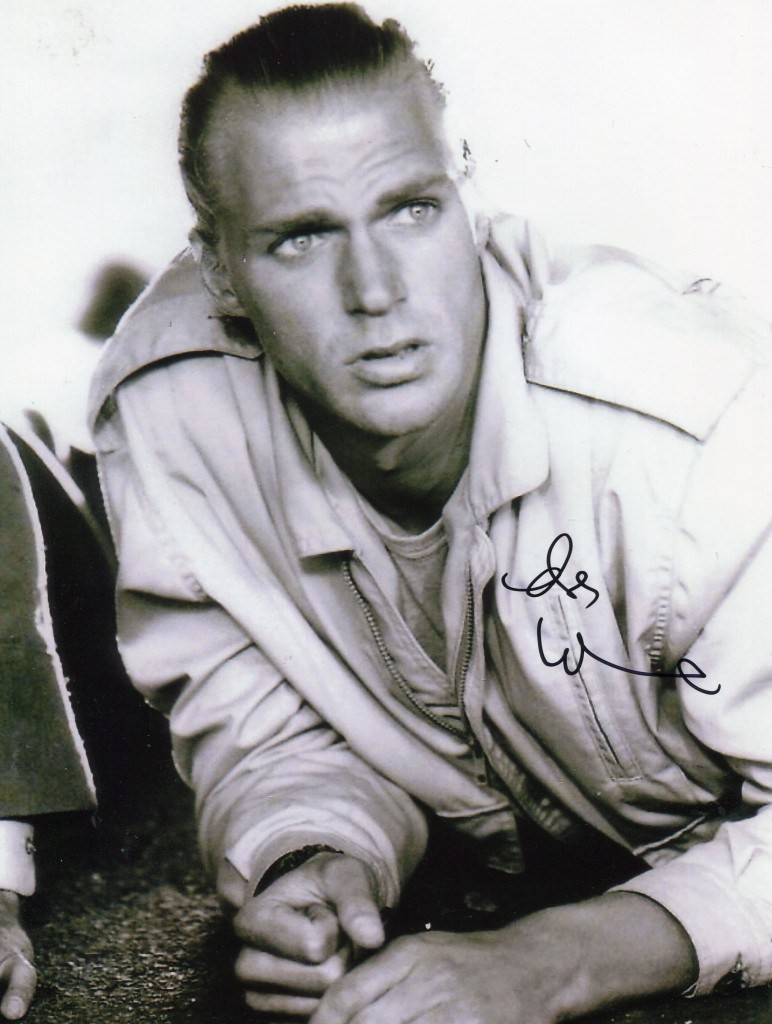
Andreas Wisniewski was born in 1959 in Berlin. He made his film debut in 1986 in “Gothic” with Gabriel Byrne and Natasha Richarsaon. The following year he made his mark in the James Bond in “The Living Daylights” and followed it as Alan Rickman’s henchman in “Die Hard”. He is a practicing Buddhist and facilitates meditation classes. He lives in Notting Hill, London. Interview here.
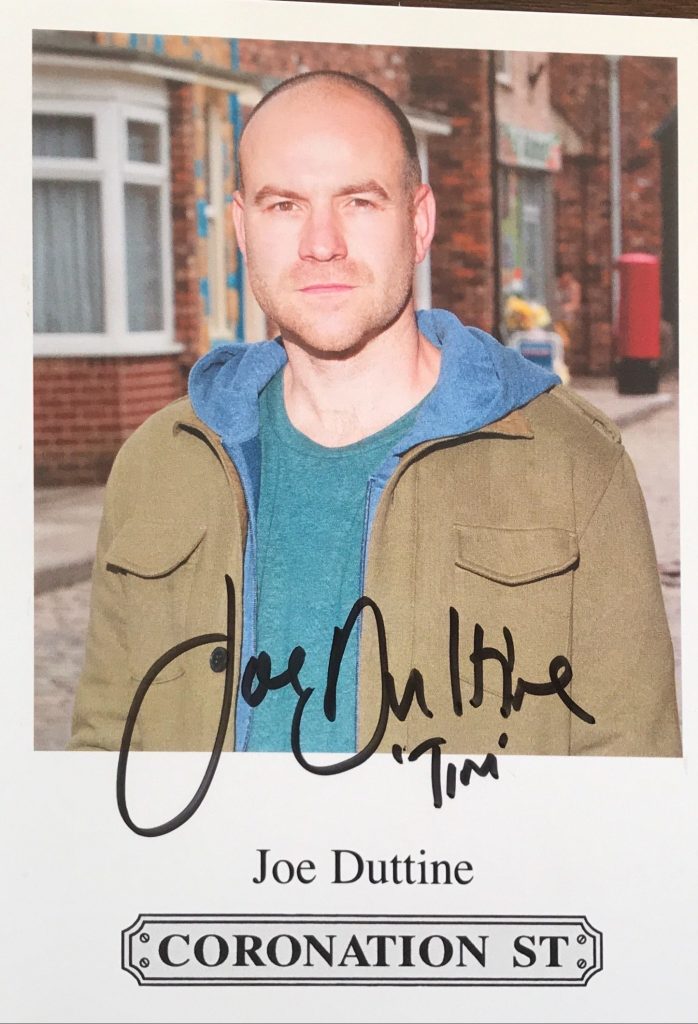
Joe Duttine was born in 1970 in Bradford, West Yorkshire. He has appeared in such television series as “Pie in the Sky”, “Life on Mars”, “Shameless” and “Coronation Street”. His films include “My NIght With Reg” in 1997.
Nick Cassavettes was born in New York in 1959. He is the son of John Cassavettes and Gena Rowlands. He has acted in such films as “Faces/Off” and “The Astronaut’s Wife” , He has directed such movies as “Unhook the Stars” and the wonderful “The Notebook” wich starred his mother, James Garner and Ryan Gosling and Rachel McAdam.
TCM overview:
Nick Cassavetes began his career as a film and television actor, but made a stronger impact when he discovered his talent for writing and directing. He was born into independent film royalty as the son of Oscar-nominated writer-director-actor John Cassavetes and Oscar-nominated actress Gena Rowlands. Cassavetes’ family tearjerkers “The Notebook” (2004) and “My Sister’s Keeper” (2009) were a far cry from the cinéma vérité style favored by his father, though he shared a thematic interest in the unseen worlds lurking behind the American dream landscape in “She’s So Lovely” (1997) and “Alpha Dog” (2007). True to the family name, Cassavetes was dedicated to building a body of character-driven dramas and bringing a great deal of emotion to the movie screen.
The firstborn child of actress Gena Rowlands and actor-director John Cassavetes, the future filmmaker was born May 21, 1959 in New York City. He made several screen appearance in his father’s films while growing up, including “Husbands” (1970) and “A Woman Under the Influence” (1974), though he did yearn for a movie career – due perhaps to his troubled youth with his notoriously difficult and explosive filmmaker father. Sports was the younger Cassavetes main interest, and he attended Syracuse University on a basketball scholarship until a court injury sidelined the 6’4″ coed’s chances of turning pro. He experienced some success when he subsequently became involved in theater, and eventually shifted his major from literature to drama and graduated with a Bachelor of Arts degree in 1976. Cassavetes went on to train further at the American Academy of Dramatic Arts, which both of his parents had also attended.
During the 1980s, Cassavetes earned a living in mostly direct-to-video and B-movies, with the exception of a supporting role in Peter Bogdanovich’s award-winning drama “Mask” (1985), starring Eric Stoltz and Cher. Supporting work in “Assault of the Killer Bimbos” (1988) and a string of guest spots on TV crime dramas followed. He joined several other Hollywood offspring in the action adventure “Young Commandos” (1991) before starring in the three 1993 erotic thrillers “Sins of Desire,” “Body of Influence” and “Sins of the Night.” In 1994, the actor finally earned some positive attention for his portrayal of award-winning playwright and screenwriter Robert E. Sherwood in “Mrs. Parker and the Vicious Circle” (1994), director Alan Rudolph’s take on the artists and wits that made up the celebrated Algonquin Round Table of the 1920s.
Several more low-budget thrillers followed. In 1996, Cassavetes made his writing and directing debut with “Unhook the Stars,” starring Rowlands as a sixty-something widow with grown children who must deal with the sudden emptiness of her life. The film generally garnered positive reviews, and the following year the fledgling filmmaker’s sophomore effort, “She’s So Lovely” (1997), premiered at the Cannes Film Festival. The movie was developed from an unfinished, unproduced script by father John Cassavetes, and focused on a woman caught between her present happily married state and her past, represented by her first husband. Co-starring real-life marrieds Robin Wright and Sean Penn and featuring John Travolta, the drama earned the Best Actor Prize for Penn at Cannes and showed audiences that, while visually, Cassavetes’ style was very different from his father’s, he shared his same talent for conveying a great deal of emotion on the movie screen.
Cassavetes returned in front of the camera with a villainous turn in the Nicholas Cage/John Travolta actioner “Face/Off” (1997), and appeared in another villainous supporting role in Ted Demme’s prison comedy “Life” (1998), starring Eddie Murphy and Martin Lawrence. In another high-profile supporting role, Cassavetes appeared alongside Johnny Depp as a NASA astronaut who witnesses a life-changing event in outer space in “The Astronaut’s Wife” (1999). Off-camera, Cassavetes teamed with buddy Ted Demme again to co-write the latter’s Academy Award-nominated cocaine chronicle, “Blow” (2000). In 2003, Cassavetes scripted the short film directorial debut of actor Kevin Connolly, a buddy bonding dramedy called “Whatever We Do” (2003). Then, inspired by his own real-life experiences dealing with the treatment of his own seriously ill child, Cassavetes was inspired to direct “John Q” (2002), starring Denzel Washington as a father pushed to extreme measures when the health care system fails to come through for his sick son. While a well-assembled thriller with an intriguing social message at its core, the film did not spark major critical or commercial fires.
His follow-up, the lush and sentimental period love story “The Notebook” (2004), based on the best-selling Nicholas Sparks novel, marked Cassavetes first blockbuster. Working with screenwriter Jeremy Leven, Cassavetes smartly restructured the threadbare novel into a sophisticated storyline with a hint of mystery, one focusing on the memories of young star-crossed lovers (Rachel McAdams, Ryan Gosling) as told by nursing home resident James Garner, and another featuring the elderly version of that story’s leading lady, played by Rowlands. A three-hanky film in the best sense of the expression, “The Notebook” demonstrated a new level of skill for Cassavetes, both cinematically and with his actors. Cassavetes moved away from sentimental territory and into true crime with “Alpha Dog” (2006), based on a true story of wealthy, suburban kids in Los Angeles who emulate movie criminals and gangsta rap but end up in over their heads when a drug deal turns into a kidnapping and murder. The gritty, visceral film featured an outstanding young cast including Justin Timberlake, Emile Hirsch and Ben Foster.
Critics were divided over the ultimate effectiveness of “Alpha Dog” as they were over Cassavetes’ next film, “My Sister’s Keeper” (2009). An adaptation of Jodi Picoult’s novel about a family facing moral dilemmas in deciding how to treat their terminally ill daughter, the film’s heavy-handed melodrama detracted from the complicated issues involved. Cassavetes did, however, direct excellent performances from Cameron Diaz in her first “parent” role, as well as child actors Abigail Breslin and Sofia Vassilieva as the family’s young daughters.
By Susan Clarke
The above TCM overview can also be accessed online here.
Emmett J. Scanlan was born in 1979 in Dublin. He has won wide acclaim for his performance as Brendan Brady in “Hollyoaks”, His films include “Blood” and the lead in “Charlie Casanova”.
“Entertainment.ie” 2014 interview:
“From Hollyoaks to Hollywood”, that’s the headline beside Irish actor Emmett J Scanlan, as he graces the cover of the latest issue of Gay Times Magazine, perhaps still best known for his role in the hit series. But Scanlan has been around for a while, appearing in the likes of The Big Bow Wow, The Clinic, MTV show The Phone, and Brendan Gleeson starring soccer dramedy Studs. But while, for now at least, he may still be under the long shadow cast by his homosexual sociopath character in Hollyoaks, 2014 should see all that change for Scanlan. We got a chance to ask him a few questions about his recent past and not too distant future, and as expected, he’s as bracingly honest and funny as you’d want from an Irish interviewee. Entertainment.ie:2013 was a very big year for you, with your run in Hollyoaks coming to an end and your role in hit TV show The Fall, but 2014 looks like it’s going to be even bigger. How are you feeling about your career right now? Emmett Scanlan: 2013 was always going to be a big year for me whether I ended up working or not. It was the end of my 2 and a half year Hollyoaks stint. A choice I needed to make. When you leave a job like that and have nothing, and I mean sweet f**king nothing to go into, it’s frightening, but in a positive way. It helps define what type of character you are going to be. I needed to stretch; I needed to explore new challenges. Everyone seeks that, everyone wants that, but wanting will only leave you wanting. You need a hunger. That’s not necessarily a good thing. But it’s what will drive my career to places I’ve never been. I’ve been blessed with some wonderful characters over the last 5 years. People trusting me with more and more responsibility… so in that respect I’m really happy with how my career is going… every project I’ve been lucky enough to be part of has had great success; this is unusual for me. I was shit when I first started out and my career reflected that. Now that I’m less shit I’ve been enjoying a more fortuitous streak. It really is blind faith when you take on a job. You don’t know if it’s going to be successful, or lead to your next gig and you certainly shouldn’t make the decision to do it based on that, but it’s hard not to. Just roll the dice and cross your fingers. I’ve been lucky in my choices but I do work hard. Really f**king hard. I work. Every day. E.ie:You’ve been a working actor for about a decade before the role of Brendan Brady came along, which is probably how most people today would’ve been introduced to you. Now that you’ve had some time away from the show, how do you feel about your time there?
ES: Hollyoaks will always be a special place for me. Brendan Brady was such an interesting character to dance with. The people I worked with there were some of the most talented and beautiful.
Don’t think I’ve told anyone this, but apparently when I got the job I told my sister Orla that I was gonna make Brady the baddest guy on TV. I was gonna take home Villain of the Year for Oaks in my first year… I didn’t know how, I just knew at that time I would. Now I don’t remember saying that, AT ALL, if anything it sounds arrogant and I really don’t mean it to be… Truth be told I’d never have imagined the success that character would have had, ‘tash and all…. Anyway long story short I won the award…
My point is this; if you can hold it in your head you can hold it in your hand. Hollyoaks gave me that chance. And I will always be indebted to them
E.ie: The Fall was a massive hit last year, and you’ll be returning to the role for Season Two. Can you give us any hints as to what viewers can expect?
ES: The Fall was another show that I knew I had to be part of. The scripts were beautiful… I didn’t care what part I got I just knew I had to get a part. I wanted to help tell Allan’s (Cubitt, Programme Creator) story. It came straight after Oaks and DC Glen Martin was the complete antithesis to Brendan Brady. It was a perfect next step. I’m so humbled to have been part of it, to continue to be part of it.
At the moment I’m filming the second season. 6 episodes. I think the scripts are even better than last years, which is saying something. Cubitt is a genius. And producers Julian (Stevens) and Gub (Neal) magnetic. This was never going to be a one series show. The fact it was so popular and we get to continue telling this story is a f**king blessing. There’s a great atmosphere on set. After the IFTA wins and BAFTA nominations, it feels like being part of something really special. To be fair it has always felt like that.
E.ie: What is it like working with the legend that is Gillian Anderson?
ES: I’m filming all this week with Gillian. She’s f**king wonderful to watch. Effortless. Experienced. She doesn’t have an off day. Same can’t be said for me… I’m learning. Every day. And that’s all I can ever ask for. But I need to learn faster and there’s no better actor to learn from.
E.ie: And is Jamie Dornan really THAT handsome in real life? ES: Is Jamie really that handsome?? What type of f**king question is that?? You asking me or Brendan Brady?? On a scale of 1 to Jamie, I give myself a 2… I blame my parents…
Jamie is a top bloke. A Man United fan, a father and is riding the wave to stardom… Richly deserved. Why? Because he takes risks… You can’t lose if you take risks. Regardless of the outcome.
E.ie: This year you’ll also be appearing in the new series of BBC zombie-drama In The Flesh. What can you tell us about it?
ES: In The Flesh is such a wonderfully insane original spin on an otherwise undead genre. The first season saw the zombies re-institutionalised back into society, 4 years after the first rising. A breakthrough in medical science allowed these now “partially deceased syndrome sufferers” to return from their rabid state to a state of “normality”. A drug once administered helping reconnect the brainwaves and kick start their consciousness again. The results made for some really interesting viewing. I thought it was a perfect first season. It didn’t cater for an audience, it simply said “This is who we are, take us or leave us…” Season 2 follows the evolution of this. It brings outside forces into the town of Roarton… People like Simon and Maxine to shake things up.
E.ie: The zombie genre has always been a metaphor for whatever social issue is prominent at the time, what would you say is the main theme of In The Flesh?
ES: What’s the main theme?? You’re getting too clever for me now… Eh… Acceptance. Alienation. Hatred. Love. They’re all themes heavily saturated in Dominic (Mitchell)’s scripts… And then some.
E.ie: As if that weren’t enough, you’re also in this summer’s big Marvel superhero movie, Guardians Of The Galaxy. You even pop up in the trailer, with Karen Gillan holding a knife to your throat! What can you tell us about your character, and of the film in general?
ES: I can’t tell ye anything about it! I only ever saw the couple of scenes I was in. The script was heavily Guarded. But that’s assuming the scenes even make the final cut. For all I know, come August you’ll see my foot cross through back of shot and that’s it. Mum will be so proud. But regardless of that, one thing that can’t be cut by anyone is the experience I had, the friends I made, the geniuses I worked with, the sets that would make small all sets that have gone before. One thing that can’t be cut are the memories. Thank you James Gunn, my Irish American brother!
E.ie: Outside of these big projects, you also have roles in some independent movies, like Patrick’s Day, which has you reuniting with Charlie Casanova director Terry McMahon, and assassin thriller Breakdown. What is the biggest lure for you on a new project? Would it be the script, or the director, or the co-stars, or something else entirely?
ES: Terry is a truly brilliant creator. He called me in for Patricks Day more so because of Charlie Casanova. The scene we shot didn’t fit the movie. We knew that when we shot it, but it was just great to fly home and hang with him for a couple of days. You’ll catch the scene on the DVD extras I’m sure. My ideal role would be in Terry’s movie Dancehall Bitch. I’ve waited many years for this one. I can’t wait to tear it apart. That’s the aim. My ambition.
Breakdown was an awesome experience. I did that solely because I wanted to work with Craig Fairbrass and the main man himself James Cosmo. I’ve been a fan of both since Cliffhanger and Braveheart.
Why do I choose a project? Sometimes it’s the director, sometimes it’s the cast, sometimes it’s the story, the script. What it never is, is the money. Ideally you need a great story, a great director and a great cast to make anything work. It’s like a great song needs the lyrics, the instrumental, the voice. If one of those is lacking, it’s like learning to swim with one arm band. It starts to get messy.
E.ie: Earlier on in your career, you were just as busy behind the camera as you were in front, writing and producing and directing short films. Do you ever get the itch to return to that side? ES: I wrote, directed and produced movies because at that time no one was hiring me. And rightly so. I was rubbish. But I needed to improve. And the only way I could see myself doing that was by getting my hands dirty. If they weren’t going to give me a job, I’d f**king make my own jobs. Hire myself. Cast myself. It was an incredible learning experience. But no, I don’t think I’d go back there. I loved it, but my passion is living the character. Not telling the story. I need to leave that to the professionals. Those heroes who can make us forget for 2 hours.
E.ie: Lately, with the likes of The Guard, In Bruges, What Richard Did and Citadel to name just a few, there has been a massive resurgence in international attention for Irish movies and talent. And with films like Charlie Casanova, Stalker and Collider, there seems to have been an expansion in what Irish films can actually be about. As an actor involved with Irish and international cinema, what’s your opinion on the current state Irish movies?
ES: The Irish are storytellers. We have been peppered throughout history with some of the best storytellers the world has ever seen. Irish cinema and Irish movies seem to be getting better and better. Intelligent and thought provoking. Our dark humour translates across the word. I think we need to continue to take risks, invest in home grown talent. We have a very different way about us. A style that separates us. I watched Calvary yesterday. It’s a movie that you had to work for. This wasn’t popcorn cinema, not that there’s anything wrong with that, it was just pure cinema. A great story, a dark story, expertly told. More of that please.
E.ie: And finally, any advice for aspiring actors out there?
ES: Advice? A month ago I was flown out to LA to test for the leading role in a new NBC/Warner show, Constantine. It was between me and one other fella, a lovely guy called Matt Ryan. We both signed wonderful contracts for a gig we had yet to score. Such is the American way. It was a game changer. A life changer. I’d already spent the money I was going to earn in my head 10 times over. I flew back home feeling confident I did a good job.
Next day I woke up to the news I didn’t get it. I was happy for Matt. But that didn’t stop it from hurting. For 45mins I was numb. I was due on set for Breakdown and all I could do was stare into space wondering what the point of all that was, what was my lesson? Why all those sleepless nights in LA? Don’t get me wrong, I met some really great people. Worked with legends like Daniel Cerone, David Goyer, Neil Marshall and Felicia Fasano. People who are at the top of their game. With resumes that would make your sphincter clench. But what was the point of all that if I didn’t book the job?
And then I realised. That WAS the f**king point. To meet them. My journey wasn’t to play Constantine, it was to meet these people. I was just looking in the wrong direction. I will work with these people again, just not as Constantine. And that’s my story.
Every time we think we’re being rejected from something good, we’re being re directed to something better. You have to believe that. Don’t take it personally. Otherwise this game will destroy even the best of us. Hope is everything, because without it we have nothing. BELIEVE and never give up. But above all else, f**king enjoy it. I am.
The above “Entertainment.ie” interview can also be accessed online here.
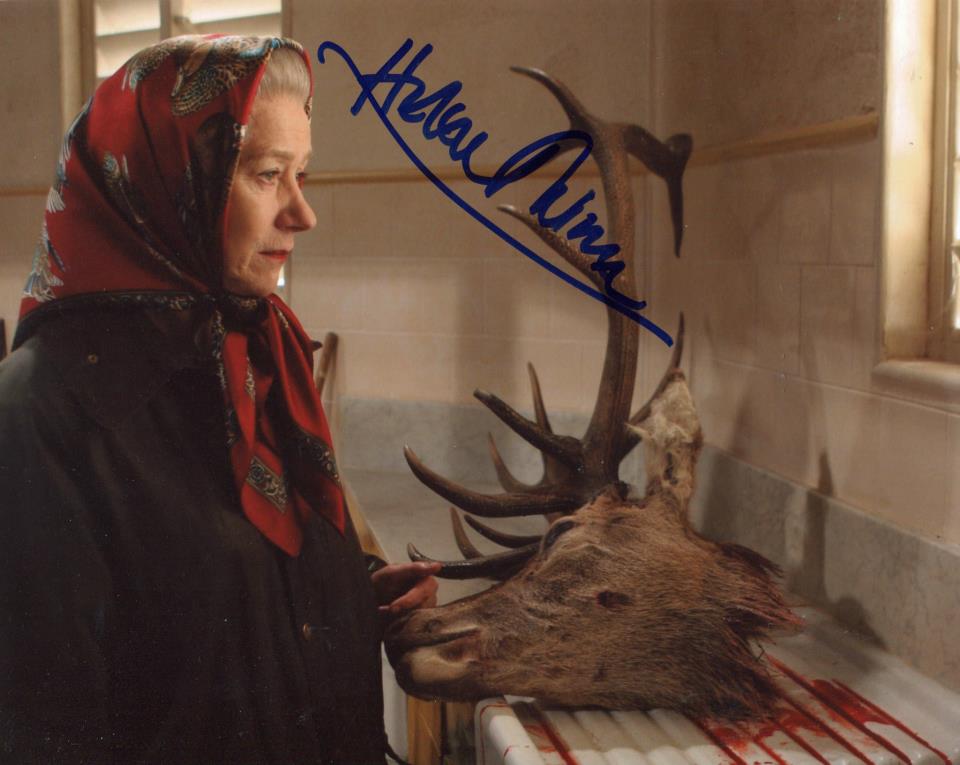
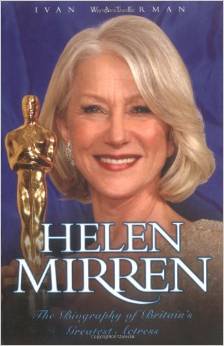
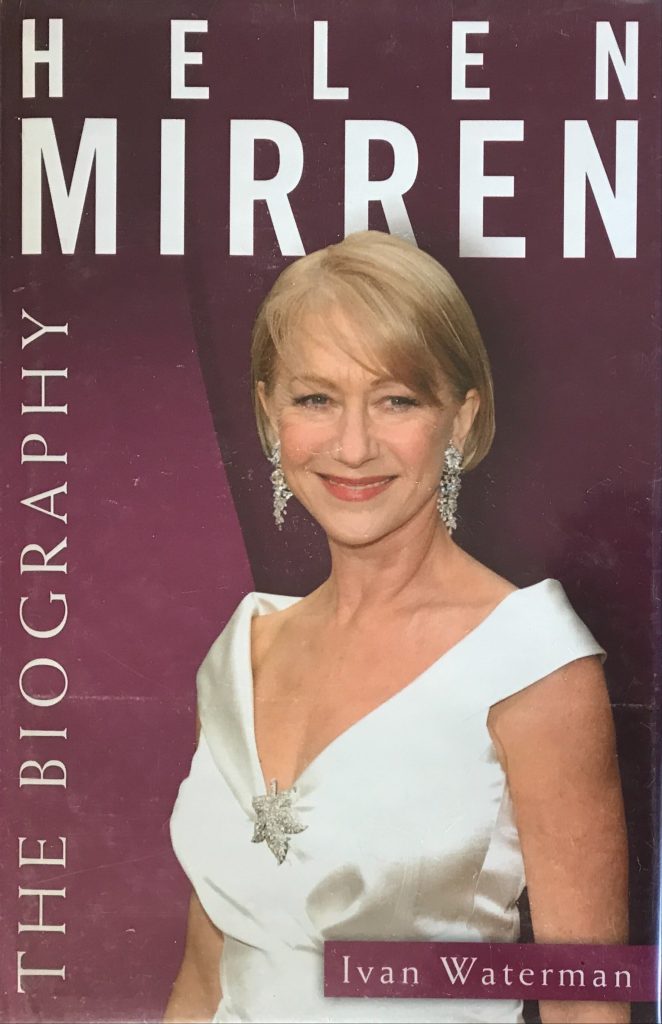
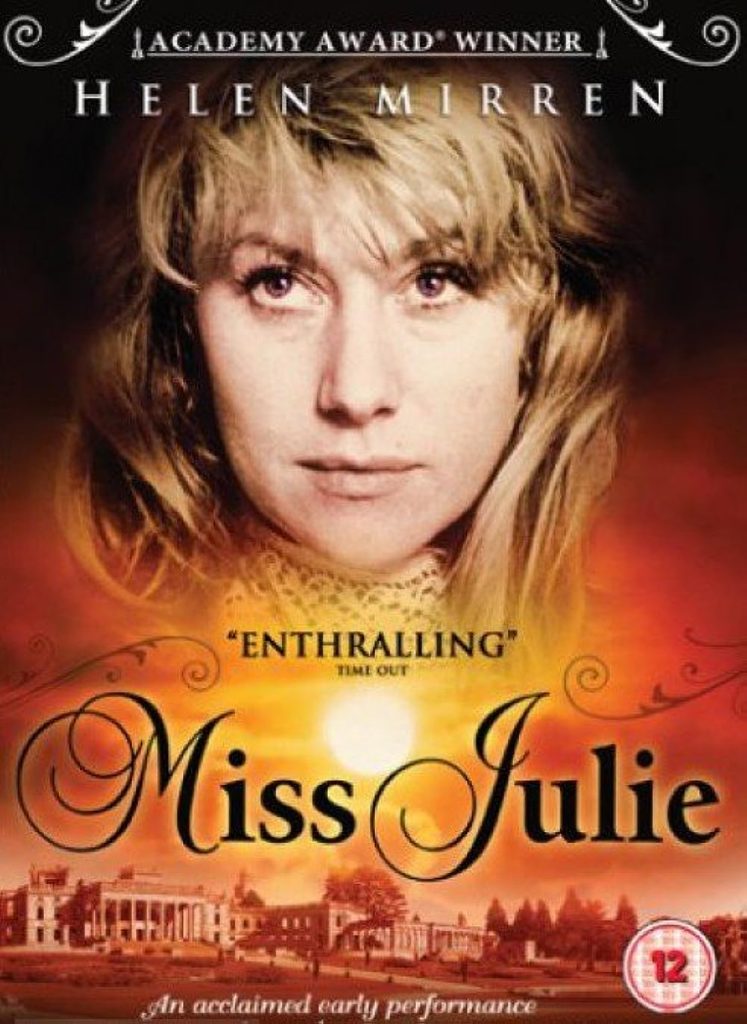
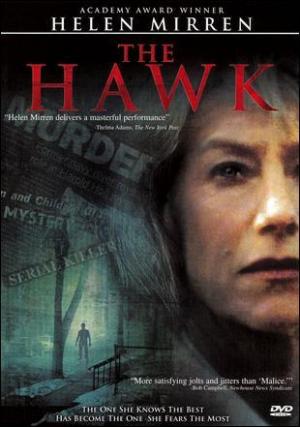
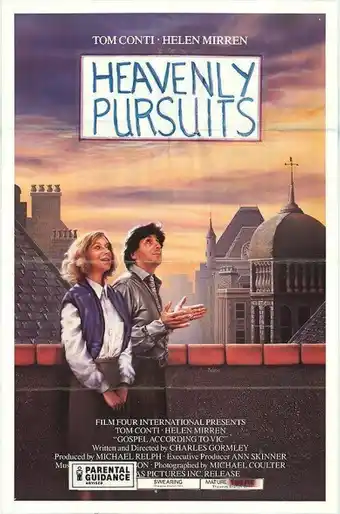
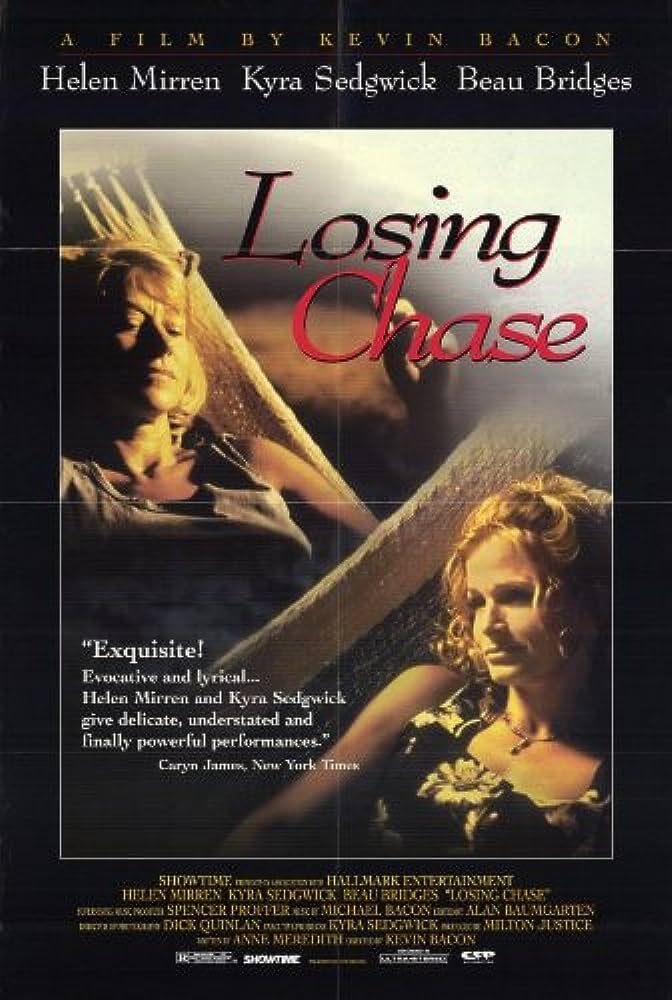
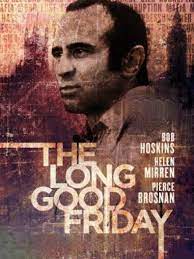
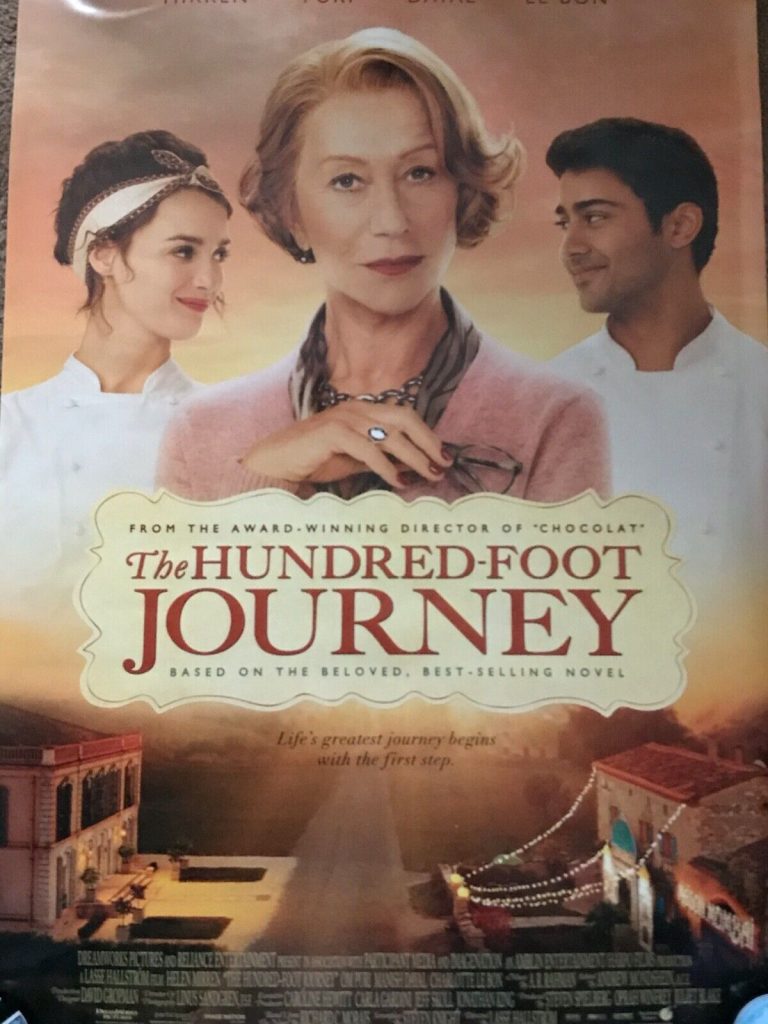
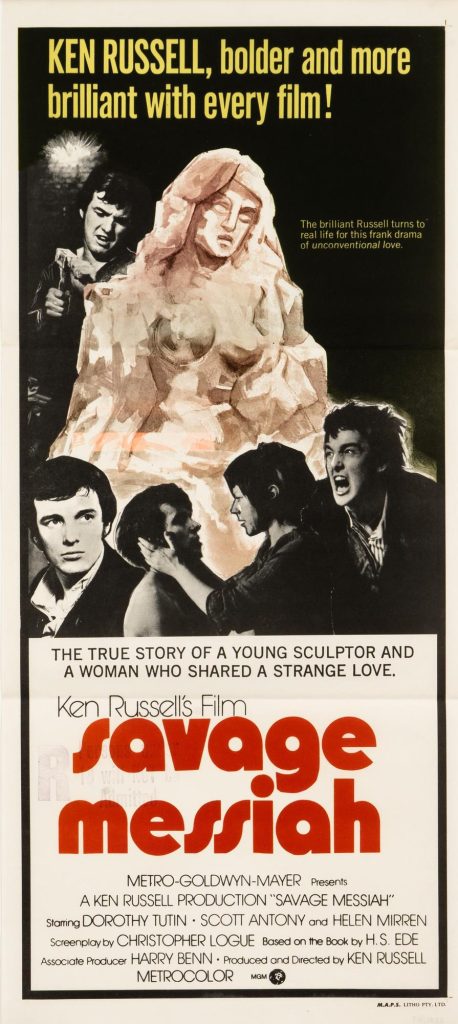
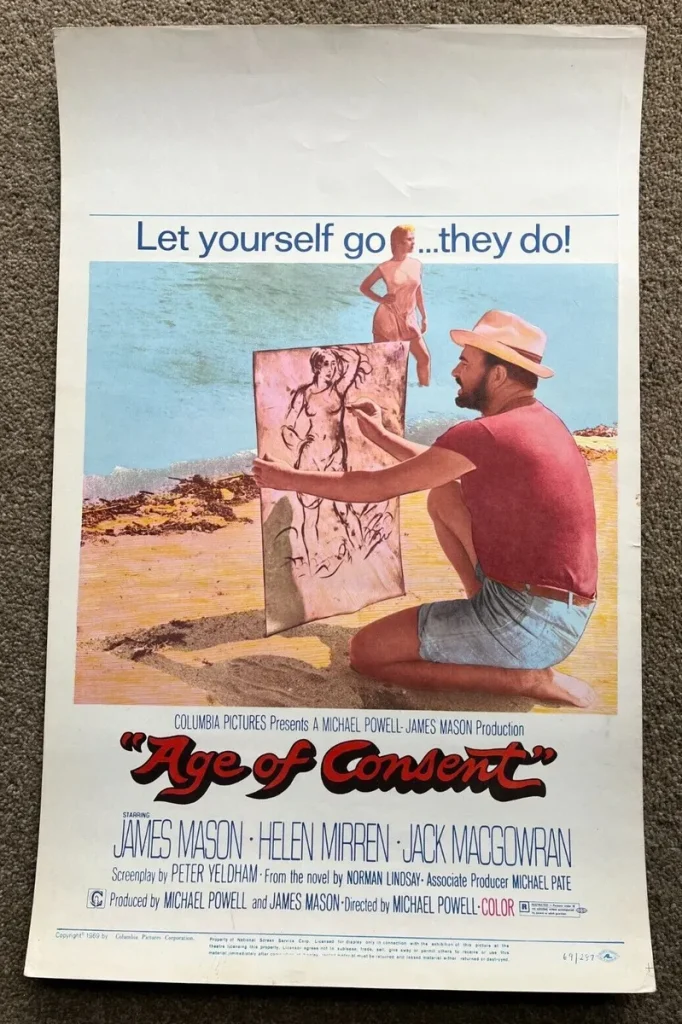
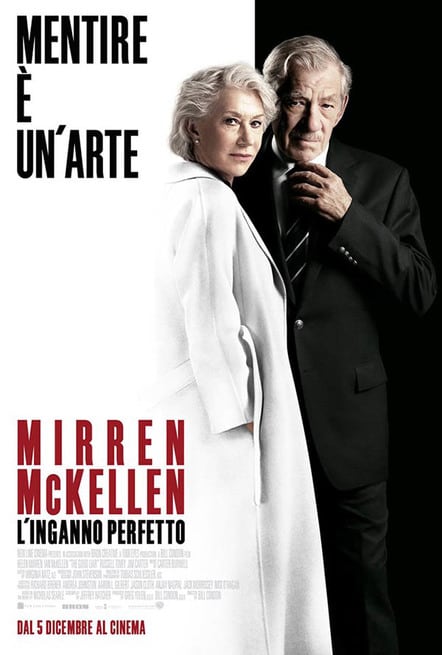
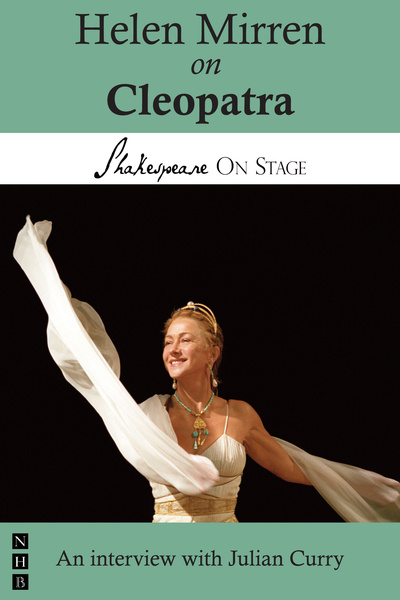
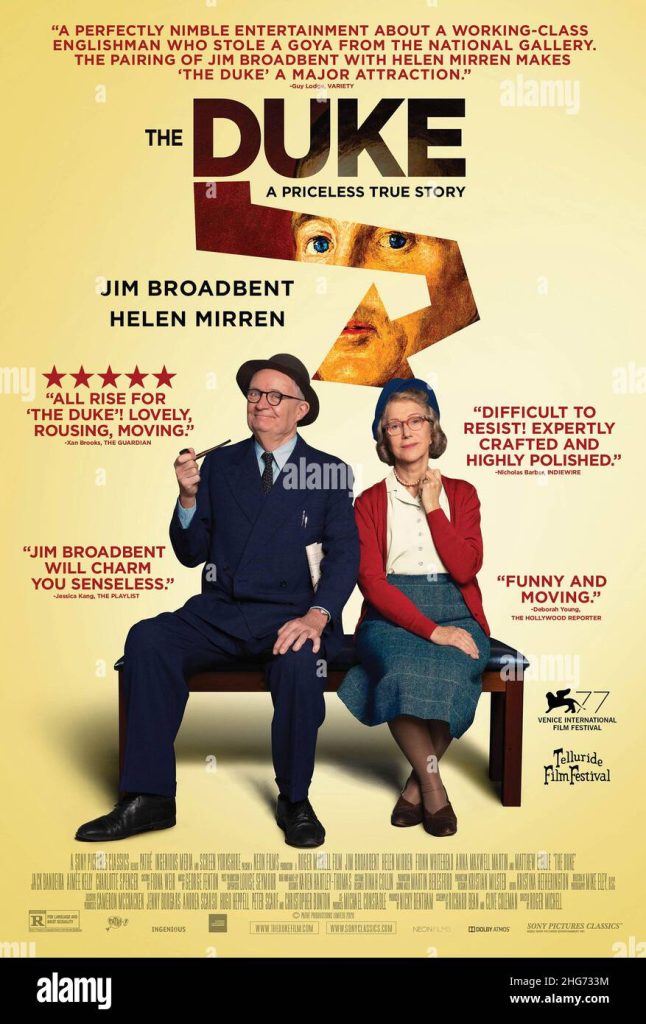
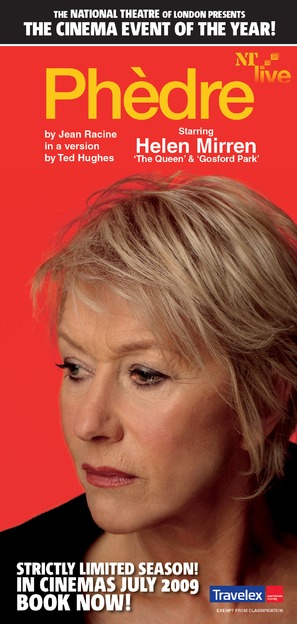
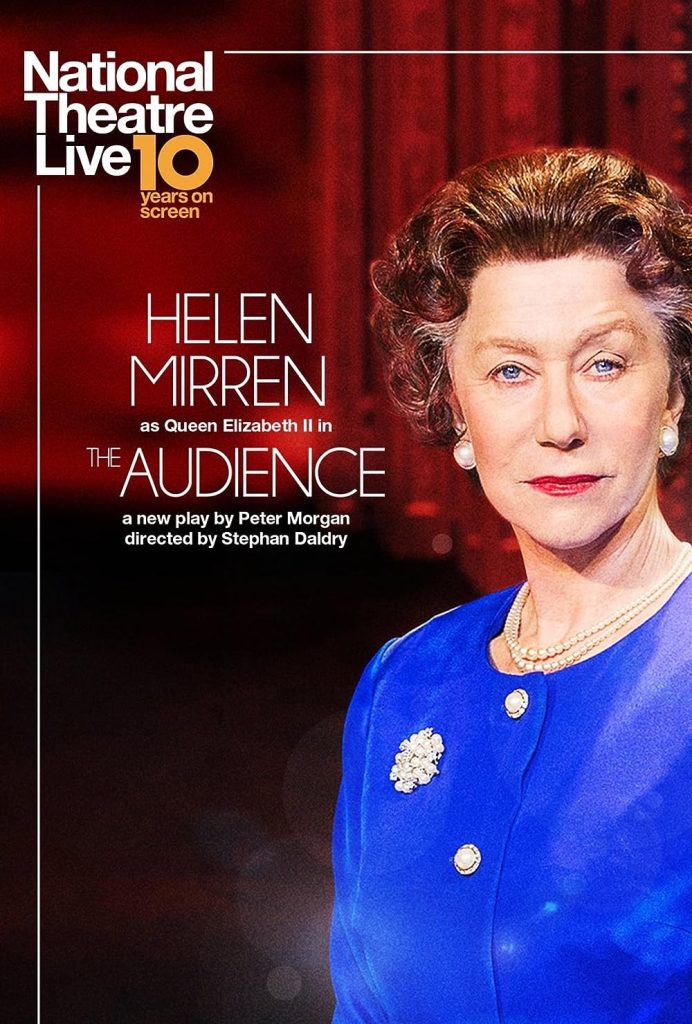
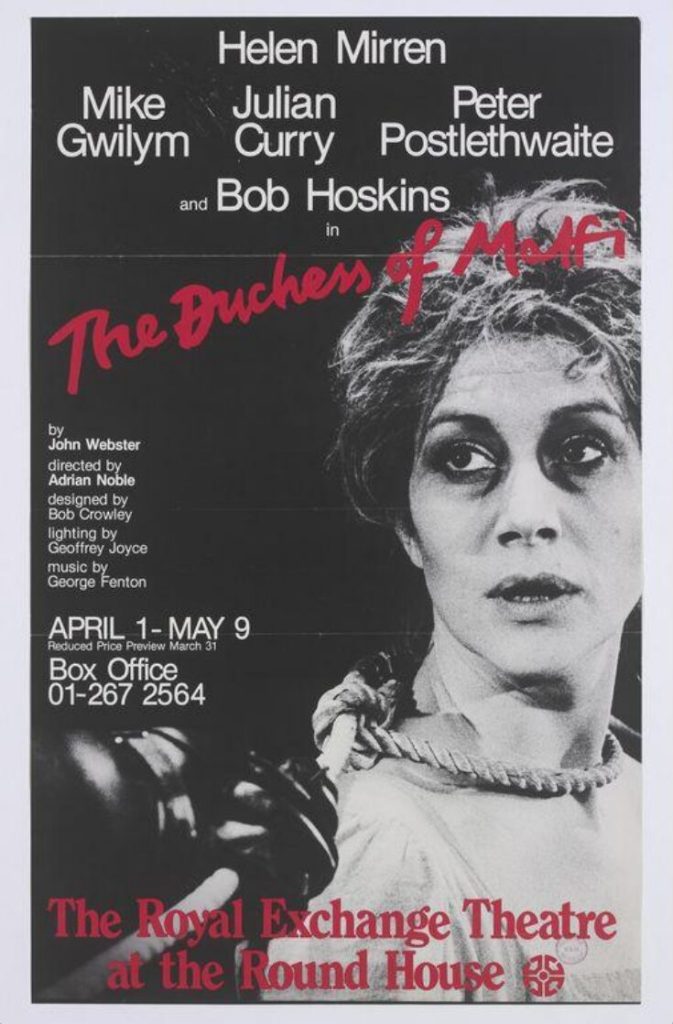
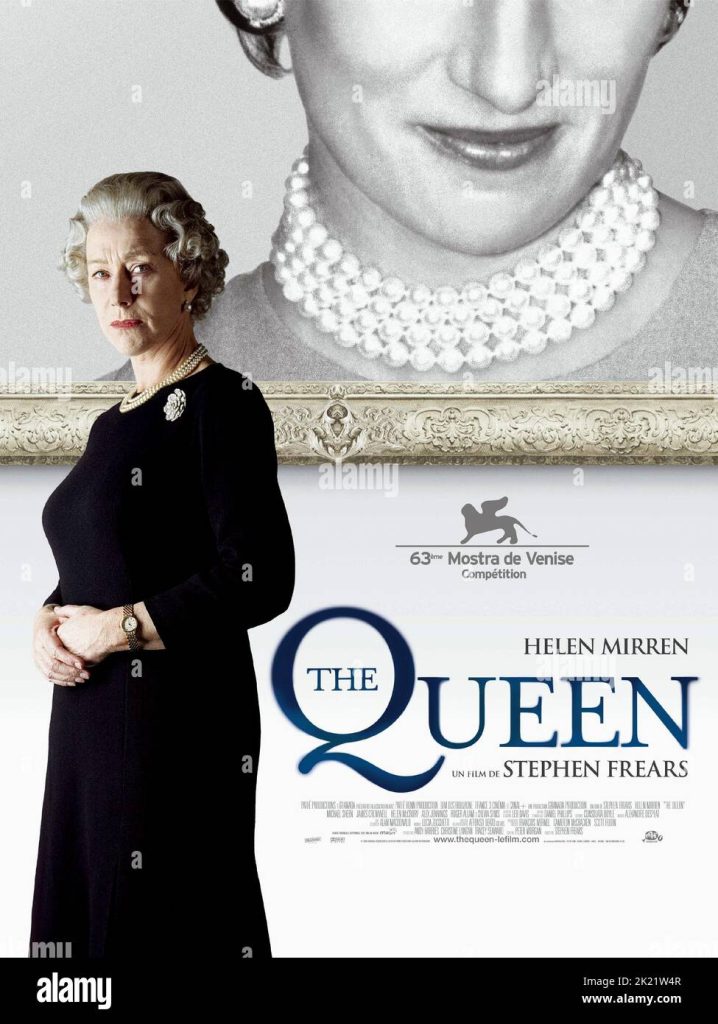
Helen Mirren is a stunning actress whose cinema career was sparodic until she reached middle age and suddenly major roles came her way which brought her from cult favourtie into the movie mainstream. She was born in Chiswick, Middlesex in 1945. Her first film role was in “Age of Consent” made in Australia with James Mason in 1969. In 1980 she delivered a wonderful performance in the British gangster thriller “The Long Good Friday” as the mistress of Bob Hoskins. In 2006 she won an Oscar for her performance in the title role in “The Queen”. In 2010 she played Ida in the remake of “Brighton Rock”. She is married to film director Taylor Hackford.
TCM overview:
From the age of 13, when she played Caliban in a school production of “The Tempest,” Helen Mirren knew she wanted to become an actress. Despite her working-class upbringing and her less-than-supportive parents, Mirren emerged to become one of the most celebrated and decorated British actress of her time. With a combination of poise, confidence, intelligence and undeniable sex appeal, Mirren became famous for her challenging performances on stage and screen that often included removing her clothes, a public exhibition that sometimes stood in the way of her work. Nonetheless, Mirren turned in exquisite performances onstage with the Royal Shakespeare Company, before making a name in film and on television. But true stardom eluded her until she landed what became her signature role, playing a police inspector battling sexism and a troubled personal life in “Prime Suspect” (PBS, 1990), a role she returned to with frequency throughout the years. Mirren then reached the top of her game in 2006 when she won a slew of awardsw – including an Oscar – for her complex portrayal of Elizabeth II in “The Queen” (2006). Not only did Mirren affirm her status as a high-caliber actress, but she proudly relished the renewed attention to her allure, which aroused a new generation of fans accustomed to actresses less than half her age.
Born Helen Lydia Mironoff on July 26, 1946 in Chiswick, England, Mirren was raised in Ilford and Southend-on-Sea by her Russian émigré father, Peter, who played the viola with the London Philharmonic prior to World War II and later became a civil servant with the Ministry of Transport, and her mother, Kathleen, a housewife and butcher’s daughter. Three generations before Mirren, the Mironoff family were well-heeled Russian aristocrats with strong ties to industry and the military. In fact, her paternal grandfather, Pytor, was a nobleman, diplomat and arms dealer, while his mother was a countess whose family was mentioned in Leo Tolstoy’s War and Peace. Mirren, on the other hand, grew up relatively poor with parents who were Communists before the war and despised the British class system for their entire lives. She also had little exposure to the outside world because the family had no television and made no trips to the movies. When she was nine, her father changed the family name, while Mirren and her younger sister, Katherine attended St. Bernard’s Convent, a strict environment that was run by nuns who prohibited short skirts, sex education and contact with boys.
Though her freedom was limited, Mirren received a strong education and developed a deep-rooted independence that carried her well throughout life. After graduating, Mirren harbored ambitions to become an actress, but her mother scoffed at the idea. Instead, Mirren joined her sister on scholarship at a teacher’s training school in London. But on the sly, she auditioned for and earned a spot with the National Youth Theatre. When she was 18, Mirren was cast as the famed Egyptian queen in William Shakespeare’s “Antony and Cleopatra” at London’s Old Vic Theatre. By the time she was 20, she was a company member at the Royal Shakespeare Company, where she excelled in her numerous appearances in the Bard’s cannon. Though petite and blonde, Mirren exuded confidence and a sultry appeal, leading one journalist to label her as “The Sex Queen of Stratford” for her charged portrayals and her penchant for doffing her clothes, as she did as Cressida in “Troilus and Cressida” (1968) and in her first major film role, “Age of Consent” (1969).
One Sheet; Movie Poster; Film Poster; Cinema Poster;
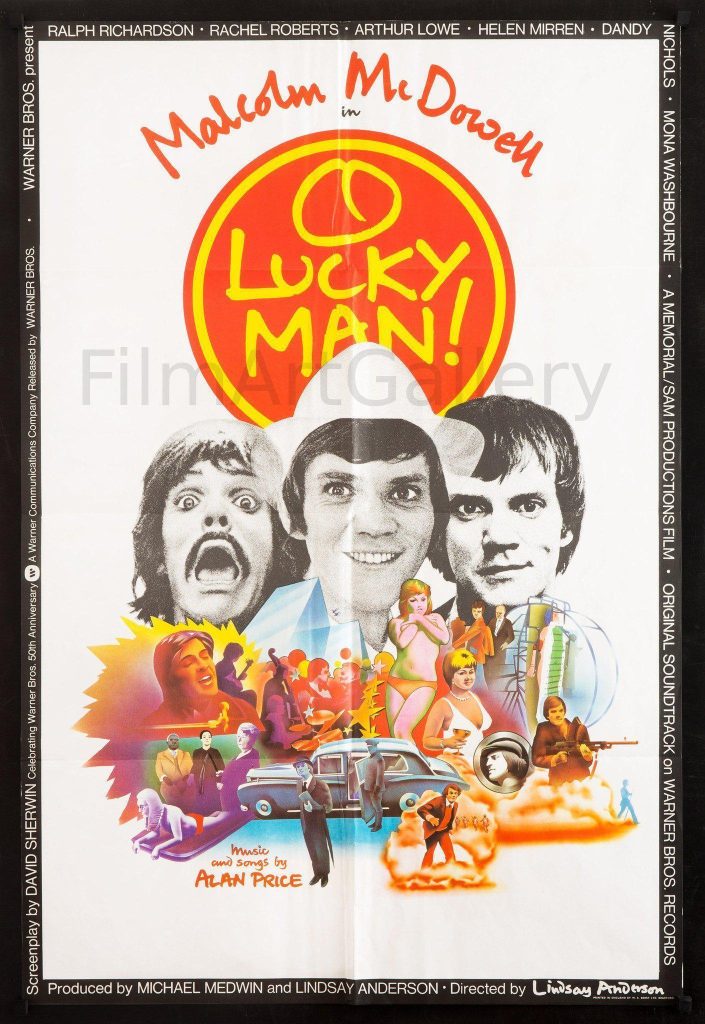
Despite her propensity for baring all on stage and screen, Mirren did carry a degree of embarrassment, which may have been the impetus for seeking physical liberation. In 1972, Mirren took leave from the RSC to do an international tour with Peter Brook’s experimental theatre company, with whom she traveled the world and even spent three months performing in African villages. Following a turn as a beautiful bohemian in “O Lucky Man!” (1973), starring Malcolm McDowell, she delivered a searing performance as Lady Macbeth in a 1974 Royal Shakespeare Company production of the Bard’s masterwork. She had a breakout performance as the drunken Maggie Frisby in David Hare’s musical play, “Teeth ‘n’ Smiles” (1975), which was staged at London’s famed Royal Court Theatre. Also that year, she gave a much ballyhooed performance as Nina in a revival of Anton Chekov’s “The Seagull,” a role that allowed her to combine her intelligence with her sensuality, which eventually came to be her hallmark. She soon followed with two more acclaimed Shakespeare performances, playing Queen Margaret in “Henry VI” (1977) and Isabella in “Measure for Measure” (1979).
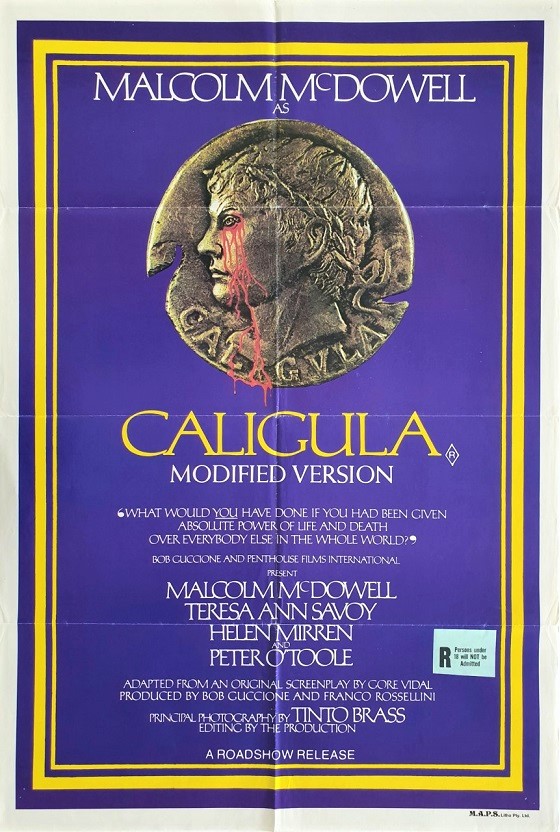
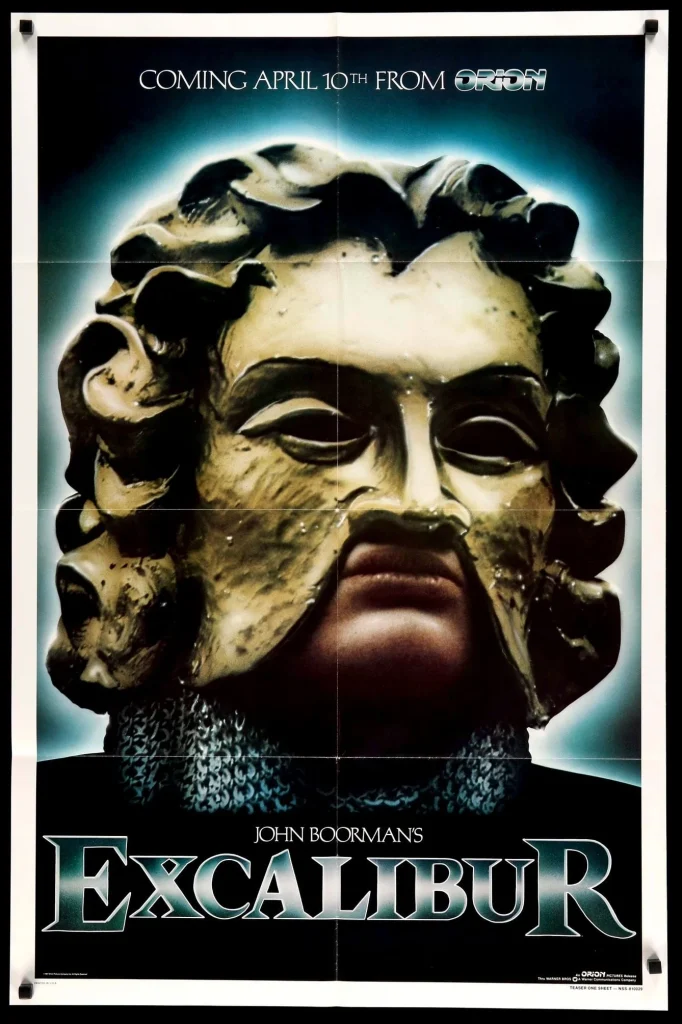
After several years absent, Mirren returned to the big screen for what became perhaps her most notorious film, “Caligula” (1979), a lavish, but abysmal combination of horror and porn disguised as an historical epic that was most famous for the high-profile financing from Penthouse founder Bob Guccione. Despite the graphic violence and sexual content, Mirren managed to bring a measure of grace to her part as Caesonia, the most promiscuous woman in Rome. Meanwhile, Mirren came into her own as a film actress, beginning with her strong turn as the lover of a gangster (Bob Hoskins) in “The Long Good Friday” (1979). She lent an appropriately seductive air to the evil Morgana in “Excalibur” (1981), John Boorman’s revisionist take on the Arthurian legend, then returned to her stage roots for a series of appearances in televised Shakespeare plays. Back on the stage, she gave a bravura performance as Moll Cutpurse in “The Roaring Girl” (1983), which was staged at both the Royal Shakespeare Theatre and the Barbican Theatre in London.
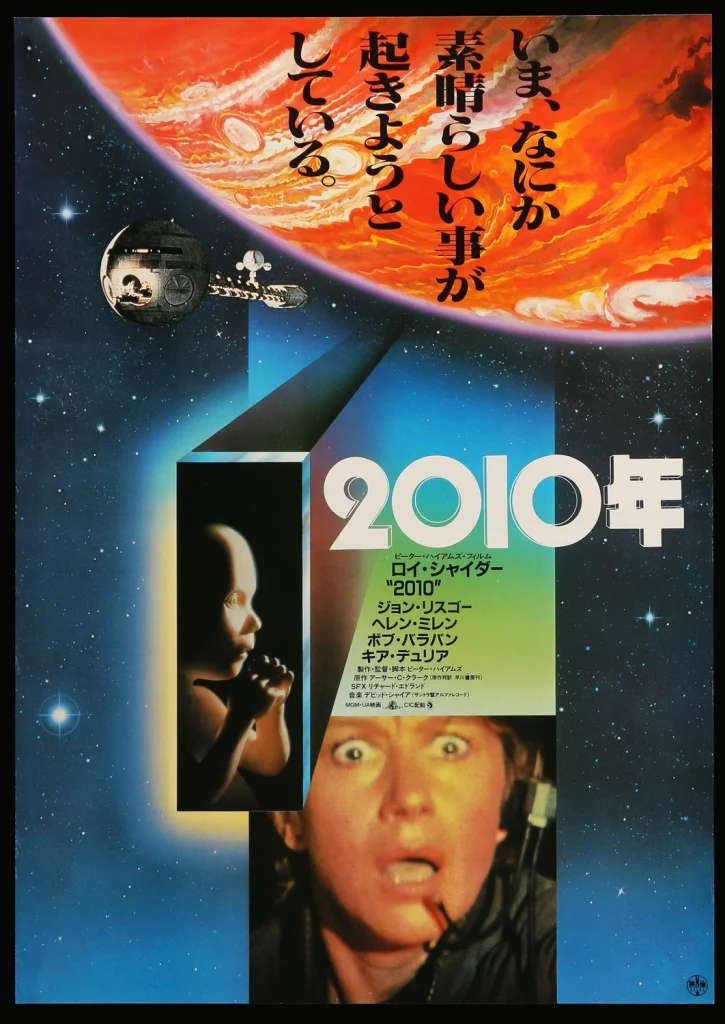
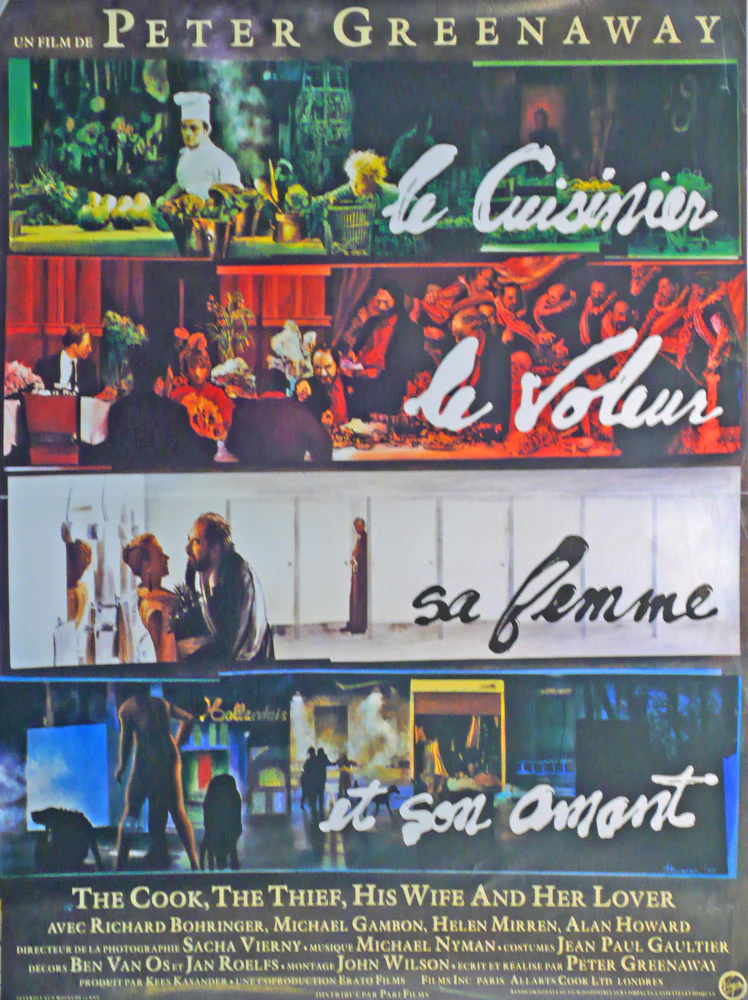
Mirren hit new heights with the politically-themed thriller, “Cal” (1984), turning in a memorable performance as the widow of a British soldier who unwittingly falls in love with the Irishman (John Lynch) responsible for his death. Although she earned the Cannes Film Festival prize as the year’s best actress, she failed to garner the same attention when the film was later released in the United States. She had the opportunity to draw upon her heritage as a Russian astronaut in “2010” (1984), then as Mikhail Baryshnikov’s lover in “White Nights” (1985) – the latter of which introduced Mirren to director Taylor Hackford, who became her off-screen companion and soon after, her husband. Mirren was formidable as the wife who follows her husband to Central America in Peter Weir’s “The Mosquito Coast” (1986), but few saw the film during its theatrical release, despite a headlining Harrison Ford. Continuing to impress on the big screen, she was excellent as a painter who catches the attention of an unscrupulous spy (Ben Kingsley) in “Pascali’s Island” (1988), then rounded out the decade with a fine turn as the long-suffering spouse of an abusive criminal (Michael Gambon) in “The Cook, the Thief, His Wife and Her Lover” (1989).
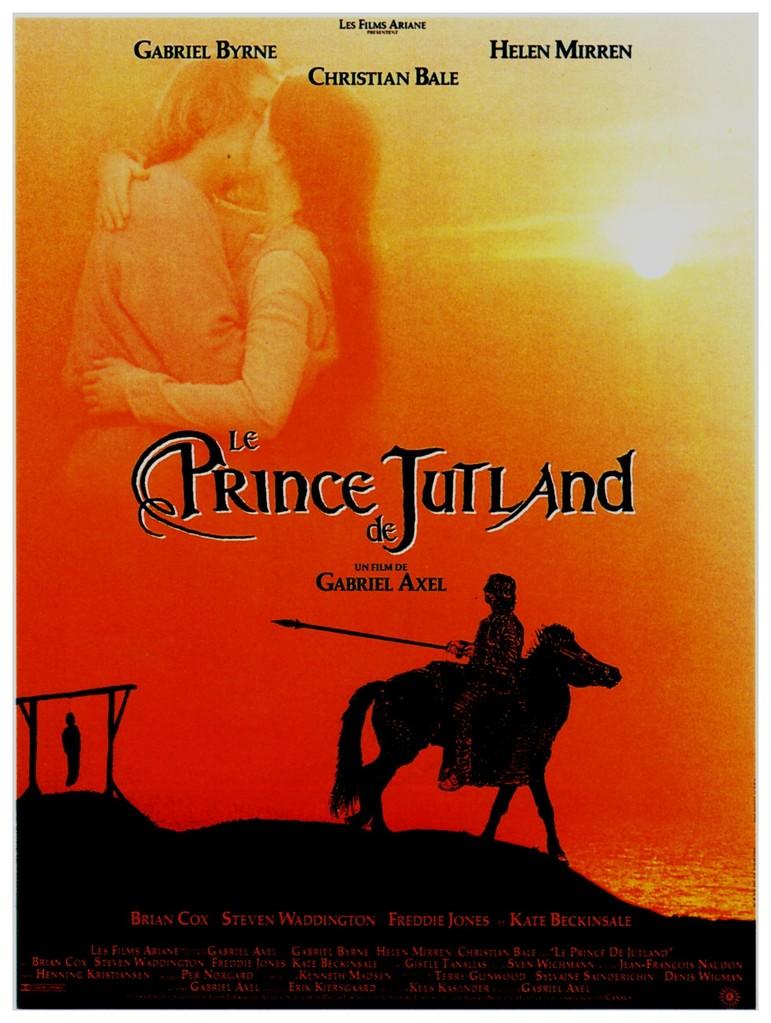
In 1990, Mirren discovered her signature role when she was cast as Detective Inspector Jane Tennison in the superb television movie, “Prime Suspect.” Tennison was an inspired creation: a middle-aged detective trying and mostly succeeding to make it in a man’s world while balancing her sometimes turbulent personal life. The first series proved so popular that Tennison was revived for several more installments over the years. Mirren earned three consecutive BAFTA Awards (1991-93) and several Emmy nominations for the role, including a win in 1996 for Outstanding Lead Actress. During the run of “Prime Suspect,” Mirren found herself in high demand, leading to a role as the loyal queen to the increasingly irascible monarch (Nigel Hawthorne) in the film “The Madness of King George” (1994). Her stellar performance netted her a Best Supporting Actress Oscar nomination in 1994, followed by a win for Best Actress at the 1995 Cannes Film Festival. She remained regal for “Royal Deceit/Prince of Jutland” (1994), a drama which purported to tell the story about the true events that inspired Shakespeare’s greatest work, “Hamlet.”
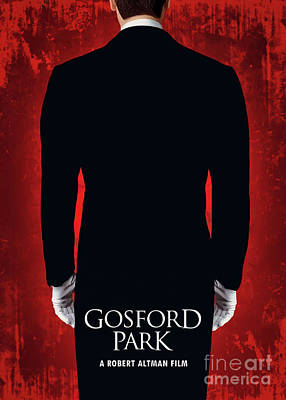
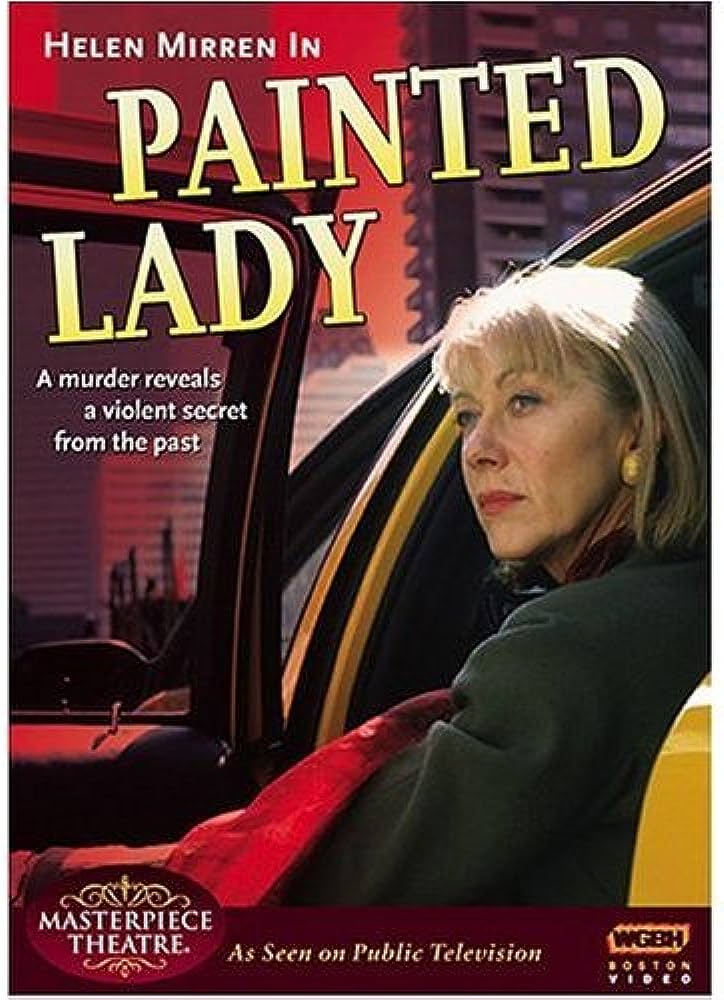
Moving into the production side, Mirren served as an associate producer on “Some Mother’s Sons” (1996), in which she starred as the parent of a man arrested and imprisoned for alleged ties to the IRA. She did the same double duty as associate producer and star on the television drama “Painted Lady” (PBS, 1997), playing a faded rock singer who becomes an amateur sleuth. Rounding out the century, Mirren earned a second Emmy playing the titular philosopher “The Passion of Ayn Rand” (Showtime, 1999) and brought humanity to the titular harridan educator in “Teaching Mrs. Tingle” (1999). Meanwhile, on the big screen, she played a dotty horticulturist in the genial comedy “Greenfingers” (2000), before making her directing debut with “Happy Birthday” (2001), a segment of the Showtime “Directed By” series, “On the Edge.” Mirren had two of her best screen roles in 2001, playing the officious housekeeper of an English estate in Robert Altman’s excellent upstairs-downstairs drama, “Gosford Park,” then as the widow who refuses to accompany her deceased husband’s friends as they go to spread his ashes in “Last Orders.” The former brought the actress her second Oscar nomination as Best Supporting Actress.
Mirren next starred in “Georgetown” (CBS, 2002), a well-regarded pilot in which she played a shrewd Washington hostess and newspaper mogul, described as a cross between publisher Katharine Graham and party hostess Pamela Harriman. Unfortunately, the series failed to make the cut for the fall season. Meanwhile, she enjoyed two standout turns in a pair of particularly high-quality television productions, “Door to Door” (2002), playing the mother of the mentally challenged salesman (William H. Macy), and “The Roman Spring of Mrs. Stone” (2003), playing the failing star whose life is upended by the death of her husband while vacationing in Italy in the telepic inspired by Tennessee Williams’ novella. The projects earned her a pair of 2003 Emmy nominations – for Outstanding Supporting Actress and Outstanding Lead Actress, respectively – as well as back-to-back Screen Actors Guild Award and Golden Globe nominations as Best Actress in 2003 and 2004. Also in 2003, Mirren had the distinction of being named a Dame of the British Empire in the Queen’s Birthday Honours in June of that year.
Back on the big screen, Mirren led the ensemble cast of the sprightly British comedy “Calendar Girls” (2003), inspired by the true story of the Rylstone Women’s Institute in North Yorkshire, a group of everyday women who decided to pose nude for their annual calendar to raise funds for Leukemia research, inspiring sales that outdid even the sexiest of celebrity calendars. Even though she was well into her fifties, Mirren managed to drop many jaws when she once again doffed her clothes, proving that sexiness was not exclusive to young women. “[F]or a long time it was very hard for people to see past my physical outward appearance. I was a blond girl with big tits. I hated that image,” she once said to The New Yorker. Meanwhile, her strong and sassy performance earned Mirren a Golden Globe nomination for Best Performance by an Actress in a Motion Picture Musical or Comedy. Mirren next appeared in a small, but scene-stealing role as Dominique, queenly head of a Manhattan modeling agency where Kate Hudson works in “Raising Helen” (2004).
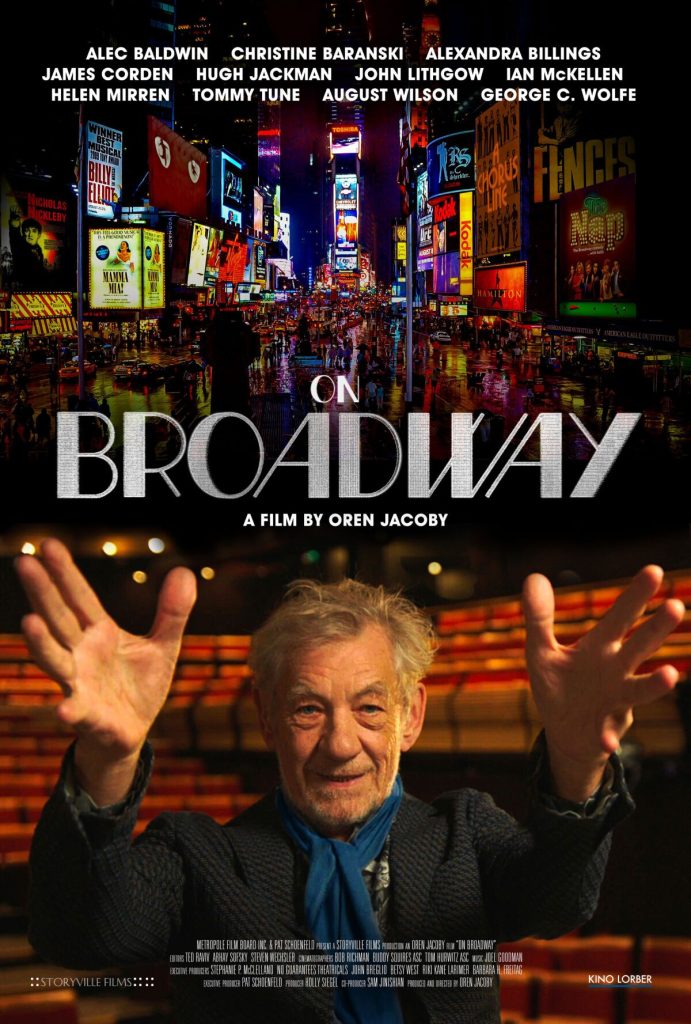
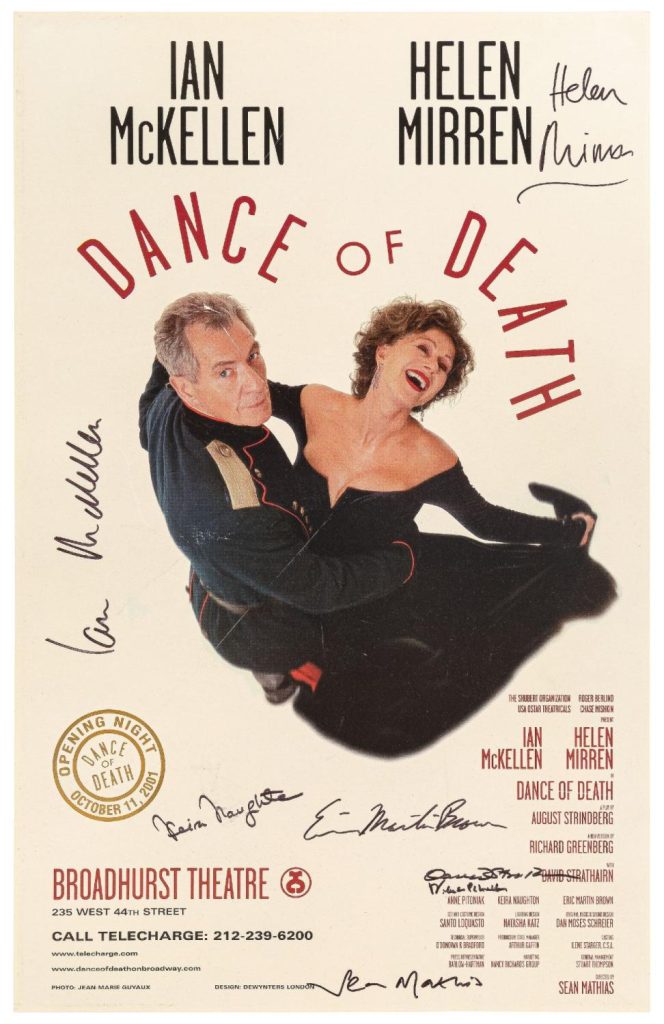
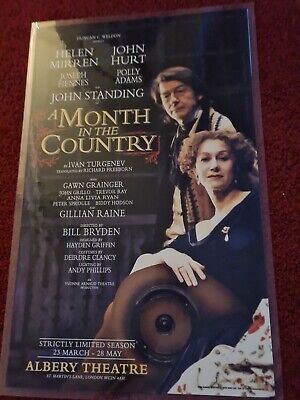
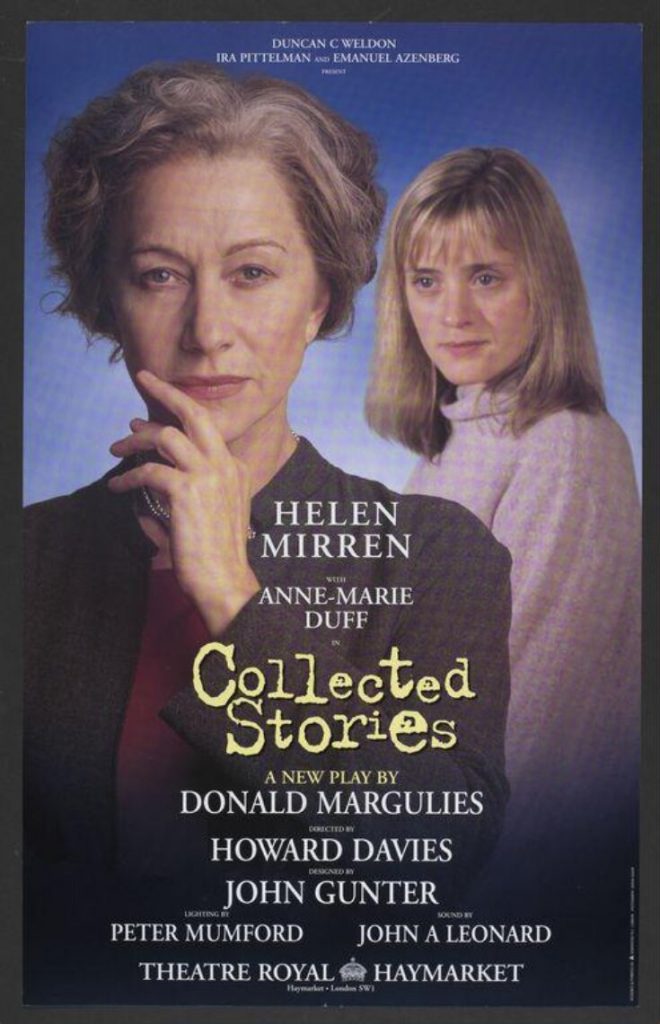
All throughout the 1990s, Mirren continued to divide her time between the stage and screen, making her Broadway debut in “A Month in the Country” (1995), then returning to the London theater in “Collected Stories” (1999) and “Orpheus Descending” (2000). She returned to Broadway opposite Ian McKellen in “Dance of Death” (2001) and received a nomination for a Tony award for Best Performance by a Leading Actress in a Play for her role the following year. She was nominated for a Laurence Olivier Theatre Award in 2001 for Best Actress for “Orpheus Descending” at the Donmar Warehouse, while her London performance in 2003-04 as the murderous Christine Mannon in “Mourning Becomes Electra” earned a nomination for another Olivier. She returned to the big screen in “The Clearing” (2004), playing the victimized wife of a wealthy executive (Robert Redford) kidnapped by a disgruntled employee (Willem Dafoe), then voiced the supercomputer Deep Thought in the long-awaited, but deeply unsatisfying adaptation of Douglas Adams’ comic sci-fi adventure, “The Hitchhiker’s Guide to the Galaxy” (2005).
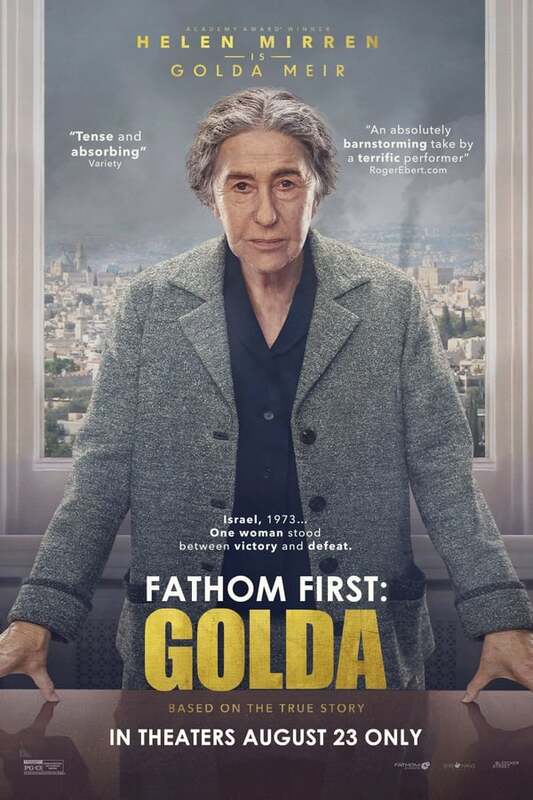
After a misstep as an assassin in the dismal noir thriller “Shadowboxer” (2005), Mirren once again displayed her extraordinary poise and talent in “The Queen” (2006), movingly portraying Queen Elizabeth II in a quiet, guarded performance the earned the actress serious Oscar buzz after its release. Set during the crisis that gripped England after the untimely death of Princess Diana, “The Queen” pits Elizabeth against the newly elected Prime Minister Tony Blair (Michael Sheen), who rightly believes that the Queen’s isolation and refusal to publicly mourn the People’s Princess might threaten to shake up the monarchy, despite it being technically proper for the Royal Family to mourn in private. Ultimately torn between responsibility and emotion; custom and action, the Queen battles Blair both publicly and privately, along the way realizing that she has lost touch with her subjects. Mirren earned critical adulation and recognition across the board for her performance in “The Queen,” winning awards from several film and critic associations and a Golden Globe for Best Actress. But her greatest triumph was undoubtedly her first Academy Award, which she earned in 2007 at the age of 60.
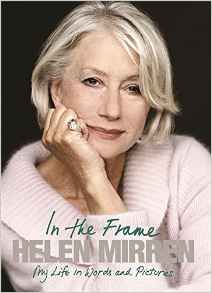
In an ironic turn, Mirren next won a Golden Globe for her performance in “Elizabeth I” (HBO, 2006), a widely honored miniseries that depicted the public and personal life of the Virgin Queen during the second half of her rule, focusing on how she coped in a male-dominated world. Meanwhile, Mirren earned a third Golden Globe nomination and won an Emmy Award for Outstanding Lead Actress in a Miniseries or Movie for “Prime Suspect: The Final Act” (PBS, 2006). The seventh installment of the long-running series found a tired Detective Superintendent Jane Tennison on the verge of retirement and having to contend with the grisly murder of a pregnant 14-year-old girl. After a co-starring role as the mother of treasure hunter Ben Franklin Gates (Nicolas Cage) in “National Treasure 2: Book of Secrets” (2007), Mirren released a memoir, In the Frame: My Life in Words and Pictures, then co-starred in the children’s fantasy, “Inkheart” (2009). Mirren next essayed a tough newspaper editor opposite Russell Crowe in the political thriller “State of Play” (2009) and continued to tackle challenging roles with her portrayal of Sofya Tolstoy, wife of author Leo Tolstoy, in the German-produced biopic, “The Last Station” (2009), for which she would also be nominated for a Golden Globe, a Screen Actors Guild award, an Independent Spirit Award and an Oscar for Best Actress.
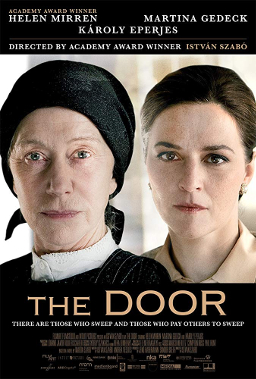
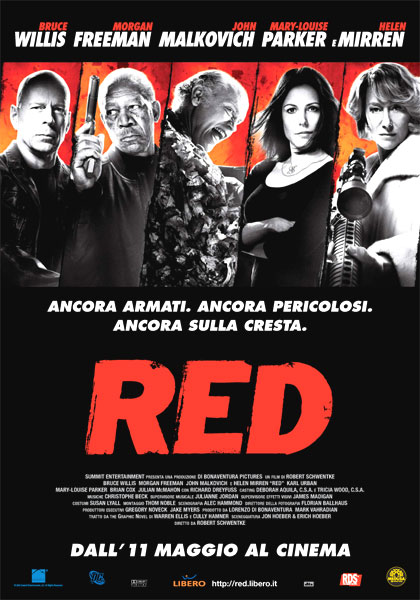
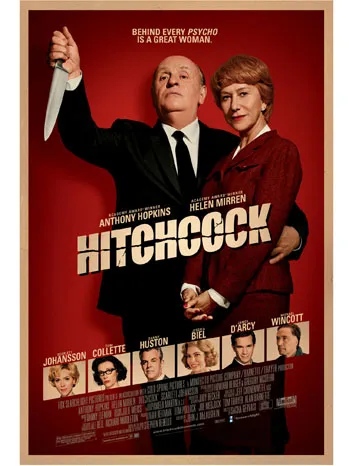
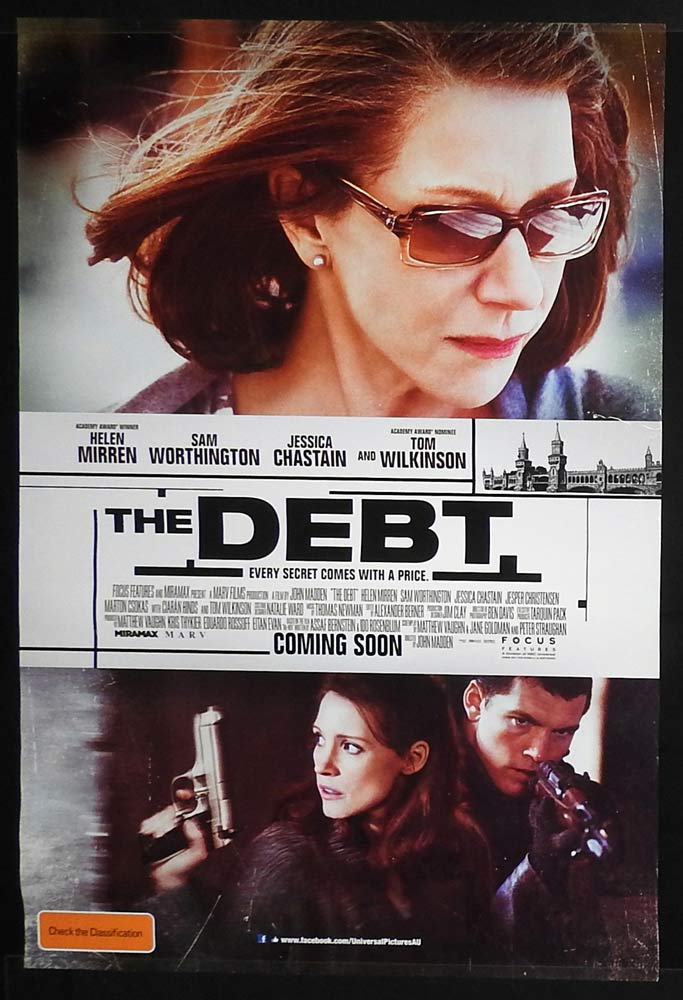
The same year found Mirren essaying a feminized Prospera in Julie Taymor’s screen production of “The Tempest” (2009), which the tireless actress followed by taking first billing in “The Debt” (2010), a thriller about Israeli agents tracking down a notorious Nazi war criminal. Sticking within the espionage genre, Mirren turned action hero alongside Bruce Willis, Morgan Freeman and John Malkovich for “RED” (2010), which featured the four stars as a group of former government assassins fighting back against the CIA after they are targeted for elimination. After hosting a 2011 episode of “Saturday Night Live” (NBC, 1975- ), Mirren had a bit of a misstep when she played the nanny of overgrown man-child Arthur Bach (Russell Brand) in the critically derided remake of “Arthur” (2011). Following a starring role in the Hungarian-made drama “The Door” (2011), Mirren portrayed Alma Reville to Anthony Hopkins’ Alfred Hitchcock in the behind-the-scenes showbiz biopic, “Hitchcock” (2012), which delved into the couple’s complex relationship during the Master’s tumultuous attempt to make “Psycho” (1960). She received a Golden Globe nomination for Best Actress for her work in the film. The above TCM overview can be viewed online here.