Brittish Actors

Collection of Classic Brittish Actors

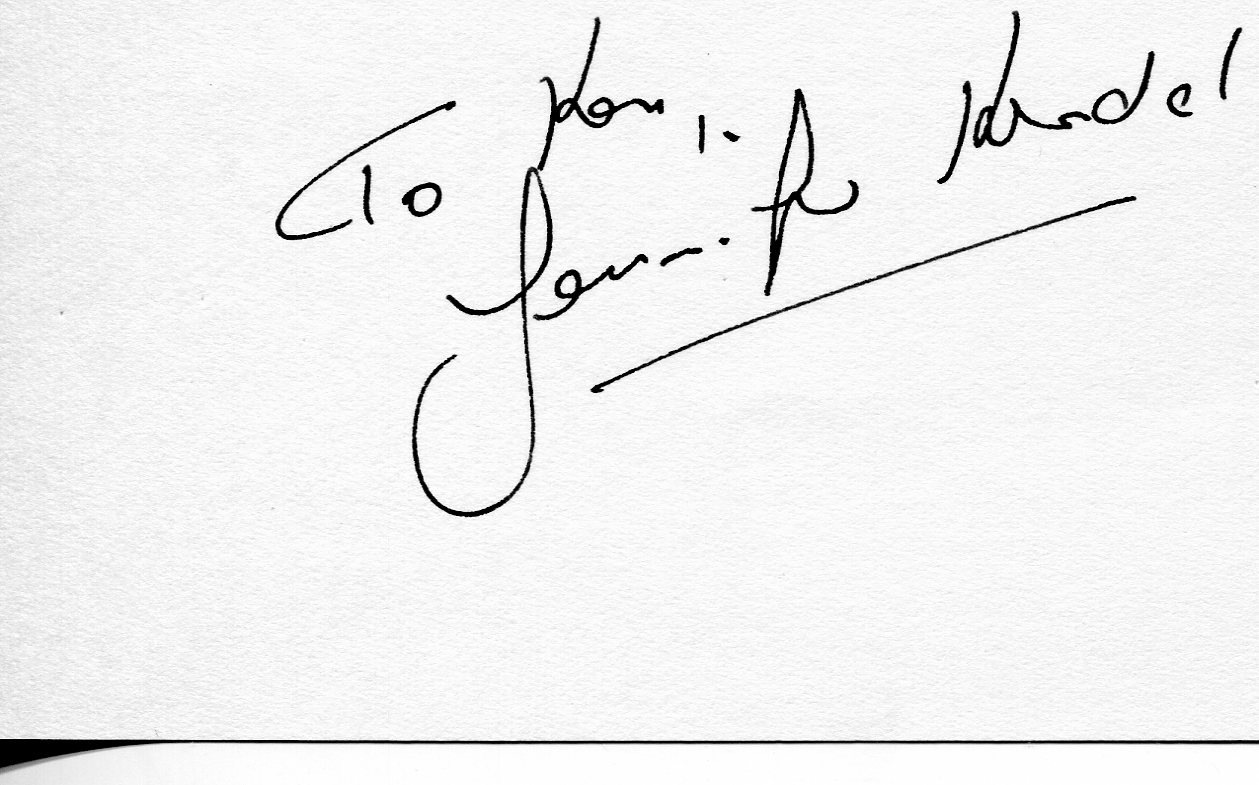
Jennifer Kendal
Jennifer Kendal

Jennifer Kendal


Jennifer Kendal was born in Southport, Merseyside in 1933.   Her parents were actors and her younger sister is Felicity Kendal.   Her parents ran a travelling theatre company and spent many years performing Shakespeare at venues throughout India.   Jennifer married the great actor Shashi Kapoor.   They starred together in many fims including some by Merchant Ivory.   Her movie credits ombay Talkie” in 1970  and “36 Chowringhee Lane” in 1981.   Sadly Jennifer Kendal died in 1984.

IMDB entry:

Jennifer Kendal was born on February 28, 1934 in Southport, England. She was an actress and costume designer, known for 36 Chowringhee Lane (1981), Heat and Dust (1983) andBombay Talkie (1970). She was married to Shashi Kapoor. She died on September 7, 1984 in London, England.

Older sister of Felicity Kendal.
Daughter of Geoffrey Kendal
Both of her parents, Geoffrey Kendal and Laura Liddell, outlived her.
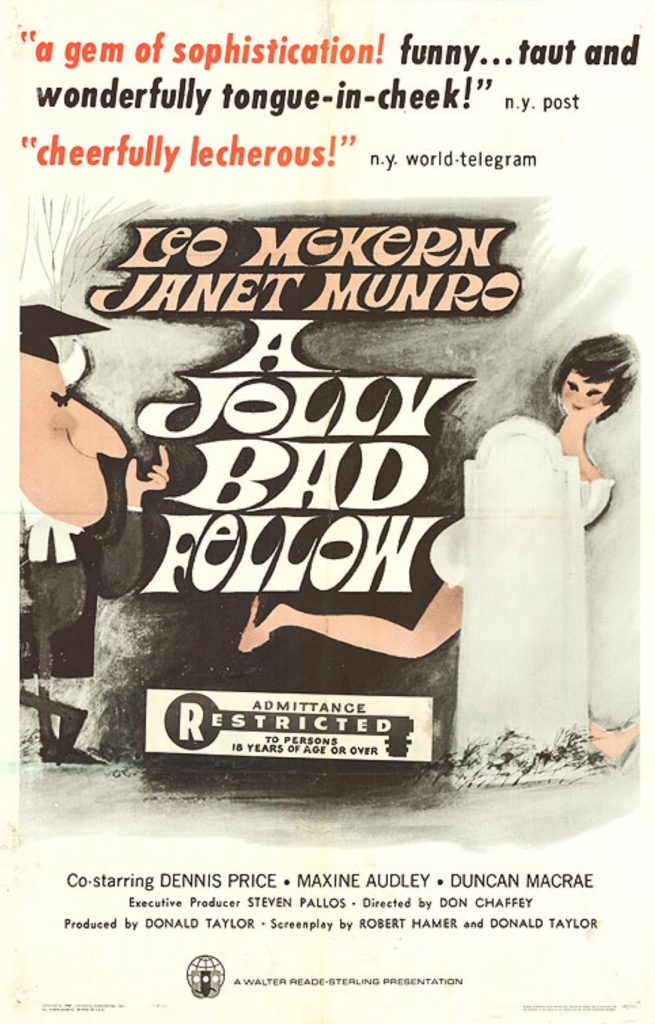
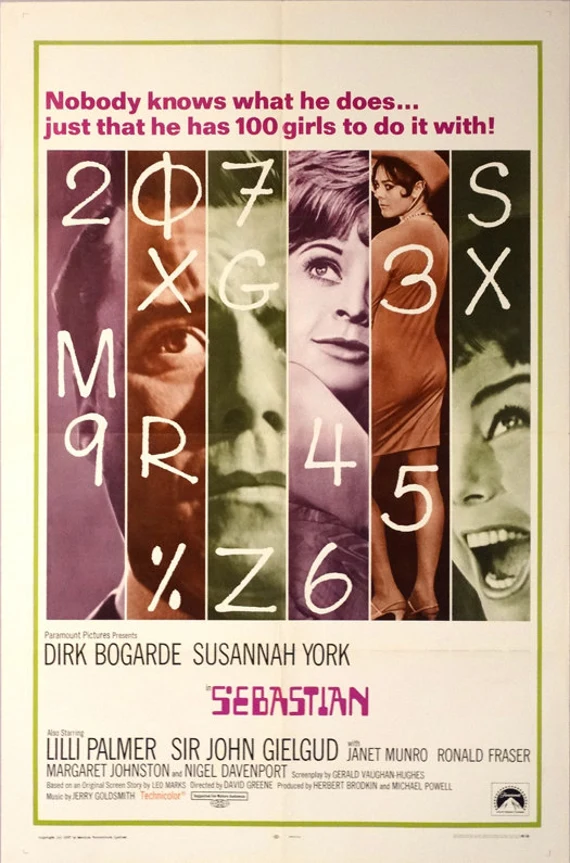
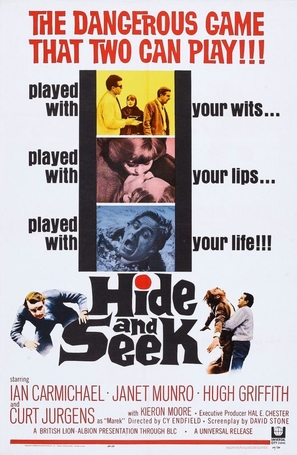
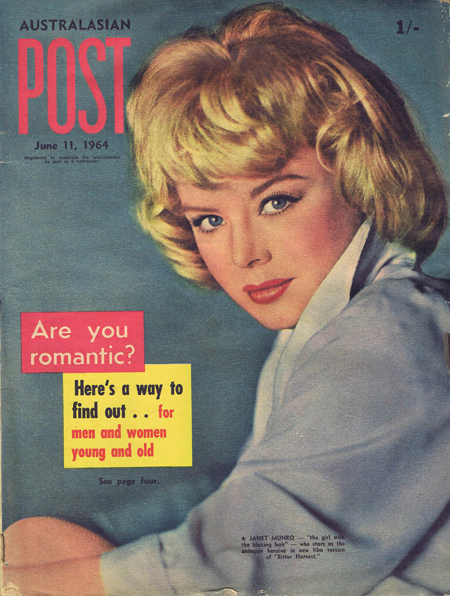
Janet Munro

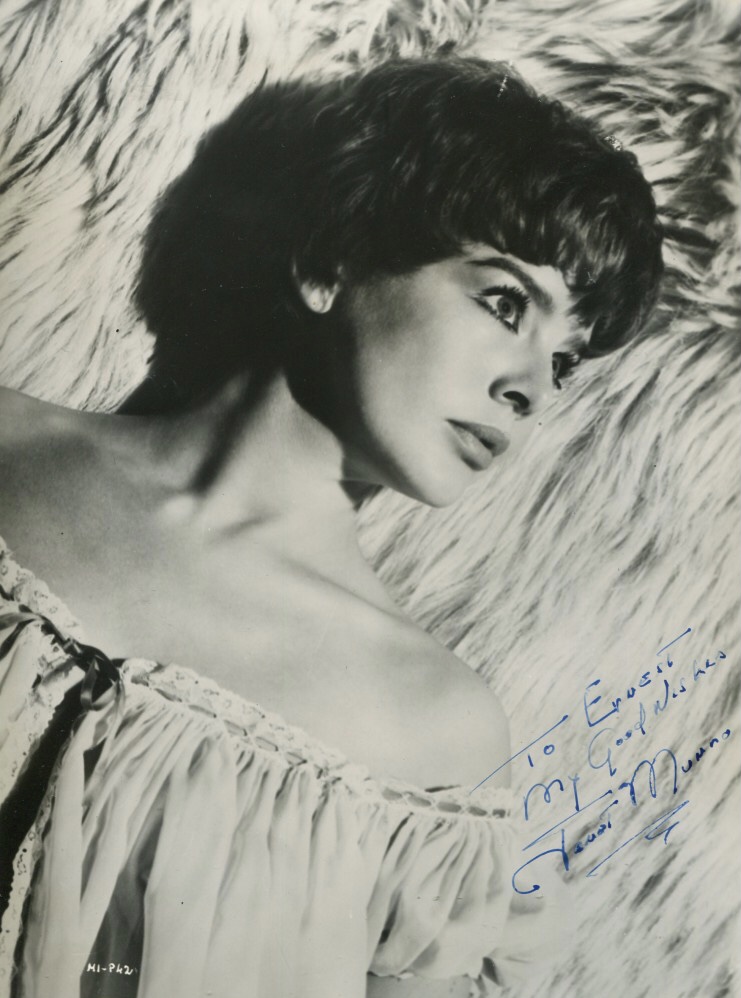
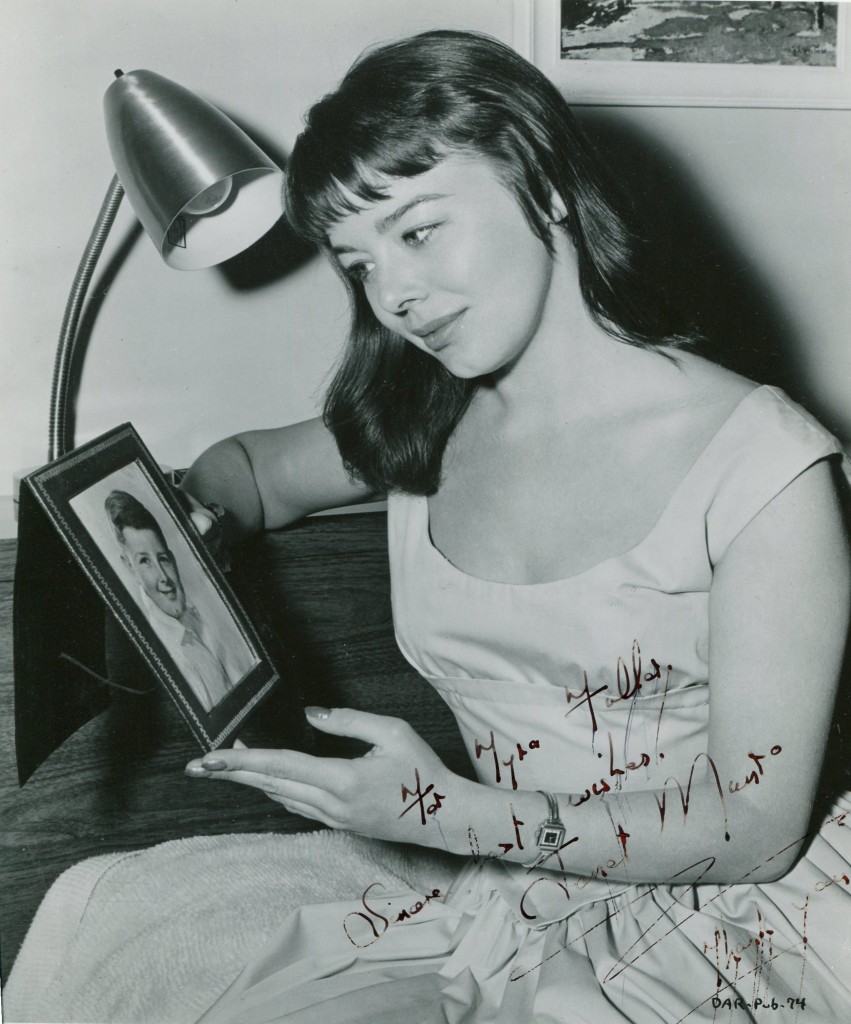
Janet Munro.

Janet Munro star shone brightly but sadly all to briefly.   For a period in the late 1950’s until the very early 1960’s she starred in some very popular and then interesting movies.  

She was born in Blackpool in 1934.   In 1958 she had a leading role in “The Young and the Guilty” opposite Andrew Ray. 

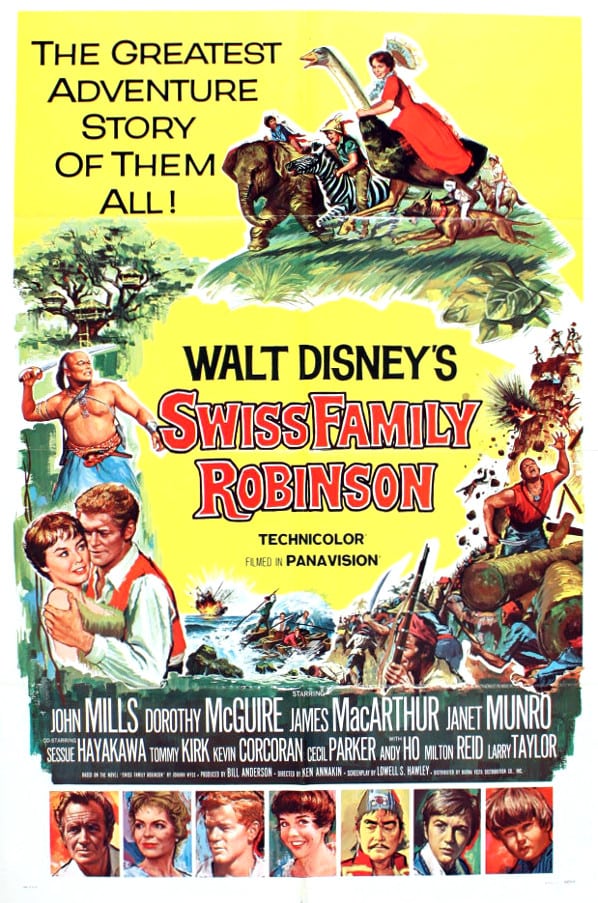
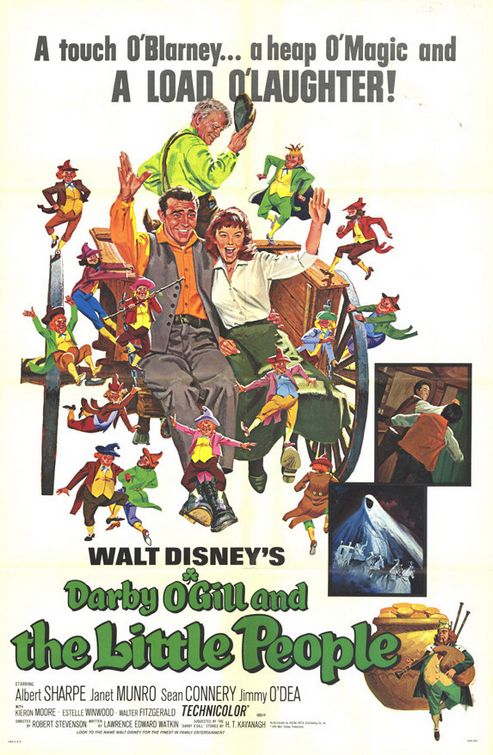
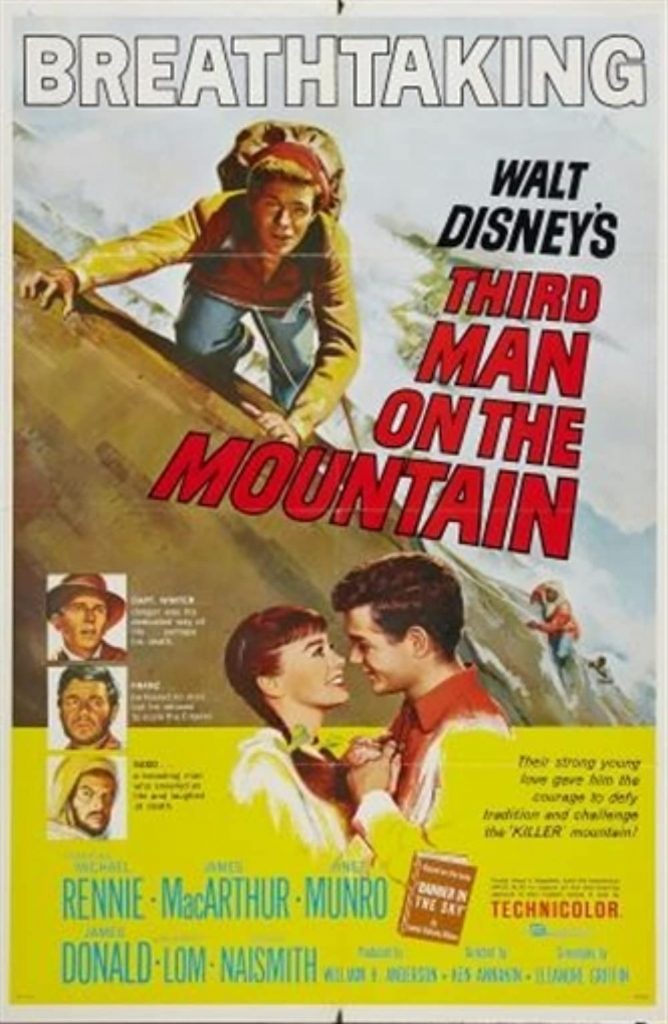
  Shortly afterwards she went to Hollywood where she signed a Walt Disney contract and starred opposite Sean Connery in “Darby O’Gill and the Little People” and opposite James MacArthur in both “Swiss Family Robinson” and “Third Man on the Mountain”.  

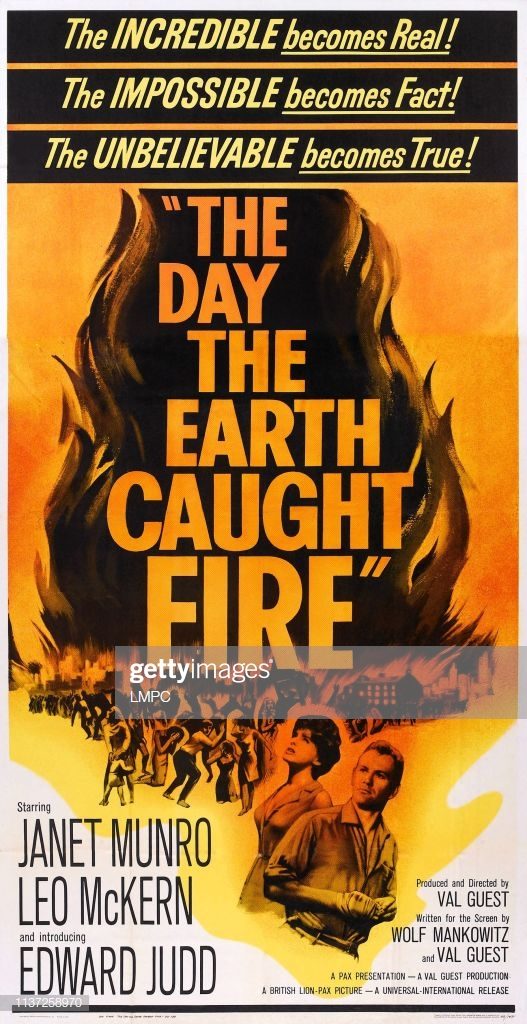
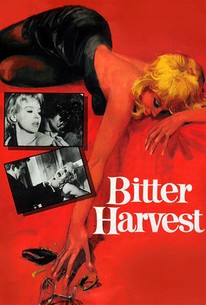
She was leading lady to Tommy Steele in “Tommy the Toredor”, John Stride in “Bitter Harvest” and opposite Edward Judd in the cult classic “The Day the Earth Caught Fire”.  

Her film career fizzled out somewhat afterwards and she died at a young age in 1972.   She was married to actor Tony Wright and then Ian Hendry who survived her

His biography features Janet Munro extensively.

The onscreen chemistry between Edward Judd and Janet Munro in The Day the Earth Caught Fire (1961) is frequently cited by critics as the gold standard for adult, naturalistic romance in science fiction. At a time when the genre was often populated by wooden scientists and screaming damsels, Judd and Munro delivered a relationship defined by intellectual friction and sexual maturity.


Critical Analysis: The “Sweat and Nicotine” Romance

1. Subverting the “Meet-Cute”

In most 1960s films, the leading man and woman met under idealized circumstances. In The Day the Earth Caught Fire, Judd (Peter Stenning) and Munro (Jeannie Craig) meet in the sterile, high-pressure environment of a government switchboard and a newsroom.

  • Analysis: Their chemistry is built on adversity. Stenning is a washed-up, cynical journalist; Jeannie is a professional woman guarding state secrets. Critics note that their attraction isn’t “love at first sight” but rather a mutual recognition of loneliness. They are two people trying to maintain their dignity while the world literally heats up around them.

2. The “Fast-Talking” Rhythm

Director Val Guest utilized a “Pre-Noir” pacing for their dialogue.

  • Technical Detail: Judd and Munro engage in overlapping, staccato dialogue. This technique, reminiscent of His Girl Friday, creates a sense of intellectual parity. Munro’s Jeannie doesn’t just listen to Judd; she challenges him, mocks his cynicism, and matches his wit. This verbal “sparring” serves as a sophisticated form of cinematic foreplay.

3. Physicality and the “Heat” Metaphor

As the film progresses and the Earth’s temperature rises, the physical chemistry between the two becomes increasingly visceral.

  • Visual Analysis: The film famously uses yellow and orange filters to simulate the rising heat. Judd and Munro are often depicted drenched in sweat, their clothes disheveled. Critics have argued that this “environmental pressure” acts as a catalyst for their intimacy. They aren’t just falling in love; they are clinging to each other for survival.

  • The “Apartment” Scenes: The scenes in Stenning’s cramped, sweltering apartment are remarkably frank for 1961. There is a “lived-in” quality to their interactions—the way they share a drink or navigate the small space—that suggests a deep, immediate physical connection that bypassed the censors of the day.

4. The Tragedy of Timing

The ultimate power of their chemistry lies in its transience.

  • Critical View: Because the film ends on an ambiguous note (with two versions of the front page prepared: “World Saved” or “World Doomed”), their romance feels incredibly precious. Critics point out that Judd’s performance softens significantly when he is with Munro; she is the only element in the film that makes his cynical character care if the world actually survives. She is his “Humanity Anchor.”

Janet Munro (1934–1972) remains one of the most poignant “what-if” stories in British cinema. A performer of luminous intelligence and a raspy, sophisticated vocal delivery, she spent her early career as the “Queen of Disney Live-Action” before staging a radical, critically acclaimed breakout into “Kitchen Sink” realism and psychological drama.

She was an actress who successfully transitioned from a wholesome archetype to a mercurial modern woman, though her career was tragically cut short at the age of 38.


Career Overview: From Disney Darling to Fleet Street

1. The “Contract Girl” Era (1957–1960)

After a childhood in the theater (her father was Scottish comedian Alex Munro), Janet was signed to a five-film contract by Walt Disney. She became the studio’s premier leading lady for live-action adventures, starring in Darby O’Gill and the Little People (1959), Third Man on the Mountain (1959), and Swiss Family Robinson(1960). In these roles, she was the “spunky,” outdoorsy ingenue—wholesome but possessing a noticeable spark of independence.

2. The Adult Pivot: The Day the Earth Caught Fire (1961)

Seeking to shed her “Disney Girl” image, Munro took a massive professional risk by starring in Val Guest’s gritty, apocalyptic thriller. As Jeannie Craig, she displayed a sexual maturity and professional cynicism that shocked audiences who only knew her from Swiss Family Robinson.

3. The “Social Realism” Peak (1962–1964)

Munro moved into the “British New Wave” with force. She delivered a devastating, BAFTA-nominated performance in “Life for Ruth” (1962), playing a mother torn between her religious convictions and her child’s life. She followed this with the bitter, sharp-edged comedy “Bitter Harvest” (1963), playing a small-town girl corrupted by the city.

4. The Transition to Prestige TV

In the late 60s, as her film roles slowed due to personal health struggles, Munro became a fixture of “Play for Today” and other prestigious BBC/ITV dramas. Her final roles were characterized by a haunted, fragile dignity.


Detailed Critical Analysis: The “Luminous Realist”

1. Deconstructing the “Disney Spunk”

Even in her early Disney roles, Munro was technically superior to the standard “damsel.”

  • Analysis: In Darby O’Gill, Munro utilized a “Feisty Naturalism.” While the film was a fantasy, her performance was grounded in a very real, tactile Irish earthiness. Critics noted that she had a “modern face”—one that didn’t quite fit the Victorian settings, suggesting a woman who was ahead of her time. This “internal modernism” is what eventually allowed her to escape the Disney mold.

2. The “Jeannie Craig” Transformation

In The Day the Earth Caught Fire, Munro performed a masterclass in “rebranding through technique.”

  • Technical Detail: She lowered her vocal register and adopted a “clipped,” professional cadence. She portrayed Jeannie as a woman who had seen the darker side of government and journalism.

  • Critical Insight: Critics hailed her for her unfiltered physicality. In the film’s sweltering heat, she didn’t try to look “pretty”; she looked exhausted, sweaty, and desperate. She proved that she could carry the emotional and intellectual weight of a high-concept “adult” film.

3. The Emotional Depth of Life for Ruth

This remains Munro’s most technically demanding performance.

  • Analysis: Playing Pat Harris, a woman watching her daughter die because her husband refuses a blood transfusion on religious grounds, Munro utilized “Micro-Expressionist” acting.

  • Critical View: She avoided the “hysterical mother” tropes. Instead, she portrayed a woman in a state of intellectual and spiritual paralysis. The conflict played out entirely in her eyes—the battle between her loyalty to her husband and her instinct as a mother. It is a performance of immense restraint and remains a benchmark for British social realism.

4. The “Voice of Experience”

Munro’s voice was a critical component of her late-career appeal.

  • Technical Analysis: She possessed a distinctive, slightly “whiskey-toned” rasp. This gave her characters an immediate sense of lived-in history. In her later TV work, she used this vocal quality to project a “shattered elegance”—playing women who were beautiful but had been significantly “marked” by life.


Key Credits & Critical Milestones

Year Title Role Significance
1959 Darby O’Gill… Katie O’Gill Won the Golden Globe for “Most Promising Newcomer.”
1960 Swiss Family Robinson Roberta Her peak as a global Disney icon.
1961 The Day the Earth… Jeannie Craig Her successful “Adult Breakthrough” role.
1962 Life for Ruth Pat Harris BAFTA Nominee for Best British Actress.
1963 Bitter Harvest Jennie Jones A gritty, “Kitchen Sink” tragedy that pushed her range.

Janet Munro was the “Bridge to the Modern Heroine.” She was one of the first British actresses to successfully navigate the chasm between the “Studio System” and the “Indie Realism” of the 1960s. She possessed a translucence on screen; you could see her thoughts as clearly as her face. Though her light was extinguished early, she left behind a body of work that proved a woman could be both a “Disney Princess” and a “Realist Icon”—provided she had the technical courage to burn the old image down.

Would

Michael Cochrane
Michael Cochrane
Michael Cochrane

Michael Cochrane was born in 1947.   He has had a very profilic career on British television.   He made his debut in the series “Warship” in 1974.  His film credits include “Victory” in 1981. “The Return of the Soldier”, “Real Life” and “The Iron Lady”.   He plays Captain Smith in the forthcoming series “Titanic” to mark the 100 year anniversary of the sinking of the ship.   He is married to actress Belinda Carroll.

IMDB entry:

He may not be a true household name but Michael Cochrane’s face is a familiar one to British Television viewers.   Cochrane’s resume is an impressive one. He has starred in almost every long-running main stream British television show since the 1970s.   Versatile and balanced understated and elegant this actor has always been somewhat typecast as upper class business men or members of the British gentry. He has a menacing on-screen presence in villainous roles.   Cochrane remains a busy and sought-after actor both on stage and screen and indeed radio.

– IMDb Mini Biography By: A j Lewis

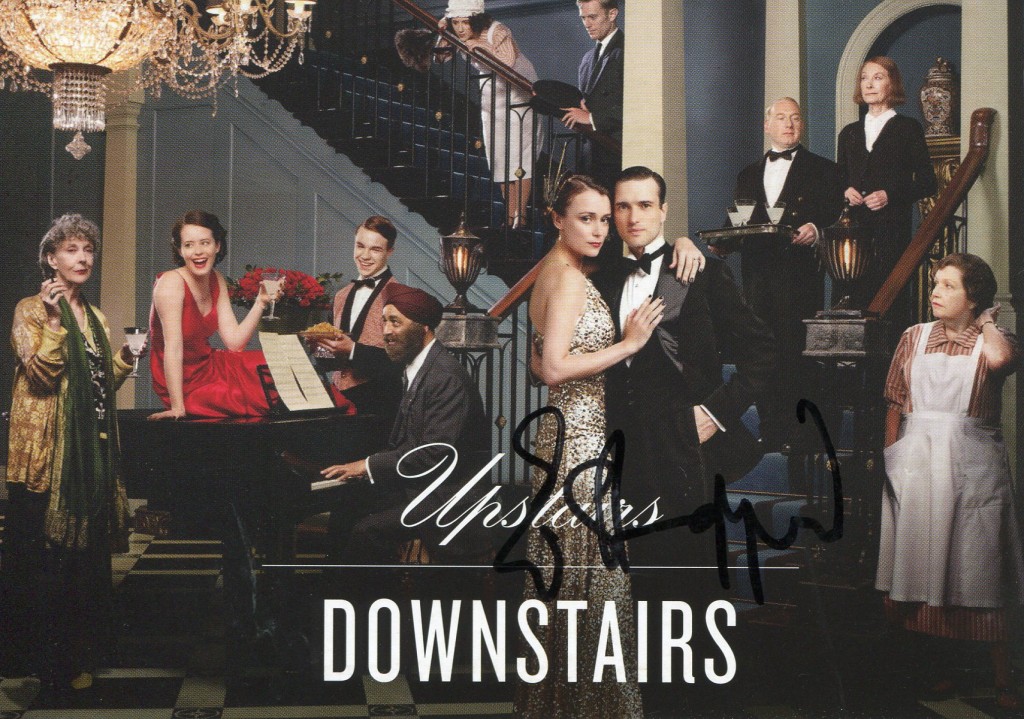
Ed Stoppard

Ed Stoppard was born in London in 1974.   He is the son of playwright Tom Stoppard and physican Dr Miriam Stoppard.   His films include “The Pianist” and “Nanny McPhee and the Big Bang”.   He is currently starring in the hit television series “Upstairs Downstairs”.

Ed Stoppard
Ed Stoppard
Derrick O’Connor
Derrick O'Connor
Derrick O’Connor

Derrick O’Connor obituary in “The Scotsman”.

Derrick O’Connor made three films with Terry Gilliam, he took on Mel Gibson in hand-to-hand combat as a memorable and particularly nasty South African villain in Lethal Weapon 2 in 1989 and he wound up in the Pirates of the Carribean franchise.

But O’Connor honed his craft on stage in Edinburgh in the 1960s and 1970s, working with both the Traverse and Royal Lyceum theatre companies before heading for Hollywood, where his talents seemed to fit comfortably into a string of roles as criminals and priests.

He was born in Dublin in 1941, but grew up in London and in his twenties relocated to Edinburgh, where he appeared in several Traverse productions in the late 1960s, including Megan Terry’s experimental “theatre game” Comings and Goings and The Lunatic, The Secret Sportsman and The Woman Next Door, satirical theatre by the one-time Scotsman television critic Stanley Eveling.

O’Connor worked with the Royal Lyceum Theatre company at a particularly auspicious time when Richard Eyre was director in the early 1970s. He was Biondello in The Taming of the Shrew, with Antony Webb as Petruchio and Kika Markham as Katharina. His other Lyceum productions included Oh! What a Lovely War and Harold Pinter’s The Caretaker.

By the early 1970s he was also getting small roles in television and film. His association with Gilliam began on the 1977 fantasy film Jabberwocky, which was inspired by the Lewis Carroll poem about the eponymous monster. O’Connor was credited in the role of “flying hogfish peasant”.

He was the robber leader in Gilliam’s Time Bandits (1981) and played Dowser, a sinister Central Services character in Gilliam’s Kafkaesque comedy-drama Brazil (1985).

In audio commentary for the DVD releases, Gilliam revealed that unlike most actors O’Connor was very happy to cut down on his number of lines. In Time Bandits he communicates in grunts. In Brazil he spent much of his time echoing the dialogue of his partner Spoor, played by Bob Hoskins.

Other credits from around the time include The Missionary (1982), Hope and Glory (1987) and the starring role in the Australian television comedy-drama series Stringer (1988), about a journalist who links up with a taxi driver to pursue new business ventures. He also worked with the Royal Shakespeare Company.

He got his big Hollywood break when he dyed his hair blonde and adopted a South African accent to play Pieter Vorstedt in Lethal Weapon 2. Vorstedt was a vicious South African agent involved in illegal drugs who clashes with Gibson’s character Martin Riggs. At the climax of the film the two come face to face in Los Angeles’s dockland area. Vorstedt tries to stab Riggs, but Riggs turns the knife on Vorstedt and finishes him off by dropping a cargo container on him, prompting audience cheers. CinemaBlend website noted: “Not enough good things can be said about what Derrick O’Connor brought to Lethal Weapon 2, as Pieter Vorstedt remains one of the franchise’s best characters… If you are looking for a reminder of how strong his performance was in that particular film, you can check out the scene in which he reveals that he murdered Riggs’s wife.”

Whereas some actors might fill their delivery with a perverse glee, O’Connor relates the story matter-of-factly, with only a hint of delight in his adversary’s torment.

O’Connor decided to stay on in California after Lethal Weapon, made his home in the Santa Barbara area and found fairly regular work in American television and movies, while maintaining his interest in theatre as well.

Having fallen out with Mel Gibson in Lethal Weapon 2, he got on no better with Arnold Schwarzenegger in End of Days (1999). Schwarzenegger plays an ex-cop working in private security. O’Connor’s character is a priest called Thomas Aquinas, who effectively announces the “End of Days” when he tells Schwarzenegger: “The thousand years has ended, the Dark Angel is loosed from his prison.”

Schwarzenegger is forced to kill him to save himself, but is arrested and police refuse to believe him as it transpires Aquinas had no tongue and therefore no power of speech.

O’Connor had a major recurring role as one of the heads of a crime organisation in the second season of Jennifer Garner spy drama Alias (2002), he played another priest, lecturing Ben Affleck, in the 2003 superhero movie Daredevil, and he had a small role as an old man who signs up with Johnny Depp’s crew in Pirates of the Caribbean: Dead Man’s Chest (2006).

O’Connor also worked in theatre in San Francisco and Los Angeles and he directed a stage production of Krapp’s Last Tape, by his Nobel Prize-winning compatriot Samuel Beckett, and a play called Rock Justice, by Marty Balin, better known as a member of the rock band Jefferson Airplane than for his theatre work.

He continued working until recently and is survived by his wife Mimi and son Max.

Stephanie Cole

Stephanie Cole

Stephanie Cole

Stephanie Cole was born in 1941 in Solihull.   She is best known for her television appearances including Dr Beatrice Mason in “Tenko” which ran from 1981 until 1985.   She is currently appearing as Sylvia, other to Roy Cropper , in “Coronation Street”.   Her movies include “International Velvet” in 1978, “That Summer” and “Grey Owl”.

“What’s On Stage” article:

INTERVIEWS


20 Questions With…Stephanie Cole

Stephanie Cole, currently touring in Peter Nichols’ new comedy So Long Life, reveals her admiration for the playwright and laments the demise of stage repertory and the dumbing down of TV.

By Editorial Staff • 10 Sep 2001 • West End

Stephanie Cole auditioned for, and was accepted by, the Bristol Old Vic Theatre School at the age of 15. She made her stage debut there two years later, playing a 90-year-old. Since that auspicious beginning, Cole’s extensive theatre credits have included Rose (starring Glenda Jackson at the Duke of York’s), Noises Off (Savoy), Steel Magnolias (Lyric) and The Relapse (Old Vic).

In 1995, she starred in Kay Mellor’s A Passionate Woman which played to packed houses at the West End’s Comedy Theatre for an extended nine-month run. More recently, she was back in the West End co-starring with Donald Sinden in Ronald Harwood’s Quartet.

On television, Cole’s many regular appearances have included TenkoKeeping MumLife as We Know ItTalking Heads and A Bit of a Do. She won a British Comedy Best Actress award forWaiting for God. A familiar voice in radio drama, the actress has recently published her autobiography, entitled A Passionate Life.

The actress is currently starring in the UK-wide tour of So Long Life, a new work by the award-winning Peter Nichols. She plays an 85-year-old matriarch (pictured), whose extended and highly dysfunctional family gathers to celebrate her birthday. Following its tour, the play is expected to transfer to the West End.


Place of birth
Born in Solihull, Warwickshire.

Now lives in
Somerset

Trained at
Bristol Old Vic School

First big break
When the television series Tenko and Open All Hours ran concurrently, it enabled me to be offered more major roles in both comedy and drama.

Career highlights to date
Both Talking Heads and Waiting for God for the BBC, and A Passionate Woman (1995) at the Comedy Theatre.

Favourite productions you’ve ever worked on
It’s usually the one I’m working on now, and in this case it certainly is. I think So Long Life is a terrific play.

Favourite co-star
There have been so many lovely ones, that to pick any single one out would be invidious.

Favourite director
There are probably two. Ned Sherrin for offering up fun and food, and Dominic Hill for the brilliant direction he provides.

Favourite playwright
There are many, many playwrights I love, stretching from Shakespeare to Alan Bennett. But Peter Nichols is perhaps still the tops for me.

What role would you most like to play (if you haven’t already)?
I would contemplate anything that was new and also well-written.

How do you think the theatre and television industries have changed since you began your acting career? 
I feel that theatre has changed completely, and for the worse as far as young actors are concerned, with the slow demise of the repertory system. And television has dumbed down to such an extent that there are very few decent scripts. With regards to the financial situation, it’s take it or leave it – which is hard for the ordinary working actor.

In your opinion, what’s the best thing currently on stage?
Joe Penhall’s Blue/Orange.

What advice would you give to the government to secure the future of British theatre?
Pour more money in and put people in charge of organisations who actually know what they are doing.

If you could swap places with one person (living or dead) who would it?
No one especially, unless I could be Tony Blair briefly and divert extra money into caring for the mentally ill.

Favourite book
The poems of Edward Thomas.

Favourite joke
I laugh like a drain at most jokes, but then instantly forget them so I can’t help!

Why in particular did you want to accept your part in So Long Life?
Because the character of Alice represents a feisty 85-year-old from Bristol, and I am a West Country girl.

Peter Nichols is enjoying a resurgence with major revivals of A Day in the Death of Joe EggPrivates on Parade etc. To what would you attribute this renewed interest in his work?
Simply the fact that he is one of the great playwrights, and I think it is a disgrace that he was ignored for so long.

Are there any special considerations when performing a new work by Nichols as opposed to one of his “tried and tested” pieces?
The main consideration is that working with a playwright on a new play is the most creative and exciting journey of discovery.

What’s your favourite line from So Long Life?
I’d probably be giving too much away if I revealed anything.

What was the funniest, or oddest, moment during rehearsals for So Long Life?
Despite the fact that we did laugh a great deal in rehearsals, no single incident springs to mind.

What are your plans for the future?
I sincerely hope that So Long Life gets the West End run that it fully deserves.

– Stephanie Cole was speaking to Terri Paddock

The above “What;s On Stage” article can be accessed also online here.



Ben Price
Ben Price
Ben Price
 

Ben Price is currently appearing as Nick Tilsey in “Coronation Street”.   He was born in 1974 in Newcastle-on-Tyne.   He made his television debut in “Soldier,Soldier” in 1997.   Other TV roles include in  “Heartbeat”,”Peak Practice” and “Wire in the Blood”.   Movies include “Blood Trials” in 2006.

IMDB entry:

Ben Price (born 1 January 1974) is a British actor, known for his roles in the British television series Footballers’ Wives (2002) and Casualty (1986) and several high-profile theatre roles.   He co-starred in the horror film Blood Trails (2006), which won the audience award for best feature at the Dead by Dawn International Horror Film Festival 2006 in Edinburgh.   He has starred in Casualty (1986) as “Corporate Director Nathan Spencer” between 2004 and 2007, and was recently voted one of the ten actors most likely to succeed in Hollywood by “Stage and Screen” magazine.   In 2009, he is due to appear in Series 4 of The Tudors (2007).  He now lives between Los Angeles and London

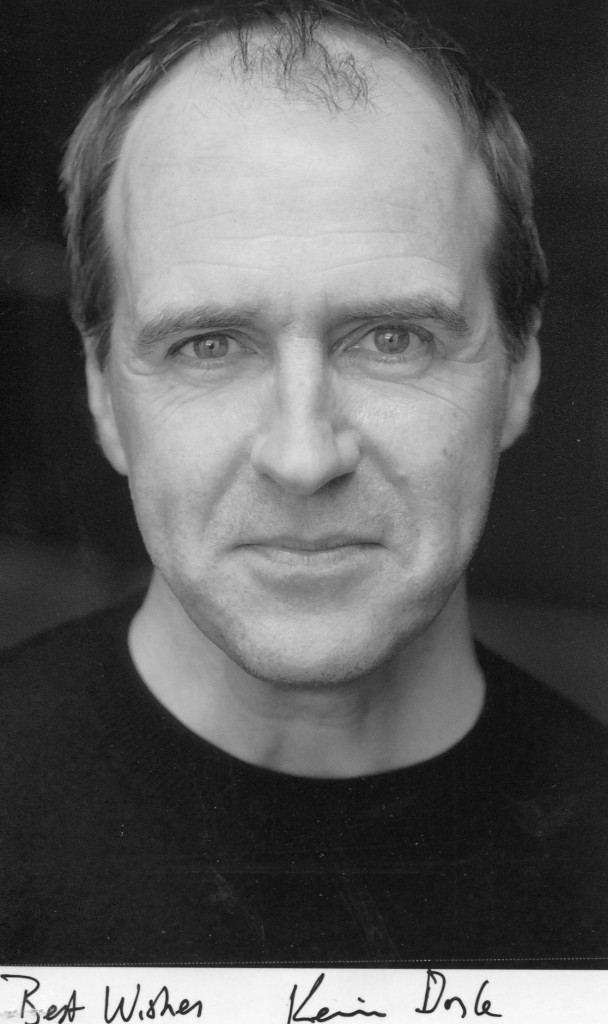
Kevin Doyle
Kevin Doyle
Kevin Doyle

Kevin Doyle was born in 1961 in Scunthorpe.   His TV debut was in 1984 in the series “Sharing Time”.   His films include “The LIbertine” in 2004 and “Good”.   He is currently starring in the very popular series “Downton Abbey”.

William Gaminara
William Gaminara
William Gaminara

William Gaminara is best known for his role as  Leo Dalton in the long running TV series “Silent Witness” on BBC. His films include “Comrades” in 1986 and “A Dark Adapted Eye”

“What’s On Stage” in 2014:

Actor William Gaminara, best known for playing Leo Dalton for more than a decade in Silent Witness, is currently starring in The Body of an American at the Gate Theatre, which runs until 8 February

By Rosie Bannister • 22 Jan 2014 • London

1. Where and when were you born?
I was born in Lusaka, the capital city of Zambia (Northern Rhodesia at the time) in 1956.

2. What made you want to become an actor?
Playing head sheep in the Nativity Play at Nursery School. I only had one word to say… ‘Bethlehem’… which I bleated repeatedly and got a (cheap) laugh.

3. If you hadn’t become an actor, what might you have done professionally?
I work as a writer as well so maybe I would have done that full time. I like the idea of being an investigative journalist, but I suspect the reality is a lot less glamorous than I imagine.

4. First big break?
Playing one of the Tolpuddle Martyrs in Bill Douglas’ film Comrades. It was my first proper screen work and I didn’t really know what I was doing but it was a wonderful adventure which taught me a lot.

5. Career highlights to date?
A brief scene with Vanessa Redgrave in the same film; in Silent Witness doing an autopsy on a dog whose tail would not stop wagging; speaking Cantonese in a production of Macbeth knowing that if I got the intonation wrong the whole meaning would alter – all highlights in their own ways.

6. Any regrets?
That we don’t have a multiplicity of lives so we can try out different ways of living.

7. What was the first thing you saw on stage that had a big impact on you?
Being taken to see A Midsummer Night’s Dream at Regent’s Park Open Air Theatre at the age of about eight. It wasn’t just the play but the magic of that venue on a hot summer’s night in the dark.

8. And the last?
It’s not often that the production, the performances and the writing all match each other in a show. Jerusalem managed it in spades.

9. Who are your acting idols?
On screen the usual suspects… De Niro, Brando, Harvey Keitel. On stage I don’t have any idols as such but I could name any number of British actors whom I admire enormously.

10. What’s the best advice you’ve ever been given?
When you sit down at a poker table, the first thing you do is look round and see if you can spot the patsy. If you can’t, then the patsy is you.

11. Why did you want to get involved in The Body of an American?
A variety of reasons; I spent a long time researching and writing a film about a War Correspondent some years ago so it felt like I was returning to a familiar and fascinating subject. It’s a challenging and unconventional script which makes challenging and unconventional demands of an actor. Like all good plays, it leaves as many questions unanswered as answered. And at its heart it has two complex and intriguing central characters with whom I could immediately identify.

12. How have you prepared for the role?
My character exists in real life so apart from his autobiography (from which a lot of the play is drawn), there is video footage of him available. Otherwise the usual careful scrutiny and exploration of the text. We have also had the benefit of a dialect coach for a variety of accents/voices. Our author Dan O’Brien was also with us for the first week and having spent a lot of time with my character (in real life) was of course able to fill in any gaps.

13. Favourite line in the show?
“I’m paraphrasing now of course, but what kind of an ass-jag uses the word ‘whilst’!”

14. What do you hope people take away from the show?
I hope they have a genuinely arresting and exciting theatrical experience, that they are engrossed in and intrigued by the relationship between these two men, and that if nothing else they leave with some greater understanding of what is involved in being a reporter working on the frontline in war scenarios.

15. What’s your favourite post-show hang out?
My bath.

16. Do you often get recognised from your TV work?
Often enough to realise what a pain it must be to be recognised more often.

17. How do you unwind?
I play in a band (guitar and blues harmonica) and I play table-tennis and poker. But not all at the same time. I have also been learning Cuban salsa for a year or two.

18. If you could swap places with anyone for a day, who would it be?
David Cameron, so I could hand in my resignation.

19. What’s your favourite theatre joke?
A: What’s the secret of comedy? B: Timing.

20. What’s next?
Uncertainty as ever.

Read our five star review of The Body of an American here

The Body of an American, which is co-produced by Royal & Derngate, Northampton, continues at the Gate until 14 February

The above “What’s On Stage” article can also be accessed online here.