Brittish Actors

Collection of Classic Brittish Actors

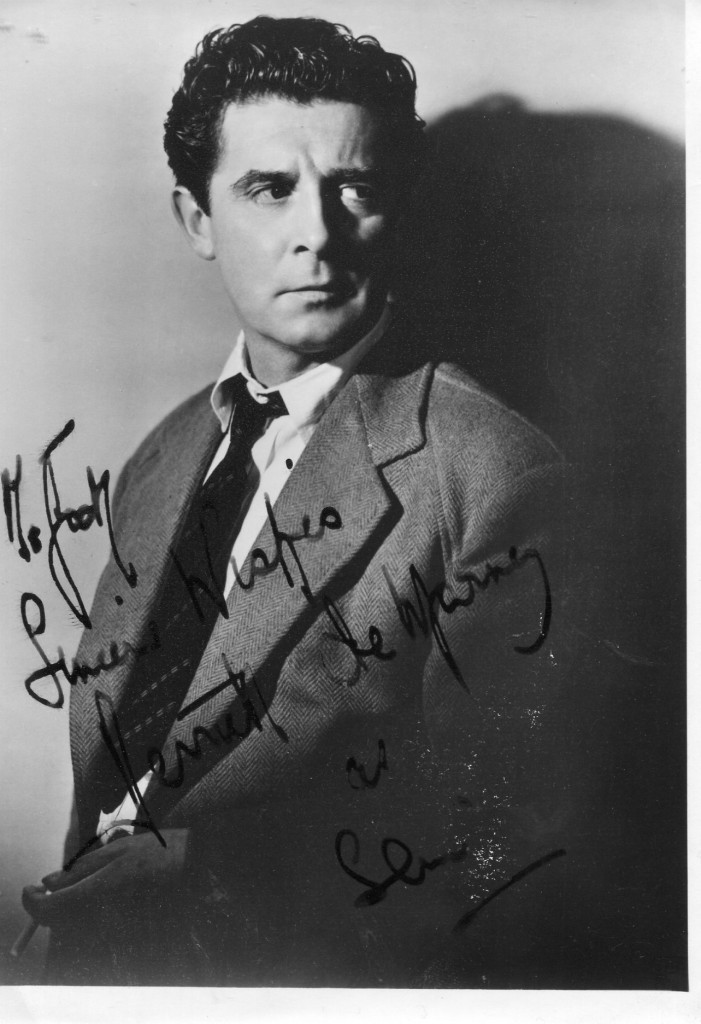
Derrick De Marney
Derrick De Marney
Derrick De Marney

Derrick De Marney was born in London in 1906.

He is perhaps best known for his starring role as Robert Tisdall, wrongly accused of murder in Alfred Hitchcock‘s Young and Innocent (1937). Other early film roles include Benjamin Disraeli (a role he also played on stage in Young Mr. Disraeli) in Victoria the Great (1937), and its sequel, Sixty Glorious Years (1938).

After Young and Innocent, he alternated between leading roles and supporting parts in films. In 1947, he had another memorable part with the title role of Uncle Silas; a character part in which he played an evil old fortune hunter plotting against a young woman played by Jean SimmonsAfter a couple of more leads in self-produced films, he tended to concentrate on the theatre, only taking small roles in film and television thereafter. His last role was in the horror film The Projected Man (1966).

IMDB entry:

Derrick de Marney was born in London in September 1906 of Irish and French ancestry. He acted in repertory theatre from 1922, hit the London stage four years later and began in films by 1928. During the 1930’s, he worked primarily under contract at Alexander Korda‘s Denham Studios. A handsome and versatile leading actor, de Marney was never content to be typecast merely as romantic leading men (Alfred Hitchcock‘s resourceful fugitive inThe Girl Was Young (1937)), but often preferred to act against type in period dramas and thrillers. He gave, arguably, his best performances as Benjamin Disraeli in Victoria the Great (1937) and in the title role of sinister ‘Uncle Silas’ in The Inheritance (1947). De Marney later became a manager and producer, in 1941 forming Concanen Productions with his brother (Terence de Marney), initially for the purpose of making wartime documentaries.

Following the war, he starred in (as well as producing) the unconventional gothic thrillerLatin Quarter (1945) and as Peter Cheyney‘s hard-boiled detective Slim Callaghan in Meet Mr. Callaghan (1954), a role he had previously created for the stage. Continuing to maintain diverse interests, de Marney even promoted a troupe of Javanese dancers he had brought to Britain in the 1950’s. He lived the last few years of his life in the town of Farnham in Surrey.

– IMDb Mini Biography By: I.S.Mowis

The above IMDB entry can also be accessed online here.

Niamh Cusack
Niamh Cusack
Niamh Cusack

Niamh Cusack is the daughter of the famed Irish actor Cyril Cusack.   She is best known for her role in television’s “Heartbeat”.   She was born in 1959.

“Guardian” article by Nick McGrath from 2011:

The structure of my family is a little odd in that I’ve got three older siblings, Paul, Sinéad and Sorcha, then there’s a 10-year gap until me, closely followed by my brother Pádraig. Then 11 years after I was born came my half-sister Catherine from my father’s second marriage. Catherine was brought up in England but the rest of us were brought up in Ireland and by the time Pádraig and I arrived, the older three were on their way out of the nest and my mum and dad had separated, so really it was just my mum, Pádraig, me and my godmother, Kitty.

My mother ruled the world from her bed. Both my parents were acting when my elder three siblings were growing up but by the time Pádraig and I arrived, Mum was no longer performing. She had a very bad heart and was in bed a lot. I think because of that I didn’t give her much trouble. She was quite an indomitable woman. She was formidable, really, in terms of her energy, and managed to get a lot of things done and influence our lives hugely from her bed.

I’m never quite sure when my parents split up, as it was all a bit vague because he did live in Dublin and the family thing was that he needed to live in Dublin because of his rehearsals, and I sort of bought that for quite a long time. An unusually long time, actually, and probably because that was easier for me to deal with. I think my mother deliberately shielded us emotionally from the split and didn’t share whatever grief and pain she went through with me.

When my dad was around he was quite involved, but he was a bit of a Victorian father. He could be a bit distant but I got to know him much better when I became an actor. Both of my parents were older than a lot of the parents that my friends had and I remember that he came to pick me up from school when I was about seven and the teacher looked out of the window and then turned to us and said, “There is an old tramp outside,” and I knew it was my dad as he had a tendency to wear bits and pieces of costume. He had a very particular style.

I prefer seeing my family one by one than all together. It can be a bit overwhelming when they’re all together, and I’m probably one of the quieter ones. The older three are more natural performers. I’m very proud of my family and as I’ve got older I feel prouder of them.

I’ve become closer to my half sister Catherine since my father died. You can’t engineer relationships, and despite being brought up in two countries with two mothers we still have a lot in common and a lot of similarities as people, and I really think she’s great. It’s weird how easy it is to just slot in. But I think that’s genetic.

Before I had my son, Calam, I think I was living life in black and white. When you have children, life becomes colourful. Everything you taste and notice, how the world is, how other children are. I think life becomes much more vivid when you’re a parent.

My husband, Finbar, and Calam are my biggest passion in life. My family and friends come second and then comes my acting. I think Calam’s already decided acting’s not for him. And that’s fine. All I wish is that he finds something he’s passionate about, the way I’m passionate about acting.

The above “Guardian” article can also be accessed online here.

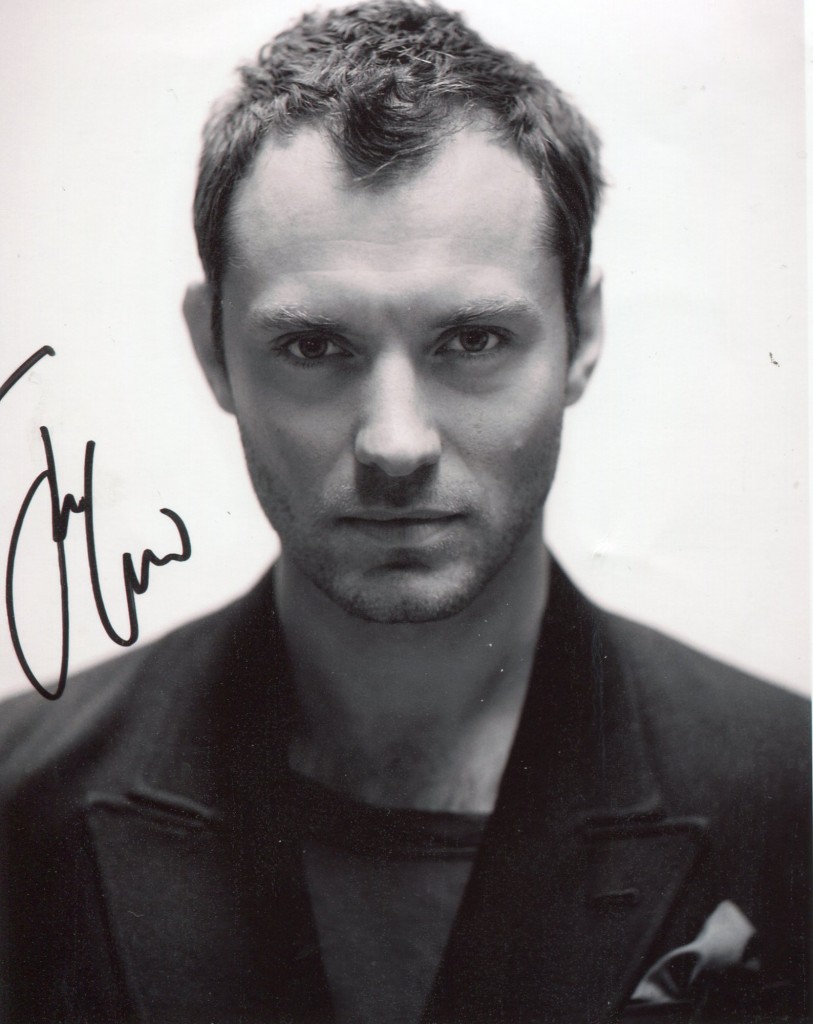
Jude Law
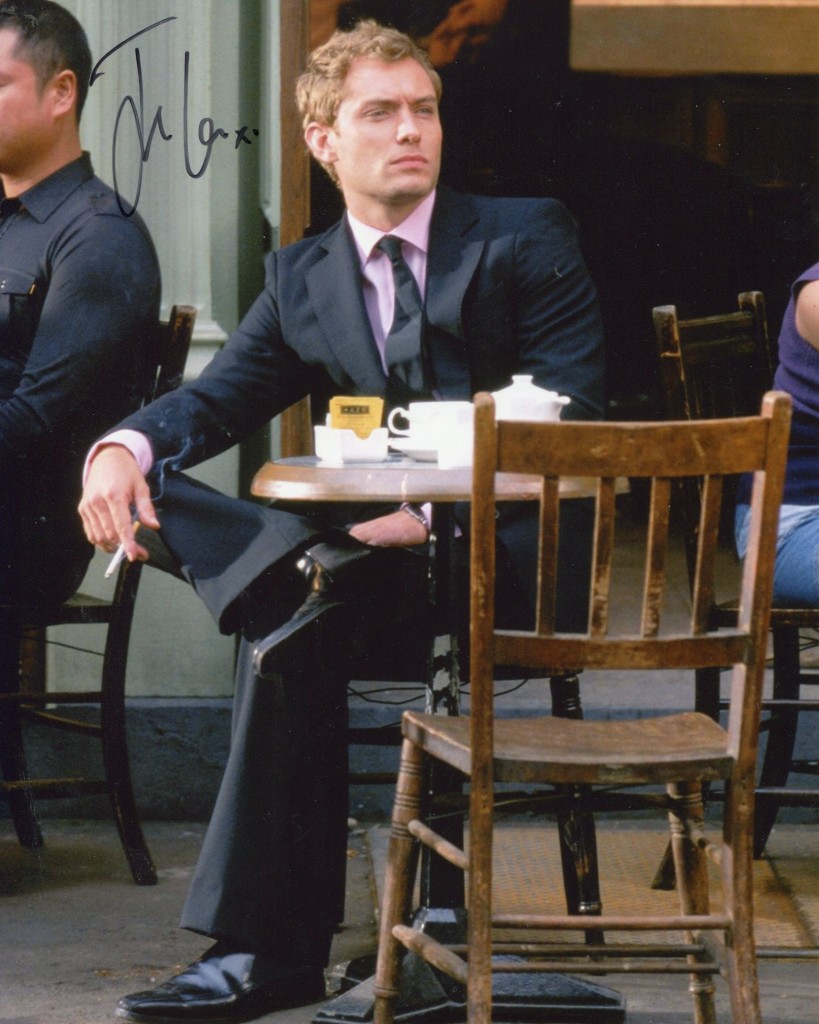
Jude Law
Jude Law
Jude Law
Jude Law

Jude Law was born in 1972 in London.   His first major break in film was in “The Talented Mr Ripley” in 1999.   Other movies since include “Midnight in the Garden of Good and Evil”, “Cold Mountain” and “Sherlock Holmes”.

TCM overview:

Plagued with being called a heartthrob and a Golden Boy, British actor Jude Law managed to develop into a respected actor known for tackling challenging and often flawed characters. Though he struggled a bit early in his career to make a name for himself, Law finally burst onto the scene full force with his Oscar-nominated performance in “The Talented Mr. Ripley” (1999). From there, he was suddenly everywhere onscreen, playing a Russian sniper battling a Nazi sharpshooter during the Battle of Stalingrad in “Enemy at the Gates” (2001), a scarred assassin fond of photography in “Road to Perdition” (2002), and a Confederate soldier presumed dead and struggling to make in home in “Cold Mountain” (2003). Though he was often the subject of tabloid fodder due his trouble-plagued relationship with starlet Sienna Miller, Law oscillated between small indies like “I [Heart] Huckabees” (2004) and “Breaking & Entering” (2006) and large-scale studio movies like “The Aviator” (2004) and “Sherlock Holmes” (2009).  .

Born on Dec. 29, 1972 in Lewisham, England, a borough in southwestern London, Law was the son of schoolteachers who encouraged their son to act at an early age. When he was 12 years old, Law began performing with the National Youth Music Theatre. A leading role in “Joseph and the Amazing Technicolor Dreamcoat” led to his TV debut in a musical based on Beatrix Potter’s “The Tailor of Gloucester” (1990). That same year, Law dropped out of school for the British soap, “Families.” Fourteen months after his debut, Law left the series and returned to the stage, touring Italy as Freddie in “Pygmalion” and making a splash in London in “The Fastest Clock in the Universe.” In 1994, Law made an impression on theatergoers in both London and New York as a young man coping with his suffocating parents in “Les Parents Terrible,” particularly for an extended bathing scene in the second act which required complete nudity. Making enough of an impression, he was the only member of the English production invited to reprise his role on Broadway and was honored with a Tony Award nomination for his effort.

Law’s first film role – he played a passive car stealing street kid in “Shopping” (1994) – did little to propel him into the consciousness of American audiences. This set an unfortunate pattern for his early film career throughout much of the 1990s, during which he delivered strong turns in under-performing features. Often touted as the “next big thing,” Law would find himself quickly relegated to the “Who’s he?” list after a string of disappointing films. In 1997 alone, he offered three diverse portraits: the spoiled Lord Alfred Douglas in the well-intentioned biopic “Wilde,” an alcoholic paraplegic in “Gattaca,” and a bisexual hustler who ends up a murder victim in the based-on-fact “Midnight in the Garden of Good and Evil.” In each case, the actor brought energy and charisma to the screen, yet each film failed to find much audience support. His losing streak continued with the barely released “Music From Another Room” (1998) with Jude starring as an artist who reconnects with a girl at whose he birth he assisted, and “The Wisdom of Crocodiles” (1998) as a vampire-like predator. While many believed that David Cronenberg’s sci-fi thriller “eXistenZ” (1999) might finally catapult Law onto the A-list, it proved too esoteric for mainstream audiences.

Law finally caught a break when Anthony Minghella tapped him to play the decadent playboy Dickie Greenleaf who becomes an object of envy to Matt Damon’s “The Talented Mr. Ripley.” Law was perfectly cast, shading the character with – as Janet Maslin wrote in her New York Times review – “the manic, teasing powers of manipulation that make him ardently courted by every man or woman he knows. During the first half of the film, Dickie is pure eros and adrenaline, a combination not many actors could handle with this much aplomb.” With talk of an Oscar nomination – which he later received – Law finally seemed truly on the verge of fulfilling the predictions of his becoming a movie star, though he would take his time getting there, cultivating pet projects before stepping up the pace of his soon-to- skyrocket film career. Prior to the release of “Ripley,” he returned to the London stage and earned strong notices in “‘Tis Pity She’s a Whore,” as well as making his directorial debut with a segment of the omnibus TV-movie “Tube Tales” (1999). Along with his wife Sadie Frost, whom he had met on the set of “Shopping,” and best mates Johnny Lee Miller, Ewan McGregor and Sean Pertwee, Law formed the production company Natural Nylon, with a slate of films in various stages of development.

As predicted, Hollywood came looking for him again in 2001 to take on the leading role in “Enemy at the Gates.” His enigmatic performance soon led to an inspired turn as a gigolo robot in Spielberg’s highly anticipated “A.I.” From there, Law would soon become a highly-coveted talent among Hollywood royalty. In 2002, he had a supporting role as a murderous photographer opposite Tom Hanks in “Road to Perdition,” before coming into his own as a leading man in 2003 when he took over a role initially for Tom Cruise opposite Nicole Kidman and Renee Zellweger in director Anthony Minghella’s “Cold Mountain” an adaptation of Charles Frazer’s best-selling Civil War melodrama. Playing Confederate Army deserter Inman, who flees his unit to return to his beloved Ada (Kidman) at Cold Mountain and faces incredible hardship on his long, harrowing journey back, Law was an utterly believable and compelling screen presence. The actor’s work was rewarded with a spate of critical recognition, including an Academy Award nomination as Best Actor. Of course, his was also subject to some of the prices of fame, which included intense media scrutiny of the gradual, messy breakup of his marriage to Frost.

Law’s next big-screen entry was the retro-yet-original action-adventure “Sky Captain and the World of Tomorrow” (2004) opposite Gwyneth Paltrow and Angelina Jolie, in which he played the titular character, a daring aviator in an Art Deco New York, battling giant robots and searching for missing scientists. “Sky Captain” was the first in a succession of Law-headlined films that were released in late 2004: He next appeared in the ensemble of writer-director David O. Russell’s “existential comedy” “I [Heart] Huckabees” as Jason Schwartzman’s rival, an executive climbing the corporate ladder at retail superstore Huckabees, whose seemingly perfect life is explored by a pair of existential detectives. Law had nearly dropped out of the film in favor of a Christopher Nolan project until Russell reportedly ran into Nolan at a Hollywood party, yanked him into a headlock and demanded he release Law. To the surprise of none, the following day the actor called to discuss his “Huckabees” role with no mention of the incident. Law then took on the titular caddish rogue with a comeuppance coming (originally played by Michael Caine) in a remake of the 1960s British comedy, “Alfie.”

He next appeared in the Mike Nichols-directed drama “Closer” opposite Julia Roberts, Natalie Portman and Clive Owen as a pair of couples whose relationships become messily intertwined; the performance was Law’s best of the busy year. The actor also gave his all when he had a cameo as the suave but debauched Hollywood superstar Errol Flynn in Martin Scorsese’s Howard Hughes biopic “The Aviator.” He closed the year as the voice of the title role in the children’s fantasy “Lemony Snicket’s Unfortunate Series of Events.” At the 2005 Oscar ceremony, Law’s now notable ubiquitous visage was notoriously skewered by host Chris Rock, who wondered who Law was to get so many roles, prompting über-serious Sean Penn, who was filming “All the King’s Men” with the actor, to defend Law’s talent from the stage. Later that year more unwanted publicity ensued when Law released a statement apologizing to his then-fiancée Miller for having an affair with his children’s nanny three months into their seven-month engagement. Not surprisingly, the British and American tabloids had a field day. The couple attempted to reconcile, but ultimately called it quits.

In “All the King’s Men” (2006), Steven Zaillian’s botched rehash of Robert Penn Warren’s Pulitzer Prize-winning novel, Law joined a promising cast that included Penn, Kate Winslet, Anthony Hopkins, Patricia Clarkson and James Gandolfini. Unfortunately, talent could not make up for bad production all around, as the respected original film turned out to be a laughing stock of a remake that was plagued by bad Southern accents, weak acting and a poorly-conceived script. Law next starred in a more palpable film, “The Holiday” (2006), a romantic comedy centered on two women – one British (Kate Winslet) and the other American (Cameron Diaz) – whose torn love lives prompt them to cross the ocean and switches houses for the Christmas holiday. Meanwhile, Law collaborated again with director Anthony Minghella for “Breaking and Entering” (2006), playing a partner at a thriving architecture firm who embarks on a quest of self-discovery and ultimately redemption when he hunts for the burglar who twice broke into his office and stole all his company’s high-tech equipment.

In another remake, “Sleuth” (2007), a play by Anthony Shaffer turned into a 1972 film starring Michael Caine and Laurence Olivier, Law played Milo Tindle (Caine’s character in the original film version), a hairdresser being set up by Andrew Wyke, an older, but wealthy society man (Caine assuming the Olivier role) determined to exact revenge on Tindle for stealing his wife. Following a turn as a celebrity supermodel in Sally Potter’s ensemble media satire “Rage” (2009), Law joined Johnny Depp and Colin Farrell in portraying a transformed version of Heath Ledger’s character in “The Imaginarium of Doctor Parnassus” (2009), following the overdose death of the actor in 2008. Returning to blockbuster filmmaking, he portrayed Dr. Watson to Robert Downey, Jr.’s titular “Sherlock Holmes” (2009), a rousing action movie that was a global hit at the box office. Meanwhile, Law rekindled his relationship with Miller despite fathering a child after his brief dalliance with model Samantha Burke in 2009, though the couple again split two years later. After starring with Forest Whitaker in the sci-fi thriller “Repo Men” (2010), Law was a messianic conspiracy theorist in Steven Soderbergh’s thriller “Contagion” (2011), which focused on the death and destruction caused by a rapidly spreading virus.

Reprising his role as Dr. Watson, Law starred with Downey, Jr., in the commercially successfully, but critically derided sequel “Sherlock Holmes: A Game of Shadows” (2011). Working with Martin Scorsese in the Oscar-nominated “Hugo” (2011), he was the deceased father of the titular Hugo Cabret (Asa Butterfield), a young boy living in the walls of Paris’ famed Gare Montparnasse railway station. After co-starring with Ben Foster, Rachel Weisz and Anthony Hopkins in the foreign-made drama “360” (2012), Law had a leading role as Alexei Karenina to Keira Knightley’s titular “Anna Karenina” (2012), Joe Wright’s Academy Award-nominated adaptation of Leo Tolstoy’s literary masterpiece. From there, he voiced Pitch Black the Boogeyman in the animated “Rise of the Guardians” (2012), and made some news for dropping out of filming the indie film “Jane Got a Gun” in 2013, the day after director Lynne Ramsay exited the film. Law had signed on to the project exclusively to work with Ramsay.


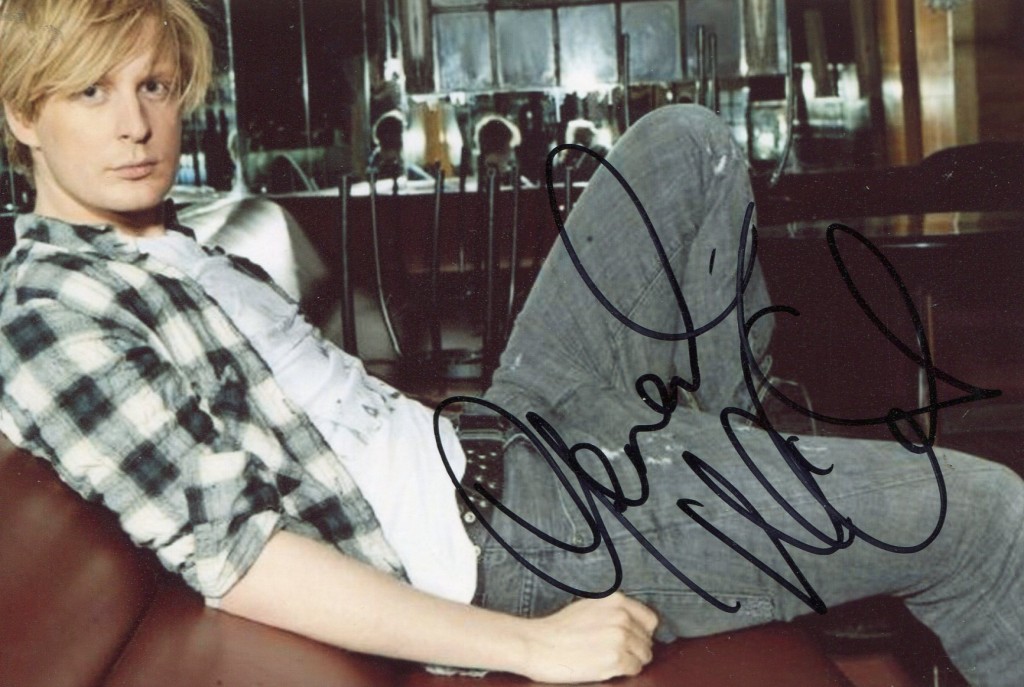
Gerard McCarthy
Gerard McCarthy
Gerard McCarthy

Gerard McCarthy was born in 1981 in Belfast.   He is best known for his role as ‘Kris Fisher’ in “Hollyoaks”.   Hos other TV roles are in “The Vikings” and the current “The Fall” with Gillian Anderson.   His movies include “On Eagles Wing” and “Belonging to Laura”.

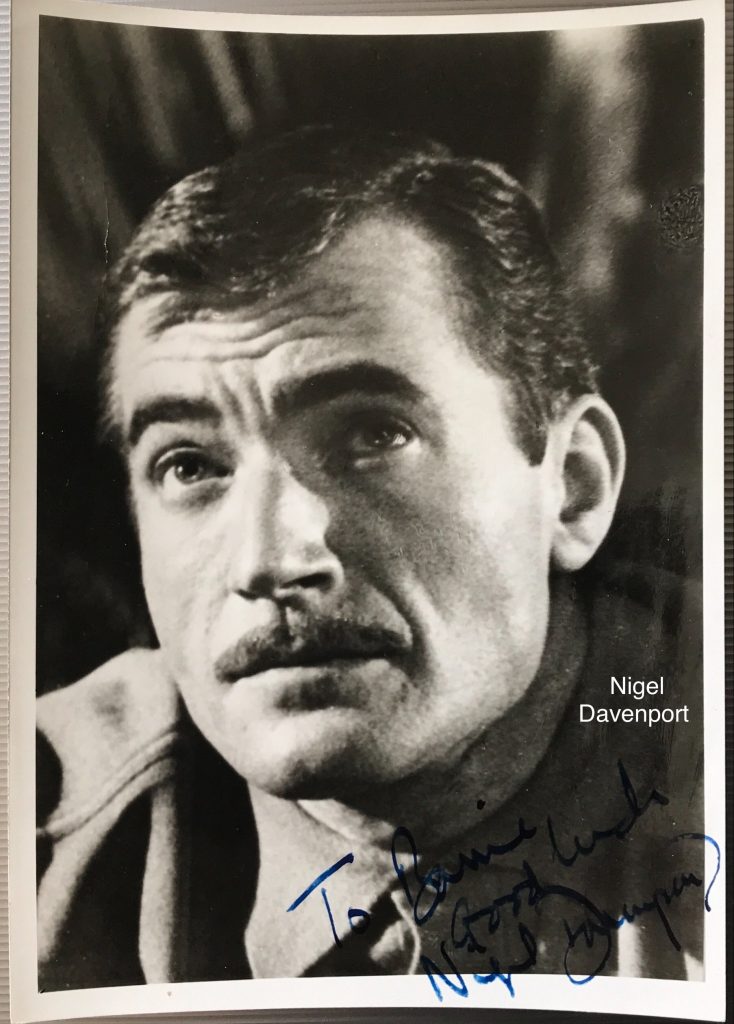
Nigel Davenport
Nigel Davenport

Nigel Davenport was born in 1928 in Shelford.   His movies include “Look Back in Anger” in 1959, “The Entertainer”, “A Man For All Seasons” and “Living Free”.   He was the father of actor Jack Davenport.   He died in 2013.

“Telegraph” obituary:

Nigel Davenport, the actor, who has died aged 85, will be best remembered for playing dark, strong, rakish toffs, aggressive heroes, scowling villains – and for what he himself called his “dodgy” eyes.

Whether in films, plays or on television, Davenport’s power largely derived, some thought, from his expressive gaze. It could be even more striking in close-up. Amiable or disturbing, it caused tough guys to wilt and pretty girls to sigh.

Whether he glanced, or glared, grinned or grimaced, Davenport had an unusual magnetism. He also had a kind of rasp in his voice which some called gravelly and others abrasive, and altogether added to his authority.

One of the most versatile and busy of British character actors, after a strong theatrical start Davenport alternated between films and plays for nearly five decades. On the small screen he might be a red-hot titled lover in Howard’s Way; an aggressive boss on a North Sea oil-rig; a moody Yorkshire squire in pre-war England (South Riding); an interfering working-class racehorse owner (Trainer); or King George III in Prince Regent.

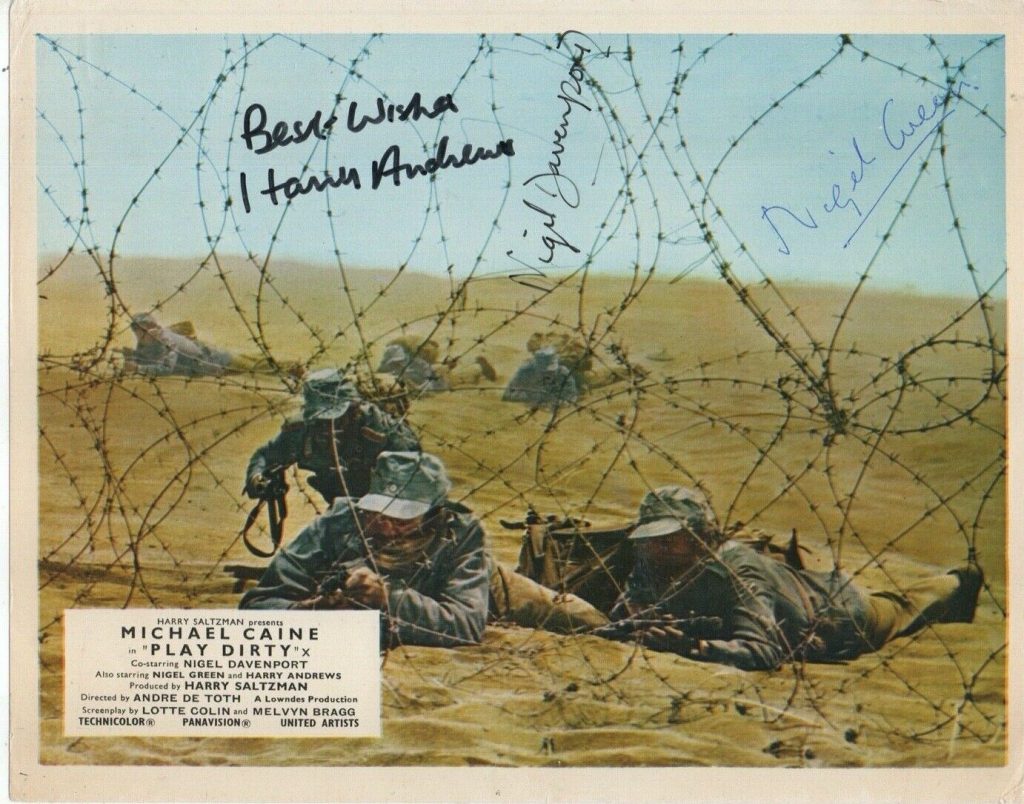
He appeared in more than 40 feature films, ranging from a detective in Peeping Tom, via a tough guy among conscripts in The Virgin Soldiers, to a resourceful psychopath who (in Play Dirty) wipes out a whole army encampment on the grounds that “I didn’t like the tea”. He was also the game warden in Living Free who resigns in order to capture lion cubs and transport them to a distant game reserve, and Lord Birkenhead in Chariots of Fire.

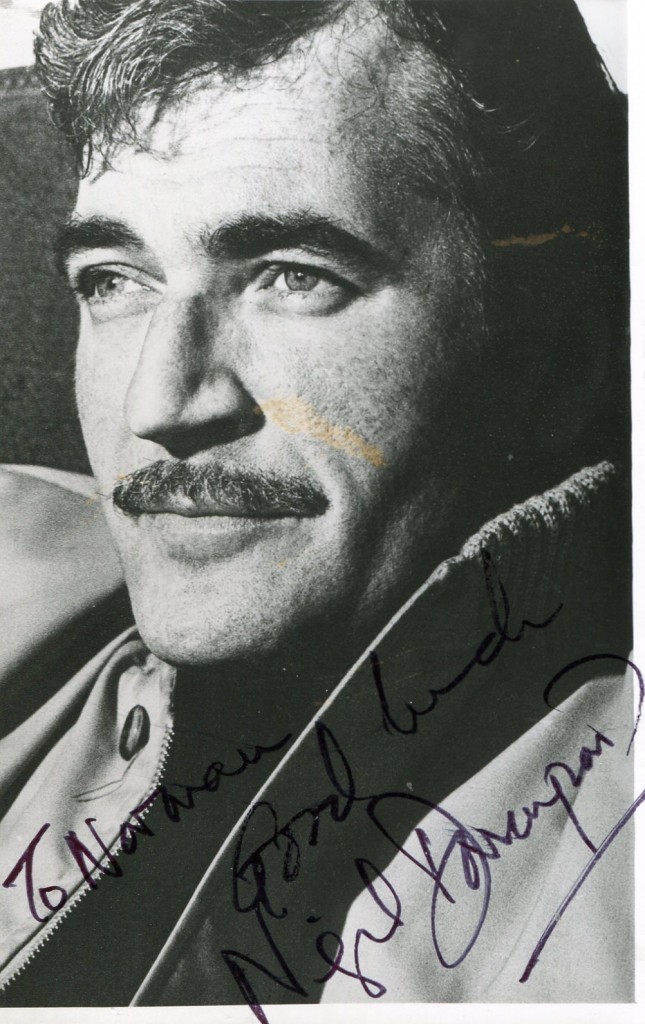
Nigel Davenport
Nigel Davenport
Sally Smith
Sally Smith
Sally Smith

Sally Smith was born in 1942 in Godalming, Surrey.   She has featured in such TV series as “No Hiding Place” in 1961, “The Avengers” and “The Benny Hill Show”.   She starred in the series “The Human Jungle”£ as Herbert Lom’s daughter.   She starred in the film “Father Came Too”.

Peter Sellers
Peter Sellers
Peter Sellers
 

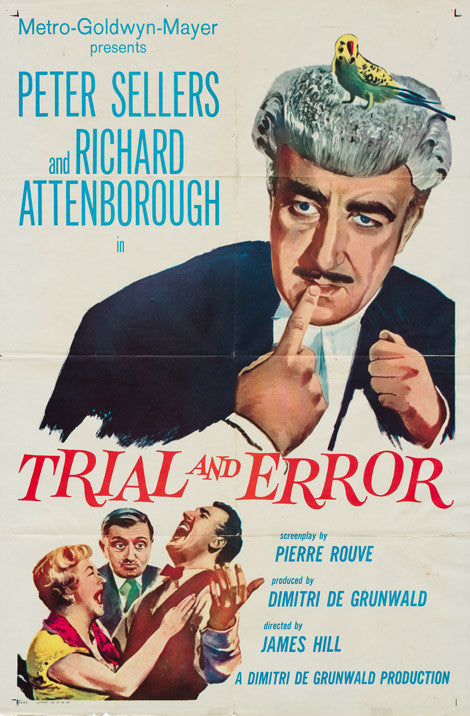
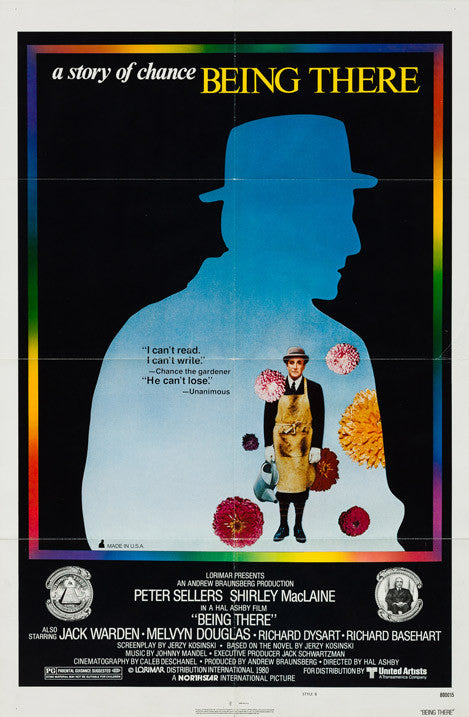
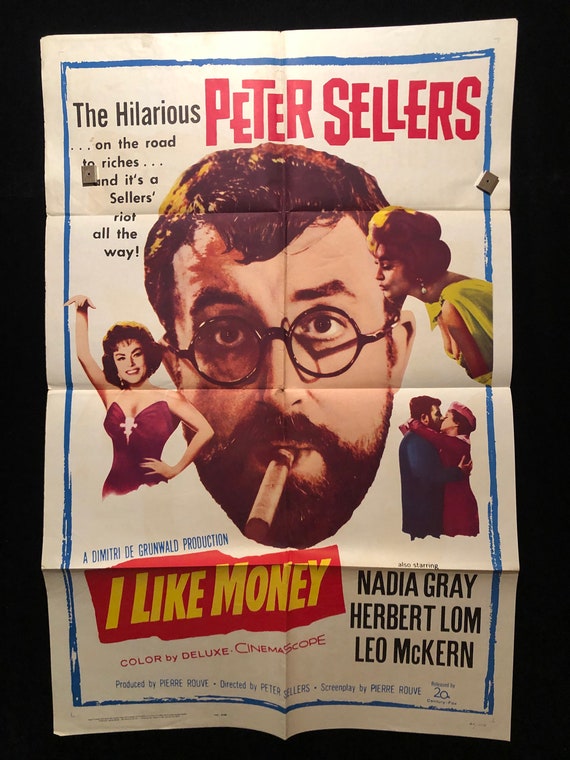
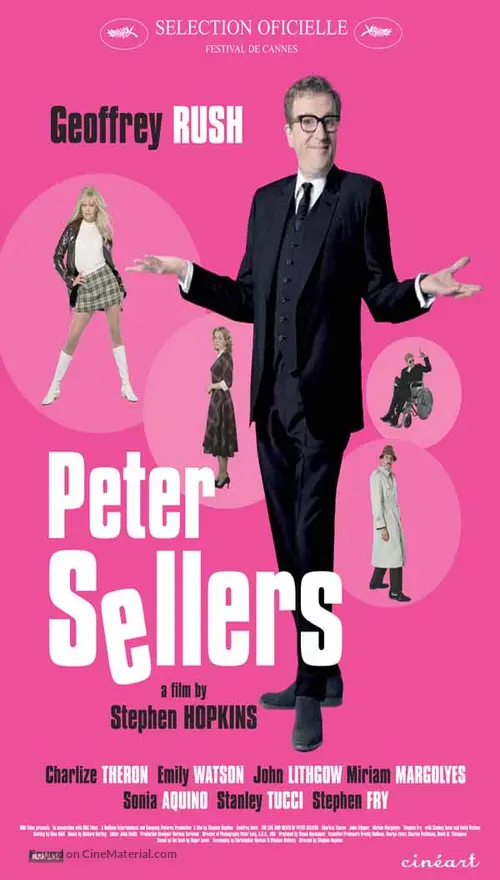
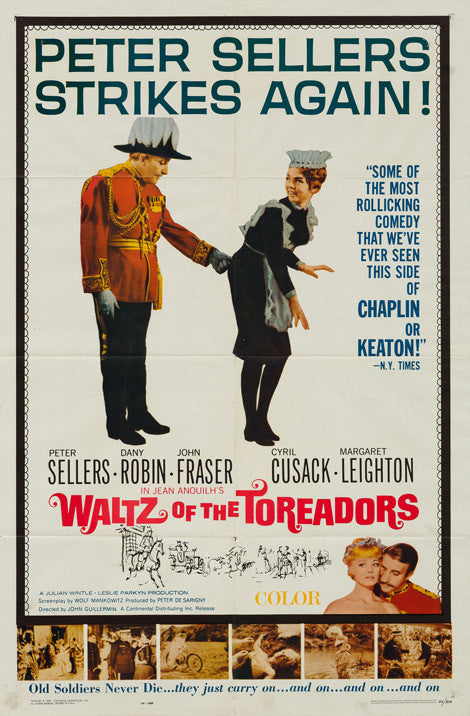
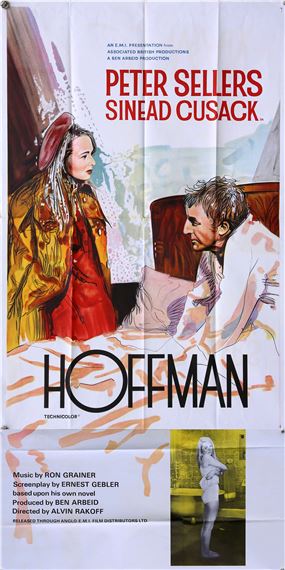
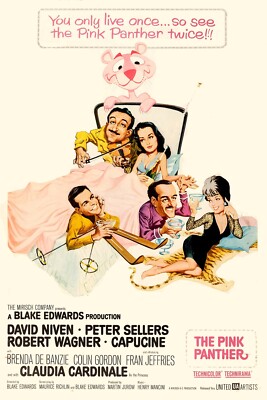
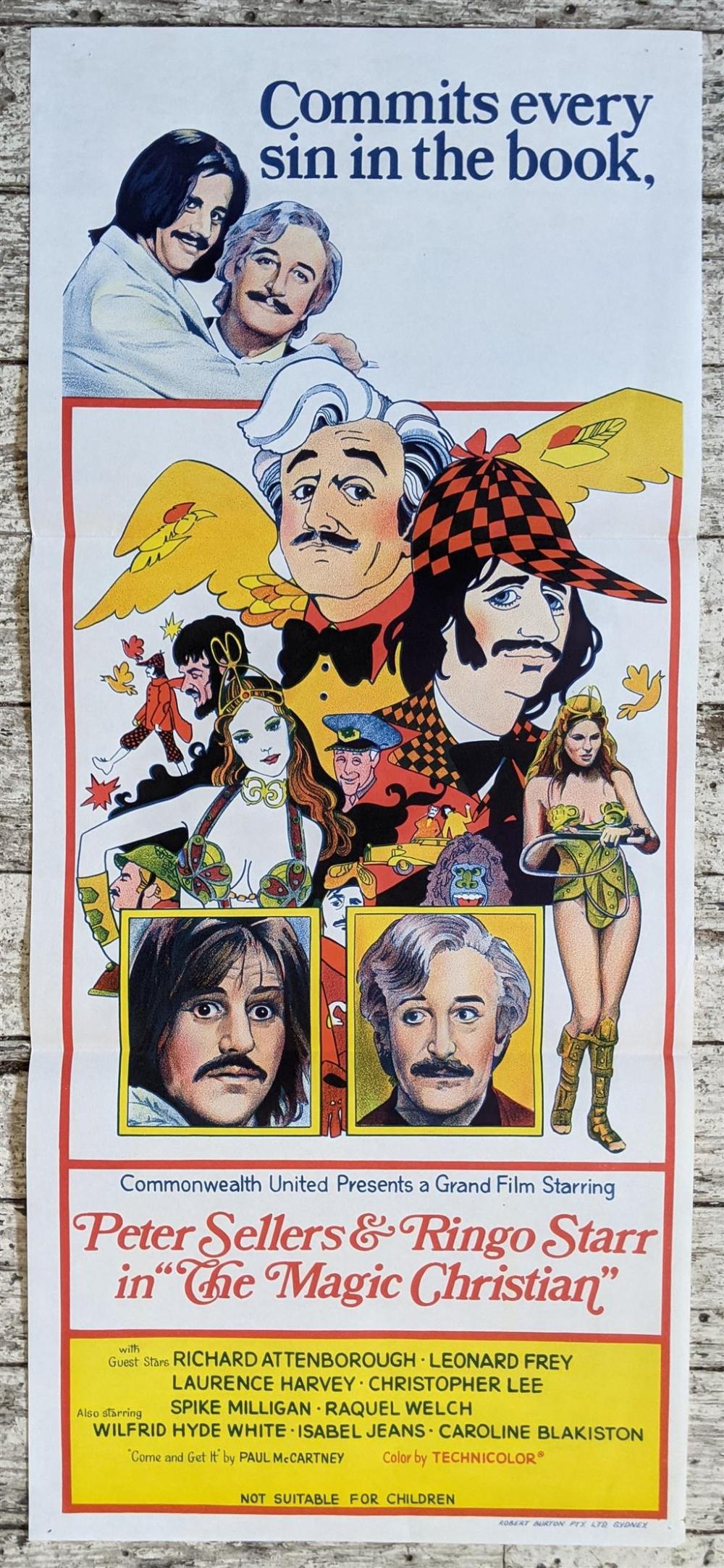
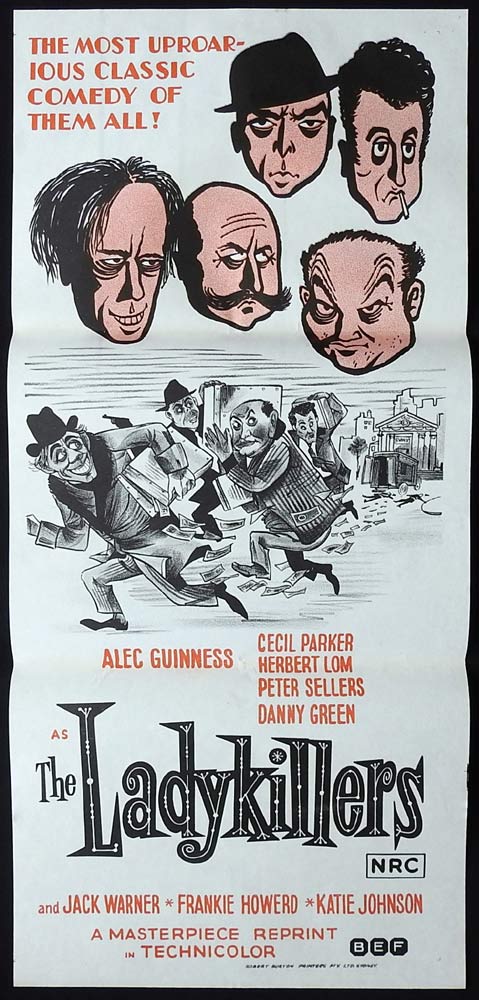
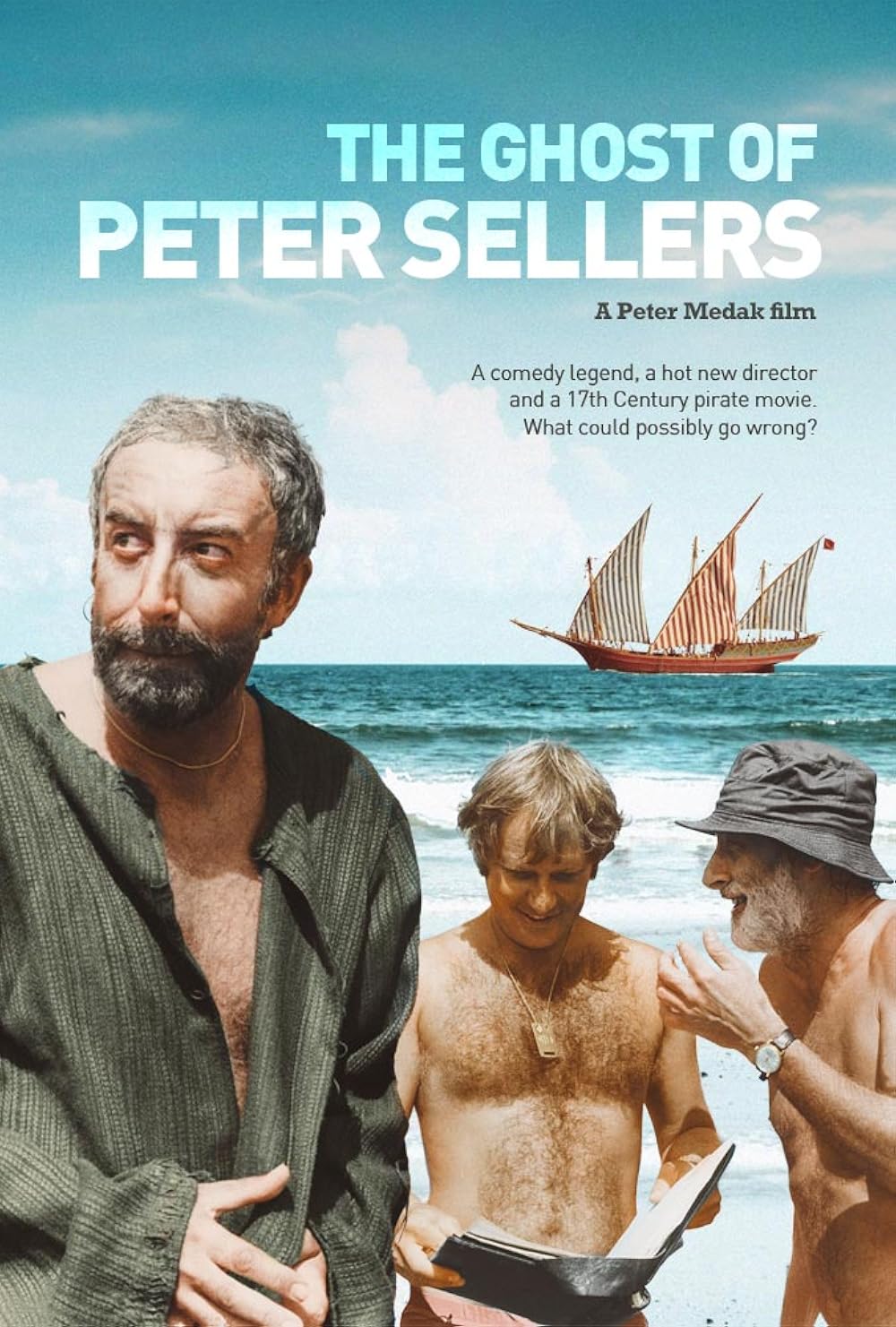
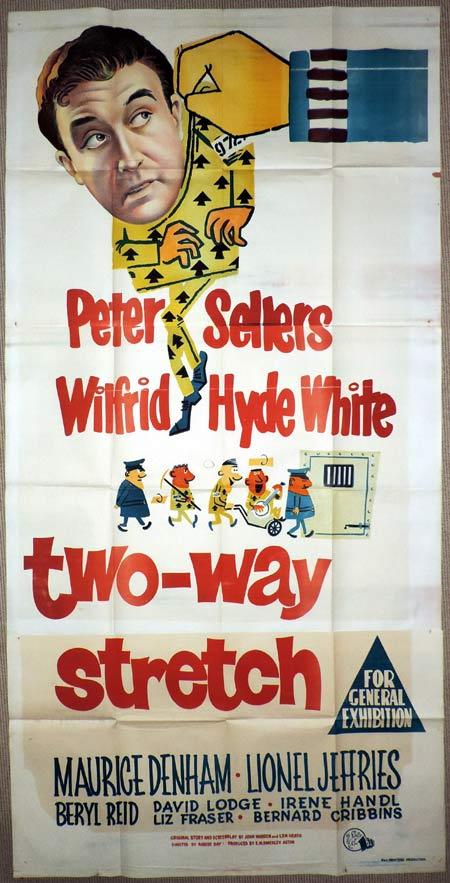
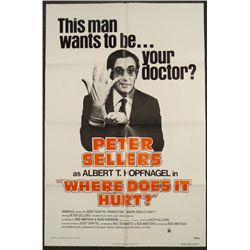
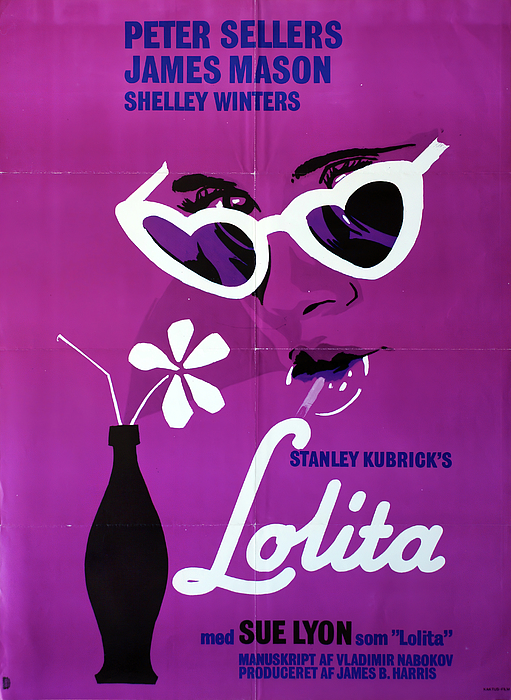
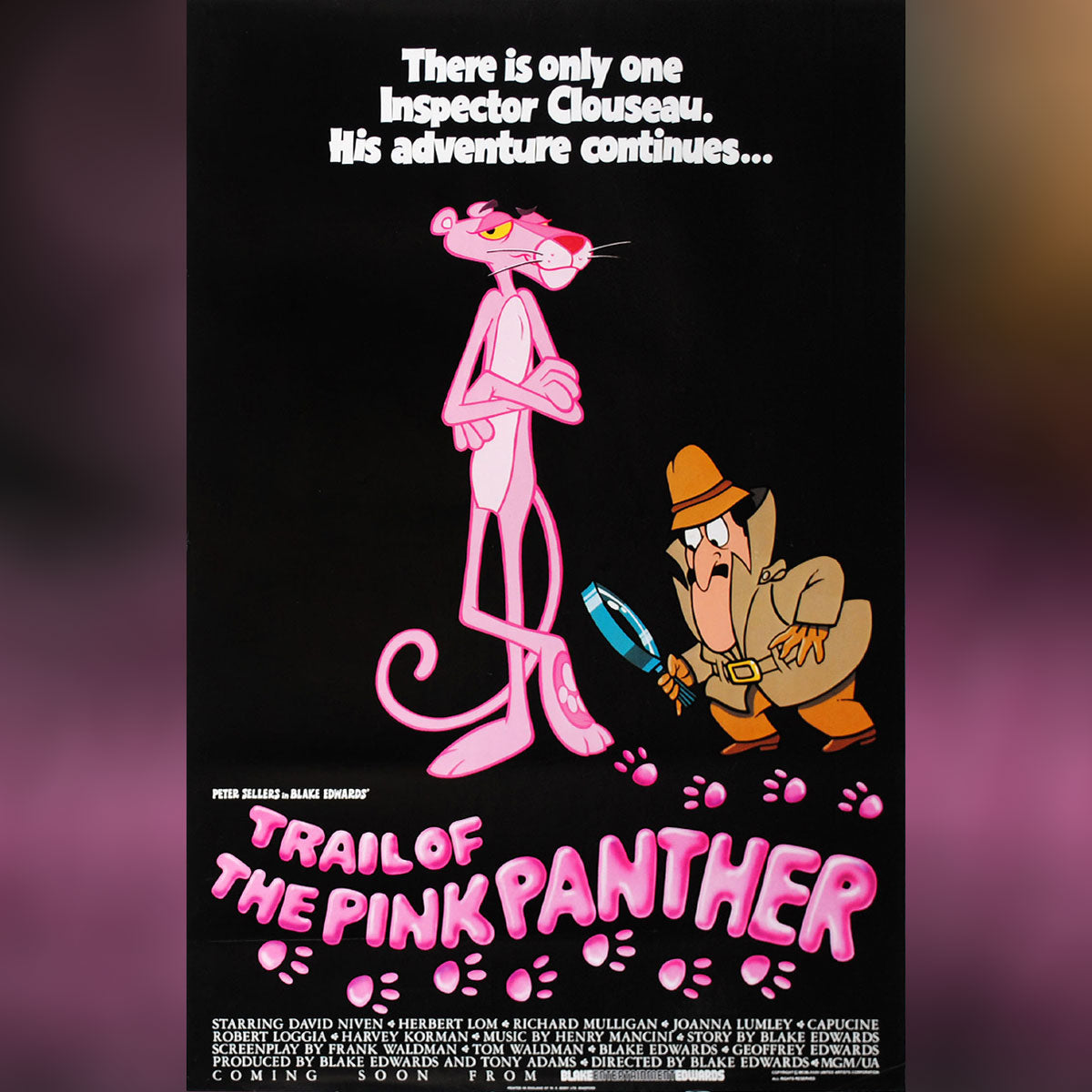
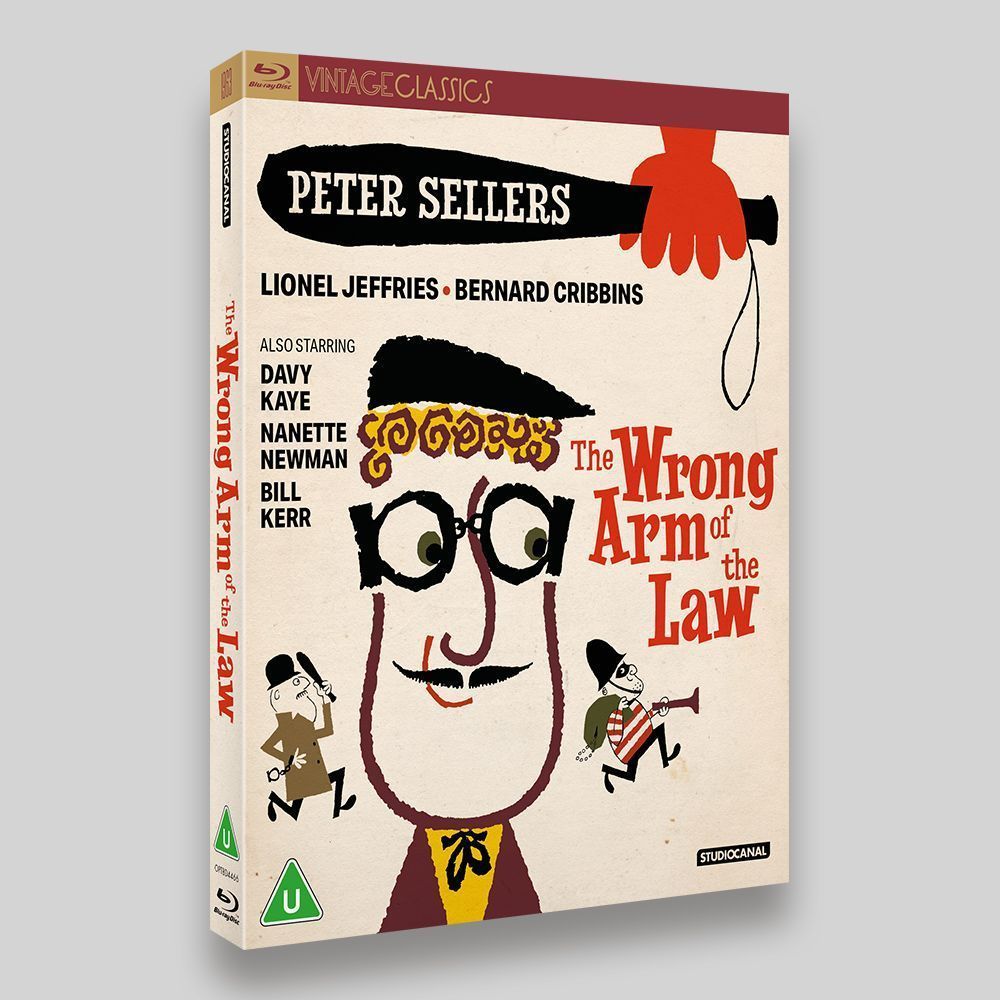
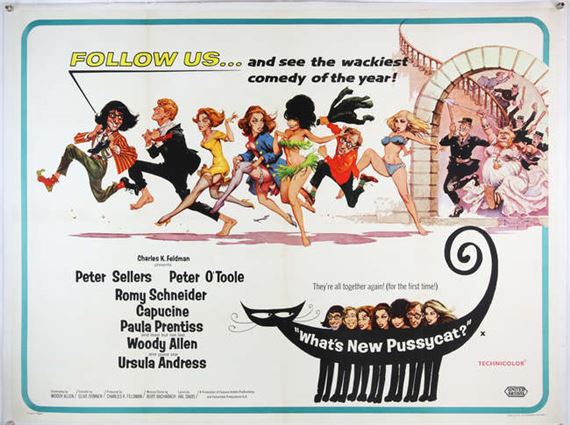
Peter Sellers wasone of the great film comics of all time.   He was born in Portsmouth in 1925.   He began his career with ‘The Goons’ on BBC Radio.   His first film was “Penny Points to Paradise” in 1951.   He had a major role in the Ealing classic of 1955, “The Ladykillers”.   He made many terrific movies in the the U.K. in the late 1950’s including “The Smallest Show on Earth” and “The Naked Truth”.   In 1963 he had enormous success with “The Pink Panter”.   He went to Hollywood soon therafter to make “Kiss Me Stupid” but suffered a heart attack and was replaced by Dean Martin.   After recovering he went on to make “What’s New Pussycat” and “The Wrong Box”.   One of his last roles was “Being There” and he died of another heart attack in 1980 at the age of 54.

TCM overview:

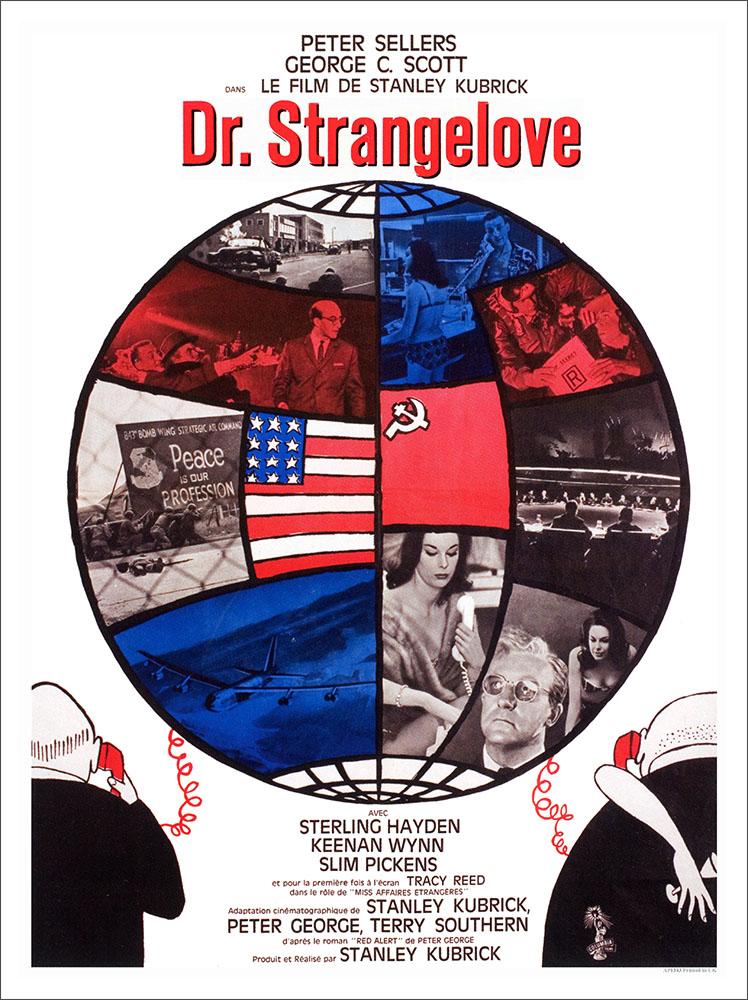
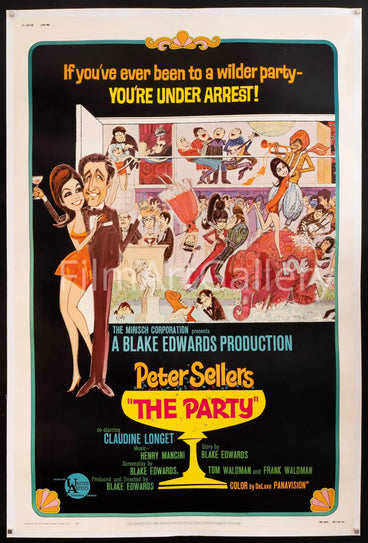
One of the most accomplished comic actors of the late 20th century, Peter Sellers breathed life into the accident-prone Inspector Clouseau in “The Pink Panther” (1963) and its three sequels, as well as such classics as “Lolita” (1962), “Dr. Strangelove” (1964), “The Party” (1968) and “Being There” (1979). The son of English vaudevillians, his ability to completely transform himself into outrageous comic characters received its first showcase on the legendary radio series “The Goon Show” in the 1950s. Film roles in the 1950s and 1960s were devoted to his knack for mimicry of accents and character types, with Stanley Kubrick’s “Lolita” and “Dr. Strangelove” underscoring his talent for drama as well. His best-known role of Inspector Clouseau surfaced in 1963, and he would return, sometimes reluctantly, to the franchise throughout his life before scoring a personal triumph as the simple-minded gardener who influences the Presidency in Hal Ashby’s “Being There” (1980). Off camera, Sellers could be cold, cruel, even unstable, but when the cameras were rolling, he showed a dedication to performance and humor that made him one of the greatest inspirations to comedians and film fans for decades.

He began life as Richard Henry Sellers on Sept. 8, 1925 in the seaside resort town of Southsea, in Portsmouth, England. His family, who were performers on the British vaudeville circuit, bestowed a particularly morbid nickname upon their son: Peter was the name of a brother who did not survive birth. He took up his family’s profession at an early age, dancing and singing alongside his mother in stage shows when he was just five years old. He became skilled at a variety of talents, including drums, banjo and ukulele, and for a while, he toured as a drummer with various jazz bands. Sellers was also an expert mimic, which he put to excellent use during his service as an airman with the Royal Air Force during World War II. He frequently impersonated his superior officers as a way to gain access into the Officers’ Mess, and made them part of his performances with the Entertainments National Service Association, which put on plays and skits for British troops. His knack for mimicry also served him well in the years after his discharge in 1948. Sellers supported himself by performing stand-up comedy and celebrity impressions on the variety theater circuit, and at one point, secured a meeting with BBC producer Roy Speer by pretending to be radio star Kenneth Horne. The ruse clearly worked, as the 23-year-old Sellers was soon granted an audition, which lead to a role on the popular radio comedy “Ray’s a Laugh,” starring comedian Ted Ray. Audiences had their first glimpse of Sellers’ astonishing voice talent on the series, which allowed him to play everything from an obnoxious little boy to a bizarre older woman.

During this period, Sellers was also performing in an informal group with comics Spike Milligan and Michael Bentine and singer Harry Secombe. The quartet, who dubbed themselves the Goons, recorded their antics at a local pub, and the tape made its way into the hands of a BBC producer, who granted the quartet their own radio series. “The Goon Show” premiered in 1951 and became a massive hit with British audiences, thanks to its surreal humor which parodied traditional radio drama with absurd leaps in logic. Each episode was filled with countless bizarre characters, many of which were voiced by Sellers, including the program’s chief villain, Hercules Grytpype-Thynne; the hapless scoutmaster Bluebottle; the cowardly, flatulent Major Bloodnok (who was based on many of Sellers’ superior officers), and many others. On more than one occasion, Sellers was called upon to voice all of Milligan’s characters as well, and at times, carry out complete conversations between two or more people.

The popularity of the Goons’ radio program led to a few abortive attempts at television series, including “The Idiot Weekly, Price 2d” (ITV, 1956), but most filmed efforts were unable to match the stream of consciousness that comprised their recorded efforts. More successful were the Goons’ comedy LPs and novelty songs, as well as a quartet of films – the feature length “Let’s Go Crazy” (1951), which marked Sellers’ screen debut, “Penny Points to Paradise” (1951), “Down Among the Z Men” (1952), and the shorts “The Case of the Mukkinese Battle Horn” (1956) and “The Running Jumping & Standing Still Film” (1959). The latter, directed by Sellers and Richard Lester, was nominated for an Academy Award for Best Live Action Short, and also served as the impetus for the Beatles – all dedicated Goons fans – to hire Lester to direct “A Hard Day’s Night” (1964). The Goons were also acknowledged influences on the members of Monty Python’s Flying Circus, Eddie Izzard, The Hitchhiker’s Guide to the Galaxy author Douglas Adams, Peter Cook, the Firesign Theater and countless British and American television comedies.

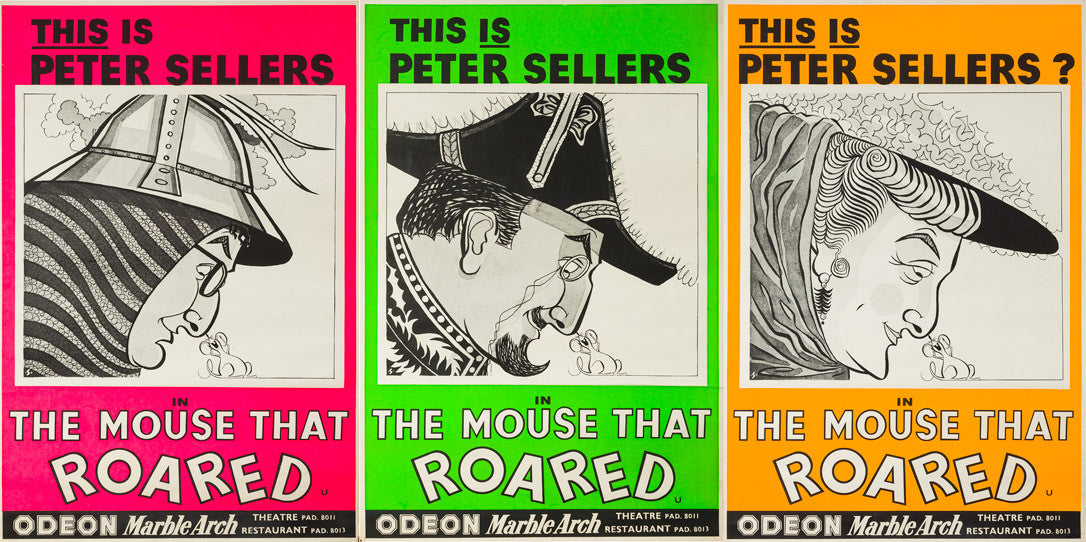
In 1954, Sellers began branching out on his own as a supporting player in feature comedies. He quickly established himself as versatile a performer on screen as he was over the radio airwaves, with richly varied characters in some of the greatest British comedies of the late 1950s and early 1960s. He was the nervous Teddy Boy that joined Alec Guinness’s inept criminal crew in Alexander Mackendrick’s “The Ladykillers” (1955), an obsequious game show host in “The Naked Truth” (1957), a baffled military officer in Val Guest’s “Up the Creek” (1958), and most impressively, three roles in “The Mouse That Roared” (1959), including the addled Duchess of the tiny European nation of Fenwick, which declares war on – and defeats – the United States. Several of these pictures were international successes, especially in America, which brought Sellers to the attention of Hollywood. In 1958, he made his stateside debut in “tom thumb” (1958), fantasy director George Pal’s musical adaptation of the Brothers Grimm fairy tale about a tiny hero who outwits a pair of thieves (Sellers and Terry-Thomas).

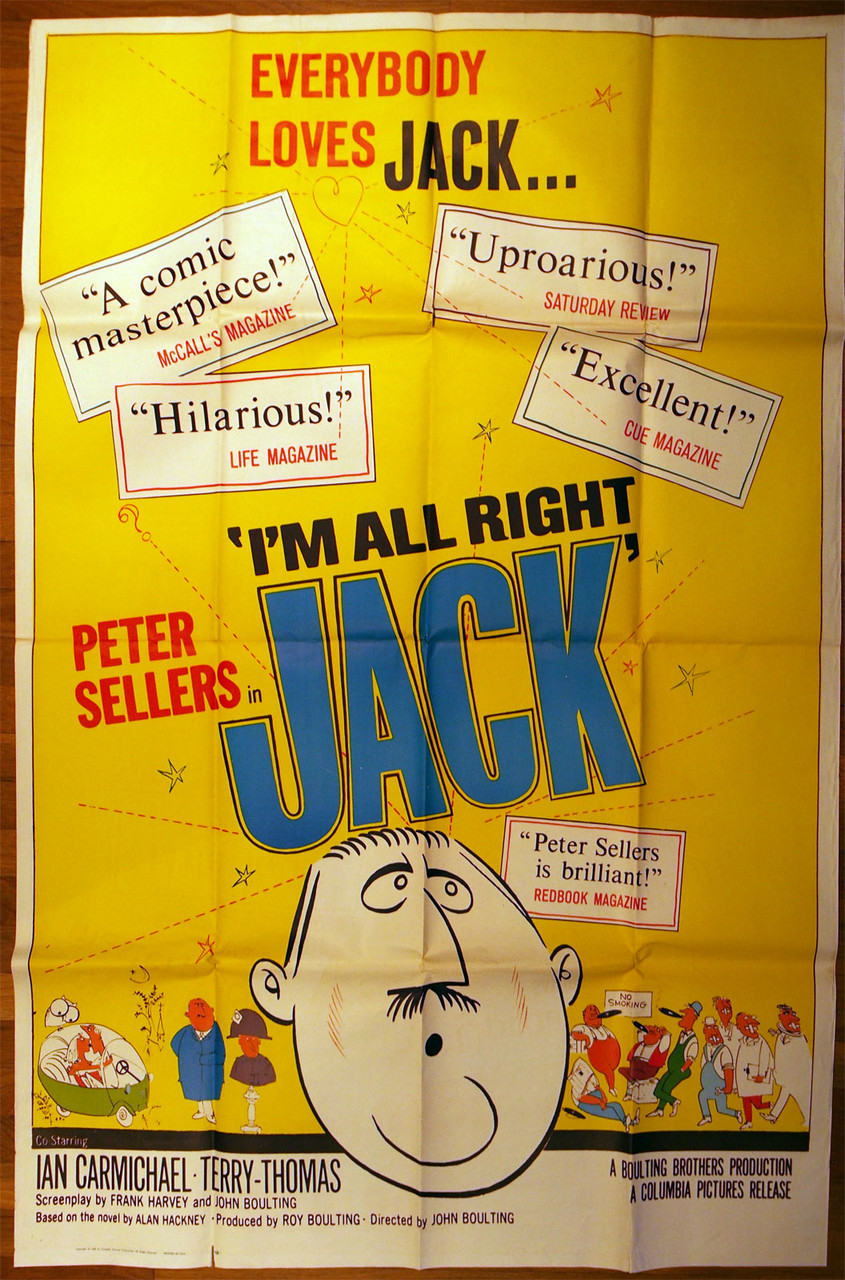
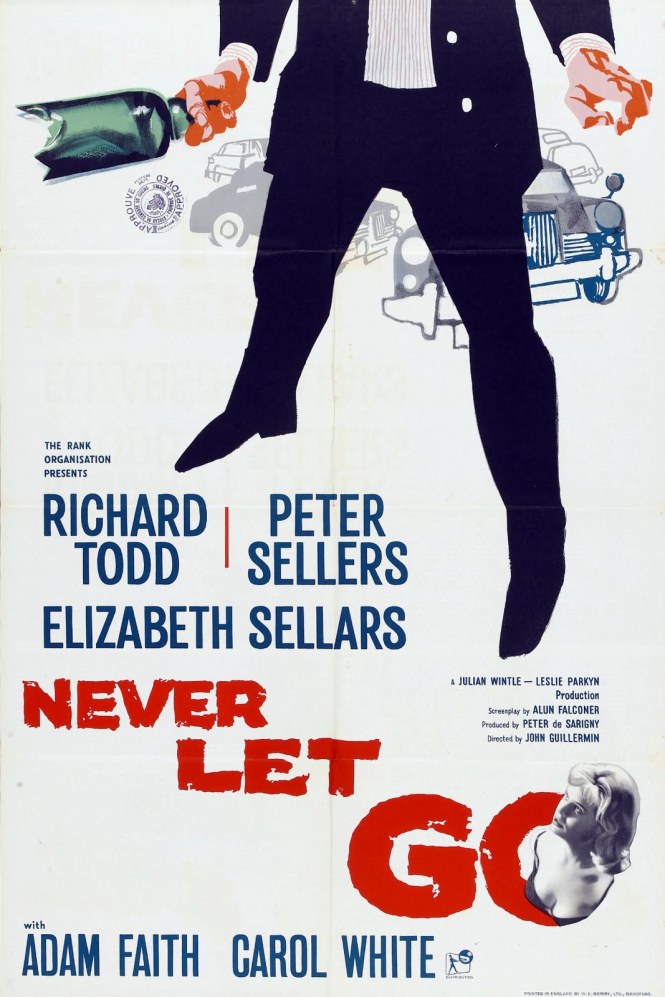
Sellers’ stature as a film star grew in the 1960s, thanks to several key films. “Never Let Go” (1960) was a thriller that afforded him a rare opportunity to play a straight role as a murderous car dealer, while “I’m All Right Jack” (1959) proved he could bring pathos to his comic roles. His turn as a Communist shop steward who becomes a reluctant strike leader in the latter film earned him a BAFTA for Best Actor in 1959. However, it was Stanley Kubrick’s controversial adaptation of “Lolita” (1962) that made him an international star. His protean nature was given full reign as Clare Quilty, the decadent playwright who attempts to lure Sue Lyon’s teenage Lolita into his depraved world, prompting his murder by Humbert Humbert (James Mason). Kubrick’s version expanded the role considerably, allowing Sellers to don several disguises and accents throughout, including a Germanic doctor, Zempf, who foreshadowed Sellers’ turn as Dr. Strangelove two years later. For his efforts, Sellers was critically acclaimed, as well as a Golden Globe nominee for Best Supporting Actor.

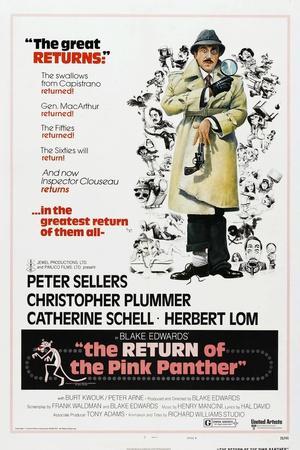
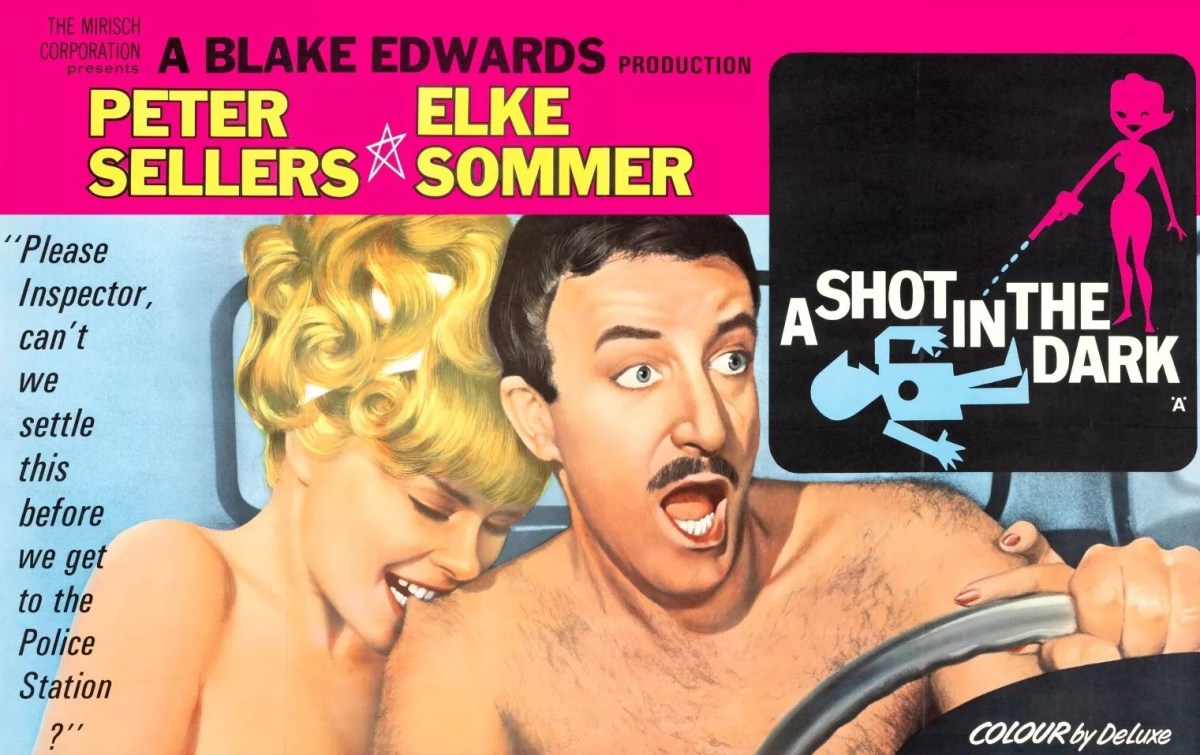
In 1963, Sellers made his first appearance in his most iconic role – that of Chief Inspector Jacques Clouseau in “The Pink Panther.” Fiercely dedicated to fighting crime and upholding the dignity of France, Clouseau is also wildly accident-prone, egotistical to a fault and burdened with an impenetrable accent that transformed English into a wholly unknown language. A supporting character in “Panther,” which was intended as a comic caper series devoted to star David Niven’s gentleman jewel thief, it was Sellers that captured audiences’ attention, and led to a long and tumultuous series of films. The second in the series, “A Shot in the Dark” (1964), followed a year later with Clouseau now the central character. It too was a success, but the relationship between Sellers and director Blake Edwards deteriorated to such a degree that the pair refused to work together again until 1968’s “The Party.” A third Clouseau film, “Inspector Clouseau” (1968), continued the franchise with Alan Arkin in the title role, but it was not a success, prompting MGM to urge Sellers and Edwards to patch up their differences and return to the series for 1975’s “Return of the Pink Panther.”

Clashes such as the one with Edwards were not uncommon for Sellers during his career. In both Europe and America, he soon developed a reputation as a difficult performer, prone to lashing out at castmates over perceived slights. His personal life was also marked by moments of astonishingly casual cruelty towards his spouses and children. His first marriage, to Anne Howe, ended in a difficult divorce that may have been prompted by an affair with actress Sophia Loren; his second marriage, to actress Britt Ekland, was marked by domestic violence spurred by allegations of infidelity. Biographers surmised that Sellers suffered from depression and anxiety over his career, which he often viewed as a failure. Further evidence of his troubled psyche was glimpsed in interviews that asked him about his penchant for disappearing into his characters. His response was that there was no “Peter Sellers,” but rather, a blank slate that adapted to the needs of the role.

The greatest example of the extent to which Sellers could immerse himself into a role was perhaps Kubrick’s “Dr. Strangelove, Or How I Stopped Worrying and Learned to Love the Bomb” (1964). The black comedy, about a series of political blunders which lead to World War III, allowed Sellers to play several roles: U.S. President Merkin Muffley, British officer Lionel Mandrake, and the sinister Dr. Strangelove, a wheelchair-bound nuclear scientist whose crippled body seemed hellbent on betraying his Fascist past. Sellers was initially asked to also play Major T.J. “King” Kong, the U.S. Air Force officer who rides the bomb bronco-style as it descends on the Soviet Union, but an injury forced Sellers to abandon the role, which was given to veteran Western performer Slim Pickens. Sellers found both the humor and the horror of the characters in his performances, which received an Oscar nomination, and seemed to indicate that he could move into dramatic roles – his abiding wish. However, he suffered a string of debilitating heart attacks – 13 over the course of a few days – that curtailed his availability. Desperate to return to work, he sought the aid of psychic healers for his condition, which would continue to deteriorate over the next two decades. He also threw himself headlong into film work, which varied, often wildly, in quality.

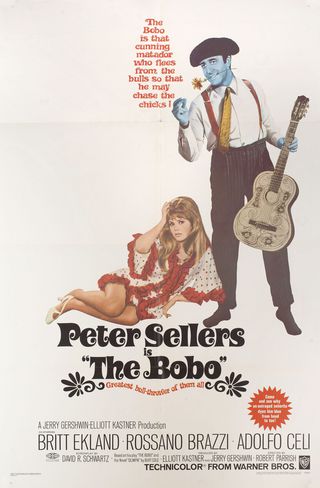
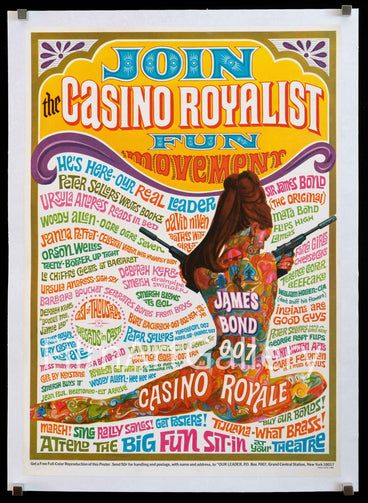
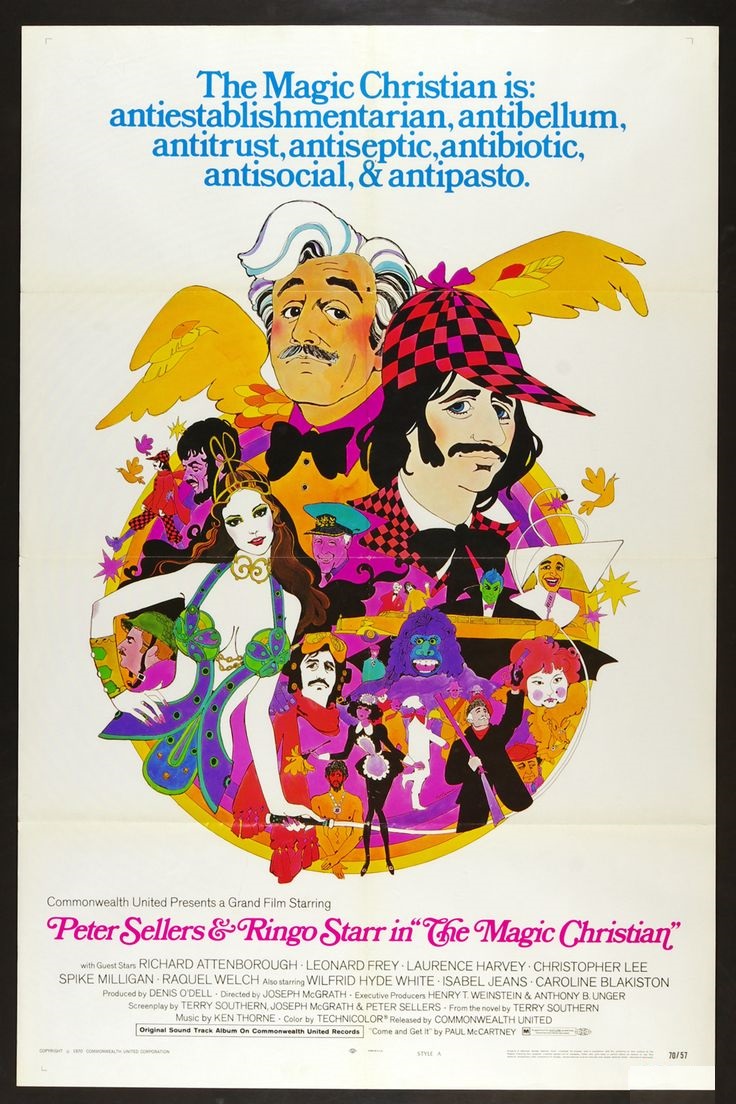
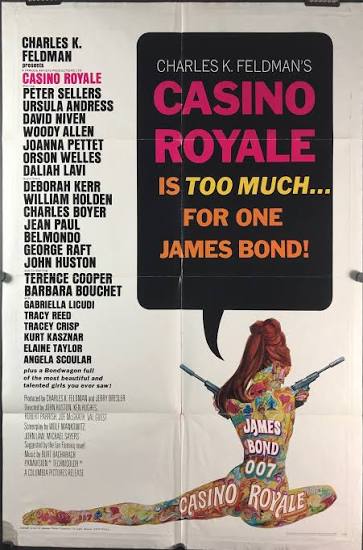
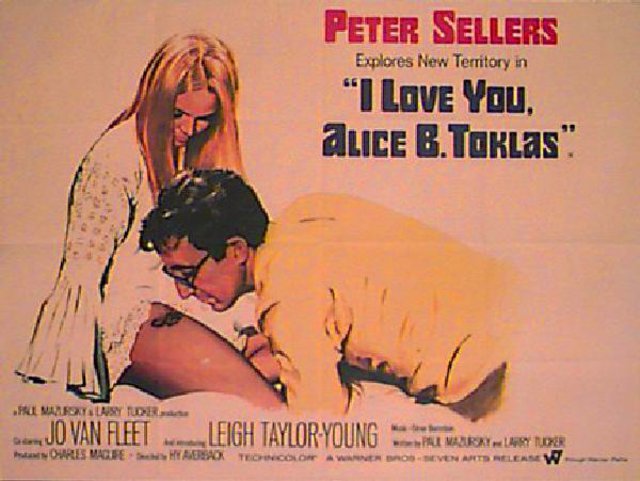
Sellers longed to play romantic roles, such as his singing matador in “The Bobo” (1967), but audiences responded more to his buffoonish turns, like the accident-prone Indian actor in Edwards’ “The Party” (1968) or the Italian jewel thief who poses as a film director in order to smuggle gold out of Europe in the Neil Simon-penned “After the Fox” (1966). He attempted to play James Bond in the all-star vanity project “Casino Royale” (1967), but abandoned the film after clashing with co-star Orson Welles and, allegedly, realizing that the film was in fact, a comedy and not a straight action piece. The end of the decade, which saw him diving into the counterculture with “I Love You, Alice B. Toklas!” (1968) and “The Magic Christian” (1969), which co-starred his close friend, Beatle Ringo Starr, also marked the conclusion of his lengthy tenure as a movie star for some years.

The first half of the 1970s was a period of deep personal and public failure for Sellers. His marriage to Eklund had ended on an explosive note in 1968, and his 1970 marriage to Australian model Miranda Quarry followed suit in 1974. His film career was in total freefall; pictures like “There’s a Girl in My Soup” (1970), “Ghost in the Noonday Sun” (1973), which reunited him with Spike Milligan, and “The Great McGonagall” (1974), were box office disasters. Sellers’ health also continued its downward spiral due to his reluctance to treat his condition with Western medicine, and a growing dependence on alcohol and drugs. The spell of bad luck broke in 1974 with the fourth “Pink Panther” film, “Return of the Pink Panther,” which reunited him with Blake Edwards once again. The result was a colossal hit for Sellers, and a career revival that lasted for the remainder of his life.

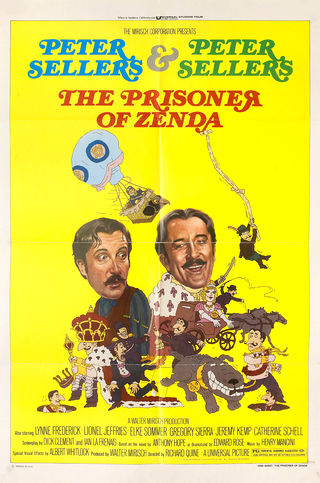
However, Sellers was mentally and physically unprepared for the rush of attention and work that came in the wake of “Return.” His relationship with Edwards had crumbled. By the time they began the rushed sequel to “Return,” 1976’s “The Pink Panther Strikes Again,” Sellers was unable to perform many of his own physical gags, and Edwards would later describe his emotional state at the time as “certifiable.” “Strikes Again,” however, was another hit, with Golden Globe nominations for the film and its star, who began working in earnest on several films. “Murder By Death” (1976) was an all-star parody of detective films, with Sellers playing a short-tempered version of Charlie Chan, while “The Prisoner of Zenda” (1978) was a lukewarm adaptation of the familiar Anthony Hope novel about a commoner (Sellers) recruited to impersonate his look-alike, the king (also Sellers) of a tiny European country. Sellers, however, had his attention fixed elsewhere.

For several years, he had worked in earnest to secure the film rights to Jerzy Kosinski’s novel Being There, about a simple gardener who becomes the confidante to the rich and powerful. The project went before cameras in 1979, with Sellers giving one of his richest performances in a role that seemed tailor-made for him – a man with no discernible personality, yet the ability to fascinate and inspire so many around him. The film was a critical and audience success, and won Sellers a Golden Globe and an Oscar nomination. The validation and acclaim, however, would be short lived.

Sellers had suffered another punishing heart attack in 1977, which required him to be fitted for a pacemaker. Though he had resisted having heart surgery for years, he finally relented, and in 1980, was slated to undergo an operation in Los Angeles. Just days before the surgery, Sellers suffered a massive heart attack which sent him into a coma. He died two days later on July 24, 1980, just one day before a scheduled reunion dinner with his Goon Show partners, Spike Milligan and Harry Secombe. He was survived by his fourth wife, actress Lynne Frederick, and his three children. At his funeral, the Glenn Miller song “In the Mood” was played for mourners. It was a fitting touch for a man who reveled in the darker side of humor; the song was reportedly one that the 54-year-old Sellers had long hated.

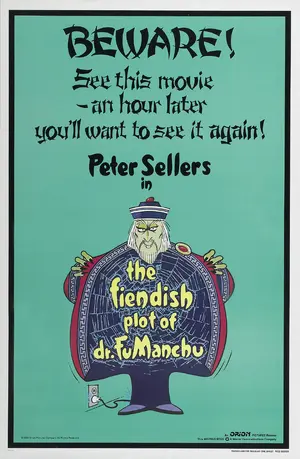
While the Hollywood community mourned his premature loss, the anarchy that swirled around Sellers continued to broil after his death. In 1979, Blake Edwards shocked many by releasing “Revenge of the Pink Panther,” which featured Sellers in outtakes from several of the previous films. It was roundly panned, but did not dissuade him from cobbling together another Clouseau movie, “Trail of the Pink Panther” (1982), from outtakes. Sellers’ final film, a dismal comedy called “The Fiendish Plot of Fu Manchu,” which he also co-directed, was released in 1980. Edwards would continue to labor over the Pink Panther franchise for two more films – “Curse of the Pink Panther” (1983), with Ted Wass as a Clouseau-esque policeman, and “Son of the Pink Panther” (1993), with Roberto Begnini as Clouseau’s illegitimate offspring – both of which were disastrous failures. Sellers’ estate was also the source of considerable dismay for his family members.  .

 The above

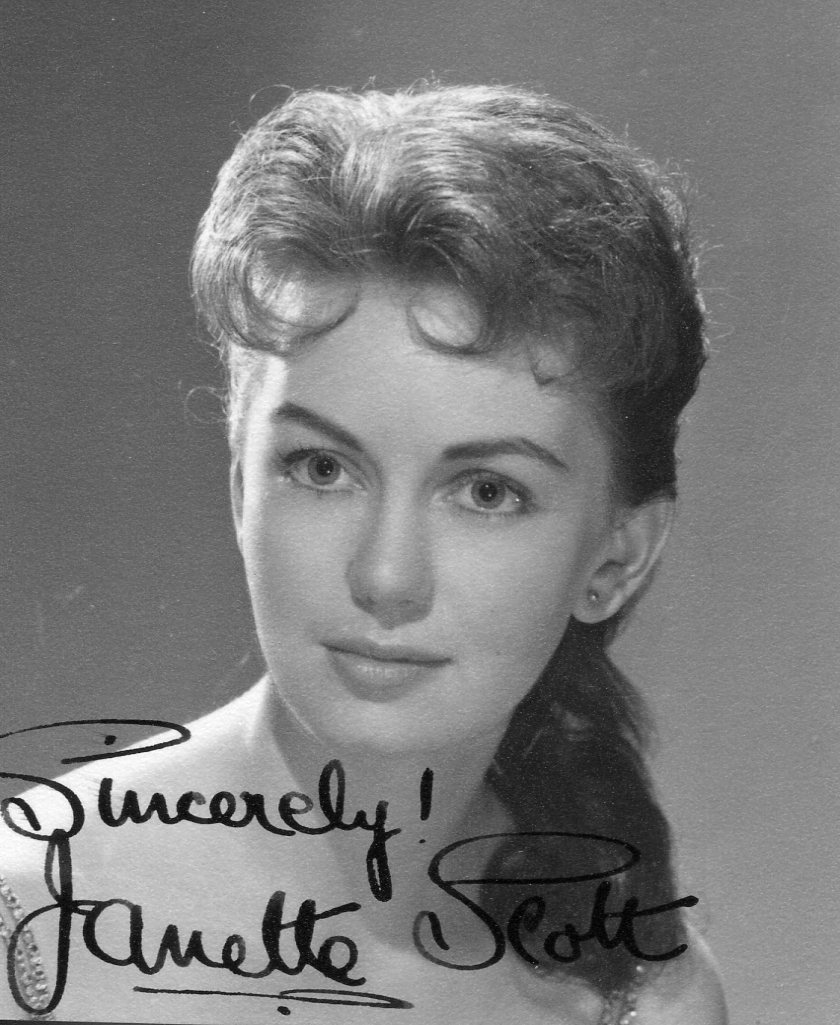
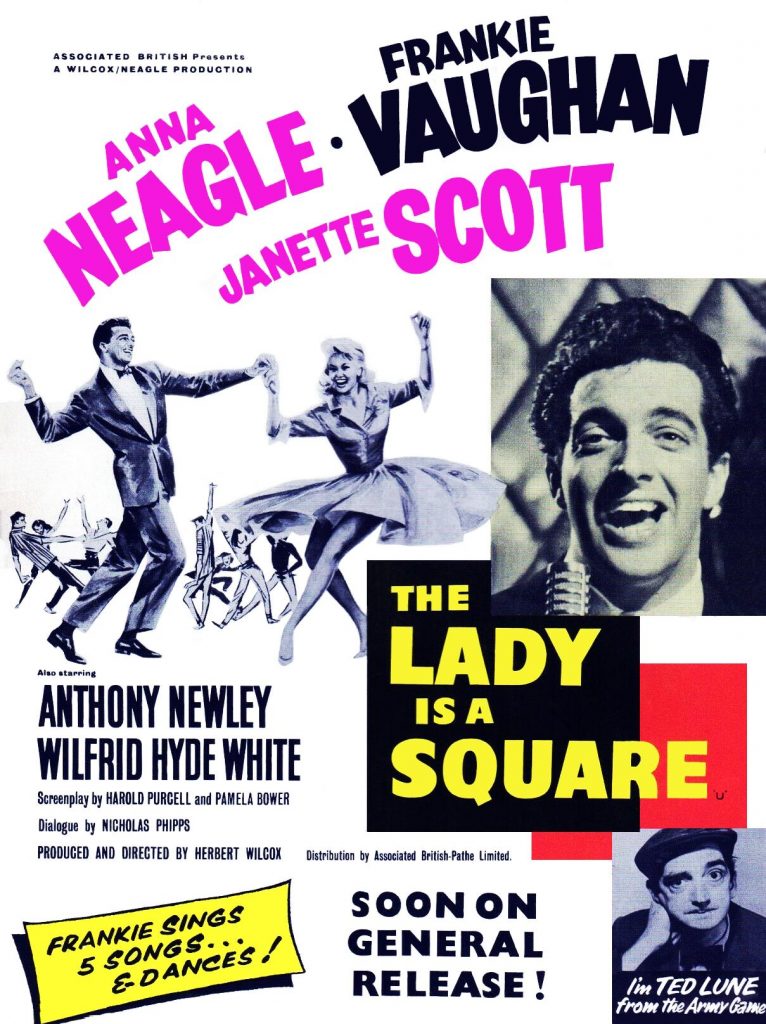
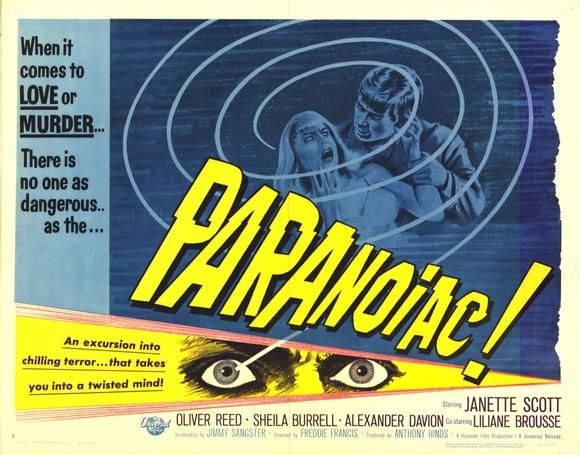
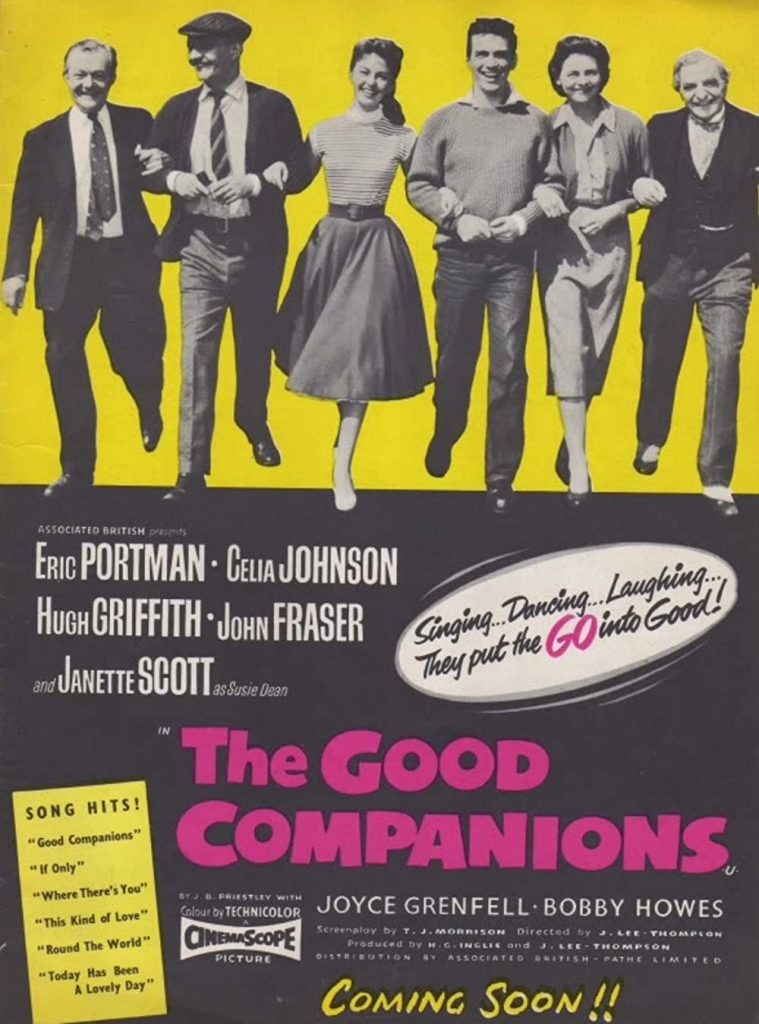
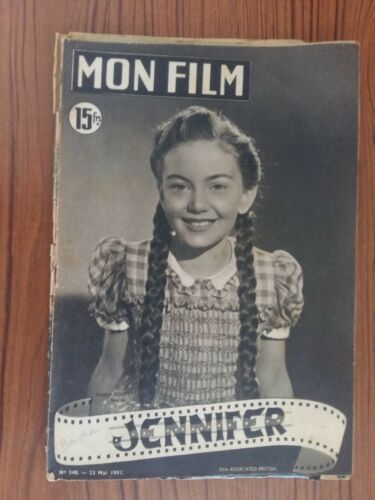
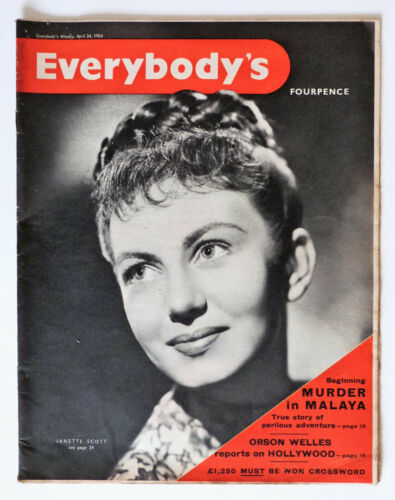
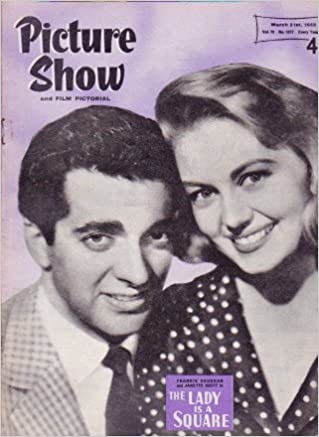
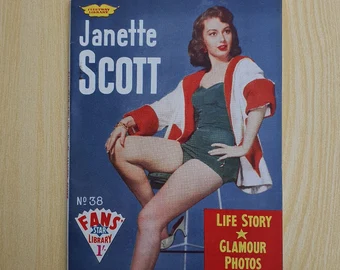
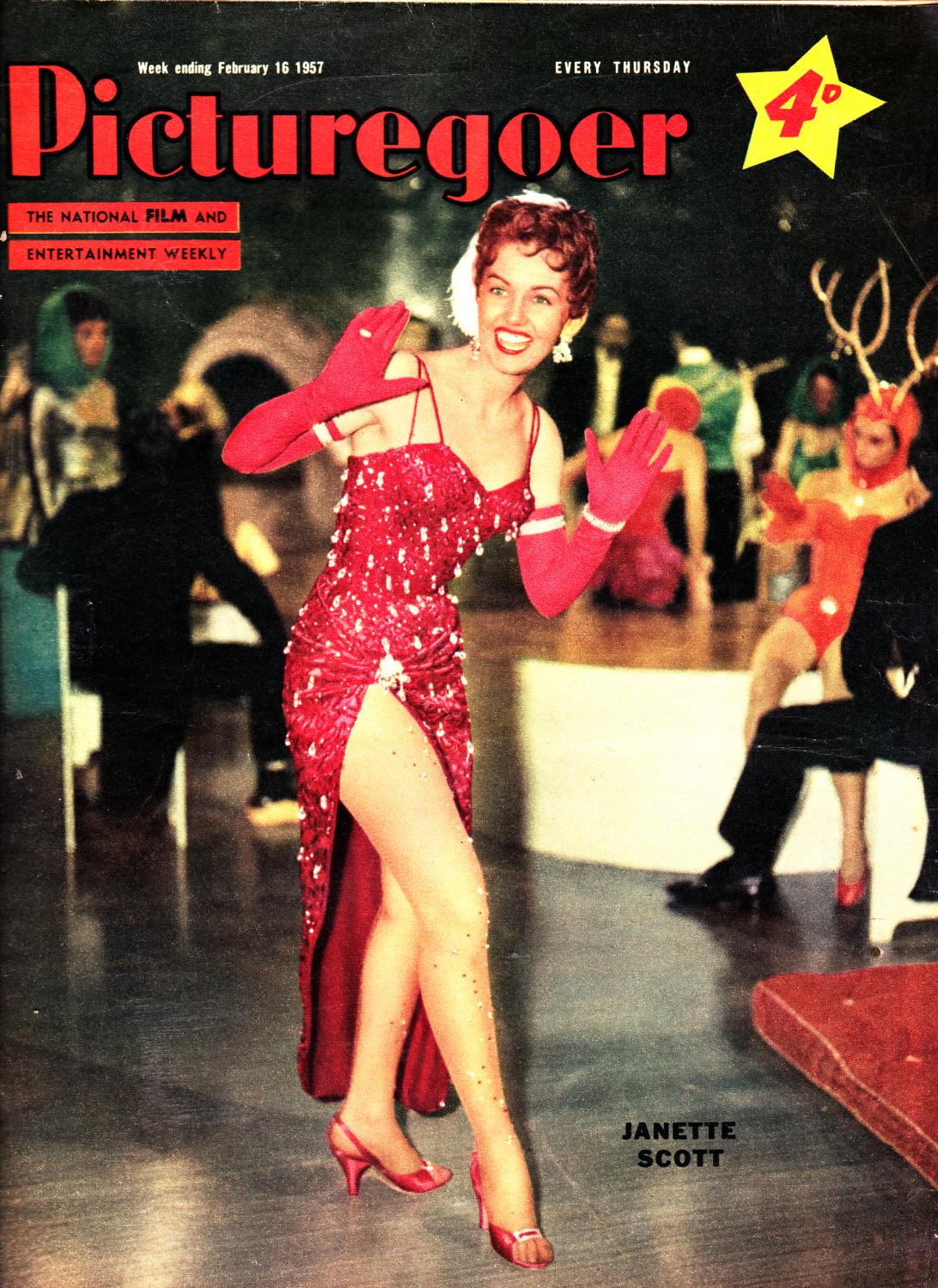
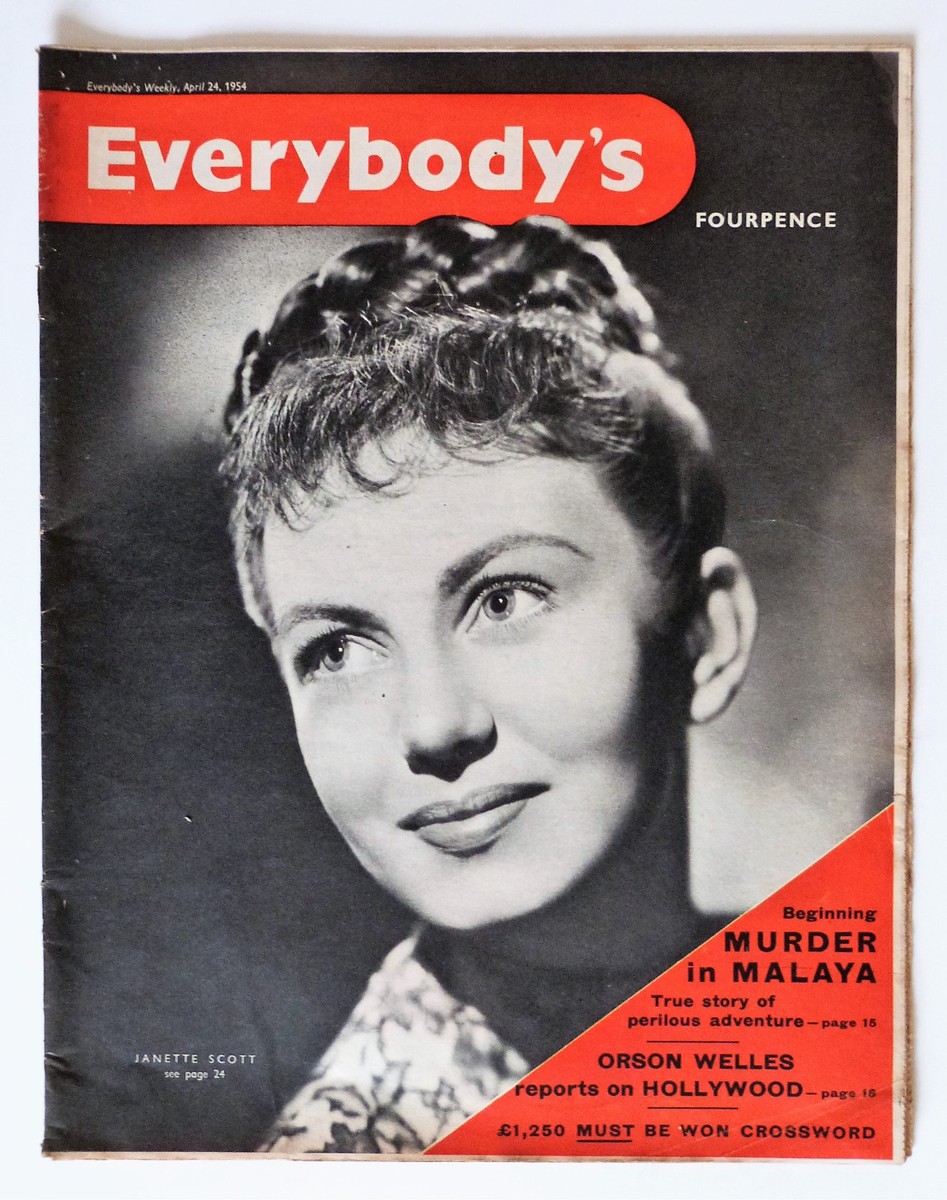
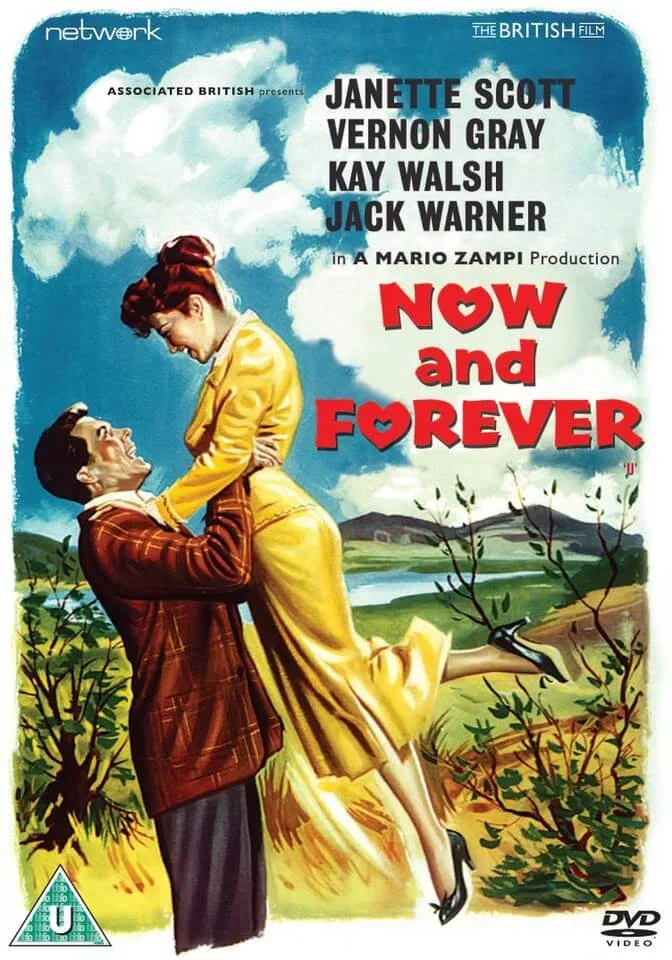
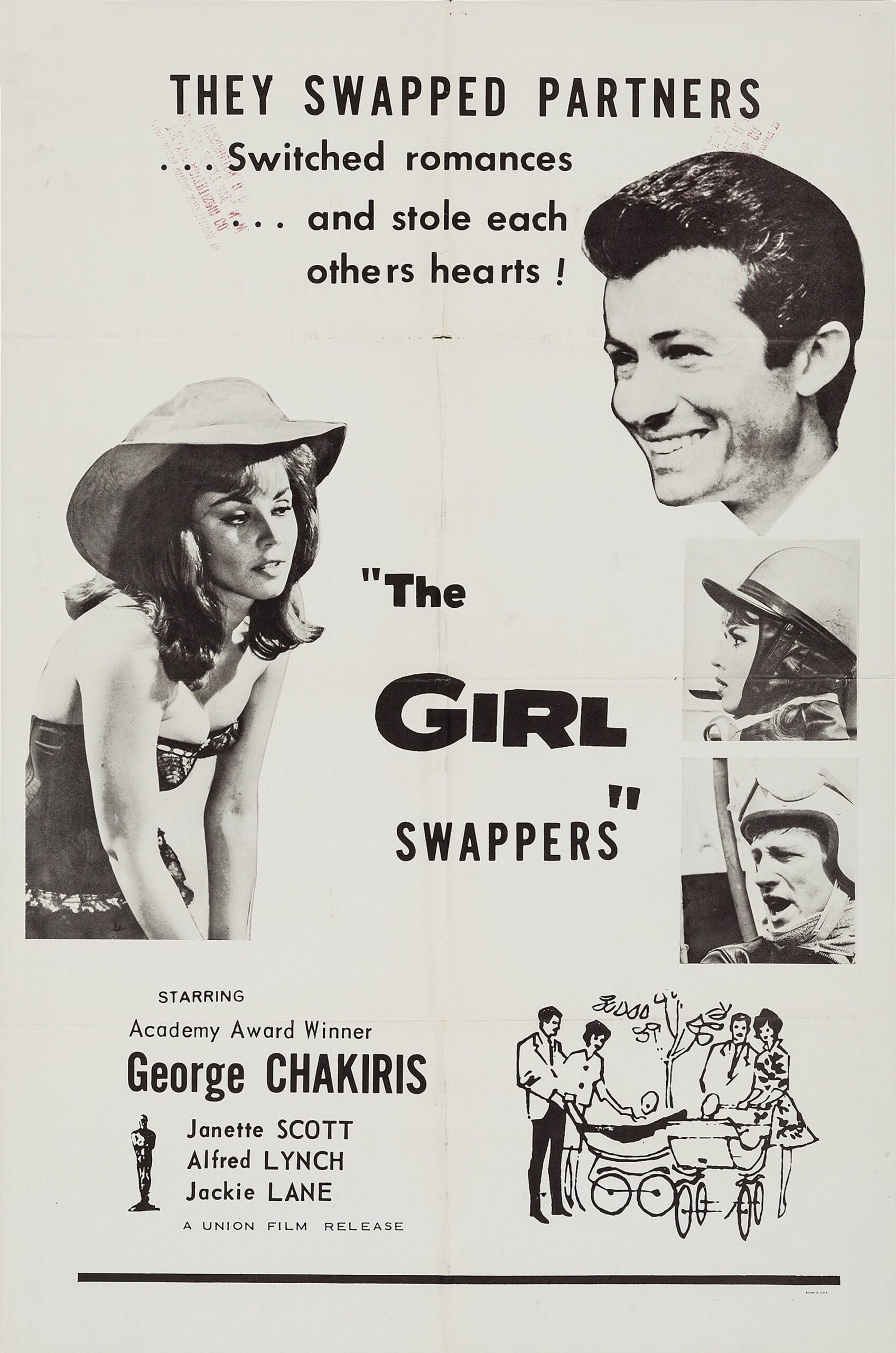
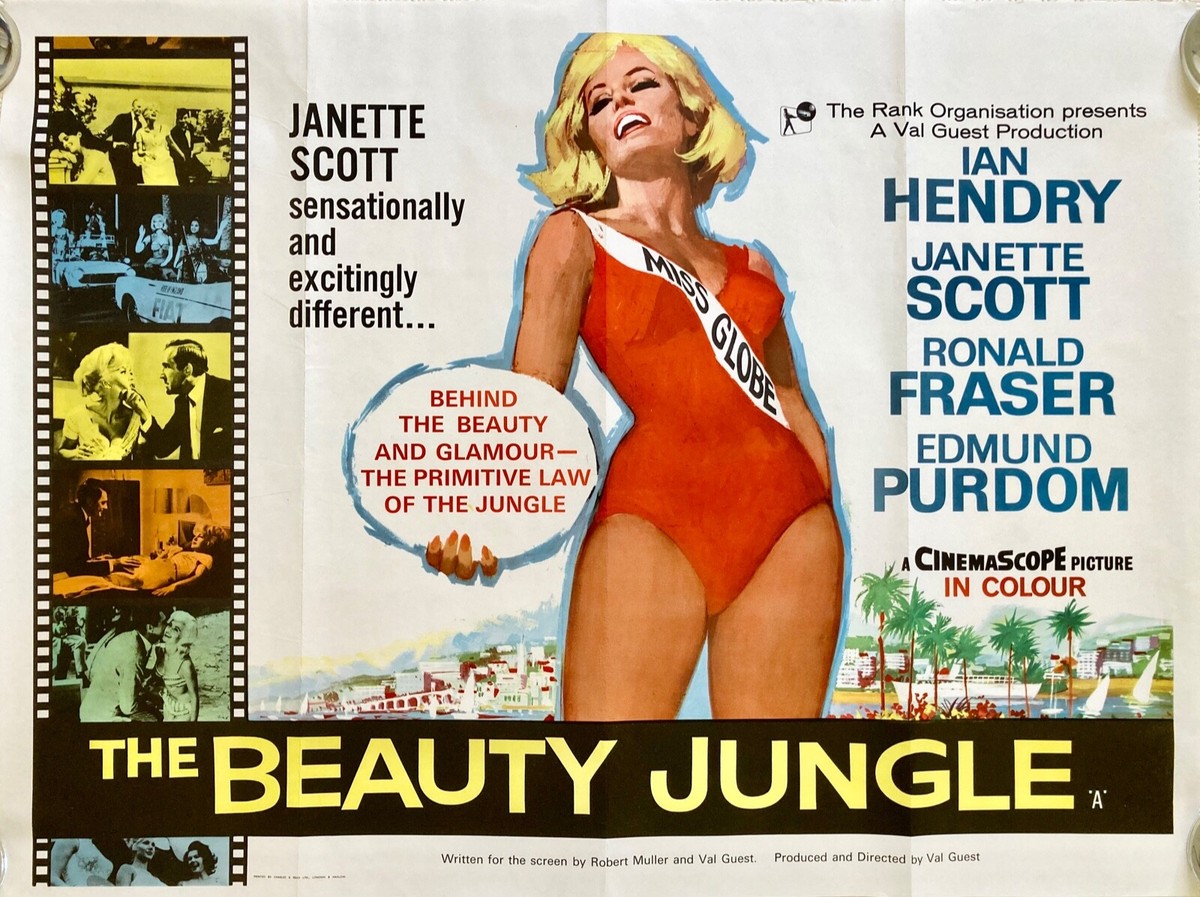
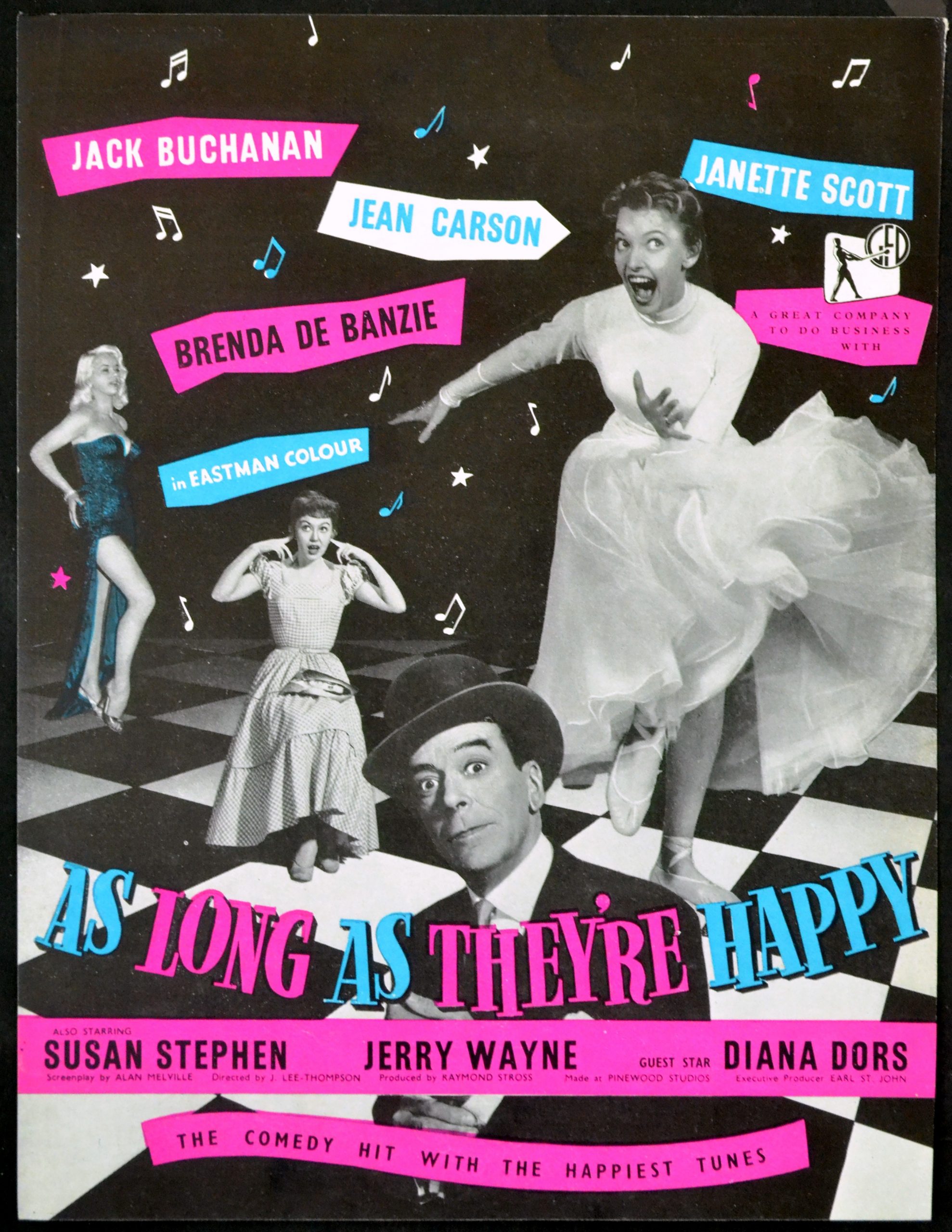
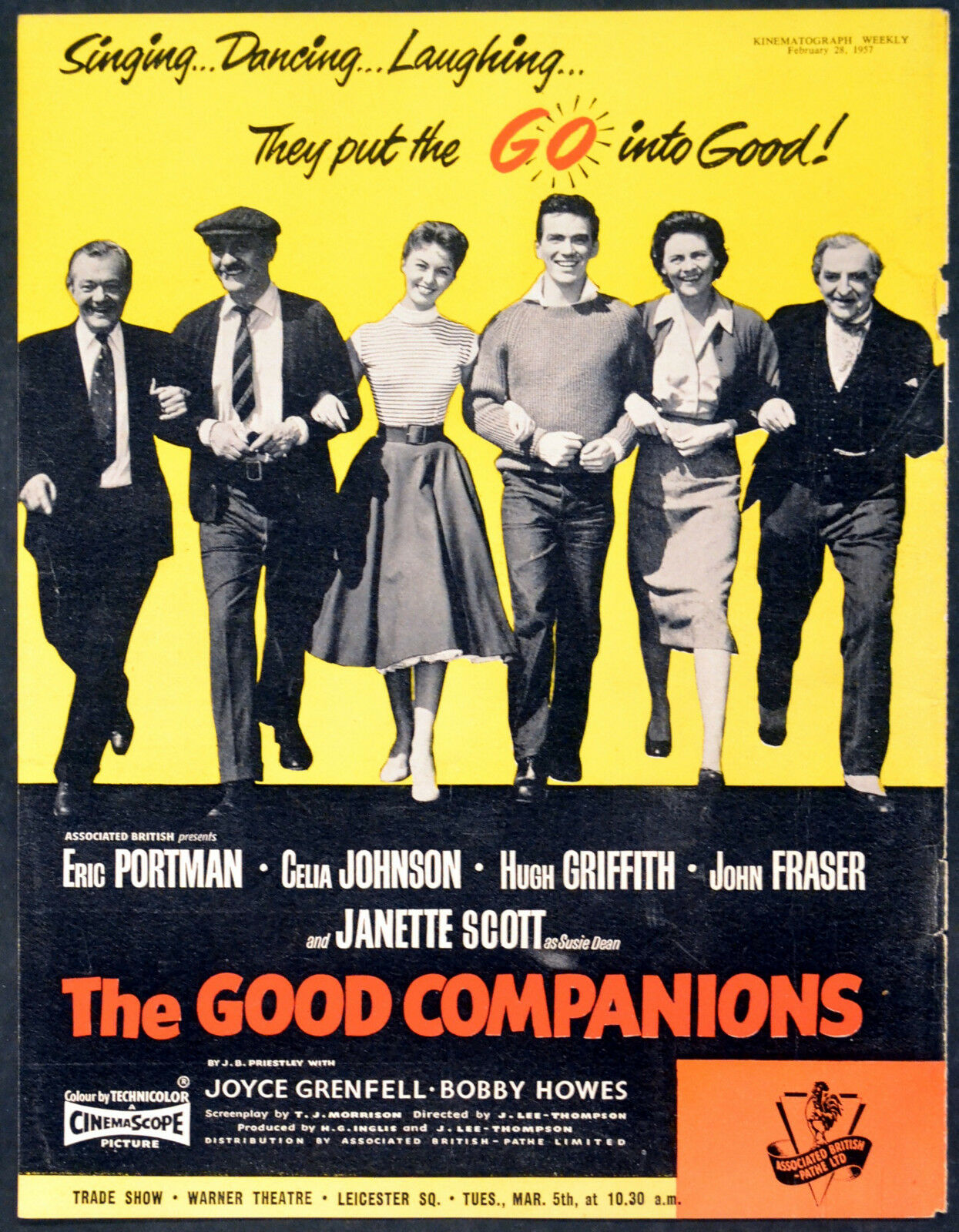
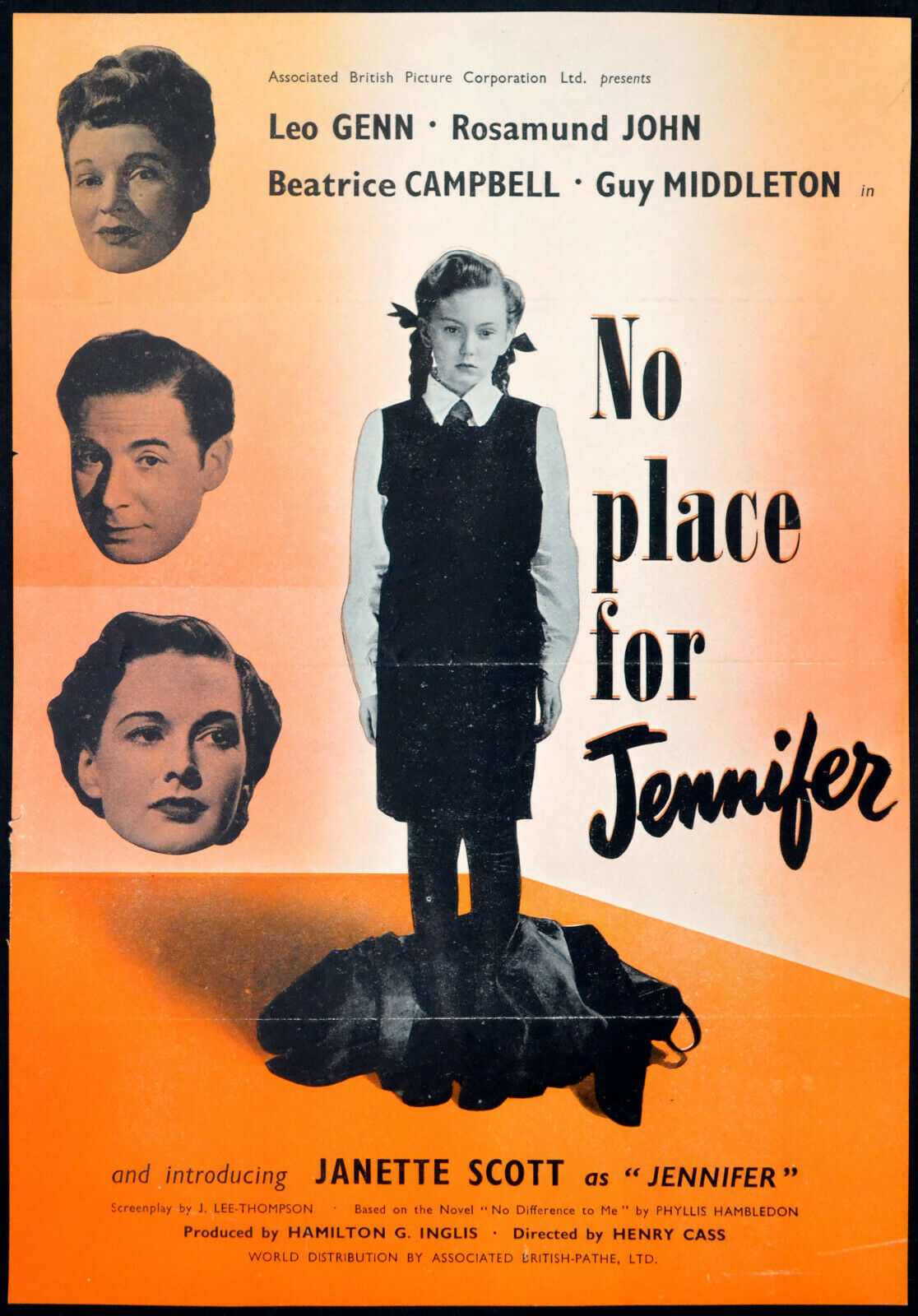
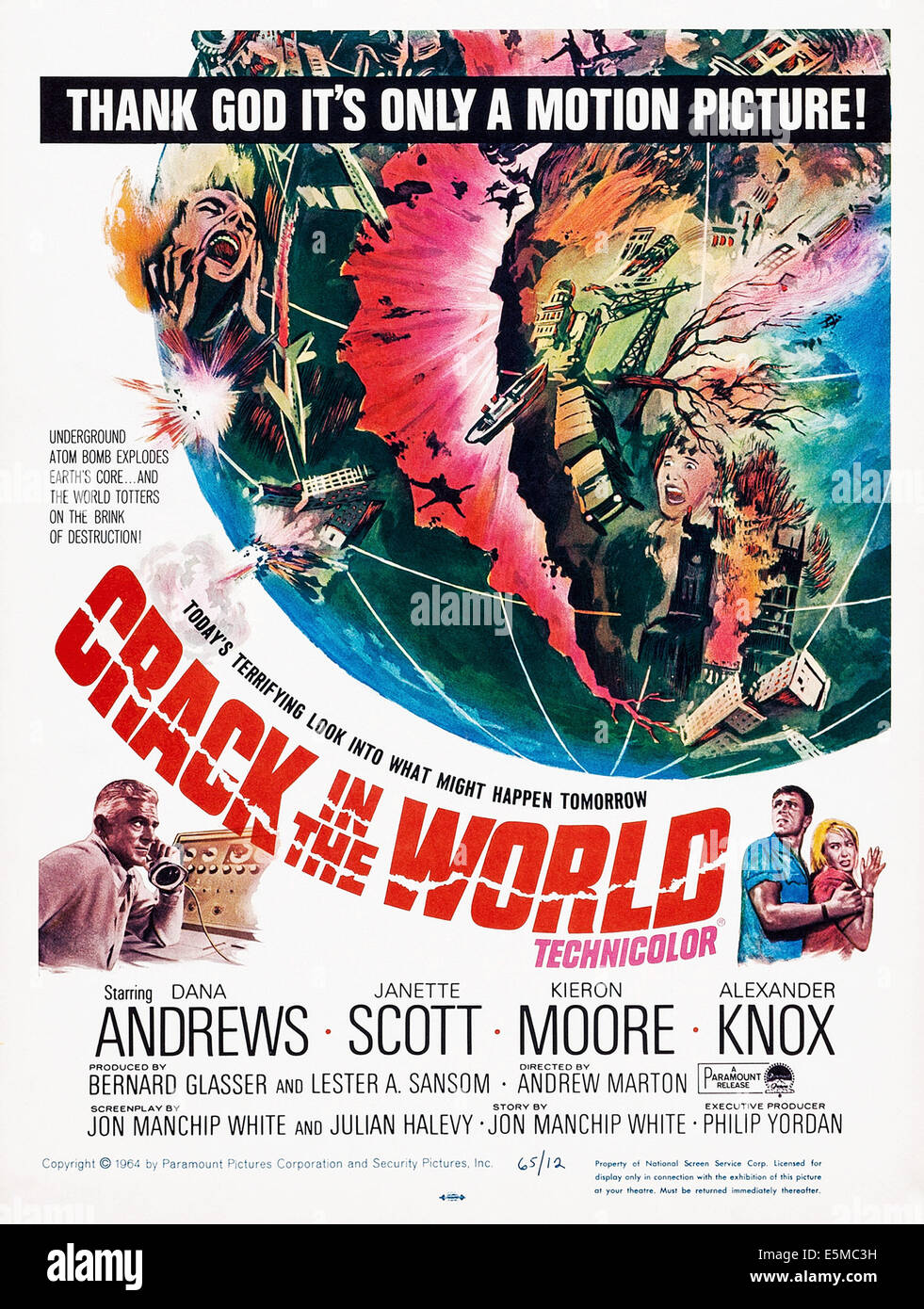
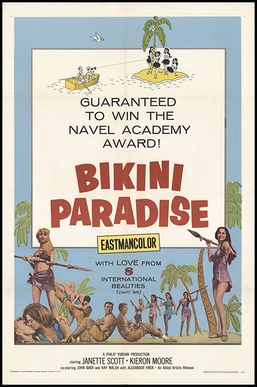
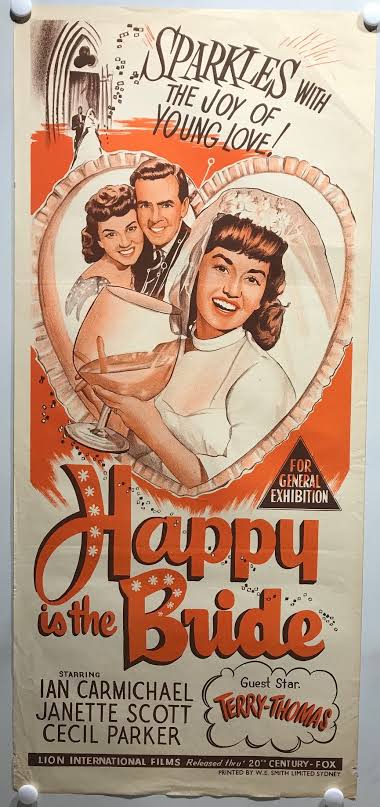
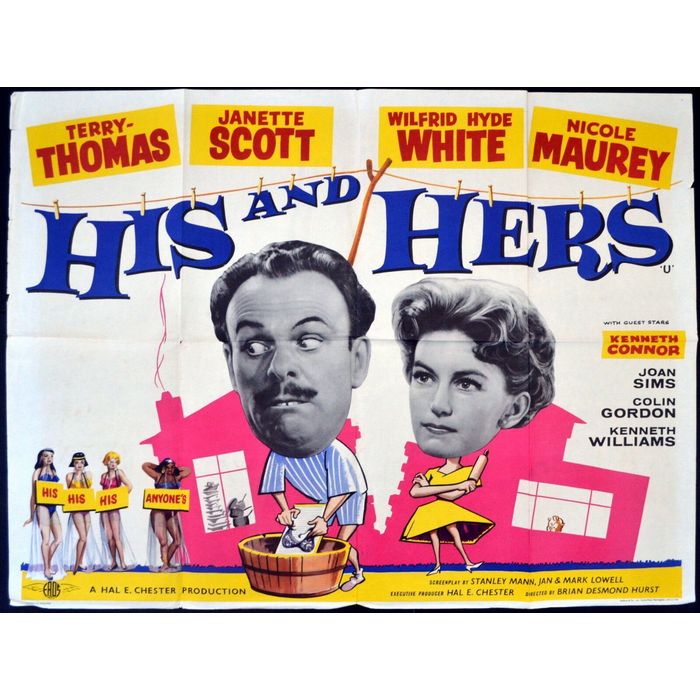
Janette Scott
72 Janette Scott
Janette Scott

Janette Scott. TCM Overview

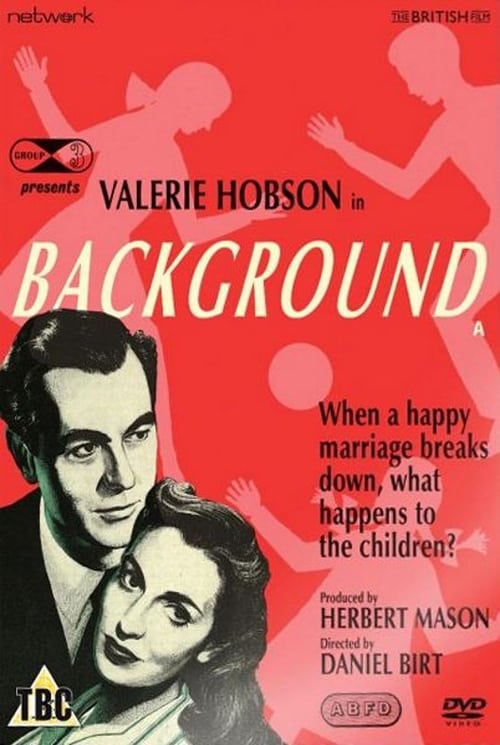
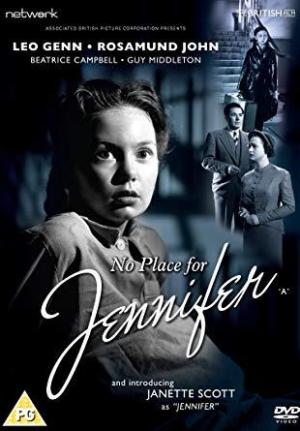
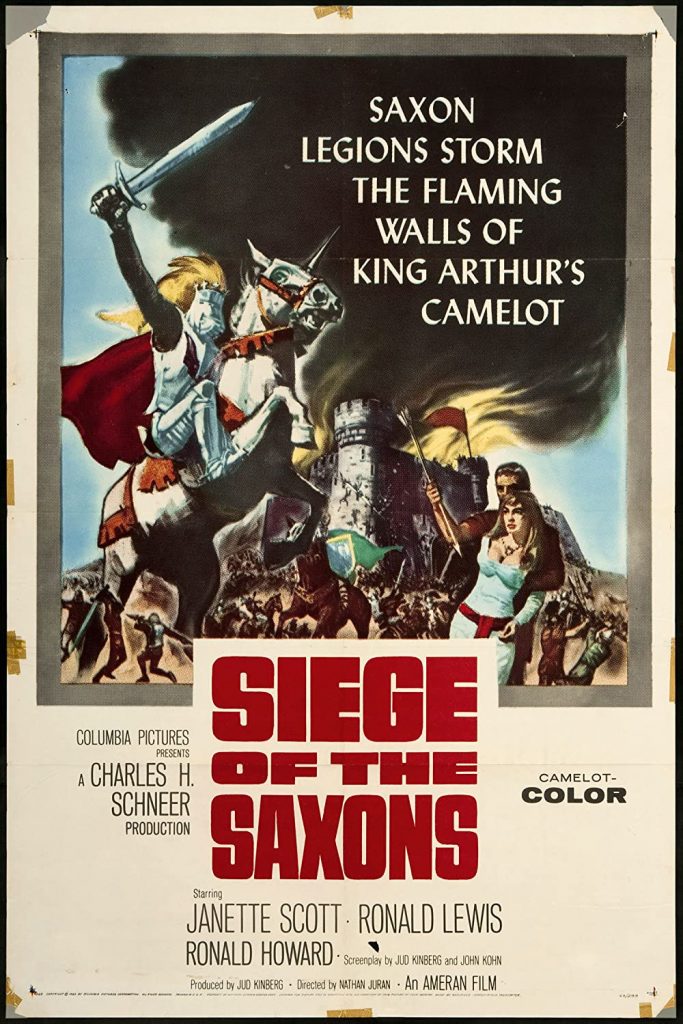
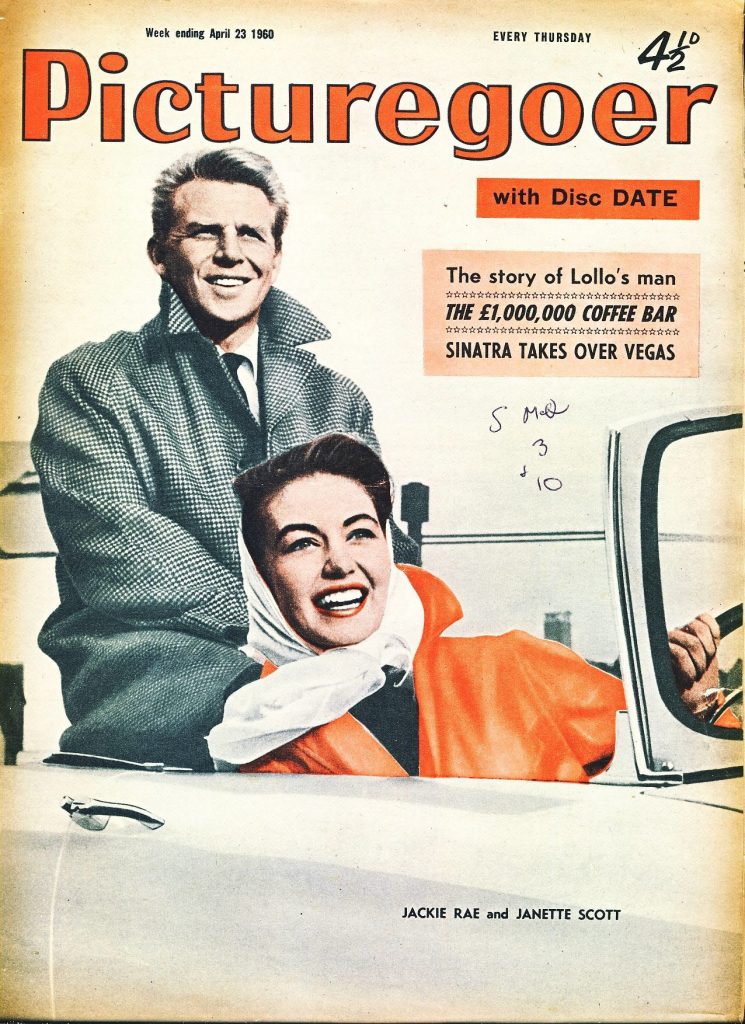
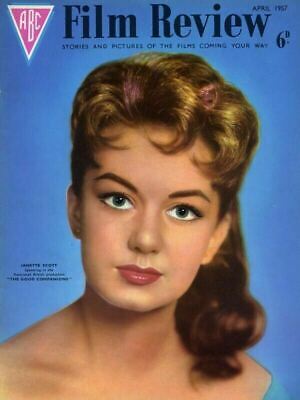
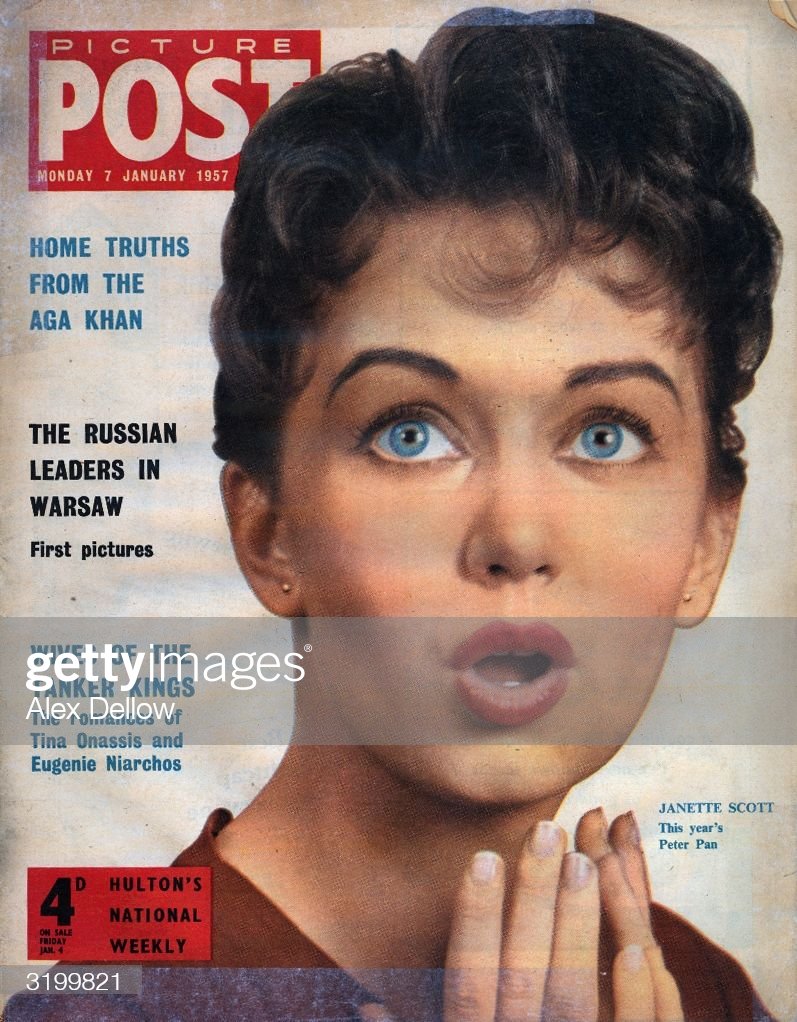
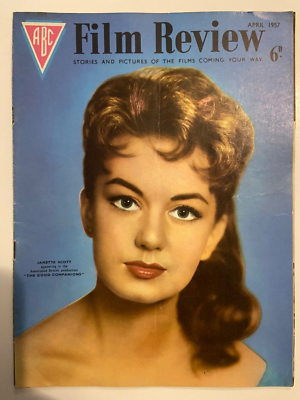
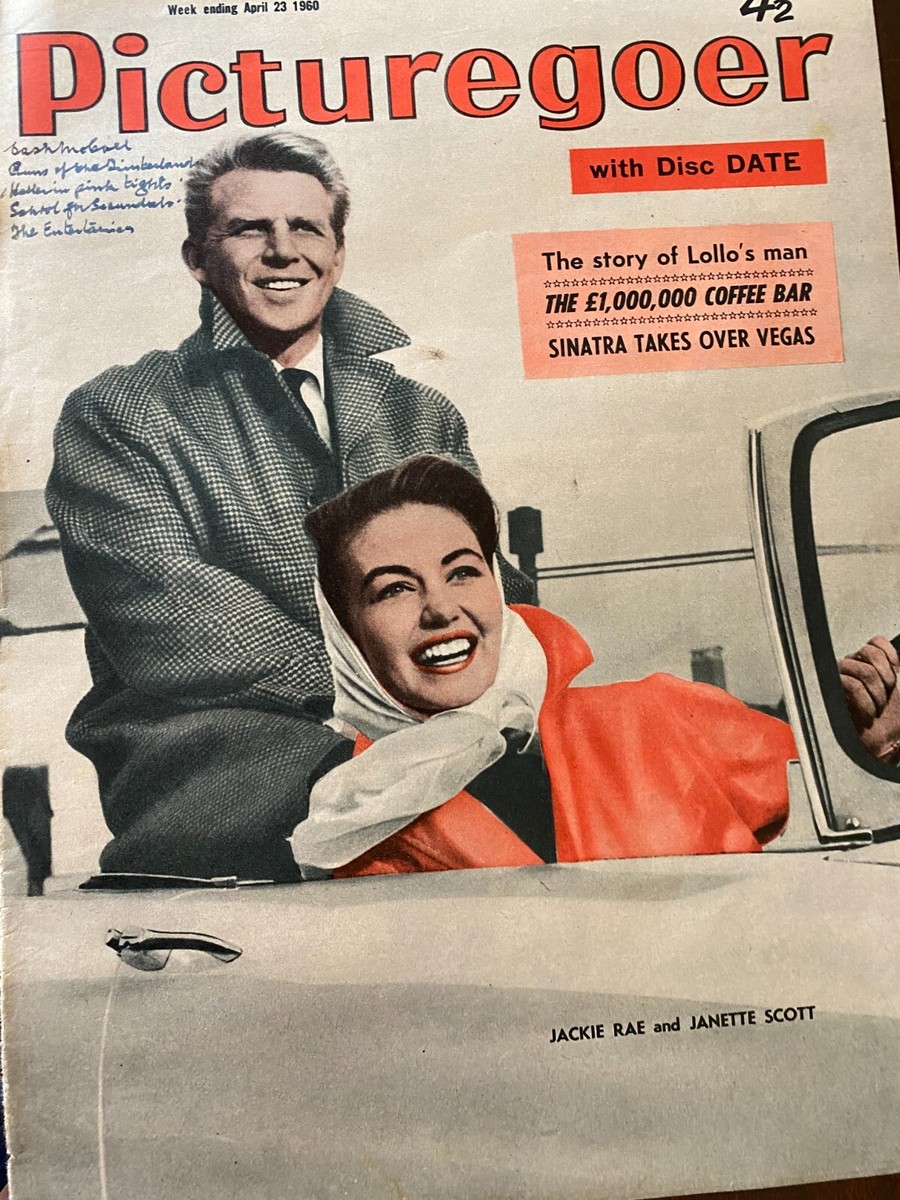
Janette Scott (born 14 December 1938) is an English actress. She was born in MorecambeLancashire.

She is the daughter of actors Jimmy Scott and Thora Hird. She started her acting career as a child actress known as Janette Scott, and was briefly (along with Jennifer Gay) one of the so-called “Children’s Announcers” providing continuity links for the BBC‘s children’s TV programmes from the Lime Grove Studios in the early 1950s.

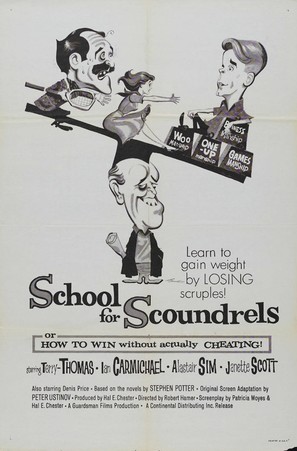
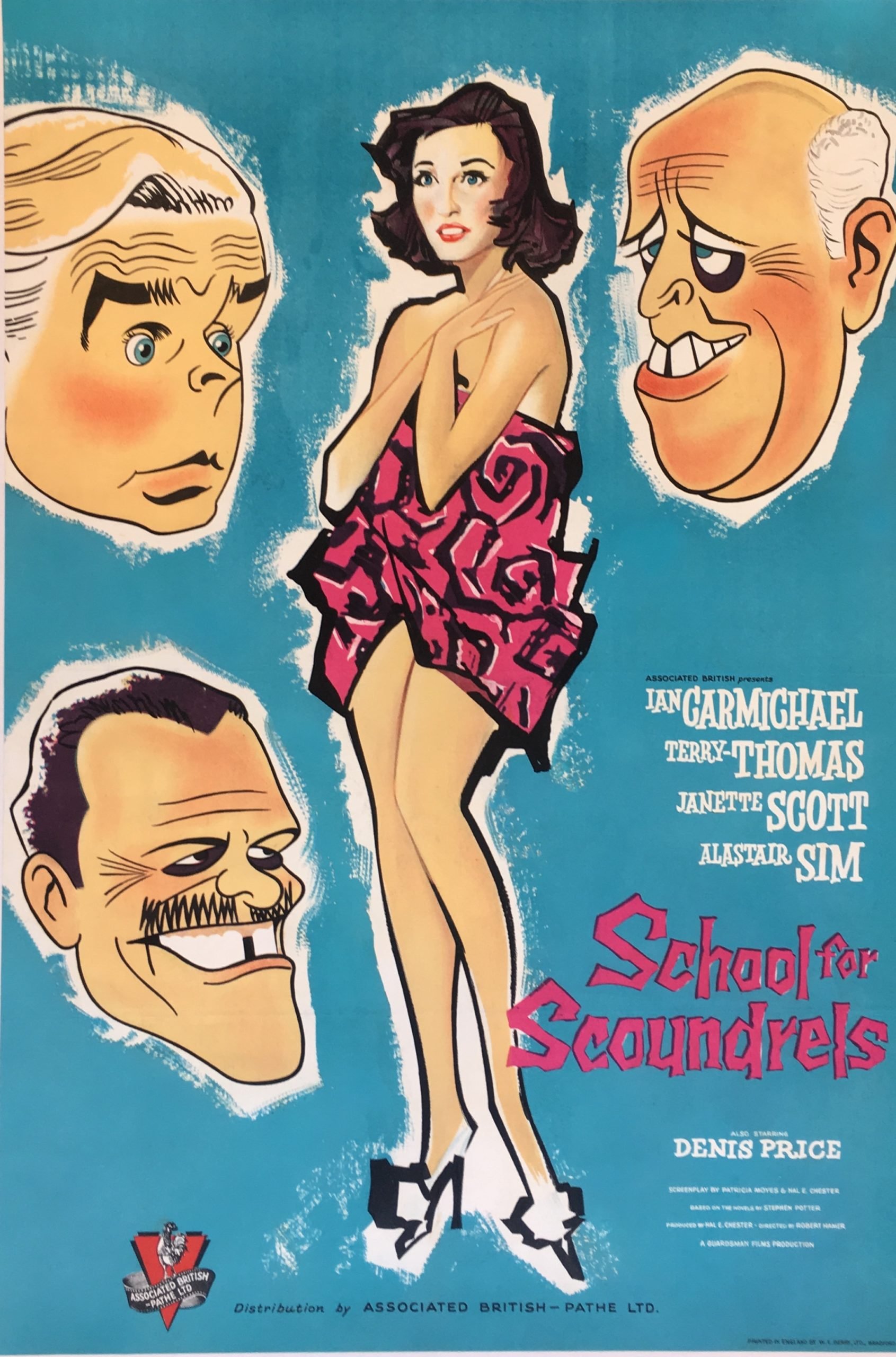
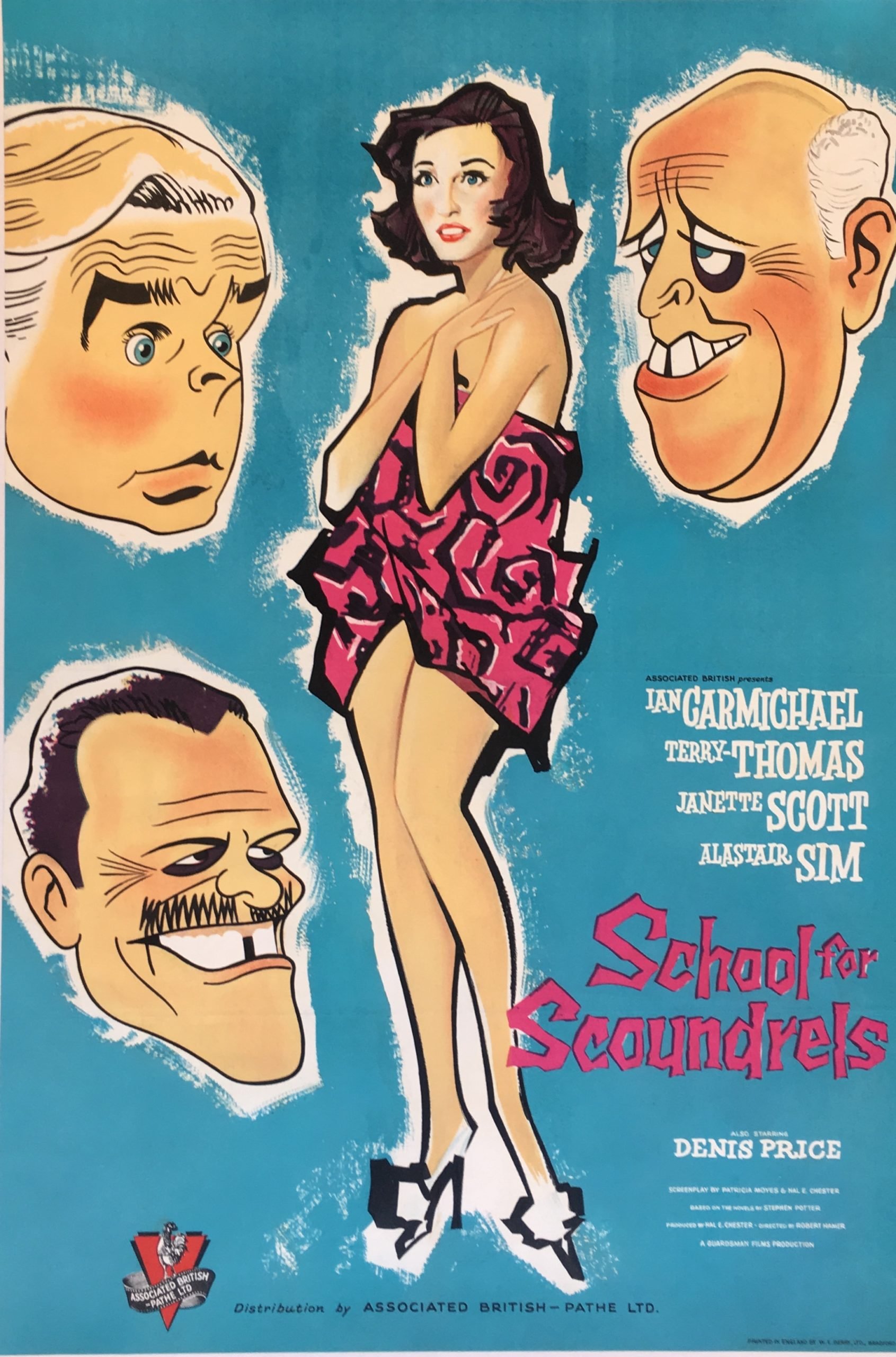
She became a popular leading lady, one of her best known roles being April Smith in the 1960 film School for Scoundrels, based on the “One-upmanship” books by Stephen Potter, in which Ian Carmichael and Terry-Thomas 

competed for her attention. Scott wrote her autobiography at the age of 14.

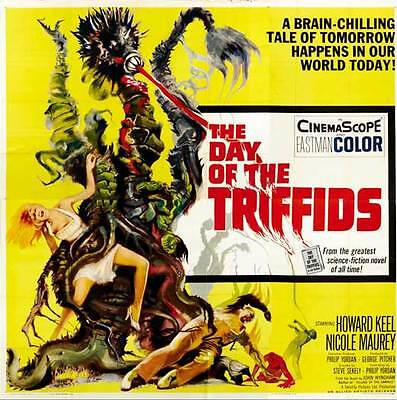
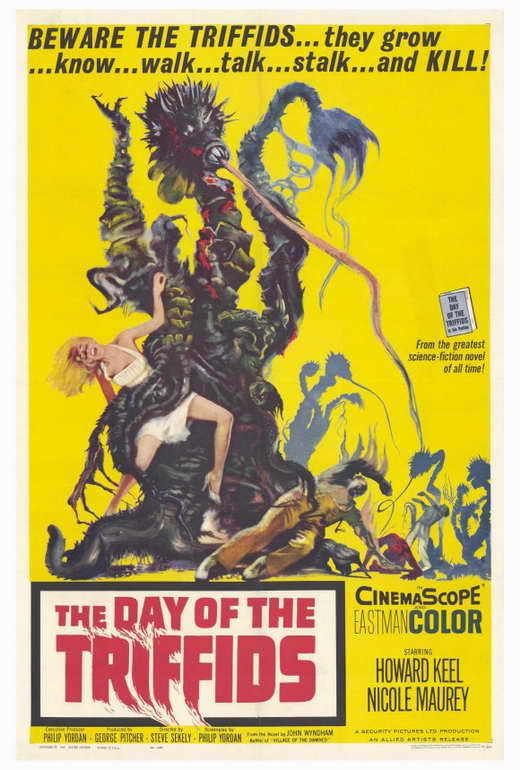
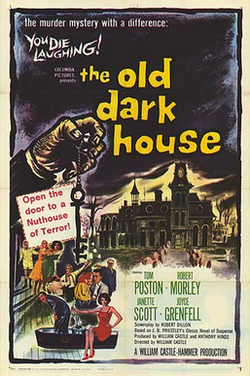
Her film appearances include The Day of the Triffids; her appearance there is referenced in The Rocky Horror Picture Show:.

TCM Overview:

Norman Rosssington
Norman Rossington
Norman Rossington
 

Norman Rossington was a gifted character actor who was born in 1928 in Liverpool.   He has the distinction of having featured in “Help” in 1965 with The Beatles and in 1967 in “Double Trouble” with Elvis Presley which he made in Hollywood.   He also made “Tobruk” in the U,S.   He played Albert Finney’s loyal friend in “Saturday Night and Sunday Morning”.   He died in 1999.

Tom Vallance’s obituary in “The Independent”:

USUALLY PLAYING a cheerful, down-to-earth, if slightly suspect working-class lad, the comic actor Norman Rossington was a veteran of dozens of films and television shows, though his face was more familiar than his name (“It’s more important for me to be recognised in my profession,” he once said).

The stocky, curly-haired actor first achieved prominence as one of the motley bunch of idle privates in ITV’s The Army Game, and went on to feature in three “Carry Ons” and such movies as A Night to Remember and Lawrence of Arabia. A master of working-class accents from cockney to his native Liverpudlian, he spent much of his career portraying servicemen of the lower ranks, but also appeared with the Old Vic, the National Theatre (with Laurence Olivier) and the Royal Shakespeare Company, and only last year was on the West End stage playing the father of Belle, the beauty of Beauty and the Beast. He could also claim to be the only actor to have appeared in films with both Elvis Presley and the Beatles.

The son of a publican, he was born in 1928 in Liverpool, and left school at 14 to work on the docks as a messenger boy. After becoming an apprentice carpenter, he studied French and building at night school and trained to be a draughtsman, but at 19 a visit to a church social with his friend Kenneth Cope (also later to become an actor) changed the course of his life.

He took part in a sketch just for fun, was invited to join the local drama group, and took to his new interest with such enthusiasm that he was soon training for the professional stage at the Bristol Old Vic, making his stage debut at the Theatre Royal in Bristol, where his work ranged from Shakespeare to the musical Salad Days. In 1954 he played Snout in a production of A Midsummer Night’s Dream that toured America, and in 1955 made his screen debut with a small part in a weak vehicle for the comic Ronald Shiner, Keep It Clean. However, work was not consistent and for a time he worked as a chef in police station canteens.

He had his first major success with the television series The Army Game (1957), ITV’s biggest comedy hit in the early years of commercial television. This Bilko-like series featured a bunch of conniving and lazy soldiers, with Michael Medwin as their ringleader, William Hartnell their tough sergeant, and Rossington as Private “Cupcake” Cook, always eating and opening food parcels from his family in Liverpool. The show ran for five years and in 1959 Rossington and four other cast members performed a shortened version of it before the Queen Mother at the Royal Variety Show.

In 1958 The Army Game was filmed as I Only Arsked, the title coming from the catchphrase of the gormless “Popeye” (Bernard Bresslaw). In this box- office hit the group, initially dismayed when posted to the Middle East, find a secret passage to the king’s harem, put down a revolution and find an oil well. In the same year Rossington had a small role in Roy Baker’s fine account of the Titanic disaster A Night to Remember.

He was cast once again as an army recruit in the first of the “Carry On” series, Carry On Sergeant, getting laughs as a private who keeps failing to pass out. (Kenneth Williams, in his diaries, referred to Rossington as “a good fellow”.) He later featured in Carry On Nurse (1959) as Norm, constantly running errands up and down the corridor, and Carry On Regardless (1960) as the referee of a boxing match in which Charles Hawtrey is one of the contestants.

Norman Hudis, writer of those early “Carry Ons”, was to script several of the actor’s television series, including Our House (1960) which found Rossington part of an ill-assorted group of people (including Hattie Jacques, Joan Sims and Charles Hawtrey) who buy a ramshackle house. Other notable television appearances included parts in Johnny Speight’s controversial series about discrimination, Curry and Chips (1969), in which he was a bigoted shop steward, Dennis Potter’s six-part Casanova (1971), starring Frank Finlay, a striking portrayal of mid-19th century explorer Samuel Baker in The Search for the Nile (1971), and countless comedy shows with such stars as Beryl Reid, Bob Monkhouse and Spike Milligan.

On the cinema screen he was the stolid chum of rebellious Albert Finney in Karel Reisz’s key film of the British “New Wave”, Saturday Night and Sunday Morning (1960), and was in the military again for two 1962 epics, The Longest Day and Lawrence of Arabia. He had one of his best-remembered roles in the first and best of the films starring the Beatles, Richard Lester’s A Hard Day’s Night (1964), in which as Norm, the group’s manager, he provided a gentle parody of Brian Epstein.

Two years later he appeared with the decade’s other pop sensation Elvis Presley in Double Trouble. One of Presley’s poorest films, it featured Rossington and Chips Rafferty as two inept crooks who switch suitcases with Presley and his girlfriend. He journeyed to Hollywood for this, and for the war film Tobruk (1966) with Rock Hudson, but turned down offers that would have kept him there. He had one of his favourite roles as Sergeant- Major Corbett in The Charge of the Light Brigade (1968), and more recent films included The Krays (1990) and Let Him Have It (1991).

Rossington’s stage work included Brecht on Brecht with Lotte Lenya at the Royal Court, Shaw’s Saint Joan with Olivier’s embryo National Theatre company at Chichester in 1963, and the role of Doolittle in a revival of the musical My Fair Lady. He convincingly switched to an American accent for two musical roles – as the gambler Nathan Detroit in the National Theatre revival of Guys and Dolls (1985) with Lulu as his long-suffering sweetheart Adelaide, and as the circus promoter Charlie Davenport in the 1992 revival of Annie Get Your Gun.

In 1997 he sang again in the spectacular musical Beauty and the Beast, but had to leave the show last November after a fall on stage which preceded a six-month battle with cancer.

Norman Rossington, actor: born Liverpool 24 December 1928; twice married; died Manchester 21 May 1999.

The above “Independent” obituary can be also accessed online here.
ry Brumburgh’s entry:

Spade-jawed British character actor Norman Rossington was born in Liverpool, so it shouldn’t be considered THAT ironic that he would end up appearing in The Beatles‘ debut film smash, A Hard Day’s Night (1964), as “Norm”, the Fab Four’s chagrined road manager. The son of a publican, he never finished high school, leaving at age 14 and living a rather wanderlust adolescent life as messenger, office boy, carpenter apprentice, etc. Later, he went to night school and studied industrial design in order to become a draughtsman. Interest in acting happened by accident and, eventually, Rossington joined a local theatre group. He trained seriously at the Bristol Old Vic and began appearing in both straight plays (“A Midsummer Night’s Dream”) and musicals (“Salad Days”) by the mid-50s. Within a few years, he had extended his visability to films and TV, setting up his rather bumbling persona as “Private Cupcake” on the TV comedy series, The Army Game (1957). Along with roles in a few of the zany “Carry On…” slapstick films, Rossington established himself firmly as a comedy performer with I Only Arsked! (1958),Crooks Anonymous (1962) and Nurse on Wheels (1963), representing a few of his farcical credits. Yet his finest creation was arguably in the “kitchen sink” drama, Saturday Night and Sunday Morning (1960), as Albert Finney‘s sensible, down-to-earth, blue-collar pal. Though he never attained outright stardom, Rossington became a reliable, familiar mug with minor roles in such epic British and U.S. films as Saint Joan (1957), The Longest Day(1962), Lawrence of Arabia (1962), Those Magnificent Men in Their Flying Machines or How I Flew from London to Paris in 25 hours 11 minutes (1965), The Charge of the Light Brigade (1968) and Young Winston (1972), not to mention the equally epic TV miniseries, I, Claudius (1976) and Masada (1981). Rossington’s greatest impression would lie in musical theatre, especially in his later career. Such spirited roles in “Peter Pan” (as “Starkey”), “My Fair Lady” (as “Alfred Doolittle”), “Annie Get Your Gun” (as “Charlie Davenport”), “Pickwick: The Musical” (as “Tony Weller”), “Guys and Dolls” (as “Nathan Detroit”) and, lastly, as Beauty’s father in “Beauty and the Beast”, made him an endearing favorite in the West End. Cancer claimed him at age 70 in 1999.

– IMDb Mini Biography By: Gary Brumburgh / gr-home@pacbell.net