Career Overview
May Hallatt (1876–1969) was an English character actress whose career on stage and screen spanned more than three decades. Though seldom in leading roles, she left a distinct impression through a string of vivid performances—typically playing forthright, eccentric or tenderly comic women who gave British films and plays much of their texture.
Career Overview
Early life and theatrical background
Born Marie Effie Hullatt in Scarborough, England, Hallatt grew up in a theatrical family: both her parents were actors, and her extended relations included several stage figures. Immersed in this environment, she joined the theatre herself and initially worked in regional and West End repertory. Her years on stage honed a direct, expressive presence and an uncanny knack for comic rhythm—traits she carried into film when middle‑aged.
Film debut and British cinema work (1930s–1950s)
Hallatt made her screen debut in Important People (1934) and for the next three decades appeared in roughly two dozen features (
wikipedia.org
imdb.com
grokipedia.com
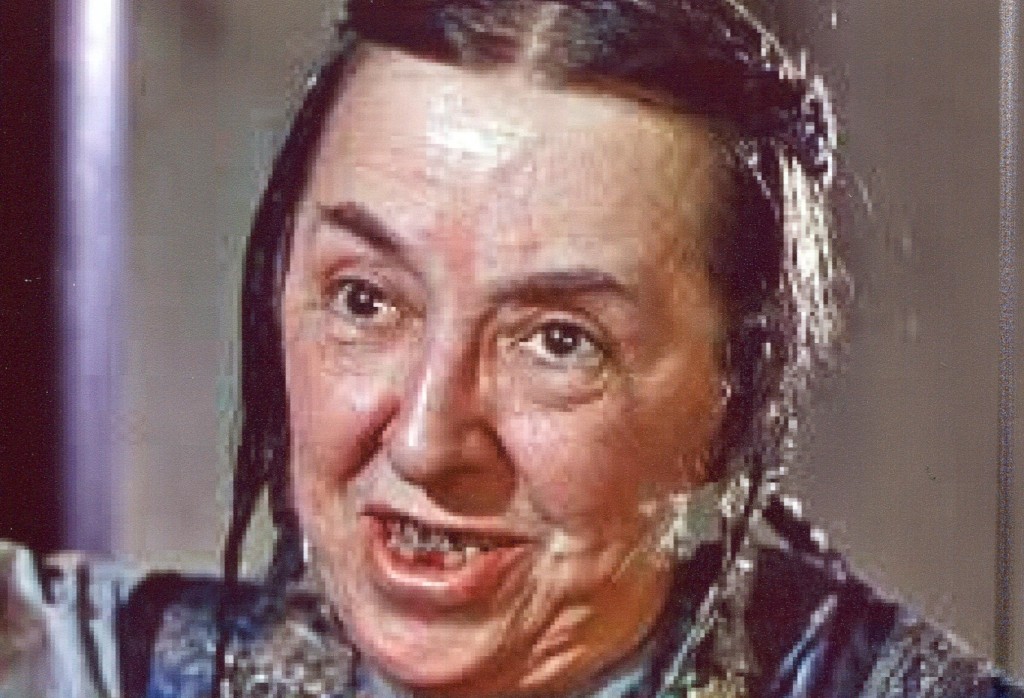
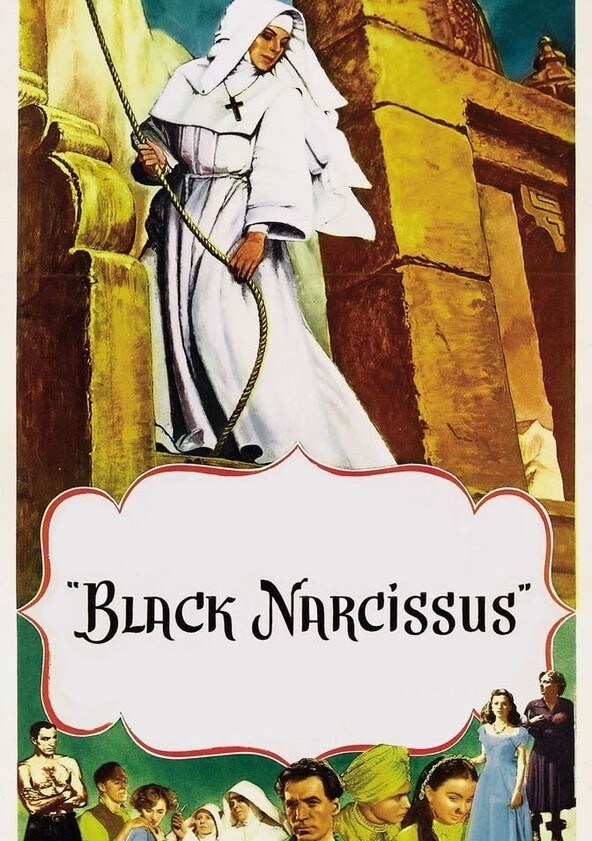
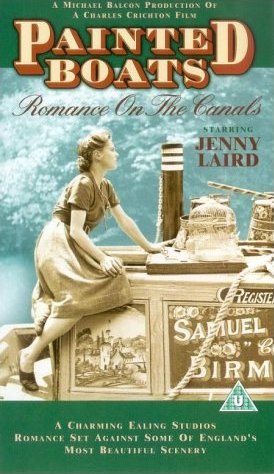
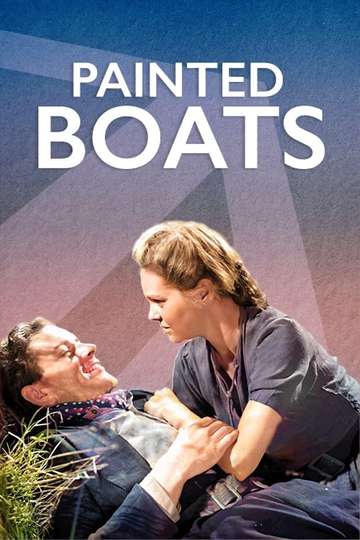
). Her quirky energy lent itself to small but glowing character parts: the cheerful Lady Battersby in The Lambeth Walk (1939), the sharp‑tongued canal‑boat matron in Painted Boats (1945), and, most memorably, the fiery caretaker Angu Ayah in Powell and Pressburger’s Black Narcissus (1947). These performances introduced audiences to the combination that became her hallmark—earthy humor layered with emotional sincerity.
Stage triumph and crossover to film: Separate Tables
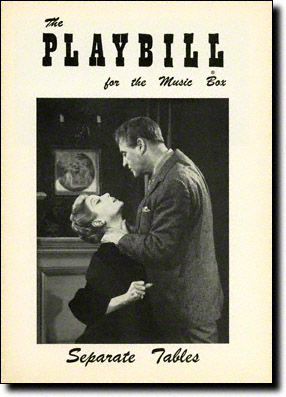
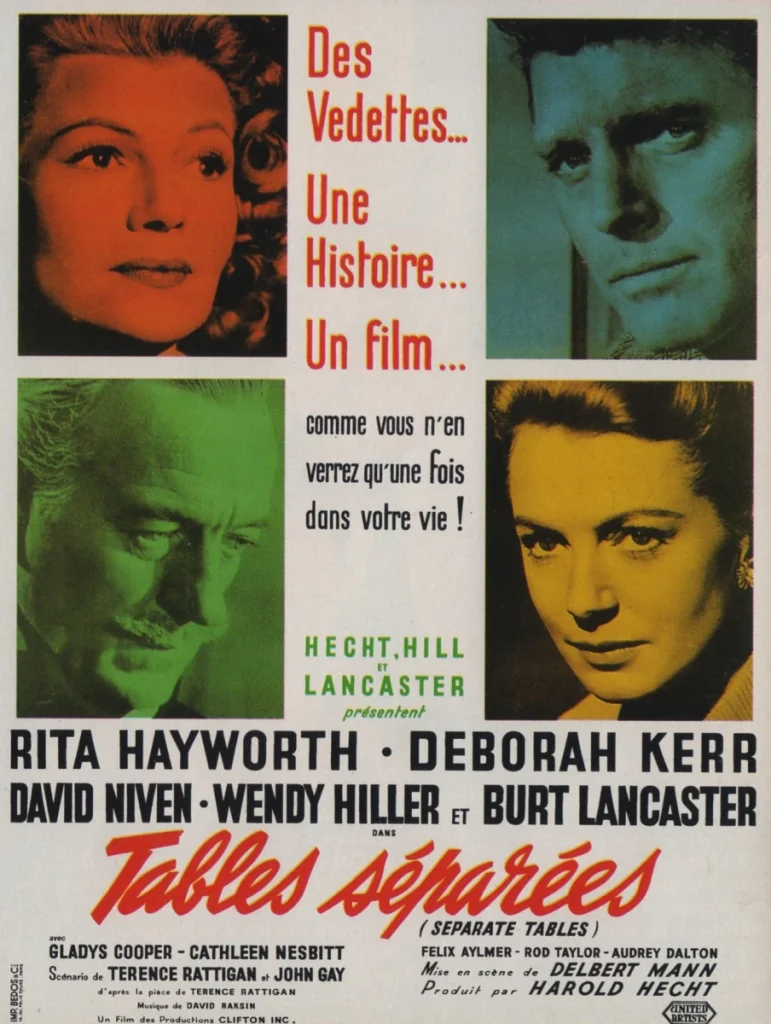
Hallatt’s signature role was Miss Meacham, the sports‑mad spinster in Terence Rattigan’s Separate Tables. She originated the part in the 1954 West End production, recreated it on Broadway, and again for the Oscar‑winning 1958 film. Reviewers considered her turn scene‑stealing: she embodied English eccentricity without condescension—foot‑shuffling, gossip‑loving yet deeply sympathetic.
Later work and television
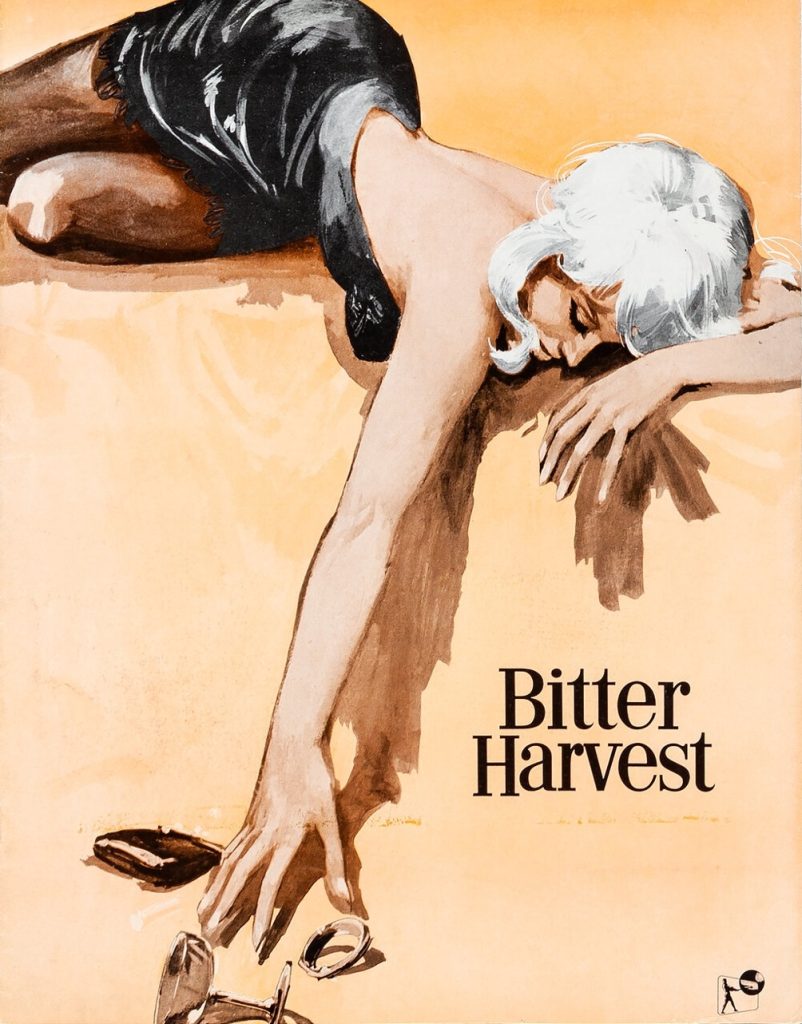
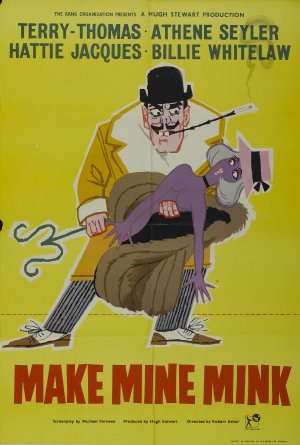
Into her eighties, Hallatt continued acting in films such as Room at the Top (1959), Make Mine Mink (1960) and Bitter Harvest (1963), as well as BBC productions including Emma (1960), where she played Mrs Bates. She retired soon after, dying in London in 1969 at the age of 93.
Critical Analysis
Performance style and strengths
- Eccentric realism: Hallatt’s characters were rarely glamorous, yet she gave them individuality and vitality. She built performances from specific physical details—a lopsided walk, a tremor in speech—that captured the humanity behind comic surfaces.
- Natural timing: Her years in theatre bred instinctive timing. Even in broad comedies she avoided caricature, landing humor through truth of behavior.
- Texture and authenticity: Directors used her to “people” a scene, knowing she could make even a two‑line part feel inhabited. She often lent middle‑aged or elderly women a dignity and warmth uncommon in British studio films of the time.
Typical roles and thematic resonance
Hallatt specialized in older working‑ or middle‑class women—caretakers, aunts, landladies and confidantes—characters who mediate between upstairs and downstairs or inject humor into otherwise solemn narratives. That focus placed her among a generation of British supporting women (like Megs Jenkins or Joyce Carey) whose realism grounded postwar cinema’s mixture of sentiment and irony.
Limitations and context
Because she entered film late and tended to be cast for color rather than narrative weight, Hallatt never developed a star identity. Her stage‑bred theatricality could sometimes appear mannered on film, and many of her parts were uncredited. Yet within those constraints she produced work of durable charm and technical finesse.
Artistic significance
- Separate Tables and Black Narcissus alone secure her a niche in British film history. In each she enlivened psychological drama with humor and compassion, making eccentric women indispensable to the story’s moral fabric rather than mere comic relief.
- Her long career also illustrates the centrality of mature female character actors in the British system: performers who ensured social realism and emotional truth even when the narrative spotlight fell elsewhere.
Overall Assessment
May Hallatt was never a star in the conventional sense, but she was a consummate craftswoman. Her gift lay in turning stock “old ladies” and comic spinsters into believable, sometimes touching human beings, enriching some of the best‑loved British films from the 1940s to the early 1960s. Her body of work exemplifies the artistry of the supporting actor—small roles played with such specificity that they become indelible fragments of cinema’s larger portrait of life