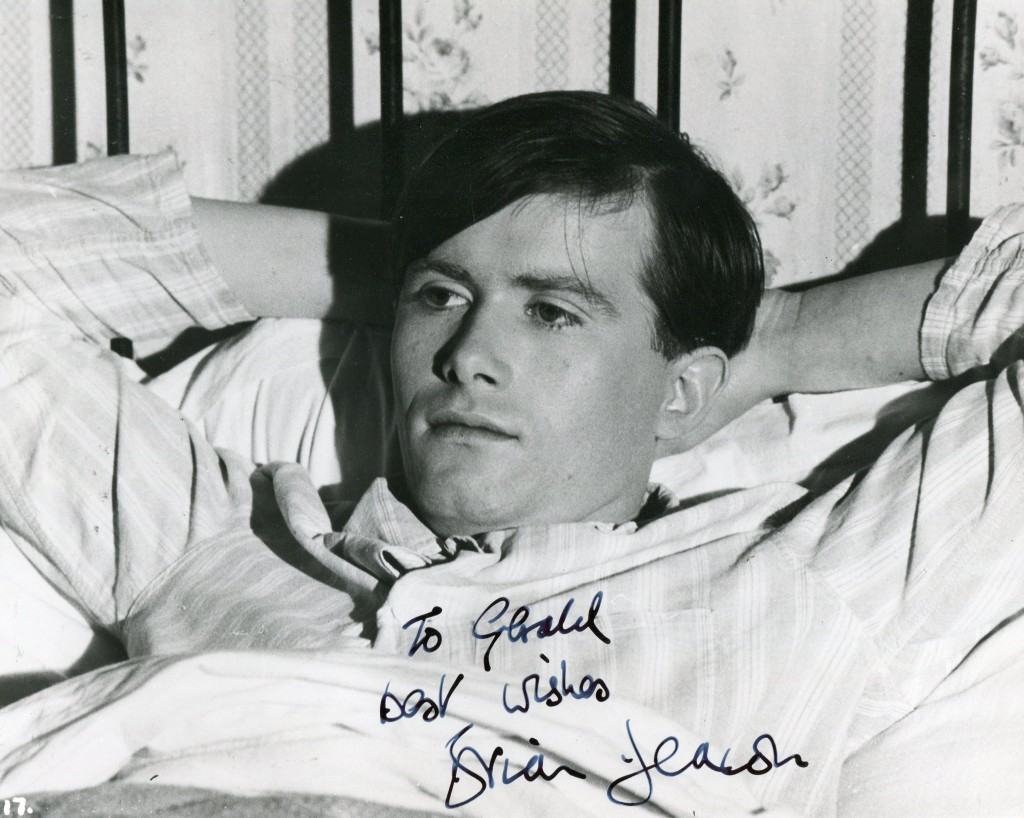
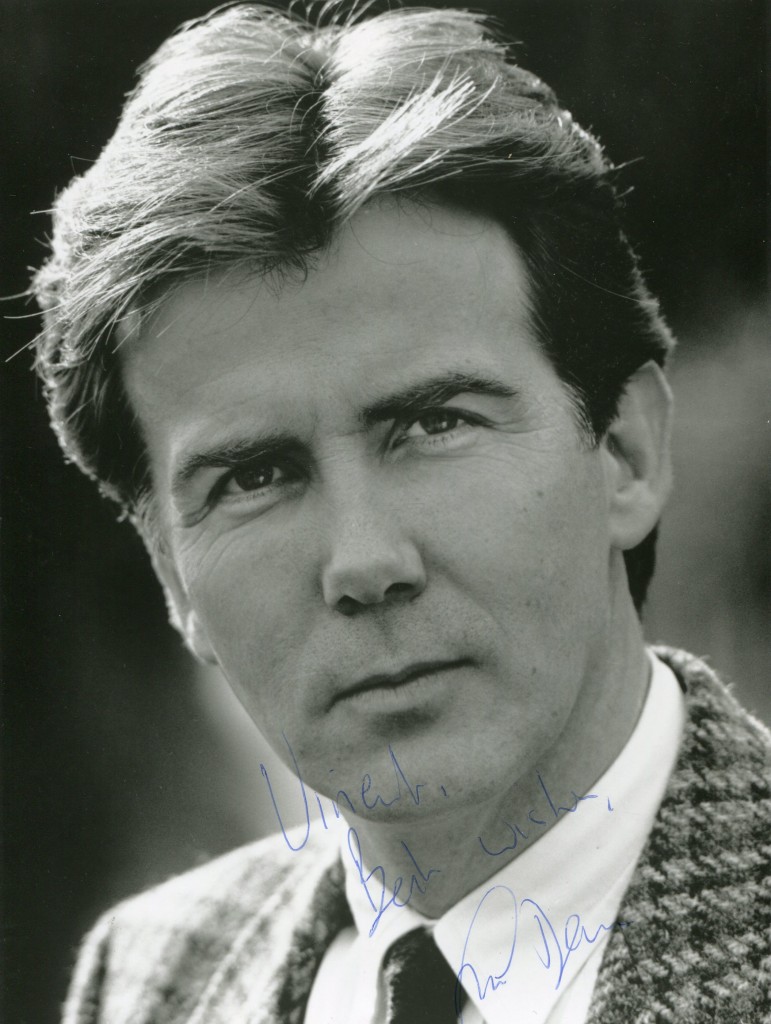
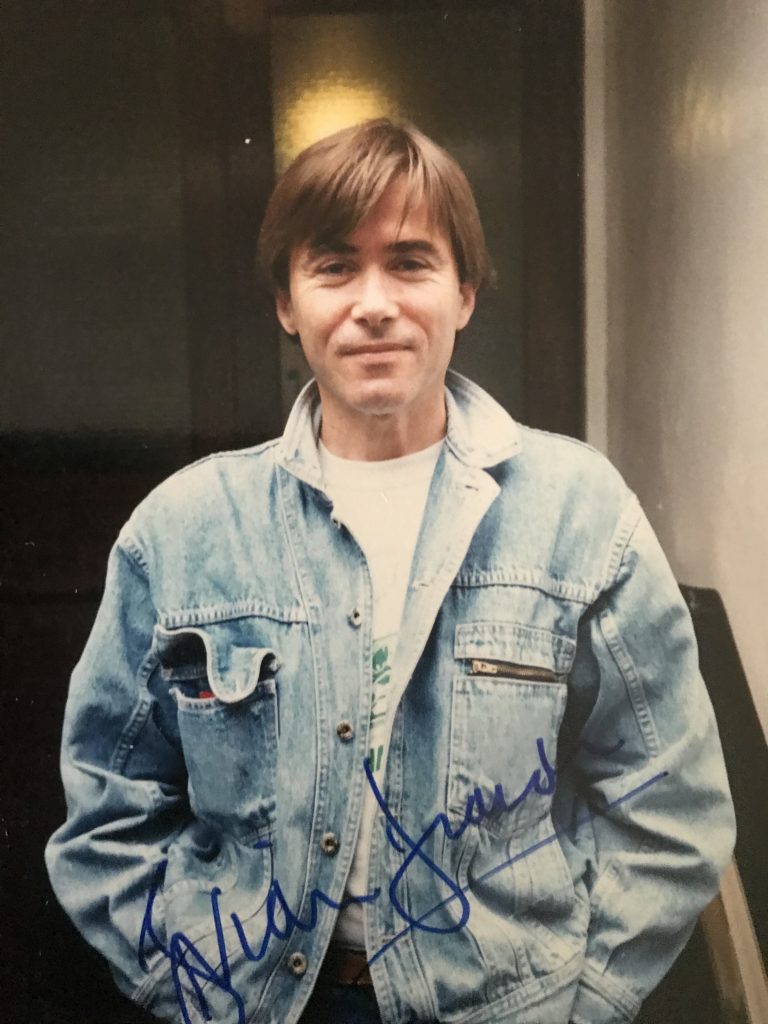
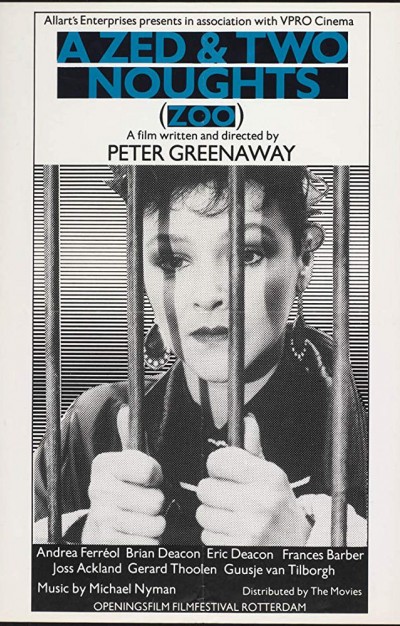
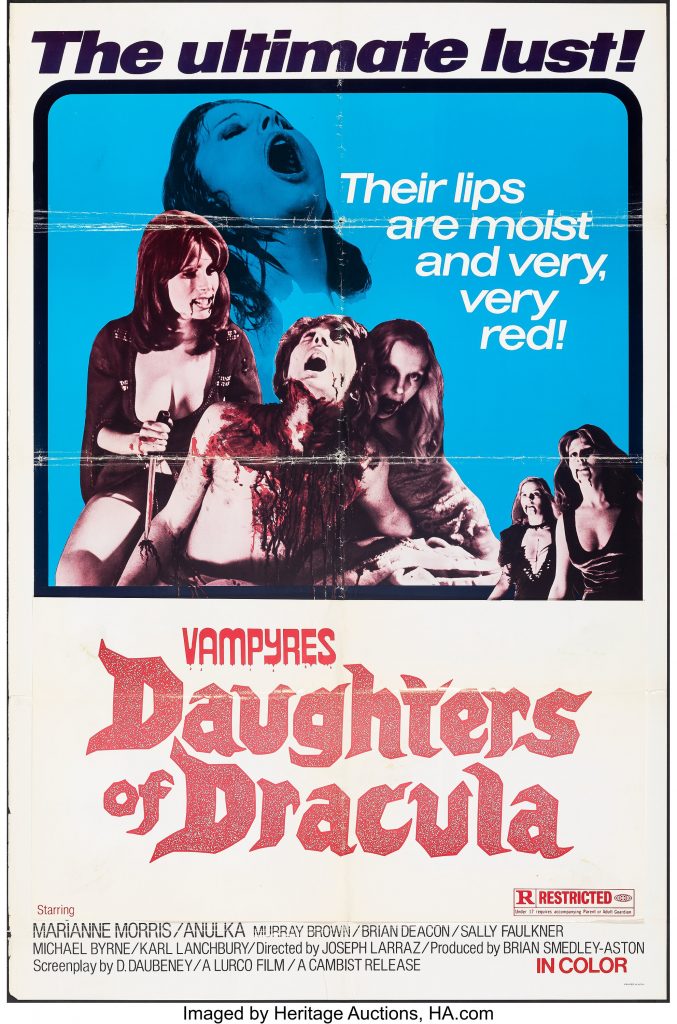
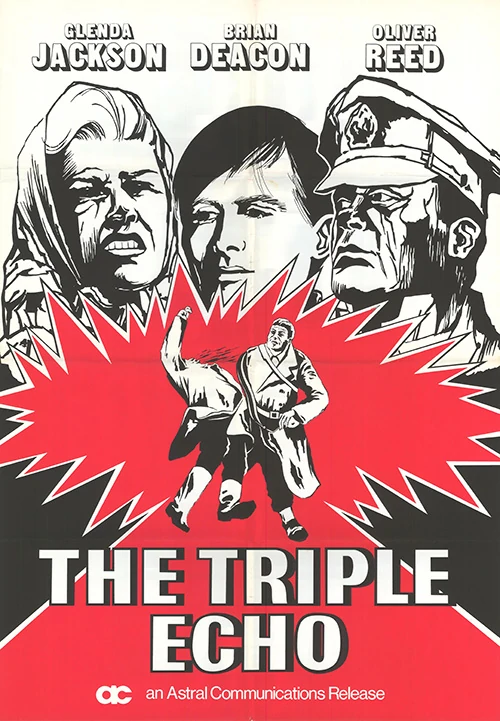
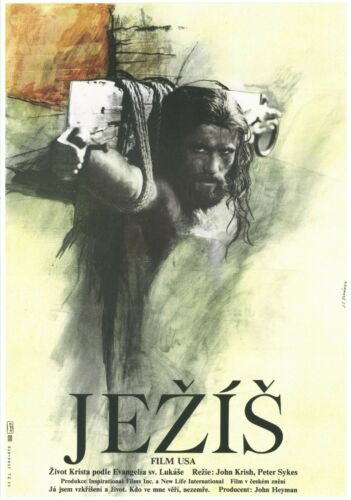
Brian Deacon was born in Oxford in 1949. He trained with the Oxford Youth Theatre. In 1972 he made his film debut with a leading role with Glenda Jackson and Oliver Reed in “The Triple Echo”. Other films include “Vampyres”, “Jesus” and “A Zed and Two Noughts” in which he appeared with his brother Eric.
TCM Overview:
A successful actor, Brian Deacon lent his talents to the big screen, most notably in drama.
Deacon began his career with roles in “The Triple Echo” (1973) and the Marianne Morris horror movie “Vampyres” (1974). He then acted in “Jesus” (1979), “Separate Tables” (HBO, 1982-83) and “Nelly’s Version” (1983).
Later in his career, Deacon acted in “A Zed and Two Noughts” (1988).
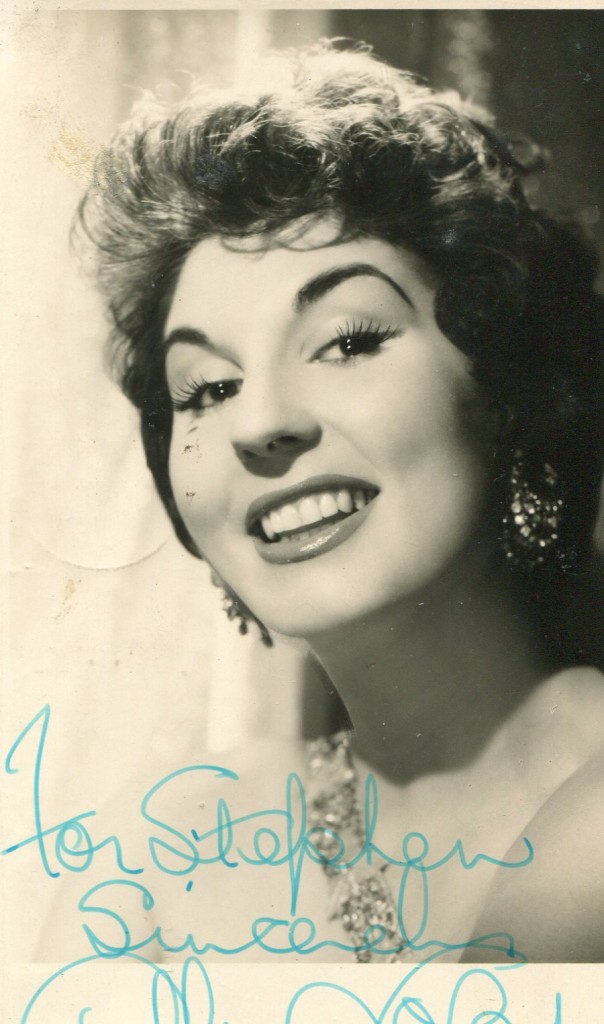
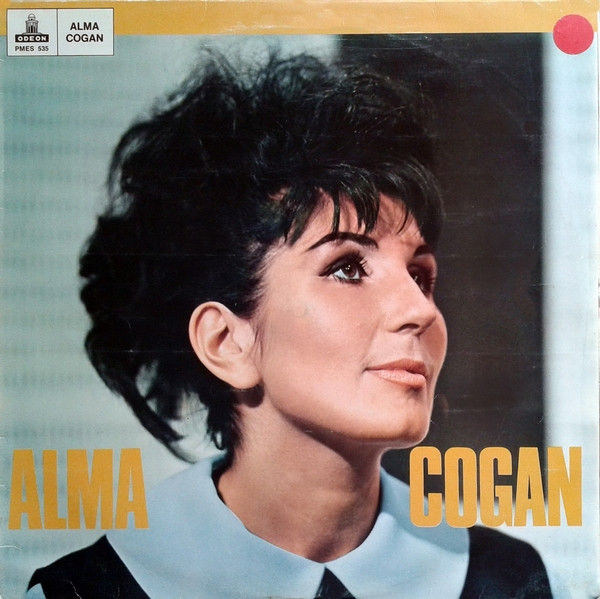
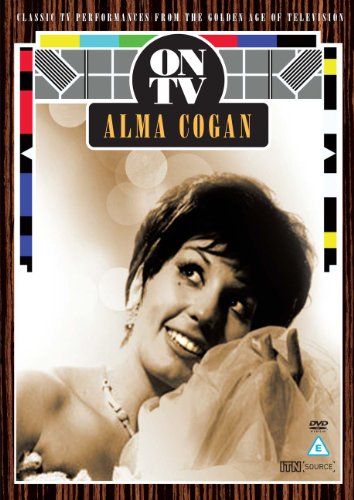
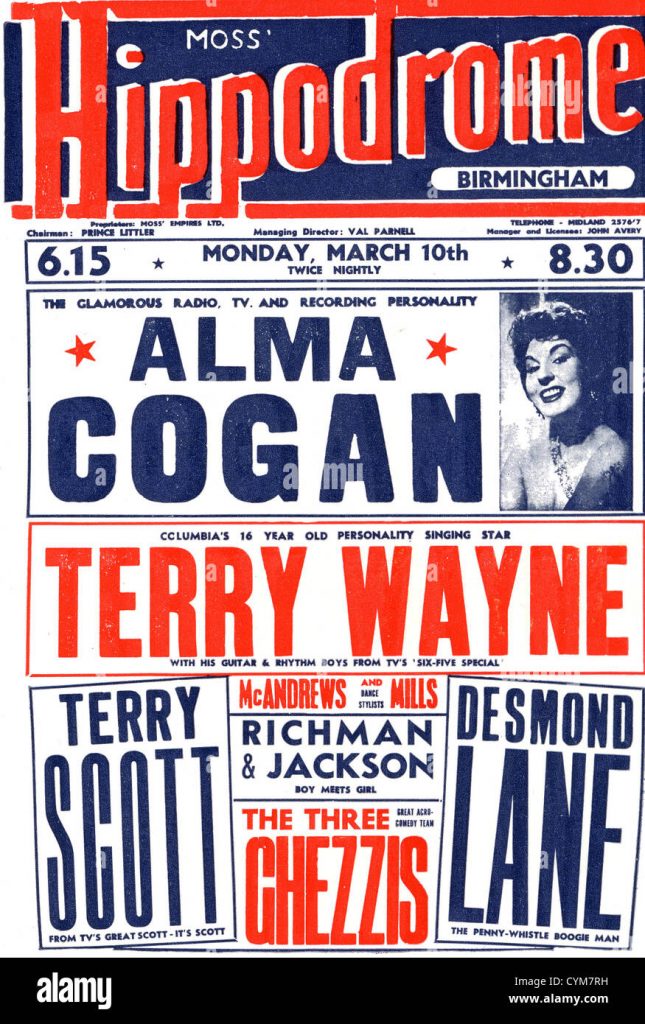
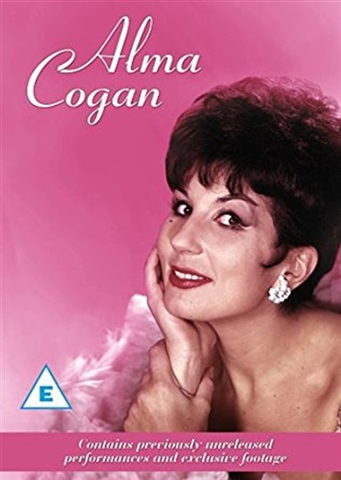
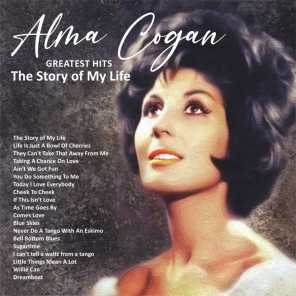
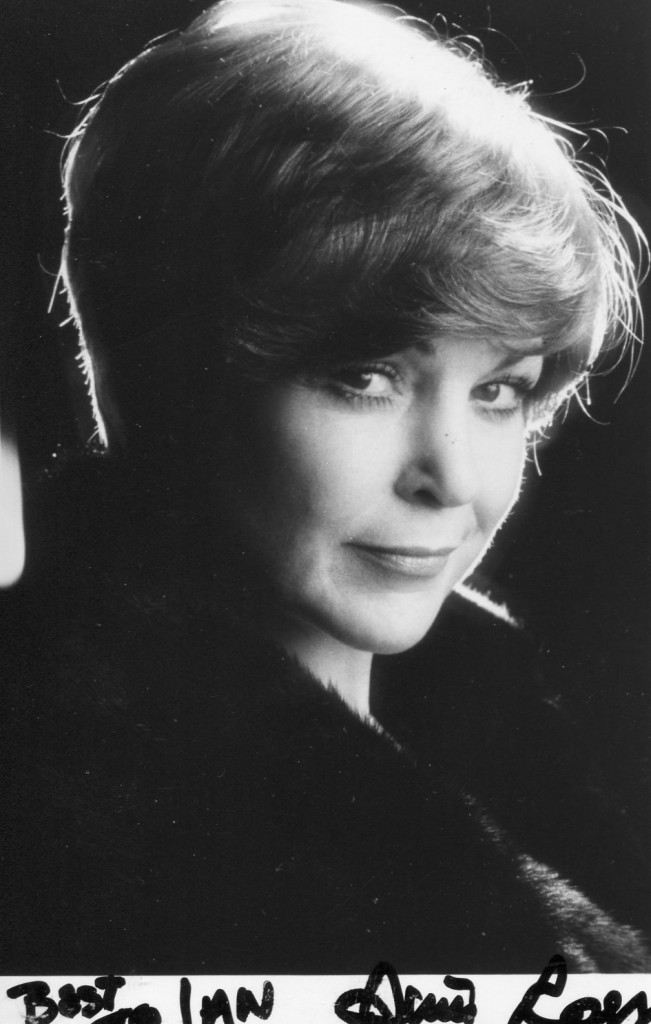
Alma Cogan was one of the most popular singers in Britain in the early to mid 1950’s with a string of Top Ten hits to her credit. She did too have make a number of films in the UK. She was born in 1932 in London. Among her films were “Dance Hall” in 1950 and “For Better, For Worse” in 1954. Alma Cogan died in 1966 aged only 34.
“MailOnline” article by Michael Thornton in 2006:
By MICHAEL THORNTON
Alma Cogan was the first female pop star – yet was dead by 34. For years, there were cruel whispers about her sexuality. But now her sister reveals she was John Lennon’s lover:
Late on an October night, 40 years ago last month, in a private room at London’s Middlesex Hospital, one of the most famous women in Britain lay in a coma as her young life slowly ebbed away. Her face, once so alive and radiant with health and vitality, had been instantly recognisable for 12 years to millions of television viewers and record fans.
But as cancer had spread inexorably through her body, she had lost so much weight that she now appeared almost skeletal. One of her closest friends, visiting her during her final days, was so devastated by her appearance that he rushed weeping from the room into the street.
When, on October 26, 1966, giant headlines across the front of newspapers informed a shocked public that Alma Cogan, Britain’s greatest female recording star of the Fifties and early Sixties, had died from cancer at the tragically young age of 34, there was universal grief and incredulity.
It just didn’t seem possible that the bouncy, bright and bubbling Alma, with her sequinned, voluminous dresses, brunette beehive, sparkling eyes and wide, dynamic smile, could be snuffed out of existence with such shocking suddenness at so early an age.
During her life, Alma’s brio and talent had brought her extraordinary fame – but with it came unwelcome attention. There were questions about her sexuality and rumours of a secret affair with John Lennon which was conducted under his wife Cynthia’s nose.
But what no one could have predicted when she died was that today, four decades on, Alma would still be creating controversy. Years after her death, she caused her immediate family to feel that they were being ‘stalked’ and haunted by disciples of her legend. And then she was publicly – and preposterously – linked to Myra Hindley.
In a brief but meteoric career, Alma packed theatres all over the country, dazzled millions of TV viewers with her exuberant Jewish chutzpah, and clocked up 20 hit records, more than any other British female singer, spending an astonishing total of 109 weeks in the charts. As she belted out one novelty hit after another – Bell Bottom Blues, Dreamboat, I Can’t Tell A Waltz From A Tango, Twenty Tiny Fingers, Never Do A Tango With An Eskimo, Cowboy Jimmy Joe, and Just Couldn’t Resistor – her style was the very quintessence of kitschand the height of high camp.
A BBC television documentary to be screened on Friday and a DVD just released to mark the 40th anniversary of her death present Cogan as a sexual enigma. Two of the men who regularly escorted her, composer Lionel Bart and Beatles manager Brian Epstein, were both gay. And one of Cogan’s closest friends, the broadcaster David Jacobs, says: ‘I always thought of her as a virgin.’
One story, allegedly told by the young Dusty Springfield, an admitted lesbian herself, with whom Cogan was said to be closely involved, was that Alma was not really gay, but had been raped as a young teenager and had developed a mental block about sex with men as a consequence.
Her younger sister, West End stage star Sandra Caron, who is also Alma’s biographer, dismisses this rape story, saying: ‘People just make these things up.’ But Sandra, some years Alma’s junior, would have been a small child at the time and might well not have been told about the rape, if it happened.
One more dramatic twist in the mystery of Cogan and sex is the clandestine love affair between Alma and John Lennon.
Sandra Caron, who knew the Beatles even earlier than Alma and became very close to Paul McCartney, breaks her silence on this story for the first time.
She told me: ‘I knew about Alma and John, of course, but it was something no one admitted because John was married. We had a very strict Jewish upbringing and my mother would never have approved of a relationship between Alma and a married man.’
Ironically, before The Beatles rose to fame, Cogan represented everything Lennon most disliked. As a student at the Liverpool College of Art, Lennon ‘used to make horrible jokes against the singer Alma Cogan, impersonating her singing: “Sugar In The Morning, Sugar In The Evening, Sugar At Suppertime.” He’d pull crazy expressions on his face to try to imitate her.’
But in 1962, when The Beatles appeared with Cogan in Sunday Night At The London Palladium, it was obvious that Lennon rapidly revised his view. ‘John was potty about her,’ George Harrison revealed later. ‘He thought her really sexy and was gutted when she died.’ After the Fab Four’s first visit to Alma’s home in Stafford Court, Kensington High Street, where she lived with her widowed mother, Fay, and her younger sister, Sandra, Lennon gave Cogan the name ‘Sara Sequin’, while Fay became ‘Ma McCogie’. The Cogan flat was probably the most celebrated showbusiness salon in London history. Princess Margaret, Audrey Hepburn, Cary Grant, Sir Noel Coward, Ethel Merman, Danny Kaye and Sammy Davis Jr were all regular visitors. Of her first visit to Stafford Court, Lennon’s first wife, Cynthia, records: ‘John and I had thought of her as out-of-date and unhip. We remembered her in the oldfashioned cinched-in waists and wide skirts of the Fifties.
But in the flesh she was beautiful, intelligent and funny, oozing sex appeal and charm. Walking into her home for the first time was like walking into another world. ‘It was decorated like a swish nightclub with dark, richly coloured silken fabrics and brocades everywhere. Every surface was covered with ethnic sculptures, ornaments and dozens of photographs in elaborate silver, gold and jewelled frames.’
Cynthia became convinced that Alma and John were lovers. ‘I could see the sexual tension between them,’ she recalled, ‘and how outrageously she flirted with him. But I had no real grounds for suspicion…just a strong gut feeling.’ Her suspicions were correct. Alma and Lennon, both heavily disguised, took to meeting for passionate interludes in anonymous West End hotel suites, where they sometimes registered as ‘Mr and Mrs Winston’ (Lennon’s middle name). The Beatles became regular visitors to the Cogan residence. It was on Alma’s piano, with Sandra at his side, that Paul McCartney composed Yesterday. It was 3am and McCartney first called the tune Scrambled Eggs because that’s what ‘Ma McCogie’ had just cooked them.
.’
This article can also be accessed on “MailOnline” here.
As the emergence of The Beatles and of younger female singers – such as Lulu, Sandie Shaw and Dusty Springfield – revolutionised the pop music scene, Cogan’s records ceased to become hits and her star dimmed in Britain, though not internationally. In Japan, her recording of Just Couldn’t Resist Her With Her Pocket Transistor topped the charts for an unprecedented ten months. Andrew Loog Oldham, the manager of the Rolling Stones, also thought Alma ‘very sexy…we all fancied her’. He considered her later recordings ‘naff’, but noted Lennon’s anxiety to help Cogan recover a foothold in the charts.
Alma’s pianist, Stan Foster, who accompanied her on world tours, allegedly had a sexual relationship with her, but he says: ‘She was Jewish and I wasn’t. Her family wouldn’t have approved of that. I’m sure they didn’t.’ Unlike Lennon and Foster, the last man in her life was Jewish: Brian Morris, who managed the Ad Lib, one of London’s trendiest nightclubs.
He was desperate to marry her, and Sandra Caron says: ‘They were engaged. It was absolutely serious.’ But no engagement was ever announced, and some of her friends still believe that he was much more in love with her than she was with him.’ Whatever the truth, it was now academic. She had started to lose weight. ‘Alma had these weight-losing injections,’ the singer Anne Shelton told the music critic Chris White. ‘At the time, they were highly experimental and quite controversial. She certainly lost the weight, but after those injections, she was never well again.’
hortly afterwards, ovarian cancer was diagnosed, but no one seems certain now whether she knew this or not. Her photographer cousin Howard Grey took a last colour closeup of her with her arms around Brian Morris’s neck, and caught a look of almost unearthly beauty. Was it because her time was short? Or had she, at long last, found the love that had so long eluded her? Sandra Caron, who had scored a major success herself as a performer in the United States, was in New York, preparing to appear on the Merv Griffin Show, when Alma’s condition suddenly deteriorated. Sandra cancelled her appearance and flew back to London.
On the morning after her death, shocked radio listeners switched on to hear Cogan’s voice singing an Irving Berlin number, opening with the words: ‘Heaven, I’m in Heaven.’ At the funeral, attended by almost every star in show business, a distraught Brian Morris had to be restrained from throwing himself into Alma’s grave.
Two weeks after Cogan died, Lennon met Yoko Ono, the woman who was to control and dominate the rest of his life, until he too, like Alma, came to an untimely end at the age of 40, from an assassin’s bullet. The fallout from Cogan’s tragically early death was destined to cast a long shadow over the life and career of her younger sister, Sandra Caron. Now in her 60s, and happily married to the American stage and screen actor Brian Greene, Sandra is an actress of skill and distinction.
Merryn Threadgould’s elegiac and moving BBC documentary provides us with an answer: ‘Alma Cogan,’ it concludes, ‘seemed to wear life lightly. Maybe that’s why her early death remains so shocking, a denial of the optimism she represented. Yet it’s that optimism which has become her legacy. She still gives people reasons to be cheerful
The career of Alma Cogan (1932–1966) offers a striking look at the transition of British pop from the post-war “Variety” era to the explosion of the 1960s.Known as “The Girl with the Giggle in her Voice,” Cogan was the highest-paid British female entertainer of the 1950s, a fashion icon, and a pivotal figure whose social circle eventually bridged the gap between old-school show business and The Beatles.
Career Overview: From 78s to the Swinging Sixties
Cogan’s rise was fueled by the burgeoning power of television and the BBC’s dominance over the UK airwaves.
The Big Break (1950s): Discovered by HMV’s Walter Ridley, she became a regular on the BBC radio show Take It From Here.In 1953, a recording “accident” where she giggled during a take of “If I Had a Golden Umbrella” was kept in the final cut. It became her trademark, propelling her to a string of hits like “Bell Bottom Blues,” “Dreamboat” (her only #1), and “Twenty Tiny Fingers.”
Television & “The Dress”: Cogan was arguably the first British pop star of the TV age.She was as famous for her wardrobe—extravagant, self-designed hooped skirts and sequined gowns—as her voice.She famously claimed never to wear the same dress twice on camera.
The Beatles Connection: By the early 1960s, her traditional pop style faced obsolescence.However, she became a close friend and confidante to The Beatles (John Lennon nicknamed her “Sarah Sequin”).Legend has it that Paul McCartney first played the melody of “Yesterday” (then titled “Scrambled Eggs”) on the piano in her Kensington apartment.
Untimely End: Just as she was attempting to reinvent her sound with more modern, rock-influenced tracks (including covers of Beatles songs), she died of ovarian cancer in 1966 at the age of 34.
Critical Analysis: The Architecture of a Persona
1. The “Giggle” as a Marketing Tool
In an era where female vocalists were often expected to be either sultry torch singers or polite balladeers, Cogan’s “giggle” was a masterstroke of branding.
Analysis: The giggle wasn’t just a vocal tic; it projected a vivacious, “girl-next-door” approachability. Critics noted that she lacked the operatic power of some contemporaries but possessed an “electric” personality that translated perfectly to the low-fidelity speakers of the 1950s.
2. The Versatility vs. Identity Conflict
Cogan was a master of the “cover version.” Because the UK charts in the 50s were dominated by British versions of American hits, she often recorded songs originally performed by Rosemary Clooney or Doris Day.
Critical Insight: While this made her incredibly successful, it led to a “chameleon” identity. She could sing mambo, rock and roll, novelty tracks, and ballads with equal skill, but some critics argued this prevented her from developing a singular, innovative musical legacy of her own—until her later, more experimental work in the mid-60s.
3. The Visual Narrative
Cogan understood the power of the “Spectacle” long before the MTV era. Her dresses—some requiring hundreds of yards of fabric—were a form of architectural performance.
Impact: By focusing on the visual (her “froks”), she maintained a grip on the public imagination even when her chart success slowed. She used fashion to signal a “Hollywood-style” glamour that was rare in austerity-recovering Britain.
4. A Bridge Between Eras
The most fascinating critical aspect of Cogan’s career is her ability to survive the arrival of Rock and Roll.While many 1950s stars were “killed” by the Merseybeat explosion, Cogan adapted.
Analysis: Her 1964 version of “Tennessee Waltz” (recorded in a rock-ballad style) was a massive hit in Scandinavia, proving she had the technical capability to modernize. Her late-career attempts to record with a “harder” edge suggested a transition into a “sophisticated pop” artist that was tragically cut short.
Key Cultural Indicators
Feature
Analysis
Vocal Profile
Bright, bouncy, and rhythmic; noted for “smiling while singing.”
Fashion Impact
Credited with bringing “Couture Glamour” to the drab post-war UK BBC.
Legacy Tool
The subject of Gordon Burn’s award-winning 1991 novel Alma Cogan.
Chart Milestone
18 UK Top 30 hits between 1954 and 1960.
Alma Cogan remains a symbol of an era where pop music was about “Variety” and charm. She was the final peak of the “Tin Pan Alley” style of British stardom before the industry shifted toward self-contained bands and singer-songwriters
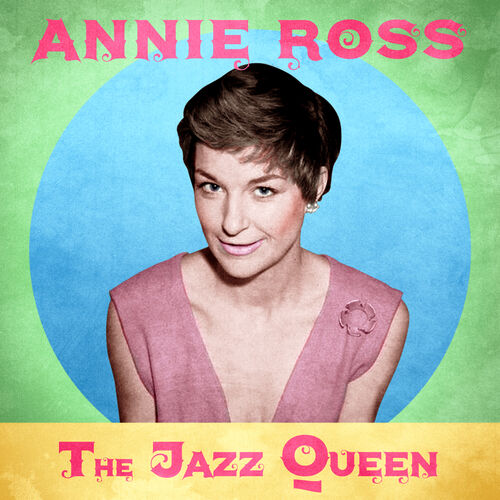
The jazz singer Annie Ross, who has died aged 89, consistentlybrought the best out of good songs – and sometimes the best out of her expert admirers, too. The critic Kenneth Tynan memorably characterised the cool intelligence of Ross’s methods and manner as that of “a fallen angel”, and the Observer’s Dave Gelly once described her sound as exhibiting “a kind of dreamy watchfulness that is a definition of 1950s hip”.
London-born but raised in Hollywood by a jazz-singing aunt, Ross modelled her methods on the 40s vocal stars Ella Fitzgerald and Sarah Vaughan, as well as on the quicksilver instrumental melodies of that era’s bebop movement.
It was her spirited marriage of the instrument-mimicking 50s “vocalese” singing style that set her musical career alight as a 22-year-old in 1952, with a version of Wardell Gray’s instrumental song Twisted. Ross added a sardonically funny lyric that reflected both her abandoned-child anxieties and her self-possessed intelligence, featuring lines such as: “My analyst told me that I was right out of my head/he said I’d need treatment but I’m not that easily led”.
Joni Mitchell, Bette Midler and the jazz singer Mark Murphy would later make their own recordings of the hit, and its popularity helped Ross to pick up work with members of the jazz aristocracy such as Lionel Hampton, Gerry Mulligan and Chet Baker, as well as in the popular West End musical revue Cranks, which was staged at the St Martin’s theatre in 1956 and spawned an album of the same name.
Five years after Twisted there was another transformative moment in 1957, when Ross found herself in the role of vocal coach to the backing singers on a New York recording session devoted to vocalising the work of the swing big-band star Count Basie. It turned out that the singers were not up to the job, and so it was suggested that Ross and the venture’s initiators, Dave Lambert and Jon Hendricks, could rescue the project by overdubbing the vocal parts themselves – Ross imitating the trumpets and piano, while Lambert and Hendricks mimicked the reeds, low brass, bass and drums.
The outcome was the album Sing a Song of Basie (1957), which became a big commercial hit. As Ross told me in a 1996 interview for the magazine Boz: “Dave had said, ‘We’ll have to overdub. Will you do it?’ I said yes of course, even though I didn’t even know what an overdub was. So we did it all, and it was one of the greatest moments of my life when I heard those tapes back. I knew we had something incredible.”
Following the success of Sing a Song of Basie, the trio of Lambert, Hendricks & Ross was formed, and for five yearsthey were one of the most innovative and commercially successful jazz-singing ensembles in history, touring the world and recording extensively with their lyrically inviting and virtuosically fast-moving brand of modern jazz. In 1962 they won a Grammy award for the album High Flying.
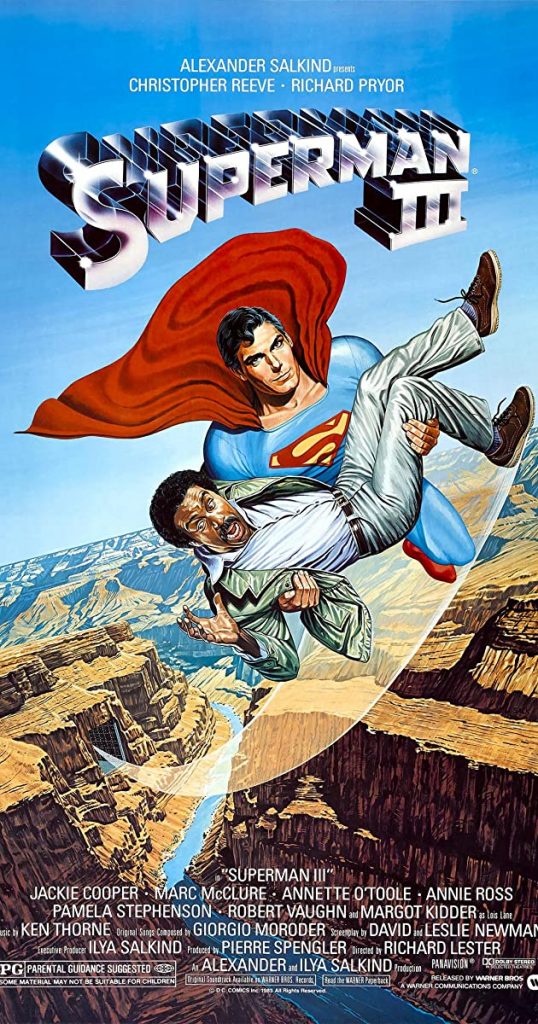
Though it was as an improvising singer that Ross expressed herself most vividly, in her later years she also acted, playing character roles in movies from Superman III (1983) to Robert Altman’s Short Cuts (1993), and she even did a voiceover for Britt Ekland in The Wicker Man (1973). “I don’t feel there’s a split between those two parts of my career,” she said. “All good actors are like singers, I think, working with others to make a great rhythm section.”
Born Annabelle Short in Mitcham, south London, Ross was the daughter of the Scottish vaudeville partners John “Jack” Short and May Dalziel (nee Allan), who performed as Short and Dalziel. One of four siblings, her brothers were Jimmy and Buddy Logan, who also took to the stage, the former as a successful comic and impresario, the latter as a singer. The family travelled to New York when Annabelle was four, and while out there she won a children’s radio contest. The first prize was a movie contract with MGM and so when her parents returned to Scotland they left her for good in the care of her mother’s sister Ella Logan (a singer) in Hollywood, where she grew up.As Annabelle Logan she sang Loch Lomond at the age of seven in the 1937 Hal Roach short movie Our Gang Follies of 1938, and she later played Judy Garland’s kid sister in the 1943 film Presenting Lily Mars.
Her aunt gave her a copy of Fitzgerald’s 1938 hit A Tisket a Tasket, thereby triggering the revelation that Fitzgerald’s agile vivacity “was what I wanted to sound like and sing like”. She soon realised that her vocal range allowed her to sing high for school choral music, but lustrously deep when she sang jazz alone in her room. She also discovered a talent for songwriting, when Let’s Fly – a song she wrote at just 14 – was recorded by the Tin Pan Alley singing star Johnny Mercer.
After leaving school she decided to go her own way – returning to the UK, adopting the stage name Annie Ross, and then moving to Paris, which by the late 40s was a popular refuge from homeland conflicts for African-American jazz musicians. She shared rooms with the great jazz composer and pianist Mary Lou Williams, gave birth to a son (Kenny Clarke Jr) from a short relationship with the bebop drummer Kenny Clarke, and joined the songwriter Hugh Martin’s vocal group, an experience that quickly honed her understanding of both ensemble singing and the songwriter’s craft.
Shuttling between Europe and the US in those years, Ross met Bob Weinstock, founder of the Prestige Records label, and he invited her to write a song in the style of the vocalese pioneer King Pleasure. Ross came back the next day with Twisted.
During her work with Lambert, Hendricks & Ross she also made a fine recording, in 1959, of the songs from the Stephen Sondheim-penned Broadway musical Gypsy, with Buddy Bregman’s Hollywood orchestra. However, by 1962, distracted by a heroin habit and in a stormy relationship with the comic Lenny Bruce, Ross quit Lambert, Hendricks & Ross.
She returned to London, kicked heroin with support from her brother Jimmy, married the actor Sean Lynch, and in 1964 opened a nightclub, Annie’s Room, which hosted several star singers including Nina Simone, Anita O’Dayand Hendricks. Following a bankruptcy in the mid-70s and a divorce from Lynch, she returned to stage and movie work, as well as occasional reunion gigs with Hendricks.
As an actor, as well as appearing in Superman III and Short Cuts she was seen in the 1972 Hammer thriller Straight On Till Morning and the 1983 British crime film Funny Money.
Ross became a US citizen in 2001, and a play by Brian McGeachan, Twisted: The Annie Ross Story, premiered in London on her 76th birthday in 2006, with a visibly moved and astonished Ross present.
She received the National Endowment for the Arts Jazz Master award in 2010, and made one of her late-career performances in 2011 at the Pizza Express Jazz Club in London at the age of 80. While no longer possessed of her legendary vocal athleticism, she was coolly charismatic still, cannily adapting slippery long tones into semi-spoken exclamations, but as alert to the rhythmic undertow of songs as ever.
Ross is survived by her partner, Dave Usher, and by Kenny.
• Annie Ross (Annabelle Short), singer, songwriter and actor,born 25 July 1930; died 21 July 2020Topics
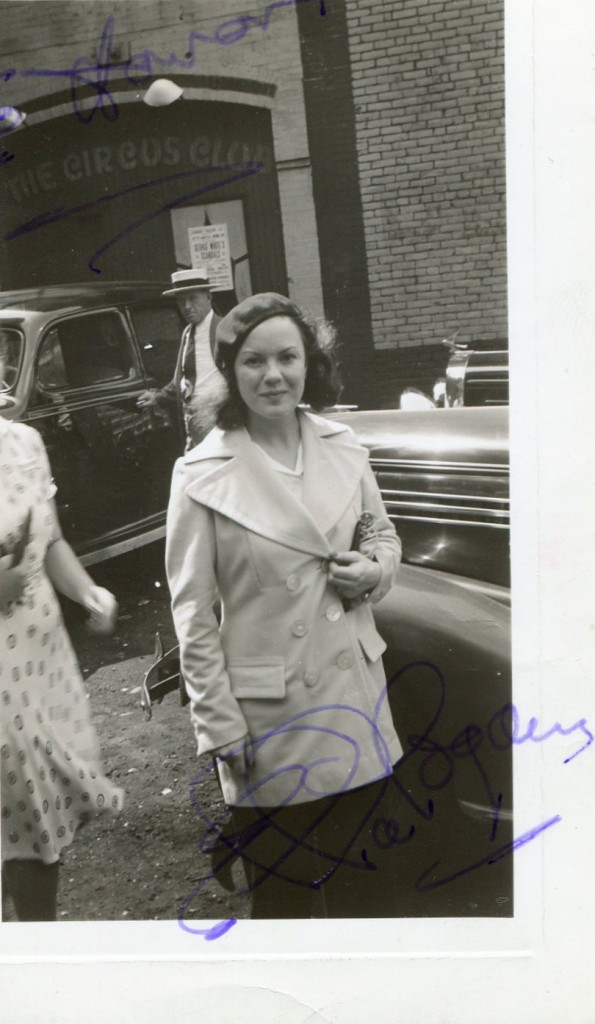
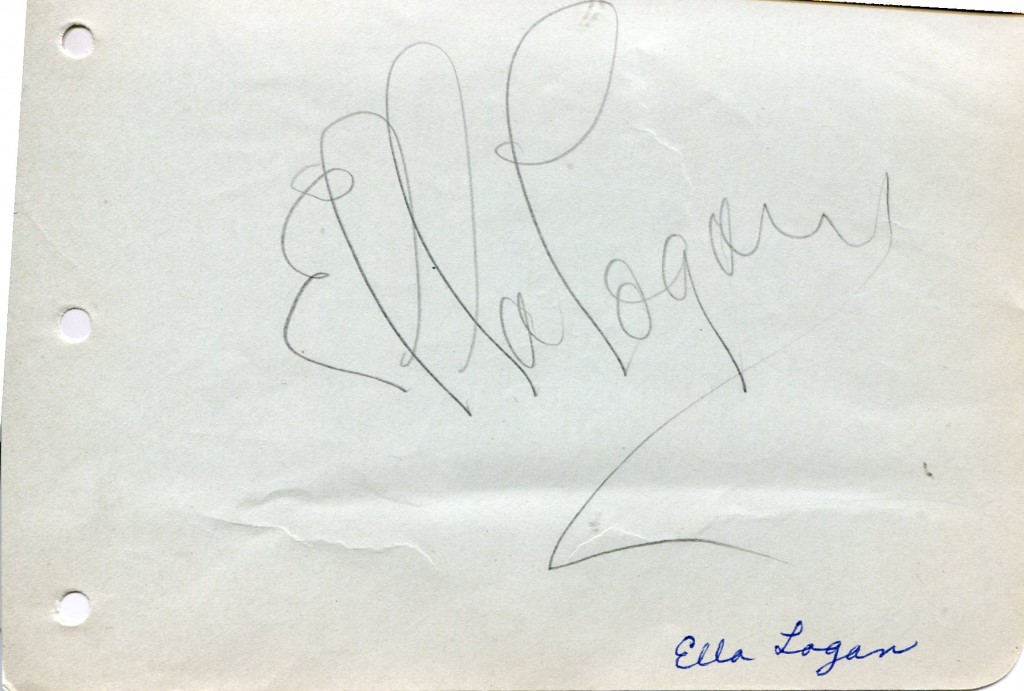
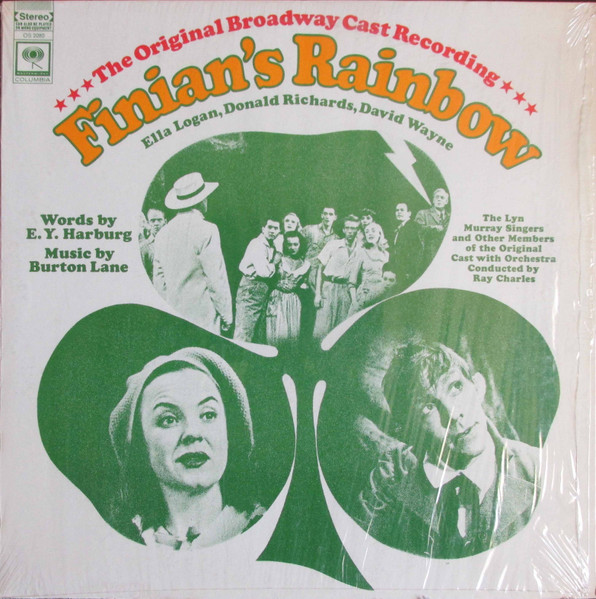
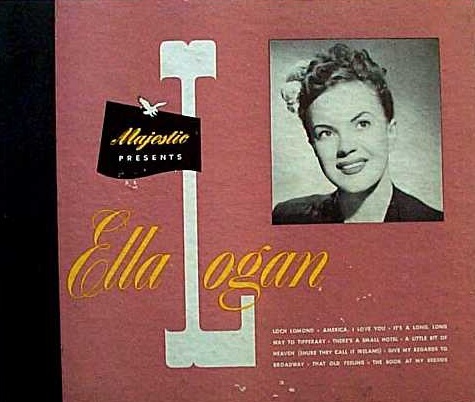
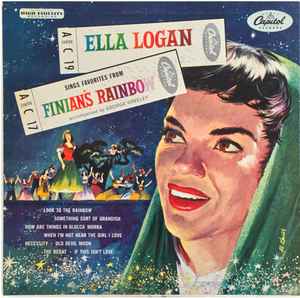
Ella Logan was born in 1913 in Glasgow. She made her West End debut in 1930 with the play “Darling I Love You”. In the mid 1930’s she emigrated to the U.S. and in Hollywood she made “Flying Hostess” in 1936, “52nd Street” and “The Goldwyn Follies” in 1938. During World War Two she entertained the troops in Europe and Africa. In 1947 she had a hufe success o Broadway as Sharon in “Finian’s Rainbow”. It was her final Broaway show. In the 1950’s she starred on television and inconcert and supper clubs. She died in 1969 at the age of 56. Her niece is the actress/singer Annie Ross.
Article in “The Scotsman”:
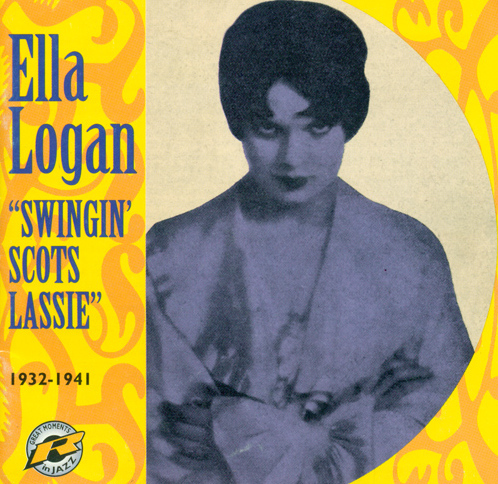
THE singer and entertainer Georgina Allan made her stage debut as a toddler, when she performed songs made famous by Sir Harry Lauder in music halls across Scotland. Briefly known as “Daisy Mars” and, by her late teens, as “Ella Logan”, this daughter of a spirit salesman and a warehouse worker was singing with London’s top dance bands, broadcasting on the BBC, and starring in West End revues. In the early 1930s she toured Europe – once apparently singing for a Cologne audience that included Hitler and several senior Nazis – before moving to the US where she is believed to have married for the first time. There she recorded with jazz greats including Benny Goodman. By the late 1930s, her exuberant swing recordings of traditional Scottish songs earned her the names “The Swinging Scots Lassie” and “The Loch Lomond Lass” when she topped the bill in nightclub revues. From 1935, she was based in Hollywood. Just before she left New York, her sister Mary Dalziel Short (May) (190169), and her family visited from Glasgow. May Allan and her husband, Jack Short, had a music hall act as The Logan Family, featuring their five children, including James Short (actor and comedian Jimmy Logan, 19282001) and Annabelle Short (the jazz singer Annie Ross, born 1930).
Article on Ella Logan on “Masterworks Broadway” website can be accessed here.
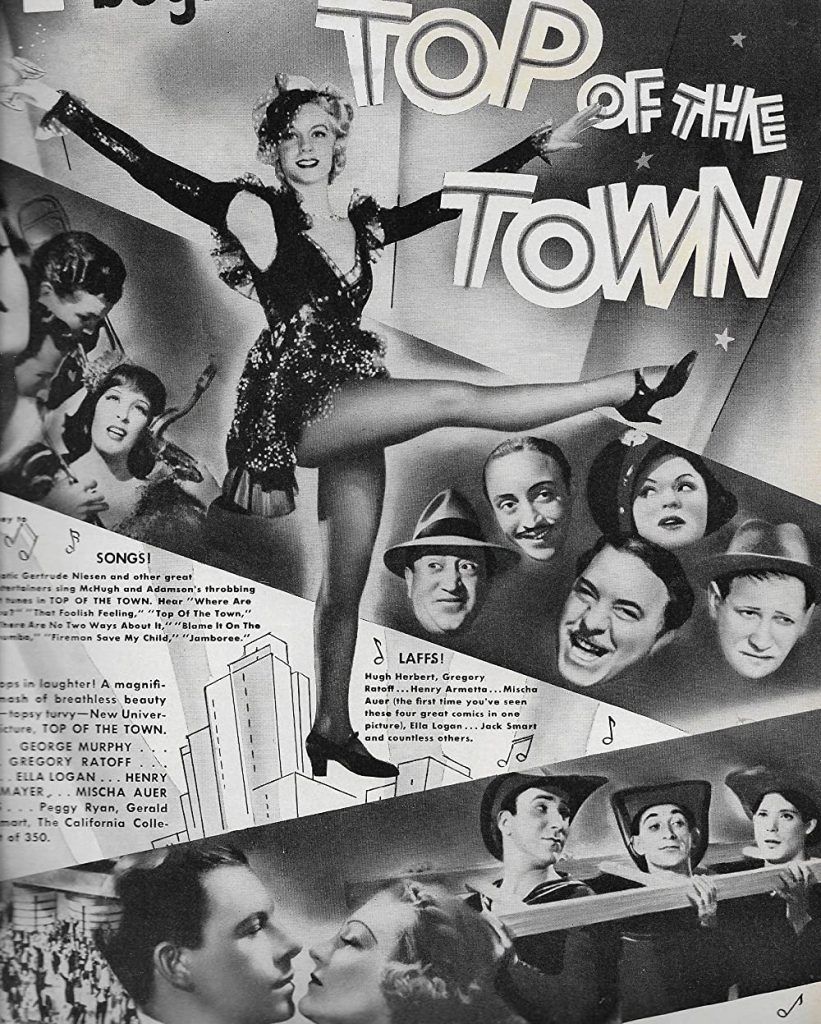
They believed that Annabelle could be the next Shirley Temple, and left the five-year-old in her aunt’s care in Hollywood, where Ella Logan was trying to forge a movie career. Between 1936 and 1938 she had minor roles in five films: Flying Hostess (1936), Top of the Town (1937), Woman Chases Man (1937), 52nd Street (1937) and The Goldwyn Follies (1938), in which she introduced two of George Gershwin’s last songs. In 1941, Ella Logan married the screenwriter and producer Fred Finkelhoffe, a marriage that raised her status in Hollywood society. After the Second World War, during which she entertained American forces in Italy and in Britain, she enjoyed her greatest triumph playing Sharon, a part written specially for her, in the original 1947 Broadway production of the musical Finian’s Rainbow.
Divorced in 1954, she was subsequently romantically linked to several well-known bachelors, including former New York City mayor William O’Dwyer. During the 1950s she worked occasionally on television. In 1955, she returned to Scotland for a high-profile run at the Glasgow Empire and, the following year, she visited Glasgow to perform in jazz legend Louis Armstrong’s show
Gwendolyn Watts was born in 1932 in Somerset. She appeared in many of the more popular British shows of the 1960’s including “The Rag Trade”, “Softly,Softly”, “The Avengers” and “Steptoe and Son”. Her film appearances include “Sons and Lovers” in 1960 and “Fanatic” in 1965. She had a wonderful part as one onf Tom Courntey;s girlfriends in “Billy Liar”. In the early 70’s she concentrated on raising her family and resumed acting some years later. She died at the age og 67 in 2000. Her film credits stated two appearances which seem odd to me. An appearance in “Alfred Hitchcock Presents” on TV in 1958 and the film “My Fair Lady” in 1963. Both these productions were made in Hollywood and it seems unusual to have intermittant U.S. appearances at that time in a British actresse’s CV.
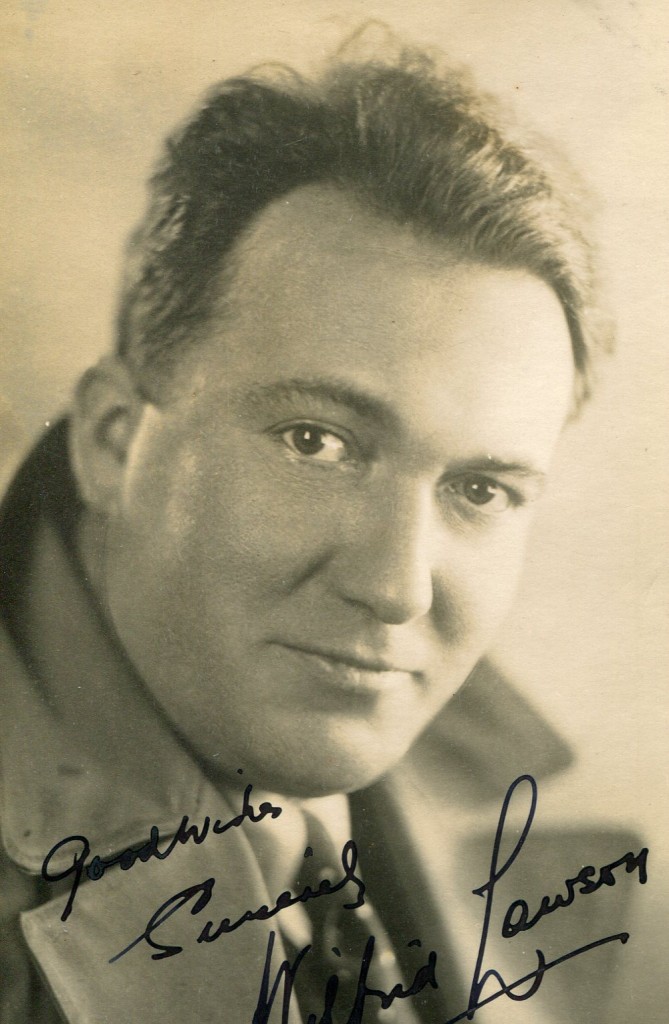
Wilfrid Lawson was a reknowned British character actor. He was born in 1900 in Bradford in Yorkshire. His film debut came in 1931 in “East Lynne on the Western Front”. In 1936 he made a film in Hollywood “Ladies in Love” with Loretta Young, Simone Simon and Tyrone Power. His film highlights include “Pgymalion”, “Jeannie”, “The Prisioner” and “The Wrong Box”. He died in 1966 in London.
IMDB Entry:
A scene stealing actor of lugubrious countenance, Wilfred Lawson (born Wilfred Worsnop) made his debut on the stage in “Trilby” at the Pier Pavilion in Brighton at the age of 16. He served as a pilot in the RAF during the final months of World War I, before resuming his theatrical career, becoming a well-established character player by the end of the decade. Wilfred went on to perform at the West End in “Sweeney Todd” in 1928, followed by “Pygmalion” and “Major Barbara” at the Prince’s Theatre in Bristol. He appeared infrequently in films from 1931, but was not considered for leading roles until starring in the Edgar Wallace crime caper The Terror (1938).That same year, he recreated his part of Alfred Doolittle in Pygmalion (1938) for Gabriel Pascal‘s popular film version, and thus attracted the attention of Hollywood.
After a brief sojourn in America, Wilfred returned to Britain and was cast in the titular role of a Technicolor biopic, The Great Mr. Handel (1942). After that, he reverted to form playing the eccentric or maniacal character parts, in which he truly excelled. Unfortunately, he was plagued for most of his remaining life by severe bouts of alcoholism, which affected his work. In spite of this, and though he became known as ‘the king of the dramatic pause’, he rarely forgot his lines and turned in several memorable performances towards the end of his career. He was indeed reputed to have had the unique ability to function reasonably well, while under the influence. After a decade long absence, Wilfred made a triumphant return to the stage, first in August Strindberg‘s “The Father”, and then in Joseph Losey‘s 1954 production of “The Wooden Dish”.
On screen, he is fondly remembered as the unhinged lighthouse keeper Rolfe Kristan inTower of Terror (1941); as the bearded, slouch-hatted Black George Seagrim in Tom Jones (1963), and as the hilariously pixillated, decrepit butler Peacock in The Wrong Box(1966). By the time he appeared as Peacock, Wilfred’s alcoholism had reached such alarming proportions that he could no longer obtain insurance. Fortunately, this did not deter producer/director Bryan Forbes from keeping him in the cast. Alas, Wilfrid died within five months of the film being released of a heart attack.
Greg Wise was born in Newcastle-on-Tyne in 1966. His television debut was in 1992 with “A Masculine Ending”. In 1995 he made his film debit with “Feast of July”. His film highlights include “Sense and Sensibility” and “The Judas Kiss”. He is married to actress Emma Thompson.
Interview with “The Telegraph”:
Greg Wise doesn’t like being interviewed. Nothing personal, you understand, he just doesn’t like it. “To be honest, I don’t think I’d be sat here talking to you if it wasn’t for this piece of work,” he says, sipping water in a Soho restaurant.
He’s talking about A Place of Execution, a three-part thriller on ITV1 starting tonight. It’s good, watchable television of a kind that seems rarer nowadays; but more of that later. The other thing Wise (42 and greying slightly at the temples) doesn’t like doing is washing.
“We’ve just got back from our little cottage in Scotland and I didn’t wash my hair for seven weeks. You don’t need to, it’s self-cleaning. We all wash far too much. “I’m best when I’m feral, when I don’t wash or shave or change my trousers for a couple of weeks.”
All very un-Jane Austen. For those not terminally obsessed with the doings of actors and actresses, Wise is Mr Emma Thompson, her partner of 13 years.
He’s also a “breeches boy”, one of that stable of English actors who can be trusted to talk posh and look good in early 19th-century riding gear while standing in a muddy field with raindrops hanging from his nose delivering lines like “Miss Cardew, I must protest the depth and honesty of my affections.”
The two met on the set of Sense and Sensibility when Thompson’s once-glittering marriage to Kenneth Branagh had just hit the rocks. Em played sensible Elinor Dashwood, and Greg, seven years her junior, played caddish Willoughby.
Em was so taken with Greg and his chiselled looks that she made an entry in her diary about him “ruffling all the female feathers” on set. Up they shacked. Since then, Wise has dropped in and out of the public eye, enjoying long periods away from the limelight but maintaining a presence on television and, occasionally, film. A Place of Execution plays to his strengths.
He’s posh again, and darkly handsome, as Philip Hawkin, a squire in early 1960s rural Yorkshire accused of murdering his young stepdaughter. “He’s a very dark, upsetting guy,” says Wise of his character. And he’s stiff – emotionally detached.
The breeches boys do that rather well. The action moves between the Sixties and the present. Juliet Stevenson is a TV journalist drawn to the mystery of the girl’s disappearance who soon finds obstacles being put in her way. It is a good story, well told and holds the viewer. The drama was filmed in Northumberland, familiar to Wise from youth. The son of architects, he grew up in Newcastle before moving to York.
He trained as an architect in Edinburgh before switching to drama school in Glasgow. It took him just three years to reach the verge of the big time. His opportunity to break into Hollywood arrived in 1995 when Sense and Sensibility made him a potential rival to the likes of Hugh Grant and Colin Firth. But, says Wise, he blew it by telling the head of Sony Pictures that he had no desire to work in America.
The problem seemed to be an over-supply of contentment. “I have no ambition at all, except to be stretched occasionally – and interested,” he muses. “There’s no script, I just make it up as I go along. I never had any plans.”
Maybe, like all the breeches boys, he suffers from a lack of acting range, but it doesn’t seem to worry him unduly. You can go a long way on posh and stiff or posh and menacing. The star thing – and Oscar-winning Em being better at it – seems to interest him hardly at all.
“Seems” being the operative word, because you never quite know with actors. He is good at giving roughly the same interview time after time, never surrendering too many new facts while doing the job of promoting the project in hand.
“Don’t like going out. The last thing I want to do is get togged up, go out and be polite.” So he stays in with Em and Gaia, the couple’s young daughter, conceived through IVF. They wanted more children but had to admit defeat after we what he describes as an emotionally gruelling experience. “We are terribly fortunate that we spend a lot of time together, but that might be death to some couples.”
They live for three months a year up in Scotland, drinking tap water drawn from a nearby stream and ignoring the world. He fancies himself as a handyman and says he might have ended up in sustainable housing in the Third World if acting had not seduced him.
“There’s endless scope for me to hurt myself with power tools,” he says of the acres in Scotland. “I was stripping tin off a sheep shed roof before we came home.” Maybe he should concentrate on a power shower.
The above interview can also be accessed online at “The Telegraph” here.
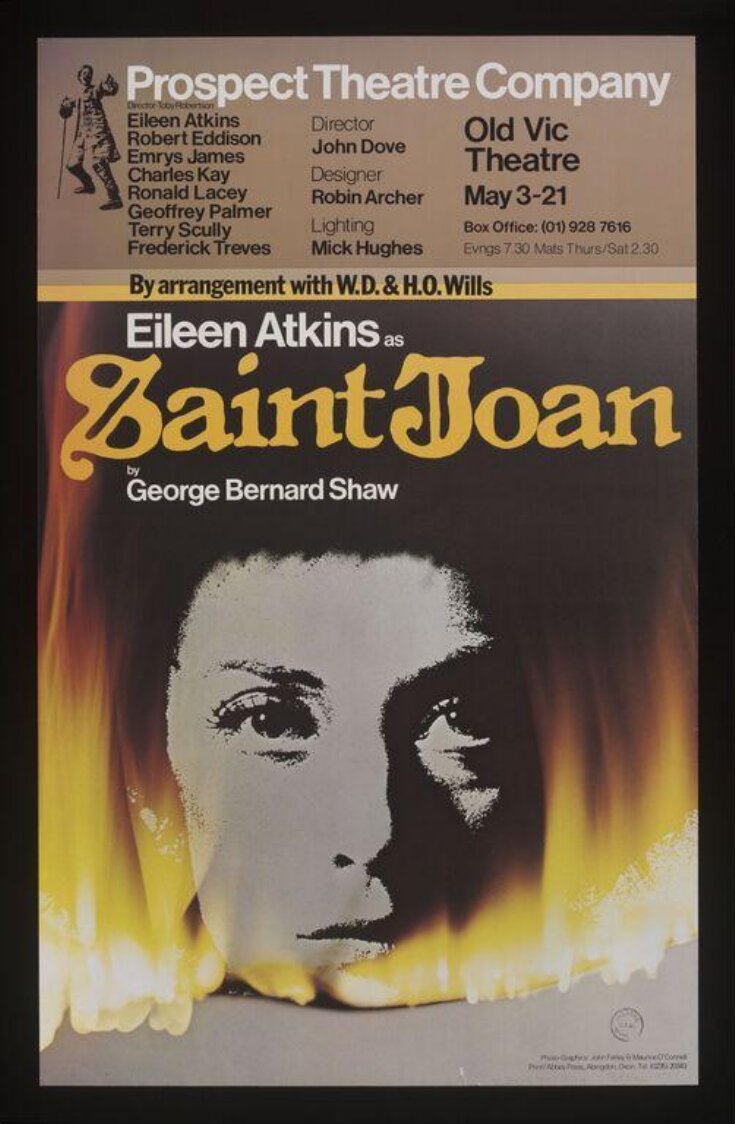
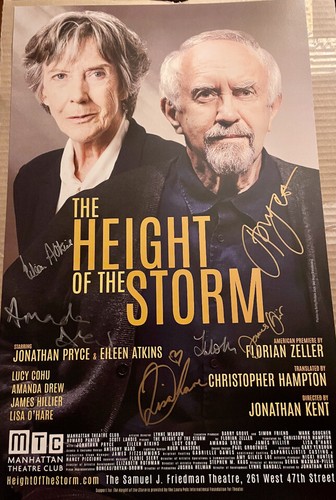
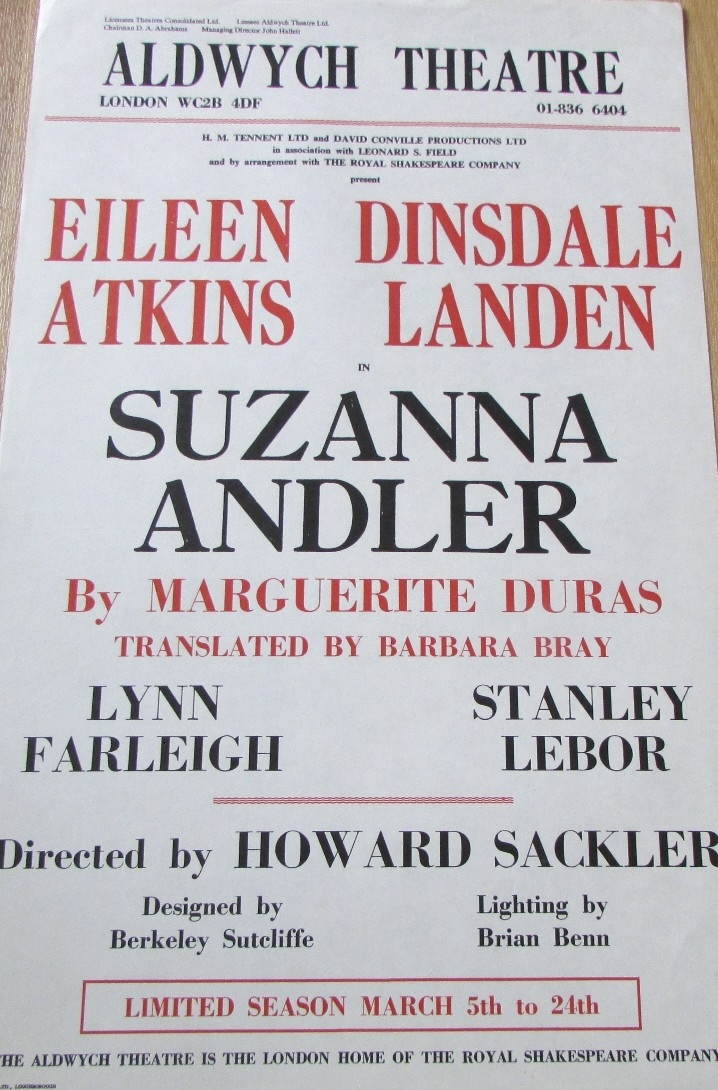
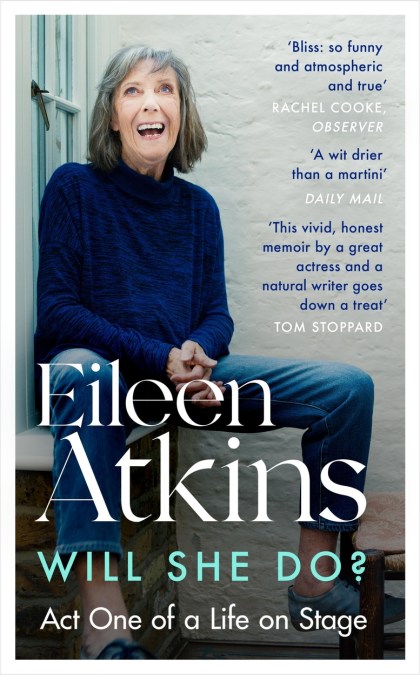
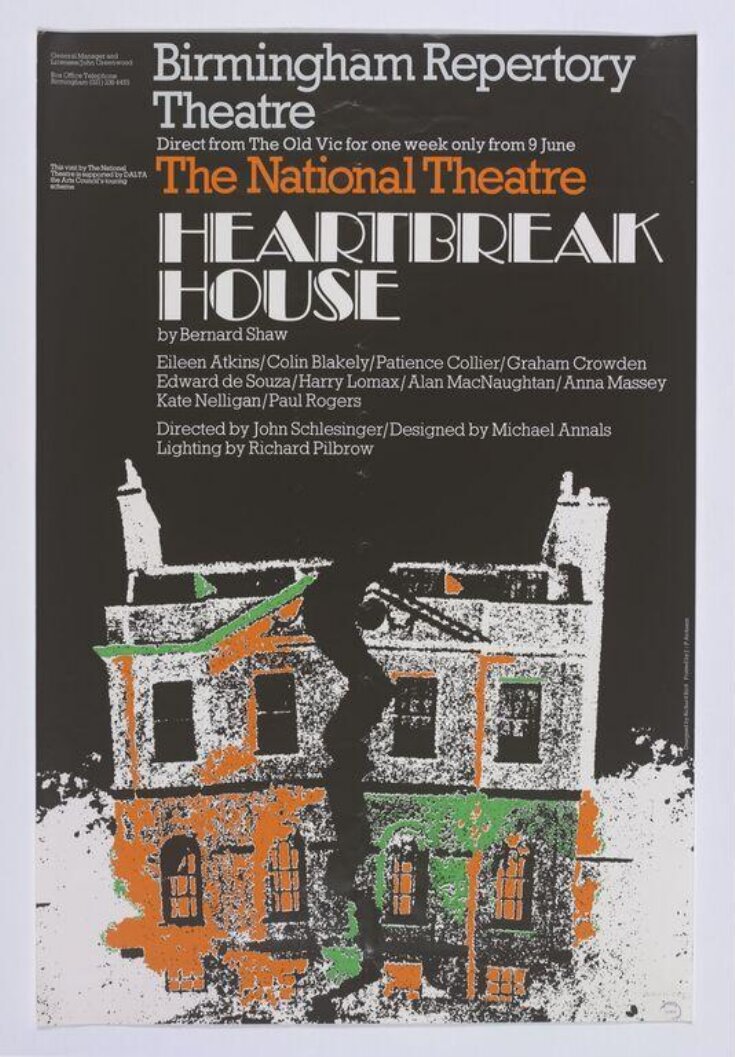
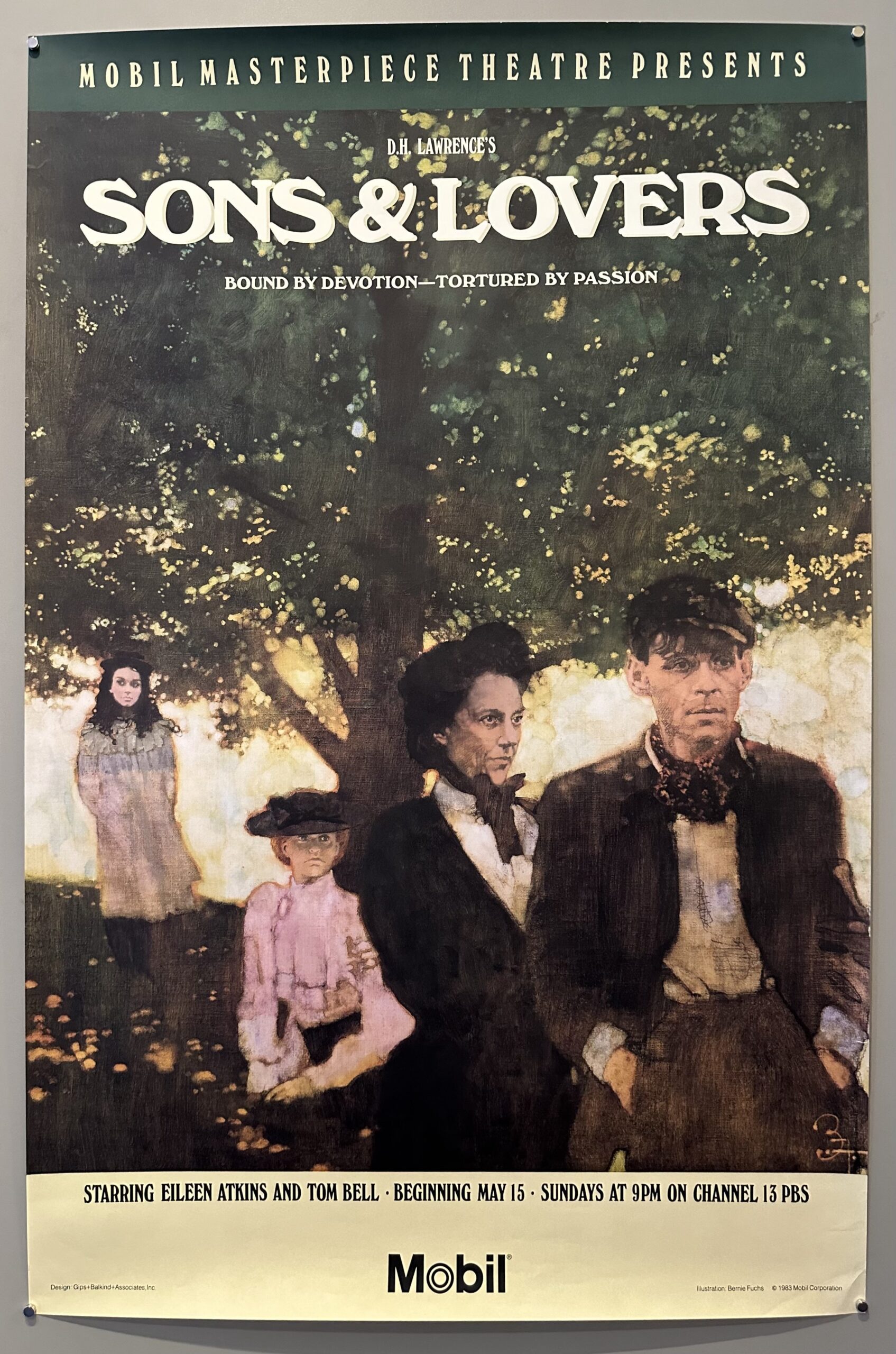
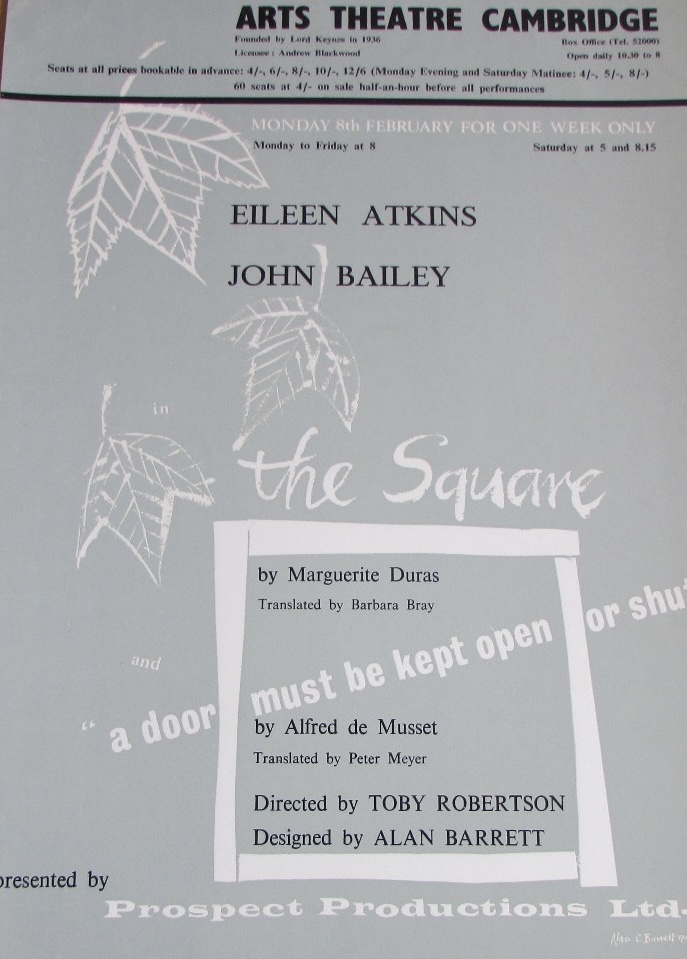
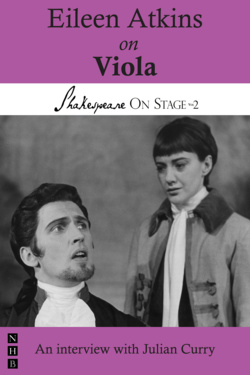
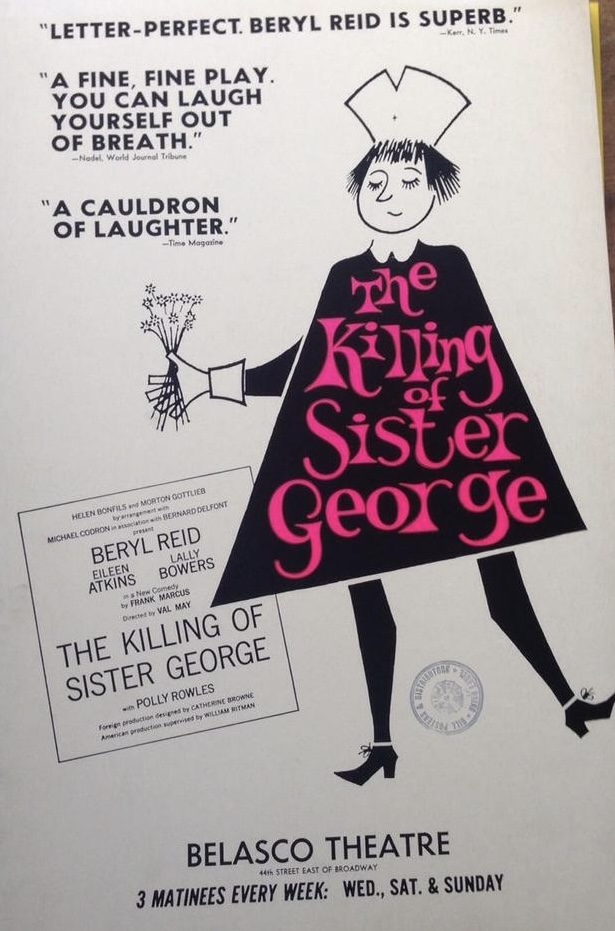
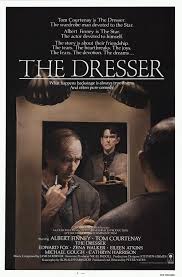
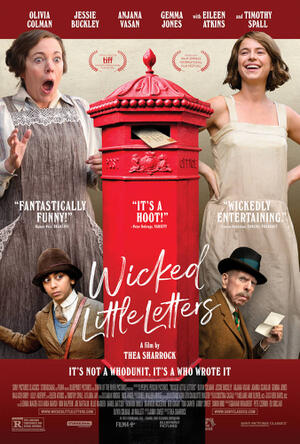
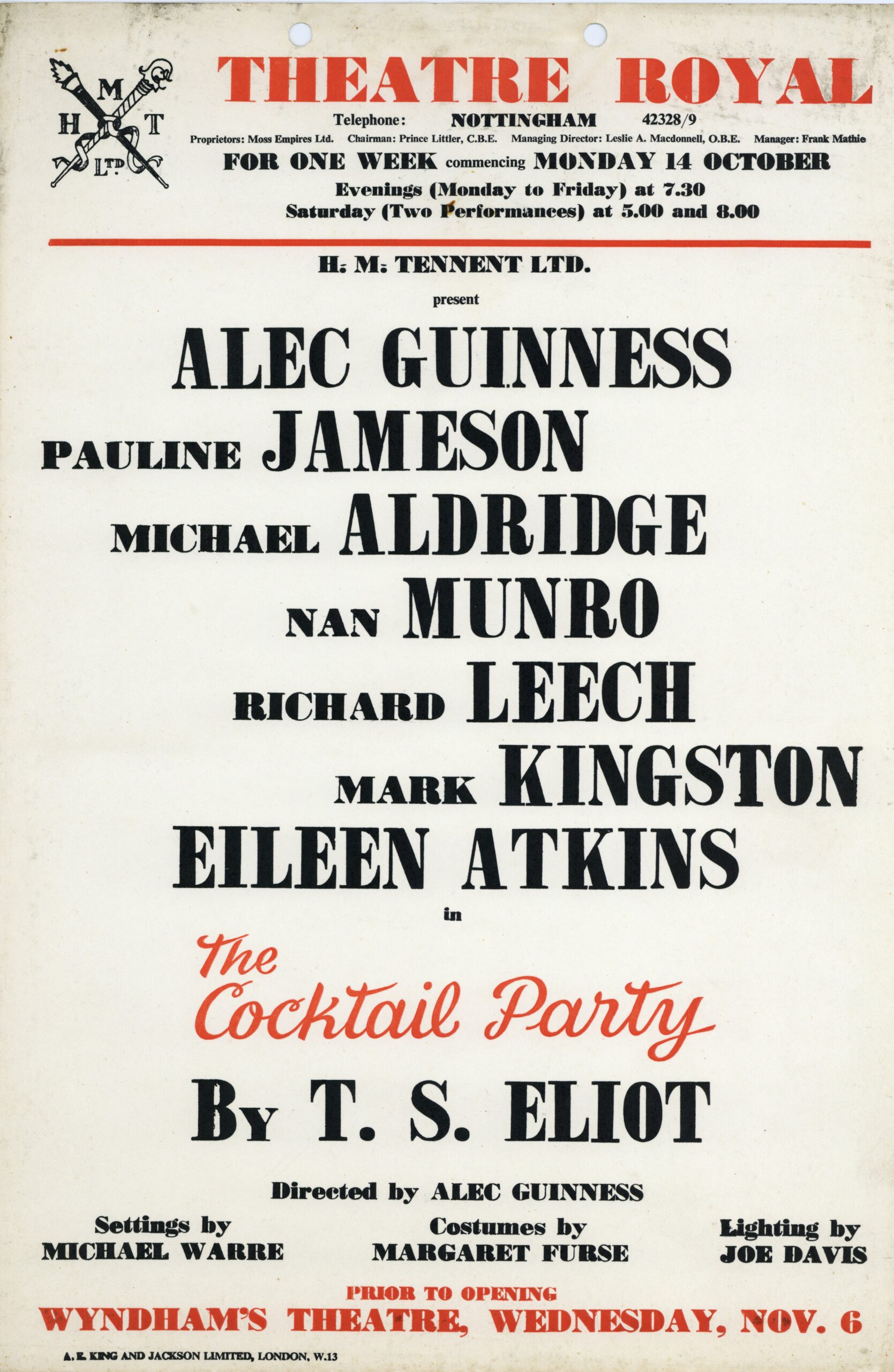
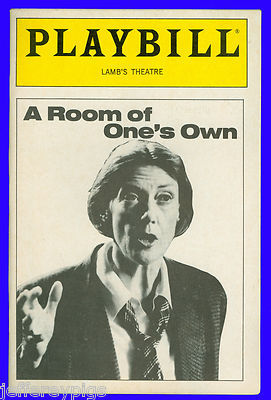
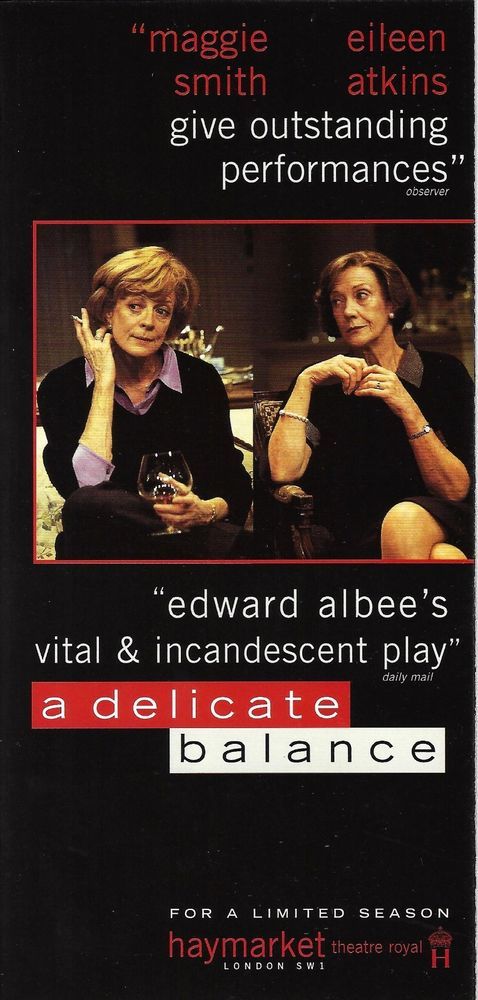
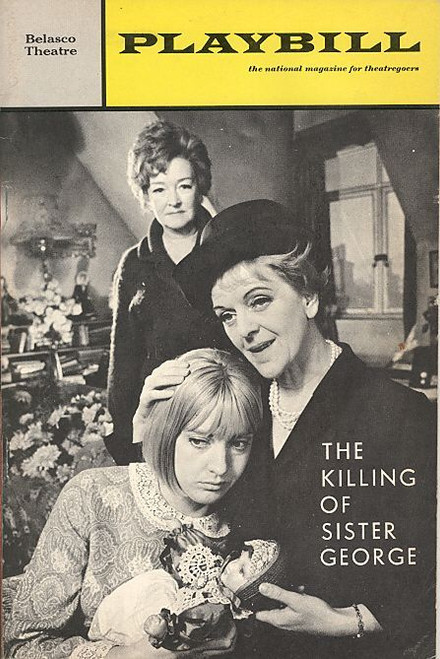
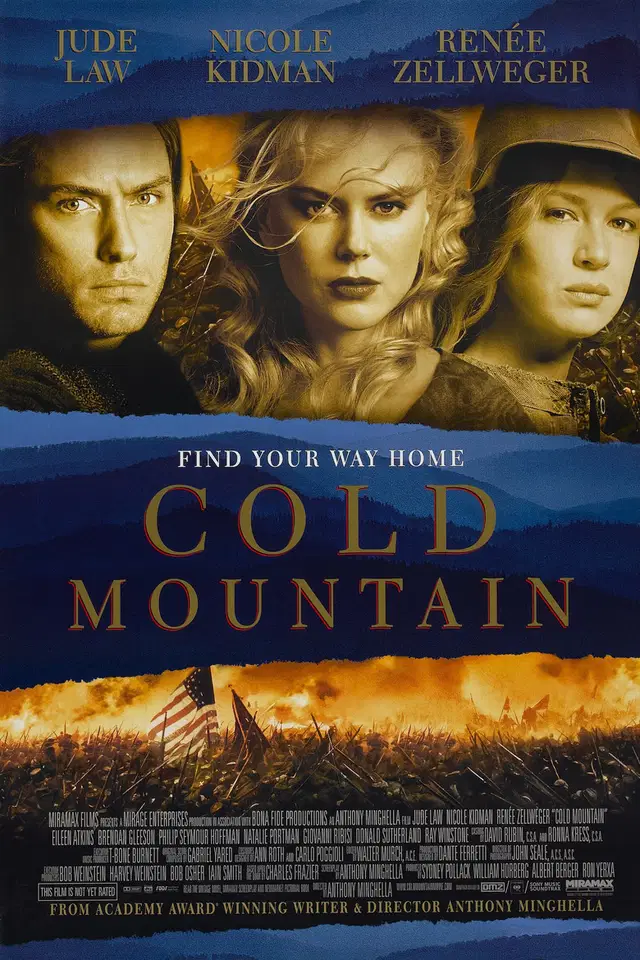
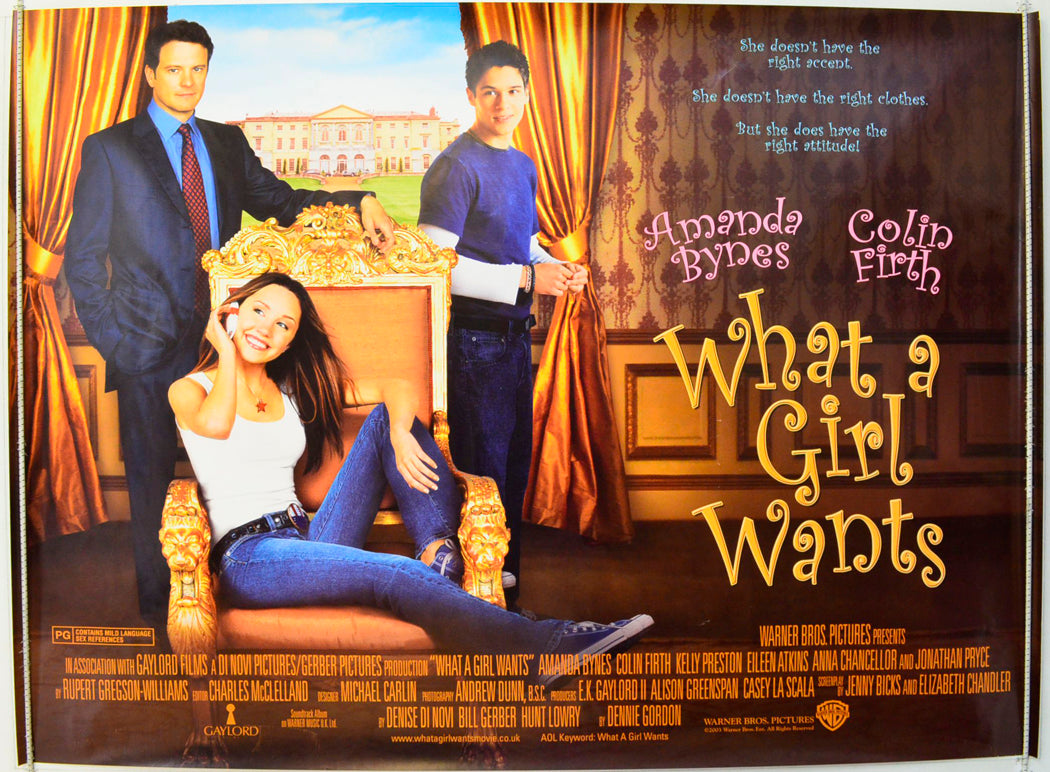
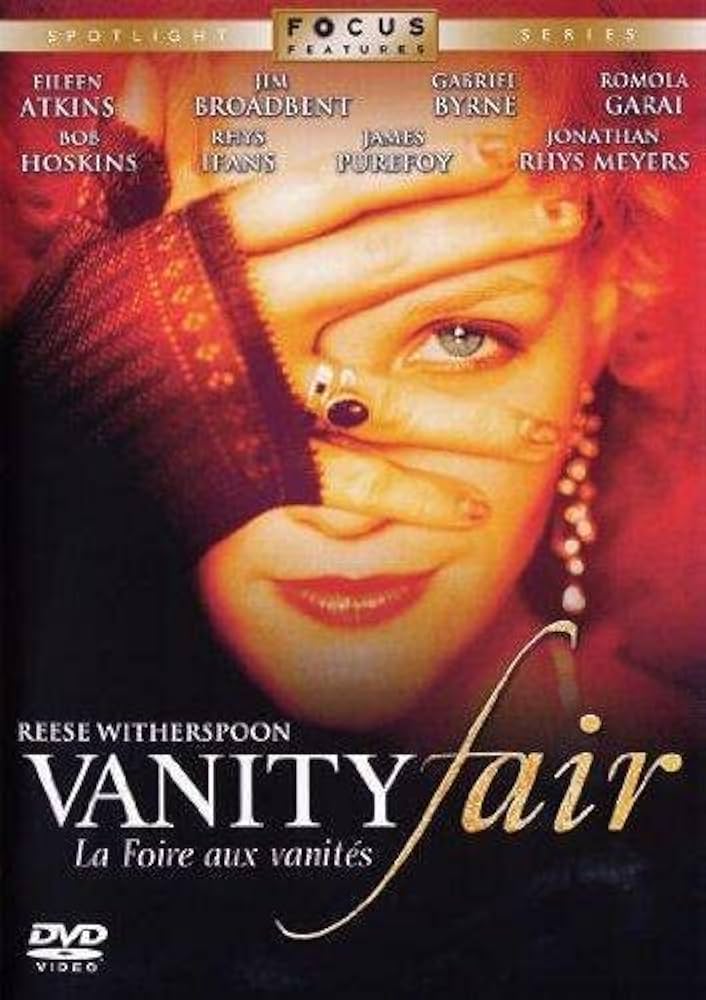
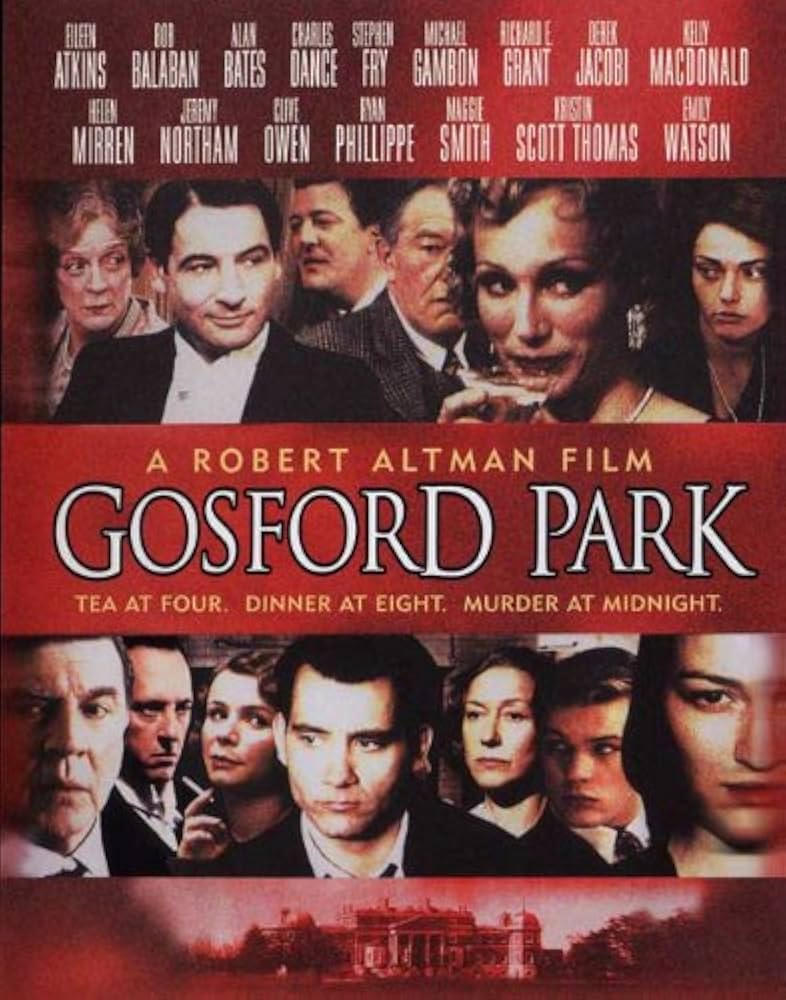
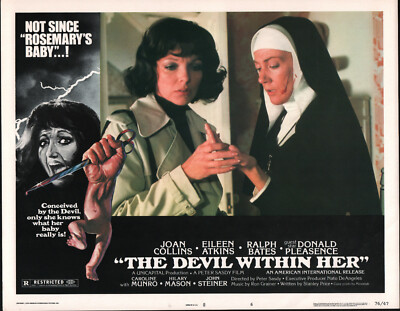
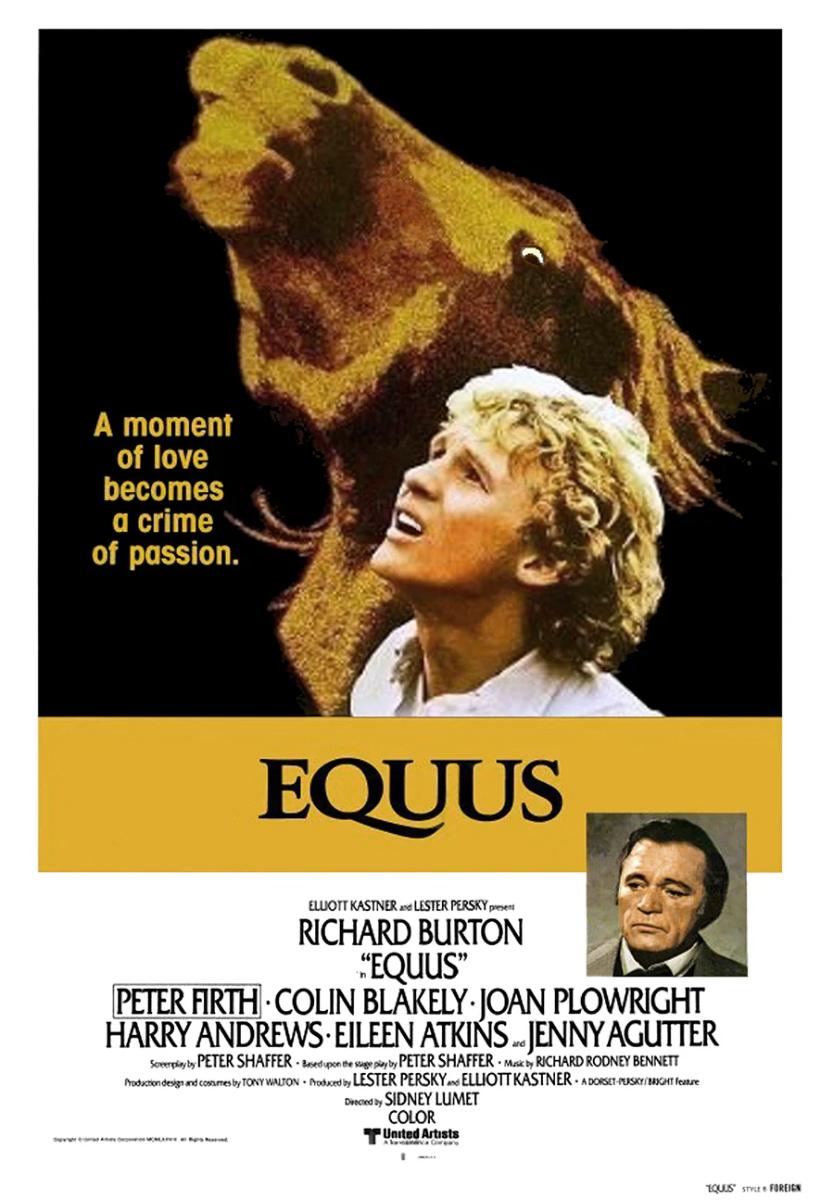
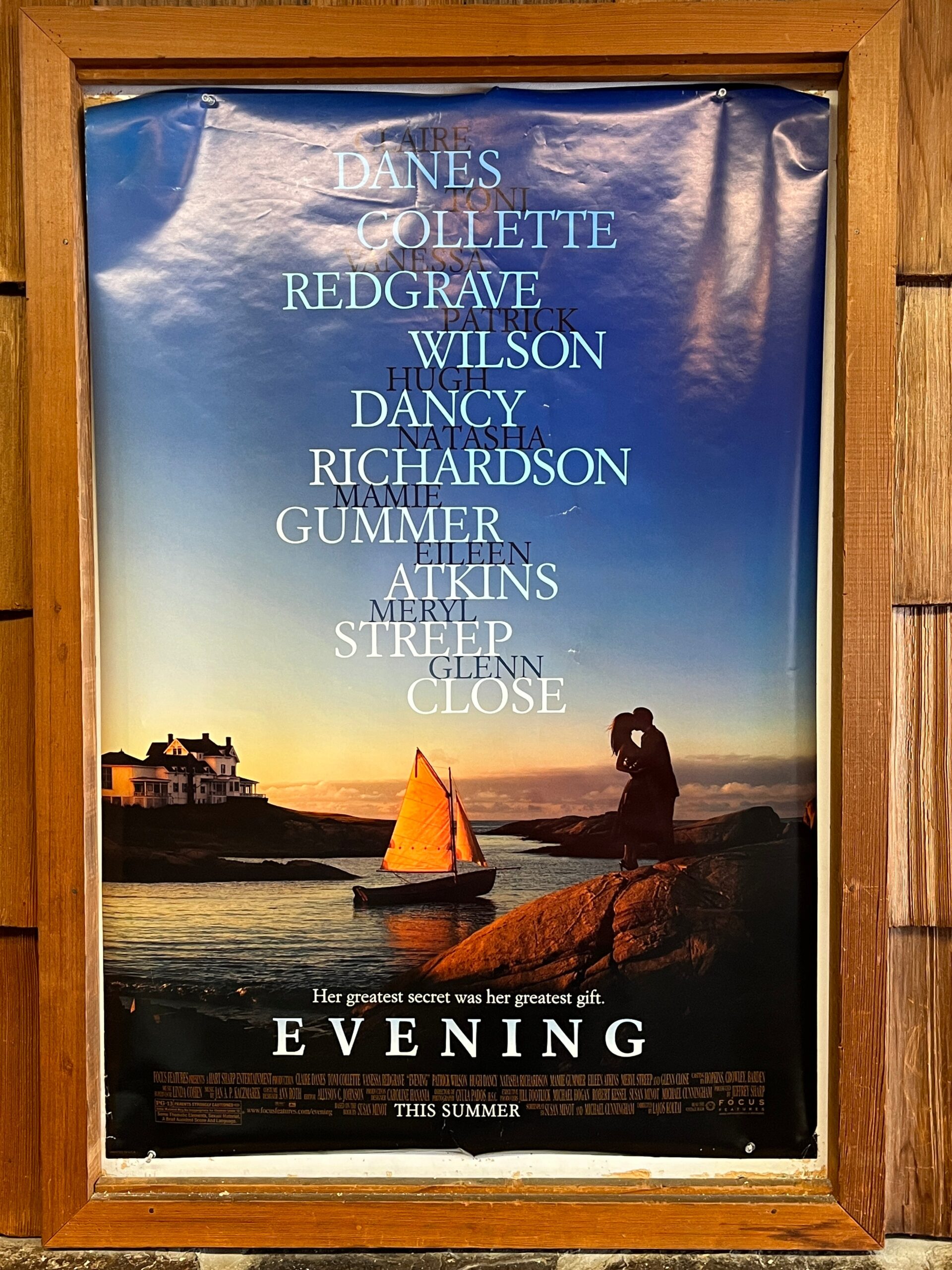
Eileen Atkins was born in London 1934. Her stage debut came in 1953 at the Regents Park Open Theatre. She has had a profilic career on stage and television and more recently on film. She and Jean March were the creators of the hughly popularTV series “Upstairs, Downstairs”. She won critical acclaim in the West End and on Broadway in 1966 in “The Killing of Sister George” with Beryl Reid. Susannah York played her part on film. Ms Atkins film highlights include “The Dresser” in 1983, “Gosford Park” in 2001 and “Cold Mountain” in 2003.
TCM Overview:
Veteran British star of both stage and screen, Eileen Atkins rose from her working-class roots to become one of the most accomplished and decorated actresses to cross the Atlantic. Though not as well known across the pond as contemporaries Judi Dench or Helen Mirren, Atkins nonetheless thrived on the stage, earning numerous awards and nominations, especially for her several transformative performances as novelist Virginia Woolf. While acting remained her bread and butter, Atkins occasionally used her talents as a writer to create unforgettable television like the popular “Upstairs, Downstairs” (ITV, 1971-75), the acclaimed stage play “Vita & Virginia” (1994) and the well-regarded screenplay for “Mrs. Dalloway” (1997). All throughout her career, she remained in an unparalleled class, building a sterling resume that eventually earned her a place in the Theater Hall of Fame in 1998. While her feature career remained relatively muted compared to her stage work â¿¿ a few highlights like “Gosford Park” (2001) and “Cold Mountain” (2003) stood out â¿¿ Atkins nonetheless established herself as an actress of unending verve and talent.
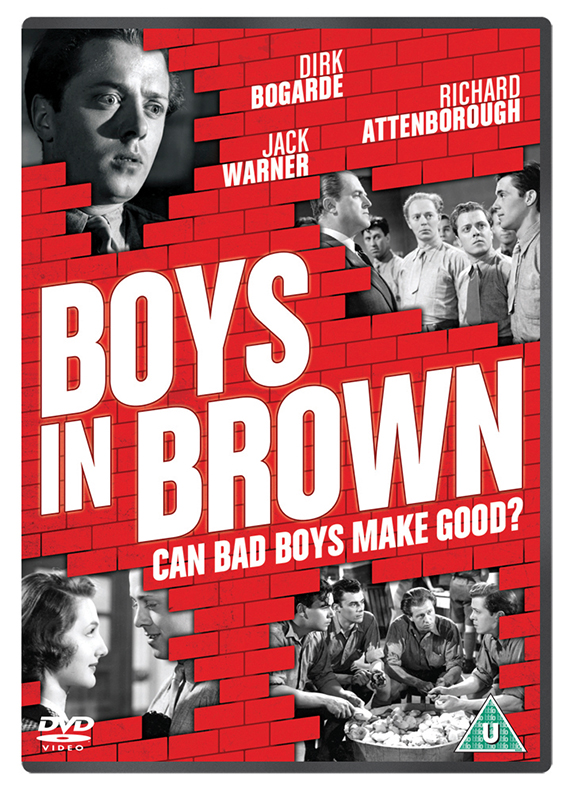
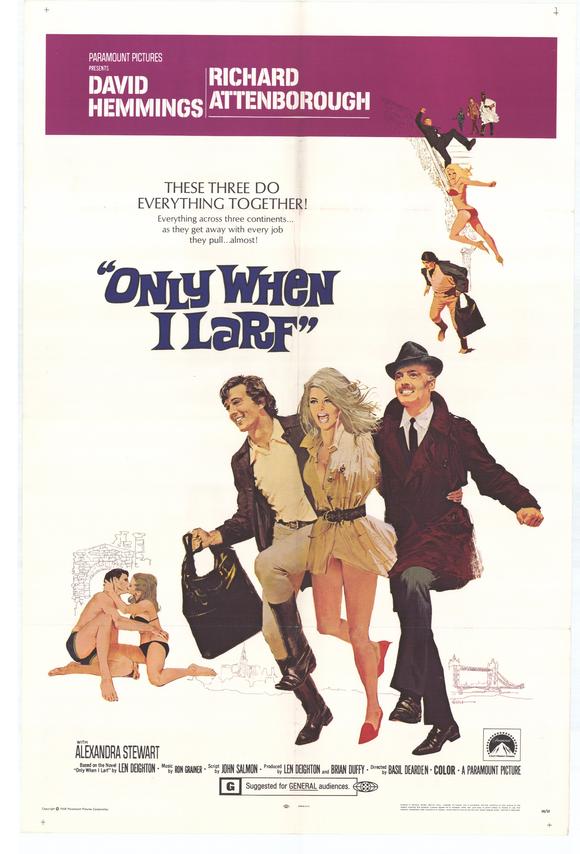
“Richard Attenborough’s survival in the perilous world of the British cinema has been an admirable achievement. He has done it too on a modest talent – no glamourous film star he, no rugged good looks, no aura, no dash, just a conscientous lightweight actor, best in character roles and in them best in the coward parts in which he was once type-cast. He has simply battled on, head unbowed after some of the most bloody films ever made”. – David Shipman in “The Great Movie Stars – The International Years”. (1972).
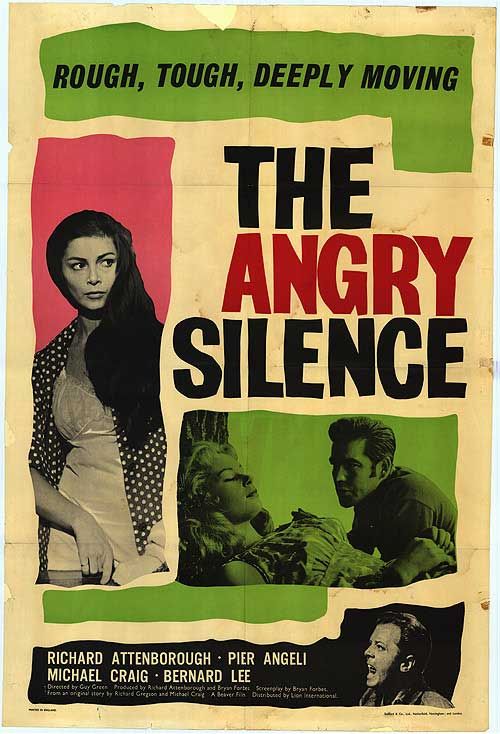
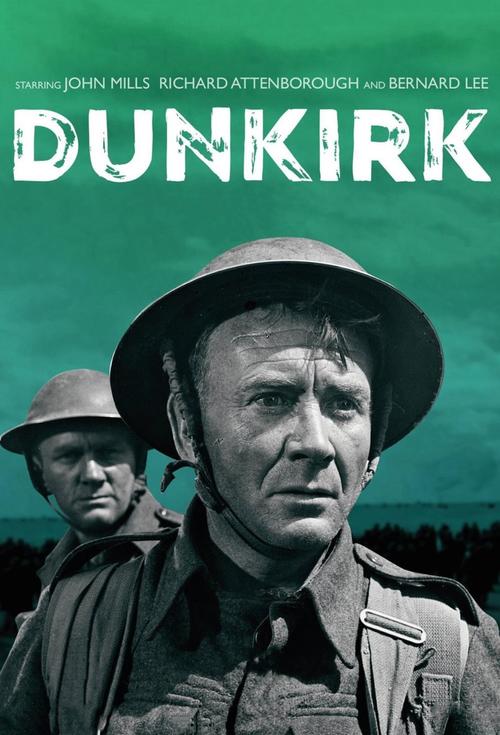
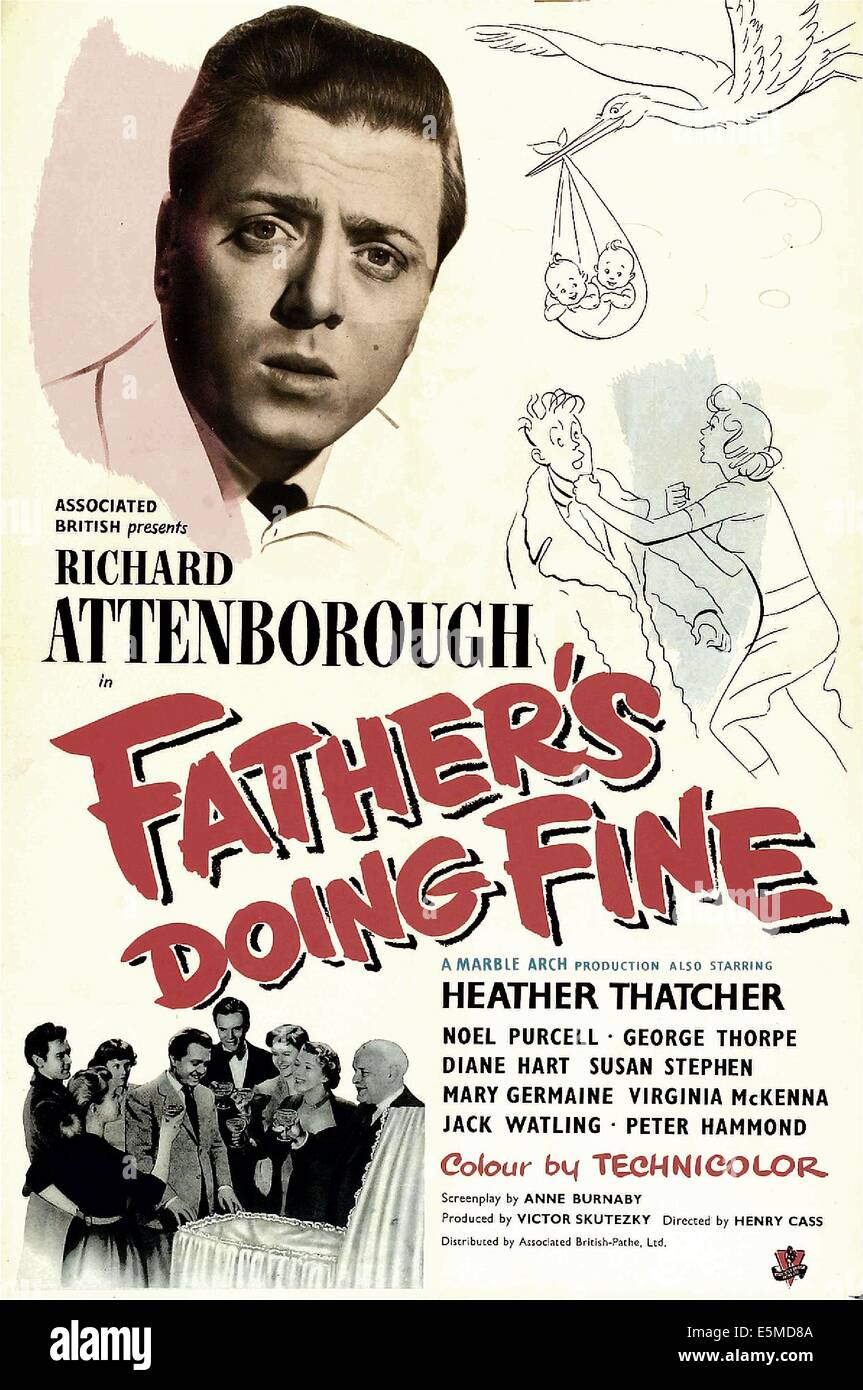
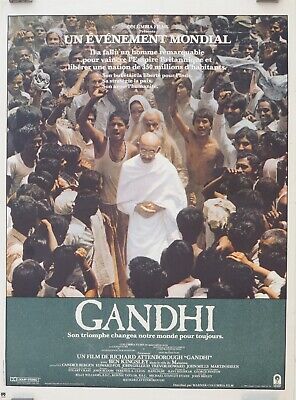
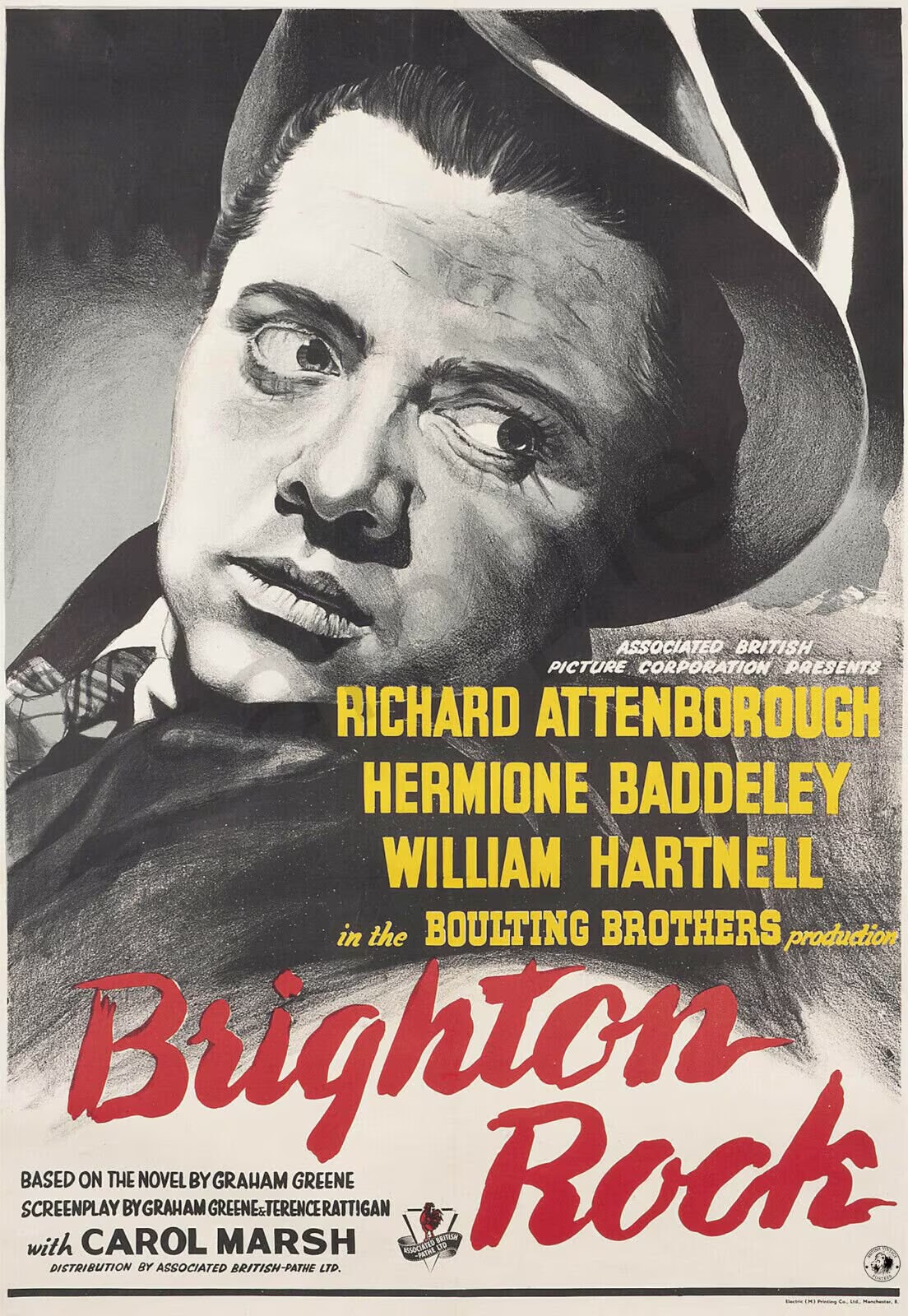
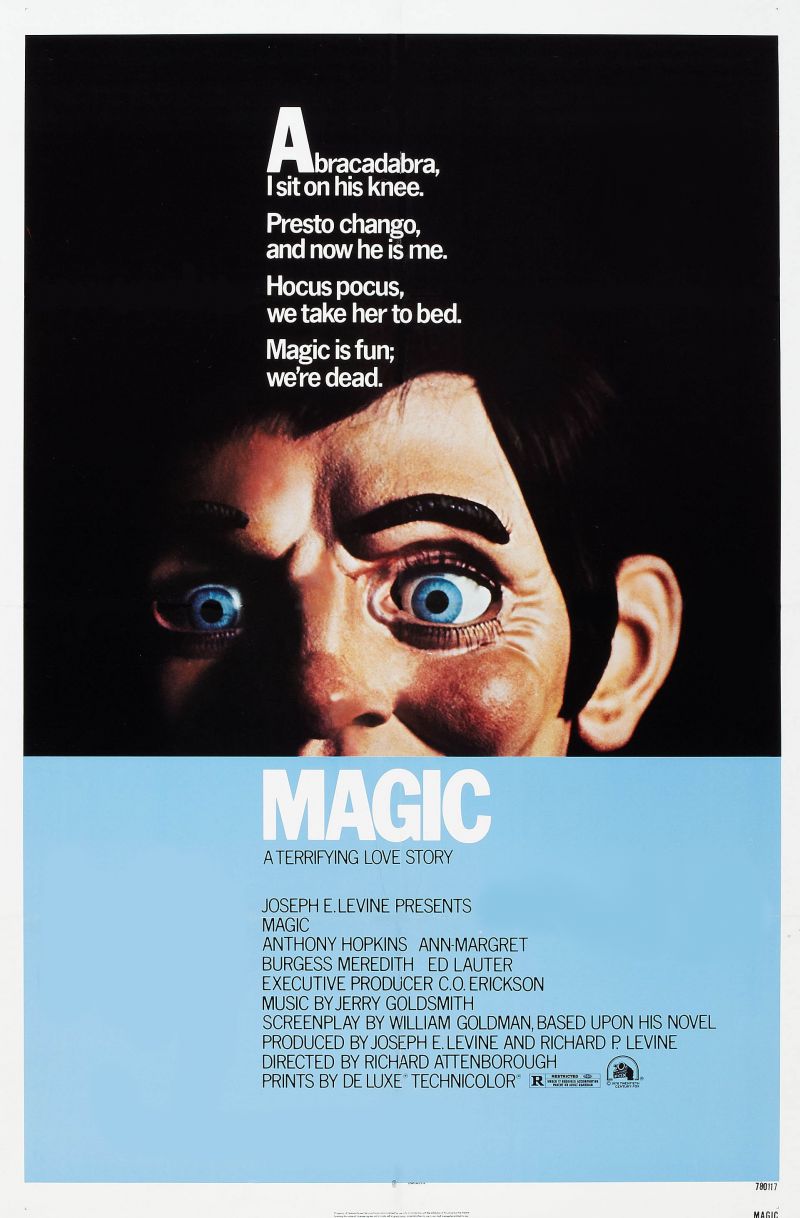
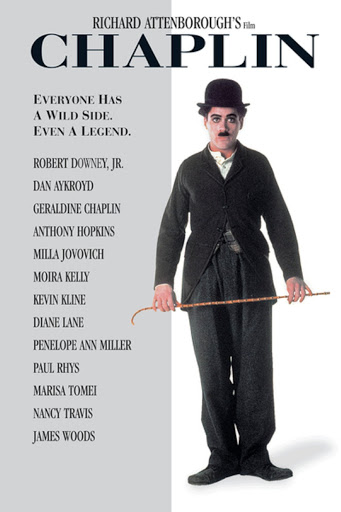
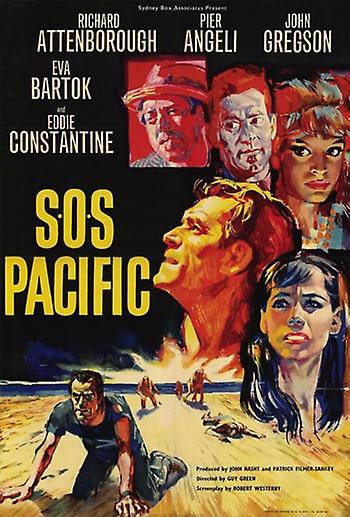
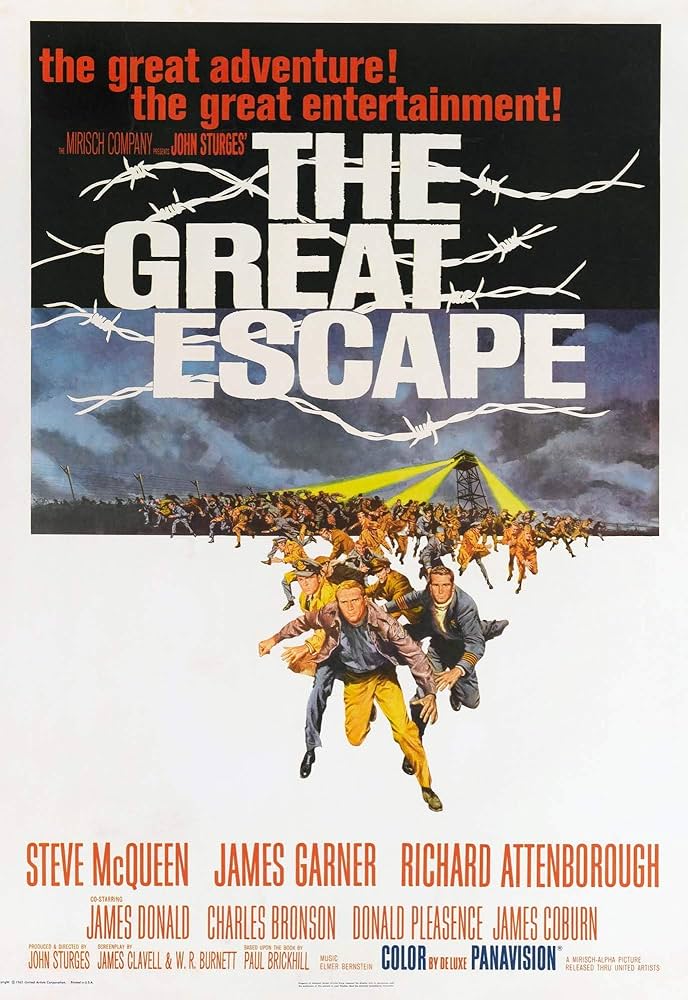
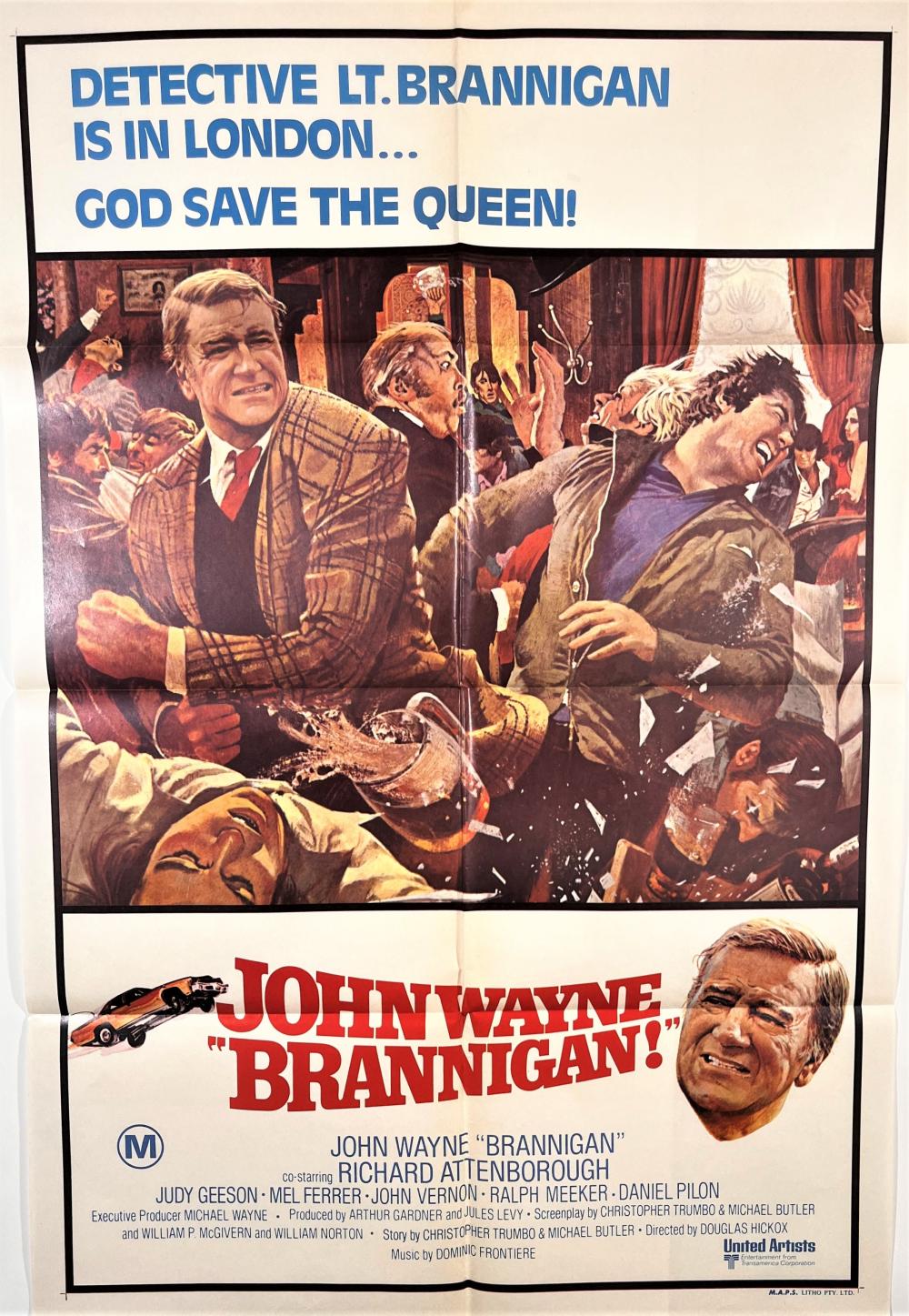
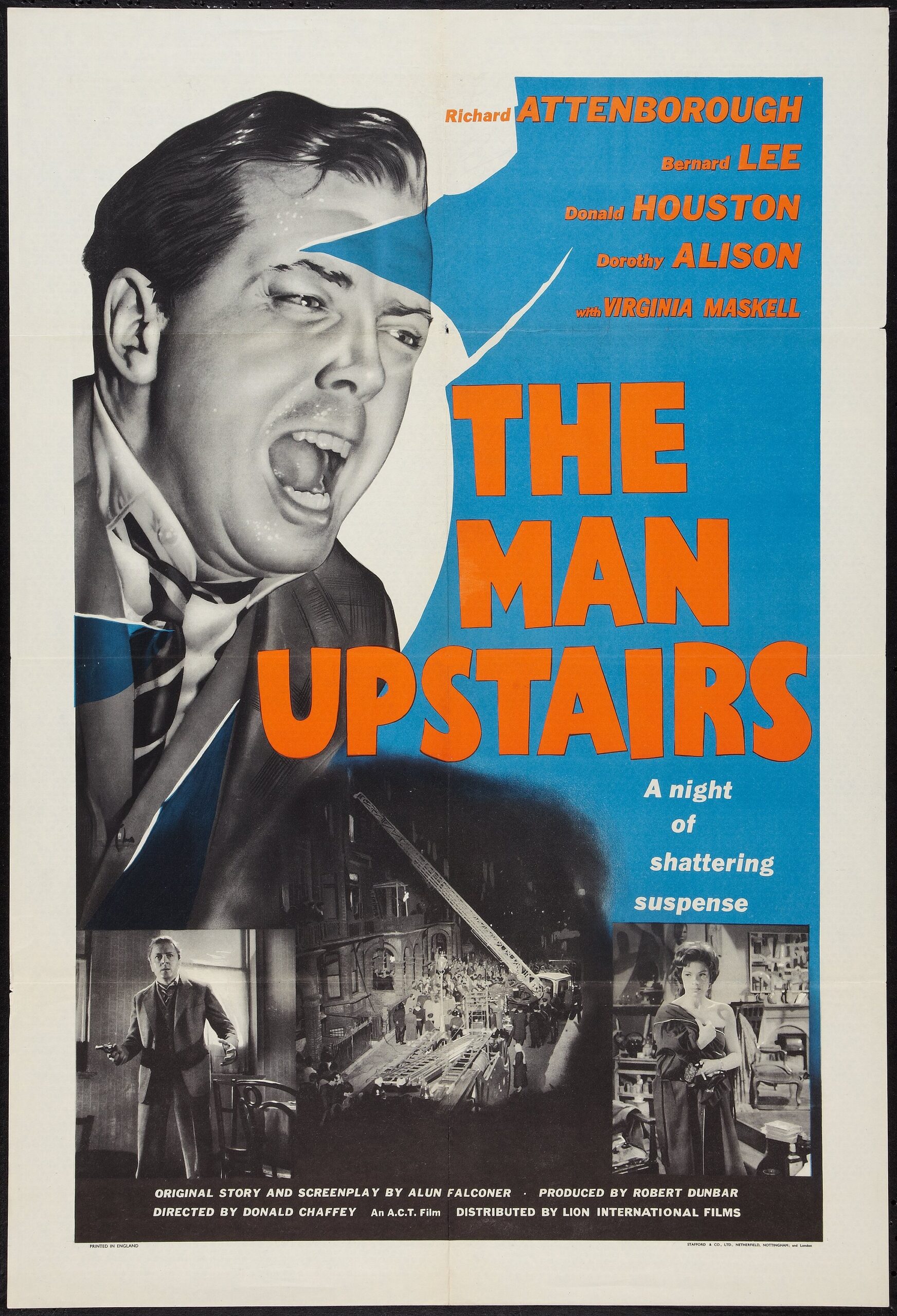
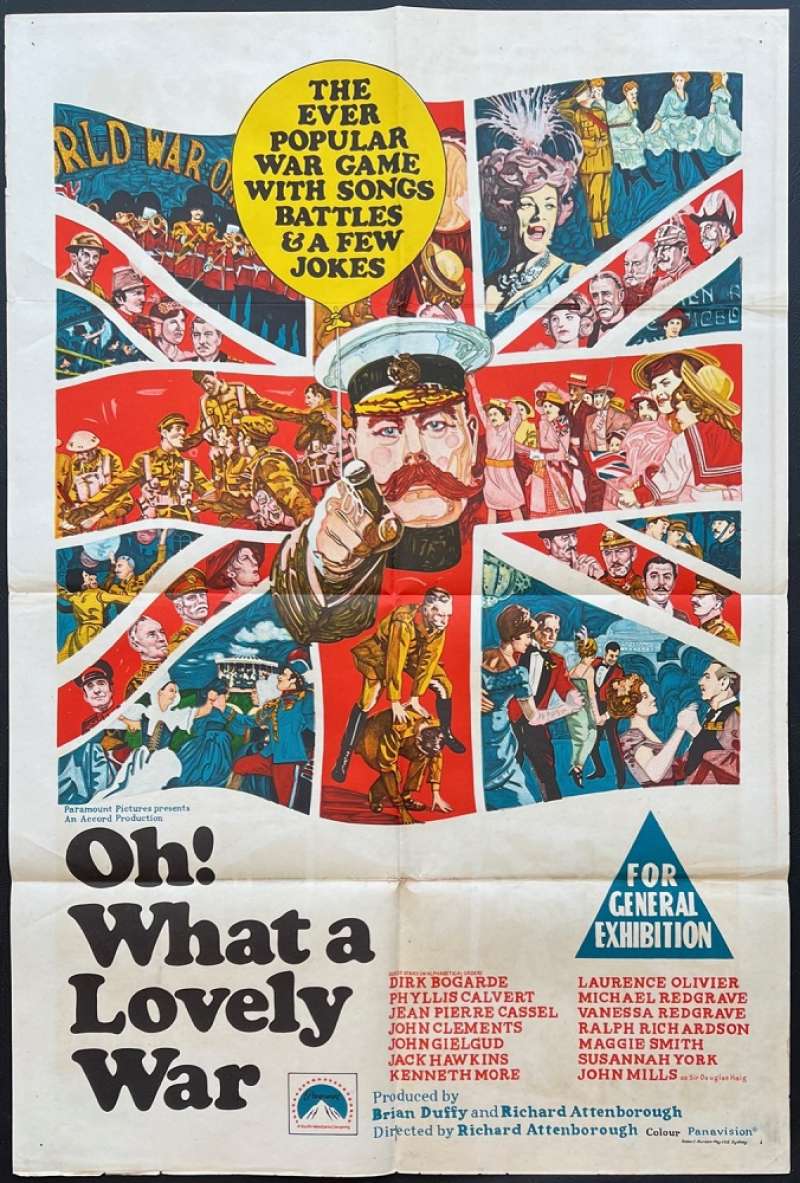
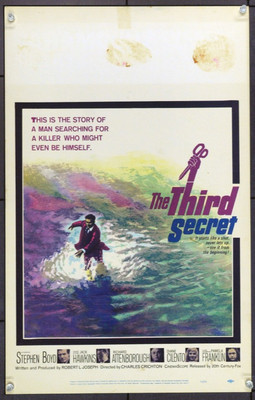
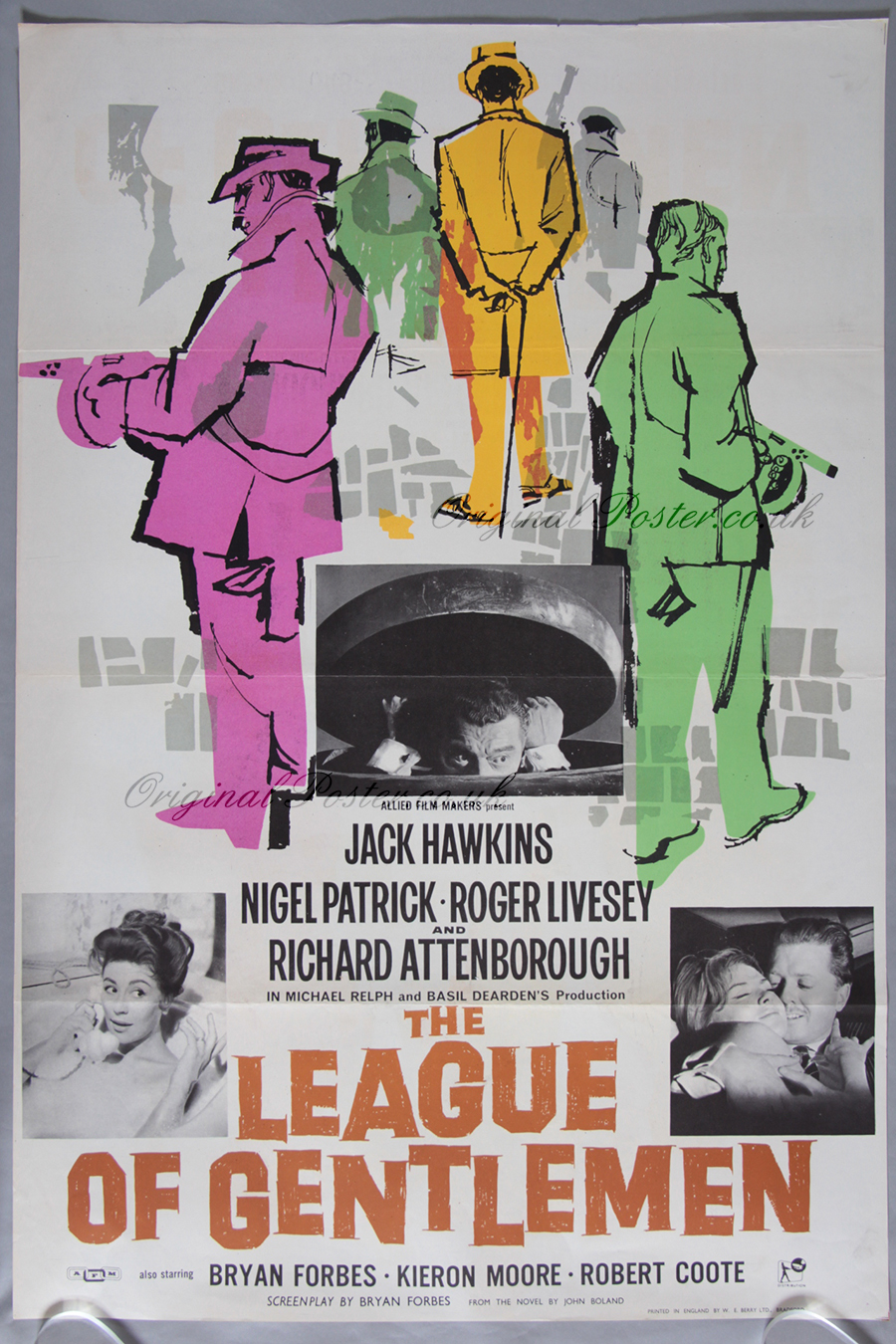
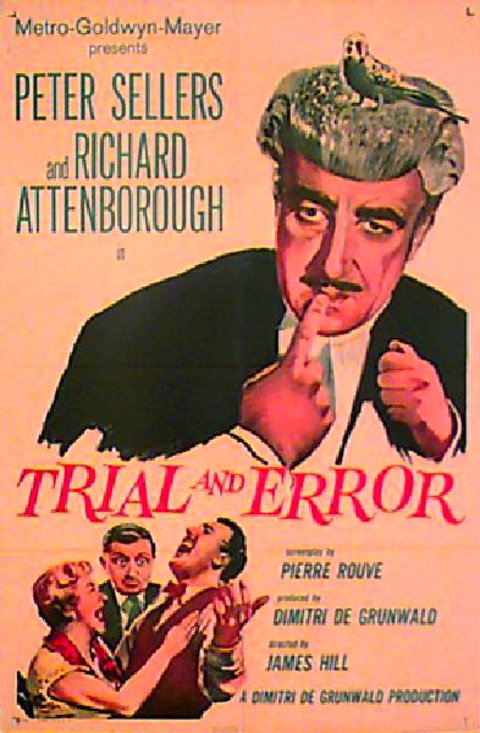
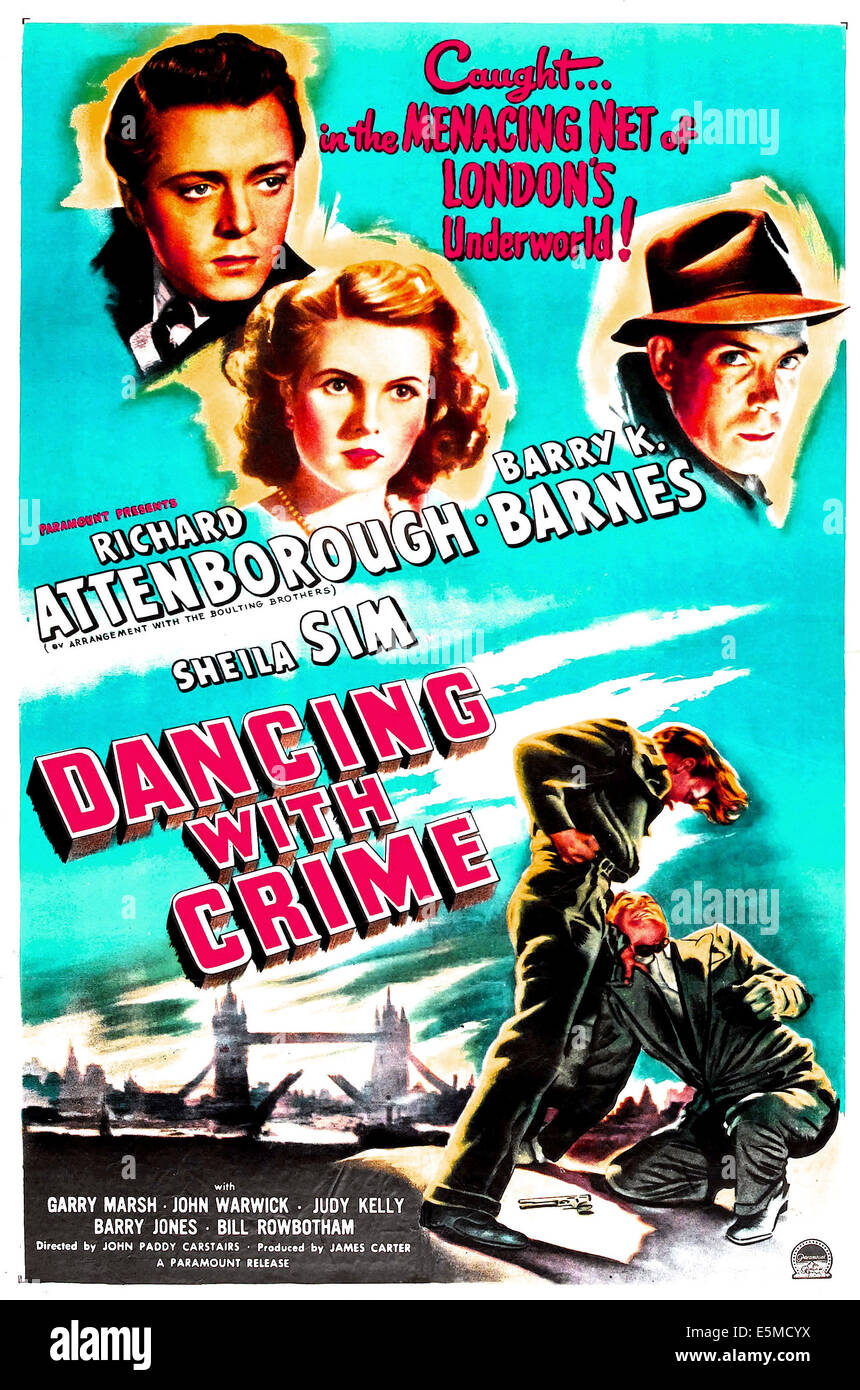
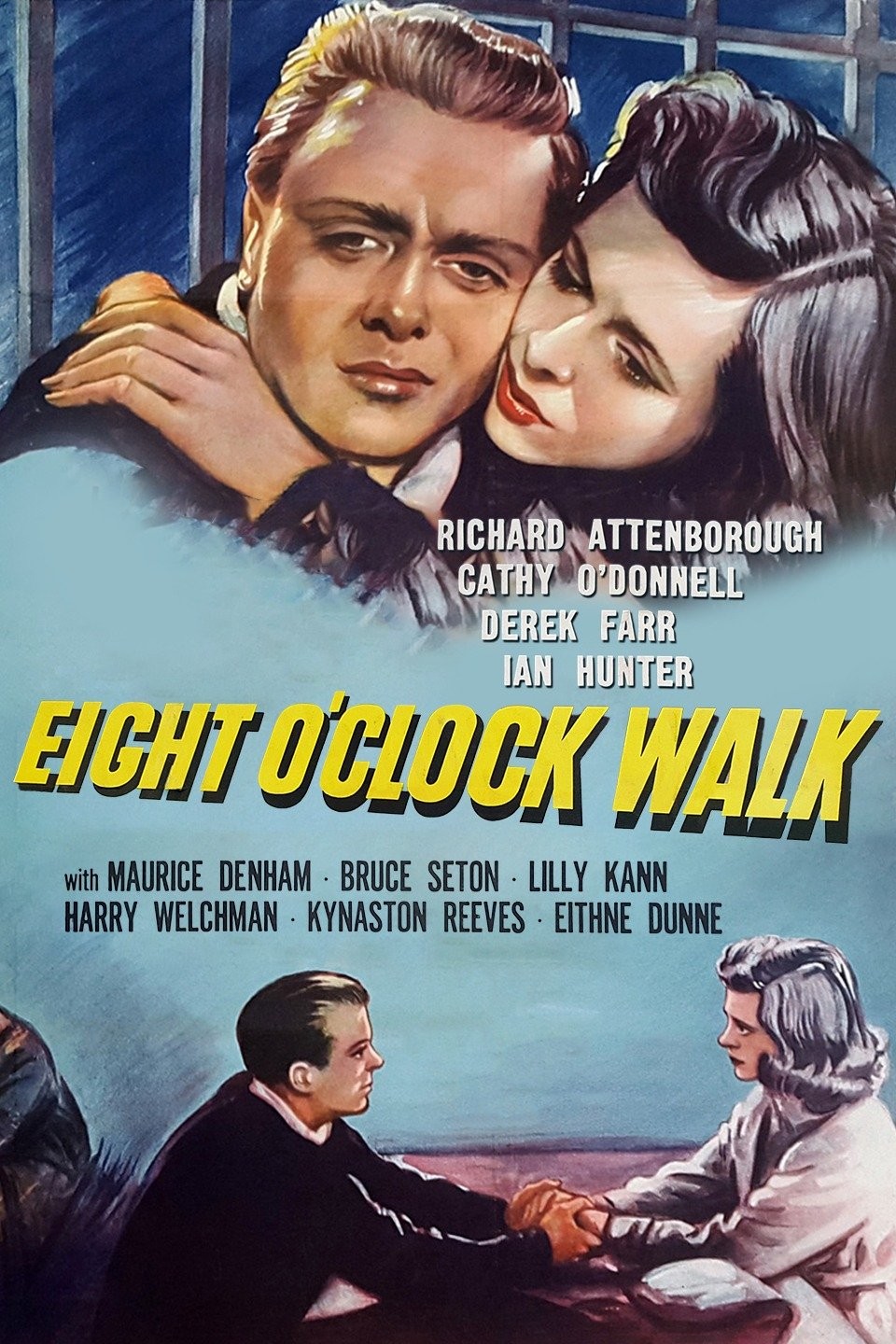
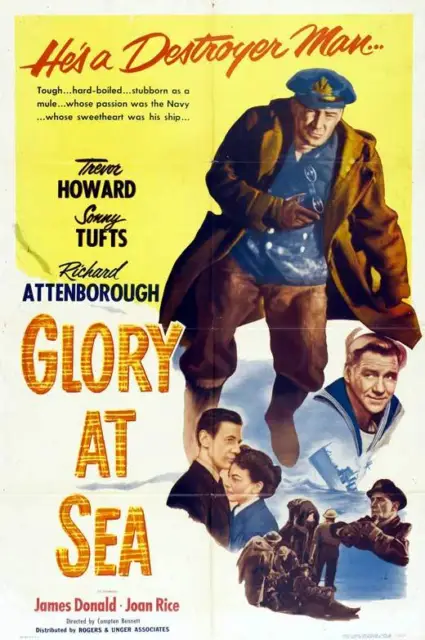
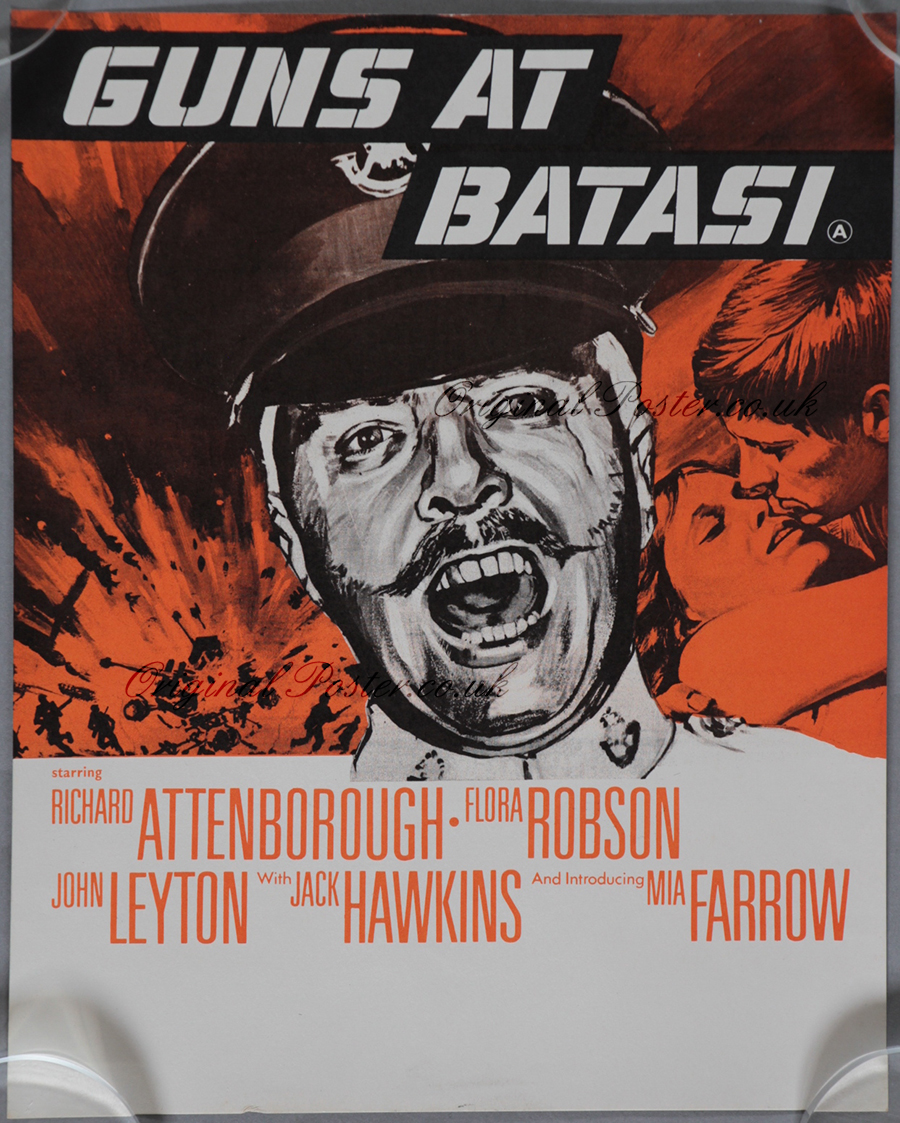
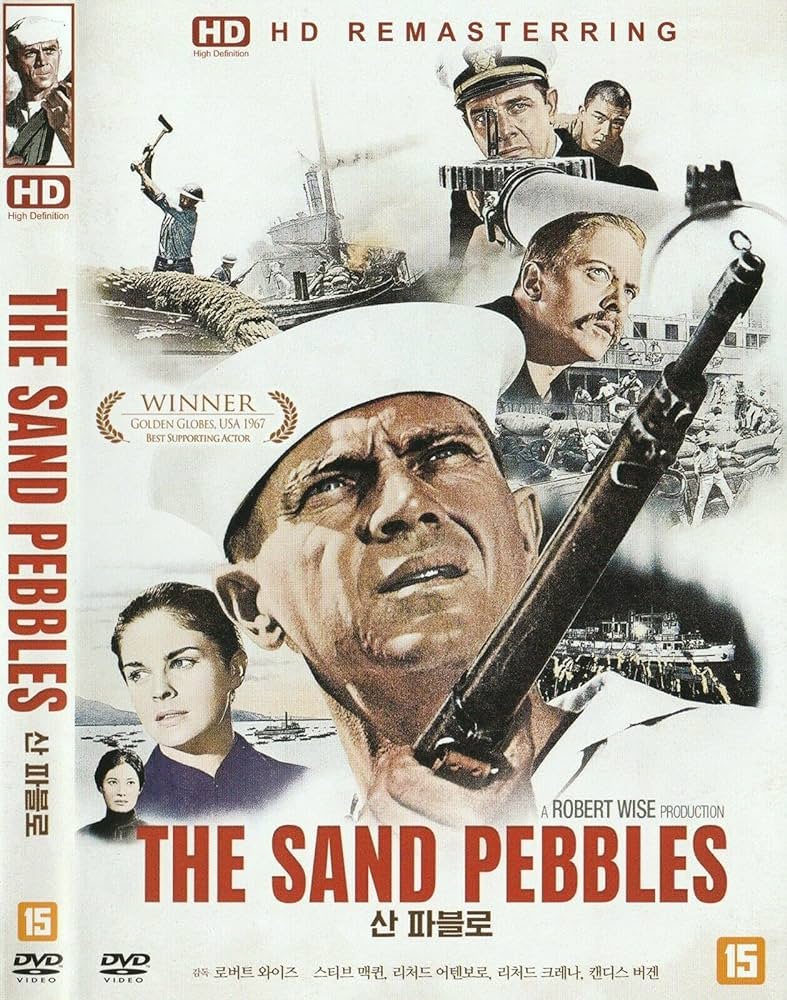
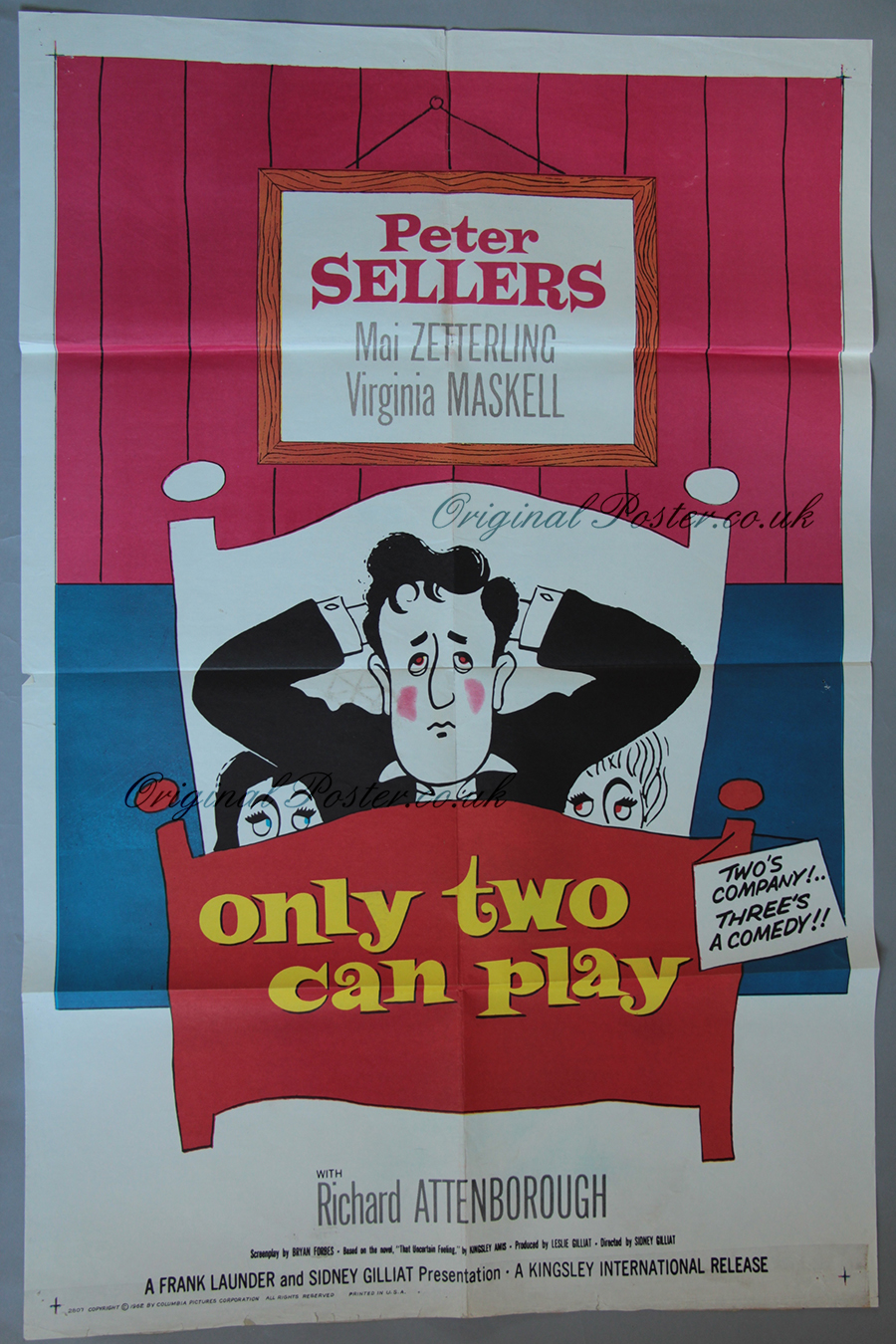
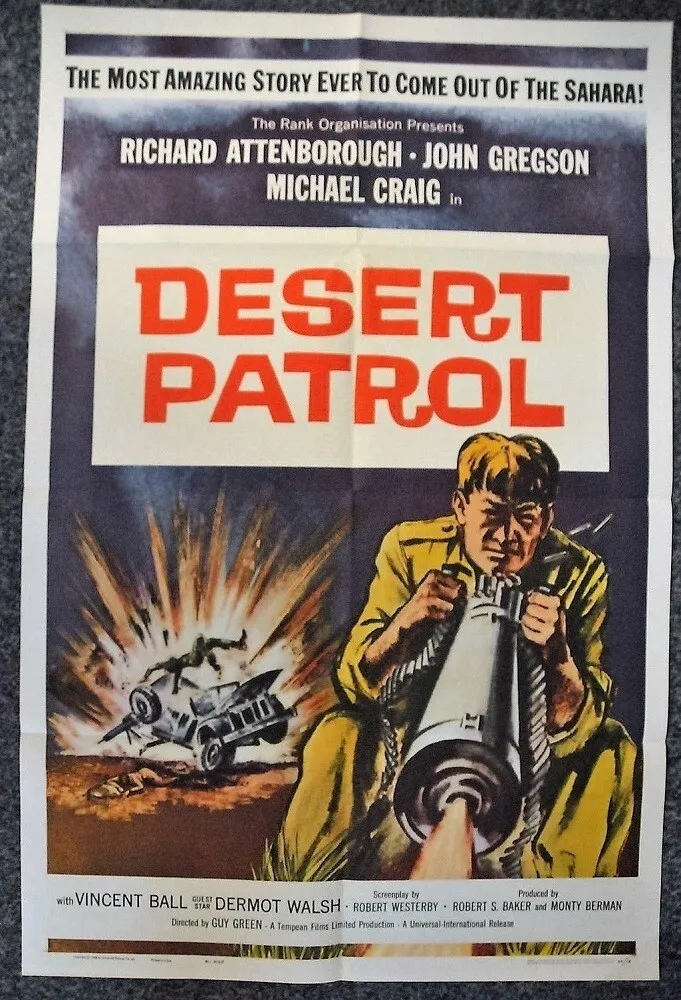
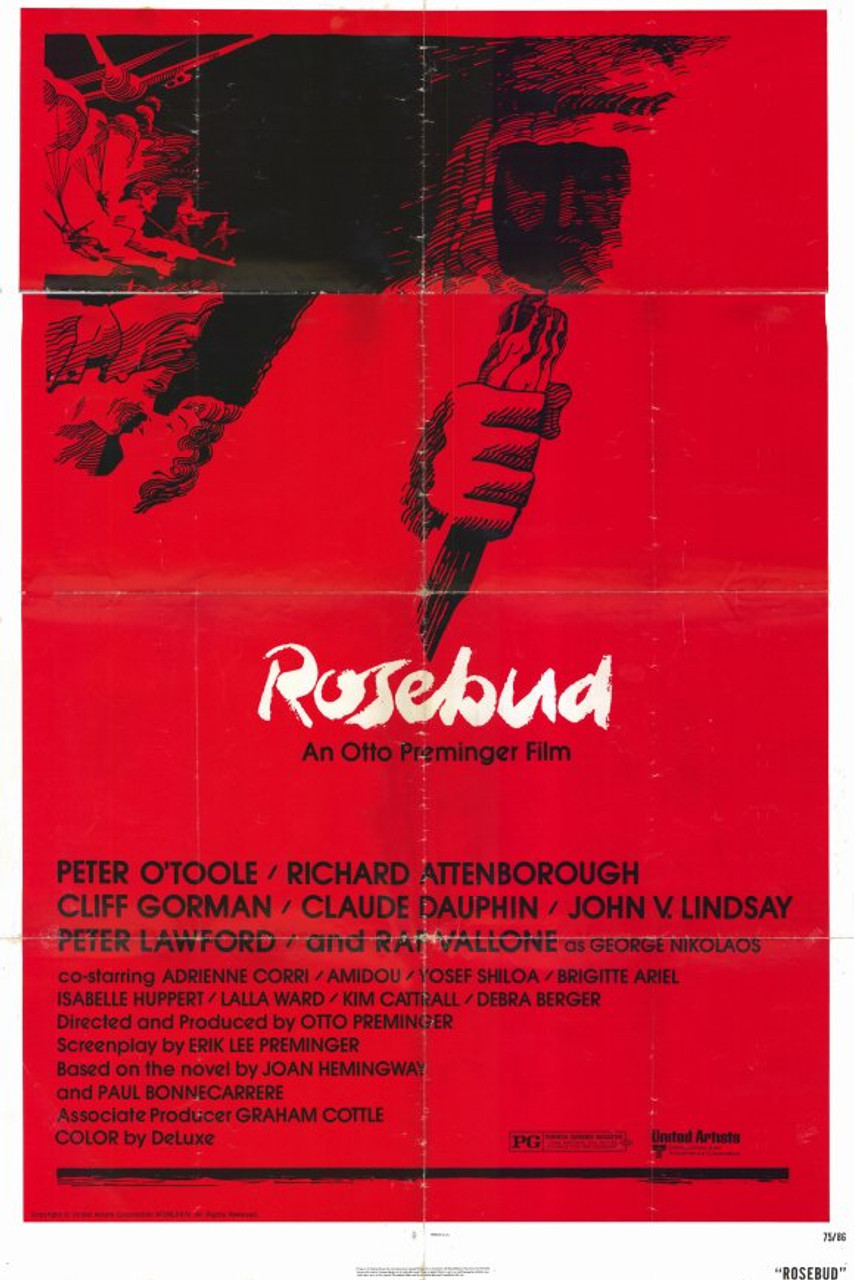
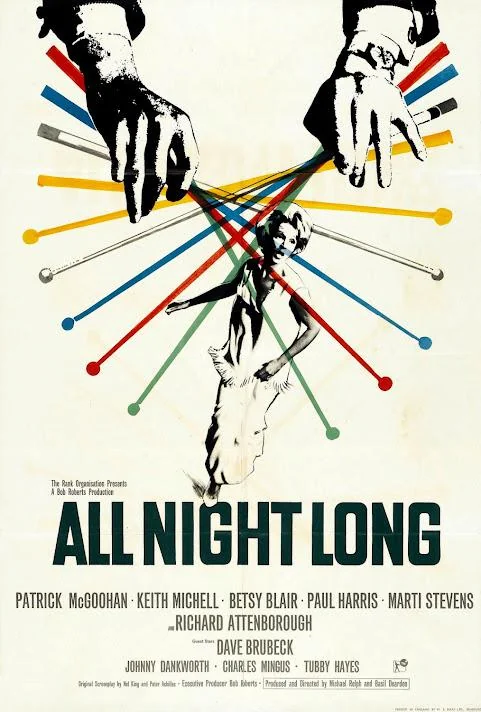
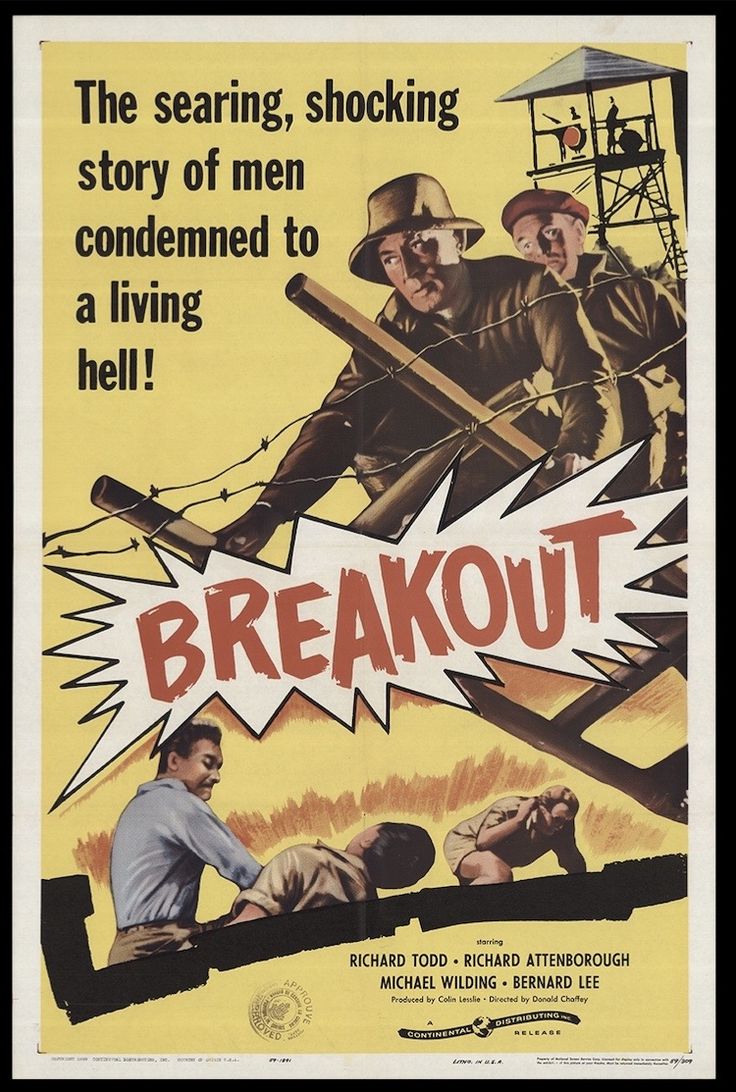
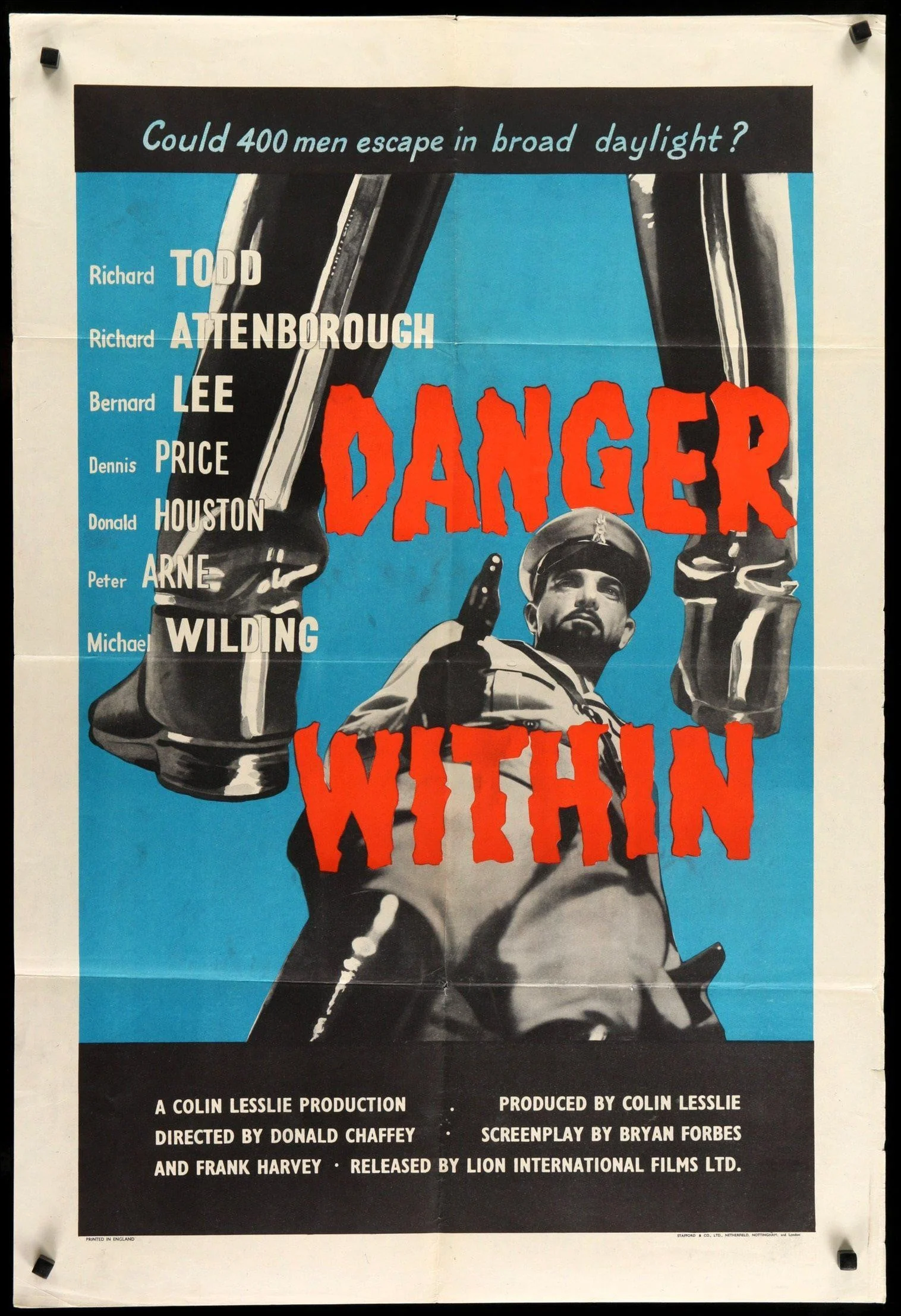
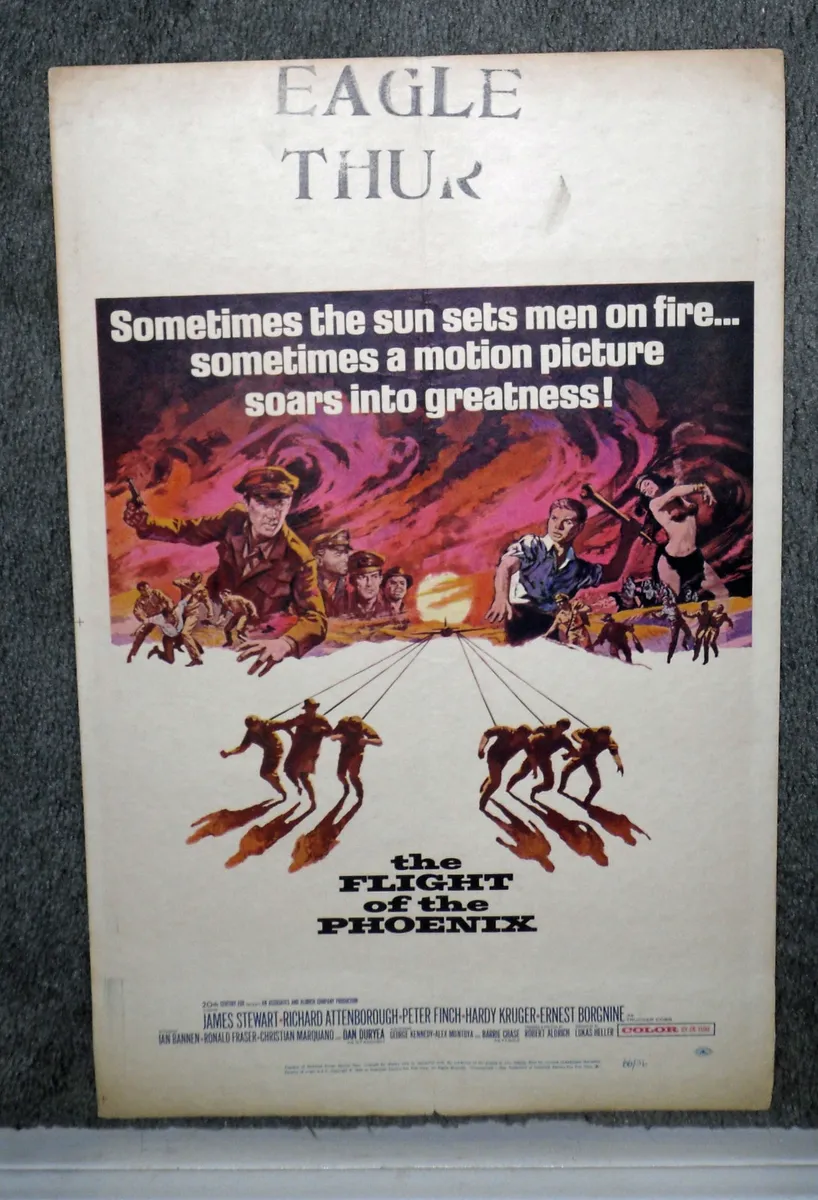
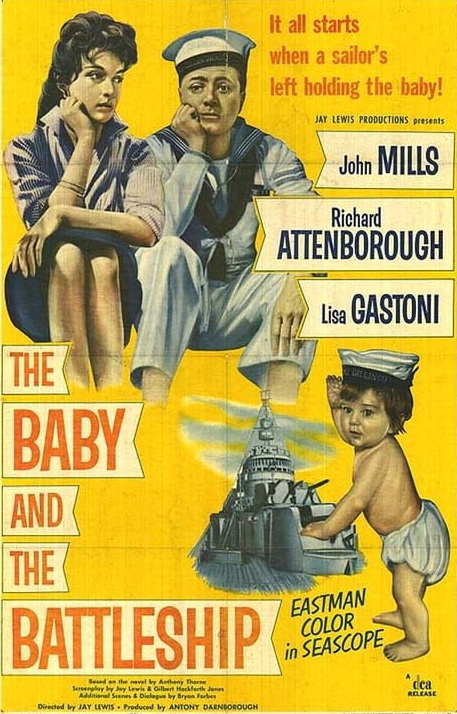
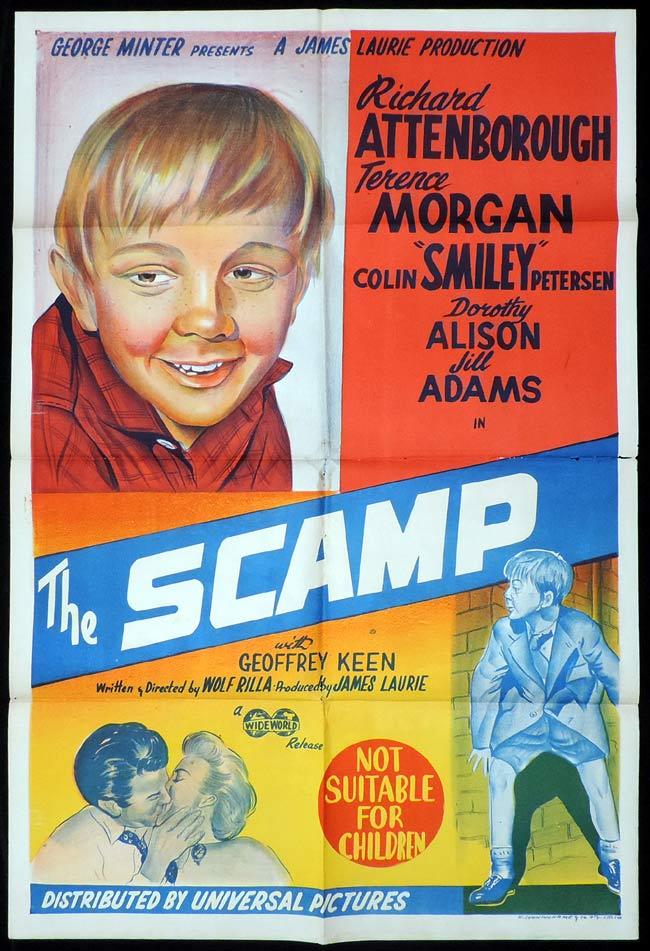
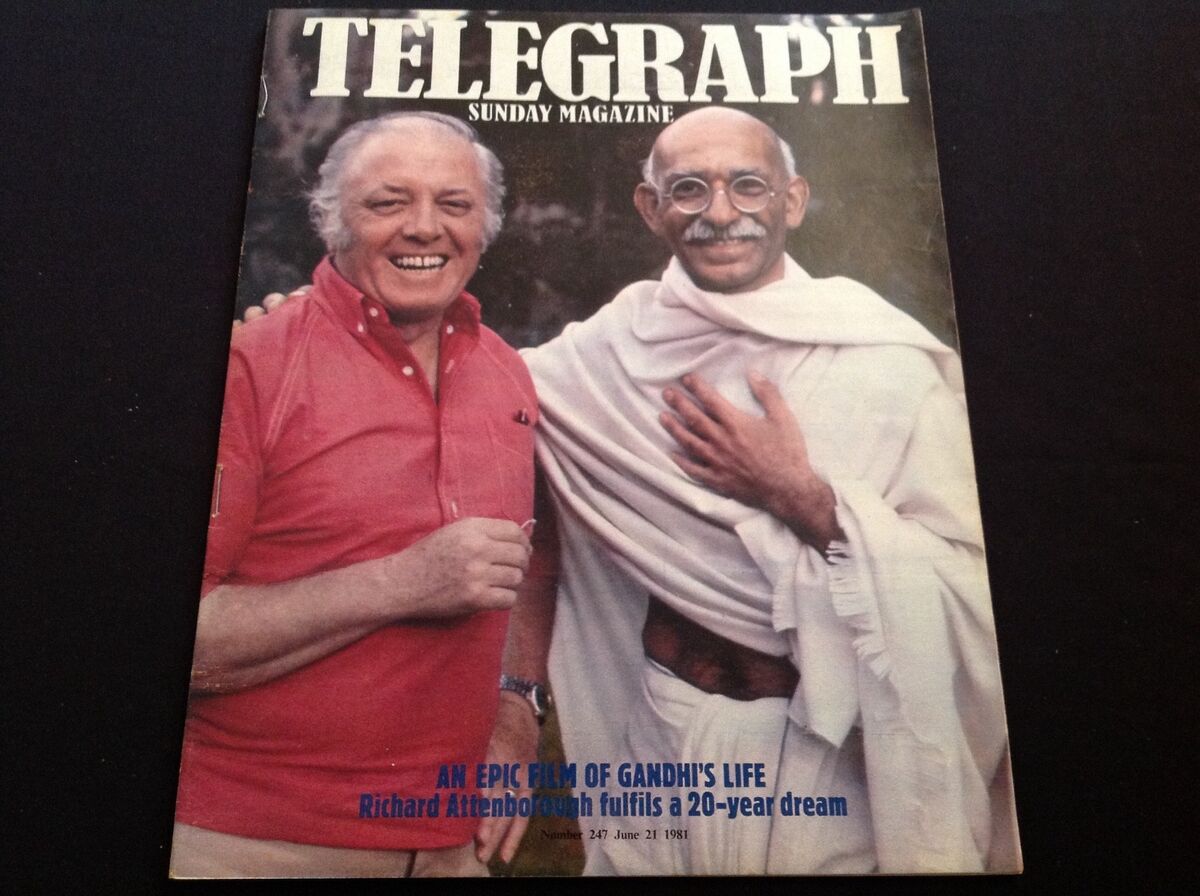
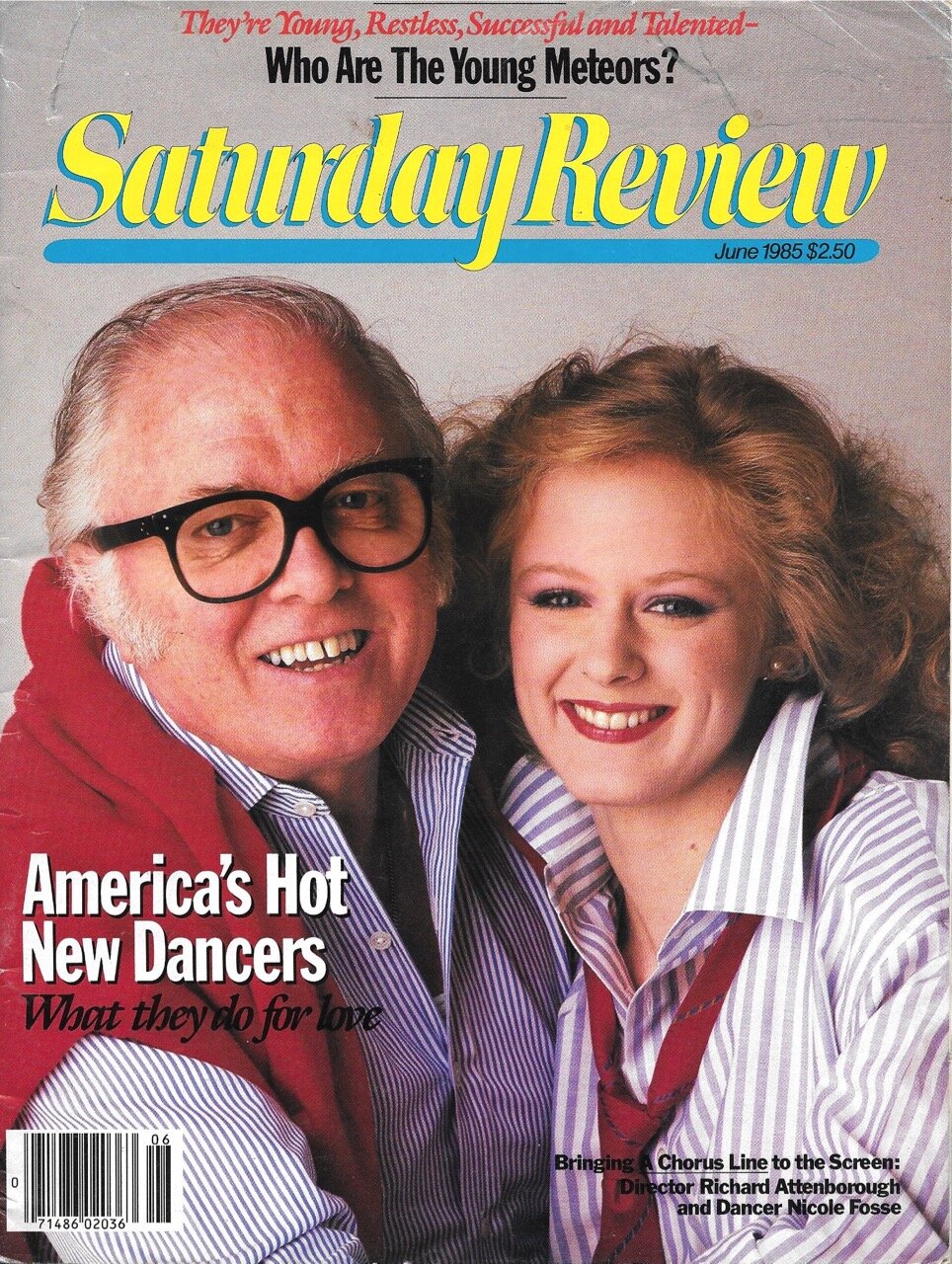
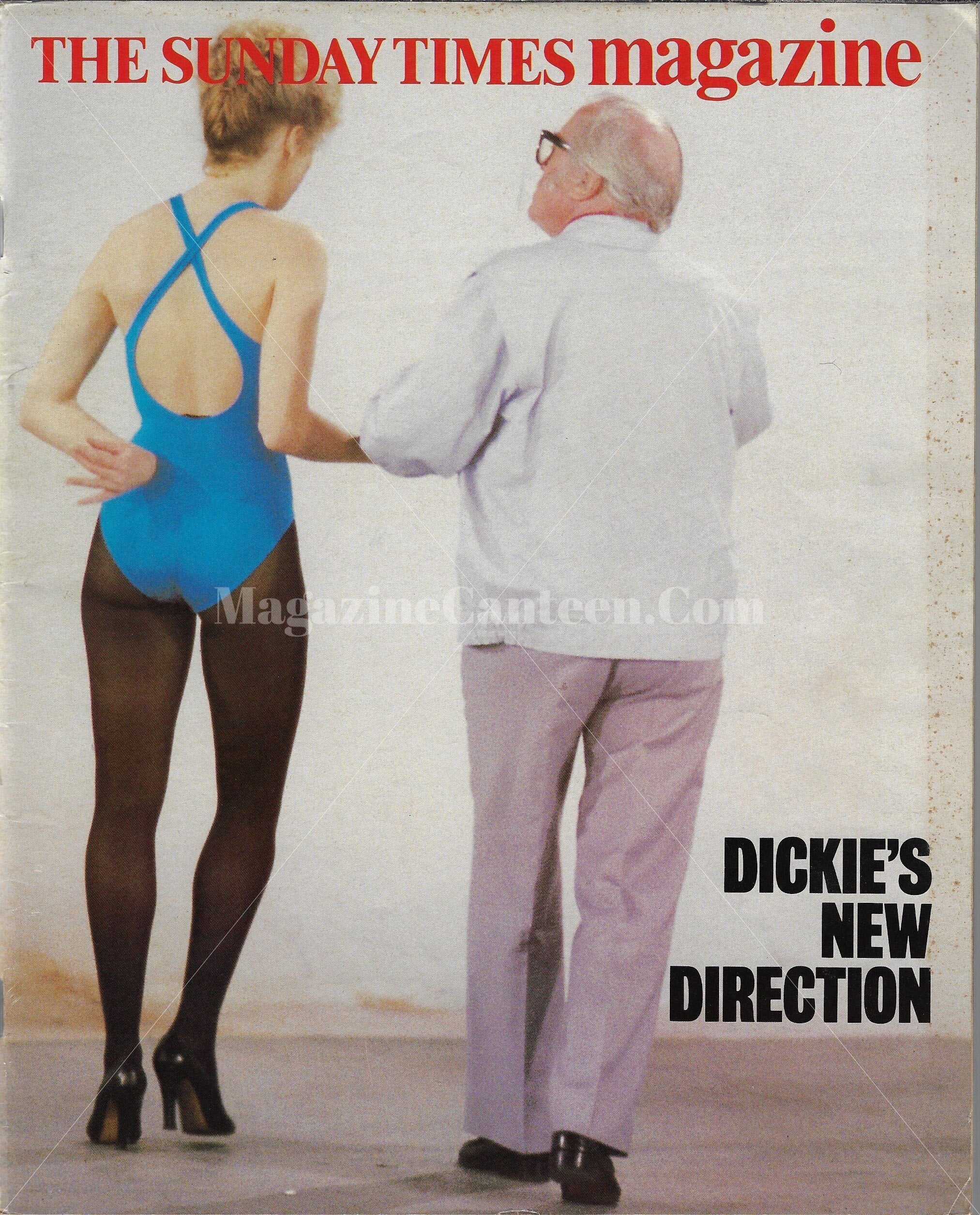
Richard Attenborough has had a long and impressive career as an actor and then as a gifted director. He was born in 1923 in Cambridge and is the older brother of the wildlife broadcaster David Attenborough. Richard made his film debut in 1942 in “In Which We Serve”. His film career highlights include “Brighton Rock” where he was terrific as Pinkie the teenage gangster, “The Scamp”, “The ManUpstaits”, “The Angry Silence”, “The League of Gentlemen” and “The Great Escape”. He went to Hollywood to make “The Flight of the Phoenix” and “The Sand Pebbles”. He began his directing career with”OH, What A Lovely War” and went on to direct “Gandhi” in 1983, “A Chorus Line” and “Chaplin”. Sheila Sim was born in Liverpool in 1922. Her brother is the actor Gerard Sim. Among her film credits are the 1944 Powell & Pressburger classic “A Canterbury Tale” and “West of Zanzibar”. She has over the years been heavily involved in charity work. He died in 2014 aged 90.
Ronald Bergan’s “Guardian” obituary:
Richard Attenborough, who has died aged 90, had three distinct personas for those who followed his career in the entertainment world: the baby-faced, pint-sized actor, at turns, cocky and cowardly, later rotund in mostly creepy character roles; the film director of epics such as Gandhi, and Chaplin; and Lord “Dickie”, ubiquitous, ebullient and lachrymose, presiding over a host of charitable organisations. However, each image merges into one complete picture of a cheerful humanitarian and imperishable idealist who, for over half a century, played an integral part in British cultural life.
In the history of cinema, the image of the actor will probably be the most enduring, though physically Attenborough lacked the requirements of a romantic leading man (ironically, his younger brother, David, the wildlife expert, had the film-star looks). In fact, Attenborough was in front of the camera for over a quarter of a century before his directorial debut, at the age of 46, with Oh! What a Lovely War in 1969.
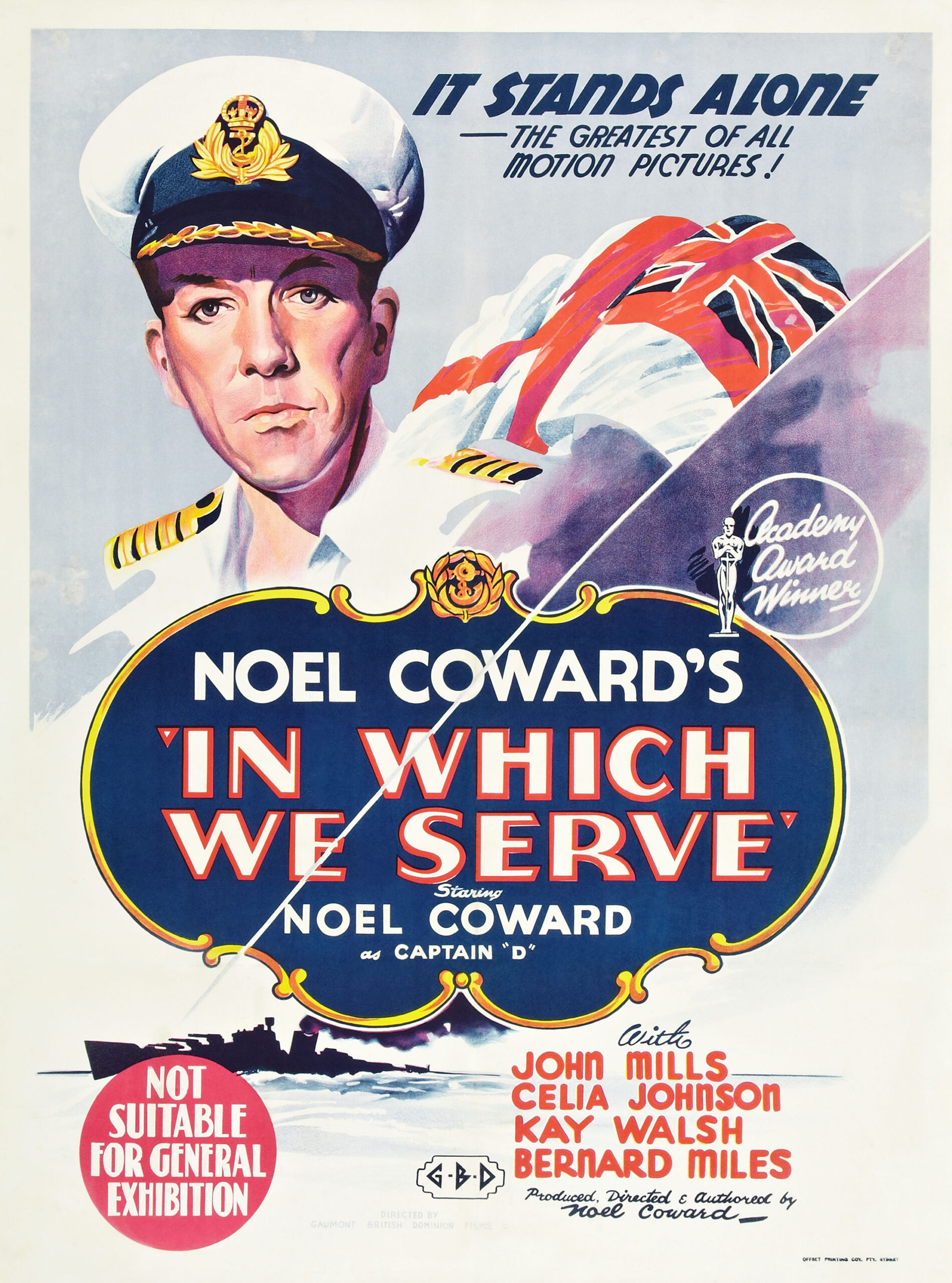
His first screen role was as a callow stoker who deserts his post in Noël Coward’s In Which We Serve (1942), told in flashback by survivors while they cling to a life raft after their ship has been sunk off Crete in May 1941. Small as the part was, the 19-year-old Attenborough made an impression as a cockney coward for Coward. A cockney he wasn’t, though he played mainly working-class characters throughout his career.
Attenborough’s father, Frederick, was a Cambridge don, who later became principal of University College Leicester. Richard, born in Cambridge, was exposed to culture early. His parents and grandparents were all musical, and one of his first memories was hearing The Messiah conducted by Malcolm Sargent in the De Montfort Hall in Leicester.
Above all, Richard and his two younger brothers, David and John, were brought up with a sense of social responsibility. Their mother, Mary, was chair of a committee to care for evacuee Basque children during the Spanish civil war, and she marched in protest against the bombing of Guernica. On the outbreak of the second world war, the Attenboroughs took two Jewish girls into their home, where they stayed for eight years. “That particular decision, not merely paying lip service but taking positive, responsible action to help other human beings, made a profound impression on me. It has, I suppose, affected my life and my attitudes ever since,” Attenborough wrote.
This is clear from most of his choices of subjects as a producer and director. He inherited his energy and non-stop activity from his mother, who died in a car accident, apparently suffering a heart attack as she was returning alone from a committee meeting.
Attenborough was educated in Leicester, at Wyggeston grammar school, and showed his acting skills early on, gaining a scholarship to Rada in 1940. His first part in the West End was Ralph Berger, the younger son of a Bronx Jewish family in Clifford Odets’s Awake and Sing. The Times said he played it “with sound understanding”, while the Daily Sketch thought he “showed an intensity of feeling and restraint for a youngster who has a big future”.
A few months before joining the RAF in June 1943, Attenborough achieved his greatest stage success in Brighton Rock, adapted from the Graham Greene novel by Frank Harvey. Attenborough as Pinkie Brown, the vicious young Catholic gangster, according to the New Statesman, “deserves to have won fame in a single night, for his study in abnormal psychology is thoughtful, delicate and powerful.” This forceful performance was recreated in the 1947 Boulting Brothers film version, and remains one of Attenborough’s most memorable creations.
In 1945, while in the RAF Film Unit, he married Sheila Sim, whom he had met at Rada. The year before, they had both been cast (though her role was cut out in the editing) in the wartime propaganda film Journey Together, directed by John Boulting, which was meant to demonstrate the special relationship between America and Britain. The US was represented by Edward G Robinson, who waived his fee for playing a flying instructor, while Attenborough was a would-be pilot who has to be content with being a navigator, reflecting his own frustration at never having become a pilot during the war.
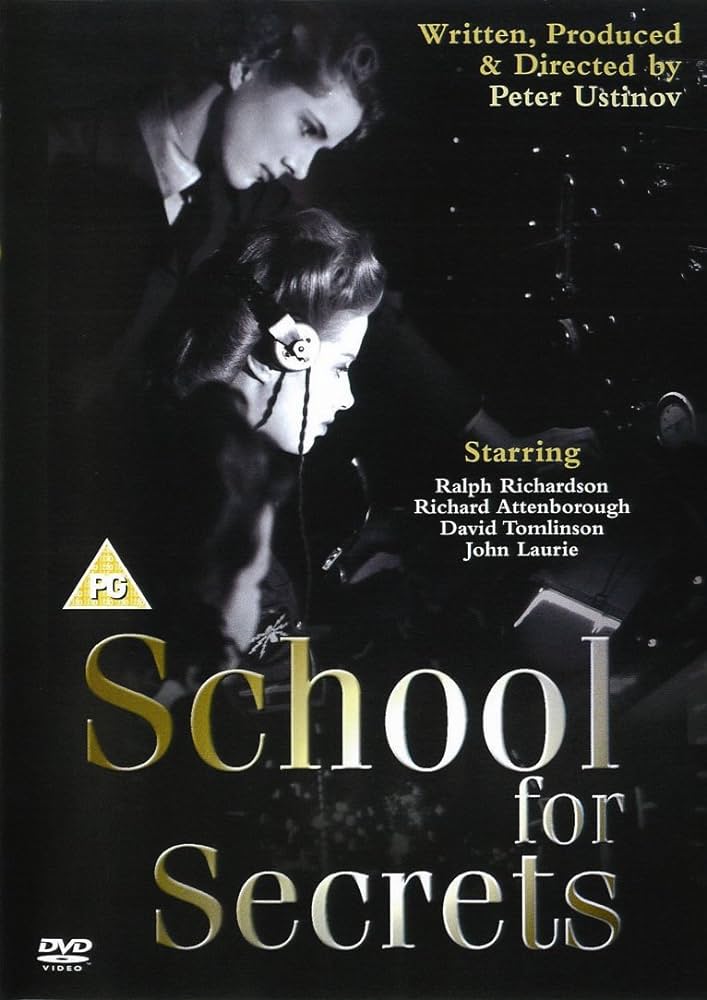
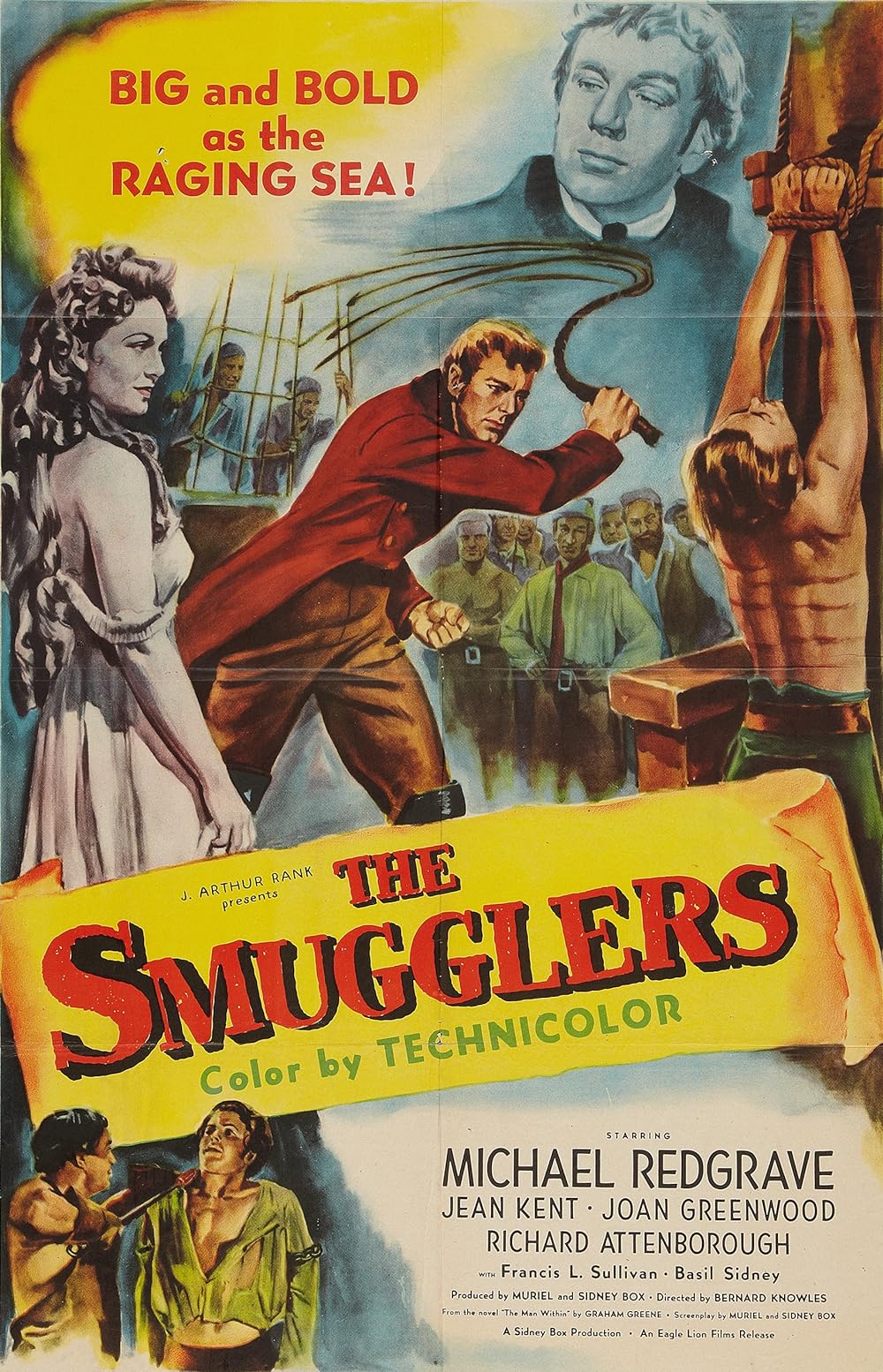
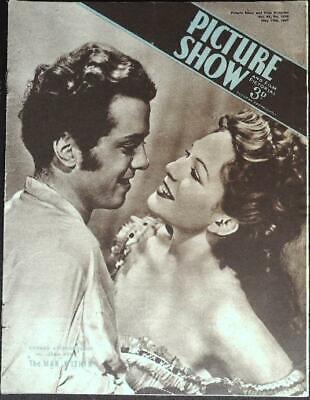
After demob, Attenborough continued in uniform on screen in Powell and Pressburger’s A Matter of Life and Death (in one shot as an airman) and Peter Ustinov’s School for Secrets (both 1946). He was to play several soldiers and sailors into the 1970s. In The Man Within (1947), based on Greene’s first novel, one of Attenborough’s rare costume dramas, he was an adolescent member of a gang of smugglers, who betrays his leader (Michael Redgrave). He would continue to play teenagers into his late 20s.
Although he had not changed much physically since Pinkie on stage in Brighton Rock four years previously, he brought more maturity to his film performance. However, it was pushing it a bit to accept the 25-year-old Attenborough in the title role of The Guinea Pig (1948), a 15-year-old working-class scholarship boy at a posh public school, particularly as his wife Sheila played the house mistress.
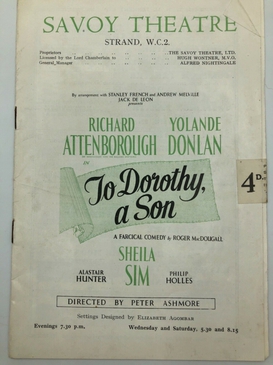
This was followed by another well-meaning social reform melodrama, Boys in Brown (1949), in which “bad ‘uns” Attenborough and Dirk Bogarde were Borstal boys. In the same year, Attenborough took another neurotic role on stage, a mentally disturbed Jewish GI in Arthur Laurents’s Home of the Brave. Then, eight months after the birth of Michael, their first child, Richard and Sheila appeared together in Roger MacDougall’s farce To Dorothy a Son, which ran in the West End for over a year from November 1950.
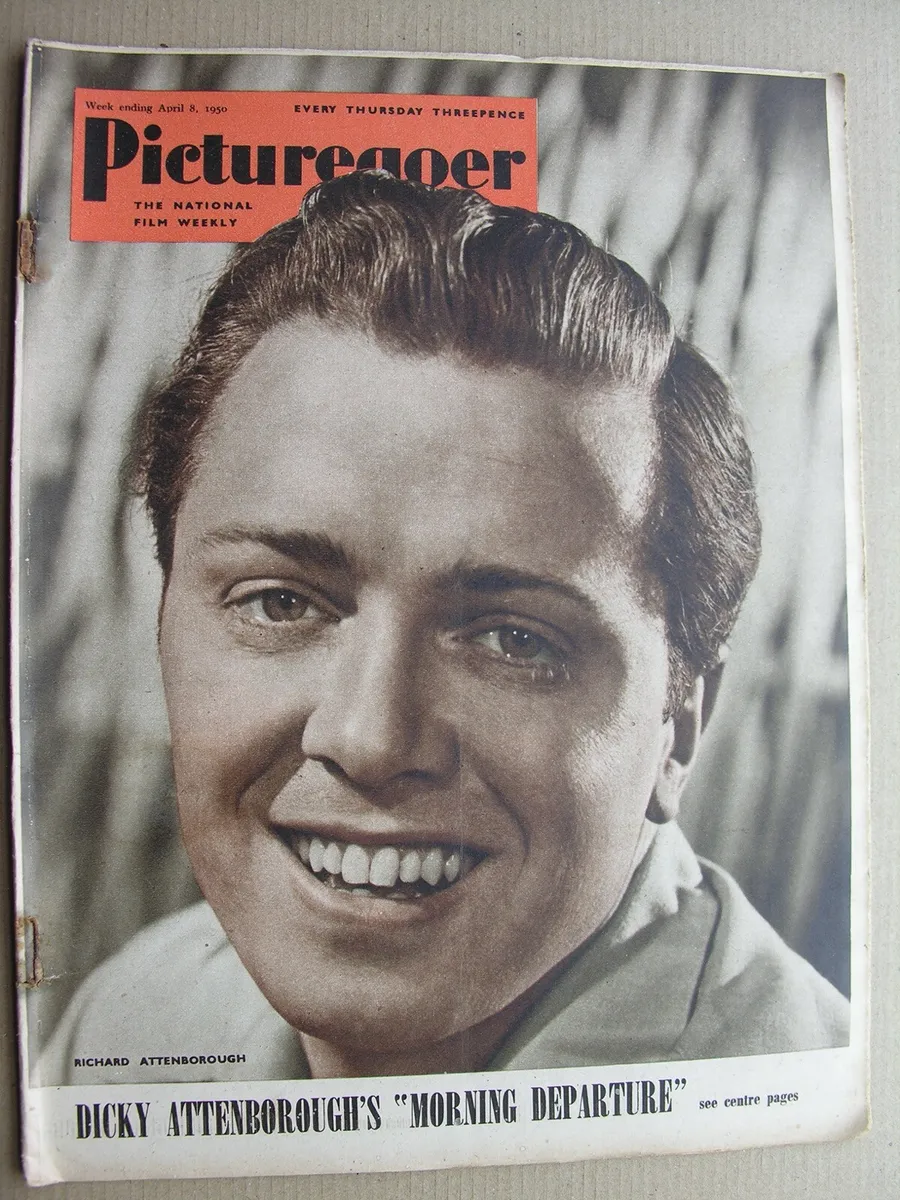
Meanwhile, Attenborough reprised his cowardly sailor role of In Which We Serve in the submarine drama, Morning Departure (1950) as Stoker Snipe, who cracks under pressure. If John Mills represented the stiff-upper lip school, then Attenborough often had a quivering lower lip. “Pull yourself together, Stokes,” says Commander Mills, slapping the hysterical Snipe. “Thank you, sir. I needed that.” It worked, because Attenborough seldom let the side down again when below decks in Gift Horse (1952) and The Ship That Died of Shame (1955).
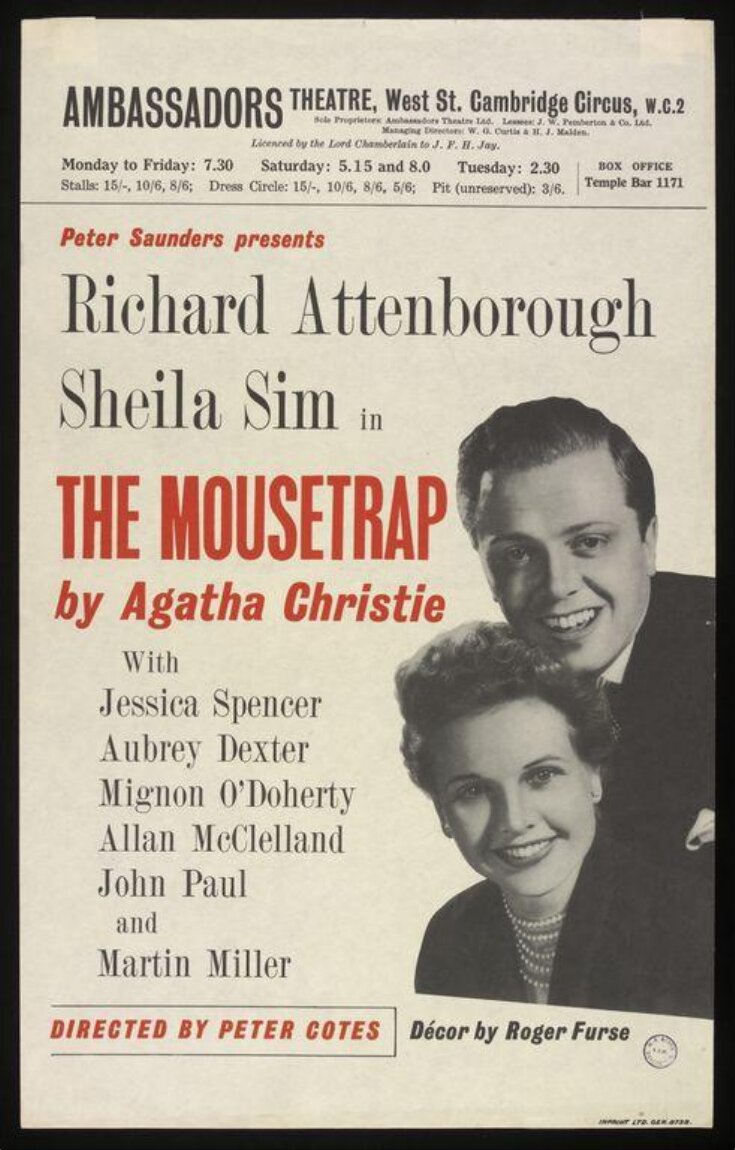
In 1952, Sheila and Richard (as Detective Sergeant Trotter) led the first cast of a play which was to became a theatrical phenomenon. They stayed two years at the Ambassadors with The Mousetrap, of which its author Agatha Christie prophesied that “we should get a nice little run out of it”. The Attenboroughs were still around to celebrate the 50th anniversary of the whodunnit’s run.
In the mid-1950s, Attenborough reunited with the Boulting brothers in a series of satirical comedies attacking some of Britain’s institutions. Attenborough, now having put on more weight, was a louche figure in all of them. In Private’s Progress (1956), on the army, he was a scrounger; in Brothers in Law (1957), on the legal profession, a smarmy barrister; and in I’m All Right Jack (1959), on management and unions, he was Sydney de Vere Cox, a shady munitions manufacturer.
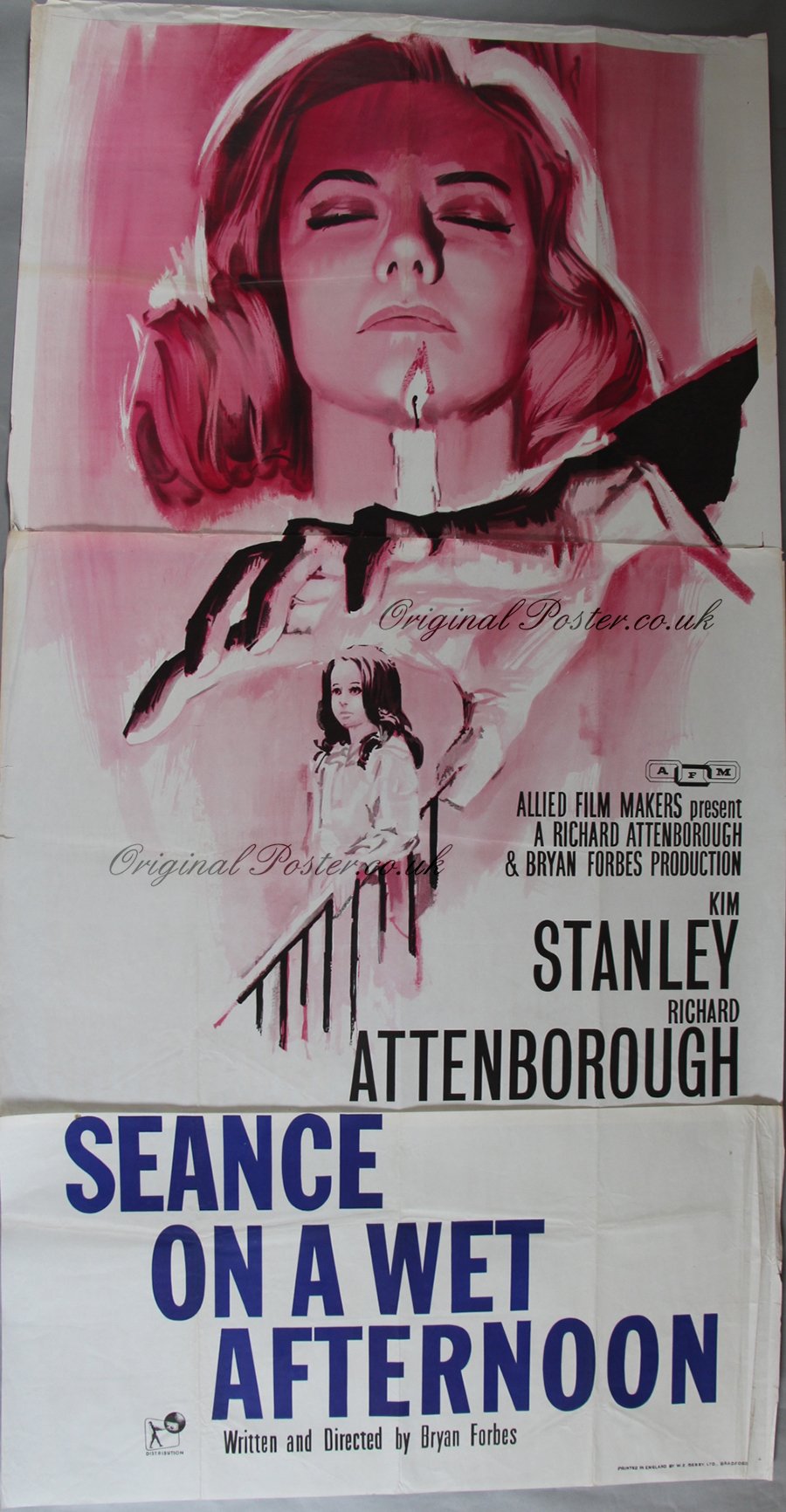
In 1960, Attenborough formed Beaver Films with the actor and director Bryan Forbes, and an independent distribution company, Allied Film Makers, with Forbes, Guy Green, Michael Relph, Basil Dearden and Jack Hawkins. His first film as producer was The Angry Silence, an anti-trades union tract, in which Attenborough was a blackleg and yet a hero. Better was the delightfully piquant heist comedy The League of Gentlemen (1960) with a gallery of British ex-army types, including Attenborough in his spiv persona. Also for his own production company was Forbes’s Seance On a Wet Afternoon (1964), in which Attenborough was medium Kim Stanley’s weak husband.
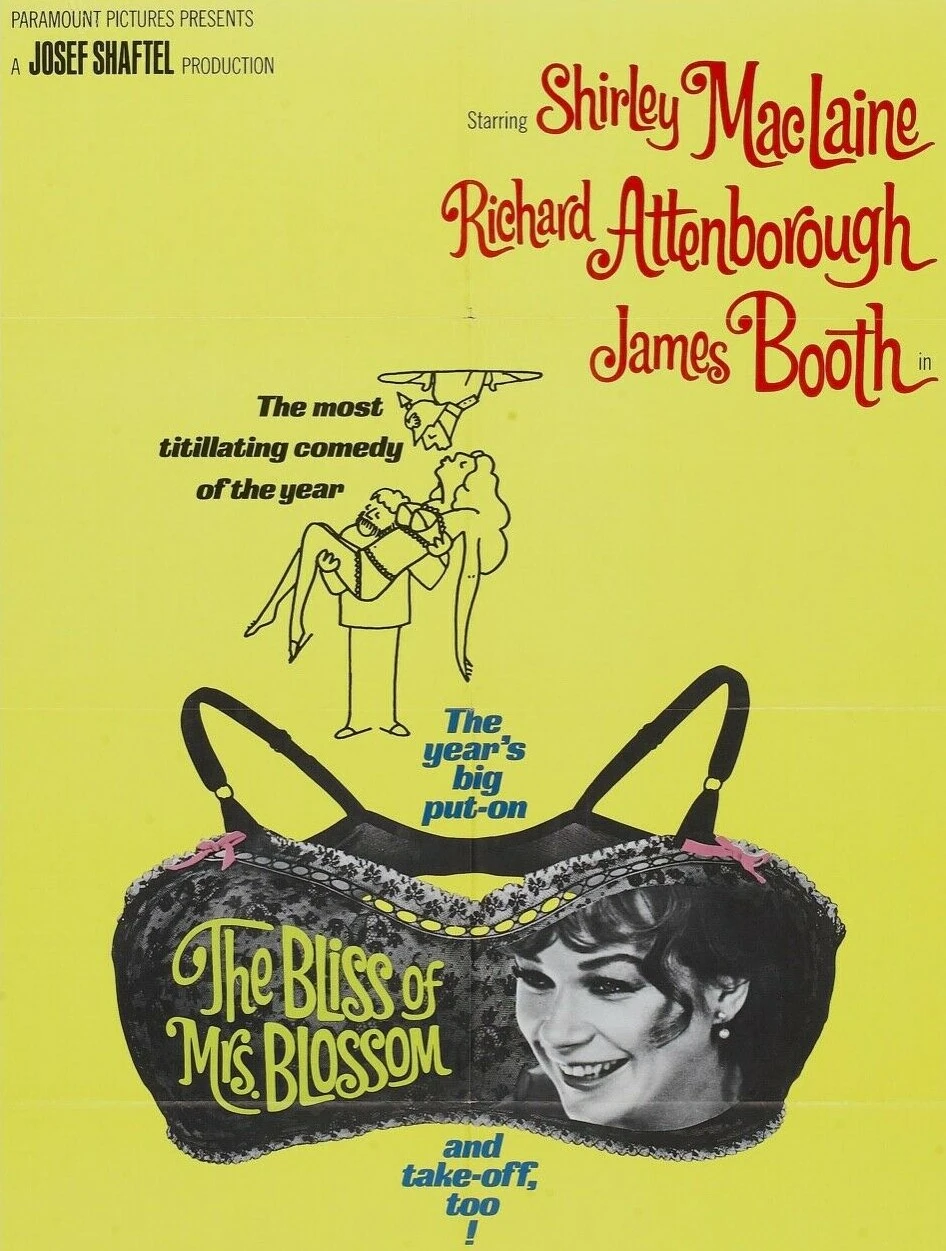
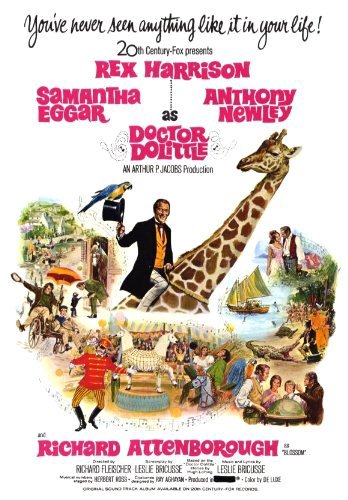
The 1960s saw him break into Hollywood, with The Great Escape (1963), third-billed, after Steve McQueen and James Garner, as Squadron Leader “Big X” Bartlett, the master escape planner who is later executed. Further US movies were The Flight of the Phoenix (1965) in which he was an inept navigator whose alcoholism has led to a plane, piloted by James Stewart, to crash in the Sahara desert; in The Sand Pebbles (1966), supporting McQueen again, Attenborough was encouraged to go over the top as a crewman hopelessly in love with a Chinese girl bound for prostitution, and as circus man Albert Blossom in Dr Dolittle (1967).
These roles were taken on to help finance his long-cherished project, a film on the life of Gandhi. It was the only film he thought he would direct, but when offered Oh! What a Lovely War, he accepted the challenge gladly.
Although the film, with a dazzling all-star cast of British actors, rather softened Joan Littlewood’s scabrous stage satire on the first world war, its stylisation and clever seaside-postcard use of the Brighton pavilion and old pier made it Attenborough’s most audacious and artistically successful project. The closing scene, a helicopter shot of thousands of white crosses in a military cemetery, as a chorus sings They’ll Never Believe Me, is genuinely moving.
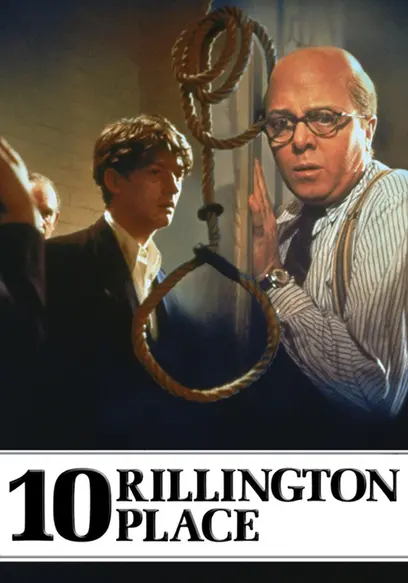
Attenborough appeared in four features in 1970, mostly antipathetic roles, notably as the serial killer John Christie in 10 Rillington Place. The sight of a chubby, bald Attenborough wearing thick glasses rubbing a corpse and moaning with orgasmic delight is particularly disturbing. Sir Richard – he was knighted in 1976 – with a broad Scots accent, played a British general sent to take over a small kingdom in Satyajit Ray’s The Chess Players (1977). He had met the great Bengali film director in India during his long quest to set up Gandhi. “I count working for Ray as one of the milestones of my career.”
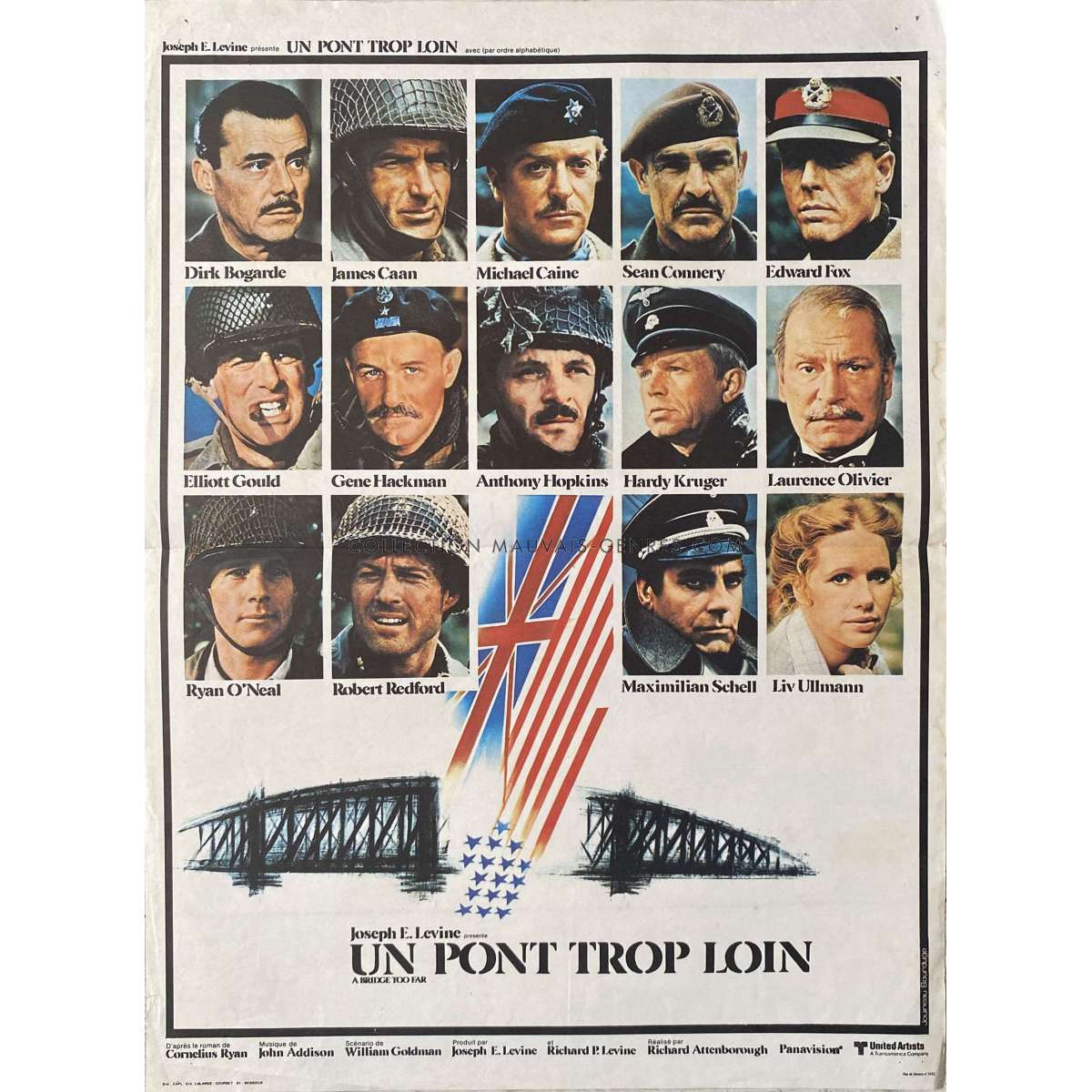
At the same time, Attenborough followed his directorial debut with two technically competent but illustrated schoolbook epics, Young Winston (1972) and A Bridge Too Far (1977), the latter about the allied defeat at Arnhem. Finally, in a similar mode, after 20 years, with Goldcrest having put up two-thirds of the £20m budget, Attenborough was able to make Gandhi (1982), which had a fine performance by Ben Kingsley in the title role. The film is dedicated to Lord Mountbatten, Pandit Nehru and an unknown Indian called Motilal Kothari, who suggested the subject to Attenborough in the first place in 1962.
Nehru’s advice to Attenborough was that it would be wrong to deify Gandhi: “He was too great a man for that.” The film won eight Oscars – best picture, best actor, best director, best original screenplay, best cinematography, best art direction, best editing, best costume design – the biggest haul ever for a British movie. In his acceptance speech, Attenborough said: “Gandhi believed if we could but agree, simplistic though it be, that if we do not resort to violence then the route to solving problems would be much different than the one we take.”
In the 1980s, he was an active and inspirational chairman of Channel 4 and the British Film Institute, as well as taking on a multitude of other duties with professional bodies and charities for film, theatre, drama and education.
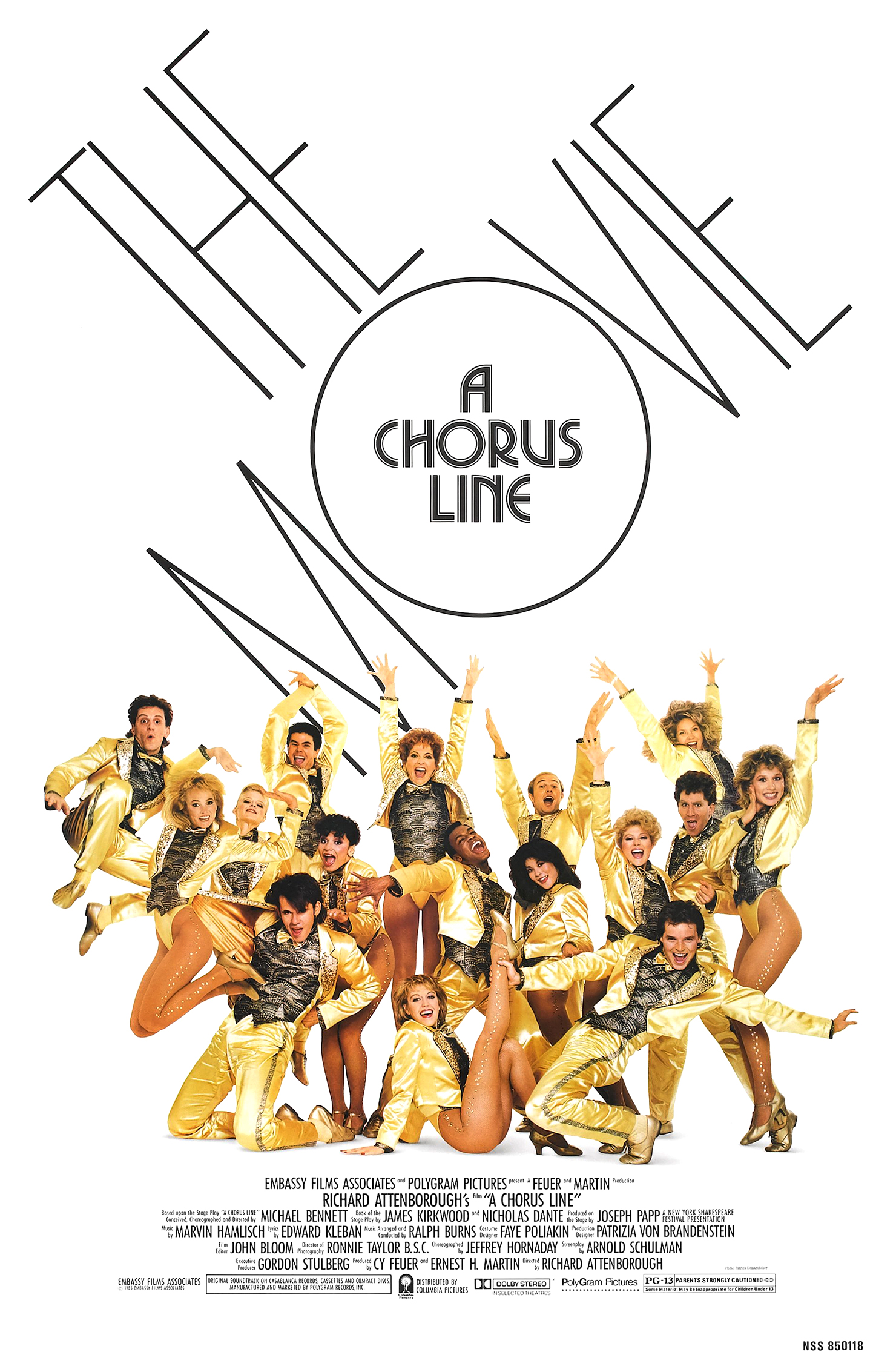
With A Chorus Line (1985), Attenborough once again took on material that seemed intractably theatrical. But, as much as he tried to make the Broadway musical “cinematic”, such as using flashbacks, it defeated him, replacing cynicism with mawkishness.
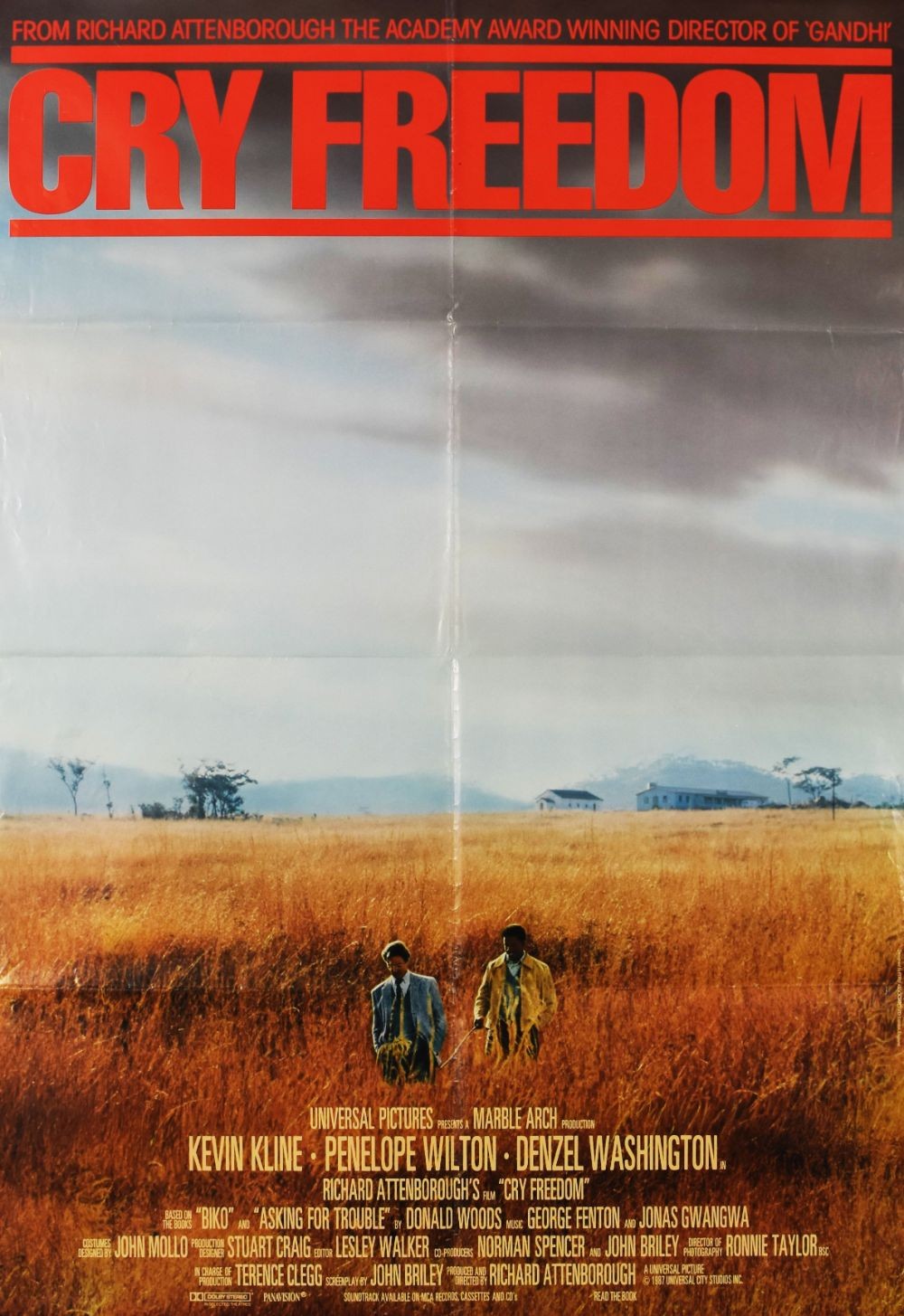
He was more at home with another portentous biopic, Cry Freedom (1987), through which he was able to express his anger with apartheid in South Africa. The first half, dealing with the friendship between liberal white journalist Donald Woods (Kevin Kline) and anti-apartheid activist Steve Biko (Denzel Washington), up to the murder of Biko while in police custody, is impressive, but the second half, following Woods’s escape from South Africa, descends into conventional thriller territory.
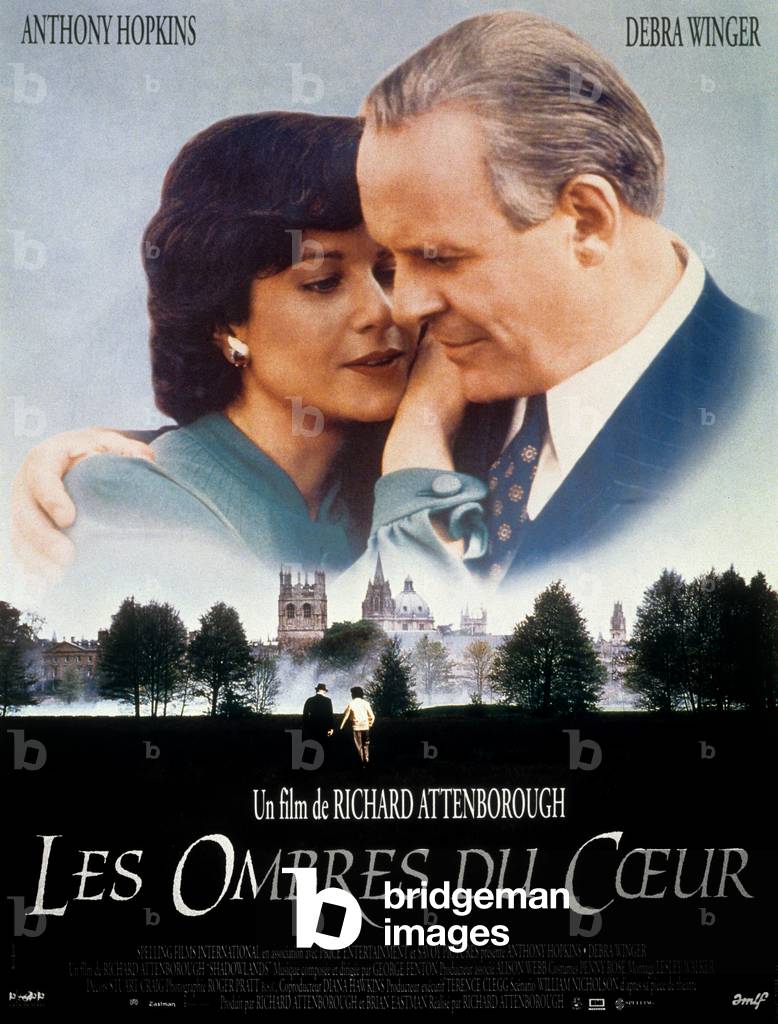
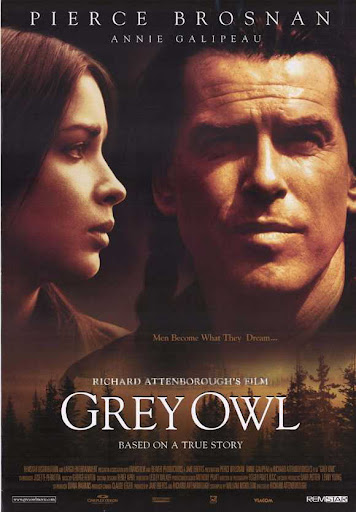
When Attenborough’s protracted attempts to make a film about Thomas Paine, the 18th century humanitarian and republican, fell through, he turned to another of his idols in Chaplin (1992), a sprawling, vacuous homage to the great comic. He continued on the biographical path, covering CS Lewis in Shadowlands (1993), the young Ernest Hemingway in In Love and War (1996) and the North American conservationist Archie Belaney in Grey Owl (1999), demonstrating that Attenborough’s heart was definitely in the right place as was his camera, most of the time.
He once told the film critic David Robinson that he derived the most pride from a back-handed compliment paid by an American critic. As Attenborough explained: “He said something like, ‘the problem with Attenborough’s work is that he is more interested in the content than the execution.’ Almost without exception that is true. I am glad to say I am sorry if I’m not more adventurous cinematically. But my concern is always, did the film say what I wanted to express or advocate?”
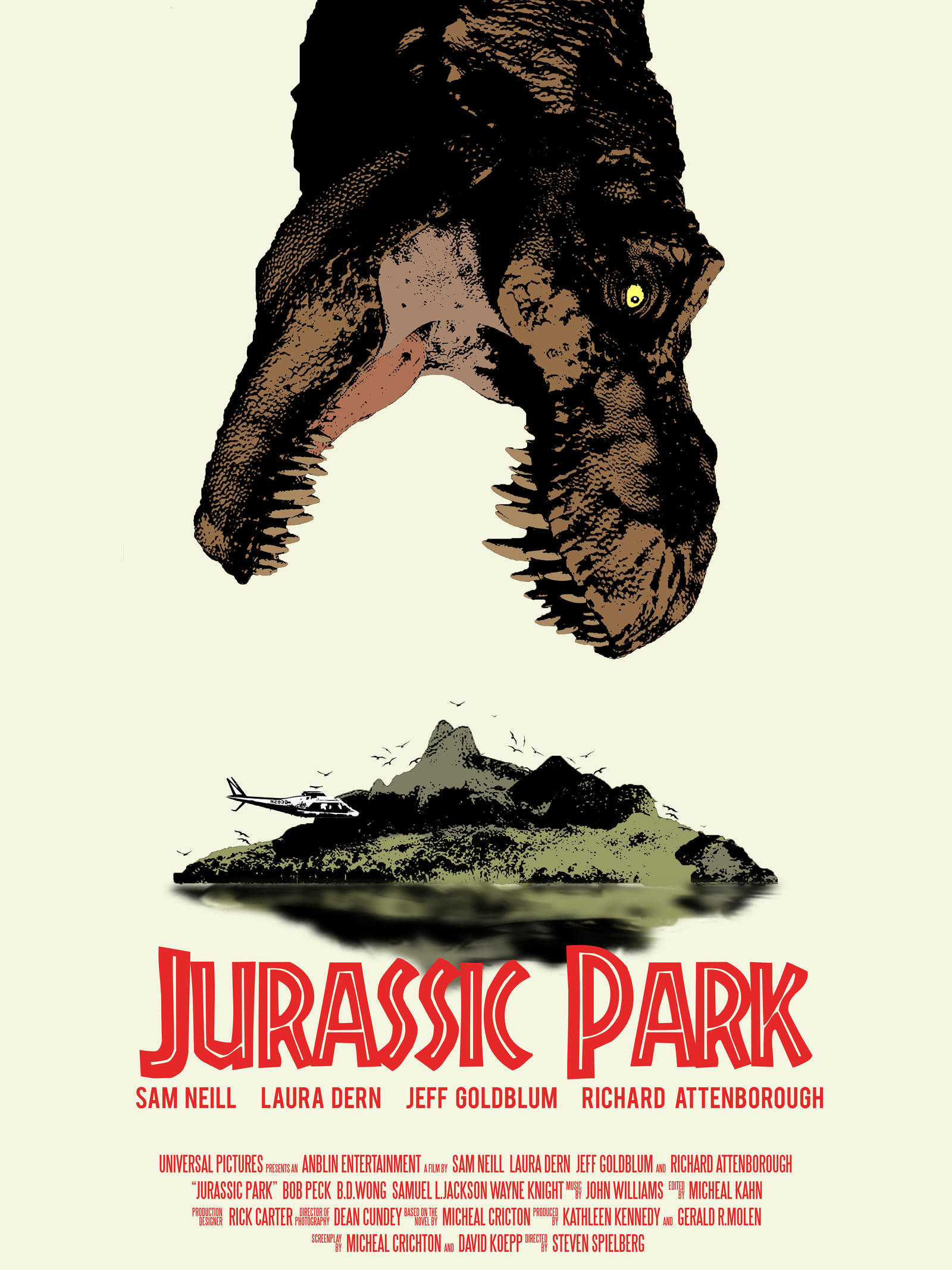
After a gap of 13 years, he returned to the screen as an actor in Steven Spielberg’s Jurassic Park (1993), as the mad genius who runs the theme park featuring genetically recreated dinosaurs, a role which he was to repeat in the sequel The Lost World (1997). This introduced him to a new generation of filmgoers, as did his twinkly-eyed Kris Kringle in Miracle on 34th Street (1994), a pointless remake of the 1947 movie. In fact, it was not difficult to see something of Santa Claus in Attenborough, who disarmingly admits that the character is “not far from my own in terms of bonhomie”.
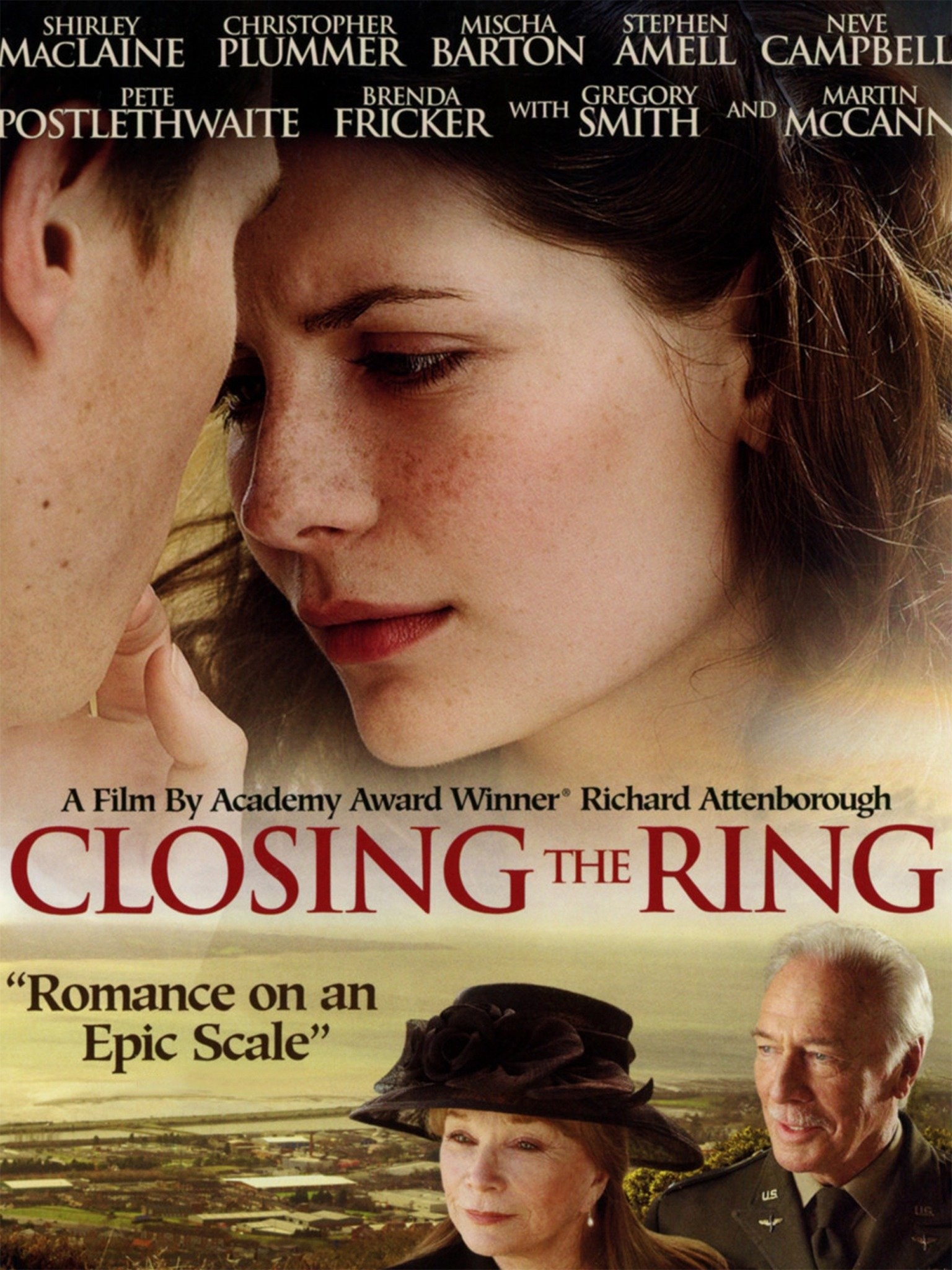
In his mid-80s, Attenborough was still active in film production. The last one he directed was Closing the Ring, released in December 2007. It is a love story, set in South Carolina and northern Ireland. A dying gunner, who was in a crash involving a US B-17 plane in 1943, gives a ring to a local to return to his American girlfriend. Fifty years on, a man finds the ring and tracks down the girlfriend and the history of this ring.
Attenborough was devastated by a triple tragedy that occurred on 26 December 2004 when his eldest daughter Jane, her daughter Lucy, and Jane’s mother-in-law, Jane Holland, all perished in the Asian tsunami disaster.
In 2008 he suffered a fall at his home in Richmond, south-west London and was rushed to hospital where he went into a coma, but recovered within a few days. Three years later, David said that his brother was confined to a wheelchair, and that it was unlikely he would be making any more films. In early 2012, he joined Sheila in a home for the care of elderly actors in London that they had both supported for many years. Attenborough was awarded a life peerage in 1993. He is survived by Sheila, his son Michael and daughter Charlotte.
The above “Guardian” obituary can also be accessed online here.
“MailOnline” article on Richard Attenborough & Sheila Sim can be accessed here.