
Brittish Actors

Collection of Classic Brittish Actors

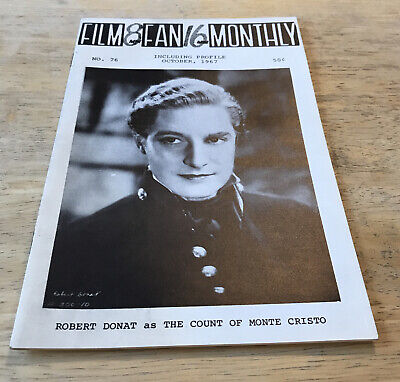
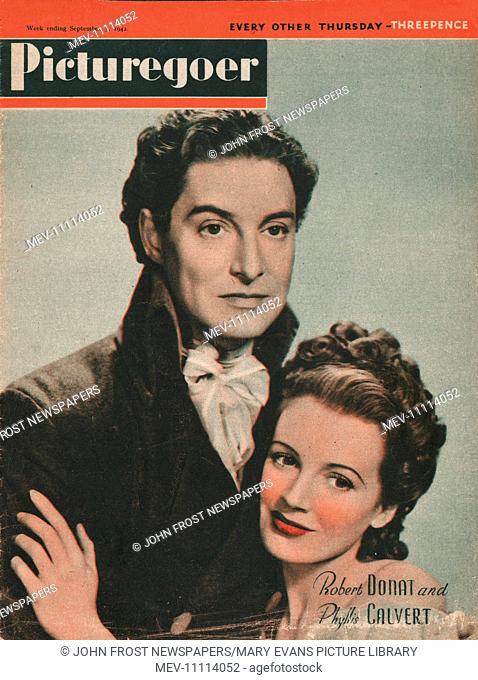
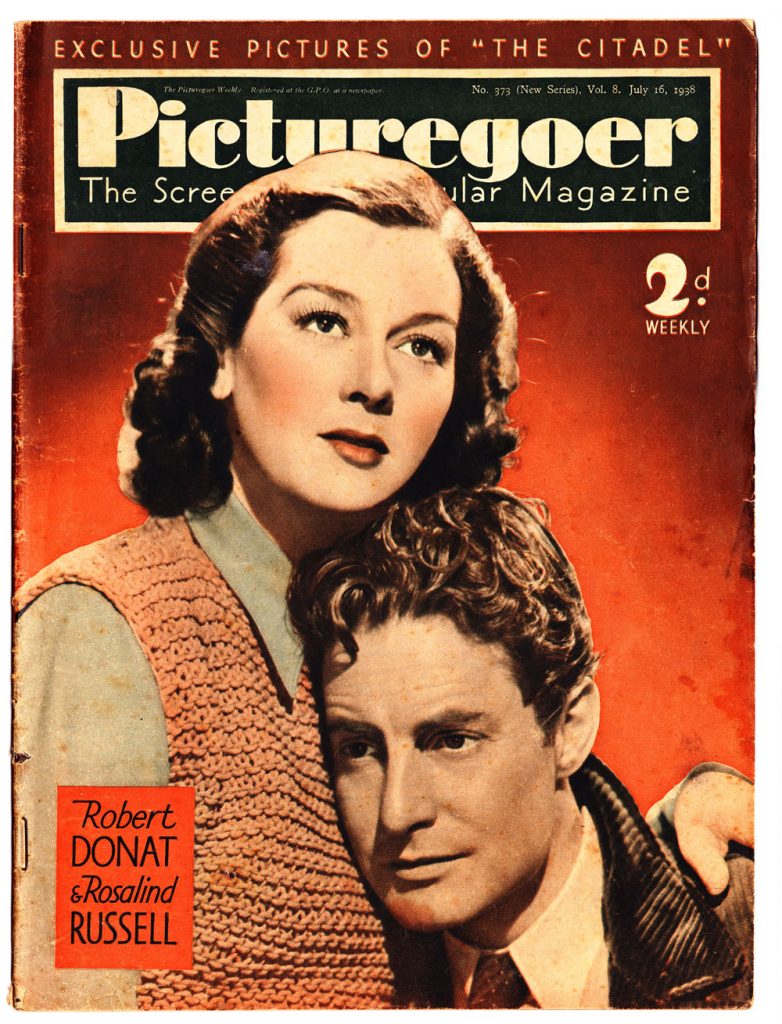
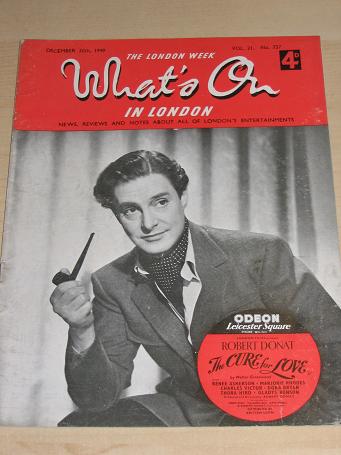
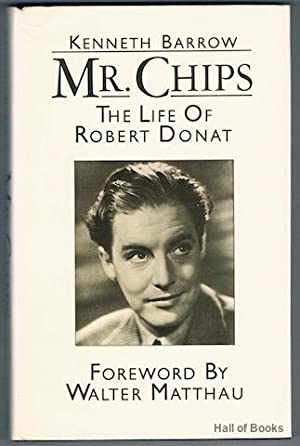
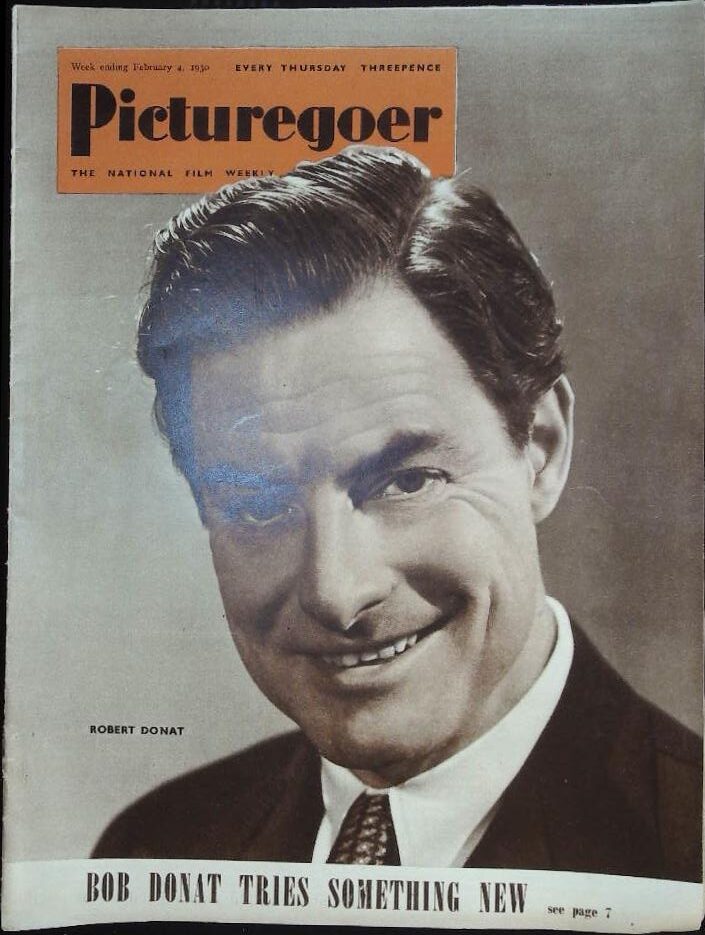
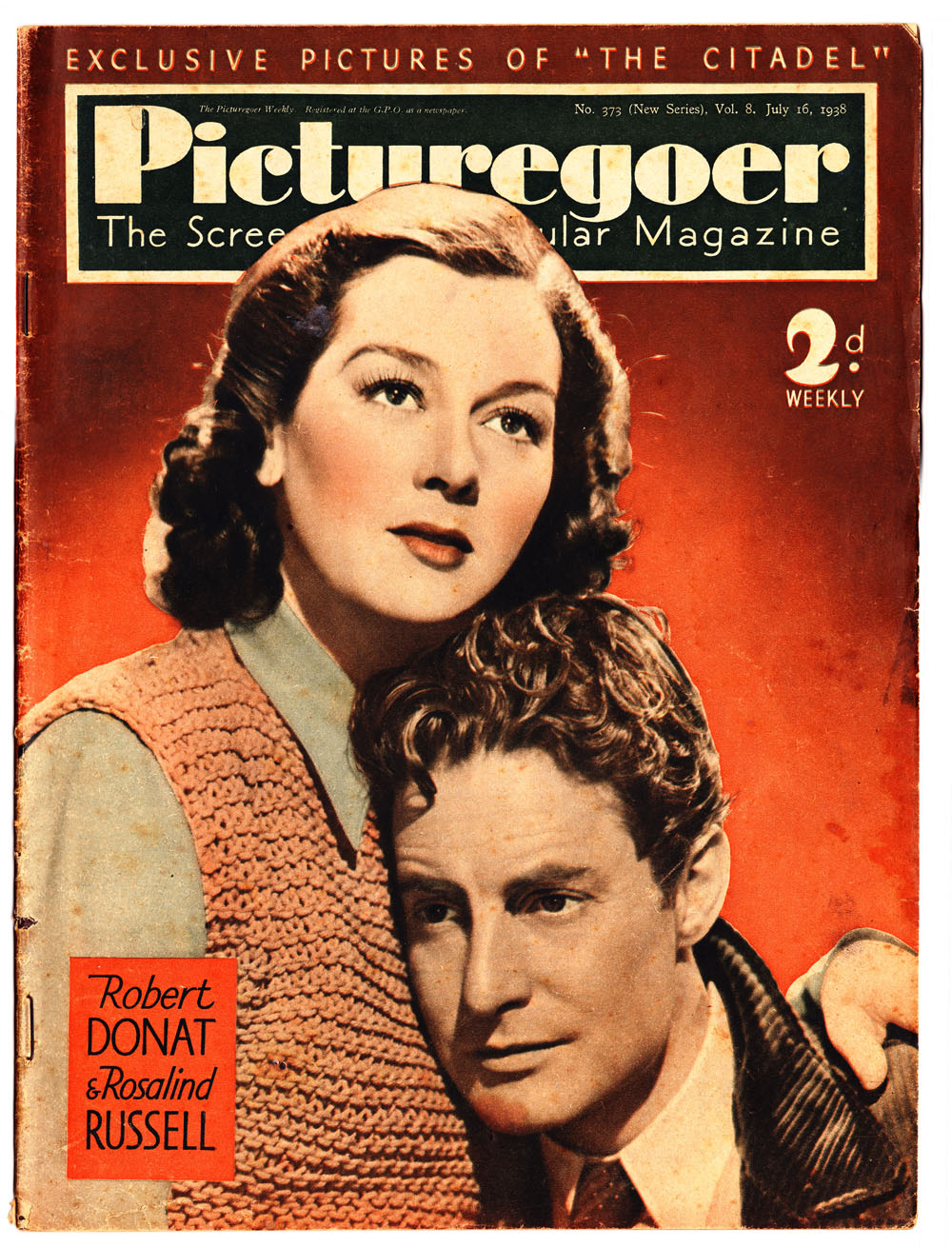
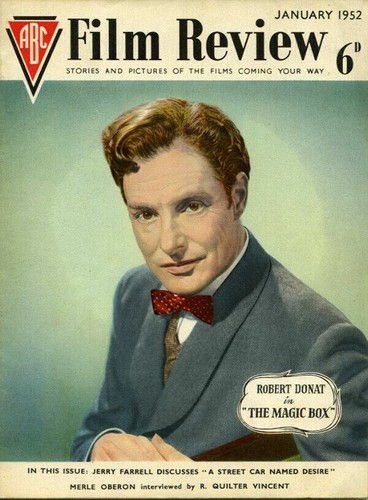
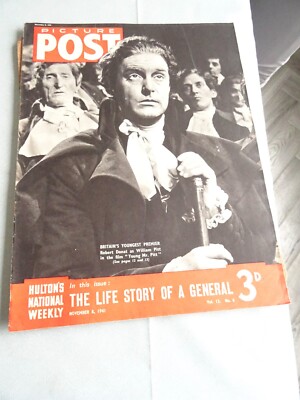
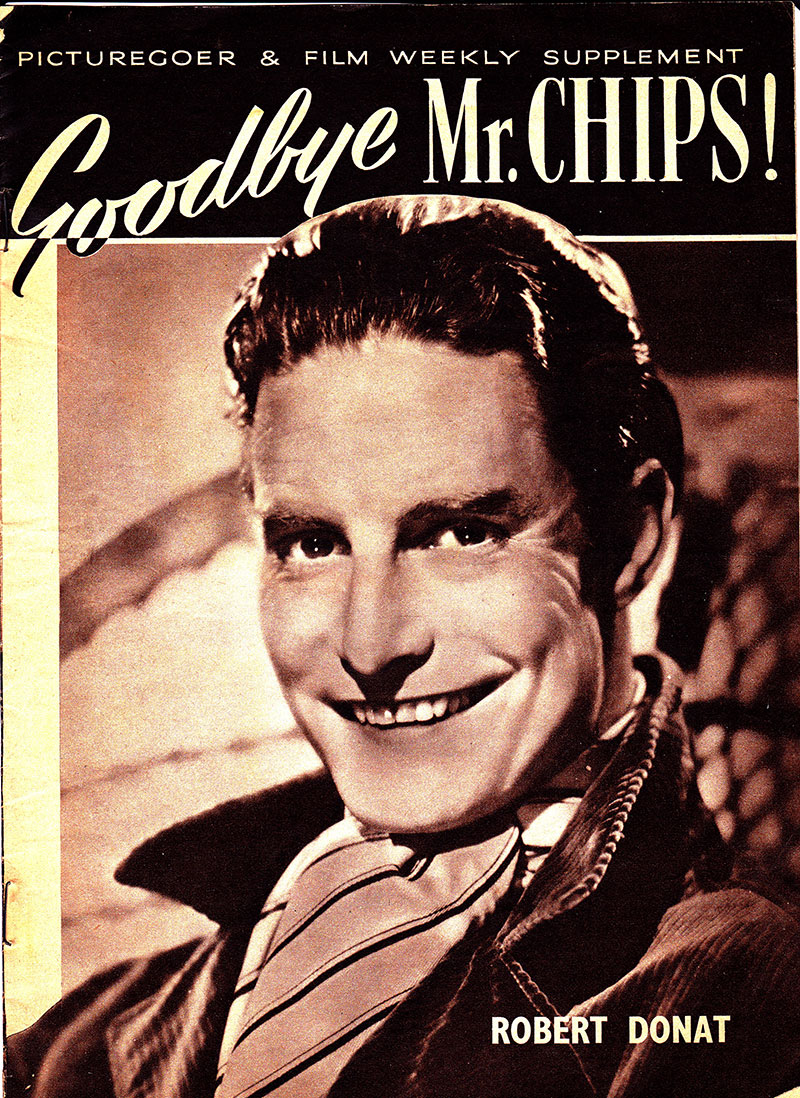
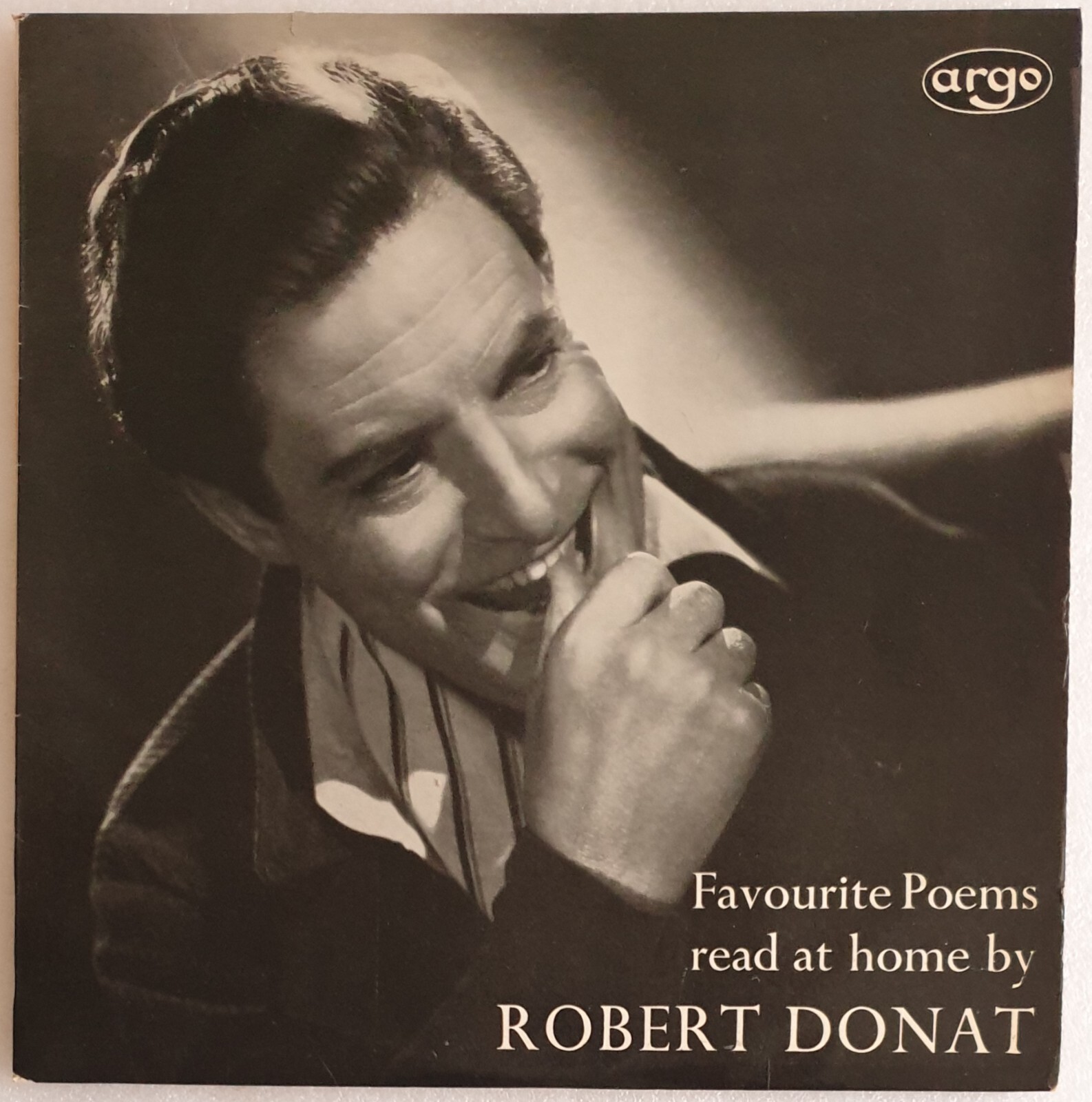
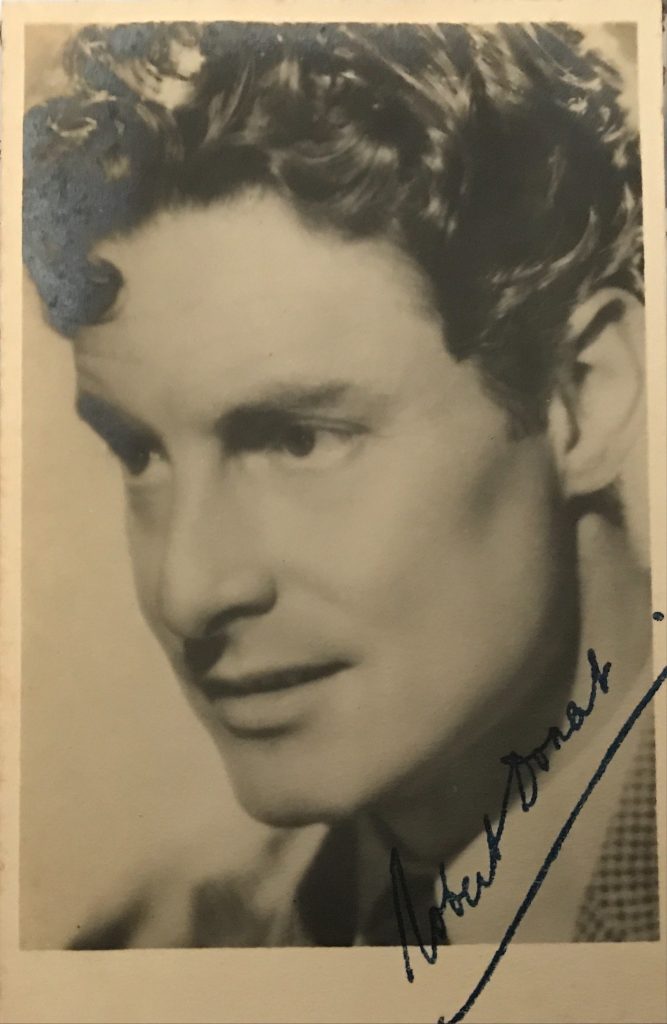
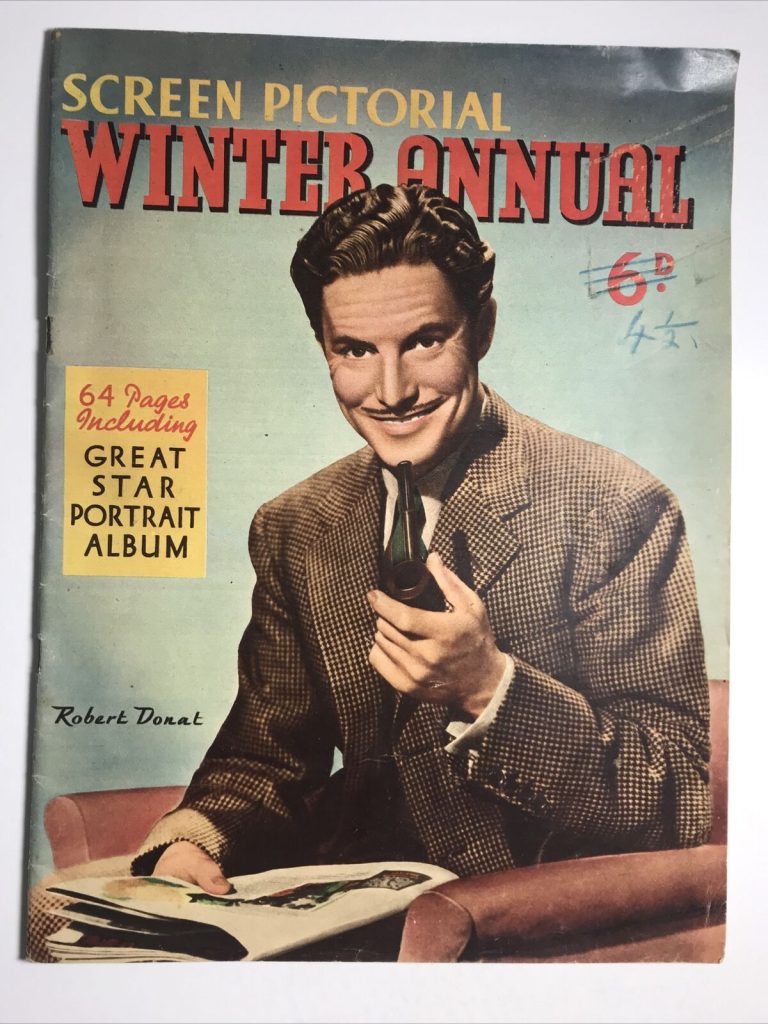
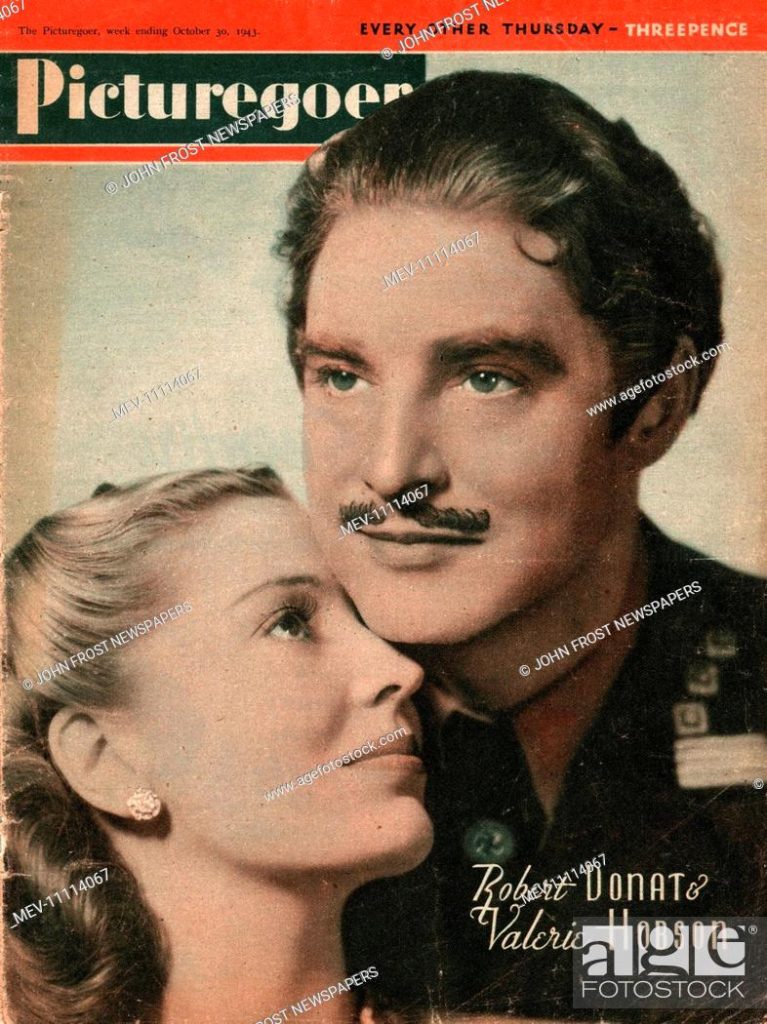
Robert Donat
Robert Donat

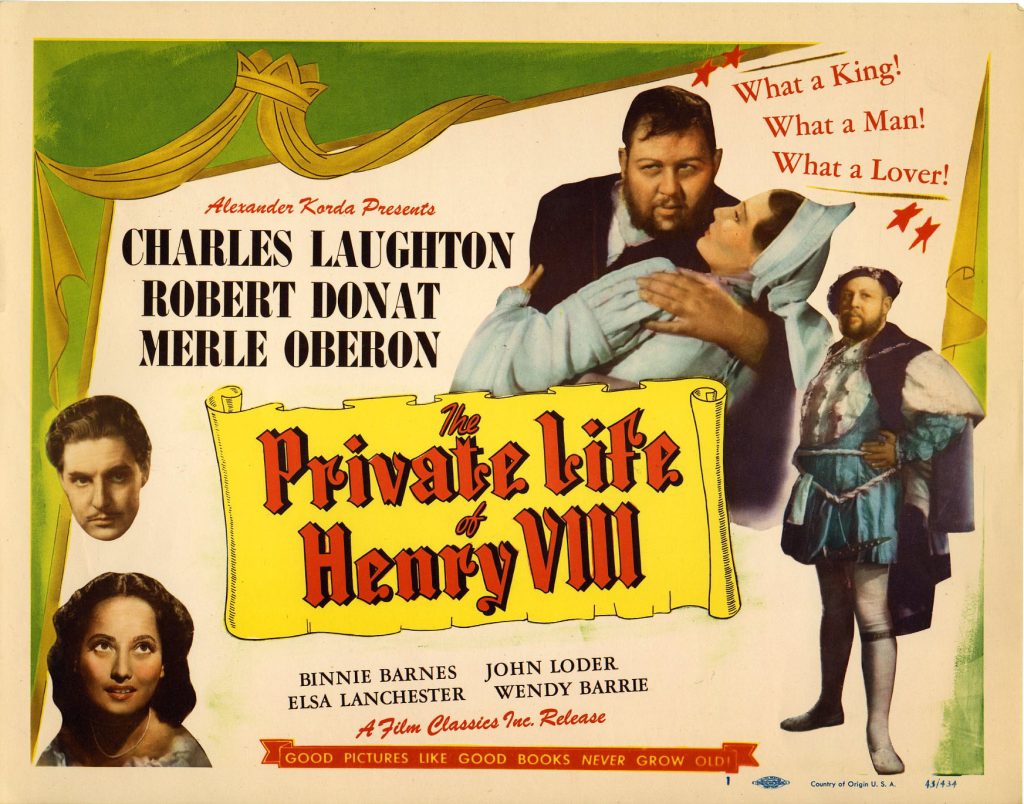
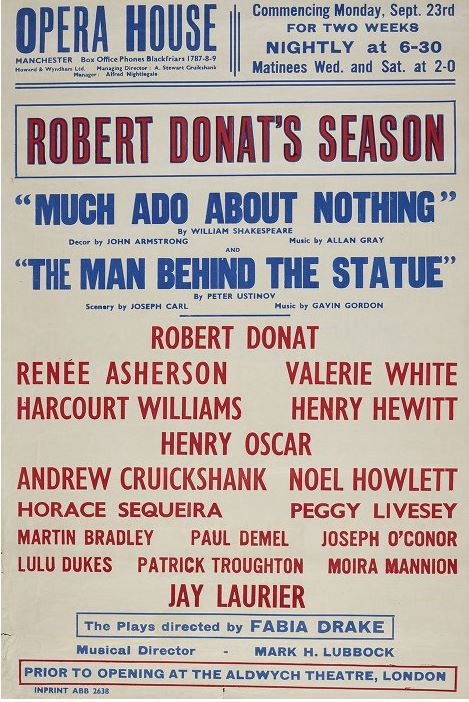
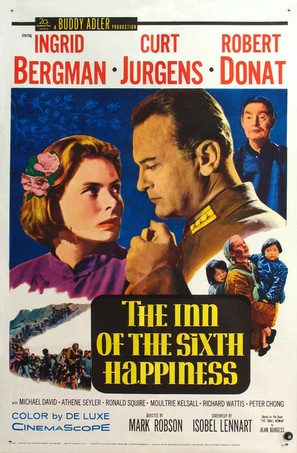
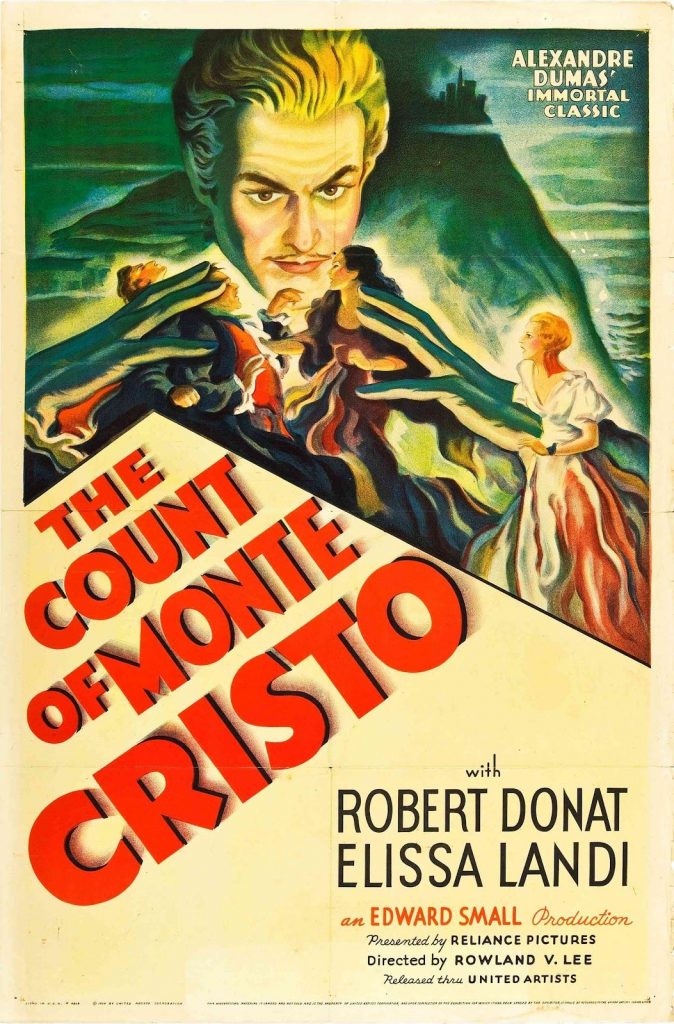
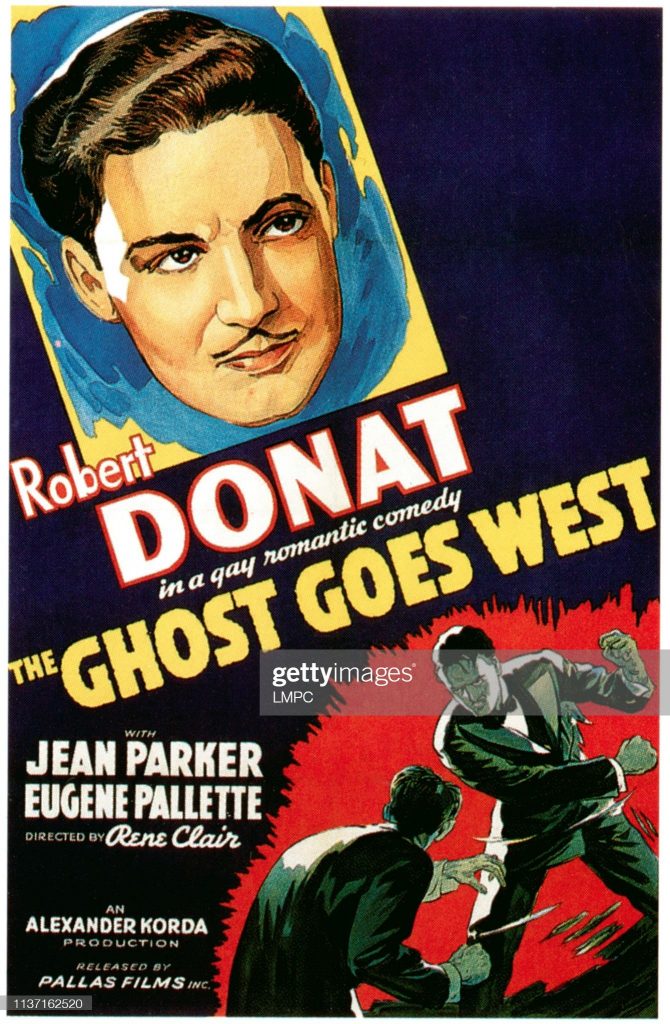
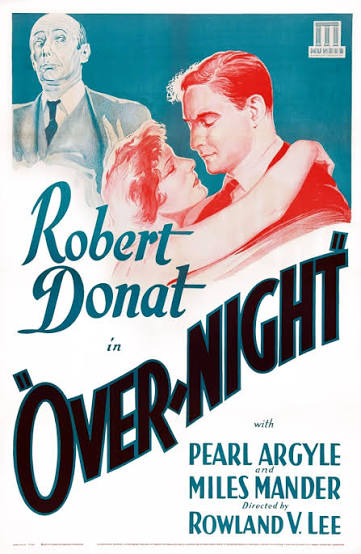
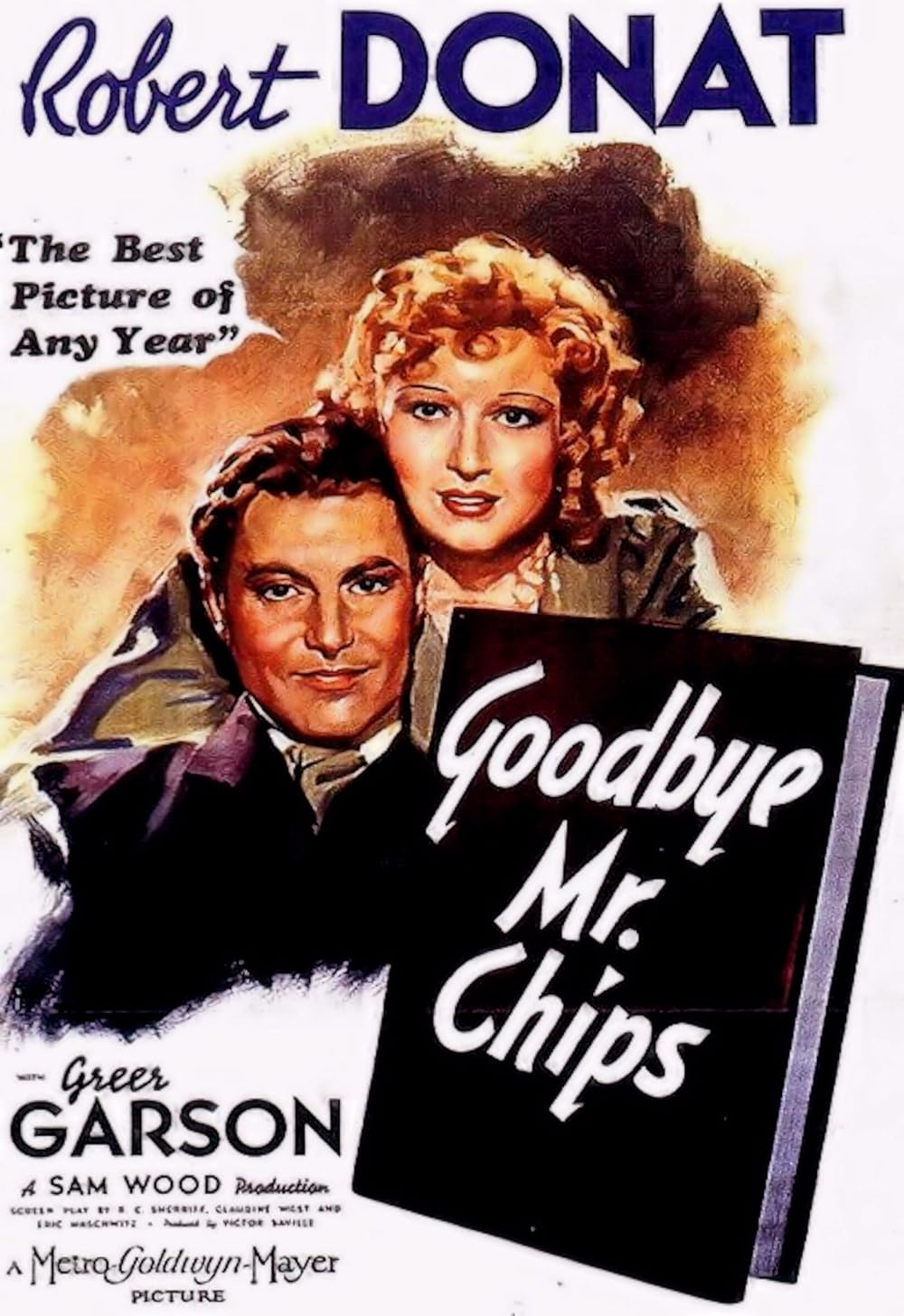
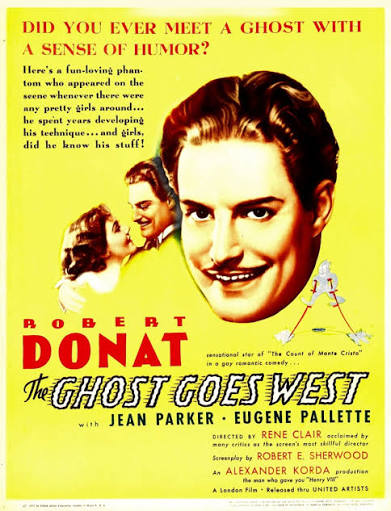
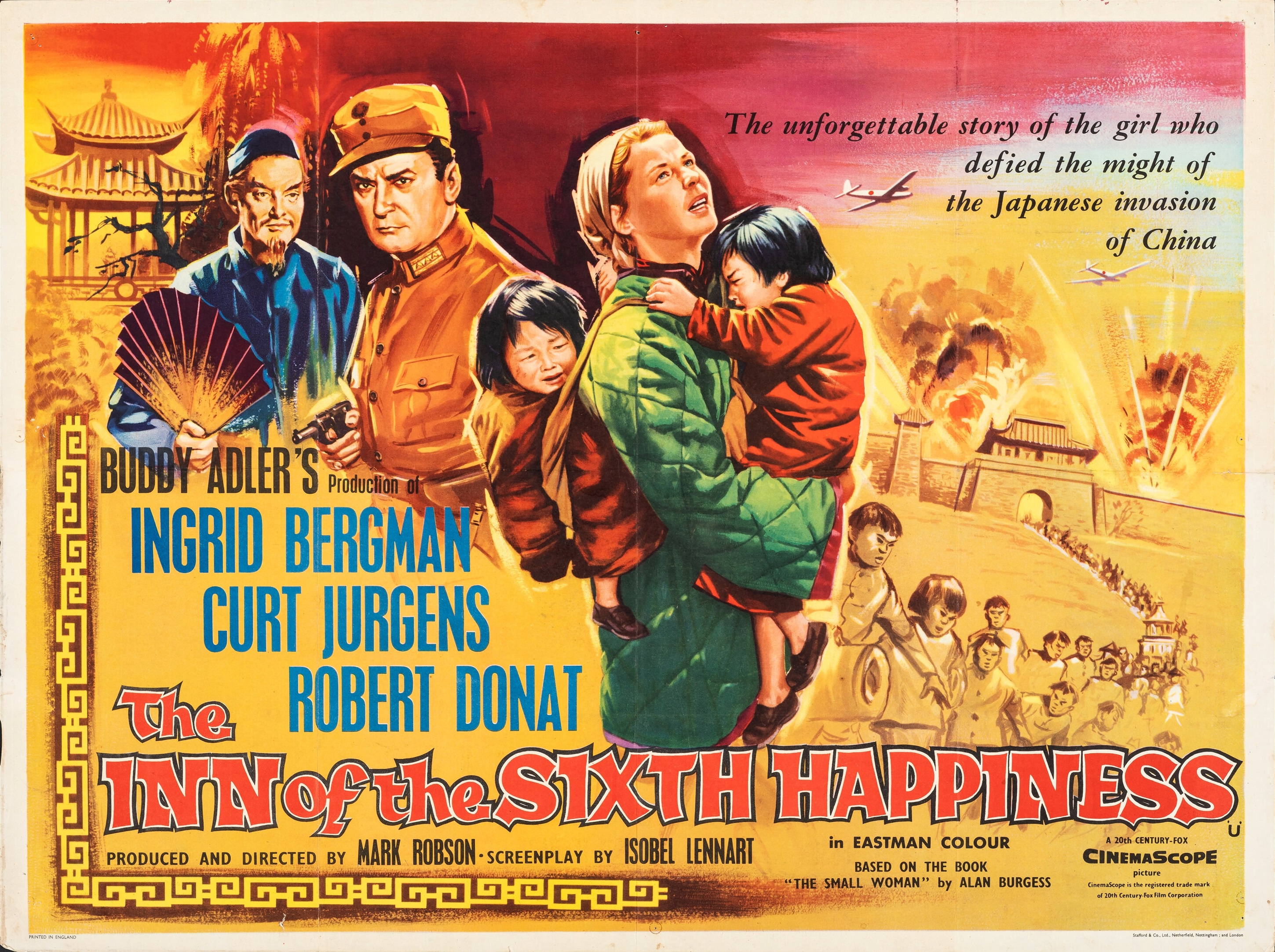
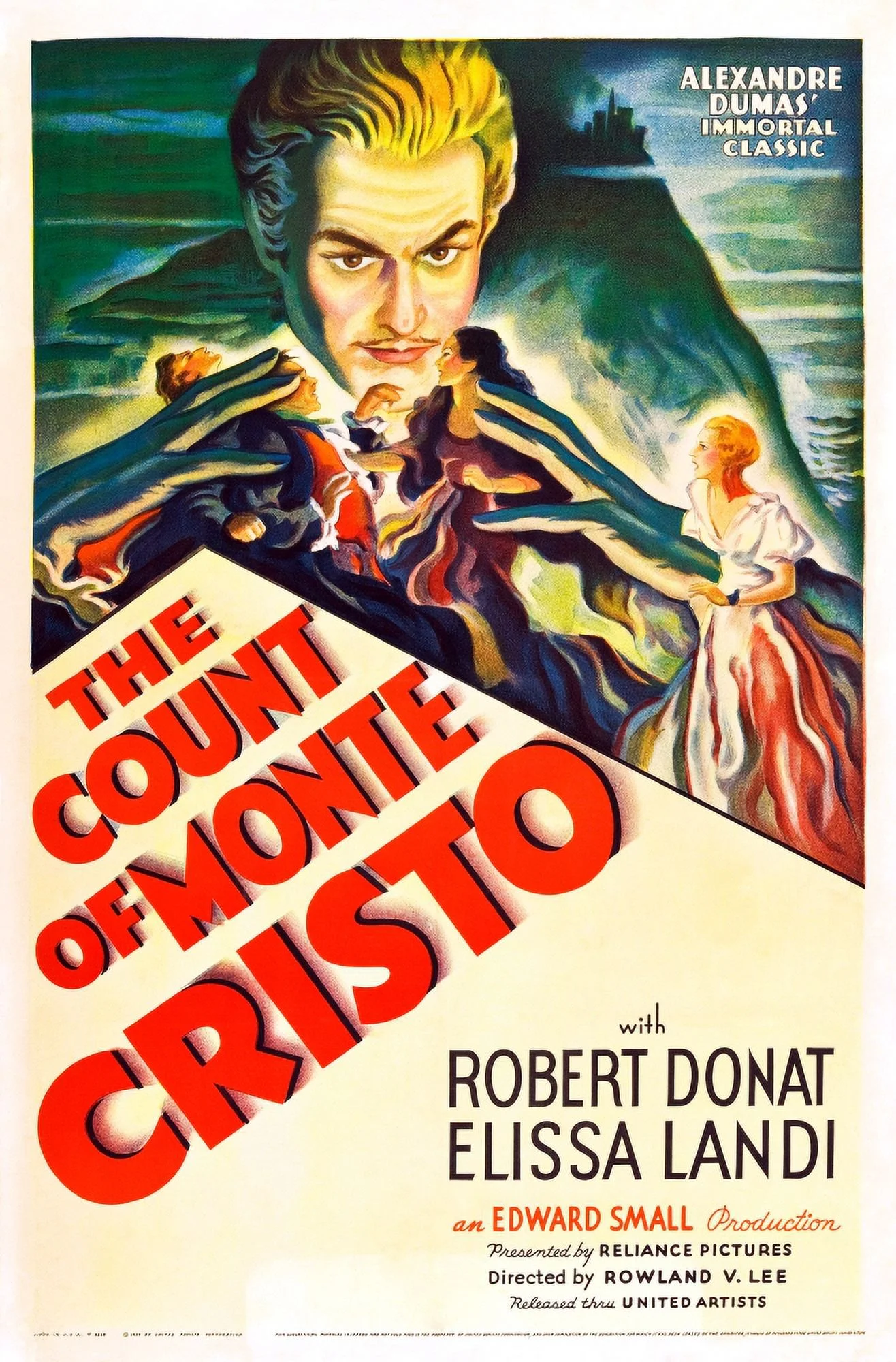
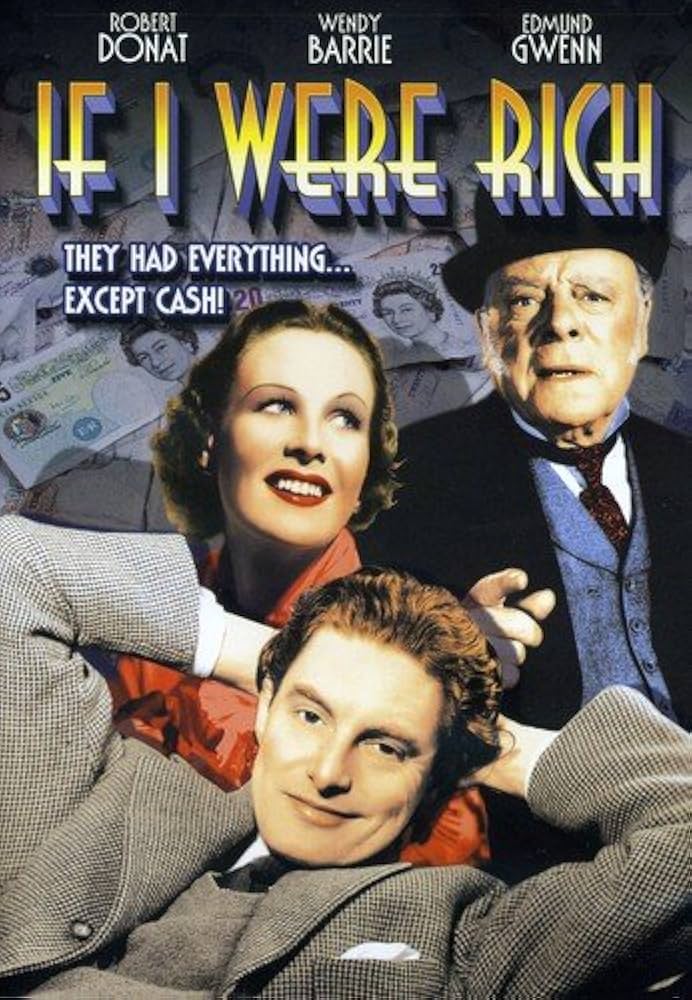
Robert Donat was born in 1905 in Manchester.   His stage debut came in 1921 and the following year made his first film “Men of Tomorrow”.   He suffered from asthma which restristed his career.   Although his film career is not extensive , his films are choise.   They include “The Ghost Goes West” in 1935, “The Private Lives of Henry 8th”.   He went to Hollywood to make one film “The Count of Monte Cristo” in 1934.   He won an Academy Award for his performance opposite Greer Garson in “Goodbye Mr Chips”.   His last film was in 1958 in “The Inn of the Sixth Happiness” with Ingrid Bergman in 1958.   He died the same year at the age of 53.

TCM Overview:

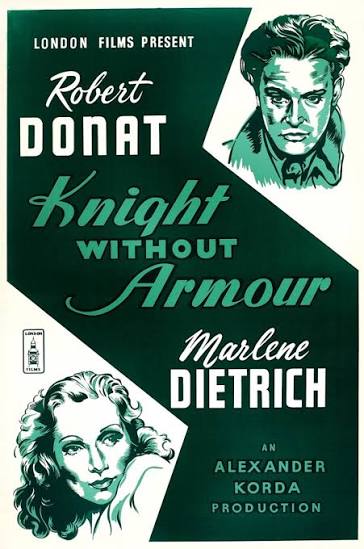
One of Britain’s biggest stars from the Golden Age of movies, handsome Manchester native Robert Donat established himself as a formidable stage performer via one of Britain’s leading Shakespearean companies and made a splash in “The Private Life of Henry VIII” (1933), which also proved to be a major success abroad. A well-respected star in his homeland, Donat also built a following in America, but in the wake of “The Count of Monte Cristo” (1934), he opted to work only in England, which allowed him to continue appearing on the London stage. In between those engagements, he graced some of England’s best films of the 1930s, including Alfred Hitchcock’s “The 39 Steps” (1935), “Knight Without Armour” (1937), “The Citadel” (1938) and “Goodbye, Mr. Chips” (1939), which earned him a well-deserved Academy Award for Best Actor. Unfortunately, chronic asthma hindered Donat for much of his life, forcing him to take long periods of convalescence; by the time he appeared in “The Inn of the Sixth Happiness” (1958), he was forced to have an oxygen cylinder nearby at all times. Although poor health curtailed his career and forced Donat to turn down a number of potentially interesting roles, he managed to achieve a degree of respect and popularity with British audiences that matched such formidable contemporaries as Laurence Olivier.

Robert Donat was born Friedrich Robert Donat in Withington, Manchester, England on March 18, 1905. Intrigued by the prospect of being either a stage or screen actor, Donat first needed to overcome a pronounced stammer, which he was able to eventually do with the assistance of an elocutionist, who also helped him adopt a more neutral accent. In the wake of this speech therapy, Donat was revealed to possess a superb speaking voice and he left Central High School for Boys at age 15 in order to pursue an acting career. He made his stage debut a year later in a production of “Julius Caesar” and Donat’s proficiency with the Bard’s writings helped to establish him as an up-and-coming stage performer. He spent 1924 through 1928 as a member of Sir Frank Benson’s Company, appearing in such Shakespeare standards as “Merchant of Venice,” “King Lear” and “Hamlet.”

After honing his craft for several years with the Benson players and the Venner Repertory Company, Donat began to perform regularly in London. He soon acquired a positive reputation, but sought to appear in movies in order to help support himself and his wife. Donat first graced the silver screen in the crime drama “That Night in London” (1932), with his first notable part coming in “The Private Life of Henry VIII” (1933) as Thomas Culpeper. The picture was a notable critical and financial success, particularly in the United States, which led to an invitation from Hollywood for him to star in “The Count of Monte Cristo” (1934). As the unjustly besmirched Edmund Dantes, Donat made for a dashing, charismatic hero and the film proved to be a rousing and visually pleasing adaptation that satisfied both critics and the public.

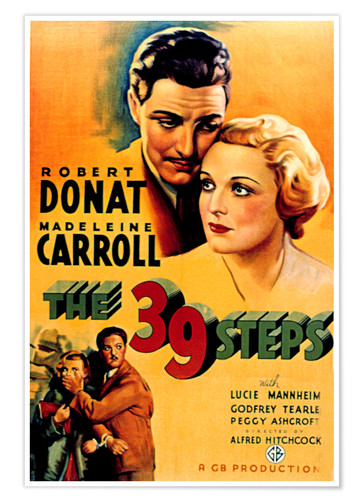
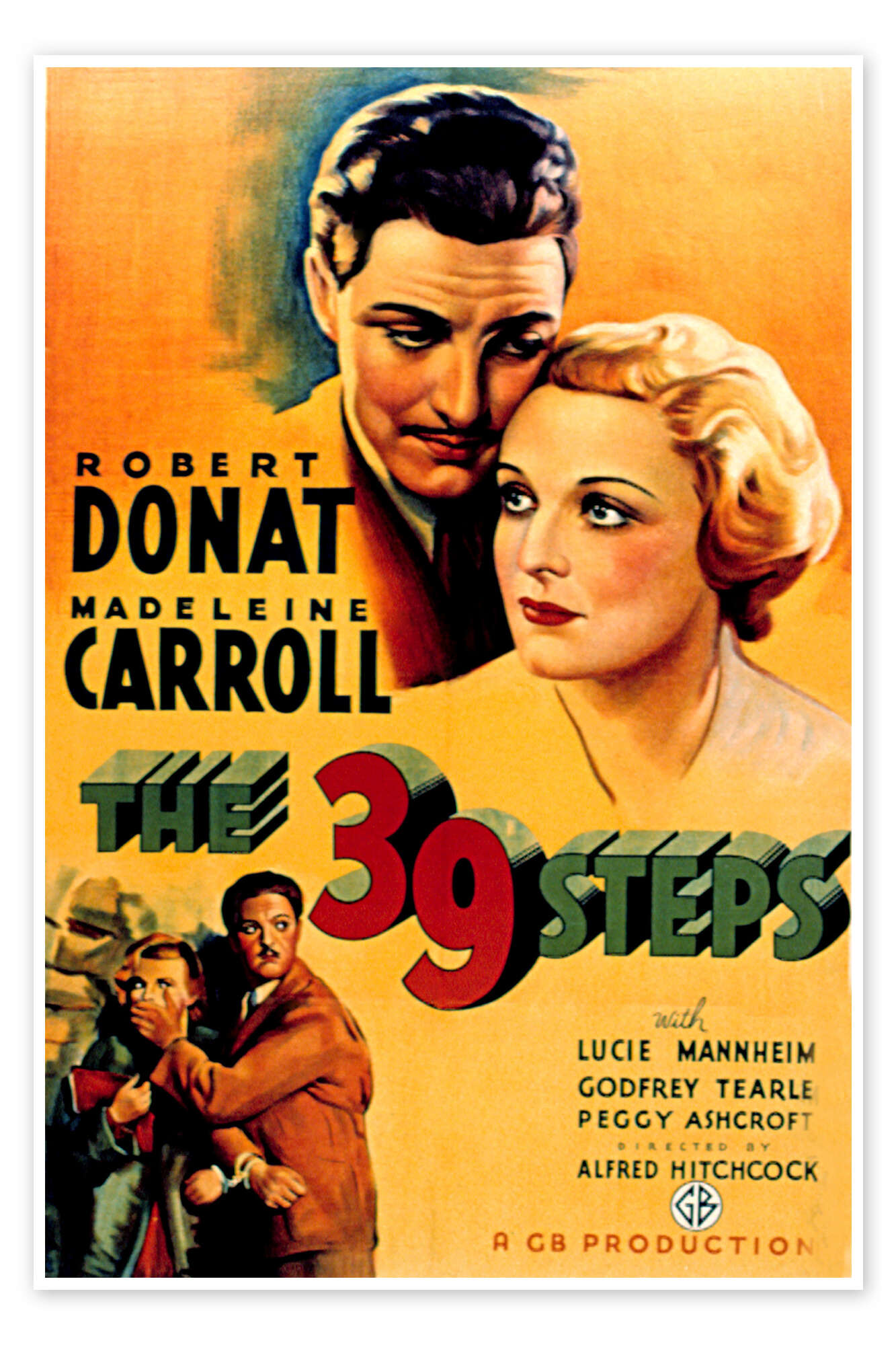
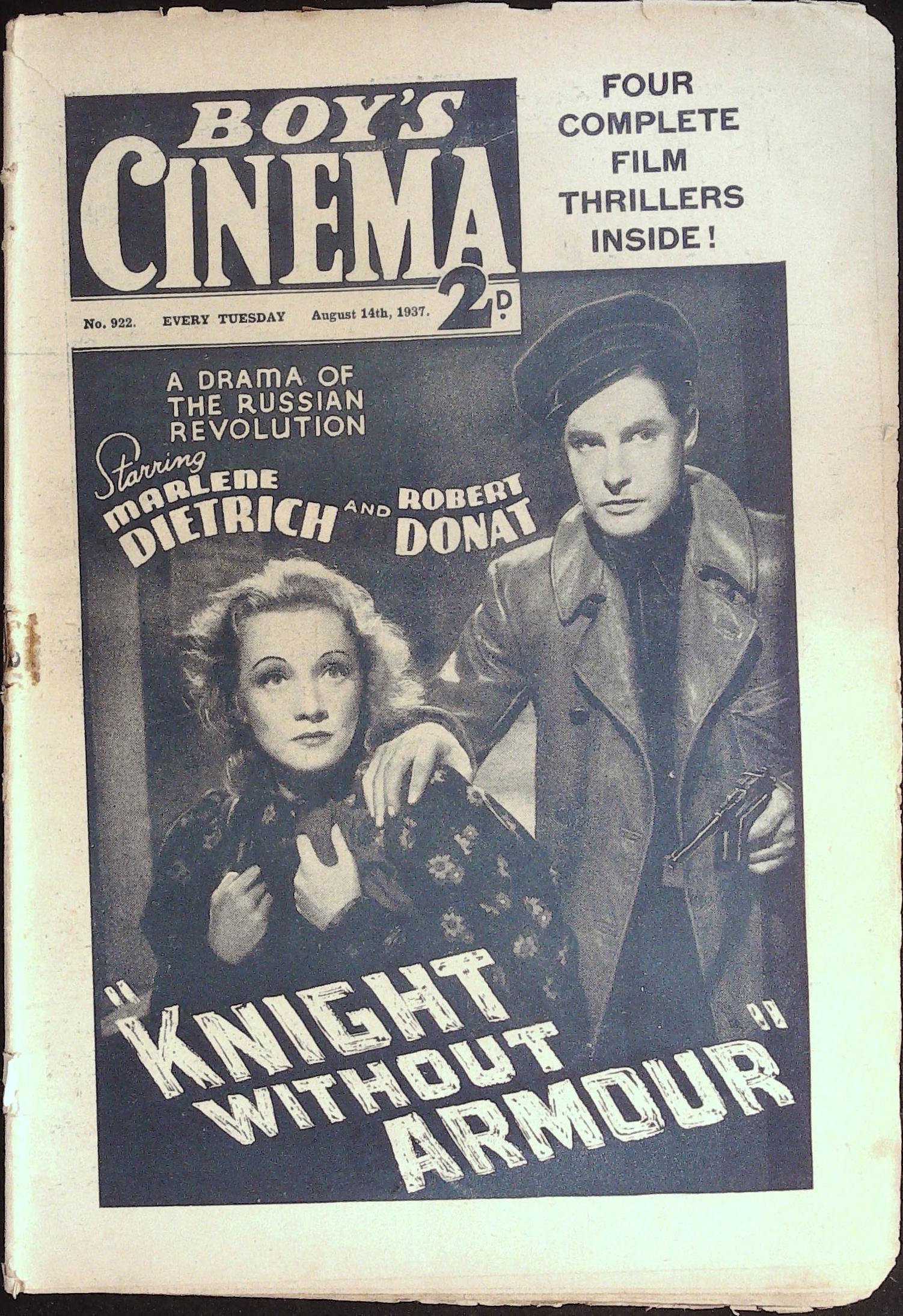
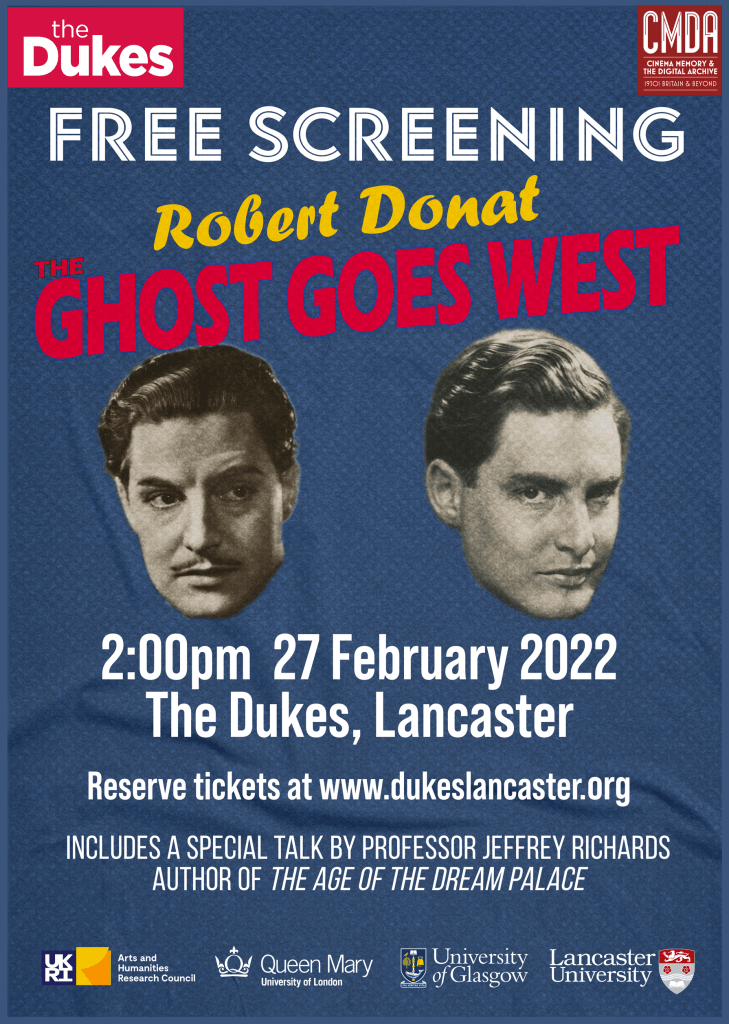
Although he seemed on the verge of making a big splash in America, and was considered for the title role in “Captain Blood” (1935) that eventually went to Errol Flynn, Donat decided that he preferred working in England and returned home, where he was recruited to star in one of his most famous films, Alfred Hitchcock’s “The 39 Steps” (1935). Playing a man unjustly suspected of murder, Donat exuded great charm in his scenes with female lead Madeleine Carroll and added greatly to the movie, considered to be among its director’s best early efforts. Donat essayed a dual part in the delightful fantasy-comedy “The Ghost Goes West” (1935), as both an American businessman and his ancestral ghost, whom he unknowingly brought back home with him after moving the family’s castle in Scotland across the ocean. Critics were less impressed than ticket buyers, but it went on to be the top grossing British motion picture upon its general release the following year. Donat also displayed excellent chemistry with Marlene Dietrich in “Knight without Armour” (1937), a lavish tale of espionage set during the Russian Revolution. In the wake of these hits, he was put under contract by the British arm of the prestigious Hollywood studio, MGM.

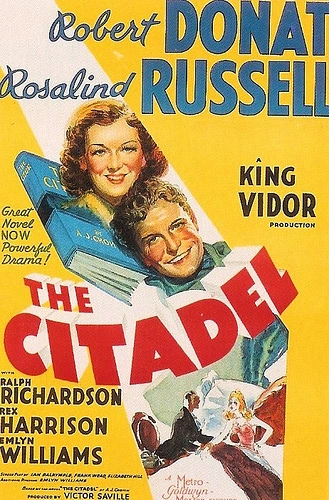
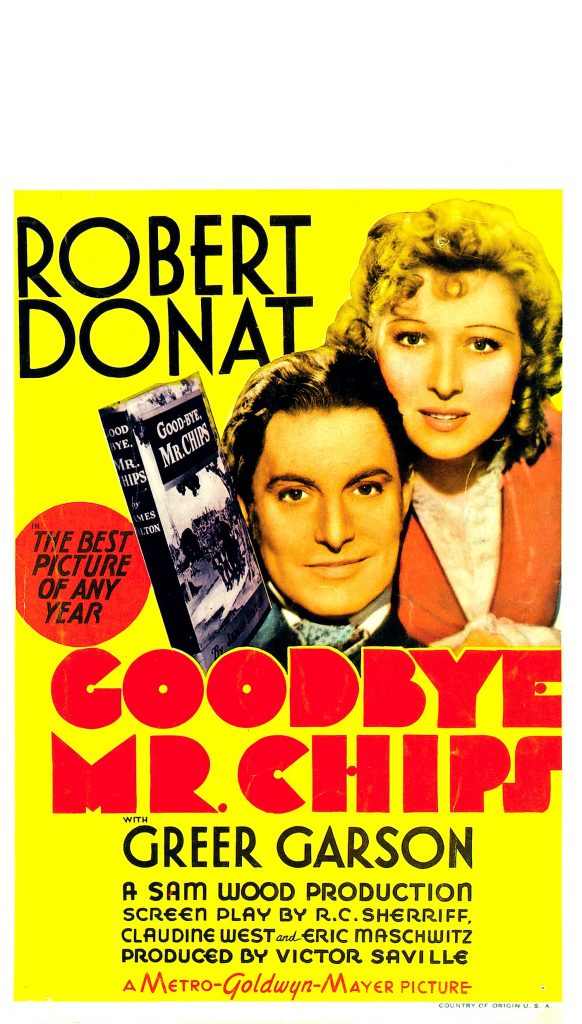
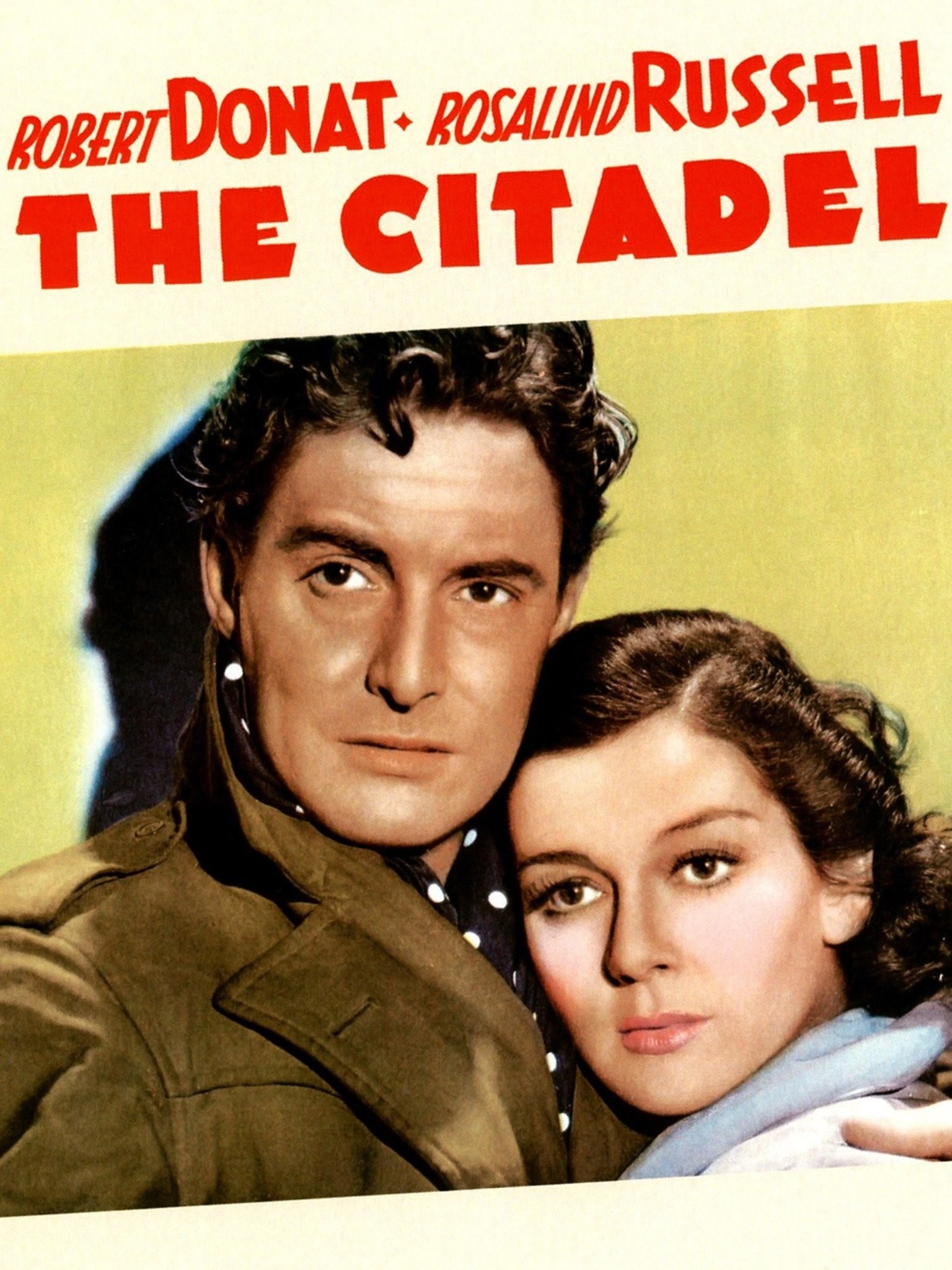
Donat’s career was progressing wonderfully. He had become extremely popular with movie audiences, while also being able to continue his stage work in plays like “Romeo and Juliet” and “The Devil’s Disciple.” Unfortunately, these successes were dampened by a continuing problem with asthma attacks, which first began to afflict him earlier in the decade and caused production of “Knight Without Armour” to be halted for a month. His initial film for MGM was “The Citadel” (1938) and Donat received an Oscar nomination for his turn as a doctor who selflessly devotes himself to treating the poor, but has his ideals tested upon relocating to London and being exposed to the upper class. He was honored with a Best Actor Academy Award statue for “Goodbye, Mr. Chips” (1939), in which Donat portrayed a beloved English schoolmaster from age 25 through 83. In one his best remembered performances, Donat demonstrated remarkable range, beautifully conveying the breadth of the character’s life with both subtlety and dignity.

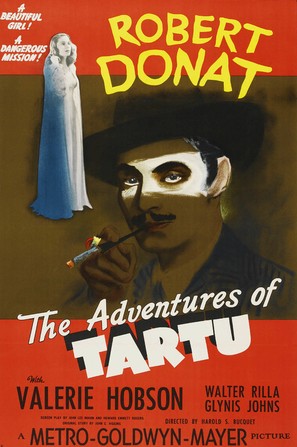
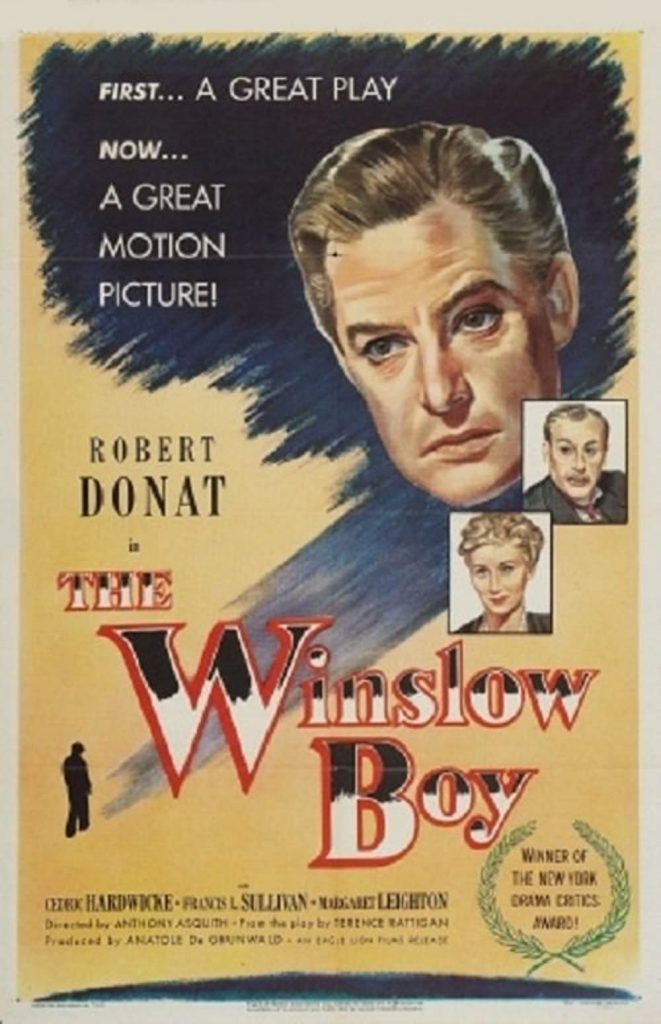
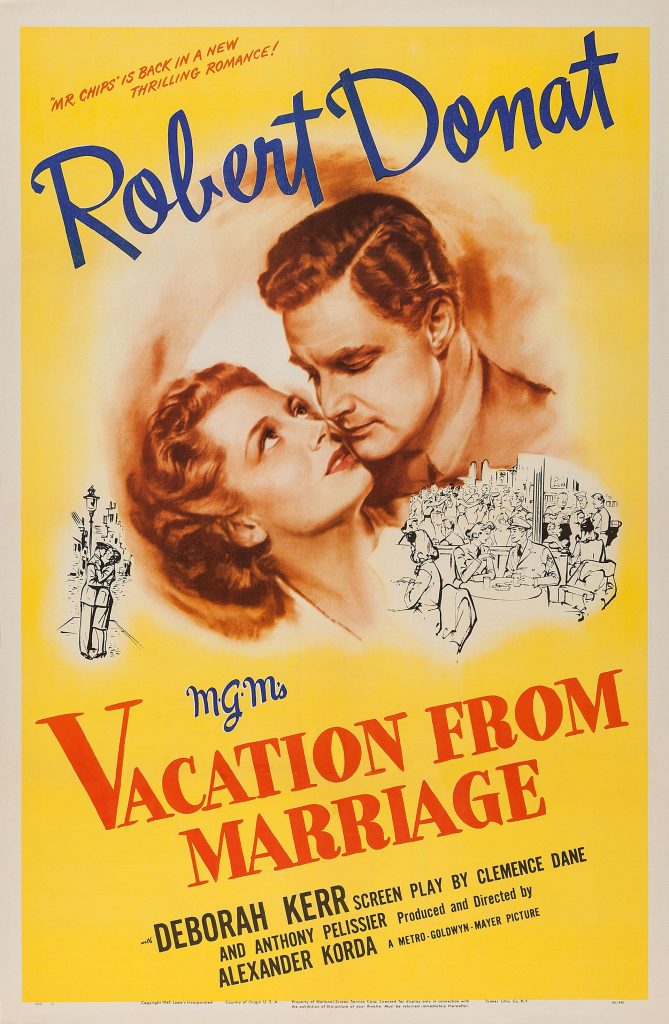
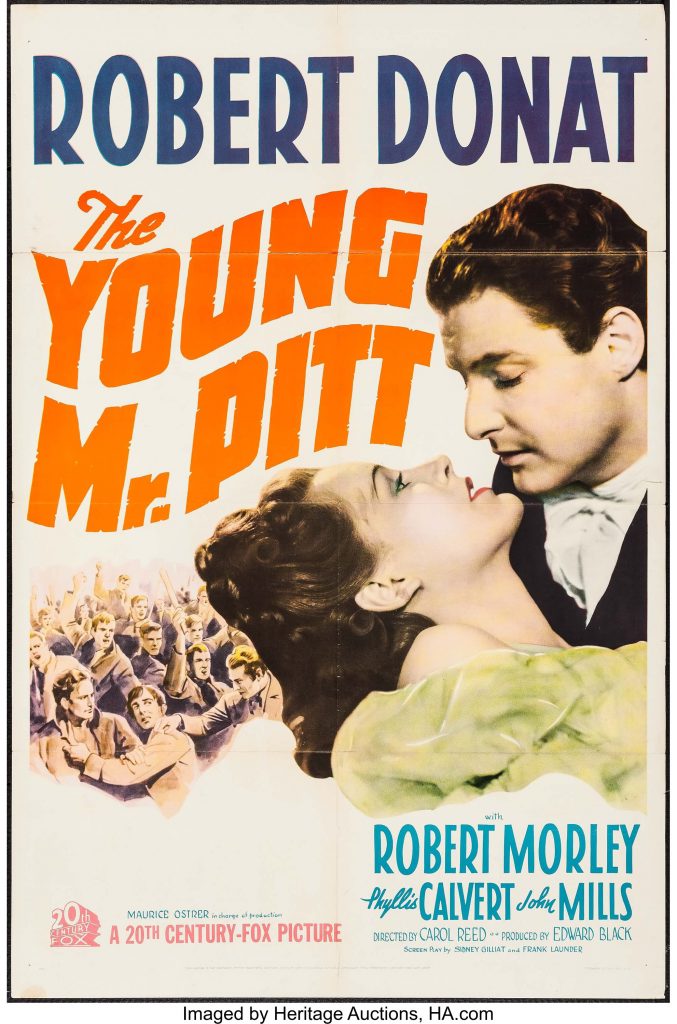
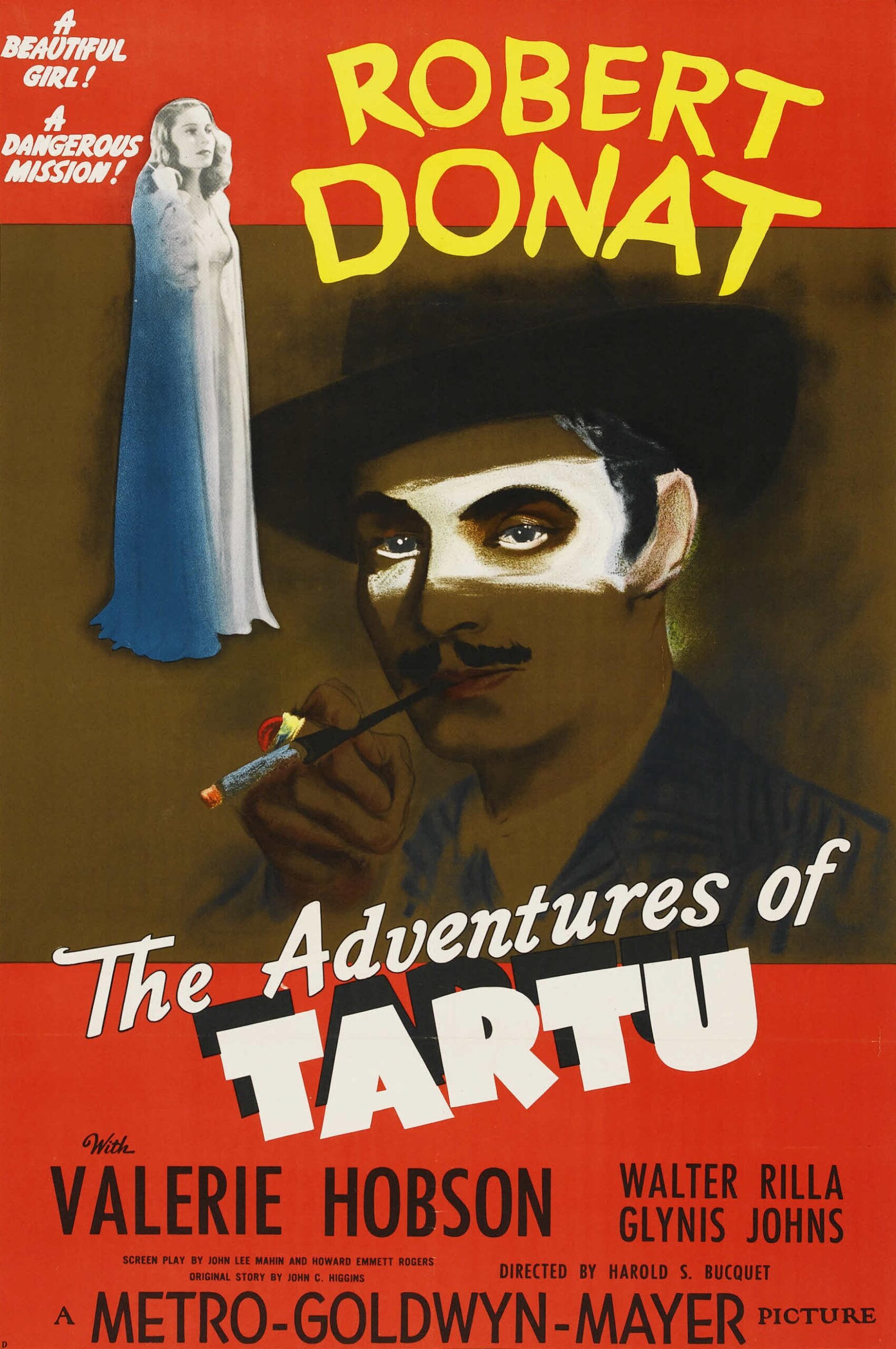
It would be three years before Donat returned to movies by essaying the title role in “The Young Mr. Pitt” (1942), with the historical biopic about the 19th century leader designed as a morale booster for war-weary English viewers. “The Adventures of Tartu” (1943) was a WWII thriller in the same vein, with Donat cast as a British soldier ordered to destroy a poison gas plant in occupied Czechoslovakia. That year, he also took over management of the Westminster Theatre, where he staged “The Cure for Love” and worked on radio. Donat was well matched with the lovely Deborah Kerr for the wartime romance “Perfect Strangers” (1945), though his real-life marriage to first wife Ella Annesley Voysey came to an end the following year. He appeared briefly as famous Irish politician Charles Parnell in “Captain Boycott” (1947) and enjoyed one of his best latter career parts in “The Winslow Boy” (1948), a superb adaptation of Terence Rattigan’s play concerning a naval cadet falsely accused of theft.

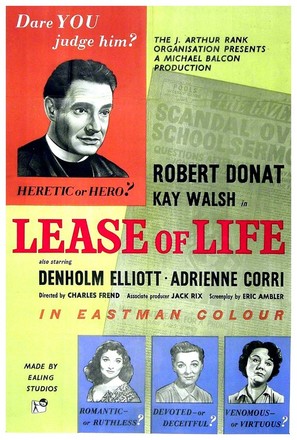
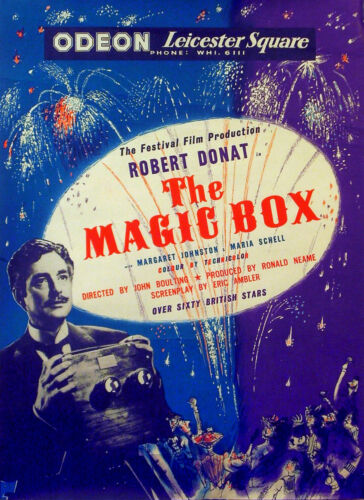
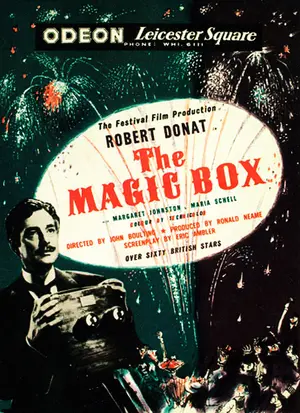
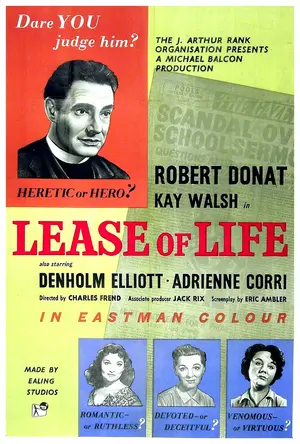
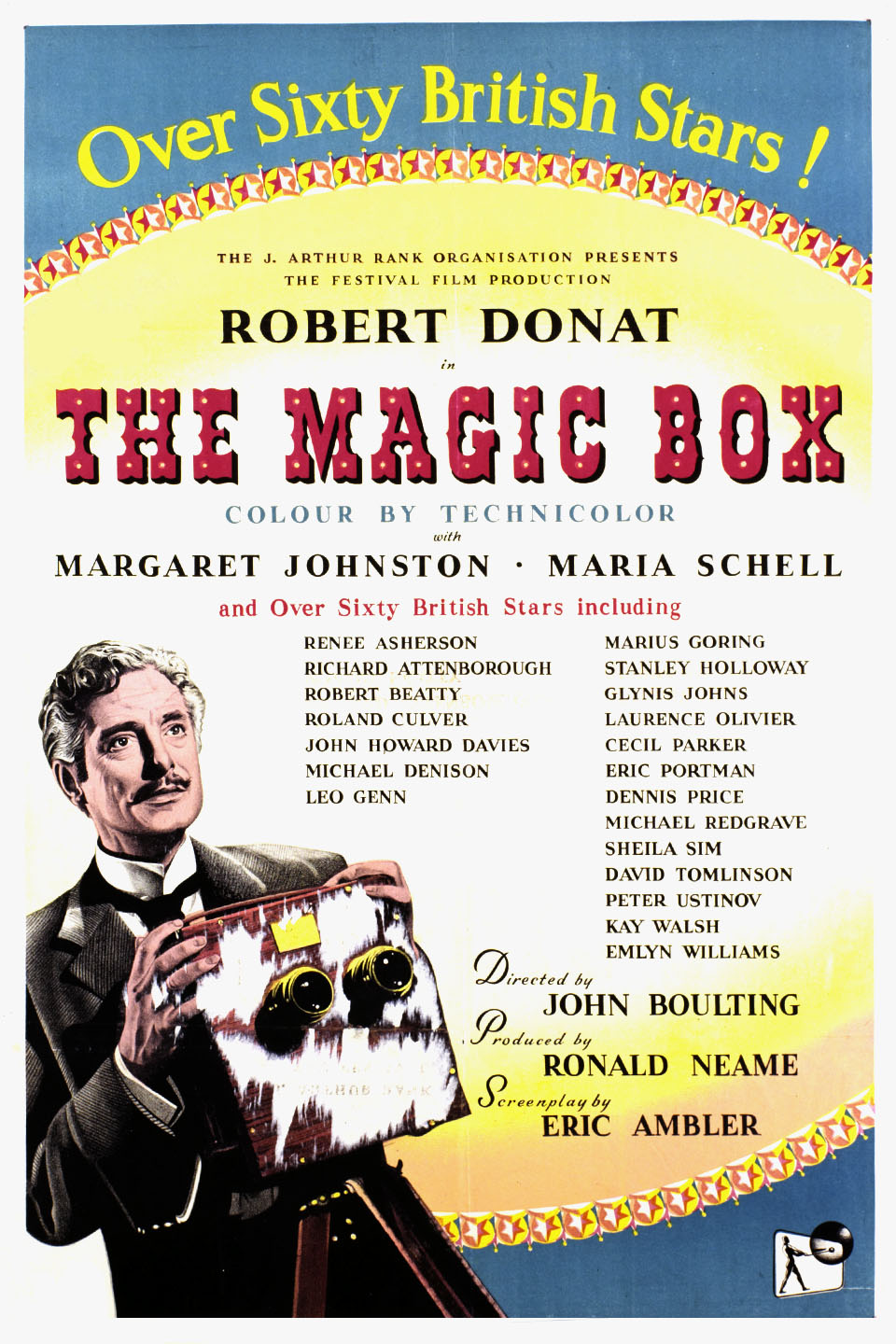
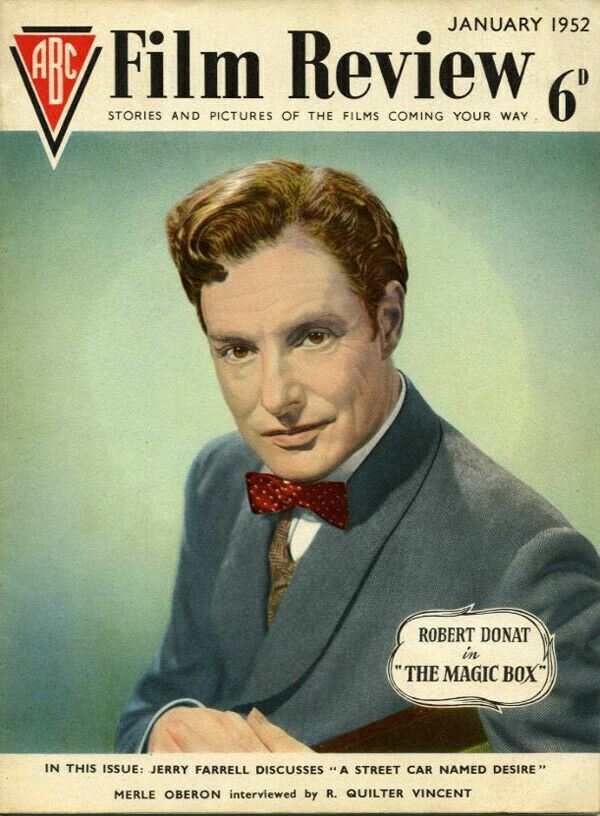
Donat expanded his motion picture credentials via the film version of “The Cure for Love” (1949), which he also wrote, produced and directed. Audiences adored the Lancashire-set comedy, but it was too local in nature to earn much international release and would be largely forgotten in later years. Remembered somewhat more widely, “The Magic Box” (1951) found Donat playing William Friese-Greene, the purported inventor of the movie camera and projector. The production’s claim of Britain deserving said honor was widely disputed, but Donat’s compelling performance more than compensated. By that point, Donat’s asthma issues (which he felt were psychosomatic) had hindered his career to an even greater degree, but he forged ahead. In 1953, the actor wed his second wife, actress Renée Asherson, and appeared at the Old Vic in “Murder in the Cathedral,” his final stage turn. Donat’s talents provided the best reason to watch the drama “Lease of Life” (1954), his first feature after a three-year absence, but by the late 1950s, Donat’s health had disintegrated to the point where he required steady access to an oxygen tank and the shooting of “The Inn of the Sixth Happiness” (1958) proved to be a difficult ordeal. He died on June 9, 1958, a brief time after the movie wrapped. His acting in “Sixth Happiness” took on an extra level of poignancy as Donat’s character was also on the verge of death. He was posthumously awarded a star on the Hollywood Walk of Fame in 1960.

By John Charles

The above TCM overview can also be accessed online here.
A Very Personal View

Robert Donat, the distinguished British actor whose mellifluous voice, sensitive intelligence and profound emotional range made him one of the finest performers of his generation — and whose Oscar‑winning portrayal of Mr. Chips remains a pinnacle of screen acting — died on 9 June 1958 at the age of 53. Despite a career tragically shortened by chronic asthma, he created a handful of performances of such depth and humanity that they continue to define excellence in cinematic art.

He was born Friedrich Robert Donat on 18 March 1905 in Withington, Manchester, the son of a Polish‑German civil engineer and an English mother. From childhood he was plagued by severe chronic asthma — a condition that would shadow his entire life and career. Yet even as a boy, his extraordinary speaking voice and natural dramatic instincts marked him as exceptional.

Donat trained at the Central School of Speech and Drama in London, where his classical technique and vocal precision quickly distinguished him. He made his professional stage debut in 1921, beginning a theatrical career that saw him excel in Shakespeare, Shaw, and contemporary drama. His stage presence was commanding yet intimate, and his voice — rich, precisely modulated, capable of infinite subtlety — became one of the great instruments of British theatre.

His film career began in the early 1930s, but his breakthrough came when Alfred Hitchcock cast him as Richard Hannay in “The 39 Steps” (1935). As the innocent man caught in a web of espionage and murder, Donat displayed the perfect combination of everyman vulnerability and heroic resourcefulness. His performance anchored Hitchcock’s masterpiece, making Hannay’s perilous journey completely believable and deeply engaging.

The success of The 39 Steps established Donat as a major international star, and he followed it with a series of distinguished performances:

• “The Count of Monte Cristo” (1934) — bringing psychological depth to Dumas’s revenge epic
• “The Citadel” (1938) — as the idealistic doctor whose principles are tested by success, earning him an Academy Award nomination
• “Goodbye, Mr. Chips” (1939) — his masterpiece, spanning fifty years in the life of a beloved schoolmaster

Goodbye, Mr. Chips represented the pinnacle of Donat’s artistry. His portrayal of Arthur Chipping from young teacher to aged headmaster was a tour de force of aging, character development, and emotional truth. Through makeup and masterful acting, he created a complete life story — the evolution of a shy, uncertain young man into a beloved institution. His performance earned him the Academy Award for Best Actor, beating Clark Gable’s Rhett Butler in Gone with the Wind.

Donat’s approach to acting was notably intellectual and meticulous. He researched his roles exhaustively, often learning new skills or studying professional fields to achieve authenticity. His preparation for The Citadel included extensive time with real doctors, and his Mr. Chips drew from detailed observation of British public school life.

Yet his career was increasingly constrained by his worsening health. His chronic asthma made filming difficult and sometimes impossible, forcing him to turn down numerous prestigious roles. The condition also affected his breathing technique, requiring him to carefully manage his energy and vocal resources.

His later films included:

• “The Young Mr. Pitt” (1942) — a stirring wartime biography of the British Prime Minister
• “Perfect Strangers” (1945) — opposite Deborah Kerr
• “The Winslow Boy” (1948) — Terence Rattigan’s acclaimed courtroom drama
• “The Magic Box” (1951) — a tribute to cinema pioneer William Friese‑Greene

Each performance demonstrated his continued growth as an artist. In The Winslow Boy particularly, his portrayal of the barrister defending a boy’s honour was both intellectually rigorous and deeply moving.

Despite his international success, Donat remained deeply connected to British theatre. He appeared regularly on the London stage, often in challenging classical roles that demanded his full range. His Becket in Murder in the Cathedraland his King Lear were particularly celebrated.

His personal life was marked by the same thoughtfulness that characterized his professional work. He was married twice — first to Ella Voysey and later to Renée Asherson — and was a devoted father. Friends described him as cultured, witty, and surprisingly modest despite his great success.

The final years of his life were increasingly dominated by illness, but he continued working when possible. His last major film, The Inn of the Sixth Happiness (1958), was completed despite severe health challenges and stands as a testament to his professional dedication.

Robert Donat died in London hospital, succumbing to the chronic condition that had plagued him throughout his life. His death at 53 was mourned internationally as the loss of one of cinema’s great artists.

His legacy endures in the timeless quality of his best performances. Goodbye, Mr. Chips remains a masterpiece of screen biography, while The 39 Steps showcases his remarkable ability to ground fantastic situations in recognizable human emotions.

Donat represented British acting at its most refined and intelligent — classical training combined with profound humanity, technical excellence balanced by emotional truth. He proved that great screen acting requires not just talent but patience, preparation, and the wisdom to choose quality over quantity.

Though his output was smaller than many of his contemporaries, every performance bore the mark of an artist committed to excellence and truth

Peter Arne
Peter Arne
Peter Arne
Peter Arne
Peter Arne
 

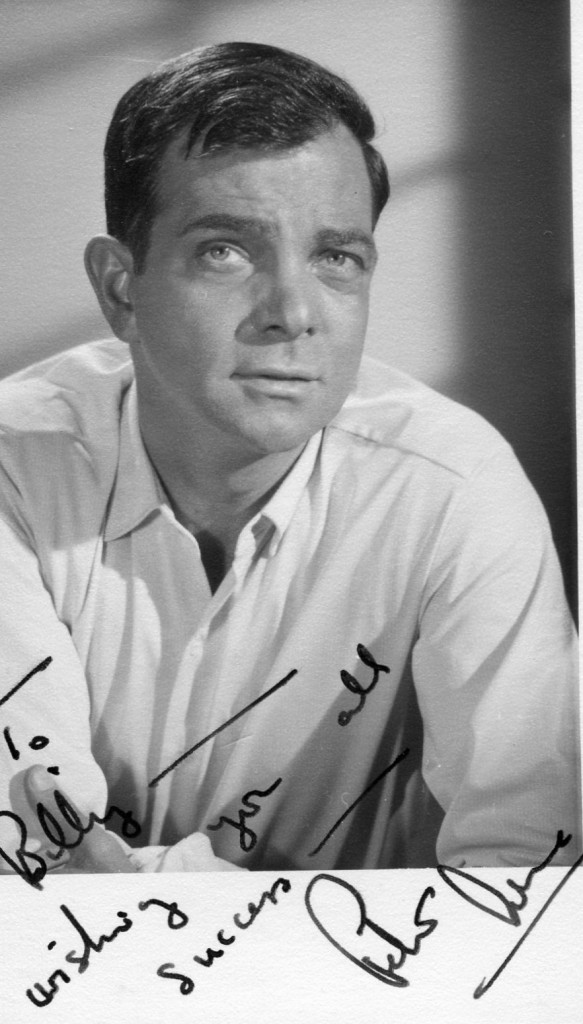
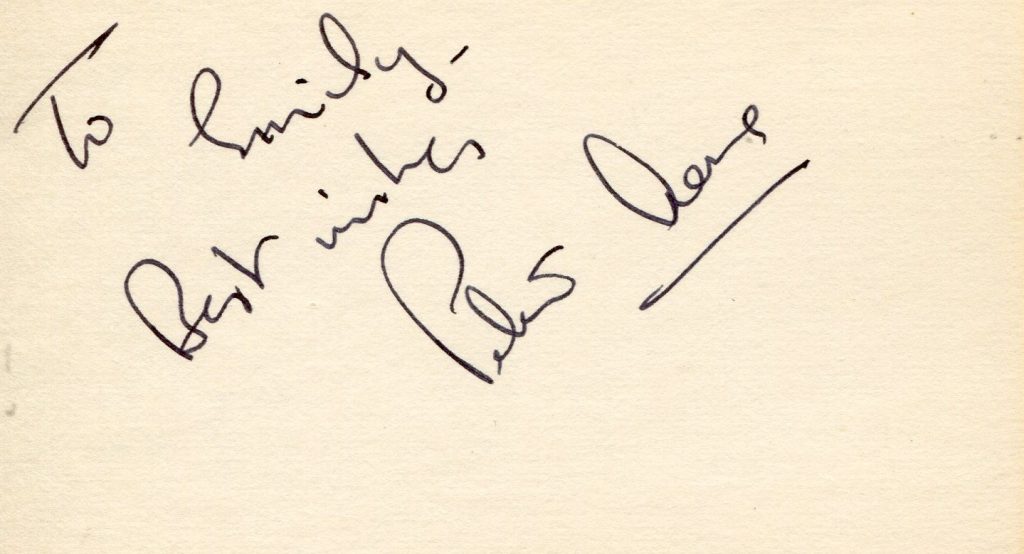
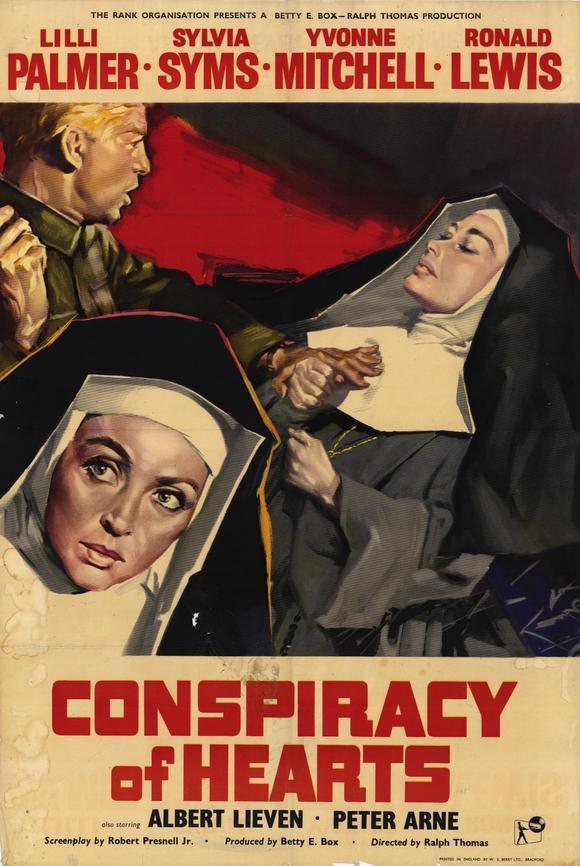
Peter Arne was born in Kuala Lumpar, Malaya in 1930 to a Swiss-Franch mother and an American father.   His first film in 1944 was “Fot Those in Peirl”.   Among his film credits are “The Purple Plain”,  “The Moonraker”, “High Tide at Noon” and “Conspiracy of Hearts” in 1959.   Sadly he was murdred in his apartment in Knightsbridge in London in 1983.

IMDB mini biography:

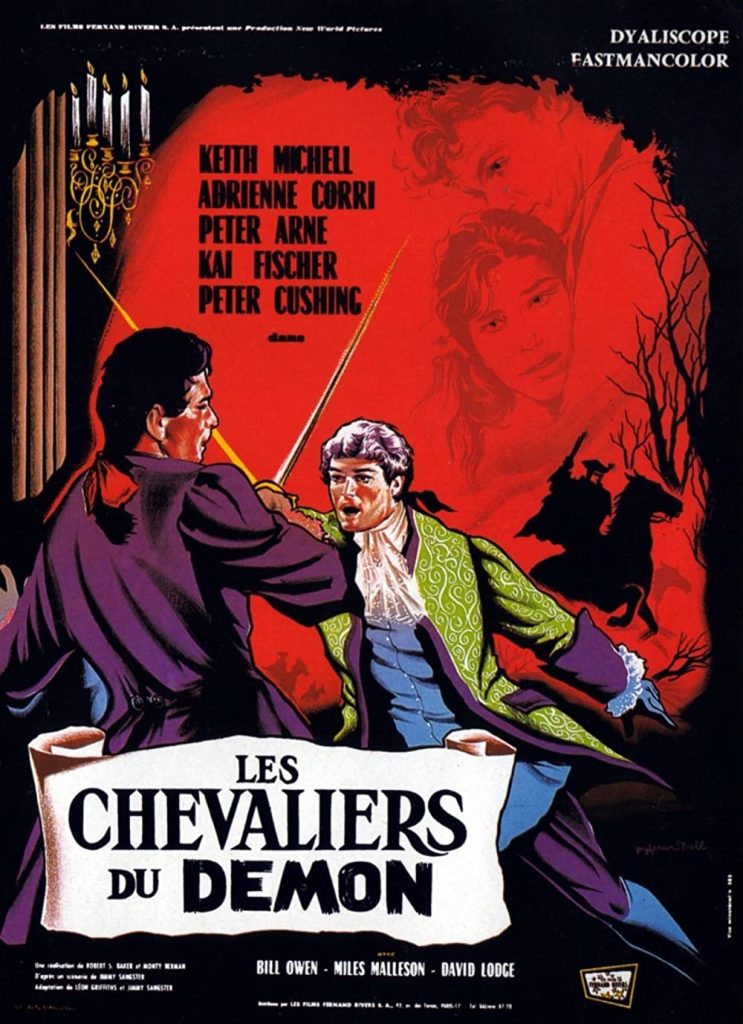
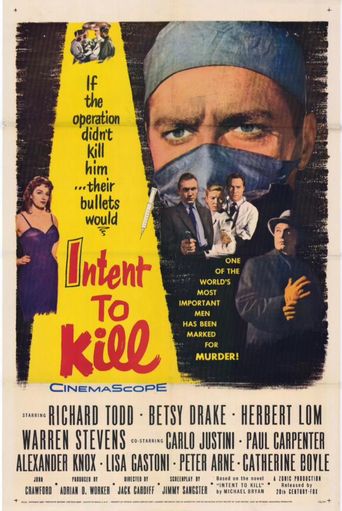
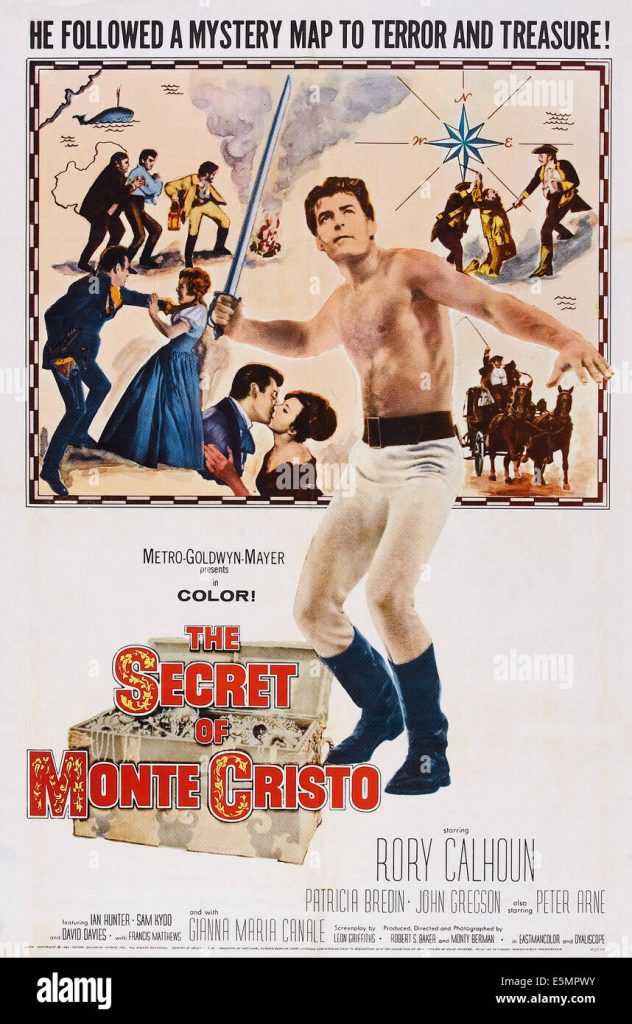
Peter Arne was for a short time the perfect villain in British film. After a couple of roles in war movies (The Purple Plain (1954) and The Cockleshell Heroes (1955)) and a Tarzan movie (Tarzan and the Lost Safari (1957)) he became a villain in Strangers’ Meeting(1957). From than on he continued to play sinister types in The Moonraker (1958), Intent to Kill (1958), Breakout (1959), Conspiracy of Hearts (1960), The Hellfire Club (1961) andThe Secret of Monte Cristo (1961). He was very convincing as a Cromwell officer, an Italian camp commander or a Nazi officer. Several times he had sword fights as a devious count. In 1962 he was a pirate sidekick of Christopher Lee in The Pirates of Blood River(1962), but a new kid on the block by the name of Oliver Reed challenged him and killed him halfway through the picture. It seemed like a symbolic fight because for a while Oliver Reed played the roles in Hammer Pictures that Peter Arne could have played and Arne moved to TV roles. His days as a leading actor were over and he continued work in TV and in bit parts in features. Sometimes directors he worked with before brought him back for a little role. In 1972 he got a nice break with “The Stallion”, a TV movie in which he starred with a horse. He was also in a couple of Blake Edwards movies. He became an antique dealer with his sister as a sideline. He died at the age of 63.

– IMDb Mini Biography By: Thys Ockersen

Julia Foster
Julia Foster
Julia Foster

Julia Foster. TCM Overview

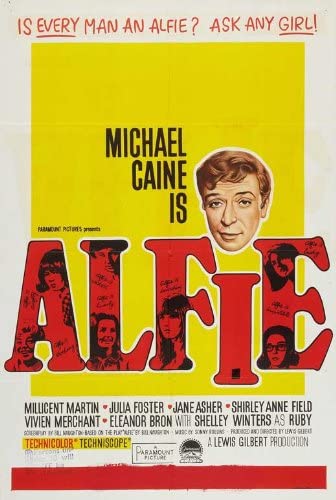
Julia Foster was born in 1943 in Lewes in Sussex.   Among her film credits are “The Bargee” with Harry H. Corbett in 1964 followed two years later by “Alfie” with Michael Caine.   She was the lading lady to Tommy Steele in the film of the musical “Half A Sixpence” in 1967.   Still makes occasional television appearances.   Is the mother of television broadcaster Ben Fogle.

TCM Overview:

Julia Foster
Julia Foster

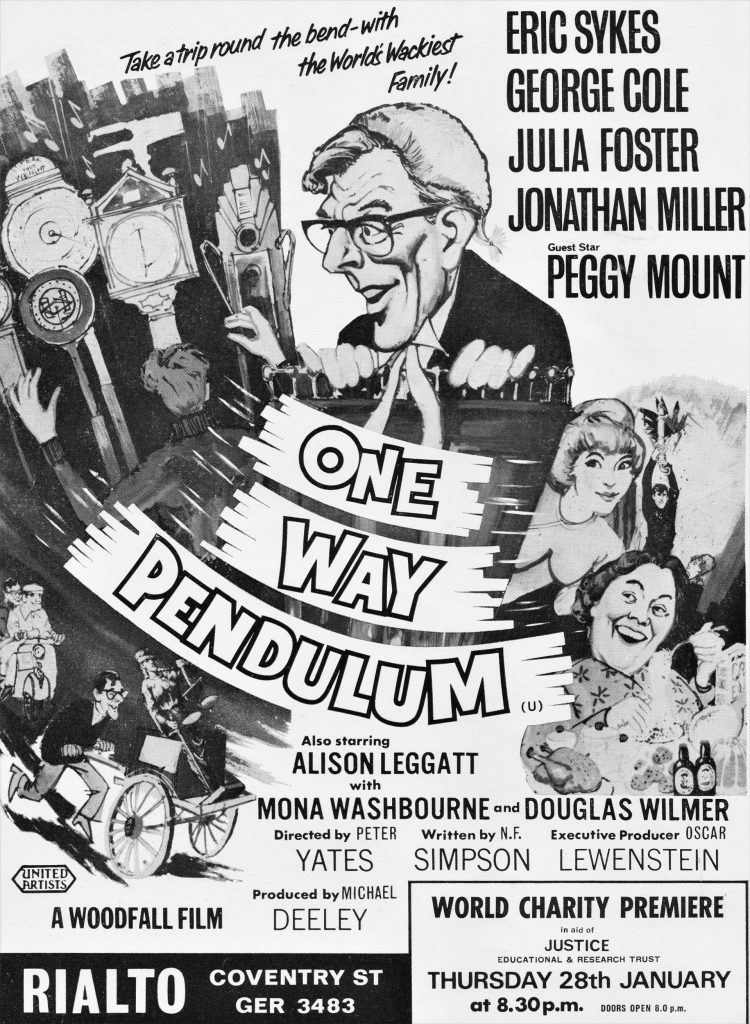
Julia Foster was an actress with a strong presence in film throughout her  career. Foster started off her career in film with roles in “The Loneliness of the Long Distance Runner” (1962), the dramatic adaptation “One Way Pendulum” (1964) with Eric Sykes and the dramatic adaptation “Alfie” (1965) with Michael Caine. She then acted in “Half a Sixpence” (1968), “Percy” (1970) and the Spike Milligan comedy “The Great McGonagall” (1974). She also appeared in “F. Scott Fitzgerald in Hollywood” (ABC, 1975-76). More recently, Foster acted in “Flick” (2010) with Faye Dunaway.

Article in “Sussex Life” in 2010:

TV presenter, writer and adventurer Ben Fogle believes he inherited his performance gene from his mother, Lewes-born actress Julia Foster, who made her name in the 1960s films Alfie and Half a Sixpence. Ben, who spent his childhood weekends at his parents holiday cottage in Horsham, reflects on the debt he owes her Ben Fogle has always been close to his mum. A shy and introverted child, he often felt overwhelmed by his louder, more extrovert sisters, and clung tenaciously to his mothers apron strings.

When his parents sent him to board at Bryanston in Dorset, he stood in the middle of the drive with tears pouring down his cheeks, pleading with them not to leave him. It was no different at nursery school. Its not that I dont like it here, he told his mother. Its just that Id rather be with you.   These days, of course, Ben is a very different animal a bubbly and outgoing TV personality and daring adventurer, who has tested the limits of his physical and mental endurance while trekking across some of the planets toughest terrain. But he and his mother remain close to this day.

Were very similar in many ways, he says thoughtfully. Were both sensitive to criticism, and its ironic that we ended up in careers where it can be frequently directed at you. Mummy always said that she never read her reviews, but we knew she did really. And Im just the same. I have a very thin skin.

Ben grew up with histwo sisters, Emily and Tamara, in a large house near Marble Arch in the centre of London, where his father, the TV vet Bruce Fogle, ran a veterinary clinic. Every day after school, he would walk through his dads clinic full of dogs and snakes up to their flat, where his mother, then a big name on stage and screen, would invariably be posing for a photoshoot. There were usually lights and photographic umbrellas everywhere, and that was my childhood animals and cameras, he says. Mummy was very much the performer when I was growing up. And now its me that does it.

Well-known actors such as Tommy Steele or Michael Caine would often call in, but the young Ben was singularly unimpressed to him they were just Mummys friends. Fittingly, given his future career, he was much more interested in BBC TV Centre, where his mum would often take him after school.  Each day shed turn up at the school gates in a different wig, depending on the character she was playing, he grins. Id sit in her dressing room doing my homework, while she did her performance. The smell of the greasepaint must have rubbed off because as soon as he completed his schooling Ben determined to become an actor with disastrous consequences.  I think Mummy was quietly proud that Id chosen to follow her, but when I applied to all the drama schools I couldnt get into any of them and I was utterly distraught. My abiding memory is of Mummy saying to me: Ben, if you become an actor, you will have to put up with rejection every day of your life. That was a big wake-up call and it made me realise what my mother had had to deal with. Shed been one of the biggest stars of the 1960s, and had then had to sit round and watch younger actresses fill her shoes.

He says his mother made a lot of career sacrifices, even turning down work in America so that she could be there for him while he prepared for his O-levels. I really admire the dignified way she stepped back when the acting work dried up and built up her own antique furniture business.   Im very proud that she was able to build a new career and sad as well because I know how much acting meant to her. Im sure if the right job came up, shed love to have another go at it. And nothing would give me more pride than to see my mother treading the boards again.

Ben, who still lives near his parents in West London (though the family also have a second home in Ford, West Sussex), sees his mother most days and they frequently walk their dogs together. Sometimes Ill ask for her advice particularly if Ive been offered a big TV series because I value her perspective on things. But the media world has changed a lot since the 1960s and I dont think she quite understands how it works now. Shes sometimes surprised at how much of yourself you have to give away.

Ben recently became a father himself and hopes that he can be as good a parent to his son Ludo. My mother was always incredibly supportive when I was growing up, never questioning whether my decisions were a good idea. There was always a lot of optimism in our household and it gave me a lot of confidence, he says. My mum is one of the most generous people I know and Id like to pass on her qualities to my own children.

Were very similar in many ways, he says thoughtfully. Were both sensitive to criticism, and its ironic that we ended up in careers where it can be frequently directed at you. Mummy always said that she never read her reviews, but we knew she did really. And Im just the same. I have a very thin skin.

Ben grew up with his two sisters, Emily and Tamara, in a large house near Marble Arch in the centre of London, where his father, the TV vet Bruce Fogle, ran a veterinary clinic. Every day after school, he would walk through his dads clinic full of dogs and snakes up to their flat, where his mother, then a big name on stage and screen, would invariably be posing for a photoshoot. There were usually lights and photographic umbrellas everywhere, and that was my childhood animals and cameras, he says. Mummy was very much the performer when I was growing up. And now its me that does it.

Well-known actors such as Tommy Steele or Michael Caine would often call in, but the young Ben was singularly unimpressed to him they were just Mummys friends. Fittingly, given his future career, he was much more interested in BBC TV Centre, where his mum would often take him after school.  Each day shed turn up at the school gates in a different wig, depending on the character she was playing, he grins. Id sit in her dressing room doing my homework, while she did her performance. The smell of the greasepaint must have rubbed off because as soon as he completed his schooling Ben determined to become an actor with disastrous consequences.  I think Mummy was quietly proud that Id chosen to follow her, but when I applied to all the drama schools I couldnt get into any of them and I was utterly distraught. My abiding memory is of Mummy saying to me: Ben, if you become an actor, you will have to put up with rejection every day of your life. That was a big wake-up call and it made me realise what my mother had had to deal with. Shed been one of the biggest stars of the 1960s, and had then had to sit round and watch younger actresses fill her shoes.

He says his mother made a lot of career sacrifices, even turning down work in America so that she could be there for him while he prepared for his O-levels. I really admire the dignified way she stepped back when the acting work dried up and built up her own antique furniture business.   Im very proud that she was able to build a new career and sad as well because I know how much acting meant to her. Im sure if the right job came up, shed love to have another go at it. And nothing would give me more pride than to see my mother treading the boards again.

Ben, who still lives near his parents in West London (though the family also have a second home in Ford, West Sussex), sees his mother most days and they frequently walk their dogs together. Sometimes Ill ask for her advice particularly if Ive been offered a big TV series because I value her perspective on things. But the media world has changed a lot since the 1960s and I dont think she quite understands how it works now. Shes sometimes surprised at how much of yourself you have to give away.

Ben recently became a father himself and hopes that he can be as good a parent to his son Ludo. My mother was always incredibly supportive when I was growing up, never questioning whether my decisions were a good idea. There was always a lot of optimism in our household and it gave me a lot of confidence, he says. My mum is one of the most generous people I know and Id like to pass on her qualities to my own children.

This “Sussex Life” article can also be accessed online here.
Ralf Little
Ralf Little
Ralf Little
Ralf Little
Ralf Little

Ralf Little

Ralf Little is fondly remembered as Antony the son in the classic TV series “The Royle Family”.   This show is without doubt one of the very best television series ever.   Antony always seemed to be fetching and carrying for his lazy family who were glued to the sofa, watching rubbish on television and making innane comments on all and sundry, yet the love they had for each other seemed to shine through.   Ralf Little was born in 1980 in Oldham in Manchester.   His films include “24 Hour POarty People” and “The Waiting Room”.   His other television series include “Two Pints of Lage and a Packet of Crisps” and “Paradise Heights”.

Article in “The Guardian” in 2013 :

would describe my face as angular and pale, with a big, wonky nose. My eyes are brown – dull brown. I am completely scruffy. My appearance is something that I never take much pride in because, the way I see it, when you haven’t got that much raw material to work with, you just don’t bother. Neither my mum nor my dad has a particularly big nose, so I don’t know where that comes from. It also got broken when I was 17, which didn’t help.

I am 33 now. I feel just as childish as I always have, so I don’t mind getting older. I haven’t started losing my hair, but I reckon that’s on the way. Both grandads were bald and my dad started losing his hair around about 35, so I reckon I’ve got two years left before it starts to disappear. Perhaps I should dye it pink while I still have the chance?

I am 6ft and I eat whatever I want. I am lucky enough to have a high metabolism, so I never have to give it a second thought, and that makes me an enemy of many people. People keep saying to me, “I can’t wait till you turn 40-45 and start piling weight on, because then you are going to be a lot less smug.” I do run around a lot, though, and I play football, so that helps.

I was going to say that my left foot is my best feature, because of the football. My ex used to say that my big, bent nose was. She thought it made me look like a French film star, but I don’t think that’s true.

The above “Guardian” article can also be accessed online here.

Norman Bird
Norman Bird

Norman Bird seemed to have cornered the market in British films as nervous fusspots or hen-pecked husbands.   Life always seemed such a worry to him.   He was born in 1920 in Coalville, England.   He made his West End debut in Peter Brook’s “A Winter’s Tale” in 1951.   His many film credits include “The Angry Silence”, “Whistle Down the Wind”, “Victim” and “Term of Trial”.   He made over 200 film appearances, the last been “Shadowlands” with Anthony Hopkins in 1993.   Norman Bird died in 2005.

Tom Vallance’s obituary on Norman Bird in “The Independent”:

Norman Bird, actor: born Coalville, Leicestershire 30 October 1920; married 1954 Nona Blair (two daughters); died Wolverhampton, West Midlands 22 April 2005.

One of the British cinema’s most reliable character actors, Norman Bird was a moustached, anxious-looking, doleful figure who once described himself as “the man with the cardigan”. He excelled at playing working-class men, such as minor officials, sales clerks or henpecked husbands, a body of work succinctly described by Brian McFarlane’s Encyclopedia of British Film as “a wonderful gallery of under-achievers.”

Two of his best roles were those of factory workers – as a striker in Guy Green’s The Angry Silence (1960), and as shop steward Sid Stubbins in the television series Up The Workers (1973). He was memorably effective as the shifty farm labourer in Bryan Forbes’s beautiful study of childhood faith, Whistle Down the Wind (1961), and he will also be remembered as Mr Braithwaite (with Megs Jenkins as his wife) in the popular television series Worzel Gummidge (1979/80).

Born in 1920 (some sources say 1924) in Leicestershire, he did office work briefly before enrolling at the Royal Academy of Dramatic Art. He spent the war years in the RAF, then worked in repertory, where he met his wife, Nona Blair, later to be the voice of Joan Hood on The Archers. In 1950 he joined John Gielgud’s company to be an understudy in Christopher Fry’s The Lady’s Not for Burning, and he toured the United States with the play. The following year he made his London stage début in The Winter’s Tale, directed by Peter Brook.

He made his first appearance on screen in Guy Hamilton’s An Inspector Calls (1954), playing a factory foreman in this adaptation of J.B. Priestley’s play starring Alastair Sim. It was the first of over 60 film roles, and he was even more prolific on television, claiming to have made over 200 appearances.

While at Rada, he had formed a lifelong friendship with Richard Attenborough and Bryan Forbes, and his second film was their production League of Gentlemen (1959), directed by Basil Dearden. In this delightful caper movie (the sixth biggest UK box-office hit of its year) he was the former bomb disposal officer who was responsible for the deaths of four men in his unit while drunk on duty. Now living with a nagging wife who dotes on her senile father, a TV soap-opera addict, he is a willing recruit into a team of former military men who apply their wartime skills to bring off an elaborate heist.

Next came The Angry Silence (1960), the first film to be made by Beaver Films, a production company formed by Attenborough and Forbes, and Bird played in several other films directed by Forbes, including Whistle Down the Wind, The Wrong Box (1966), The Raging Moon (1970) and The Slipper and the Rose (1976). He was also in Attenborough’s Oh! What a Lovely War (1969) and Young Winston (1972) and his last screen role was that of a taxi-driver in Attenborough’s Shadowlands (1993).

Other notable roles included a closet homosexual being blackmailed in Basil Dearden’s ground-breaking drama Victim (1961), the commandant of a military stockade in Sidney Lumet’s The Hill (1965), and he was the voice of Bilbo Baggins in Ralph Bakshi’s animated version of Lord of the Rings (1978).

His television roles included Z Cars, The Saint, The Avengers (a 1966 episode titled “Silent Dust”), Dixon of Dock Green, Steptoe and Son, Coronation Street (the role of Joe Hibbert in 1978), Yes, Minister (as another trade union official), and Boon. His last television role was that of a grandfather in the political drama, Crossing the Floor (1996).

In 1992 Bird and his wife, who lived in Middlesex, moved to Bridgnorth, Shropshire, to be near their two daughters and five grandchildren.

Tom Vallance

The above “Independent” obituary can be also accessed online here.

Dorothy Alison
Dorothy Alison
Dorothy Alison

Dorothy Alison

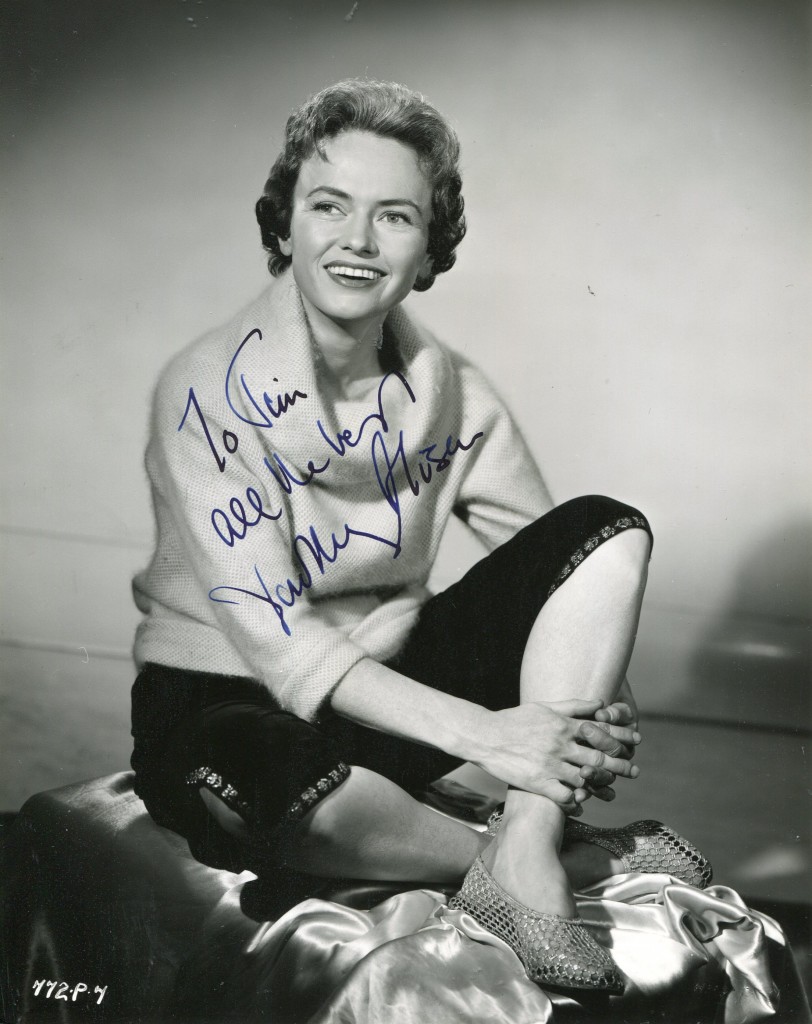
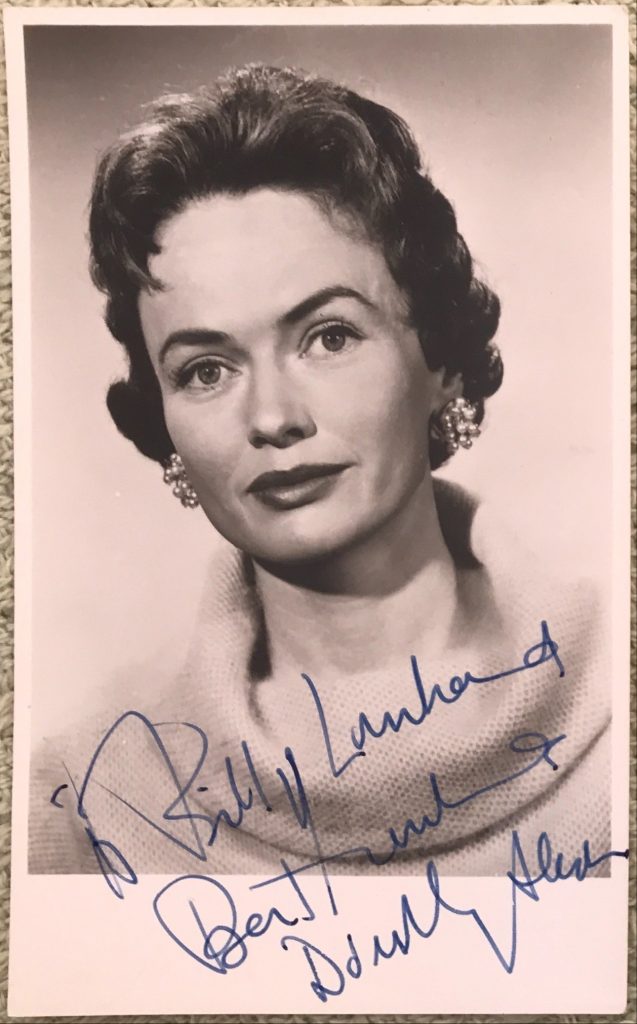
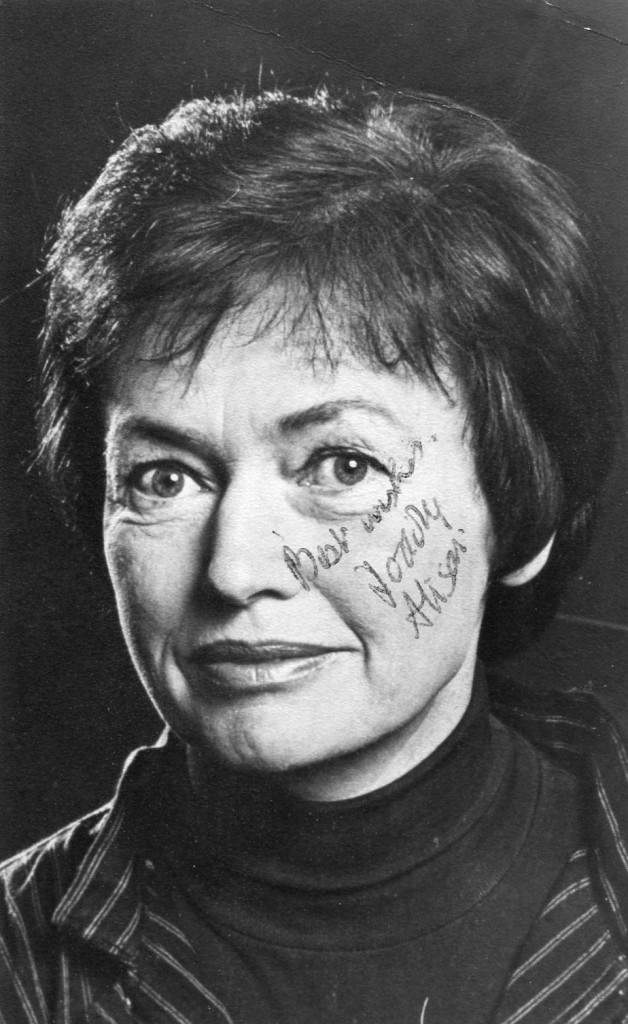
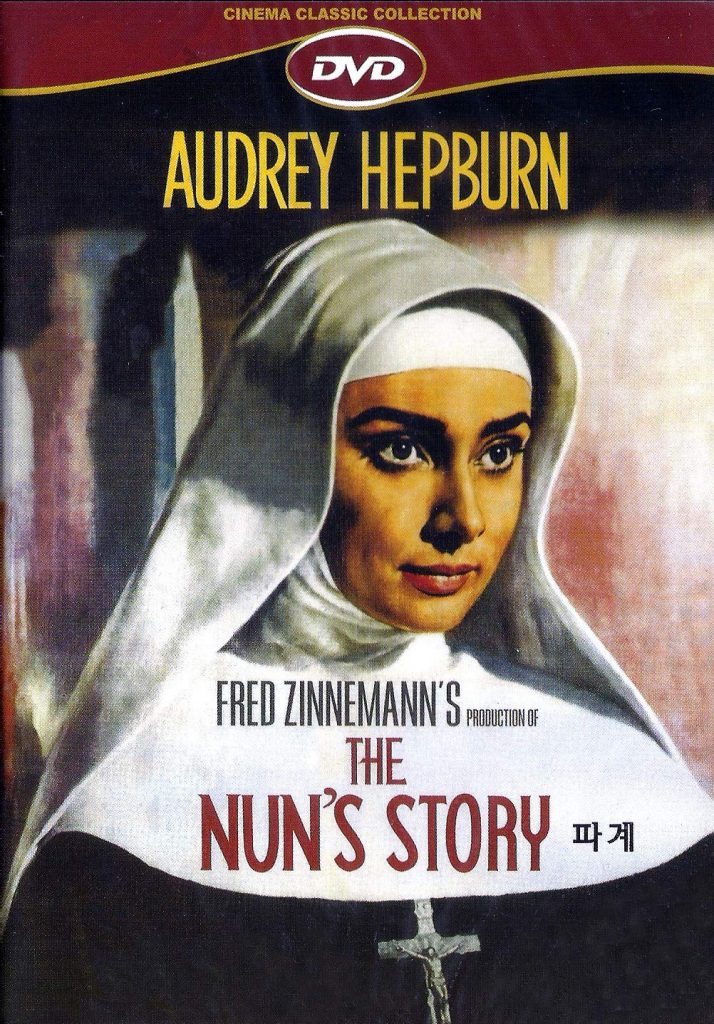
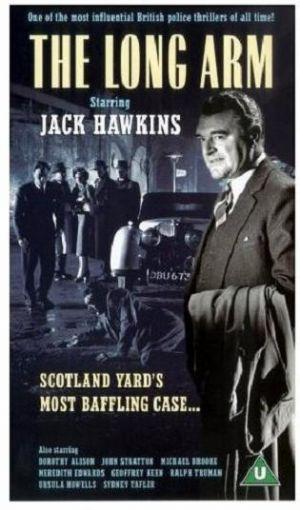
Dorothy Alison was a lovely Australian actress who featured in some fine British films in the 1950’s.   She was born in Broken Hill in New South Wales.   Her first film was “Sons of Matthew” in 1949 in her home country.   Her first British film was “Mandy” in 1952. It is one of Alison’s most fondly remembered film performance  as the sympathetic teacher of the hearing-impaired who finally gets a young girl to utter sounds in Alexander Mackendrick’s “Mandy” (1952).    She gave warm and winning performances in “The Maggie”, “The Long Arm. “Reach for the Sky” and she was especially touching  in “The Nun’s Story” in 1959.   She played Meryl Streep’s mother in “A Cry in the Dark” in 1988.   She died in London in 1992 at the age of 66.

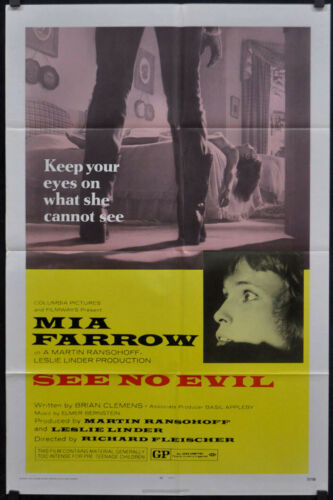
Dorothy Alison was born on April 4, 1925 in Broken Hill, New South Wales, Australia as Dorothy Dickson. She was an actress, known for See No Evil (1971), A Town Like Alice(1981) and The Nun’s Story (1959). She was married to Leslie Linder. She died on January 17, 1992 in London, England.

“Encyclopedia of British Film” by Brian McFarlane:

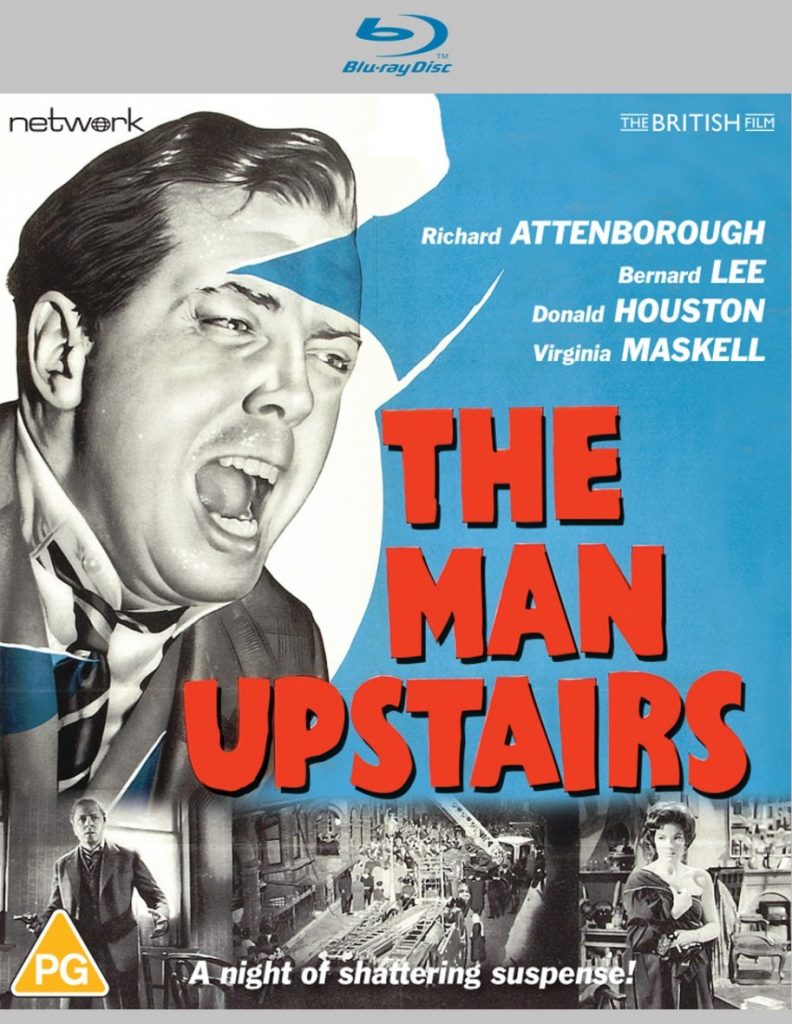
“Incisive but sympathetic, Alison was one of the most reliable character players in 1950s British cinema.   After two Australian films, “The Sons of Matthew” (1949) and “Eureka Stockade” (1949), she attracted favourable critical notice as the teacher of the deaf in Ealing’s “Mandy” (1952), as ‘Nurse Brace’ in the Douglas Bader biopic “Reach for the Sky” (1956) and as the young housewife who rescues a deranged Richard Attenborough in “The Man Upstairs” (1958) among others.   She returned to ASustralian TV and films in the early 1980s, notable as Meryl Streep’s mother in “”Evil Angels” in 1988″


Dorothy Alison (1925–1992) — born Dorothy Dickson in Broken Hill, New South Wales — was one of Australia’s most accomplished mid‑20th century actors, best known for her empathetic, quietly strong portrayals in British cinema and television. Her career bridged Australia and the UK, spanning stage, radio, film, and television, earning her two BAFTA Awards and later a Logie.

Career Overview

Early years and training

Alison grew up in Broken Hill in a family active in local politics and the arts. She took early dance and drama lessons and later trained with Doris Fitton at Sydney’s Independent Theatre. Before leaving for Britain, she worked in Australian radio and for filmmakers Charles and Elsa Chauvel, appearing in Sons of Matthew (1949) and Eureka Stockade (1949) 

Breakthrough in Britain

Relocating to London in 1949, she initially worked as a secretary while seeking acting opportunities. Her international breakthrough came with her moving performance as a teacher of a deaf child in Mandy (1952, released in the U.S. as Crash of Silence). The role won her the BAFTA Award for Most Promising Newcomer 

imdb.com

. The film’s realism and social conscience aligned Alison with the postwar British cinema of emotional restraint and humanist themes.

Established British career

She remained in Britain during the 1950s and ’60s, taking mainly sympathetic, maternal or professionally grounded roles—nurses, teachers, social workers, and family figures. Critics singled her out for warmth and composure, even in small parts. Her turn as Nurse Brace in Reach for the Sky (1956) earned her a BAFTA for Best British Actress, confirming her reputation for understated emotional truth 

Subsequent films—among them The Third Key (1956), Georgy Girl (1966), and Pretty Polly (1967)—kept her visible on screen while she continued steady work on the West End stage.

Return to Australia and later work

In the 1980s, Alison enjoyed a late‑career resurgence in Australia. She appeared in the acclaimed television mini‑series A Town Like Alice (1981), winning the 1982 Logie Award for Best Supporting Actress. Later, she portrayed Lindy Chamberlain’s mother in Evil Angels (A Cry in the Dark) (1988) opposite Meryl Streep, demonstrating the continuity of her quiet authority across decades of performance 

She died in London in 1992, after a career spanning over 55 film and television roles 

Critical Analysis

Acting style and persona

Alison’s hallmark was emotional understatement. She specialized in portraying decency under pressure — professional women or mothers who carry compassion without sentimentality. Her performances are characterized by calm vocal control, a grounded physical stillness, and a subtle awareness of others on screen, as was seen in “The Nun’s Story” in 1959.   Directors often used her as a stabilizing moral presence in ensemble casts.

Range and versatility

Although she became associated with maternal warmth, Alison possessed considerable range — equally credible in comedies, war films, and serious dramas. Her precise diction and unforced intelligence let her shift between domestic realism (A Town Like Alice), modern social satire (Georgy Girl), and melodrama (Reach for the Sky). This adaptability allowed her to sustain a multi-decade career as a character actress rather than a fleeting star.

Critical reputation and influence

Contemporaries and later critics often cited Alison as one of the understated craftsmen of postwar British film — less famous than her co‑stars but essential to the credibility of the worlds they inhabited. Her work anticipated the later prominence of nuanced female character acting in British television drama. In Australia, she stands as one of the earliest examples of a performer who achieved sustained international recognition.

Limitations and context

The restraint that defined her best performances also contributed to her relative under‑recognition. She was rarely given showy or leading roles; her filmography is dominated by supporting parts. However, this very modesty became her artistic strength — her ability to infuse small roles with humanity frequently elevated entire films.

Legacy

Dorothy Alison’s career traces the route of a classically trained Australian actor who found in Britain’s mid‑century cinema a natural home for empathy and professionalism. Her work in Mandy and Reach for the Sky remains central to women’s and humanitarian representation in postwar British film. Later generations of Australian actors who crossed into international markets — such as Rachel Griffiths or Judy Davis — followed a path she helped establish: integrity, nuance, and cross‑cultural adaptability anchored by craft rather than celebrity

David Whitfield
David Whitfield
David Whitfield

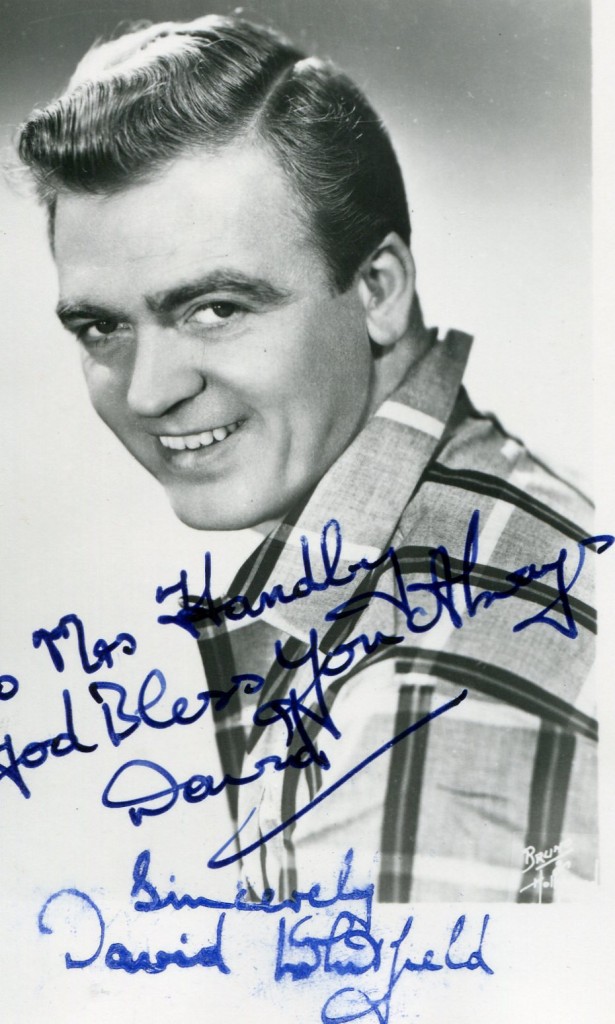
David Whitfield was born in 1925 in Kingston on Hull in Yorkshire.   He had many popular Top Ten hits in Britain in the 1950’s per the rock’n’roll era.   Among his most famous songs are “Cara Mia”, “Answer Me” and “Marta”.   He made only one film “Sea Wife” which starred Richard Burton and Joan Collins.  He was featured in may episodes of the television series “William Tell”.   He died in 1980 aged 54 in Sydney, Australia.

Artist Biography by Sharon Mawer in “All Music”:

David Whitfield was born on the 2nd of February 1925 in Kingston Upon Hull and as a child, became a choir boy in St. Peter’s Church and began a lifelong love of singing which made him Britain’s most successful solo male star of the chart’s early years 1953-1956 until the advent of Rock n Roll. He joined the Royal Navy at the age of 17 and served in the Far East as well as being part of the D Day landings in France in 1944. During his days in the Navy, he would entertain shipmates and also at base hospitals. Returning to civilian life after the war, he began working in the concrete business until a break came as he appeared on the talent show Opportunity Knocks on Radio Luxembourg. The host of the show, Hughie Green got him a booking at the Washington Hotel in the West End of London where a talent scout from Decca records heard him singing and signed him to the label. His first couple of releases were not successful, but the third song, a recording of Bridge Of Sighs finally broke him into the top 10 (the chart was only a top 12 at that time) and the next release, Answer Me went all the way to no.1 despite a partial ban by the BBC for the song’s religious connotations. It had to share the top position with Frankie Laine’s version of the same song and after further top 10 hits, Rags To Riches and The Book (another religious song), he delivered the big one, an absolute cracker of a tenor ballad called Cara Mia backed by Mantovani & His Orchestra which spend 10 weeks at no.1 during July and August 1954 and was the record that earned him a golden disc for one million sales. Cara Mia was also a hit in the US and Whitfield was invited to appear on the Ed Sullivan Show as well as being one of the stars of the 1954 Royal Command Performance alongside Bob Hope, Frankie Howerd, Guy Mitchell, Norman Wisdom, Max Bygraves, Frankie Laine and Howard Keel. Many more hits followed throughout the 1950s but Rock n Roll was destroying the career of many singers who appeared old fashioned and part of the establishment. His final hit was a re-issue of one his earlier songs I Believe in 1960 but that only reached no.49. He recorded I’ll Find You, the song that was used as the theme to the film Sea Wife and continued touring throughout the 1960s and 1970s. His only album chart entry was the Decca compilation World Of David Whitfield which hit no.19 on the separate mid price charts which ran in the UK during the early 1970s. While on tour in Australia in 1980, he suffered a brain haemorrhage and died on the 16th January. His ashes were flown back to the UK where they were carried out to sea, south of Spurn Point near his birthplace of Hull. Over 50 years on, he is still one of only six artists to have spent 10 or more consecutive weeks at no.1 on the singles charts.

The above article can also be accessed online here.
Suzan Farmer
Suzan Farmer
Suzan Farmer

Suzan Farmer was born in Kent in 1942.   Her first film was “The Supreme Secret” in 1958.   Her other films include “The Wild and the Willing” with Ian McShane to whom she was married from 1965 until 1968.   She featured in several Hammer productions such as “The Scarlet Blade” and  “Devil Ship Pirates”.   Thread on Suzan Farmer on “Britmovie” website here.
James MacPherson
James MacPherson
James MacPherson

James MacPherson is best known for his role as D.I. Jardine in the long running television series “Taggart”.   He was born in Hamilton, Scotland in 1960.   He first appeared on “Taggart” and featured in 48 episodes of the series.   In 2002 he starred in a number of episodes of “The Bill” and in 2005 was in the film “Summer Solstice”.
IMDB mini biography:


James MacPherson was born on March 18, 1960 in Hamilton, Lanarkshire, Scotland. He is an actor, known for Taggart (1983), The Scots Detective (2000) and Hurricanes (1993). He has been married to Jacqueline since 1986. They have three children.