
Brittish Actors

Collection of Classic Brittish Actors

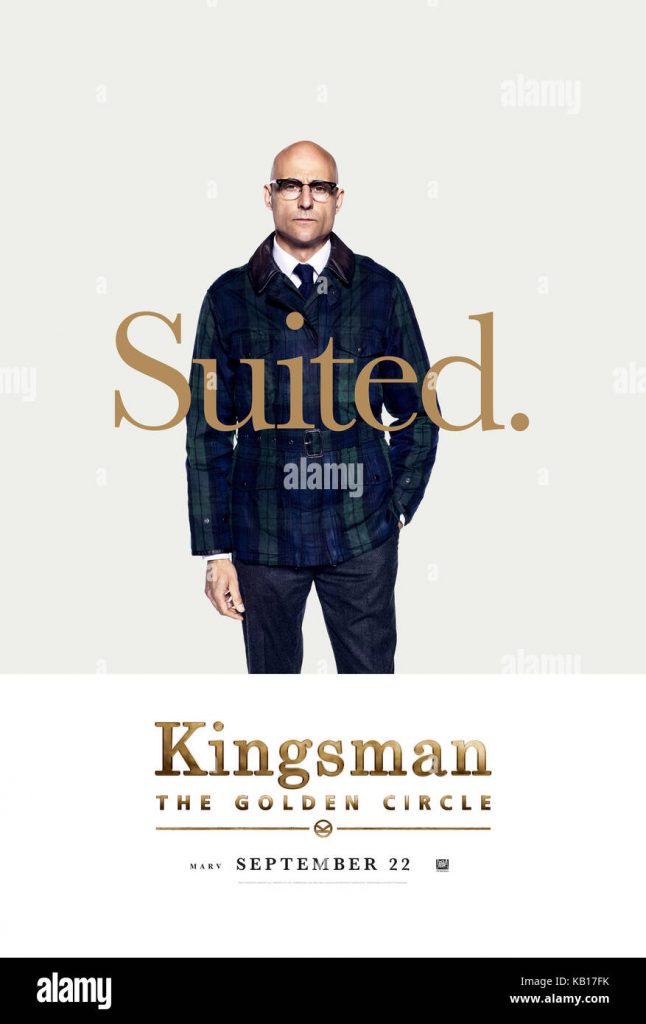
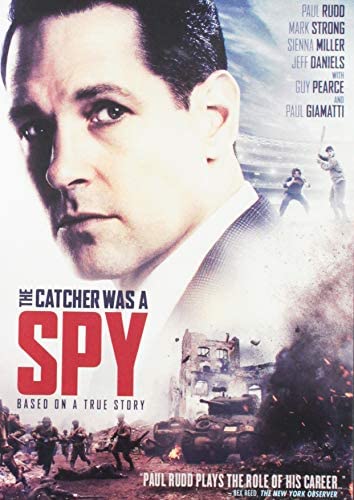
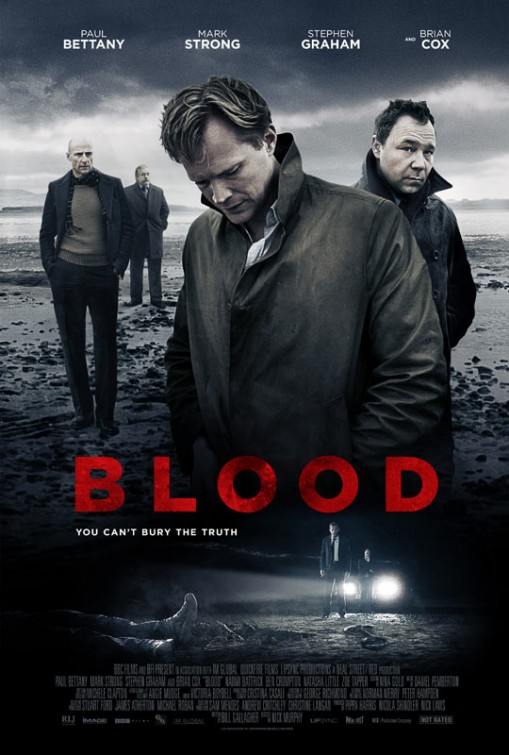
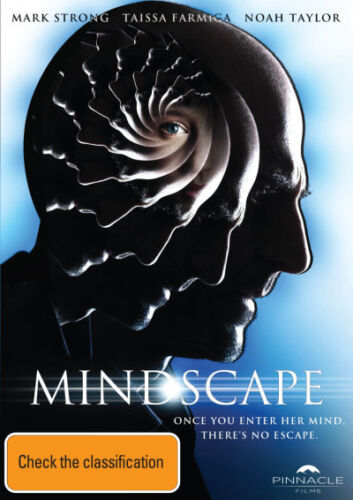
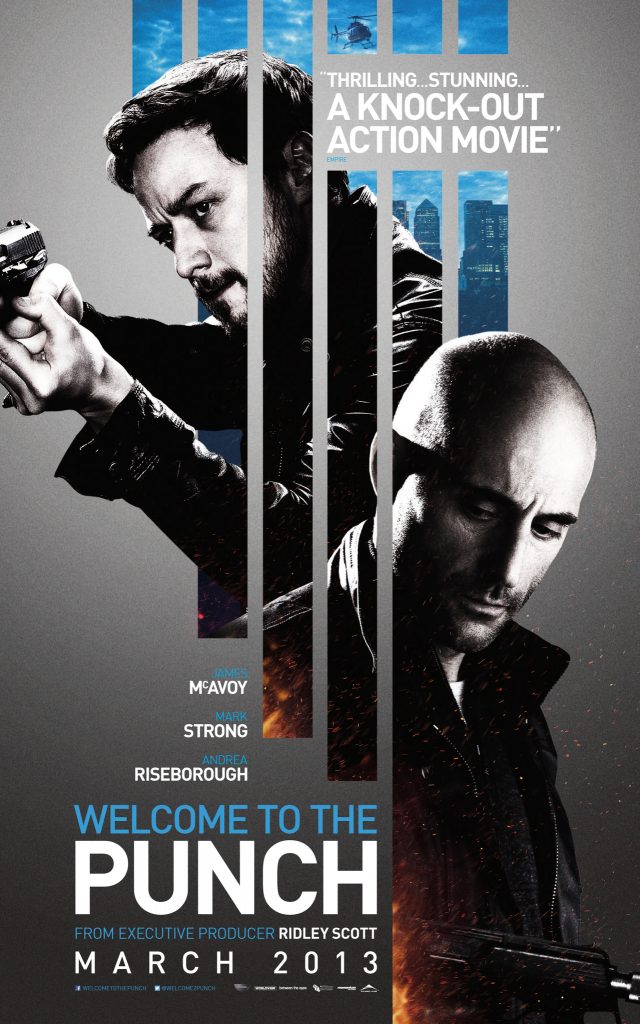
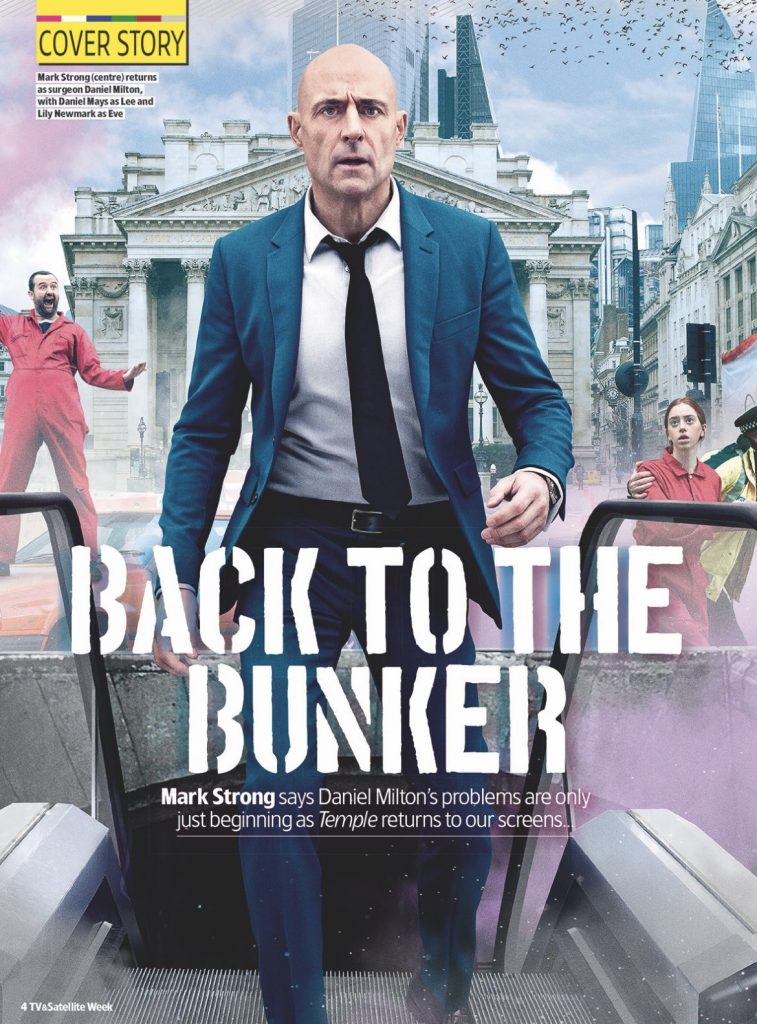
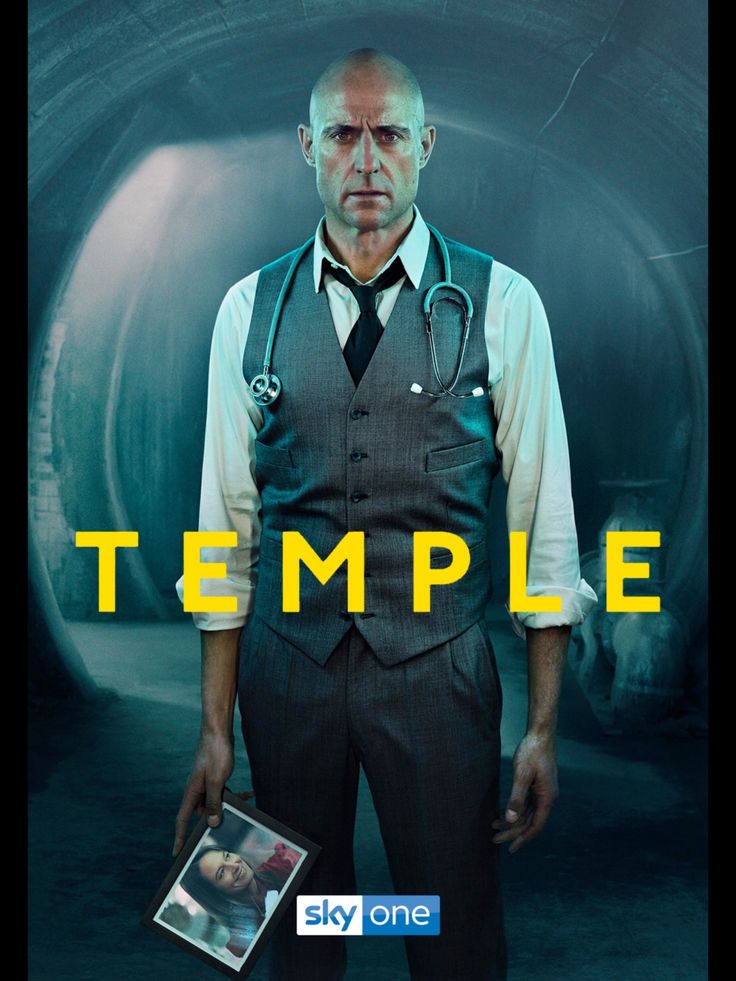
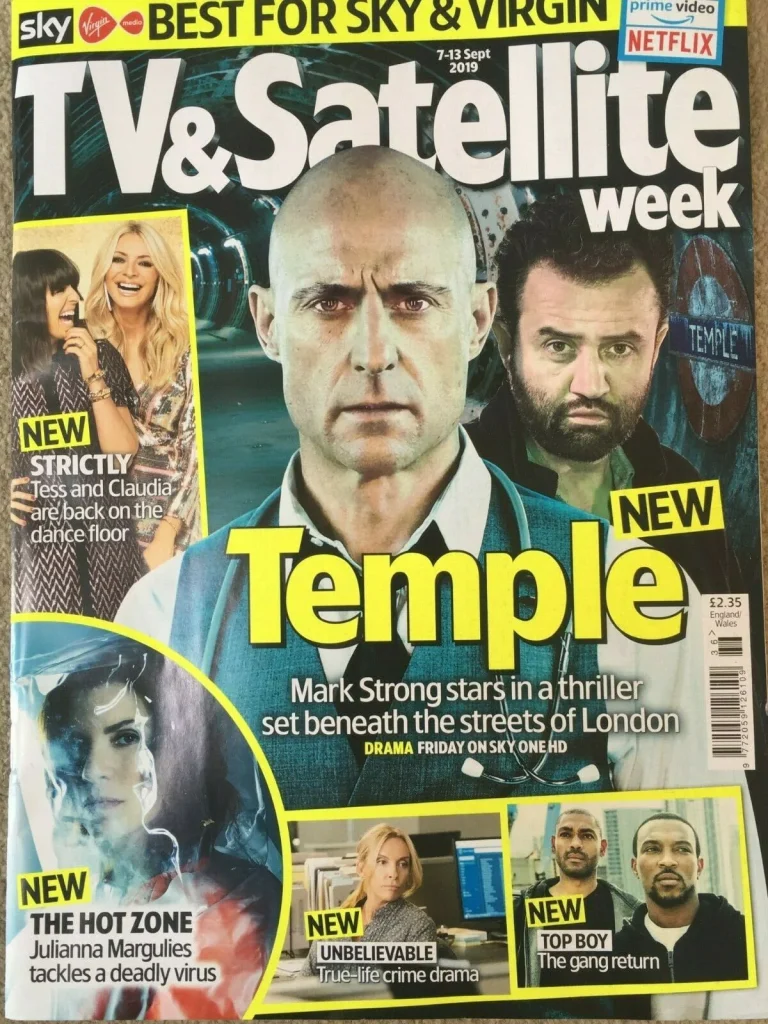
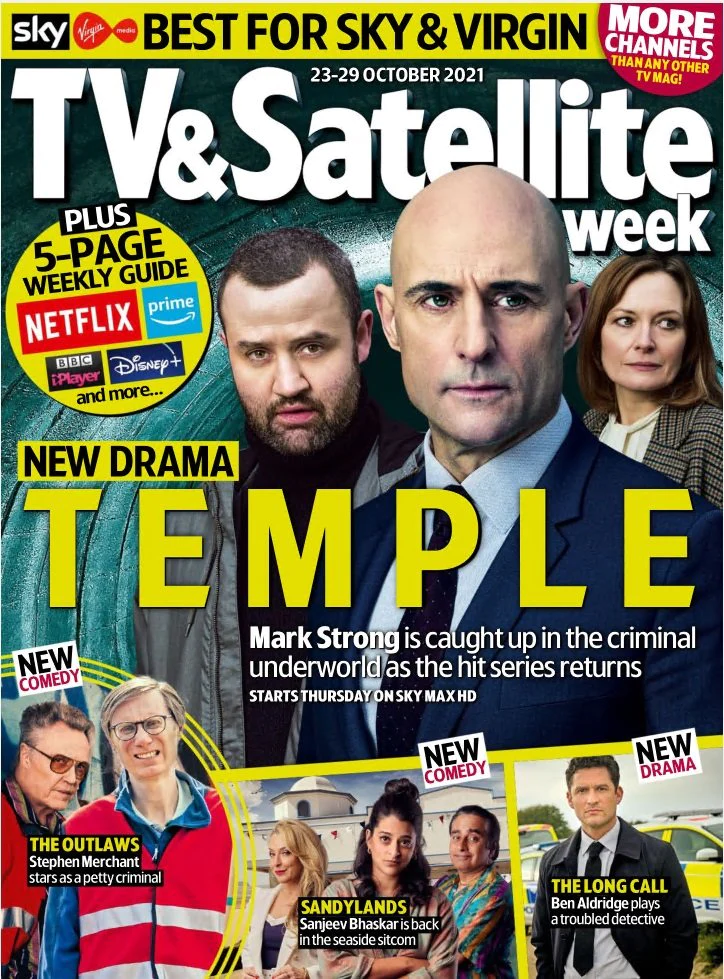
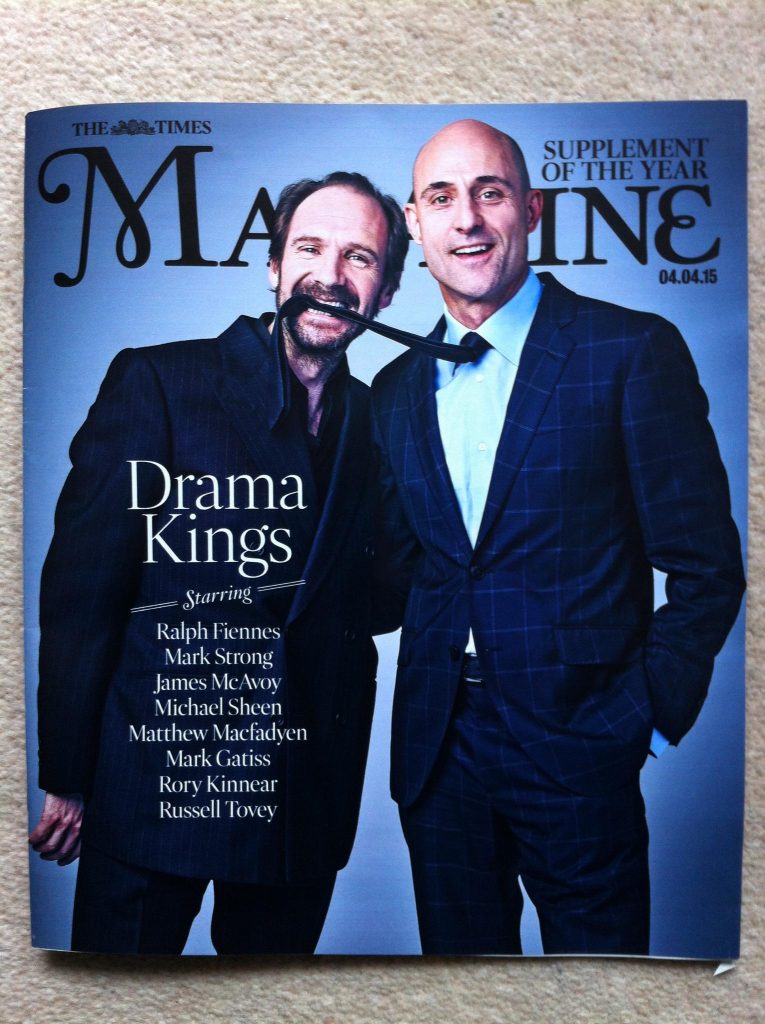
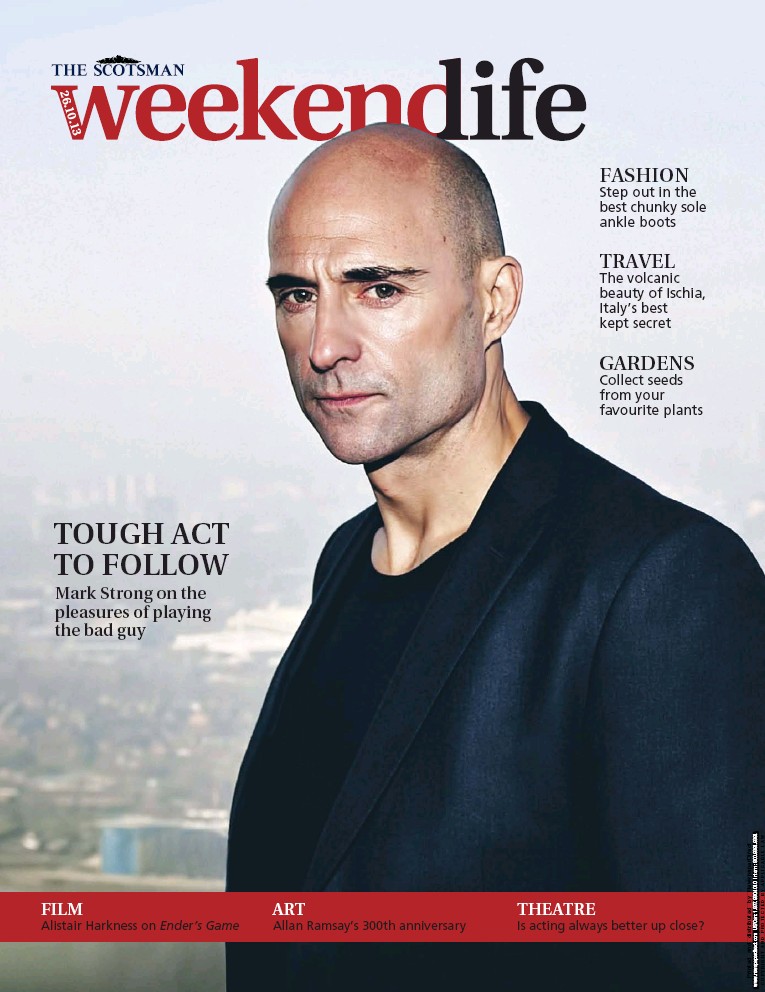
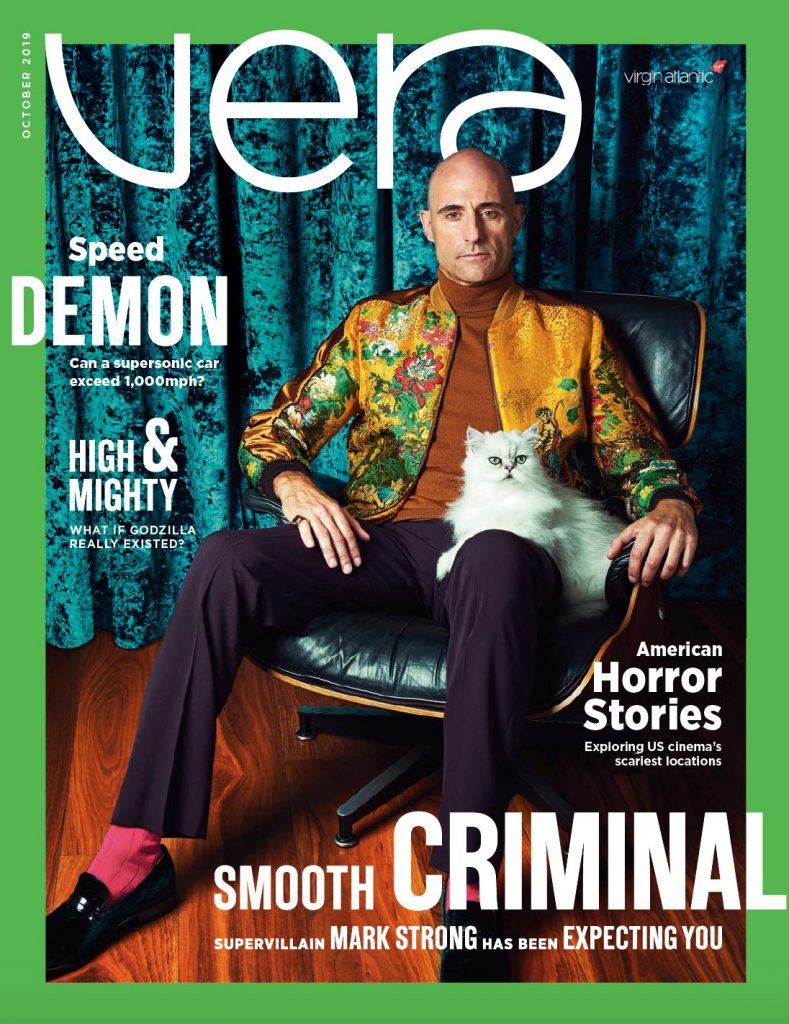
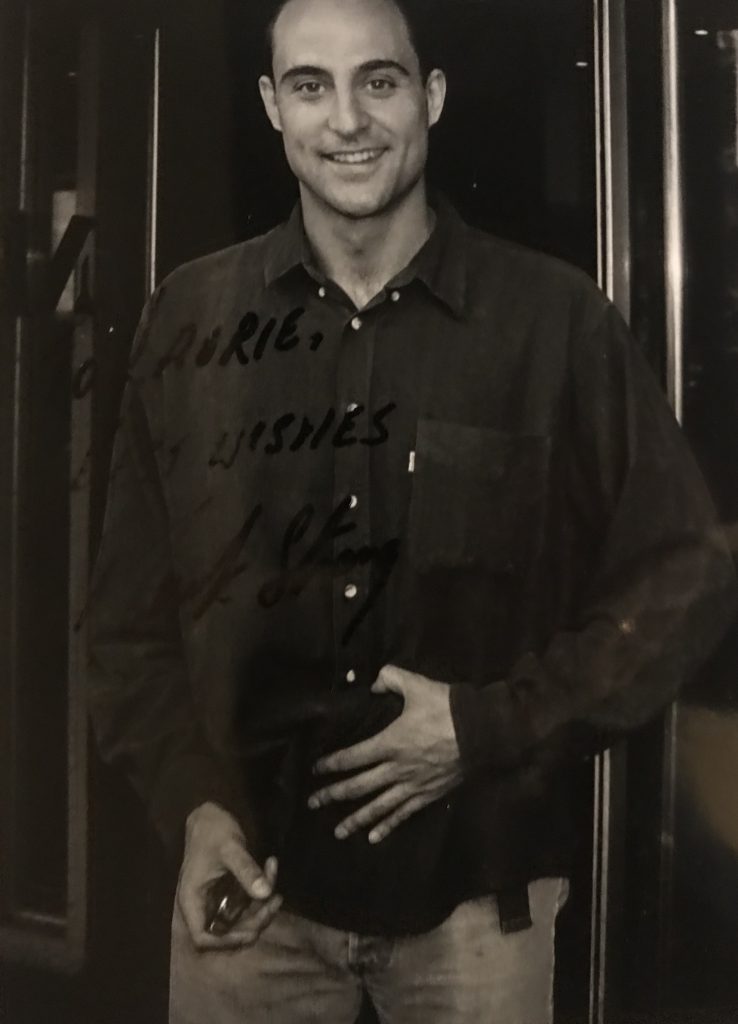
Mark Strong
Mark Strong

Mark Strong. TCM Overview.

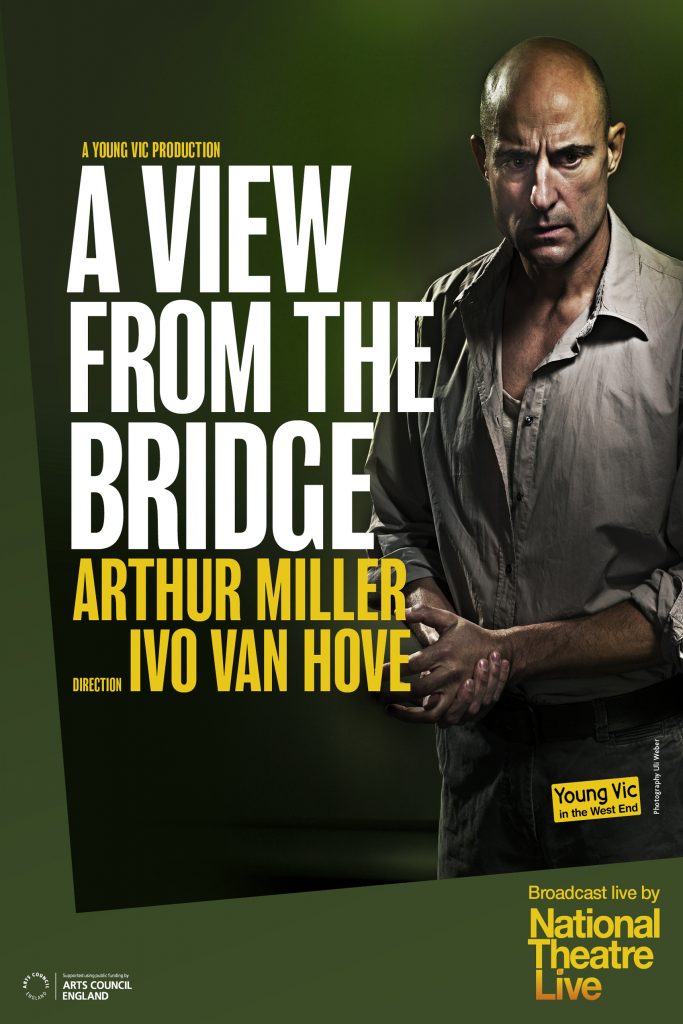
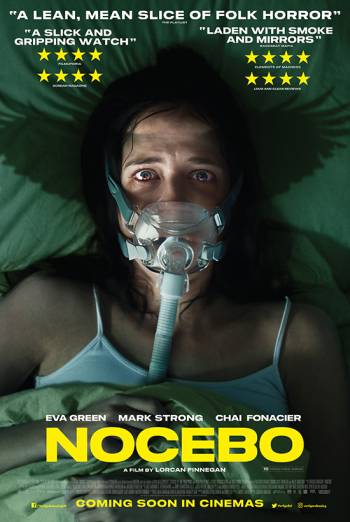
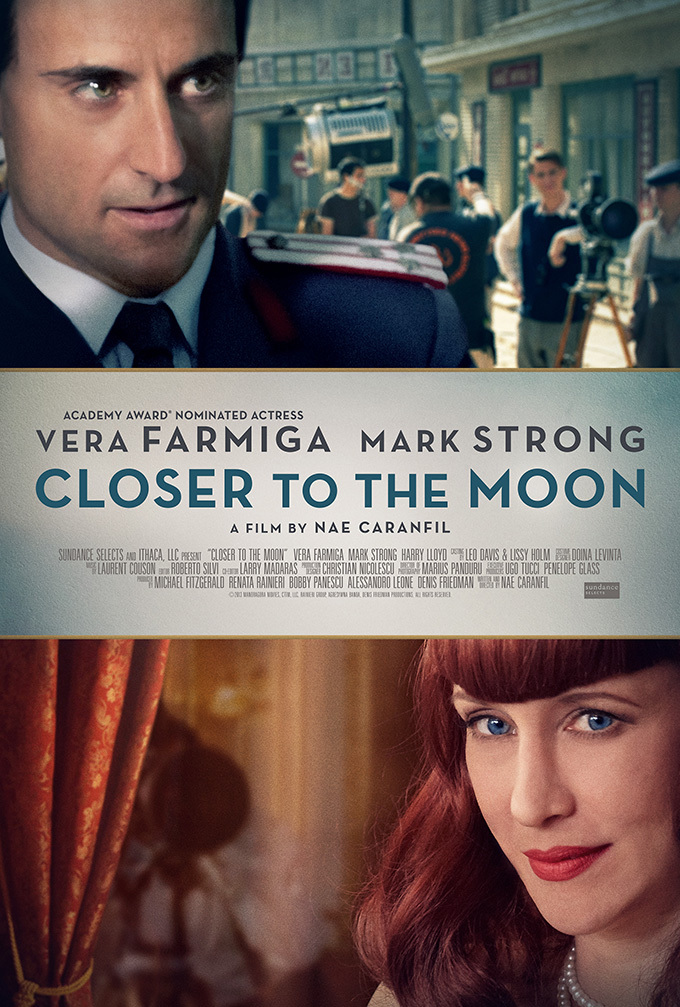
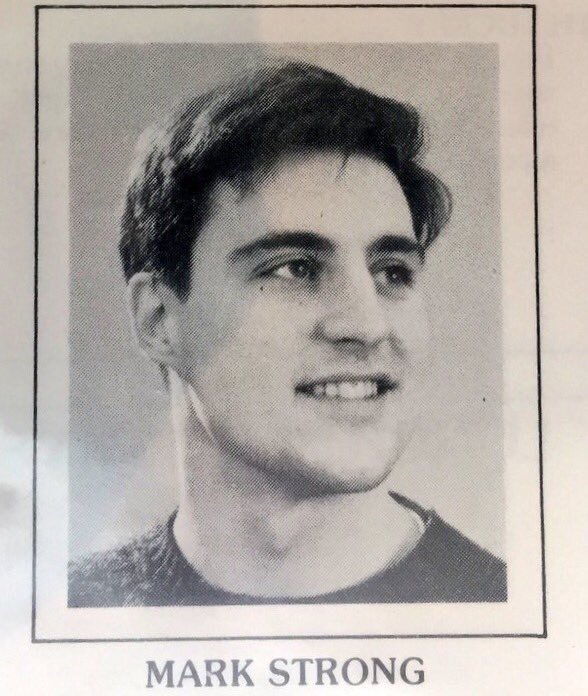
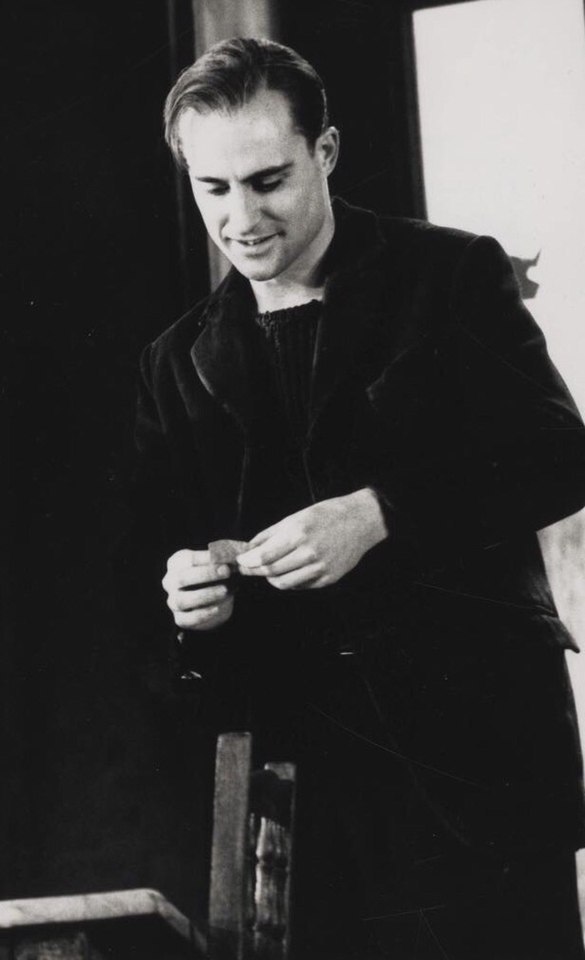
Mark Strong is one of the best of film actors currently on the screen.   He is also one of the busiest and it is hoped that he would soon be in leading man roles.   He was  born in 1963 in London to an Italian father and an Austrian mother.   He studied at the Bristol Old Vic Theatre School.  
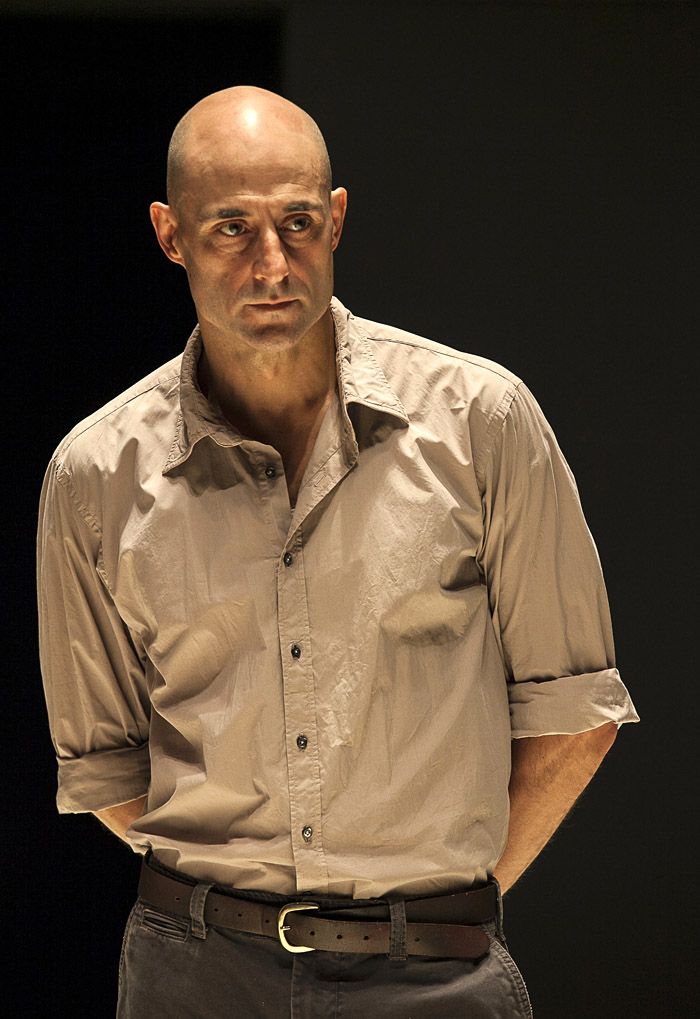
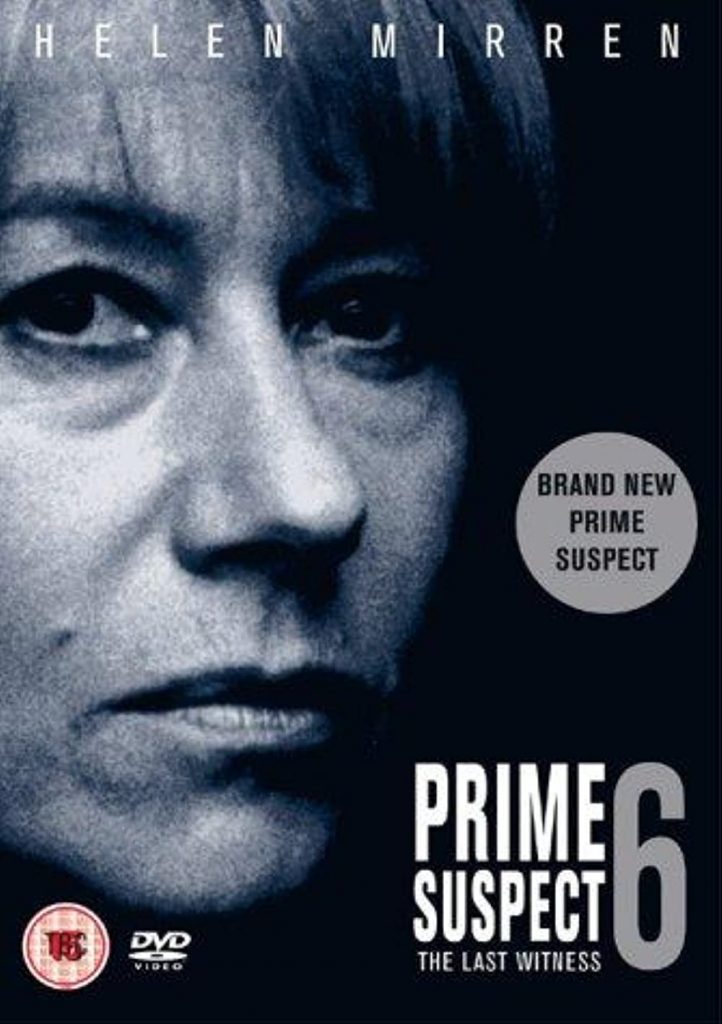
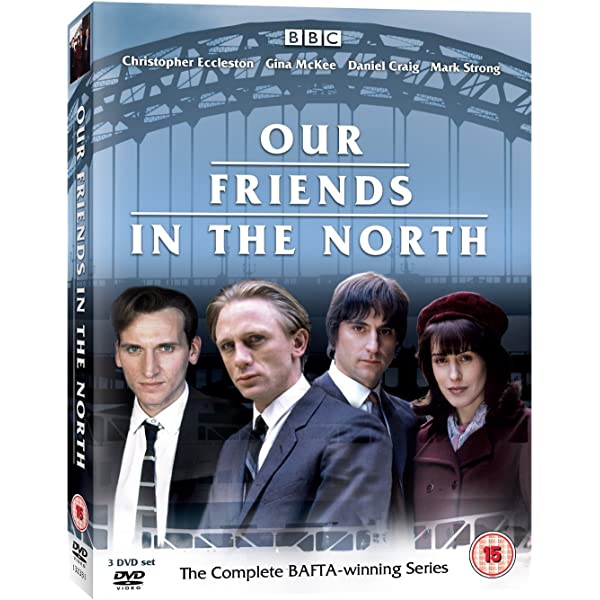
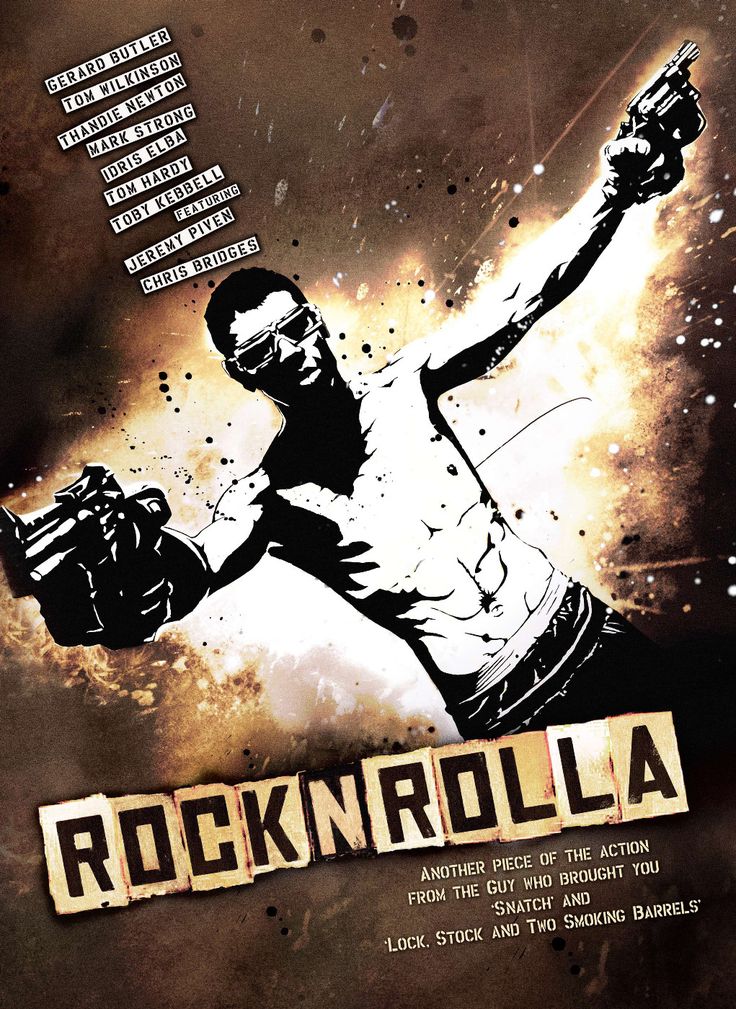
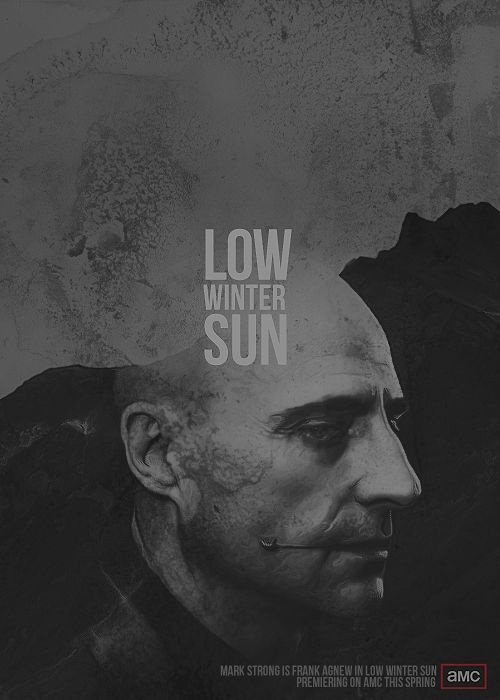
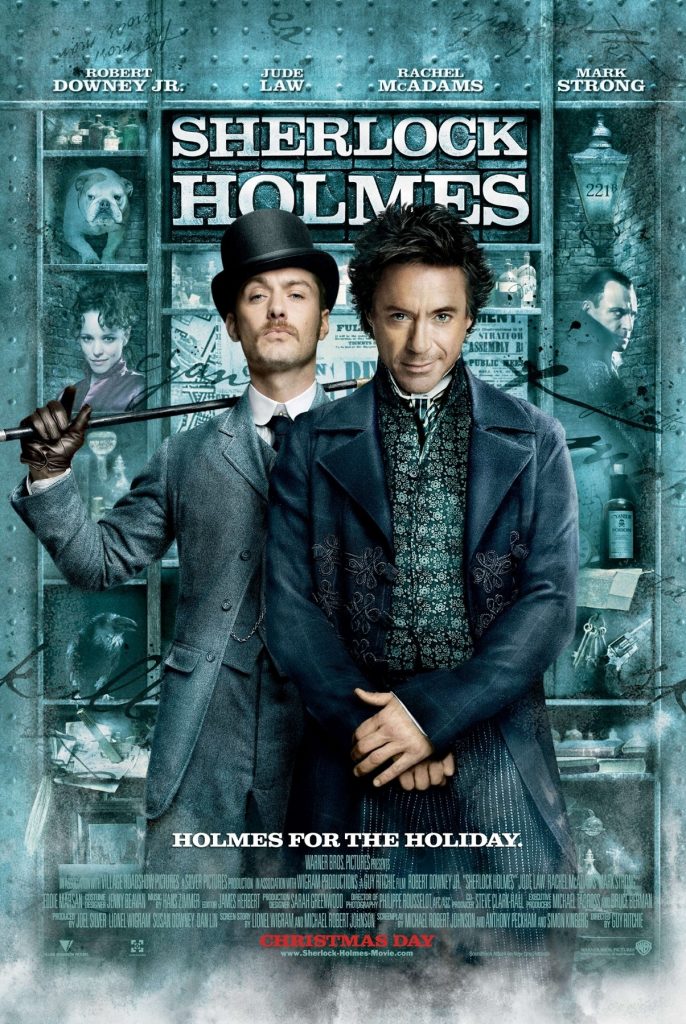
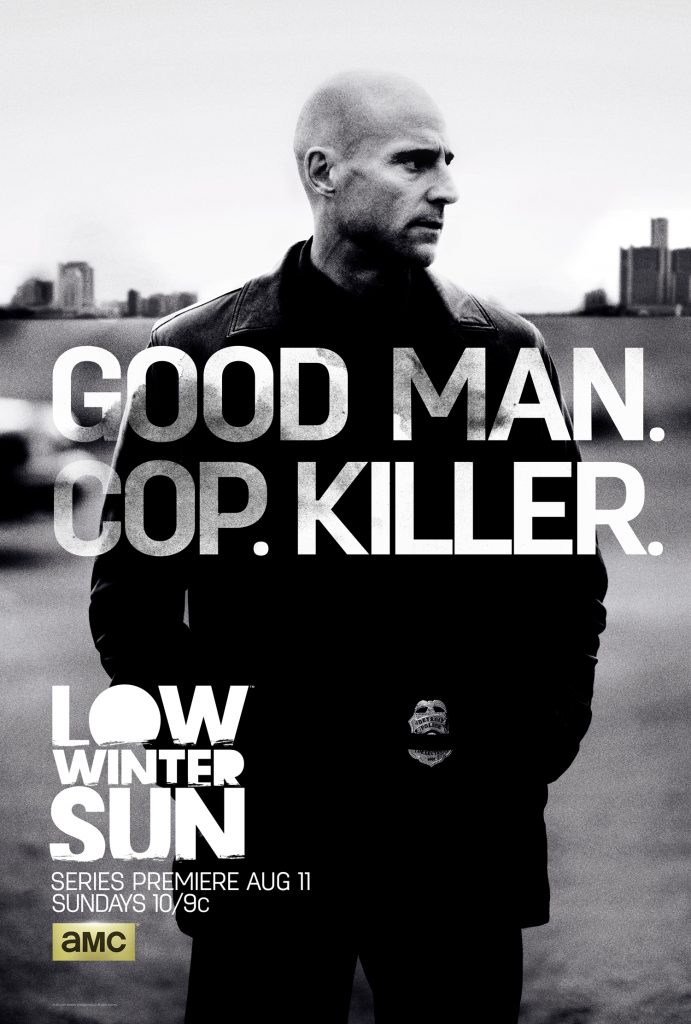
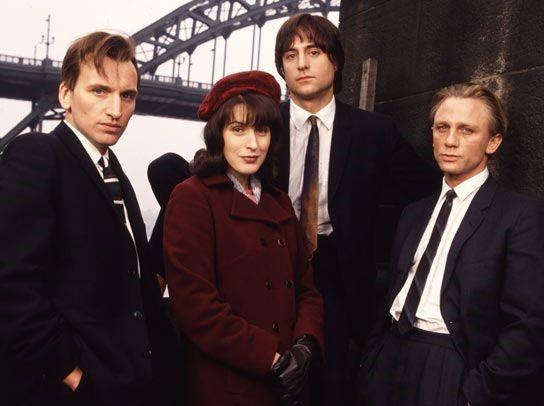
He first came to prominence in the third of the “Prime Suspect” series with Helen Mirren.   In 1996 he was in the superb TV drama “Our Friends From the North” with Gina McKee, Daniel Craig and Christopher Eccleston.   His film roles include “Century” in 1993, “Fever Pitch”, “The Long Firm”, “Low Winter Sun”, “RocknRolla”, “Body of Lies”, “Sherlock Holmes” and “Robin Hood”.   He is an actor to watch.

TCM Overview:
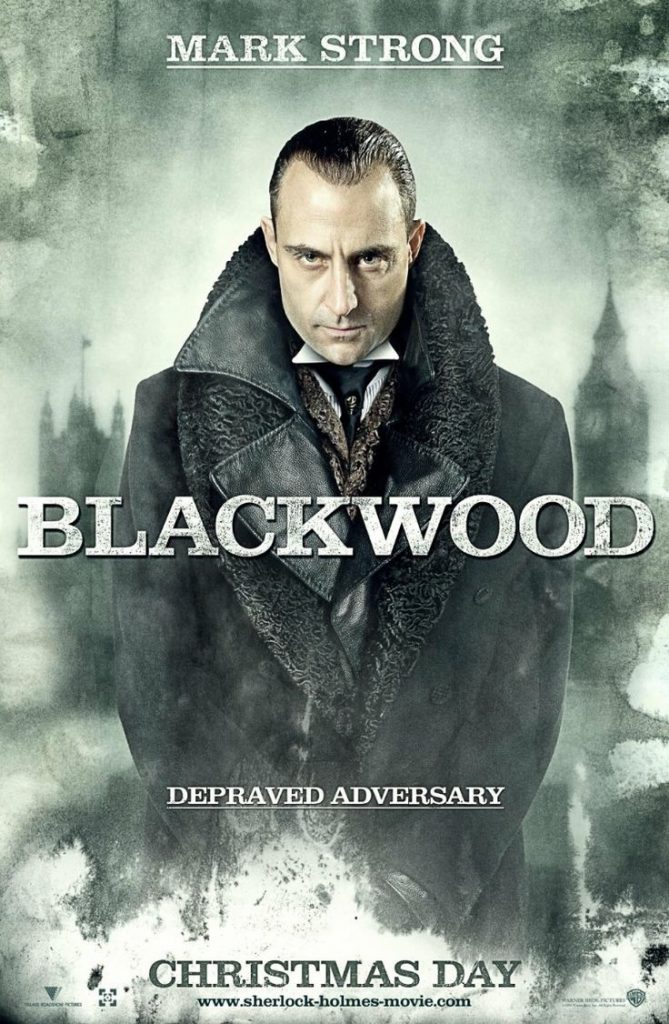
Austere yet handsome, Mark Strong’s chameleon-like talents made him a hugely sought-after villain in both big-budget action and independent films after a lengthy career in his native England. He gave good bad guy in Guy Ritchie’s “Revolver” (2005), the dramatic thriller “Syriana” (2005), and Matthew Vaughnâ’s fantasy “Stardust” (2007). Strong played the heavy in the comedy “Miss Pettigrew Lives for a Day” (2008) before reuniting twice with Ritchie to anchor “RocknRolla” (2008) and essay the satanic Lord Blackwood in the Robert Downey, Jr./Jude Law hit adventure, “Sherlock Holmes” (2009).
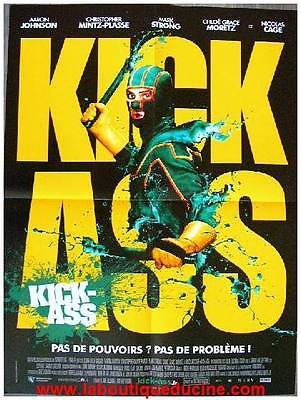
Continuing to work with a laundry list of great film directors, Strong worked twice under the direction of Ridley Scott as the Jordanian Head of Intelligence in “Body of Lies” (2008), and then wreaked further havoc as Godfrey opposite Russell Crowe in “Robin Hood” (2010). Also that year, Strong scared a younger audience as the mob boss in the kids-turned-superheroes hit “Kick-Ass” (2010). With an admitted penchant for playing his deliciously evil roles to the hilt, Strong counted greats such as Sir Ian McKellen among his many fans. Going bad only ended up being a good thing for this talented actor.
Marco Giuseppe Salussolia was born Aug. 30, 1963 in London, England to a teenage Austrian mother and an Italian father who walked out the family shortly afterwards. Strong’s mother changed his last name to help her son better fit in with his peers. At age five, Strong who spoke both English and German was sent away to a state-funded boarding school in Surrey, as his single mother found it difficult to handle some of his behaviors. Though he desperately missed home, Strong thrived in his new environment and occupied his alone time with much reflection and people-watching. He became adept at solo travel and music, singing lead in a noisy punk bank called Private Party. Strong performed in one play, but found that it held little luster for him.
After he graduated, he headed to Munich to study law, but bailed after a year and returned to London. He happened upon drama courses at Royal Holloway, where he earned a degree, and which led to post-grad work at the Bristol Old Vic Theater School.
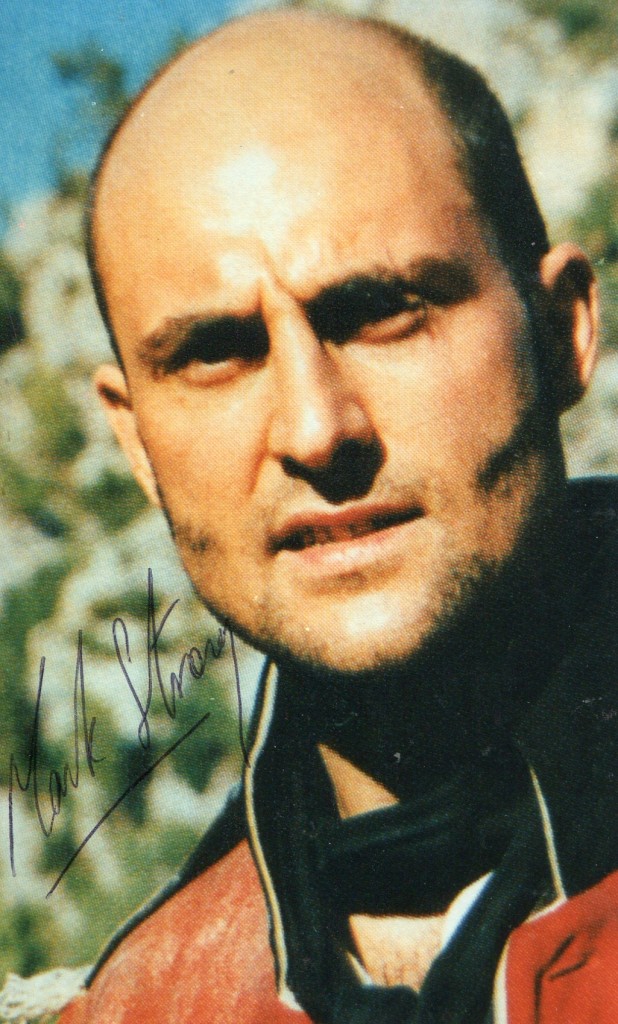
Mark Strong
Mark Strong

Strong spent the next eight years on stage and carved out a significant career with high-profile parts in productions of “The Iceman Cometh” with Kevin Spacey, David Mamet’s “Speed the Plow” in the West End, and Sam Mendes’s “Twelfth Night,” for which he was nominated for the Laurence Olivier Award for Best Performance in a Supporting Role.
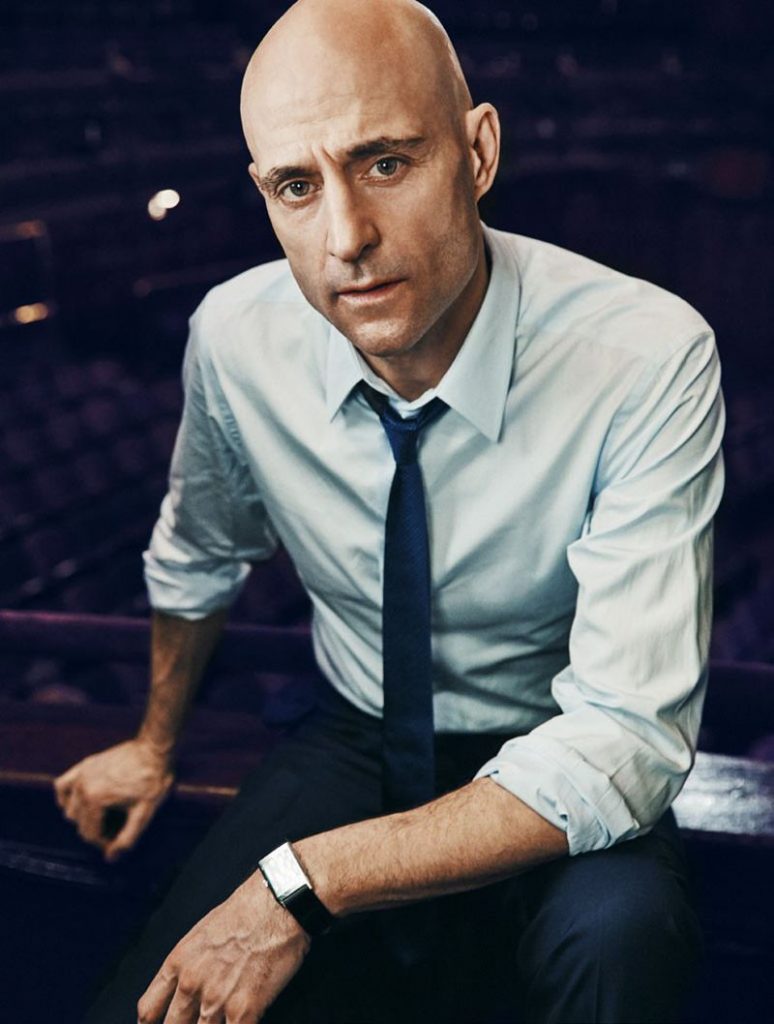
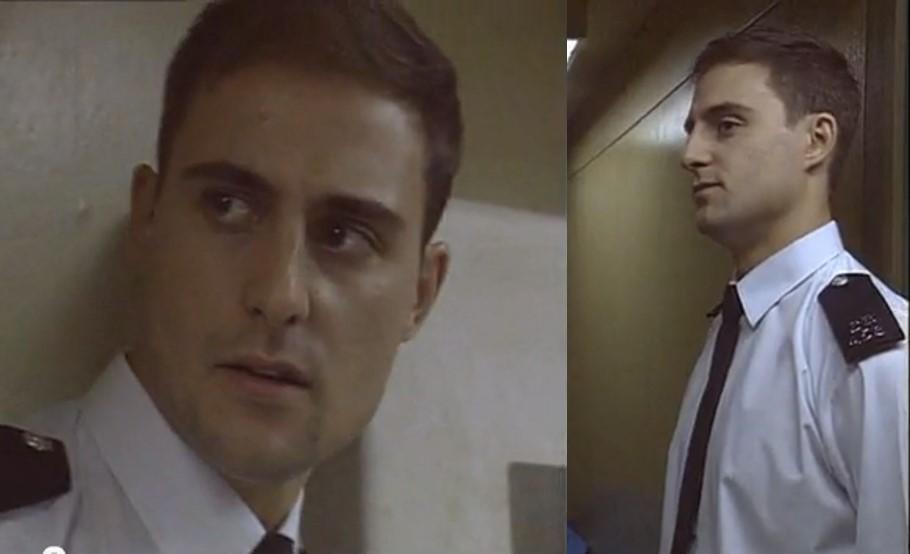
In 1989, Strong began work on television in a variety of guest-spots, which included an installment of the highly regarded crime-drama series “Prime Suspect 3” (ITV, 1993), as an inspector opposite Helen Mirren’s formidable Jane Tennison.
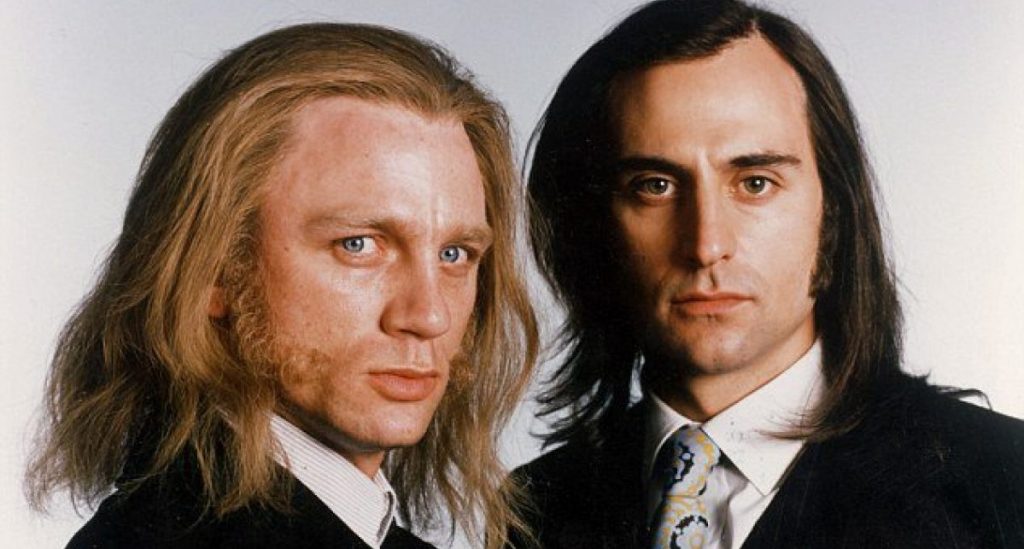
The actor won more notice on the BAFTA-winning, “Our Friends in the North” (BBC, 1996), as Tosker, whose get-rich-quick schemes invariably fail. Strong brought an earthly strength to his role as Mr. Knightley opposite Kate Beckinsale in the televised adaptation of Jane Austen’s “Emma” (ITV, 1996), and was the sports-obsessed best friend to Colin Firth in the big screen romantic comedy set against the world of soccer in “Fever Pitch” (1997).
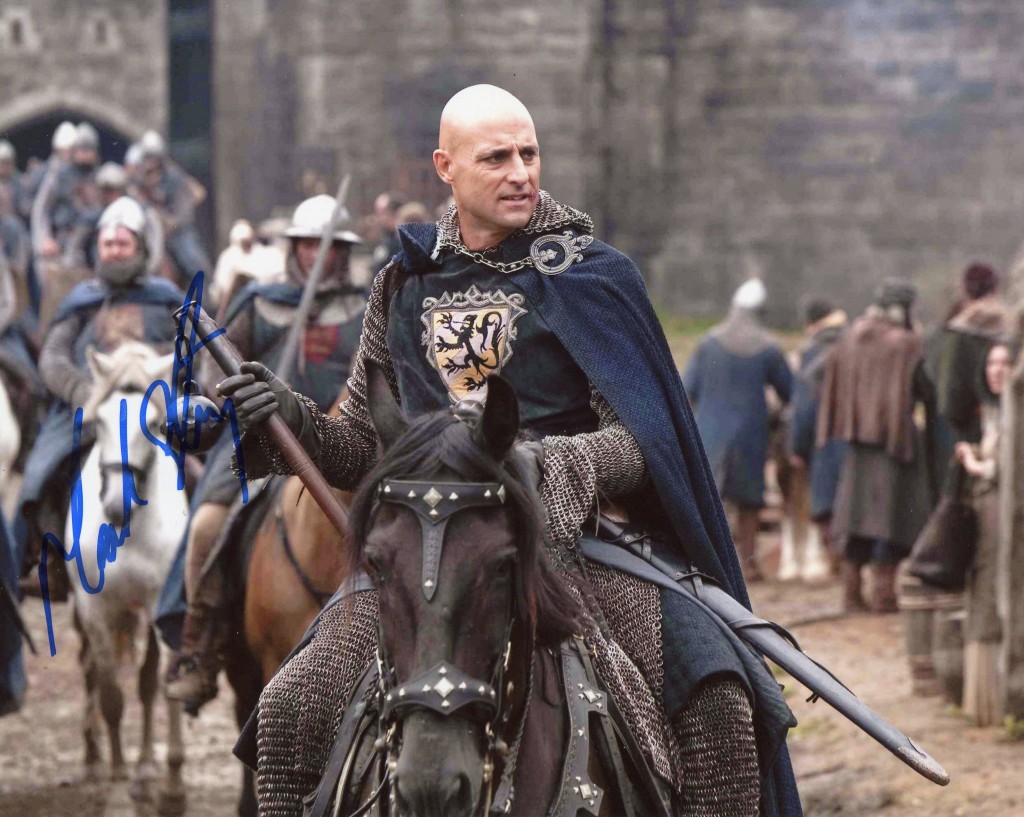
Mark Strong
Mark Strong

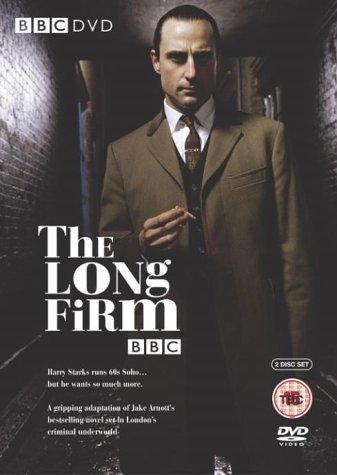
Strong also became a fixture on television, resuming his character Larry Hall now promoted to Detective Chief Superintendent on “Prime Suspect 6: The Last Witness” (ITV, 2003), that he was gifted with a career-changing role on the four-part crime-drama series “The Long Firm” (BBC, 2004). Strong played East End gangster Harry Starks, who had no qualms about silencing enemies with a white-hot poker down the throat. Strong, however, had to convince both the writer and director that he could plumb the darker waters Starks occupied. In doing so, he won the 2005 Broadcasting Press Guild Award for Best Actor, and was also nominated for the 2005 BAFTA TV Award for Best Actor.
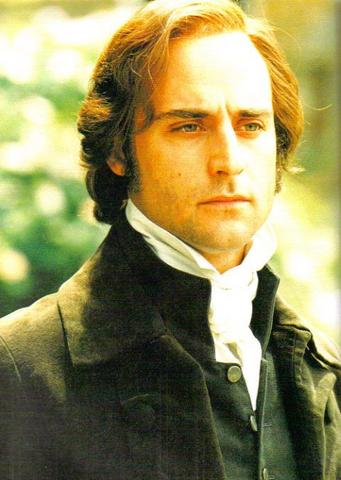
Deciding to focus on film over television, Strong perfected his menace with Guy Ritchie’s crime thriller “Revolver” (2005), where he was the steely sharp assassin Sorter, and then inhabited the Lebanese-Muslim Mussawi in the thrill-ride look at international corruption within the oil industry in “Syriana” (2005), opposite George Clooney. In the Ridley and Tony Scott-produced medieval romantic legend “Tristan & Isolde” (2006),

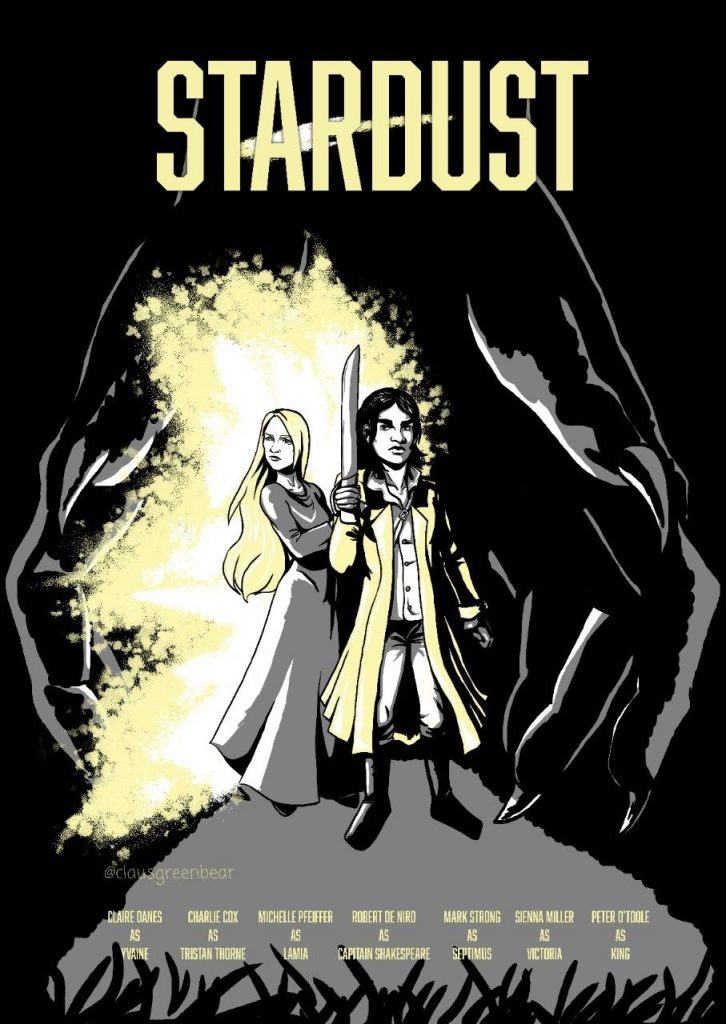
Strong was the murderous, power seeking Lord Wictred, and in the action fantasy “Stardust” (2007) directed by Matthew Vaughn, the actor played a cruel prince in pursuit of both the throne and immortality. In “Miss Pettigrew Lives for a Day” (2008), Strong was a controlling 1930s nightclub owner addicted to cocaine, and in “RocknRolla” (2008), he played a gangster.
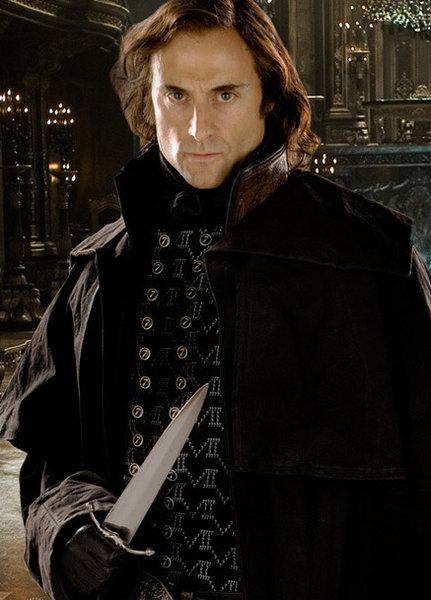
He was nominated for the 2009 British Supporting Actor of the Year by the London Critics Circle Film Awards for the dramatic thriller “Body of Lies” (2008). Directed by Ridley Scott and starring Leonardo DiCaprio, and Russell Crowe, the spy film featured Strong as Hani Salaam, the deceptive head of Jordanian General Intelligence Department.
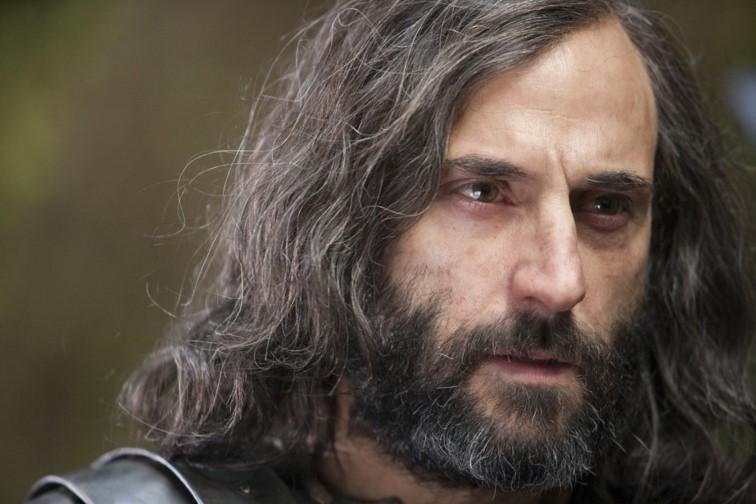
Buoyed by successful, versatile portrayals, the demand for Strong in bigger and meatier fare saw the actor as both ambitious and malicious as Sir John Conroy, advisor to the Queen in the highly touted historical drama “Young Victoria” (2009).
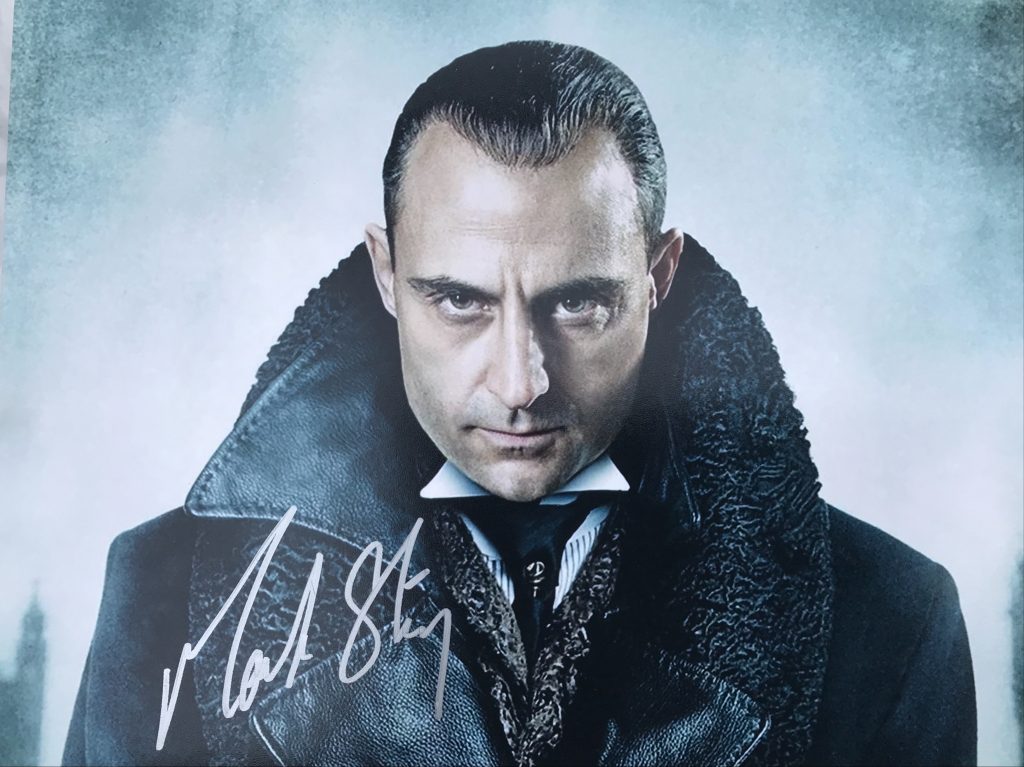
Mark Strong

Strong was a standout in his third pairing with Ritchie in the action-mystery “Sherlock Holmes” (2009), based on the tale of the famous detective. Opposite Robert Downey, Jr. and Jude Law, Strong played the main antagonist, the aristocratic Satanist and serial killer, Lord Blackwood, and was universally praised as a convincing and creepy villain that gave the film its only dark edge.
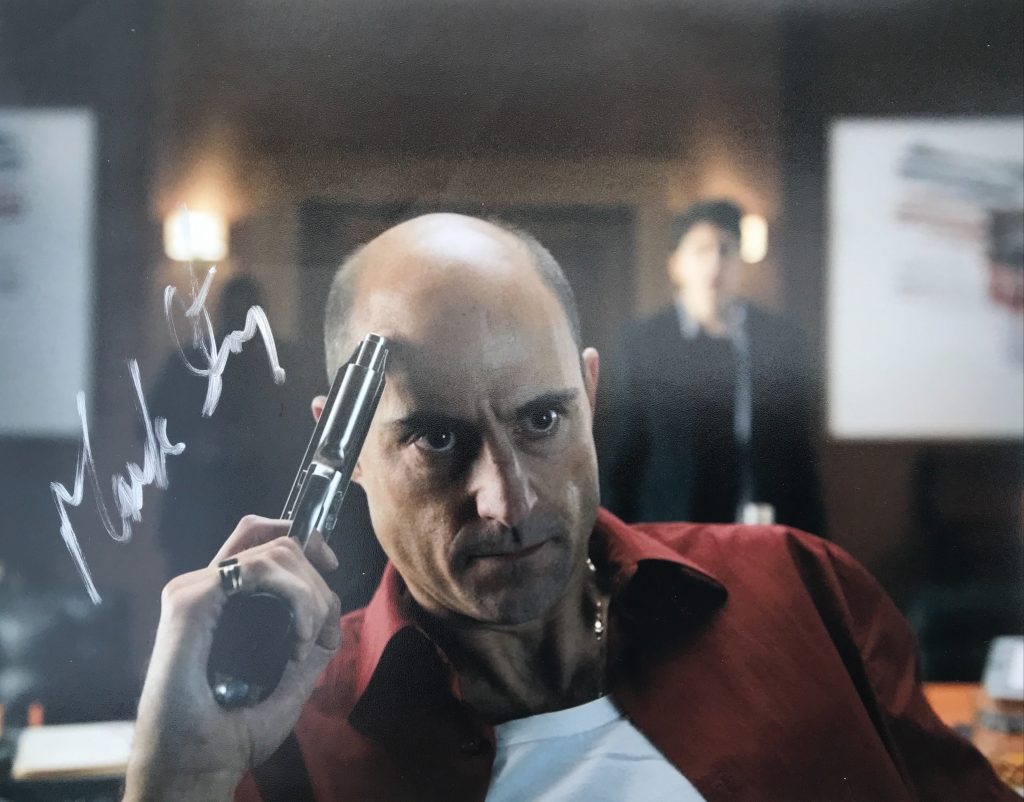
Mark Strong

Strong kept with the sinister, but moved to a new genre with the kid-powered yet surprisingly violent action-comedy “Kick-Ass” (2010), based on the comic book of the same name. The critically and commercially successful film a re-team with director Vaughn featured Strong as the main heavy, Frank D’Amico, a Mafioso, whose facade of respectability was crushed by an adult and two children dressed like superheroes intent on justice.
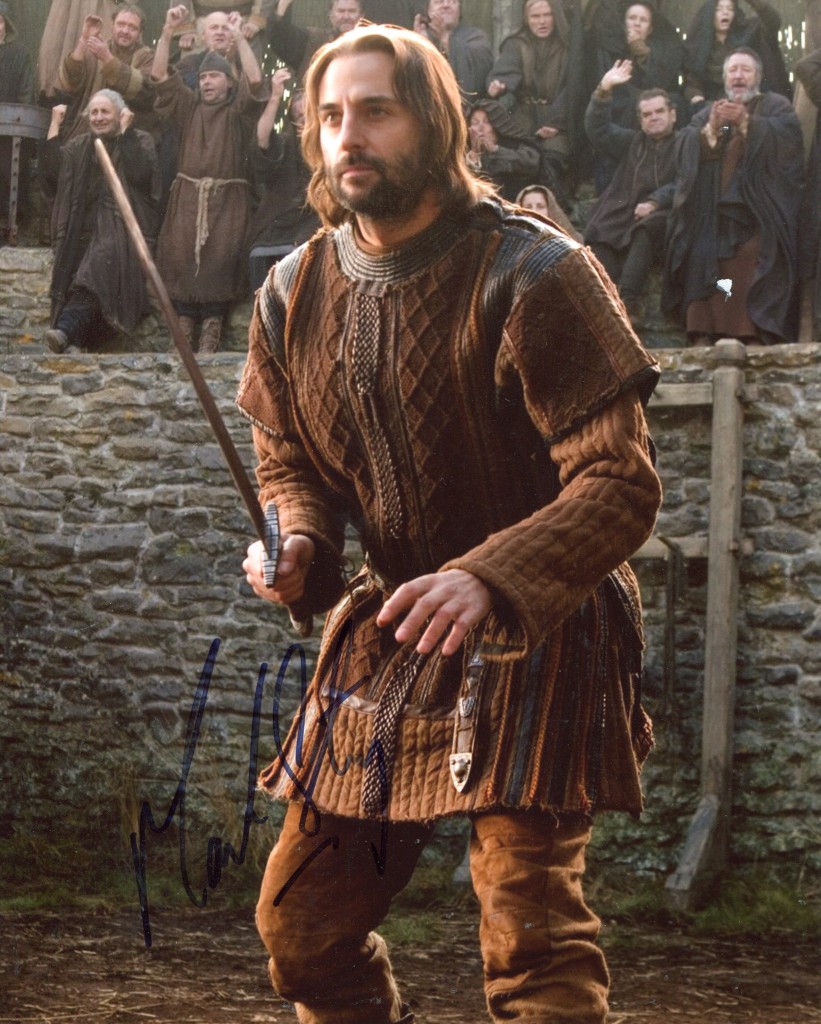
Mark Strong
Mark Strong

With “Sherlock” under his belt, Strong tackled another English legend this time, “Robin Hood” (2010), as directed by Ridley Scott and embodied by Russell Crowe, with Cate Blanchett onboard as Maid Marian. This retelling of the myth of Sherwood Forest featured Strong once again as the antagonist, Anglo-French double agent, Sir Godfrey, henchman to the ruthless King John (Kevin Durand).
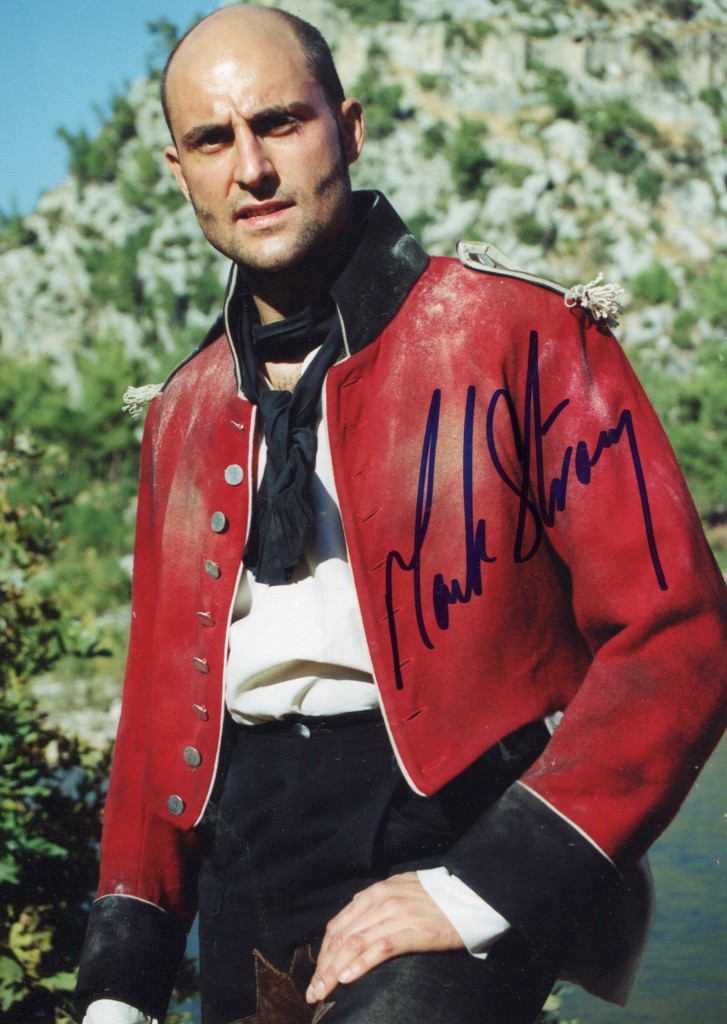
Mark Strong
Mark Strong

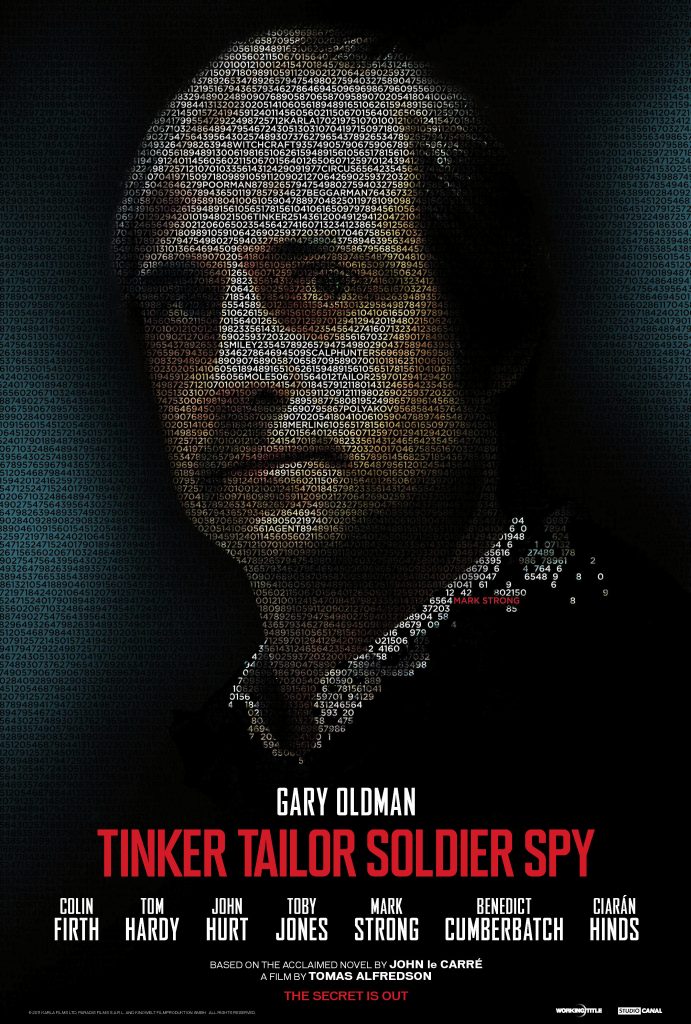
This was followed by key roles in the well-received espionage story “Tinker Tailor Soldier Spy” (2011) and Kathryn Bigelow’s Osama bin Laden story “Zero Dark Thirty” (2012). Unfortunately, Strong also co-starred in the notorious science fiction flop “John Carter” (2012) during this time. In 2013, Strong landed his first major role in American television, playing Detroit policeman Frank Agnew in the corruption drama “Low Winter Sun” (AMC 2013- )

By J.F. Pryor

The above TCM Overview can also be accessed online here.
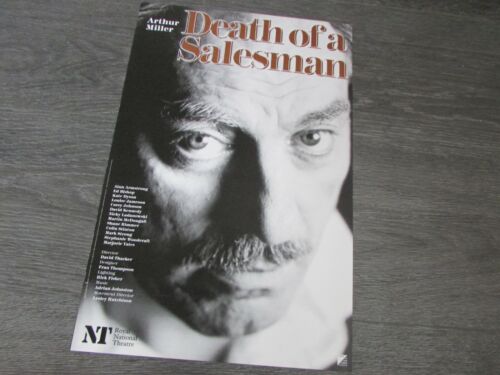
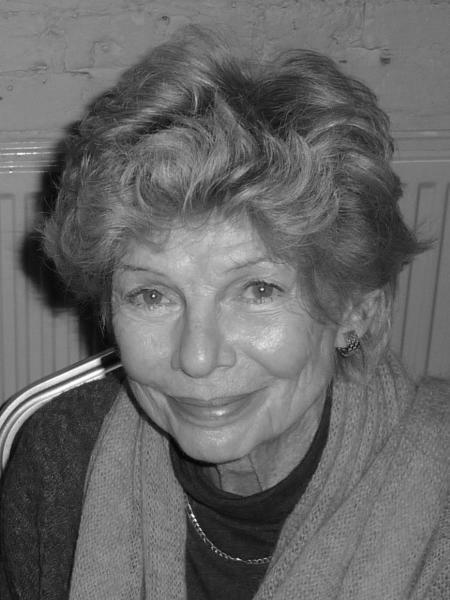
Georgina Hale

Georgina Hale. IMDB.

Georgina Hale was born in 1943 in Ilford, Essex.   She began acting in British television in the mid 1960’s.   Ken Russell recognised her talents and cast her in 1971 in “The Devils”, “The Boyfriend”, “Mahler” and “Liztomania”.   She has also starred with Alan Bates in “Butley” by Simon Gray.   She is currently in the populat television series “Hollyoaks”.   Georgina Hale is one of my favourite actresses.

Her IMDB biography:

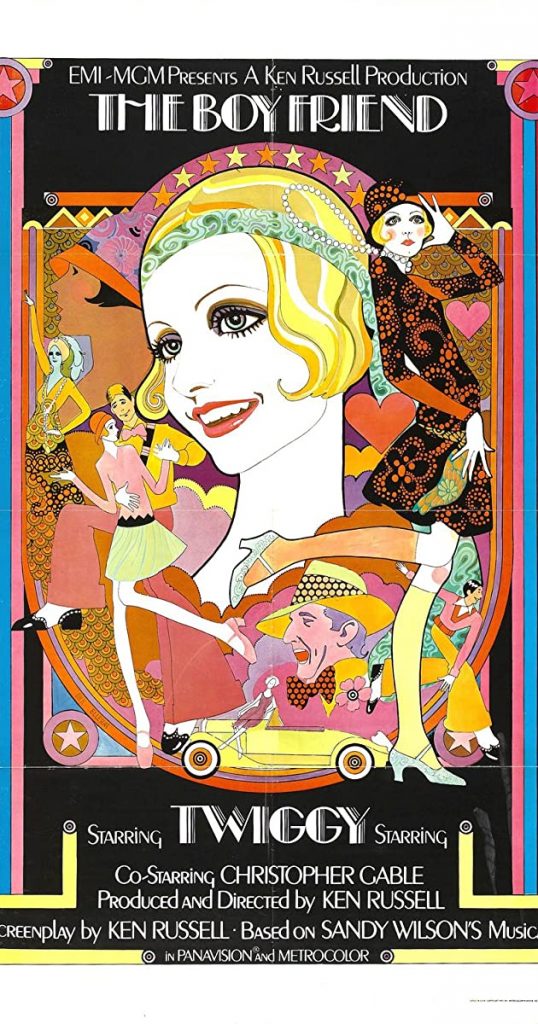
Georgina Hale is an accomplished stage actress who has made many memorable forays in cinema. Most notably in the films of Ken Russell including her performance as Alma Mahler, in a wonderful and visually rich biopic on the composer Mahler (1974) which she won a BAFTA (British Academy Award) for. Two other standout performances were in Russell’s notorious The Devils (1971) and the Twiggy musical The Boyfriend in which she deliciously plays Fay, camping it up, in a backstage lesbian sub plot. She has made in-joke cameos in two further Russell films: Lisztomania (1975) and Valentino (1977).

Unfortunately roles were not forthcoming after her BAFTA win (who knows why?) and she made some pretty bad movie choices such as the film version of the tacky Joan Collinsnovel The World Is Full of Married Men (1979) and McVicar (1980) as well as the occasional stunner such as Butley (1974), written by playwright Simon Gray. Georgina has appeared in many of Gray’s stage plays (many have been filmed for British television with her starring) along side Alan Bates and Glenda Jackson and continues to work in British theatre. Georgina has made many appearances as guest star in television series including: Upstairs, Downstairs (1971), The Protectors (1972), Ladykillers (1980), Minder(1979), Boon (1986), One Foot in the Grave (1990), Murder Most Horrid (1991), The Vicar of Dibley (1994), three episodes of Doctor Who (1963) and many many more.

She has starred in two television series: Budgie (1971), a successful series in the seventies, and in the early nineties a cult children’s series based around a witch like figure called T-Bag. Most recently she has appeared in a comic role in Preaching to the Perverted (1997) in which her character points out that sometimes one has to debase one’s self to further one’s career. This film may not further her career (at age 55 she does a Sharon Stoneunder-table leg trick) but it will add to her growing reputation as one of the UK’s favorite cult actresses.

– IMDb Mini Biography By: strangeboy76@hotmail.com

The above IMDB entry can also be accessed online here.
Sadly Georgina Hale died in January in 2024 at the age of 80.

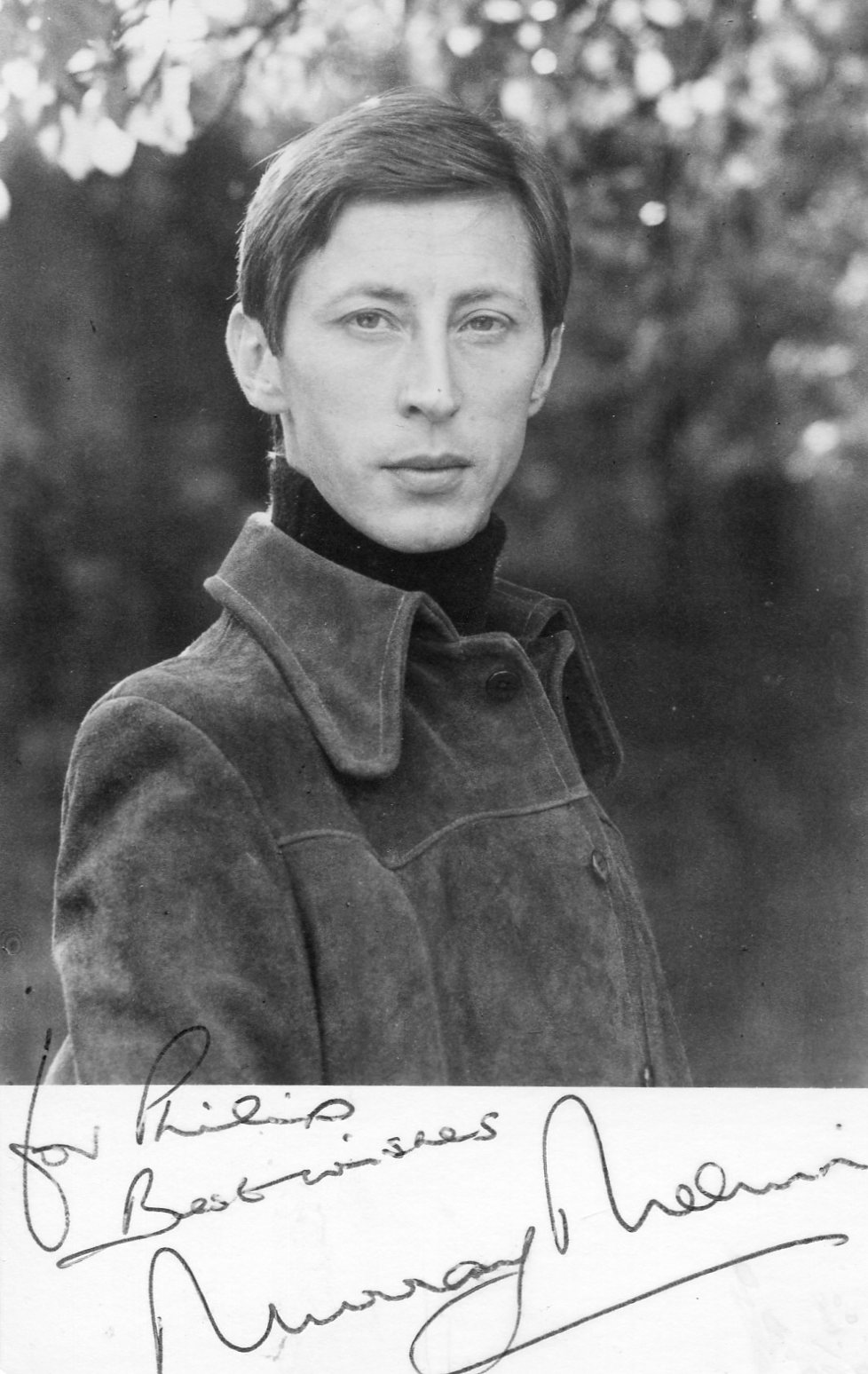
Murray Melvin

Murray Melvin


Murray Melvin


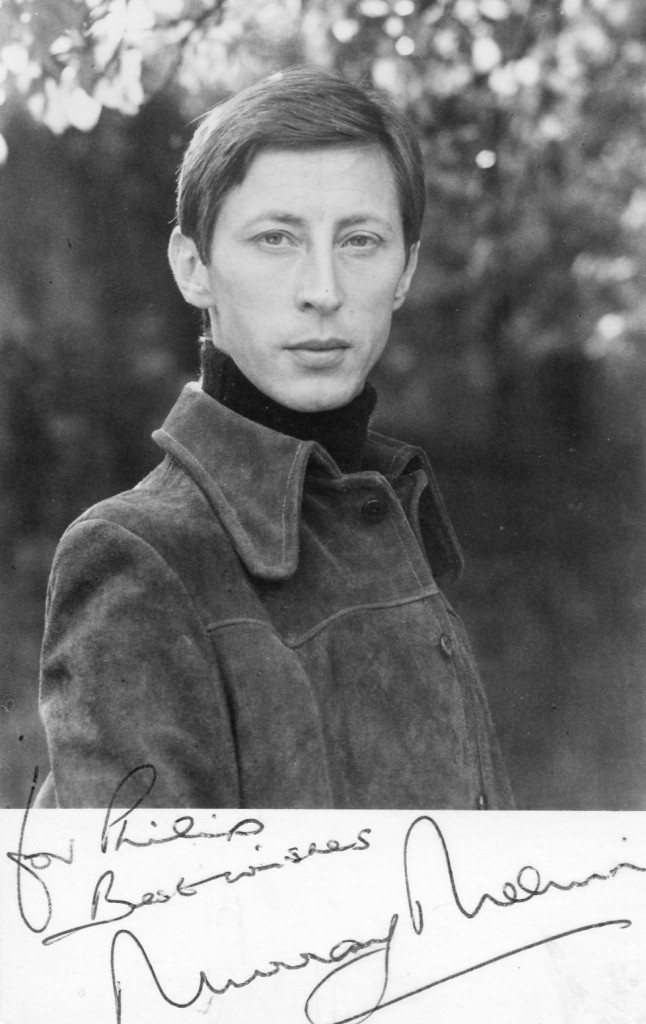
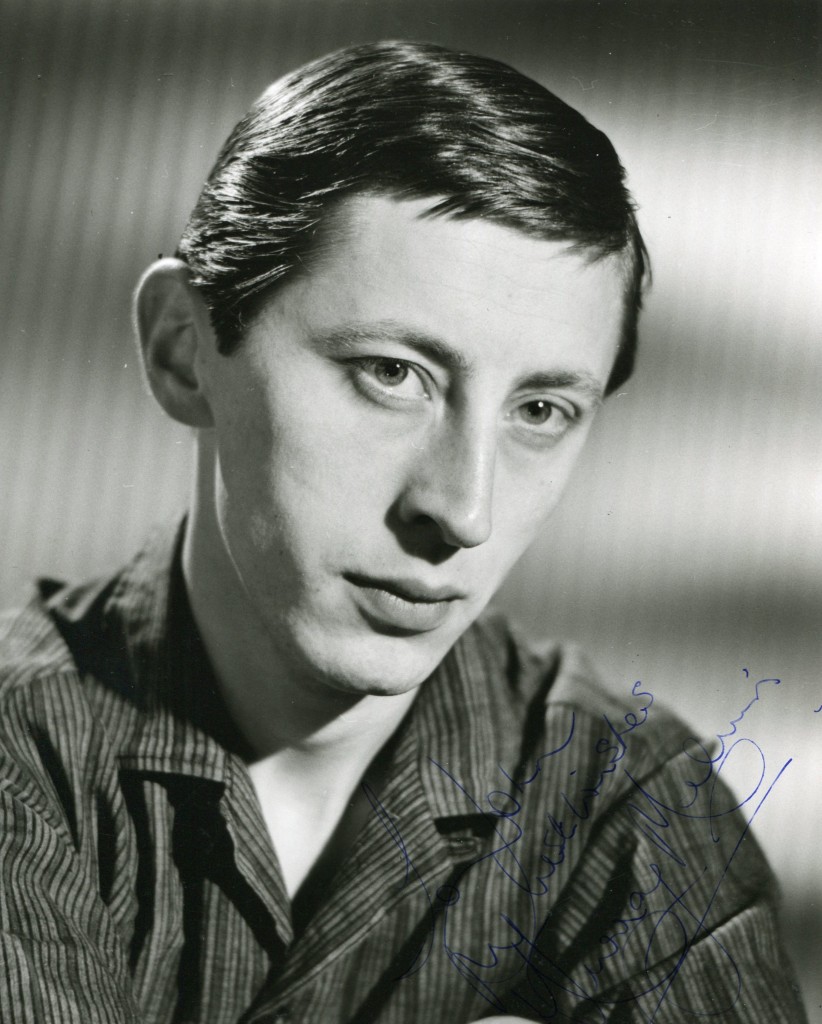
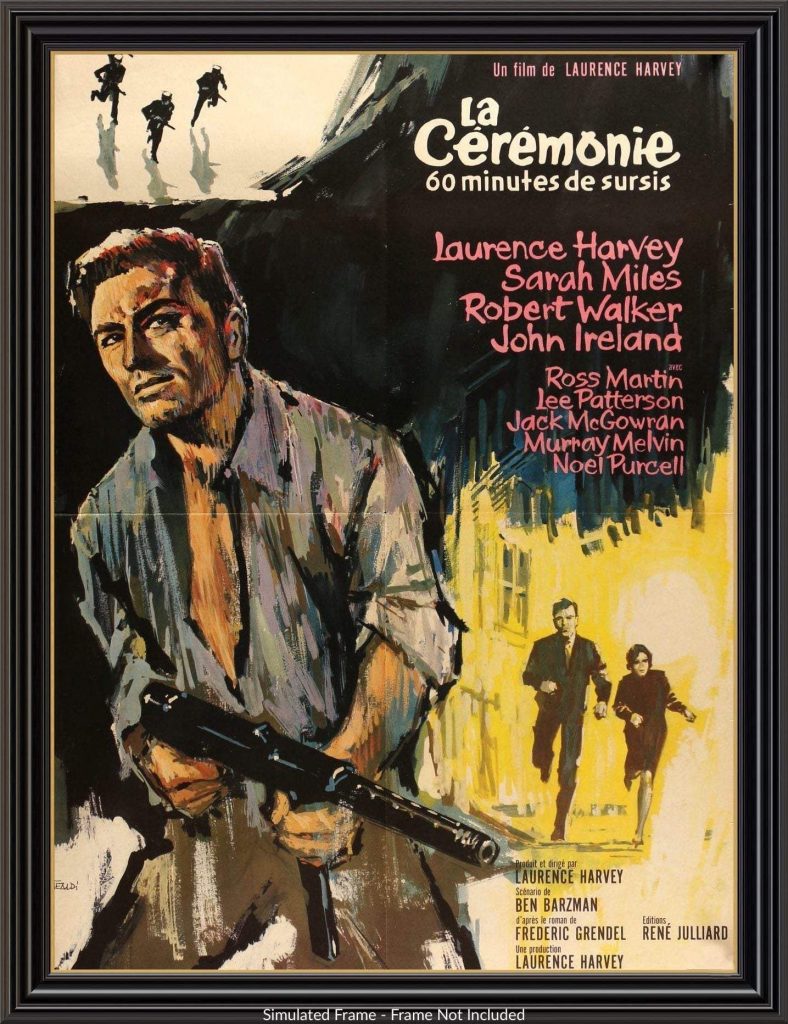
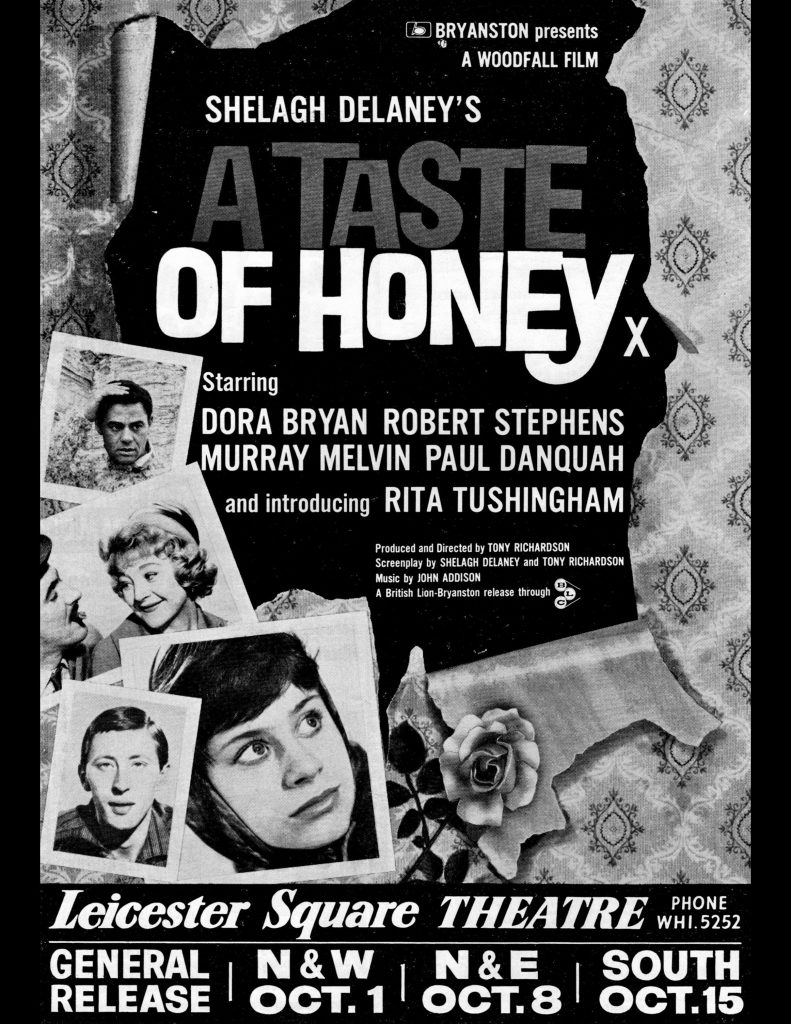
Murray Melvin was born in 1932 in London.   He acted with Joan Littlewood’s theatre company and in 1958 was in Brendan Behan’s “The Hostage”.   In 1961 he starred in Shelagh Delaney’s “A Taste of Honey” with Rita Tushingham and Dora Bryan directed by Tony Richardson.   His cinema highlights also include “The Devils”, “Alfie”, “The Boyfriend” with Twiggy and Stanley Kubrick’s “Barry Lyndon” with Ryan O’Neal in 1975.   It was good to see him recently in the film of the musical “The Phantom of the Opera”.   Murray Melvin was in the very first episode of the cult TV series “The Avengers”.

TCM Overview:

Narrow-faced, slender, haughty-looking character player, best known for his Cannes award-winning performance as Rita Tushingham’s sympathetic gay friend in Tony Richardson’s adaptation of Shelagh Delaney’s “angry young woman” drama, “A Taste of Honey” (1961). A prolific theater actor–he originated the “Honey” role on the stage–Melvin has appeared in several films, including three by director Peter Medak: “A Day in the Death of Joe Egg” (1970), “The Krays” (1990) and “Let Him Have It” (1991).

The Times obituary in 2023:

Murray Melvin obituary

Actor who emerged at Theatre Workshop and broke down barriers as Jo’s gay friend in A Taste of Honey

Murray Melvin liked to claim that gay pride began on the day in 1958 when he appeared on stage with Joan Littlewood’s Theatre Workshop company in A Taste of Honey.

Melvin played the gay art student Geoffrey in Shelagh Delaney’s ground-breaking play and after a West End run, reprised the role in Tony Richardson’s 1961 film opposite Rita Tushingham, playing the single mother with a mixed-race baby whom Geoffrey befriends. His sensitive, sympathetic portrayal won him the Cannes Film Festival Award for Best Actor.

If it would be unfair to say it was the high tide of a long and varied career in which he appeared in such films as AlfieThe Boy FriendBarry Lyndon and the 2004 film adaptation of The Phantom Of The Opera, it was the role of which he was most proud and in which he felt he had “made a difference”.

Melvin with Michael Caine in Alfie, 1966

Melvin with Michael Caine in Alfie, 1966

Although the fact that his character was gay was never specifically mentioned in the play or film adaptation, Melvin’s portrayal was unambiguous. “Homosexuality was still against the law, punishable by a prison sentence so there had to be this fine line,” explained Melvin, who was himself gay. “Looking back I think how daring I was to go out and perform that. It broke barriers.”

His memory of the first night at the Theatre Royal Stratford East, before the play transferred to the West End and to film, lived with him all his life. When he took the curtain call with Frances Cuka, who played the single mother Jo, he did not know how the audience would react.

“When we ran on there was a roar and we got hold of each other’s hands because for a moment, we thought it was anti,” he recalled. “And then we realised that they were standing and cheering.

“I always say I was the start of gay pride. I was gay pride of 1958. It’s all down to me, honey. It was on my shoulders and I’m very proud of it.”

Melvin in A Taste Of Honey in 1961

Melvin in A Taste Of Honey in 1961

If A Taste Of Honey changed Melvin’s life, it had a similar effect on others too. Over the years he was often approached by people who told him: “When I saw that, you changed my life. You made it possible for me.”

A tall and rather soulful presence with delicate features, Melvin had arrived at Theatre Workshop with little training and although his formal title was “assistant stage director” by his own admission it meant that he made the tea and swept the floor.

When he joined, the company — which also included Barbara Windsor, Victor Spinetti and briefly Michael Caine — was struggling to survive. Several of the actors lived in the theatre and, to save money, there was no heating.

Melvin landed his first stage role in A Taste Of Honey when during a read-through of the first draft of the script he was in the kitchen as usual putting the kettle on and Littlewood joined him. She started drying up the cups and asked Melvin what he thought of “the boy” in the play. “He drives me mad!”, he told her and suggested that the character needed to stop being such a wimp.

“Pity, because I was going to ask you to play him,” she replied and put the tea cloth down and walked out. He thought he had just talked himself out of his first role, but Littlewood was impressed by his passion and gave him the part.

He went on to become a Theatre Workshop stalwart, appearing in Littlewood’s production of Oh, What a Lovely War! which transferred to the West End and Broadway

Melvin liked working for mavericks. If Littlewood was one, another was Ken Russell, whom he first worked for on the television films, The Diary of a Nobodyand Isadora Duncan, before playing Father Mignon in Russell’s historical drama The Devils (1971), alongside Oliver Reed and Vanessa Redgrave.

In Russell’s The Boy Friend that same year, he tap-danced his way through a spectacular solo number dressed as a French officer. He played Berlioz in Lisztomania and a French lawyer in Prisoner of Honour (1991) about the Dreyfus case. He and Russell remained close friends until the director’s death in 2011.

Stanley Kubrick was also a maverick of sorts, not least in his obsessive perfectionism. “Every shot was a Gainsborough,” Melvin recalled after appearing in his 1975 film, Barry Lyndon.

As the Rev Samuel Runt, he had a long speech opposite the Irish actress, Marie Kean. Through nerves he stumbled in the first few takes, but after take 57 he told the director he had had enough. “Do you want a break?” Kubrick asked. They took one, and when they resumed there were 20 more takes before the director was satisfied.

Murray Melvin was born in 1932 in St Pancras, London, the son of Maisie (née Driscoll) and Hugh Melvin, an RAF officer. He left school at 14 but not before he had risen to become head boy, an honour he attributed to “clean fingernails and well-combed hair” rather than any academic prowess.

He started work as an office boy with a travel agent and then became an import and export clerk in a shipping office, until he was sacked for misdirecting goods.

After the war his parents founded a youth club in Hampstead, where Murray became an enthusiastic amateur thespian until he was forced to spend two desperately unhappy years doing his National Service in the RAF. On his return to civilian life he became a clerk at the Air Ministry’s sports board, another appointment he attributed to his immaculate grooming for he had no interest in sport and even less aptitude for it.

He enrolled in drama, mime and ballet evening classes at the City Literary Institute and auditioned for Theatre Workshop during his lunch hour. Asked to create a character he knew from life, he impersonated his rotund and pompous boss at the sports board. When he announced that he had to return that afternoon to work for the character he had just mimicked, Littlewood turned to her general manager Gerry Raffles and told him, “The poor little bugger, we must get him away from there.”

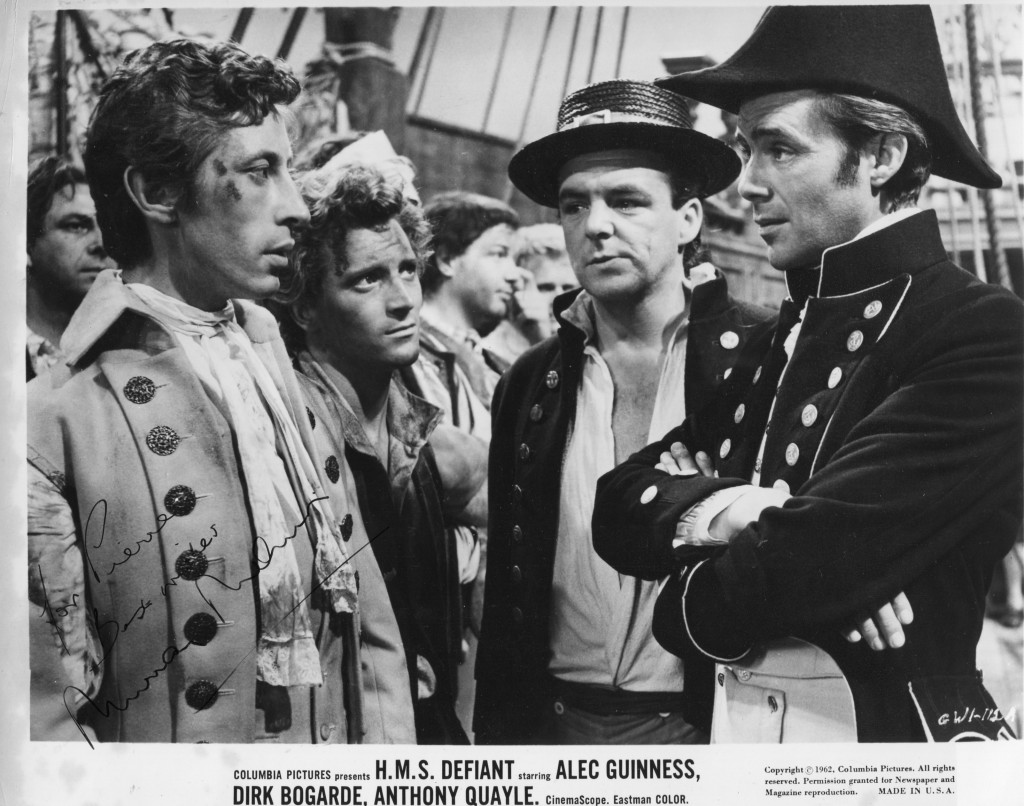
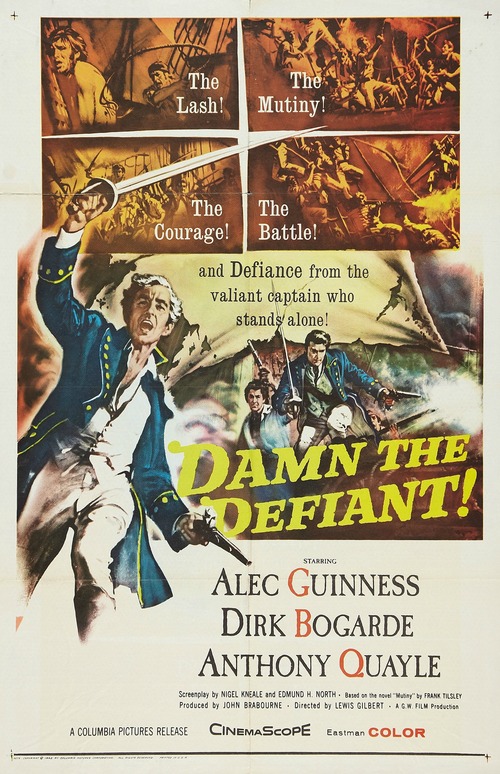
His theatre work brought him to the attention of the film director Lewis Gilbert, who cast him opposite Dirk Bogarde and Alec Guinness in the naval epic HMS Defiant and as the best friend of Michael Caine’s titular character in Alfie.

Melvin later became a director himself on two operas by Peter Maxwell Davies and at the other end of the cultural spectrum he directed pantomimes by Graeme Garden.

He was seldom out of work and notable appearances into the 21st century included playing the opera composer Reyer in The Phantom Of The Opera and the villainously sinister Bilis Manger in the Doctor Who spin-off Torchwood.

Yet it was his days with Littlewood’s Theatre Workshop that defined him. “It was hell working for Joan,” he recalled. “But you accepted it because you’d find out things about yourself that you never knew.”

He led the successful campaign to erect a statue of her in east London, became the official archivist of the Theatre Royal and published histories of the theatre and of Littlewood’s company.

Her Theatre Workshop, he wrote, was nothing less than “the Trojan horse that brought modern theatre into Britain

Murray Melvin (1932–2022) was a singular presence in British culture—a delicate, sharp-featured actor who became the human face of the “Kitchen Sink” realism movement. As a founding member of Joan Littlewood’s Theatre Workshop, he didn’t just act in plays; he helped dismantle the stiff, upper-class artifice of post-war British theater.

Critically, Melvin is analyzed as a pioneer of vulnerable, queer-coded masculinity. In an era of “angry young men,” Melvin provided something far more subversive: a quiet, watchful, and deeply empathetic outsider.


I. Career Overview: The Littlewood Disciple

Act 1: The Theatre Workshop (1950s)

Melvin’s career began in the trenches of the Theatre Royal Stratford East. Under Joan Littlewood, he learned a communal, improvisational style of acting. His breakout came in 1958 with Shelagh Delaney’s A Taste of Honey. He played Geoffrey, the gentle art student who cares for the pregnant Jo—a role that was revolutionary for its sympathetic portrayal of a gay man.

Act 2: International Acclaim (1961–1975)

Melvin reprised his role in the 1961 film adaptation of A Taste of Honey, winning Best Actor at the Cannes Film Festival. This success led to a decade of work with visionary directors:

  • Lewis Gilbert: Alfie (1966)

  • Ken Russell: The Devils (1971) and The Boy Friend (1971)

  • Stanley Kubrick: Barry Lyndon (1975)

Act 3: The Keeper of the Flame (1980s–2022)

In his later years, Melvin became a revered character actor, appearing in The Phantom of the Opera (2004) and The Lost City of Z (2016). More importantly, he served as the archivist for the Theatre Workshop, ensuring that the radical history of 20th-century British drama was preserved.


II. Critical Analysis: The Aesthetics of the Outsider

1. The “Geoffrey” Archetype: A Quiet Revolution

Melvin’s performance in A Taste of Honey is a landmark in queer cinema history.

  • The Technique: He avoided the “camp” caricatures common in the 1950s. Instead, he played Geoffrey with a “domestic dignity.”

  • Critical Impact: Critics note that Melvin’s power lay in his androgyny and softness. He provided a domestic anchor for the lead character, Jo, creating a “chosen family” dynamic that was decades ahead of its time. He proved that an actor could be “weak” by societal standards but “strong” through empathy.

2. The Kubrickian Precision: Barry Lyndon

In Stanley Kubrick’s Barry Lyndon, Melvin played the Reverend Samuel Runt.

  • The Performance: In a film famous for its “painterly” stillness, Melvin’s face—pale, thin, and expressive—was the perfect subject. He used a “starched” physicality to represent the moral rigidness of the era.

  • Analysis: Critics point out that Melvin was one of the few actors who could survive Kubrick’s grueling “100-take” method without losing his interiority. He became a part of the film’s visual architecture, yet managed to project a simmering, judgmental intelligence.

3. The Russell Connection: High-Camp Horror

His collaborations with Ken Russell showcased a different side of his talent. In The Devils, he played the fanatical, sinister Mignon.

  • The Shift: Here, Melvin weaponized his slight frame to create a sense of “ascetic menace.” He proved that his “outsider” energy could be turned from sympathetic to terrifyingly zealot-like.


III. Major Credits and Cultural Milestones

Work Role Context Significance
A Taste of Honey (1961) Geoffrey Film Adaptation Cannes Best Actor Winner; iconic queer role.
Alfie (1966) Nat Directed by Lewis Gilbert Solidified him as a staple of the “Swinging Sixties.”
The Devils (1971) Mignon Directed by Ken Russell Explored the “darker” side of his ethereal persona.
Barry Lyndon (1975) Rev. Samuel Runt Directed by Stanley Kubrick A masterclass in period-accurate, minimal acting.
The Phantom of the Opera (2004) Monsieur Reyer Film Musical Brought his theatrical gravitas to a global blockbuster.

Final Reflection

Murray Melvin was the “conscience” of British acting. He never tried to be a conventional leading man, yet he became indispensable to the greatest directors of his age. His legacy is one of uncompromising integrity—he remained a boy from Stratford East at heart, using his unique, bird-like presence to remind audiences that the most interesting stories happen at the margins of society.

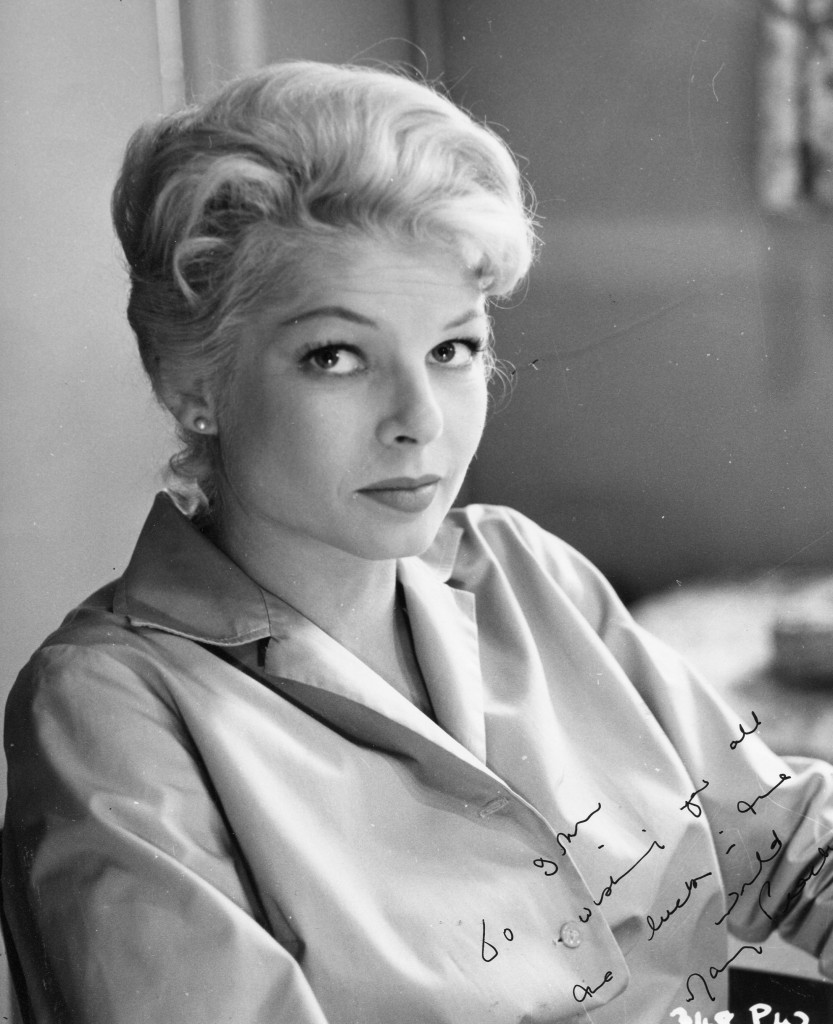
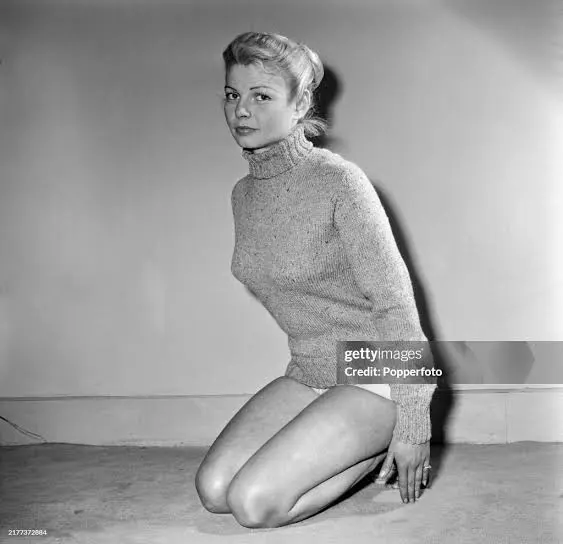
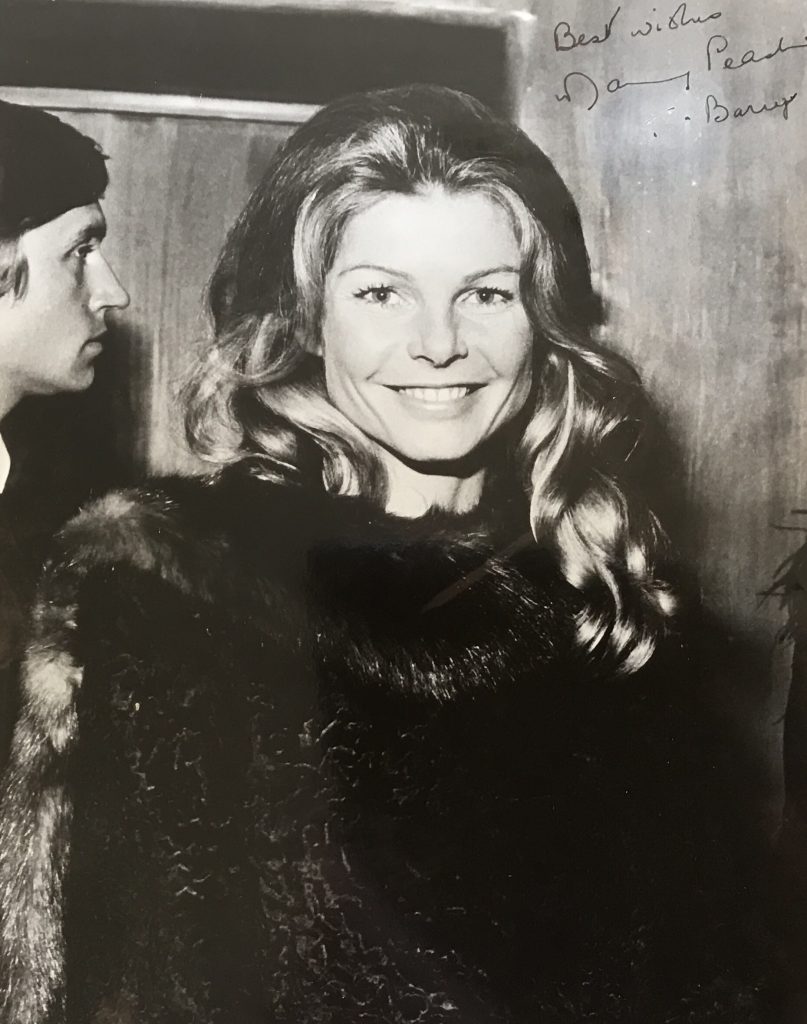
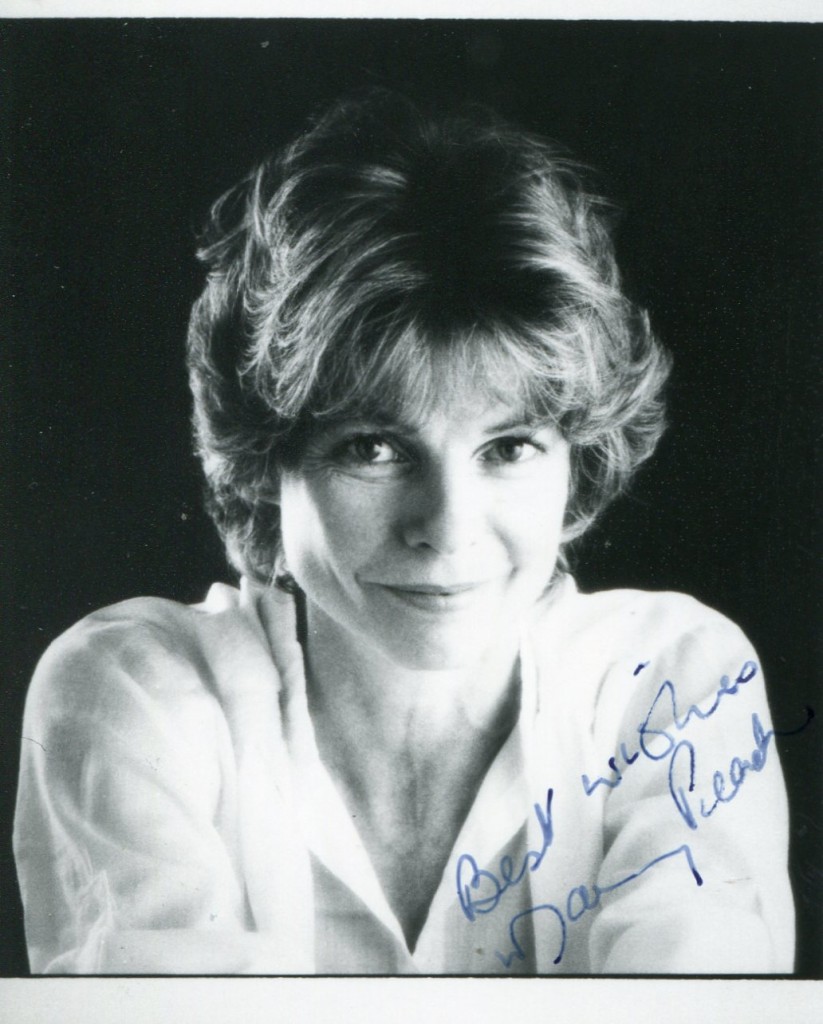
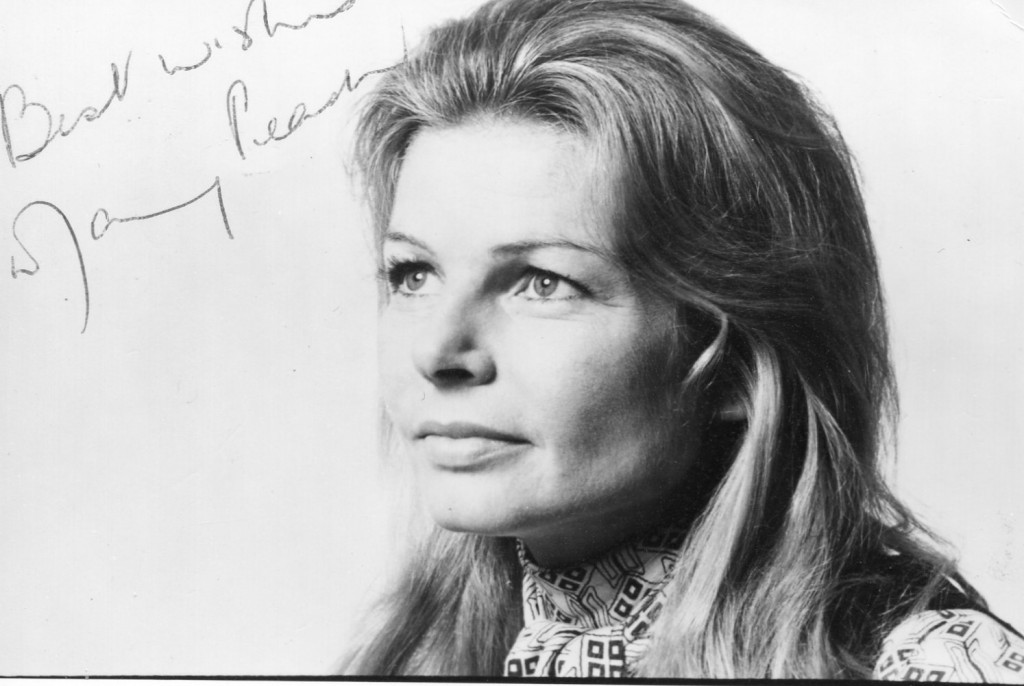
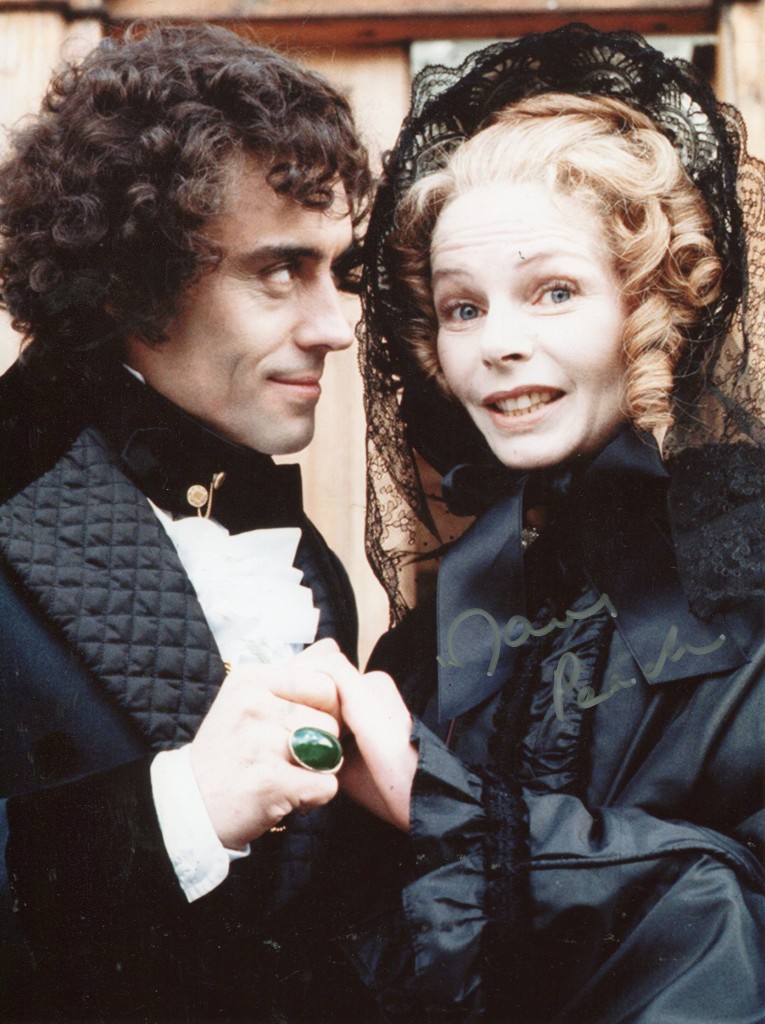
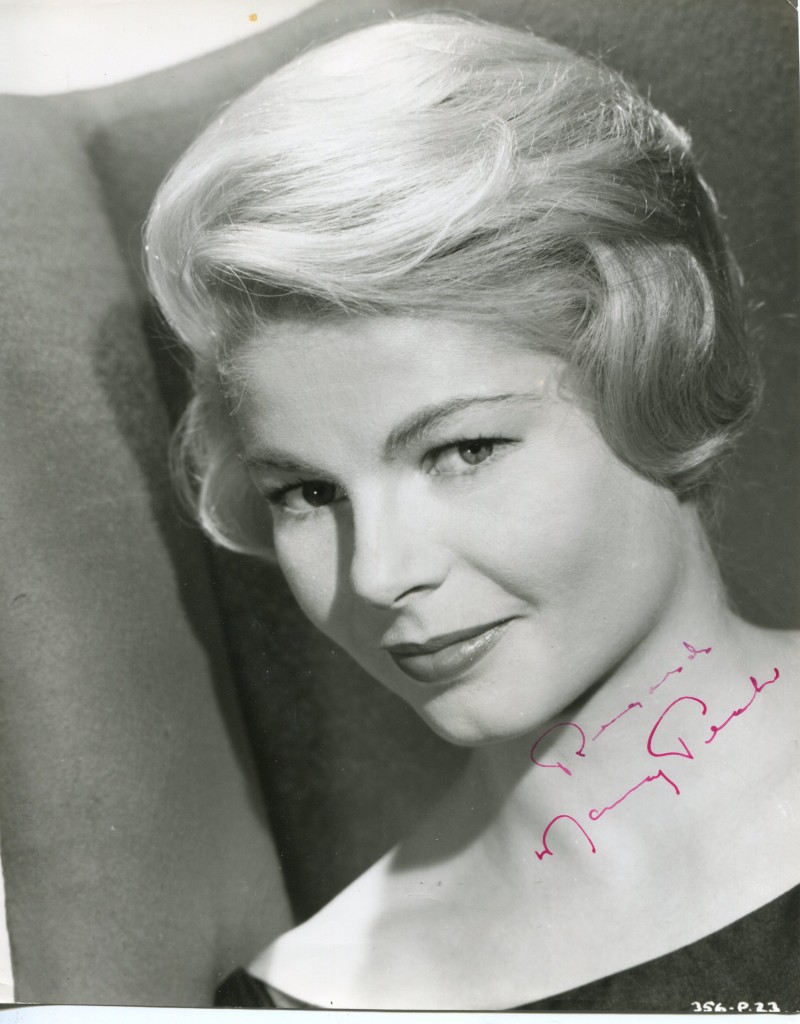
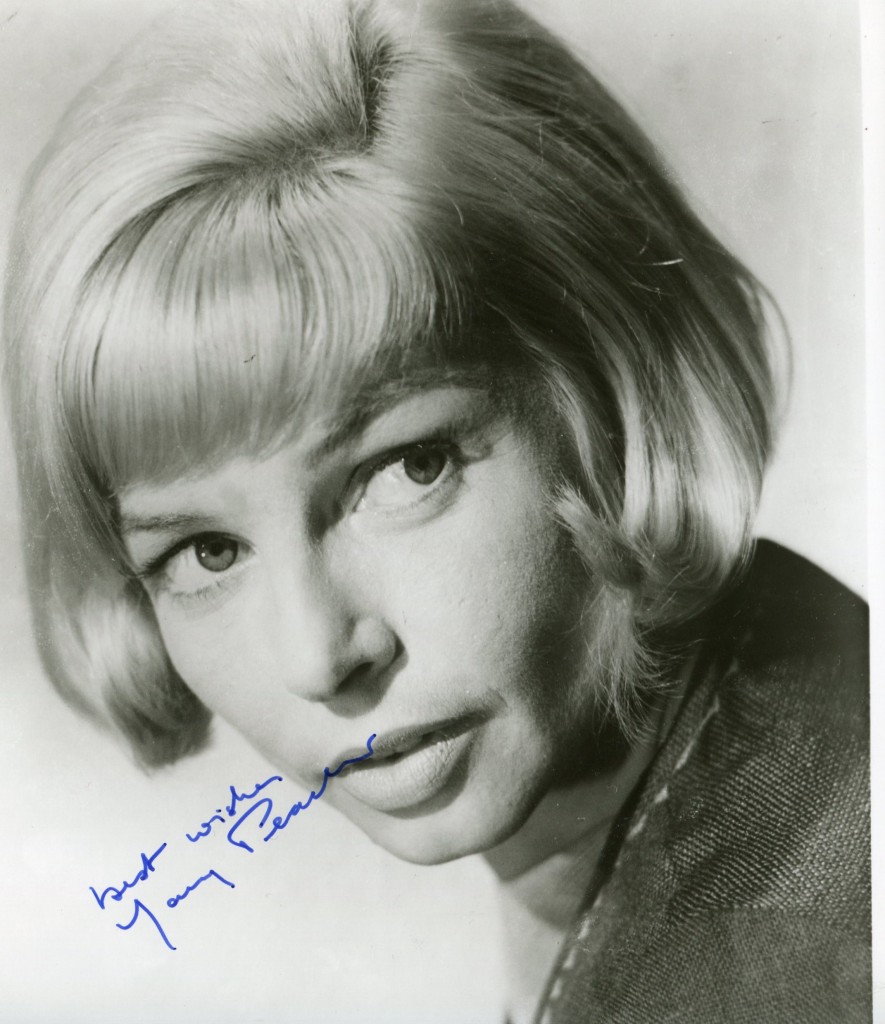
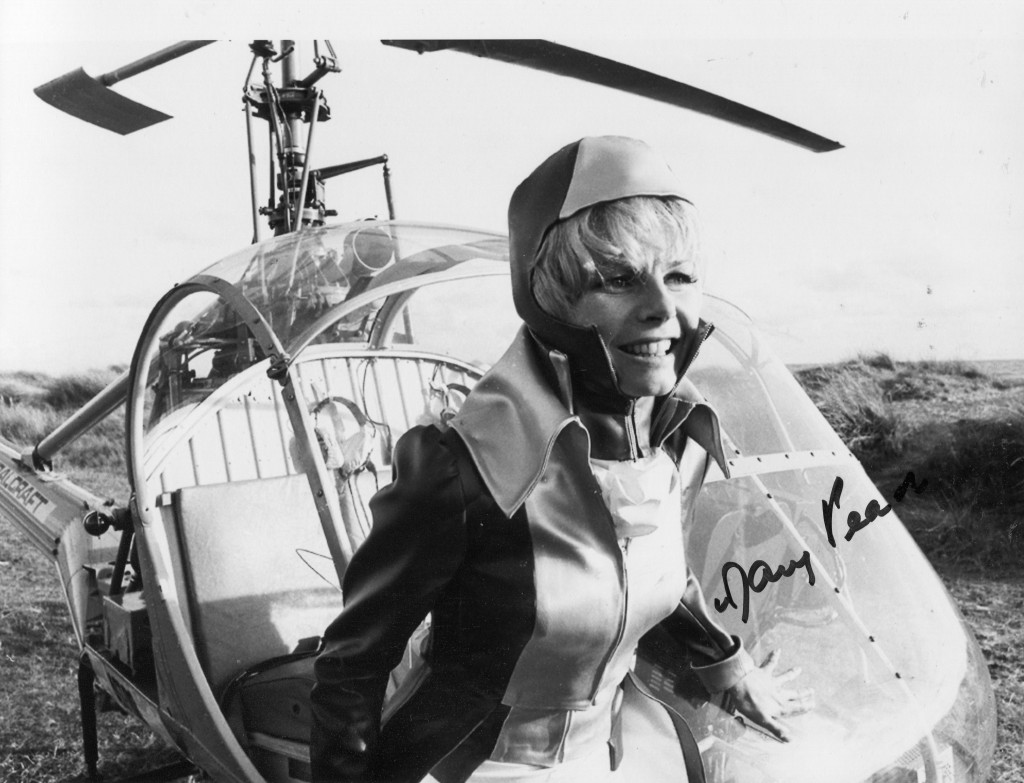
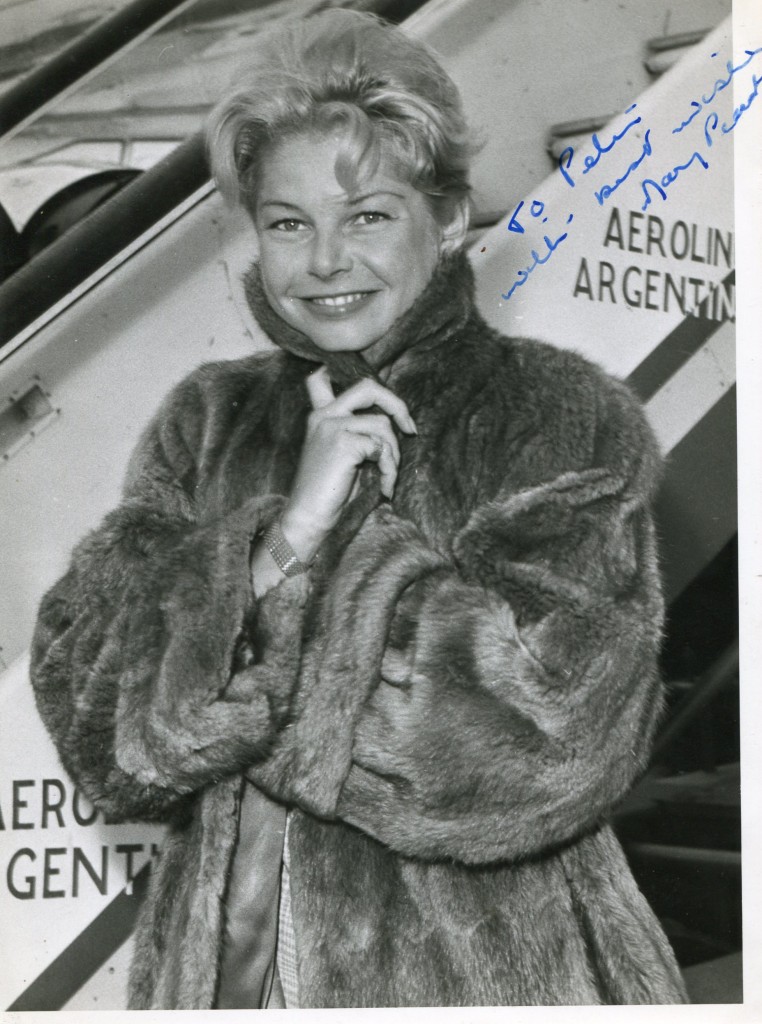
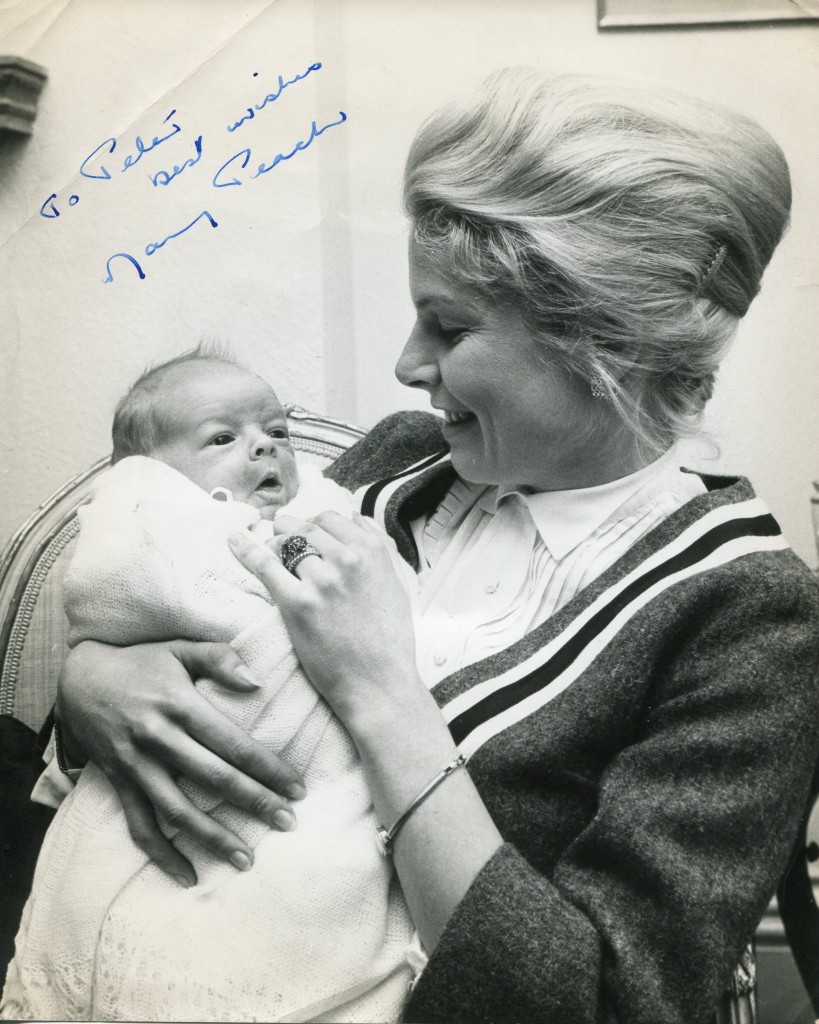
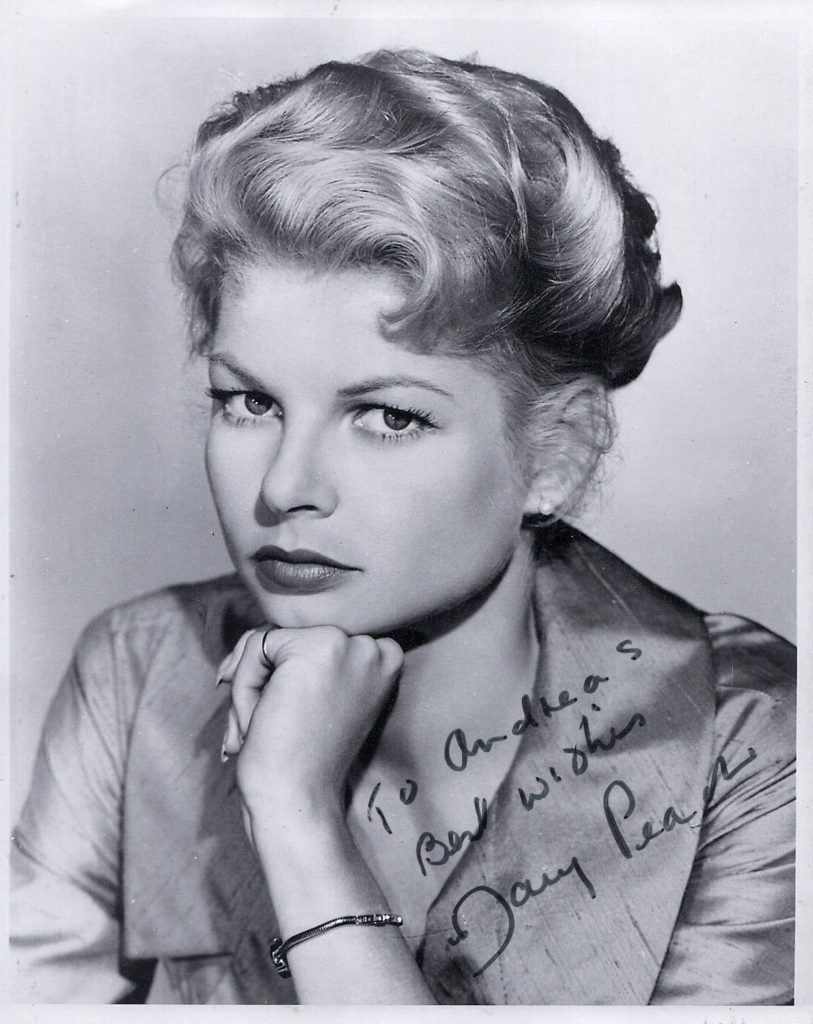
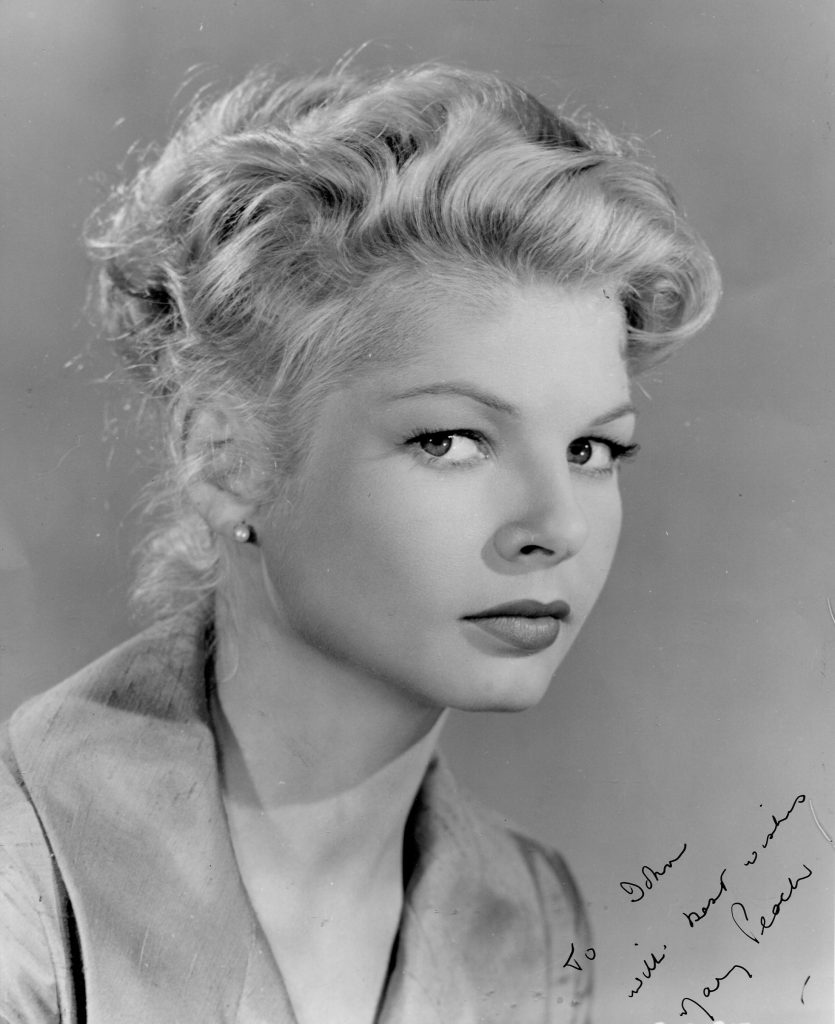
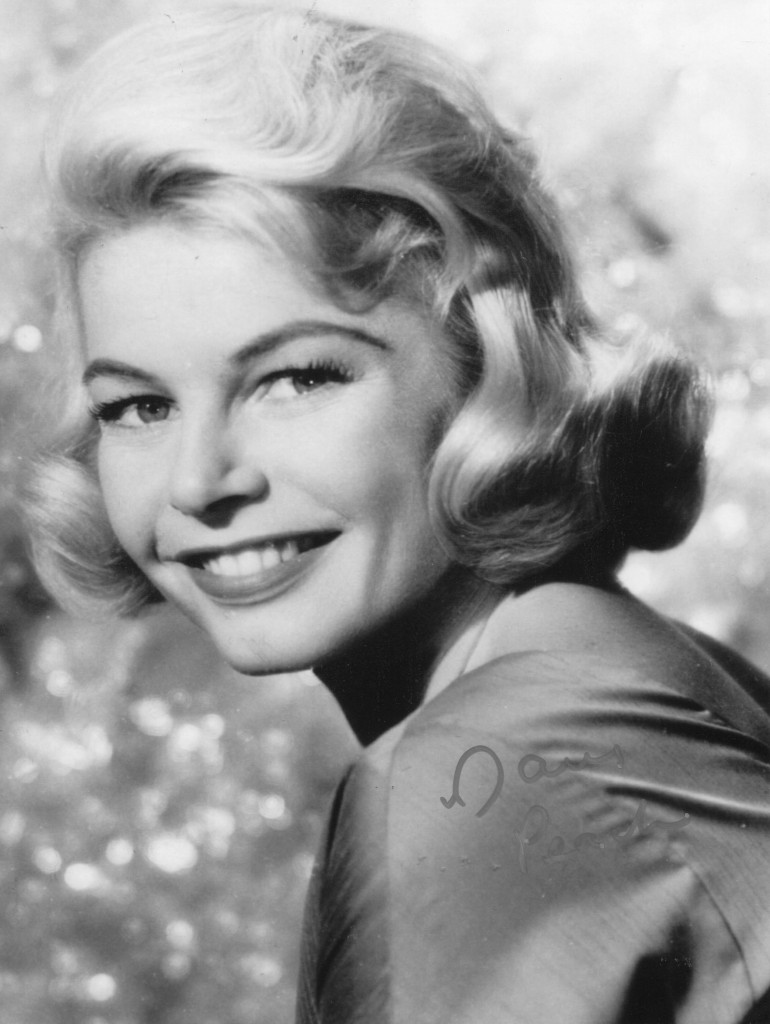
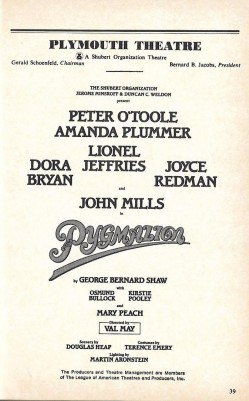
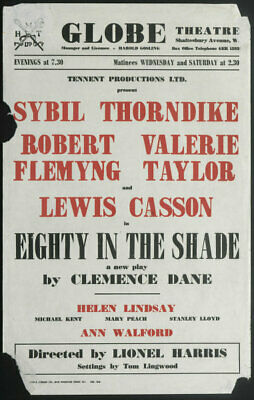
Mary Peach


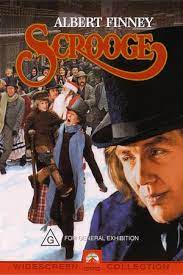
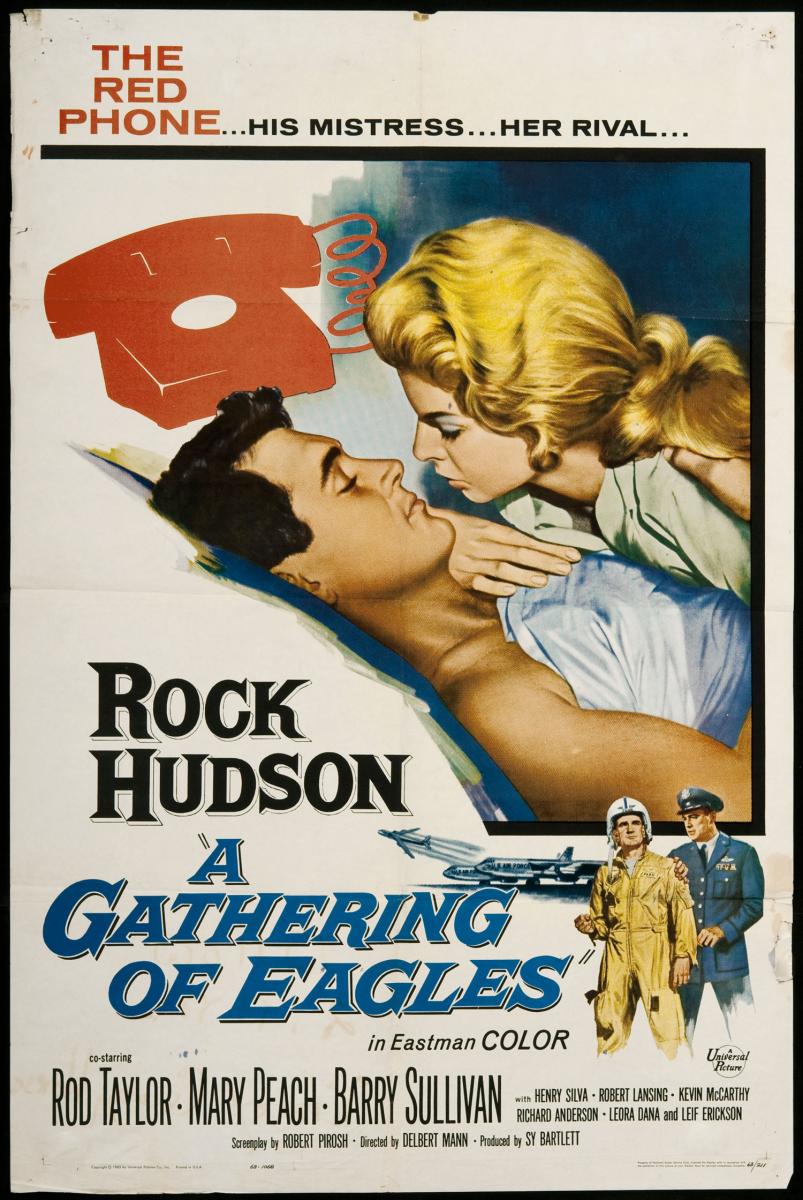
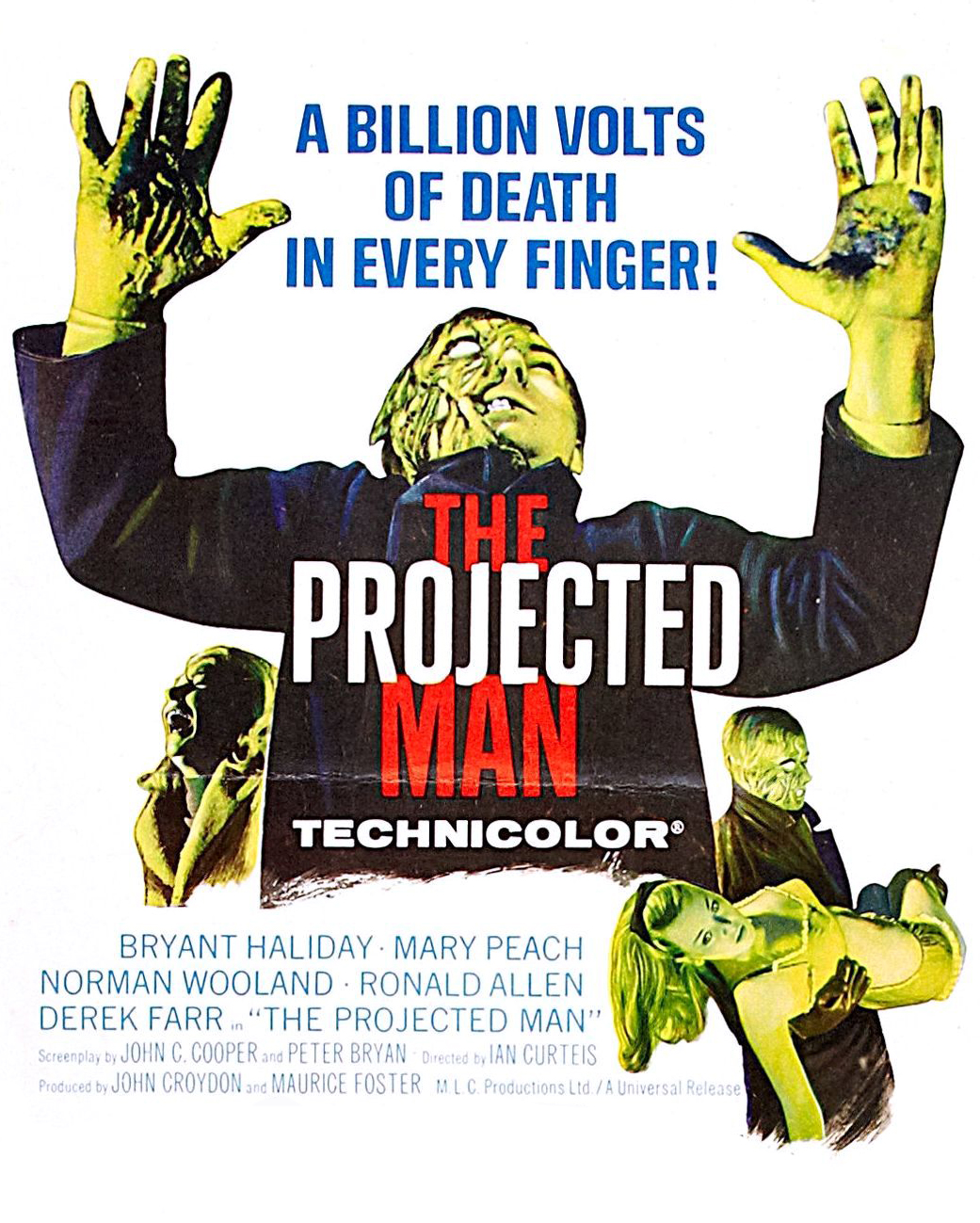
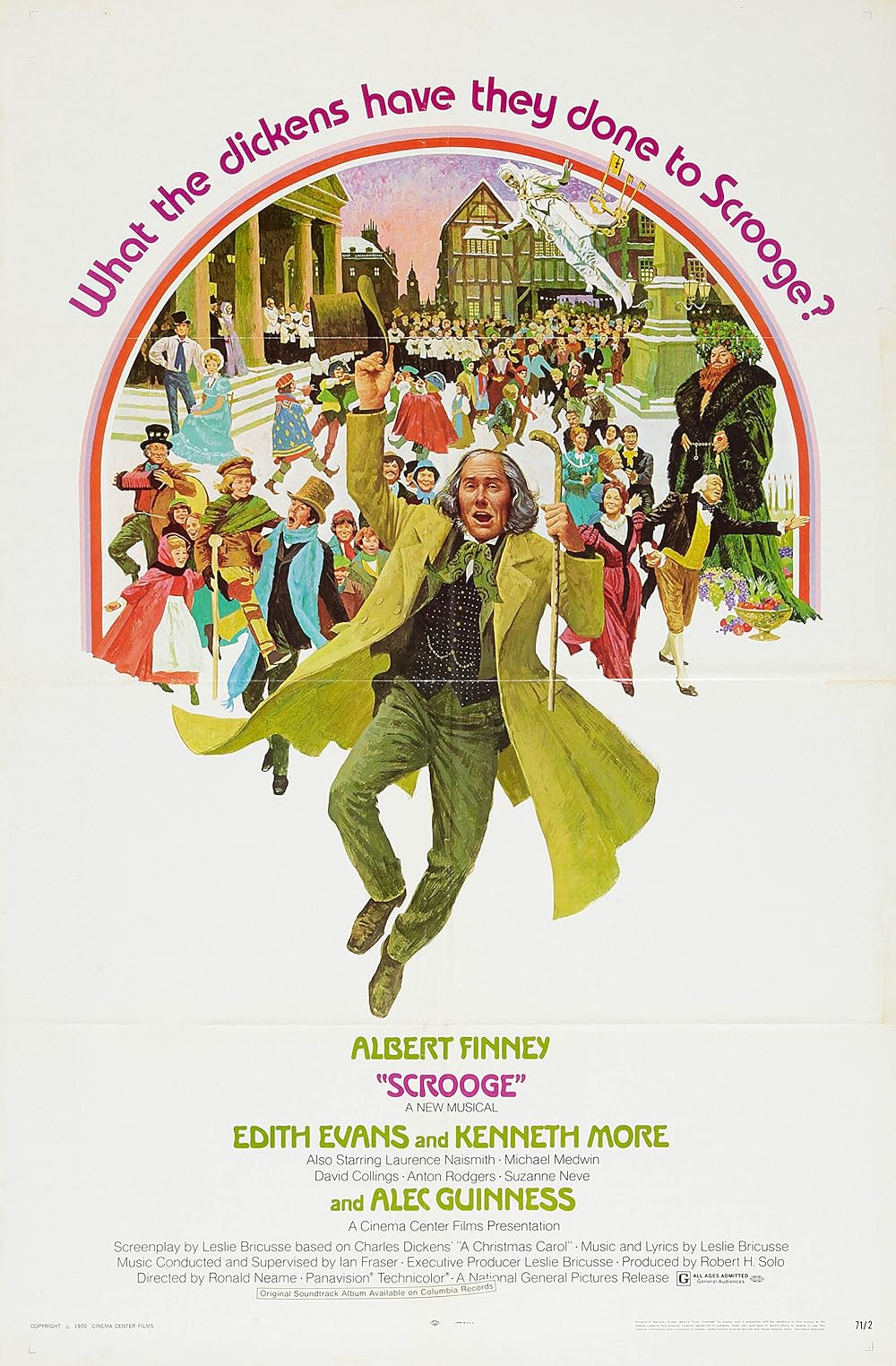
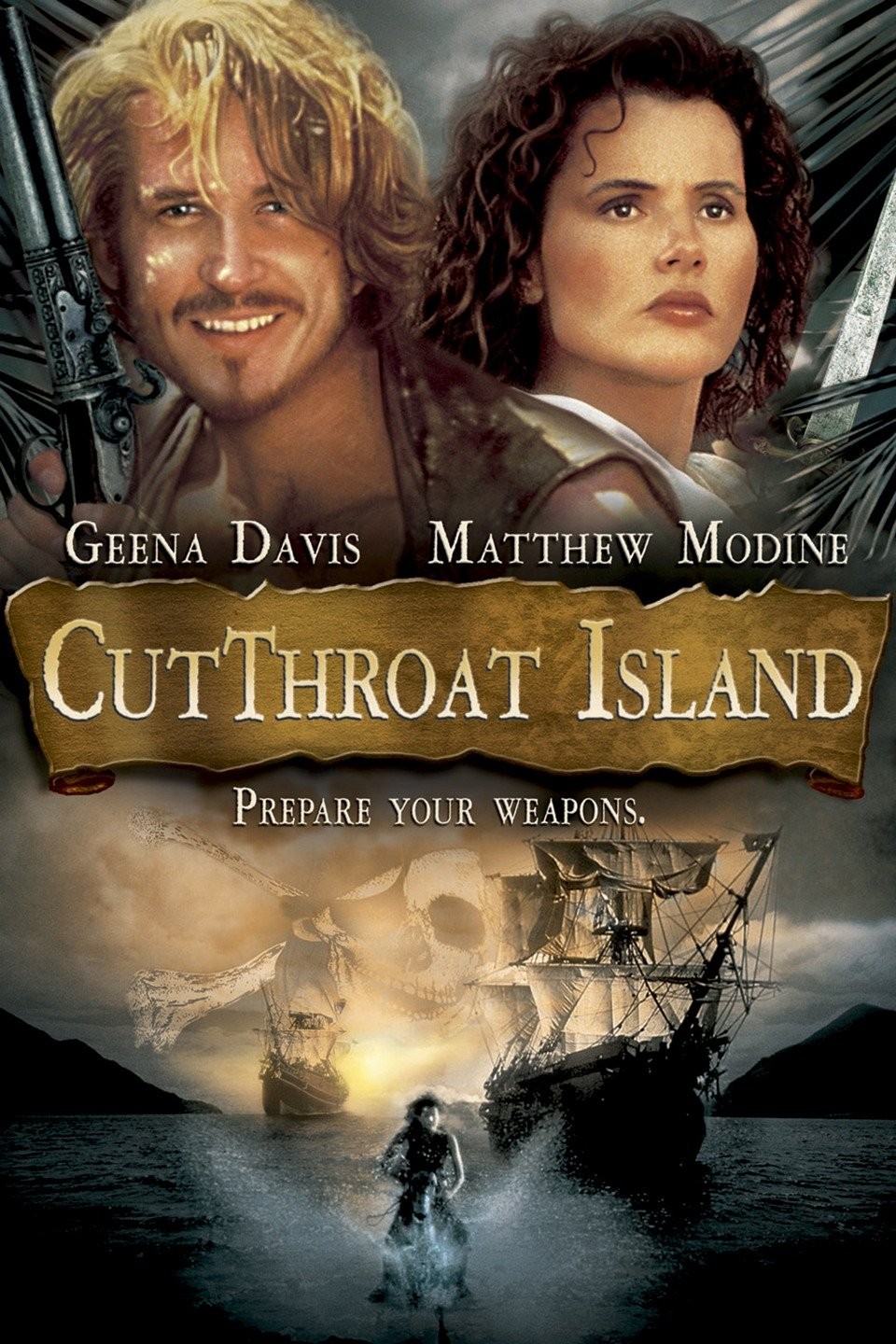
Mary Peach is a South African-born British film and television actress who was born on October 20, 1934, in Durban, South Africa. She is known for her roles in films such as Cutthroat Island (1995), Scrooge (1970), and The Projected Man (1966). She has also appeared in numerous British films and television series over the years, including A Gathering of Eagles (1963) which was made in Hollywood opposite Rock Hudson and Rod Taylor and the BBC adaptation of The Three Musketeers (1966). Peach was married to film producer Thomas Clyde from 1961 until their divorce, and they had two children together. She later married screenwriter and director Jimmy Sangster in 1995, and remained married to him until his death in 2011. Peach was also considered for the role of Steed’s new assistant in The Avengers (1961) after Diana Rigg left the show

Sadly Mary Peach passed away in January 2025 at the age of 90.

Career overview

Mary Peach (b. 1934, Durban, South Africa) is a South African‑born British film and television actress whose career (1957–1995) traced a distinctive arc from new‑wave breakthrough to reliable small‑screen versatility. Intelligent, attractive, and instinctively poised, she moved easily between romantic leads in British cinema and authoritative character work on television, her combination of warmth and composure making her a representative—and sometimes underestimated—face of post‑war British screen acting.


Early life and emergence

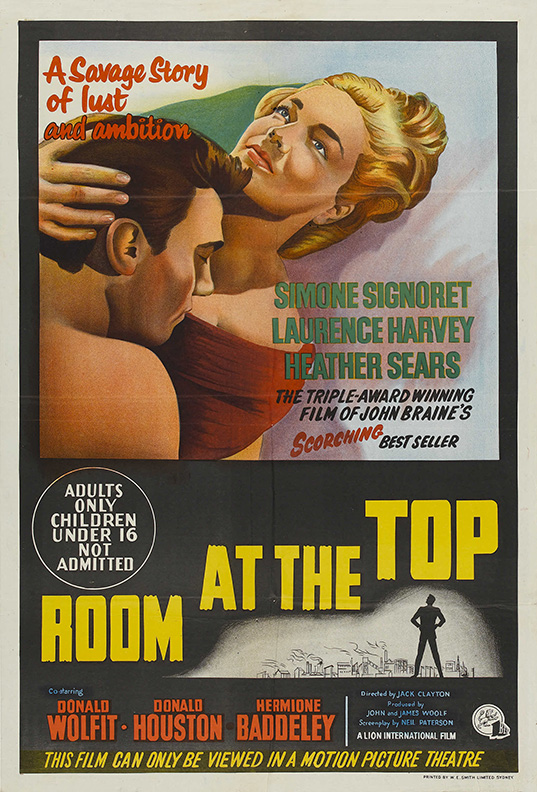
Born to South African parents and raised in Durban, Peach moved to Britain in the 1950s to study acting. Her early stage work in repertory led quickly to television appearances on Armchair Theatreand ITV Playhouse (). In 1959 she was cast in Room at the Top, the groundbreaking “kitchen‑sink” drama that helped launch the British New Wave. Her small but memorable role as June Samson earned her a BAFTA nomination for Most Promising Newcomer. That debut positioned her among a cohort of young performers—like Heather Sears and Rita Tushingham—expanding the emotional vocabulary of British social realism.


Film work and transatlantic recognition (1959–1966)

Following her debut Peach alternated between comedies and prestige dramas that showcased her natural modernity:

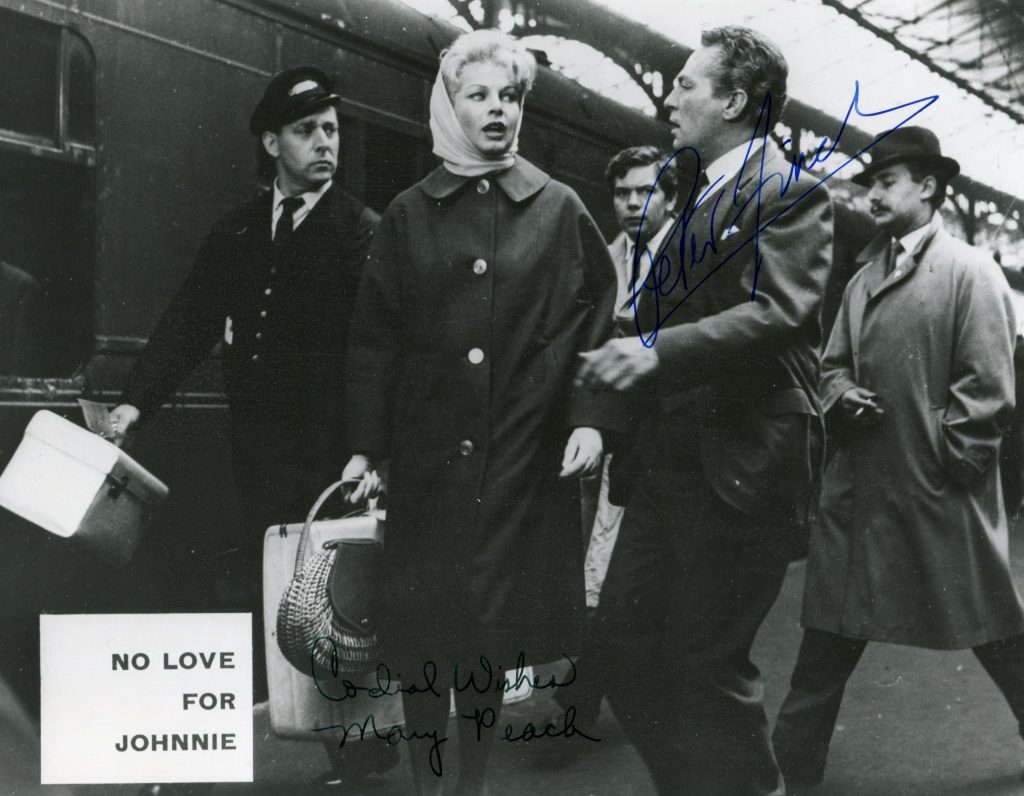
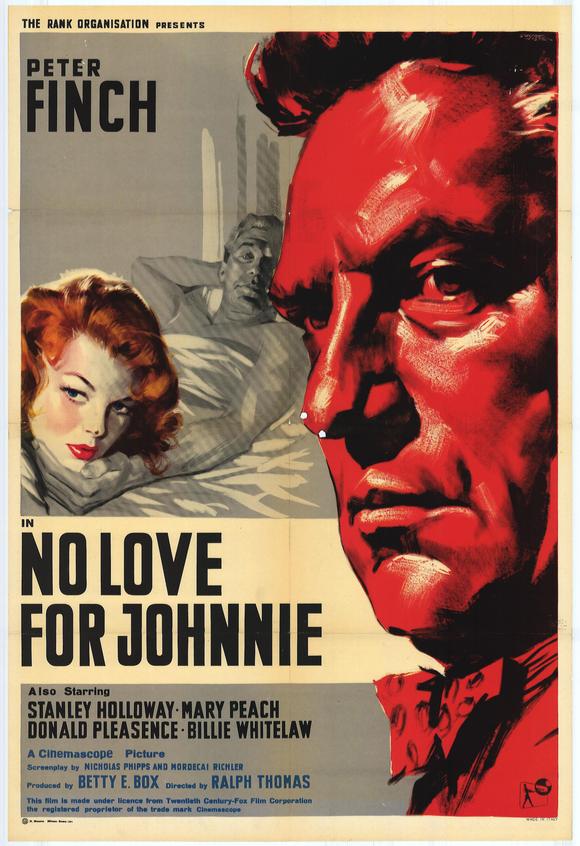
  • No Love for Johnnie (1961) – opposite Peter Finch; she gave the political melodrama its emotional ballast, playing a self‑possessed woman disillusioned by cynicism in public life.
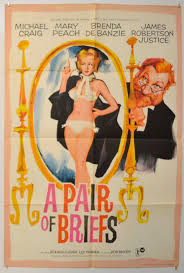
  • A Pair of Briefs (1962) – a courtroom comedy in which her mix of irony and poise made her one of British cinema’s more credible “career women” of the early 1960s.
  • A Gathering of Eagles (1963, Universal) – her Hollywood debut beside Rock Hudson as the wife of an American Air Force officer; U.S. critics cited her for “quiet authority bridging English delicacy and American directness” .
  • The Projected Man (1966) – a science‑fiction film now best known among cult audiences (and even featured on Mystery Science Theater 3000). Peach’s intelligent calm amid pulp material typified her professionalism in uneven projects.

Though never promoted as a glamour star, she struck a balance between the accessible “girl next door” and the articulate modern woman—qualities that made her one of the period’s most adaptable leading ladies.


Television prominence (1960s–1980s)

By the late 1960s Peach became a fixture of British television drama at precisely the time TV was overtaking film as the medium of quality writing in Britain. Key appearances include:

  • Astrid Ferrier in Doctor Who: The Enemy of the World (1967), notable for her resourceful, courageous characterization of a female companion figure during an era when women were rarely written with such agency .
  • The BBC’s The Three Musketeers (1966), as Milady de Winter—a role that played to her elegance and latent irony.
  • The Saint episode “The Gadget Lovers” (1967), in which she held her own as Russian spy Colonel Tanya Smolenko opposite Roger Moore’s urbane hero.
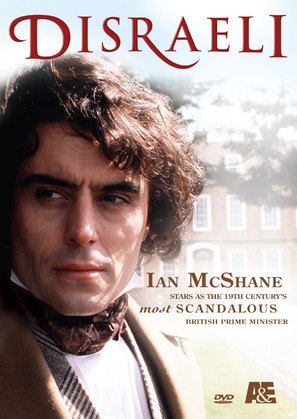
  • 1970s and 1980s miniseries such as Disraeli (1978), Fox (1980), The Far Pavilions (1984), and A.D. Anno Domini (1985), where she matured into composed matriarchal and aristocratic figures.

Television suited her disciplined craft and clarity of speech. She became one of those actors who lent prestige and steadiness to episodic drama without distracting star mannerisms.


Later career and personal life

Peach appeared sporadically in film thereafter—small parts in Scrooge (1970) and Cutthroat Island (1995) bookend her screen career—but remained a valued television presence through the mid‑1990s (). Off‑screen, she married film producer Thomas Clyde (1961–div.), with whom she had two children, and later married screenwriter‑director Jimmy Sangster, best known for his work with Hammer Films, a partnership that lasted until his death in 2011 .


Acting style and screen persona

  • Composure and intelligence: Peach’s hallmark was emotional control that hinted at complexity beneath the surface. Even in minor roles she projected thought and decisiveness.
  • Modern naturalism: Emerging from the New Wave, she rejected melodramatic affectation; her performances look contemporary even beside today’s understated styles.
  • Versatility: Equally at ease in glossy Hollywood assignments and BBC realism, she bridged two acting traditions—American immediacy and British restraint.
  • Voice and diction: Her clear, musical delivery made her ideal for period and literary adaptations.

Critical evaluation

Strengths
- Consistency and intelligence: rarely miscast, always credible.
- An ability to suggest interior conflict without overt drama.
- A remarkably smooth transition from ingénue to mature authority on television.

Limitations
- Lack of a single defining star vehicle limited public recognition.
- Her professionalism and poise sometimes read as emotional reserve, making it harder to command publicity in an era favoring showier personalities.

Nevertheless, critics and colleagues acknowledged her as an actor who raised the level of any ensemble she joined—a “working actress” in the best sense.


Legacy

Mary Peach’s career reflects the evolution of British screen acting from the late‑1950s social realism to the character‑driven television drama of the 1970s and ’80s. She occupies an important transitional place: part of the generation that replaced the old studio glamour with middle‑class candor, yet retained classical polish. Her work demonstrates how intelligence, restraint, and emotional truth produce longevity even without star hype.

In retrospection, Peach stands as a subtle craftsman of modern performance—a capable leading lady who aged into a reliable character actress, maintaining credibility and grace for nearly four decades.

Mary Peach died in 2024.

Tony Osoba
Tony Osoba
Tony Osoba

Tony Osoba was born in Glasgow in 1947.   He has guest starred in most of the popular British television series since the 1970’s including “The Professionals”, “Dempsey and Makepeace”, and “Between the Lines”.   He starred with Ronnie Barker and Richard Beckinsale in TV’s “Porridge”.   His films include “Game for Vultures” in 1979 with Richard Harris and Joan Collins and “Who Dares Wins” i 1982 with Richard Widmark and Lewis Collins.   His website here.

IMDB Entry:

Tony Osoba was born in Glasgow, Scotland, and has become a familiar face to TV audiences in a career spanning more than 30 years. Tony joined the RSAMD at the age of 18 in Glasgow. His breakthrough role came in 1974 when he starred opposite Ronnie Barker in the popular BBC sitcom ‘Porridge’. Tony played in-mate Jock McLaren throughout the 3 seasons of the show, as well as appearing in the first episode of the follow-up series ‘Going Straight’ in 1978 and starring in the film version of Porridge in 1979.

During his career he has made more than 200 television appearances, including ‘Doctor Who’ opposite Tom Baker in the 1979 story ‘Destiny Of The Daleks’, and later in the 1987 story ‘Dragonfire’, with Sylvester McCoy. In 1985, Tony starred as Det. Sgt. Chas Jarvis in all three seasons of the Drama series ‘Dempsey & Makepeace’, and later joined the cast of ‘Coronation Street’ in 1990 as Peter Ingram. In the 1990s, he appeared in programmes such as ‘The Bill’, ‘Taggart’, ‘Bugs’ and ‘Holby City’.   Tony has also had a successful career on the stage, and recently starred in a major UK Theatre Tour of Rodger & Hammerstein’s ‘The King & I’ in 2005.

– IMDb Mini Biography By: Oliver Crocker

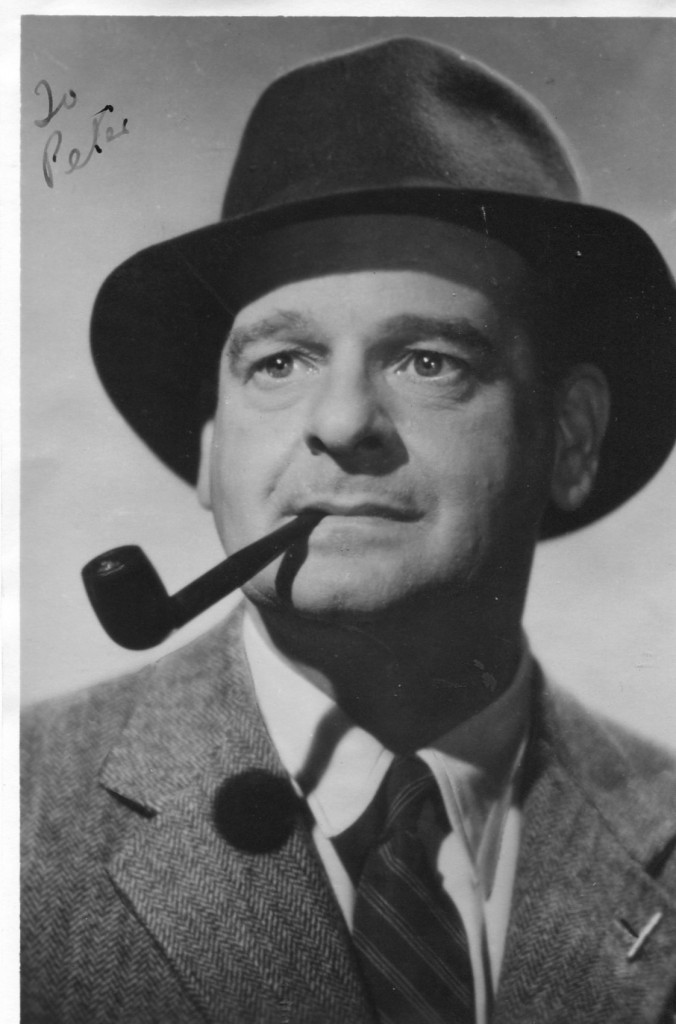
Walter Fitzgerald
Walter Fitzgerald
Walter Fitzgerald

Walter Fitzgerald was a distinguished British character actor.   He was born in 1896 in Devon.   His first film was in 1932 in “Murder In Covent Garden”.   His cinema highlights include “In Which We Serve”, “San Demitro, London”, “The Fallen Idol” and “Treasure Island”.  He went to Hollywood in 1959 to make “Darby O’Gill and the Little People” for Walt Disney.    He died in 1976 in London at the age of 80.

His IMDB entry:

Walter Fitzgerald was born on May 18, 1896 in Keyhan, Derby, England as Walter Bond. He was an actor, known for Treasure Island (1950), The Fallen Idol (1948) and Darby O’Gill and the Little People (1959). He died on December 20, 1976 in London, England.

Square-jawed, balding British character actor who usually played authority figures and men of integrity. In his youth, he was briefly active on the Stock Exchange before training at RADA for an acting career. Began on stage in 1922, in films ten years later. His best spell was from the mid-1940’s, notably as Dr. Fenton The Fallen Idol (1948) and Squire Trelawney in Treasure Island (1950).
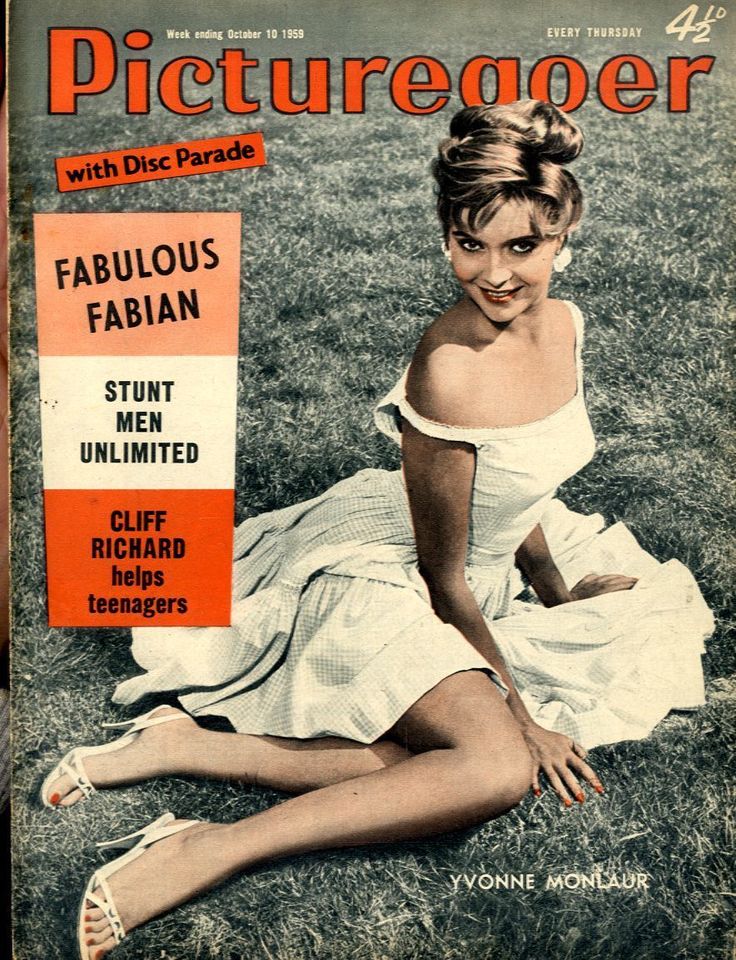
Yvonne Monlaur
Yvonne Monlaur
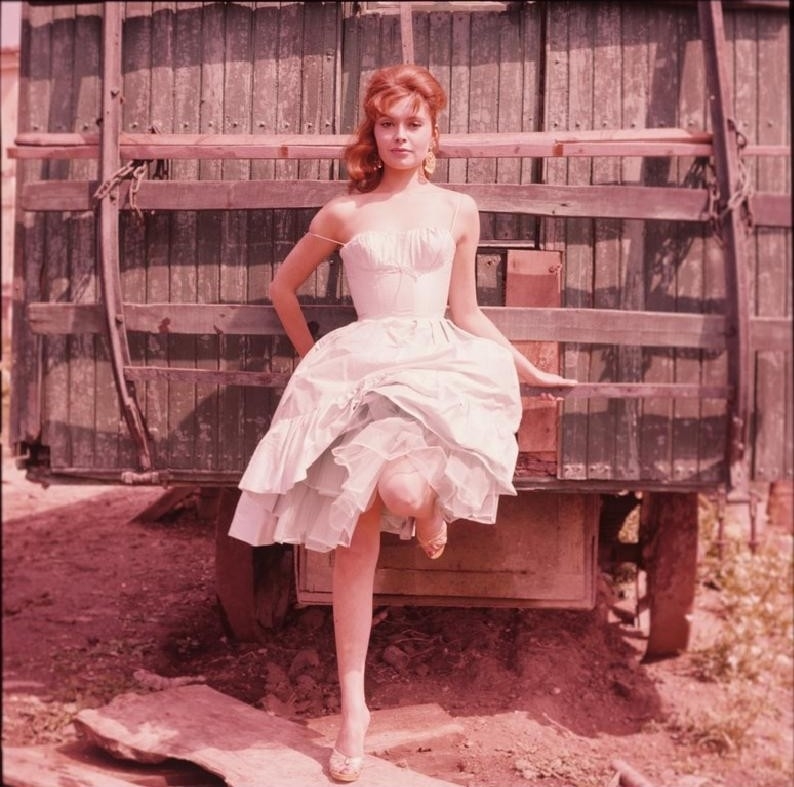
Yvonne Monlaur

Yvonne Monlaur tribute in 2017

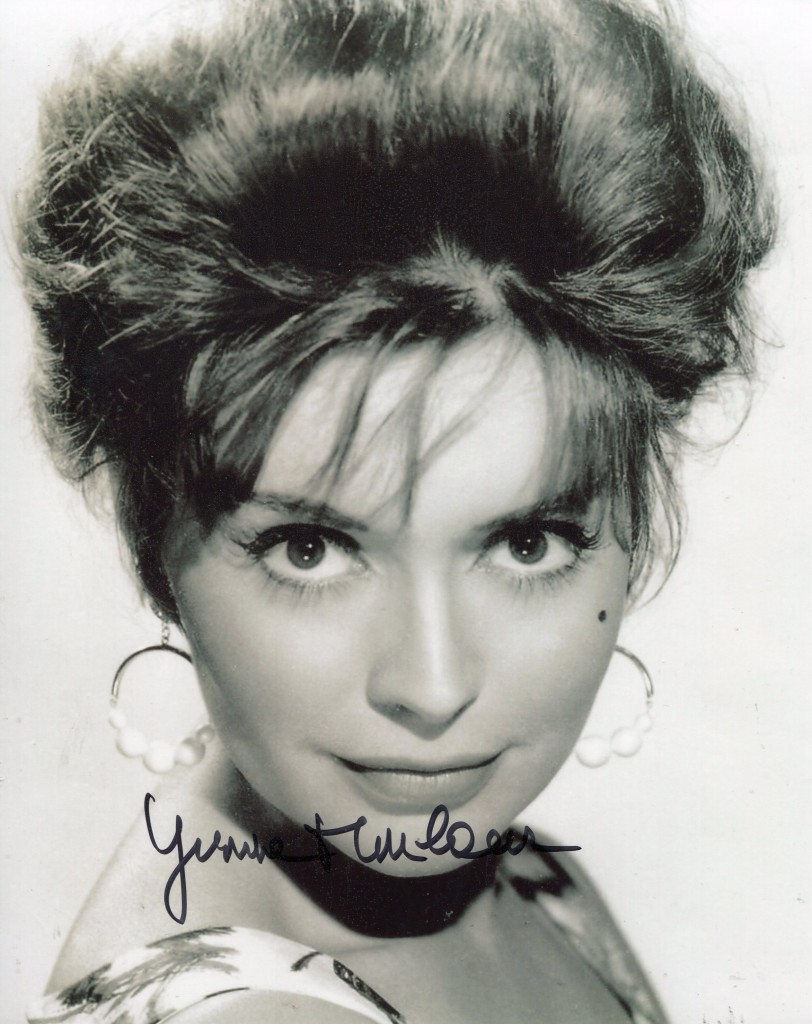
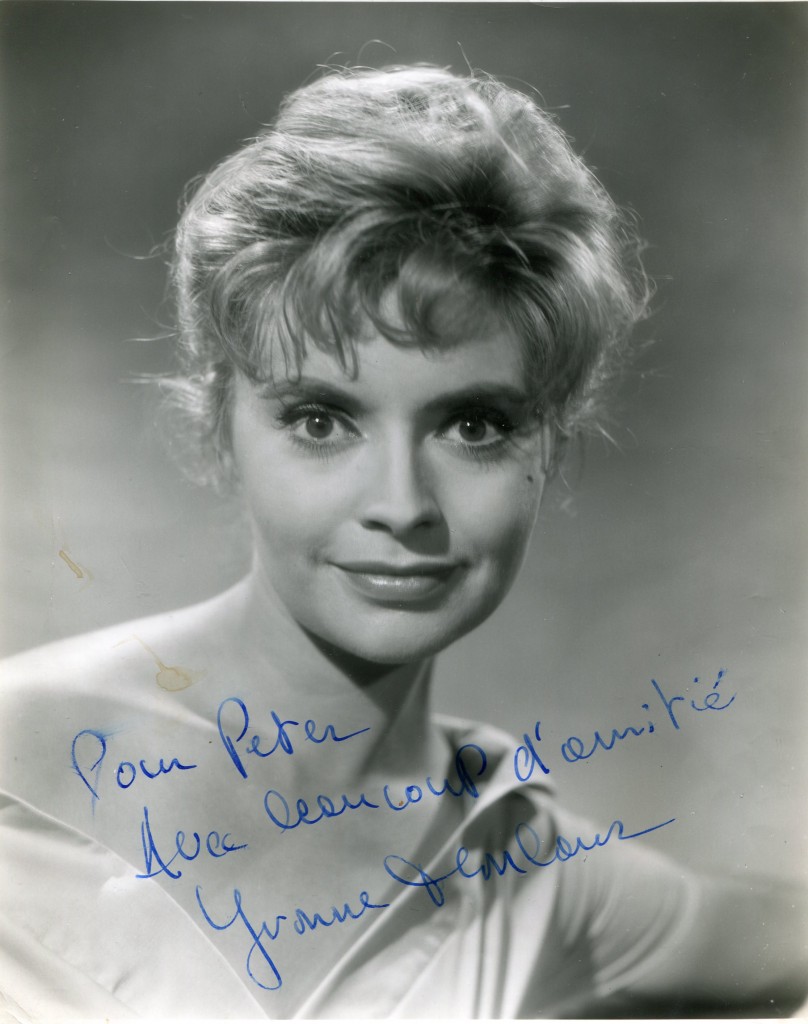
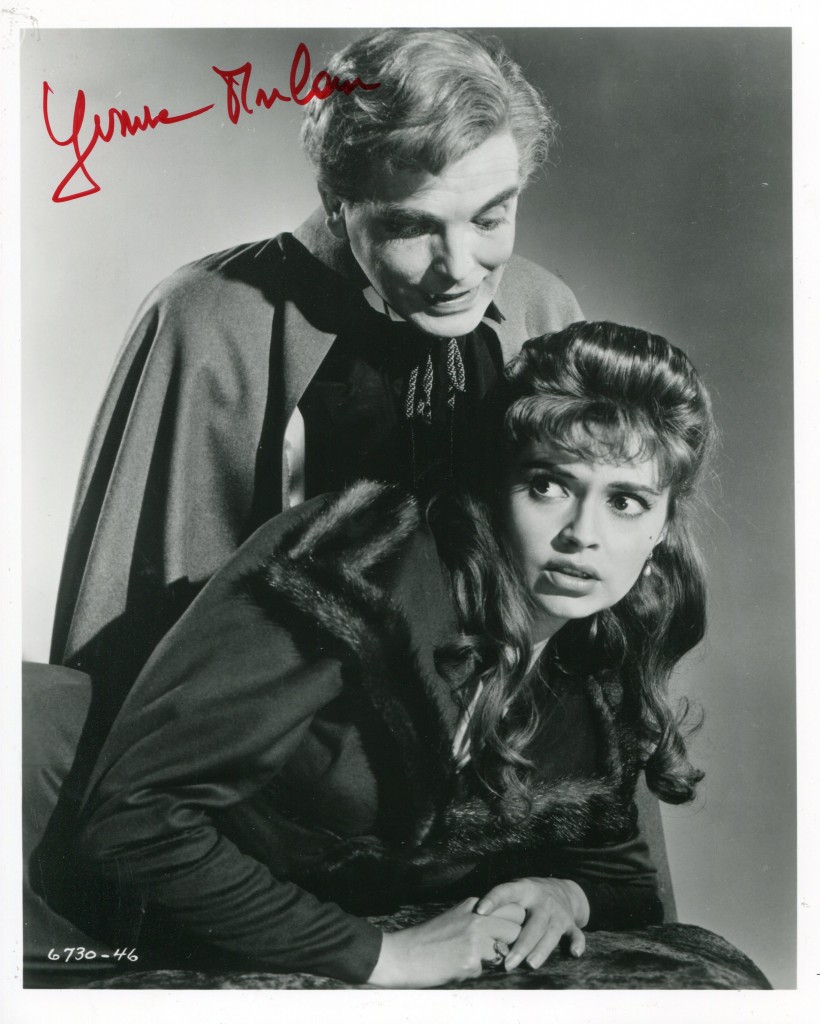
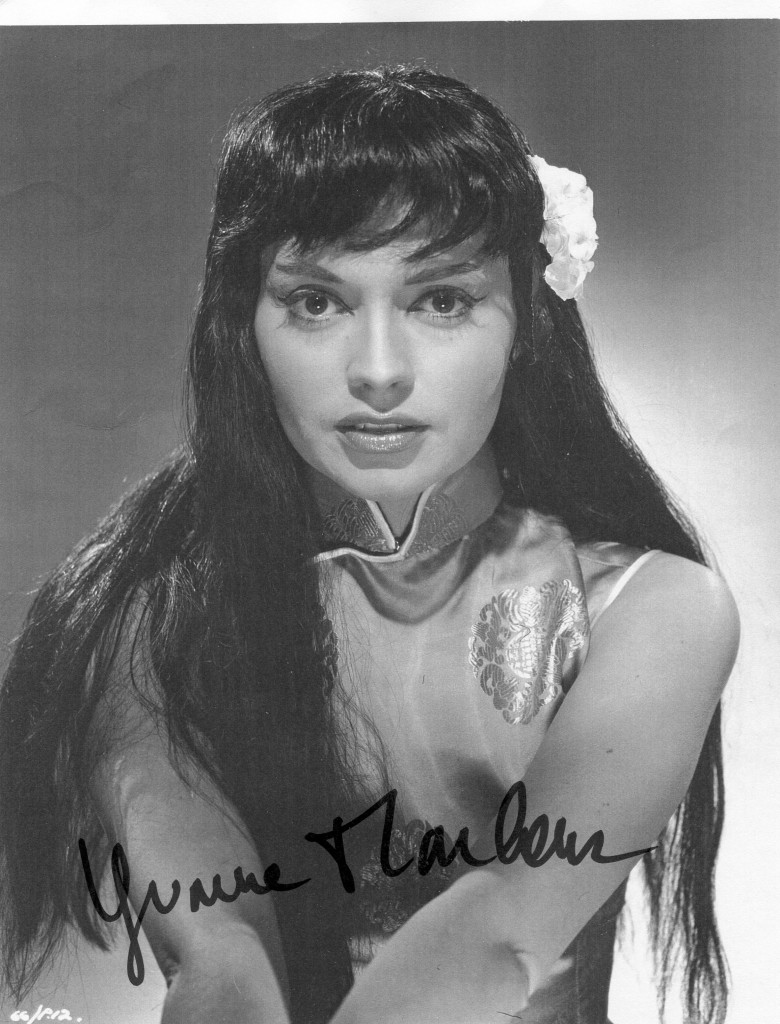
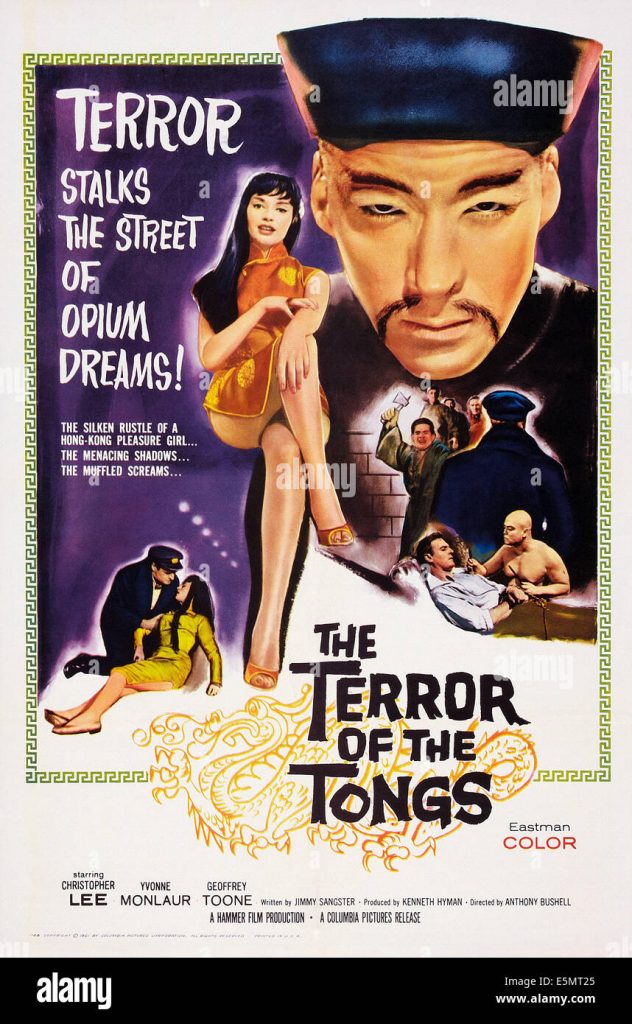
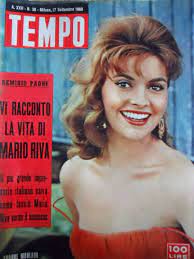
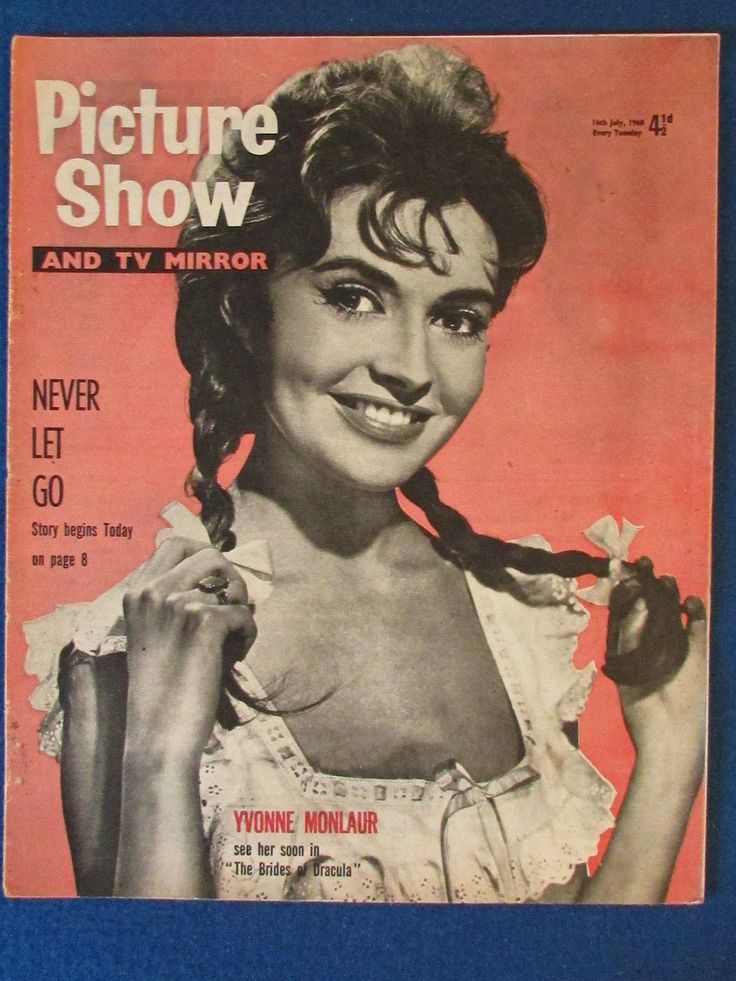
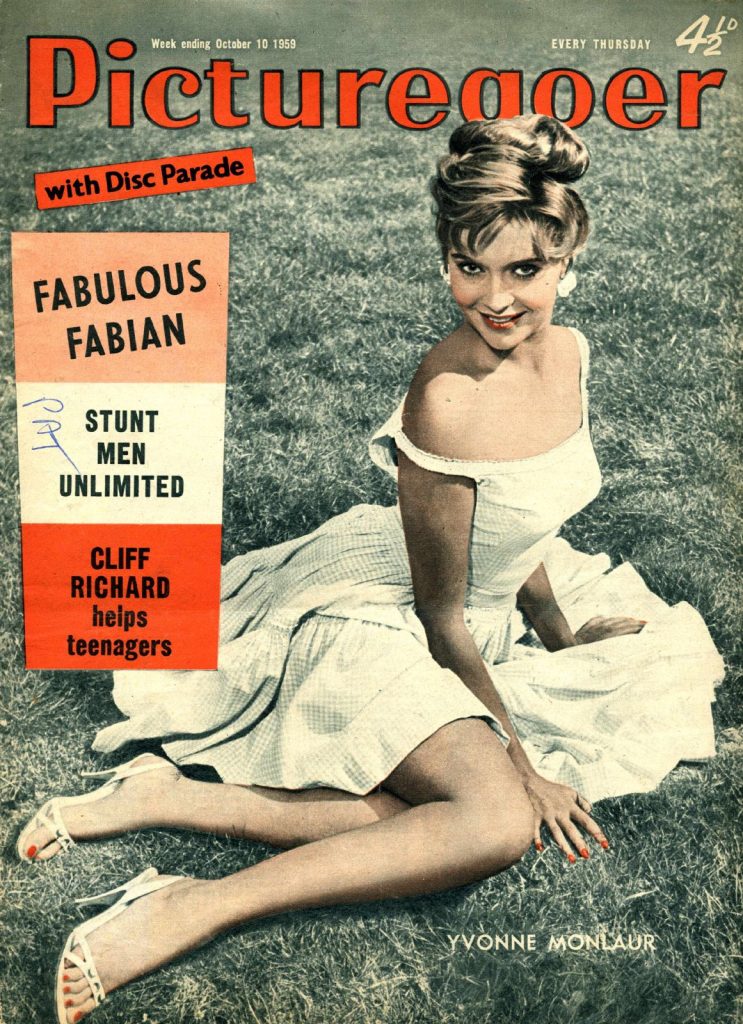
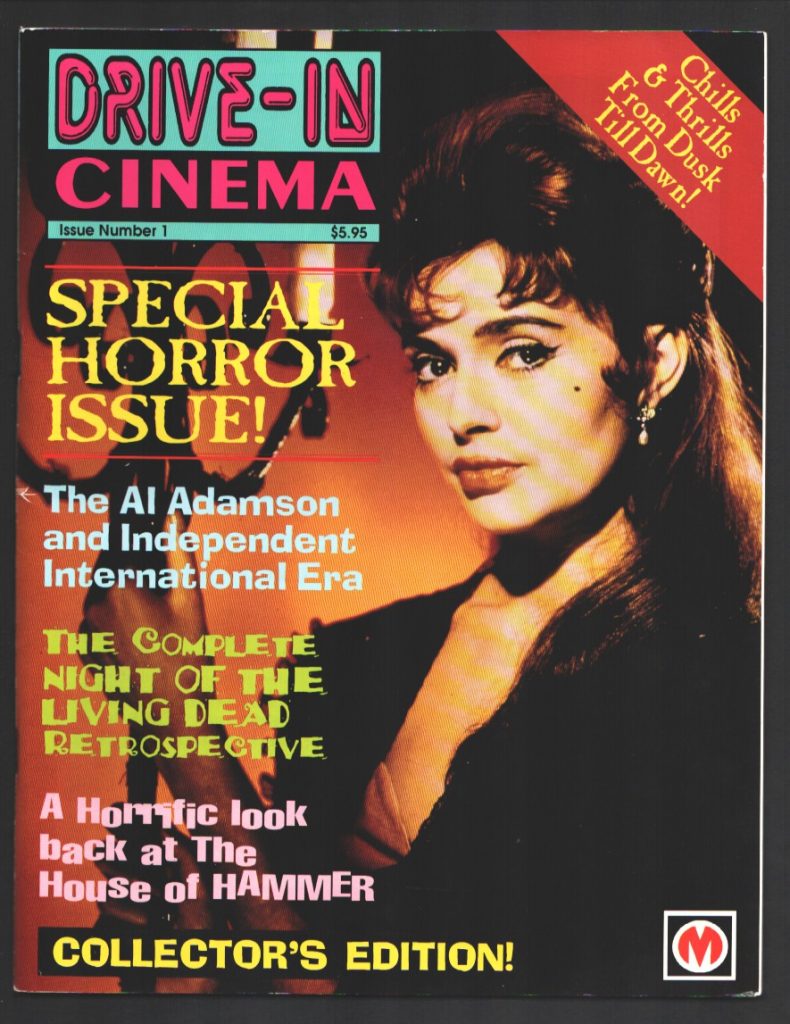
By Steve Vertlieb: Yvonne Monlaur was the young, fabulously lovely, sweetly innocent French actress who co-starred with Peter Cushing in Hammer Films’ classic vampire thriller Brides Of Dracula (1960), directed by Terence Fisher, and appeared opposite Christopher Lee in Hammer’s Terror of the Tongs (1961).

She was a sweet, gentle lady who cherished her fans, and was ever grateful for the opportunities that she’d been given. Yvonne, and dear friend Veronica Carlson introduced me from the stage when I presented the posthumous “Laemmle” life achievement award to Bernard Herrmann (accepted by his daughter, Dorothy) at the wonderful Fanex monster film convention in Crystal City, Virginia in 2000.

She was always the most gracious, kind, and humble actress that you’d ever wish to meet. Yvonne passed away, sadly, this past week on Tuesday, April 18th, at age 77.

Her gentle presence will be missed by all of us who frequented these events, but her radiant beauty and generosity of spirit will live on in her many screen appearances, as well as in the joyful memories of those of us fortunate enough to have met, and known her. May God rest her tender soul.

Elton Hayes
Elton Hayes
Elton Hayes

Elton Hayes was a British guitarist/singer and actor.   He was born in 1915 in Bletchley.   He served in India during World War Two.   After the War he began a career on radio principally on “Children’s Hour”.   Two of his best-loved songs are Edward Lear’s  “The Owl and the Pussycat” and”The Gypsy Rover”.   His films include Walt Disney’s “The Story of Robin Hood and his Merrie Men” in 1952 where he played Alan-a-Dale and “The Black Knight” which also starred Alan Ladd and Patricia Medina.   Elton Hayes retired from performing at an early age and took up farming.   He died in 2001.

Good article on Elton Hayes in “Films of the Fifties” can be accessed here.

Elton Hayes (1915–2001) was a unique figure in the post-war British entertainment landscape—a “singing actor” who successfully revived the medieval tradition of the wandering minstrel for a 20th-century audience. While he is most famous for his definitive portrayal of Alan-a-Dale in Disney’s The Story of Robin Hood and His Merrie Men (1952), a critical analysis of his work reveals a sophisticated musician who used the “small” medium of early television to master a lost art of intimate storytelling.


I. Career Overview: The Modern Troubadour

Act 1: The “Small-Screen” Pioneer (1940s)

After serving in the Royal Army Ordnance Corps during WWII, Hayes became a breakout star on early BBC television. He was famously known for “He Sings to a Small Guitar,” a segment where he performed folk songs and 19th-century poems set to his own music. His “small guitar” was actually a custom-made small-bodied Spanish guitar, which became his visual and sonic trademark.

Act 2: The Disney Peak (1952–1955)

Hayes achieved international stardom when Walt Disney cast him in the live-action epic The Story of Robin Hood and His Merrie Men. Not only did he act, but he also composed and performed the film’s musical interludes. He followed this with another high-profile role in The Black Knight (1954) opposite Alan Ladd.

Act 3: Retirement and the Rural Life

By the late 1960s, as the musical landscape shifted toward rock and roll, Hayes largely retired from the professional stage. He retreated to a farm in Suffolk, where he became a respected breeder of horses and livestock, though he occasionally surfaced for radio broadcasts that celebrated the folk tradition he helped popularize.


II. Critical Analysis: The Minstrel Aesthetic

1. The Subversion of the “Musical” Hero

In the 1950s, musical leads were typically booming baritones (like Howard Keel) or brassy tenors. Hayes offered a radical alternative: vocal intimacy.

  • The Technique: Hayes possessed a light, conversational tenor. He didn’t “belt” to the back row; he sang as if he were whispering a secret to the person sitting next to him.

  • Critical Impact: In Robin Hood, his portrayal of Alan-a-Dale provided the film’s “heart.” Critics noted that while the rest of the film was a boisterous action-adventure, Hayes’s musical moments acted as a lyrical breather, grounding the mythic heroics in a sense of genuine folk history.

2. The Guitar as a Narrative Tool

Unlike the “singing cowboys” of American cinema who used guitars as props, Hayes was a technically proficient musician who used the instrument to drive the narrative.

  • The “Lute” Surrogate: By using a small-bodied guitar, Hayes mimicked the timbre of a medieval lute. Critically, he is viewed as a bridge between the “Early Music” revival and mainstream pop. He made the 15th-century aesthetic accessible to a 1950s housewife or a child in a cinema seat.

  • Performance Style: He was a master of the rubato—the slight speeding up and slowing down of tempo for emotional effect. This gave his performances a “live,” improvisational feel that felt more authentic than the over-produced studio recordings of the time.

3. The “Gentle” Masculinity

Hayes represented a very specific post-war British archetype: the “gentle scholar-adventurer.”

  • Analysis: At a time when masculine archetypes were either “hard-boiled” or “slapstick,” Hayes’s Alan-a-Dale was poetic, sensitive, and observant. Critics have retrospectively analyzed his screen presence as a precursor to the “folk-rock” sensitivity of the late 1960s. He proved that a man could be a “Merrie Man” without being a brawler.


III. Major Credits and Discography

Work Medium Role / Song Significance
The Story of Robin Hood… (1952) Film Alan-a-Dale His most iconic role; defined the “Minstrel” trope for Disney.
The Black Knight (1954) Film The Minstrel Solidified his status as the go-to actor for period musicality.
“The Owl and the Pussycat” Recording Singer/Composer A beloved setting of Edward Lear’s poem that stayed in print for decades.
Elton Hayes Sings Radio/TV Host/Performer The blueprint for “unplugged” intimate musical broadcasting.
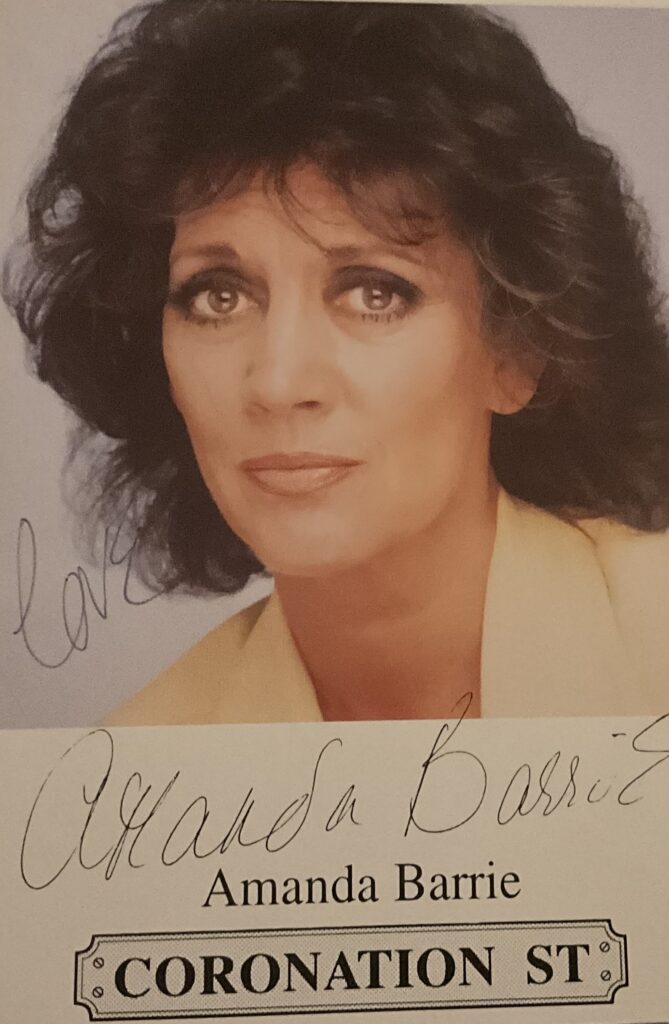
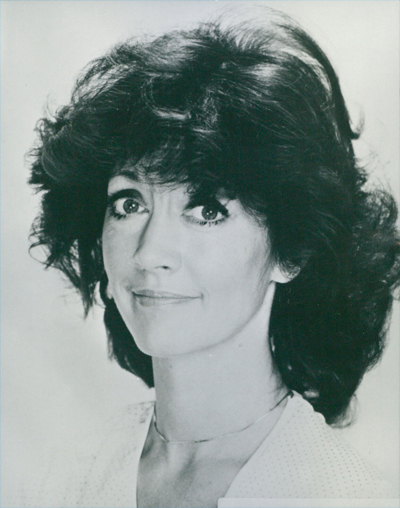
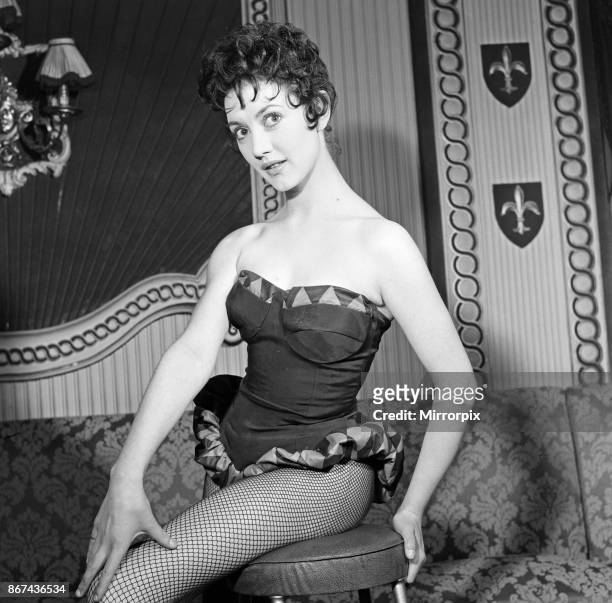
Amanda Barrie
Amanda Barrie
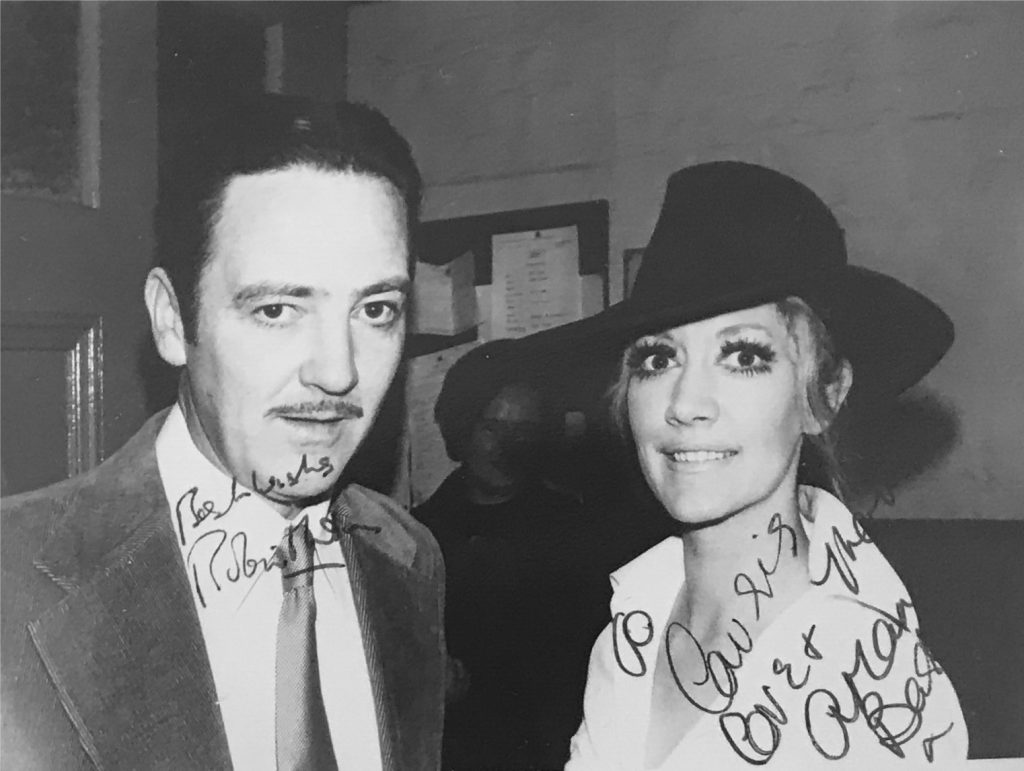
Robin Hunter & Amanda Barrie

Amanda Barrie. IMDB

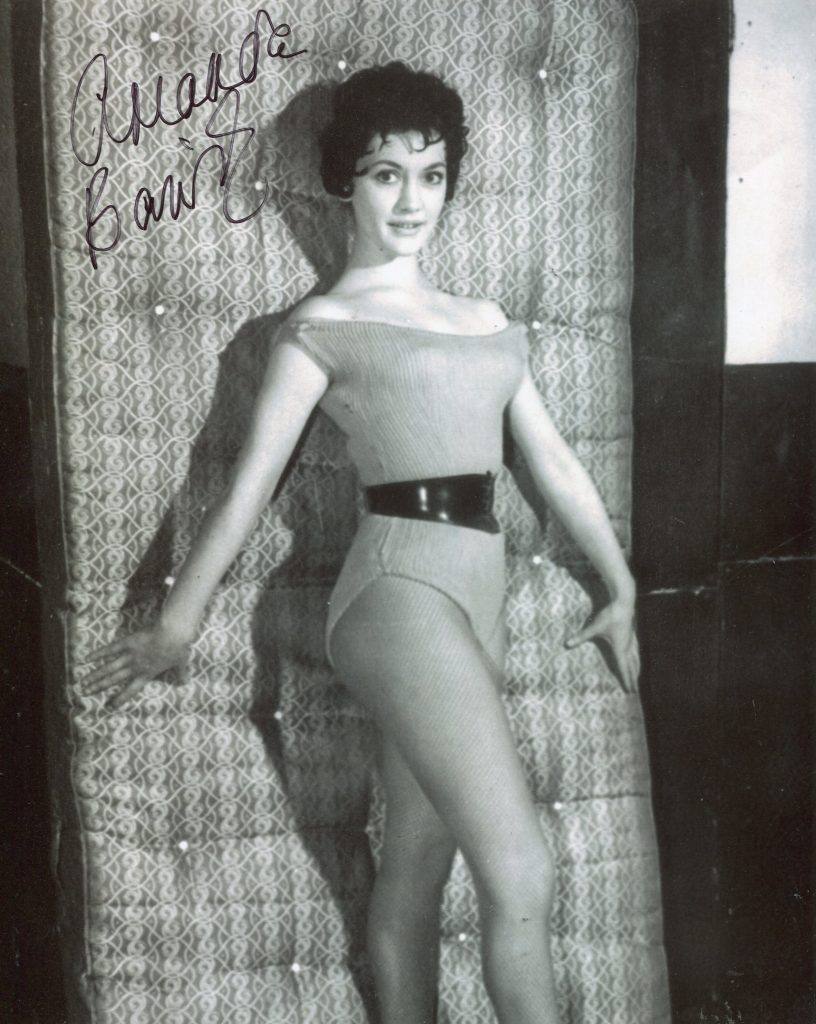
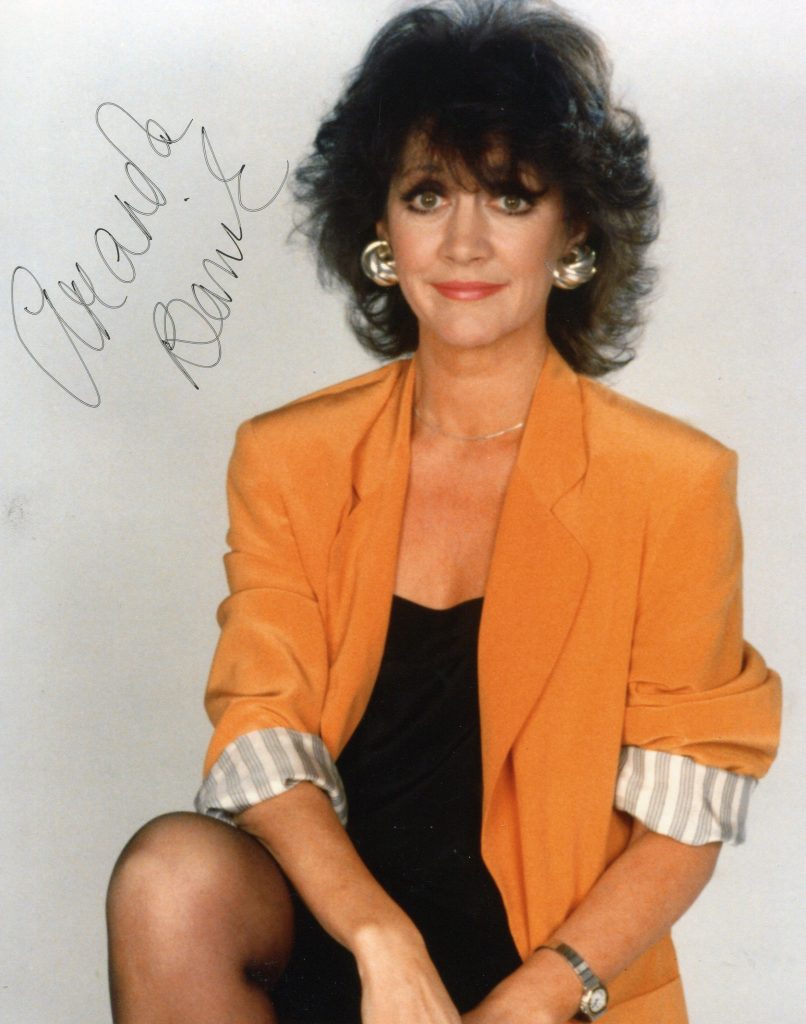
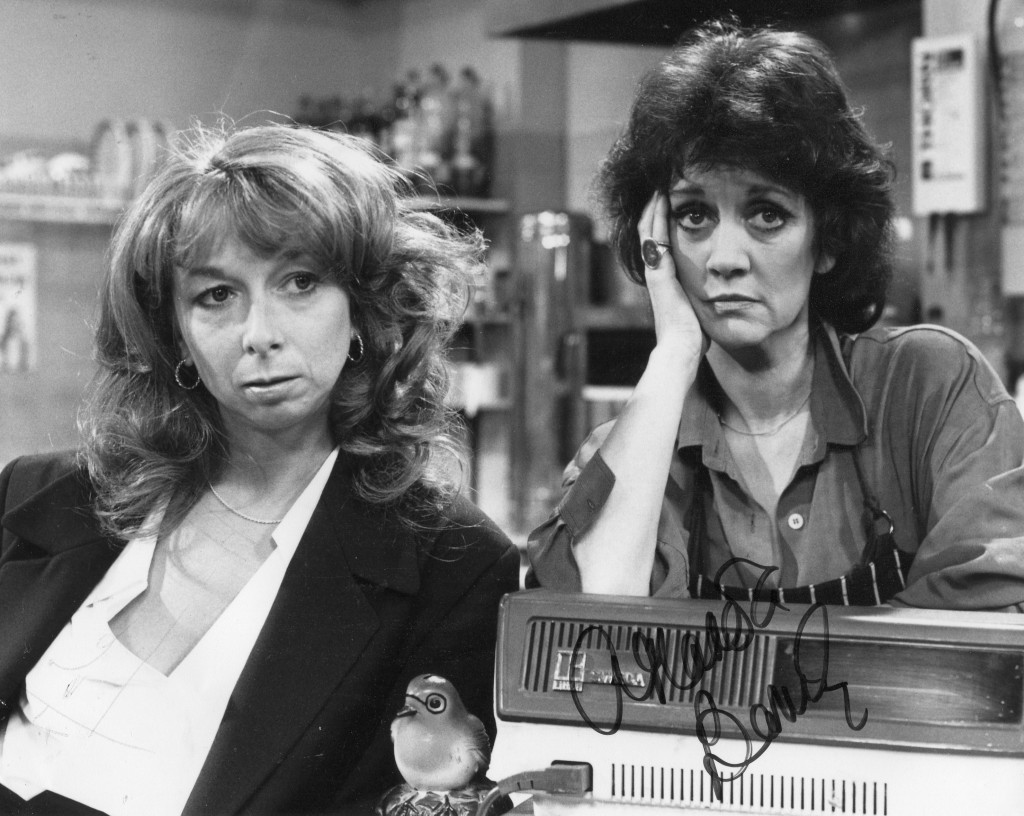
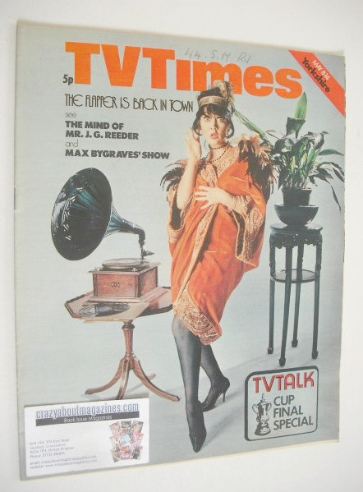
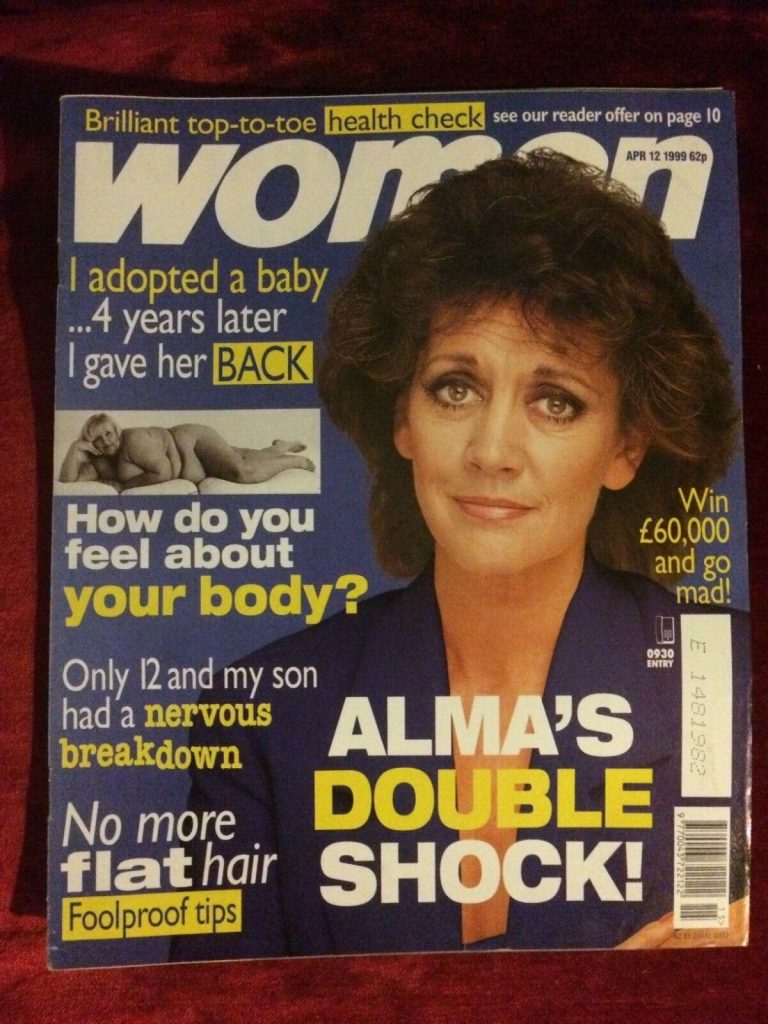
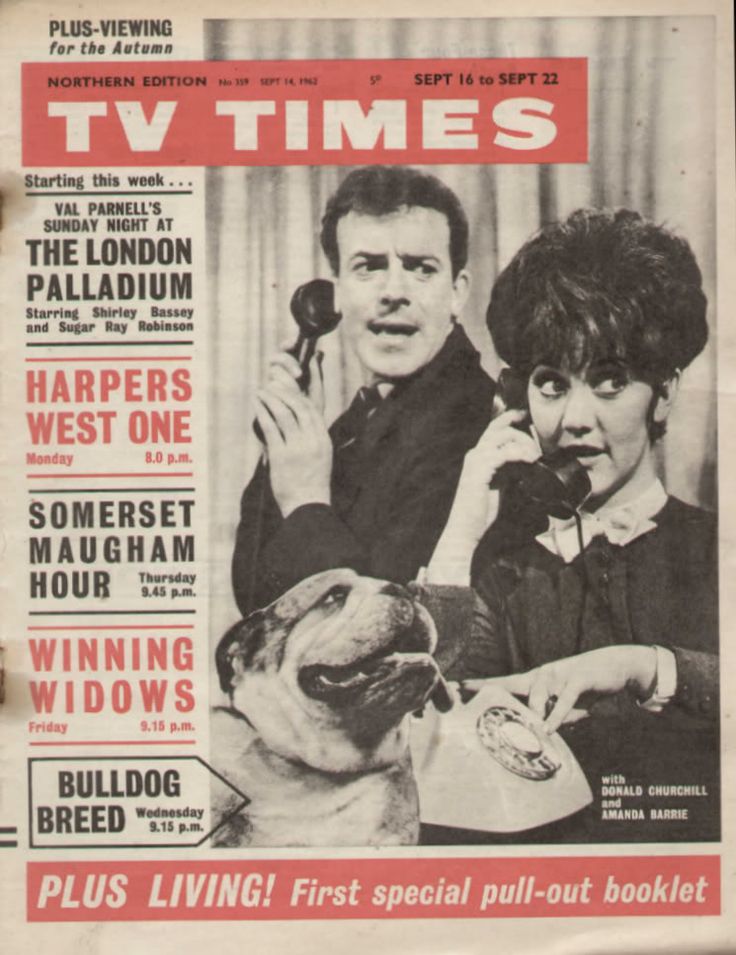
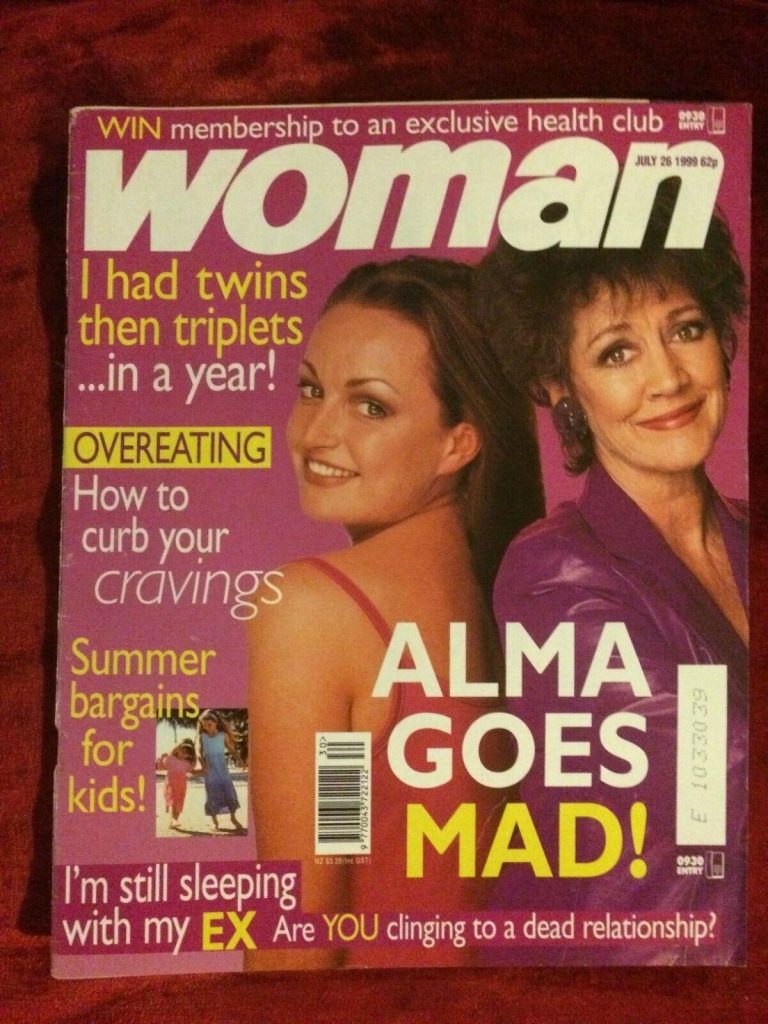
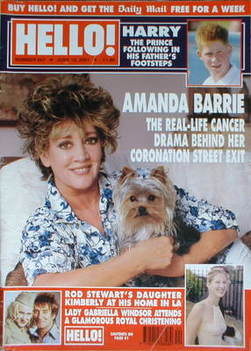
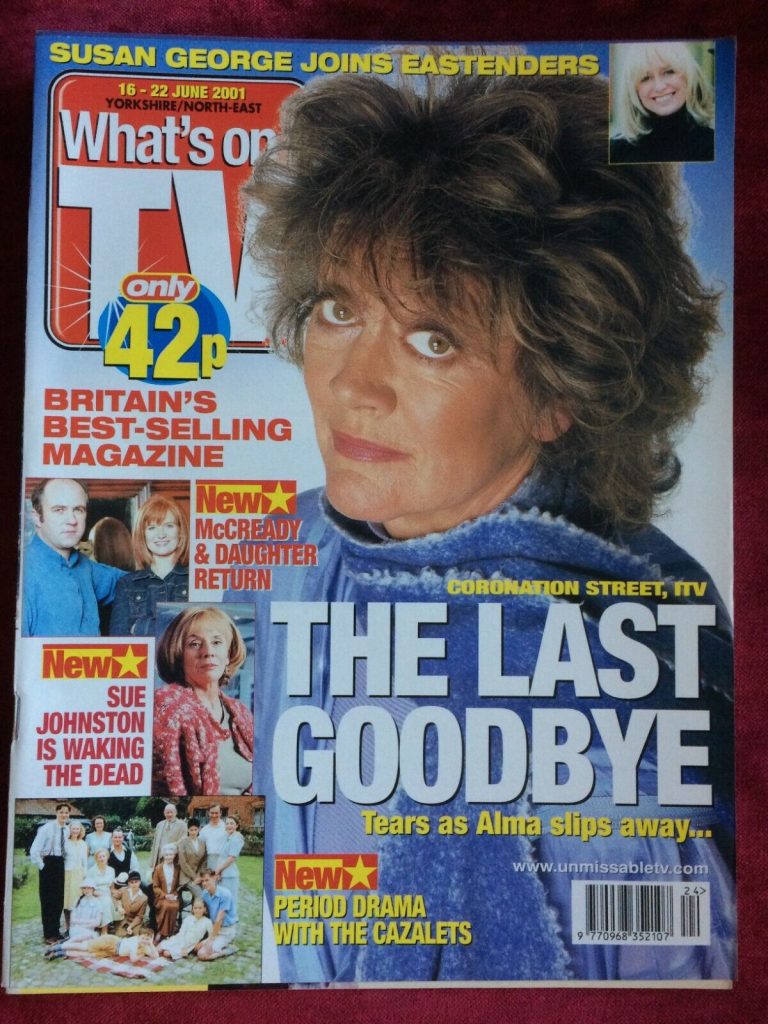
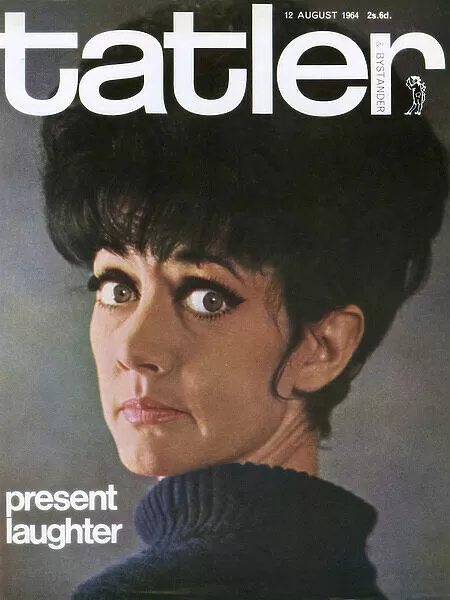
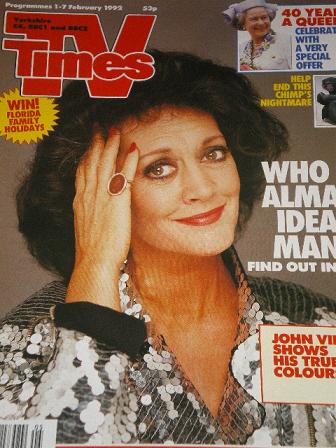
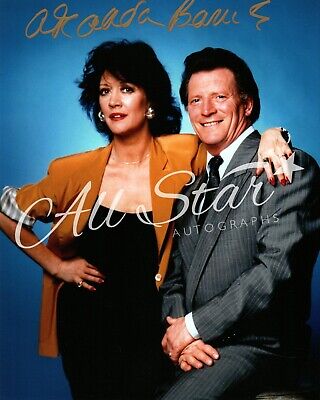
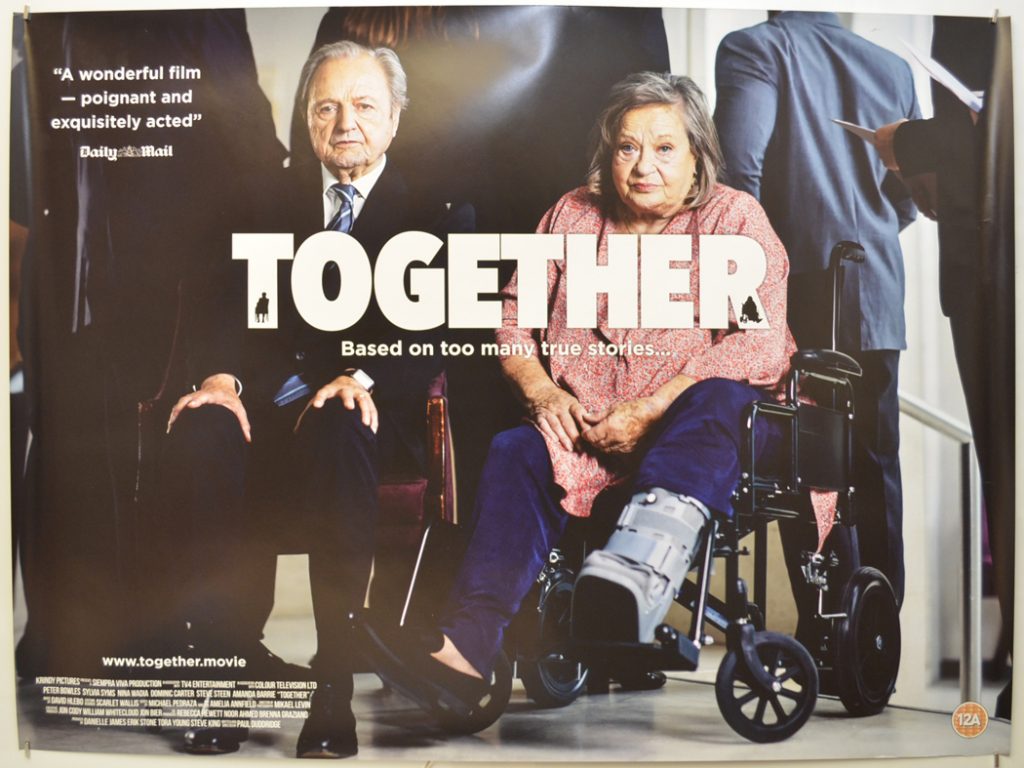
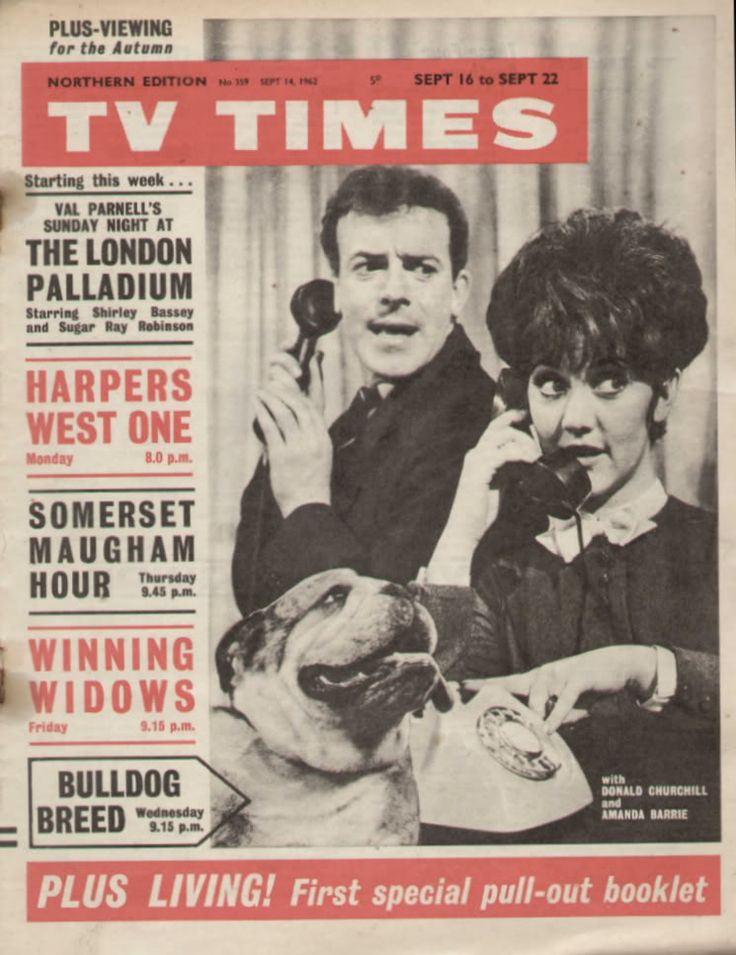
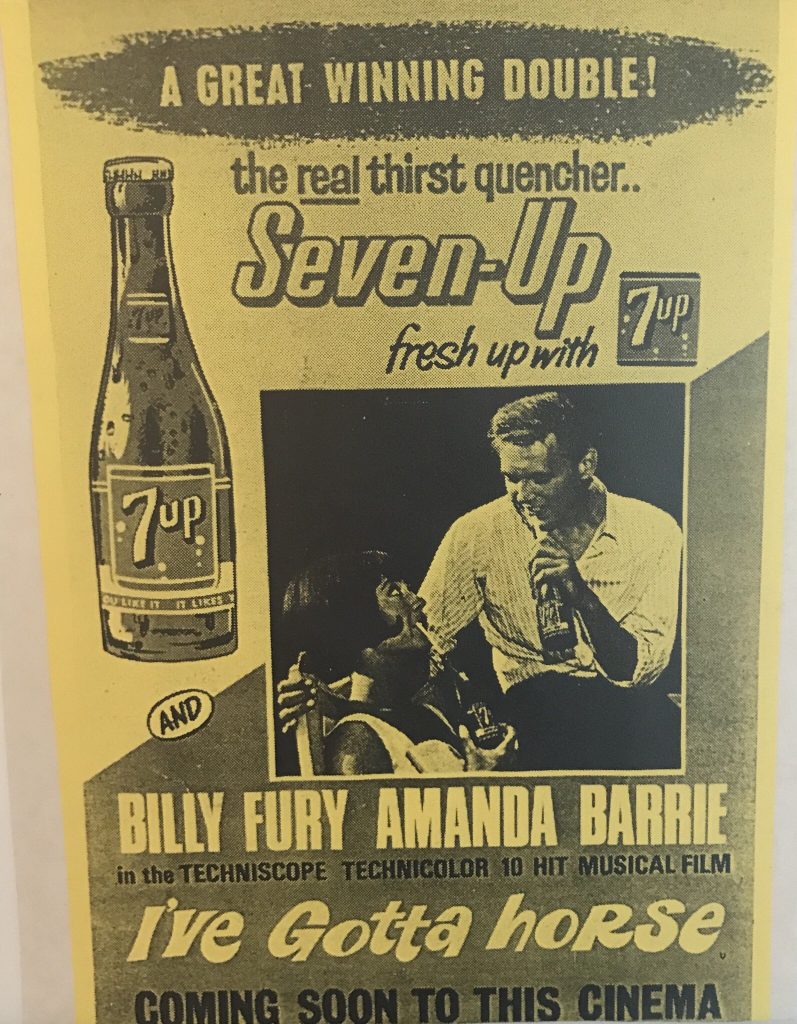
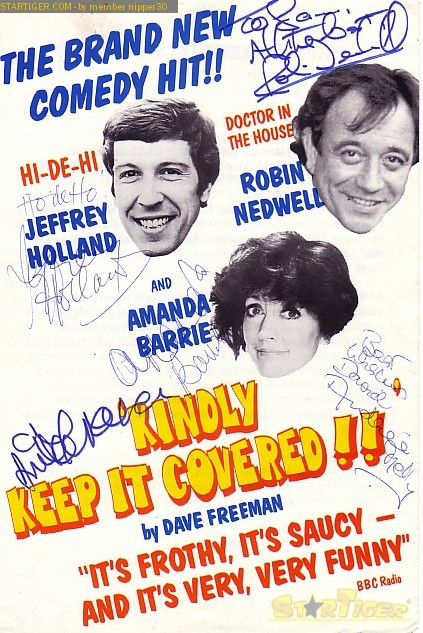
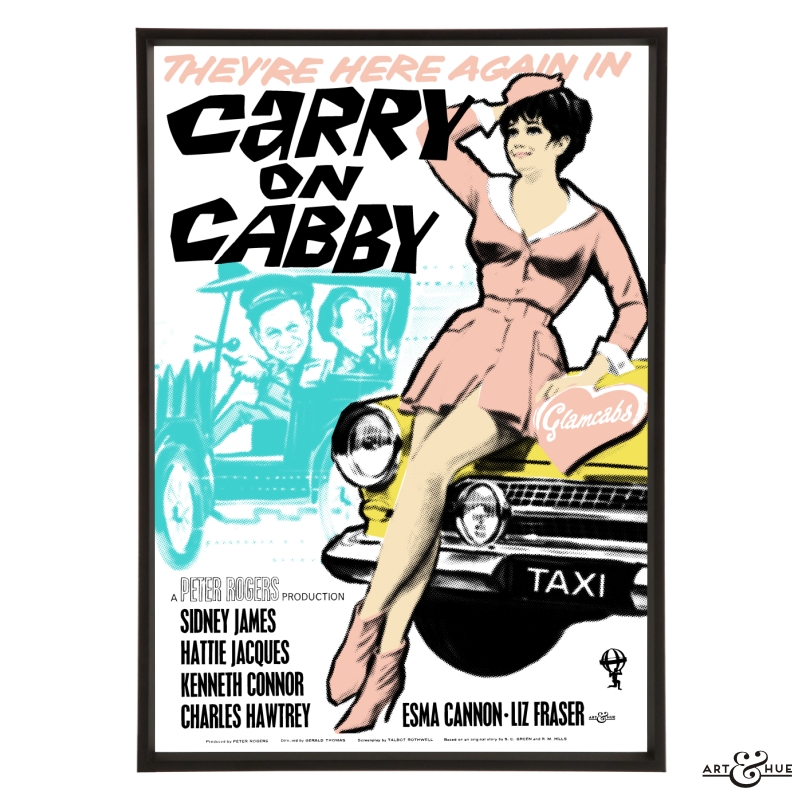
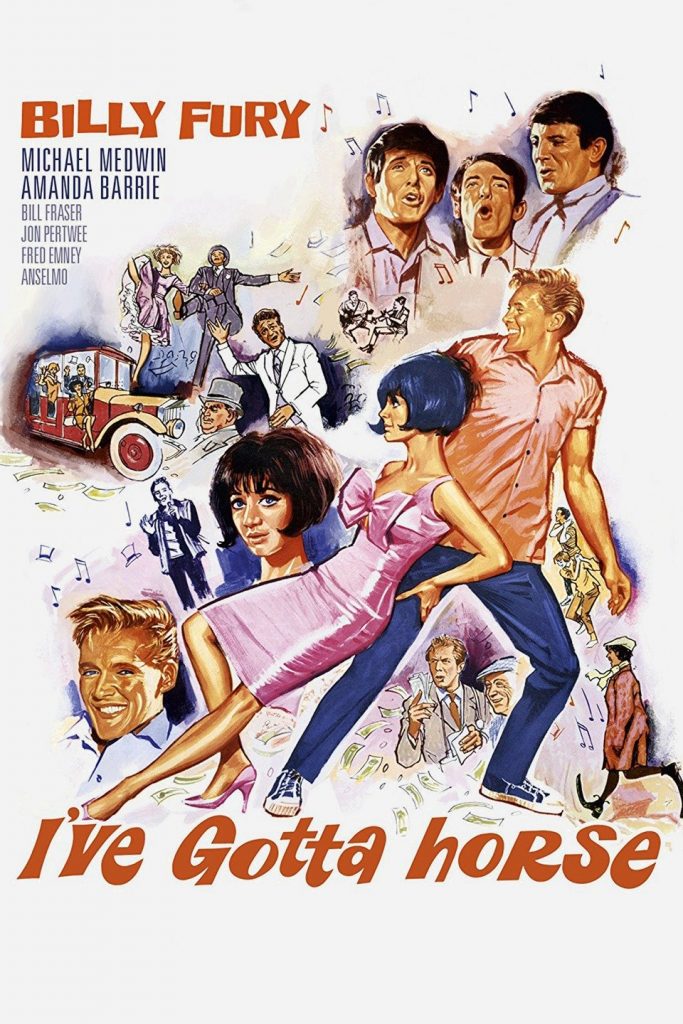
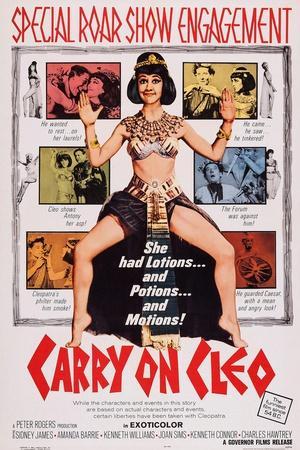
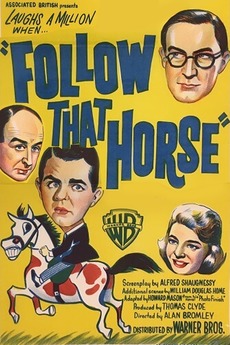
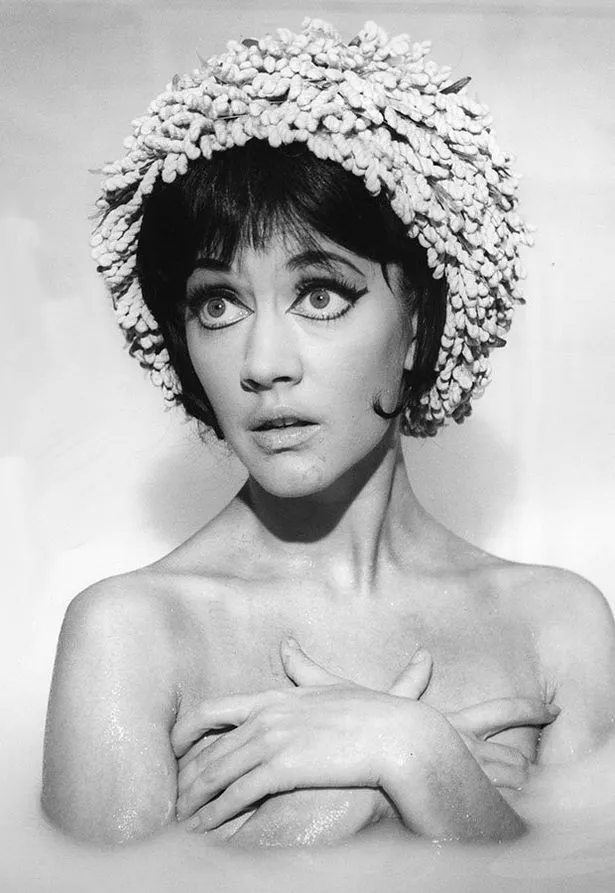
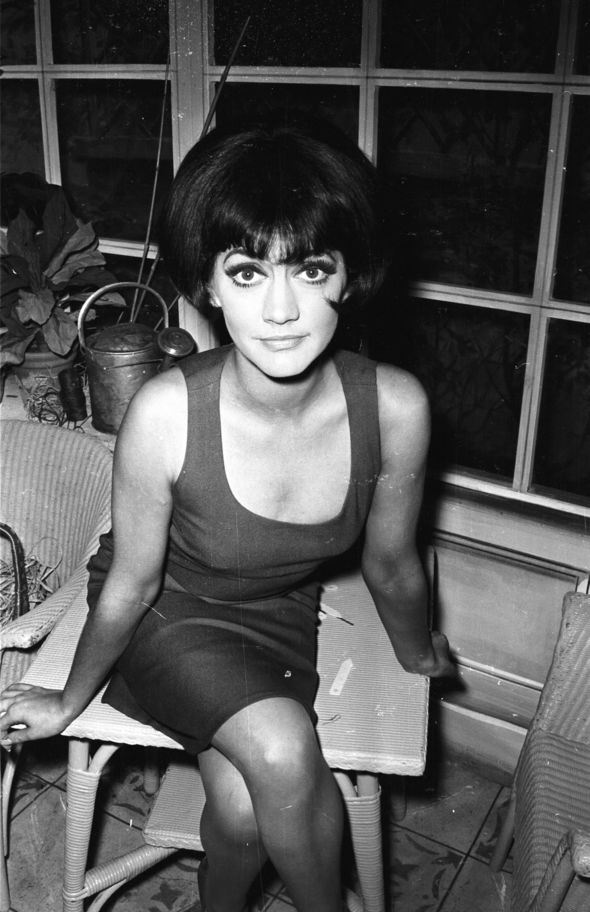
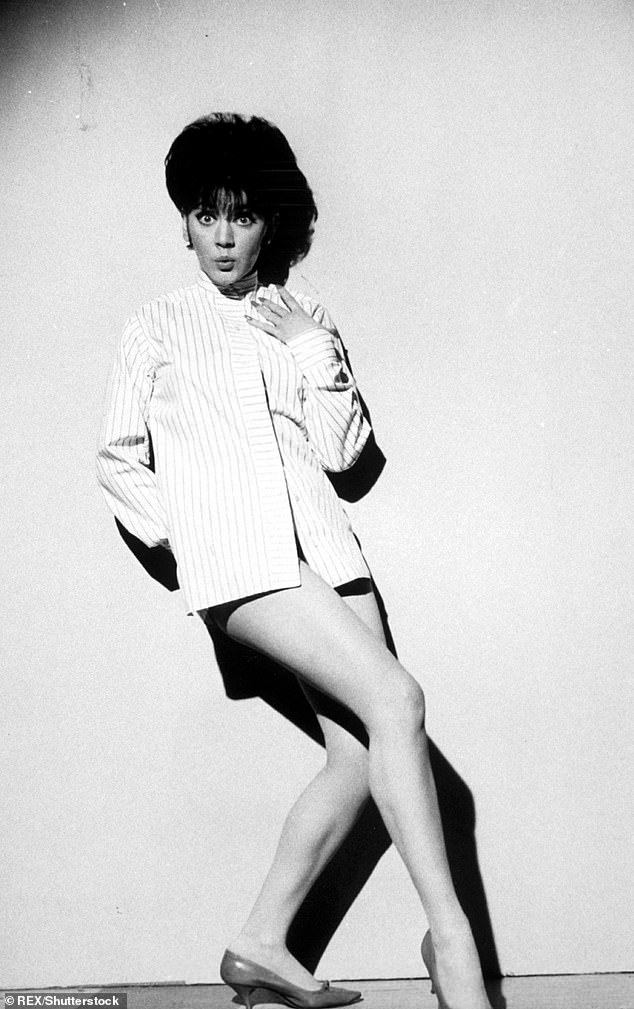
Amanda Barrie has had a long and distinguished career in British theatre, cinema and television.   She was born in Ashton-Under -Lyne in 1935.   She trained at the Old Bristol Theatre School.   Her first film was “Operation Bullshine” in 1959.   She starred in many comedies in the early 1960’s and had the leading role in “Carry On Cleo” in 1964.   She starred with Billy Fury in “I’ve Gotta Horse”.   In 1988 she began her recurring role in “Coronation Street” as Alma Baldwin.   She left the series in 2001 and went on to star in TV’s “Bad Girls”.

Her IMDB entry:

This feisty and very funny British comedienne and musical revue vet with the trademark 60s brunet page-boy haircut, pronounced jaw, and arguably the largest, Bette Davis-like eyes in London was born Shirley Anne Broadbent in Ashton-under-Lyne, Cheshire on September 14, 1935. The daughter of Hubert Howath Broadbent, an accountant, and wife Connie (Pyke) Broadbent, who greatly prodded her young daughter into becoming a performer, Amanda was named after the Depression-era child star Shirley Temple. Her grandfather was a theatre owner in Ashton-under-Lyne, and young Shirley made her very first appearance there at the age of 3 as a Christmas Tree Fairy.

Not long after this she began training earnestly in singing and in dance, particularly ballet. As a youngster she won a talent-judging contest singing “I’m Just a Little Girl Who’s Looking for a Little Boy”. She then went on to attend school at St. Anne’s College in St. Anne’s-on-Sea and later studied acting at the Cone-Ripman School.

After her parents’ divorce, the teenager ran away from home and off to London where she lived at the Theatre Girls Club and subsequently found work as a chorus girl. By 1958 she had changed her marquee name to “Amanda Barrie” and made her TV debut with the comedy team of Morecambe and Wise in which her skirt accidentally fell off on live TV. She then took her first West End curtain call in a 1961 production of “Babes in the Wood”. Eventually Amanada decided to set her sights beyond a dancing career, and moved more into musical revue work in the hopes for good comedy parts. Finding work as a dancer in cabaret shows and the revue “On the Brighter Side”, she also trained at the Bristol Old Vic but did not perform in repertory.

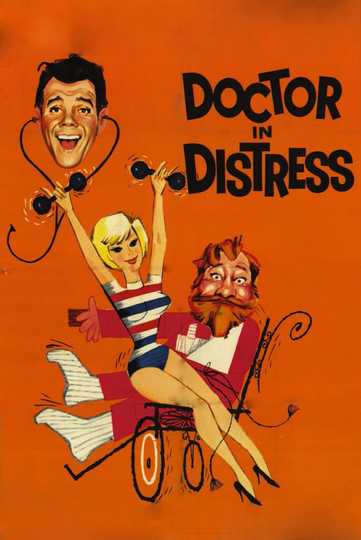
Throughout the 1960s Amanda focused on her musical talents in the West End, and sparkled in a number of comedy shows. In the early part of the decade she hit solid notices with the revues “Six of One” (1963) with Dora Bryan and “See You Inside (1963)”. Other stage work (which included occasional drama) came in the form of “Cabaret” (as Sally Bowles), “Private Lives”, “Hobson’s Choice, “Any Wednesday”, “A Public Mischief”, “She Loves Me” (replacing Rita Moreno in London), and “Little by Little”. She also worked as the TV hostess on “Double Your Money” with Hughie Green and appeared in a number of comedy films: Operation Bullshine (1959), her debut in an unbilled bit, A Pair of Briefs(1962), Doctor in Distress (1963)and I’ve Gotta Horse (1966). She appeared to very good advantage in two of the slapstick “Carry On…” film series. She played a female cabbie in the Carry on Cabby (1963) and Cleopatra herself (with a sexy lisp) in Carry on Cleo(1964).

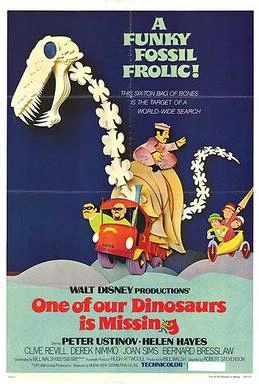
After her film peak Amanda continued to show resiliency on stage and TV. Theatre endeavors included “Absurd Person Singular”, the musical “Stepping Out” with Julia McKenzie, “The Mating Game”, “Blithe Spirit (as Elvira) and “Twelfth Night”. Occasional movie work came in, including the addled comedy One of Our Dinosaurs Is Missing (1975) with Helen Hayes. Of the countless sitcoms Amanda has been involved in, she became a soap opera favorite beginning in 1981 with her participation as Alma Sedgewick inCoronation Street (1960). Her appearances were infrequent until the character became a regular in 1989. She retired the role after 11 years in 2001 in an effort to spread her wings once again and seek other work. The producers actually killed off her popular character in quick fashion with a rapid case of cervical cancer.

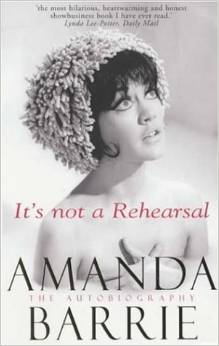
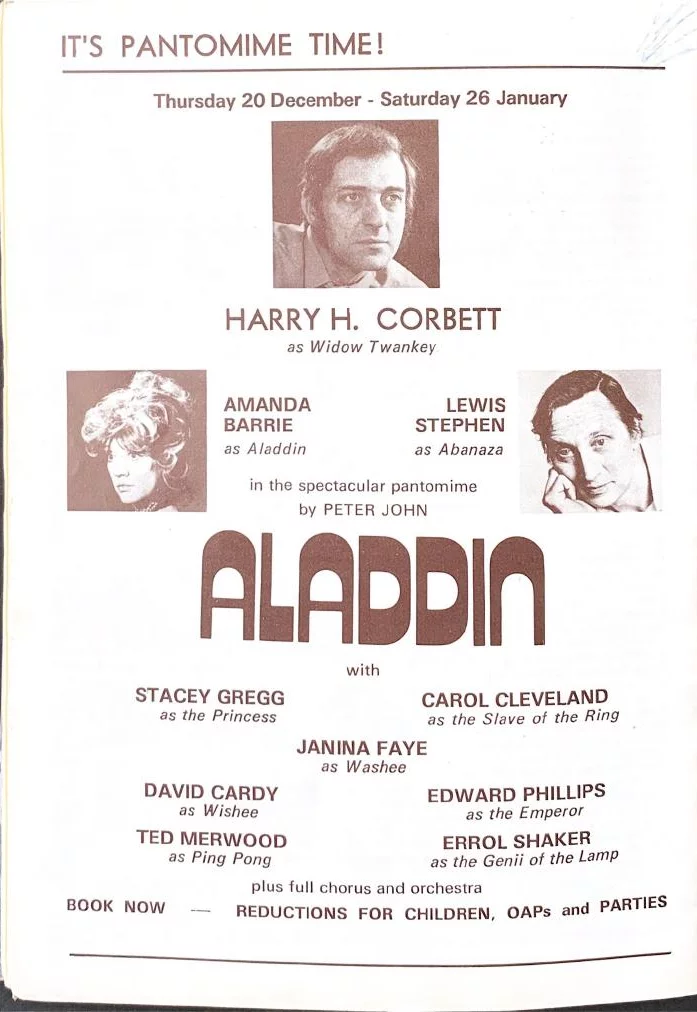
In 1967 Amanda married actor and theatre director Robin Hunter and the twosome appeared occasionally on stage together, including the pantomime “Aladdin” in late 1967 and 1968 in which Amanda had the title role. The couple separated in the 1980s, however, but remained good friends and never divorced. Hunter died in 2004. In 1997 Amanda battled a serious optic disease in which she eventually lost the sight of her left eye. She has continued to perform, however, and more recent work has included the pantomimes “Jack and the Beanstalk” (2006) and “Cinderella” (2007), in which she played the Fairy Godmother. In her popular and highly candid autobiography “It’s Not a Rehearsal,” a best seller published in 2003, Amanda opened up for the first time about her bisexuality.

– IMDb Mini Biography By: Gary Brumburgh / gr-home@pacbell.net

Her IMDB entry can alson be accessed online here.
 

Amanda Barrie
Amanda Barrie