Anthony Booth was born in 1931 in Liverpool. He is best known for his part in the iconic 60’s British television series “Till Death Do Us Part” as the layabout son of Alf Garnett. His film roles include “Confessions of a Driving Instructor” and in 1984 “Priest”. He is the father of Cherie Blair, wife of former British PM Tony Blair.
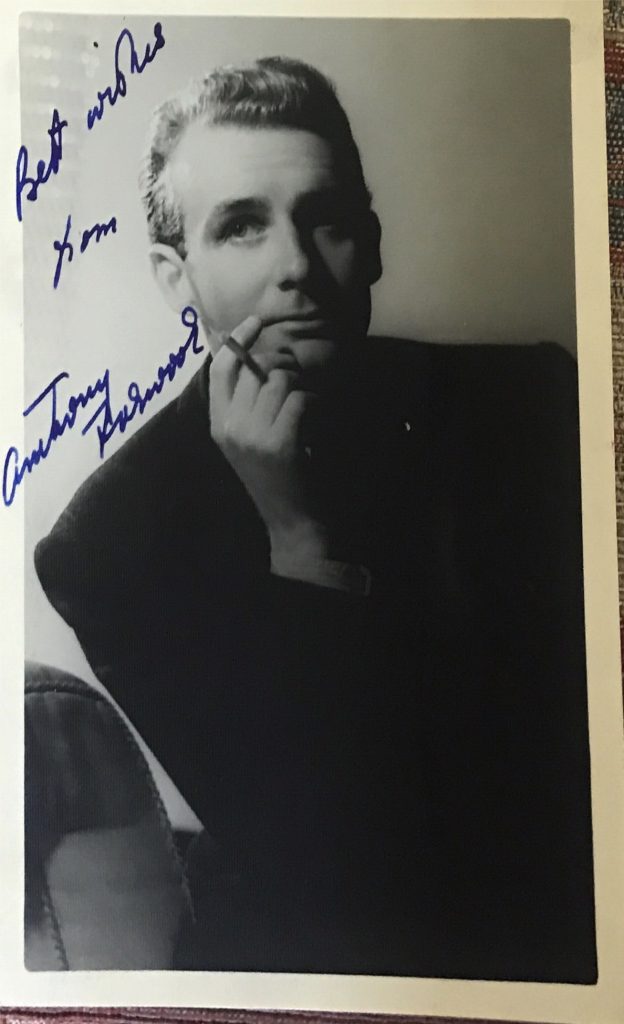
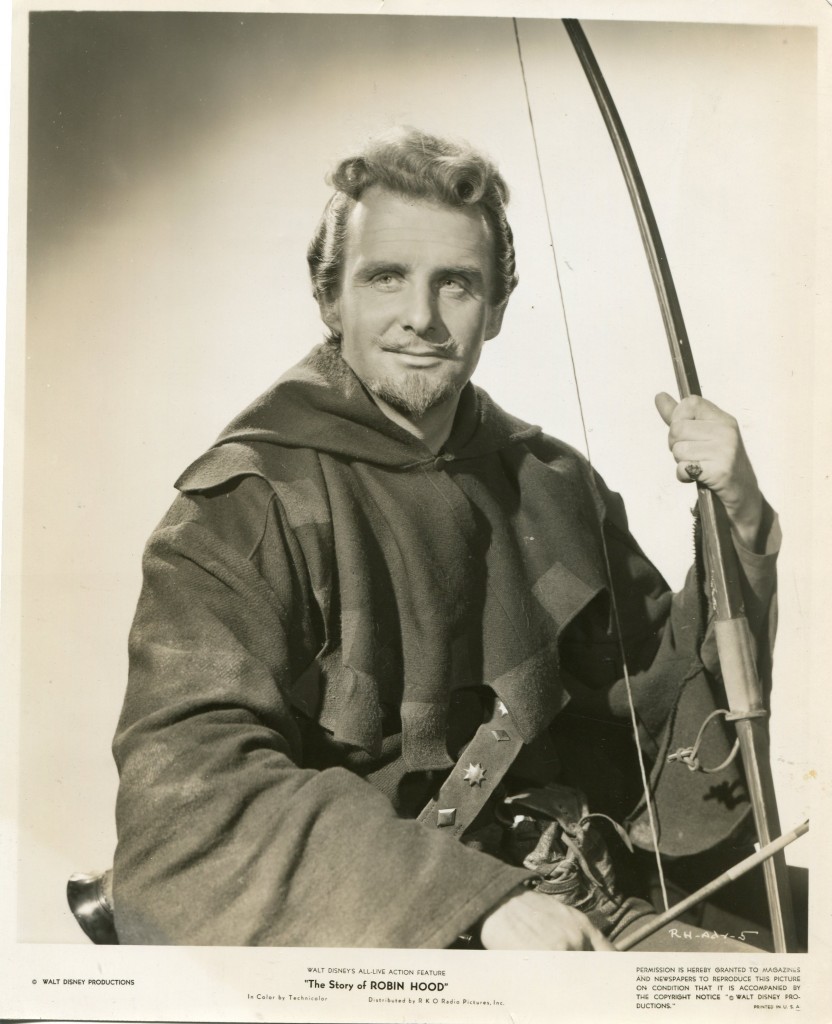
Anthony Forwood was born in 1915 in Weymouth. His movie debut came in 1949 in “Men in Black”. Other films include “Colonel March Investigates”, “The Story of Robin Hood and his Merrie Men” and “Knights of the Round Table”. His son was the actor Gareth Forwood from his marriage to Glynis Johns. Anthony Forwood died in 1988.
Isla Blair was born in Bangalore, India in 1944. Her movie debut was in “Dr Terro’s House of Horrors” in 1965. Her other films include “A Flea in her Ear” and “Taste the Blood of Dracula”. She has guest starred in most of the major British television dramas over the years. She is married to actor Julian Glover.
Jim Carter was born in 1948 in Harrowgate, Yorkshire. His first appearance in a television series was in “Fox” in 1980. His movie debut was in “Flash Gordon”. His film appearances include “The Company of Wolves”, “A Private Function” and “Ella Enchanted”. His most recent appearance was in the very popular mini-series “Downton Abbey” with Maggie Smith. He is married to actress Imelda Staunton.
Jon Finch was born in 1942 in Surrey. He had a featured role with Peter Finch in “Sunday, Bloody Sunday” in 1970. The following year, he had the title role in Roman Polanski’s “Macbeth” opposite Francesca Annis. In 1972, he was the leading man in Alfred Hitchcock’s “Frenzy”. In 1978 he was part of the all-star cast of “Death On The Nile”. He died in 2012.
Ronald Bergan’s “Guardian” obituary:
In the 1970s, it seemed a sure bet that the actor Jon Finch, who has died aged 70, would become a durable film star of some magnitude. He had the dark good looks, the voice, the charisma and the opportunities. At the beginning of his film career, he played the title role in Roman Polanski’s The Tragedy of Macbeth (1971) and starred in Alfred Hitchcock’s Frenzy (1972). Around the same time he was offered the chance to replace Sean Connery as James Bond in Live and Let Die (1973). The fact that Finch turned the part down stupefied many commentators.
That Finch never achieved the level of stardom that was anticipated may be attributed to his dislike of the kind of media publicity that goes with it and his self-proclaimed lack of ambition. “I never wanted to be a big star,” Finch once said. “I usually do one film a year, so I always have enough money to enjoy myself and keep myself out of the public eye. It’s a very pleasant life, not one of great ambition.” Actually, leaving aside the great expectations, Finch’s career was a reasonably successful one by normal standards.
Finch was born in Caterham, Surrey, the son of a merchant banker. He first started acting at school, later gaining experience in amateur theatre groups. After serving in a parachute regiment during his military service, he joined an SAS reserve regiment. “I thoroughly enjoyed my time in the SAS and I’m still very proud of having been a member,” he recalled. “But eventually I had to leave because I was becoming more and more involved in the theatre and the SAS demands most of your weekends and several nights a week.”
Finch had started acting professionally with several different repertory companies around the UK before he got a part in Crossroads, the popular daytime soap, during its first run in 1964. Finch then appeared in Z-Cars (1967-68) and in 10 episodes of Counterstrike (1969), a short-lived BBC sci-fi series about an alien (Finch) sent to Earth to save it from extinction.
Jon Finch
Jon Finch obituary in “The Guardian” in 2012
Jon Finch was born in 1942 in Surrey. He had a featured role with Peter Finch in “Sunday, Bloody Sunday” in 1970. The following year, he had the title role in Roman Polanski’s “Macbeth” opposite Francesca Annis. In 1972, he was the leading man in Alfred Hitchcock’s “Frenzy”. In 1978 he was part of the all-star cast of “Death On The Nile”. He died in 2012.
Ronald Bergan’s “Guardian” obituary:
In the 1970s, it seemed a sure bet that the actor Jon Finch, who has died aged 70, would become a durable film star of some magnitude. He had the dark good looks, the voice, the charisma and the opportunities. At the beginning of his film career, he played the title role in Roman Polanski’s The Tragedy of Macbeth (1971) and starred in Alfred Hitchcock’s Frenzy (1972). Around the same time he was offered the chance to replace Sean Connery as James Bond in Live and Let Die (1973). The fact that Finch turned the part down stupefied many commentators.
That Finch never achieved the level of stardom that was anticipated may be attributed to his dislike of the kind of media publicity that goes with it and his self-proclaimed lack of ambition. “I never wanted to be a big star,” Finch once said. “I usually do one film a year, so I always have enough money to enjoy myself and keep myself out of the public eye. It’s a very pleasant life, not one of great ambition.” Actually, leaving aside the great expectations, Finch’s career was a reasonably successful one by normal standards.
Finch was born in Caterham, Surrey, the son of a merchant banker. He first started acting at school, later gaining experience in amateur theatre groups. After serving in a parachute regiment during his military service, he joined an SAS reserve regiment. “I thoroughly enjoyed my time in the SAS and I’m still very proud of having been a member,” he recalled. “But eventually I had to leave because I was becoming more and more involved in the theatre and the SAS demands most of your weekends and several nights a week.”
Finch had started acting professionally with several different repertory companies around the UK before he got a part in Crossroads, the popular daytime soap, during its first run in 1964. Finch then appeared in Z-Cars (1967-68) and in 10 episodes of Counterstrike (1969), a short-lived BBC sci-fi series about an alien (Finch) sent to Earth to save it from extinction.
His film career began in two hammy Hammer horrors, The Vampire Lovers and The Horror of Frankenstein (both 1970). Polanski, who had made his own comic horror movie, The Fearless Vampire Killers (1967), thought Finch had the credentials to play Macbeth.
There were those who thought it in bad taste that Polanski made a film of the most blood-soaked of all Shakespeare’s plays just two years after his wife, Sharon Tate, had been murdered by the followers of Charles Manson. Finch and Francesca Annis, as the Macbeths, were impressively youthful, tortured and impassioned.
Equally outraged and baffled as a bitter ex-RAF hero down on his luck, Finch subtly avoided the temptation to be sympathetic as “the wrong man” accused of being the “neck-tie strangler” in Frenzy, Hitchcock’s first film shot in England for 16 years.
He was quietly authoritative as the cuckolded politician Lord Melbourne in Robert Bolt’s Lady Caroline Lamb (1973), in a role that had first been offered to Timothy Dalton, a future James Bond. Around the same time, Finch declined the Bond offer, as well as one from Richard Lester to play Aramis in The Three Musketeers. He preferred real-life derring-do – motor racing and parachuting.
But in 1976, Finch discovered that he had diabetes. A few years later, he remarked: “I am over all the trauma of it now and, apart from motor racing, parachuting and a few other things, I can still do what I want. I have plenty of energy for the parts I play and I just thank God for the discovery of insulin, otherwise I’d be dead.”
Although he turned down the part of Doyle (eventually taken by Martin Shaw) in London Weekend’s The Professionals (1977), claiming curiously that he “couldn’t possibly play a policeman,” Finch continued to appear regularly on television and in films. These included Death on the Nile (1978), based on Agatha Christie, in which he played a Marxist who resents the wealth of some of the other suspects. However, he had to drop out when he fell ill on the first day of filming of Ridley Scott’s Alien (1979) and was replaced by John Hurt.
Regarded by Finch as the highlight of his career was his powerful portrayal of Henry Bolingbroke in Richard II (1978), and Henry IV (parts one and two) (1979) in the BBC’s Shakespeare History Cycle. He was later a nobly played and spoken Don Pedro in the BBC’s Much Ado About Nothing (1984).
In 1980, Finch married the actor Catriona MacColl, with whom he co-starred in a minor Spanish film, Power Game (1983). They divorced in 1987. Finch was seen in various television series throughout the 90s. His last film role was as the Catholic Patriarch of Jerusalem in Kingdom of Heaven (2005); in which he finally got to work for Ridley Scott.
Finch is survived by his daughter, Holly.
• Jon Finch, actor, born 2 March 1942; found dead 28 December 2012
• This article was amended on 13 and 14 January 2013. A reference to “a severe attack of diabetes” was replaced by one to Finch falling ill. His year of birth was initially given as 1941.
Also”The Guardian” Obituary on Jon Finch, please click here.
Jon Finch
His film career began in two hammy Hammer horrors, The Vampire Lovers and The Horror of Frankenstein (both 1970). Polanski, who had made his own comic horror movie, The Fearless Vampire Killers (1967), thought Finch had the credentials to play Macbeth.
Original Cinema Quad Poster; Movie Poster; Film PosterThe Tragedy Of Macbeth, poster, (aka MACBETH), US poster, left: Jon Finch, Francesca Annis, 1971. (Photo by LMPC via Getty Images)
There were those who thought it in bad taste that Polanski made a film of the most blood-soaked of all Shakespeare’s plays just two years after his wife, Sharon Tate, had been murdered by the followers of Charles Manson. Finch and Francesca Annis, as the Macbeths, were impressively youthful, tortured and impassioned.
Equally outraged and baffled as a bitter ex-RAF hero down on his luck, Finch subtly avoided the temptation to be sympathetic as “the wrong man” accused of being the “neck-tie strangler” in Frenzy, Hitchcock’s first film shot in England for 16 years.
He was quietly authoritative as the cuckolded politician Lord Melbourne in Robert Bolt’s Lady Caroline Lamb (1973), in a role that had first been offered to Timothy Dalton, a future James Bond. Around the same time, Finch declined the Bond offer, as well as one from Richard Lester to play Aramis in The Three Musketeers. He preferred real-life derring-do – motor racing and parachuting.
But in 1976, Finch discovered that he had diabetes. A few years later, he remarked: “I am over all the trauma of it now and, apart from motor racing, parachuting and a few other things, I can still do what I want. I have plenty of energy for the parts I play and I just thank God for the discovery of insulin, otherwise I’d be dead.”
Although he turned down the part of Doyle (eventually taken by Martin Shaw) in London Weekend’s The Professionals (1977), claiming curiously that he “couldn’t possibly play a policeman,” Finch continued to appear regularly on television and in films. These included Death on the Nile (1978), based on Agatha Christie, in which he played a Marxist who resents the wealth of some of the other suspects. However, he had to drop out when he fell ill on the first day of filming of Ridley Scott’s Alien (1979) and was replaced by John Hurt.
Regarded by Finch as the highlight of his career was his powerful portrayal of Henry Bolingbroke in Richard II (1978), and Henry IV (parts one and two) (1979) in the BBC’s Shakespeare History Cycle. He was later a nobly played and spoken Don Pedro in the BBC’s Much Ado About Nothing (1984).
Jon Finch
In 1980, Finch married the actor Catriona MacColl, with whom he co-starred in a minor Spanish film, Power Game (1983). They divorced in 1987. Finch was seen in various television series throughout the 90s. His last film role was as the Catholic Patriarch of Jerusalem in Kingdom of Heaven (2005); in which he finally got to work for Ridley Scott.
Finch is survived by his daughter, Holly.
• Jon Finch, actor, born 2 March 1942; found dead 28 December 2012
• This article was amended on 13 and 14 January 2013. A reference to “a severe attack of diabetes” was replaced by one to Finch falling ill. His year of birth was initially given as 1941.
Also”The Guardian” Obituary on Jon Finch, please click here.
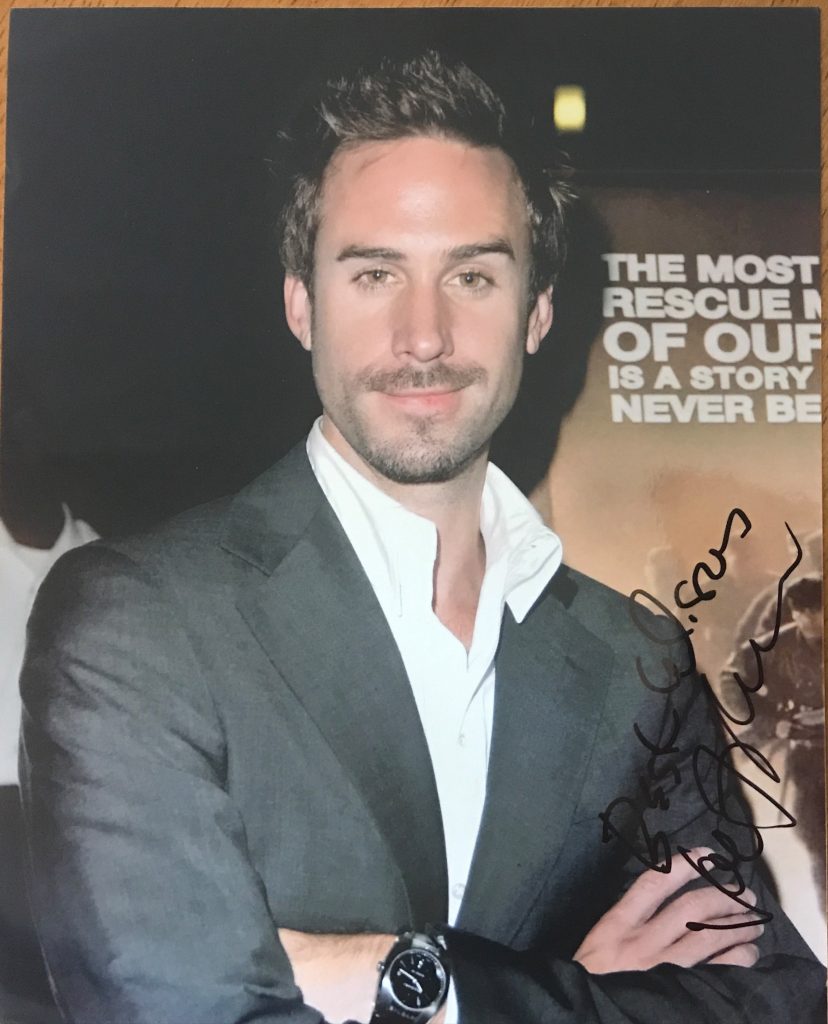
Joseph Fiennes was born in 1970 in Wiltshire. He is the younger brother of Ralph Fiennes. In 1973 he moved to Ireland with his family and was educated there for some years. His film debut was in 1996 in “Stealing Beauty”. His other films include “Shakespeare in Love”, “Elizabeth””Killing Me Softly” and “The Darwin Award
Despite the long shadow cast by his older brother, Ralph Fiennes, actor Joseph Fiennes carved out a comfortable niche in compelling independent and foreign features. Like many actors from England, Fiennes studied theater, particularly Shakespeare, where he delved into the finer nuances of his craft while performing the classics. He did struggle, however, in those early years, living hand-to-mouth while performing on the stage for the Royal Shakespeare Company. But he finally emerged to become an international star with his winsome portrayal of a young and lovesick Bard in “Shakespeare in Love” (1998). The Oscar-winning film propelled his profile into the stratosphere, giving Fiennes his pick of projects at that time. But instead of enhancing his newfound stardom, he followed his own path by returning to the stage while churning out a string of often little-seen independents, only to occasionally emerge in larger films like “Enemy at the Gates” (2001), “The Great Raid” (2005) and “Running with Scissors” (2006). Ironically, Fiennes often found himself accosted by the tabloid press for his exploits with various models and actresses, including Naomi Campbell and Catherine McCormack, despite being intensely private; perhaps a result of him casting off the typical trappings of being a successful and talented performer.
Born on May 27, 1970 in Salisbury, Whiltshire, England, Fiennes was the youngest of six siblings and one half of fraternal twins born to Mark, a farmer and photographer, and his mother, Jini (a.k.a. Jennifer Lash), author of The Burial (1961), The Dust Collector (1979) and Blood Ties (1998). The Fiennes family moved around the British Isles quite a bit, which included a stay in West Cork, Ireland. By his own count, Fiennes had changed schools some 14-odd times. When he was 16, he finished school and attended art college in Suffolk, only to switch to working at the National Theatre as a dresser and eventually performing with the Young Vic Youth Theatre. Fiennes received a grant to attend the Guildhall School of Music and Drama and after graduating in 1993, embarked on his performing career in earnest. He spent two seasons with the Royal Shakespeare Company, which proved to be a mixed blessing. While receiving excellent notices for his performances, including a portrayal of Jesus Christ in Dennis Potter’s “Son of Man” (1995), Fiennes was suffering financial distress, paying out more than he was taking in.
Despite the early struggle, he managed to advance his career with turns opposite Helen Mirren in “A Month in the Country” (1994) and Bernard Hill in “A View From the Bridge” (1995). He finally began to climb out from his doldrums with his television acting debut on “The Vacillations of Poppy Carew” (ITV, 1995), which he followed with a noted performance as a young gay man in Bernardo Bertolucci’s romantic drama “Stealing Beauty” (1996). Following well-regarded theatrical turns as Troilus in “Troilus and Cressida” (1996) and Silvius in “As You Like It” (1996), Fiennes gained some much-needed momentum when he landed leading roles in three high profile features. In “The Very Thought of You/Martha, Meet Frank, Daniel and Laurence” (1998), a low-budget comedy about three friends who fall for an American expatriate, he was cast as the sensitive Laurence, who passes his time teaching elderly women how to play bridge. He followed as Robert Dudley, Earl of Leicester, who is the childhood love of the eventual Queen of England (Cate Blanchett) in the somewhat controversial biopic “Elizabeth” (1998). In this version, directed by Shekhar Kapur, the relationship between the monarch and her favorite is depicted as a carnal one, which belied the established history.
Fiennes was launched to international stardom with his next film, “Shakespeare in Love” (1998), in which he played a lovesick William Shakespeare struggling to write “Romeo and Ethel, the Pirates Daughter” while embarking on a forbidden love with the daughter (Gwyneth Paltrow) of a wealthy merchant. Written by acclaimed playwright Tom Stoppard, “Shakespeare in Love” won a surprise Academy Award for Best Picture. But instead of capitalizing on the film’s success, the atypical star balked at major Hollywood features and instead returned to the London stage to star in “Real Classy Affair” (1998). He rounded out a banner year with a starring role in the romantic comedy of errors, “The Very Thought of You” (1998), but suffered a creative step back with the outlandish comedy thriller “Rancid Aluminum” (2000). Following another acclaimed return to the stage in the title role of Christopher Marlowe’s “Edward II” (2001) at the Crucible Theatre, Fiennes was cast opposite Jude Law and Rachel Weisz to form a triangular romance in the WWII-era drama “Enemy at the Gates” (2001). Playing a Russian soldier adept at propaganda, who uses Law’s exploits as a marksman to create a hero during the siege of Stalingrad, the actor handled a difficult role with aplomb. He was better served with a leading role in the erotically-charged drama of sexual obsession “Killing Me Softly” (2001).
After strong turns playing a recently released political prisoner in the long-delayed British-made drama “Leo” (2002), Fiennes returned to the historical biopic when he played the German monk and activist Martin Luther in the European production of “Luther” (2003). Expanding his horizons to animation, he voiced Prince Proteus, the best friend of the legendary sailor “Sinbad: Legend of the Seven Seas” (2003). After portraying Berowne in Trevor Nunn’s superb production of “Love’s Labour’s Lost” (2003) for the Royal National Theatre, Fiennes made a welcome return to the world of Shakespeare on the big screen, adroitly playing the role of Bassanio opposite Al Pacino’s Shylock in “The Merchant of Venice” (2004). He next played an army officer stricken by disease after surviving the Bataan Death March in “The Great Raid” (2005), based on the true story of the liberation of the Cabanatuan Prison Camp in the Philippines during World War II. In “Running With Scissors” (2006), he was the 33-year-old son of an unorthodox psychiatrist (Brian Cox) who enters into a sexual relationship with a young boy (Joseph Cross) sent to live with them after leaving his dysfunctional family.
Continuing to take on roles in independent films rather than reach for superstardom, Fiennes starred in “The Darwin Awards” (2007), playing a paranoid obsessive-compulsive former detective a la “Monk” who becomes an insurance assessor and falls in love with his partner (Winona Ryder) while investigating a series of bizarre accidents. Following a turn as the real-life James Gregory, the censor officer and prison guard for Nelson Mandela (Dennis Haysbert) in “Goodbye Bafana” (2007), he played a tough, but muted convict who helps a career criminal (Brian Cox) bust out of prison in the intelligent, but little-seen crime thriller “The Escapist” (2009). That fall, Fiennes made a surprising move to American primetime on “FlashForward” (ABC, 2009-2010), a sci-fi series starring Fiennes as the head of an FBI unit investigating the cause of a mass time travel incident that has shaken up the planet. After that show was canceled following large scale promotion declaring it the next “Lost,” Fiennes starred as Merlin on “Camelot” (Starz, 2011), a well-received retelling of the King Arthur tale that was not renewed due to the cable network’s logistical challenges with production. Undeterred, Fiennes stayed on the small screen and joined the second season of Ryan Murphy’s popular horror series, “American Horror Story: Asylum” (FX, 2012- ), where played an ambitious priest in 1964 who founded a sanitarium run by a sadistic nun (Jessica Lange).
The above TCM overview can also be accessed online here.
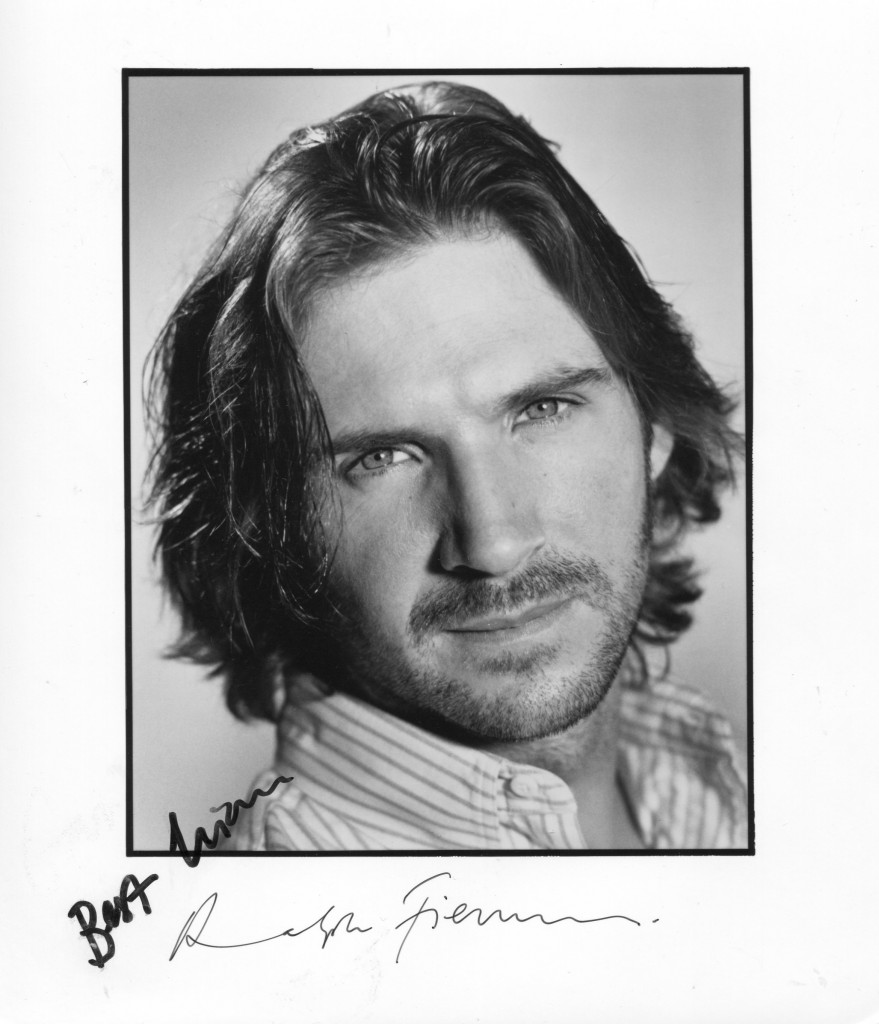
Ralph Fiennes was born in 1962 in Suffolk. In 1973 his family moved to Ireland where he was educated for some years. He first came to film fame with his evil performance in “Schindler’s List” and then in 1994 he starred in the U.S. in “Quiz Show”. Other films include “The English Patient”, “Red Dragon” and “The End of the Affair”.
His IMDB entry:
Ralph Twisleton Wykeham Fiennes was born on December 22, 1962 in Suffolk, England to Mark Fiennes, a photographer, and Jennifer Lash, a novelist, the eldest of six children. Four of his siblings are also in the arts: Martha Fiennes, a director; Magnus Fiennes, a musician; Sophie, a producer; and Joseph Fiennes, an actor.
Fiennes has been honored with two Academy Award nominations, the first in 1994 for his performance in Steven Spielberg‘s Oscar-winning Best Picture, Schindler’s List (1993). Fiennes’ chilling portrayal of Nazi Commandant Amon Goeth also brought him a Golden Globe nomination and a BAFTA Award, as well as Best Supporting Actor honors from numerous critics groups, including the National Society of Film Critics, and the New York, Chicago, Boston and London Film Critics associations. Four years later, Fiennes earned his second Oscar nomination, for Best Actor, in another Best Picture winner, Anthony Minghella‘s The English Patient (1996). He also garnered Golden Globe and BAFTA Award nominations, as well as two Screen Actors Guild (SAG) Award nominations, one for Best Actor and another shared with the film’s ensemble cast.
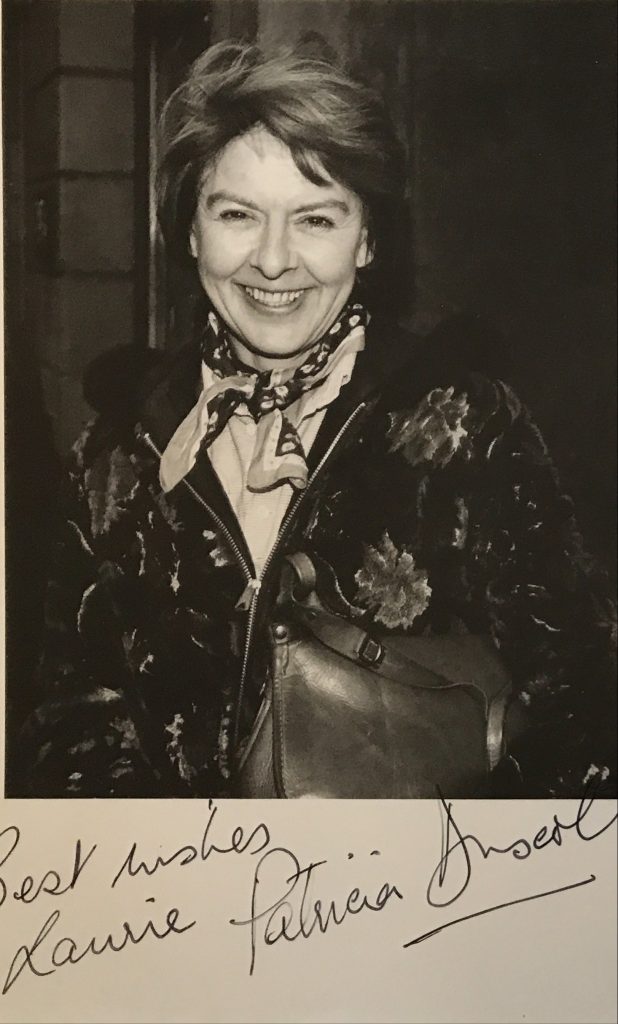
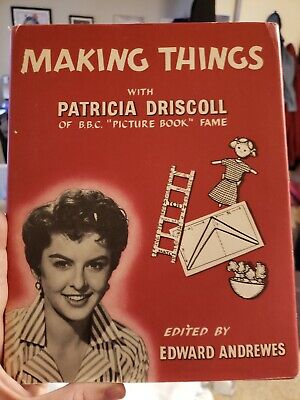
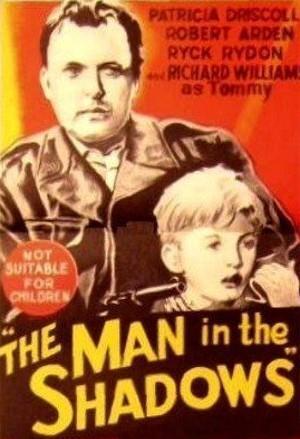
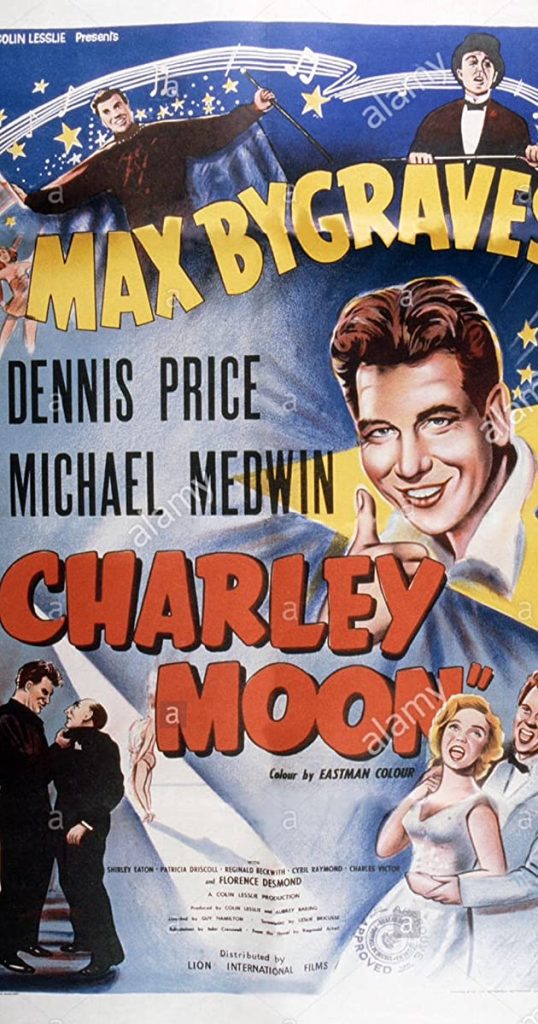
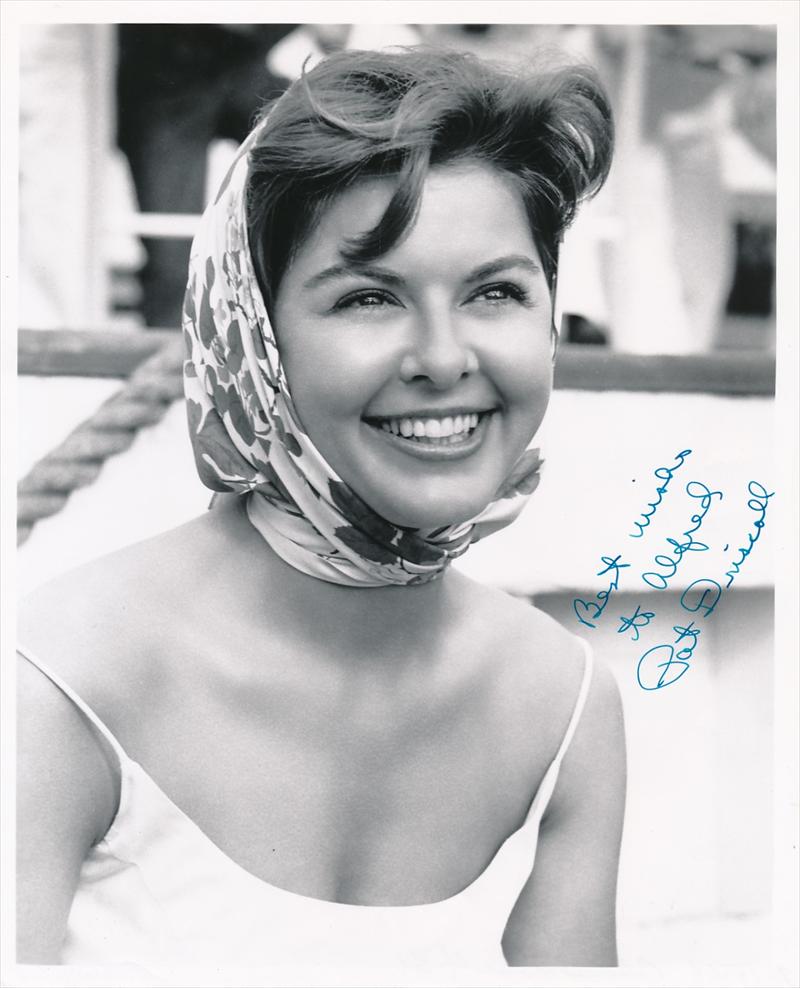
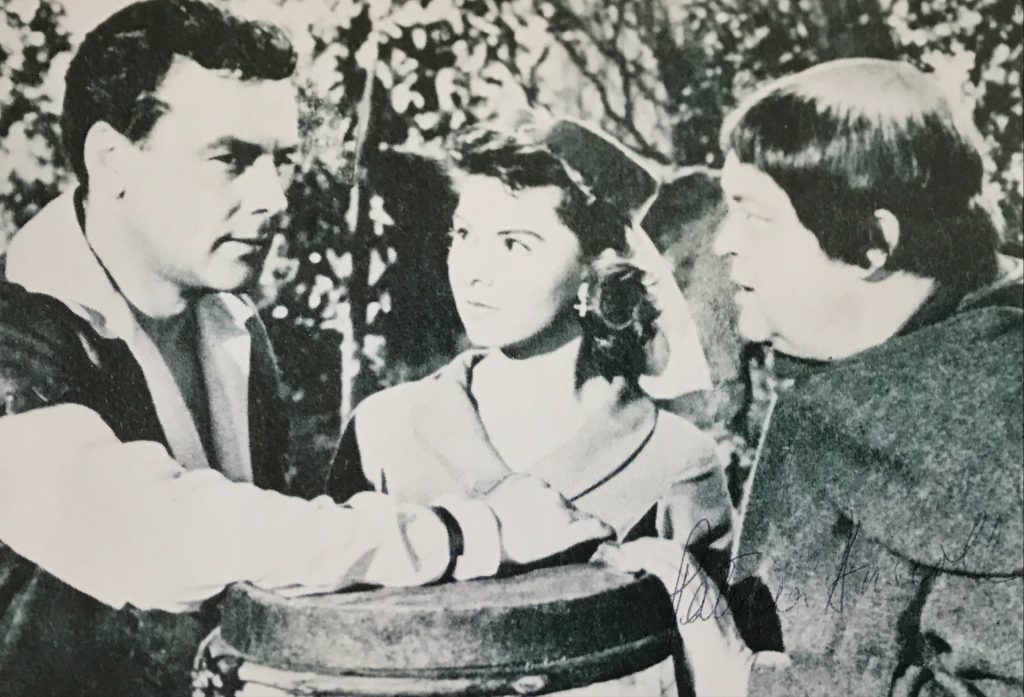
Patricia Driscoll was born in 1927 in Cork. She replaced another Irish actress Bernadette O’Farrell in the popular British television series “The Adventures of Robin Hood” as Maid Marian. Her film debut was in 1955 in “Timeslip”. Ms Driscoll was married to actor Duncan Lamont. Other films include “Charley Moon” and “The Wackiest Ship in the Army”. Patricia Driscoll died in 2020 aged 92.
.
Mandatory Credit: Photo by Studio Canal/Shutterstock (9978095b)
1956, Patricia Driscoll, Max Bygraves, Guy Hamilton, British Lion, Film , B&W, Portrait,
Charley Moon – 1956
Director: Guy Hamilton
Film PortraitPatricia Driscoll
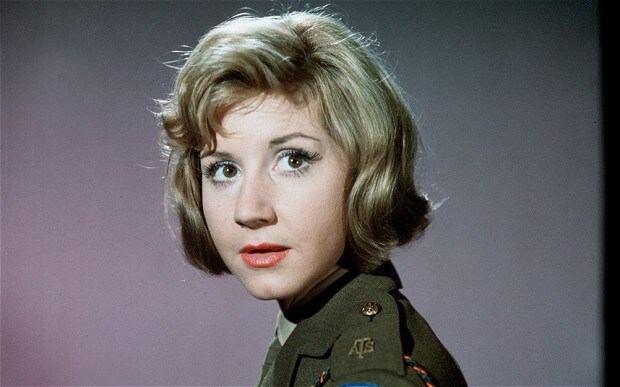
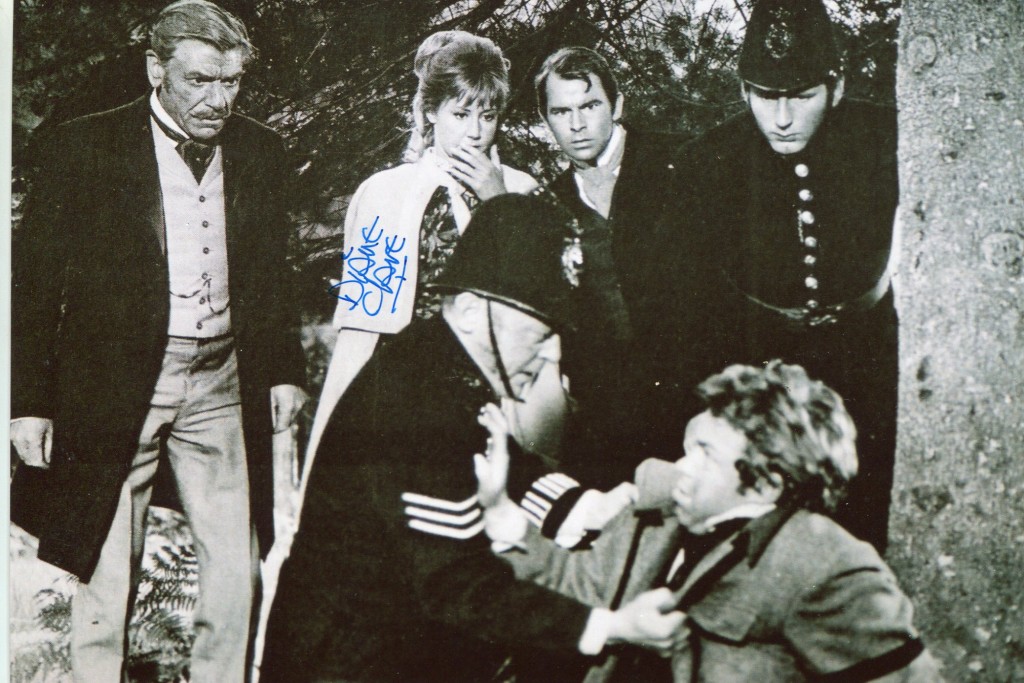
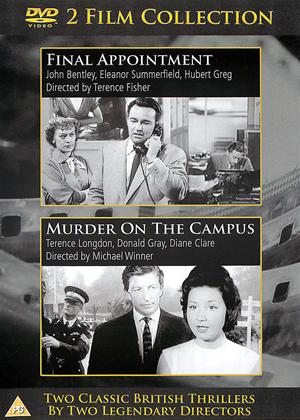
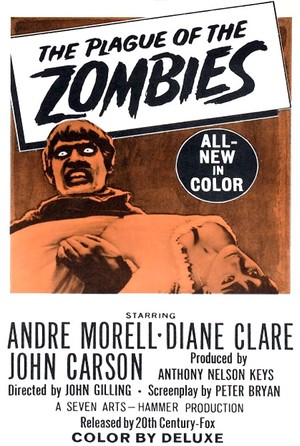
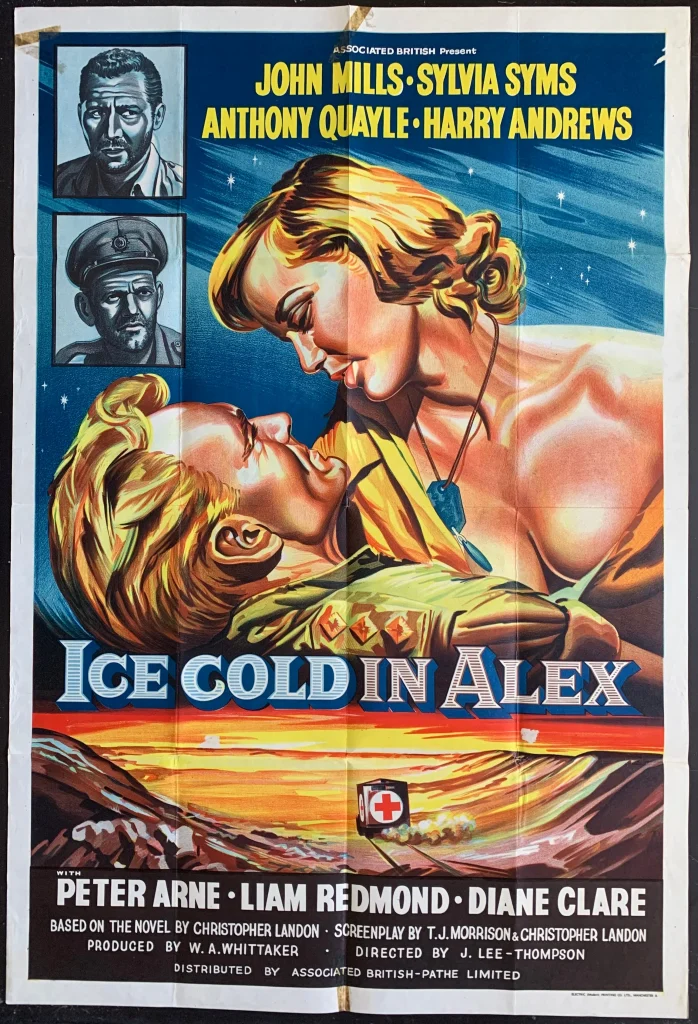
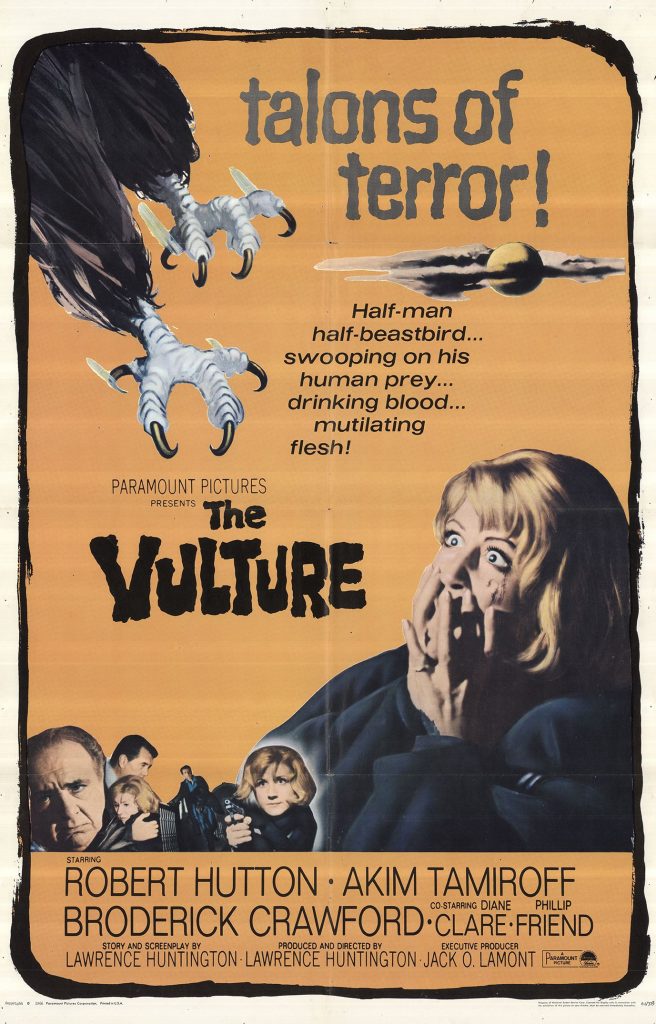
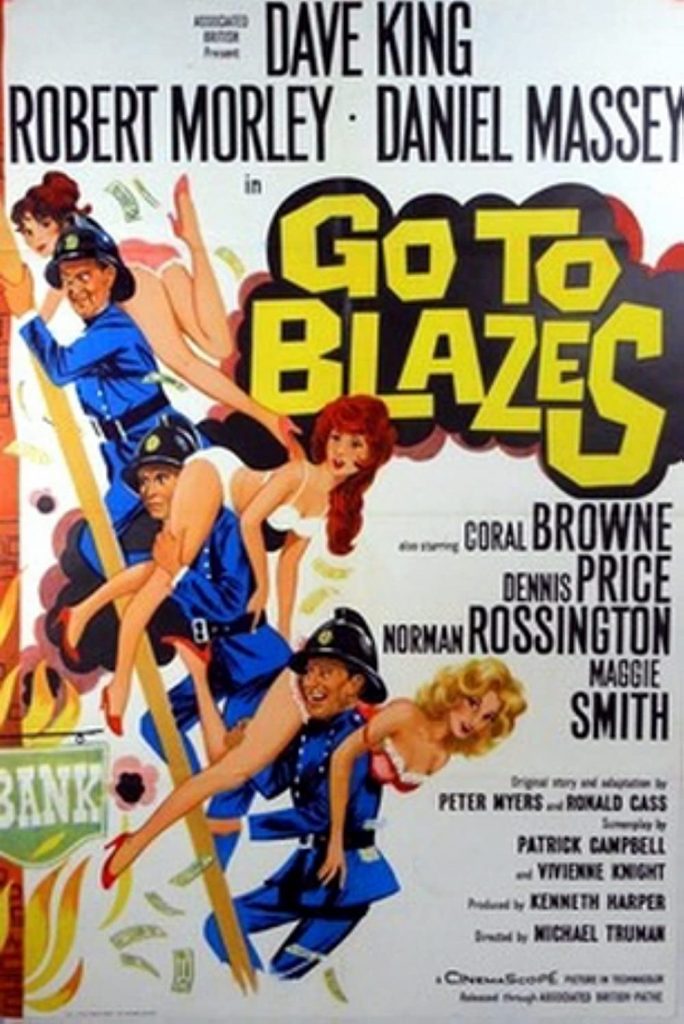
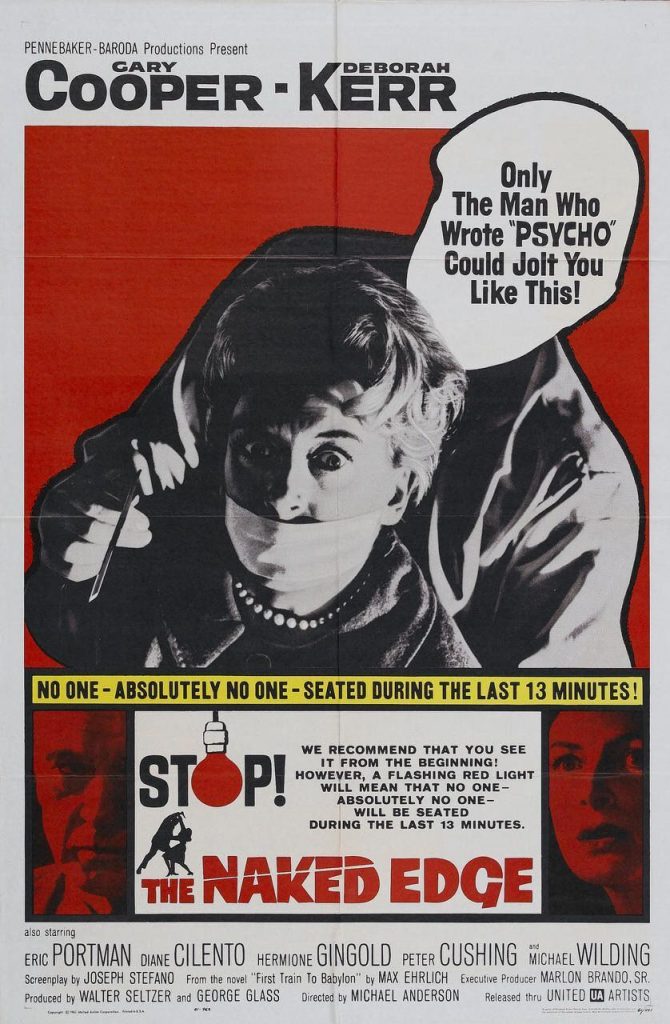
Diane Clare was born in 1938 in London. She made her film debut in 1958 in a small part in “Indiscreet”. In the same year she had strong supporting roles in “The Reluctant Debutante” and “Ice Cold in Alex”. Her other films include “The Naked Edge”, “Go to Blazes” and Mrs Gibbon’s Boy’s”.Her final film was “The Hand of Night” in 1968. She died at 74 in 2013.
“Hollywood.com” entry:
British film and TV star Diane Clare has died, aged 74. The actress passed away four years after the death of her husband, author Barry England, according to Britain’s Daily Telegraph. No further information was available as WENN went to press. Clare racked up a number of roles throughout the 1950s and ’60s, including the part of Angela Lansbury’s daughter in The Reluctant Debutante, even though she was just 12 years younger than her onscreen mum. She also played a nurse in the 1958 movie Ice Cold in Alex alongside Sir John Mills, and appeared in classic horror movie The Plague of the Zombies in 1966. Her last film role was in The Hand of Night in 1968. She is survived by her daughter Kate and son Christopher.