
Brittish Actors

Collection of Classic Brittish Actors

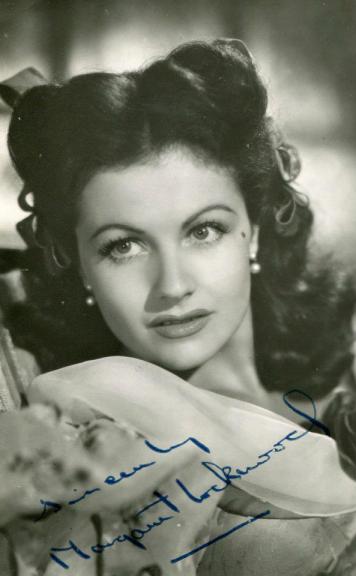
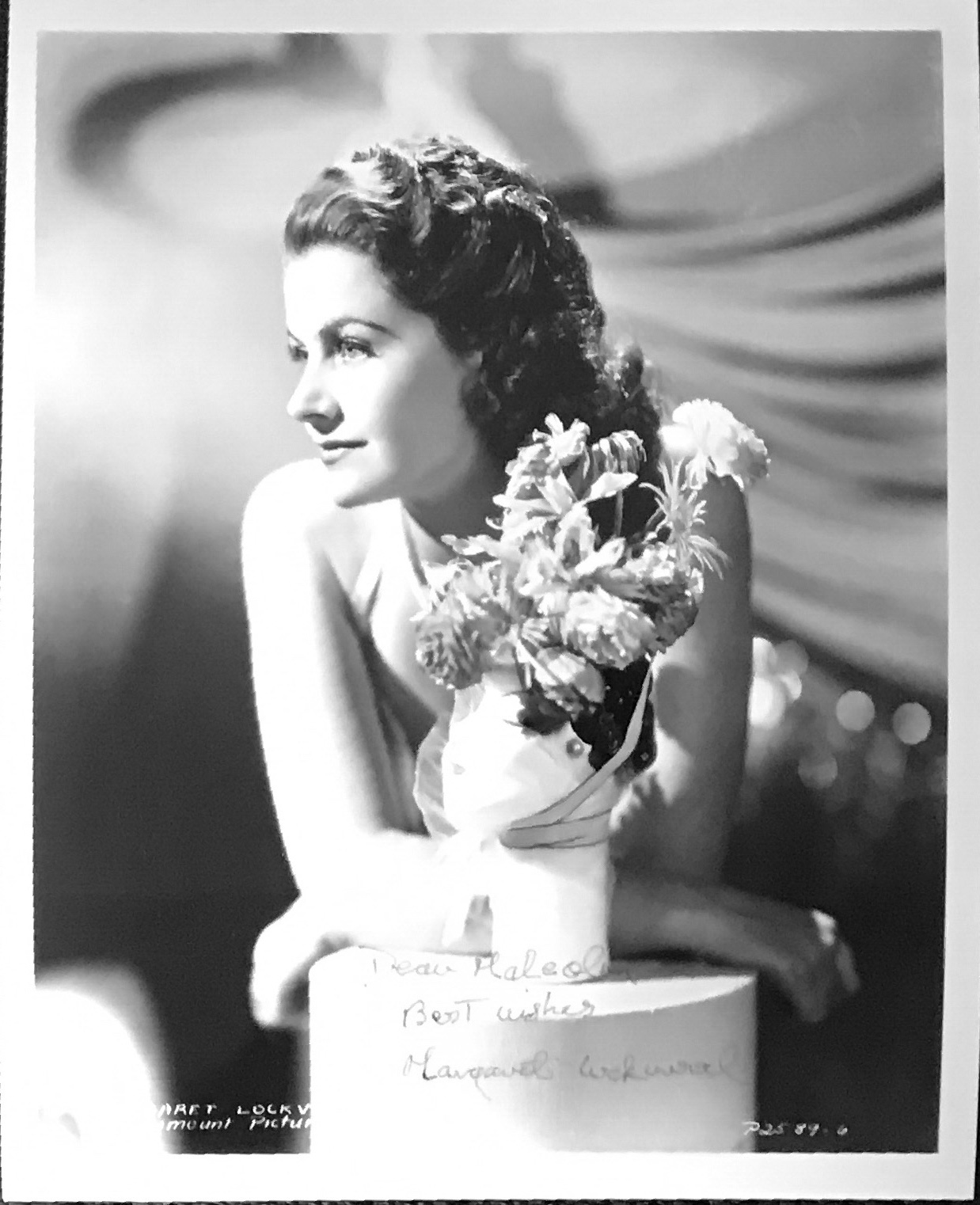
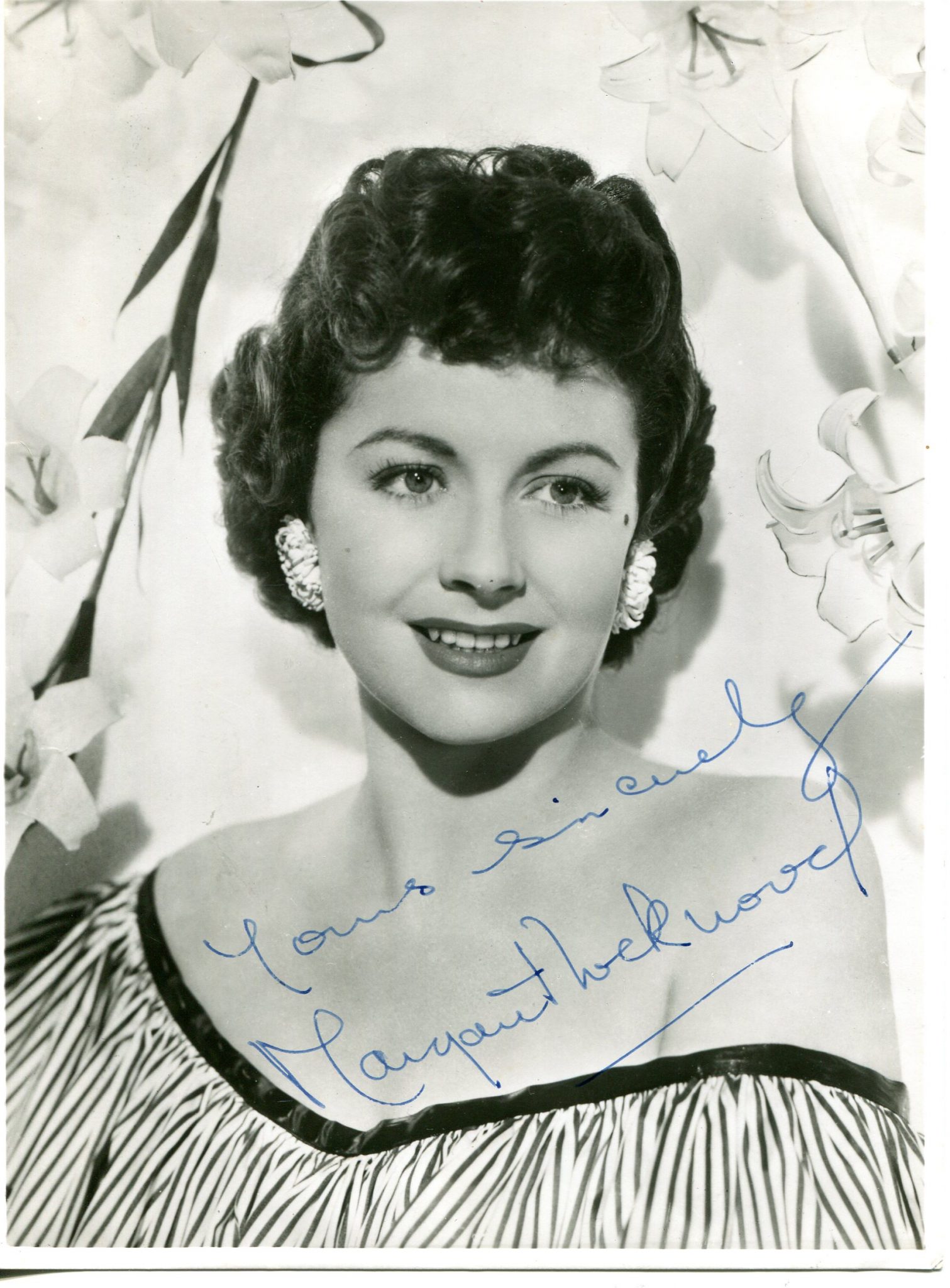
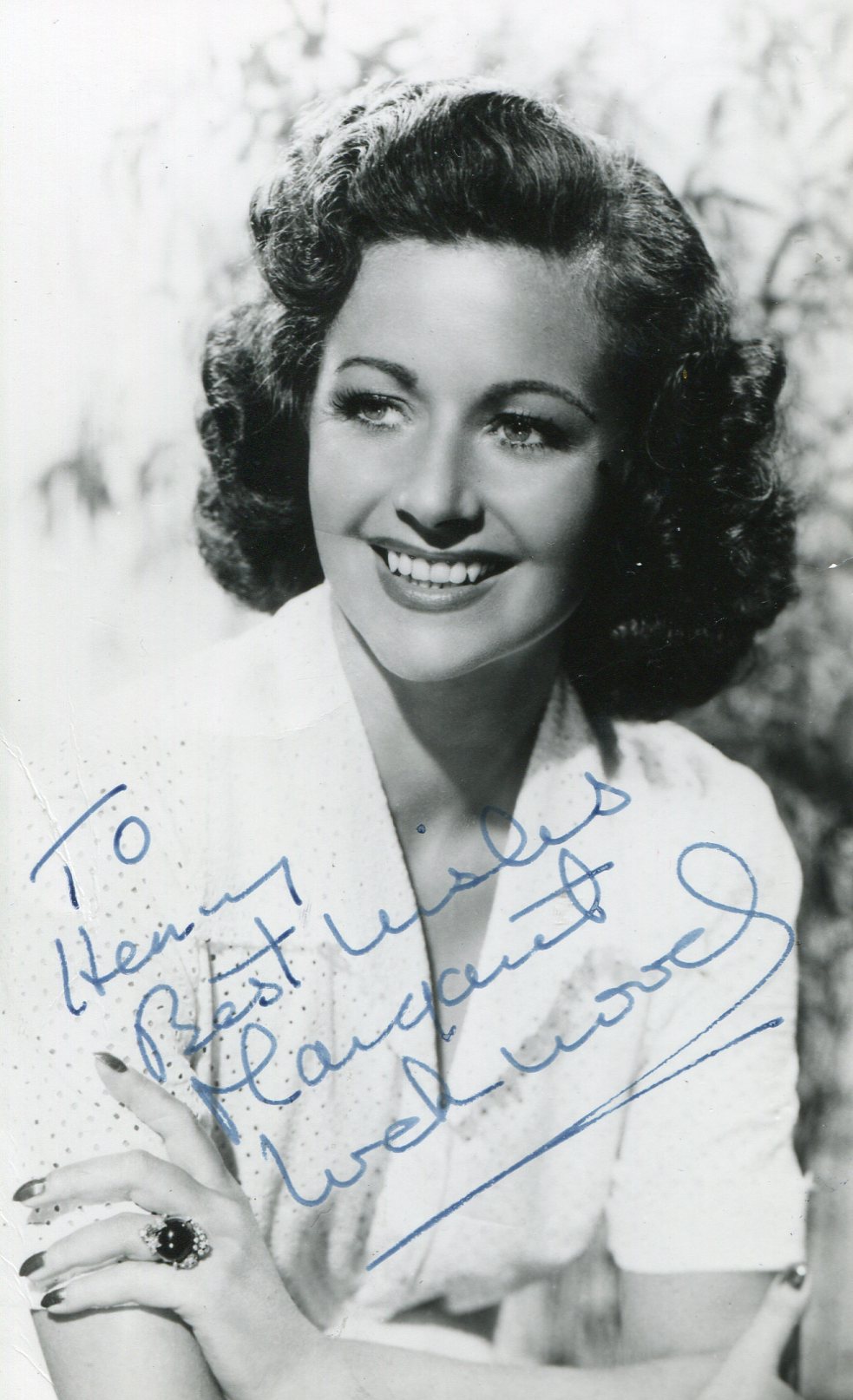
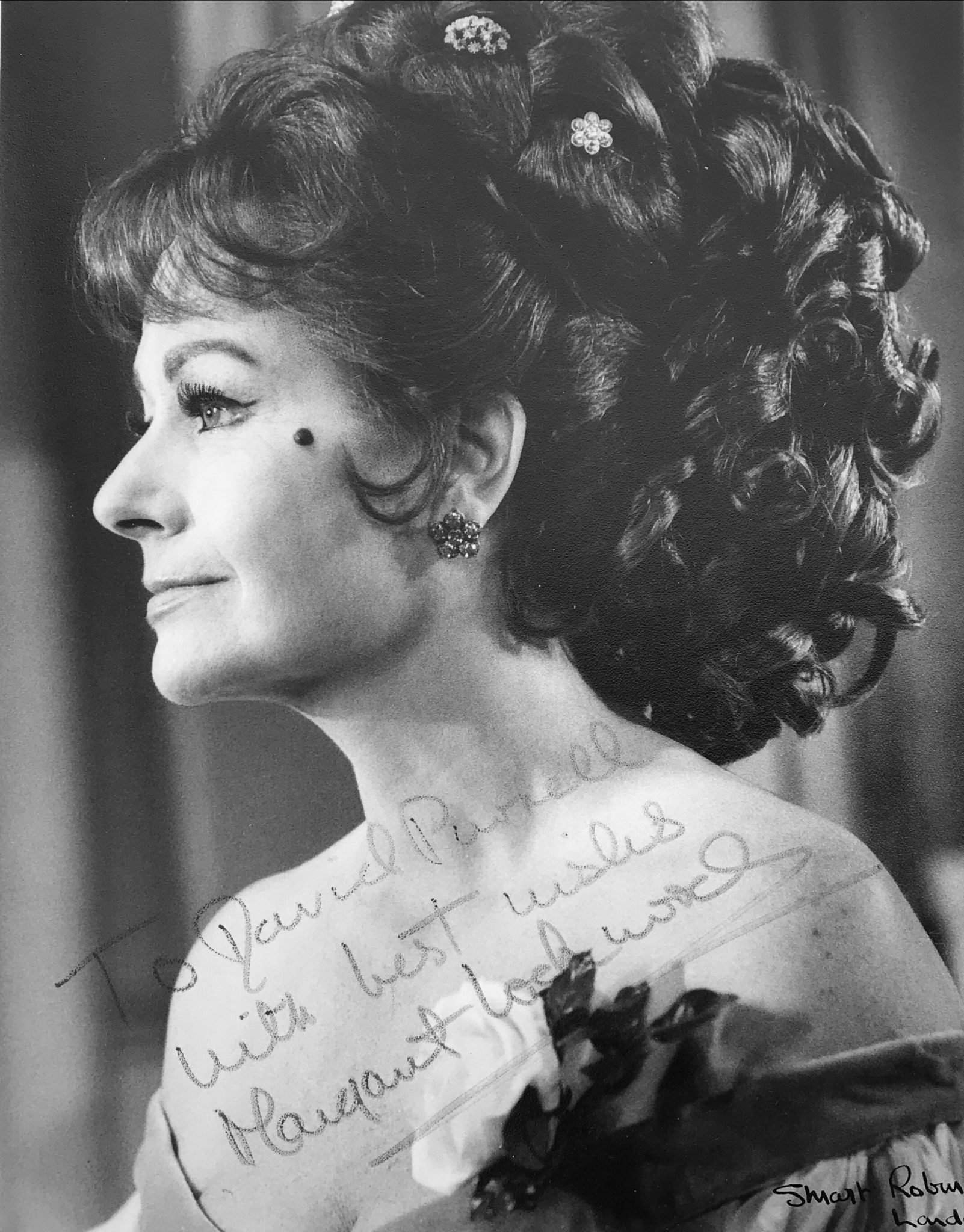
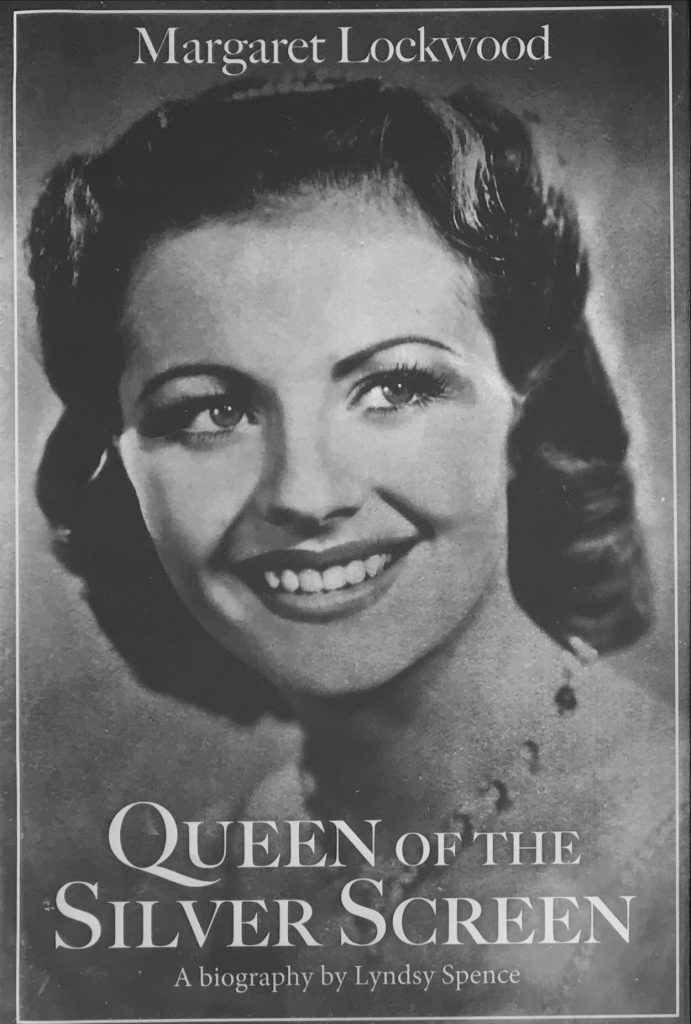
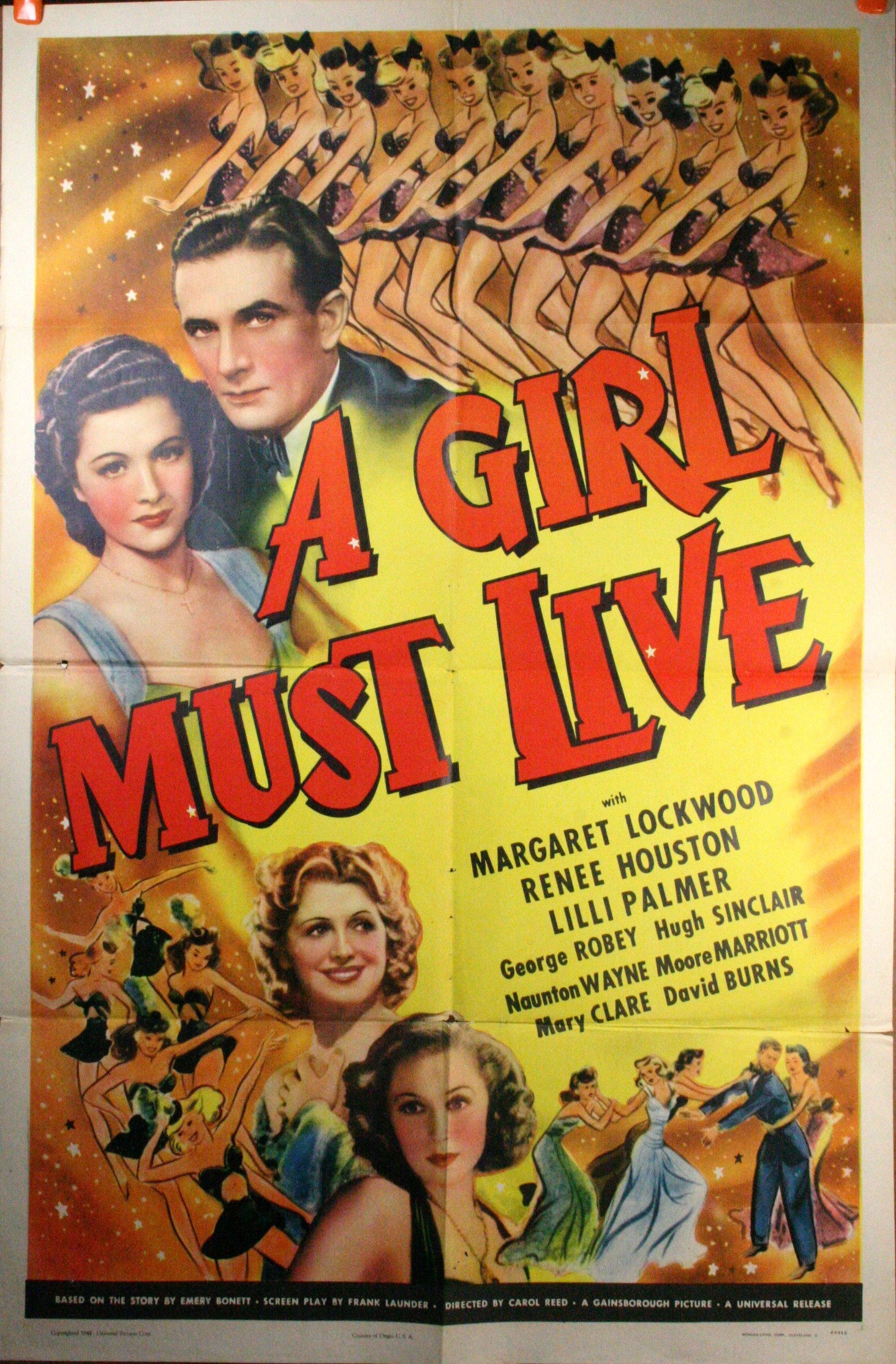
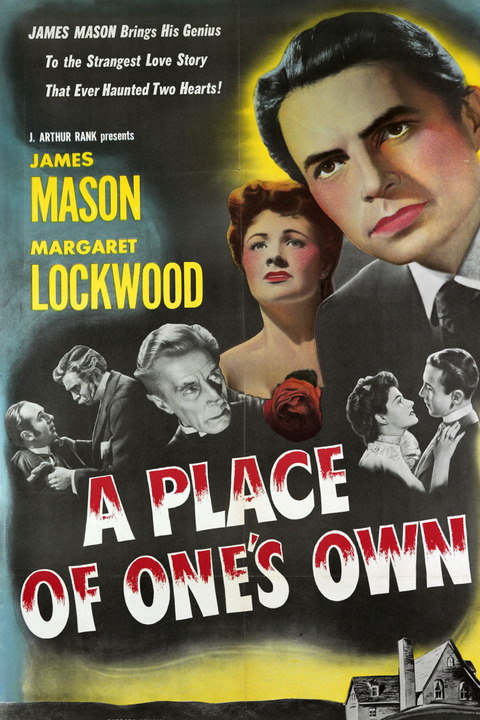
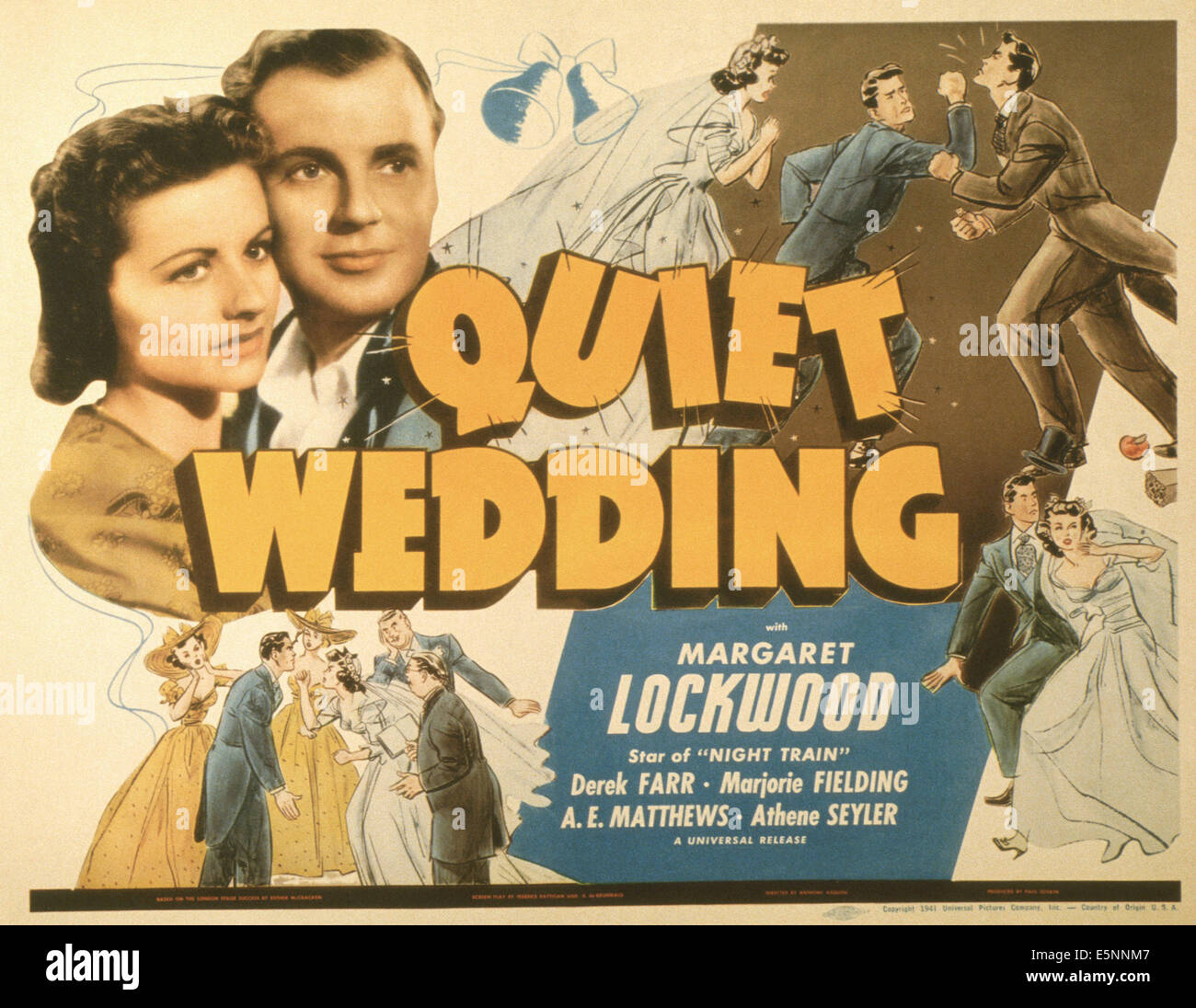
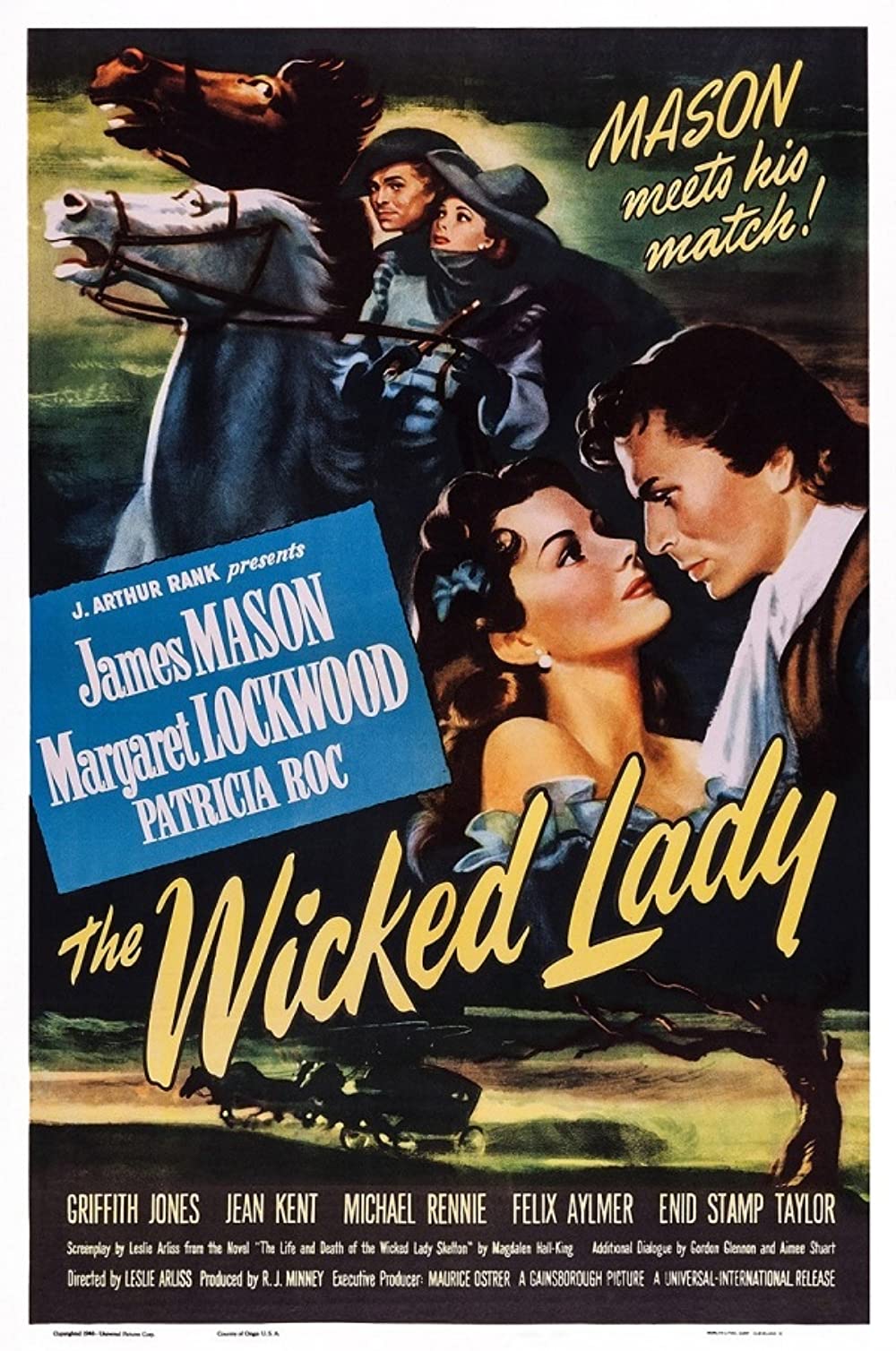
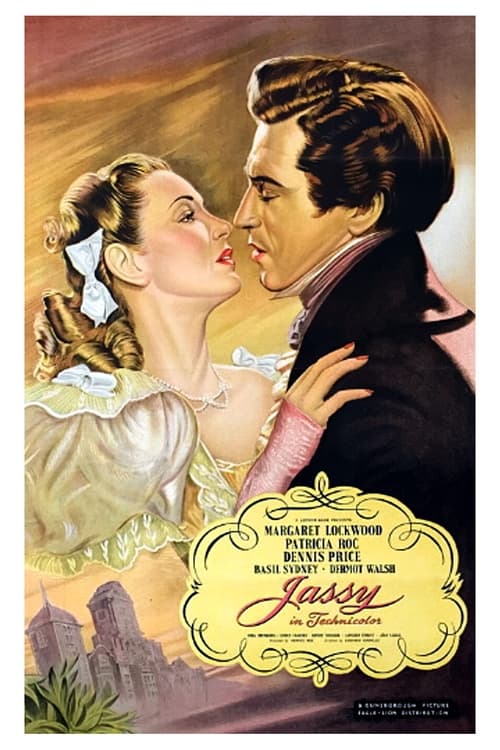
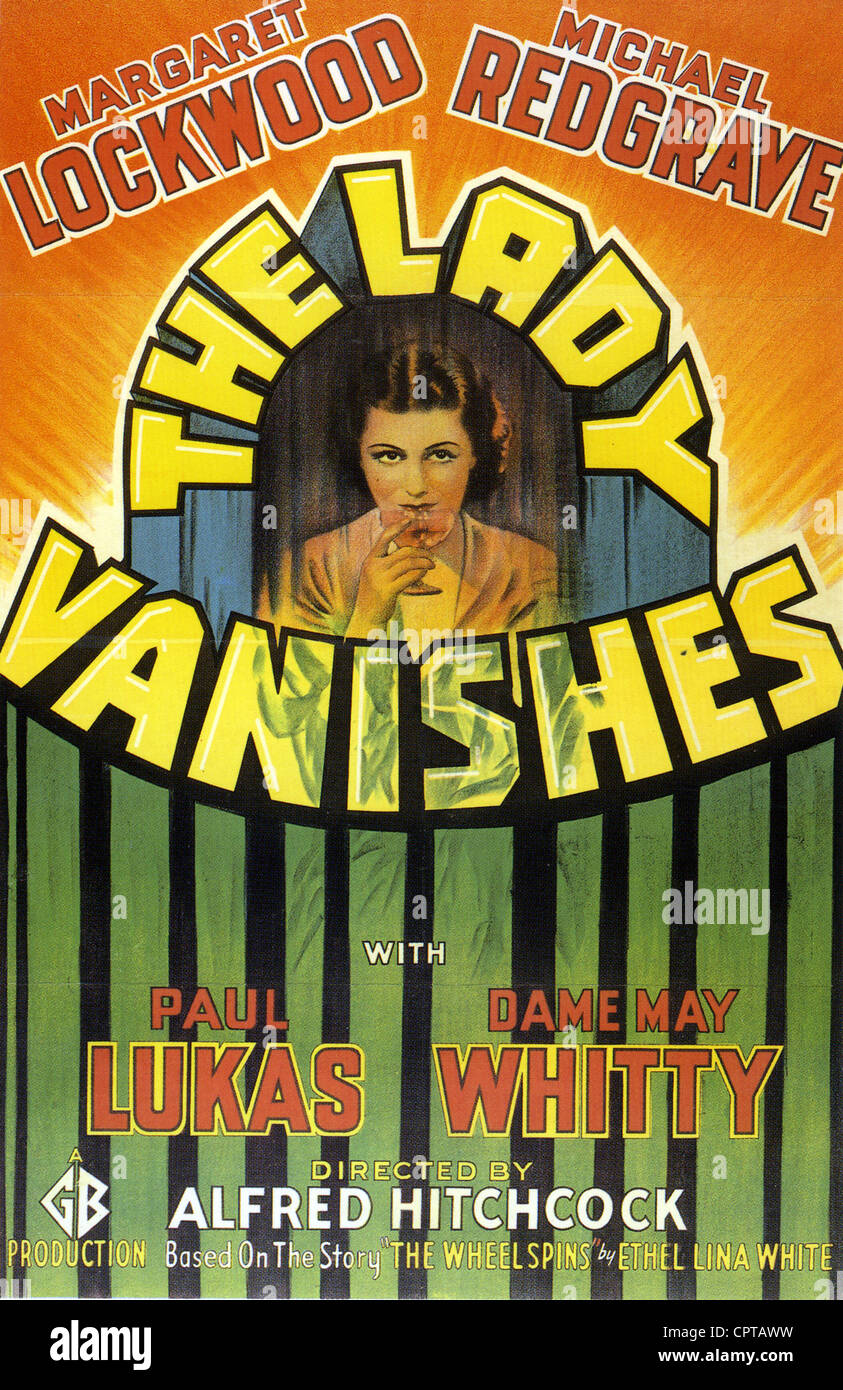
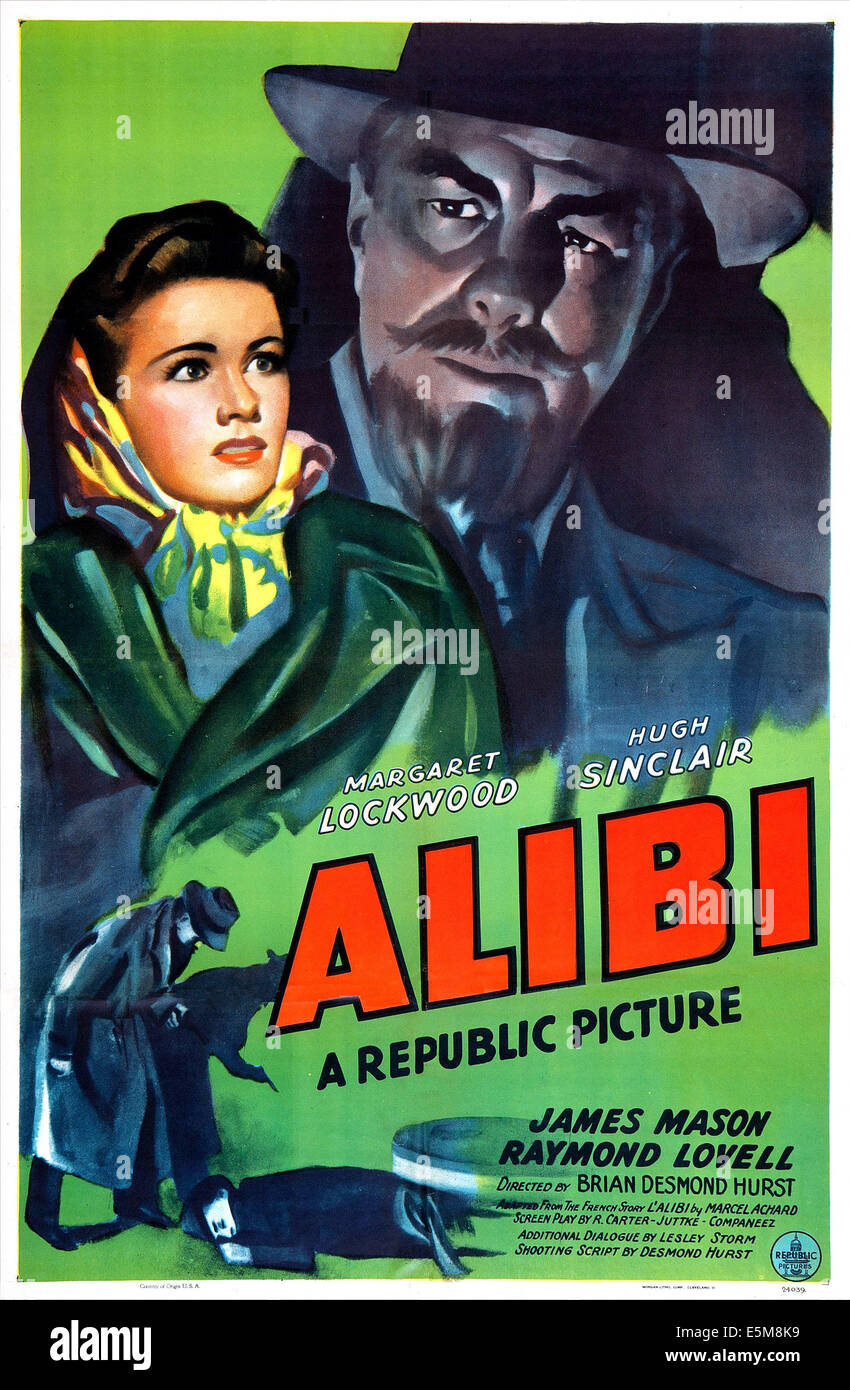
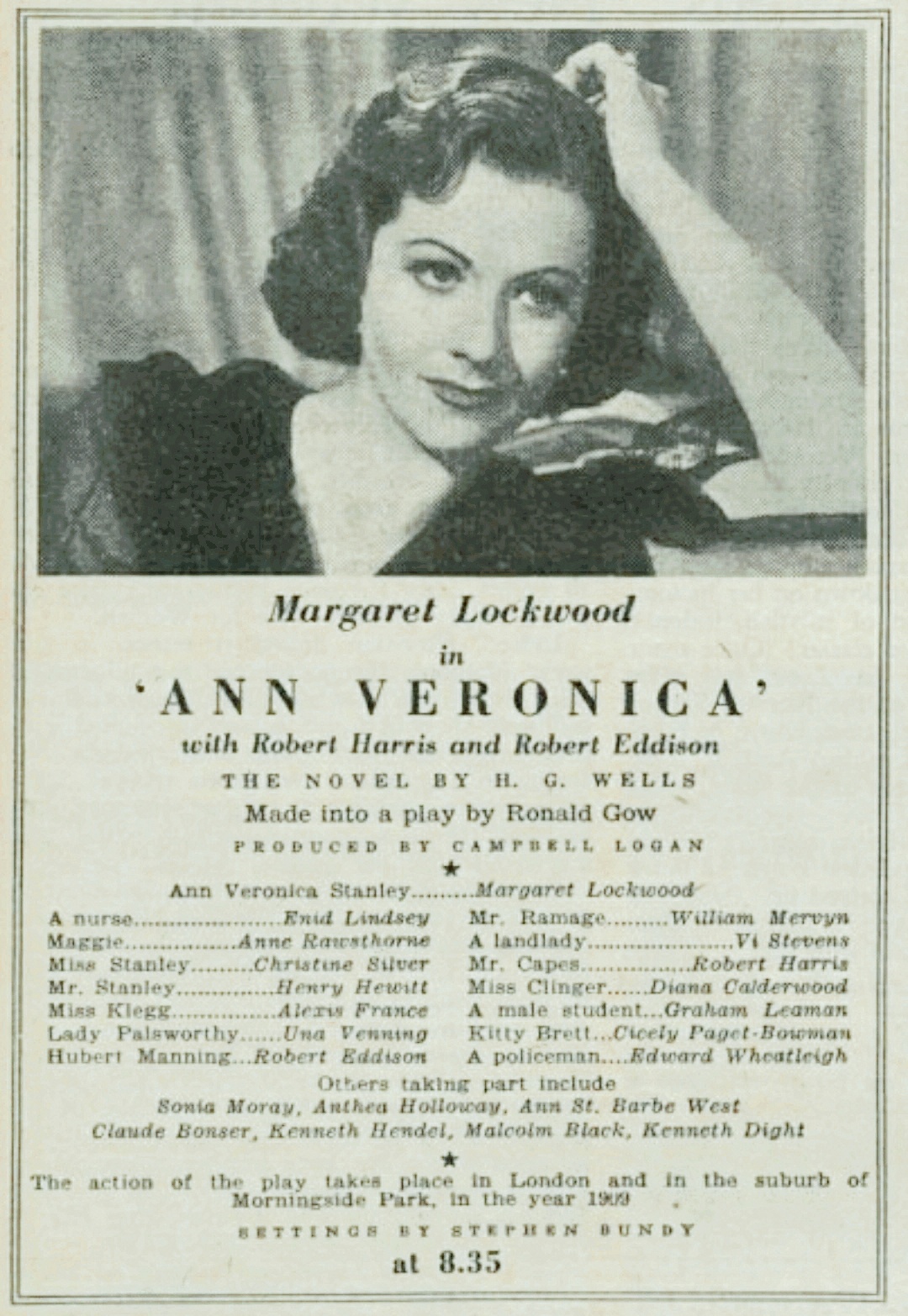
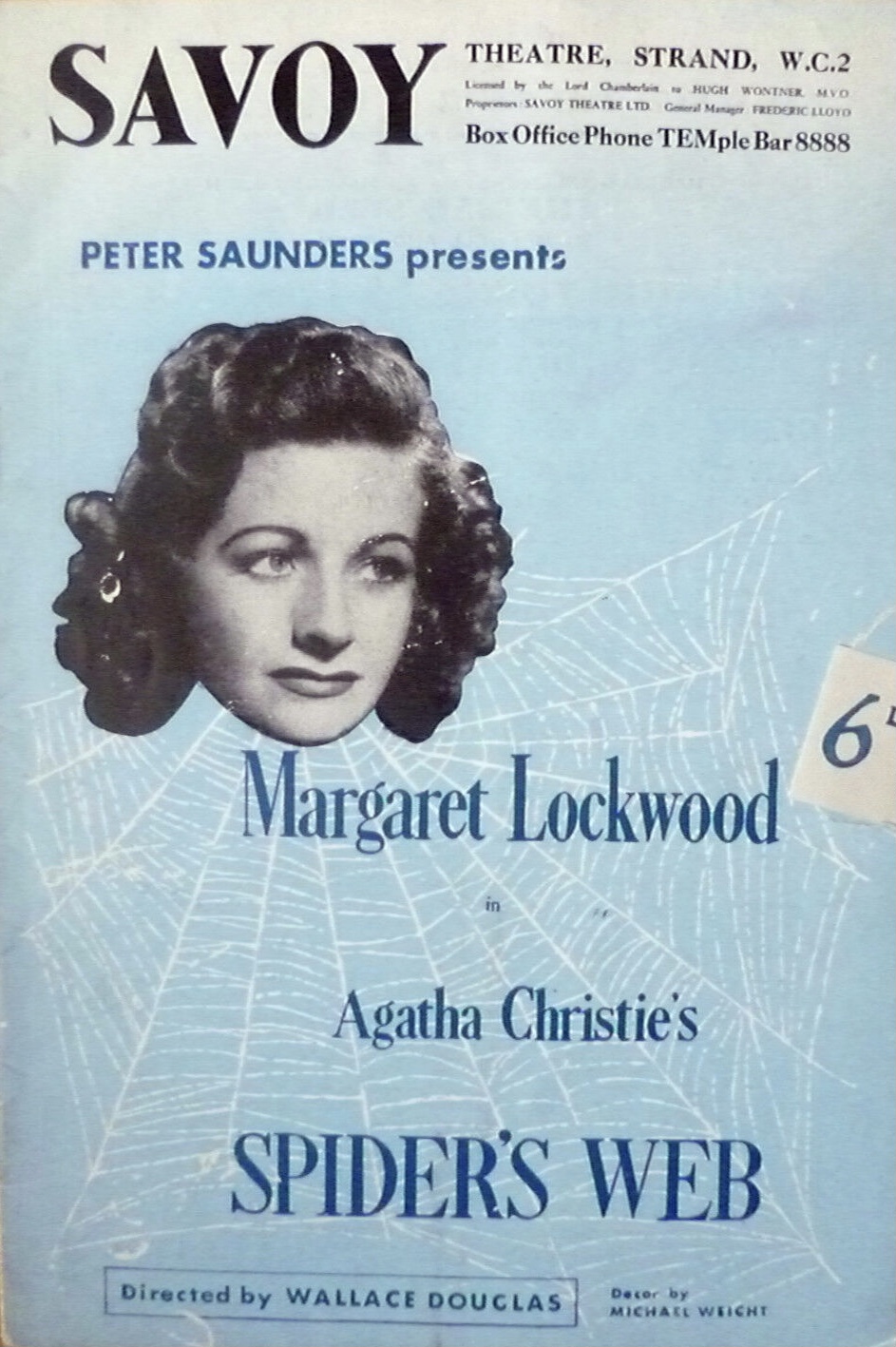
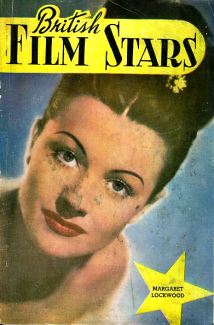
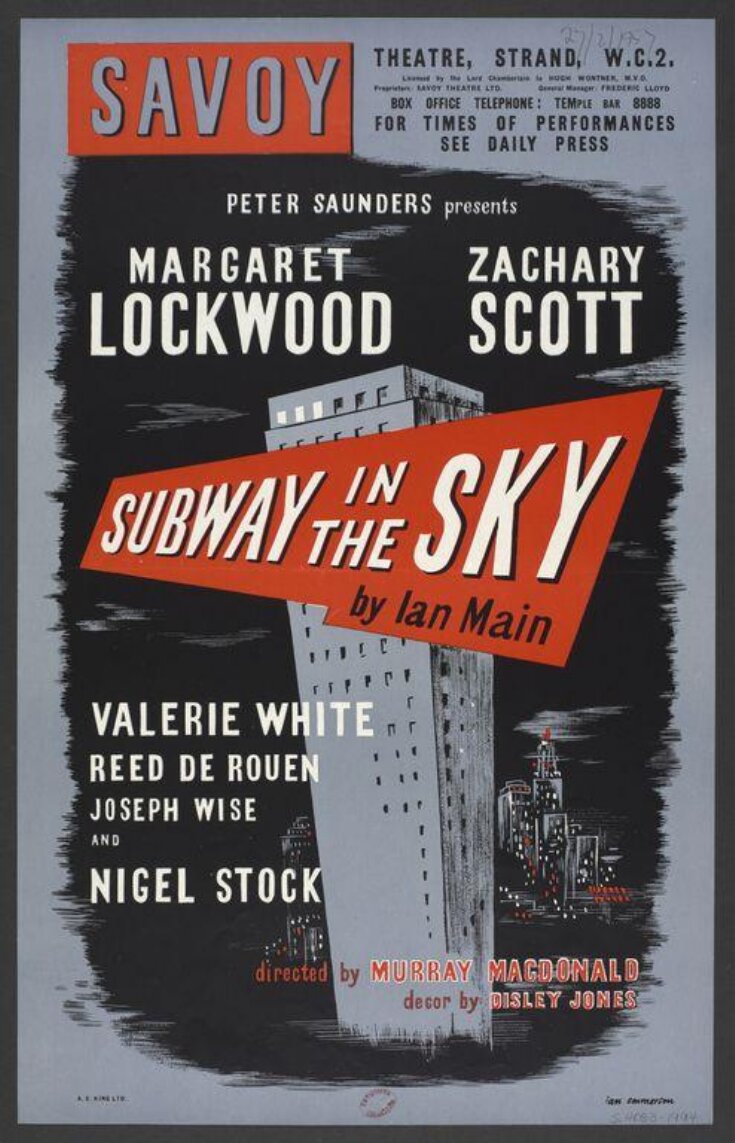
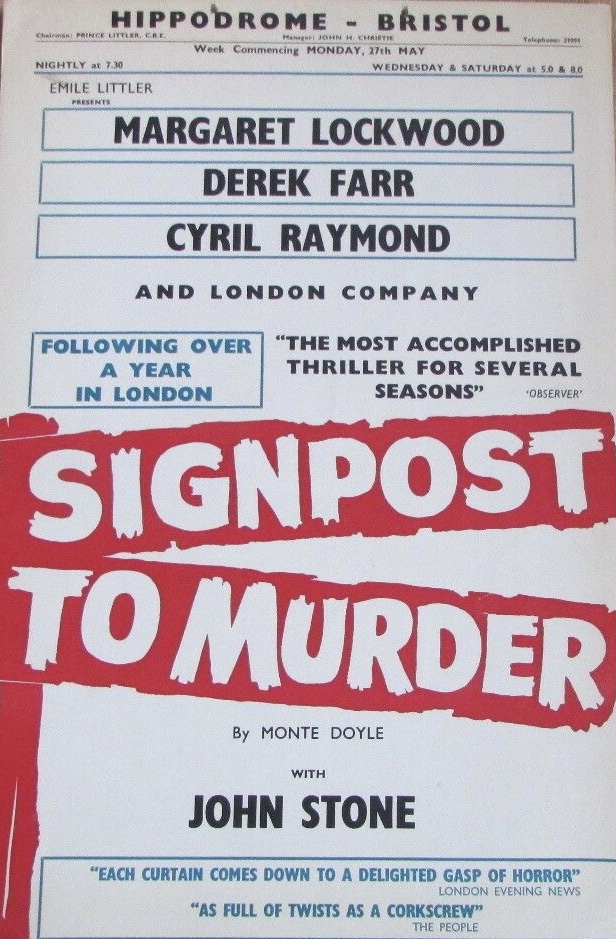
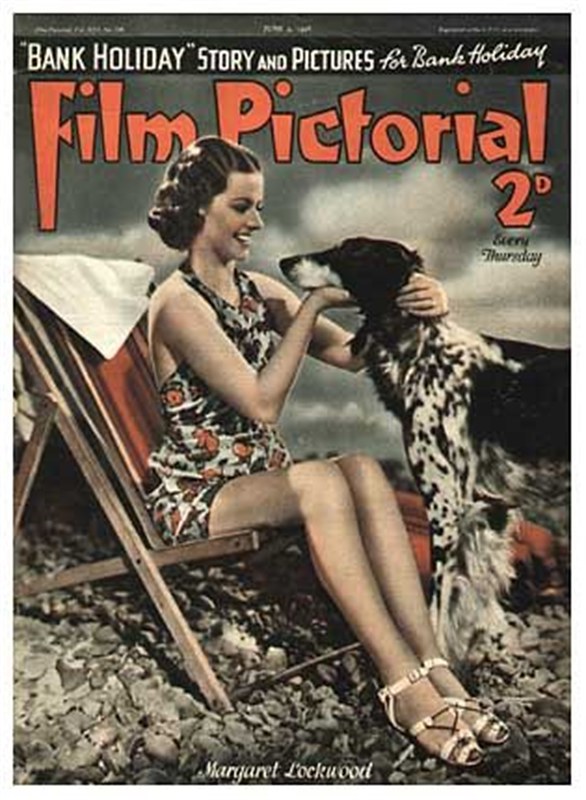
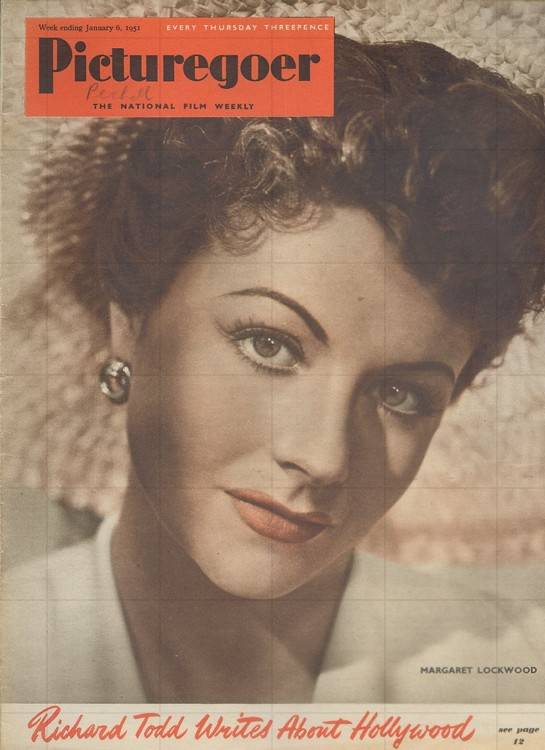
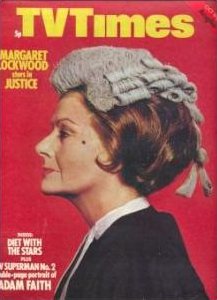
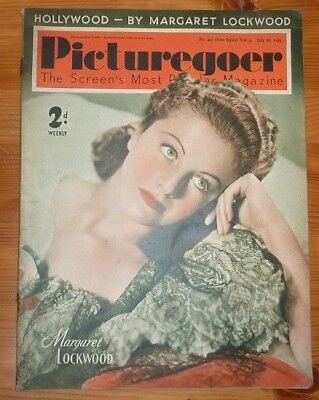
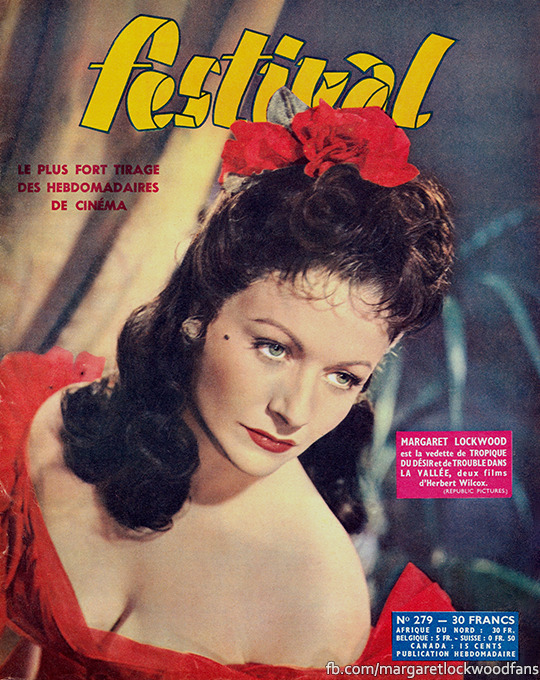
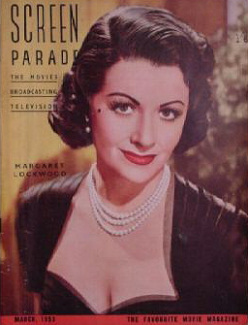
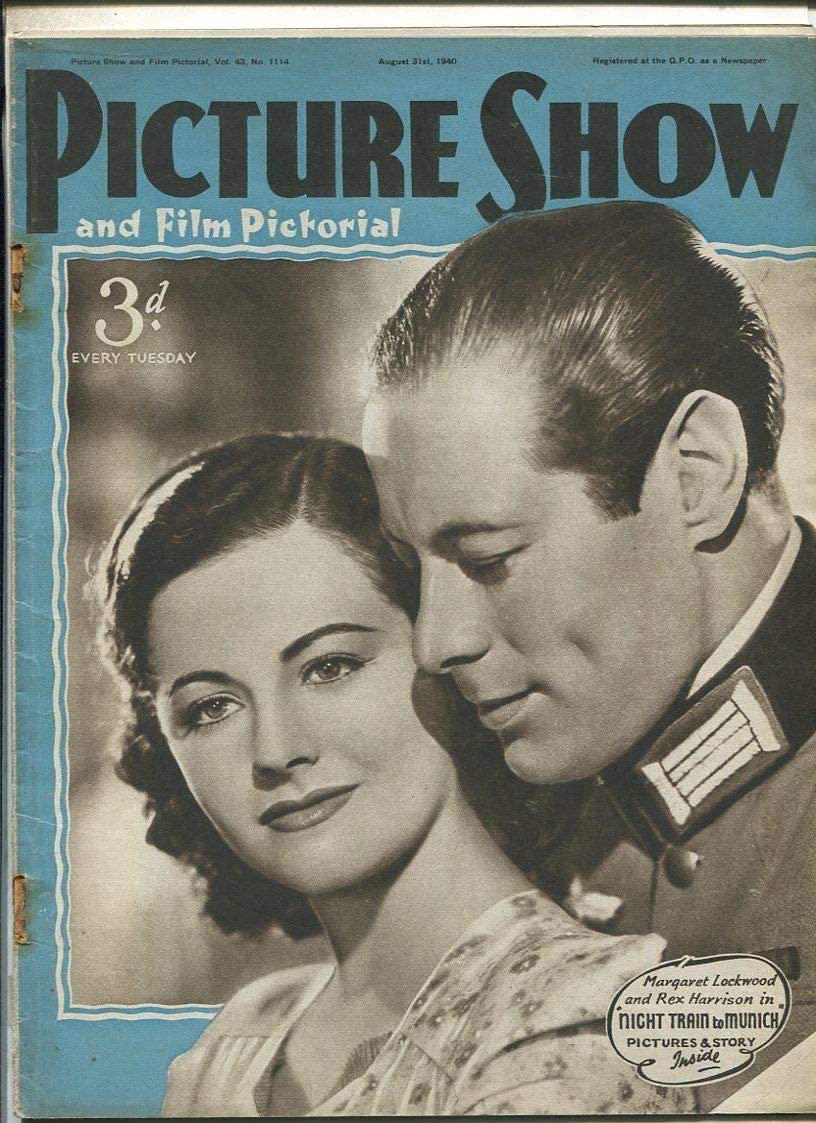
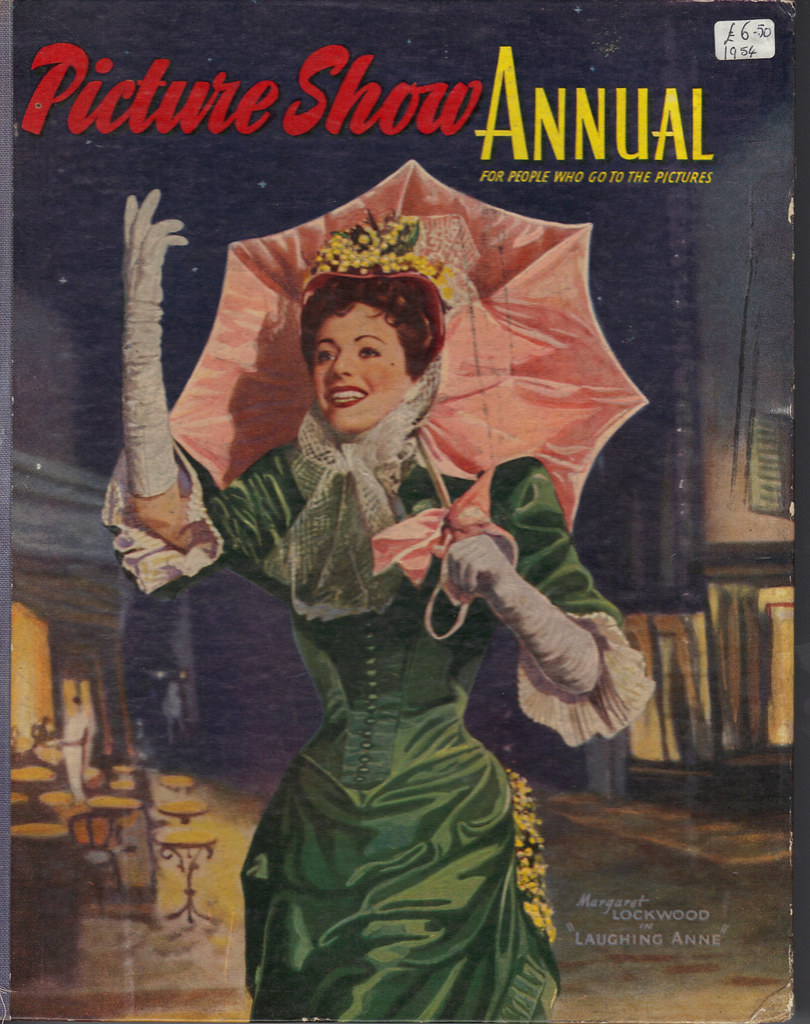
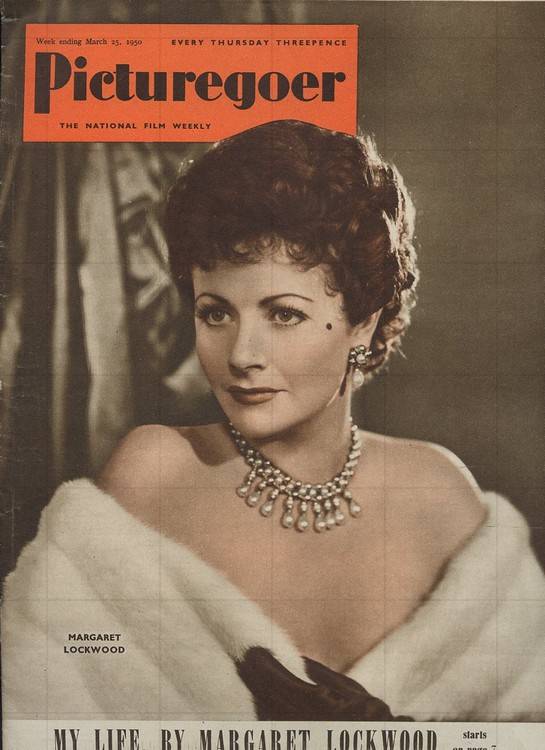
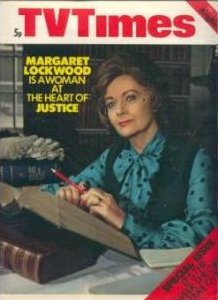
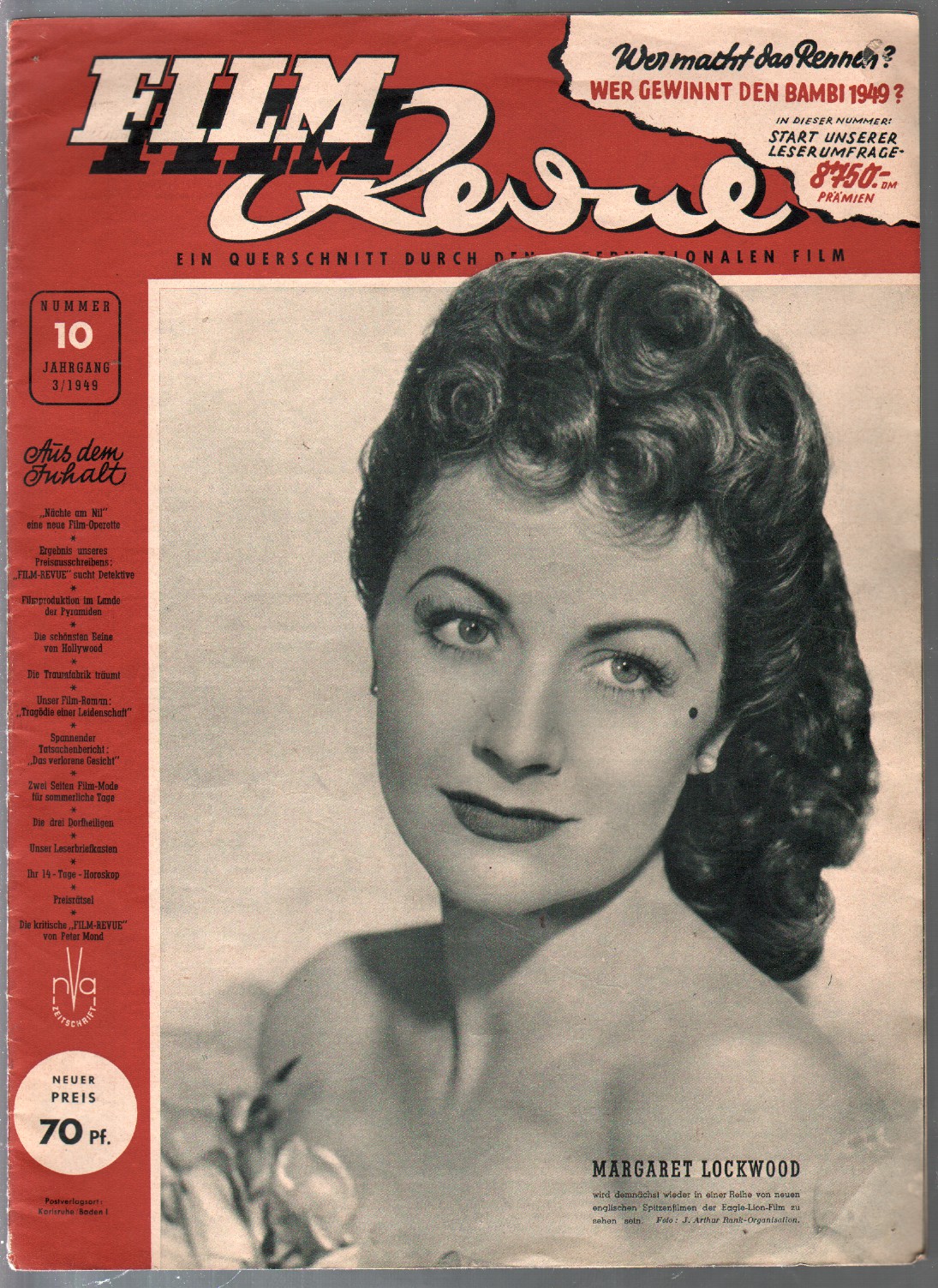
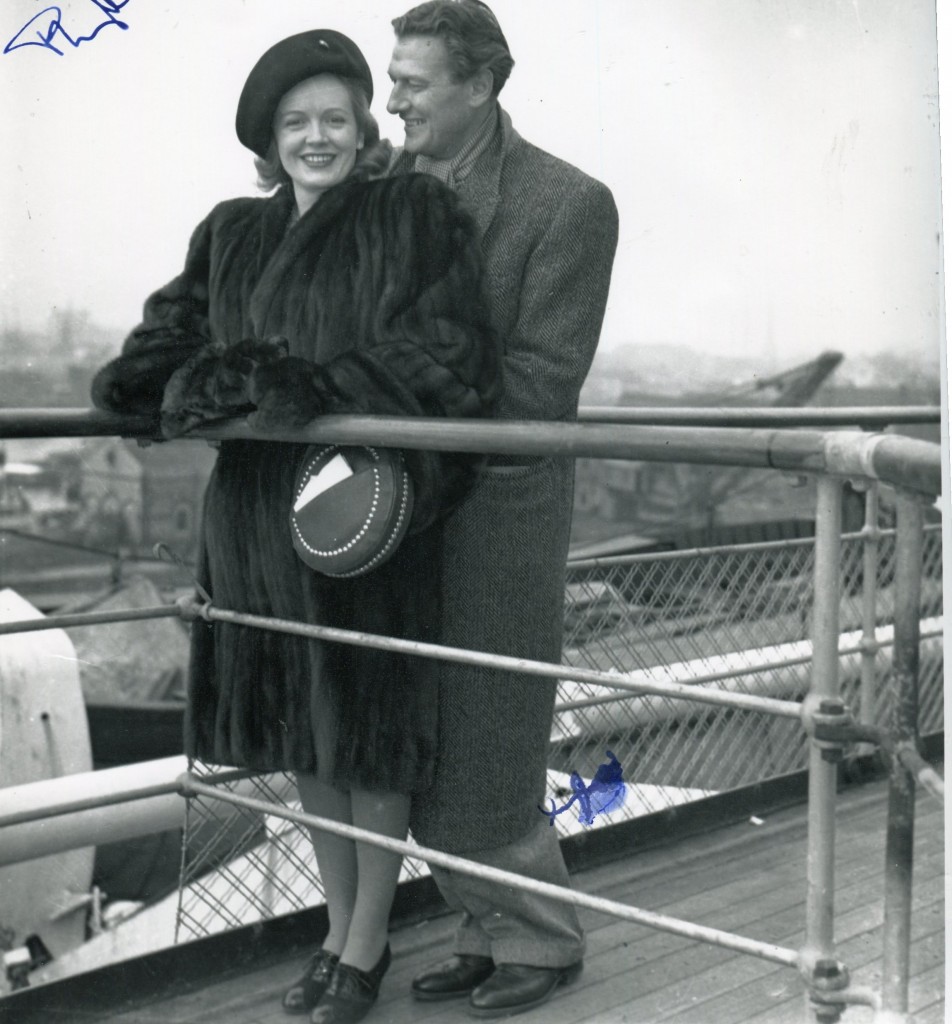
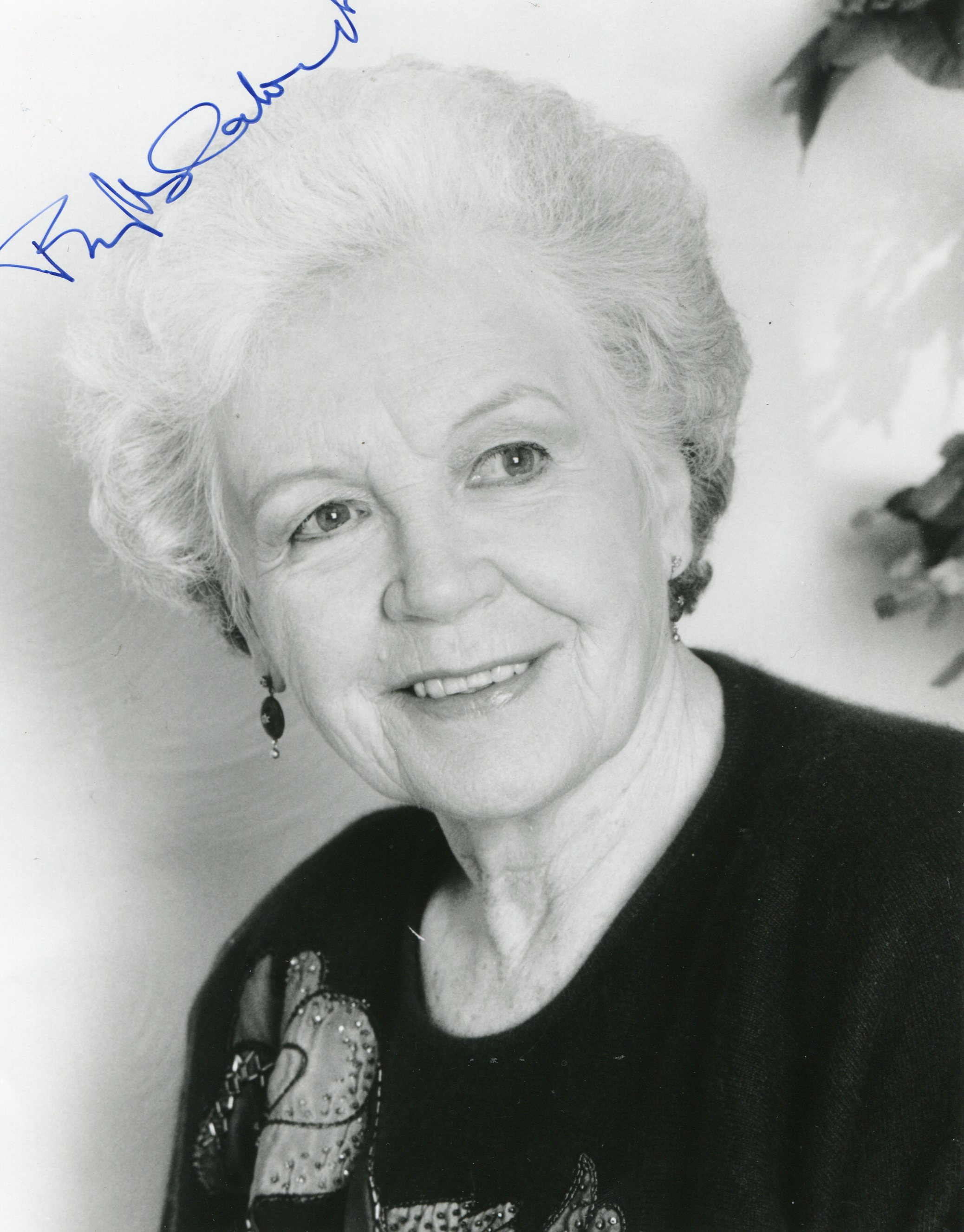
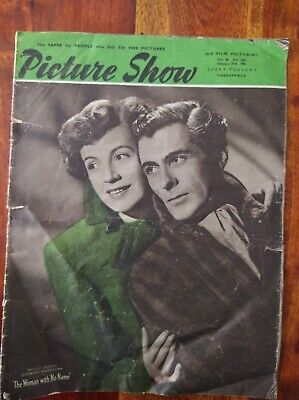
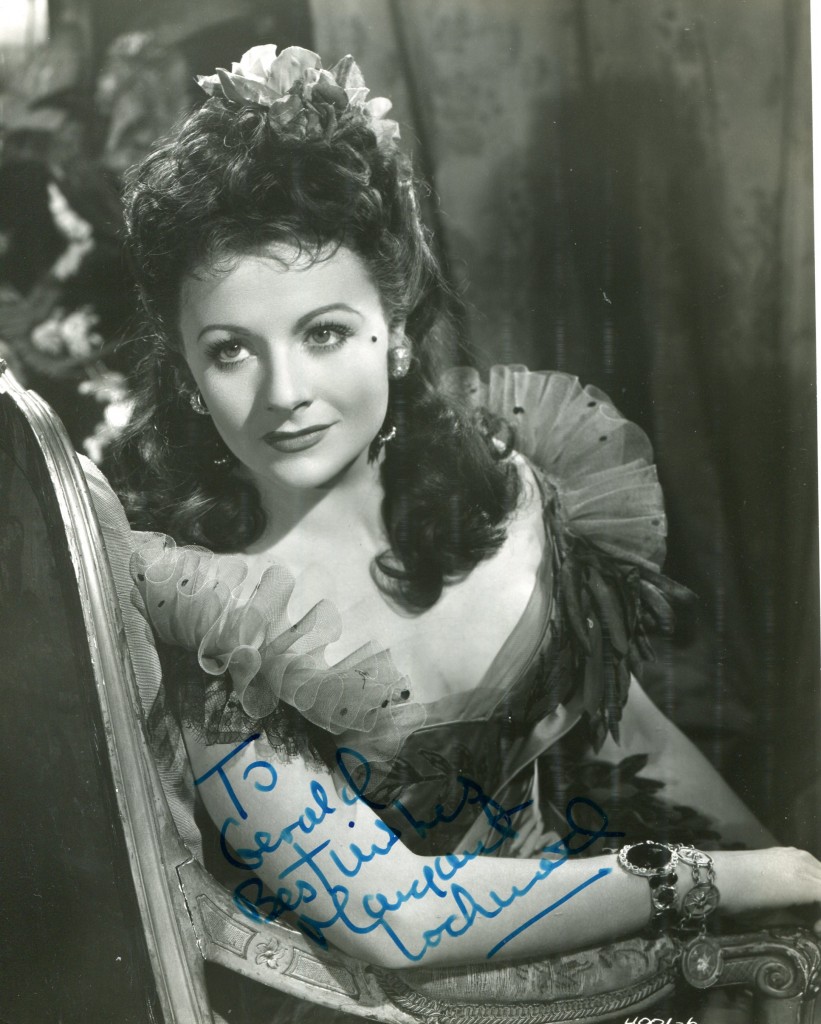
Margaret Lockwood

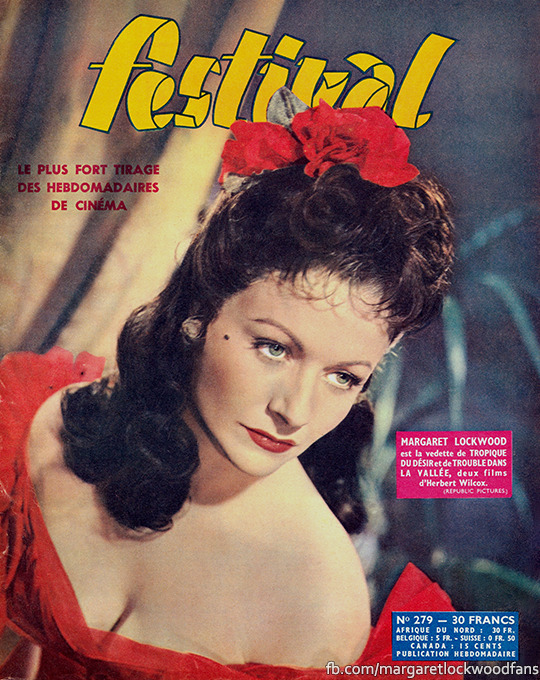
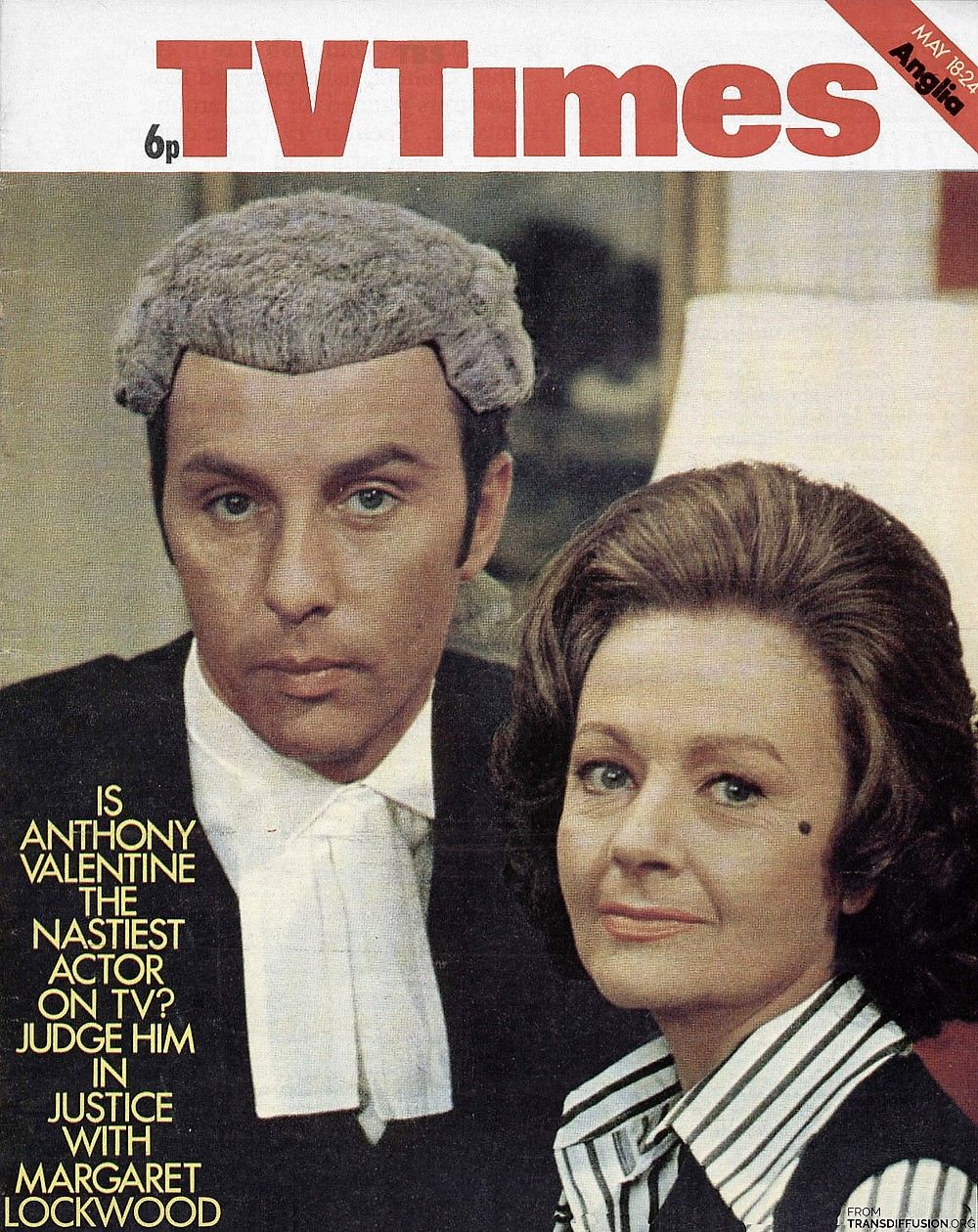
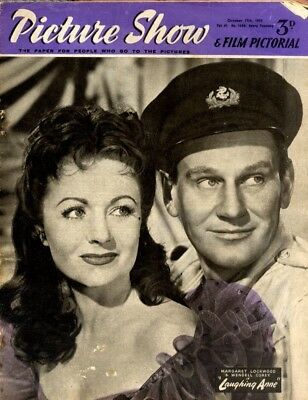
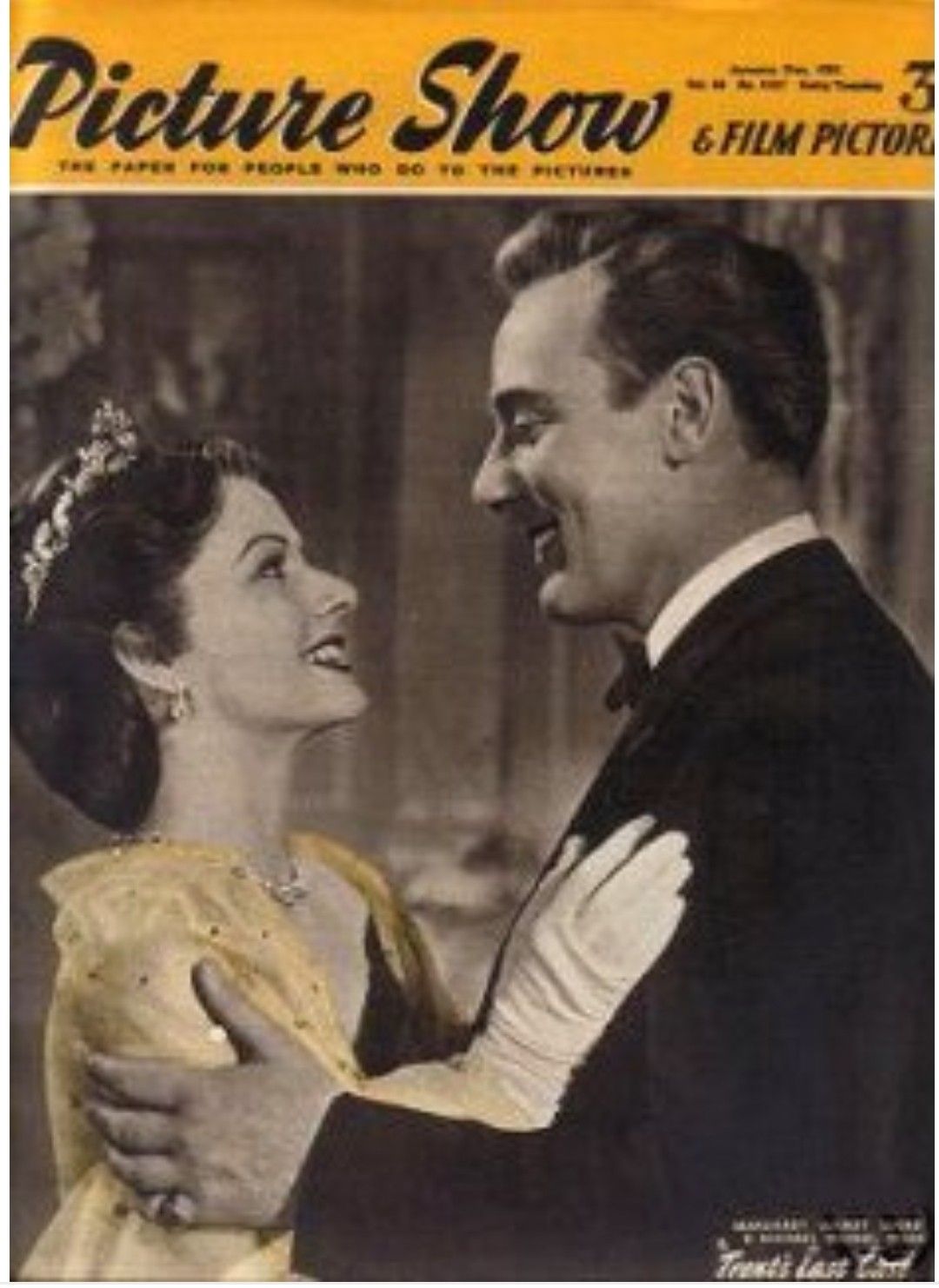
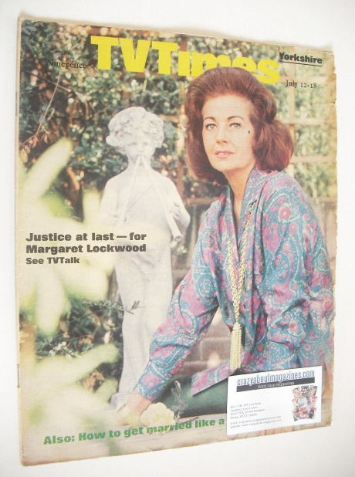
Margaret Lockwood was not by any means a great screen actress, but she was spirited and likeable.   The British public queued to see her until blatant mishandling ruined her career.   Possibly (age apart) she might not have retained her popularity.   There was something about her South-London-bred personality that suited the 40’s and by the mid-50’s she and her fellows – Phyllis Calvert, Patricia Roc and Jean Kent were passe as far as the cinema was concerned.   One can only speculate as to what they might have been like had they ever had good scripts or first-rate directors, though Milton Shulman in the ‘Evening Stand’ in 1946 had little doubt; in an open letter to Mr Rank he claimed that he could find five girls as pretty and talented as this bunch by watching the secretaries get off the escalators in Leicester Square Station.   He could’nt, of course” – David Shipman – “The Great Movie Stars – The Golden Years”. (1970).

MARGARET LOCKWOOD GUARDIAN TRIBUTE


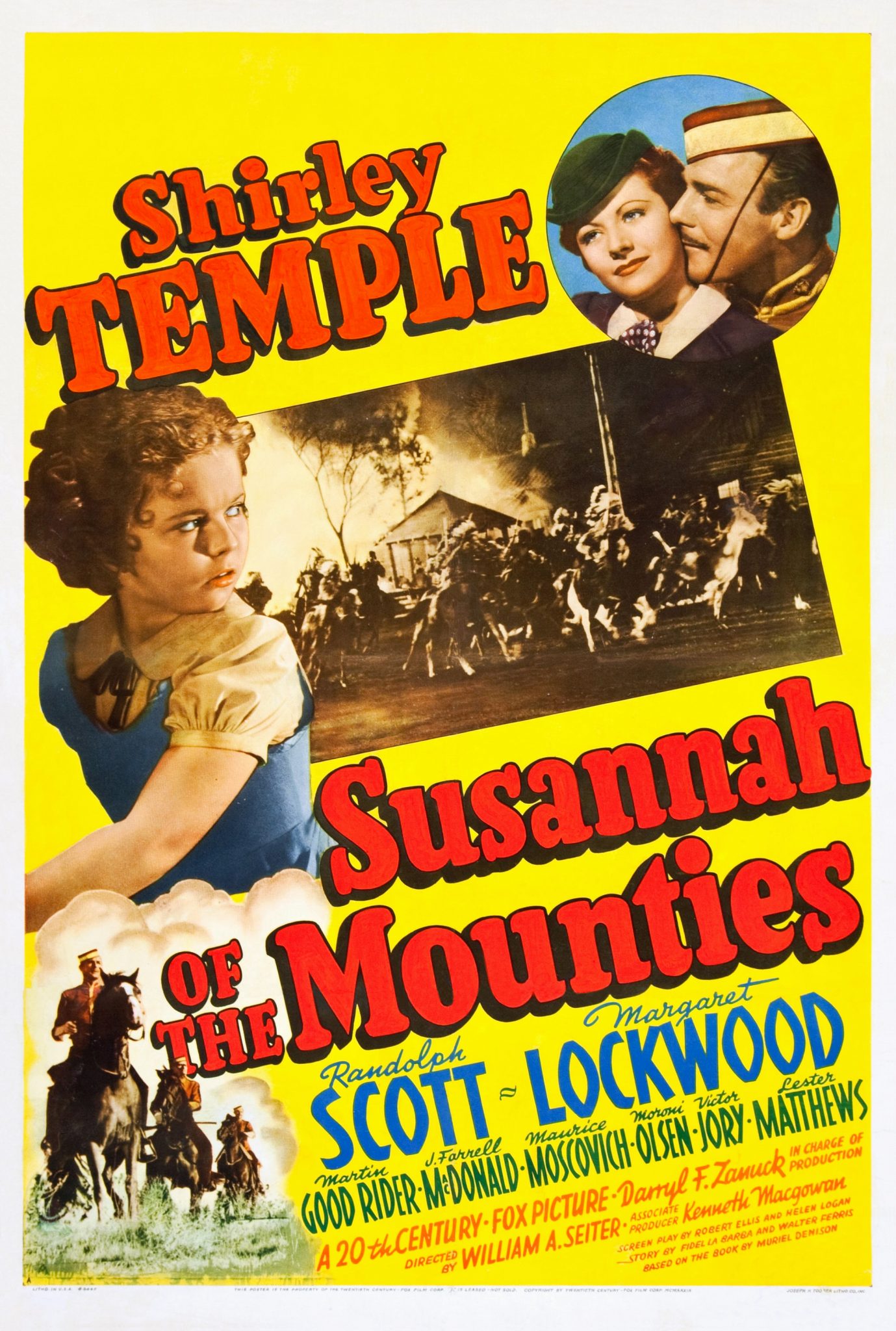
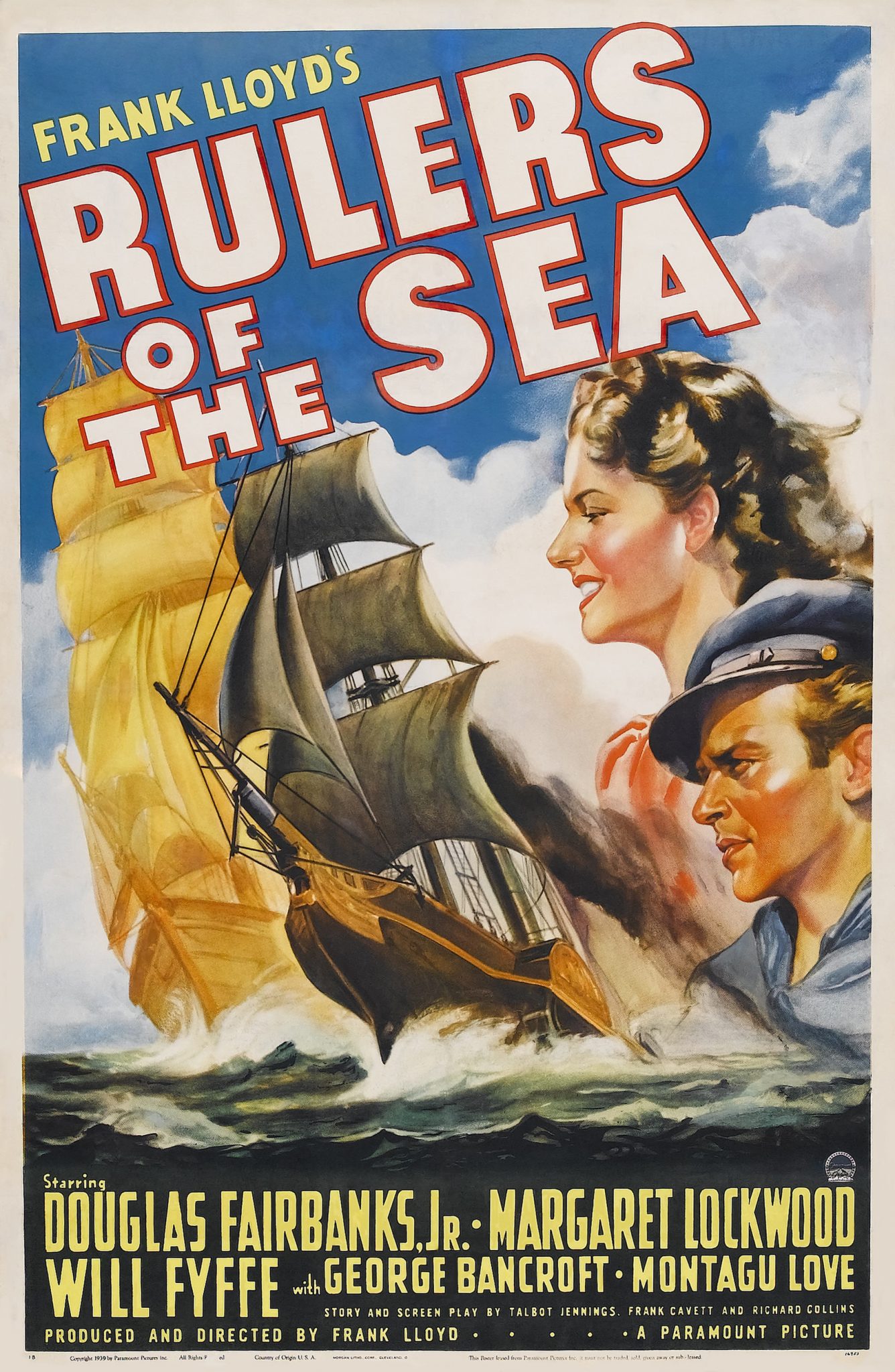
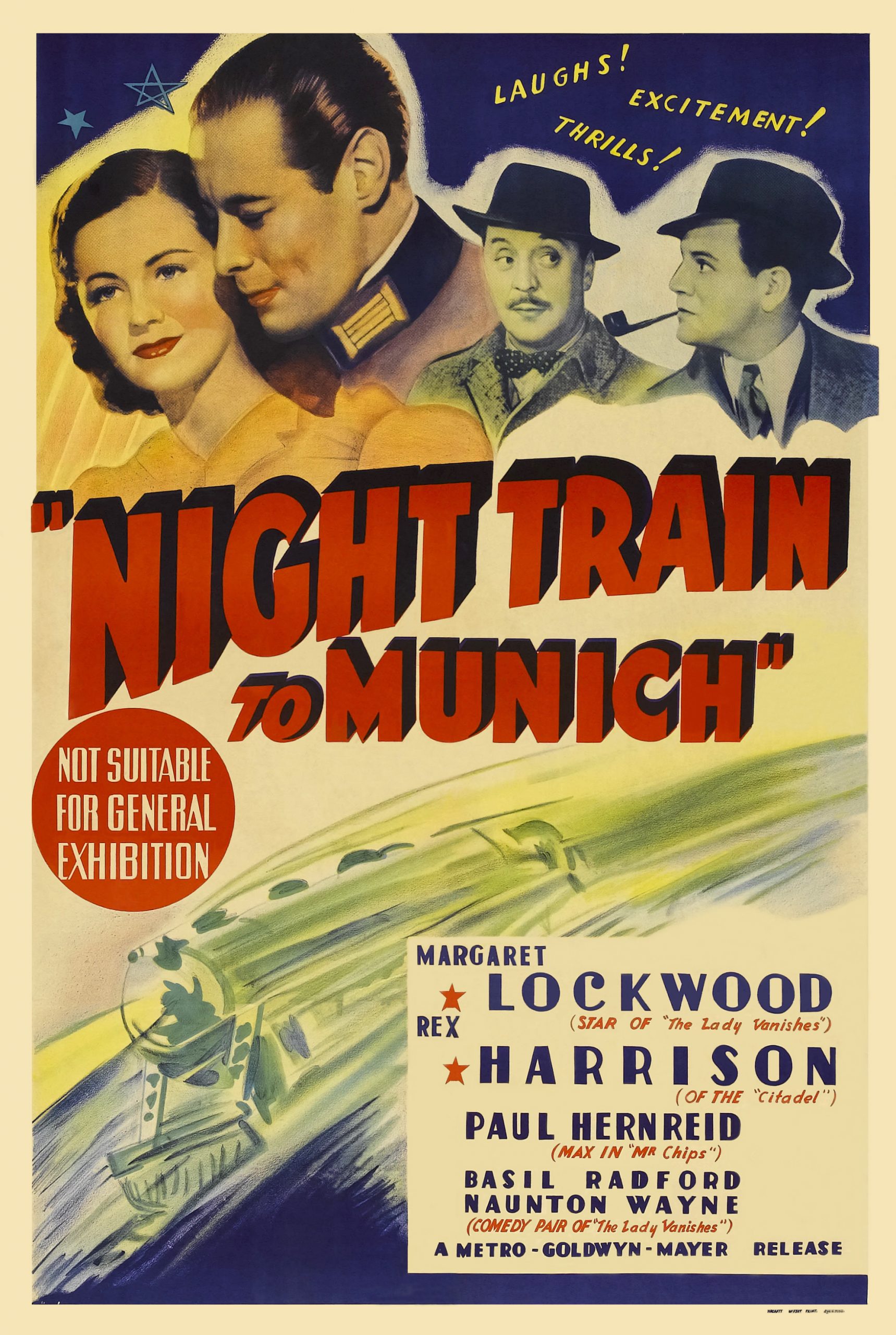
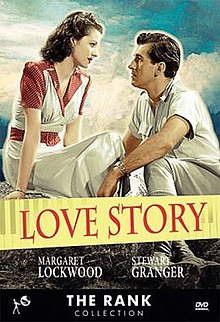
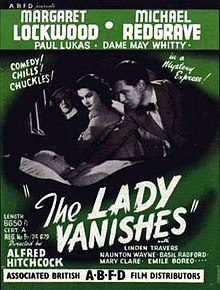
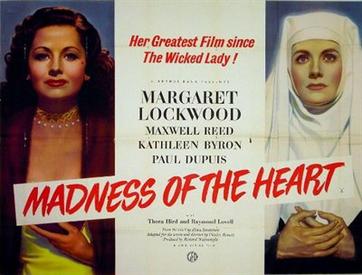
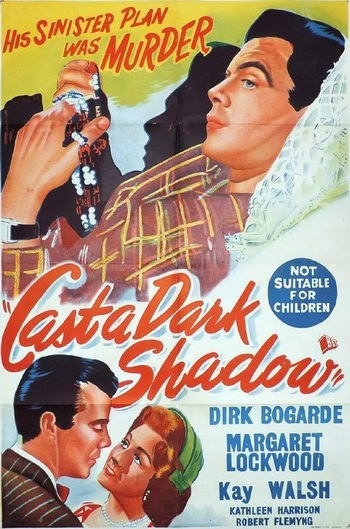
Margaret Lockwood was the most popular actress in British films in the 1940’s.   She was bron in 1916 in Karachi, Pakistan.   She began her film career in 1934 and the following year she had a major role in “Lorna Doone”.   In 1938 she starred in the Alfred Hitchcock classic “The Lady Vanishes” and was soon on her way to Hollywood.   She made two movies there “Susannah of the Mounties” with Randolph Scott and Shirley Temple and “Rulers of the Sea” with Douglas Fairbanks Jnr.   However she was soon back in England and her career went from strength to strength.   Her major movies include “The Stars Look Down” in 1939, “Night Train to Munich”  “The Man in Gray” , “The Wicked Lady” in 1945, “Love Story”, “Madness of the Heart” and ” Cast a Dark Shadow”.   In 1971 she won critical acclaim for her television performances in the series “Justice”.   She died in 1990.   Her daughter is the actress Julia Lockwood.

Philip French’s excellent article on Lockwood in the Guardian:

She was born in India, a daughter of the Raj, brought up in England by a cold, domineering mother, and was an experienced child actor before studying at Rada. Playing costume heroines, career girls and socialites, this brunette beauty became a sort of movie star in Carol Reed’s debut Midshipman Easy (1935), the first of seven collaborations with Reed, and a real star as the bored heiress in Hitchcock’s comedy-thriller The Lady Vanishes (1938). This brought her to Hollywood’s attention. But after two unsuccessful films there in 1939, she returned home for good to become the greatest British star of the 1940s, starting with Reed’s The Stars Look Down as the upper-middle-class wife of working-class Michael Redgrave.

This unsympathetic role was the first of numerous seductive femmes fatales, mostly with James Mason, Phyllis Calvert, Stewart Granger and Patricia Roc. The most famous was her Lady Barbara Skelton, the aristocrat moonlighting as an 18th-century highwayman in The Wicked Lady (1945). She caused problems for the Hollywood Production Code with her provocative cleavage. A 1948 editorial in the polemical magazine Sequence, co-edited by Lindsay Anderson, sarcastically noted: ‘Mr Harold Wilson was recently recorded … presenting Miss Margaret Lockwood with a heavy, silver-plated ornament, thus bestowing official sanction on to the British people’s judgment that Miss Lockwood is their finest actress. Indeed, as Mr Wilson smilingly remarked, this comes to the same thing as saying: “The finest actress in the world.”‘

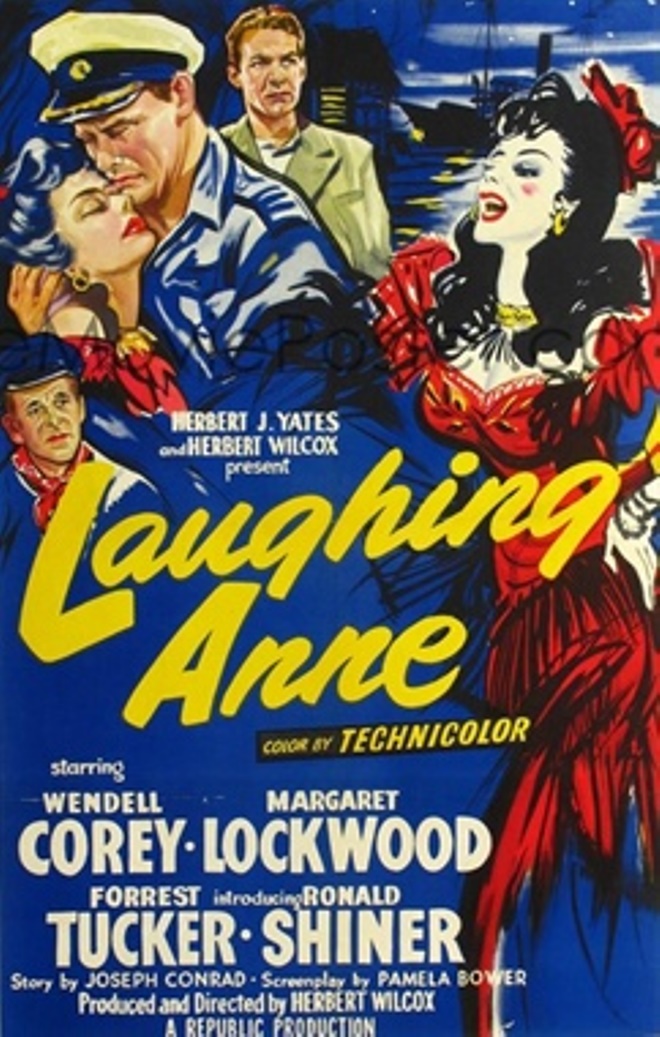
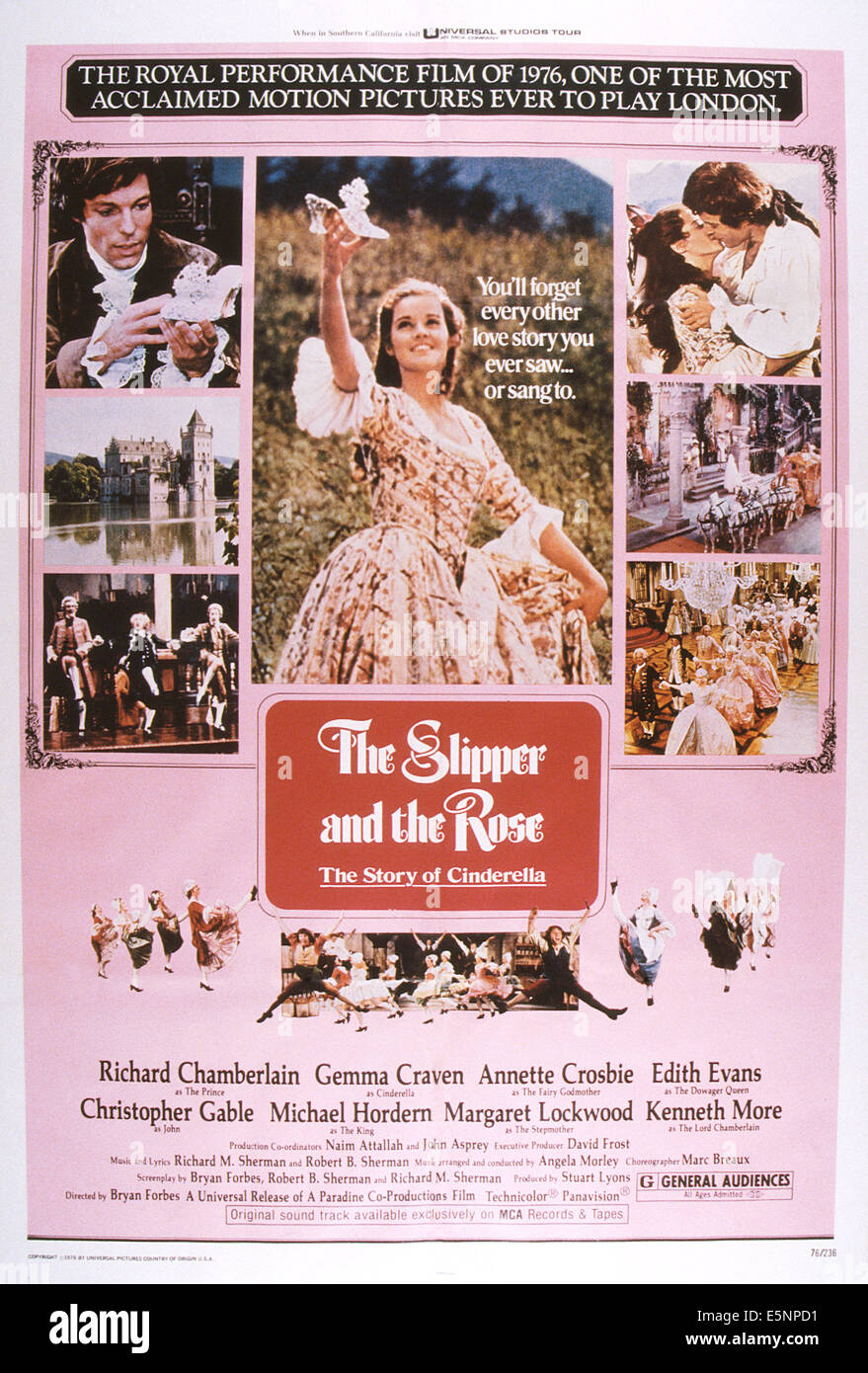
Her film career went downhill following her appeal to J Arthur Rank that she was ‘sick of sinning’. She refused the title role in Forever Amber but sunnier parts proved unpopular, especially her jolly Nell Gwynne in Cardboard Cavalier. Joining the company run by Herbert Wilcox, husband of her rival, Anna Neagle, she fared no better, and gave up films to enjoy much success in the theatre (she was an excellent Eliza in Pygmalion) and on TV. She made an impressive comeback as a barmaid in Lewis Gilbert’s Cast a Dark Shadow (1955), and after an absence of 20 years played the evil stepmother in Bryan Forbes’s The Slipper and the Rose (1976). Her reclusive life was interrupted by a visit to Buckingham Palace on being made a CBE in 1980.

Philip French’s article in The Guardian can also be accessed on-line here.

“The Times” obituary:

Margaret Mary Lockwood, the daughter of an English administrator of an Indian railway company, by his Scottish third wife, was born in Karachi, where she lived for the first three and a half years of her life. In 1920, she and her brother, Lyn, came to England with their mother to settle in the south London suburb of Upper Norwood, and Margaret enrolled as a pupil at Sydenham High School.   Her childhood was repressed and unhappy, largely due to the character of her mother, a dominant and possessive woman who was often cruelly discouraging to her shy, sensitive daughter. As a result, Margaret took refuge in a world of make-believe and dreamed of becoming a great star of musical comedy. After becoming a dance pupil at the Italia Conti school. she made her stage debut at 15 as a fairy in ” A Midsummer Night’s Dream” at the Holborn Empire. A year later, she played another fairy, for 30 shillings a week, in “Babes in the Wood” at the Scala Theatre. The excitement of “walking on” in Noel Coward’s mamouth spectacular, “Cavalcade”, at Drury Lane in 1931 came to an abrupt conclusion when her mother removed her from the production after learning that a chorus boy had uttered a forbidden four-letter expletive in front of her.

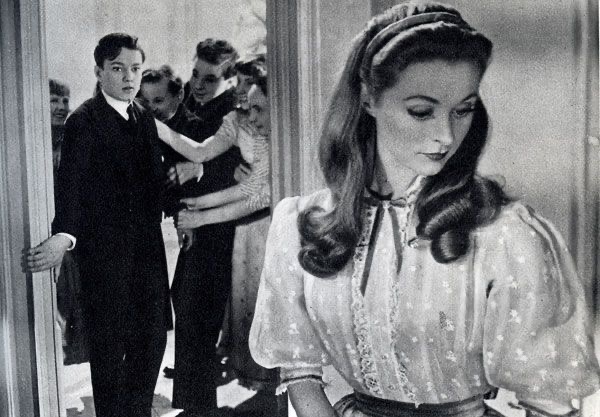
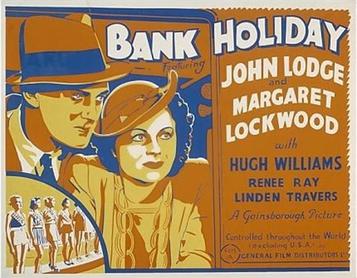
In 1933, she enrolled at the Royal Academy of Dramatic Art, where she was seen in Leontine Sagan’s production of “Hannele” by a leading London agent, Herbert de Leon, who at once signed her as a client and arranged a screen test which impressed the director, Basil Dean, into giving her the second lead in his film, “Lorna Doone” when Dorothy Hyson fell ill.   Seven ingenue screen roles followed before she played opposite Maurice Chevalier in the 1936 remake of “The Beloved Vagabond”. A year later, she married a man of whom her mother disapproved strongly, so much so that for six months Margaret Lockwood did not live with her husband and was afraid to tell her mother that the marriage had taken place. In 1938, Lockwood’s role as a young London nurse in Carol Reed’s film, “Bank Holiday”, established her as a star, and the enormous success of her next film, “The Lady Vanishes“, opposite Michael Redgrave, gave her international status

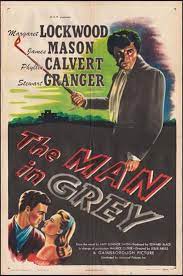
visit to Hollywood to appear with Shirley Temple in “Susannah of the Mounties” and with Douglas Fairbanks Jr in “Rulers of the Sea” was not at all to her liking. She returned with relief to Britain to star in two of Carol Reed’s best films, “The Stars Look Down”, again with Redgrave, and “Night Train to Munich“, opposite Rex Harrison. In 1941, she gave birth to a daughter by Leon, Julia Lockwood, affectionately known to her mother as “Toots”, who was also to become a successful actress. The Leons separated soon after her birth and were divorced in 1950. Lockwood gained custody of her daughter, but not before Mrs Lockwood had sided with her son-in-law to allege that Margaret was “an unfit mother.”   The turning point in her career came in 1943, when she was cast opposite James Mason in “The Man in Grey”, as an amoral schemer who steals the husband of her best friend, played by Phyllis Calvert, and then ruthlessly murders her. Spectral in black, with her dark, dramatic looks, cold but beautiful eyes, and vividly overpainted thin lips, Lockwood was queen among villainesses. The film inaugurated a series of hothouse melodramas that came to be known as Gainsborough Gothic and had film fans queueing outside cinemas all over Britain. 

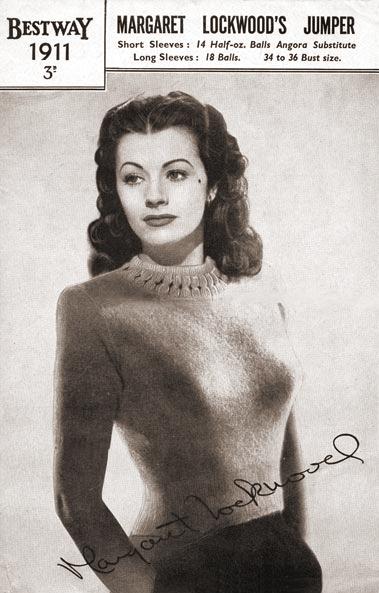
In 1944, in “A Place of One’s Own”, she added one further attribute to her armoury: a beauty spot painted high on her left cheek. It became her trade mark and the impudent ornament of her most outragous film “The Wicked Lady”, again opposite Mason, in which she played the ultimate in murderous husband-stealers, Lady Skelton, who amuses herself at night with highway robbery. The amount of cleavage exposed by Lockwood’s Restoration gowns caused consternation to the film censors, and apprehension was in the air before the premiere, attended by Queen Mary, who astounded everyone by thoroughly enjoying it. The film’s worldwide success put Lockwood at the top of Britain’s cinema polls for the next five years.

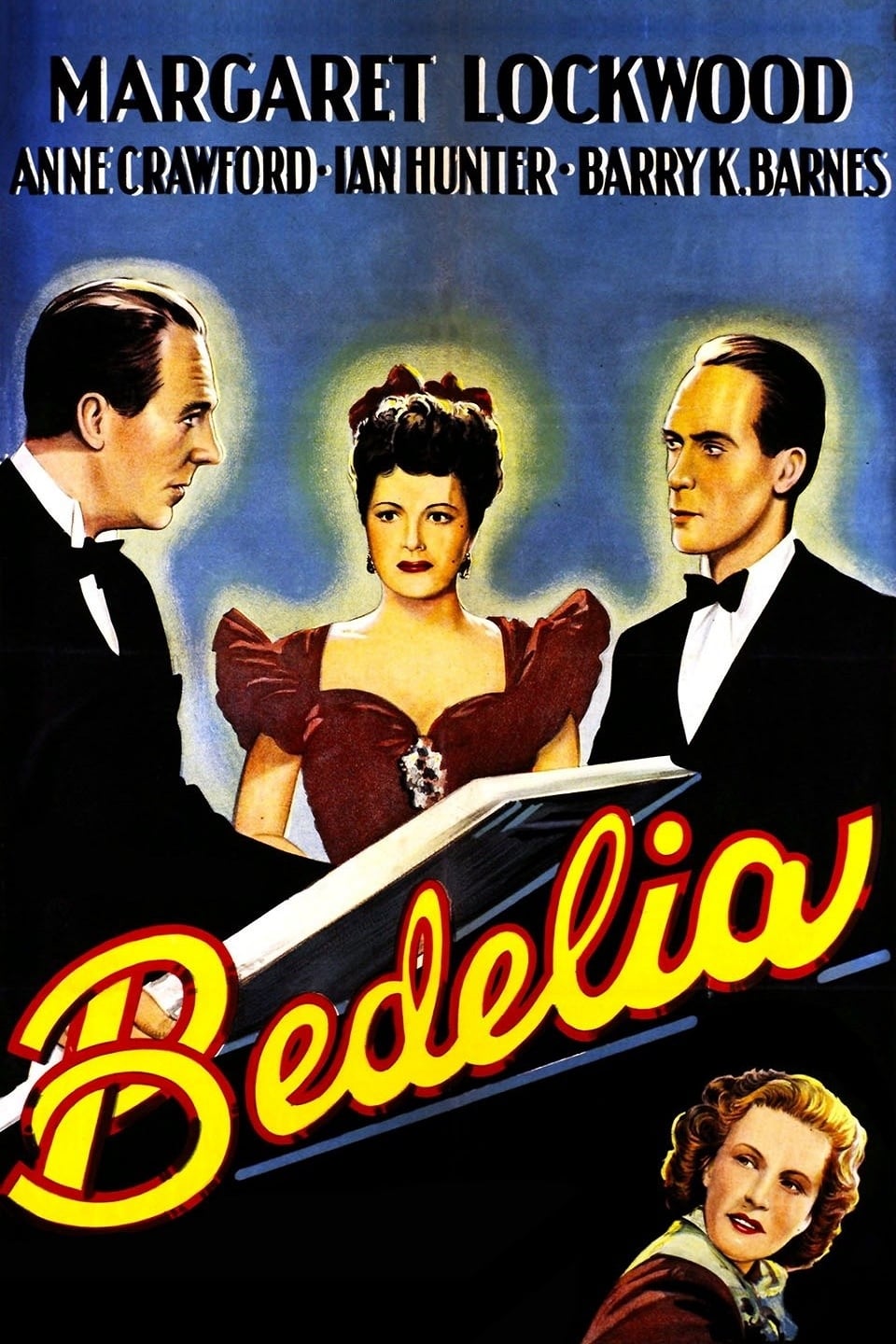
After poisoning several husbands in “Bedelia” (1946), Lockwood became less wicked in “Hungry Hill”, “Jassy”, and “The White Unicorn”, all opposite Dennis Price. She complained to the head of her studio, J. Arthur Rank, that she was “sick of sinning”, but paradoxically, as her roles grew nicer, her popularity declined. She refused to return to Hollywood to make “Forever Amber”, and unwisely turned down the film of Terence Rattigan’s “The Browning Version”. Her contract with Rank was dissolved in 1950 and a film deal with Herbert Wilcox, who was married to her principal cinema rival, Anna Neagle, resulted in three disappointing flops. In 1955, she gave one of her best performances, as a blowsy ex-barmaid in “Cast a Dark Shadow”, opposite Dirk Bogarde, but her box office appeal had waned and the British cinema suddenly lost interest in her.

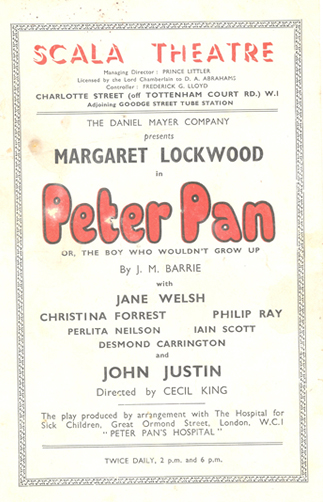
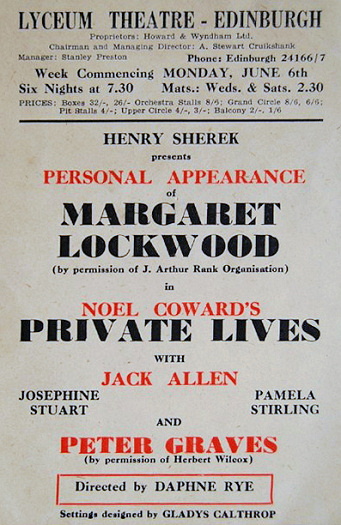
An unpretentious woman, who disliked the trappings of stardom and dealt brusquely with adulation, she accepted this change in her fortunes with unconcern, and turned to the stage where she had a success in “Peter Pan”, “Pygmalion”, “Private Lives”, and Agatha Christie’s thriller “Spider’s Web”, which ran for over a year. In 1965, she co-starred with her daughter, Julia, in a popular television series, “The Flying Swan”, and surprised those who felt she had never been a very good actress by giving a superb comedy performance in the West End revival of Oscar Wilde‘s “An Ideal Husband”.

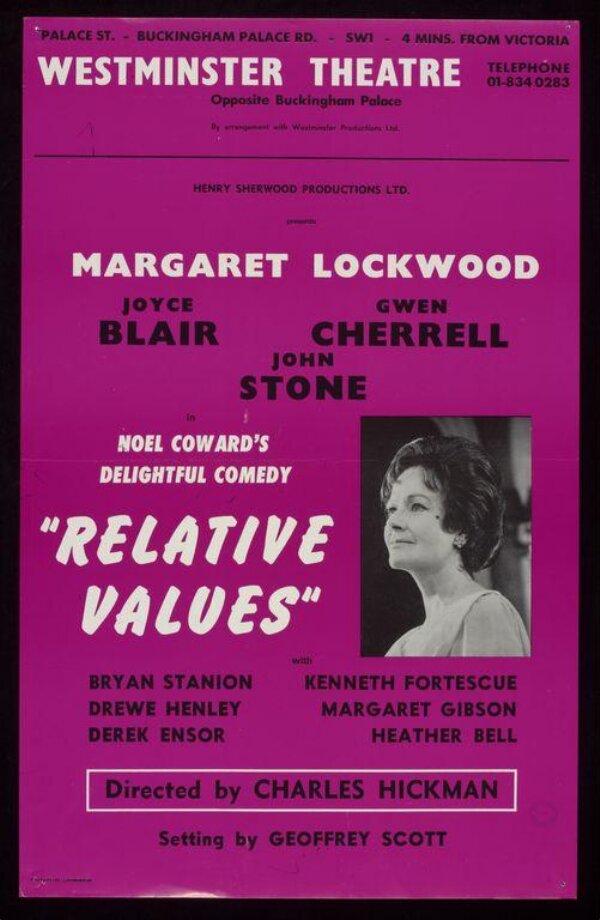
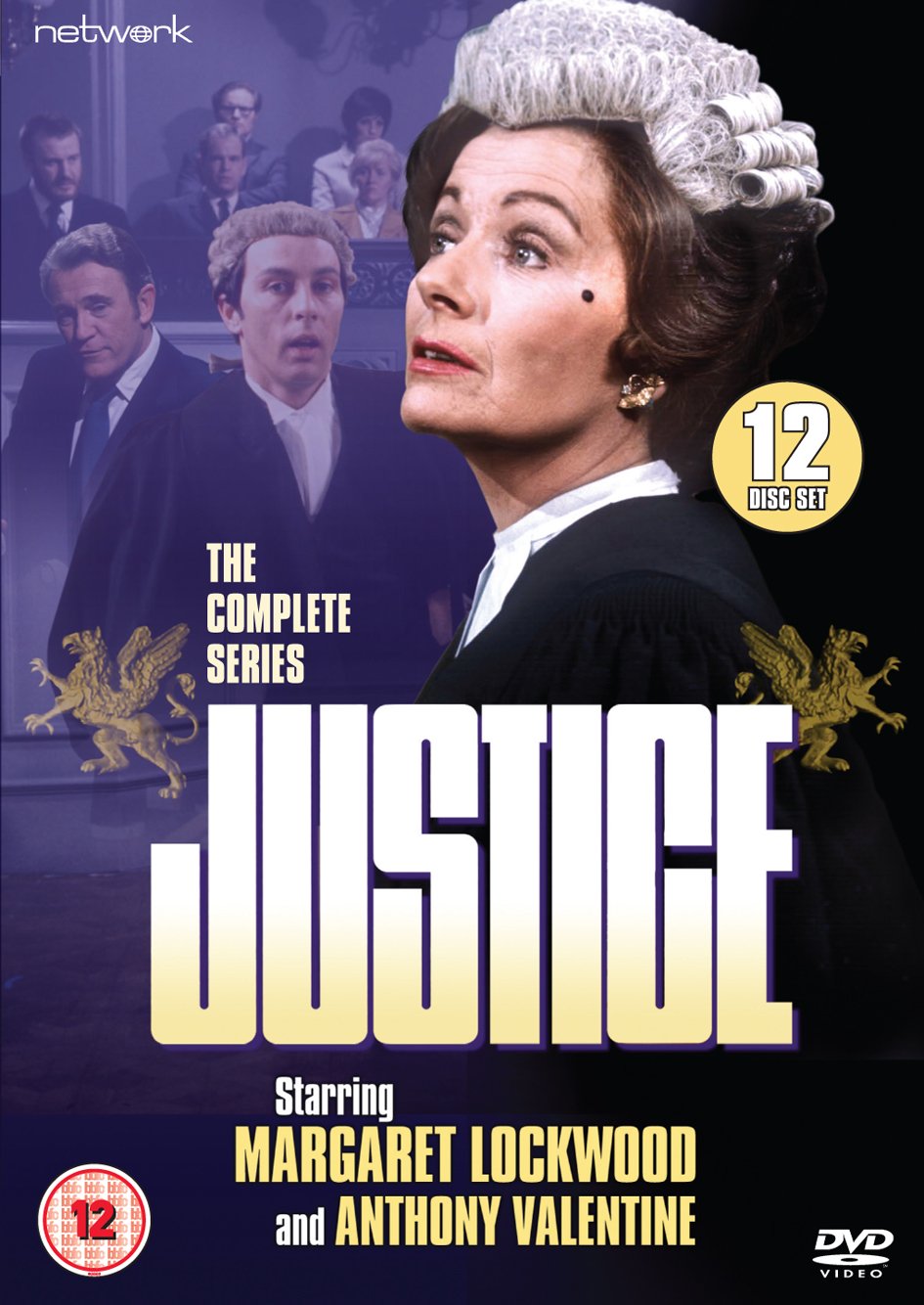
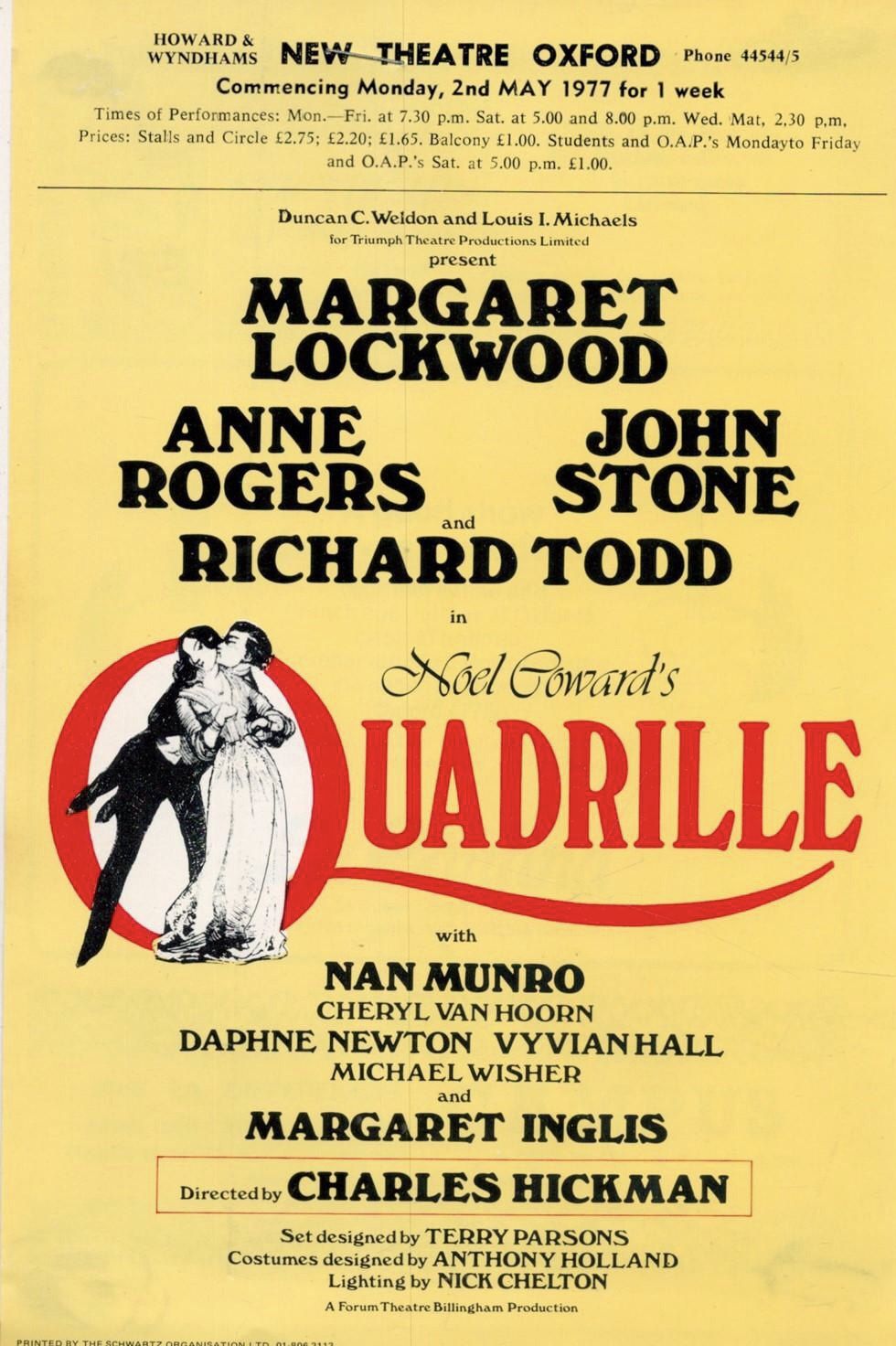
After what she regarded as her mother’s painful betrayal at the custody hearing, the two women never met again, and when a friend complimented Mrs Lockwood on her daughter’s performance in “The Wicked Lady”, she snapped: “That wasn’t acting. That was natural.” Lockwood never remarried, declaring: “I would never stick my head into that noose again,” but she lived for many years with the actor, John Stone, whom she met when they appeared together in the 1959 stage comedy, “And Suddenly It’s Spring”. Stone appeared with her in her award winning 1970s television series, “Justice”, in which she played a woman barrister, but after 17 years together, he left her to marry a theatre wardrobe mistress. This last blow, coupled with the sudden death of her trusted agent, Herbert de Leon, and the onset of a viral ear infection, caused her to turn her back gradually on a glittering career.

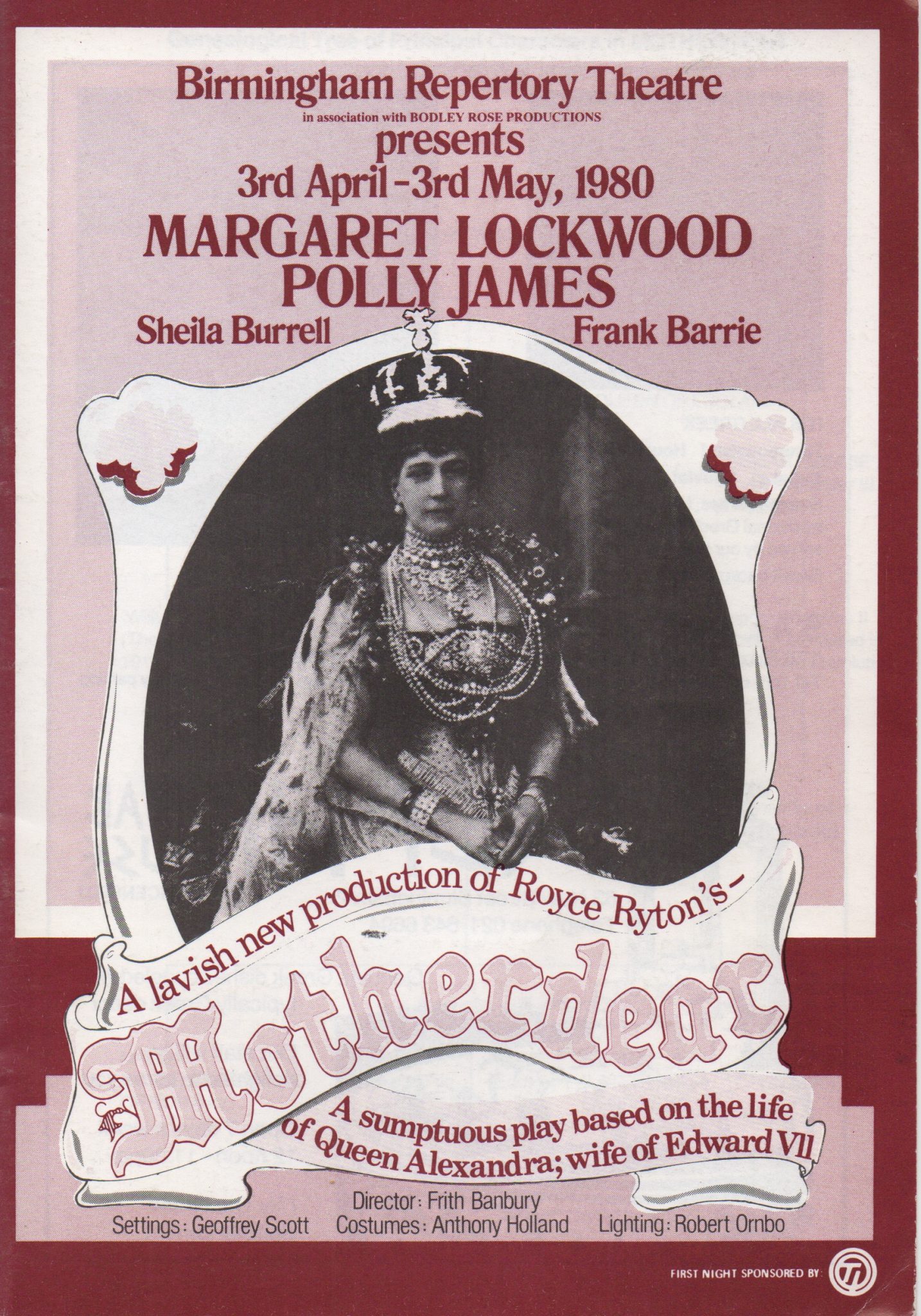
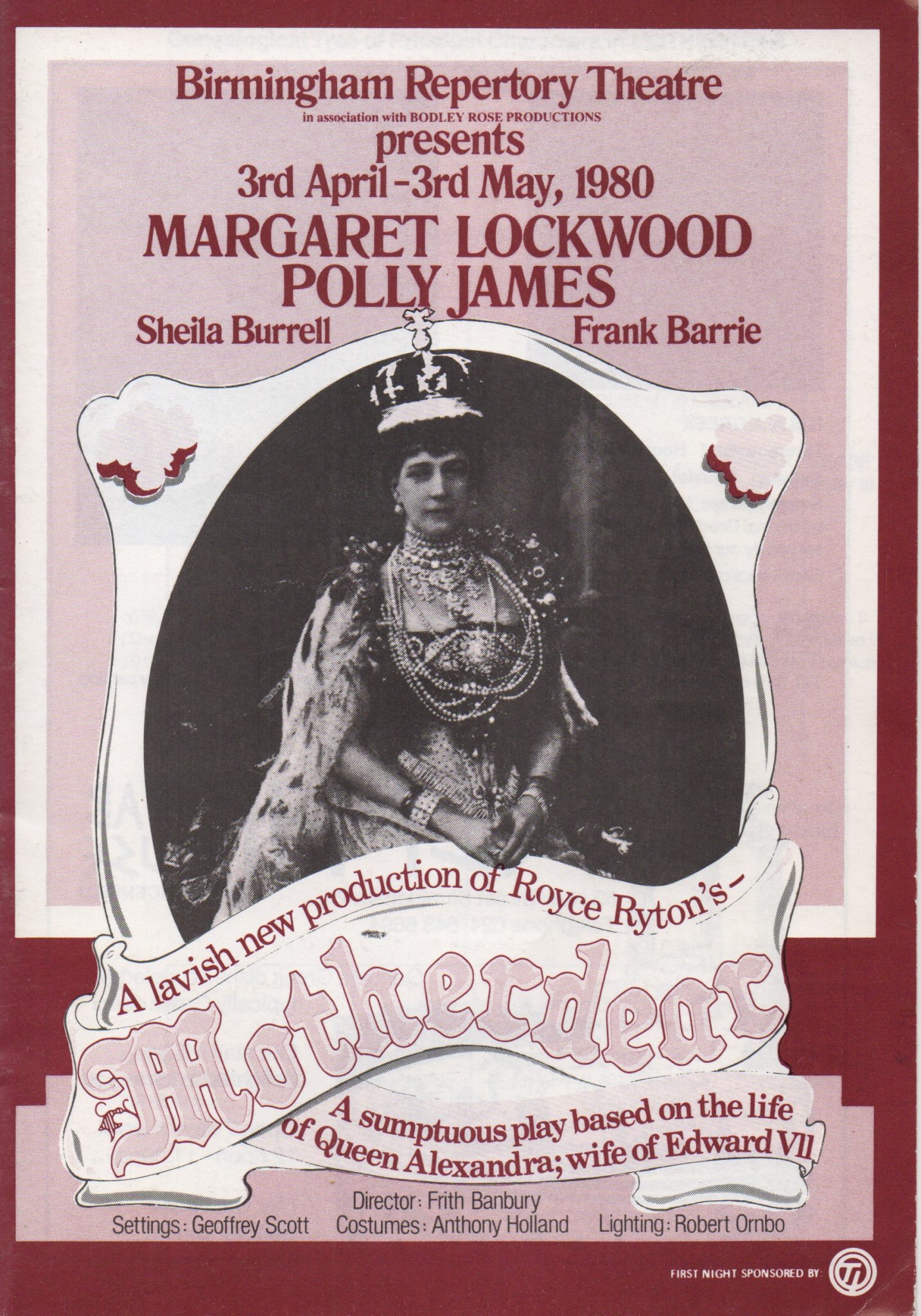
She had one last film role, as the stepmother with the sobriquet, “wicked”, omitted but implied, in Bryan Forbes‘s Cinderella musical, “The Slipper and the Rose” in 1976. Her final stage appearance, as Queen Alexandra in “Motherdear”, ran for only six weeks at the Ambassadors’ Theatre in 1980.

That year, she was created CBE, but her appearance at her investiture at Buckingham Palace accompanied by her three grandchildren was her last public appearance. For the remaining years of her life, she was a complete recluse at her home in Kingston upon Thames, rejecting all invitations and offers of work.

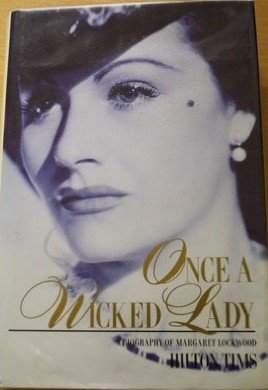
In spite of this, she was warmly remembered by the public. When the author Hilton Tims, was preparing his recent biography, “Once a Wicked Lady”, a stall holder from whom he was buying some flowers for her, snatched up a second bunch and said, “Give her these from me. I used to love her films.”


The career of Margaret Lockwood (1916–1990) represents the pinnacle of the British “Studio System” during its most glamorous and commercially successful era. While she began as a wholesome ingenue, she became a cultural phenomenon by embracing the “wicked lady” archetype, proving that British audiences in the 1940s had a voracious appetite for female characters who were defiant, sexually assertive, and unapologetically ambitious.


Career Overview: The “Queen of the Screen”

Lockwood’s career is defined by her dominance of the British box office, where she was voted the most popular female star for three consecutive years (1944–1946).

  • The Hitchcock Breakthrough (1938): After several years as a reliable leading lady, she gained international fame as Iris Henderson in Alfred Hitchcock’s “The Lady Vanishes.” Her performance established her as a capable, intelligent heroine who could anchor a high-stakes thriller.

  • The Gainsborough Melodramas (1943–1947): During WWII, Lockwood transitioned into the “Gainsborough Melodrama” genre. Films like The Man in Grey (1943) and “The Wicked Lady” (1945) saw her play anti-heroines. The Wicked Lady broke all British box office records and caused a scandal in the U.S. due to its daring costumes and “immoral” protagonist.

  • The “Cooling” and the Stage (1950s): As the public appetite for melodrama waned, Lockwood’s film career slowed. She successfully pivoted to the West End stage, appearing in long-running hits like Spider’s Web (written for her by Agatha Christie).

  • The Television Icon (1970s): She enjoyed a late-career resurgence as the formidable Harriet King in the TV legal drama “Justice” (1971–1974), winning multiple awards for her portrayal of a female barrister.


Detailed Critical Analysis: The Architecture of the Anti-Heroine

1. The Subversion of “British Reserve”

Before Lockwood, British leading ladies were often expected to be “English Roses”—stoic, polite, and emotionally restrained.

  • Analysis: Lockwood introduced a “mercurial vitality” to the screen. Even in her early roles, there was a spark of skepticism in her eyes. By the time she played Hesther in The Man in Grey, she had mastered the “calculating gaze.” Critics noted that she didn’t just play villains; she played women who were bored by the constraints of their social class, making her “wickedness” feel like a form of liberation.

2. The “Wicked Lady” as Wartime Catharsis

The massive success of The Wicked Lady is often analyzed through the lens of wartime sociology.

  • Critical Insight: Lockwood’s character, Barbara Worth, was a highwaywoman who stole, cheated, and killed for excitement. To a female audience living through the austerity and danger of WWII, Lockwood represented agency and power. Critics argue that her “wickedness” provided a necessary psychological escape—she was the woman who refused to “keep calm and carry on.”

3. The Hitchcockian “Modern Woman”

In The Lady Vanishes, Lockwood provided the blueprint for the “Hitchcock Blonde” (though she was a brunette).

  • Analysis: She played Iris not as a damsel in distress, but as a proactive investigator. Her acting style was built on reactive intelligence—she made the audience believe in the mystery because she believed in it. Her chemistry with Michael Redgrave was built on banter and intellectual parity, a hallmark of modern romantic thrillers.

4. Technical Precision: The “Mask” of Harriet King

In her 1970s return in Justice, Lockwood’s style had evolved into something much more economical and “architectural.”

  • Critical View: As Harriet King, she used her voice as her primary tool—clipped, authoritative, yet layered with a hidden warmth. Critics praised her for portraying a professional woman in a male-dominated field without falling into the “ice queen” trope. She brought the same “steel” she used in her 40s melodramas to the courtroom, showing the continuity of her “strong woman” persona across three decades.


Key Filmography & Cultural Impact

YearTitleRoleNote
1938The Lady VanishesIris HendersonThe definitive Hitchcock mystery.
1939The Stars Look DownJenny SunleyProved her range in a gritty social drama.
1943The Man in GreyHesther ShawThe birth of her “wicked” screen persona.
1945The Wicked LadyLady Barbara SkeltonThe most successful British film of its decade.
1948Cardboard CavalierNell GwynneA rare, successful foray into slapstick comedy.
1971–74Justice (TV)Harriet KingWon back-to-back TV Times “Best Actress” awards.

Margaret Lockwood was more than just a movie star; she was the “First Lady of the British Screen.” She taught an entire generation of filmgoers that a woman could be the protagonist of her own life, even—and especially—if she didn’t play by the rules. Her legacy is one of technical excellence and a fearless embrace of the “difficult” woman
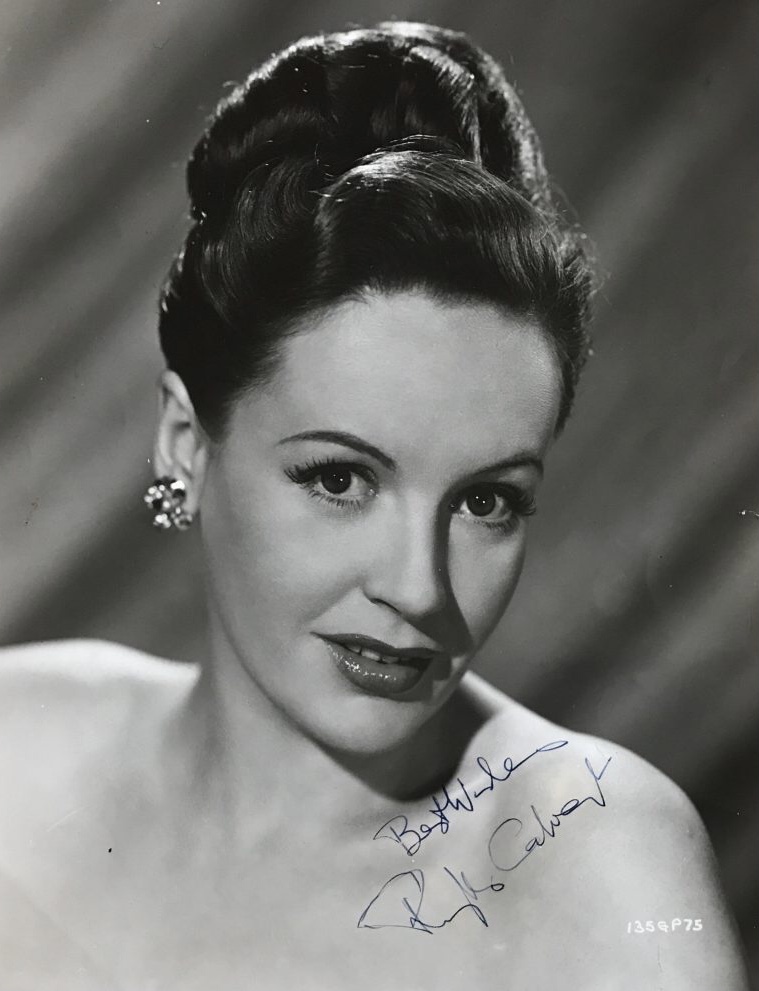
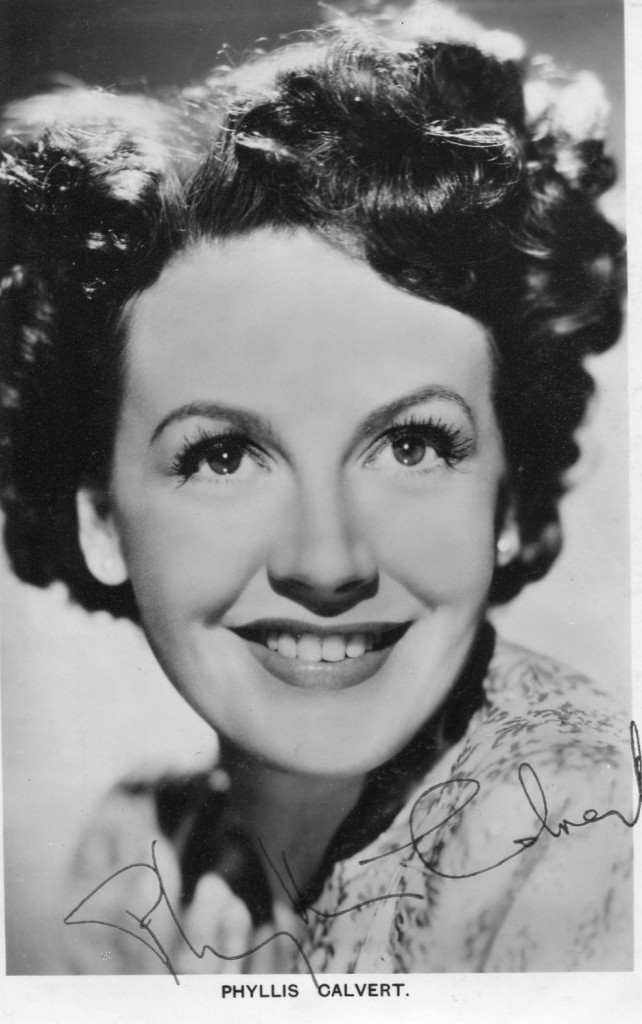
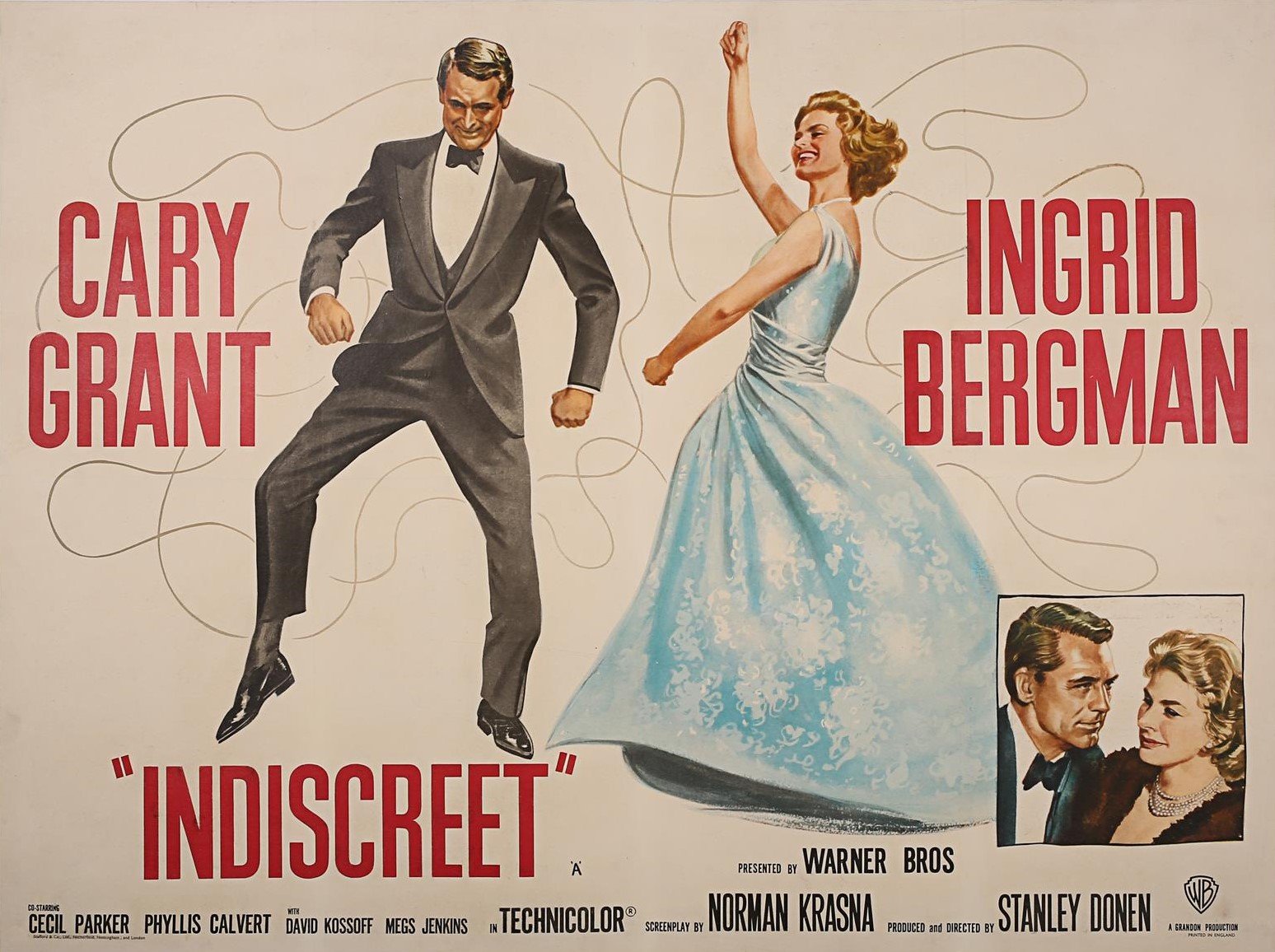
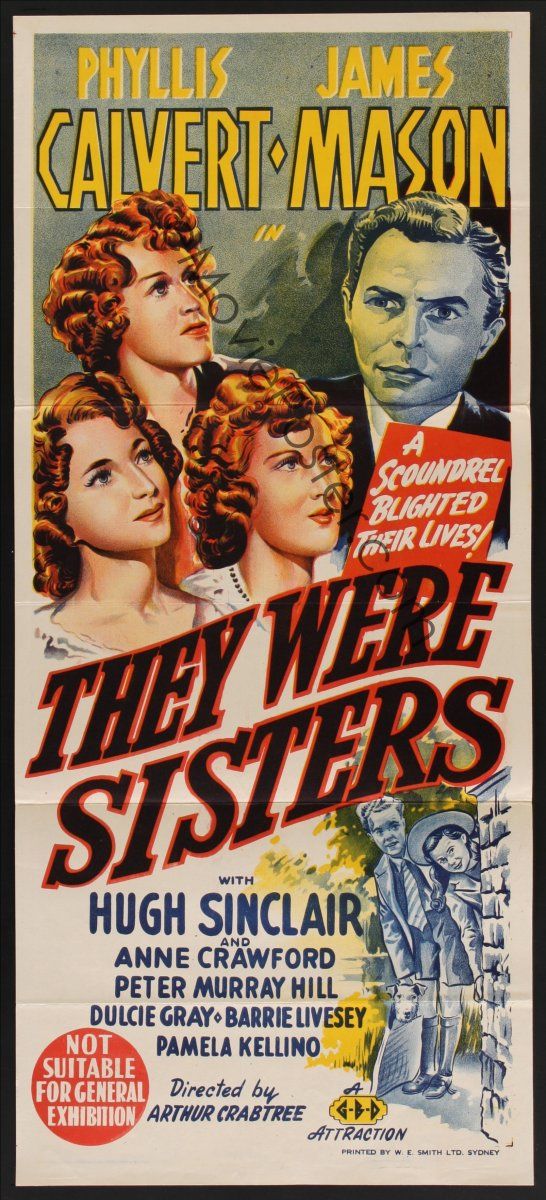
Phyllis Calvert

PHYLLIS CALVERT OBITUARY IN “THE GUARDIAN” IN 2002

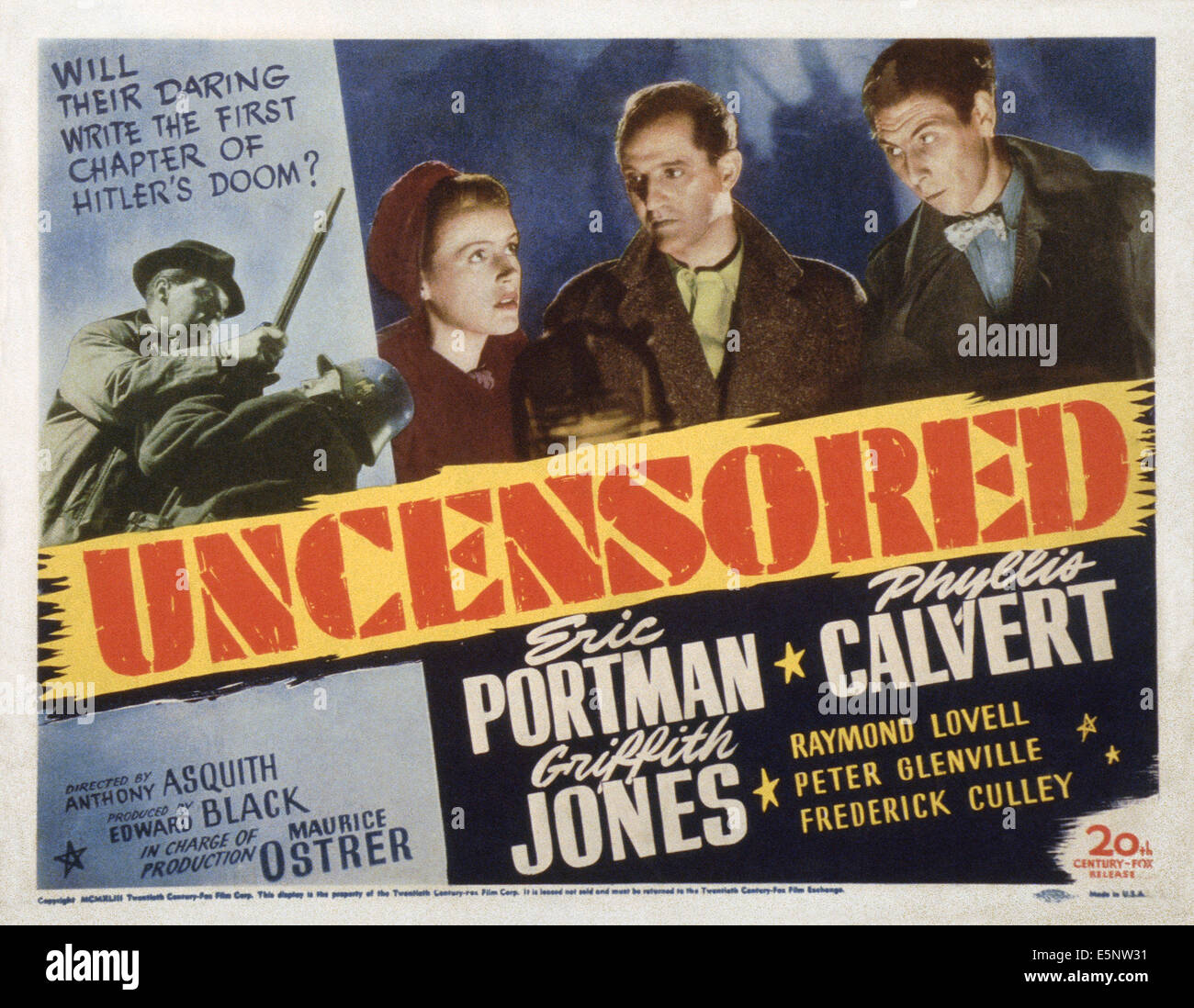
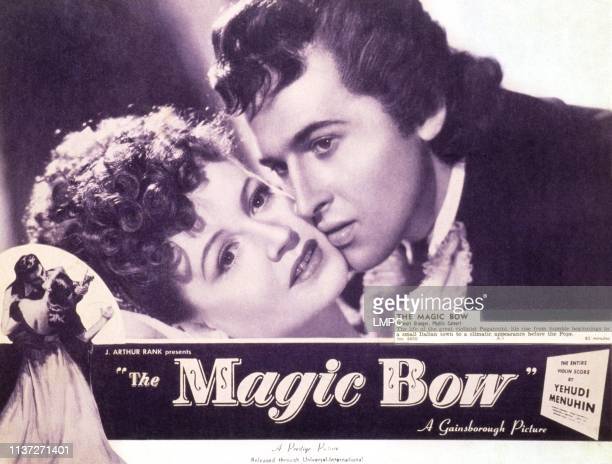
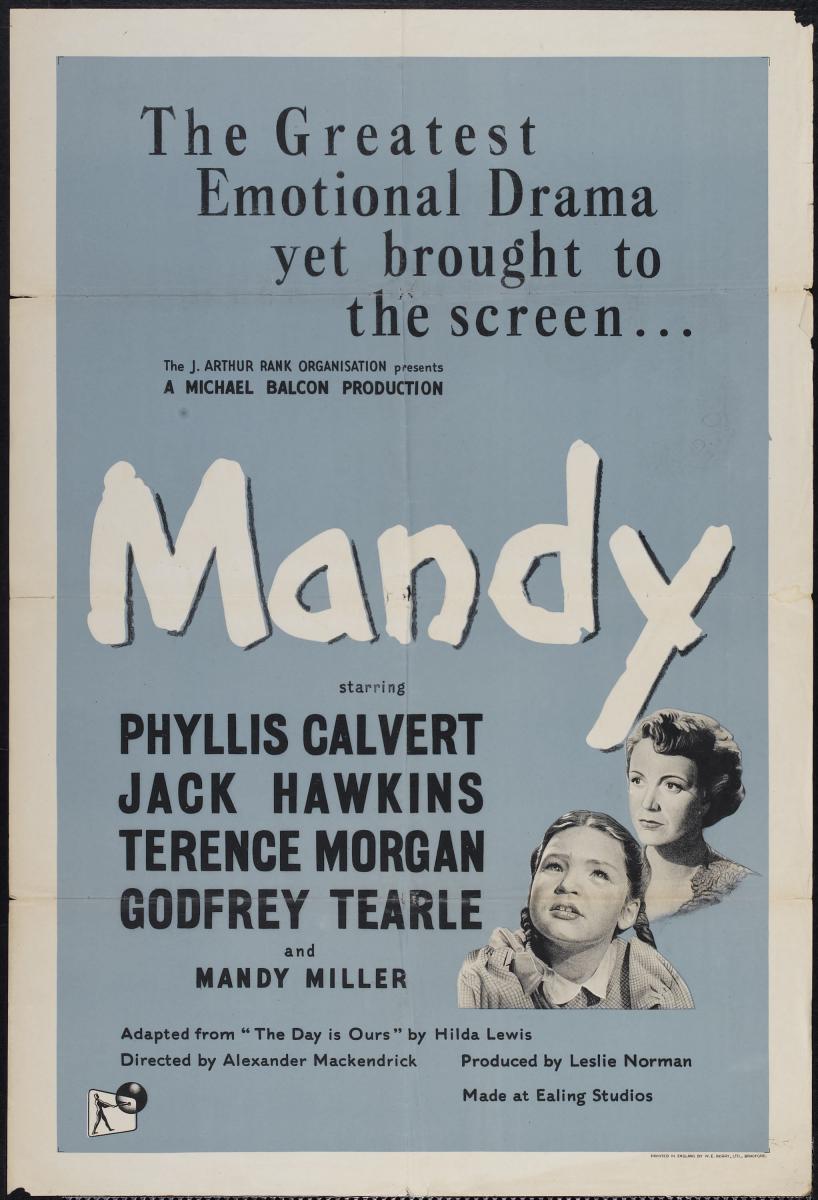
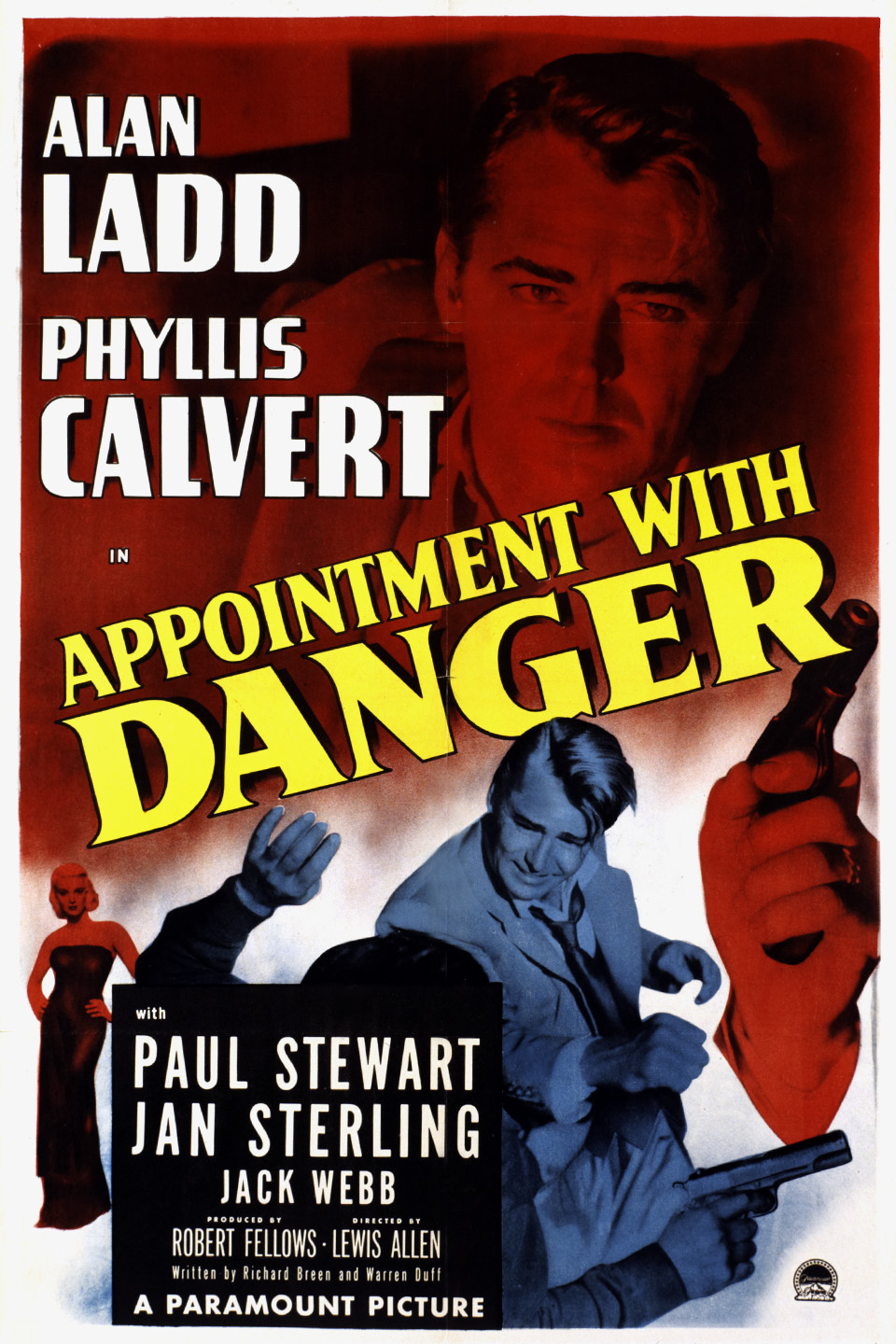
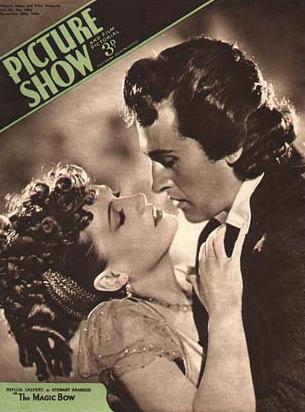
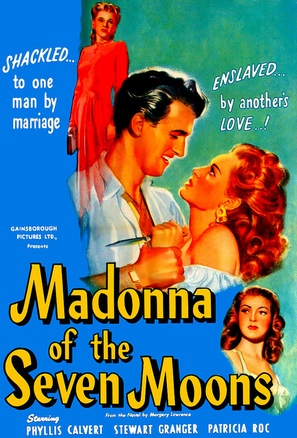
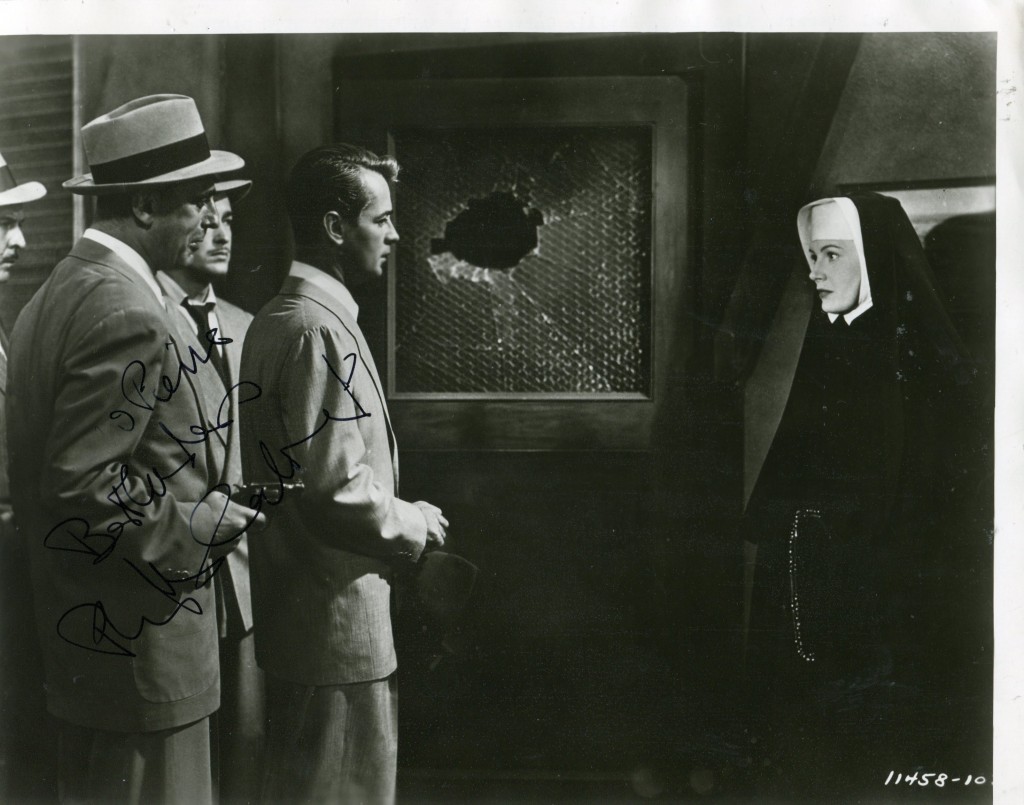
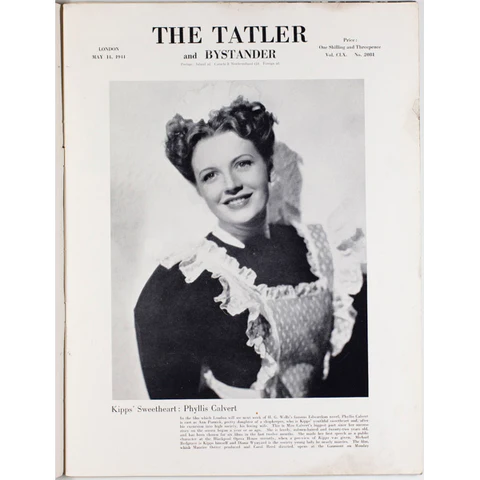
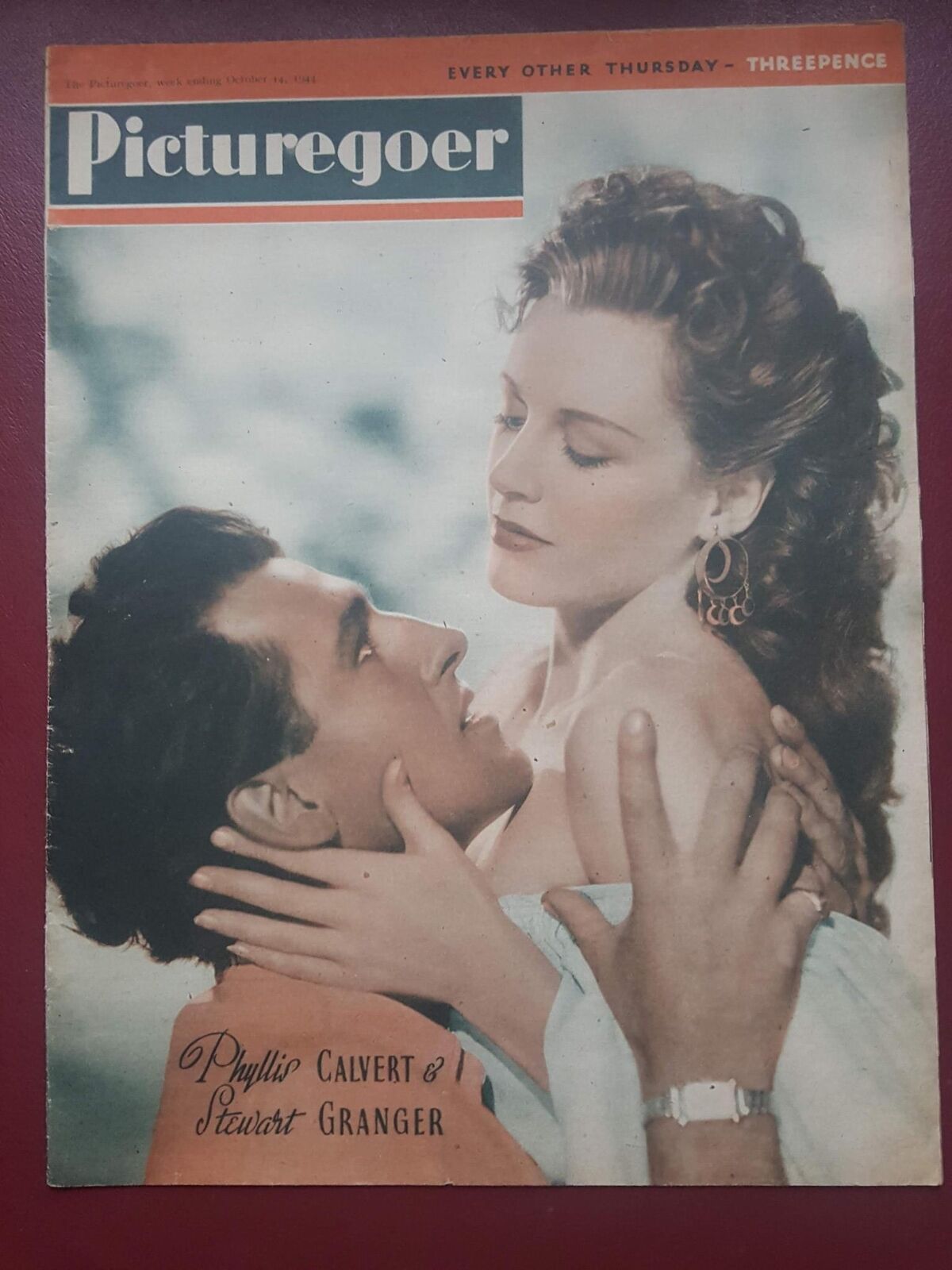
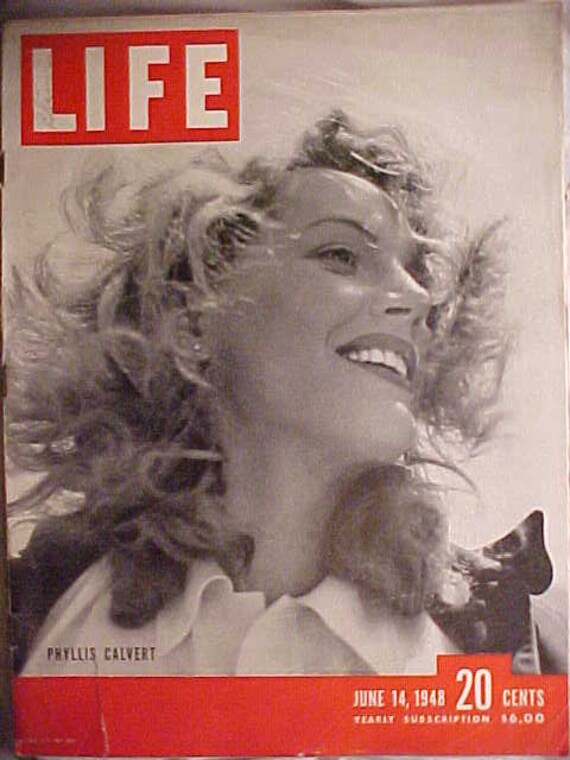
Phyllis Calvert was one of the Gainsborough ladies who were the leading lights of 40’s cinema in Britain.   Margaret Lockwood was the leading light followed coosely in popularity bu Phyllis Calvert and then Patricia Roc and Jean Kent.   Ms  Calvert was born in Chelsea, London in 1915.   She made her London stage debut in “A Woman’s Privilege” in 1939.   Her breakthrough role on film came with “The Man in Gray” in 1943.   Other film highlights include”2,000 Women”,  “Fanny by Gaslight”, “Madonna of the Seven Moons” and “The Magic Bow”.   She made three films in Hollywood including “Appointment With Danger” in 1951 with Alan Ladd where she played a nun who witnesses a murder.   In 1952 she received widespread critical acclaim for “Mandy”.   She continued working well into her eighties.   Phyllis Calvert died in 2002 at the age of 87

Eric Shotter’s obituary in “The Guardian” :

Phyllis Calvert, who has died aged 87, made her way to the top of British cinema in the 1940s through niceness. As a well-bred, Kensington-accented cornerstone of Gainsborough costume epics, she vied with Margaret Lockwood at the box office.

Regency romps, they were known as. Utter nonsense, with heart-throbs like Stewart Granger and James Mason served up with grace and charm, was quintessential to Calvert’s artistic durability – but to keep it up, without growing dull, required a determined personality and an exceptional talent. It saw her through a long and respectable career in films, plays and television.

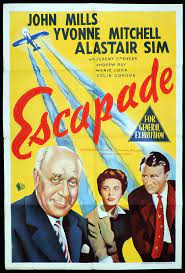
The only great dramatic part that ever came Calvert’s way was Madame Ranevskya in The Cherry Orchard, for the Oxford Playhouse on tour in 1971. Yet, within her permitted range, was a talent which served writers from Terence Rattigan (Flare Path, 1942), JM Barrie (Peter Pan, 1947), Roger MacDougall (Escapade, 1953) and Graham Greene (The Complaisant Lover, 1959), to Noel Coward (Present Laughter, 1965, Blithe Spirit, 1971, Hay Fever, 1973), William Douglas Home (The Reluctant Debutante, 1975), Edward Albee (All Over, 1973), Denis Cannan (Dear Daddy, 1976) and Rodney Ackland (Before The Party, 1980).

Whether as bored wives realising how much their boring husbands need them, long-suffering matriarchs tied to bombastic pacifists or in flight from their rowdy families, or just het up because cook had handed in her notice, Calvert’s galère of gracious British womanhood was hard to take your eyes off. Her sense of comedy never failed her in its dry, sarcastic discipline, and there was always that expressive lower lip, with which she stirred our feelings in the feeblest part

child dancer until an injury forced her to switch to acting, she was born Phyllis Bickle in London, and educated at the Margaret Morris school of dancing and the Institut Français. She first appeared on the stage aged 10, at the Lyric, Hammersmith, with Ellen Terry in Walter de la Mare’s Crossings (1925). She got her chance in films at 12 and, during six or seven prewar years in weekly rep, made a few forgotten talkies.

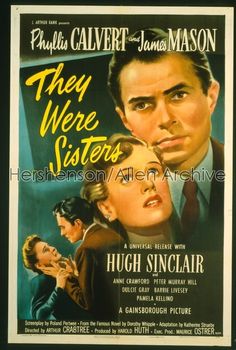
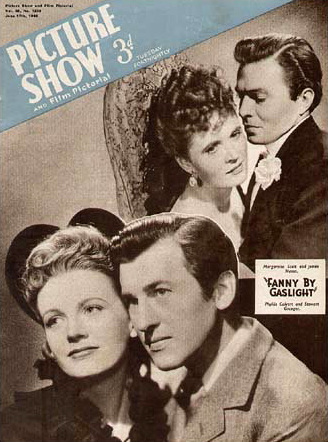
In Max Catto’s Punch Without Judy (1939), she met her future husband, Peter Murray Hill, better known later as a publisher. With him as Hook, she also acted Peter Pan in the annual Scala revival of 1947. The golden wartime days at Gainsborough studios, with James Mason or Stewart Granger dancing attendance in such epics as The Man In Grey (1943), Fanny By Gaslight (1944), Madonna Of The Seven Moons (1944) and They Were Sisters (1945) had long gone; though she regularly went on making films of even more variable quality for another quarter of a century.

One of the best of the bunch was probably Mandy (1952), in which Calvert got all our tear-ducts going as the mother of the deaf-and-dumb heroine.

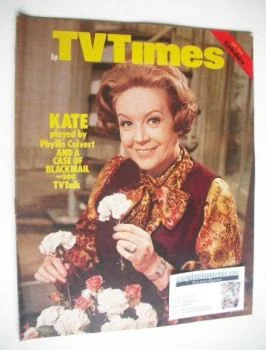
Her work on stage and television – especially as a woman’s page writer in the series Kate, and plays like Death Of A Heart (1985) and Across The Lake (1988) – stood her in better stead because it had the backing of years in rep. It gave her a technique of little use before the camera, but invaluable on stage.

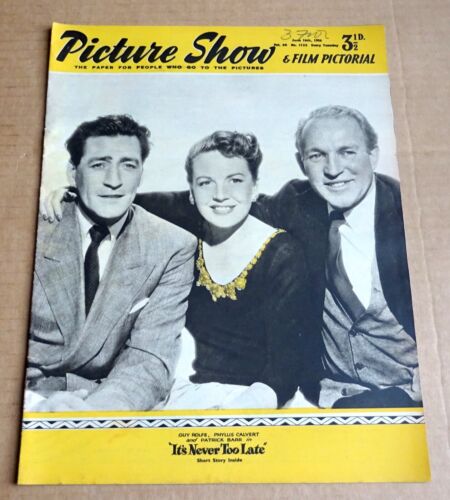
As a parent-turned-novelist in Felicity Doulkas’s It’s Never Too Late (1954), Calvert took over from Celia Johnson. As the Countess in Anouilh’s The Rehearsal (1961), she superciliously condoned her husband’s affair with Maggie Smith’s young Lucile; and, as Mrs Arbuthnot in Wilde’s A Woman Of No Importance (1967), she showed how beans could be spilled with style.

It was, however, as Queen Mary – in succession to Wendy Hiller – that her stage authority rose exquisitely to the social occasion in Royce Ryton’s Crown Matrimonial (1973). Struggling – first, as a mother through the constraints of court behaviour, and, second, as an actor through her natural niceness – to speak to her son, Edward VIII (Peter Barkworth), she brought emotional eloquence to the task of reproaching him for putting personal happiness before the monarchy.

She made her final stage appearance at the Chichester festival in 1989, in Henry James’s The Heiress, when she was 74, and came out of retirement to appear in her last film, Mrs Dalloway, in 1997.

The only other times I recall Calvert risking loss of sympathy for an apparent lapse of taste, grace or charm was at the Lyric in 1963, and at the Duke of York’s in 1964. In the first, as Marius Goring’s wife in Ronald Duncan’s Ménage à Trois, she condoned his misconduct – as long as it took place off the premises, herself departing as a lesbian with his mistress as the curtain fell. Then, as the cold, insensitive stepmother in James Saunders’s A Scent Of Flowers, she left no trace of “the rose that sings”. Was it purely coincidental that neither show ran?

Peter Murray Hill died in 1957. Calvert is survived by her son and a daughter.

· Phyllis Calvert, actor, born February 18 1915; died October 8 2002

If Margaret Lockwood was the “Wicked Lady” of British cinema, Phyllis Calvert (1915–2002) was her essential atmospheric opposite. While Lockwood thrived on defiance and fire, Calvert became the definitive “English Rose”—a performer of immense warmth, resilience, and a luminous, understated dignity.

Together, they were the twin pillars of Gainsborough Pictures, the studio that defined British escapism during the dark years of World War II.


Career Overview: The Radiance of the Gainsborough Era

Calvert’s career was built on a foundation of classical dance and theatre, which gave her a physical grace that translated perfectly to the screen.

  • The Breakthrough (1940s): After several years in repertory theatre, she achieved stardom in the landmark melodrama The Man in Grey (1943). While Lockwood played the villain, Calvert played the virtuous, tragic Clarissa.

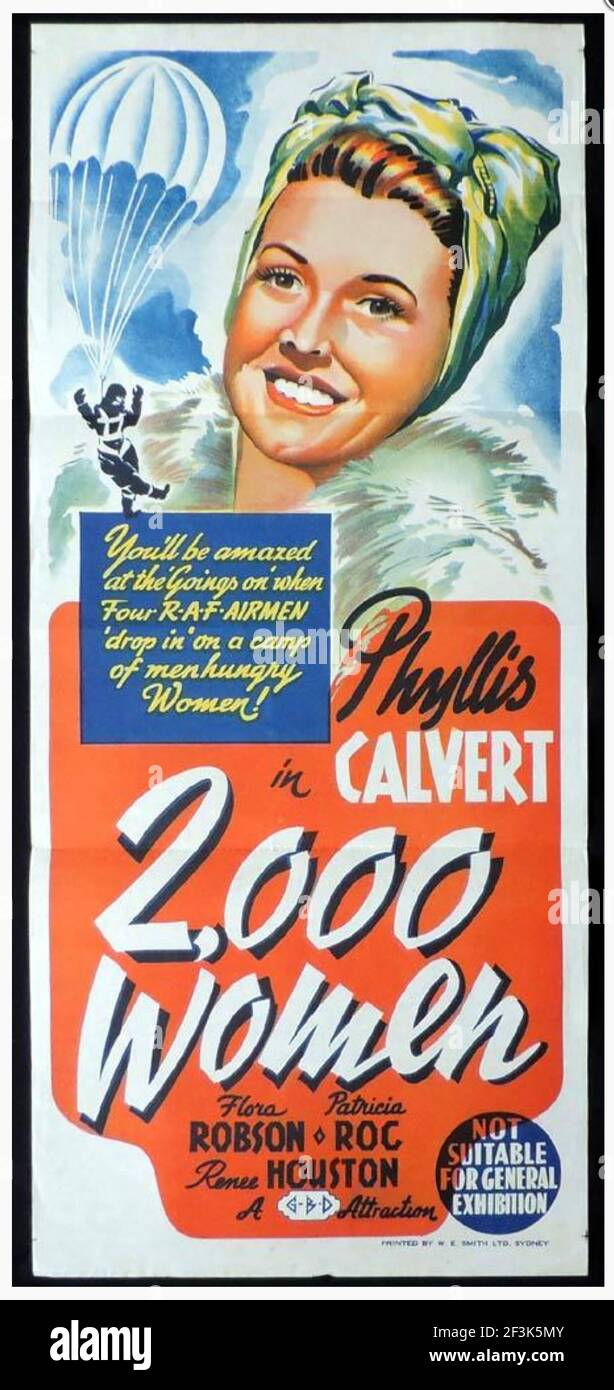
  • The Melodrama Queen: She became the “soul” of the Gainsborough melodramas, starring in massive hits like Fanny by Gaslight (1944), 2,000 Women (1944), and Madonna of the Seven Moons (1945). By 1945, she was one of the highest-paid and most popular stars in Britain.

  • Hollywood and Italy: Like many British stars of her era, she attempted a Hollywood career (signing with Paramount), but found the American “studio machine” restrictive. She notably starred in the Italian-produced Indiscretion of an American Wife (1953), directed by Vittorio De Sica.

  • The Matriarchal Shift (1970s–90s): She transitioned seamlessly into television, becoming a beloved matriarch in the series The Kate Williams Show (1970) and appearing in high-profile dramas like The Edwardians and Casualty.


Detailed Critical Analysis: The “Steel” Behind the Silk

1. The Subversion of the “Victim” Tropes

In the 1940s, “virtuous” female characters were often written as passive. Calvert’s genius lay in her ability to infuse these roles with quiet agency.

  • Analysis: In Fanny by Gaslight, she plays a woman navigating the brutal class structures of Victorian England. Critics noted that Calvert didn’t play Fanny as a “damsel”; she played her with a stoic intelligence. She used her soft features and gentle voice to mask a character of immense moral “steel,” making her goodness feel like a choice rather than a lack of personality.
2. The Duality of Madonna of the Seven Moons

This film represents Calvert’s most complex technical challenge. She played a woman with a dual personality: a devout, repressed mother and a wild, Romani-inspired mistress.
  • Critical Insight: This role allowed Calvert to break out of the “English Rose” mold. Critics praised her for the psychological shading she brought to the transition. She didn’t rely on heavy makeup or “acting” ticks; the shift was internal, visible in the tension of her posture and the darkening of her expression. It proved she possessed a “chameleon” quality that Gainsborough often underutilized.

3. The “Calvert Glow” and Cinematography

Calvert was famously easy to light and photograph, but her screen presence was more than just aesthetic.

  • Technical Analysis: She possessed a translucent acting style. She had a way of “listening” on camera that drew the audience’s eye toward her, even when she wasn’t speaking. In the ensemble piece 2,000 Women (about a Nazi internment camp), she acted as the “emotional anchor,” using small, naturalistic gestures to ground the more theatrical performances of her co-stars.

4. Longevity through “Authentic Aging”

Unlike stars who struggled as they lost their youthful “glow,” Calvert embraced the transition into character work with a dry, witty realism.

  • Critical View: In her later TV work, she shed the “Rose” persona for something more acerbic and “no-nonsense.” She became the definitive portrayal of the “Upper-Middle-Class Matriarch”—women who were formidable, slightly terrifying, but ultimately deeply human.

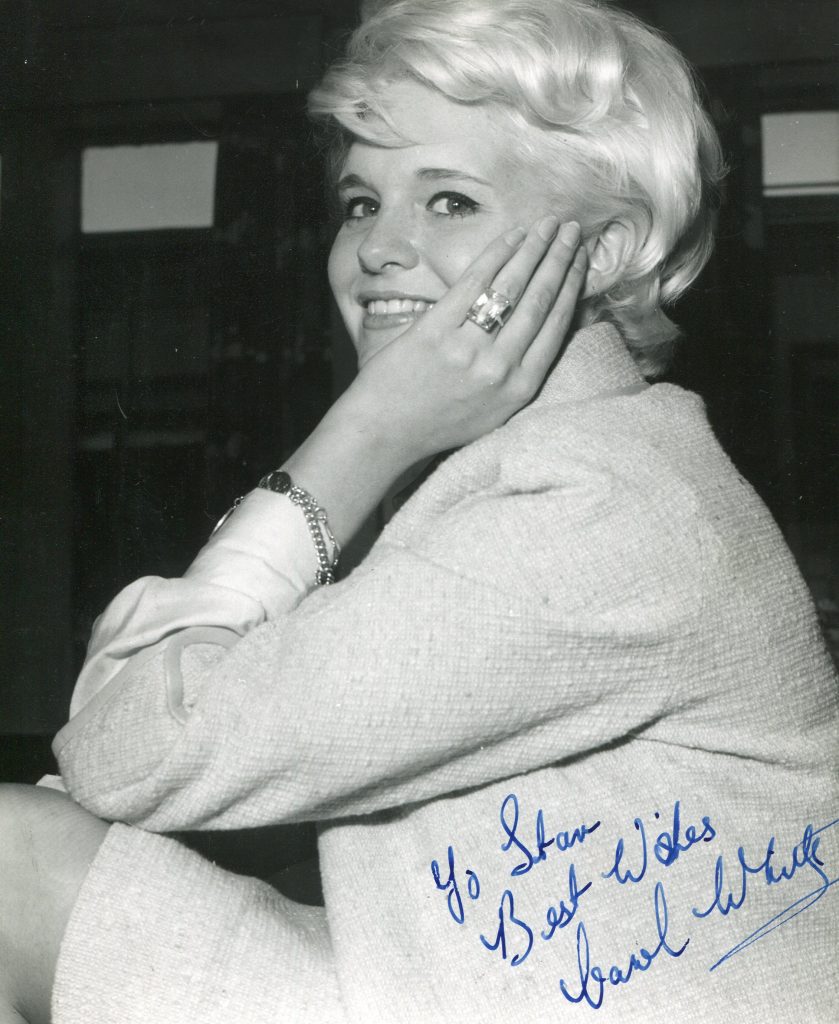
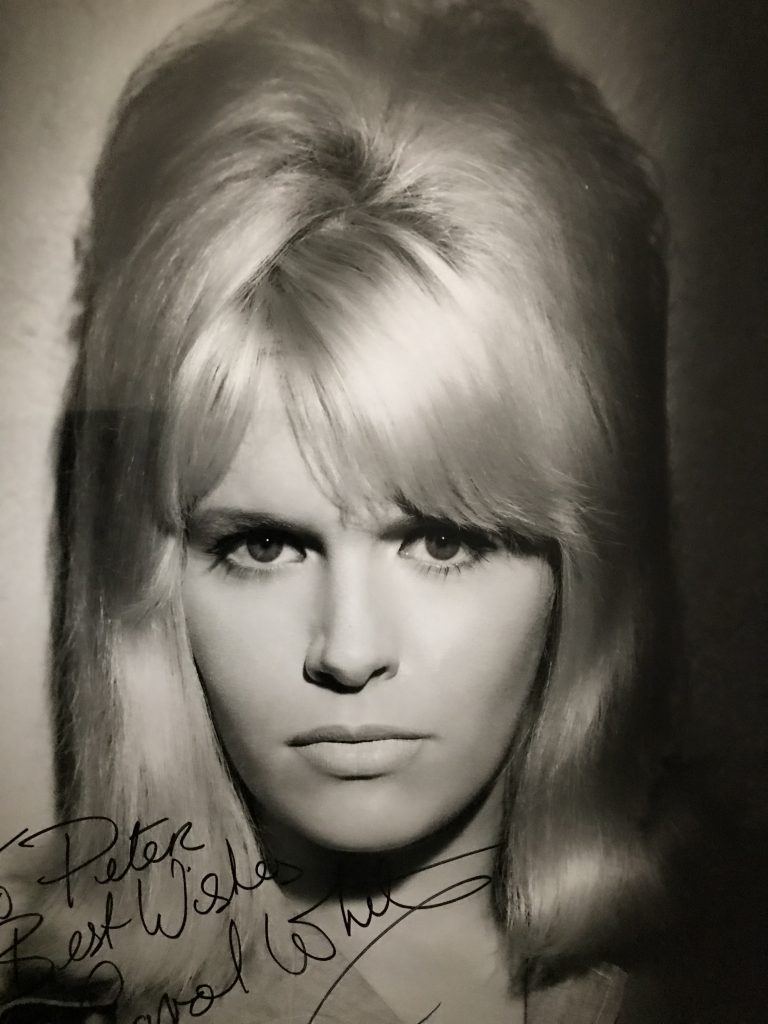
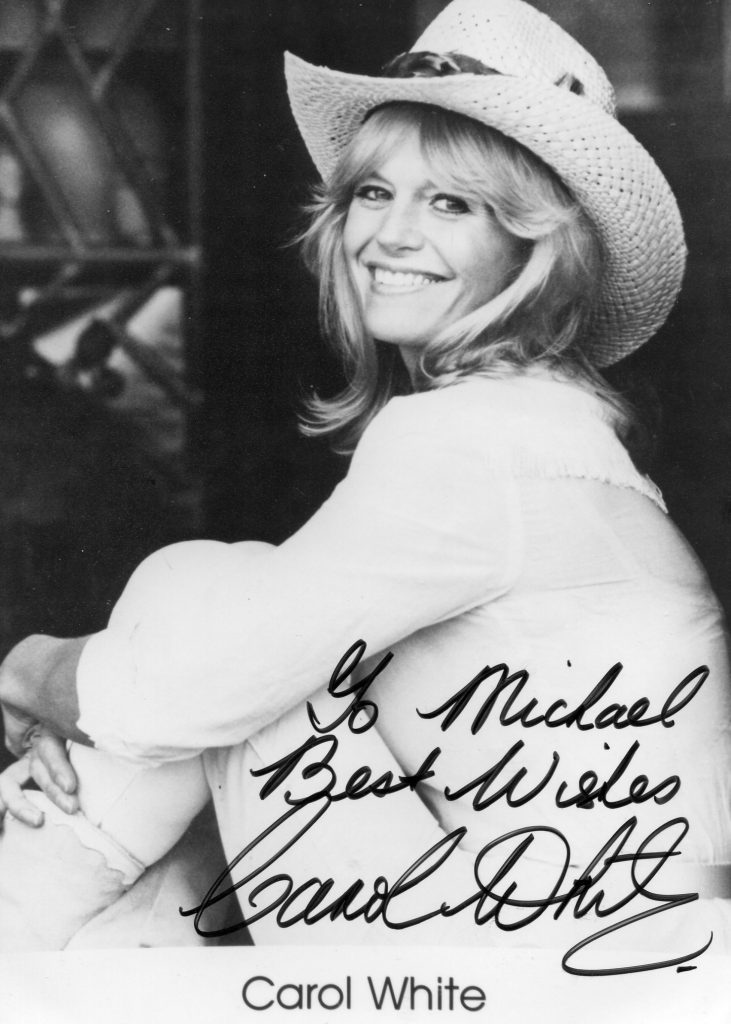
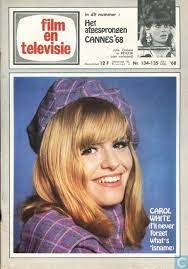
Carol White

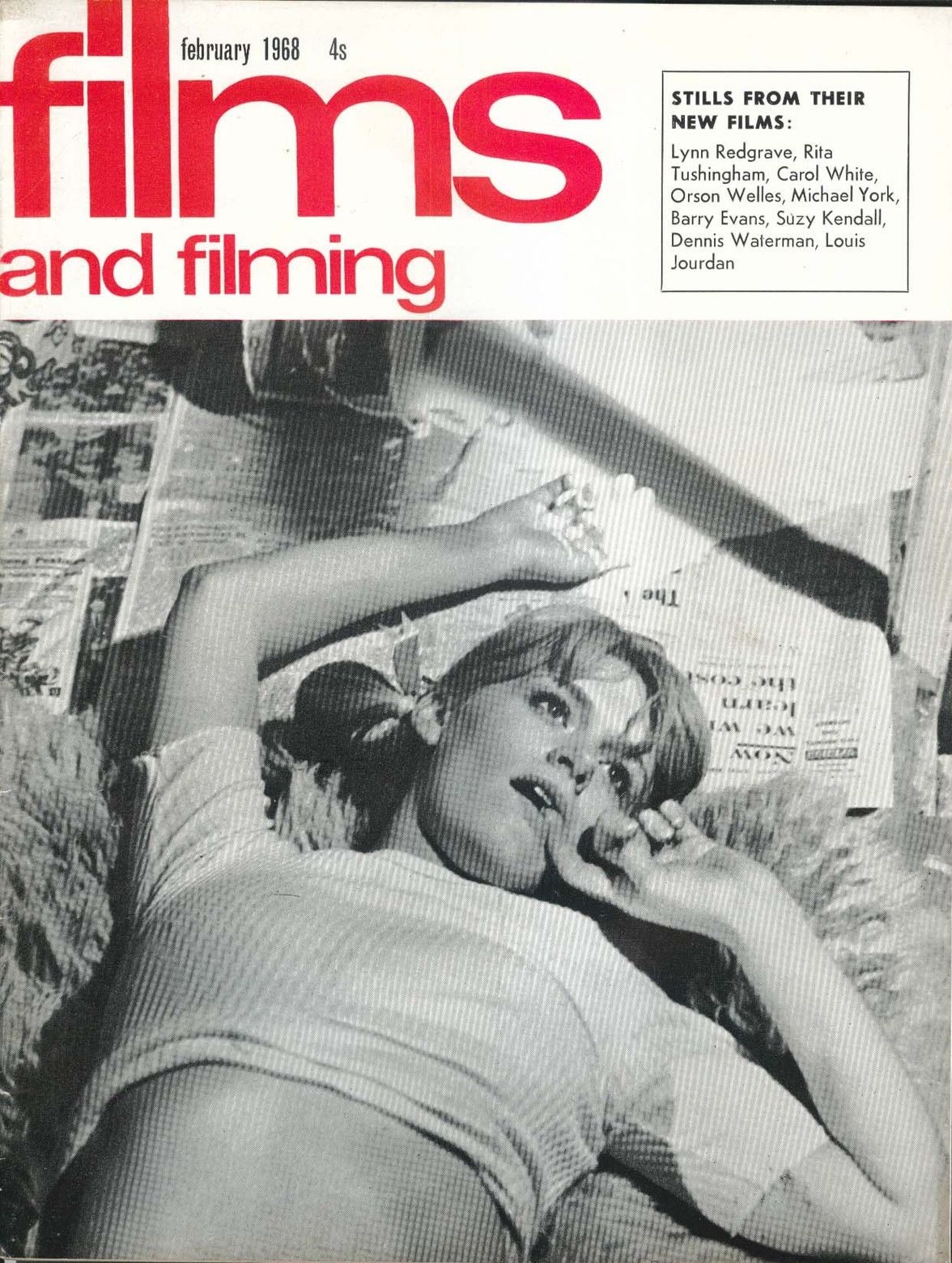
Carol White was one of the gifted young actors who rose to prominence with the rise of British cinema in the 1960’s.   She made a huge impact in the television programme “Cathy Come Home” directed by Ken Loach.   She went on to work with Loach again in “Poor Cow” opposite Terence Stamp in 1968.   The following year she went to Hollywood and made a tense triller “Dayy’s Gone A Hunting” but sadly her career tapered off significantly thereafter.   She died in reduced circumstances in 1991 in Miami at the age of 48.

Her obituary from Bob Meade’s website:

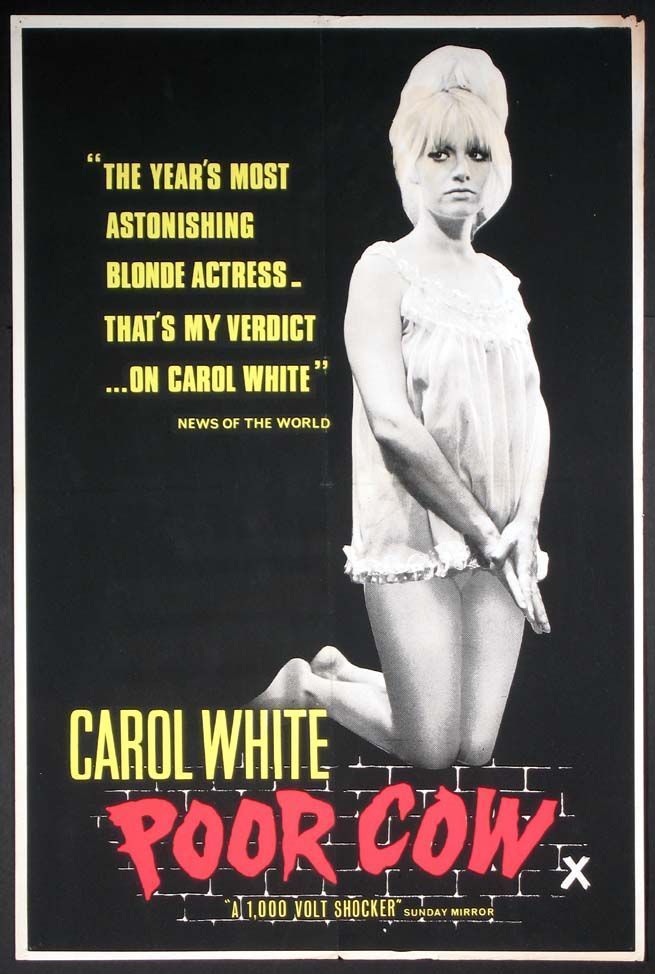
CAROL WHITE, the actress who has died in Florida aged 49, was celebrated for her powerful performance in the title role of Cathy Come Home, Jeremy Sandford’s coruscat­ing account of homelessness on BBC Television, which caused a national sensation in the 1960s.   Cathy Come Home was not so much a television play as fierce propaganda. Sandford traced the painful downhill journey of a young couple who began their married life full of hope and gaiety and ended it, separated from their children, as casualties of the Welfare State.    After an accident cut the husband’s earnings, the couple lived with unfriendly relations, were evicted from squalid tenements, were driven out of a caravan site and found refuge in a rat-ridden hostel. For all its over­emphasis, the production showed with compassion the raw degradation of hostel life. In a tour-de-force of naturalistic acting the highly photogenic Carol White succeeded in making Cathy likeable and eventually extremely moving as the courage and optimism in her wasted away.   The diminutive Miss White, a London scrap mer­chant’s daughter who had already made her mark in the television version of Nell Dunn’s Up the Juction (1965), consequently became something of a Sixties icon. She went on to bring warmth and a plausible innocence to the film Poor Cow, a raw and realistic picture of South London life which opened with a graphic scene of Miss White giving birth while reflecting on the shortcomings of her absent husband (“He’s a right bastard”).

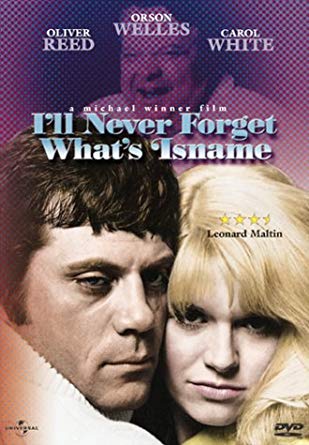
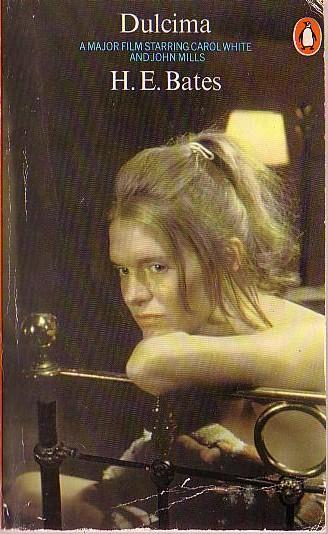
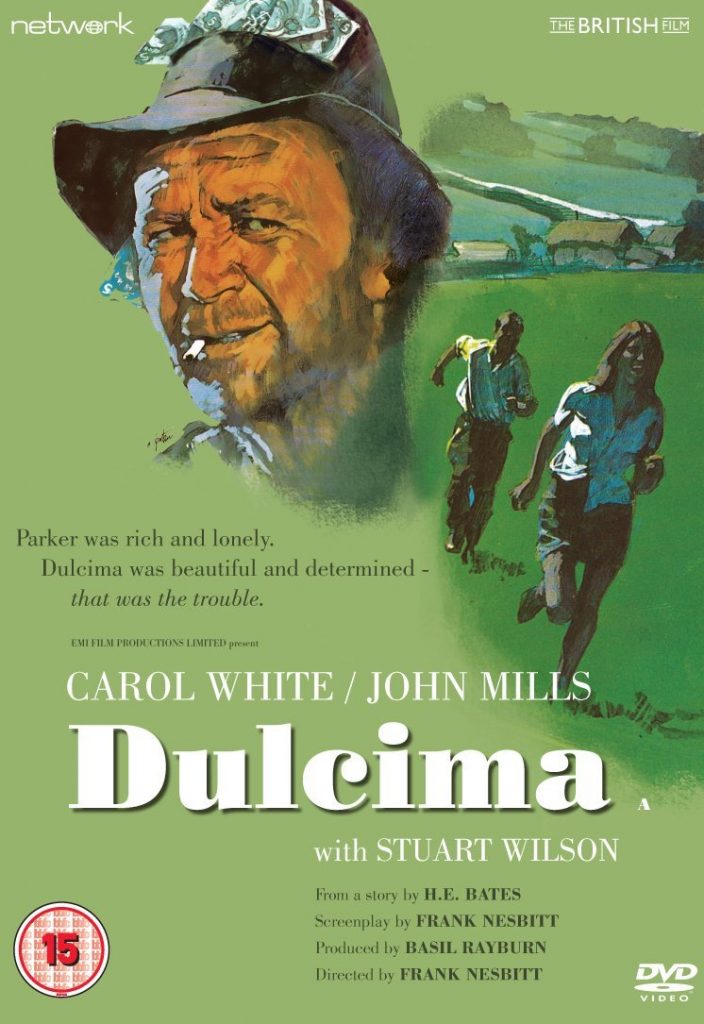
Subsequently Miss White was rather miscast as a jolly virginal girl in Michael Winner’s all too forgettable I’ll Never Forget What’s ‘Is Name. However, she made a good impression — when she remembered to substitute a Glou­cestershire accent for her native Cockney — as a comely country lass in Dulcima (1971) adapted from a story by H. E. Bates

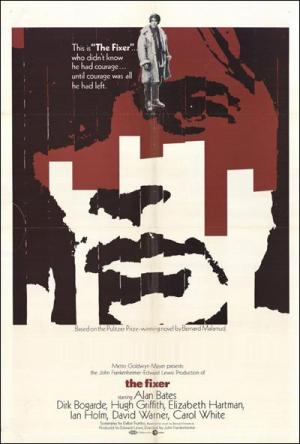
Miss White showed promise of better things as an actress opposite Alan Bates, Dirk Bogarde and lan Holm in the film of Bernard Malamud’s The Fixer. Her performance as Raisl Bok won her a Hollywood contract in 1968 to make Daddy’s Gone-A-Hunting.

But from then on nothing seemed to go right, and the rest of her career was distinctly chequered. Miss White’s attempts to establish herself in America were dogged by ill fortune. Her name — forever bracketed with her role of Cathy — became more familiar in the press in connection with her amours, divorces, court appearances, drink and drugs than with her acting.   “I came to America thinking I was at the very top,” she recalled shortly before her death from liver failure, “and that no one could touch me. But pimps, pushers, liars and ex-husbands brought me crashing down.”-•  In 1982 she returned to London to take over the role of Josie from Georgina Hale, in Nell Dunn’s play Steaming, but her comeback ended unhappily when her contract was terminated following several missed performances.

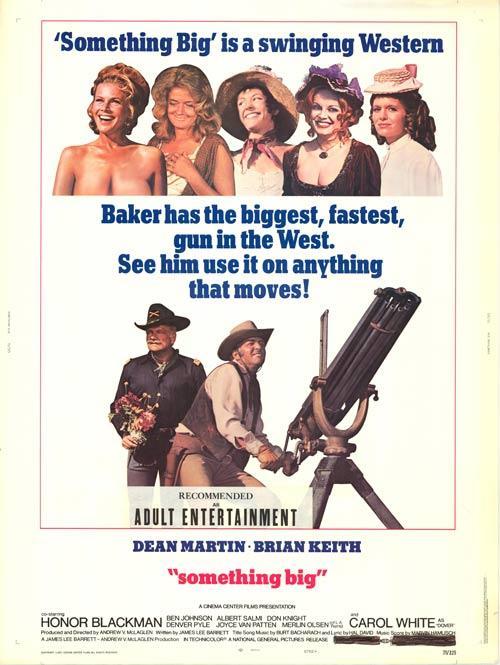
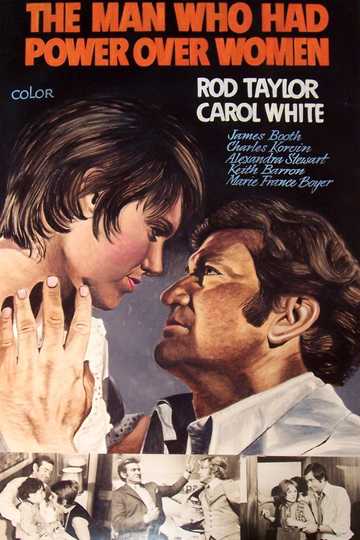
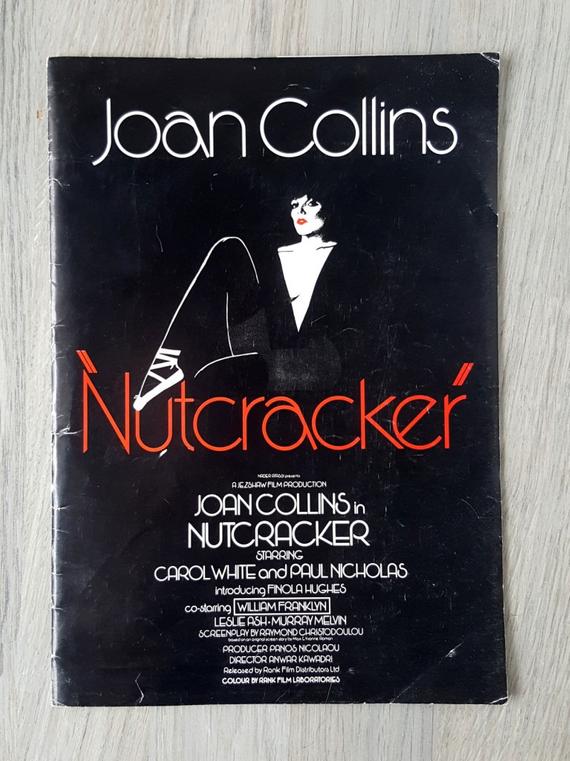
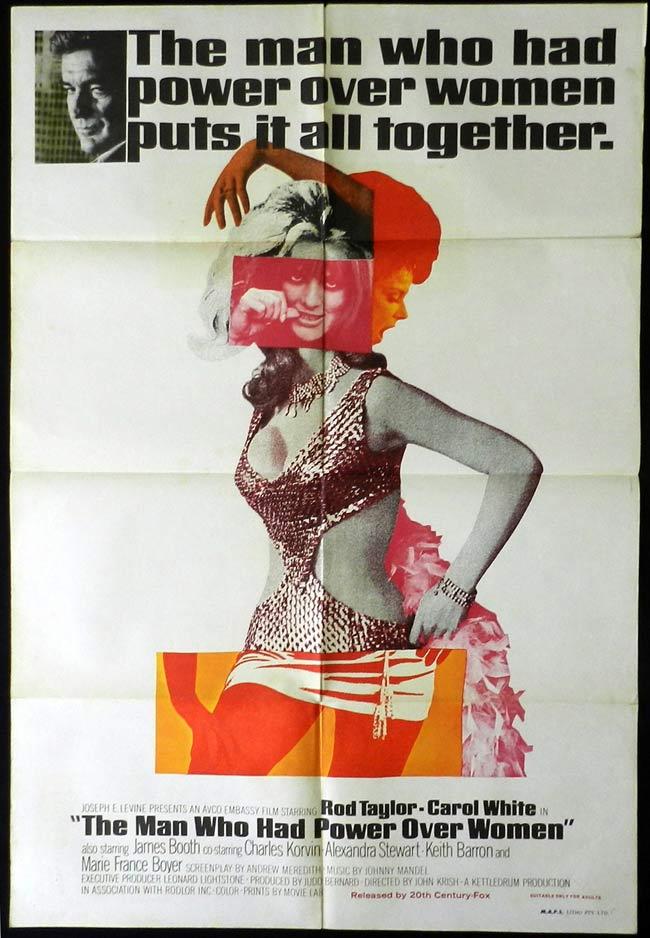
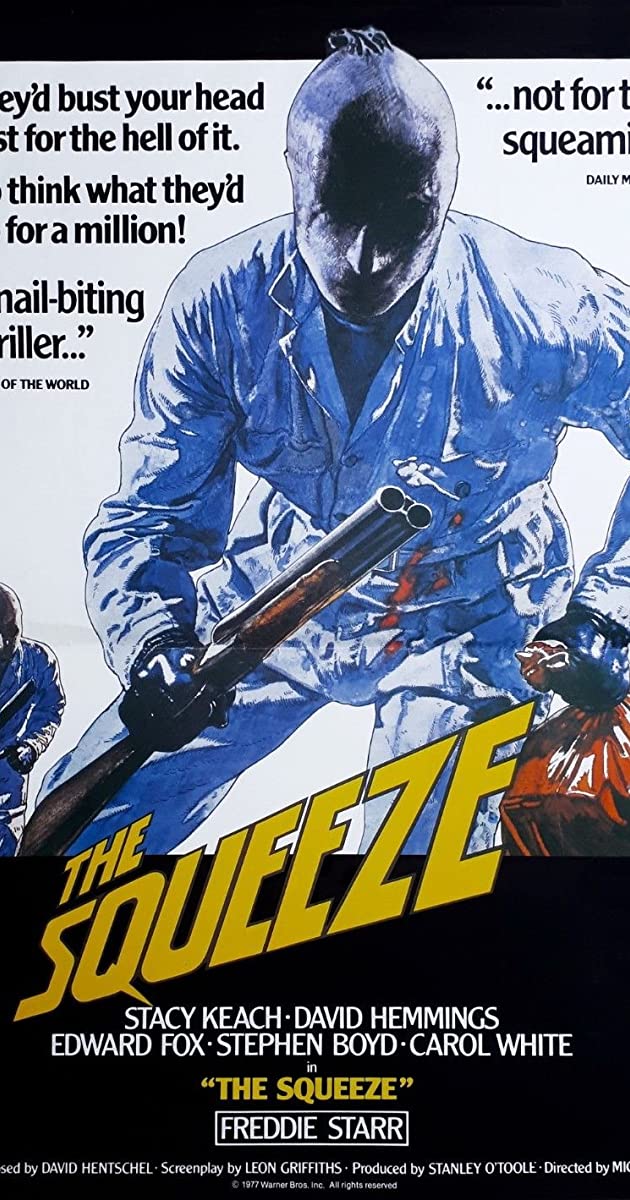
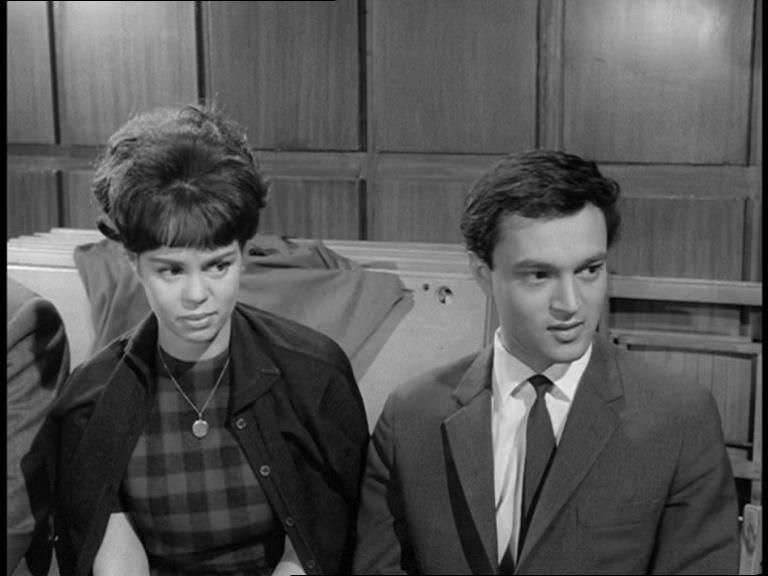
Carol White was born in Hammersmith, London, on April 1 1942. She described her father as “a scrap-metal merchant and a spieler in a fairground and a door-to-door salesman of the elixir of life”. At the age of 11 Carol heard about theatre schools from a hairdresser and thereafter attended the Corona.   Miss White made her film debut three years later in Circus Friends and went on to appear in Carry On Teacher, Beat Girl and Never Let Go, in which she played Peter Sellers’s girlfriend. “In those days in British films,” she recalled, “brunettes were ladies and blondes were bits. I wore my hair white and painted my lips red and my eyes dark.”   She then married Michael King of the King Brothers singing act and gave up acting for a few years. She returned, this time on the smaller screen in Emergency — Ward 10 and, more notably, as a bright Battersea girl in Nell Dunn’s exhilarating sketch of South London life, Up the Junction.   Miss White’s later films for the cinema — not a distinguished collection — included The Man Who Had Power Over Women, Something Big, Made, Some Call It Loving, The Squeeze, The Spaceman and King Arthur and Nutcracker.

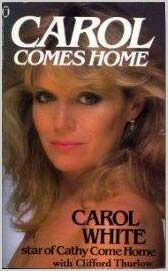
She wrote a racy volume of memoirs, Carol Comes Home (1982), in which the Swinging Sixties of purple hearts and Courreges boots gave way to the excesses of Hollywood (“the assault course of a hundred different bedrooms . . . with broken hearts and broken promises left at every corner”), as well as a beauty book, Forever Young.   After her divorce from King she married Dr Stuart Lerner, a psychiatrist, and then Michael Arnold, a musician. She had two sons from her first marriage. Jeremy Sandfbrd writes: In her early films Carol cap­tured powerfully the quality of the urban girl-next-door from the less prosperous areas. And in Cathy Come Home she seemed the archetypal young mother, every mother who has ever struggled not to be separated from her children. I last saw her some 10 years ago when she had come over to London and asked me to help her write her autobiography. She had devastating tales to tell about double-dealing Hollywood psychiatrists. Unknown to her, she told me, hers had been paid double her fee by an ex-boyfriend, to “muck her up”. She told me she had come home for good to live the simple life back in Hammer­smith, and I never dreamed she would go back to America. She later wrote the book with help from another writer and I have regretted since that it wasn’t me. It seems the classic tale of the pretty but unsophisticated girl who goes to Hollywood. There is no simple moral, though, because Carol, besides being pure and straight, was always reckless, always something of a life gambler.

September 20 1991

The above obituary can also be accessed online here.

Article from Tina Aumont’s Eyes:

Known as the ‘Battersea Bardot’, Carol White used her working class background to enable her to give several natural performances in British dramas, which sometimes mirrored her own turbulent life. Unfortunately, a later problem with alcohol and drug abuse would harm her career, and ultimately end her life.

Born Carole Joan White in Hammersmith, London, on April 1st 1943, Carol studied drama at the Corona Stage Academy. This led to early minor appearances in many of the UK’s best known products at the time. There were ‘blink and you’ll miss it’ parts in ‘Doctor at Sea’(1956), ‘Blue Murder at St. Trinian’s’(1957), ‘Carry on Teacher’, and ‘The 39 Steps’( both 1959). After another dozen or so bits in mainly sexy background roles, Carol’s breakthrough came in Ken Loach’s 1966 social drama ‘Cathy Come Home’, a ground-breaking production, shot as part of ‘The Wednesday Play’ television series. White’s performance was so realistic that for many years afterwards, Carol would quite often be stopped in the streets by people believing her to be Cathy, and offer her money to help her out.

Following ‘Cathy Come Home’, Ken Loach cast Carol as Joy in what would become White’s signature film, the mostly improvised ‘Poor Cow’ (1967).  Carol was superb once again as a struggling young mother, married to an abusive criminal (John Bindon). Carol’s final scene where her character gives an interview to camera is astonishingly real and powerful, leaving the viewer with a slight hope of optimism for the much put-upon Joy. The success of ‘Poor Cow’ had everybody knocking on White’s door, with Frank Sinatra and Warren Beatty just two of Carol’s famous new fans.

Travelling to America, White’s Hollywood career got off to an interesting start. Taking the lead role in Mark Robson’s stalker flick ‘Daddy’s Gone A-Hunting’ (1969), the film has gained a cult reputation over the years. A pretty good thriller, it tells the exciting story of a woman who is menaced by the man whose baby she once aborted.
Favourite Movie: The Squeeze
Favourite Performance: Poor Cow


Career overview

White


Carol White (1943–1991) was an English actress whose short, intense career made her one of the most recognizable faces of 1960s British social realism. She combined a tough, working‑class authenticity with a combustible screen presence; at her best she could register vulnerability, defiance and fatigue within a single expression. Her life and career form a classic rise‑and‑fall arc: rapid ascent on the strength of a few landmark performances, then personal struggles and professional decline. Below is a concise but detailed overview and critical assessment.
Early life and entry into acting

  • Background: Born in London, White grew up in working‑class circumstances and entered performance young, appearing in television and repertory before breaking into film. Her life experience and accent made her a natural fit for the kitchen‑sink dramas that Britain produced in the 1960s.
  • Early work: She accumulated numerous television credits and small film parts in the late 1950s and early 1960s, developing a screen manner that blended toughness with emotional immediacy.

Breakthrough and 1960s peak

  • Cathy Come Home (1966): White achieved national prominence with her portrayal of Cathy in the BBC play Cathy Come Home. The drama—about homelessness, bureaucracy and the breakdown of family support—was a landmark of British television and social campaigning. White’s performance was raw, immediate and deeply human; she made the character’s despair and quiet rage palpable, helping the drama to resonate politically and culturally.
  • Poor Cow (1967): Directed by Ken Loach, Poor Cow cast White as Joy, a young mother trapped by poverty, disappointment and a cycle of bad choices. It remains her best‑known film role. Loach’s loose, realist style paired with White’s indelible naturalism produced a performance that is both sympathetic and stubbornly unglamorous—an emblem of 1960s British realism.
  • Screen persona: Across these works White established the persona that would define her public image: a full‑voiced, unvarnished working‑class woman who could be at once sexually frank, resilient, and bruised by circumstance.
Transition, typecasting and attempts at broader work

  • Popular profile and limits: The visibility from Cathy Come Home and Poor Cow made White a star of a particular kind—iconic for socially engaged drama but easily pigeonholed. Producers and directors often offered her variations on the same character: hard‑lived women trapped by men, class, or social systems.
  • Attempts to diversify: She took other film and television work, including commercial projects and some international efforts, but none matched the cultural impact of her key 1966–67 work. Opportunities to transition into a wider range of parts—period costume pieces, large studio dramas, or sustained international careers—were limited by typecasting and by the British film industry’s changing currents.

Personal struggles and career decline

  • Off‑screen problems: From the late 1960s into the 1970s White’s personal life became increasingly troubled. She struggled with alcoholism, suffered from volatile relationships, and faced legal and financial difficulties. These problems affected reliability and reputation in an industry that could be unforgiving.
  • Professional consequences: Offers dwindled; film roles became less prestigious and more sporadic. She made attempts to revive her career, including moves to work in the United States and in lighter commercial fare, but the momentum of the mid‑60s breakthrough proved difficult to sustain.
  • Later years and death: White continued to act in smaller film and television roles into the 1980s. Her life ended tragically in 1991 at the age of 48—her death underscored the melancholy arc of a talent whose public myth was inseparable from personal pain.

Acting style and strengths

  • Naturalism and immediacy: White’s hallmark was an unadorned realism. She delivered lines with a conversational cadence and had the capacity to make small gestures and silences convey vast emotional shifts.
  • Emotional range within realism: She could convincingly move from grit and defensive bluster to sudden fragility; this made her especially effective in works that foregrounded social conditions and intimate human failure.
  • Screen charisma: Even in small roles she commanded attention—partly due to a face that registered fatigue and stubbornness simultaneously and partly because of an apparent honesty that suggested life‑lived rather than acted.

Limitations and contextual factors

  • Typecasting: The very qualities that made her powerful in social‑realist dramas limited her casting range; producers tended to re‑use her “type” rather than risk recasting her in very different registers.
  • Industry constraints: The British film industry of the late 1960s and 1970s offered fewer durable pathways for actresses whose reputations were tied to a specific social image; roles for women beyond the ingénue or the emblematic social woman were fewer.
  • Personal issues: Substance abuse and personal instability curtailed opportunities and undermined long‑term career management—important factors in a star’s ability to pivot and rebrand.

Critical reputation and legacy

  • Cultural impact: White remains an icon of 1960s British social realism. Cathy Come Home in particular is regularly cited in histories of socially conscious television; Poor Cow is frequently discussed as a key Loach film and as a performance that helped define the era’s cinematic voice.
  • Artistic evaluation: Critics and historians praise White for her fearless emotional honesty and for how she embodied the social realities her works explored. Her performances have an urgency and authenticity that outstrip mere period nostalgia.
  • Tragic resonance: Her personal decline and early death add a tragic frame to her work—she is often remembered both for the force of her performances and for the human cost of celebrity in an unforgiving industry.

Overall assessment

  • Carol White was a potent, memorable actress whose best work is inseparable from the social‑realist movement in 1960s Britain. She brought moral weight and emotional veracity to roles about class, gender and survival. Her career also illustrates the fragility of stardom—how typecasting, structural industry limits, and personal difficulties can curtail a promising trajectory.
  • Artistically, she remains important for the manner in which she made ordinary suffering cinematic and for the directness of her performances. Historically, she stands as both emblem and cautionary tale: emblematic of a vital era of British drama, and a reminder of the precariousness faced by performers who are publicly identified with a single, hard‑won image.


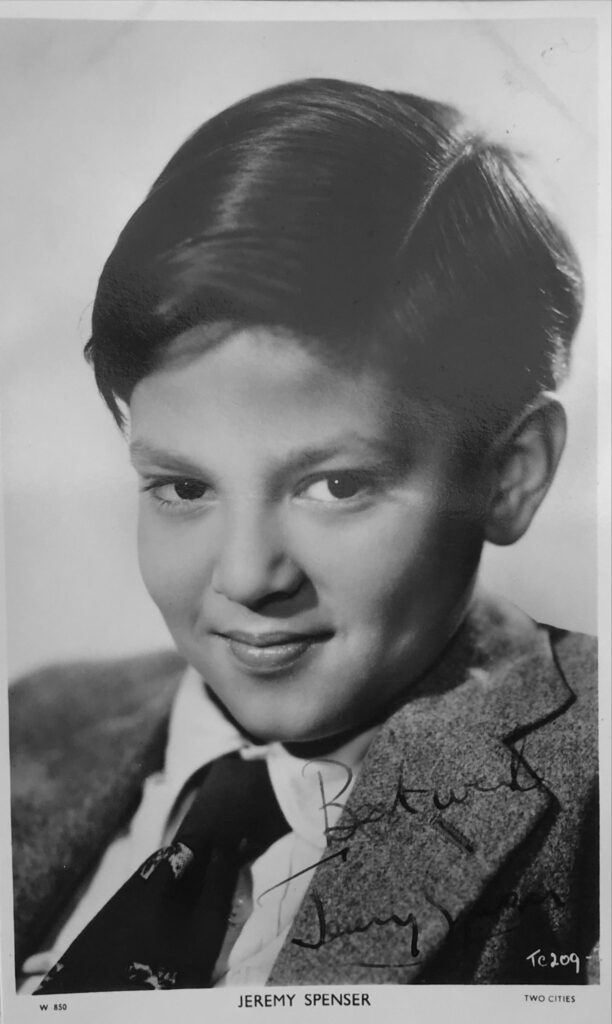
Jeremy Spenser

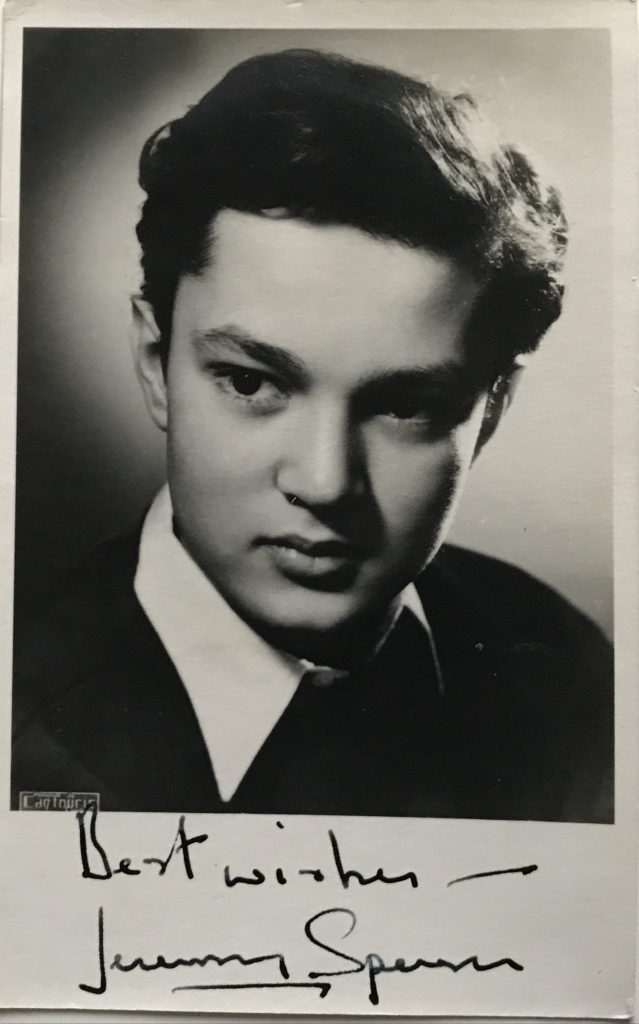
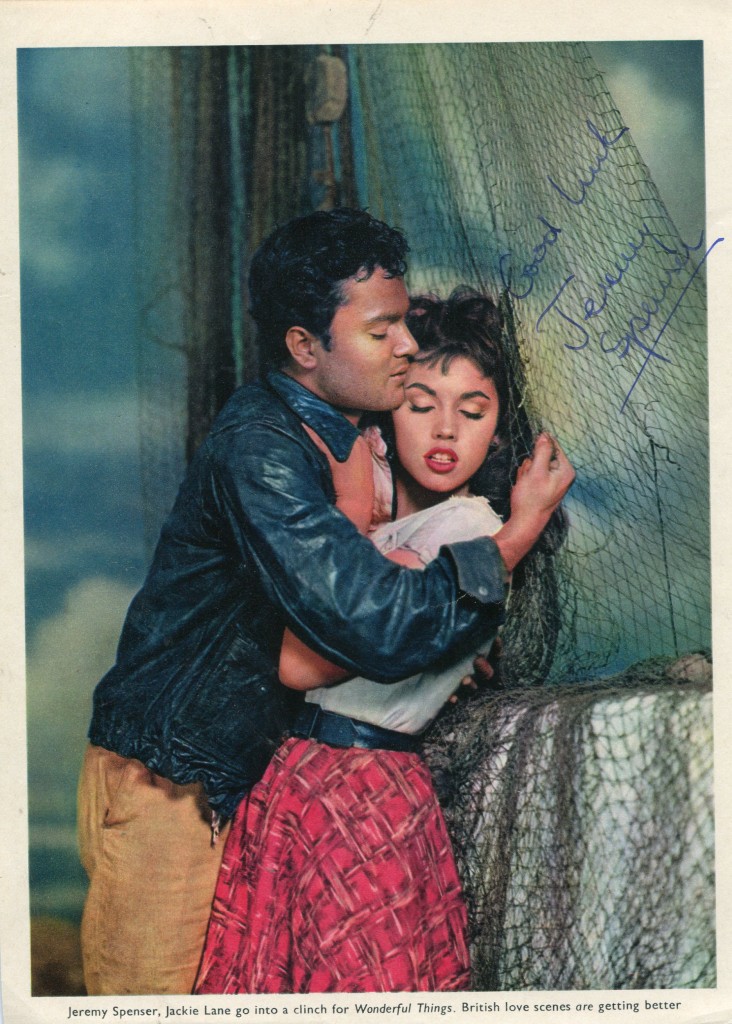
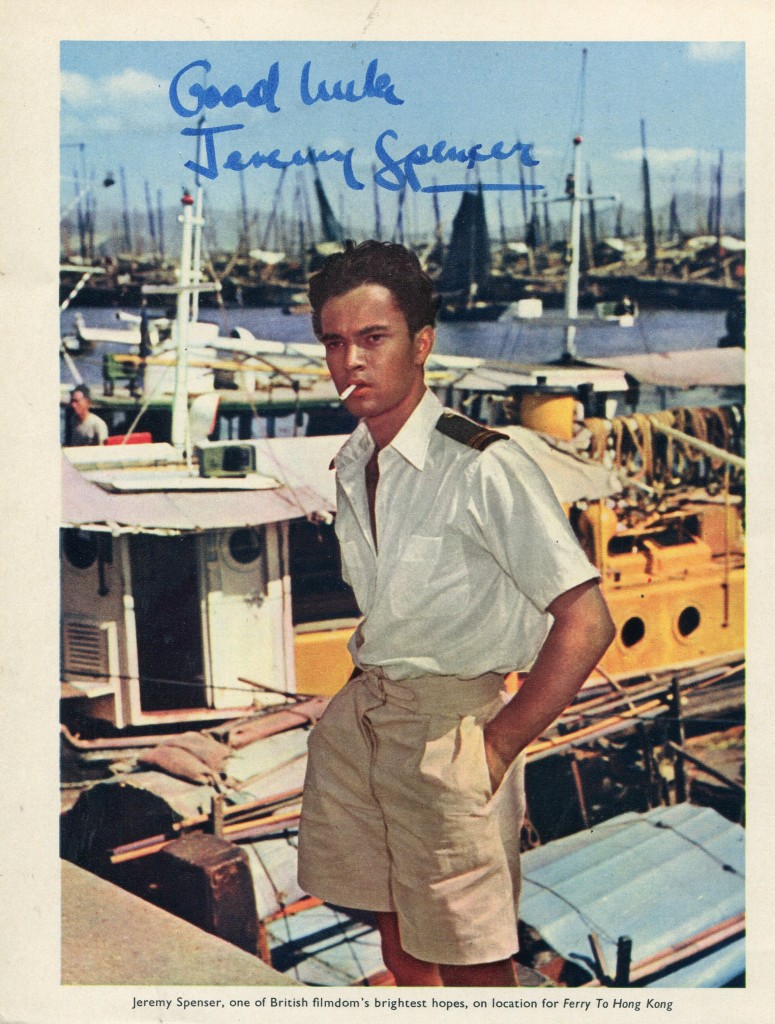
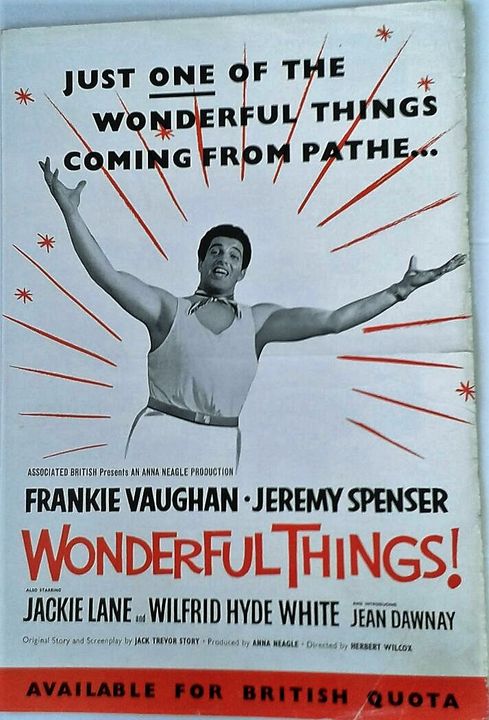
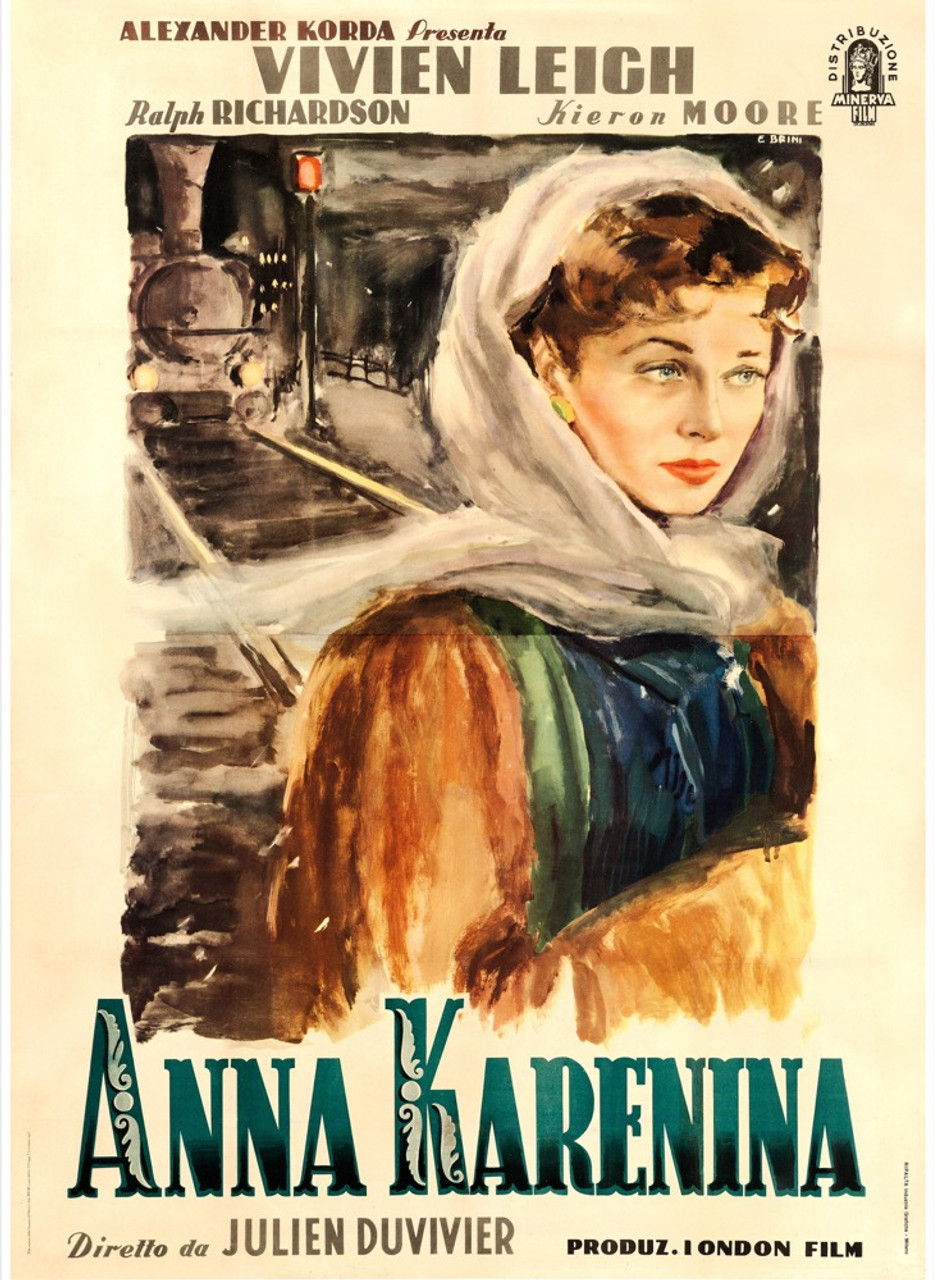
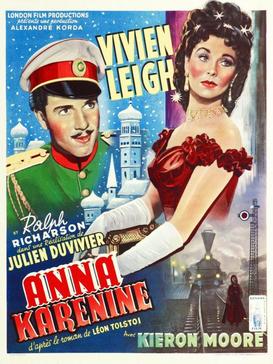
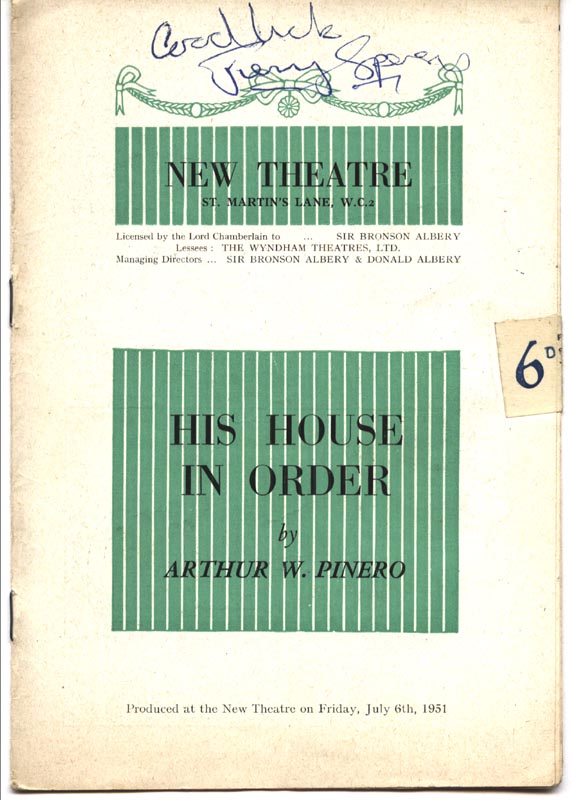
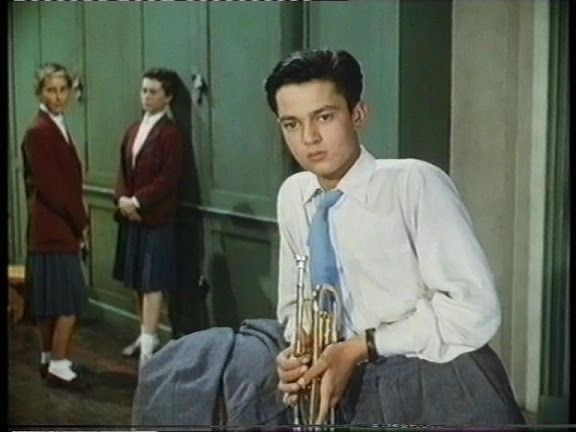
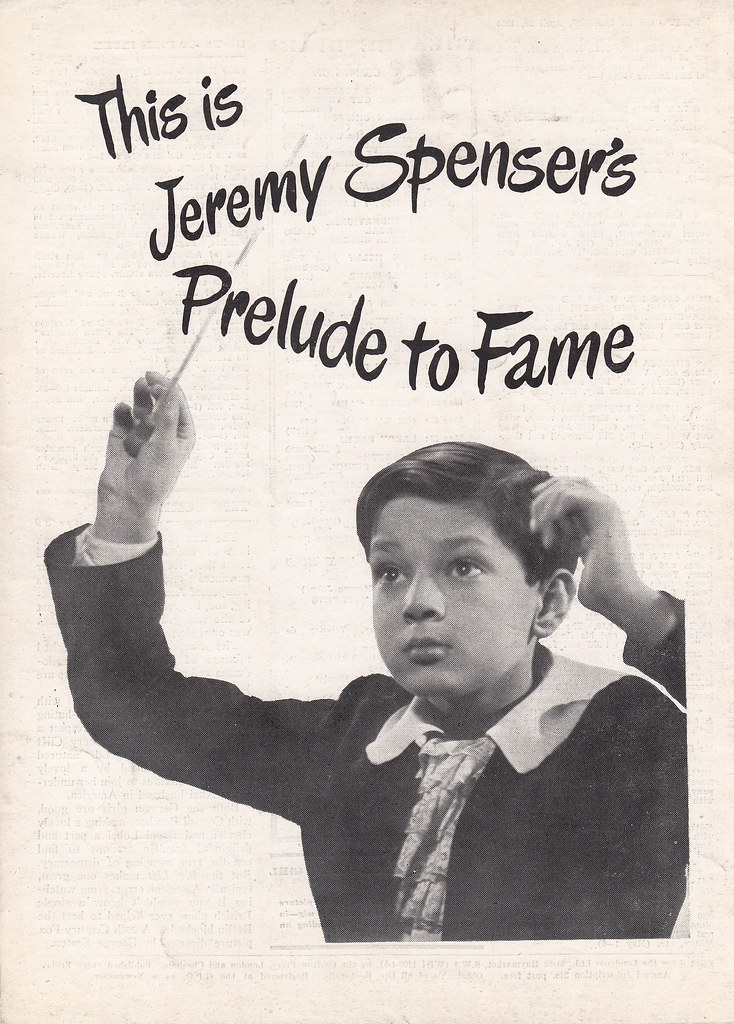
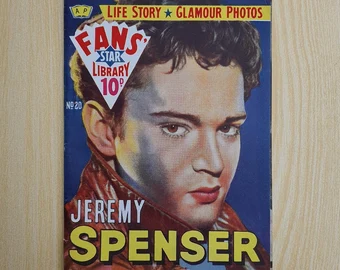
Jeremy Spenser (born Jeremy John Dornhurst de Saram; 16 July 1937) is a British actor who is widely known for his work in film and television from the late 1940s to the mid 1960s. He made his screen debut aged 11 in Anna Karenina (1948).

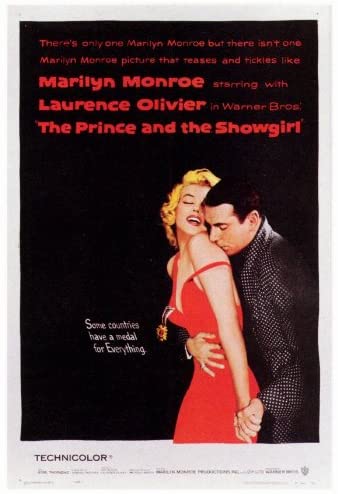
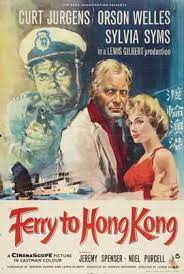
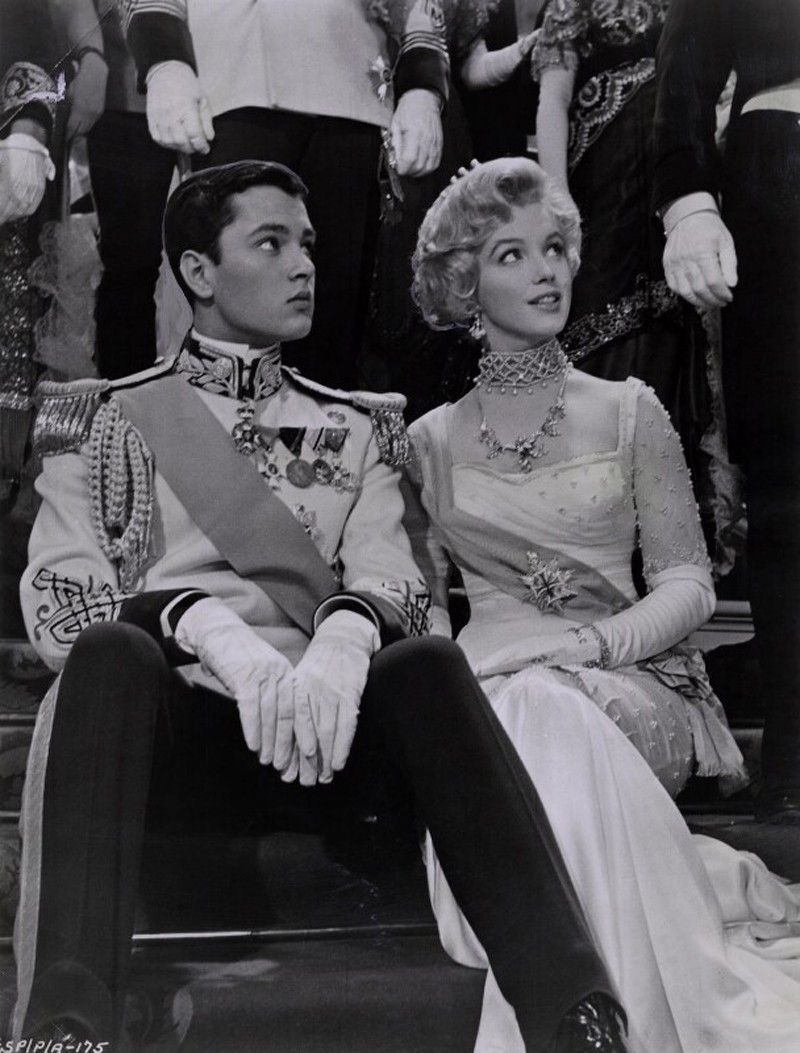
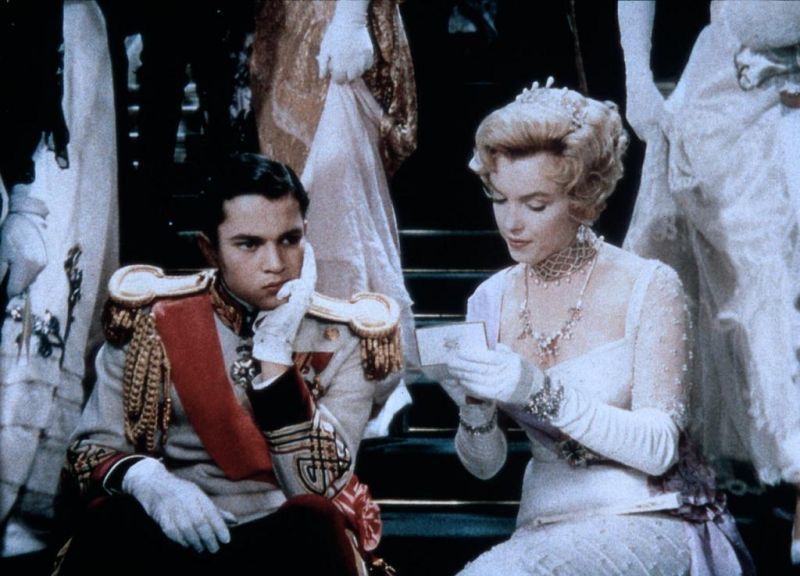
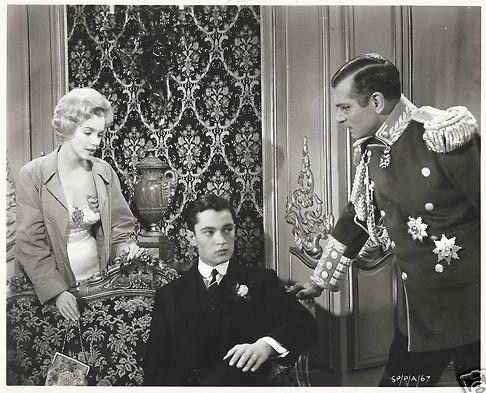
The following year he played in the black comedy Kind Hearts and Coronets as the young Louis Mazzini. He played the young King Nicolas in The Prince and the Showgirl with Laurence Olivier and Marilyn Monroe and in Ferry to Hong Kong with Orson Welles.

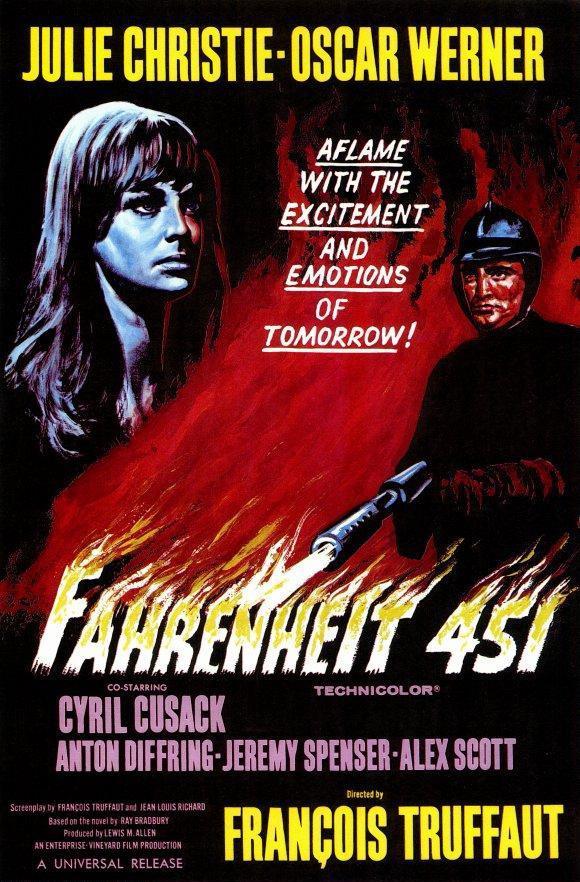
In the 1960s, the role offers began to slow down. His last film role was in 1966’s Fahrenheit 451 directed by François Truffaut, after which Spenser retired from acting

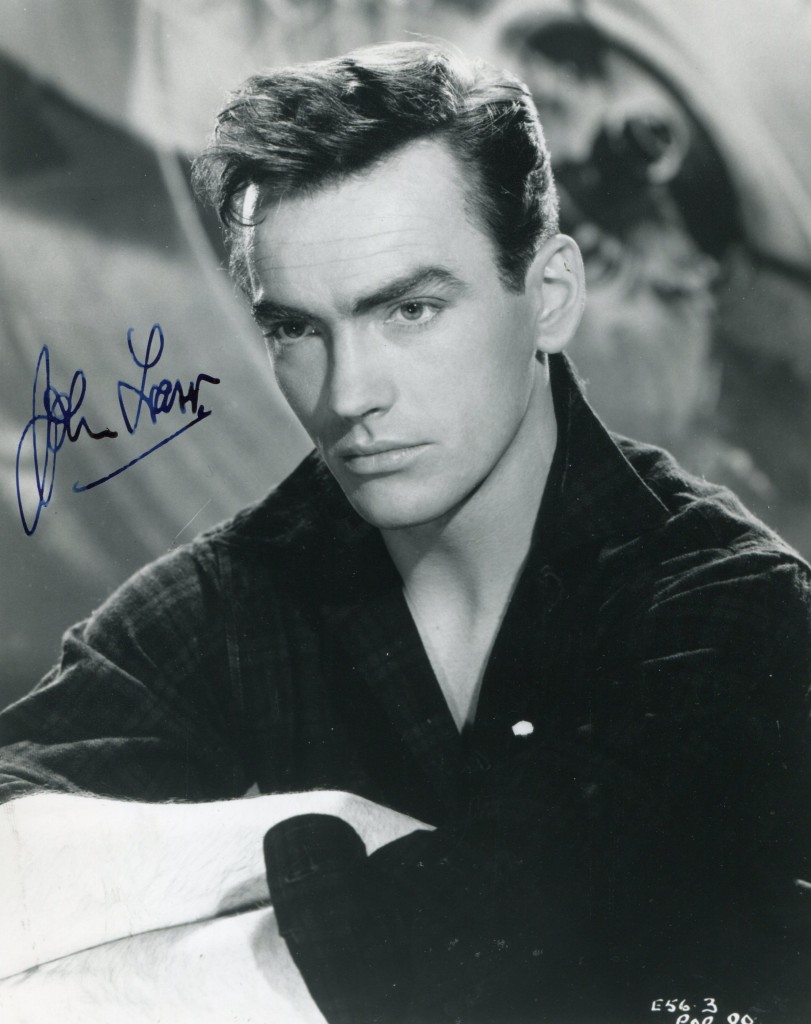
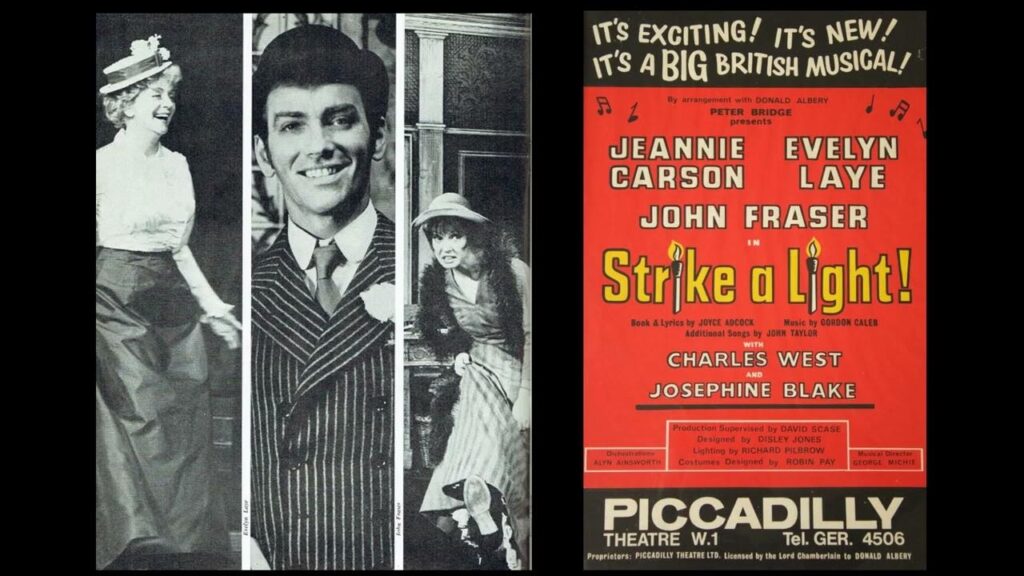
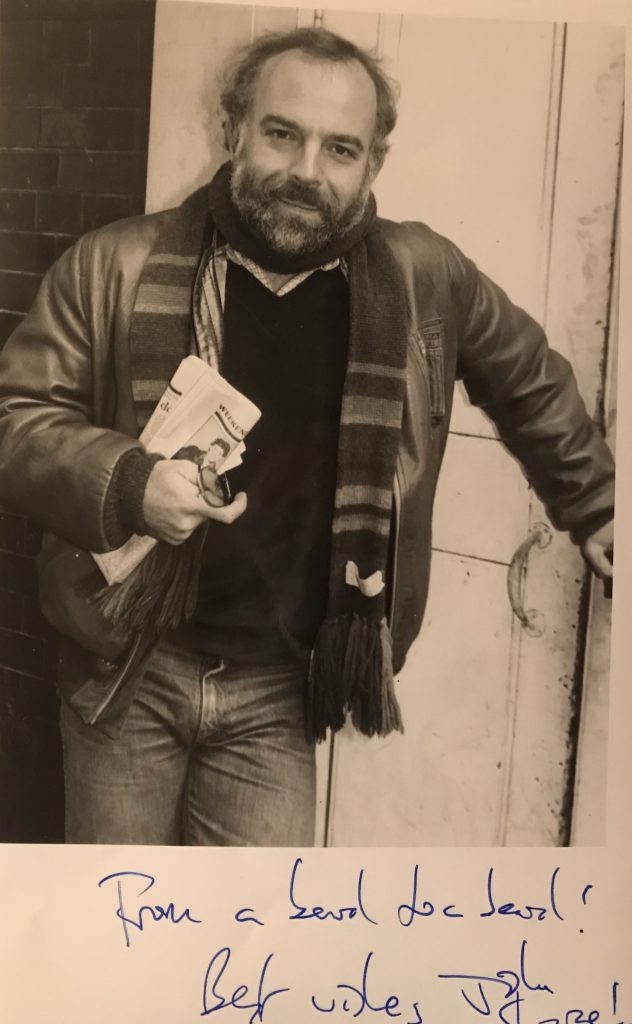
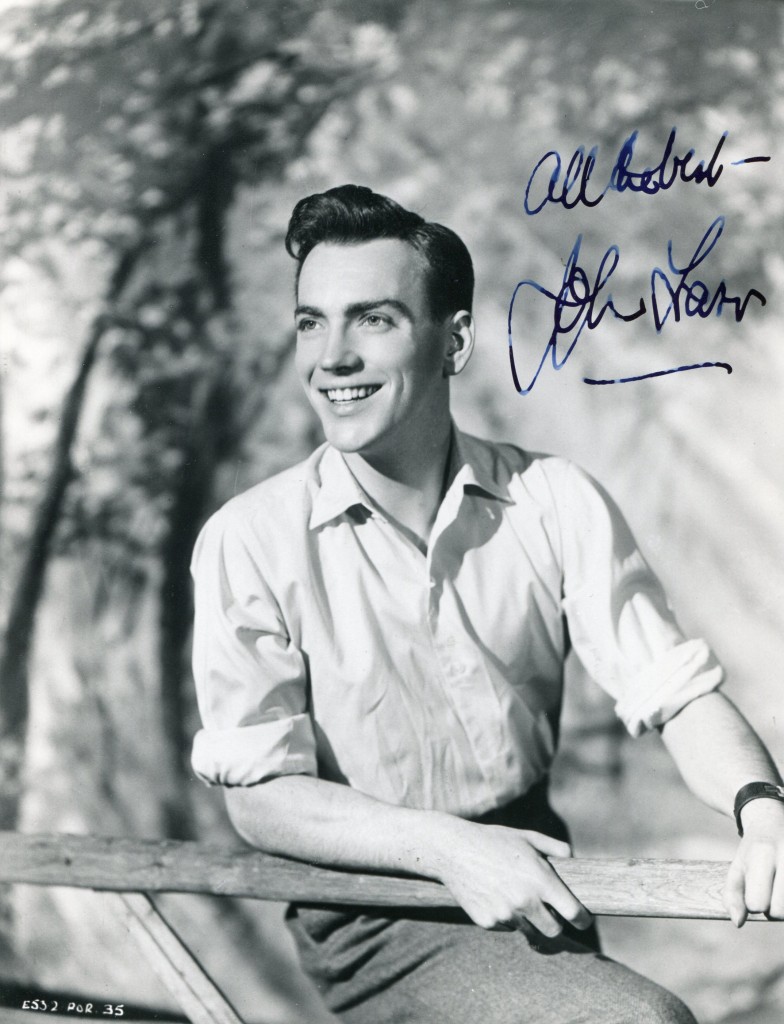
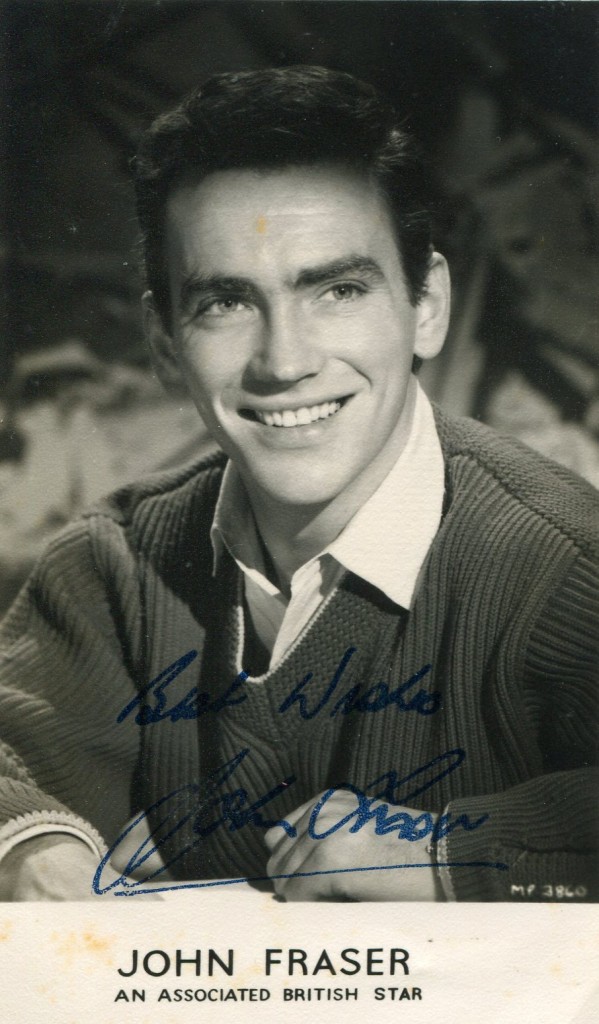
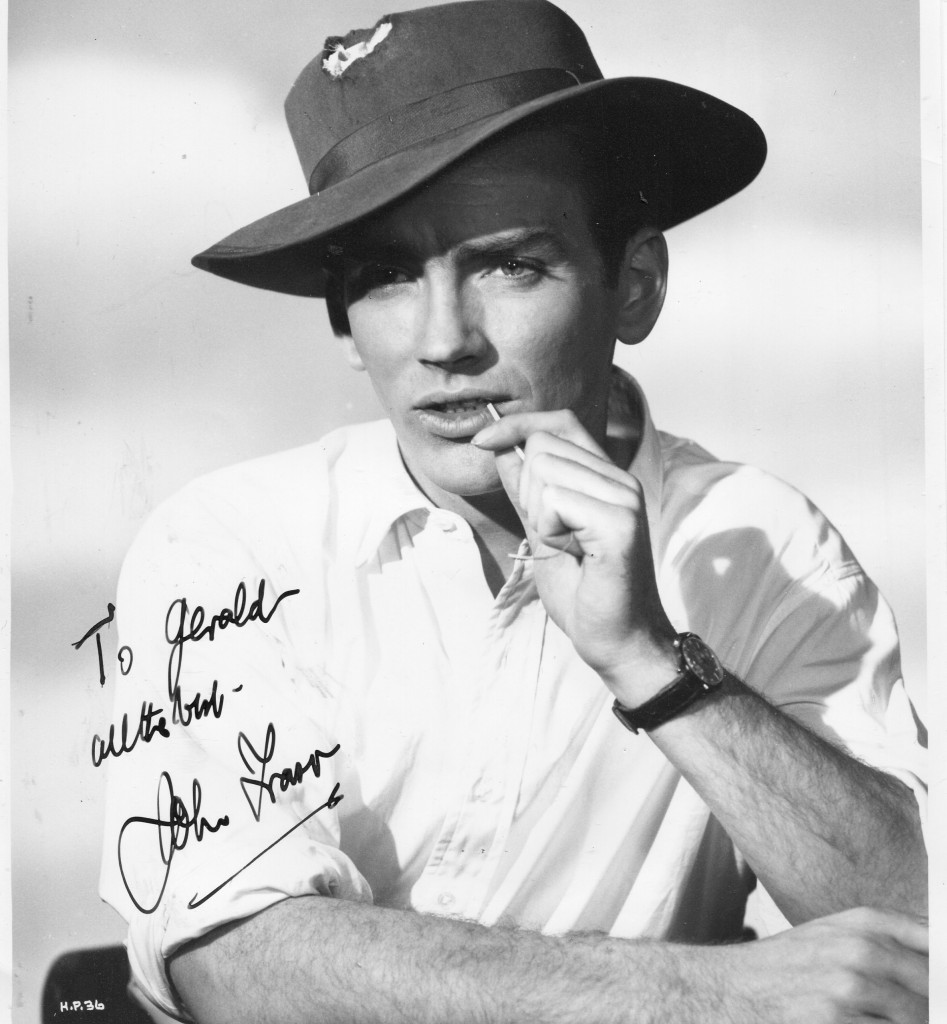
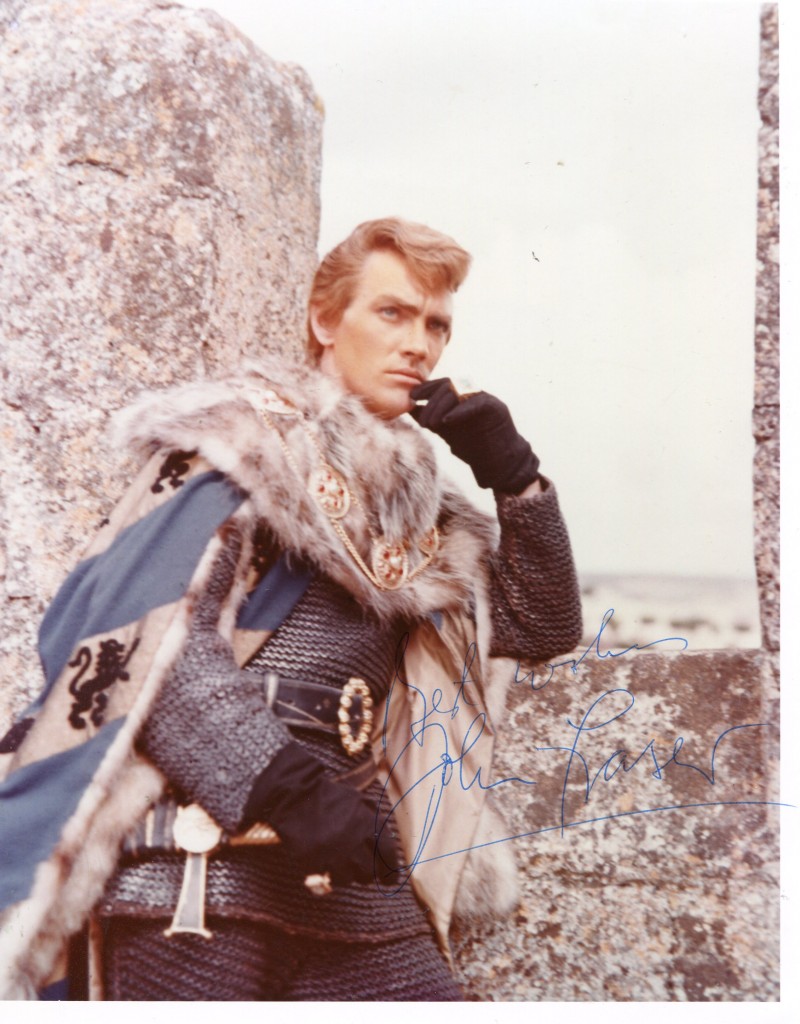
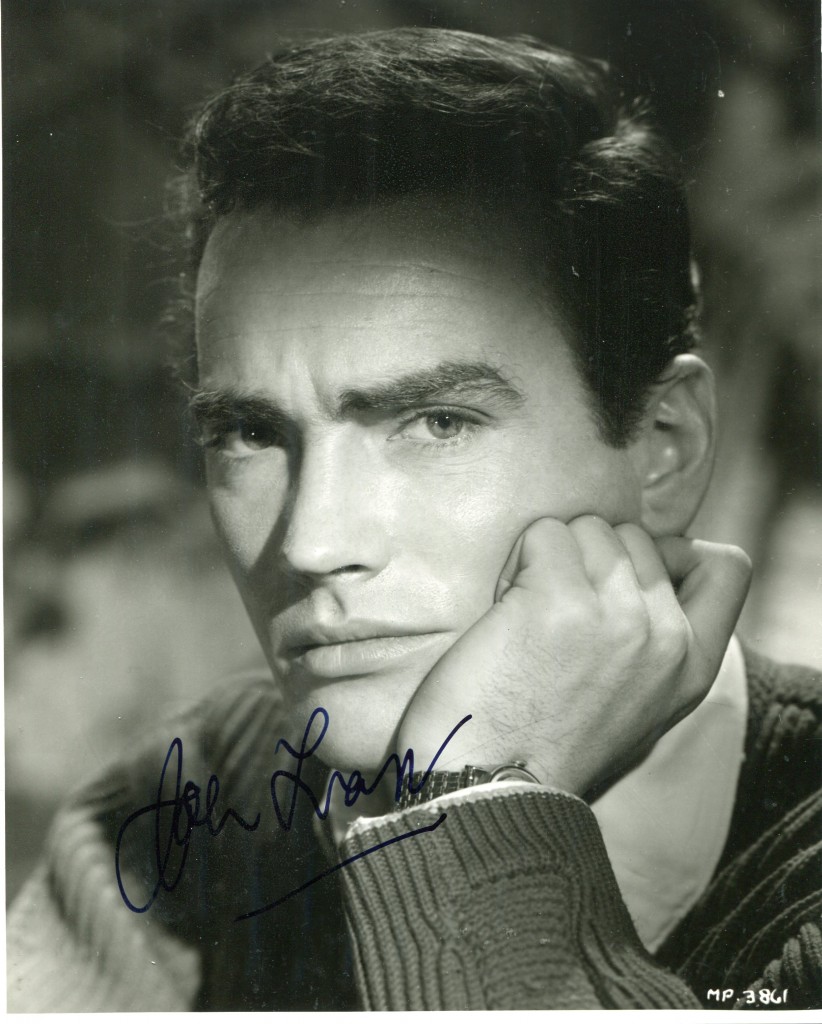
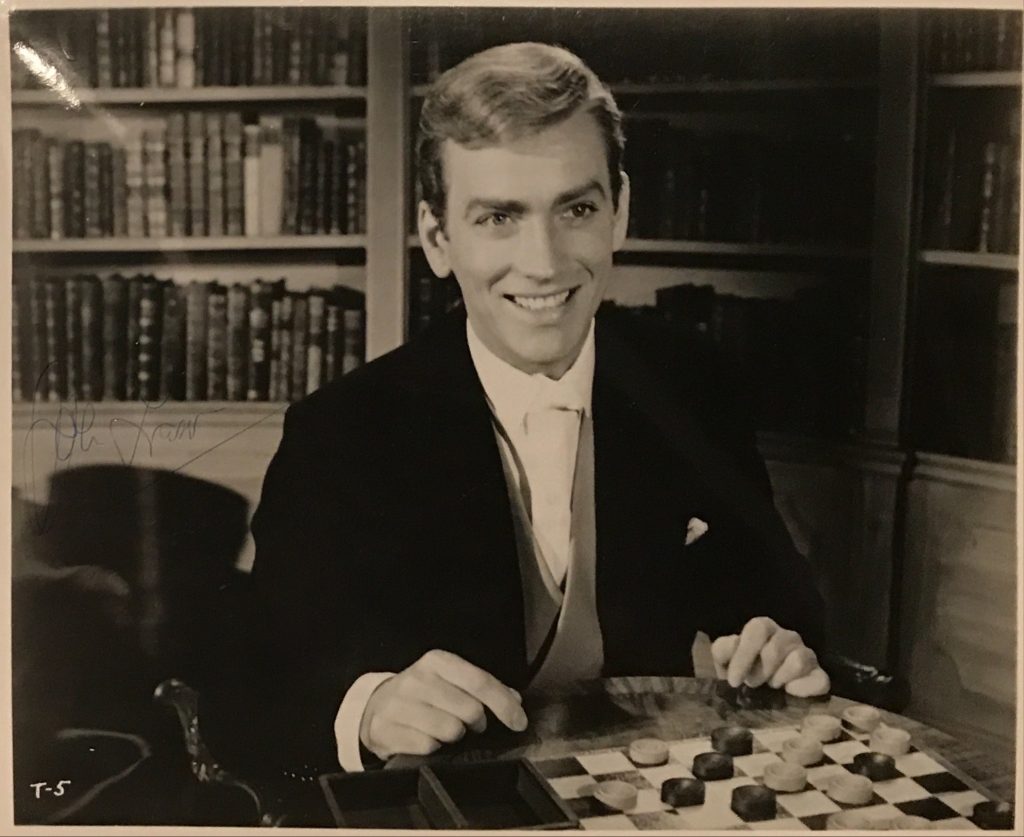
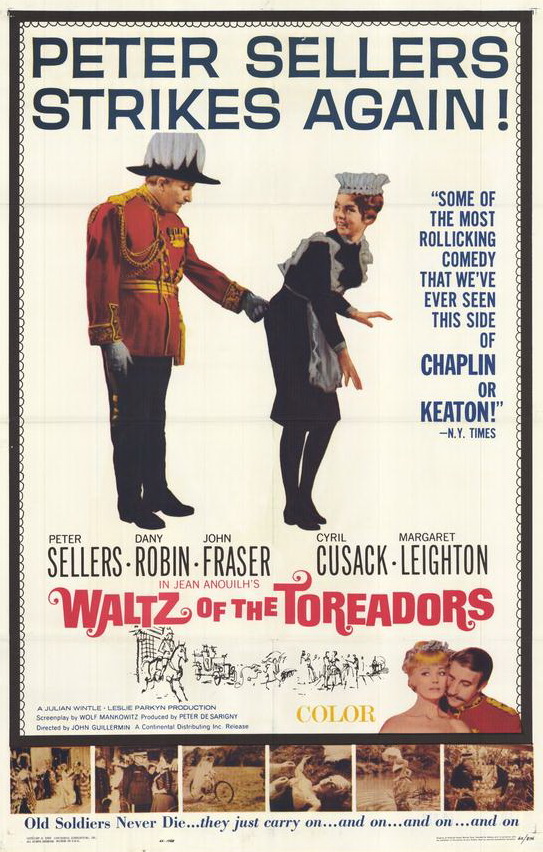
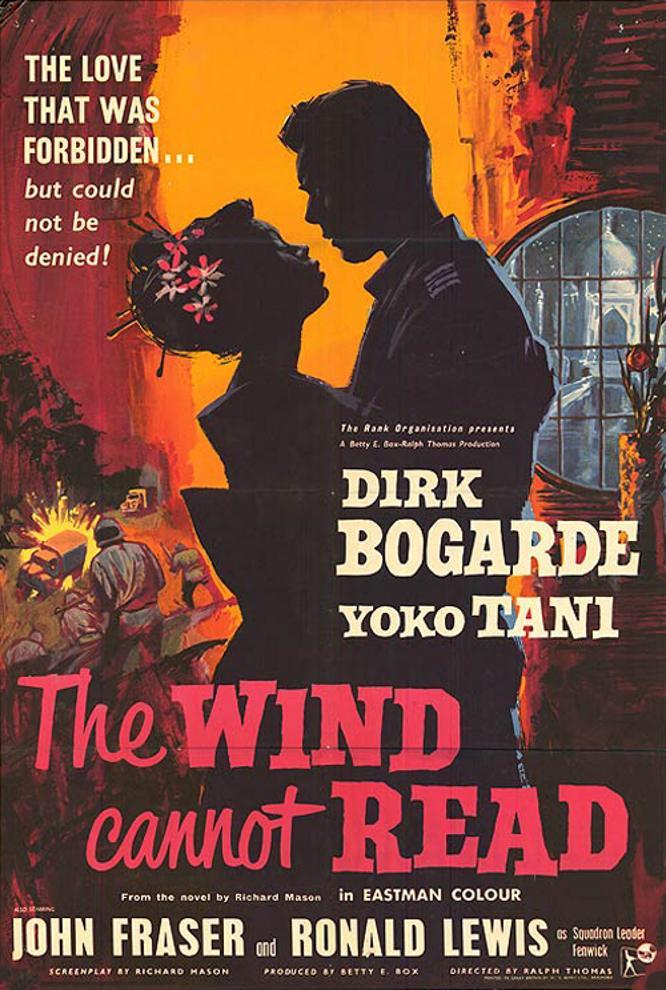
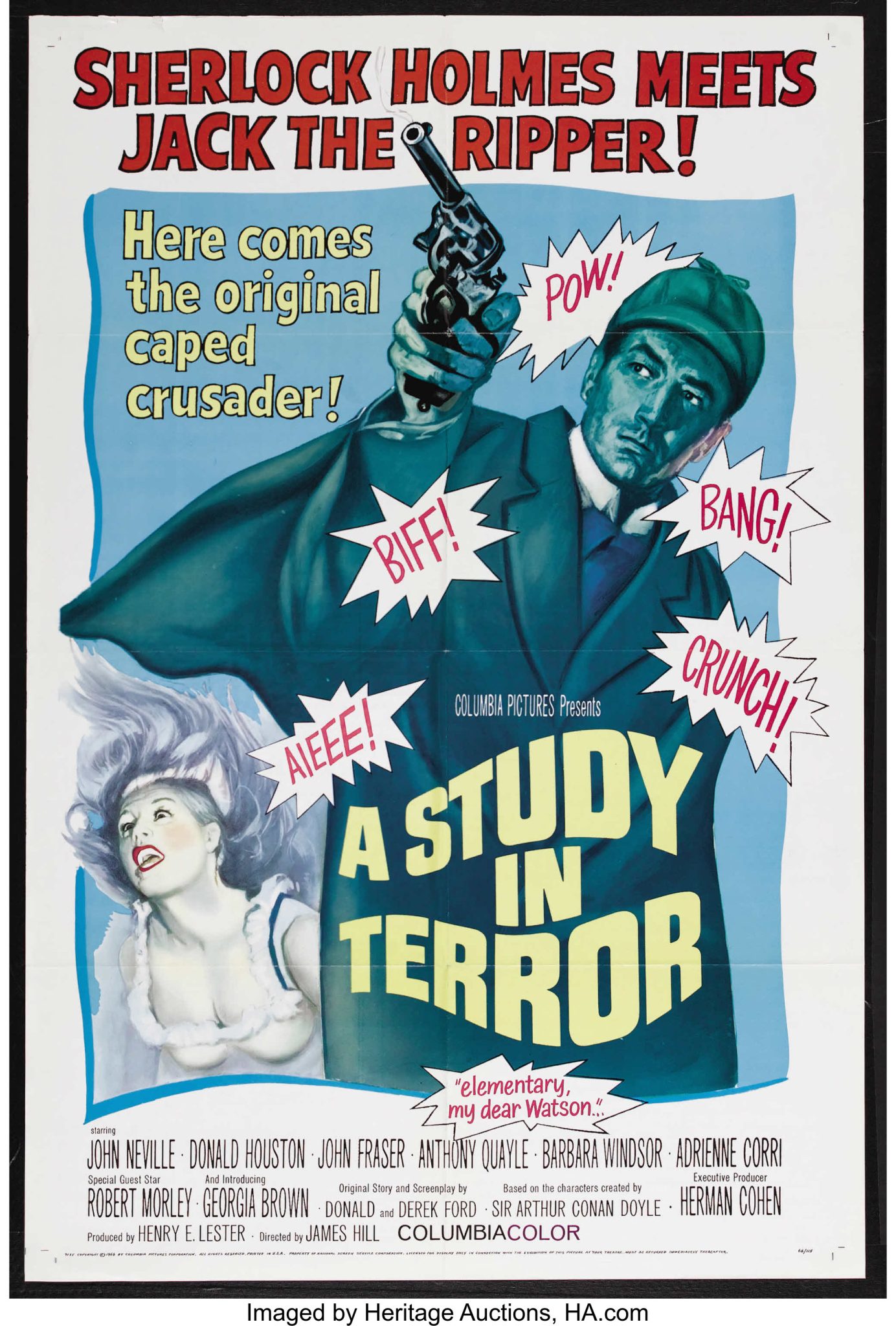
John Fraser

JOHN FRASER OBITUARY IN ”THE INDEPENDENT” IN 2020.

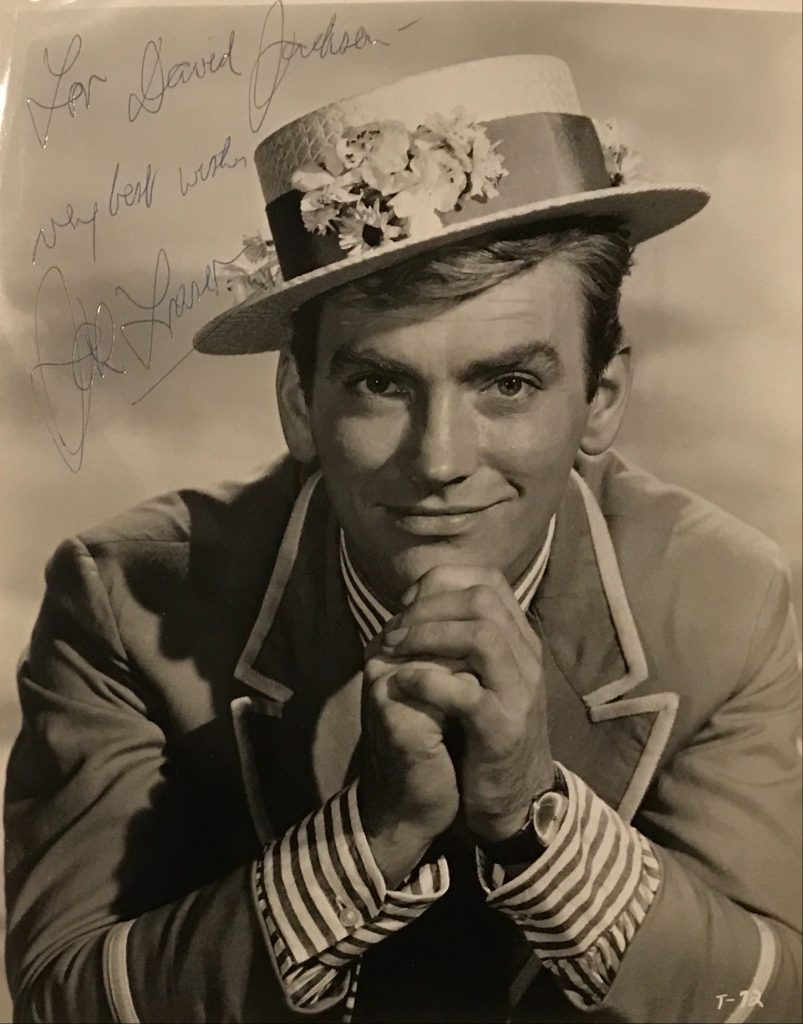
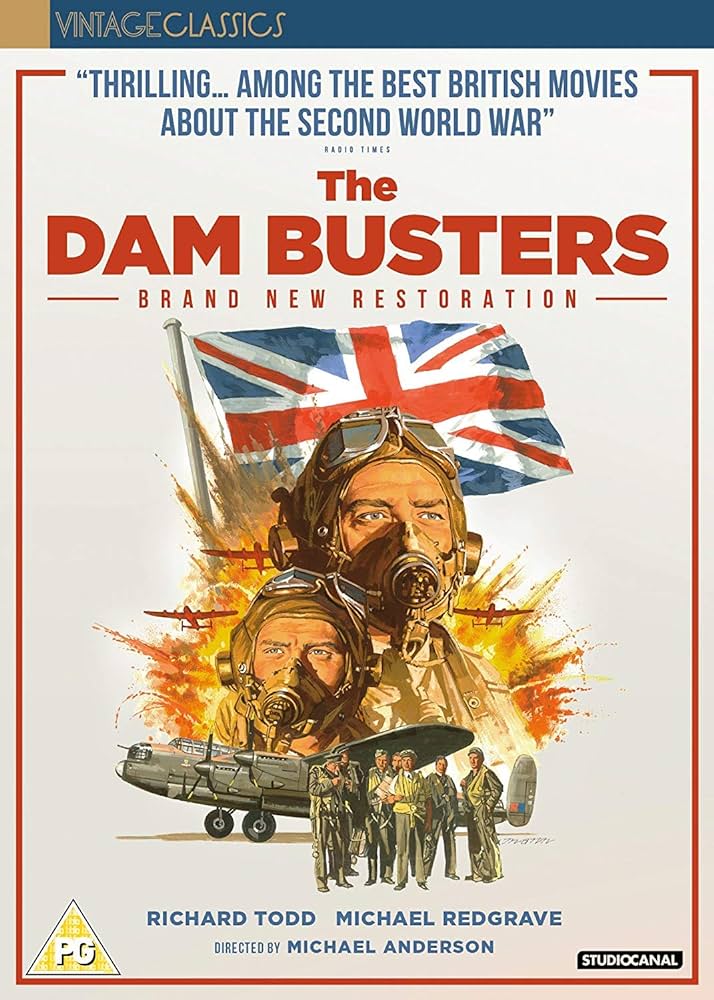
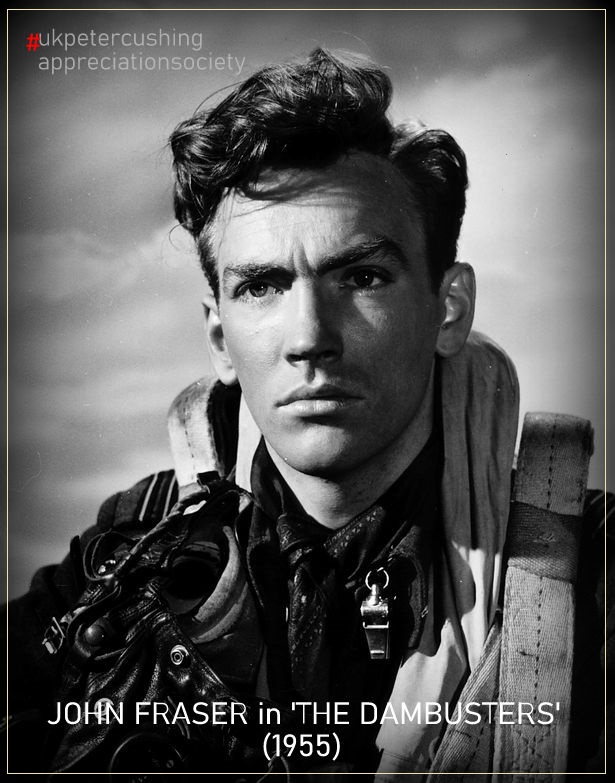
John Fraser, who has died aged 89, was a British film star who captured the public’s imagination when he appeared in The Dam Busters as Flight Lieutenant JV “Hoppy” Hopgood, taking part in a daring Second World War RAF operation – and offering a pint of beer to the beloved dog of his wing commander

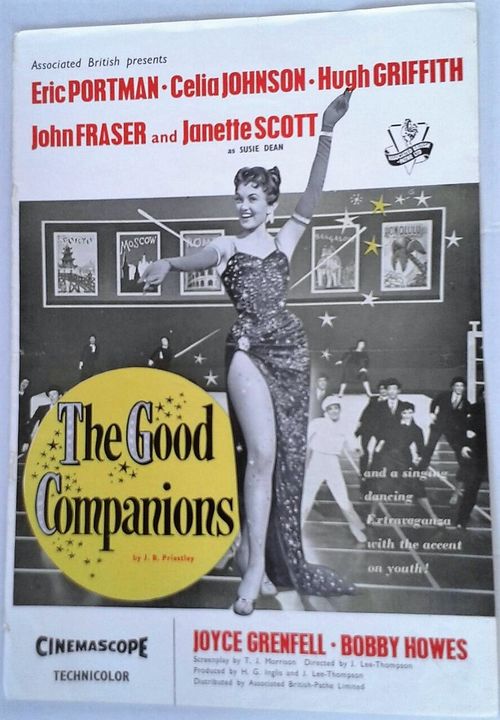
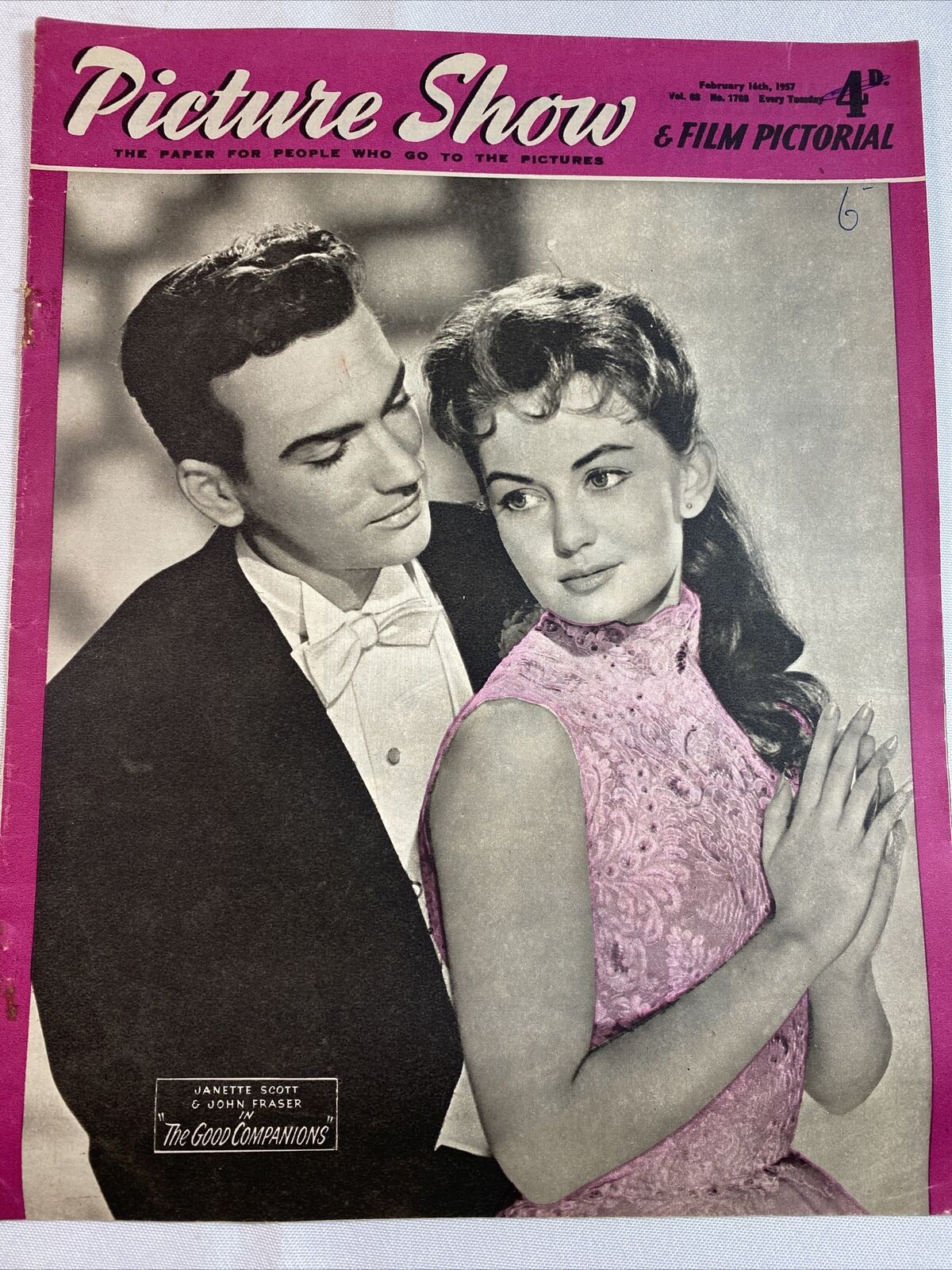
He followed the 1955 box-office hit two years later by taking the role of Inigo Jollifant in The Good Companions, a screen musical version of the JB Priestley play. He and Janette Scott acted the romantic leads, with his schoolteacher-turned-songwriter joining her in a touring variety troupe. 

The film, an attempt to compete with American musicals, flopped with cinemagoers but helped to give Fraser heart-throb status and launch a brief singing career. He released “Bye Bye Love” in 1957, but it failed to chart – in a year when several other versions were released, notably the Everly Brothers’ first hit.

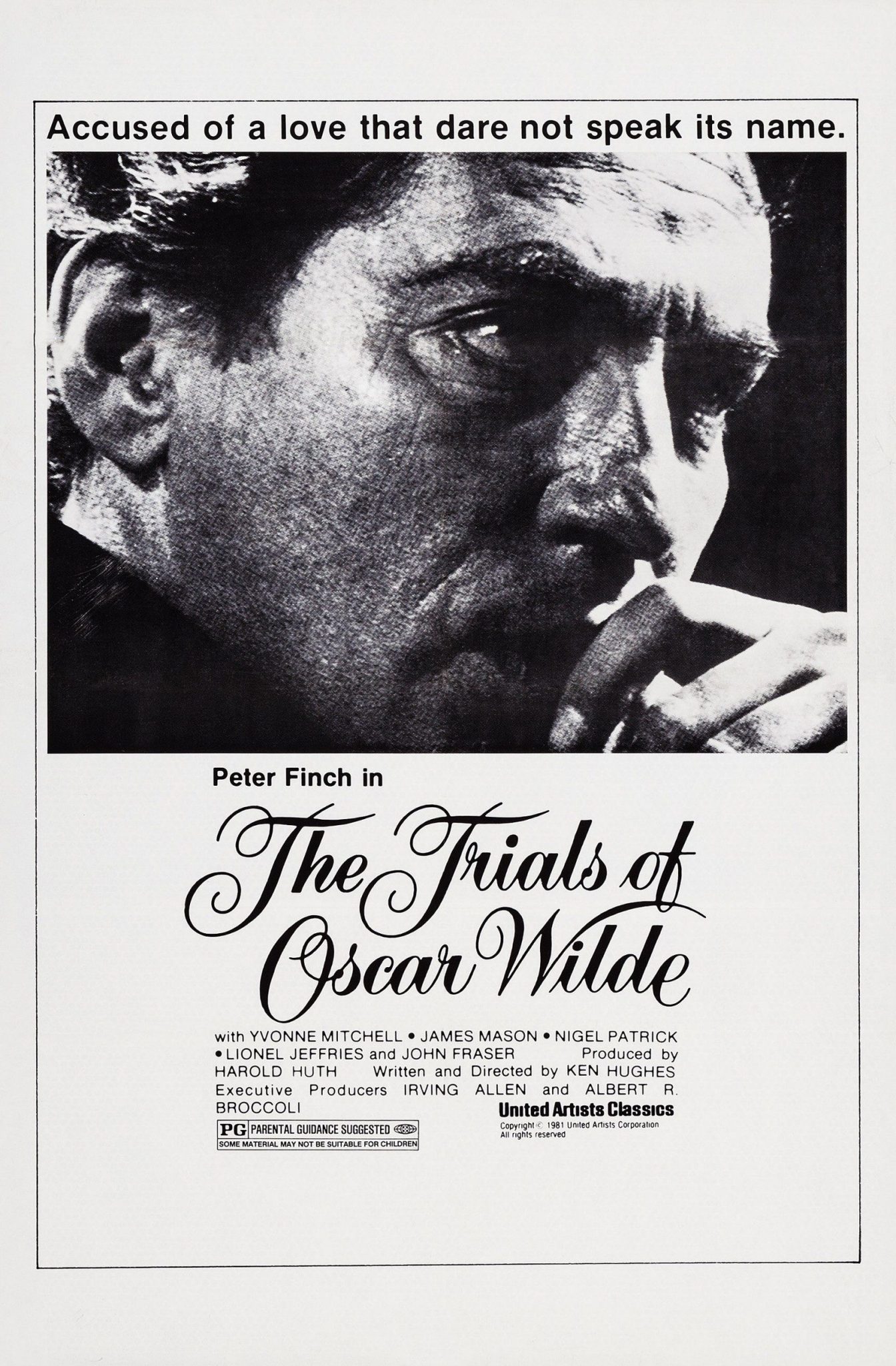
Fraser’s star was on the rise again when he appeared in the biopic The Trials of Oscar Wilde (1960) as Lord Alfred Douglas, known as “Bosie”, poet lover of Peter Finch’s title character. One critic praised his “suitably vain, selfish, vindictive and petulant” portrayal of the Marquis of Queensberry’s son.

Fraser, who acted opposite Hollywood legends such as Sophia Loren over the years, believed his own homosexuality held back his career in an industry where discretion was paramount during the days when it was illegal.


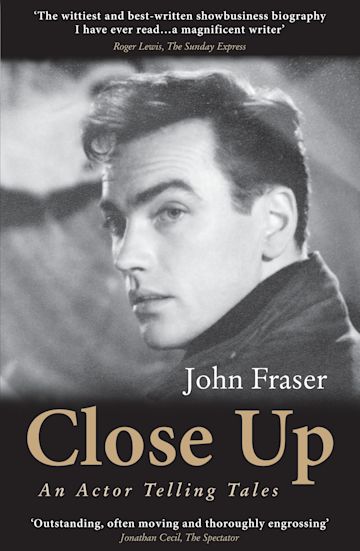
In Close Up: An Actor Telling Tales, his 2004 autobiography, Fraser spilled the beans on his own sexual exploits and those of some of the film world’s most famous names.

He had a six-week fling with Russian ballet dancer Rudolf Nureyev that ended only when his agent told him: “If you don’t stop this madness instantly, your career will be over!”

Producer Jimmy Woolf had “taken a serious shine” to Fraser, according to the actor’s memoirs, and showered him with presents while considering who to cast in the title role of Lawrence of Arabia (1962), the epic directed by David Lean. He resisted the advances and Woolf gave the part to Peter O’Toole.

Meanwhile, he wrote, Woolf was known to be the lover of Laurence Harvey, who “kept marrying to further his career”.

Living a lie like this made Fraser want to shun Hollywood and, while promoting The Good Companions in Los Angeles, he turned down an offer by an American producer to further his career.

He observed how having different private and public personas affected one major star’s life when, in the late 1950s, he was invited to supper at the mansion of Dirk Bogarde, who kept out of the public eye his long-term relationship with Tony Forwood, whom he simply described as his business manager.

“Do you and Tony still make love?” Fraser asked Bogarde, who replied: “We’ve been together a long time. Now, we’re like brothers.” So Fraser asked what the star did for sex – embark on casual affairs, perhaps? “God, no,” said Bogarde. “How could I possibly in my position? I can’t go anywhere without being recognised.”

Then, Bogarde took Fraser to the loft to reveal his pride and joy, a Harley-Davidson motorcycle standing on a plinth – his substitute for sex.

Fraser confronted his own sexuality by visiting a brothel and consulting a psychiatrist with the idea of changing his sexual orientation but eventually resigned himself to being what was then described euphemistically as a “confirmed bachelor”.

He saw his career out in television and brought his intelligent insights to print as the author of several novels and autobiographical books.

John Alexander Fraser’s life began in poverty on a Glasgow council estate in 1931. At the age of 11, he was sexually abused by a soldier.

Two years later, the death of his father, John, an alcoholic who ran an engineering business until being hospitalised, was followed within six months by that of his mother, Christina (née MacDonald). He and his two sisters were brought up by an aunt.

On leaving Glasgow High School aged 16, he joined the city’s Park Theatre company as an assistant stage manager and was soon landing acting parts.

Following national service as a lieutenant in the Royal Corps of Signals on the Rhine, he became a member of the new Pitlochry Festival Theatre company, set up by the director of the Park Theatre after its closure.

In 1952, Fraser made his television debut by starring as David Balfour in a BBC serialisation of Kidnapped.

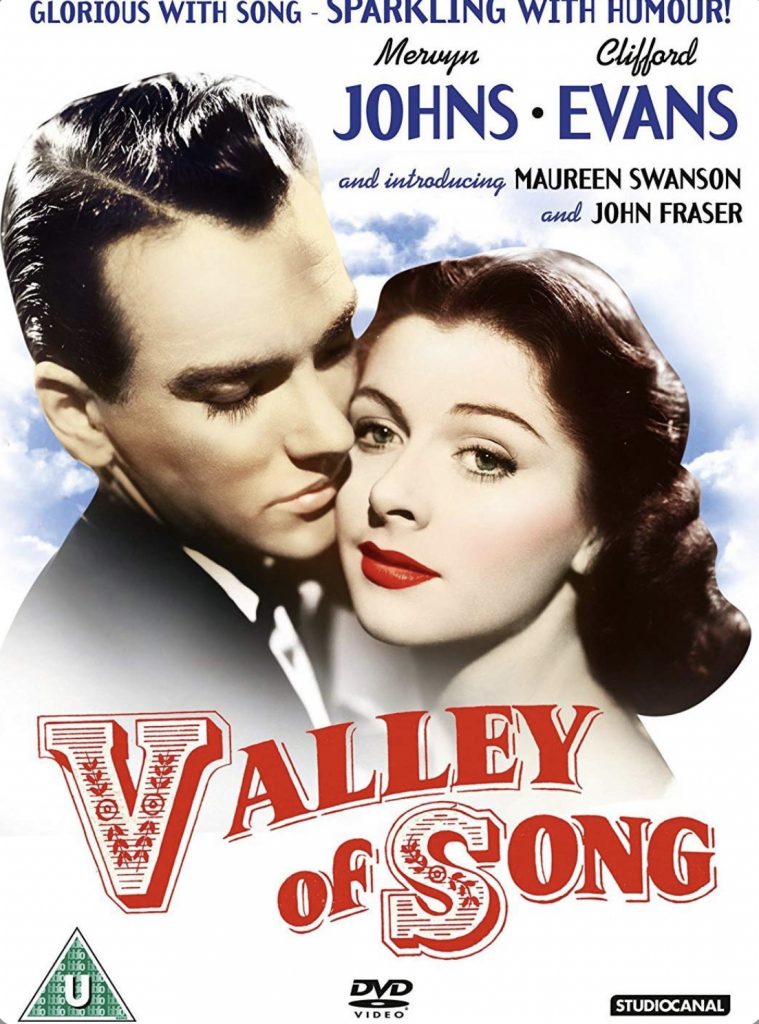
It led to a seven-year contract with the Associated British Picture Corporation, which thrust him into the spotlight in Valley of Song (1953), romancing Maureen Swanson, a fellow Glaswegian who later became a lord’s wife.

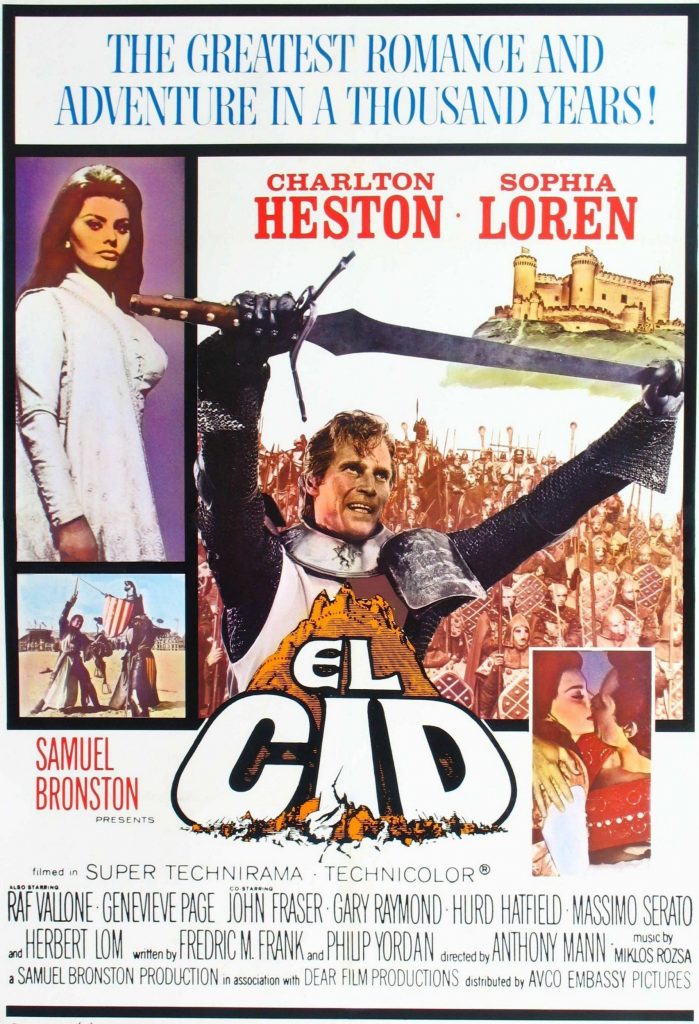
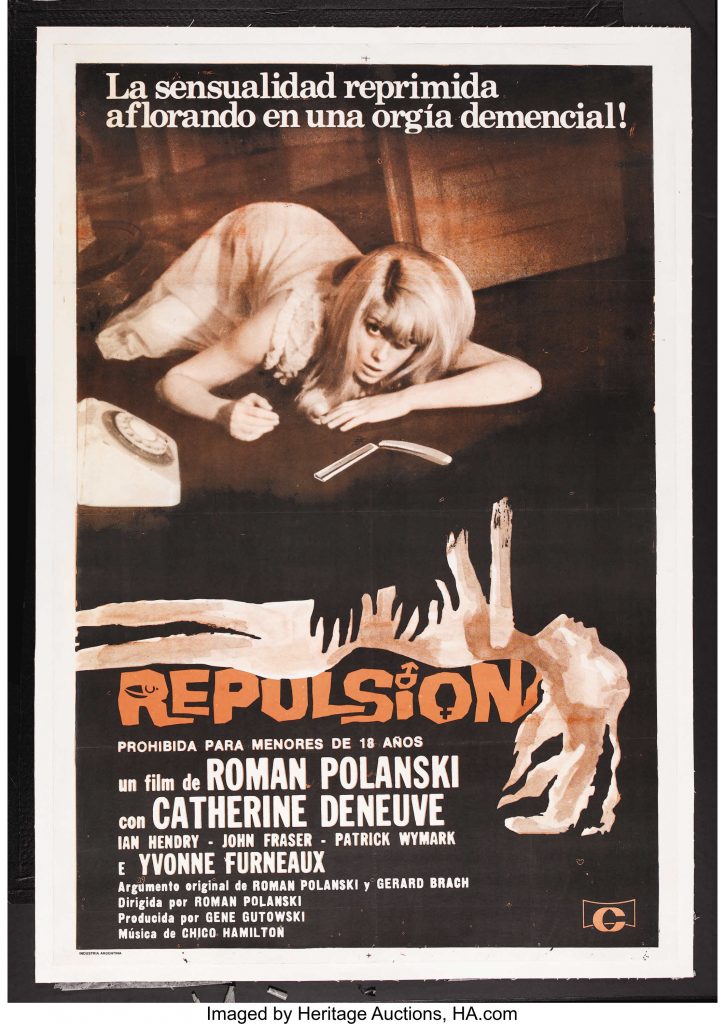
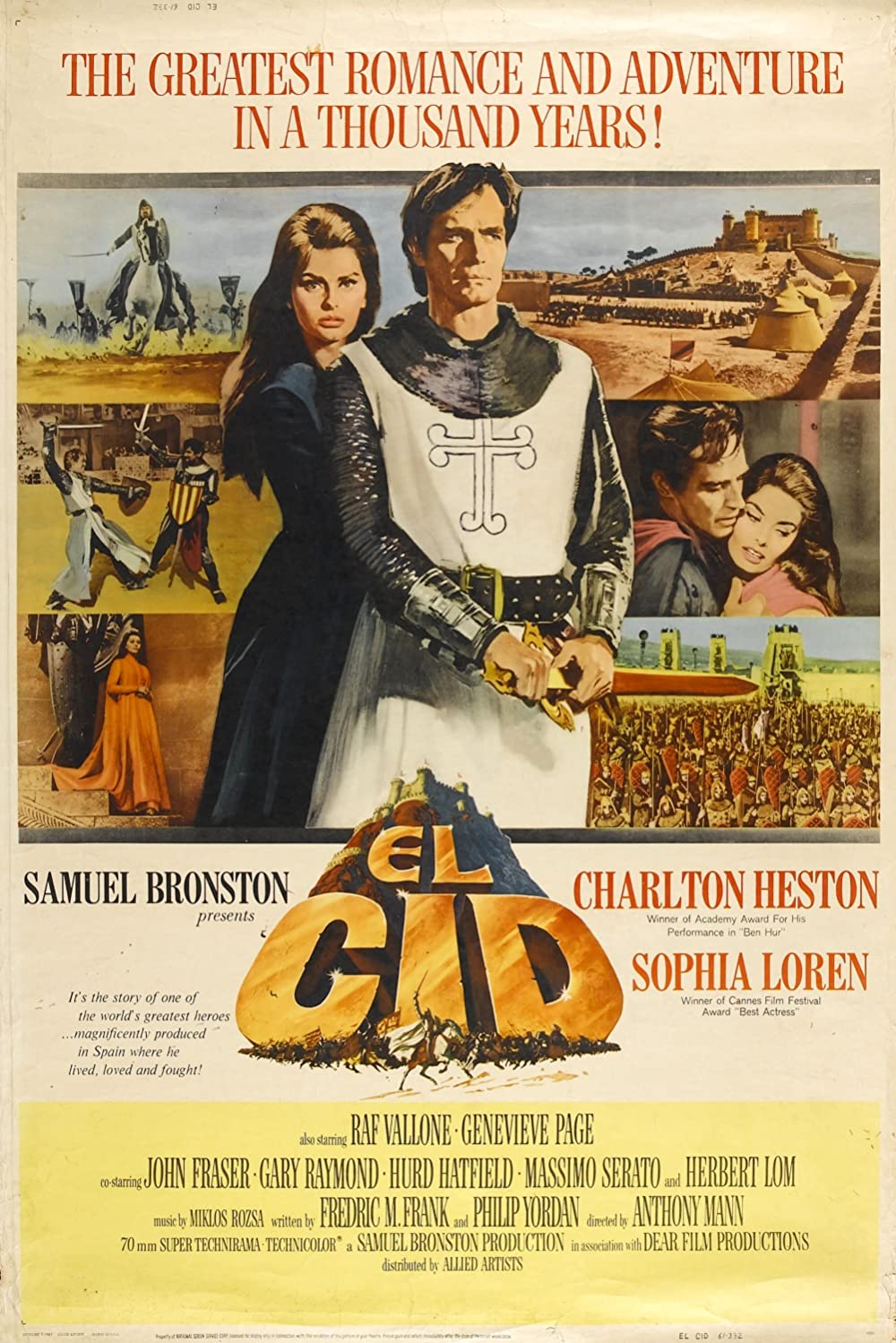
Fraser’s other significant film roles included a Scottish piper in Tunes of Glory (1960), alongside Alec Guinness and John Mills; Prince Alfonso in El Cid (1961); and Catherine Deneuve’s ill-fated suitor in the psychological thriller Repulsion (1965), directed by Roman Polanski.
On stage, he gained valuable experience in the classics during two seasons at the Old Vic, London (1955-57), with parts that included Claudio in Much Ado About Nothing.

There were also starring roles in the West End, but Shakespeare became his lasting love. In 1976, he was a founder member of the London Shakespeare Group, directing the actors on annual tours abroad, funded by the British Council.

His 1978 book The Bard in the Bush recounted a tour of Africa, when costumes and props for five plays were typically carried in one trunk, which doubled as the set.

Fraser also devised his own one-man stage show, JM Barrie: The Man Who Wrote Peter Pan, performed at the National’s Olivier Theatre in 1998.
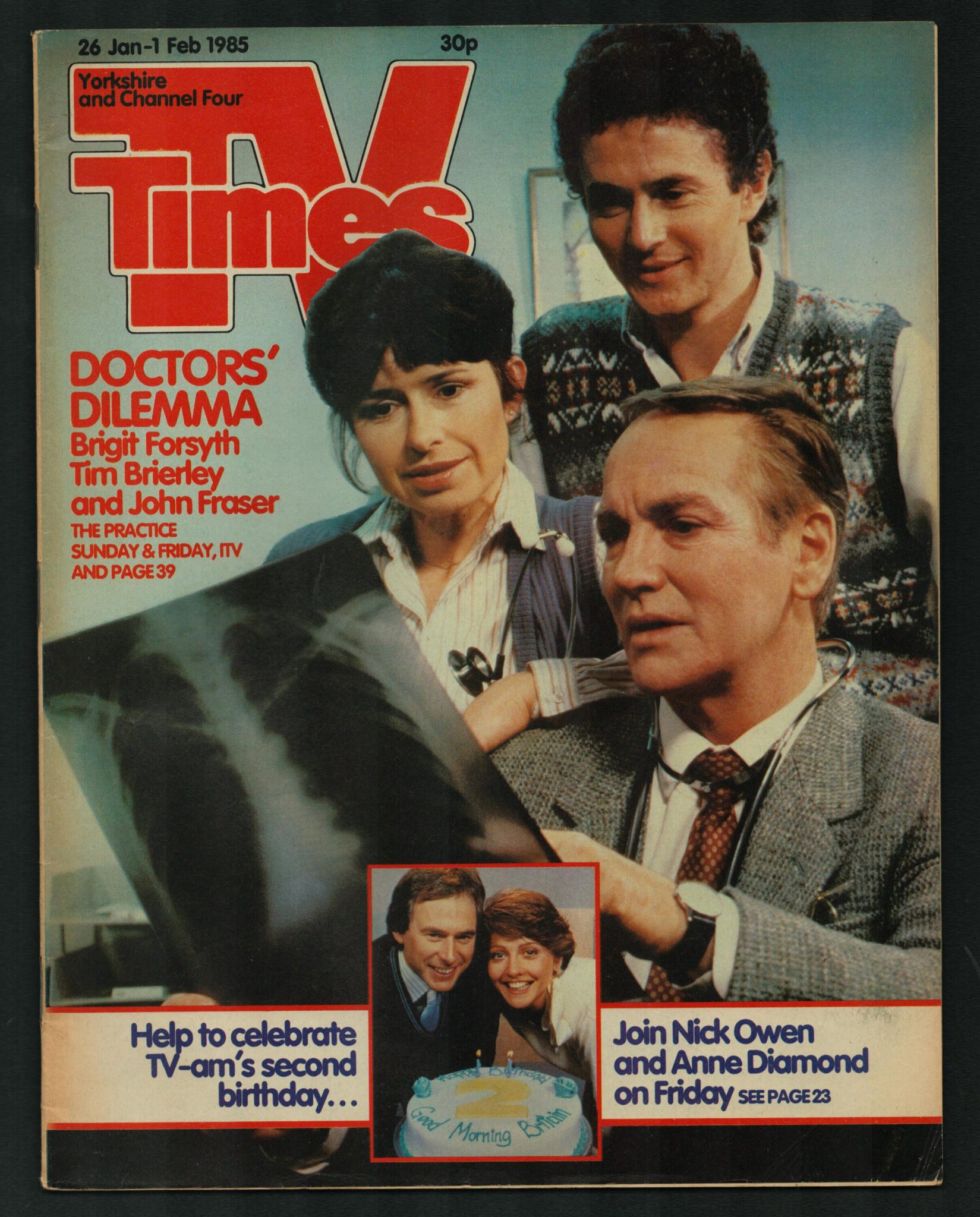
His TV roles included Julius von Felden in A Legacy (1975), Lieutenant Commander “Monty” Morgan in Thundercloud (1979) and Dr Lawrence Golding in The Practice (1985-86).

By the middle of the 1990s, he had retired to Tuscany and La Contadina, the 10-room mountain-top house near Cortona that he bought in 1971, having fallen in love with Italy while playing Hedy Lamarr’s young lover in the 1954 film L’Amante di Paride (Loves of Three Queens).

“I loved the paintings, the towns, the soupy music of Puccini and Verdi and, above all, the people,” he said.

Fraser, who returned permanently to the UK in 2010, is survived by Rodney Pienaar, an artist and his partner of 42 years.

John Fraser, actor and author, born 18 March 1931, died 7 November 2020

Career overview

John Fraser (1931–2020) was a Scottish actor whose career spanned more than five decades, moving from 1950s British cinema into television, theatre, and writing. Though not quite a household name, Fraser carved out a distinctive place in postwar British film—often playing sensitive, conflicted young men in an era when British masculinity was being re‑examined—and later became a respected stage performer and memoirist.


Early life and emergence

Born in Glasgow, Fraser trained at the Royal Academy of Dramatic Art (RADA) and began acting professionally in the early 1950s. Like many RADA graduates of that generation, he entered the industry at a moment when British cinema was opening to realism and youth. His early work combined stage refinement with a naturalistic screen presence, and his looks and serious demeanor made him a regular choice for romantic or idealistic leads.

He made early screen appearances in films such as The Good Die Young (1954) and The Dam Busters (1955), often in supporting parts that highlighted wholesome decency. By the late 1950s he had become a regular leading man in British films, especially those made within the Rank Organisation’s stable of handsome young actors.


Breakthrough and 1960s prominence

Fraser’s breakthrough came with The Trials of Oscar Wilde (1960), in which he played Lord Alfred “Bosie” Douglas opposite Peter Finch’s Wilde. The part required a daring blend of romantic charm and destructive narcissism; Fraser’s performance, at a time when homosexuality was still illegal in Britain, was remarkably restrained and sympathetic. Many critics regard it as his finest film work, and it remains one of the earliest nuanced treatments of same‑sex relationships in mainstream British cinema.

Other significant films from this period included The Warrior Empress (1960), El Cid (1961) — where Fraser appeared alongside Charlton Heston and Sophia Loren — and Repulsion (1965), in which Roman Polanski cast him as Colin, the amiable would‑be suitor to Catherine Deneuve’s traumatized heroine. In Repulsion, Fraser’s combination of empathy and frustration added human realism to a nightmarish scenario. Critics singled out his performance as one of the film’s emotional anchors.

Throughout the 1960s Fraser showed a knack for supporting roles that offset the extravagance of bigger cinematic gestures: he grounded melodrama in psychology. He also made regular television appearances and kept a stage presence, performing in West End and touring productions of both classical and modern plays.


Stage work and later screen career

Fraser’s stage career was extensive and often underrated. He performed in Shakespeare, Ibsen, and modern works, including stints with the National Theatre and regional repertory companies. His stage work reflected his versatility: equally comfortable in drawing‑room comedy, psychological drama, or character pieces.

He remained visible on screen through the 1970s and 1980s, shifting naturally into character roles. Notable later credits include Isadora (1968), The Tamarind Seed (1974), and television series such as The ProfessionalsDoctor WhoMidsomer Murders, and The Bill. Fraser brought the same dignified restraint to these appearances that marked his earlier leads, turning supporting parts into memorable character studies.


Author and advocate

Outside acting, Fraser became known for his 2004 memoir Close Up, an unusually candid and witty reflection on his career and on being a gay man in mid‑century British cinema. It offered one of the most insightful first‑hand accounts of the hypocrisies and limitations of the old “star system” and an era of social repression. His cultural contribution extends beyond performance; he helped document, with intelligence and humor, the shifting cultural terrain that actors of his generation navigated.


Acting style and on‑screen qualities

  • Sensitivity and restraint: Fraser rarely overplayed emotion; his power lay in understatement. Even when characters were naïve or tormented, he played them with quiet dignity.
  • Moral intelligence: He projected intelligence and decency, making him ideal for sympathetic roles in moral dramas.
  • Versatility within range: Though sometimes pigeonholed as “earnest,” he could convincingly portray villains, lovers, or tragic figures thanks to precise vocal control and subtle expressivity.

Critics admired his credibility—he always seemed truthful within the frame. In period pieces he offered modern emotional realism, and in realism he lent a touch of poetic gravity.


Limitations and career challenges

Fraser himself reflected that good looks and middle‑class diction, though assets early on, made producers hesitant to cast him in rougher or more varied parts. The rise of grittier, working‑class antiheroes in the late 1960s reduced demand for his type of polished sensitivity. Unlike contemporaries such as Albert Finney or Tom Courtenay, he did not reinvent himself as a radical “New Wave” figure.

Nevertheless, he maintained career longevity by moving across media—film, television, and theatre—demonstrating professional adaptability if not superstardom.


Legacy and evaluation

John Fraser’s career encapsulates the quiet professionalism of mid‑century British acting: refined, emotionally intelligent, and committed to craft over celebrity. His early performances in The Trials of Oscar Wilde and Repulsion remain touchstones of subtle and courageous screen work. Later, his memoir ensured his place as both witness and participant in a major cultural transition—from closeted conservatism to greater openness in the arts.

He may not have reached the fame of contemporaries like Dirk Bogarde or Laurence Harvey, but his longevity, honesty, and finely tuned performances earned him deep respect among peers and critics. In retrospect, Fraser stands as a representative of a generation of actors who bridged classic postwar cinema and modern psychological realism, leaving behind a body of work marked by integrity, thoughtfulness, and quiet daring.

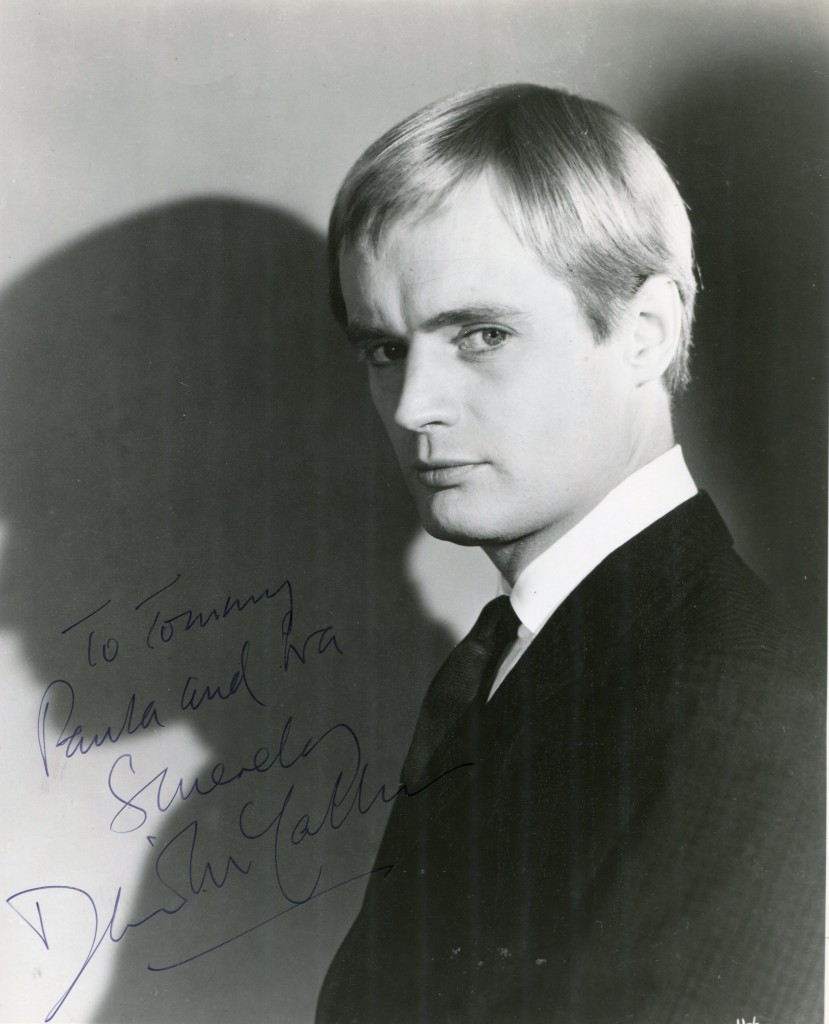
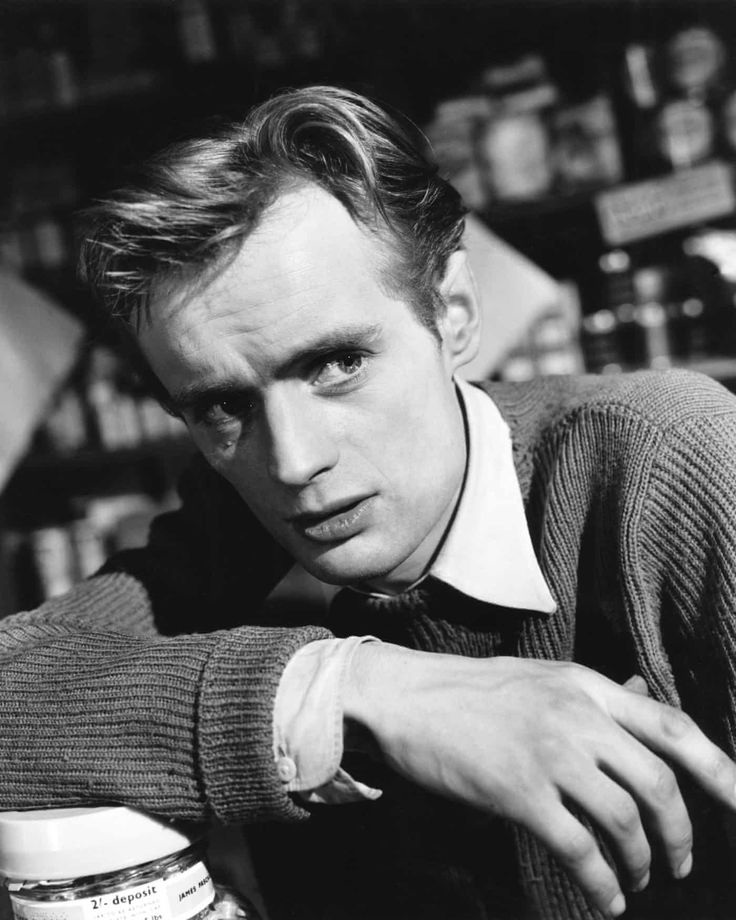
David McCallum

DAVID MCCALLUM. TCM OVERVIEW.

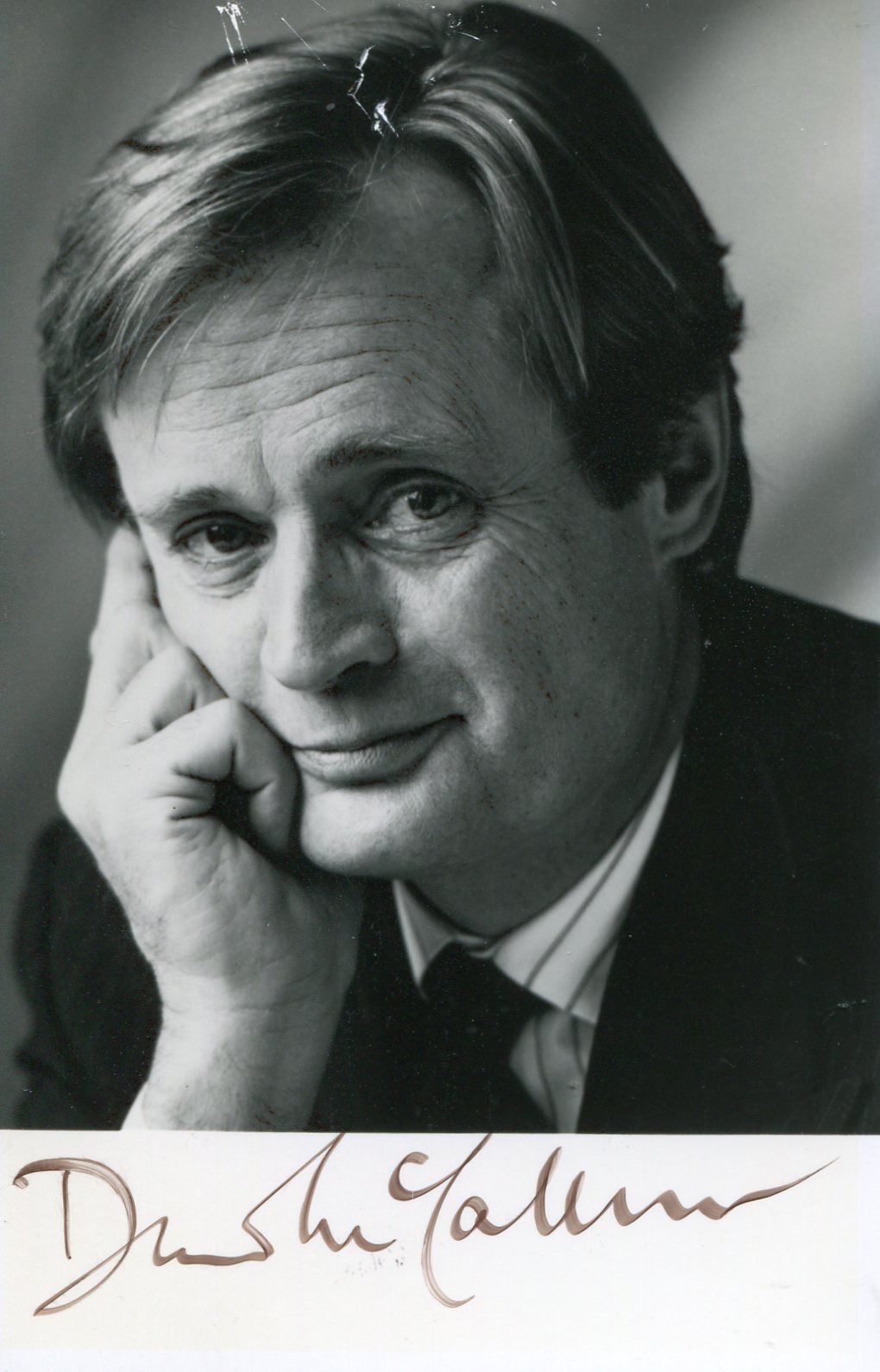
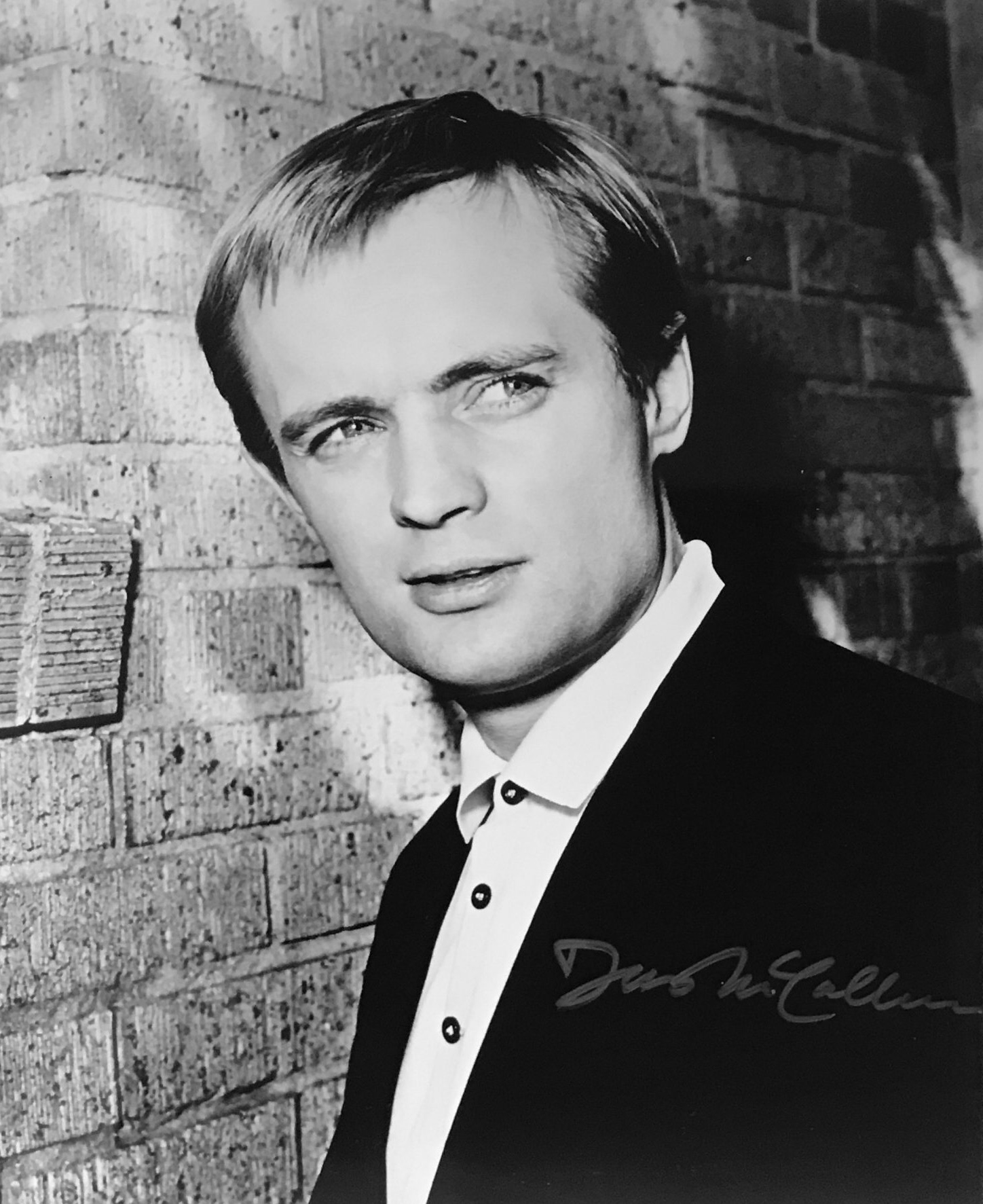
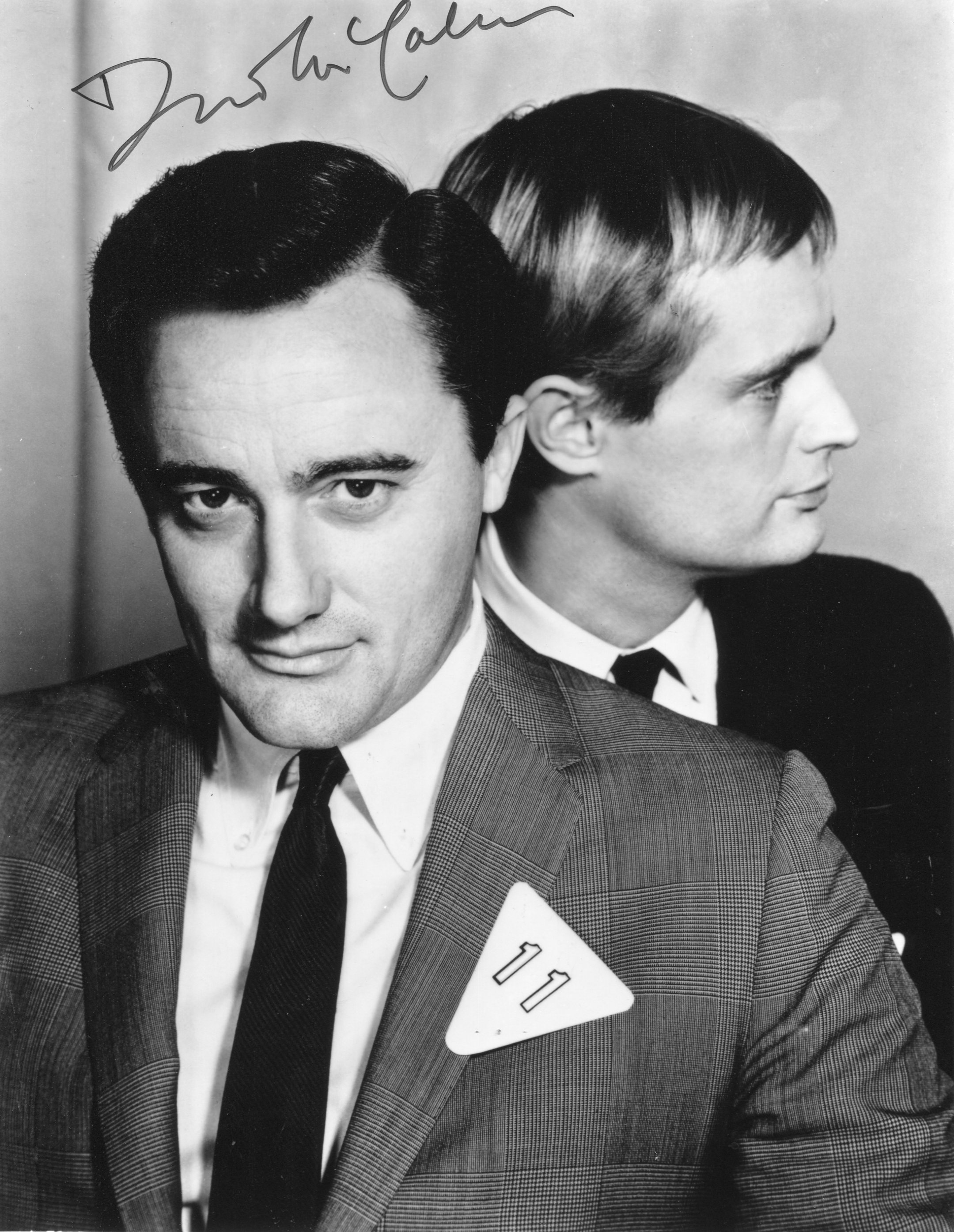
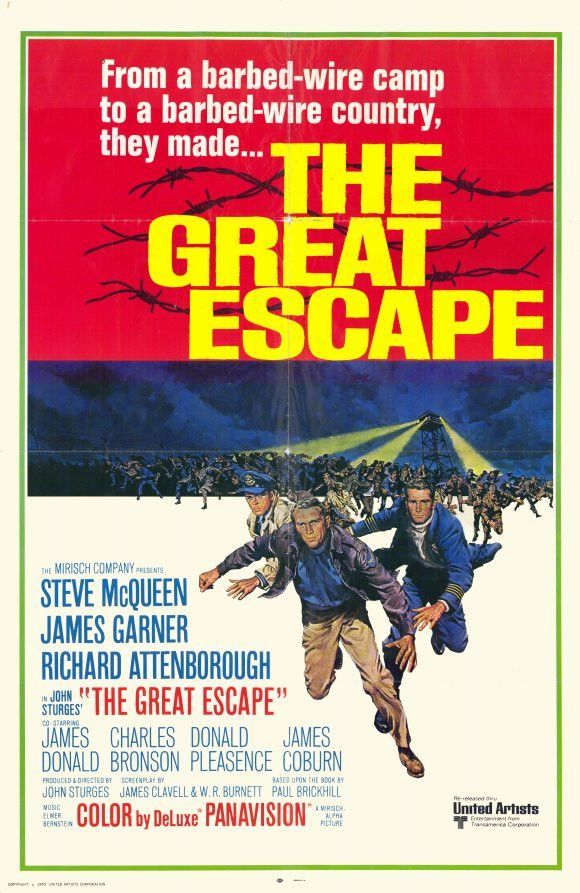
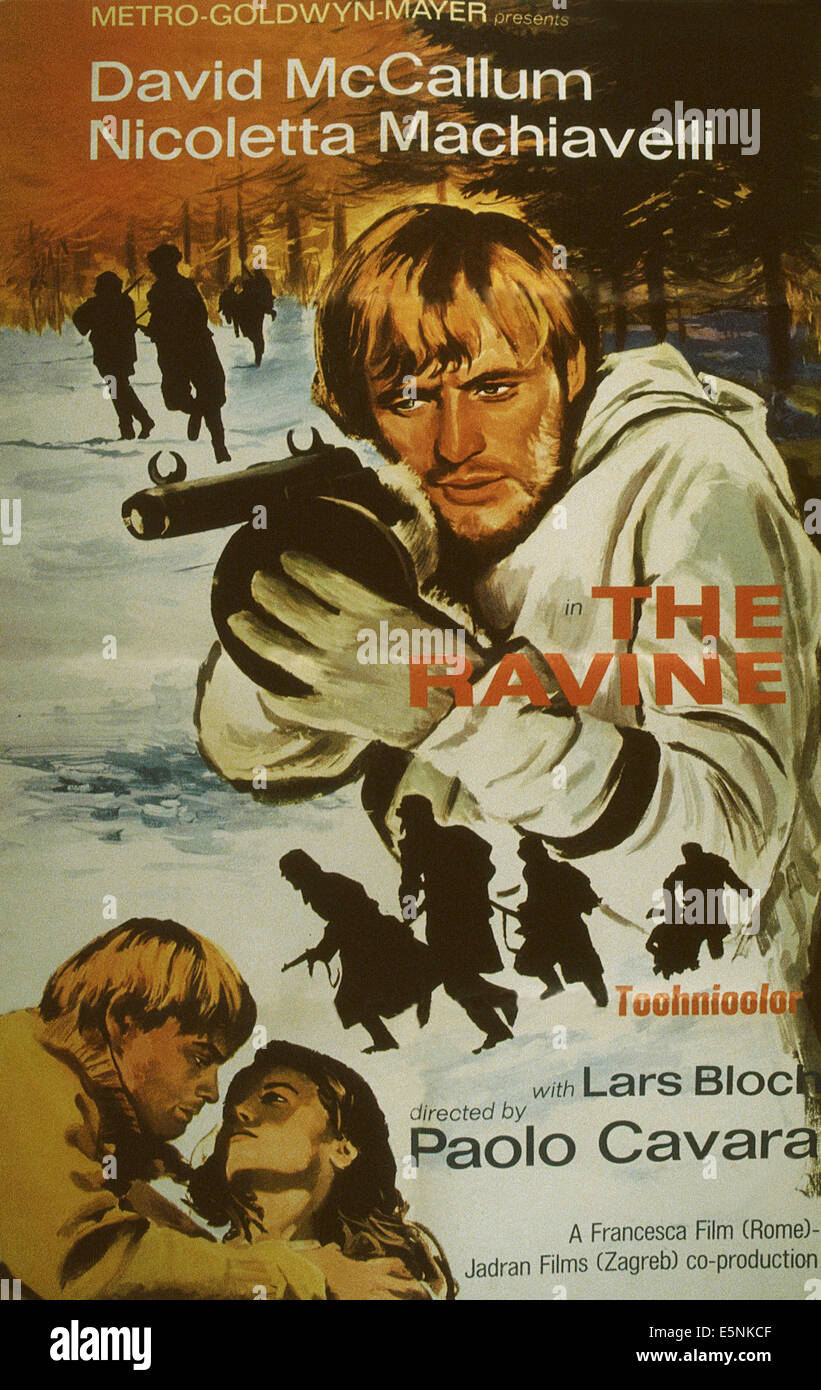
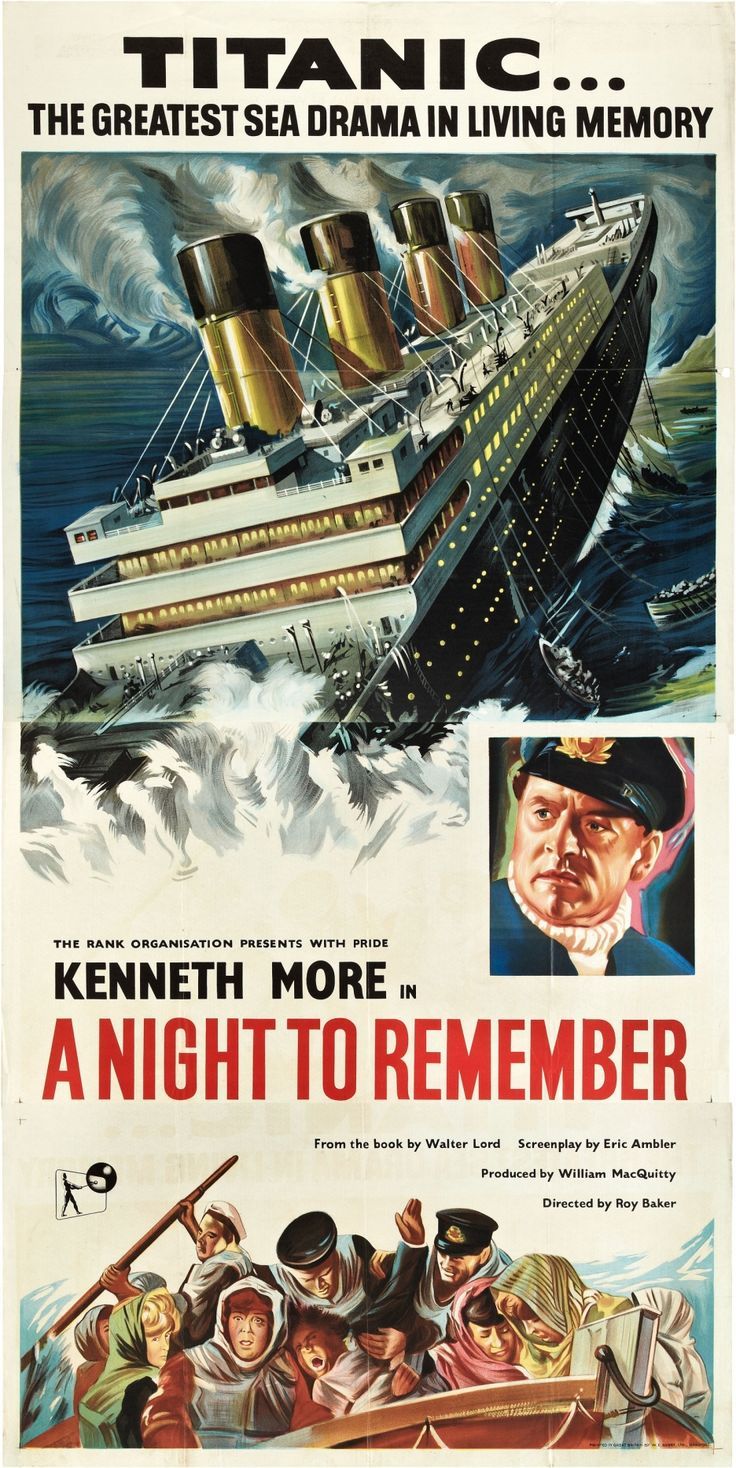
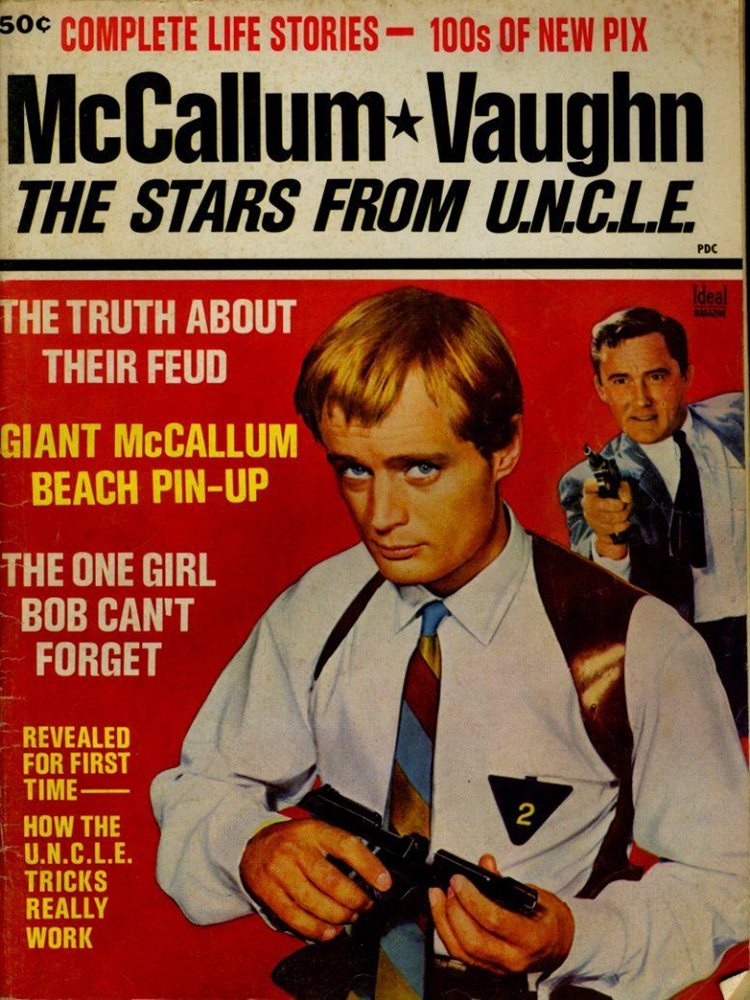
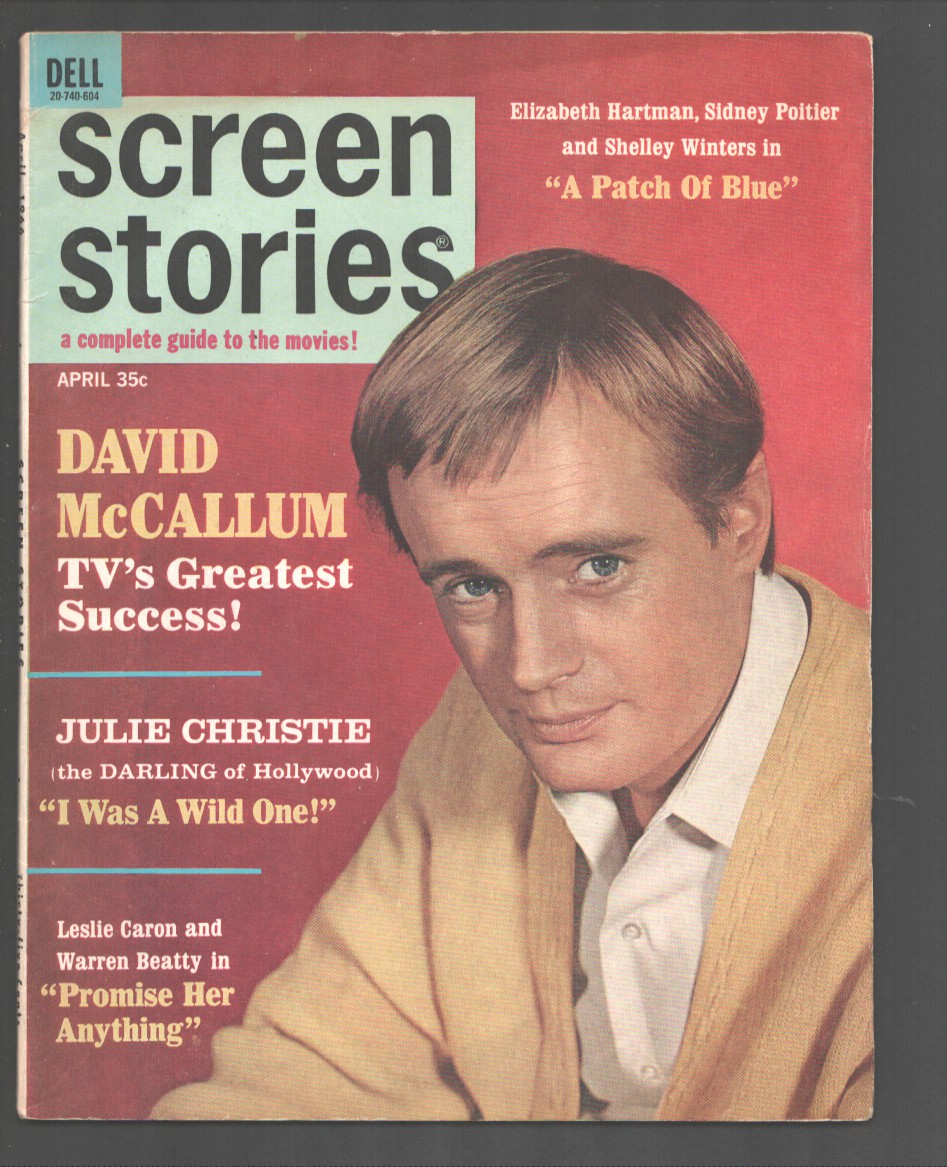
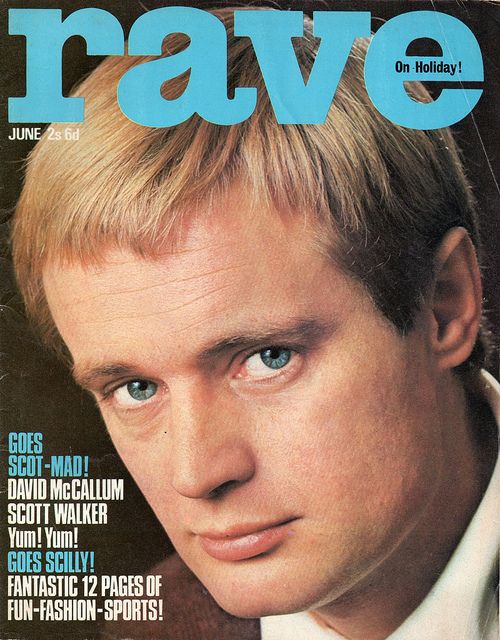
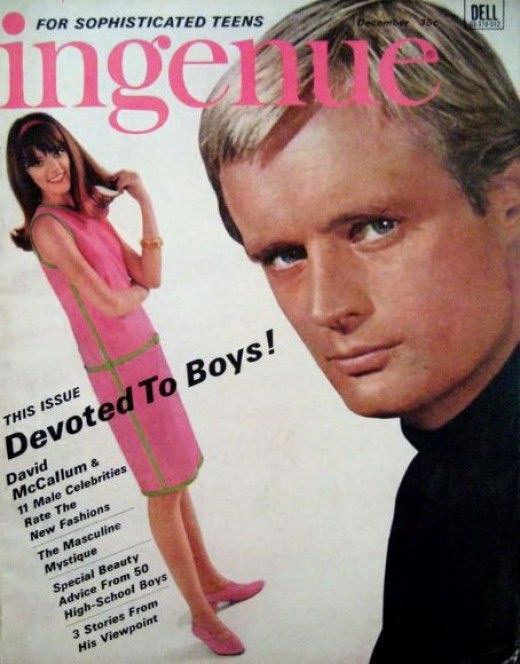
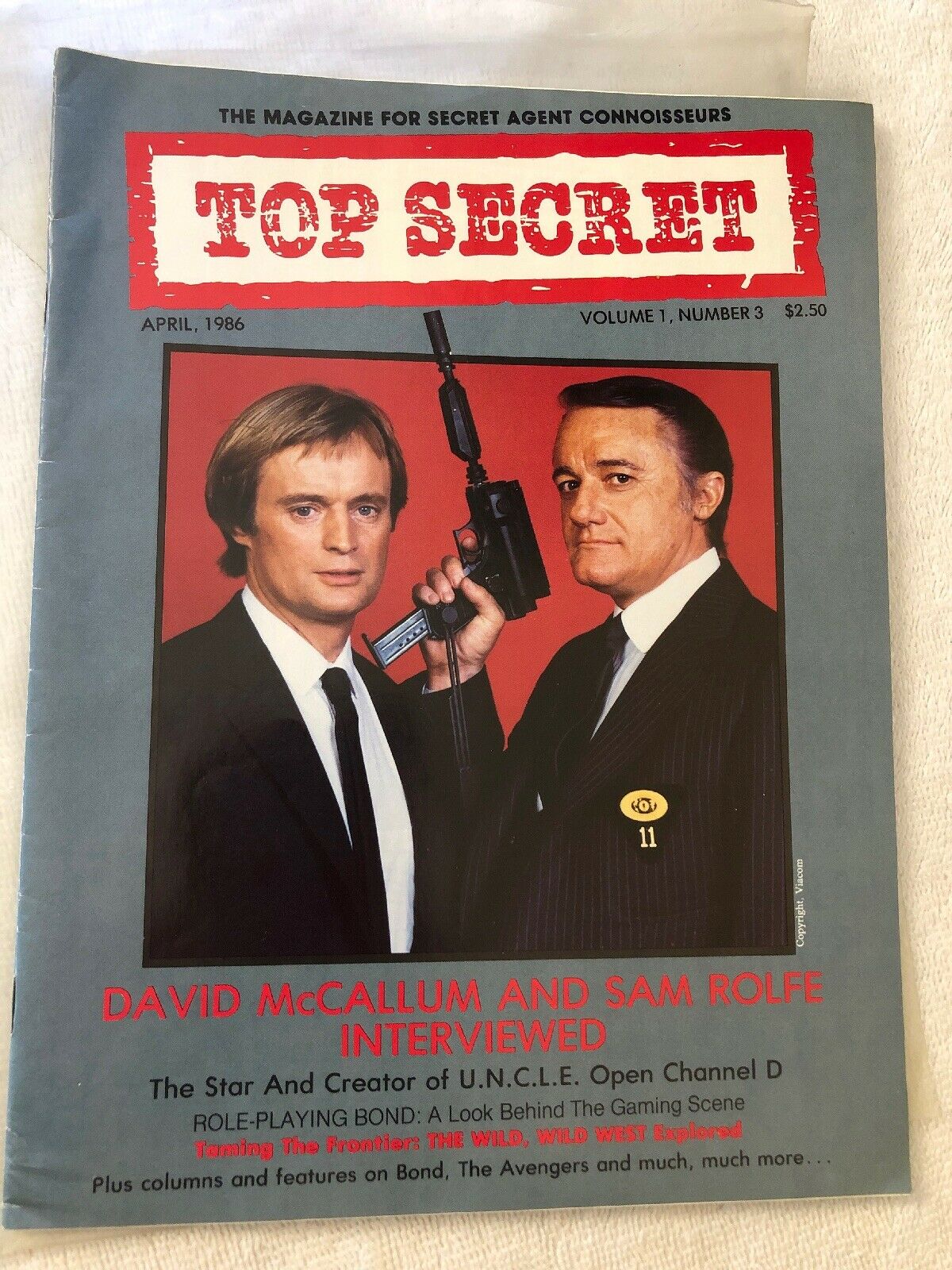
David McCallum was born in 1933 in Glasgow.   He began his career in British films in the 1950’s usually as a skinny sullen juvenile deliquent.In the early 1960’s he went to Hollywood and very soon became enourmously in the television series “The Man from Uncle”.   He has since gone on to have a very lenghty career on television in the United States.   His films include “A Night to Remember”, “Robbery Under Arms” and “The Great Escape”.   Interview with David McCallum here.

TCM Overview:

A thoughtful, intense presence on television in America and his native United Kingdom, David McCallum was a pop culture sensation in the mid-1960s as the suave spy, Illya Kuryakin, on “The Man from U.N.C.L.E” (CBS, 1965-68) and later as the avuncular Donald “Ducky” Mallard on “NCIS: Naval Criminal Service Investigation” (CBS, 2003). The Scottish-born McCallum worked his way up the ranks in British film and television before bursting onto the American scene with “U.N.C.L.E.” His cool charm and blonde good looks made him an immediate TV idol, but failed to translate into stardom after the show left the air. McCallum settled into a steady diet of TV appearances on both sides of the Atlantic, frequently essaying mellowed professorial types or pensive government figures, before scoring his late-inning smash with “NCIS.” The rare performer with two major hits to his credit, McCallum’s image and talent ensured his fame for generations of TV fans.

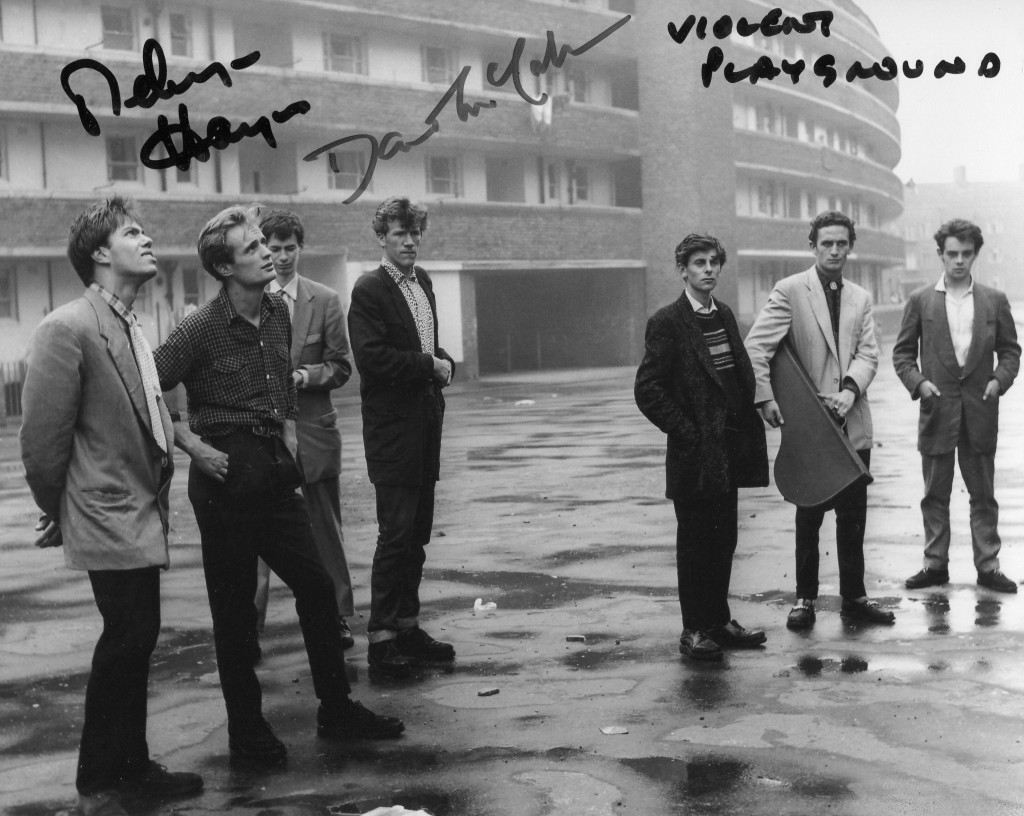
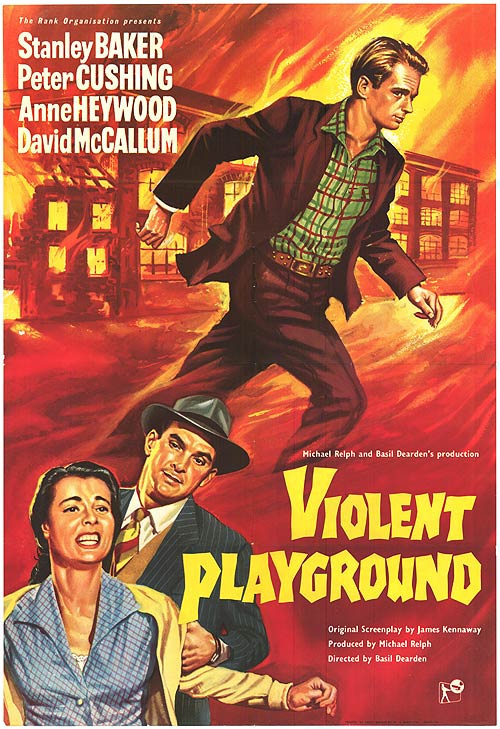
Born David Keith McCallum, Jr. in Glasgow, Scotland on Sept. 19, 1933, he was the son of David McCallum, Sr., the famed principal violinist for numerous orchestras in the United Kingdom, including the Royal Philharmonic Orchestra, and cellist Dorothy Dorman. Both parents encouraged McCallum and his brother Iain, who later became a novelist, to pursue their chosen fields; for McCallum, this was initially the oboe, which he studied at the Royal Academy of Music. But when a performance from Shakespeare’s “King John” at a local theater group yielded a positive response from its audience, he switched his focus to acting while keeping music as a secondary interest. After studying at the Royal Academy of Dramatic Arts, he made his debut in a 1946 BBC Radio production of “Whom the Gods Love, Die Young.” Bit and supporting roles in British features and on television soon followed, often as troubled youth, as benefiting his brooding intensity. Among his more notable turns during his period was in 1958’s “Violent Playground,” where his psychotic gang member is spurred by poverty and rock and roll to take a classroom of school children hostage

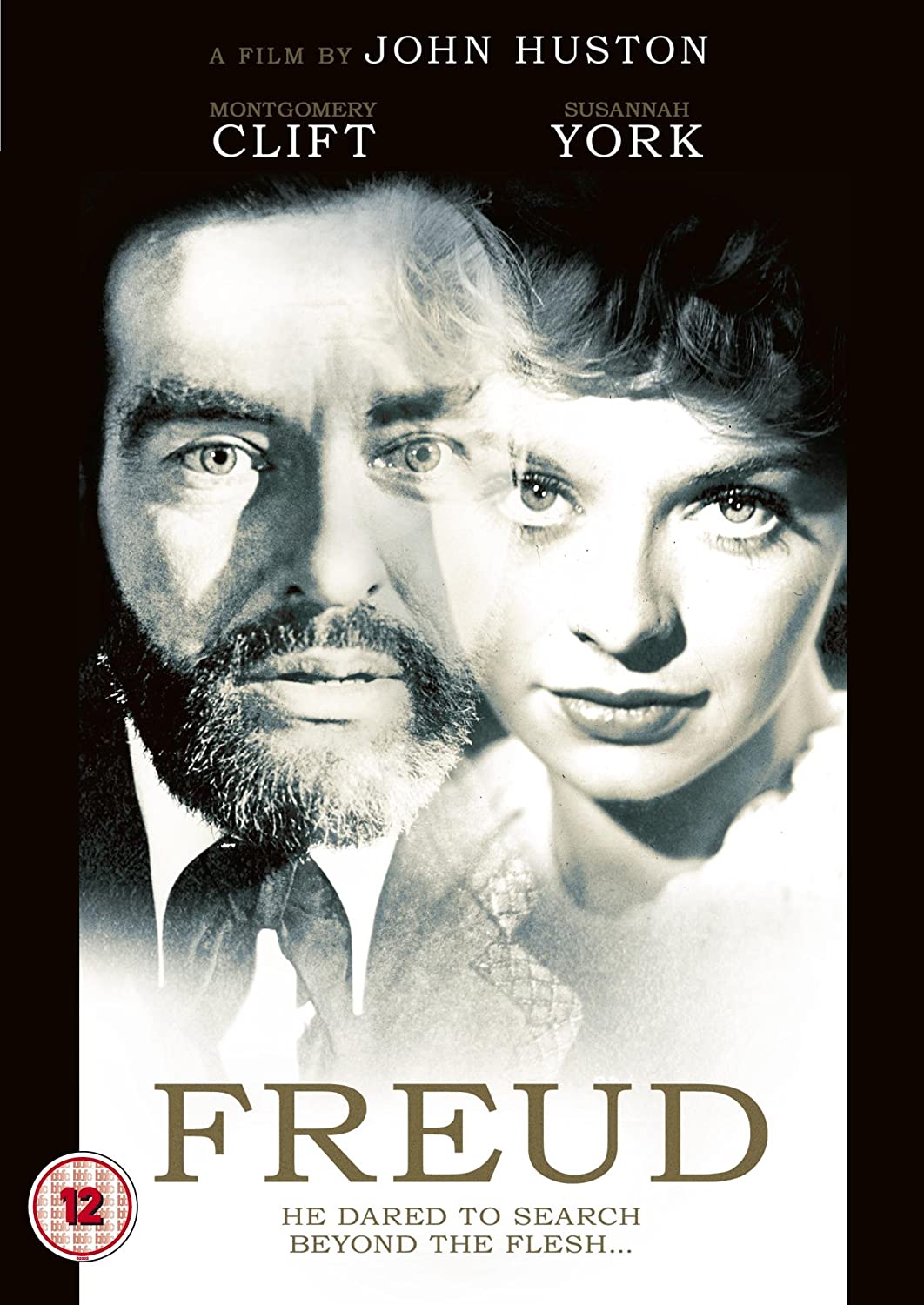
McCallumâ’s American film debut came as the mother-fixated Carl von Schlosser in John Huston’s “Freud” (1962), with Montgomery Clift as the pioneering analyst. The following year, he played Royal Navy Officer Ashley-Pitt, who devised the method of dispersing the dirt from tunnels dug under a POW camp in “The Great Escape” (1963). His co-star in the film, Charles Bronson, later became entangled in a headline-grabbing relationship with McCallum’s wife, actress Jill Ireland. McCallum and Ireland eventually divorced in 1967, which allowed her to marry Bronson. An early American television appearance on “The Outer Limits” (CBS, 1963-65) became one of his most enduring, thanks to the eye-popping makeup applied to McCallum. His character, a bitter Welsh miner, agreed to take part in an evolutionary experiment, which turned him into a hyper-intelligent mutant with a massive domed cranium. The image was memorable enough to make McCallum a go-to for numerous science fiction efforts in the ensuing decades.

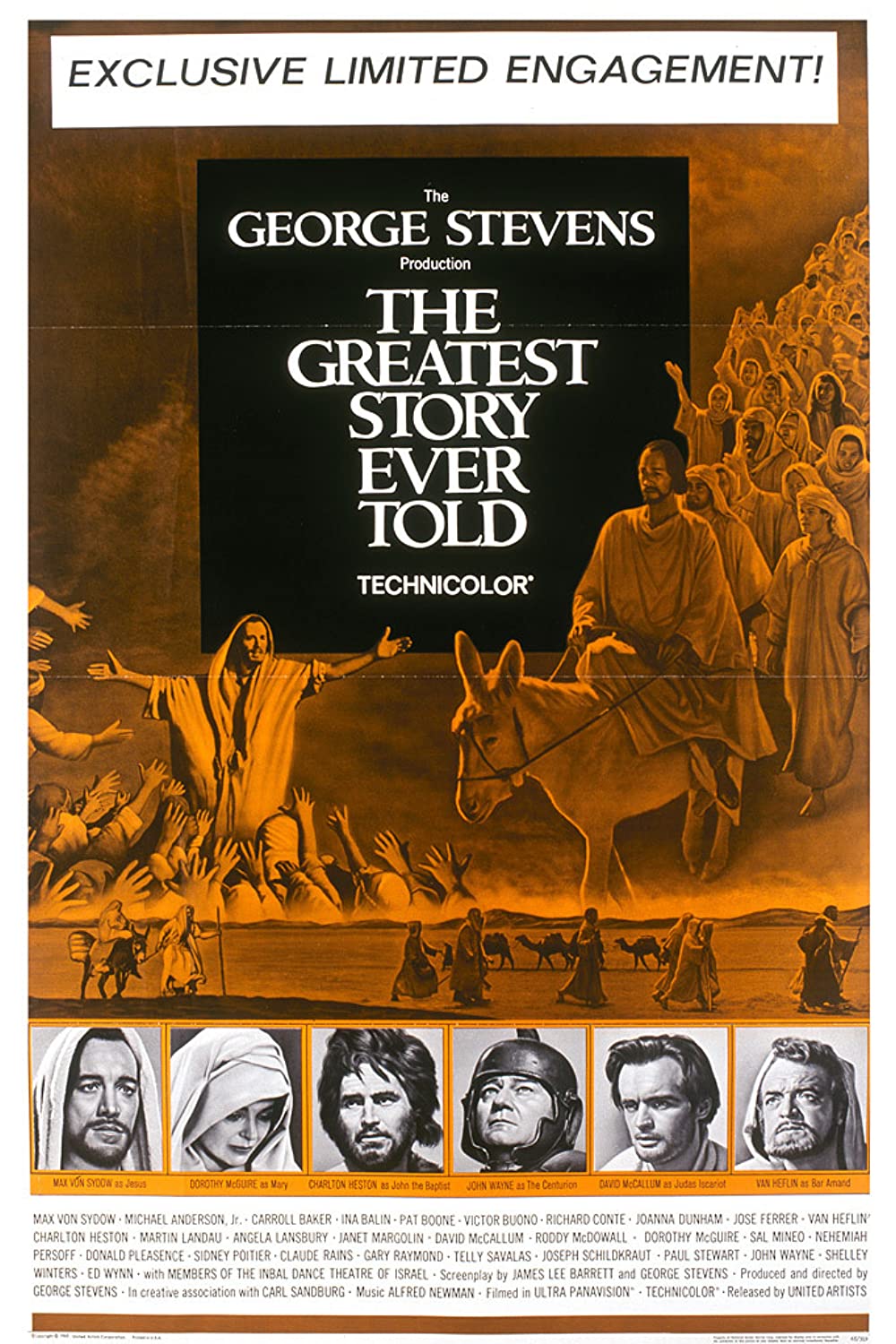
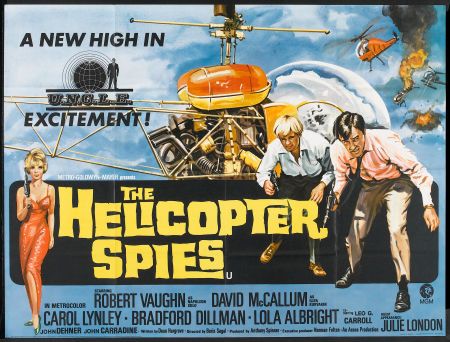
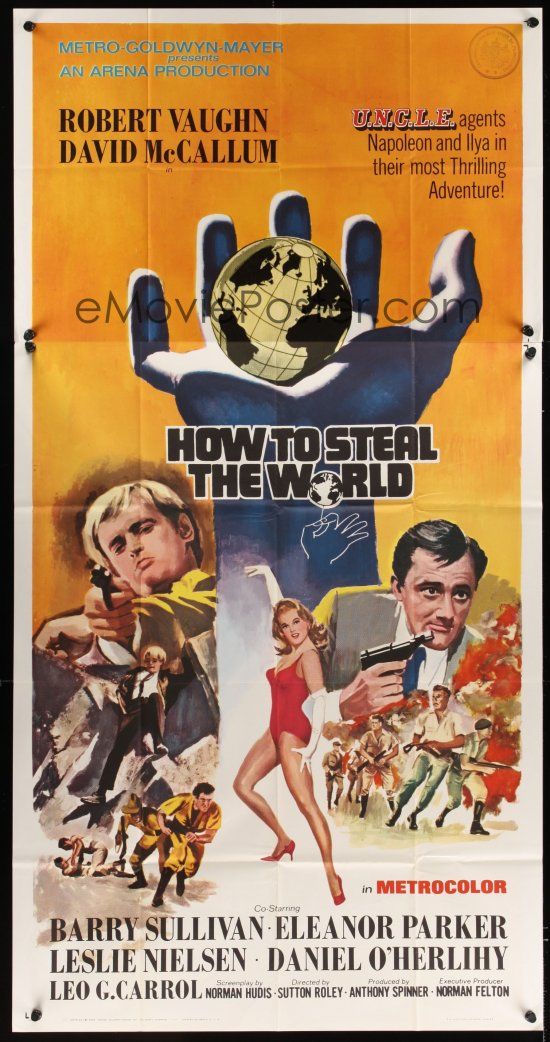
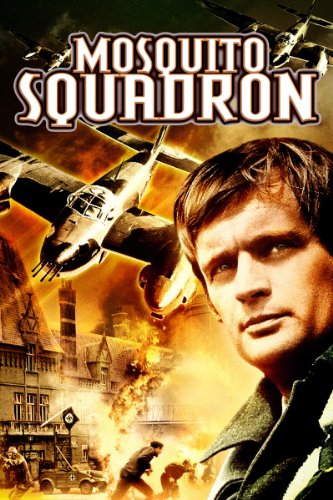
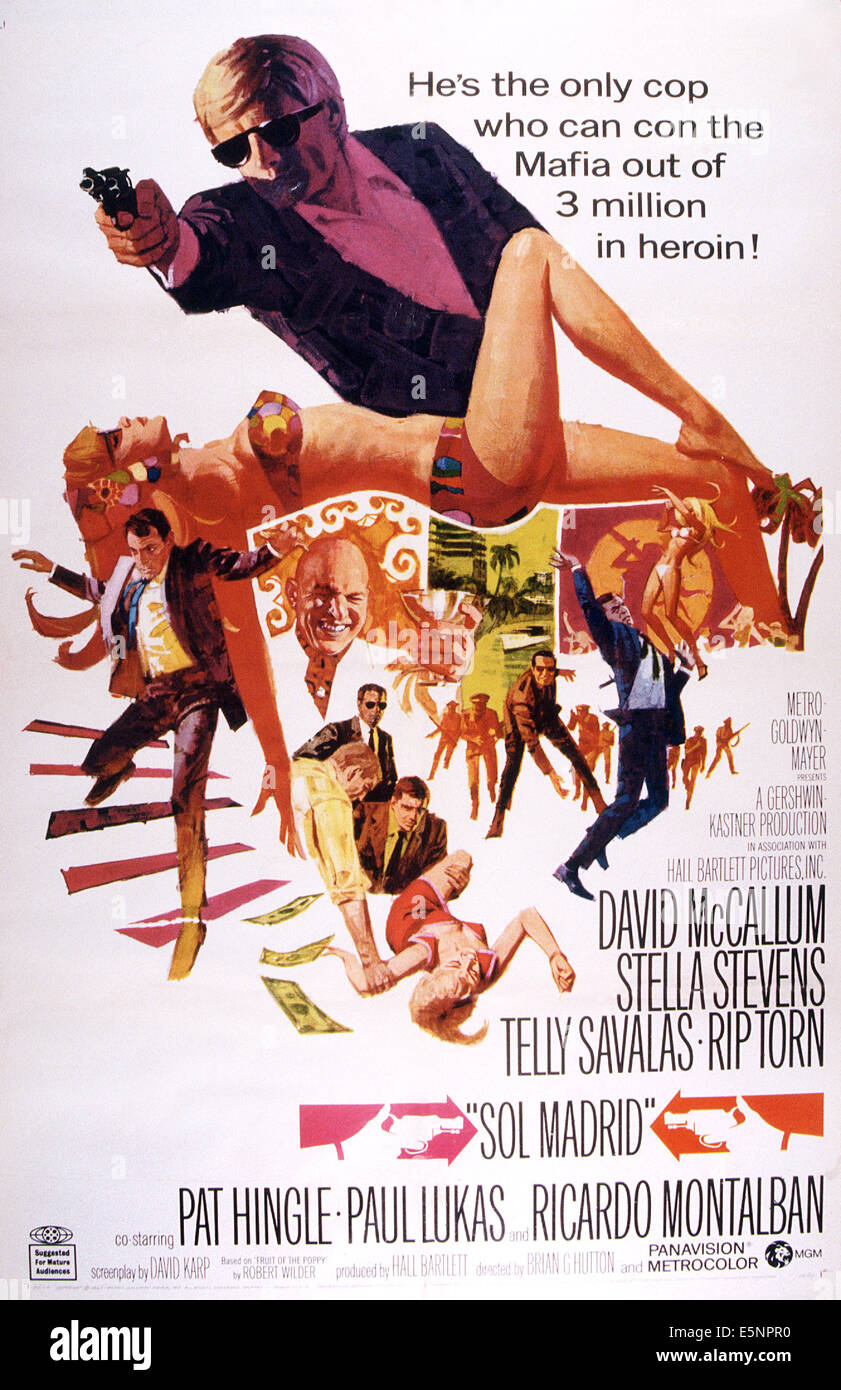
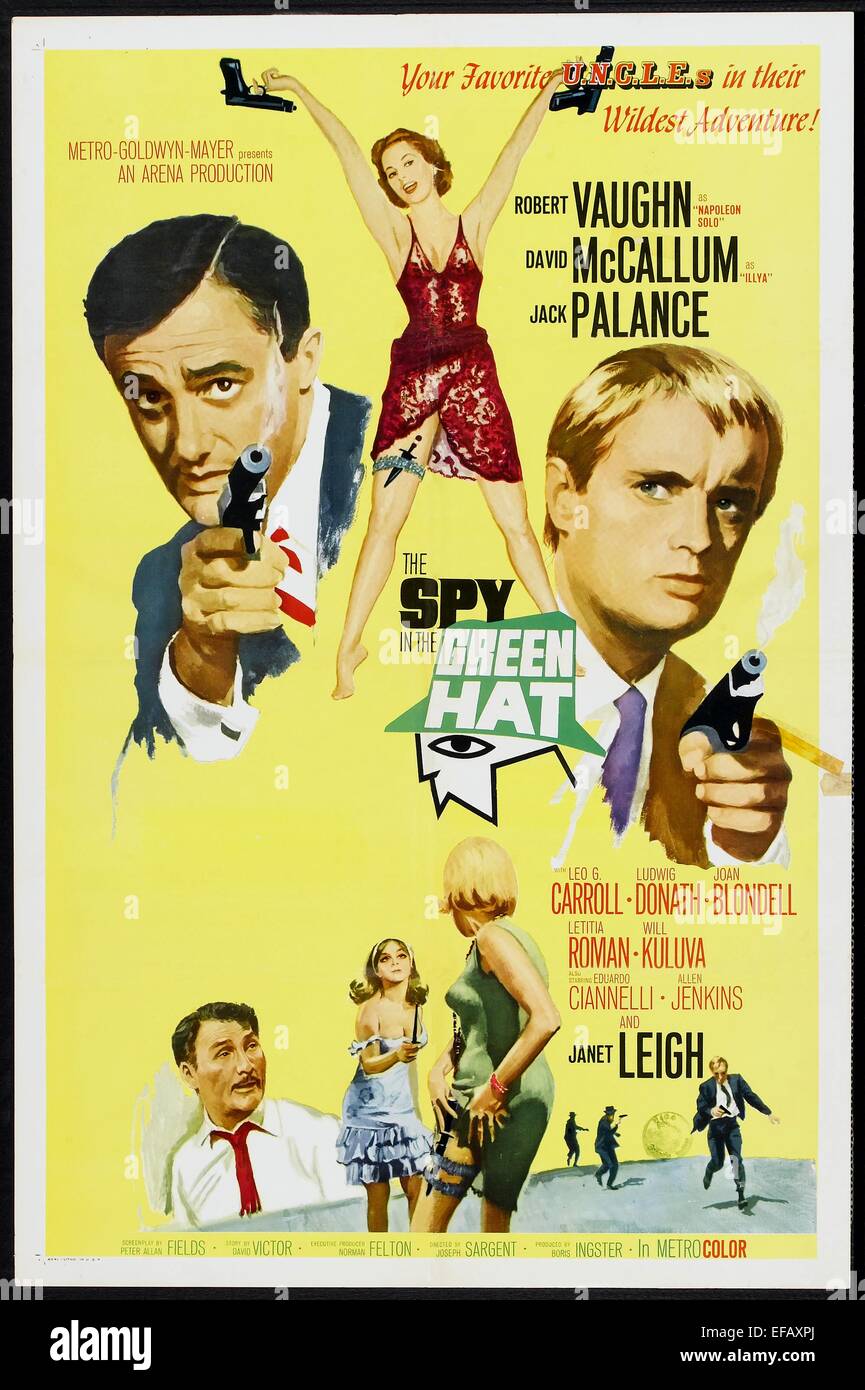
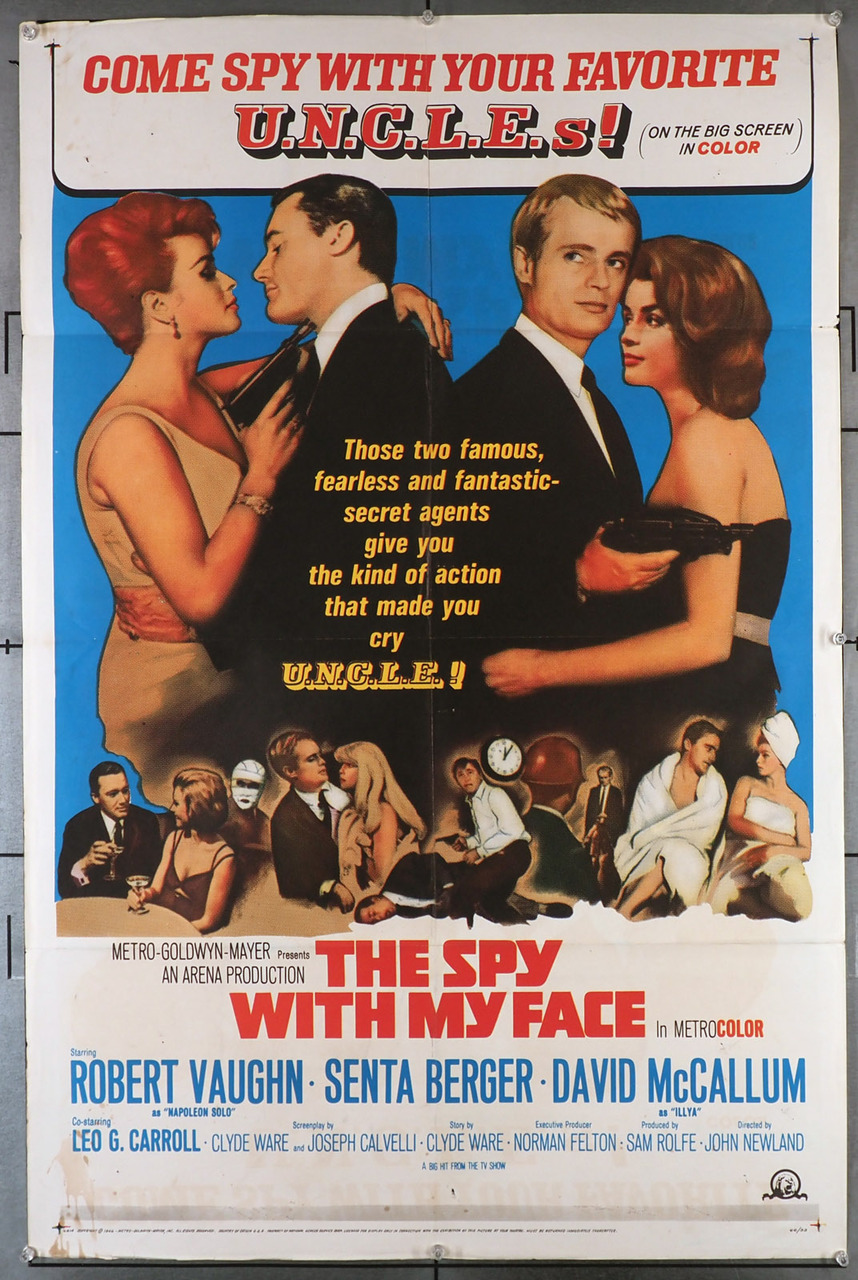
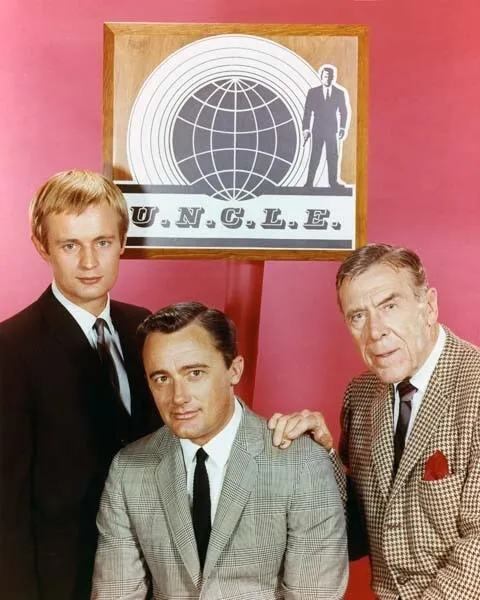
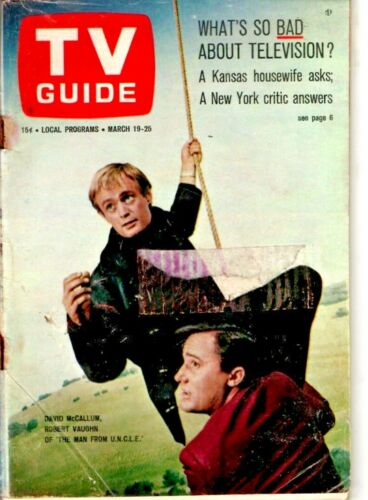
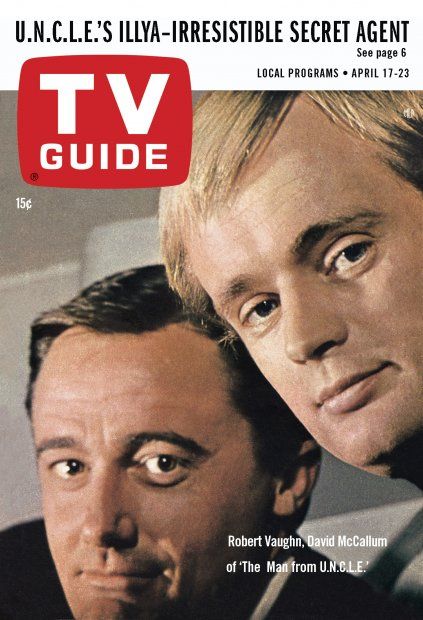
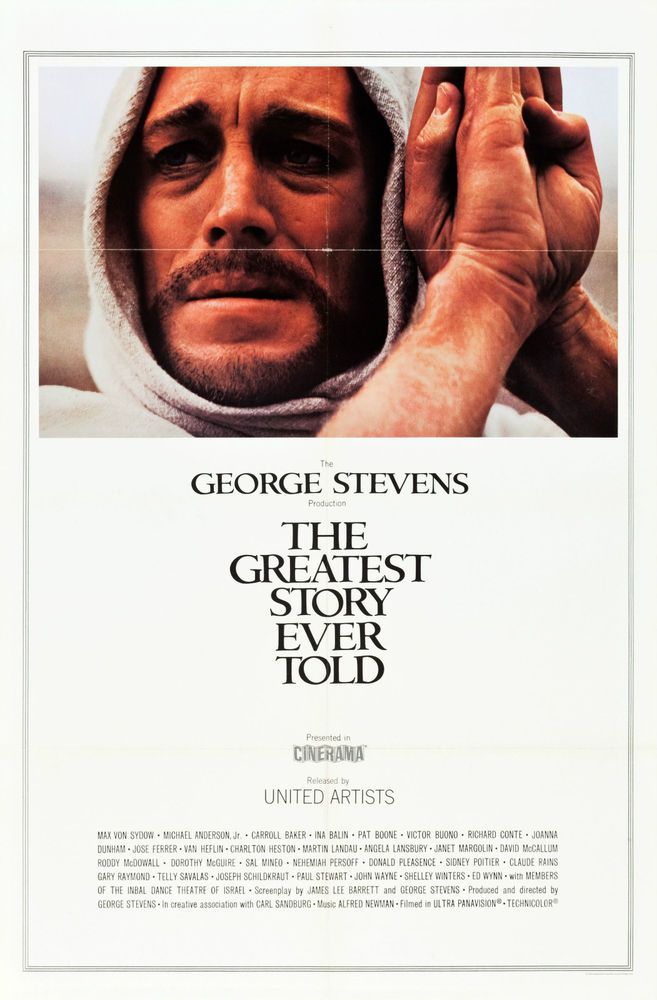
In 1964, McCallum was cast as Illya Kuryakin, a minor character on the spy series “The Man from U.N.C.L.E.” Despite having only two lines, the producers saw that McCallum and star Robert Vaughn had considerable chemistry together, and boosted the character to co-star status. The move changed McCallum’s career forever. Kuryakin’s cool demeanor, physical proficiency with any weapon, and passion for art, music and science  not to mention his wealth of blonde hair  made him an immediate favorite among female viewers, whose fan mail to the actor was the most ever received in the history of MGM, which produced the show. For the series three years on the air, McCallum was at the apex of television stardom, and netted two Emmy nominations and a Golden Globe nod, as well as major roles in several films. He was the tormented Judas in George Stevens’s epic Biblical drama “The Greatest Story Ever Told” (1965), and took the lead in a number of minor features, including 1968’s “Sol Madrid” and “Mosquito Squadron” (1969), many of which traded on McCallum’s popularity in “U.N.C.L.E.” by casting him in action-oriented roles. During this period, McCallum also orchestrated and conducted a trio of lush, sonically adventurous records that put unique spins on some of the period’s more popular songs

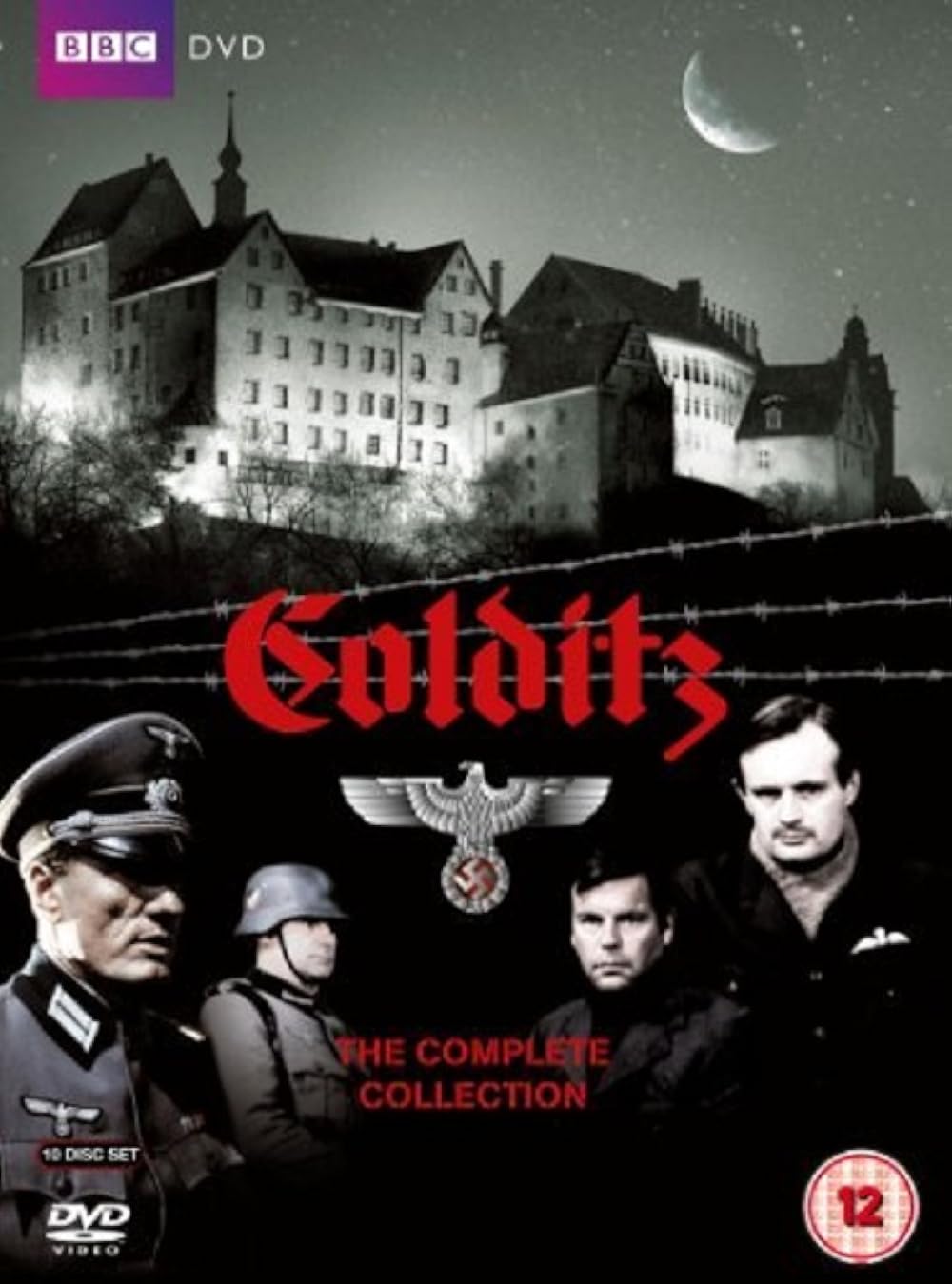
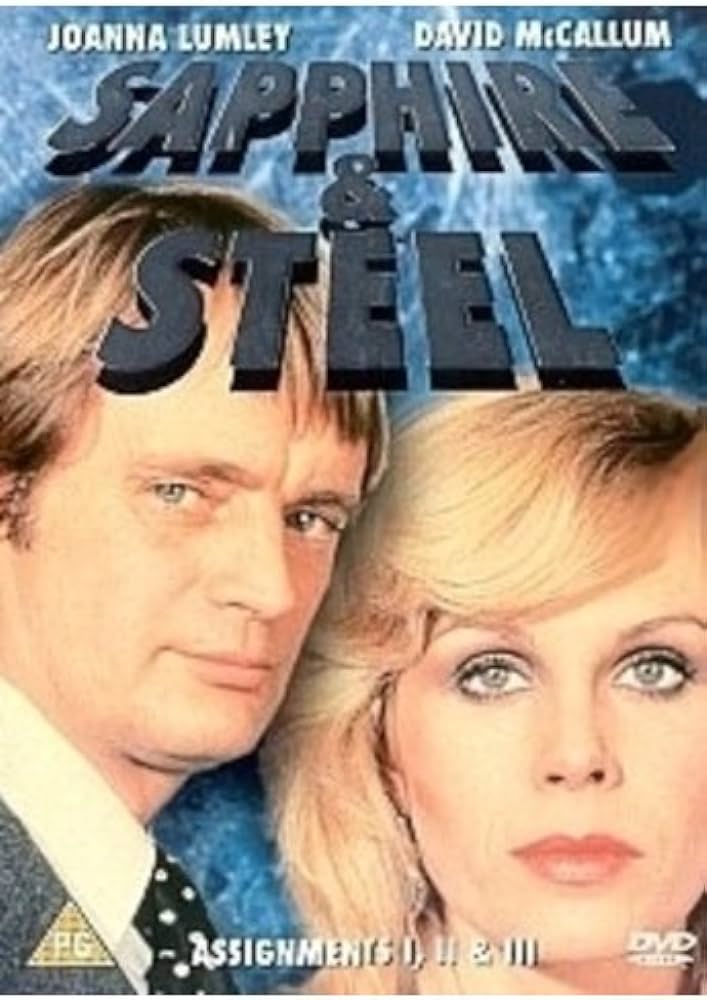
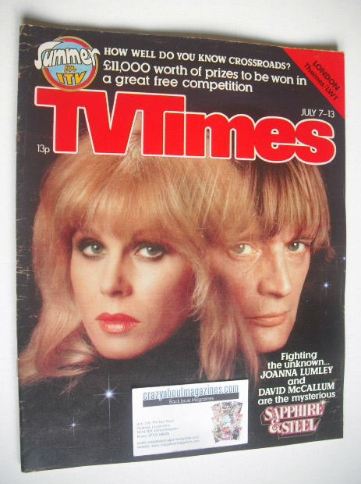
In the 1970s, McCallum was a fixture on television in both America and England. In the States, he was a staple of science fiction and supernaturally-themed TV features, including “Hauser’s Memory” (NBC, 1970), as a scientist who injected himself with a dying colleagues brain fluid to preserve defense secrets from foreign agents, while “She Waits” (CBS, 1972) cast him as the husband to a possessed Patty Duke. He also briefly returned to series work with “The Invisible Man” (NBC, 1975-76) as a scientist who used his invisibility formula to aid a government agency against evildoers. His work in England hewed more towards dramatic fare: in “Colditz” (BBC, 1972-74), he was an aggressive RAF officer who put aside his anger towards the Nazis to help organize an escape from a notorious German war prison, while in “Sapphire & Steel” (ITV, 1979-1982), he and Joanna Lumley played extraterrestrial operatives who investigated strange incidents involving the time-space continuum. In 1983, he reunited with Robert Vaughn for “The Return of the Man from U.N.C.L.E.” (CBS), which saw Illya retired from espionage to design womenâ¿¿s clothing in New York. The escape of a top enemy spy brings both U.N.C.L.E. men back into action, albeit with other, younger agents. The TV-movie was intended as the pilot for a new version of the series, but the show was never greenlit.

After logging time on countless, unmemorable series like “Team Knight Rider” (syndicated, 1997-98) and “The Education of Max Bickford” (CBS, 2001-02), McCallum found his next hit with “NCIS,” a police procedural drama about Navy investigators. McCallum played Chief Medical Examiner Donald “Ducky” Mallard, an eccentric but highly efficient investigator with a knack for psychological profiling. A close confidante to Mark Harmon’s Jethro Gibbs, he served as father confessor and paternal figure for the show’s offbeat cast of characters. The show’s slow-building popularity brought McCallum back to a television audience made up in part of the children of viewers who sent him fan letters back in the “U.N.C.L.E.” days, granting him a rare burst of second stardom

British film institute obituary in 2023

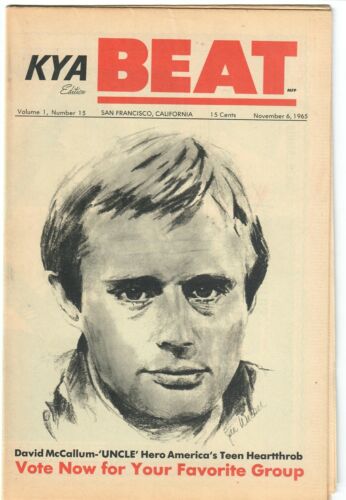
At one point in the 1960s, David McCallum, who has died at the age of 90, was the hottest British actor in Hollywood. Nicknamed ‘The Blond Beatle’, he had become a pop culture phenomenon for playing a Russian spy on an American TV show at the height of the Cold War. According to MGM, McCallum received more mail from female fans than any other actor in the studio’s history, including Clark Gable and Elvis Presley. Not bad for someone who only had two lines in the pilot.

Born in Glasgow on 19 September 1933, McCallum was the son of classical musicians who settled in Hampstead when his father became leader of the London Philharmonic Orchestra in 1936. He became so proficient on the oboe that he took classes at the Royal Academy of Music. However, the thrill of being applauded as Prince Arthur in an amateur production of King John convinced the eight year-old that his future lay in acting. 

In 1946, McCallum secured his Equity card after making his radio debut in Whom the Gods Love, Die Young. Several juvenile roles followed at the BBC before McCallum became an assistant stage manager at Glyndebourne on leaving school. Following National Service with the Royal West African Frontier Force, he trained at RADA from 1949 to 1951, where Joan Collins was a classmate. 

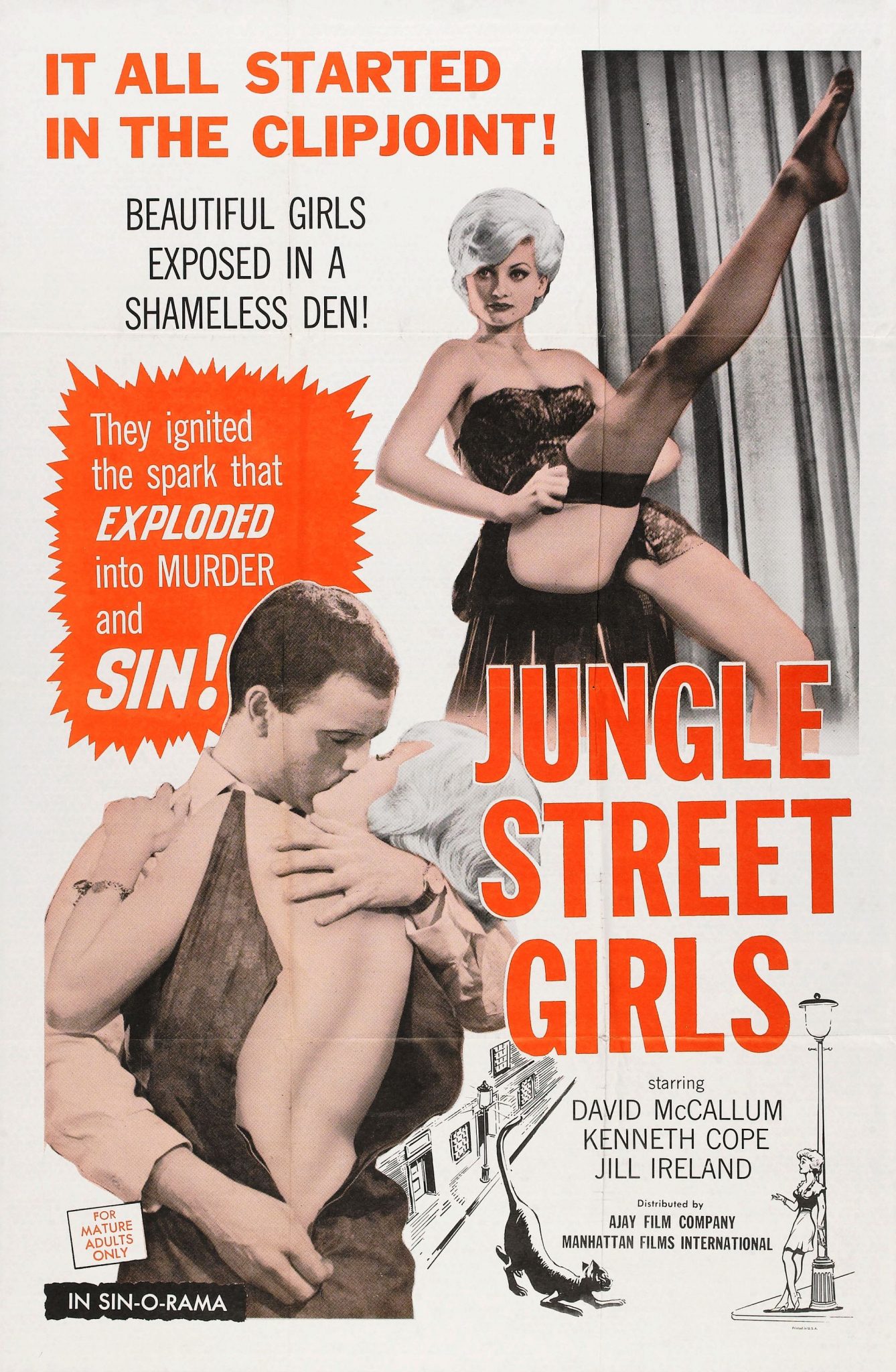
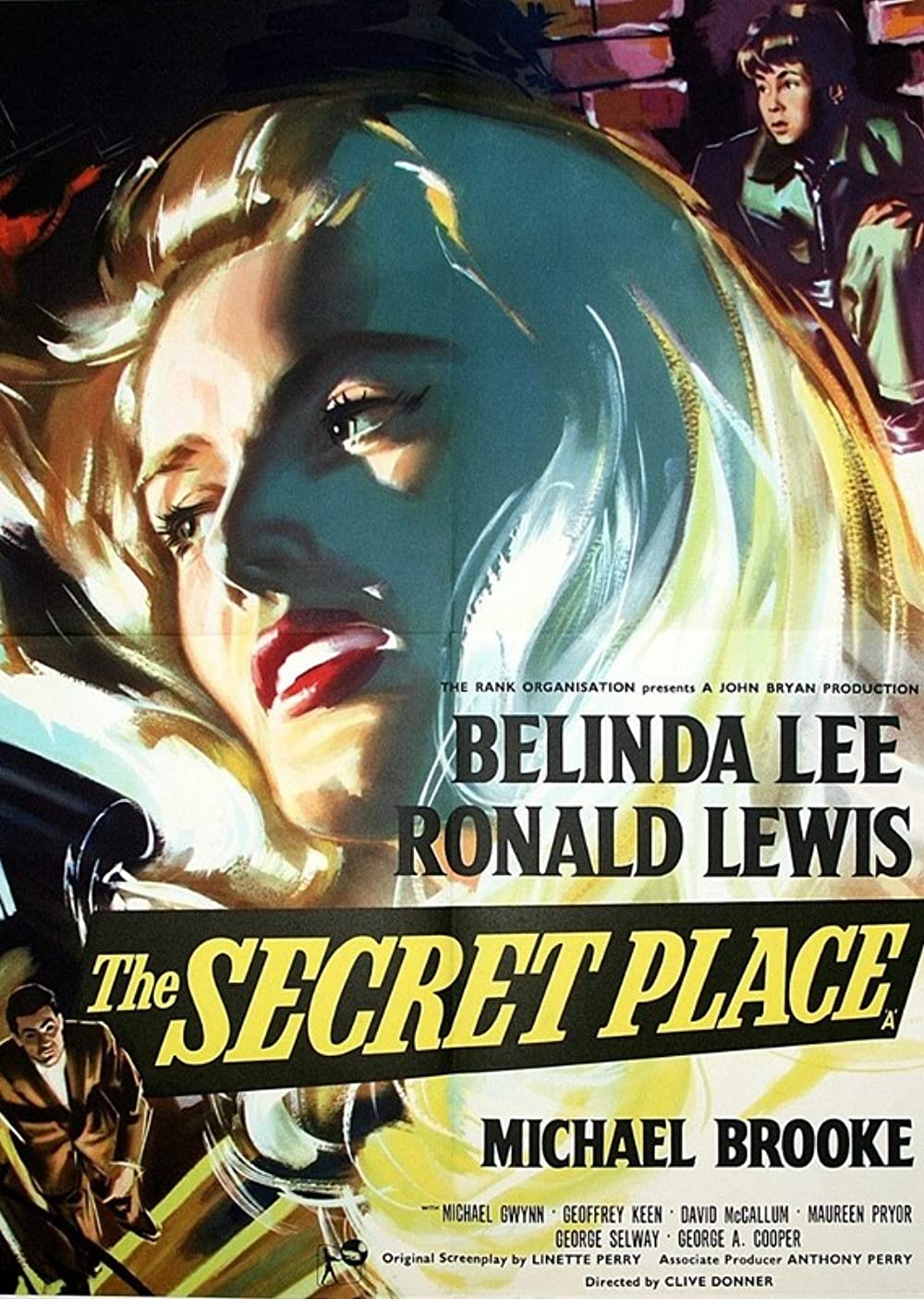
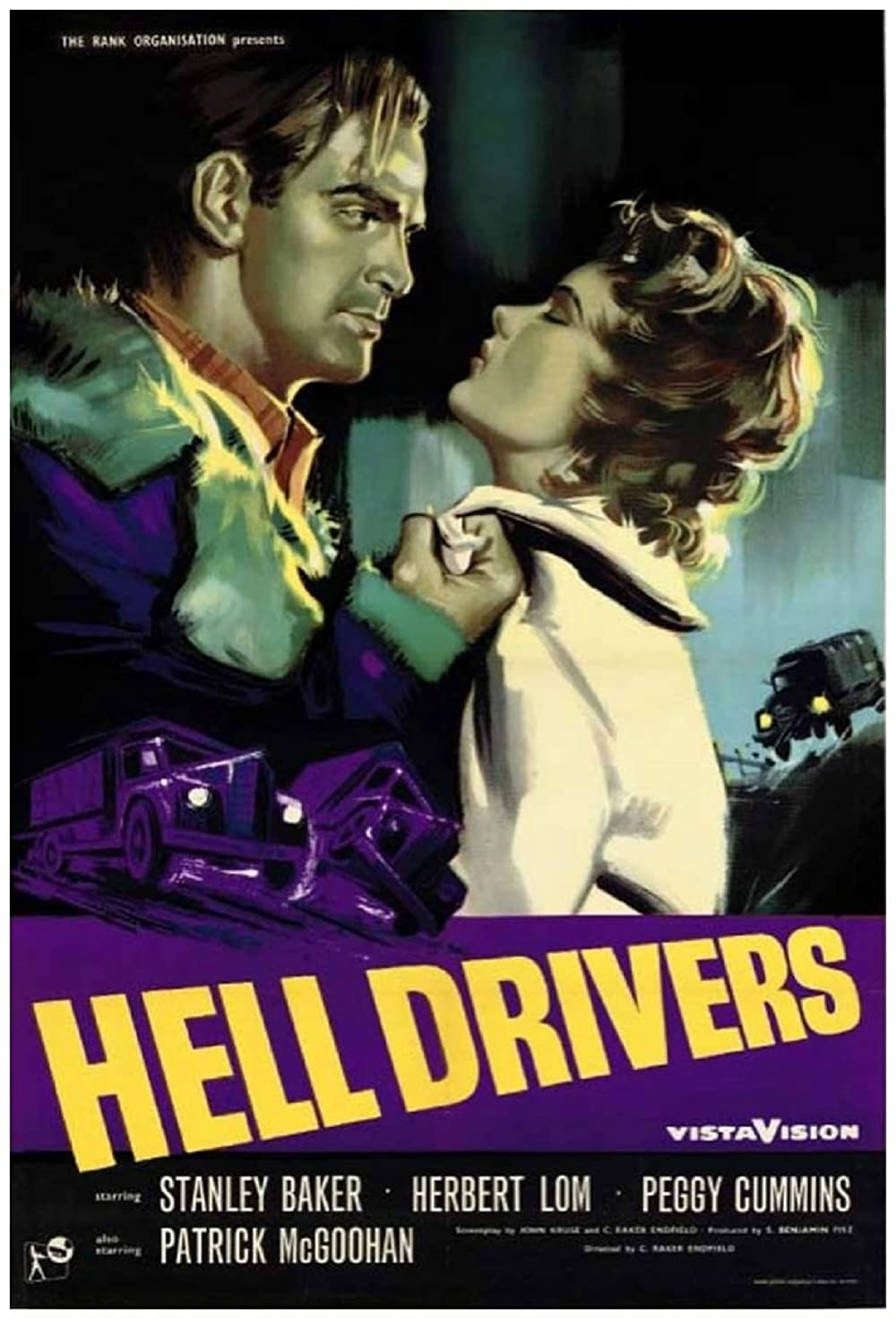
Repertory stints in Frinton-on-Sea and Oxford ensued before McCallum made his television bow in The Rose and the Ring (1953). More in hope than expectation, he sent photographs to the Rank Organisation and was cast by debuting director Clive Donner as a leather-jacketed James Dean wannabe in the crime drama The Secret Place (1957). Next, he hobbled on crutches as Stanley Baker’s younger brother in the gritty realist thriller Hell Drivers, and married co-star Jill Ireland shortly after the shoot. They were paired as lovers down under in Robbery Under Arms (both 1957) before headlining the seedy crime saga Jungle Street (1960) as a mugger and a stripper. 

 
The Long and the Short and the Tall (1961)

Reuniting with Baker, McCallum impressed as another delinquent in Basil Dearden’s problem picture Violent Playground (1958). His Scouse accent was patchy, although as a gang leader he oozed surly charisma. But two parts as radio operators, in the Titanic drama A Night to Remember (1958) and war story The Long and the Short and the Tall (1961), signalled a shift towards more mature roles, and McCallum left to try his luck in Hollywood.

Although he had been cast as Judas Iscariot in the Biblical epic The Greatest Story Ever Told (1965), delays meant that McCallum was already established by the time it was released. Having suffered from an Oedipus complex in John Huston’s Freud and shown sailor Terence Stamp kindness as a gunnery officer in Peter Ustinov’s Billy Budd (both 1962), McCallum guaranteed his place in cult movie folklore as Eric Ashley-Pitt, the POW who earns the nickname ‘Dispersal’ for devising an ingenious way of shifting tunnel soil in The Great Escape (1963).

Yet it was television that proved McCallum’s métier. He gave notice as a time-tweaking inventor and a mutating Welsh miner in two episodes of the sci-fi series The Outer Limits (1963/64). And it was as Illya Kuryakin in The Man from U.N.C.L.E. (1964 to 1968) that he became a superstar. Having only been a minor character in the feature-length 1963 pilot Solo, the Russian with a blonde mop and a penchant for black turtlenecks became equal partners with Napoleon Solo (Robert Vaughn), as the agents of the United Network Command for Law and Enforcement sought to confound the nefarious schemes of the Technological Hierarchy for the Removal of Undesirables and the Subjugation of Humanity, or THRUSH.

Although Kuryakin was intense, introverted and intellectual, McCallum played him with such cool charm and enigmatic wit over 105 episodes that he earned a Golden Globe and two Emmy nominations. He and Vaughn also made eight spin-off features, as well as The Return of the Man from U.N.C.L.E.: The Fifteen Years Later Affair (1983), a teleplay that started with Kuryakin as a fashion designer. 

A comeback series didn’t materialise, but McCallum had exploited his peak fame to record four instrumental albums with producer David Axelrod, one of which contained ‘The Edge’, which was sampled by Dr Dre and resurfaced in Edgar Wright’s Baby Driver (2017). His own excursions as an big-screen action man, Sol Madrid (1968) and Mosquito Squadron (1969), underwhelmed, however, and McCallum retreated back into television.

 
Sapphire & Steel (1979-82)

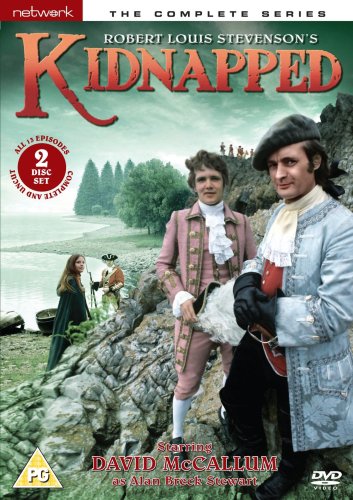
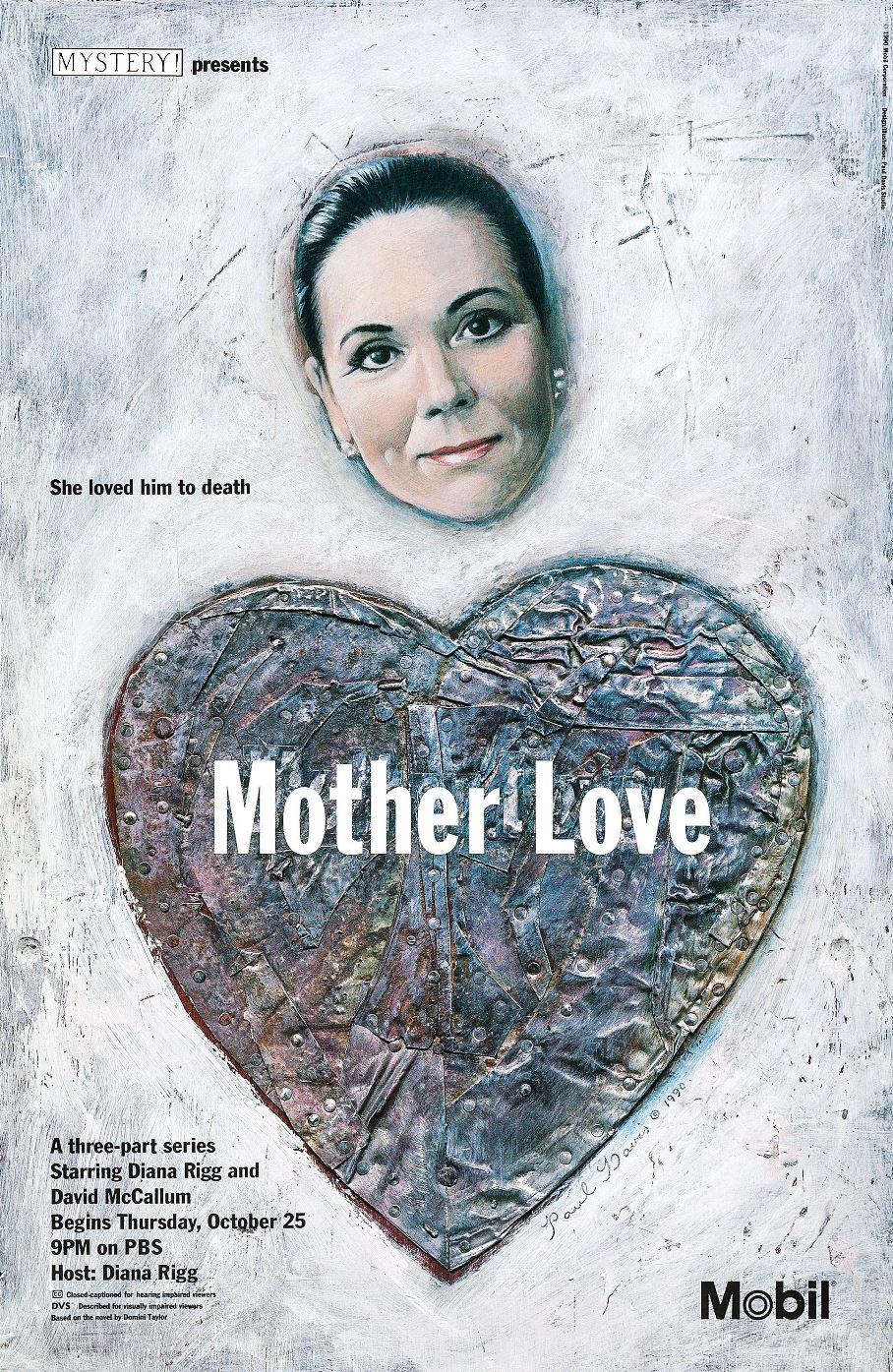
Following the neglected TV horror movies Hauser’s Memory (1970) and She Waits (1972), McCallum returned to Blighty to play a short-fused RAF officer in Colditz (1972 to 74), Jacobite warrior Alan Breck Stewart in an adaptation of Robert Louis Stevenson’s Kidnapped (1978), and an impassive extra-dimensional detective alongside Joanna Lumley in Sapphire & Steel (1979 to 1982). He would later team effectively with Diana Rigg in the miniseries Mother Love (1989) and steal scenes as a gambler in Howard’s Way follow-up show Trainer (1991 to 1992), during a period in which he trod the US guest star circuit following the short-lived sci-fi series The Invisible Man (1975 to 1976). 

However, a cameo in the legal series JAG (2003) turned into a 20-year gig, as McCallum reached a new audience as medical examiner Dr Donald Mallard in spin-off show NCIS (2003-). Sporting a bow-tie and dispensing offbeat avuncular wisdom over 457 episodes, ‘Ducky’ so caught McCallum’s imagination that he studied pathology and attended so many autopsies in order to appear credible in the role that he became something of a forensics expert.  

  • David McCallum, 19 September 1933 to 25 September 2023

David McCallum was a master of the “quietly enigmatic” performance. Unlike many of his contemporaries who leaned into bravado, McCallum’s career was defined by a cerebral, understated intensity that allowed him to remain a household name across seven decades—from the height of 1960s “Spy-mania” to the modern procedural era.

Career Overview

The “Illya” Phenomenon (1960s)

Originally hired as a peripheral character for The Man from U.N.C.L.E. (1964), McCallum’s portrayal of the Russian agent Illya Kuryakin became an accidental pop-culture earthquake.

The “Beatle” Agent: With his blonde “mop-top” and enigmatic silence, he became an unlikely sex symbol, receiving more fan mail than any star in MGM’s history (surpassing even Clark Gable).

Cinematic Foundations: Before his TV stardom, he established his “military intellectual” persona in classics like A Night to Remember (1958) and The Great Escape (1963), where he played the pivotal role of “Dispersal” Eric Ashley-

After U.N.C.L.E., McCallum returned to his roots with high-concept British television.

Sapphire & Steel: Opposite Joanna Lumley, he played “Steel” in this eerie, avant-garde sci-fi series. His performance was intentionally cold and alien, cementing his reputation as a “thinking man’s” genre actor.

Colditz: He starred as Flight Lieutenant Simon Carter in this acclaimed WWII drama, showcasing his ability to play grounded, grit-under-pressure roles.

The NCIS Renaissance (2003–2023)

At an age when most actors retire, McCallum began a 20-season run as Dr. Donald “Ducky” Mallard on NCIS. He reinvented himself as the “wise grandfather” of the screen, a quirky, bow-tie-wearing medical examiner who spoke to the dead.


McCallum was perhaps the greatest “secondary lead” in television history. In both U.N.C.L.E. and NCIS, he worked alongside dominant American leads (Robert Vaughn and Mark Harmon). His critical success came from his ability to occupy the space between the lines. He didn’t compete for the spotlight; he provided the texture and intellect that made the leads look better.

One of McCallum’s most noted traits was his obsessive preparation.

For NCIS, he didn’t just play a doctor; he became an expert in forensics, attending real autopsies and reading medical textbooks so he could handle surgical tools with genuine muscle memory.

This “Method” approach—rare for procedural TV—gave his characters a weight of authority that critics frequently cited as the reason audiences trusted him 

McCallum’s most profound cultural impact was playing a “heroic Russian” at the height of the Cold War. By portraying Kuryakin as intellectual, loyal, and suave rather than a brutish villain, he did more for the humanization of the “other” in American living rooms than many diplomatic efforts of the era.

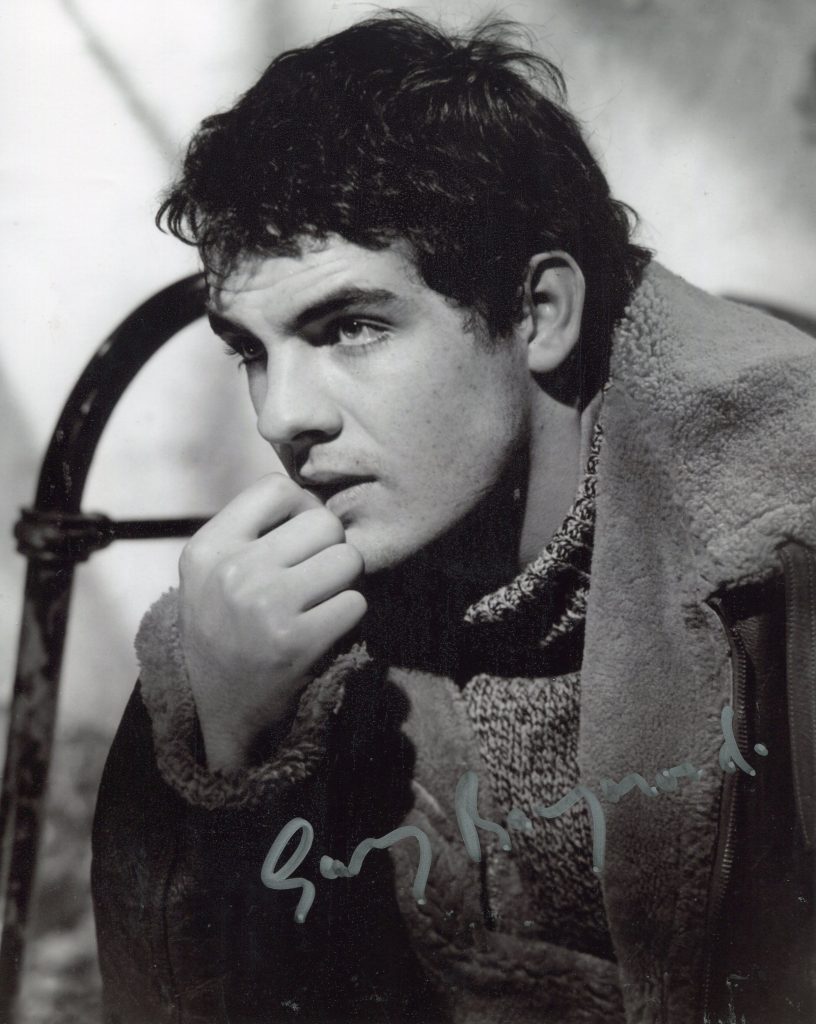
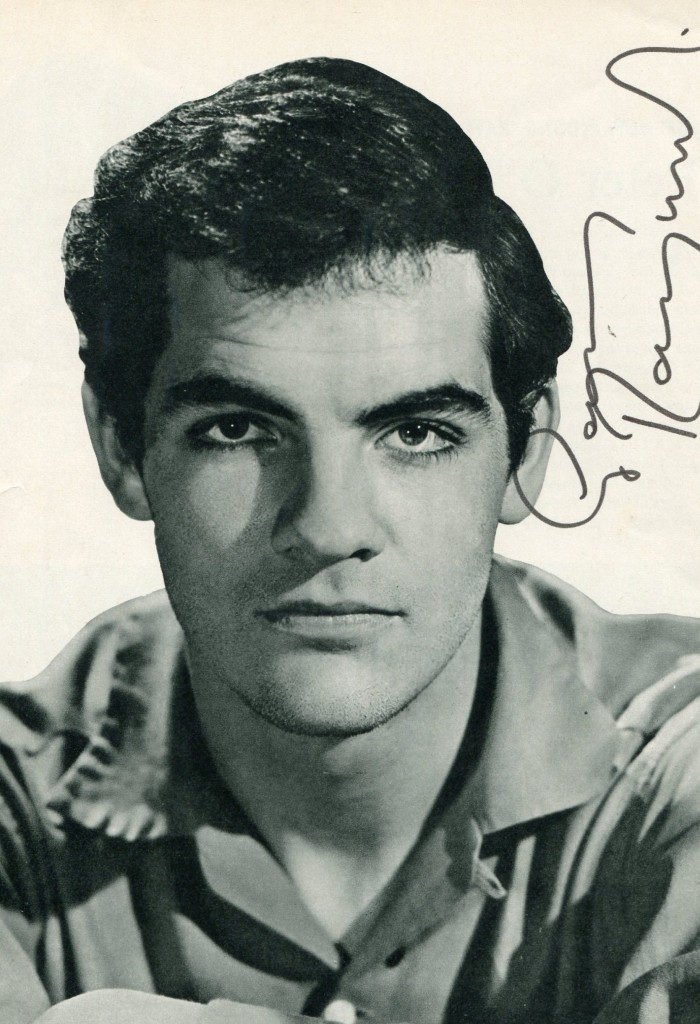
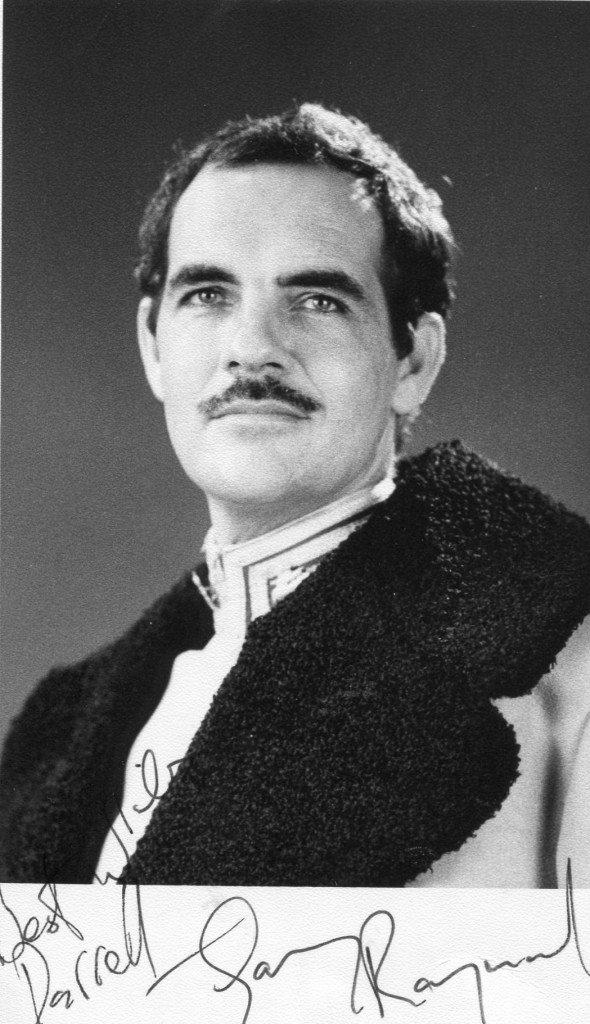
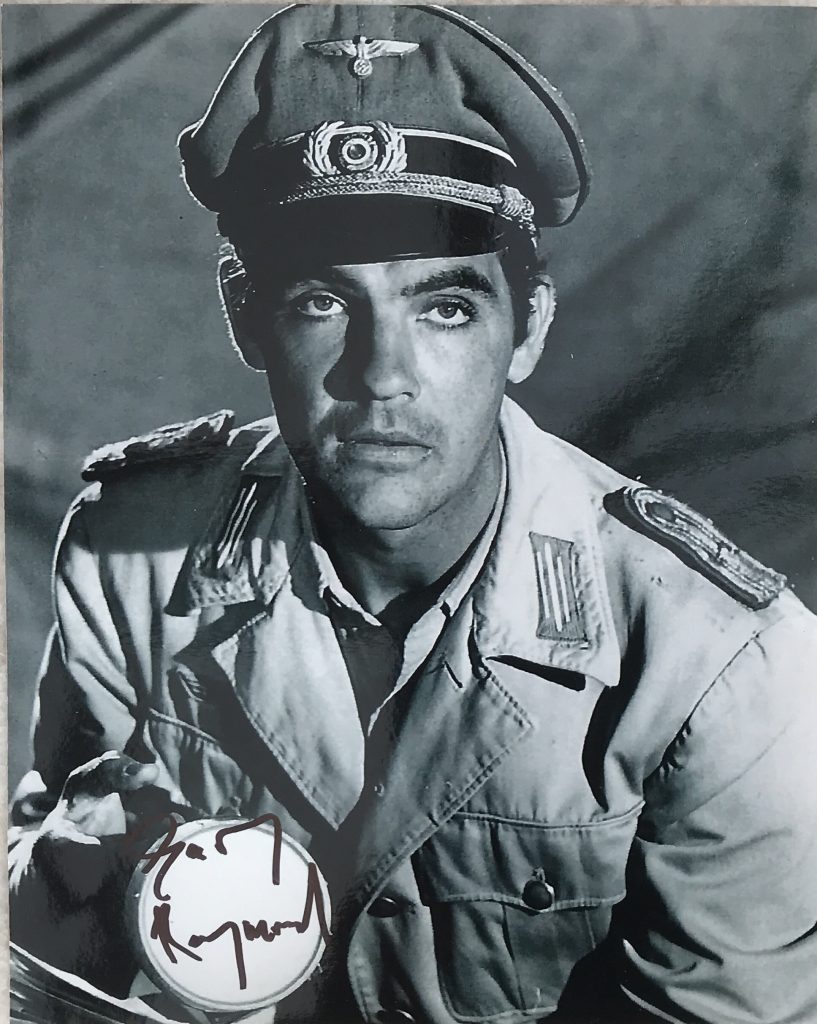
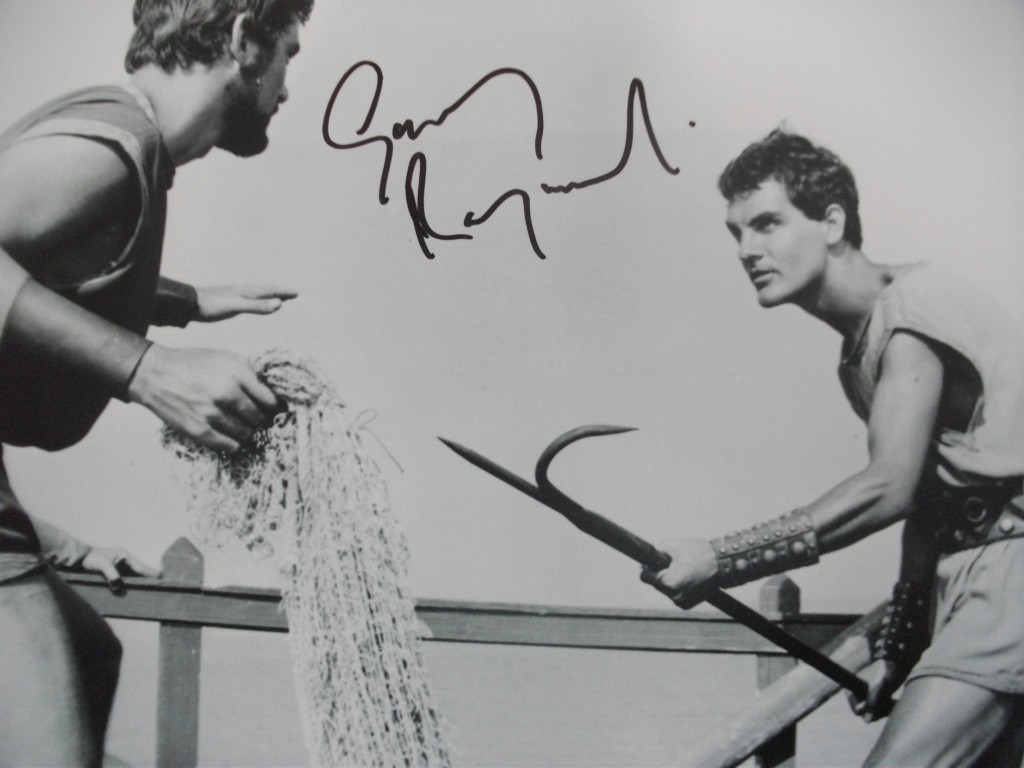
Gary Raymond

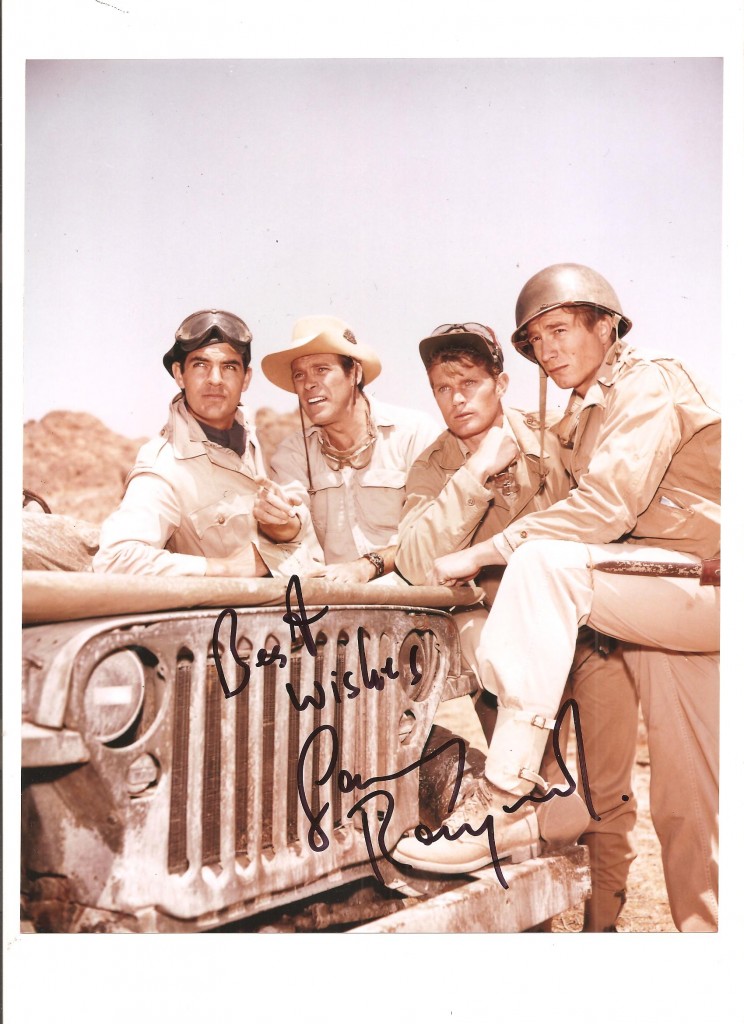
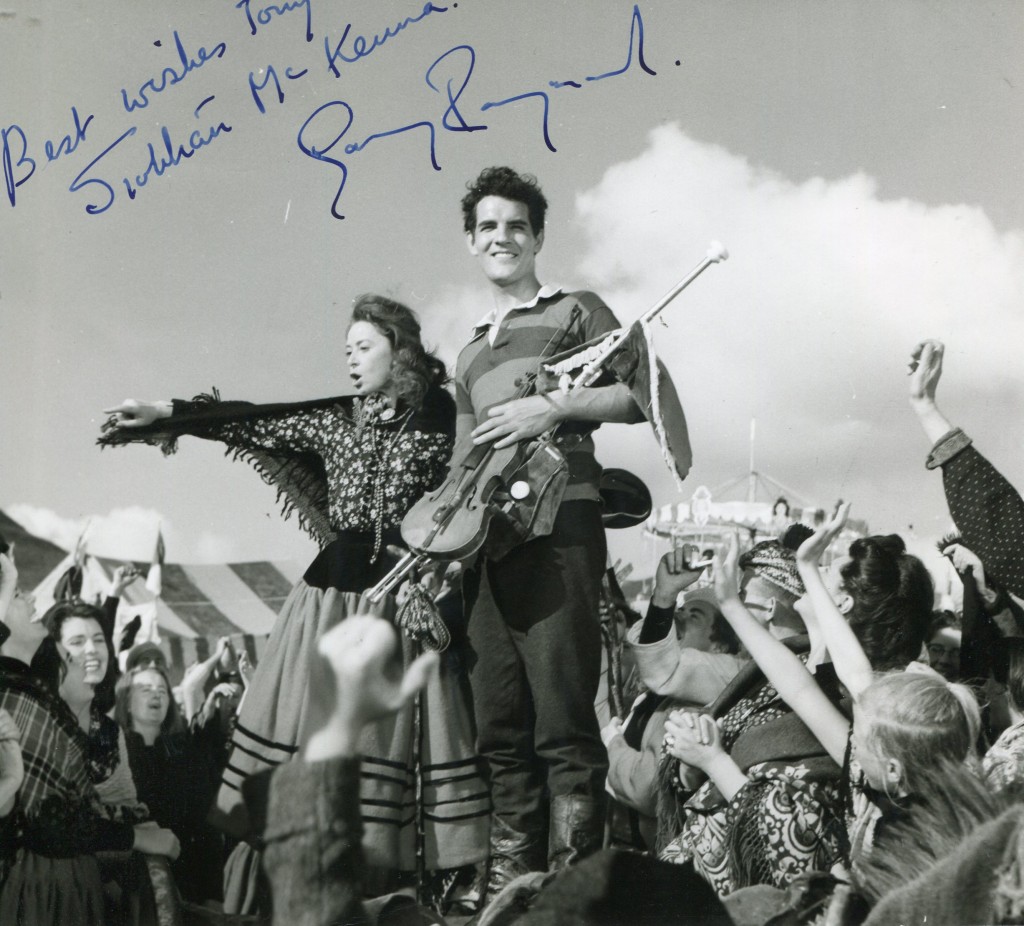
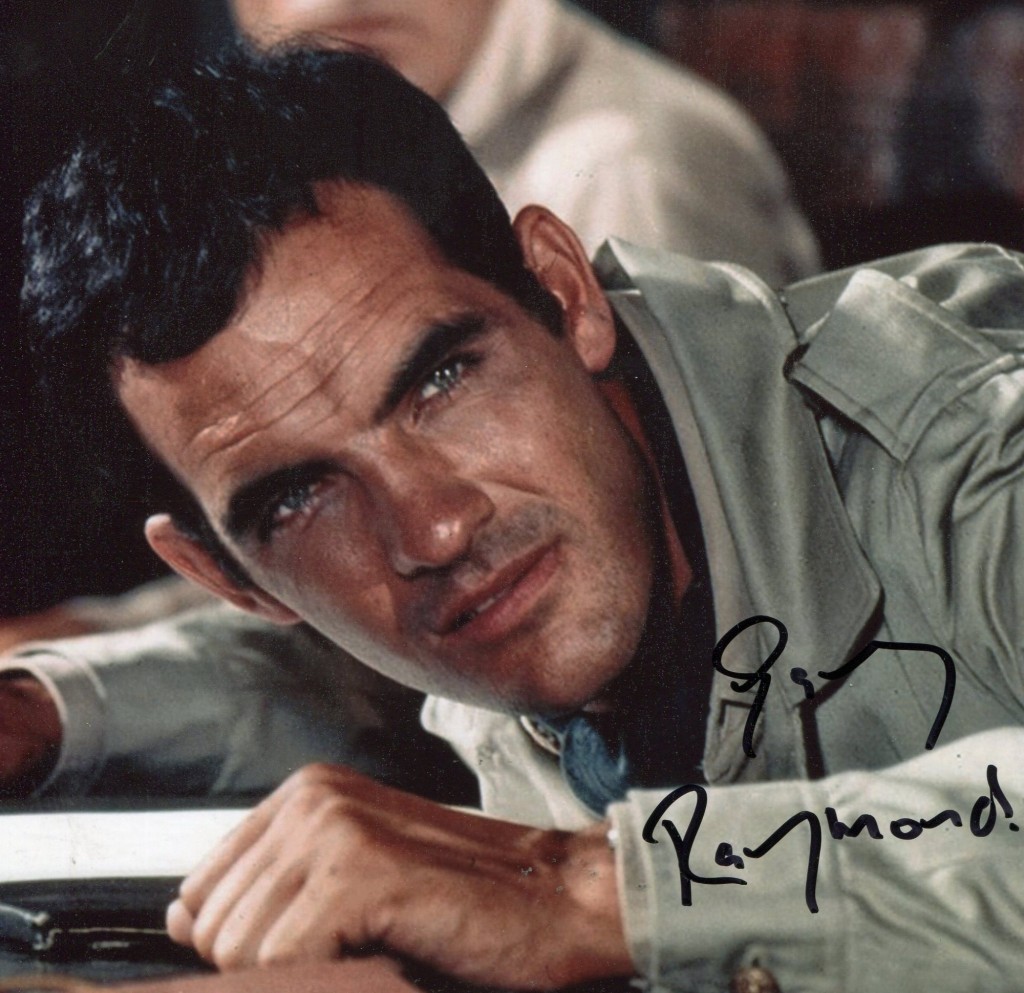
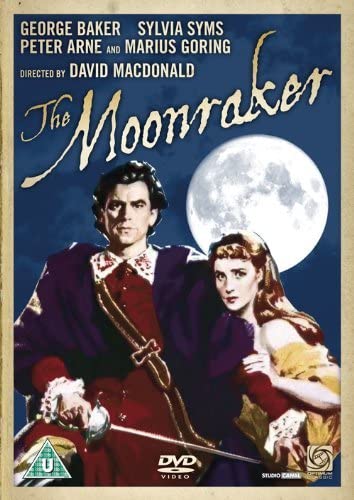
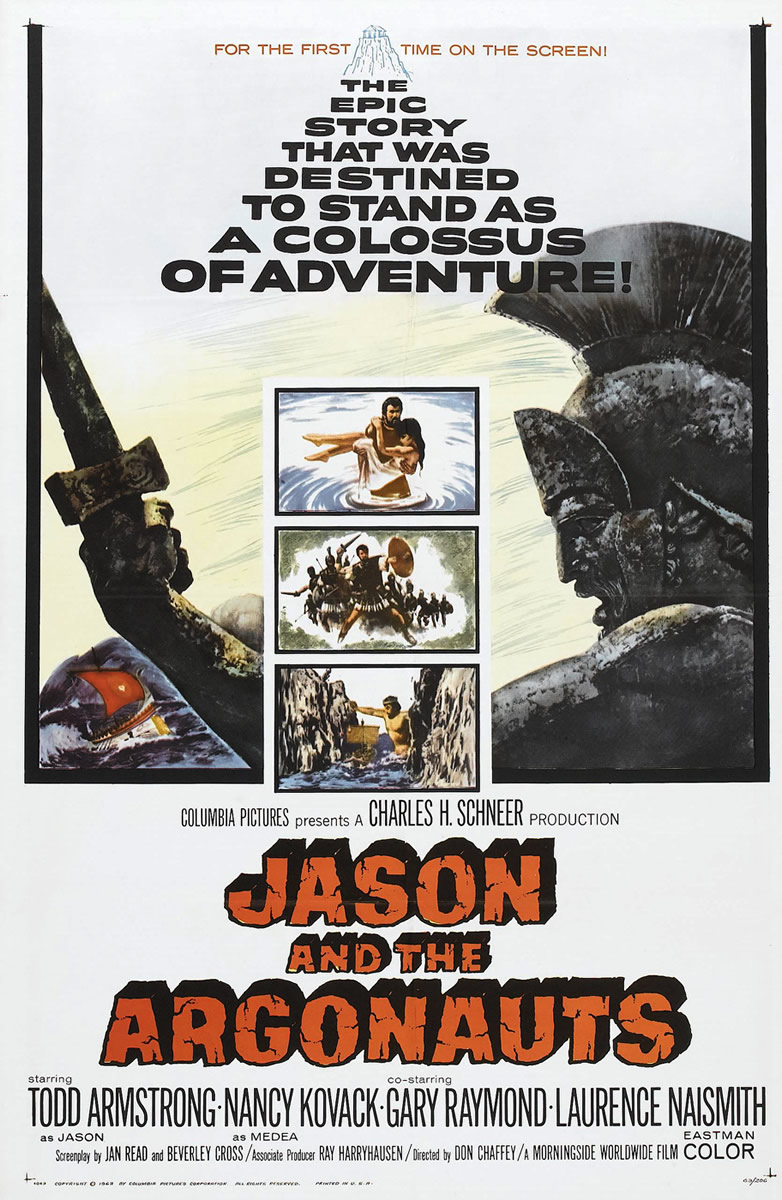
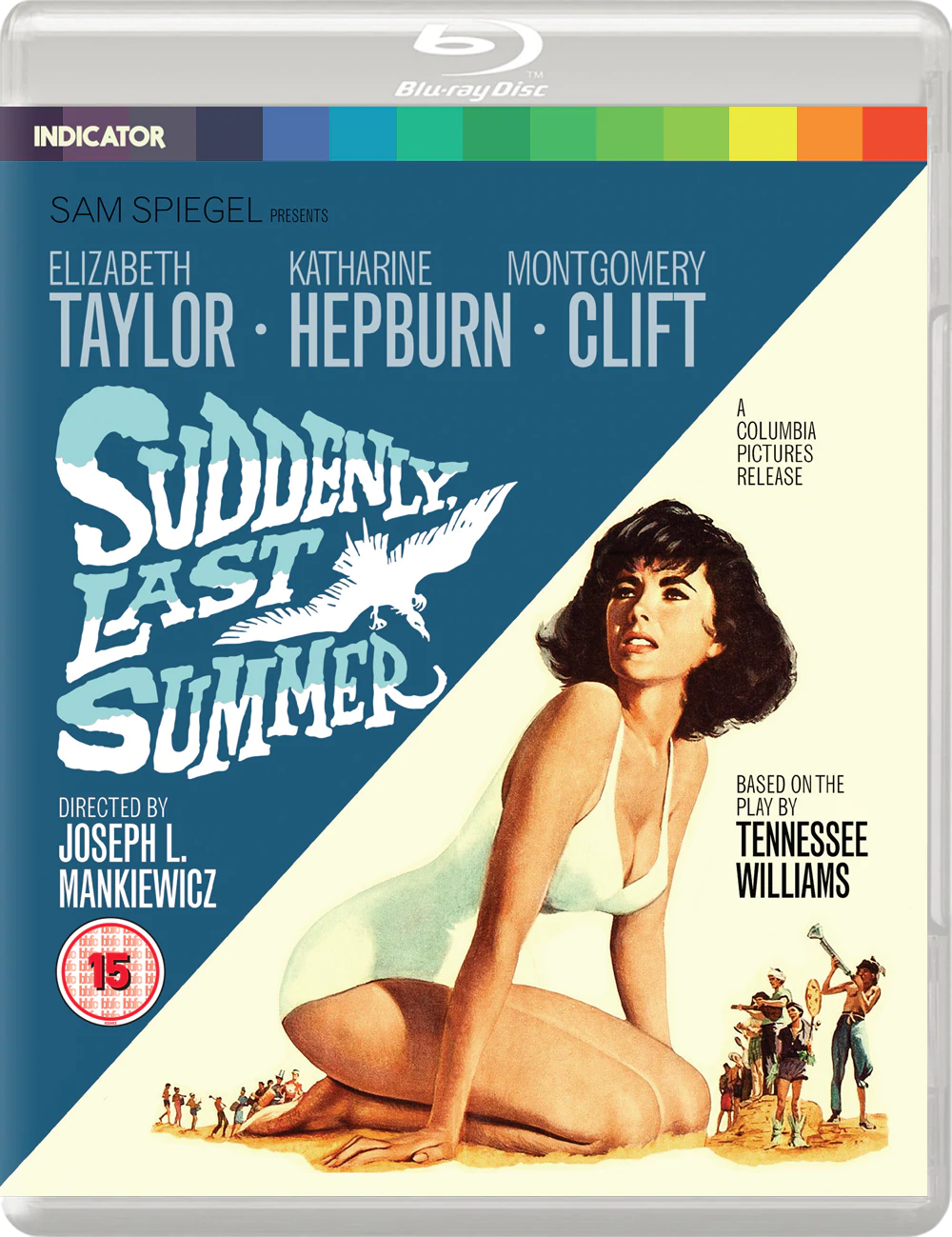
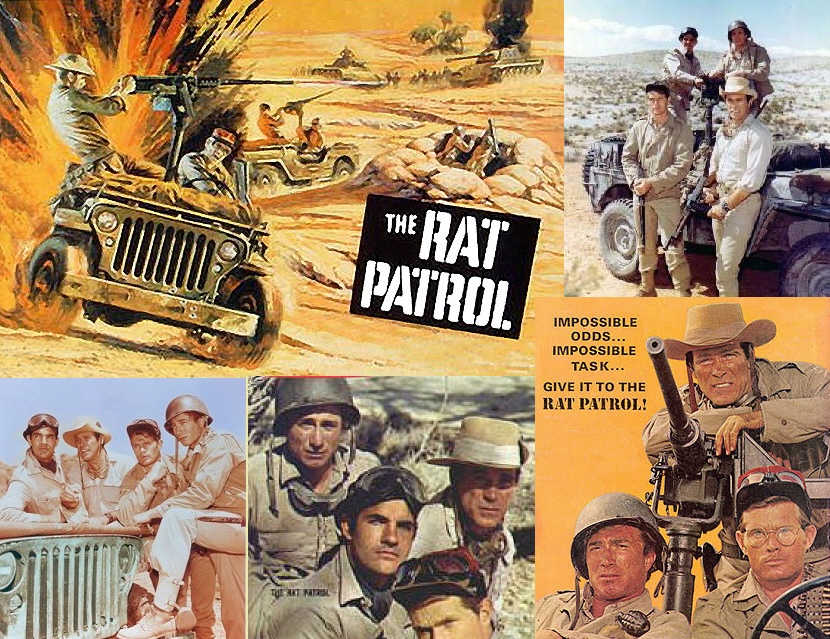
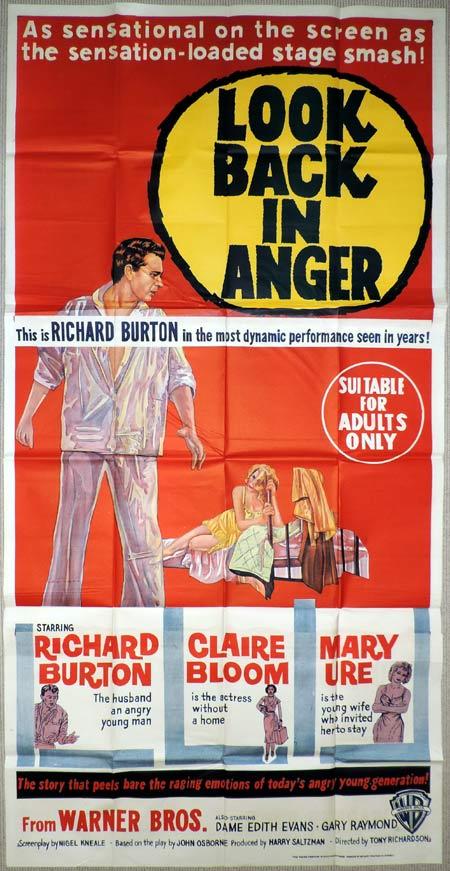
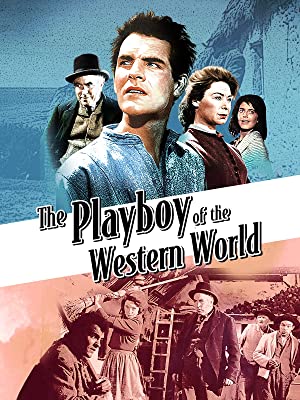
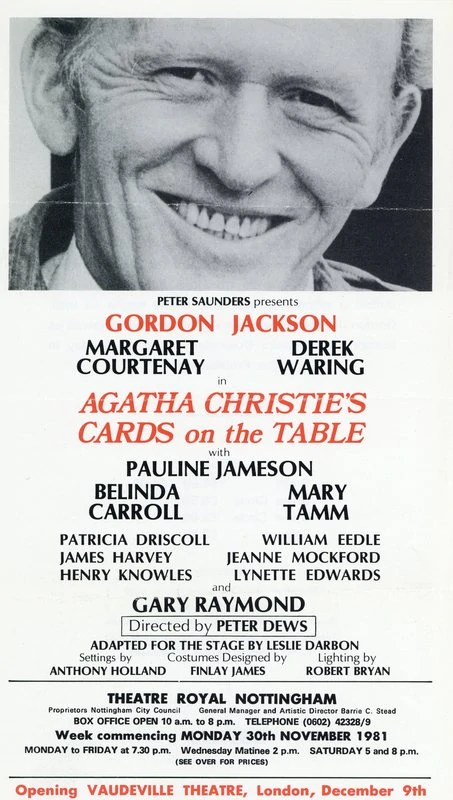
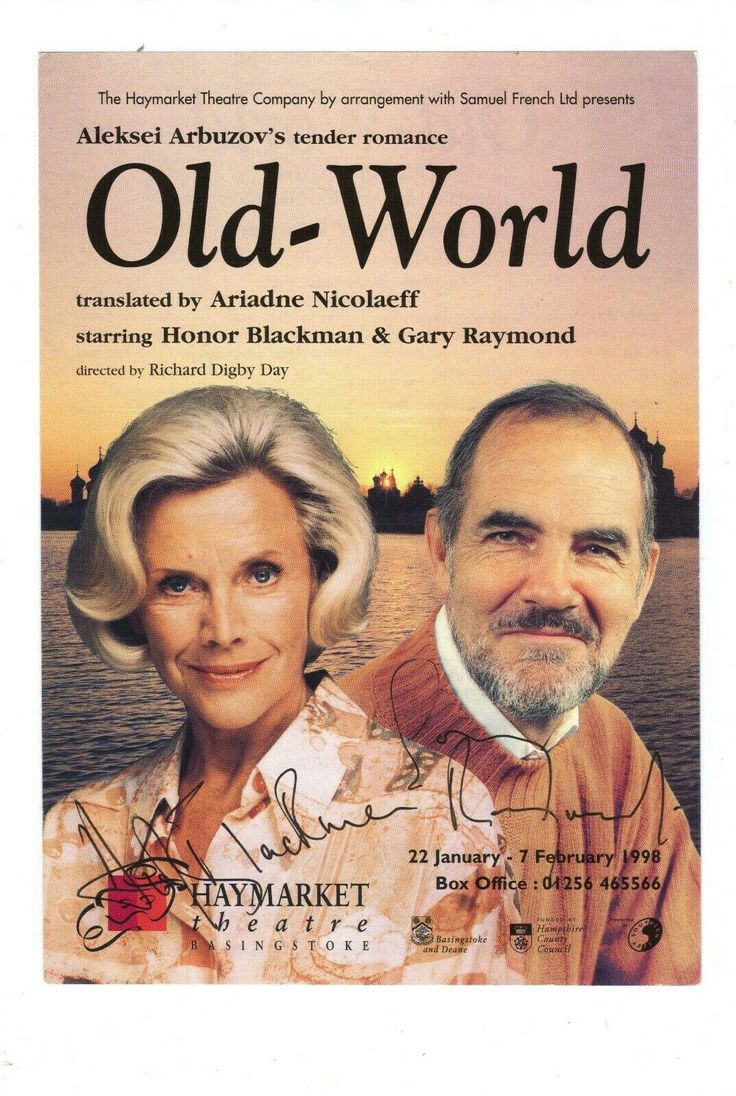
Gary Raymond was born in 1935 in London.   His first film was the swashbuckler “The Moonraker” with George Baker and Sylvia Syms in 1958.   He went on to star with Richard Burton in “Look Back in AAnger” and with Montgomery Clift and Elizabeth Taylor in “Suddenly Last Summer”.   He played the title role in “The Playboy of the Western World” in 1962 with Siobhan McKenna as Pegeen Mike.   In 1965 he went to Hollywood to play St. Peter in “The Greatest Story Ever Told” and stayed to make the cult television series “The Rat Patrol”.   By the late 1960’s he was back in England again where he has had a long career on the stage and in movies and television.

Gary Brumburgh’s entry:

Born in Brixton, England in 1935, robust and good-looking Gary Raymond came from an acting family. Born Gary Barrymore Raymond, the youngest of three sons (one brother is a twin), his parents were music hall entertainers. Gary won a scholarship at the age of 11 to Gateway School in Leicaster, then graduated five years later and took on assorted odd jobs as a furrier and clerk while studying drama through the auspices of the London County Council.

He was accepted by the Royal Academy of Dramatic Arts and trained there until he joined the Royal Shakespeare Company in the mid-50s. Amid the wealth of his Shakespearean repertoire include the roles of “Horatio”, “Claudius”, “Macbeth”, “Oberon”, “Benedick”, “Orlando” and “Antonio

John Shrapnel
 
John Shrapnel

John Shrapnel. Obituary in “The Guardian” in 2020

Richly variegated and utterly plausible, with a distinctively weak “r”, the voice of the actor John Shrapnel, who has died aged 77 after suffering from cancer, was instantly recognisable on stage or screen over the past 50 years. He was therefore much in demand for voiceover work on documentaries or television adverts. He always sounded warm and urgent.

But his glory was on the stage, often with the Royal Shakespeare Company or the National Theatre, for whom he played leading and prominent supporting roles from 1968 onwards, including a clutch with Laurence Olivier’s NT company at the Old Vic – Banquo in Macbeth, Pentheus in the Bacchae and Orsino in Twelfth Night – between 1972 and 1975.

His NT debut came as Charles Surface in Jonathan Miller’s remarkable, grimily realistic 1972 production of The School for Scandal. He worked well and often with Miller: as a notable, sweating Andrey in Chekhov’s Three Sisters at the Cambridge theatre in 1976; and in Miller’s BBC television Shakespeare series of the 1980s, when he played Alcibiades opposite Jonathan Pryce’s Timon of Athens, Hector in Troilus and Cressida and Kent to Sir Michael Hordern’s gloriously distracted King Lear, saddled with the equally senescent Fool of Frank Middlemass.

Shrapnel was always interesting in these “solid” roles because he played them with such force and intelligence. He oozed gravitas and could make dullness seem virtuous, as he did with Tesman in a 1977 Hedda Gabler with Janet Suzman at the Duke of York’s theatre in 1977, or, late on, as a tremendous Duncan in the Kenneth Branagh Macbeth for the 2013 Manchester international festival.

Unusually, he was marvellous as both Brutus (Riverside Studios, 1980) and Julius Caesar (for Deborah Warner, at the Barbican, 2005) in the same play. And he made a final indelible impression as an archbishop in the 2017 televised version of Mike Bartlett’s King Charles III, starring his friend Tim Pigott-Smith in his last TV appearance, too.

Shrapnel was born in Birmingham, the elder son of the Guardian’s parliamentary correspondent Norman Shrapnel and his wife Myfanwy (nee Edwards). One of his ancestors, Lt Gen Henry Shrapnel, invented the exploding cannonball and gave his name to the

Manchester, and, when the family moved south, the City of London school, where he played Hamlet.

He took a degree at St Catharine’s College, Cambridge, and made a professional debut as Claudio in Much Ado Nothing at the new Nottingham Playhouse in 1965.

His major film debut was in Franklin J Schaffner’s Nicholas and Alexandra (1971) starring Suzman and Michael Jayston, and he scored a string of big successes on television as the Earl of Sussex in Elizabeth R (1971) with Glenda Jackson – he would be Lord Howard to Cate Blanchett’s Gloriana in Shekhar Kapur’s Elizabeth: The Golden Age in 2007 – as Sir Percival Glyde in The Woman in White (1982) with Diana Quick and Ian Richardson, and as Semper in Tony Palmer’s Wagner (1983) alongside Richard Burton in the title role and the great German actor Ekkehard Schall as Franz Liszt.

An intensity of presence on the stage, as well as a forbidding authority, made him a natural Claudius in Hamlet, but he added something else in Miller’s production of that play (with Anton Lesser) at the Donmar in 1982: a moving and almost sympathetic study of a man seriously under-endowed with imagination.

This ability to convey psychological layers in powerful figures served Shrapnel well both in John Barton’s 10-play epic, The Greeks, at the Aldwych in 1980, when he doubled a laconically wry Agamemnon with an imperious Apollo; and, especially, as the monstrously unflinching King Creon in Sophocles’ Oedipal Theban trilogy, a role he played twice – first, in Don Taylor’s BBC television adaptation in 1986 (Juliet Stevenson as Antigone, John Gielgud as Tiresias), and then for the RSC in Timberlake Wertenbaker’s version directed by Adrian Noble in 1992.

In the second of these his purple-suited tyrant, with a face of granite and a voice of liquid gravel, became strangely battered and susceptible to emotional pleading. Creon does not cave in, and nor did Shrapnel, but he always found colour and humanity in his inhumanity.

He played a jovial Samuel Pepys in Palmer’s television film England, My England (1995), written by Charles Wood and John Osborne, and starring an unlikely duo of Michael Ball as Henry Purcell and Simon Callow as King Charles II; a non-speaking, dog-hunting taxidermist in the 101 Dalmatians film (1996) starring Glenn Close as Cruella De Vil; Julia Roberts’s British press agent in Roger Michell’s Notting Hill (1999); and another Greek worthy, old Nestor, in Wolfgang Petersen’s all-action, highly enjoyable Troy (2004) starring Brad Pitt as Achilles.

He was a Russian admiral in K-19: The Widowmaker (2001), Kathryn Bigelow’s gripping movie, with Harrison Ford, about the Russian nuclear submarine malfunction.

One of Shrapnel’s sons, Lex, also appeared in that film, but their blood relationship was more fruitfully and indeed movingly mined in a 2015 Young Vic revival of Caryl Churchill’s A Number, a poignant, poetic piece about cloning and parenting in which John played Salter, the crazy scientist meddling with genetic material, and Lex his son Bernard.

Later in the same year Shrapnel rejoined Branagh in his season at the Garrick, playing a powerful Camillo in The Winter’s Tale and a mutinous old actor laddie in Terence Rattigan’s Harlequinade. He was the sort of actor any manager or producer wanted in his company; first name on the team sheet.

Outside his work, Shrapnel loved mountaineering, skiing and music. 

He is survived by his wife, Francesca Bartley, a landscape designer (and a daughter of Deborah Kerr), whom he married in 1975, by their three sons, Joe, Lex and Thomas – and by his younger brother, Hugh.

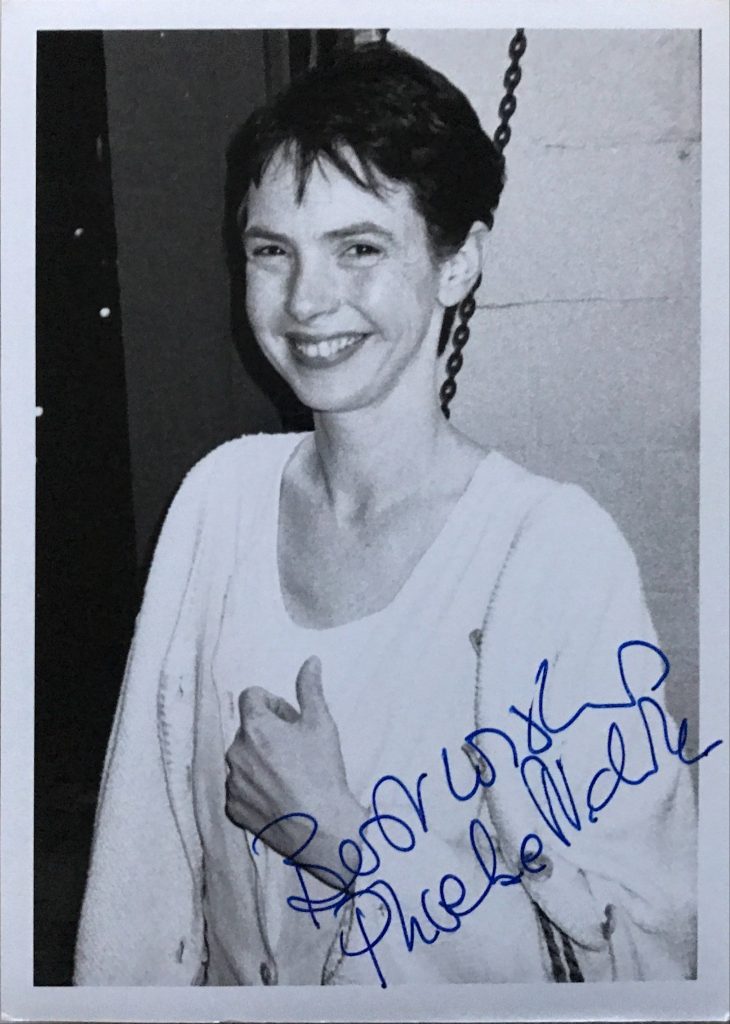
Phoebe Nichols
Phoebe Nichols

Phoebe Nichols (Wikipedia)

Phoebe Nichols was born in 1957) & is an English film, television, and stage actress. She is known for her roles as Cordelia Flyte in Brideshead Revisited and as the mother of John Merrick in The Elephant Man.

Nicholls is the daughter of actors Anthony Nicholls and Faith Kent. She trained at the Central School of Speech and Drama. Nicholls married director Charles Sturridge on 6 July 1985;  they have two sons, including actor Tom Sturridge, and a daughter. Her grandfather is photojournalist Horace Nicholls.

As a child actress in several films she was billed as Sarah Nicholls.  In her early 20s, she appeared in David Lynch‘s The Elephant ManMichael Palin‘s The Missionary and as Cordelia Flyte in Brideshead Revisited. Since then, she has worked almost exclusively in television and theatre. Debuting in Michael Lindsay-Hogg‘s original staging of Whose Life Is It Anyway? in 1978, she went on to perform in Robert Strura’s revival of Three Sisters with Vanessa RedgraveStephen Daldry‘s acclaimed National Theatre version of J.B. Priestley‘s An Inspector Calls and in the Olivier Award-winning productions of Pravda, with The Elephant Man co-star Sir Anthony Hopkins and Terry Johnson‘s Hysteria. Her supporting performances in the 2008 West End revivals of Noël Coward‘s The Vortex and Harley Granville Barker‘s Waste earned her the 2009 Clarence Derwent Award from Equity. She also played the conniving art critic Rivera in the Royal National Theatre production of the Howard Barker drama, Scenes from an Execution.

She appeared in the 1995 BBC film Persuasion, an adaptation of Jane Austen‘s novel. She has made guest appearances on several television mystery series, including Kavanagh QCPrime SuspectMidsomer MurdersLewisThe Ruth Rendell Mysteries (“May and June”, 1997), Foyle’s WarSecond Sight starring Clive Owen, and the 2012 Christmas episode of Downton Abbey, a role she reprised for the 2014 season. She has also appeared in several works directed by her husband, Charles Sturridge, including his 1995 television adaptation of Gulliver’s Travels, where she portrayed the Liliputian Empress, the 1997 film Fairy Tale: A True Story and Shackleton in 2002.