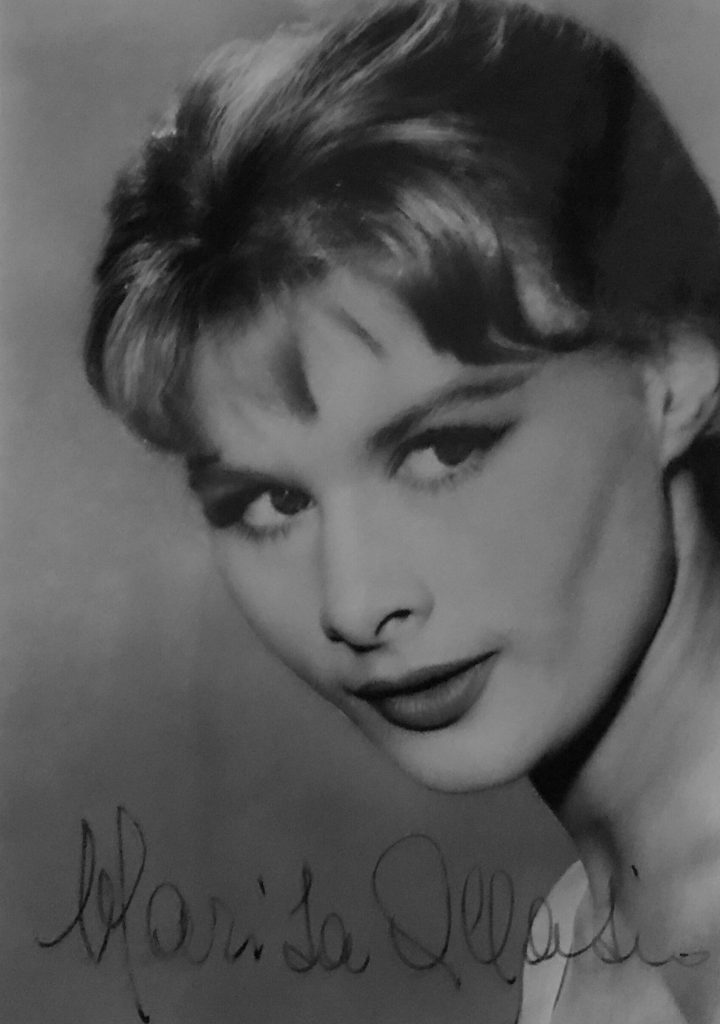
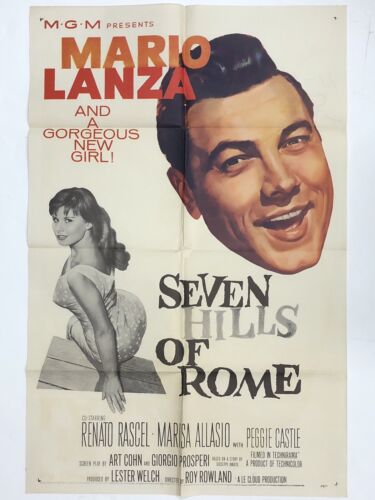
While Ava Gardner was a product of the global Hollywood machine, Marisa Allasio was a quintessential icon of the Boom Economico in 1950s Italy. Her career was a supernova: intense, brief, and define by a single, seismic shift in Italian popular culture.
1. Career Overview: The “Italian Jayne Mansfield”
Marisa Allasio’s professional life spanned a mere six years (1952–1958), yet she remains one of the most recognizable faces of the Pane, amore e… (Bread, Love, and…) subgenre of Italian comedy.
-
The Discovery: Like many of her peers, Allasio entered the industry through the pageant circuit (winning “Miss Lido” at 14). She was discovered by powerhouse producer Carlo Ponti, who saw in her the perfect “modern” Italian girl—healthier and more athletic than the tortured heroines of Neorealism.
-
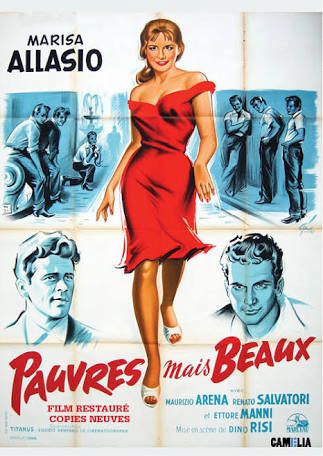
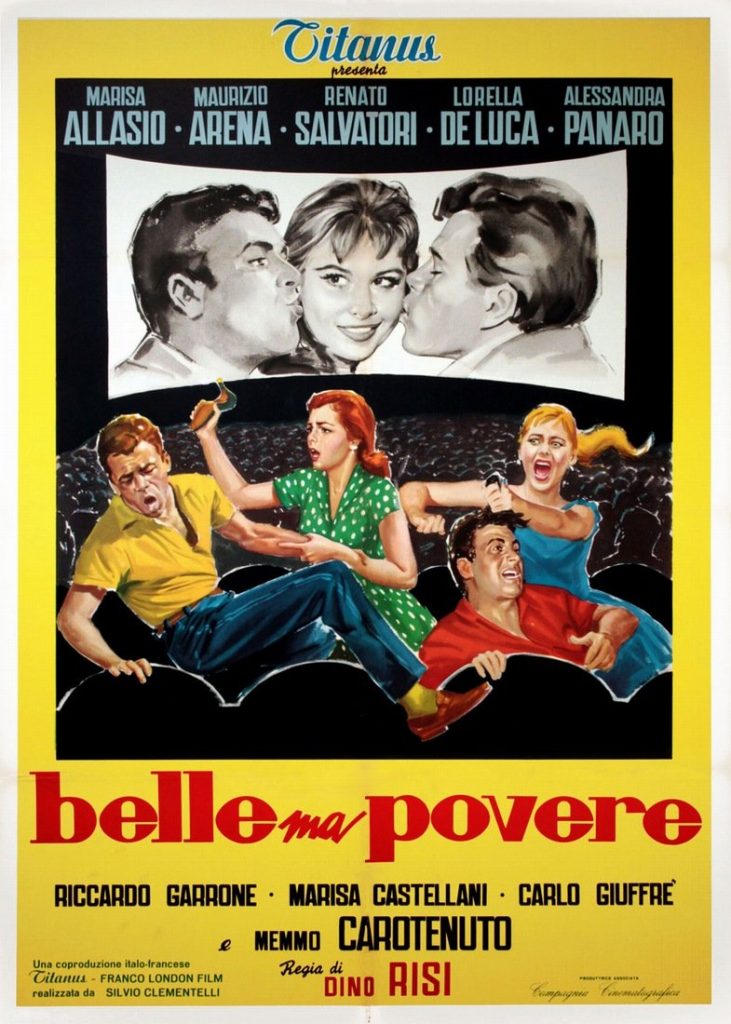
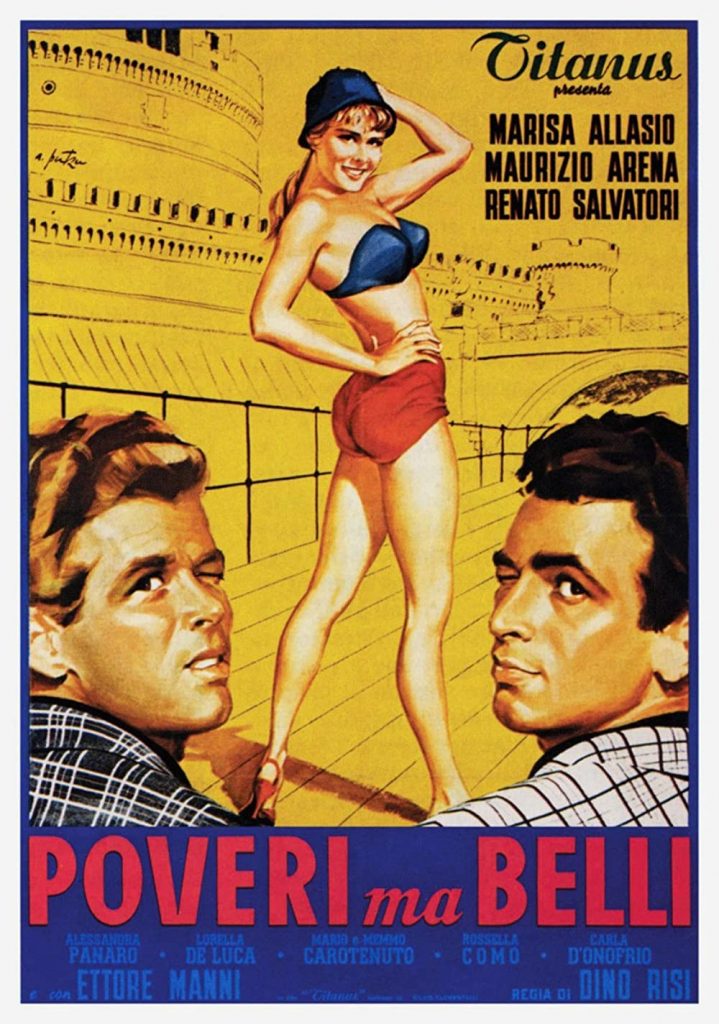
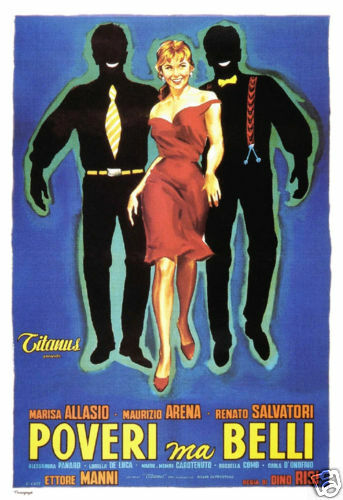
The Breakthrough: Her career is defined by Poveri ma belli (Poor but Handsome, 1957). Directed by Dino Risi, this film was a massive commercial success that shifted Italian cinema from the grit of post-war tragedy to the lighthearted optimism of the “Pink Neorealism” (Neorealismo rosa).
-
The Abrupt Exit: At the absolute height of her fame in 1958, Allasio vanished from the screen. She married Count Pier Francesco Calvi di Bergolo (the grandson of King Victor Emmanuel III) and retired permanently to a private life in a castle, famously turning down the role of Angelica in Visconti’s The Leopard (which later made Claudia Cardinale a global star).
2. Critical Analysis: The “Giovanna” Archetype
Allasio’s significance in film history isn’t just about her beauty; it’s about what she represented to a recovering nation.
The Transition of the Female Lead
Before Allasio, the great Italian actresses (Anna Magnani, early Silvana Mangano) often played “Mother Italy”—suffering, earthy, and burdened by history. Allasio represented the “maggiorata” (the well-endowed starlet), but with a twist: she was the girl-next-door. She didn’t represent the trauma of the past, but the leisure and desire of the future.
The Power of “Teasing” (La Civetta)
Critically, Allasio’s screen persona was that of the “innocent provocateur.” In films like Marisa la civetta, she played women who were aware of their sexual power but remained strictly within the moral boundaries of 1950s Catholic Italy.
Naturalism and Modernity
Allasio had a breezy, spontaneous acting style. Unlike the theatricality of Hollywood stars, she moved and spoke like the young women found in the Roman piazze. This lack of artifice was revolutionary for the time; she wasn’t a “goddess” like Gardner, but a peer to the audience.
3. Key Works and Impact
| Film |
Role |
Critical Significance |
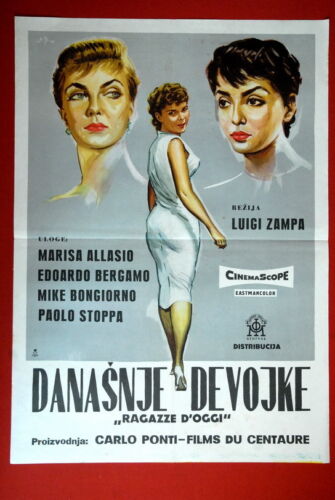
| Ragazze d’oggi (1955) |
Anna |
An early look at the changing roles of young women in a modernizing Italy. |
| Poveri ma belli (1957) |
Giovanna |
The definitive film of the “Pink Neorealism” era. It turned her into the face of a generation. |
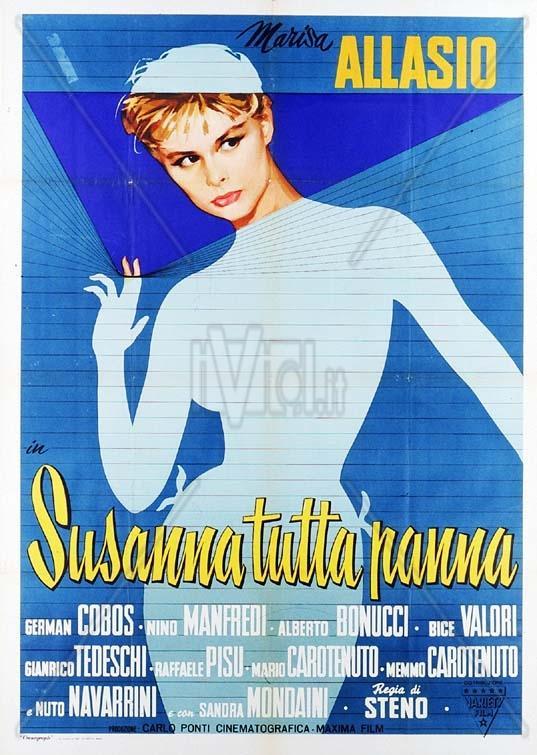
| Susanna tutta panna (1957) |
Susanna |
A comedy that played on her status as a commercial icon (the title references a brand of cream). |
| Seven Hills of Rome (1958) |
Marcella |
Her major international co-production (with Mario Lanza), showcasing her global potential just before she retired. |
4. Legacy: The “What If” of Italian Cinema
Marisa Allasio is often cited by historians as the missing link between the “Earth Mothers” of the 40s and the “International Divas” of the 60s (like Sophia Loren).
Her retirement is one of the great “what ifs” of cinema. By choosing the title of Countess over the role in The Leopard, she preserved her image in a state of permanent 1950s youth. To critics today, she remains the symbol of an Italy that was finally learning to smile again—a star who prioritized a real-life fairy tale over a cinematic one.