

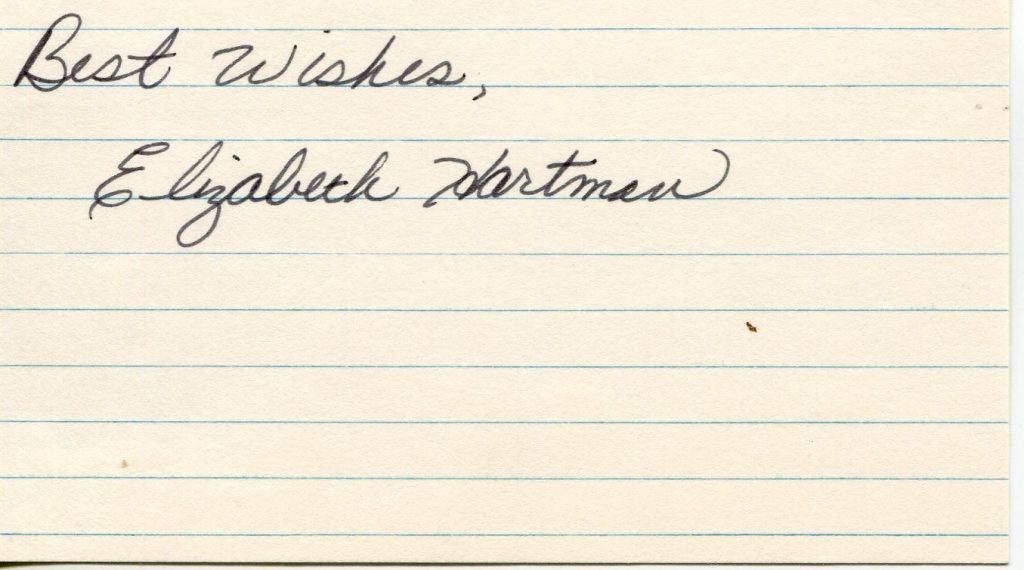

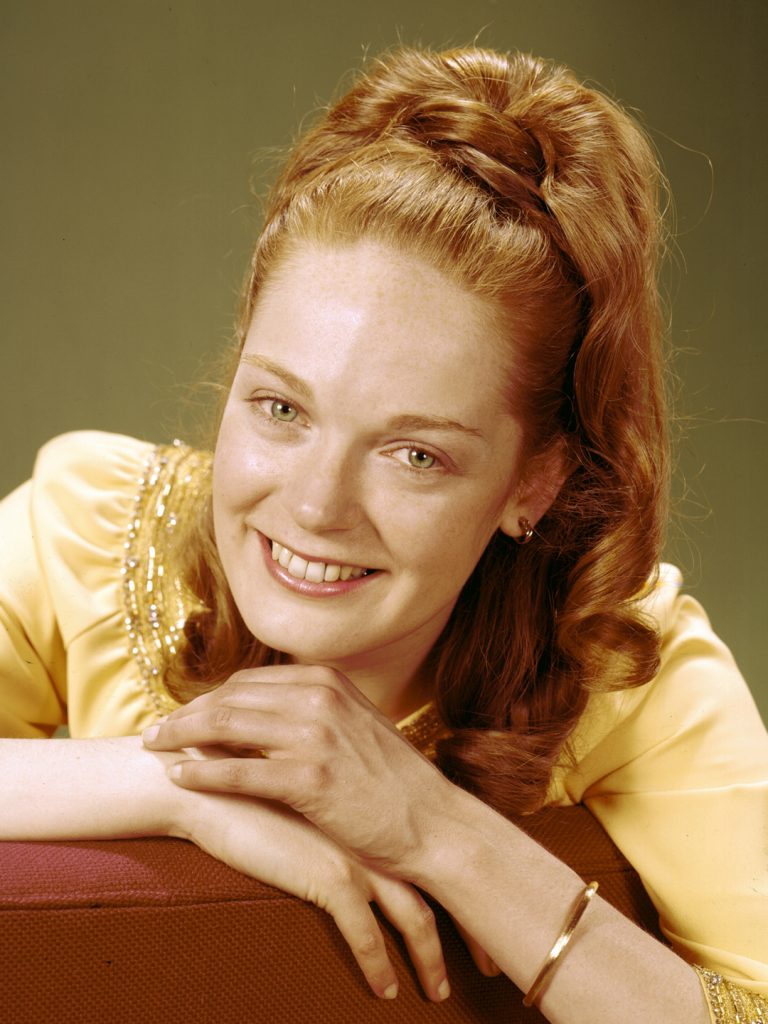
Elizabeth Hartman.
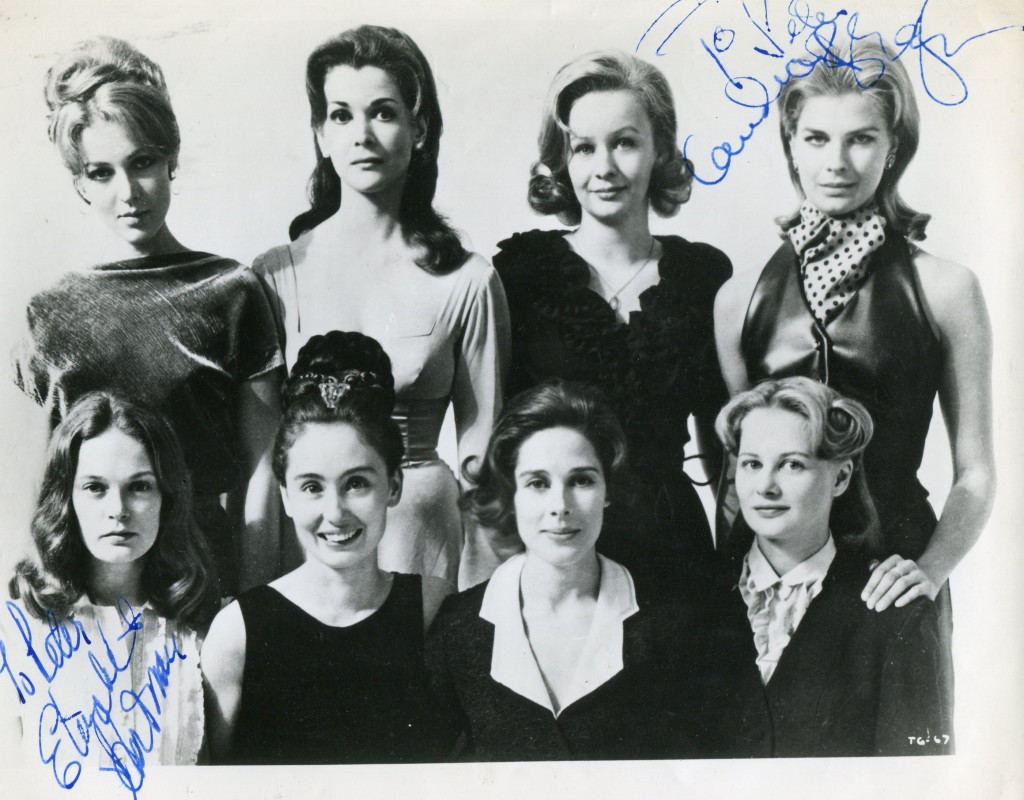
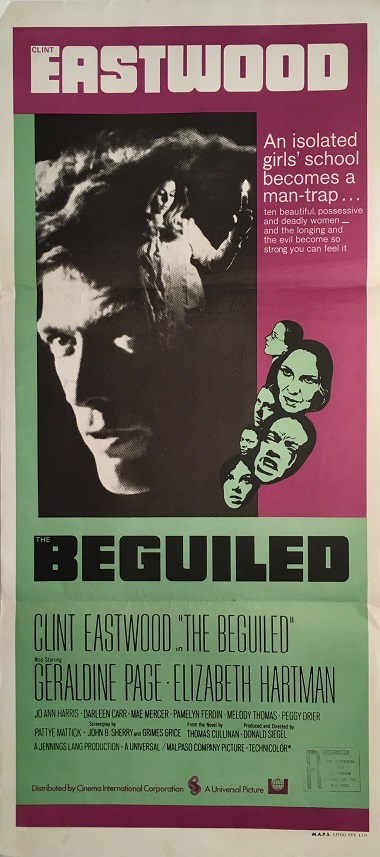
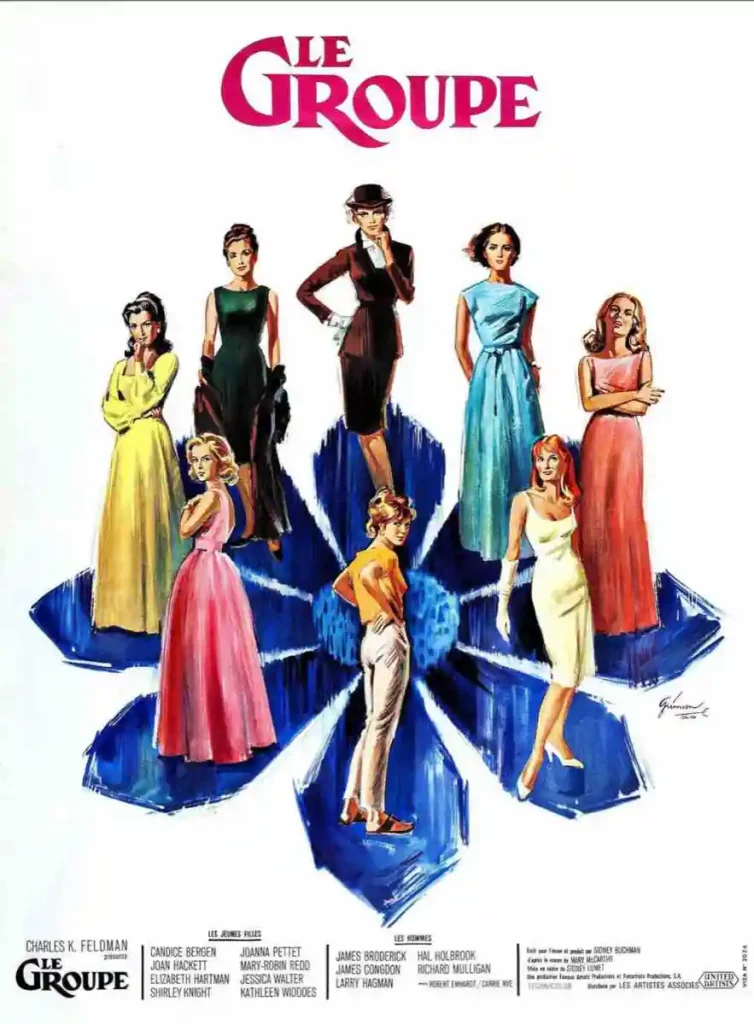
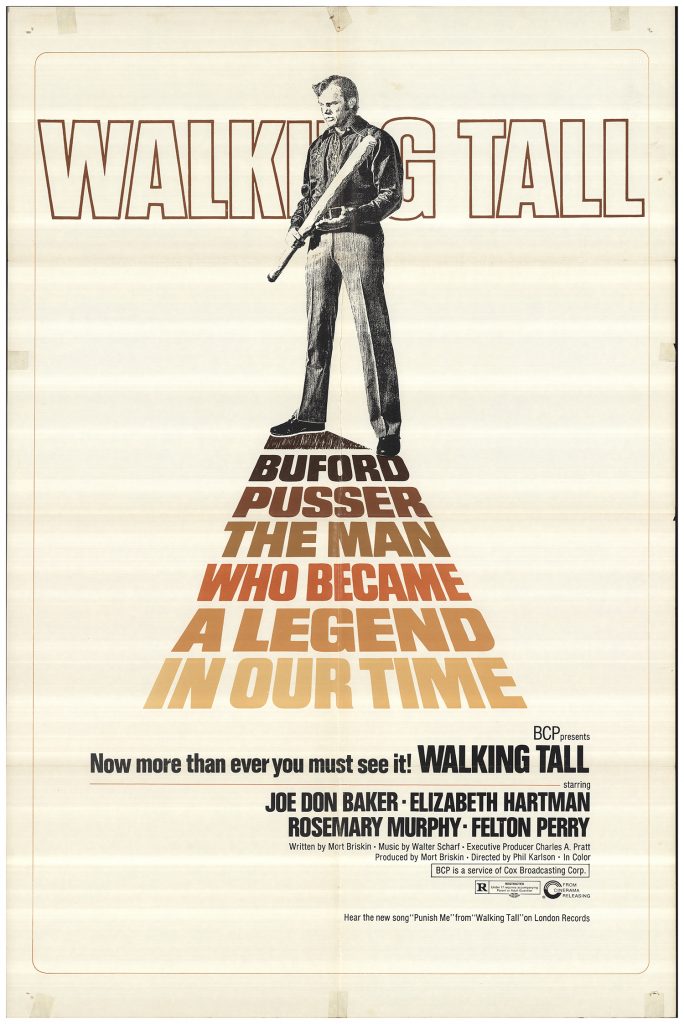
Elizabeth Hartman was born in 1943 in Youngstown, Ohio. She made a splendid movie debut in “A Patch of Blue” with Sidney Poitier and Shelley Winters. She went on make “The Group” with a bevy of marvellous actresses including Jessica Walter, Candice Bergen, Joan Hackett and Shirley Knight. In 1971 she gave a terrific performance in Don Siegel’s superb “The Beguiled” with Clint Eastwood and Geraldine Page. Elizabeth Hartman sadly passed away in 1987 in Pittsburgh.
Article on Elizabeth Hartman by Robert Temple can be accessed here.
Article in the “Los Angeles Times” by SANDRA HANSEN KONTE


PITTSBURGH — I can’t wait until I’m 45 and get all those great parts. –Elizabeth Hartman, in a 1971 interview.
The first reports of 43-year-old Elizabeth Hartman’s June 10 suicide here were sketchy. Homicide detectives weren’t sure just who the slight woman was who had thrown herself from the fifth-story window of her efficiency apartment. A handful of neighbors volunteered what they knew. She was an unemployed actress, they thought, who had starred long ago in some movie with Sidney Poitier.
She would have hated that description. Even though she was subsisting on disability insurance, Social Security benefits and family handouts, even though her days were spent with various psychiatrists or wandering through the Carnegie Art Museum or merely sitting, listening to records, when somebody asked Hartman what she did, she replied, “I’m a film actress.”
Some of her therapists thought that this was another of her fantasies. But she was.
In 1965, at age 21, she was nominated for a best-actress Academy Award in her movie debut as a blind girl in “A Patch of Blue” (but lost to Julie Christie in “Darling”). She won a Golden Globe Award for most promising female newcomer. She was voted one of 1966’s Stars of Tomorrow by the American Film Exhibitors. Columnist Hedda Hopper predicted glowingly that “those who watch her at work tell me she can’t miss.”
Biff Hartman (her nickname originated from her sister’s childhood inability to pronounce \o7 Elizabeth\f7 ) of Youngstown, Ohio, had gone West and taken on the city that had been the object of so many of her childhood dreams.
And, in her own words, the city had won.
“All actresses are probably very paranoiac,” she once said in an interview with the New York Times, “and never accept the fact they’re good. You keep thinking: ‘Nobody wants me, I can’t get a job.’ That initial success beat me down. It spiraled me to a position where I didn’t belong. I was not ready for that.”
After she died, once co-star Poitier issued the following statement: “It saddens me to think she’s no longer with us. She was a wonderful actress and a truly gentle person. We have lost a distinguished artist.”
(Another “Patch of Blue” co-star, Shelley Winters, declined comment. Her spokesperson at International Creative Management offered, “She’s busy. She was asked to appear in a documentary about Marilyn Monroe and she turned that down, too.”)
(Calls by Calendar to the Warners Bros. representative for Clint Eastwood, who starred with Hartman in “The Beguilded,” were not returned.)
Pittsburgh Post-Gazette magazine editor George Anderson had a harder edge: “I think hers was a tragic American career that peaks at the beginning and has no follow-up. It’s a common Hollywood story.”
The headline in another Pittsburgh paper summed it up. “Failing Career/Mental Problems Blamed in Actress Suicide Here.”
Those closest to Hartman get angry when it is suggested that it was just her faltering movie career that propelled her out that window. “There’s so much more to it,” says her sister, Janet Shoop. “That’s what’s so hard for people to understand about mental illness. It’s not always outward. Hartman desperately wanted to resume her career. But, in the end, it was just too difficult for her to do so.”
Mary Elizabeth Hartman (1943–1987), known professionally as Elizabeth Hartman, was a quietly luminous American actress whose career, though brief and punctuated by severe personal struggles, left a strong impression through a handful of memorable film roles and a handful of stage performances. She is best remembered as a delicate‑looking but emotionally intense performer whose best work fused vulnerability with a quietly rebellious spirit.
Career overview
Hartman began in theater in New York, where she starred in the play Everybody Out, the Castle Is Sinking; her work there caught studio attention and led directly to her casting in A Patch of Blue (1965), her film debut. In that role, she played Selina D’Arcy, a blind, abused white girl who forms a tentative romantic bond with a Black man (Sidney Poitier), a part that earned her an Academy Award nomination for Best Actress at age 23, making her the youngest woman ever nominated in that category at the time.
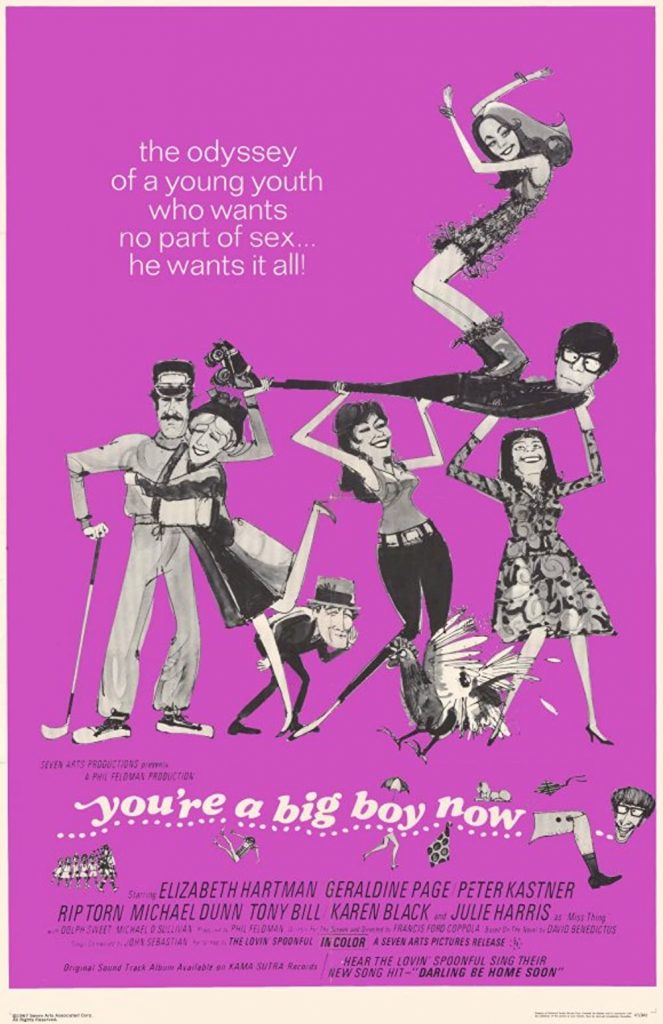
She followed that with a series of mid‑1960s films that tried to position her as a serious young actress rather than a conventional starlet. In Sidney Lumet’s The Group (1966), she played a neurotic, suicidal woman among a circle of college friends, and in Francis Ford Coppola’s You’re a Big Boy Now! (1966), she played a brash, somewhat predatory librarian‑type figure, a sharp departure from the gentle Selina. Later she appeared in Clint Eastwood’s The Beguiled (1971), set in the Civil War South, where she played one of several women nursing a wounded Union soldier, contributing to the film’s tense, repressed eroticism.
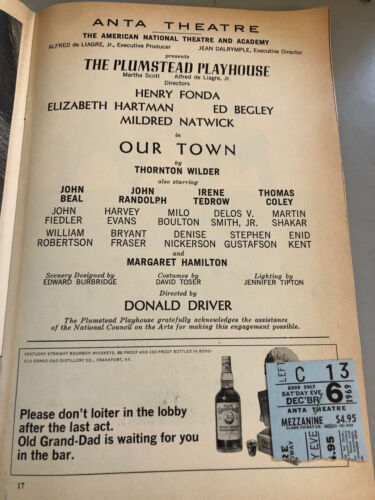
Hartman also worked in theater, notably performing Laura Wingfield in The Glass Menageriein Pittsburgh, where she won a regional “Actress of the Year”‑type award for her portrayal of Tennessee Williams’s fragile ingénue. After a busy six‑ or seven‑year stretch, her screen appearances thinned out, partly due to increasing mental‑health problems and self‑effacing instincts, and she largely withdrew from the industry before her death by suicide in 1987 at age 43.
Acting style and persona
Hartman’s screen presence was marked by a fragile‑looking, red‑haired, freckled beauty that initially seemed tentative and easily wounded, but she often used that impression to build characters who were more resilient or unsettling than they first appeared. Critics noted that she could project both childlike innocence and a kind of steely, unsentimental clarity, especially in A Patch of Blue, where she played a character who is blind and abused but never reduced to simple victimhood.
Her voice and gaze were especially expressive: she often underplayed moments of high emotion, yet her restraint made her reactions—surprise, hurt, anger—feel more immediate and real. In The Beguiled, for example, she gives a quietly desperate, almost frightened quality to her character; she is one of the least aggressive Southern women in the house, but her vulnerability and need make her no less dangerous in the film’s claustrophobic, sexually charged climate.
Critical analysis of key roles
A Patch of Blue (1965)
A Patch of Blue remains Hartman’s defining role. Critics at the time singled her out as the film’s emotional core, praising her ability to avoid sentimentality while still making Selina’s struggle and nascent self‑assertion genuinely affecting. The role required her to portray blindness without mugging or exaggerated touching; instead she relied on posture, vocal tone, and micro‑shifts in expression, which gave the performance an unusual realism.
At the same time, later appraisals have noted that the film itself is often criticized as clumsy and melodramatic, with some reviewers calling it “unpleasant” or thematically awkward, yet they still praise Hartman for somehow rising above the material. In this paradox—top‑prize‑level recognition for a film that many regard as artistically flawed—Hartman embodies how a performer can be genuinely exceptional within a less‑distinguished context.
You’re a Big Boy Now! (1967)
In Coppola’s eccentric comedy You’re a Big Boy Now!, Hartman played a flirtatious, somewhat predatory woman who toys with a sheltered young man in a New York subway‑library milieu. The role was markedly “against type” for her, and critics have noted that she used the same kind of understated, watchful quality she brought to Selina, but in a more sardonic, almost predatory register.
Her performance here is often described as unexpectedly unsettling: she projects a kind of cool erotic menace that feels both comic and threatening, a rare combination that shows how consciously she could modulate her fragility to suit different tones.
The Group (1966) and The Beguiled (1971)
In The Group, Hartman played a mentally fragile woman prone to self‑harm among a cohort of college graduates, a part that required her to move between brittle charm and depressive lethargy. Critics noted that she brought a real, unsparing unease to the role, capturing the psychological thinness between neurosis and breakdown without tipping into histrionics.
In The Beguiled, she was one of several women holed up in a seminary, their lives disrupted by a wounded Union soldier. Her character is meek on the surface, but Hartman clues the audience into deeper, unspoken desires and anxieties, making her part of the film’s quiet but intense psychological undercurrent. Her work here shows how she could function in an ensemble while still creating a distinct, individual psychology.
Overall assessment
Elizabeth Hartman’s career is best understood as a mix of explosive promise and truncated realization. Her Oscar‑nominated debut in A Patch of Blue suggested a major leading‑lady future, and her follow‑ups in The Group, You’re a Big Boy Now!, and The Beguileddemonstrated versatility across drama and dark comedy, as well as a real capacity for emotional complexity. Yet her later withdrawal from the industry, driven by mental‑health challenges and perhaps a discomfort with fame, left her filmography small and somewhat fragmented.
Critically, Hartman is remembered for bringing a delicate, unfussy truthfulness to roles that could easily have become sentimental or stylized. Her strength lay in suggesting inner life without over‑signaling it, which made her performances feel unusually honest and, in the case of Selina, genuinely moving without being melodramatic. ] In that sense, her work stands as a poignant example of a quietly devastating actress whose career was too short but whose best moments remain vivid decades later.
Hartman had long‑standing struggles with depression and mood instability, and contemporaries have linked her withdrawal from acting to these mental‑health challenges. In a 1969 New York Times interview titled “After ‘A Patch of Blue,’ Gray Skies,” she said she had felt “unhappy” since making that film and admitted that early success had overwhelmed her, triggering a deep sense of insecurity and self‑doubt.
She described thinking, “Nobody wants me, I can’t get a job,” even when opportunities arose, which suggests that her inner anxiety distorted her sense of market value. That paranoia about her standing in Hollywood made her reluctant to take roles she saw as second‑rate, and she reportedly turned down parts she coveted, such as the lead in Who’s Afraid of Virginia Woolf?‑era theater work and later film roles, which narrowed her chances to rebuild her trajectory.
Comment
Ian McMaster
Where did you get these from? Curious ’tis all.
Sincerely,
Ian