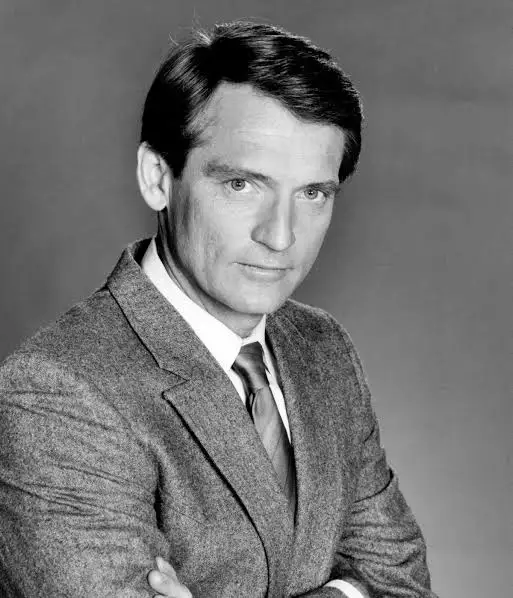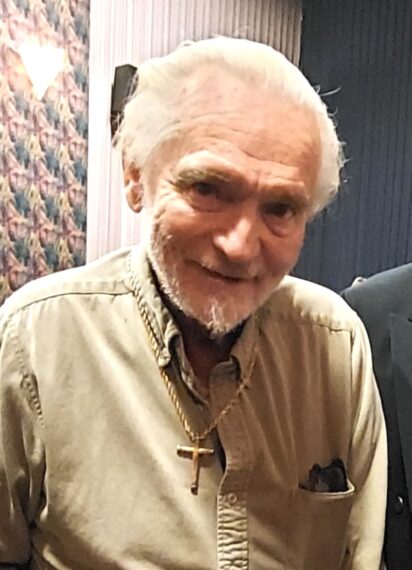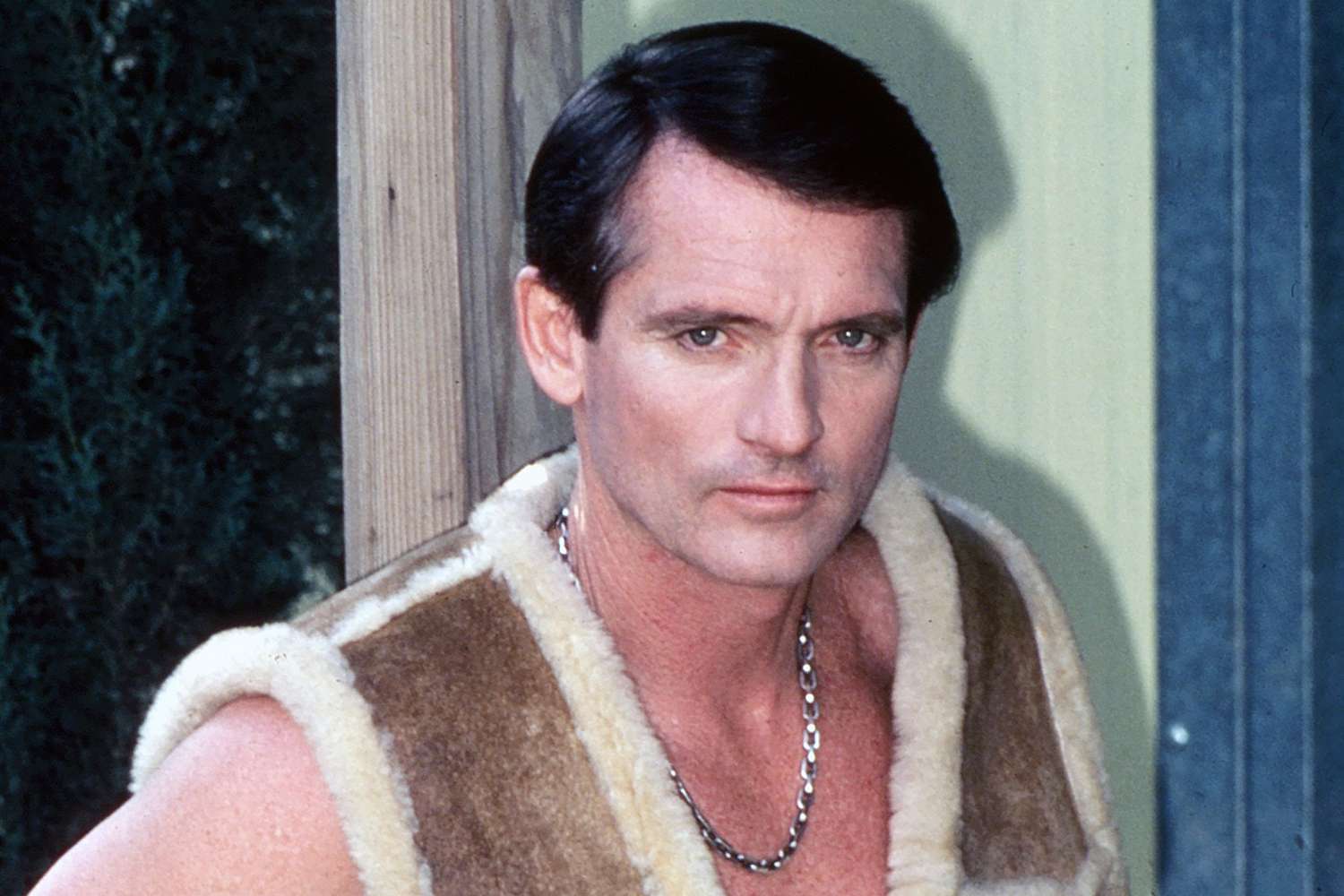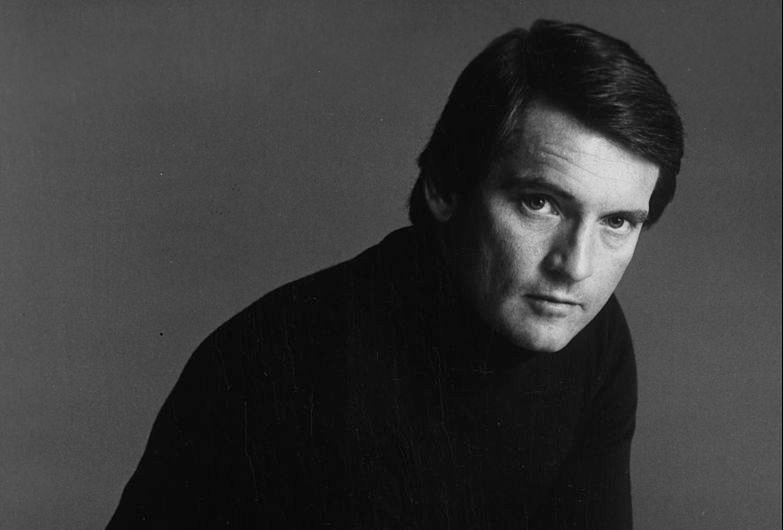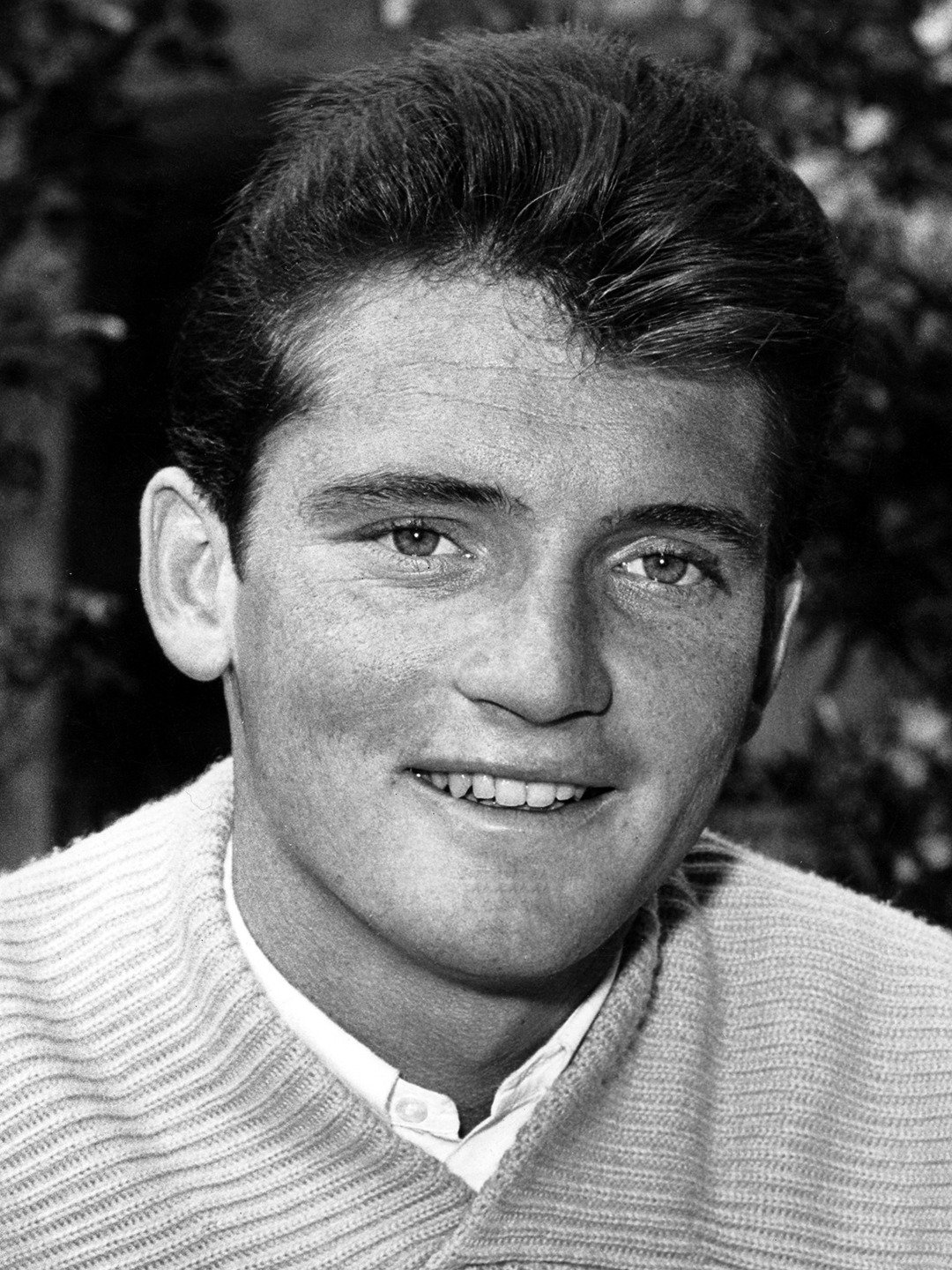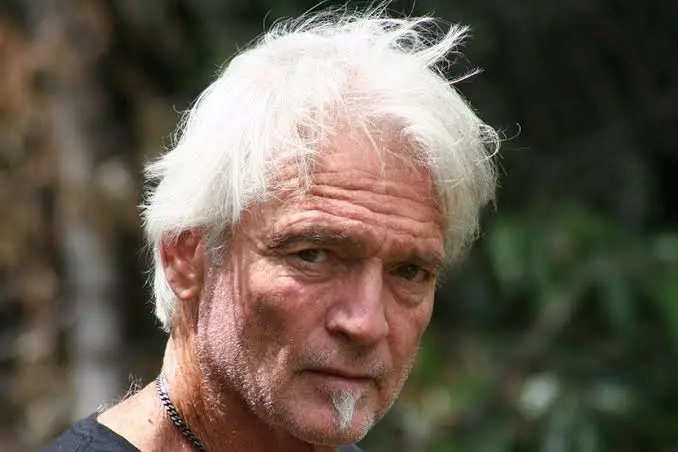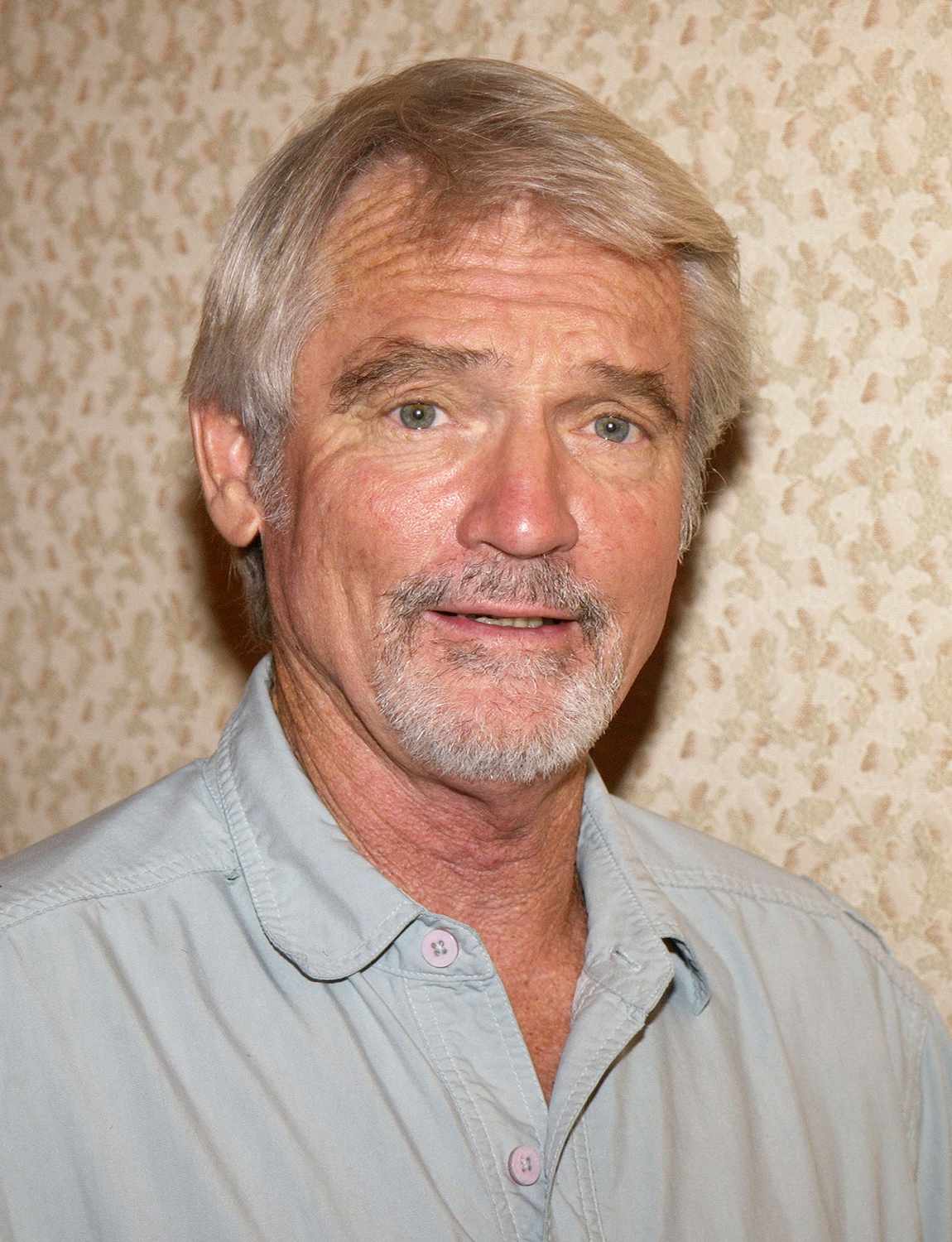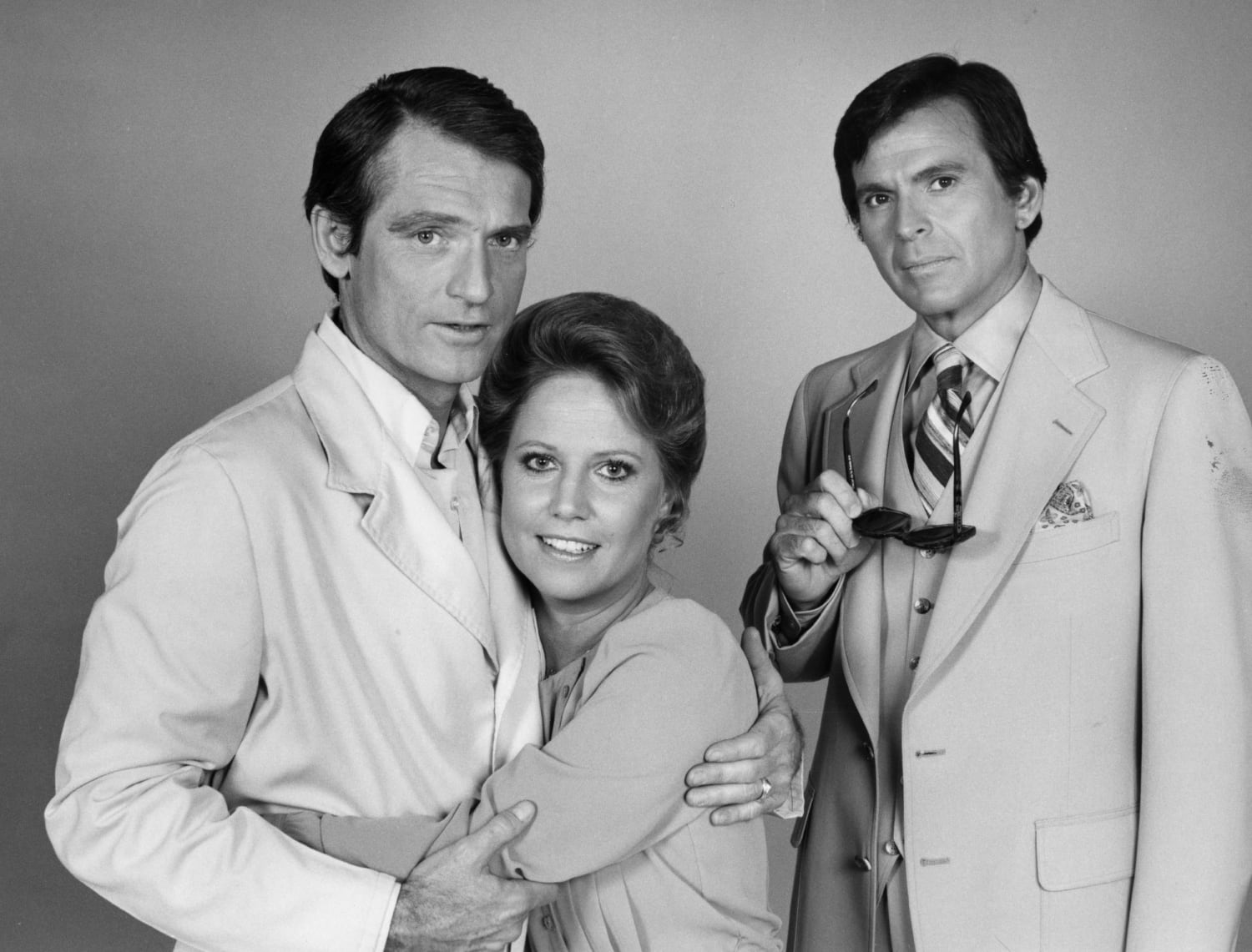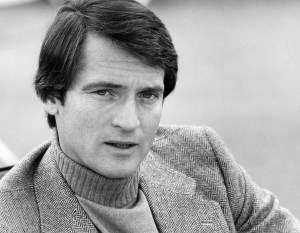


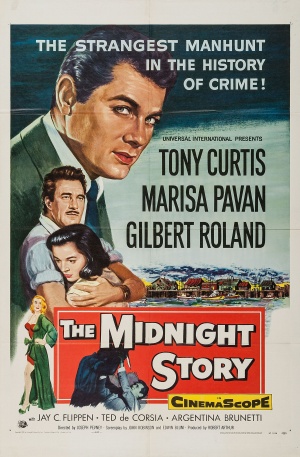
Chris Robinson was born in 1938 in West Palm Beach in Florida. He has starred for many years in two populsr soap operas, “General Hospital” and “The Bold and the Beautiful” when he finished in 2005. His films include “The Midnight Story” with Tony Curtis and Marisa Pavan in 1957, “Diary of a High School Bride”, “Because They’re Young”, “The Young Savages”, “13 West Street”, “The Hawaiians” and “Rez Bomb” in 2008. Chris Robinson died in Arizona in 2025





Gemini said
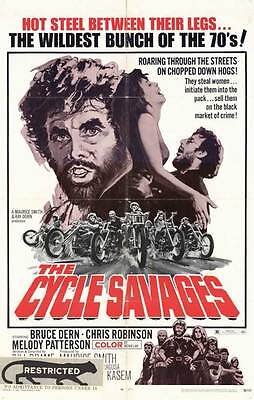
Chris Robinson (born 1938) is a fascinating figure in the evolution of American television and independent cinema. While he is most recognizable to millions as a pillar of the “Soap Opera Golden Age,” a critical analysis of his broader career reveals a gritty, versatile performer who excelled in the “tough-guy” aesthetics of 1960s and 70s genre filmmaking.
He was an actor who transitioned from the hyper-masculine world of action-adventure to the emotionally complex, high-volume world of serialized drama, maintaining a signature “Intellectual Intensity” throughout.
1. Career Overview: From the Bayou to the Hospital
The Action-Adventure Foundations (1960s)
Robinson began his career as the quintessential “guest-star specialist.” His athletic build and sharp features made him a favorite for Westerns and military dramas. He was a regular fixture in Combat!, The Virginian, and Gunsmoke. His breakout leading role came in the seafaring adventure series “12 O’Clock High” (1964–1967), where he played Sgt. Sandy Komansky, providing the “enlisted man’s perspective” to the high-altitude drama.
The Cult and Exploitation Era (1970s)
In the 1970s, Robinson pivoted into darker, more experimental territory. He directed and starred in the cult horror film “The Catchers” (also known as The Intruder) and appeared in visceral genre pieces like Stanley (1972), a “snakes-on-a-rampage” horror film where he played a wounded Vietnam veteran. This period showcased his ability to handle psychological instability on screen.
The Daytime Dynasty (1978–2005)
Robinson achieved his greatest fame as Dr. Rick Webber on General Hospital. Joining during the show’s transformative “Luke and Laura” era, he became a central romantic and moral lead. He later moved to The Bold and the Beautiful as Jack Hamilton, solidifying his status as a daytime legend.
2. Detailed Critical Analysis: The “Blue-Collar Intellectual”
The “Komansky” Realism
In 12 O’Clock High, Robinson’s performance was a departure from the “gung-ho” soldiers of 1950s cinema.
-
Analysis: Robinson utilized a naturalistic, weary grit. He played Komansky as a man who was good at his job but exhausted by the bureaucracy of war. Critics noted that he brought a “Proletarian Dignity” to the role, acting as the grounded foil to the more aristocratic officers. He mastered the “technical acting” of the era—looking like he actually knew how to strip a machine gun or navigate a bomber.
The “Wounded Warrior” Archetype in Stanley
In the cult classic Stanley, Robinson played a Seminole Indian and Vietnam vet who communicates better with snakes than people.
-
Critical Insight: This is perhaps his most daring technical performance. Robinson utilized a style of “Simmering Isolation.” He portrayed the “PTSD archetype” before it was a common trope, using minimal dialogue and a heavy, brooding physical presence. Critics have re-evaluated this performance as a sophisticated study in social alienation, far exceeding the usual expectations for a “B-movie” horror lead.
The “Rick Webber” Technical Mastery
The shift to General Hospital required a completely different set of technical tools: high-volume memorization and emotional consistency over decades.
-
Technical Detail: Robinson developed a “Patriarchal Gravitas.” As Dr. Webber, he had to deliver complex medical jargon while maintaining a “Leading Man” romantic appeal.
-
Critical Analysis: Critics praised his ability to anchor the increasingly fantastical plots of General Hospital in a sense of medical and moral authority. He was the “voice of reason” in a soap opera world gone mad. He used a “deliberate vocal pace” that commanded the room, a technique he likely honed during his years in theater and action-TV.
3. Key Credits & Critical Milestones
| Year | Title | Role | Significance |
| 1964–67 | 12 O’Clock High | Sgt. Sandy Komansky | Established him as a major TV star. |
| 1972 | Stanley | Tim Ochatee | A landmark performance in “Eco-Horror” and cult cinema. |
| 1978–86 | General Hospital | Dr. Rick Webber | Became a cultural icon of the 80s daytime boom. |
| 1987 | The Serpent and the Rainbow | Schoonbacher | Showcased his late-career “Academic Authority.” |
| 1992–05 | The Bold and the Beautiful | Jack Hamilton | Proved his longevity and versatility in the soap genre. |
4. The “Robinson” Legacy
Chris Robinson is the “Craftsman of the Everyman.” He was never an “actor-star” who demanded the spotlight; instead, he was an “actor-worker” who made every project he touched feel more authentic. Whether he was crawling through the mud in a 1960s war drama or performing surgery in a 1980s soap, he brought a disciplined, masculine intelligence to the screen.
His legacy is one of adaptability. He survived the collapse of the studio system and the transition to the television era by being the most reliable “professional” in the room—a man who understood that the secret to a seventy-year career is to treat “genre work” with the same respect as Shakespeare.