

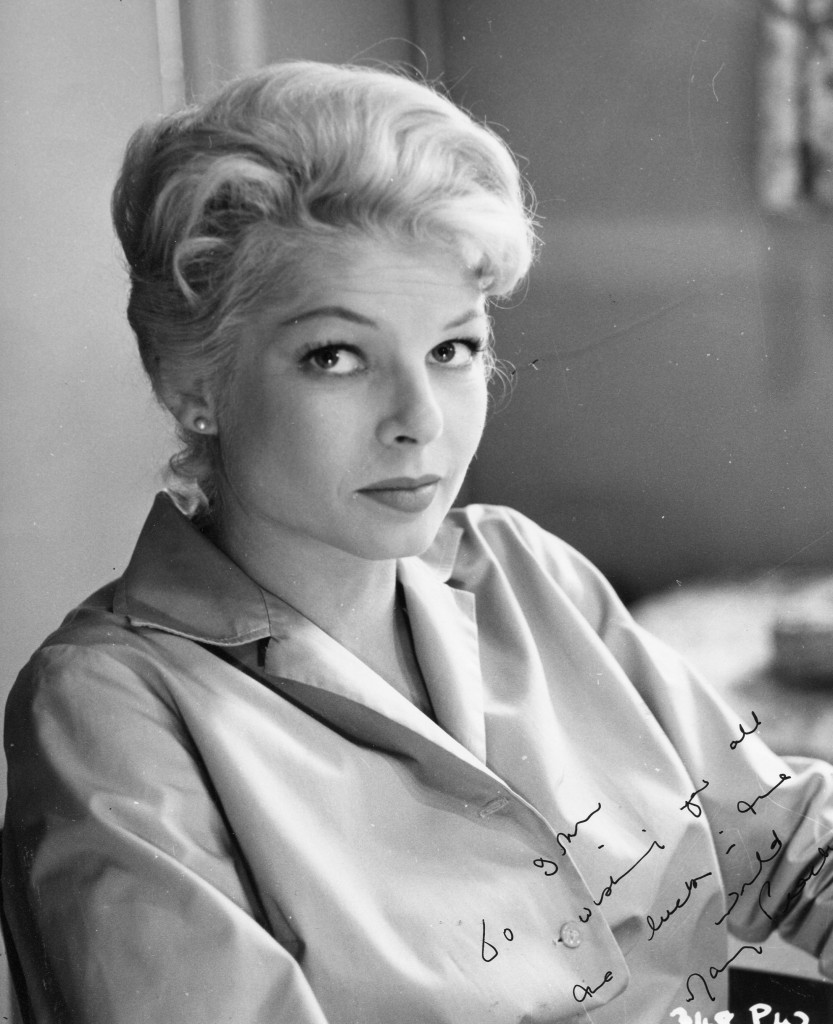
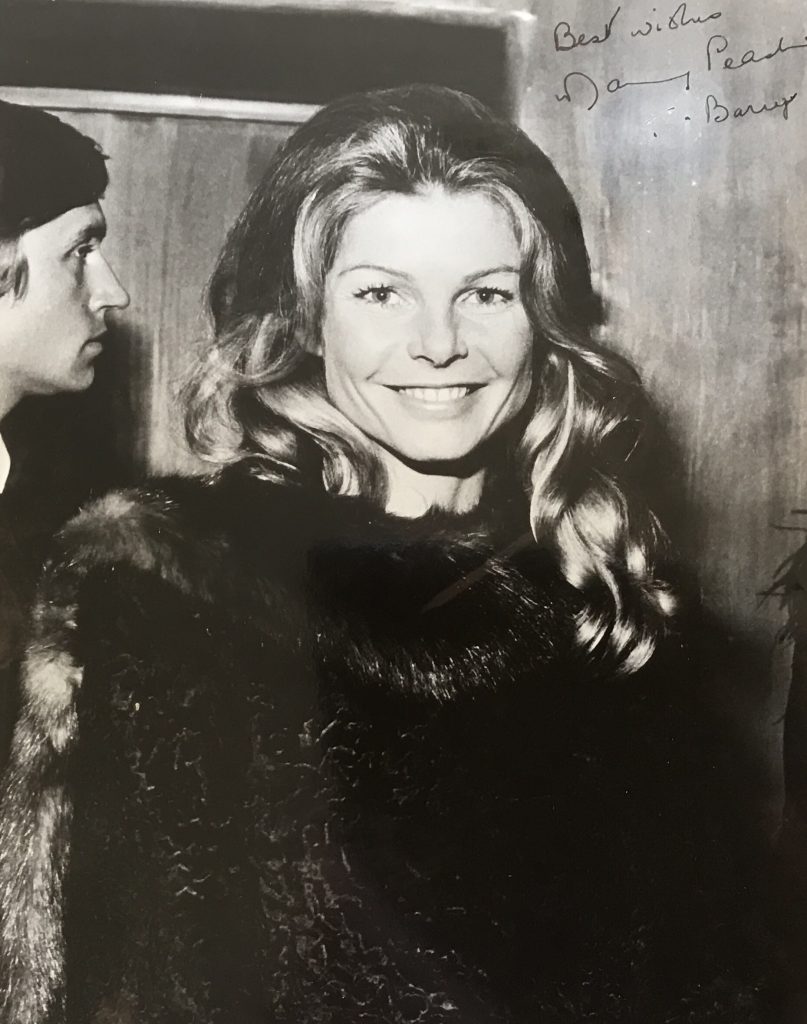
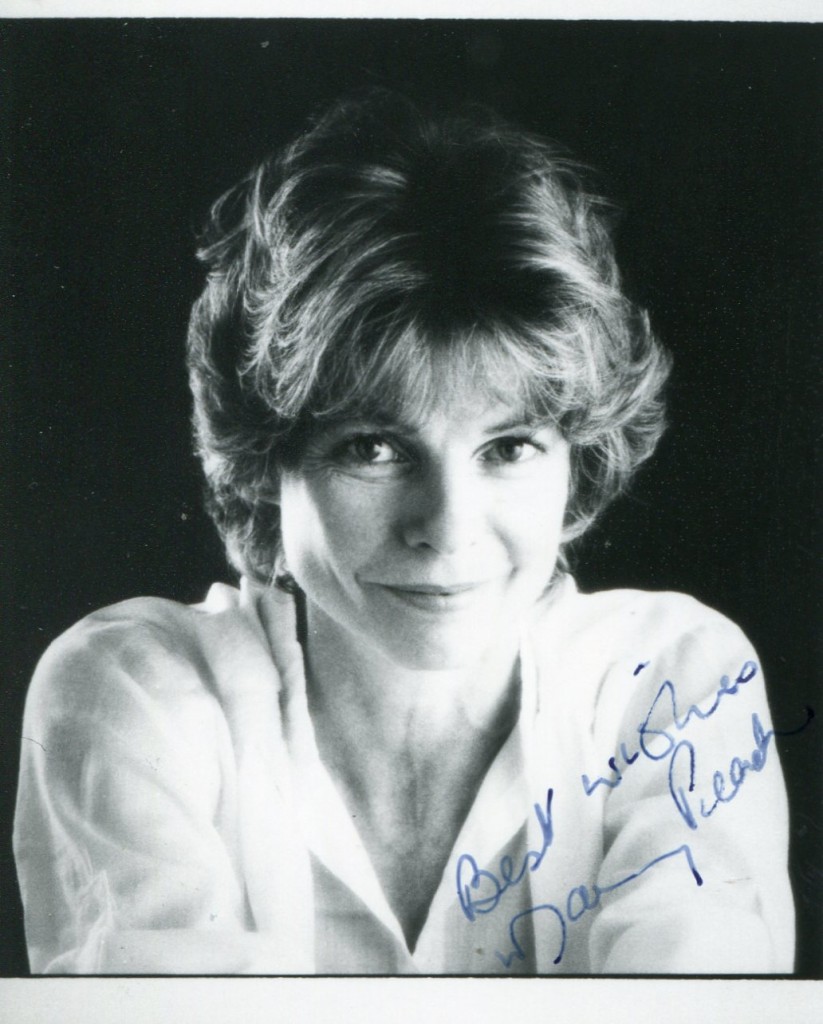
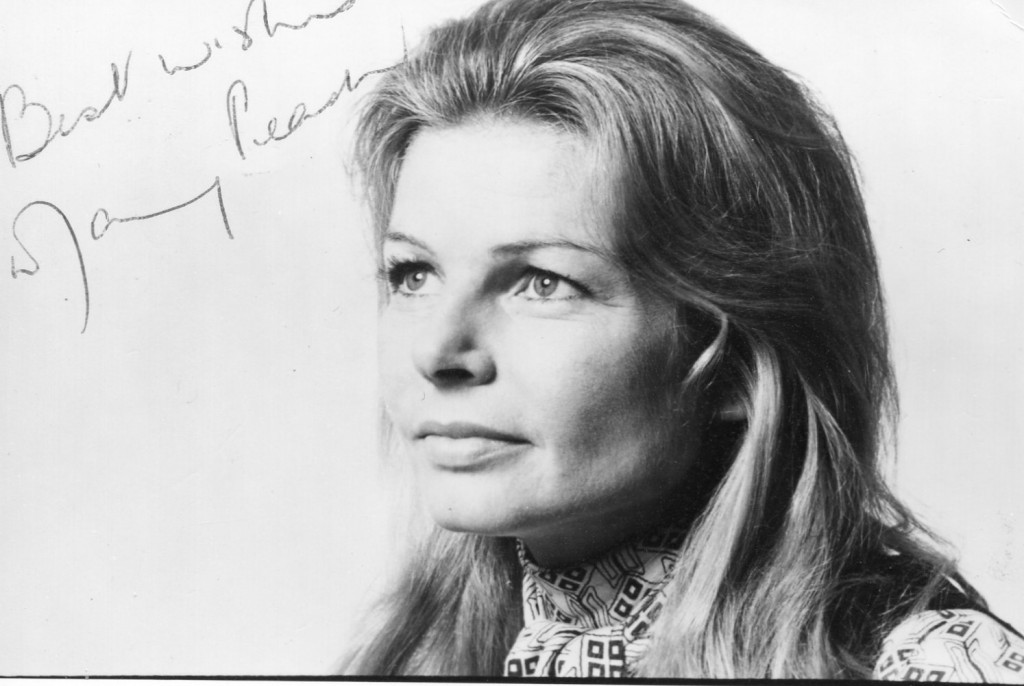
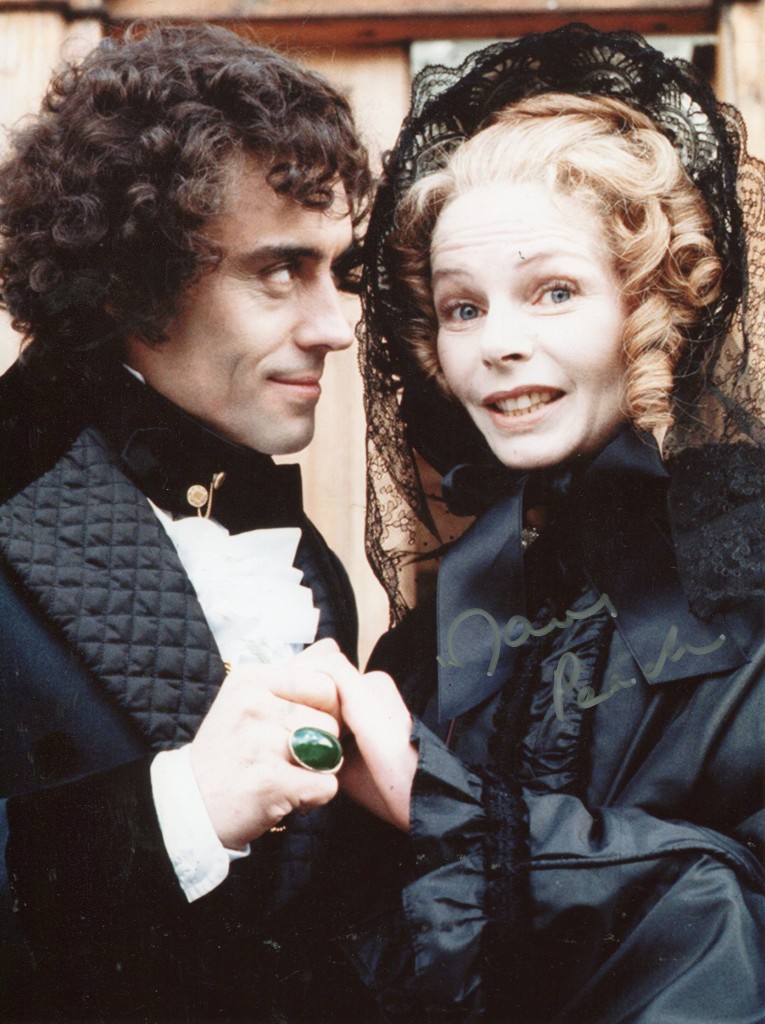
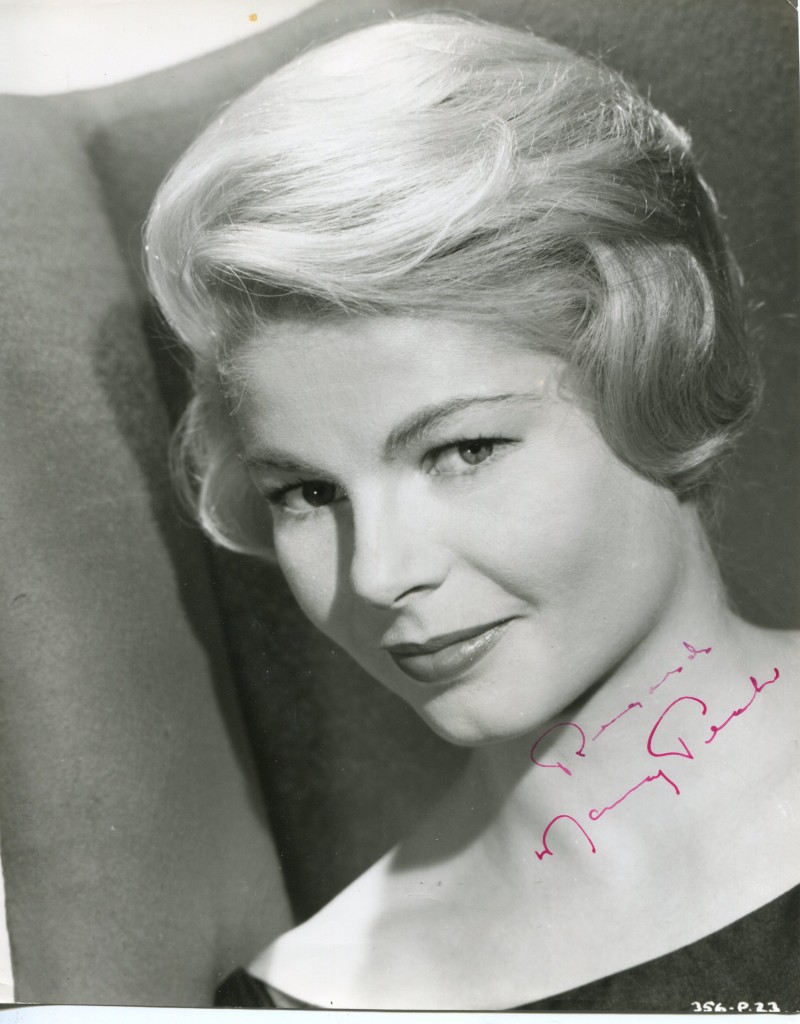
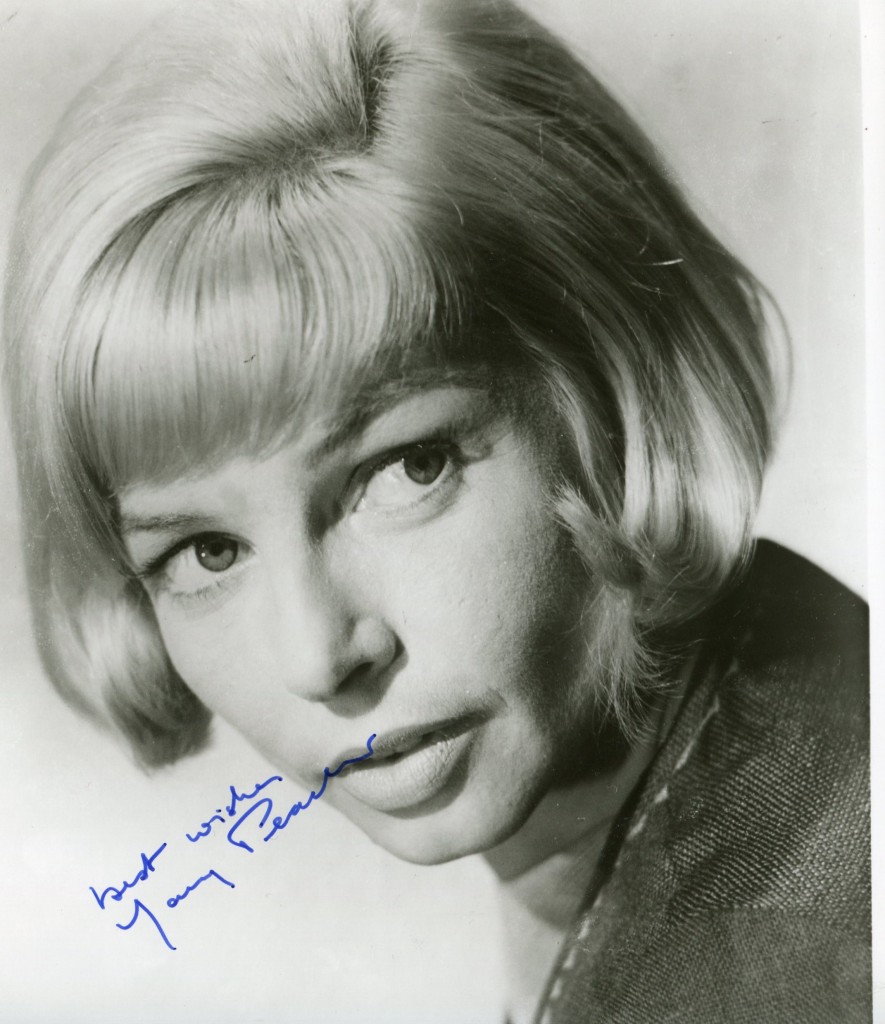
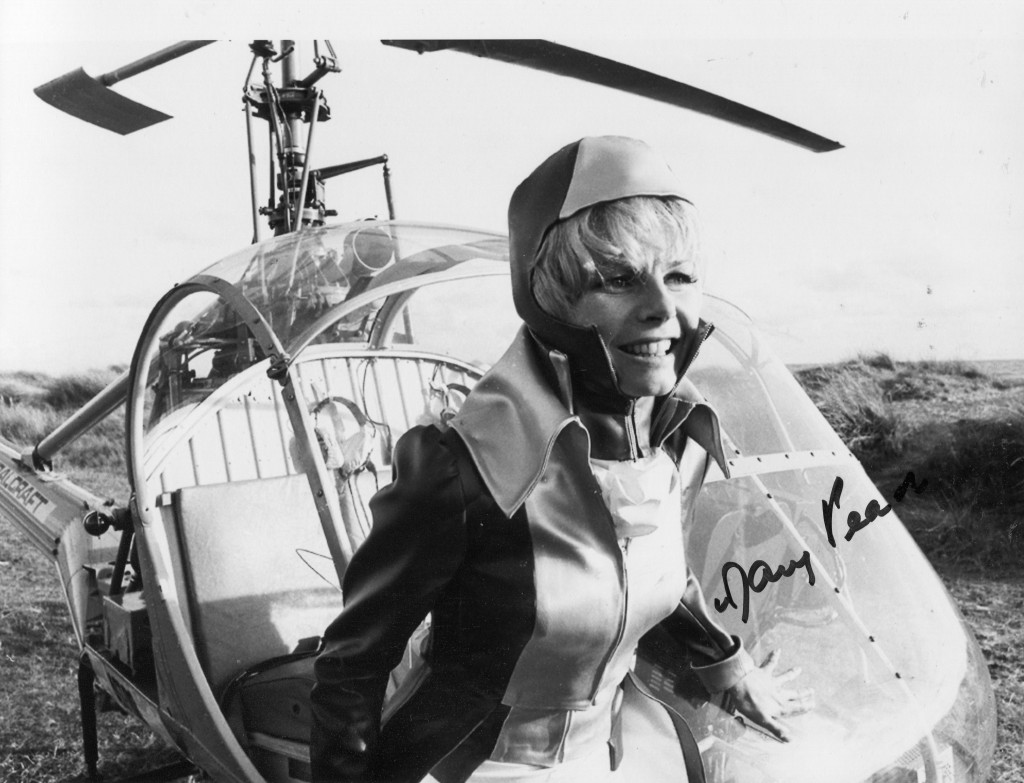
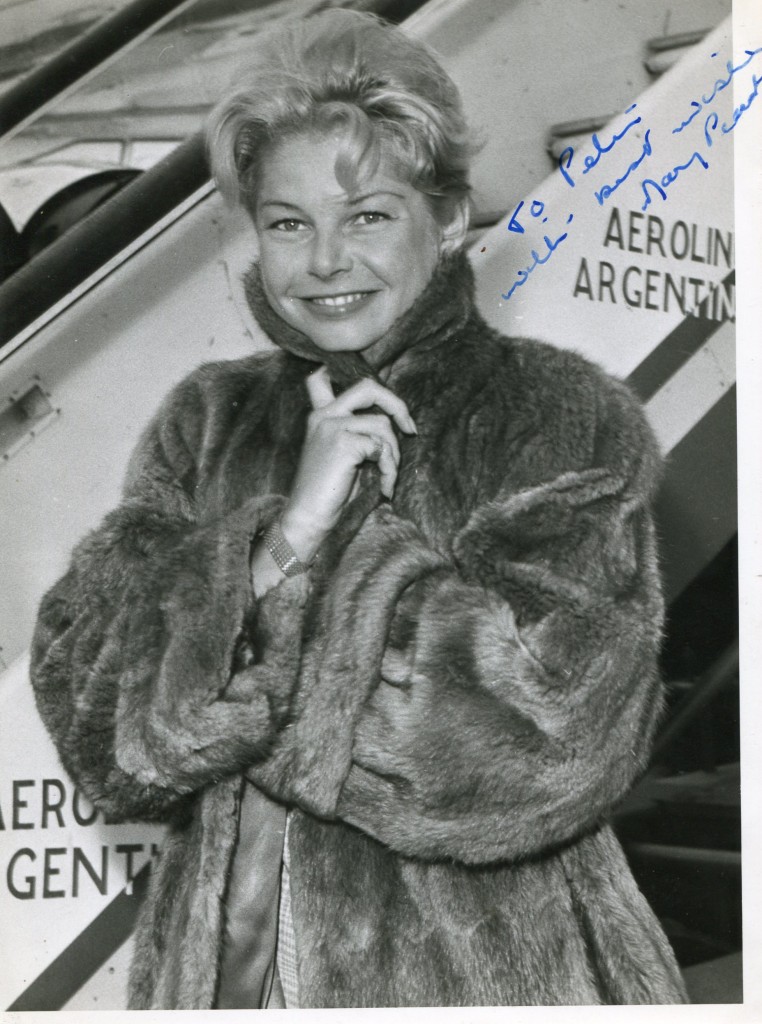
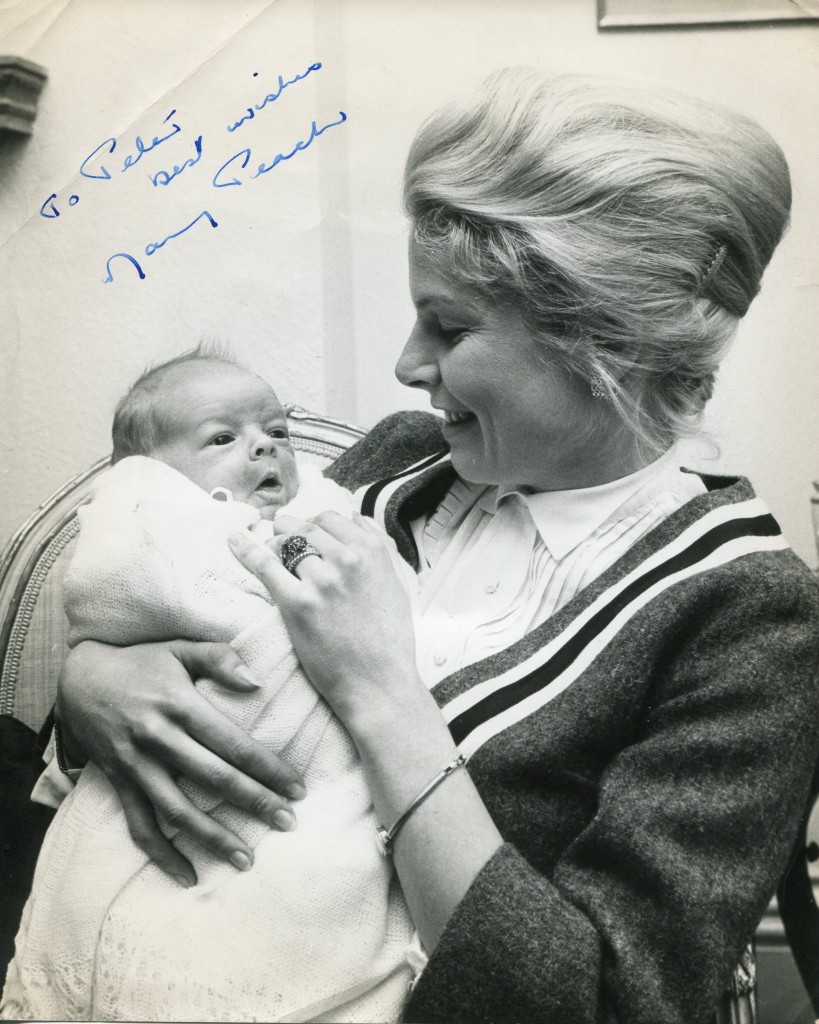
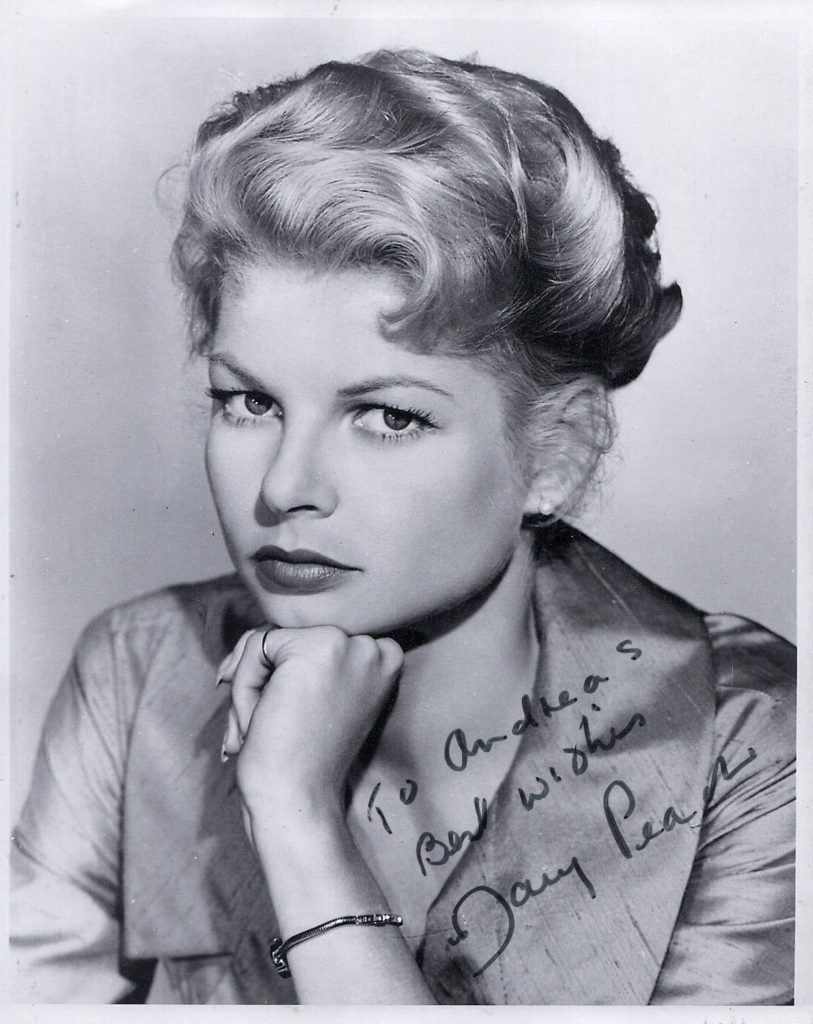
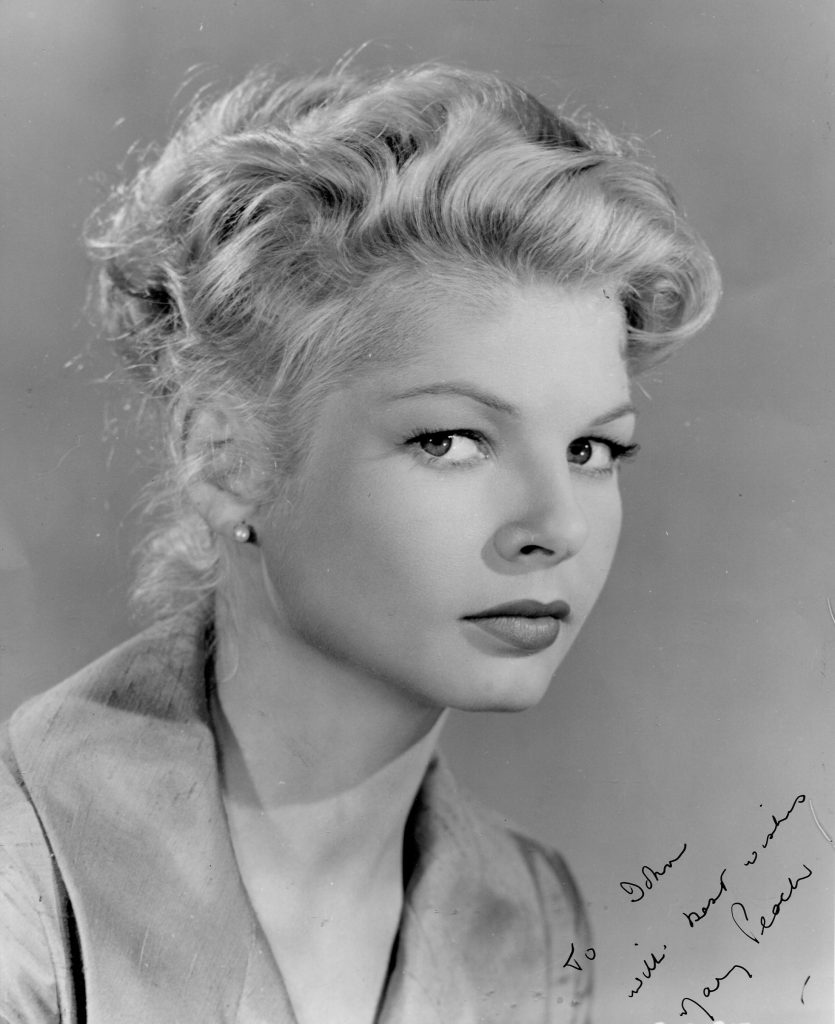
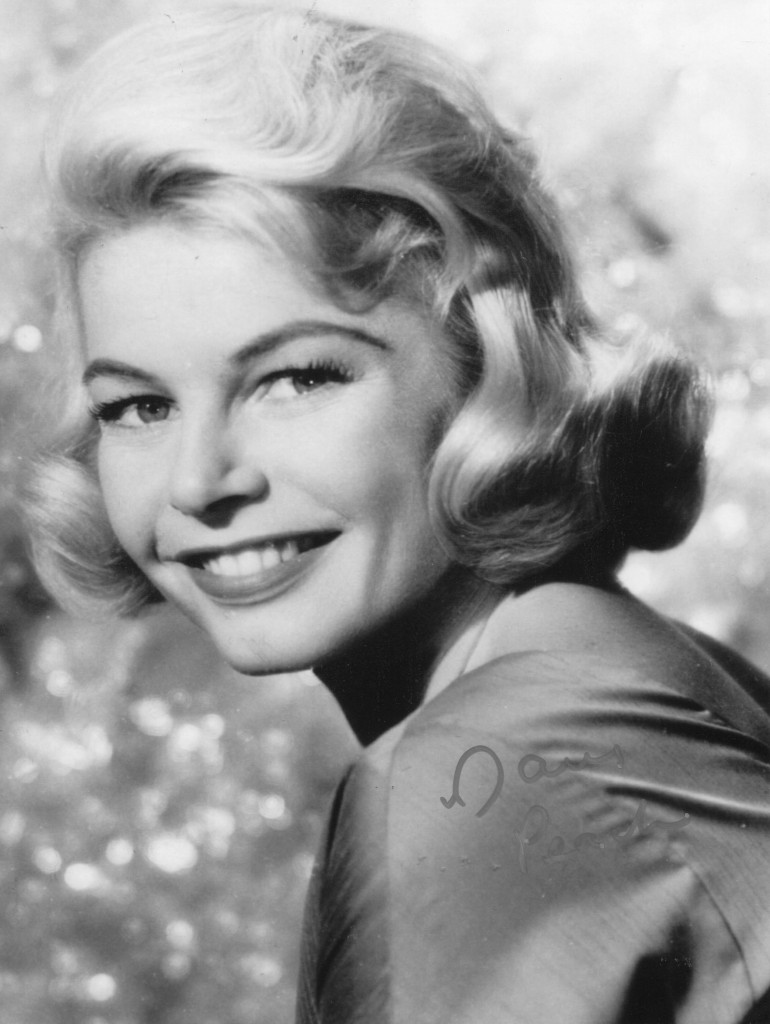
Mary Peach is a South African-born British film and television actress who was born on October 20, 1934, in Durban, South Africa. She is known for her roles in films such as Cutthroat Island (1995), Scrooge (1970), and The Projected Man (1966). She has also appeared in numerous British films and television series over the years, including A Gathering of Eagles (1963) which was made in Hollywood opposite Rock Hudson and Rod Taylor and the BBC adaptation of The Three Musketeers (1966). Peach was married to film producer Thomas Clyde from 1961 until their divorce, and they had two children together. She later married screenwriter and director Jimmy Sangster in 1995, and remained married to him until his death in 2011. Peach was also considered for the role of Steed’s new assistant in The Avengers (1961) after Diana Rigg left the show
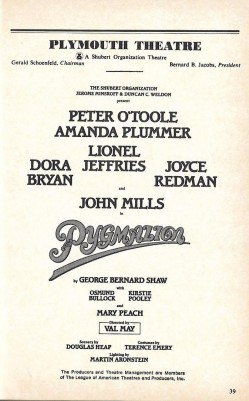
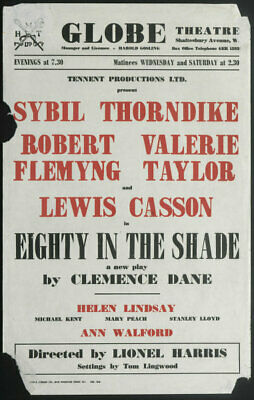
Sadly Mary Peach passed away in January 2025 at the age of 90.
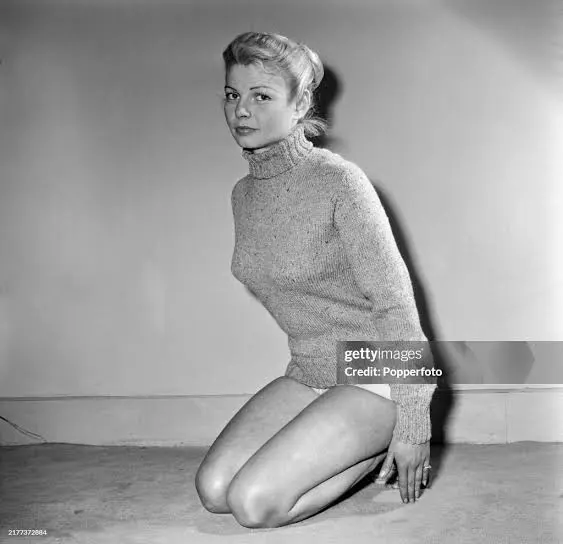
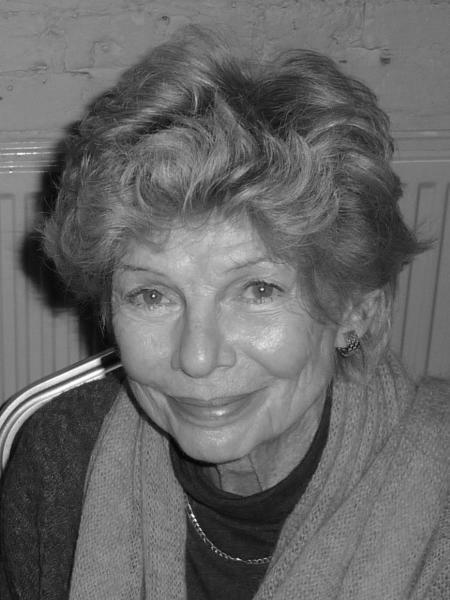
Career overview
Mary Peach (b. 1934, Durban, South Africa) is a South African‑born British film and television actress whose career (1957–1995) traced a distinctive arc from new‑wave breakthrough to reliable small‑screen versatility. Intelligent, attractive, and instinctively poised, she moved easily between romantic leads in British cinema and authoritative character work on television, her combination of warmth and composure making her a representative—and sometimes underestimated—face of post‑war British screen acting.
Early life and emergence
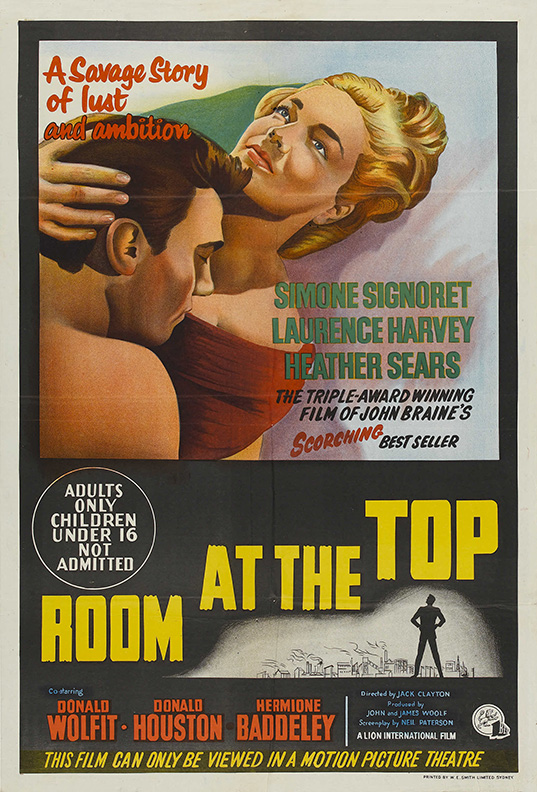
Born to South African parents and raised in Durban, Peach moved to Britain in the 1950s to study acting. Her early stage work in repertory led quickly to television appearances on Armchair Theatreand ITV Playhouse ( ). In 1959 she was cast in Room at the Top, the groundbreaking “kitchen‑sink” drama that helped launch the British New Wave. Her small but memorable role as June Samson earned her a BAFTA nomination for Most Promising Newcomer . That debut positioned her among a cohort of young performers—like Heather Sears and Rita Tushingham—expanding the emotional vocabulary of British social realism.
Film work and transatlantic recognition (1959–1966)
Following her debut Peach alternated between comedies and prestige dramas that showcased her natural modernity:
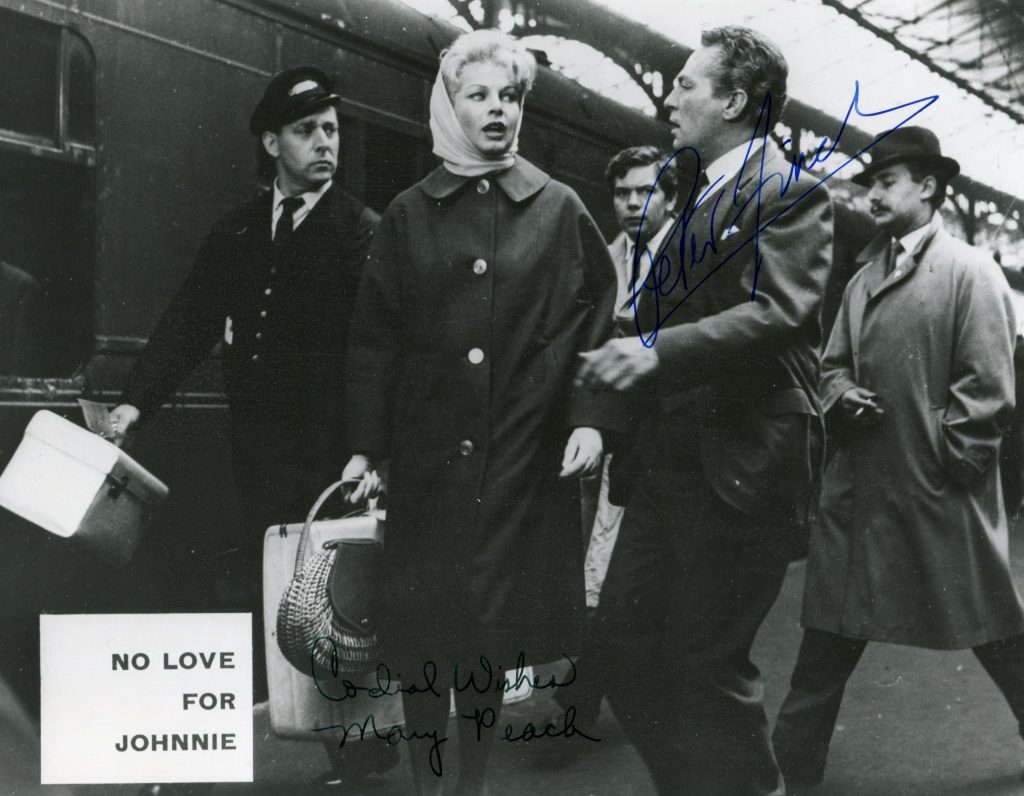
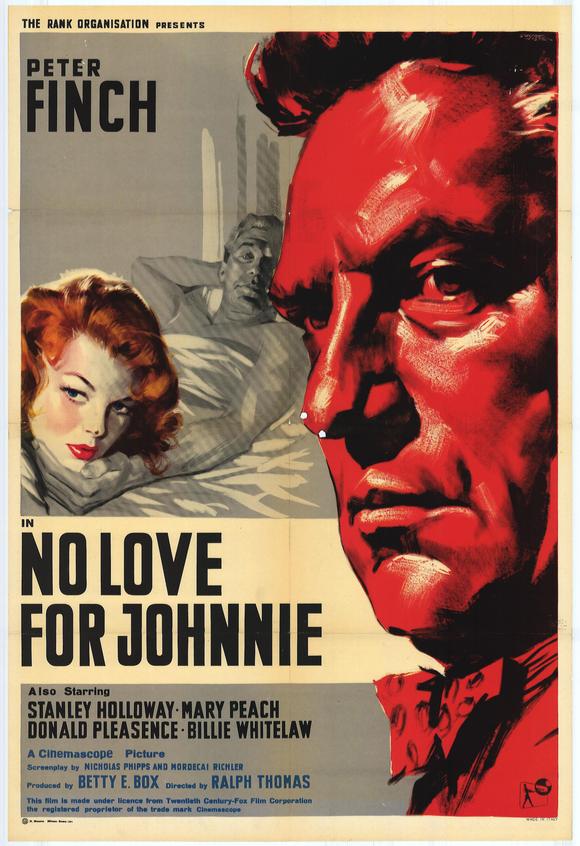
- No Love for Johnnie (1961) – opposite Peter Finch; she gave the political melodrama its emotional ballast, playing a self‑possessed woman disillusioned by cynicism in public life.
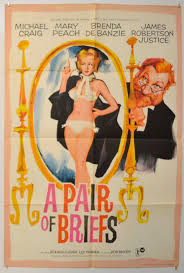
- A Pair of Briefs (1962) – a courtroom comedy in which her mix of irony and poise made her one of British cinema’s more credible “career women” of the early 1960s.
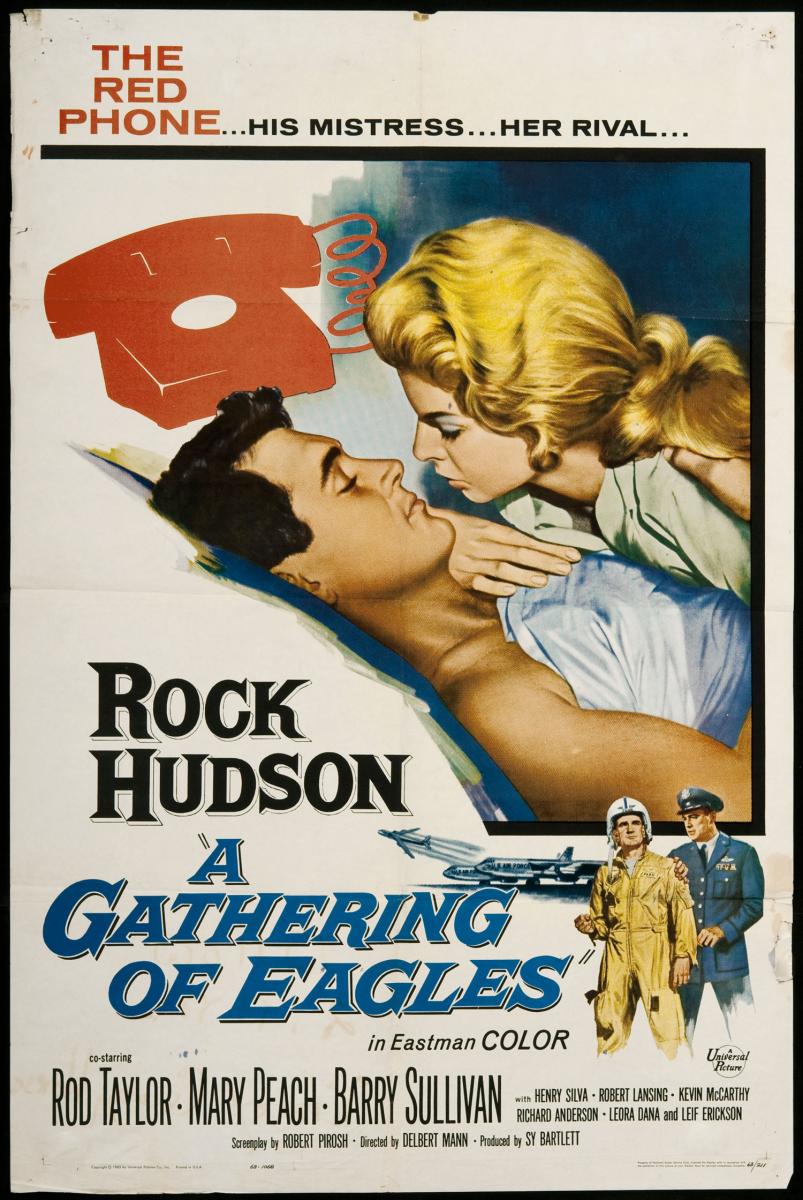
- A Gathering of Eagles (1963, Universal) – her Hollywood debut beside Rock Hudson as the wife of an American Air Force officer; U.S. critics cited her for “quiet authority bridging English delicacy and American directness” .
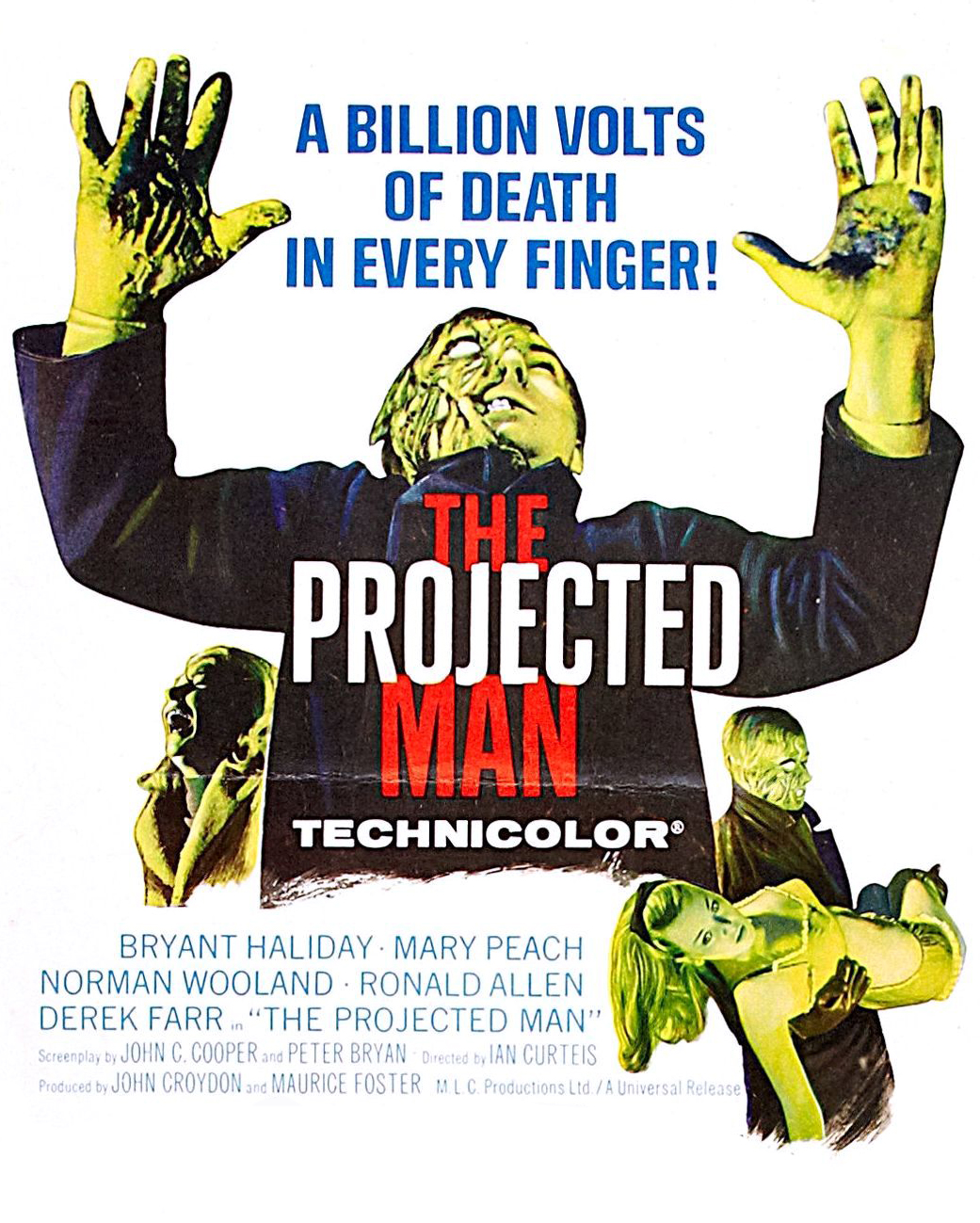
- The Projected Man (1966) – a science‑fiction film now best known among cult audiences (and even featured on Mystery Science Theater 3000). Peach’s intelligent calm amid pulp material typified her professionalism in uneven projects.
Though never promoted as a glamour star, she struck a balance between the accessible “girl next door” and the articulate modern woman—qualities that made her one of the period’s most adaptable leading ladies.
Television prominence (1960s–1980s)
By the late 1960s Peach became a fixture of British television drama at precisely the time TV was overtaking film as the medium of quality writing in Britain. Key appearances include:
- Astrid Ferrier in Doctor Who: The Enemy of the World (1967), notable for her resourceful, courageous characterization of a female companion figure during an era when women were rarely written with such agency .
- The BBC’s The Three Musketeers (1966), as Milady de Winter—a role that played to her elegance and latent irony.
- The Saint episode “The Gadget Lovers” (1967), in which she held her own as Russian spy Colonel Tanya Smolenko opposite Roger Moore’s urbane hero.
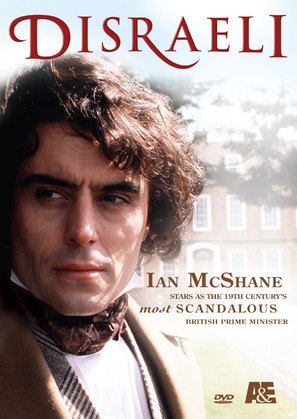
- 1970s and 1980s miniseries such as Disraeli (1978), Fox (1980), The Far Pavilions (1984), and A.D. Anno Domini (1985), where she matured into composed matriarchal and aristocratic figures.
Television suited her disciplined craft and clarity of speech. She became one of those actors who lent prestige and steadiness to episodic drama without distracting star mannerisms.
Later career and personal life
Peach appeared sporadically in film thereafter—small parts in Scrooge (1970) and Cutthroat Island (1995) bookend her screen career—but remained a valued television presence through the mid‑1990s ( ). Off‑screen, she married film producer Thomas Clyde (1961–div.), with whom she had two children, and later married screenwriter‑director Jimmy Sangster, best known for his work with Hammer Films, a partnership that lasted until his death in 2011 .
Acting style and screen persona
- Composure and intelligence: Peach’s hallmark was emotional control that hinted at complexity beneath the surface. Even in minor roles she projected thought and decisiveness.
- Modern naturalism: Emerging from the New Wave, she rejected melodramatic affectation; her performances look contemporary even beside today’s understated styles.
- Versatility: Equally at ease in glossy Hollywood assignments and BBC realism, she bridged two acting traditions—American immediacy and British restraint.
- Voice and diction: Her clear, musical delivery made her ideal for period and literary adaptations.
Critical evaluation
Strengths
- Consistency and intelligence: rarely miscast, always credible.
- An ability to suggest interior conflict without overt drama.
- A remarkably smooth transition from ingénue to mature authority on television.
Limitations
- Lack of a single defining star vehicle limited public recognition.
- Her professionalism and poise sometimes read as emotional reserve, making it harder to command publicity in an era favoring showier personalities.
Nevertheless, critics and colleagues acknowledged her as an actor who raised the level of any ensemble she joined—a “working actress” in the best sense.
Legacy
Mary Peach’s career reflects the evolution of British screen acting from the late‑1950s social realism to the character‑driven television drama of the 1970s and ’80s. She occupies an important transitional place: part of the generation that replaced the old studio glamour with middle‑class candor, yet retained classical polish. Her work demonstrates how intelligence, restraint, and emotional truth produce longevity even without star hype.
In retrospection, Peach stands as a subtle craftsman of modern performance—a capable leading lady who aged into a reliable character actress, maintaining credibility and grace for nearly four decades.
Mary Peach died in 2024.
Mary Peach (1934–2025) was a British‑born South African actress whose career bridged the end of the studio‑era British film industry and the rise of 1960s–80s television drama. She is best known for her early supporting role in the landmark British “angry young man” drama Room at the Top (1959), but she went on to build a steady, varied career in both film and episodic TV, often playing intelligent, emotionally grounded women in middle‑class and professional settings.
Early career and breakthrough in Room at the Top
Born Mary E. Peach in Durban, South Africa, she moved to Britain and entered the industry at a moment when the British New Wave was beginning to reshape screen realism. Her first major film role came in Jack Clayton’s Room at the Top (1959), where she plays June Samson, the first‑sighted wife whom Joe Lampton (Laurence Harvey) abandons on his way up the class ladder. Her performance is not showy, but critics and later analyses of the film consistently note that she adds a quiet, heartfelt realism to June, making her rejection by Joe feel not just dramatic but socially and psychologically authentic.
She was nominated for a BAFTA for Most Promising Newcomer to Film, an honor that signaled her arrival as a serious screen presence rather than a glamorous type. [web|59] In the context of the film’s central love triangle, Peach’s June functions as the moral and emotional counterweight to Simone Signoret’s role; where Signoret’s character is more complex and self‑destructive, Peach’s June embodies conventional but sincere domestic values.
1960s British films and genre work
After Room at the Top, Peach became a familiar face in mid‑budget British cinema. She appeared in No Love for Johnnie (1961), a bittersweet political drama starring Peter Finch, in which she plays Pauline, a quietly anxious, emotionally vulnerable woman caught in the orbit of a self‑absorbed MP. Critics often describe her work in this period as “unobtrusive but affecting”: she does not dominate the frame, but she underlines the emotional cost of the male anti‑hero’s trajectory.
Other notable 1960s film roles include:
-
A Pair of Briefs (1962), a light‑heart bartender‑bedroom farce in which she plays Frances, one of several middle‑class women whose lives intersect with postwar consumer‑driven fantasy.
-
A Gathering of Eagles (1963), a Cold‑War‑era US Air Force drama with Rock Hudson, where she plays Victoria Caldwell, the wife of a bomber‑commander coping with military‑family pressures.
-
Ballad in Blue (1965), a jazz‑centred drama around blind pianist Ray Charles, in which she plays Peggy Harrison, supporting Charles’s character without sentimentalizing his blindness.
-
The Projected Man (1966), a British sci‑fi/horror film about a scientist who becomes a glow‑eyed, disfigured monster, in which she plays Dr. Patricia Hill, a rational, morally ambivalent colleague.
From a critical‑analysis standpoint, her work in the 1960s shows a pattern of pairing with strong male leads while playing women who are observant, anxious, and often quietly constrained by social expectations. In the sci‑fi and genre pieces, she helps anchor the speculative material with a naturalistic domesticity, making the films feel more grounded than they might otherwise be.
Television and stage‑style small‑screen work
From the mid‑1960s onward, Peach became increasingly active on British television, where she found a longer‑term home than in the fluctuating film industry. She appeared in episode after episode of anthology and series drama such as ITV Sunday Night Theatre, Play for Today, Love Story, and Menace, often playing middle‑class wives, mothers, or professional women in morally fraught or emotionally charged situations.
She was also a regular or recurring presence in series such as:
-
Couples (1976), a relationship‑driven drama where she played Tricia Roland, a woman navigating modern marital and romantic dilemmas.
-
The Three Musketeers (BBC, 1966–67), a ten‑episode serial adaptation in which she appeared in multiple roles, displaying a comfortable stage‑like presence in costume drama.
-
The Saint (episode “The Gadget Lovers”, 1967), where she played Colonel Tanya Smolenko, a Russian counter‑espionage agent, briefly stepping into 1960s spy‑drama glamor while still holding on to her more naturalistic style.
Critics and fans of British TV drama of this period often single her out as a “reliable character actress” who could bring emotional weight to a single episode without over‑acting or dominating the ensemble. In Play for Today‑style social‑realist pieces, in particular, her restrained delivery and middle‑class vocal precision made her ideal for roles that required psychological nuance rather than melodrama.
Later work and Scrooge, Cutthroat Island
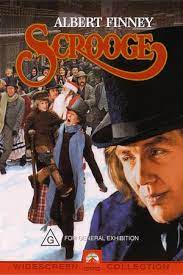
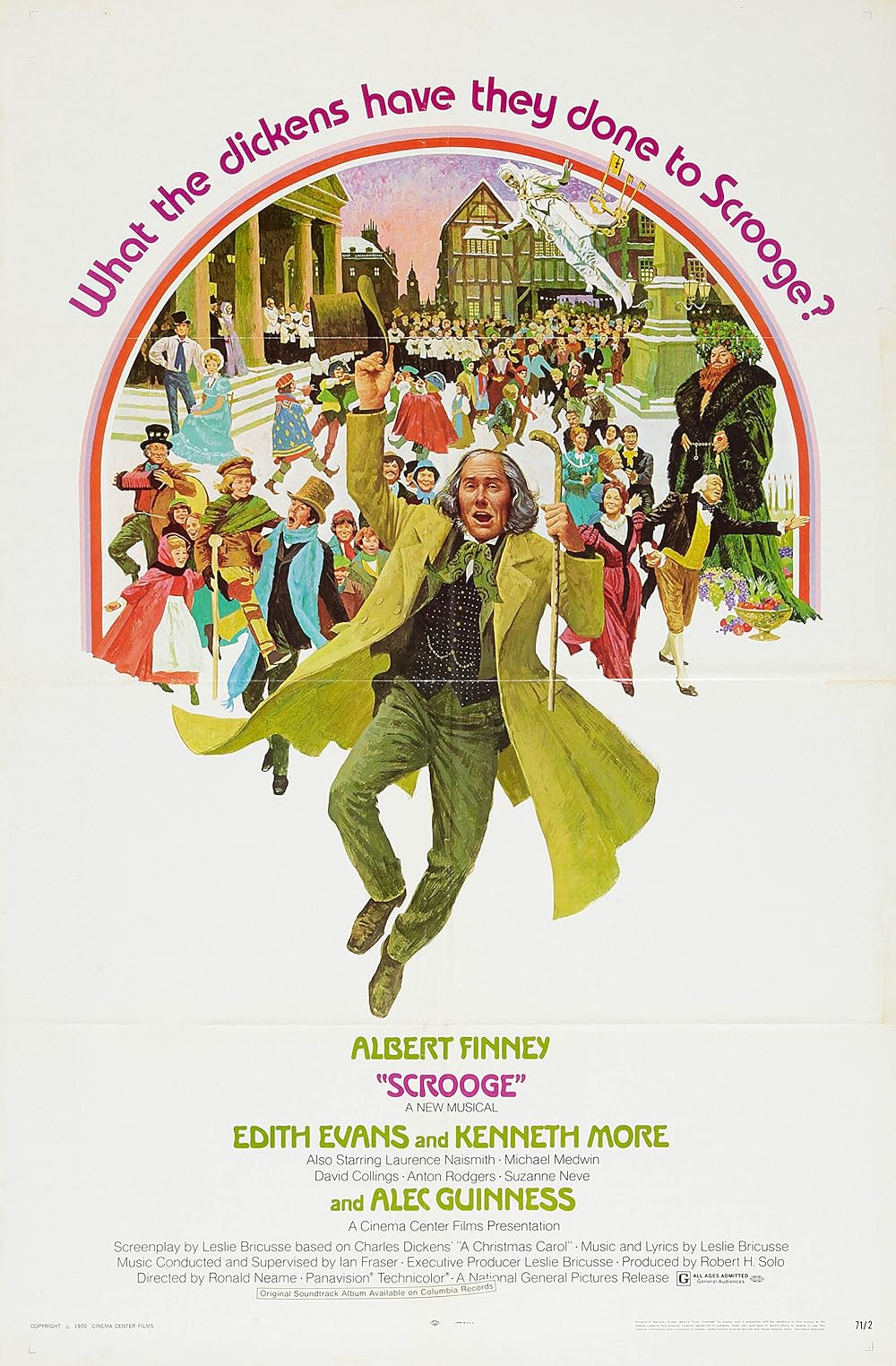
In the 1970s and beyond, Peach continued to move between film and television, including a notable role in the 1970 musical adaptation Scrooge, starring Albert Finney. She plays Harry’s wife, a small but warmly observed part that underlines the film’s domestic‑values theme without drawing attention away from the central performance. Critics of the film tend to note that these supporting roles—often played by actors like Peach—are what give the Christmas fantasy a sense of authentic middle‑class life.
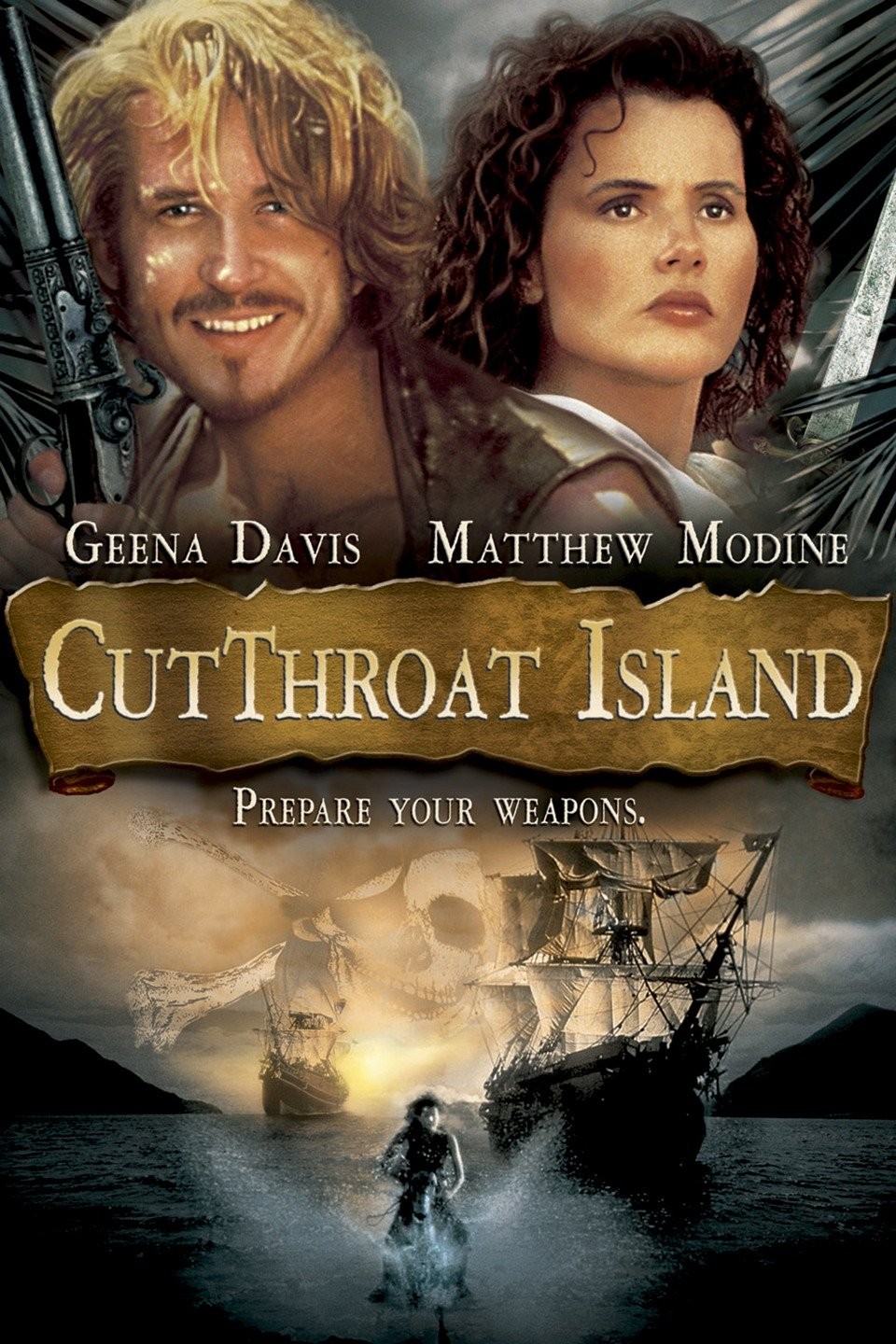
Her later film work culminated, somewhat incongruously, with a role in the 1995 action‑adventure Cutthroat Island, starring Geena Davis. Here she plays a minor aristocratic “Lady” figure, more a period‑dress cameo than a substantial character; in that context, she functions as a quietly solid presence amid the film’s over‑scaled spectacle and box‑office notoriety. Viewers and commentators often read her late‑career appearances as a kind of bookend: from the restrained realism of Room at the Top in the late 1950s to the flamboyant, effects‑driven pirate‑film conclusion in the 1990s, her career thus traces a quiet arc through changing British and international genre tastes.
Critical reputation and performance style
Critically, Mary Peach is generally regarded as a serious, under‑celebrated character actress whose peak came early but whose work remained consistently professional and emotionally truthful. She is rarely described as a glamour star or a naturalistic “method” powerhouse, but rather as a planted, middle‑class presence who could convey anxiety, duty, and quiet resilience without fuss.
Her typical style is low‑volume and verbally precise, relying more on facial nuance and vocal shading than on dramatic gestures. This makes her especially effective in social‑realist drama and in genre films where the audience must believe in the “normal” world that the plot eventually upends. In that sense, her career represents a kind of behind‑the‑scenes backbone of postwar British screen culture: she never became a household name, but her repeated appearances in key films and TV plays make her a quietly important figure in the texture of British drama across four decades
Mary Peach’s career did not collapse after the 1960s so much as gradually shift from regular leading‑supporting roles in mid‑budget British films to more sporadic, often smaller parts in film and television, with fewer high‑profile vehicles. Several overlapping factors help explain why her visibility declined from the 1970s onward.
Typecasting and shifting star systems
Peach became associated with a particular kind of “middle‑class Englishwoman” on screen—intelligent, slightly anxious, emotionally grounded—which served her well in social‑realist dramas but offered limited range as genres and tastes changed. By the 1970s, British cinema and TV were moving toward younger, more rebellious, or more overtly sexy types, and her poised, mature presence was less in demand than it had been in the late 1950s and 1960s.
At the same time, the old studio‑era and early‑New‑Wave structures that had sustained character‑lead roles like hers were fragmenting; producers favoured either younger unknowns or established stars, leaving experienced but non‑headlining actors like Peach with fewer substantial offers.
Age, changing roles, and industry bias
As she moved into her 40s and 50s, the kinds of roles available to women in British film and TV narrowed, especially in leading‑woman positions. Many of the scripts that had once cast her as a wife, mother, or colleague in emotional dilemmas were now going to younger actresses, while older‑woman roles remained underwritten or stereotyped. Peach continued to work, but her parts became briefer and more functional (e.g., supporting wives, aristocratic cameos, or one‑off TV‑drama guest roles).
There is also evidence that, like many actresses of her generation, she was quietly sidelined once she was no longer seen as “romantic lead” material, even though she remained a capable and credible performer. In later films such as Scrooge (1970) and Cutthroat Island(1995), her function is more of a reliable, low‑drama presence than a character driving the narrative, which reflects a broader industry pattern of using older actresses as background “normality” rather than central figures.
Market and personal choice in television work
Although her film roles thinned, Peach remained active in British television through the 1970s and 1980s, appearing in series such as Couples and anthology dramas like Play for Today. These jobs often paid less and were less visible nationally than the films that had first made her name, so her public profile waned even as she continued working.
There is no clear documentation that she “retired” early or withdrew from the industry of her own accord; instead, the pattern suggests a professional drift: fewer offers, increasingly smaller parts, and gradual absorption into the broad pool of recurring British TV character actors rather than a maintained lead‑or‑support status. In that sense, her decline is less about a single dramatic exit and more about the quiet erosion common to many non‑A‑list actresses once the 1960s film‑production model faded and demographics shifted
Mary Peach’s marriage to Jimmy Sangster, the prolific Hammer‑Horror scribe and director, had a subtle but real impact on her career: it placed her within the orbit of British genre cinema and gave her professional stability, but it did not translate into a sustained rise in star status or a major shift in the kinds of roles she was offered. They married in 1966 (she his third wife), after his earlier marriage to Monica Hustler ended, and remained together for the rest of his life.
Network and project access
Sangster was one of the key architects of Hammer Films’ early horror and thriller cycle, having written classics like The Curse of Frankenstein, Horror of Dracula, and many follow‑ups, as well as later directing films such as The Horror of Frankenstein and Lust for a Vampire. As his wife, Peach operated in the same milieu—British studio‑based genre and television production—giving her easy access to scripts, executives, and crew familiar with her work.
However, she did not become a “Hammer regular” or a horror‑movie lead in the way that might be expected from such a union. Her post‑1960s roles were still scattered across mainstream drama, TV, and occasional odd‑genre items rather than a concentrated run of Hammer‑style parts, suggesting that Sangster’s influence helped maintain her professional contacts more than it reshaped her casting profile.
Career impact: stability but not type‑reinvention
Biographical notes emphasize that Peach and Sangster lived together in London and that she was his longtime, surviving spouse, framing her life as more domestic and quietly professional than that of a high‑flying, self‑promoting star. In that context, marriage to a working‑class‑background Welsh writer turned genre‑studio figure likely gave her financial and emotional security, which may have reduced pressure to chase big‑budget, image‑driven vehicles later in her career.
Critically, this can be read as a double‑edged situation:
-
Positive aspect: She remained in a supportive marriage to a respected writer and director, which insulated her from some of the worst aspects of the “declining actress” narrative and allowed her to keep working steadily in TV and smaller‑scale films.
-
Limiting aspect: She did not use her connection to Hammer or genre circles to rebrand herself as a major horror or thriller star, so her fame never ballooned in the way that might have offset the age‑related narrowing of roles in the 1970s.
In sum, her marriage to Jimmy Sangster seems to have contributed less to a dramatic boost in her career than to a steady, somewhat protected, behind‑the‑scenes continuation of it within the same British‑film‑and‑TV ecosystem she had already occupied