

Bob Cummings was born in 1910 in Joplin, Missouri. In retrospect, he seems to me an underrated actor. He starred in two Hitchcock classics, “Saboteur” in 1942 and “Dial M For Murder” with Grace Kelly and Ray Milland in 1954. He had a hugly successful television series “Love That Bob” in the 1950’s. Bob Cummings died in 1990.
TCM Overview:
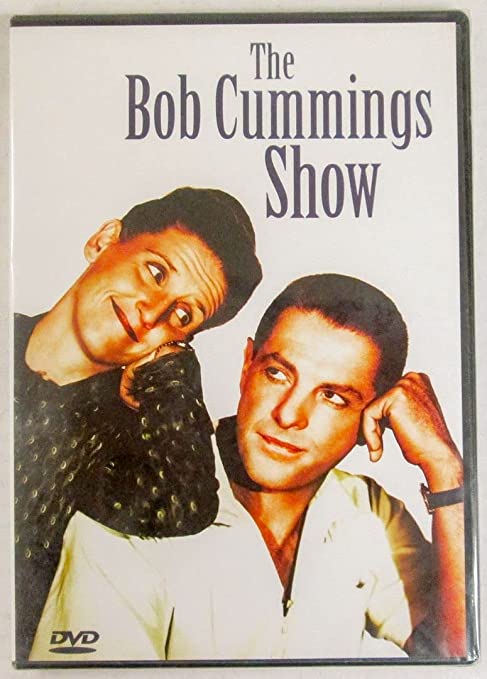
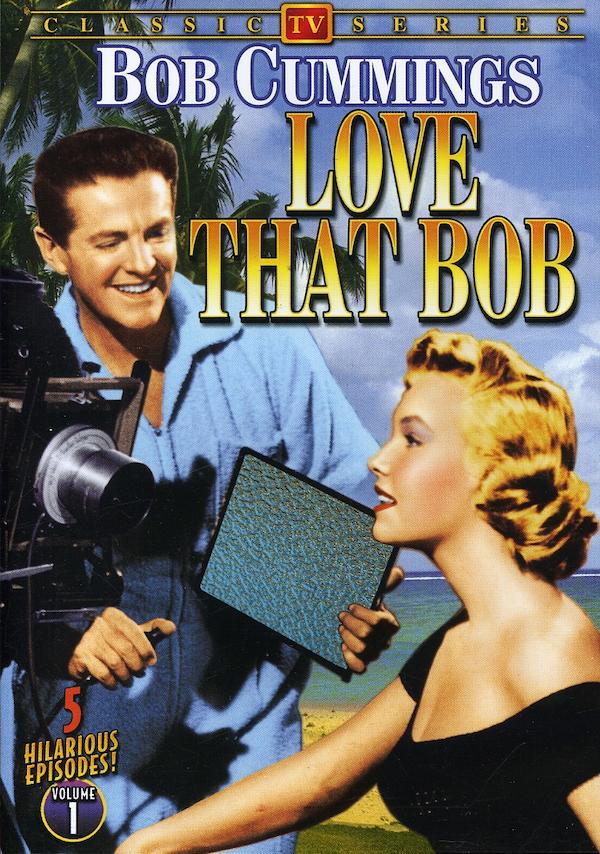
Amiable leading man who hit his peak in the early 1940s. Perennially youthful, Cummings started his film career in light comedies but proved his dramatic talents in the two Hitchcock films in which he starred: as the naive, innocent aircraft worker in “Saboteur” (1942) and “Dial M For Murder” (1954) as well as Sam Wood’s “King’s Row” (1942) and Martin Gabel’s “The Lost Moment” (1947).Although he appeared in dramatic roles in many of the anthology series of early TV and won an Emmy for his starring performance in Reginald Rose’s drama “12 Angry Men” (1954), Cummings was best known as the playboy photographer in his popular series “The Bob Cummings Show” (aka “Love That Bob”, 1955-59).






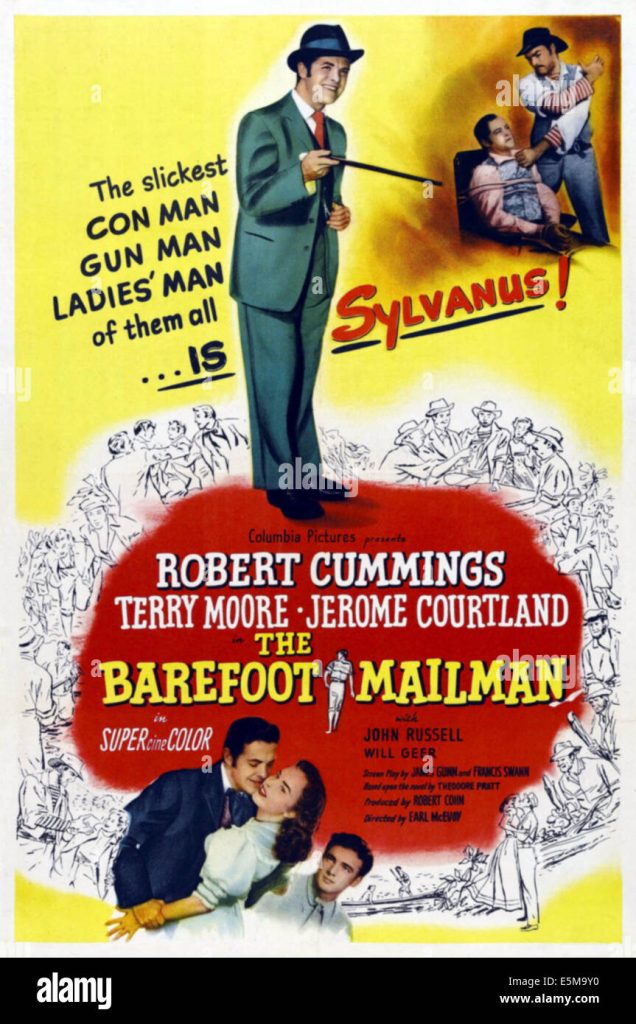

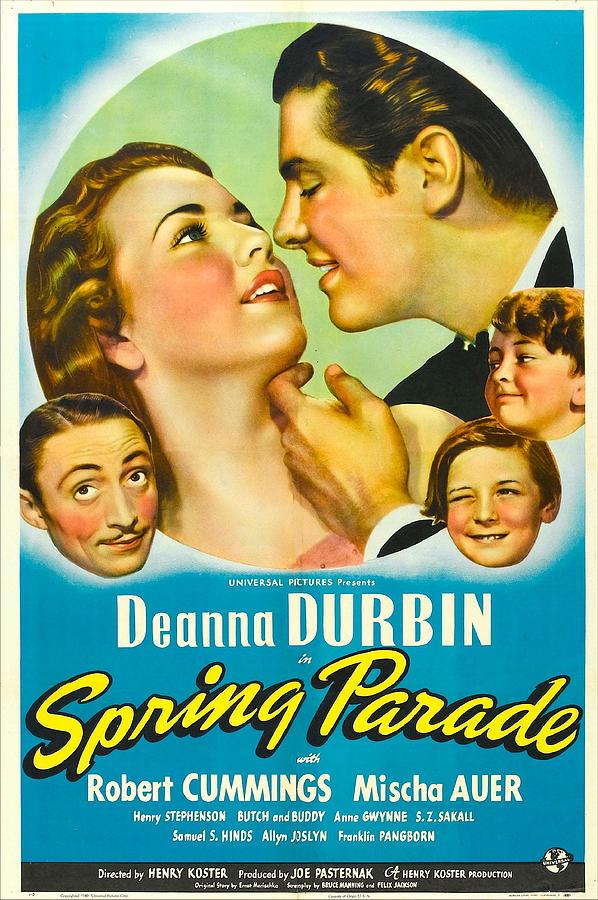
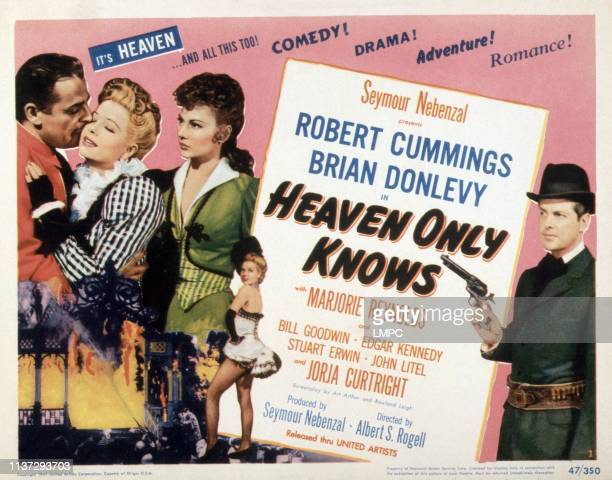





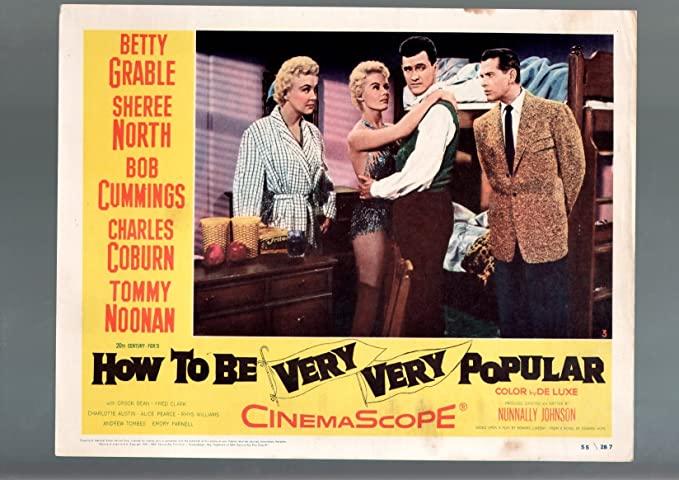
New York Times obituary 1990.
Robert Cummings, an affable, ever-youthful actor who starred in scores of films and four television series, including the situation comedy “The Bob Cummings Show,” died on Sunday evening at the Motion Picture and Television Hospital in Woodland Hills, Calif. He was 82 years old and lived in Sherman Oaks in the San Fernando Valley.
The actor’s death resulted from kidney failure and complications of pneumonia, said a hospital spokeswoman, Louella Benson. She said he also suffered from Parkinson’s disease and was admitted to the hospital two weeks ago.
The lean, clean-cut actor specialized in light comedy. Gallant and amused, or bumbling when required, he provided adept professional support for two generations of Hollywood sirens.
But he excelled in superior dramatic roles — as an innocent aircraft worker gulled by spies in Alfred Hitchcock’s “Saboteur” (1942), a stalwart youth in “King’s Row” (1942), an idealistic publisher in “The Lost Moment,” the 1947 Gothic romance, and a murderer’s nemesis in Hitchcock’s “Dial M for Murder” (1954). An Early TV Star
However, it was on television that he won his greatest public, particularly as a swinging photographer seeking out beautiful women in the first “Bob Cummings Show,” broadcast from 1955 to 1959, and later repeatedly shown in syndication under the title “Love That Bob.”
In “The New Bob Cummings Show,” from 1961 to 1962, the actor celebrated his enthusiasm for aviation as an adventurous and high-living charter pilot and amateur detective.
He won an Emmy Award for his 1954 portrayal of a conscientious juror in a murder case in the “Studio One” production of Reginald Rose’s “12 Angry Men,” in the role peformed by Henry Fonda in the 1957 film version. In 1988, Mr. Cummings recalled the award as pivotal because he had previously done many dramatic roles that audiences had forgotten, and after that he won better parts.
Also in television, he performed in many plays on the major anthology series and in two other sitcoms, as a real-estate salesman in “My Hero” from 1952 to 1953 and as a psychiatrist in “My Living Doll” from 1964 to 1965. A Series of Identities
The actor, whose original name was Charles Clarence Robert Orville Cummings, was born on June 9, 1908, in Joplin, Mo., according to major reference works, although he later gave the year as 1910. His mother was a minister, and his father was a physician who nurtured him with a high-protein diet and food supplements that he later credited for maintaining his youth and vigor.
As a youth he attended public schools in Joplin and spent a year each at Drury College in Springfield, Mo., the Carnegie Institute of Technology and the American Academy of Dramatic Arts. He started a Broadway career in 1931, faking a British accent and using the name Blade Stanhope Conway, and he speedily won roles in several plays and the revues “Earl Carroll’s Vanities” and “The Ziegfeld Follies.”
He sought recognition in Hollywood in 1934 and, learning that Southwestern characters were voguish, adopted a drawl and sought roles in the guise of Brice Hutchens of Texas. But he soon reclaimed his own name and began making about half a dozen movies a year. In World War II, he served as an Army flight instructor.
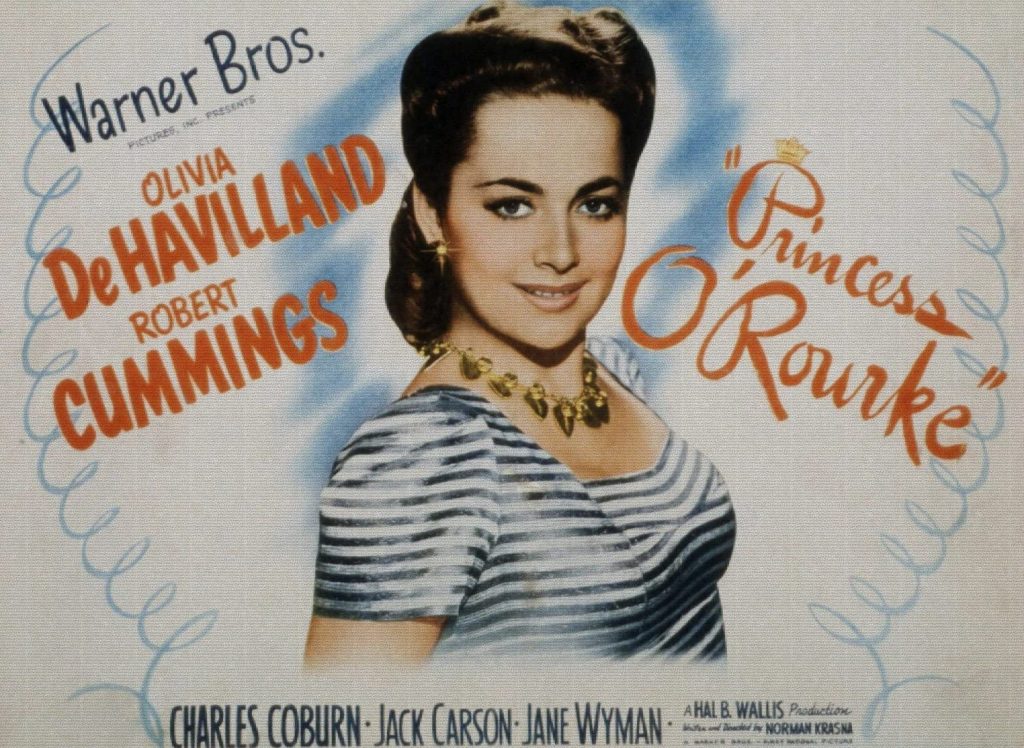
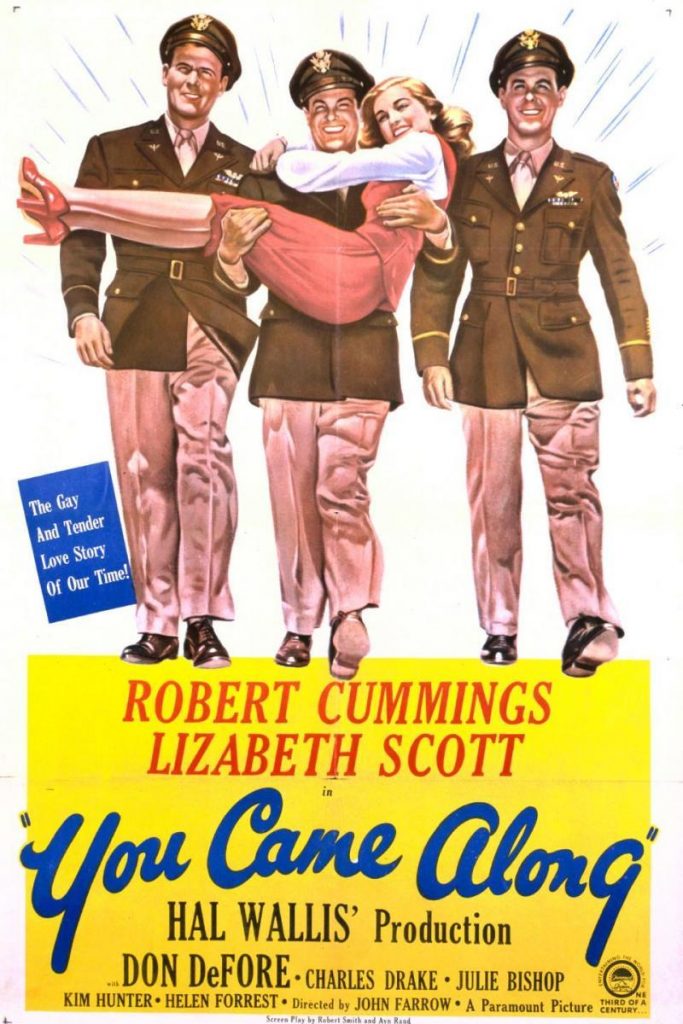
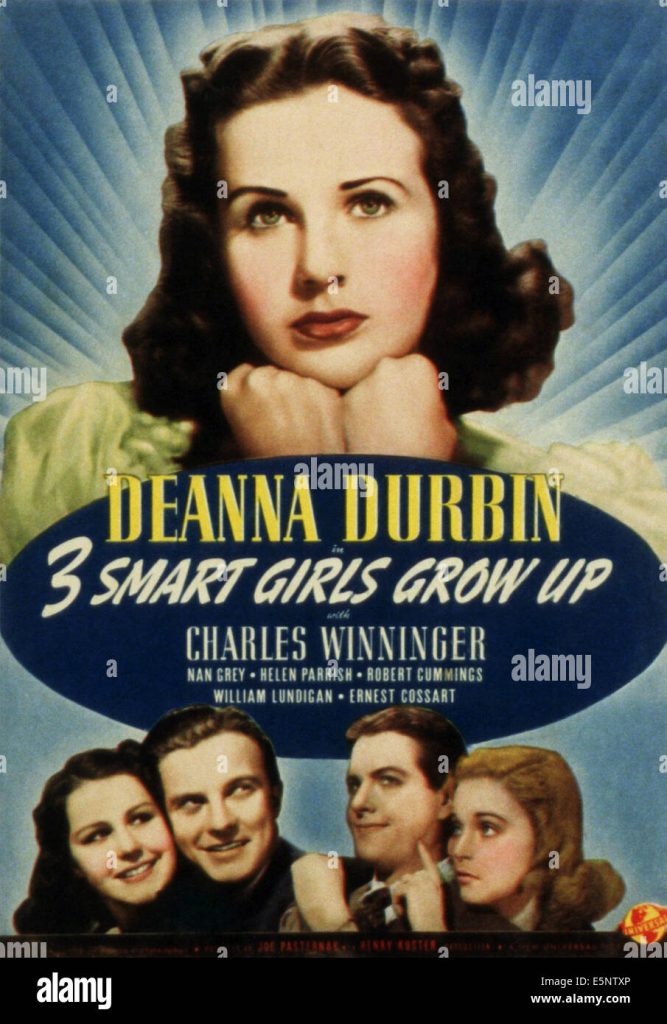
His more than 100 films included “So Red the Rose” (1935), “College Swing” (1938), “Three Smart Girls Grow Up” (1939), “The Devil and Miss Jones” (1941), “Princess O’Rourke” (1943), “Flesh and Fantasy” (1943), “You Came Along” (1945), “Sleep My Love” (1948), “The Petty Girl” (1950) and “The Carpetbaggers (1964).
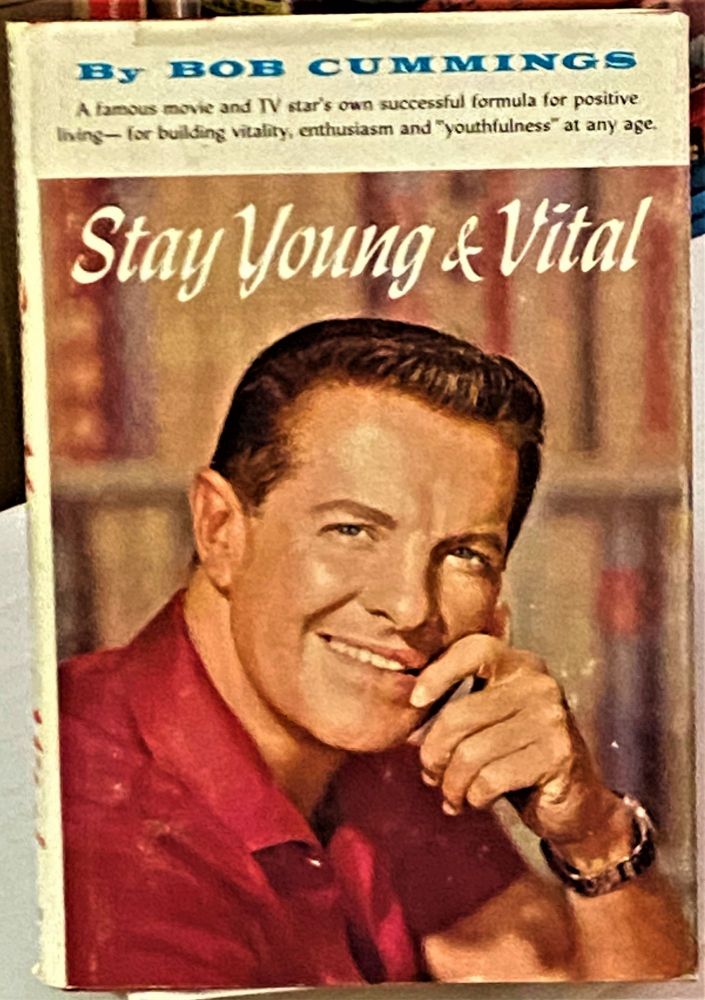
Mr. Cummings wrote a book on nutrition, “Stay Young and Vital,” which was published in 1960.
Surviving are his fifth wife, Janie; three sons, Dr. Robert, Bob Jr., and Anthony; four daughters, Melinda Cameron, Patricia Goldhamer, Laurel and Michelle, and nine grandchildren
🎬 Career Overview & Critical Analysis of Bob Cummings
Bob Cummings (1910–1990) was a versatile American performer whose career spanned film, radio, and television from the 1930s to the 1970s. Although never quite reaching the star power of some contemporaries, he carved out a distinctive niche through light comedy, romantic roles, and later television sitcom stardom. His career is notable for an unusual dual identity: a capable dramatic actor under strong directors and a performer frequently cast in slick, somewhat superficial romantic leads in studio-era films.
Early Life and Entry into Acting
Cummings was born in Joplin. After studying drama and aviation, he moved to Los Angeles and began acting in the early 1930s.
One of his early breakthroughs came when he secured a role in the comedy classic:
- Three Smart Girls Grow Up
During this period he became known as a pleasant, charming romantic lead, often cast in:
- romantic comedies
- light musical pictures
- sophisticated comedies.
Early critical perception
Critics of the era often described him as handsome and likable but lightweight. Hollywood studios frequently used him as a reliable supporting or secondary lead rather than building vehicles specifically around him.
Breakthrough Film Performances (1940s)
Cummings’ most critically respected work came in the 1940s, particularly under strong directorial guidance.
🎥 Collaboration with Alfred Hitchcock
His most famous role is the male lead in:
- Saboteur
Performance analysis
In Saboteur, Cummings plays Barry Kane, a factory worker falsely accused of sabotage. His performance has several notable characteristics:
- Everyman vulnerability rather than heroic bravado
- credible anxiety and urgency during the film’s chase narrative
- understated acting that fits Hitchcock’s suspense structure.
However, some critics argue that the role highlights Cummings’ limitations as a dramatic performer. Compared with later Hitchcock leads such as James Stewart or Cary Grant, Cummings lacks:
- psychological complexity
- strong screen charisma.
Yet Hitchcock’s casting may have been deliberate: Cummings’ ordinary quality reinforces the “wrong man” themecommon in Hitchcock’s films.
The Lubitsch Connection: Sophisticated Comedy
Cummings also worked with the legendary director:
- Ernst Lubitsch
in the classic wartime satire:
- To Be or Not to Be
Role and performance
Cummings plays a Polish pilot involved in a theatrical troupe resisting Nazi occupation.
His performance serves primarily as a romantic and narrative counterpoint to the comic brilliance of:
- Carole Lombard
- Jack Benny.
Critical interpretation
Critics generally agree that:
- Cummings is not the comedic engine of the film
- but he provides an important tonal anchor.
His restrained style complements Lubitsch’s famous “Lubitsch touch”, which relies on sophistication and understatement rather than slapstick.
Postwar Film Career and Typecasting
After the mid-1940s, Cummings increasingly became associated with romantic and comedic leads in lighter studio productions, such as:
- The Devil and Miss Jones
- Princess O’Rourke
These films reinforced his screen persona:
- charming
- slightly mischievous
- romantic but non-threatening.
Critical limitations
By the late 1940s critics began to note recurring weaknesses:
- Limited emotional range
- Repetitive “boyish” persona
- Difficulty sustaining dramatic gravitas.
This typecasting likely prevented him from evolving into a major dramatic star in the mold of actors such as Gregory Peck or Humphrey Bogart.
Reinvention on Television (1950s–1960s)
Cummings achieved his greatest popular success on television with:
- The Bob Cummings Show (also known as Love That Bob)
The show ran from 1955 to 1959 and became a major hit.
Premise
Cummings plays a bachelor photographer navigating romantic entanglements and comedic situations.
Style and influence
The show was notable for:
- risqué humor for its era
- bachelor-centered sitcom structure
- witty dialogue.
It helped establish the template later seen in series starring performers like:
- Jack Lemmon–style romantic comedy characters
- and television bachelors such as those in 1960s sitcom culture.
Critical evaluation
From a cultural perspective, The Bob Cummings Show reflects postwar American attitudes toward masculinity and sexuality:
- the charming playboy figure
- lighthearted treatment of romantic pursuit
- gender norms typical of 1950s television.
While some modern critics view the show as dated, it was formally innovative in blending sitcom structure with adult humor.
Acting Style
Cummings’ screen persona had several defining traits:
1. Boyish charm
Even into middle age he played youthful romantic leads.
2. Polished delivery
His acting emphasized smooth dialogue delivery rather than emotional intensity.
3. Light comedic timing
He excelled in sophisticated verbal humor rather than physical comedy.
Strengths of His Work
Versatility across media
- film
- radio
- television.
Effective “everyman” presence
Directors could use him as a believable ordinary protagonist.
Adaptability
His shift from film actor to television star shows strong career resilience.
Limitations and Criticism
Despite his longevity, critics frequently highlight several limitations:
1. Lack of commanding screen presence
Compared with contemporaries like Cary Grant or James Stewart.
2. Typecasting
His roles often repeated the same romantic persona.
3. Overshadowed in ensemble films
In major works like To Be or Not to Be, stronger comic performers dominate.
Legacy
Although not always ranked among the great stars of the Golden Age, Bob Cummings remains significant for three reasons:
1. Participation in major classic films
Especially Saboteur and To Be or Not to Be.
2. Early television innovation
The Bob Cummings Show helped shape the adult-oriented sitcom format.
3. Hollywood studio-era archetype
He exemplifies the mid-tier studio contract star: skilled, reliable, and adaptable but rarely the centerpiece of cinematic prestige.
✅ Overall critical assessment:
Bob Cummings was a capable and occasionally excellent actor whose strengths were best realized under strong direction. While his performances rarely carried the depth or charisma required for lasting dramatic stardom, his work in classic 1940s cinema and pioneering television comedy ensures him a distinct place in the history of American screen acting.