
WHEN Richard Pryor withdrew from the cast of Mel Brooks’s riotous western spoof Blazing Saddles in 1974, Cleavon Little stepped into the role of the black sheriff in a white town. At times very funny, Blazing Saddles could also be very offensive (anti-gay jokes replaced anti-black humour). Nevertheless it was a huge success at the American box office (the sixth highest-grossing film of 1974), and gave Mel Brooks his first major film success. The black film critic Donald Bogle wrote: ‘Blazing Saddles presented audiences with a new-style coon: a coon with a double consciousness. Here in this uneven but energetic spoof on westerns, Cleavon Little plays a black man who shows up in a white (and hostile) Old West community. As the town’s new sheriff, he knows the only way he’ll survive is by playing the role of the dumb black nigger; he does precisely that and is able not only to survive but to triumph, too.’ Little was nominated in Blazing Saddles for a British Academy Award as Most Promising Newcomer along with Sissy Spacek (Badlands) and Georgina Hale, who won for Mahler. For a time it looked as if Little might become a leading player in films. Sadly, his film career never quite lived up to its early promise.
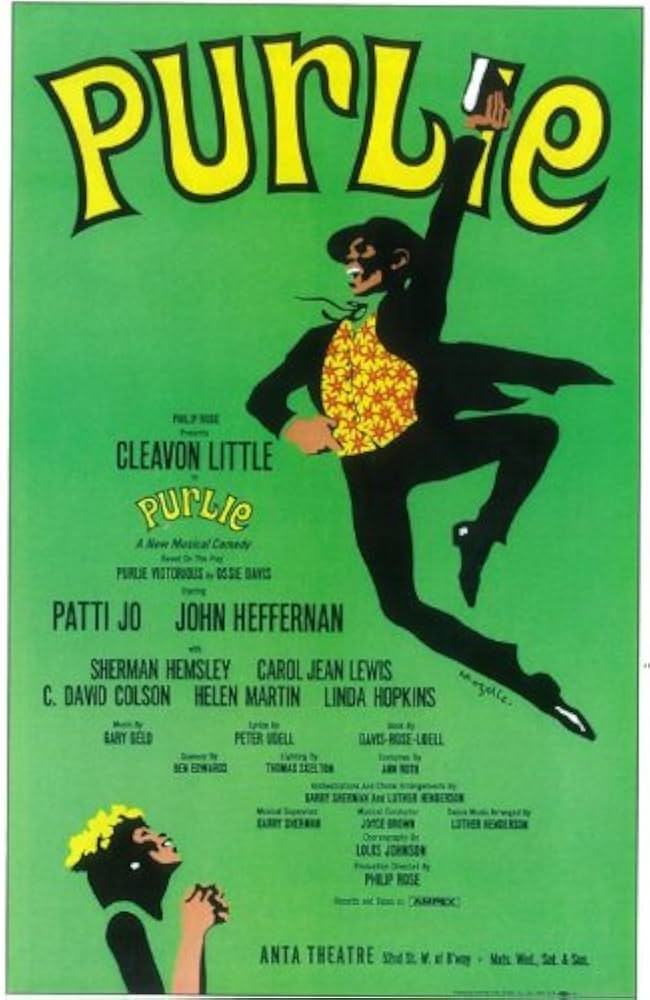
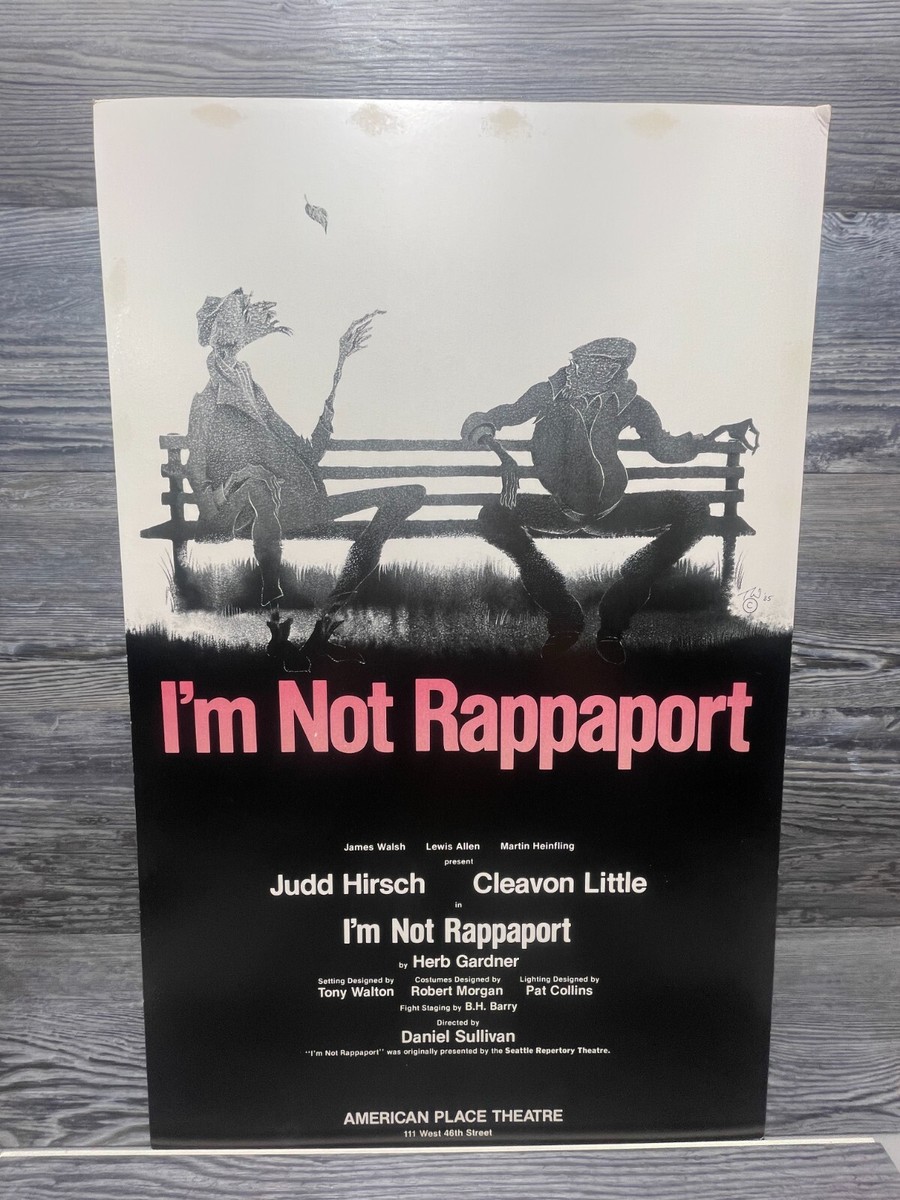
Little was born in Chickasha, Oklahoma, and studied at the American Academy of Dramatic Arts in 1965-67. He made early film appearances in What’s So Bad About Feeling Good? (1968), John and Mary (1969, starring Dustin Hoffman and Mia Farrow), Cotton Comes to Harlem (1970) and Vanishing Point (1971), in which he played Super Soul, the blind radio announcer. In Greased Lightning (1977) he supported Richard Pryor and afterwards was relegated to featured roles in a succession of forgettable low-budget films. In recent years he played occasional supporting roles in films like Fletch Lives (1989), starring Chevy Chase. Little made his Broadway debut in Jimmy Shine (1968) and played the title-role in the hit musical Purlie (1970). The source of the show was Ossie Davis’s 1961 satirical comedy Purlie Victorious, and the new version introduced Broadway audiences to a black musical that had a social message. Critics praised the show, and it won numerous awards including several for Little, who became the first black actor to win a Tony award for a leading role in a musical. Other successful appearances on Broadway included I’m Not Rappaport (1985-87), which won the Tony for Best Play. Little made numerous appearances on television, including The Homecoming (1971), with Patricia Neal; the pilot for the long-running series The Waltons; a medical comedy series called Temperatures Rising (1972-74); Dear John (1989), for which he received an Emmy award; and the comedy series Bagdad Cafe (1991), with Whoopi Goldberg.
The above “Independent” obituary can also be accessed online here.
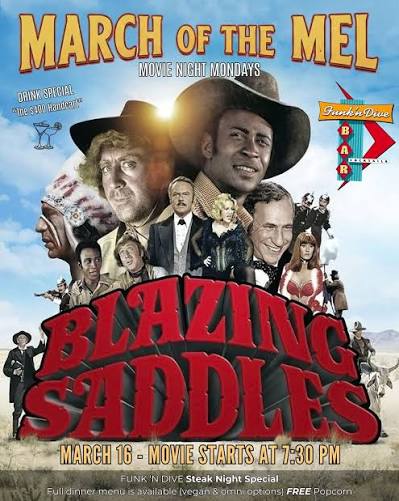
Award-winning actor who possessed a rare “liquid” charisma. While he is globally immortalized as the suave, Gucci-wearing Sheriff Bart in Blazing Saddles, his career was a sophisticated navigation of the “Black Aesthetic” in a predominantly white industry.
He was an actor of immense technical range, capable of high-stepping farce, Shakespearean gravitas, and quiet, soulful naturalism.
Career Overview: From Julliard to Rock Ridge
1. The Classical Foundation (1960s)
Little was a product of the American Academy of Dramatic Arts and Juilliard. He began his career on the New York stage, where his athletic grace and precise diction made him an immediate standout. Unlike many of his contemporaries who were typecast in “tough” urban roles, Little was viewed as a versatile classical instrument.
2. The Broadway Triumph: Purlie (1970)
Little achieved superstardom on Broadway playing the title role in the musical Purlie. His performance as a traveling preacher returning to the Jim Crow South was a tour de force of energy and wit. He won the Tony Award for Best Actor in a Musical, a victory that signaled his arrival as a major leading man.
3. The Cinematic Icon: Blazing Saddles (1974)
Mel Brooks originally wanted Richard Pryor for the role of Sheriff Bart, but studio concerns led to the casting of Little. It was a stroke of genius; Little’s “cool,” unflappable demeanor provided the perfect counterpoint to the film’s chaotic slapstick. He didn’t just play a cowboy; he played a modern man trapped in a 19th-century fever dream.
4. The Television and Character Veteran (1980s–1992)
In his later years, Little became a prestigious character actor. He won an Emmy Award for a guest appearance on Dear John (1989) and delivered a poignant final performance in the TV movie Separate But Equal (1991) alongside Sidney Poitier.
Detailed Critical Analysis: The “Subversive Leading Man”
1. The “Anachronistic Cool” of Sheriff Bart
In Blazing Saddles, Little’s performance is a masterclass in comedic detachment.
Analysis: Little plays Bart with a 1970s “Hip” sensibility that is intentionally out of sync with the Western setting. Critics note that he never “mugs” for the camera; his humor comes from his intellectual superiority over the bigoted townsfolk.
Technical Detail: Little used a specific “gliding” walk and a velvety vocal delivery. By staying calm while everyone around him was screaming, he turned the character into a symbol of Black resilience and wit. He made the audience laugh with him at the absurdity of racism.
2. The “Physical Lyricism” of the Stage
Little’s background in dance and classical theater informed every role he took.
Critical Insight: In Purlie, critics marveled at his kinetic energy. He had the ability to move from a dead stop into a full-body expression of joy or anger. This “physicality” was often described as “balletic.” Even in static roles, Little had a “spring-loaded” quality that made him seem more alive than anyone else on screen.
3. Breaking the “Urban” Stereotype
During the “Blaxploitation” era of the 1970s, Little took a different path.
Technical Analysis: While stars like Pam Grier or Fred Williamson were playing hyper-masculine action heroes, Little was playing intellectuals, doctors, and dreamers. In films like Cotton Comes to Harlem(1970) and Greased Lightning (1977), he brought a “middle-class” sensibility to his roles. Critics have noted that Little was instrumental in showing that Black masculinity could be defined by intelligence and elegance rather than just physical force.
4. The “Internalized” Drama of the Later Years
As he moved into his 50s, Little’s acting became more minimalist.
Critical View: In his Emmy-winning role on Dear John, he played a man in a support group with a weary, observational humor. He moved away from the “theatrical flourish” and toward a deep, soulful naturalism. Critics praised his ability to convey a lifetime of experience through a simple, knowing smile. He had become a “sage” on screen.
Key Credits & Critical Milestones
| Year | Title | Role | Significance |
| 1970 | Purlie (Broadway) | Purlie Victorious Judson | Won the Tony Award for Best Actor. |
| 1970 | Cotton Comes to Harlem | Hi-Heeled Mary | A cult performance in a landmark Black film. |
| 1971 | Vanishing Point | Super Soul | A legendary turn as a blind DJ; the “voice” of the counter-culture. |
| 1974 | Blazing Saddles | Sheriff Bart | One of the most iconic comedic roles in history. |
| 1989 | Dear John (TV) | Tony | Won an Emmy Award for Outstanding Guest Actor. |