
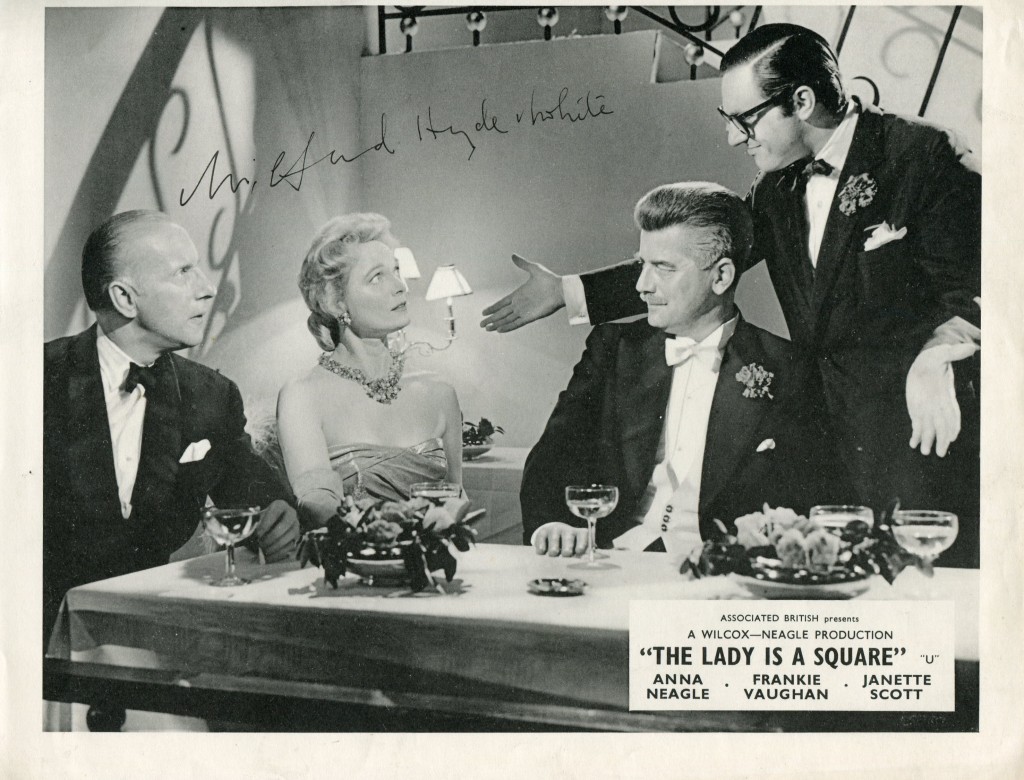
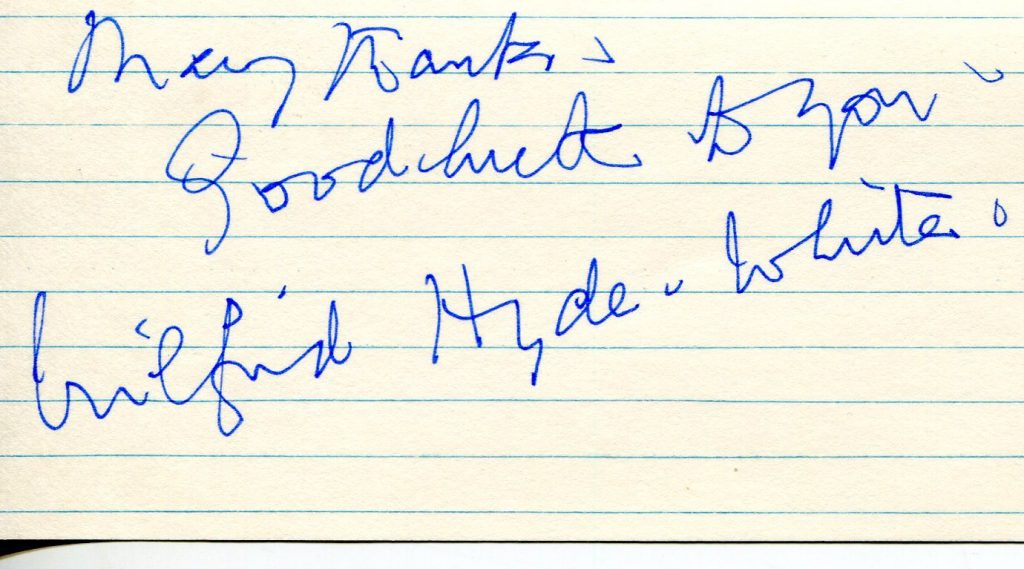
Wilfrid Hyde-White

Wilfrid Hyde-White
Wilfrid Hyde-White
Wilfrid Hyde White
Wilfrid Hyde White
Wilfrid Hyde-White
Wilfrid Hyde-White

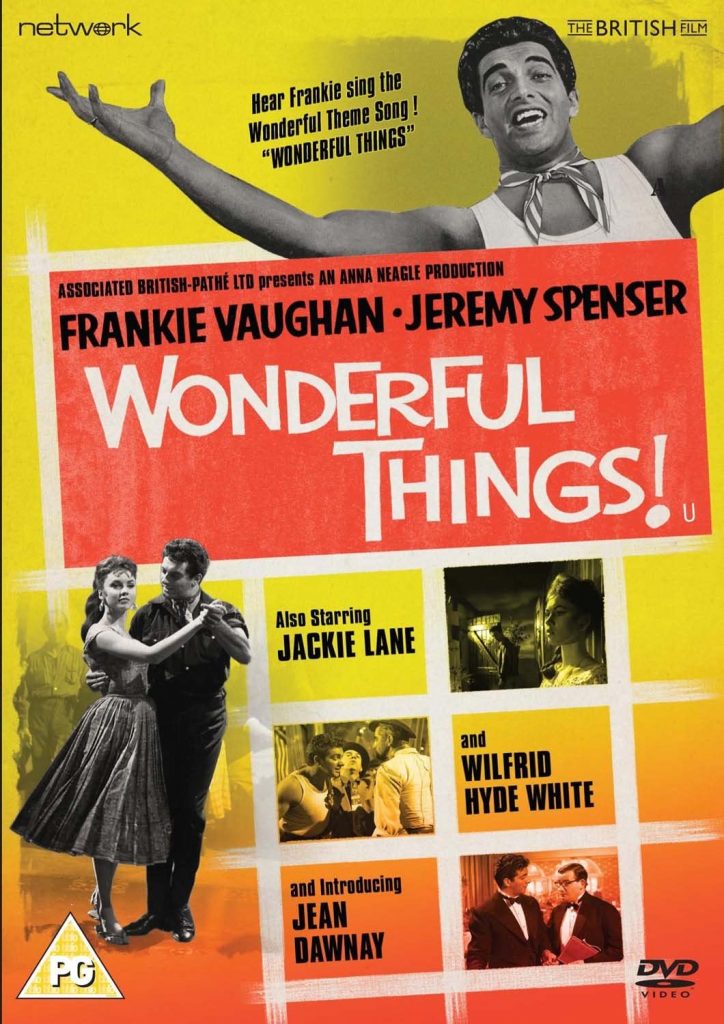
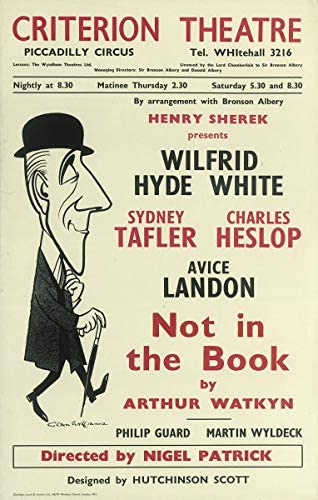
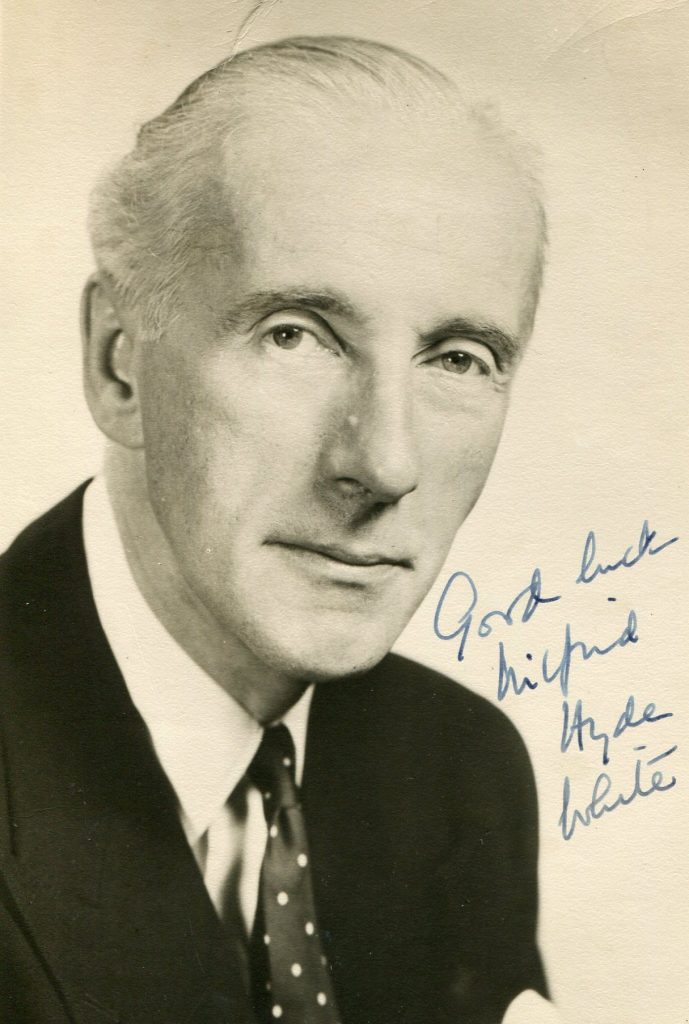
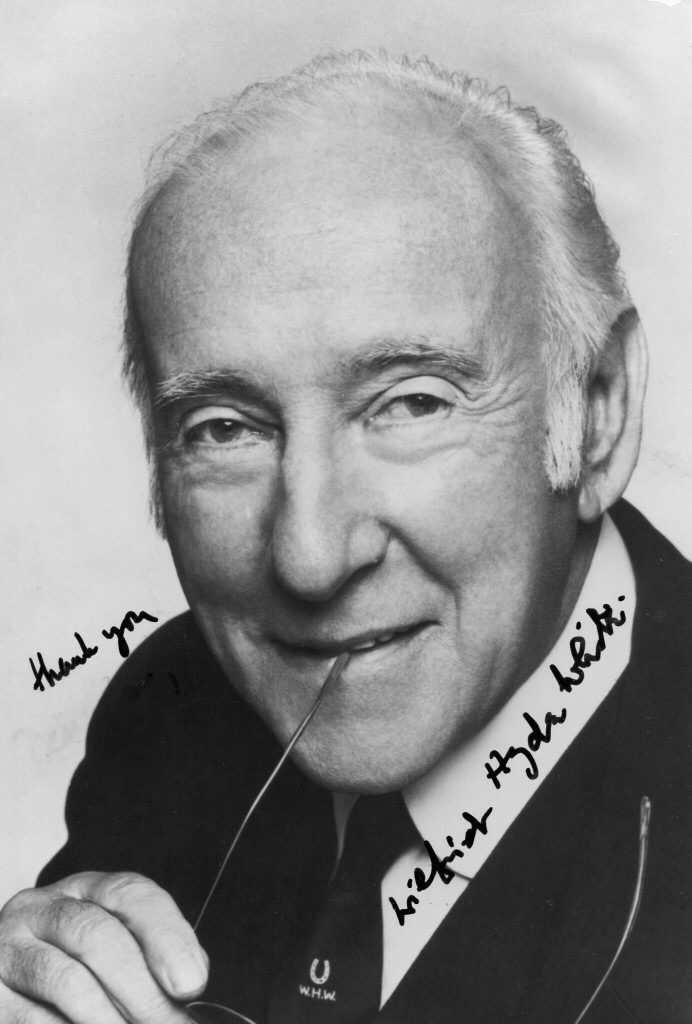
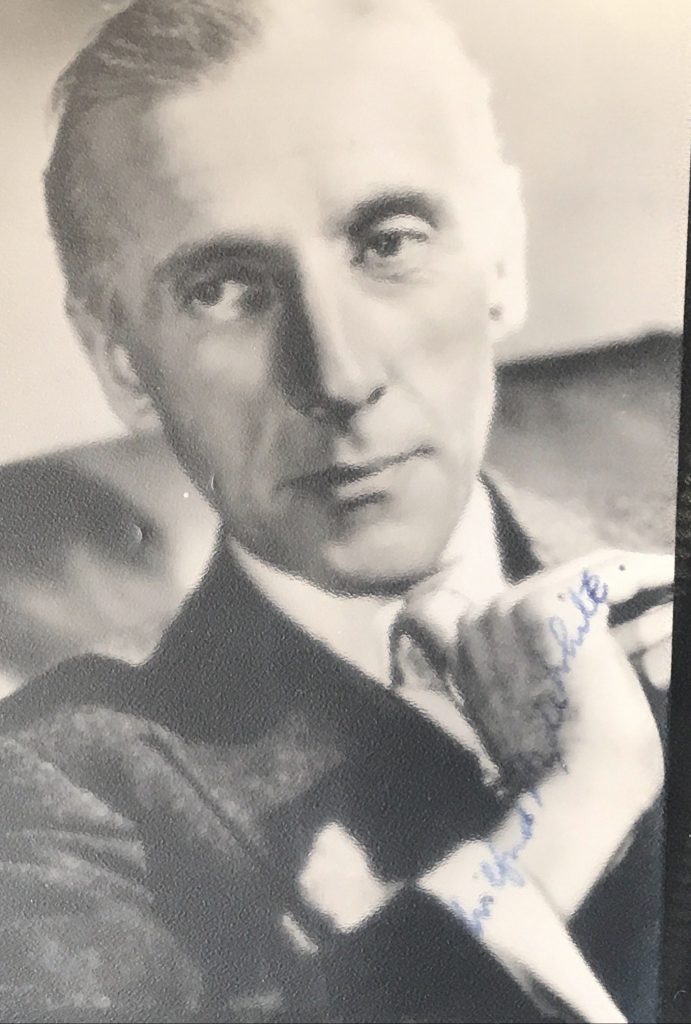
Wilfrid Hyde-White came to prominence in late middle age, after having spent a long time in minor roles.   He was born in 1903 in Burton-on-the-Water, England, the son of a rector.   He made his film debut in 1934 in “Josser on the Farm” and then went on to make “Turned Out Nice Again” with George Formby.  

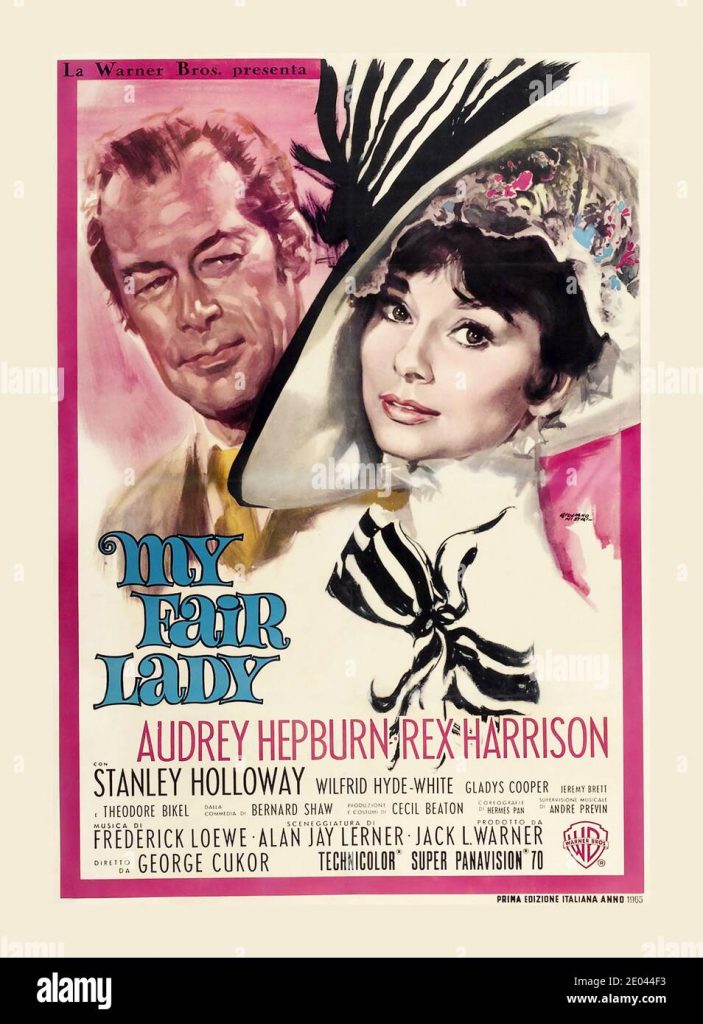
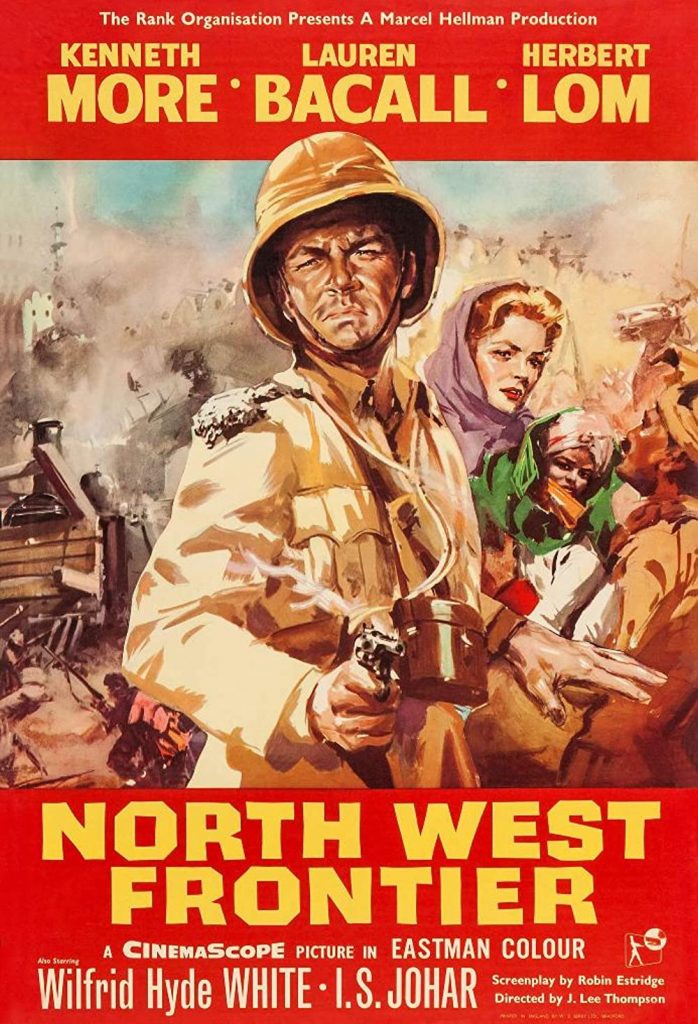
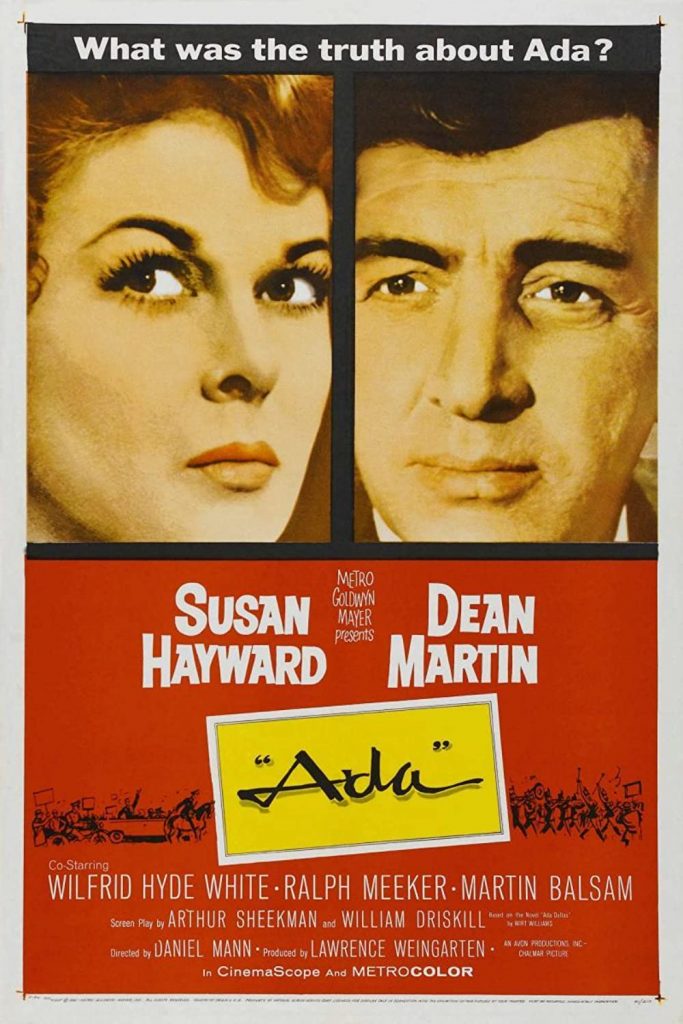
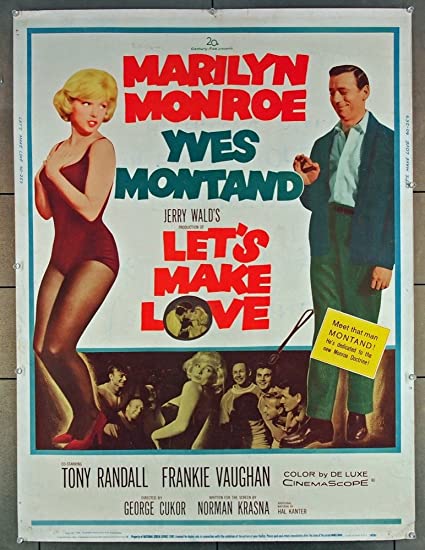
His breakthrough role came in the Carol Reed classic of 1949 “The Third Man”.   “North West Frontier” with Kenneth More and Lauren Bacall weas a major success.   He went to Hollywood in 1959 and made such films as “Ada” with Susan Hayward, “let’s Make Love” with Marilyn Monroe and as Pickering in “My Fair Lady” in 1964.   Most of his subsequent career was spent in Hollywood where he died in 1991 at the age of 87.   His son is the actor Alex Hyde-White.

IMDB Entry:
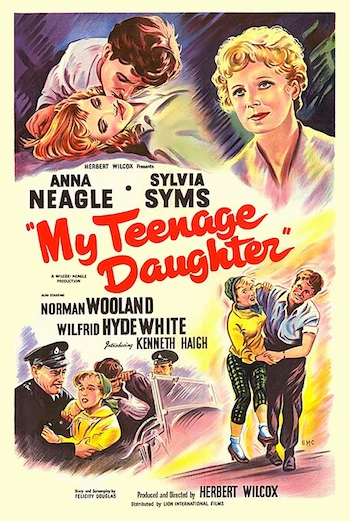
– IMDb Mini Biography By: Jim Beaver <jumblejim@prodigy.net>

British character actor of wry charm, equally at home in amused or strait-laced characters. A native of Bourton-on-the-Water in Gloucestershire, he attended Marlborough College and the Royal Academy of Dramatic Arts. His stage debut came in 1922, and by 1925 he was a busy London actor. He married actress Blanche Glynne (real name: Blanche Hope Aitken) and in 1932 toured South Africa in plays. Alleged to have been spotted by George Cukor during a performance in Aldritch, Hyde-White (with or without Cukor’s help) made his film debut in 1934.

He often appeared under the name Hyde White in these early films. He continued to act upon the stage, playing oppositeLaurence Olivier and Vivien Leigh in “Caesar and Cleopatra” and “Antony and Cleopatra” in 1951. With scores of films to his credit, he will always be remembered for one, My Fair Lady (1964), in which he played Colonel Pickering. Active into his ninth decade, Hyde-White died six days before his 88th birthday. He was survived by his second wife, Ethel, and three children.

His IMDB entry can also be accessed here.

TCM overview:

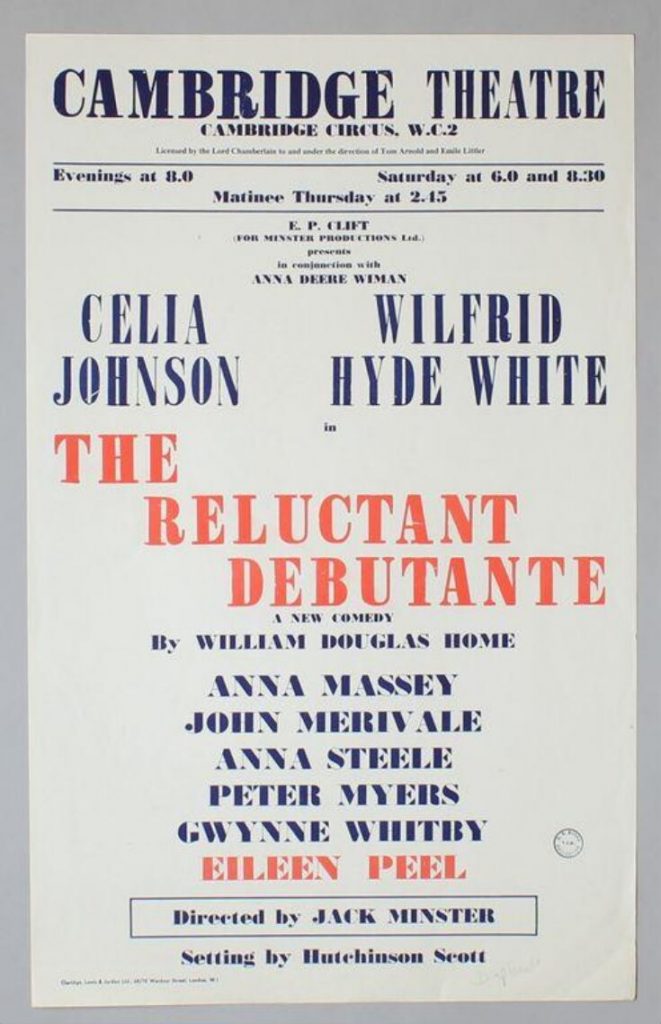
Distinguished-looking, urbane character actor noted for his droll humor on stage as the father of the title character in the drawing room comedy “The Reluctant Debutante” (London 1956, Broadway 1957) and the Laurence Olivier-Vivien Leigh “Caesar and Cleopatra” (1952).

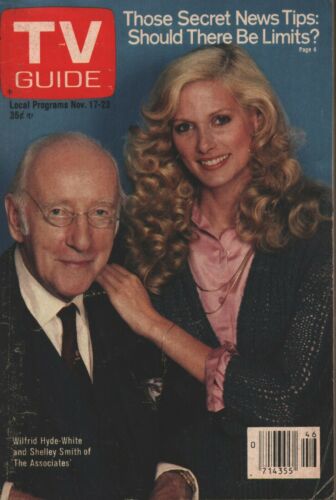
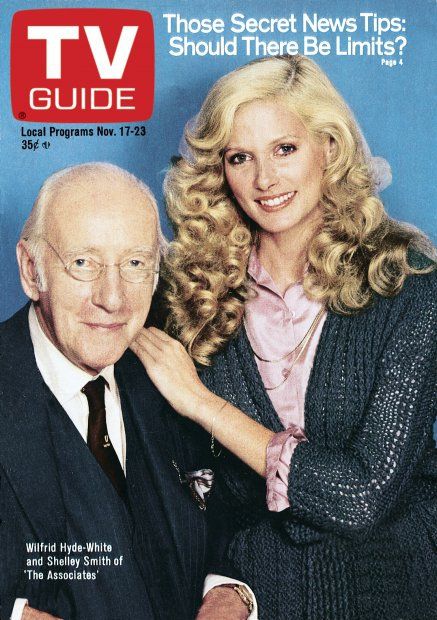
Often cast as genteel Englishmen whose surface manners mask a roguish or larcenous soul, Hyde-White is best known for his performances as Crippin, a British Council functionary in “The Third Man” (1949), the hypocritical headmaster in “The Browning Version” (1951) and Henry Higgins’s bemused friend, Colonel Pickering, in “My Fair Lady” (1964). On TV he appeared briefly on the nighttime soap opera “Peyton Place” (1967), starred as Emerson Marshall in the legal comedy series, “The Associates” (1979) and played Dr. Goodfellow in “Buck Rogers in the 25th Century” (1981).

A supremely unctuous character player, adept at smoothly honed sycophancy – as, for example, the literary chairman of The Third Man (d. Carol Reed, 1949), the headmaster in The Browning Version (d. Anthony Asquith, 1951), and one of the wealthy brothers in The Million Pound Note (d. Ronald Neame, 1953).

With his plummy tones and sleekly coiffed appearance, he usually played upper-class, but there is a smattering of fake smoothies, like crim Soapie Stevens in Two-Way Stretch (d. Robert Day, 1960), or the merely deferential like the jeweller in Bond Street (d. Gordon Parry, 1948). However, it is hopeless trying to limit the highlights in such a career, which spanned fifty years, every type of British film and not a few international ones, most famously as that arch-gent, Colonel Pickering, in My Fair Lady (US, d. George Cukor, 1964).

Marlborough-educated and RADA-trained, he was first on stage in 1922, scoring a major hit as the father of The Reluctant Debutante (1955) and screen since 1936. His son Alex Hyde-White (b.London, 1959) has acted in several films including Biggles (d. John Hough, 1986) and Pretty Woman(US, d. Garry Marshall, 1990).

Brian McFarlane, Encyclopedia of British Film
New York Times obituary in 1991:

Wilfrid Hyde-White, the English actor who appeared in films including “My Fair Lady,” “Ten Little Indians,” “The Third Man” and “The Browning Version,” died yesterday in Woodland Hills, Calif. He was 87 years old.

He died of congestive heart failure at the Motion Picture and Television Hospital, where he had been a patient since 1985, said Louella Benson, a spokeswoman for the Motion Picture and Television Fund.

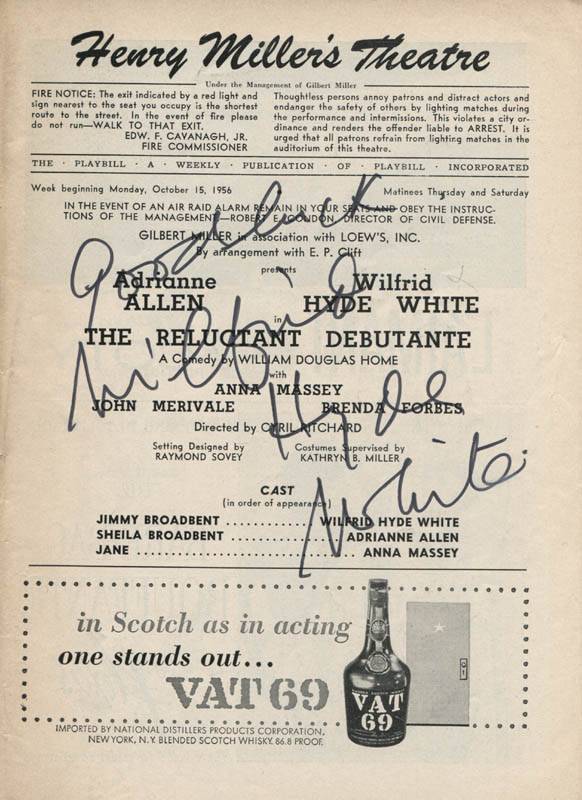
Mr. Hyde-White was especially well known for his urbane drollery, in such roles as the father of the title character in the play “The Reluctant Debutante,” which he performed in London and then, in 1956 and 1957, on Broadway.

Reviewing that drawing-room comedy, Brooks Atkinson of The New York Times said Mr. Hyde White gave a “brilliant performance” as the head of a frantic household — “relaxed, quizzical, neat, funny.” Of ‘Certain Tricks’

The actor told an interviewer at the time: “The premise of the drollery has to be firm. It is allowed to look leisurely, but actually my technique is hidebound by method. I really don’t take chances onstage. My style of acting is made up of certain tricks acquired over many years.”

Those, he said, included lowering his voice if audiences were noisy or sleepy. The worst thing to do is outshout them, he said, and if they are sleeping, do not awaken them, thereby eliminating a few critics.

    “The suaveness,” he said, “isn’t born of confidence: it’s born of fright.” Comedies on the Stage

    Mr. Hyde-White, who was born in Gloucester, began his career in a series of comedies produced during the late 1920’s at the Aldwych Theater in London, then began his film career as a stuffy burgomaster in “Rembrandt.”

    He played a professor in “The Third Man” (1950) and the headmaster in “The Browning Version,” the 1951 film based on Terence Rattigan’s play. In “My Fair Lady” (1964), he played Henry Higgins’s associate.

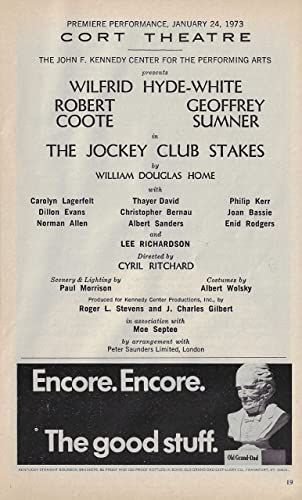
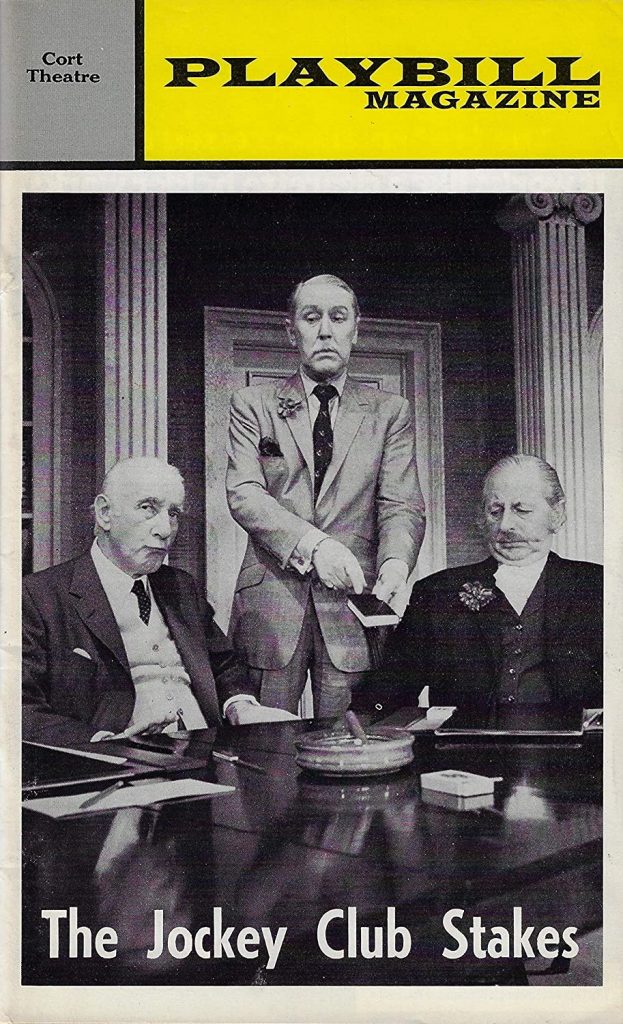
    In 1952, he appeared in New York with Laurence Olivier and Vivien Leigh in “Caesar and Cleopoatra” and “Antony and Cleopatra.” In 1973, he played an urbane marquis on Broadway in “The Jockey Club Stakes,” a British comedy.

    His American television credits included a brief run in the 1960’s nighttime soap opera “Peyton Place.” He also starred as Emerson Marshall in ABC’s lawyer comedy series “The Associates” and appeared as Dr. Goodfellow in “Buck Rogers in the 25th Century.”

    He is survived by his wife, Ethel; two sons, Alex and Michael; a daughter, Juliet, and four grandsons

    Career overview

    Wilfrid Hyde‑White (1903 – 1991) was an English actor whose wry charm, dry musical voice, and air of bemused superiority made him one of the screen’s quintessential British gentlemen. Over five decades he amassed more than 160 film, stage, and television credits, moving effortlessly between West End farce, Hollywood prestige pictures, and television comedy. Though rarely the star, he became a fixture of Anglo‑American cinema—a master of timing, understatement, and civilized irony.


    Early life and theatrical foundations

    Born in Bourton‑on‑the‑Water, Gloucestershire, the son of the Reverend William Edward White, he was educated at Marlborough College and trained at the Royal Academy of Dramatic Art, joking that at RADA he “learned two things — that I couldn’t act and that it didn’t matter” . He made his stage debut on the Isle of Wight in 1922, appeared in the West End by 1925, and developed a reputation in Aldwych farces for his facility with comic timing and genteel manner.

    By the 1930s Hyde‑White was touring with repertory companies and performing opposite music‑hall comedians such as Ernie Lotinga . His stage experience—rooted in rhythm, diction, and a close rapport with audiences—would later underwrite the conversational ease that became his screen signature.


    Early film career (1934–1948)

    He made his first screen appearance in Josser on the Farm (1934) and soon became a regular supporting actor in British comedies, often listed as “Hyde White.” Through the 1930s and 1940s he specialized in civil servants, academics, and clubroom wits—characters defined by their speech cadences and moral shrug. Decades later he quipped that acting in those days was “mainly remembering which door to use and when to look surprised.”

    His breakthrough came with a supporting part in Carol Reed’s The Third Man (1949), where his droll composure offset the film’s tense moral atmosphere . The performance marked the transition from journeyman comedian to character actor of distinction.


    Post‑war prominence and Hollywood success (1950s–1960s)

    During the 1950s Hyde‑White became one of the screen’s most reliable portrayals of urbane Englishness.

    • The Browns and Edith’s Breakfast Table (1951–52) on stage showed his ease with drawing‑room comedy.
    • In films such as North West Frontier (1959)Carry On Nurse (1959), and Two‑Way Stretch (1960)he refined a persona the critic Philip French later called “a classic British film archetype” .
    • Hollywood welcomed him for his mix of dignity and mischief—seen in Ada (1961) with Susan Hayward, Let’s Make Love (1960) with Marilyn Monroe, and My Fair Lady (1964), where his Colonel Pickering opposite Rex Harrison became the definitive embodiment of genial, scholarly reserve .

    That performance, gentle yet authoritative, made him internationally recognizable; the role precisely matched his gifts for courtesy, irony, and effortless grace.


    Stage achievements

    Concurrent with his film work, Hyde‑White remained active in theatre, earning two Tony Award nominations:

    • 1957, The Reluctant Debutante, for his dry portrayal of an exasperated father.
    • 1973, The Jockey Club Stakes, confirming his enduring stage craftsmanship .

    He also joined Laurence Olivier and Vivien Leigh in rotating productions of Caesar and Cleopatra and Antony and Cleopatra (1951), proving that beneath the comic façade lay disciplined classical technique .


    Later film and television career (1960s–1980s)

    Settling part‑time in the United States after 1959, Hyde‑White became a familiar face on both sides of the Atlantic. He appeared in the spy romp Our Man in Marrakesh (1966), the prison comedy Two‑Way Stretch, and countless television sketches.

    His expressive half‑closed eyes and smirking delivery lent themselves perfectly to episodic TV. American audiences met him through guest spots on Columbo(“Dagger of the Mind,” 1972; “Last Salute to the Commodore,” 1976), The Love Boat, and The Associates (1980) . Even minor projects benefited from his practiced irony and musical phrasing.

    Active into his eighties, he retired in the early 1980s and died in Woodland Hills, California, in 1991, days shy of his eighty‑eighth birthday .


    Acting style and screen persona

    • Dry understatement: Hyde‑White elided grand gestures in favor of impeccable timing and precise diction. His humor originated in phrasing, not punch lines.
    • The bemused Englishman: With half‑closed eyes and a perpetual near‑smile, he seemed perpetually on the verge of a witty comment—the archetype of Oxford‑educated irony that Hollywood adored.
    • Conversational naturalism: Decades of stage comedy taught him to underplay; he gave dialogue the rhythm of a private conversation overheard.
    • Adaptability: While limited by type—aristocrats, professors, doctors—he could shade these figures with kindness (Pickering), cowardice (North West Frontier), or sly duplicity (Two‑Way Stretch).

    As the Travalanche critic observes, Hyde‑White “was not known for artistic ambition … but he worked constantly … for about half a century,” a testament to reliability and craft .


    Critical assessment

    Strengths
    - Perfect comic timing rooted in understatement.
    - Mastery of “civilized eccentricity” — the essence of mid‑century British character acting.
    - Longevity across stage and screen through technical professionalism.

    Limitations
    - Typecast as the urbane Englishman; rarely challenged with darker or more emotionally raw material.
    - He regarded acting as craft rather than art, which confined his roles to well‑worn social archetypes.

    Yet this modesty was itself part of his authenticity; he proved that a supporting actor could define the tone of an entire film simply by calibrating irony and warmth.


    Legacy

    Hyde‑White occupies a special niche in British‑American screen history: a bridge between inter‑war stage gentility and post‑war film naturalism. His best work—The Third ManNorth West FrontierMy Fair Lady, and his Columbo portrayals—summarizes half a century of Anglo‑Saxon comic subtlety. He stood for effortless civility, winking intelligence, and quiet professionalism. In the words of critic Philip French, he remains “a classic British film archetype”—the embodiment of wit without cruelty, irony without cynicism .

    Leave a Reply

    Your email address will not be published. Required fields are marked *