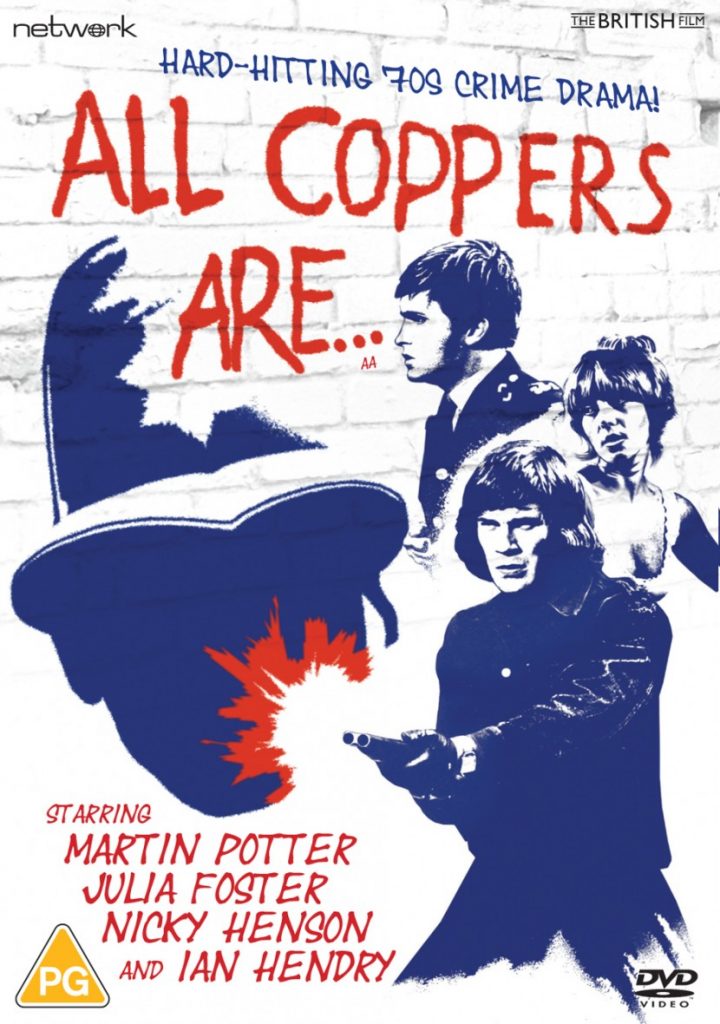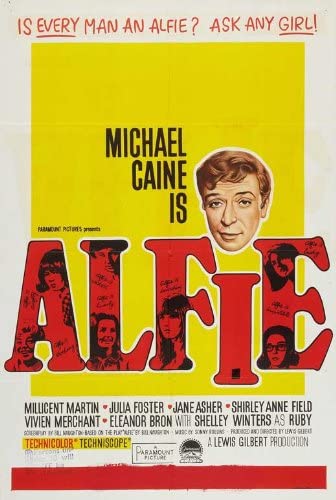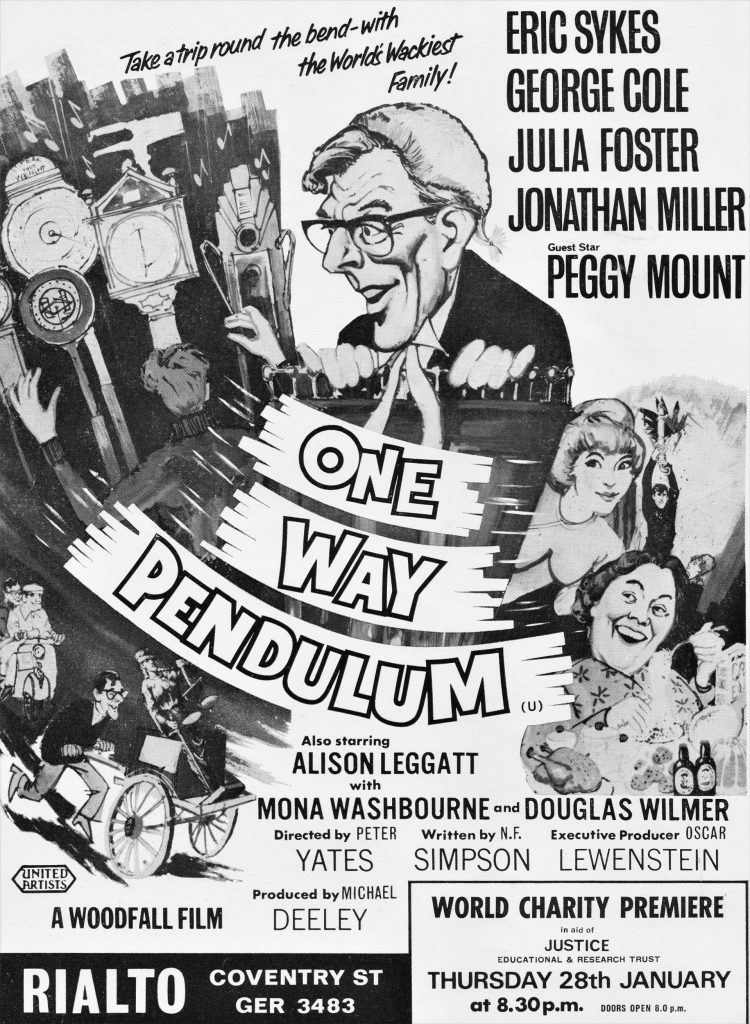


Julia Foster. TCM Overview
Julia Foster was born in 1943 in Lewes in Sussex. Among her film credits are “The Bargee” with Harry H. Corbett in 1964 followed two years later by “Alfie” with Michael Caine. She was the lading lady to Tommy Steele in the film of the musical “Half A Sixpence” in 1967. Still makes occasional television appearances. Is the mother of television broadcaster Ben Fogle.
TCM Overview:

Julia Foster was an actress with a strong presence in film throughout her career. Foster started off her career in film with roles in “The Loneliness of the Long Distance Runner” (1962), the dramatic adaptation “One Way Pendulum” (1964) with Eric Sykes and the dramatic adaptation “Alfie” (1965) with Michael Caine. She then acted in “Half a Sixpence” (1968), “Percy” (1970) and the Spike Milligan comedy “The Great McGonagall” (1974). She also appeared in “F. Scott Fitzgerald in Hollywood” (ABC, 1975-76). More recently, Foster acted in “Flick” (2010) with Faye Dunaway.
Article in “Sussex Life” in 2010:
TV presenter, writer and adventurer Ben Fogle believes he inherited his performance gene from his mother, Lewes-born actress Julia Foster, who made her name in the 1960s films Alfie and Half a Sixpence. Ben, who spent his childhood weekends at his parents holiday cottage in Horsham, reflects on the debt he owes her Ben Fogle has always been close to his mum. A shy and introverted child, he often felt overwhelmed by his louder, more extrovert sisters, and clung tenaciously to his mothers apron strings.
When his parents sent him to board at Bryanston in Dorset, he stood in the middle of the drive with tears pouring down his cheeks, pleading with them not to leave him. It was no different at nursery school. Its not that I dont like it here, he told his mother. Its just that Id rather be with you. These days, of course, Ben is a very different animal a bubbly and outgoing TV personality and daring adventurer, who has tested the limits of his physical and mental endurance while trekking across some of the planets toughest terrain. But he and his mother remain close to this day.
Were very similar in many ways, he says thoughtfully. Were both sensitive to criticism, and its ironic that we ended up in careers where it can be frequently directed at you. Mummy always said that she never read her reviews, but we knew she did really. And Im just the same. I have a very thin skin.
Ben grew up with histwo sisters, Emily and Tamara, in a large house near Marble Arch in the centre of London, where his father, the TV vet Bruce Fogle, ran a veterinary clinic. Every day after school, he would walk through his dads clinic full of dogs and snakes up to their flat, where his mother, then a big name on stage and screen, would invariably be posing for a photoshoot. There were usually lights and photographic umbrellas everywhere, and that was my childhood animals and cameras, he says. Mummy was very much the performer when I was growing up. And now its me that does it.
Well-known actors such as Tommy Steele or Michael Caine would often call in, but the young Ben was singularly unimpressed to him they were just Mummys friends. Fittingly, given his future career, he was much more interested in BBC TV Centre, where his mum would often take him after school. Each day shed turn up at the school gates in a different wig, depending on the character she was playing, he grins. Id sit in her dressing room doing my homework, while she did her performance. The smell of the greasepaint must have rubbed off because as soon as he completed his schooling Ben determined to become an actor with disastrous consequences. I think Mummy was quietly proud that Id chosen to follow her, but when I applied to all the drama schools I couldnt get into any of them and I was utterly distraught. My abiding memory is of Mummy saying to me: Ben, if you become an actor, you will have to put up with rejection every day of your life. That was a big wake-up call and it made me realise what my mother had had to deal with. Shed been one of the biggest stars of the 1960s, and had then had to sit round and watch younger actresses fill her shoes.
He says his mother made a lot of career sacrifices, even turning down work in America so that she could be there for him while he prepared for his O-levels. I really admire the dignified way she stepped back when the acting work dried up and built up her own antique furniture business. Im very proud that she was able to build a new career and sad as well because I know how much acting meant to her. Im sure if the right job came up, shed love to have another go at it. And nothing would give me more pride than to see my mother treading the boards again.
Ben, who still lives near his parents in West London (though the family also have a second home in Ford, West Sussex), sees his mother most days and they frequently walk their dogs together. Sometimes Ill ask for her advice particularly if Ive been offered a big TV series because I value her perspective on things. But the media world has changed a lot since the 1960s and I dont think she quite understands how it works now. Shes sometimes surprised at how much of yourself you have to give away.
Ben recently became a father himself and hopes that he can be as good a parent to his son Ludo. My mother was always incredibly supportive when I was growing up, never questioning whether my decisions were a good idea. There was always a lot of optimism in our household and it gave me a lot of confidence, he says. My mum is one of the most generous people I know and Id like to pass on her qualities to my own children.

Were very similar in many ways, he says thoughtfully. Were both sensitive to criticism, and its ironic that we ended up in careers where it can be frequently directed at you. Mummy always said that she never read her reviews, but we knew she did really. And Im just the same. I have a very thin skin.
Ben grew up with his two sisters, Emily and Tamara, in a large house near Marble Arch in the centre of London, where his father, the TV vet Bruce Fogle, ran a veterinary clinic. Every day after school, he would walk through his dads clinic full of dogs and snakes up to their flat, where his mother, then a big name on stage and screen, would invariably be posing for a photoshoot. There were usually lights and photographic umbrellas everywhere, and that was my childhood animals and cameras, he says. Mummy was very much the performer when I was growing up. And now its me that does it.
Well-known actors such as Tommy Steele or Michael Caine would often call in, but the young Ben was singularly unimpressed to him they were just Mummys friends. Fittingly, given his future career, he was much more interested in BBC TV Centre, where his mum would often take him after school. Each day shed turn up at the school gates in a different wig, depending on the character she was playing, he grins. Id sit in her dressing room doing my homework, while she did her performance. The smell of the greasepaint must have rubbed off because as soon as he completed his schooling Ben determined to become an actor with disastrous consequences. I think Mummy was quietly proud that Id chosen to follow her, but when I applied to all the drama schools I couldnt get into any of them and I was utterly distraught. My abiding memory is of Mummy saying to me: Ben, if you become an actor, you will have to put up with rejection every day of your life. That was a big wake-up call and it made me realise what my mother had had to deal with. Shed been one of the biggest stars of the 1960s, and had then had to sit round and watch younger actresses fill her shoes.
He says his mother made a lot of career sacrifices, even turning down work in America so that she could be there for him while he prepared for his O-levels. I really admire the dignified way she stepped back when the acting work dried up and built up her own antique furniture business. Im very proud that she was able to build a new career and sad as well because I know how much acting meant to her. Im sure if the right job came up, shed love to have another go at it. And nothing would give me more pride than to see my mother treading the boards again.
Ben, who still lives near his parents in West London (though the family also have a second home in Ford, West Sussex), sees his mother most days and they frequently walk their dogs together. Sometimes Ill ask for her advice particularly if Ive been offered a big TV series because I value her perspective on things. But the media world has changed a lot since the 1960s and I dont think she quite understands how it works now. Shes sometimes surprised at how much of yourself you have to give away.
Ben recently became a father himself and hopes that he can be as good a parent to his son Ludo. My mother was always incredibly supportive when I was growing up, never questioning whether my decisions were a good idea. There was always a lot of optimism in our household and it gave me a lot of confidence, he says. My mum is one of the most generous people I know and Id like to pass on her qualities to my own children.
This “Sussex Life” article can also be accessed online here.