

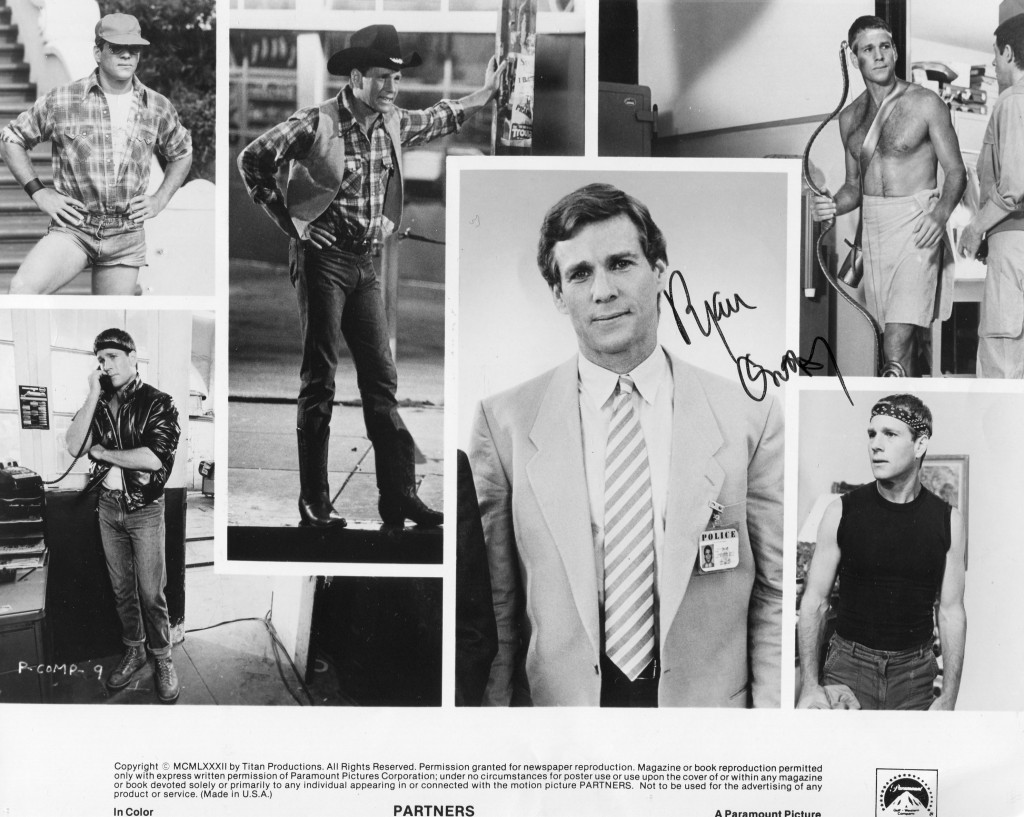
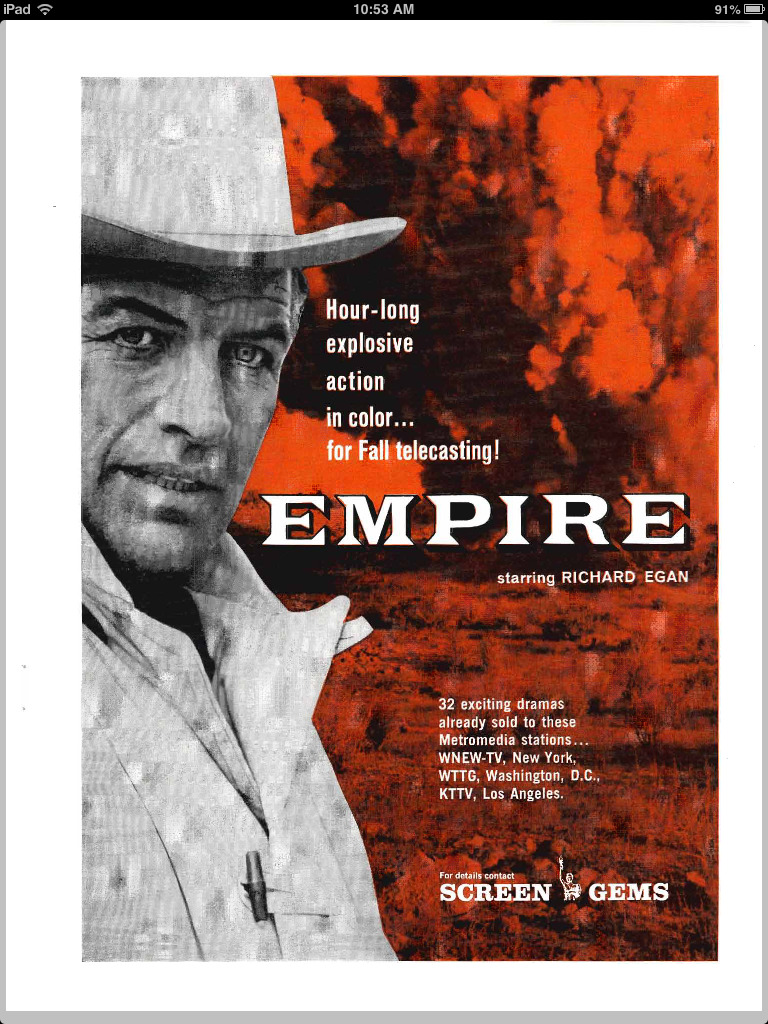
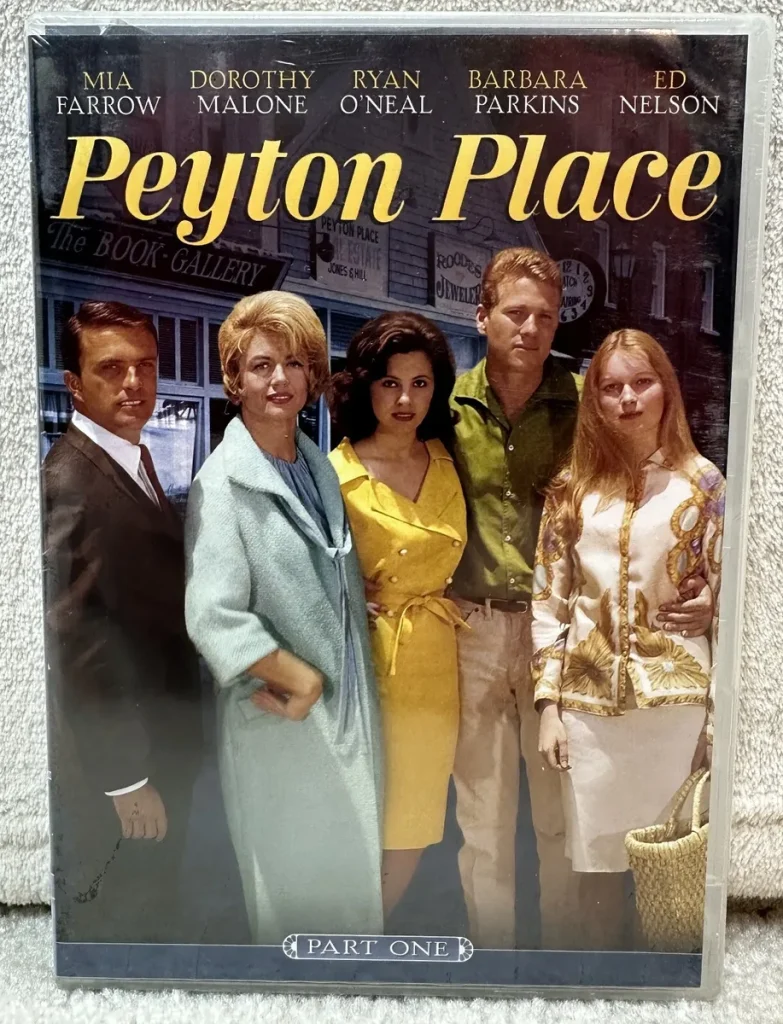
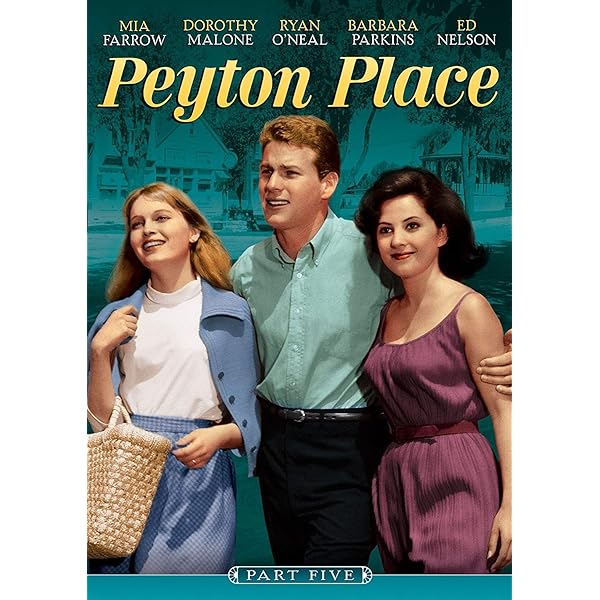
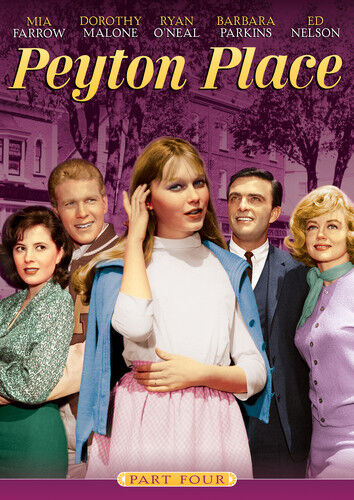
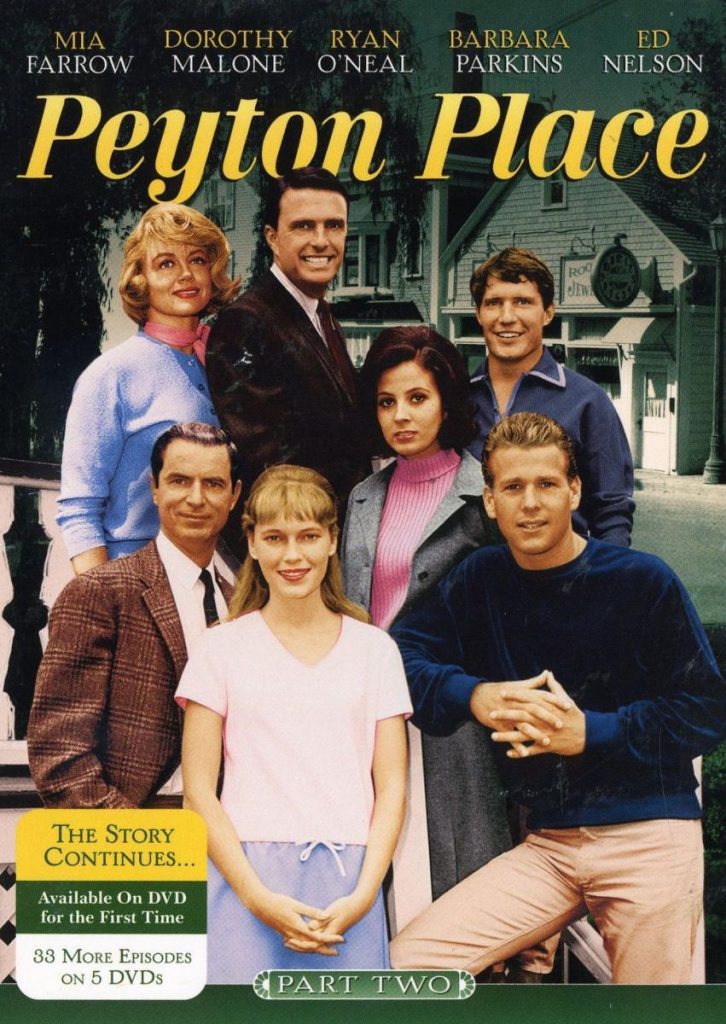
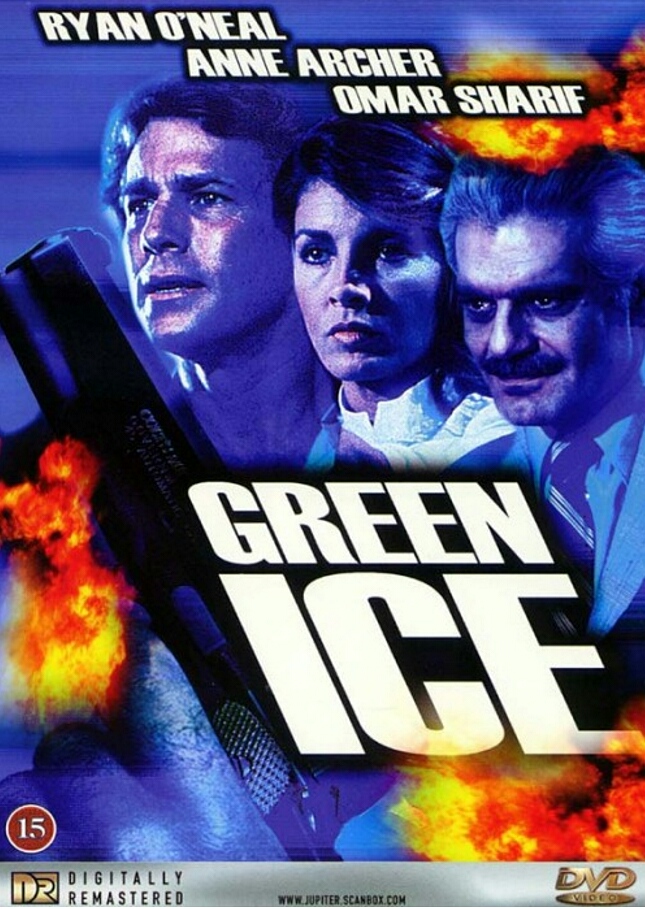
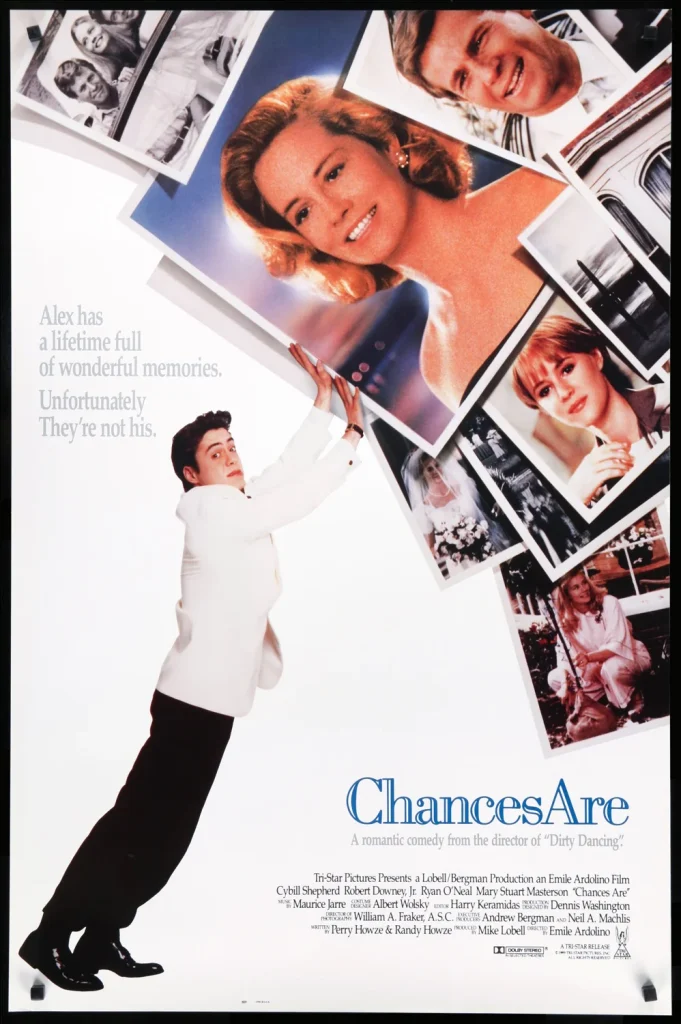
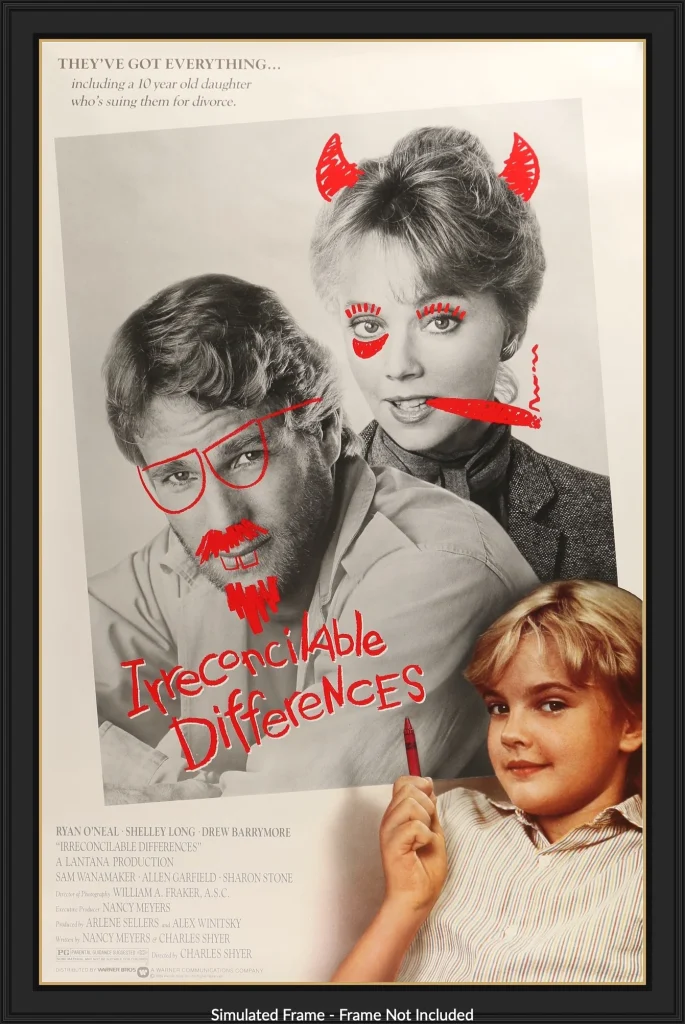

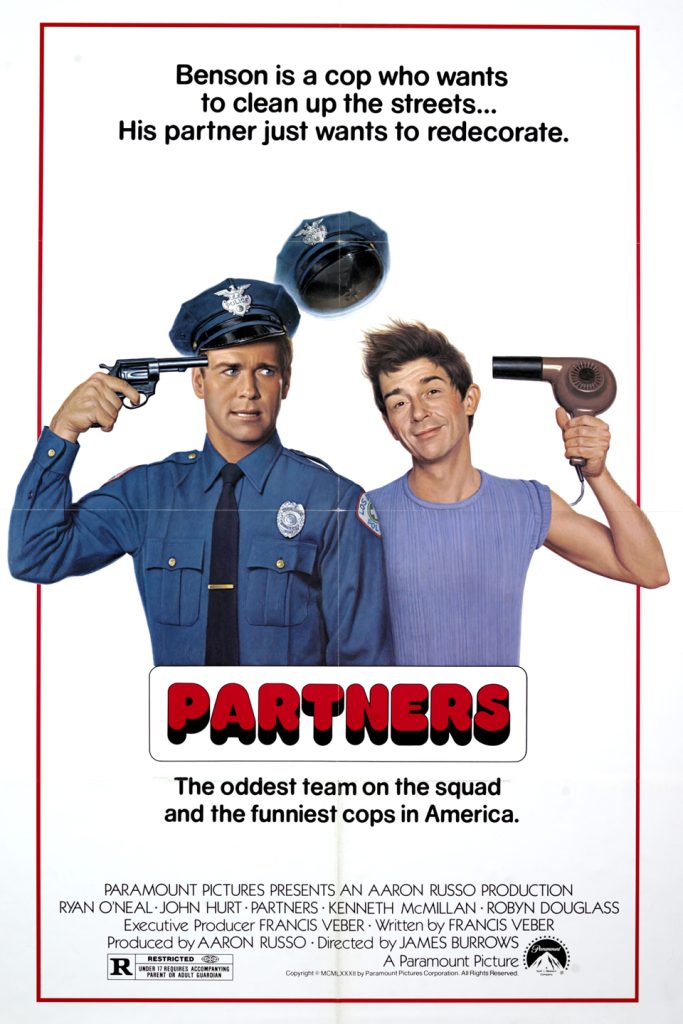
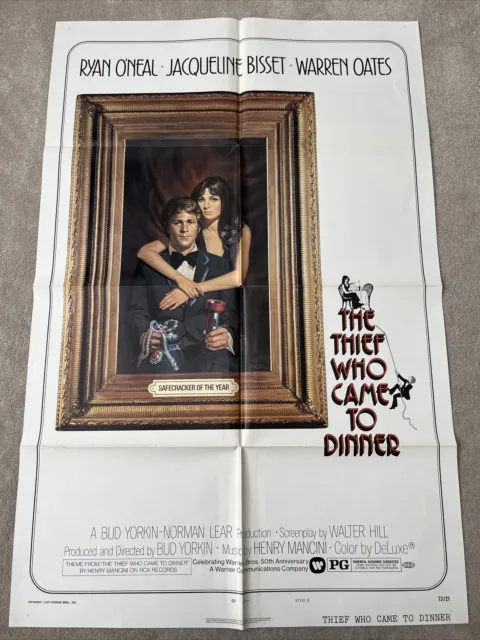
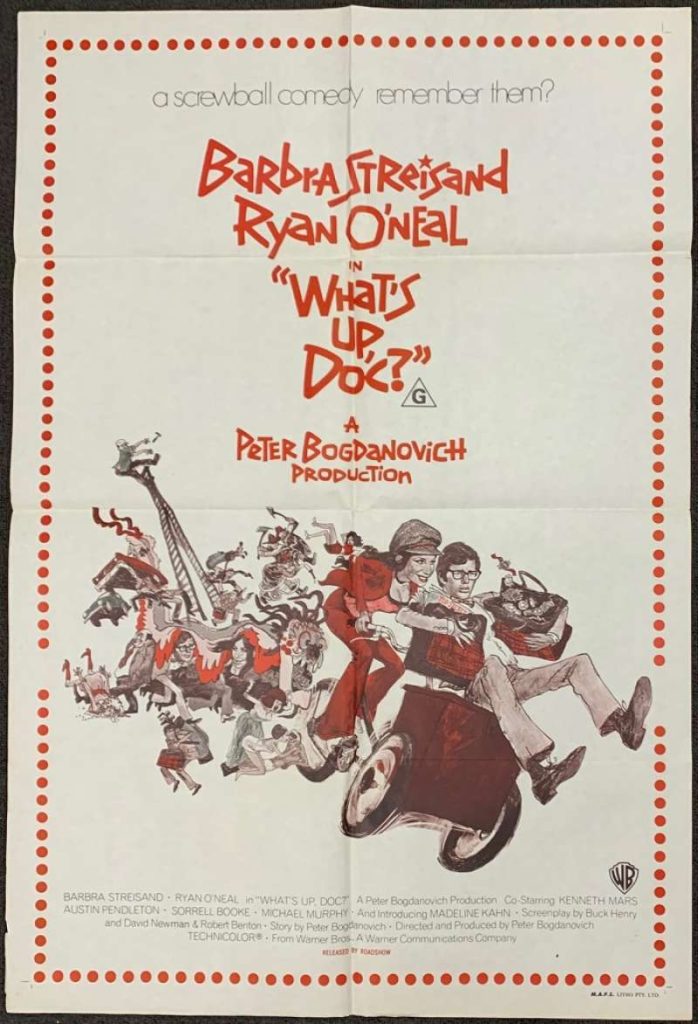
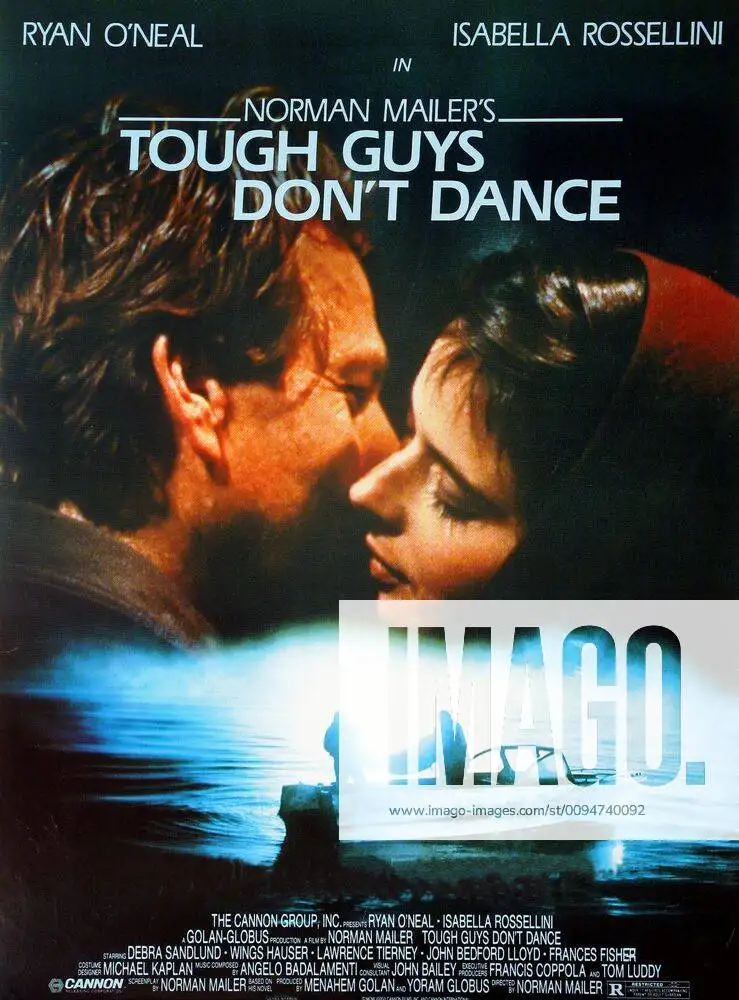
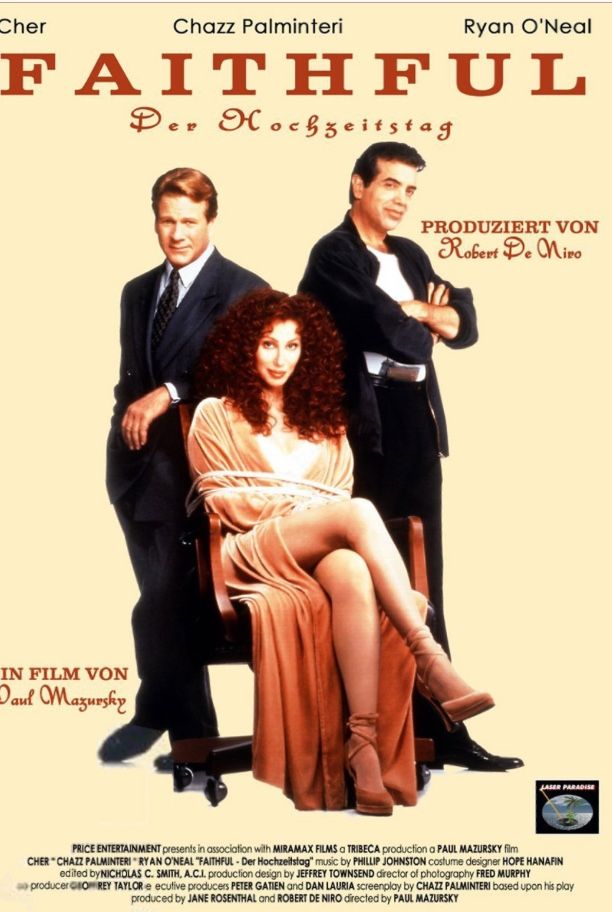
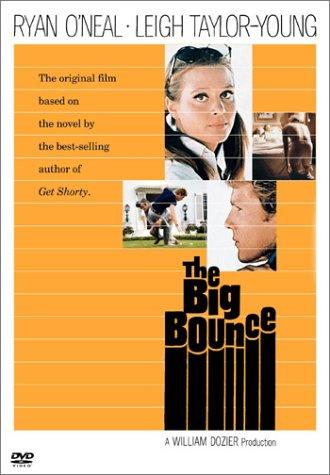
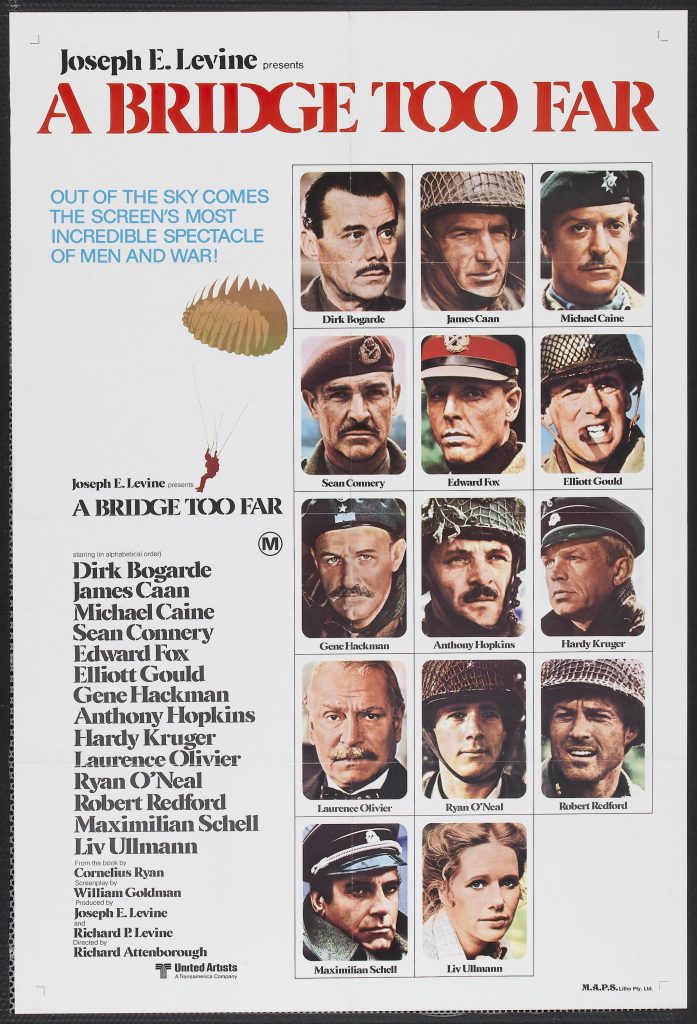
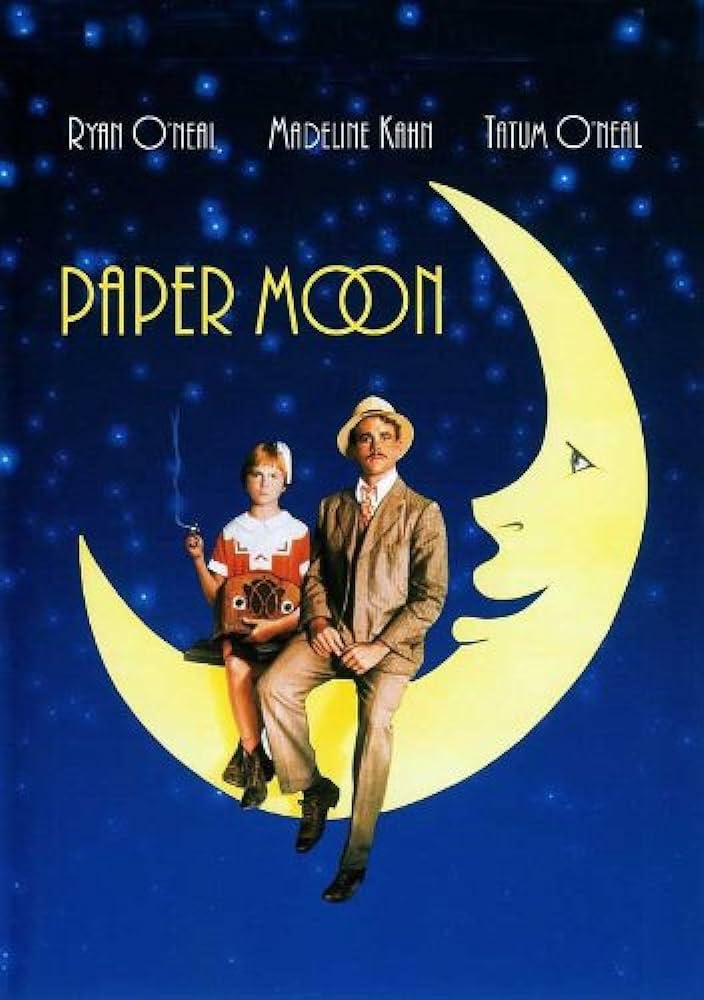
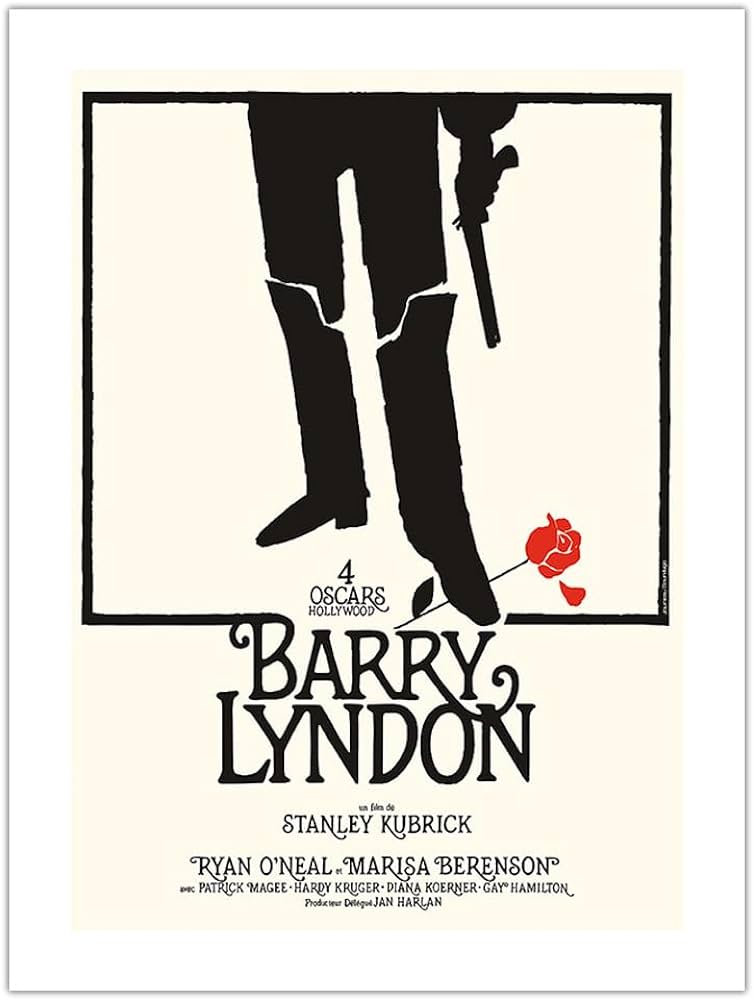
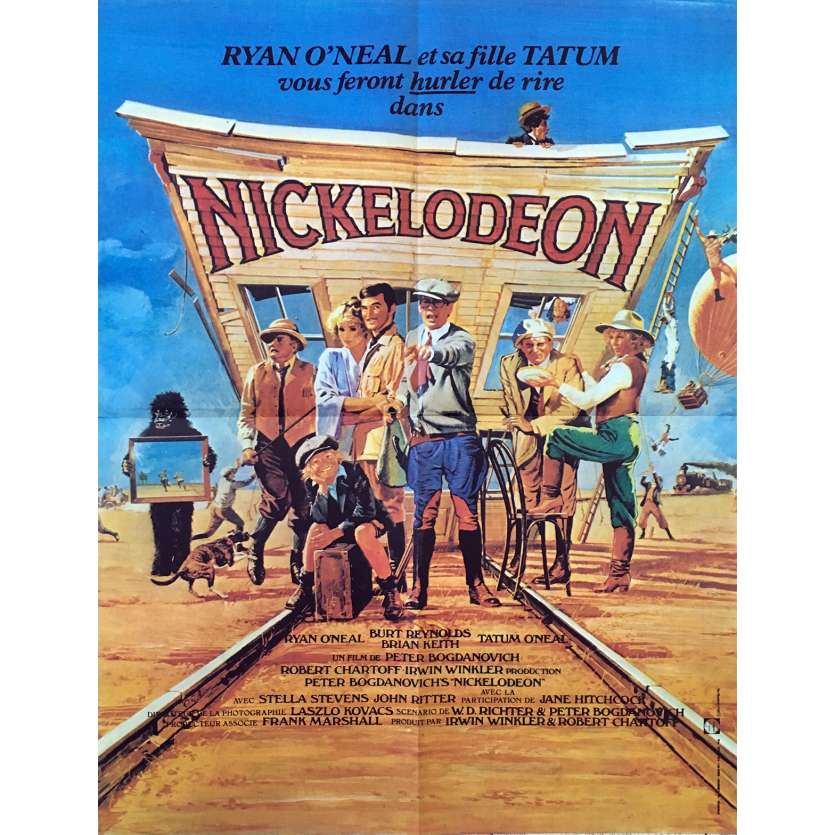

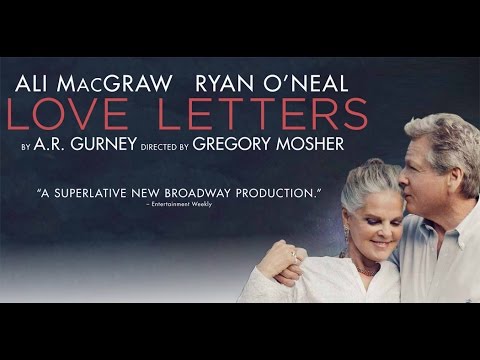
Ryan O’Neal was born in 1941 in Los Angeles. He first came to prominence with the television series “Empire” with Richard Egan and Terry Moore in 1962. Two years later he was internationally known for his performance as Rodney Harrington in the popular tlevision series “Peyton Place” with Dorothy Malone and Mia Farrow. The success of the show opened the door to big budget movies and he starred in 1970’s biggest hit “Love Story” with Ali McGraw. Over the next decade he starred in some major films including “Wha’s Up Doc”, “Paper Moon”, “Nickelodean”, “Barry Lyndon” and “A Bridge too Far”. His website here.
New York Times in 2023.
Dec. 8, 2023
He had the face of a fairy-tale lead, the kind that would have fit agreeably in an earlier Hollywood era but felt comfortingly alluring in the moment. Ryan O’Neal was a boxer in his youth — announcing his father had died on Friday, his son Patrick O’Neal pointed fans toward YouTube footage of O’Neal fighting Joe Frazier on national TV, with Muhammad Ali doing commentary. But when he migrated to acting, it suited him, and by 1964 he had become a star thanks to the ABC prime-time soap opera “Peyton Place.”
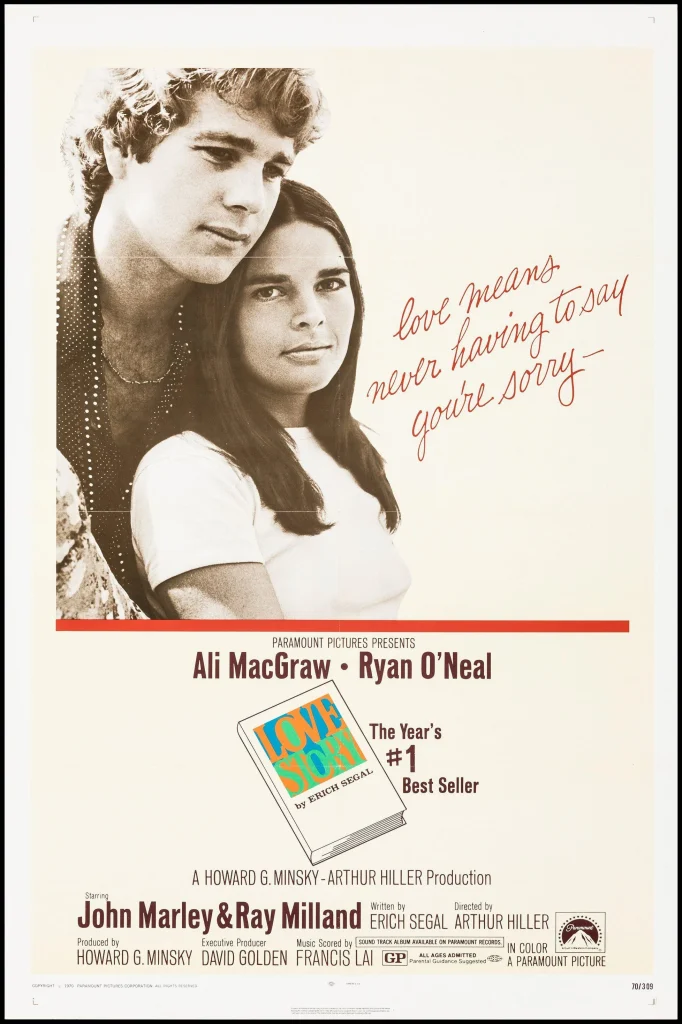
No wonder: O’Neal’s youthful looks, blond and round-cheeked and just a little brainy, remind you of the guy who sat next to you in A.P. bio and who would lend you a pen, or his lunch, if you needed it. It seemed, emphatically, to be the face of a good guy, the kind you definitely wanted to bring home to your parents. When O’Neal tested for the role of Oliver in “Love Story,” Ali MacGraw persuaded her husband, Robert Evans, the executive in charge at Paramount, to cast him.
As the boyish Harvard hockey player in love with Jenny, the whip-smart Radcliffe student, O’Neal was entrancing, and the pair had instant chemistry. “She had to go home to him at night, but I had her during the day,” O’Neal told The Hollywood Reporter in an interview many decades later. Their meet-cute in the movie, if you want to call it that, was sexy in a cerebral way, the pair sparring over a library checkout counter, then over coffee, where Jenny informs him that she asked him out because “I like your body.”
The movie, released in 1970, was a resounding success, in part because the sharp wit of its beginning gives way to star-crossed melancholy by the end, with Jenny dying of a terminal disease and Oliver stricken with grief, repeating a phrase from his lost sweetheart: “Love means never having to say you’re sorry.” It proved irresistible to audiences, and its success was, in part, what allowed Evans to make movies like “The Godfather” at Paramount later in the decade.
O’Neal would take that mix of innocence and wit, comfort and humor into his next movie and beyond. It turns out he could do screwball comedy, too. The meet-cute in Peter Bogdanovich’s “What’s Up, Doc?” featured O’Neal as Dr. Howard Bannister, a musicologist in dark-rimmed glasses, stumbling by accident into an erudite conversation about rocks with the chaotic Judy Maxwell, played by Barbra Streisand. He patronizes her, assuming she doesn’t know a thing about rocks, but his look of surprise at Judy’s proclamation that “I relate primarily to micas, quartz, feldspar” breaks across his face less as wounded ego than as genuine pleasure. By the time he’s fallen backward, landing on his rear as a cascade of nearby stuffed animals falls on his head, we’re in love, too.
O’Neal’s life and career were long and storied and not without controversies, among them his difficult relationship with his daughter, Tatum O’Neal, who made her big-screen debut at 9 alongside her father in Bogdanovich’s “Paper Moon.” But one look at his Instagram account offers evidence that he believed his love story of a lifetime was with Farrah Fawcett.
Fawcett and O’Neal had their own strange sort of meet-cute. Fawcett’s husband, Lee Majors, introduced her to O’Neal in 1979, and the pair were soon romantically involved, though Majors and Fawcett didn’t divorce until 1982. O’Neal had also been married twice, to Joanna Moore and Leigh Taylor-Young, fathering three children, and had a fourth with Fawcett.
He and Fawcett stayed entwined for nearly 20 years. (She left in 1997, when she found him in bed with another woman.) They were reunited again from 2001, when O’Neal learned he had cancer, until Fawcett’s death in 2009. Not exactly a classic fairy tale. It was a rocky partnership, with both Tatum and Fawcett making accusations of physical abuse and fraught relationships with several of his children. But when Fawcett died of cancer — like Jenny in “Love Story” — it was hard to miss the parallels. Here was the star of “Love Story,” living the tragedy that had made him a star in the first place. Melodrama becomes reality.
The famous line from “Love Story” — that “love means never having to say you’re sorry” — plays well in a swoony tear-jerker, but doesn’t hold up so well in the light of day. Love does mean saying you’re sorry, over and over again, wisdom O’Neal eventually learned, at least on some level. Earlier this year, his daughter spoke of trying to reconcile with her father, with whom she subsequently reconnected, posting a picture of themon Instagram on April 21, his 82nd birthday, with the caption “Happy birthday dad I love you.”
“What’s Up, Doc?” concludes with Judy repeating the line about never saying you’re sorry, a little joke within the joke. And Howard, with O’Neal’s easy smile, smitten with her, proclaims, “That’s the dumbest thing I ever heard