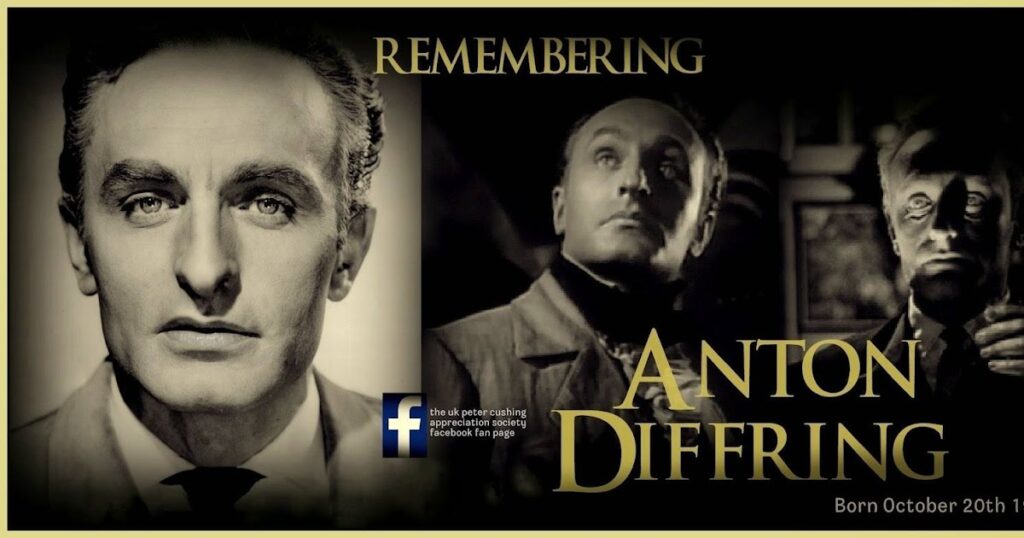
Career Overview and Critical Analysis of the Work of Anton Diffring
Anton Diffring (1918–1989) was a German-born stage and screen actor whose career spanned theatre, British and European cinema, and television from the late 1940s through the 1980s. Although he appeared in many genres, he became particularly known for portraying psychologically complex villains, authoritarian figures, and morally ambiguous intellectuals. His work illustrates both the opportunities and constraints experienced by European actors working in post-war British cinema.
1. Early Life and Training
Anton Diffring was born in Koblenz, Germany. Before the Second World War he studied acting in Berlin and performed on the German stage. After the war he relocated to Britain, where he gradually established himself in theatre and film.
Early British film appearances included:
- The Blue Lamp
- The Sea Shall Not Have Them
During the 1950s he worked steadily in British cinema, often cast as European officers, scientists, or aristocrats.
Critical assessment of early career
Diffring’s early performances reveal several qualities that would define his later work:
- precise diction and controlled vocal delivery
- intellectual intensity rather than physical aggression
- a restrained but unsettling screen presence
These traits distinguished him from more overtly theatrical villains and aligned him with the cool, cerebral antagoniststhat became common in Cold War cinema.
2. Breakthrough: The Nazi Officer Archetype
Diffring became widely recognized through roles portraying German officers during World War II films.
His most famous performance is in:
In this film he plays Colonel Kramer, a Gestapo officer confronting Allied infiltrators during a covert mission.
Critical analysis of the role
Diffring’s performance stands out because it avoids caricature. Instead of portraying a hysterical villain, he presents Kramer as:
- intelligent
- methodical
- outwardly polite but quietly threatening
This approach reflects a broader shift in post-war war films toward portraying antagonists with psychological realism rather than propaganda stereotypes.
The performance relies heavily on:
- measured speech
- controlled facial expression
- careful pacing of dialogue
As a result, the tension arises less from overt aggression than from the character’s calculated authority.
3. Psychological Horror and Science Fiction
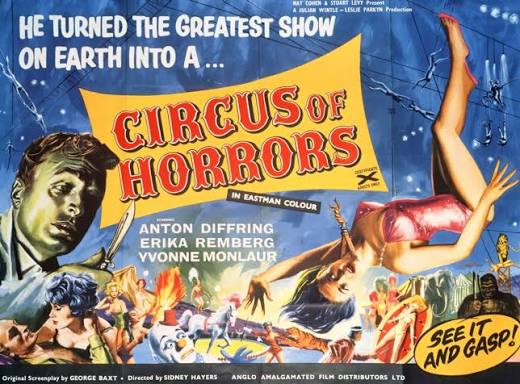
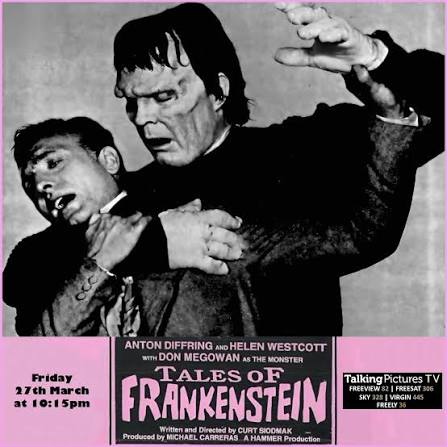
Diffring also achieved cult status through roles in British horror and science-fiction cinema.
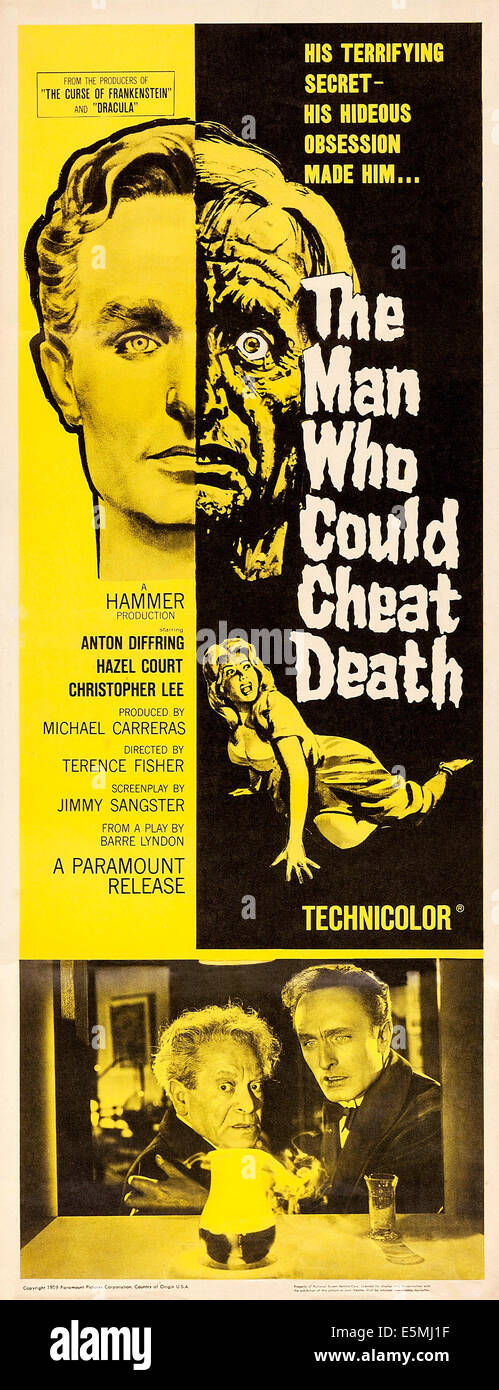
One of the most notable examples is:
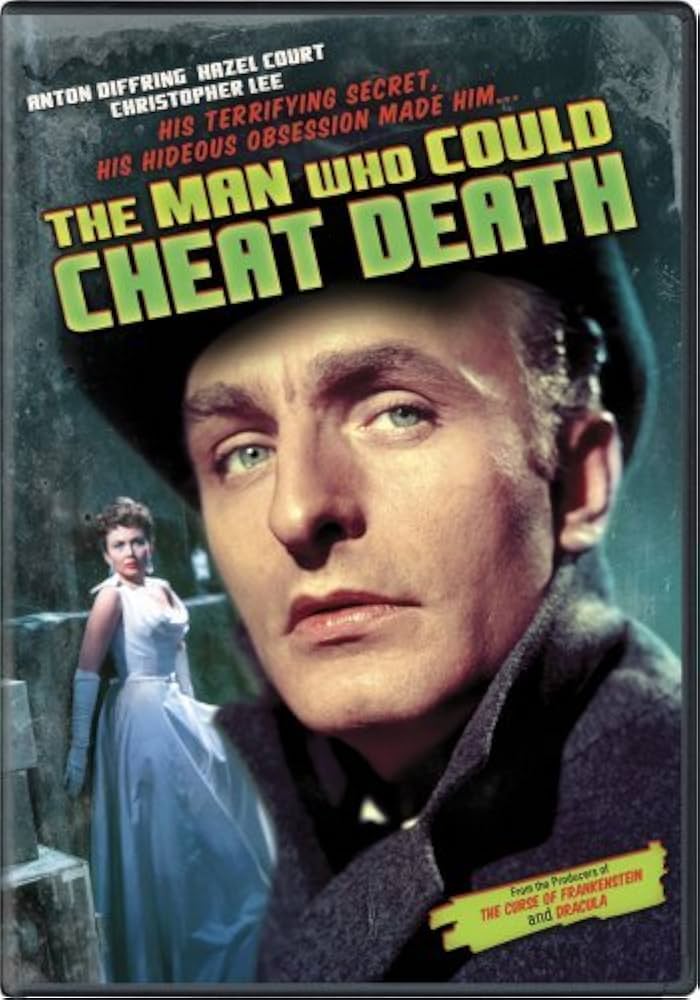
- The Man Who Could Cheat Death
In this film he plays Dr. Georges Bonnet, a scientist who prolongs his life through surgical procedures that require human victims.
Critical interpretation
This performance demonstrates Diffring’s talent for portraying intellectual obsession.
Key elements of the performance include:
1. Moral detachment
Diffring portrays Bonnet as a cultured gentleman rather than a monstrous villain. The horror arises from the calm rationalization of his crimes.
2. Intellectual arrogance
His characters often project superiority through subtle gestures—tilting the head, narrowing the eyes, or pausing before speaking.
3. Controlled theatricality
While the narrative contains melodramatic elements typical of Hammer-style horror, Diffring’s acting remains restrained and dignified, heightening the disturbing contrast between civility and cruelty.
This performance exemplifies a recurring motif in his career: the cultured but morally corrupted intellectual.
4. European and Television Career
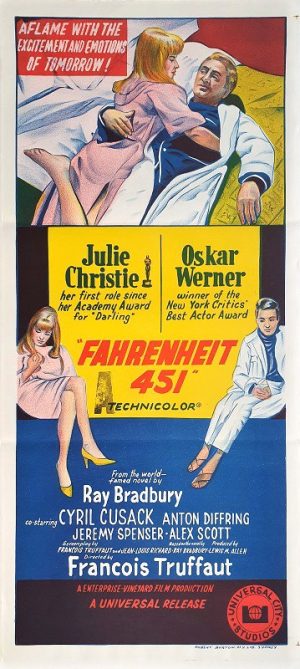
Beyond British cinema, Diffring worked extensively in European film and television.
He appeared in numerous international productions, including espionage thrillers, historical dramas, and television series. His multilingual abilities allowed him to work across British, German, and French productions.
Television became particularly important in the 1960s and 1970s, when he appeared in series such as:
Critical evaluation of television work
Diffring’s television roles reinforced his reputation as an elegant antagonist. His performances were especially suited to the stylized espionage dramas popular during the Cold War era.
Television allowed him to refine a screen persona defined by:
- composure
- intelligence
- ambiguous morality
These traits made him a natural fit for characters such as diplomats, scientists, conspirators, and military officers.
5. Acting Style and Technique
1. Intellectual Villainy
Diffring’s villains differ from conventional cinematic antagonists. Rather than relying on rage or physical menace, his characters project danger through calculated rationality.
This intellectualized villainy became his signature.
2. Vocal Performance
His voice—calm, slightly accented, and carefully modulated—was central to his effectiveness.
He frequently used:
- deliberate pacing
- subtle emphasis on key words
- pauses to create tension
These techniques made even ordinary dialogue feel ominous.
3. Physical Economy
Diffring rarely used exaggerated gestures. Instead, he conveyed emotion through minimal movements:
- slight shifts in posture
- small facial expressions
- controlled eye contact
This understated style worked particularly well in close-up film acting.
6. Typecasting and Its Consequences
Diffring’s career illustrates the impact of typecasting in post-war cinema.
Because of his:
- German accent
- angular features
- authoritative presence
he was frequently cast as:
- Nazi officers
- authoritarian scientists
- European aristocrats
- cold strategists
While these roles provided steady work, they also limited opportunities to portray more sympathetic characters.
Nevertheless, Diffring often elevated stereotypical roles through psychological nuance and restraint.
7. Cultural and Historical Context
Diffring’s career reflects broader patterns in mid-20th-century European cinema.
After World War II, British and American films frequently required actors to portray German antagonists. Many German actors working internationally—including Diffring—became associated with these roles.
However, his performances stand out because they avoided simple demonization. Instead, he portrayed antagonists as intelligent and disturbingly human, contributing to a more complex cinematic representation of wartime enemies.
8. Legacy
Although rarely a leading man in mainstream cinema, Anton Diffring became one of the most recognizable character actors in post-war British film and television.
His legacy rests on:
- sophisticated portrayals of villains
- psychologically nuanced performances
- contributions to war films, horror, and espionage dramas
For many viewers, he represents the archetype of the cultured European antagonist—a figure whose menace lies not in brute force but in intellect and composure.
✅ Summary
Anton Diffring built a distinctive career as one of the most memorable character actors of mid-20th-century British and European cinema. Through restrained acting, precise vocal technique, and an aura of intellectual authority, he transformed stereotypical villain roles into psychologically compelling characters. His performances remain notable for their subtlety and for their contribution to a more complex depiction of cinematic antagonists