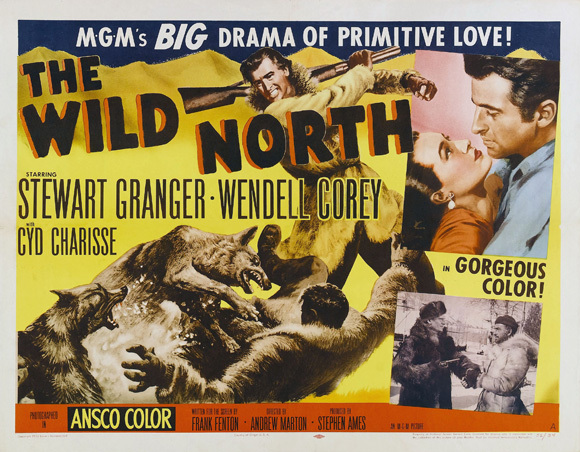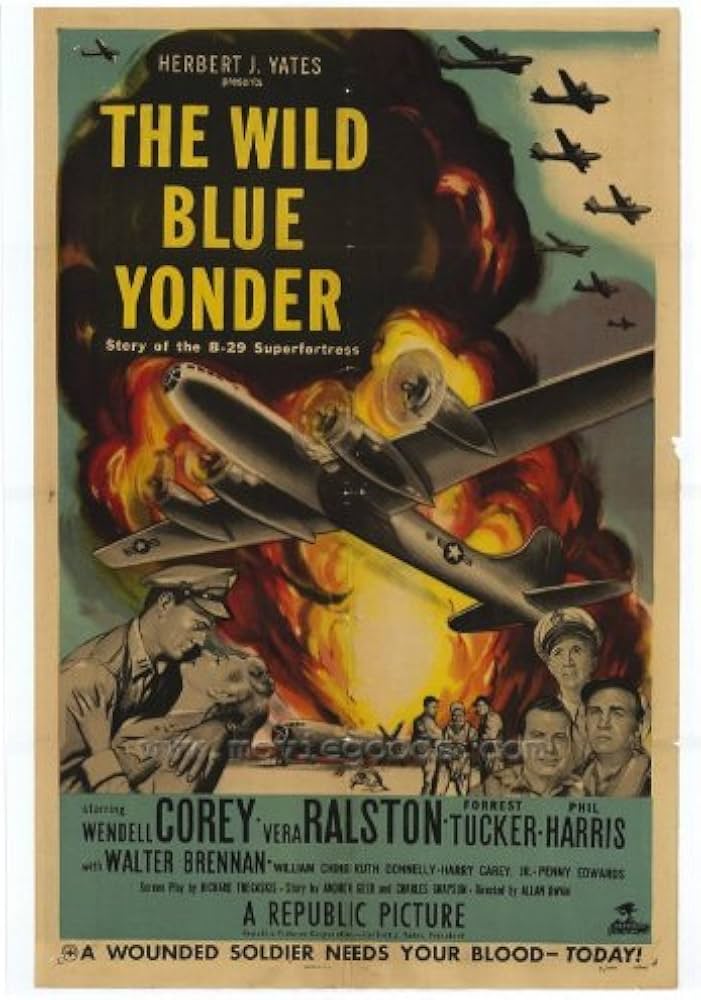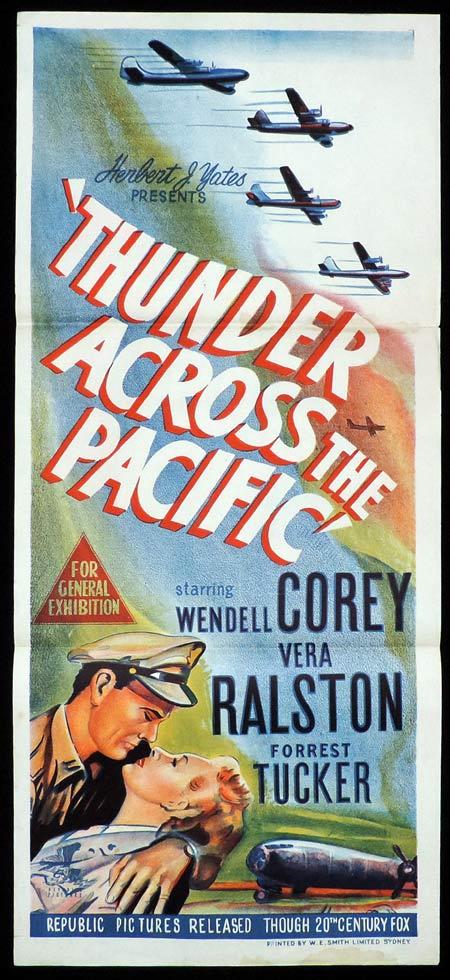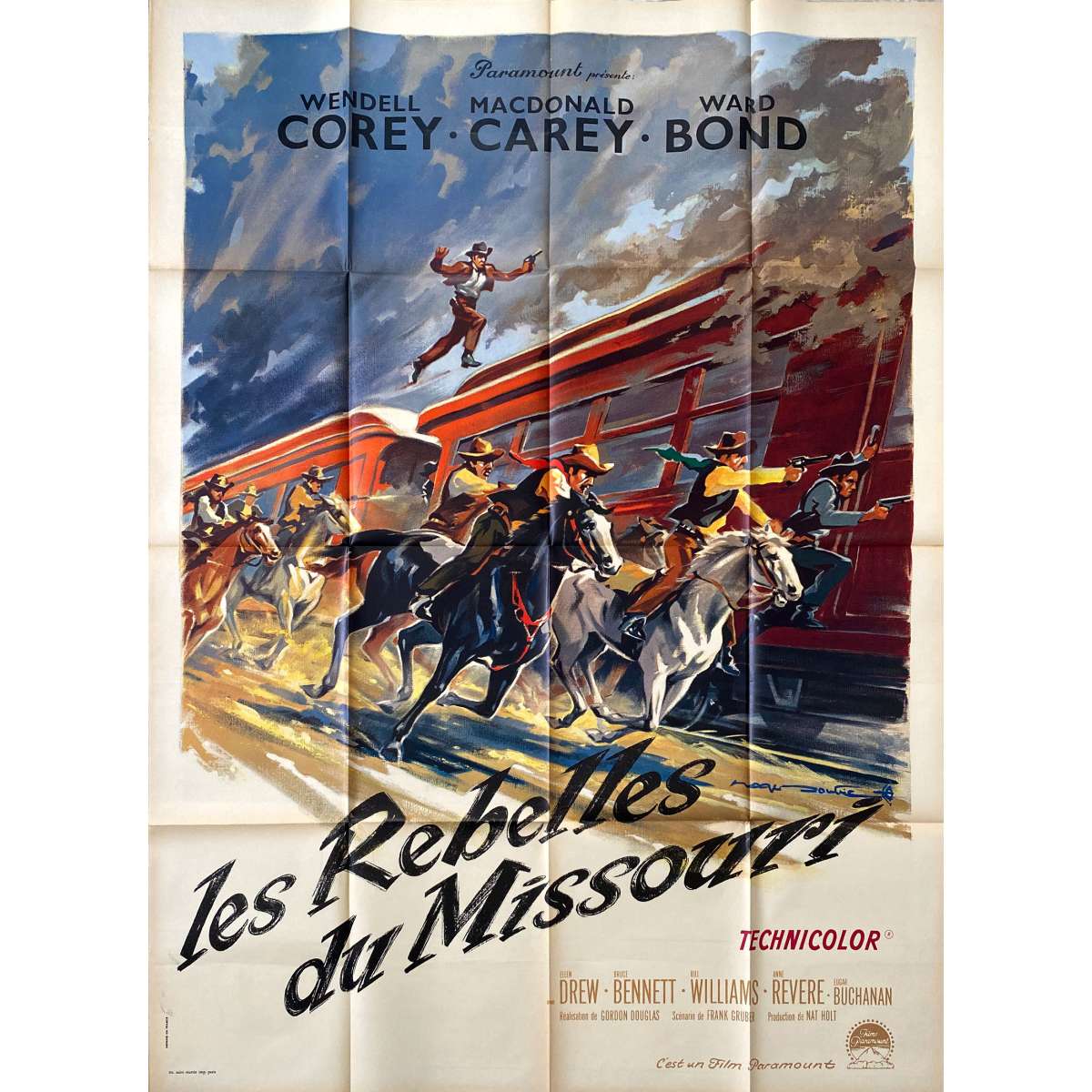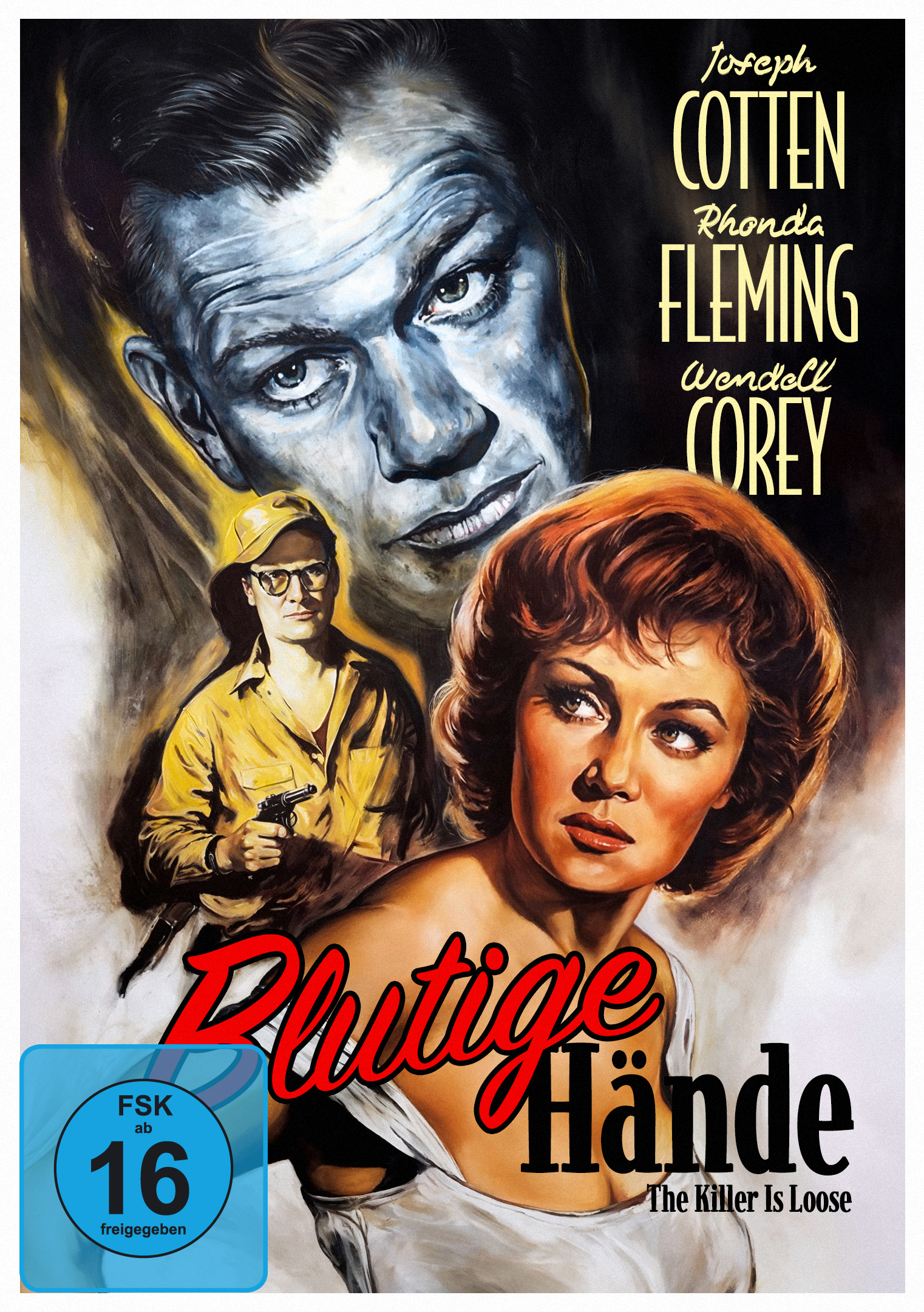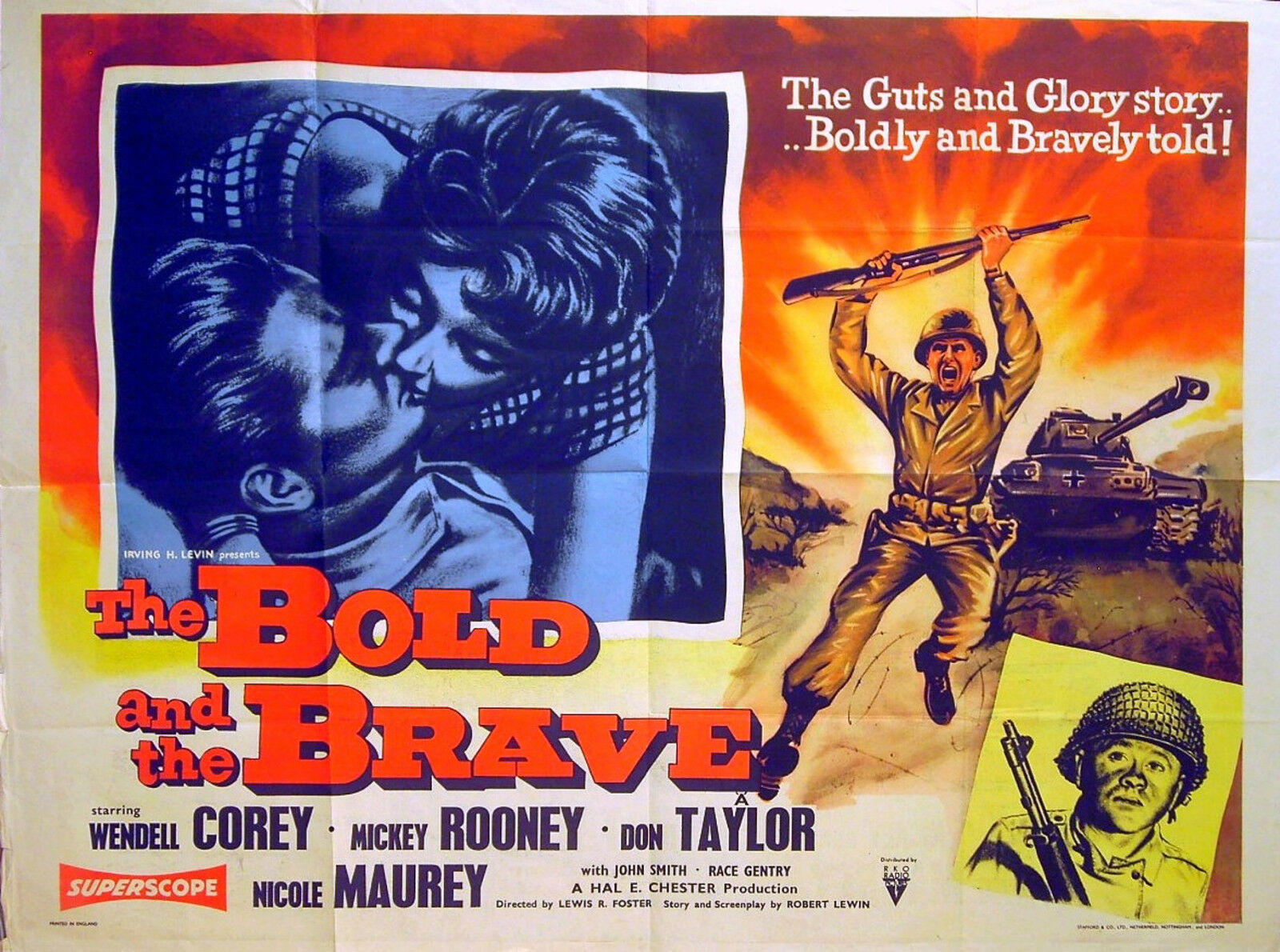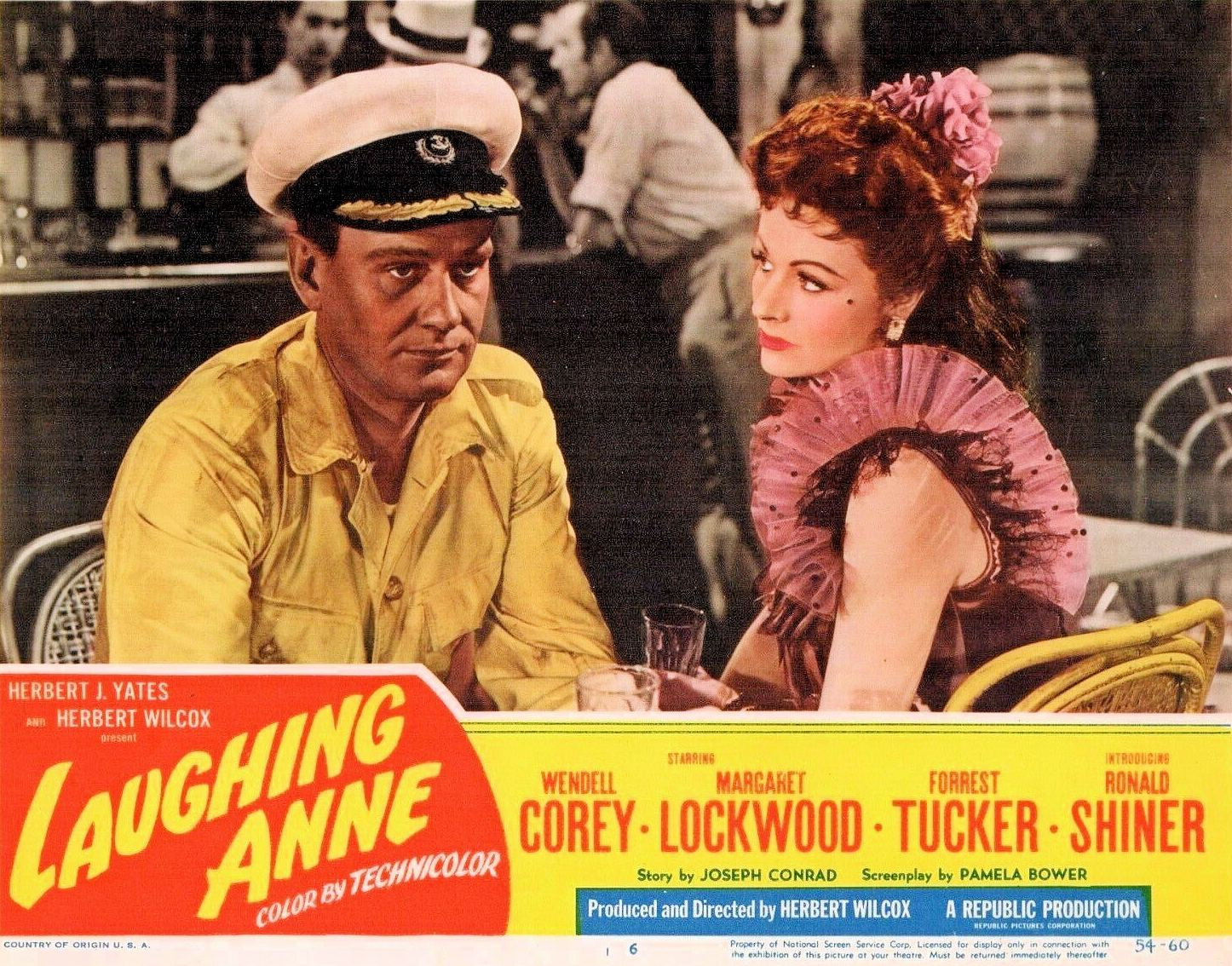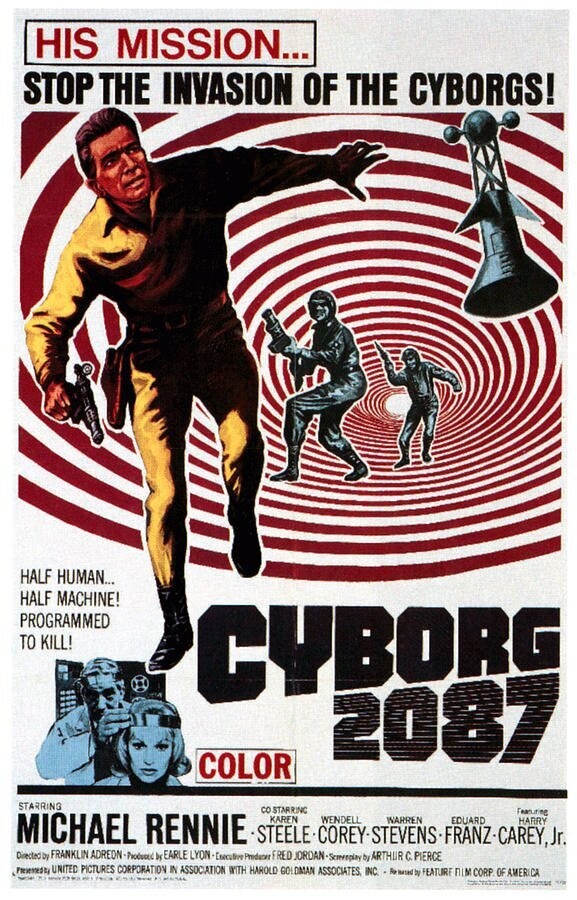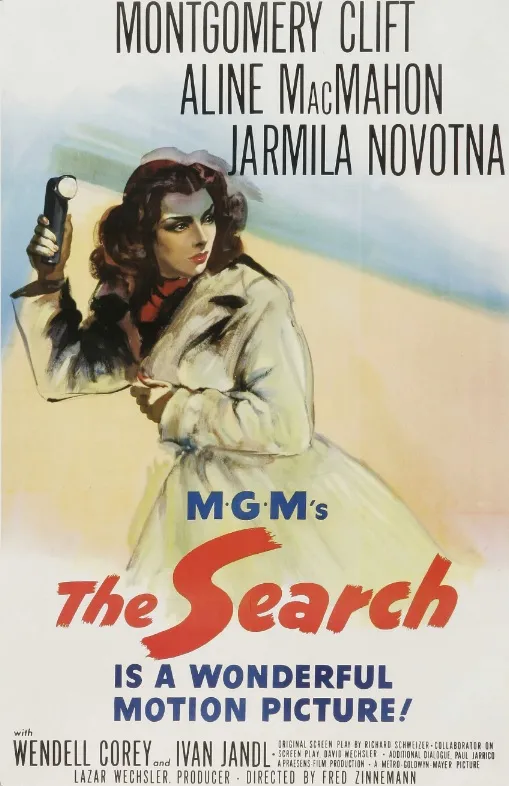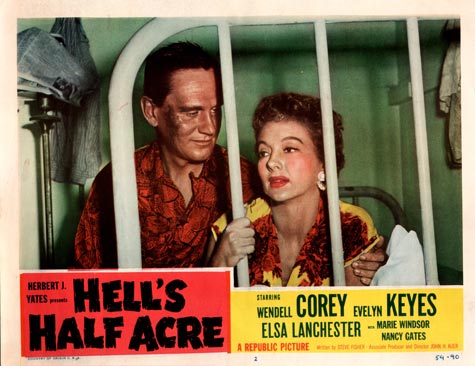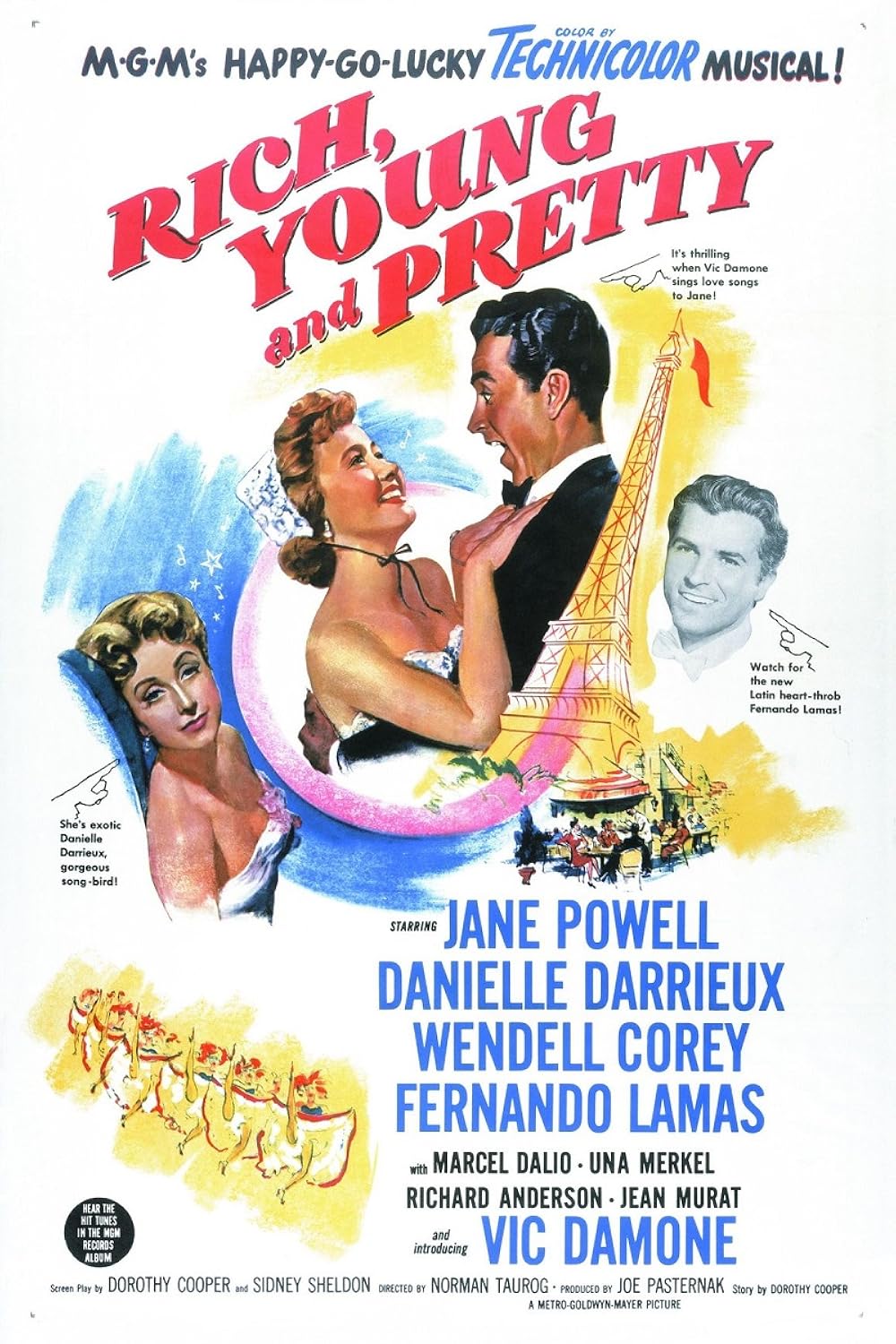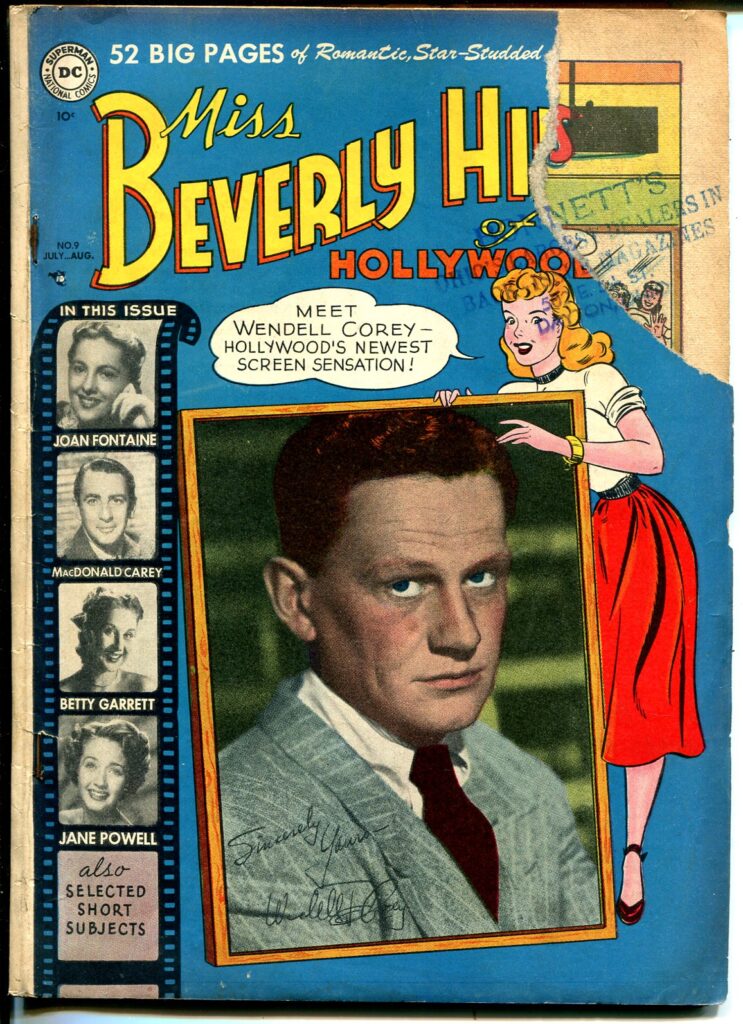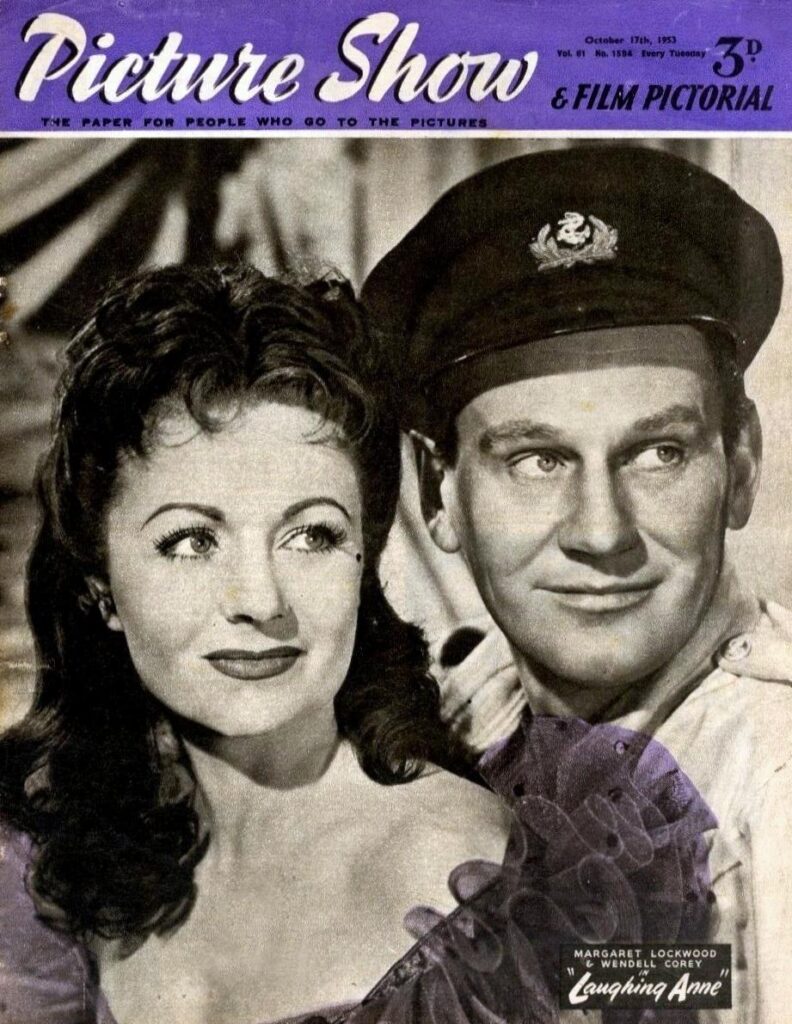

Wendell Corey

Wendell Corey
Wendell Corey

Biography: as per Wikipedia:

He was born in Dracut, Massachusetts, the son of Milton Rothwell Corey (October 24, 1879 – October 23, 1951) and Julia Etta McKenney (April 11, 1882 – June 16, 1947). His father was a Congregationalist clergyman. Wendell was educated in Springfield.

Corey began his acting career on the stage, doing a number of productions in summer stock. While appearing with a Works Progress Administrationtheatre company in the late 1930s, he met his future wife, Alice Wiley. Corey and Wiley had one son and three daughters, Jonathan, Jennifer, Bonnie Alice, and Robin.

His Broadway debut was in Comes the Revelation (1942). After appearing in a number of supporting roles, he scored his first hit as a cynical newspaperman in Elmer Rice‘s comedy Dream Girl (1945). While appearing in the play, Corey was seen by producer Hal Wallis, who persuaded him to sign a contract with Paramount and pursue a motion picture career in Hollywood.

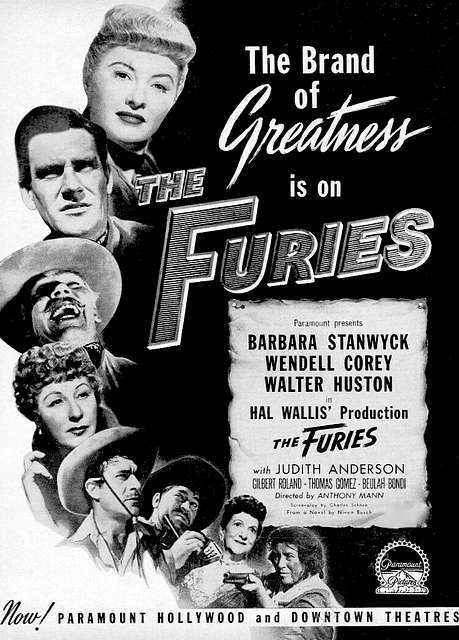
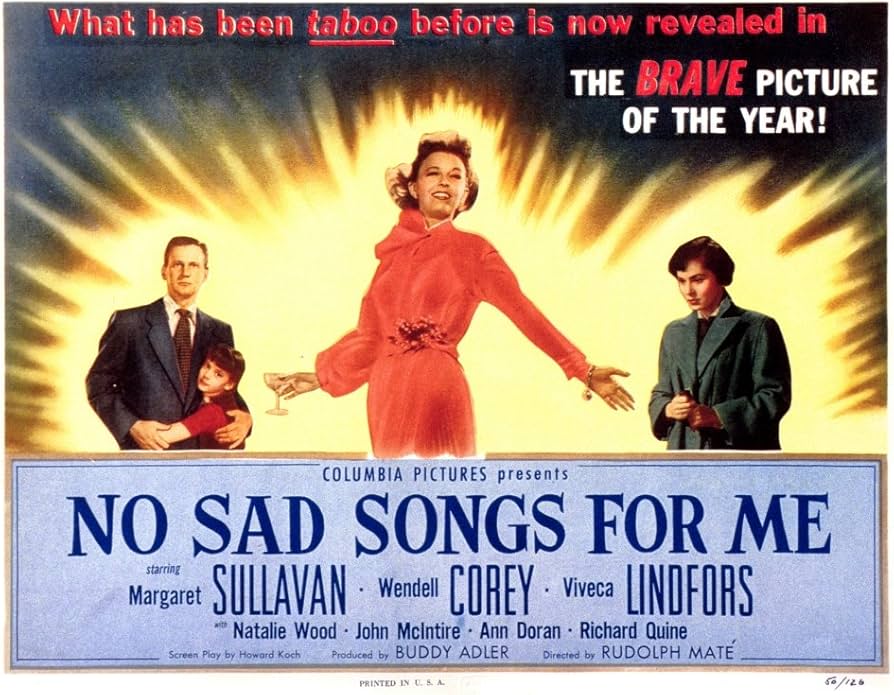
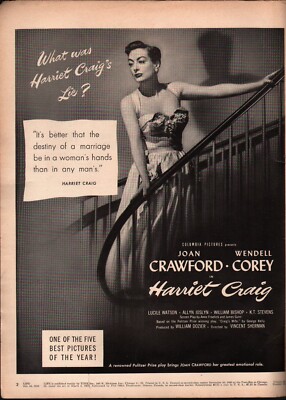
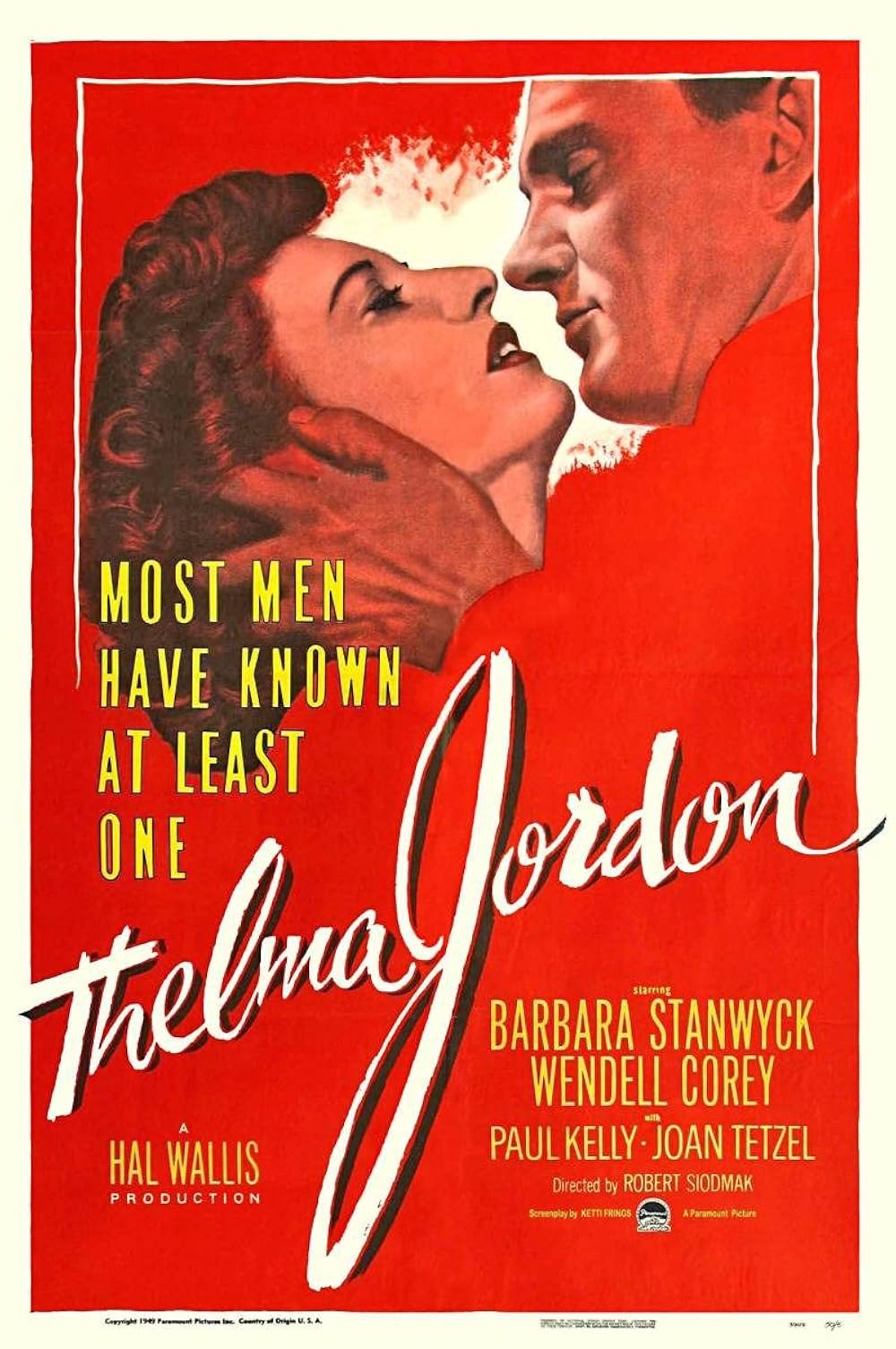
His movie debut came as a gangster in Desert Fury (1947) starring John HodiakLizabeth Scott, and Mary Astor. Corey appeared in Sorry, Wrong Number (1948) starring Barbara Stanwyck and Burt Lancaster, and a year later as Janet Leigh‘s fiancé in the Robert Mitchum romantic comedyHoliday Affair. He co-starred with Stanwyck twice more in 1950 in The File on Thelma Jordon and The Furies, and also opposite Joan Crawford inHarriet Craig, which was released the same year.

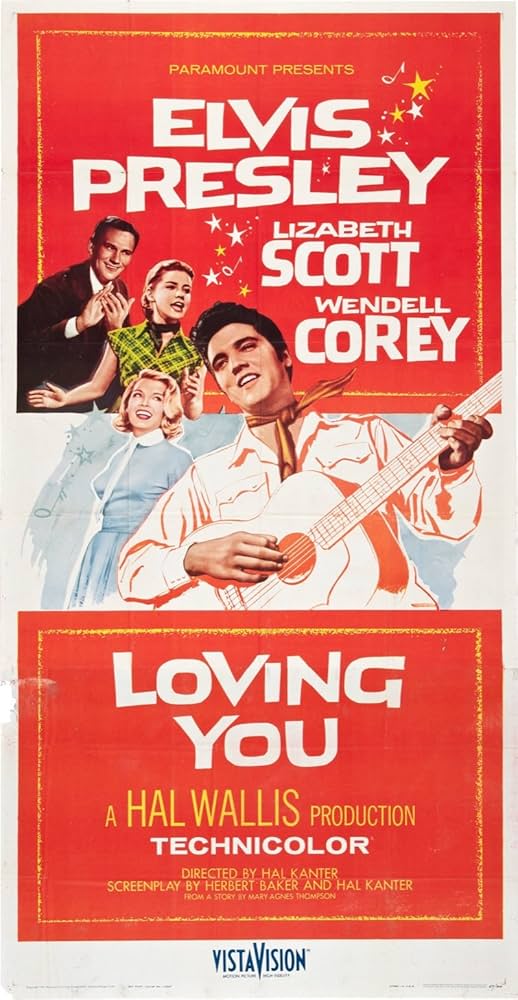
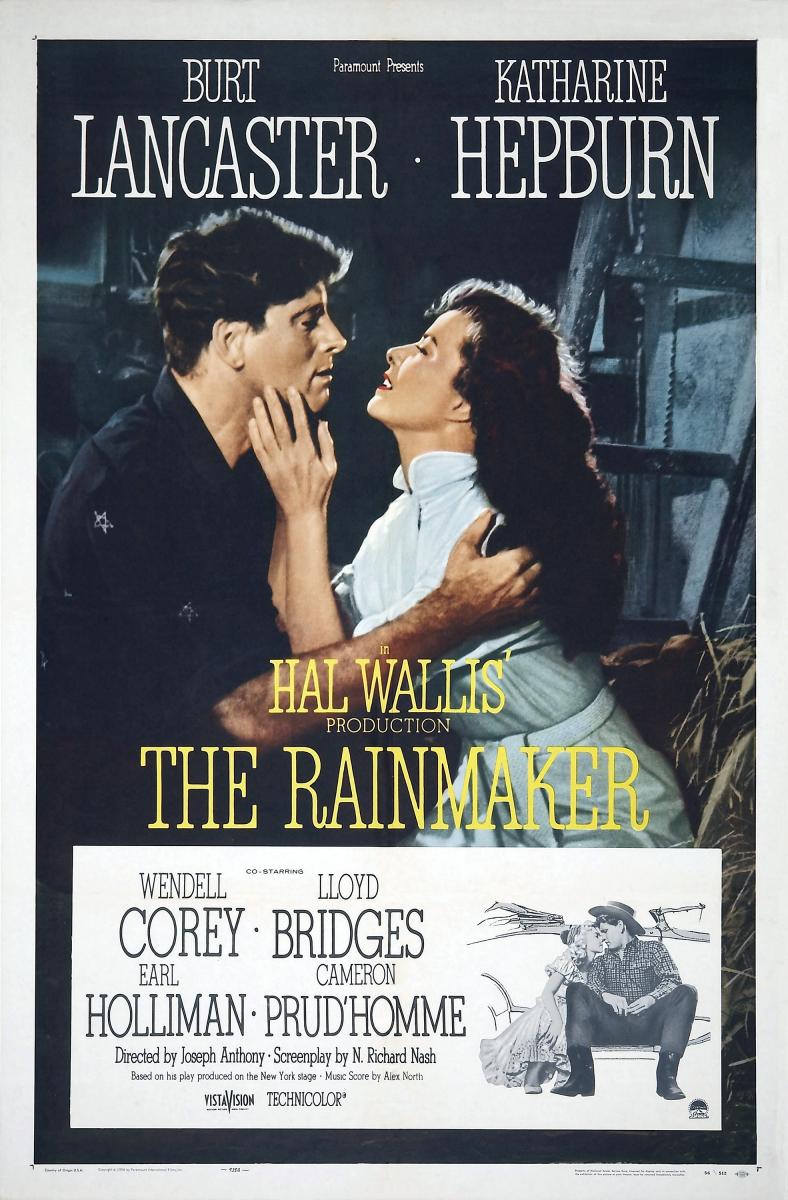
Corey’s memorable roles include that of police Lt. Thomas Doyle in Hitchcock‘s Rear Window (1954) starring James Stewart and Grace Kelly. He appeared in The Big Knife (1955) starring Jack PalanceIda Lupino and Shelley WintersThe Rainmaker (1956) starring Burt Lancaster and Katharine Hepburn and Loving You (1957) starring Elvis Presley and Lizabeth Scott.

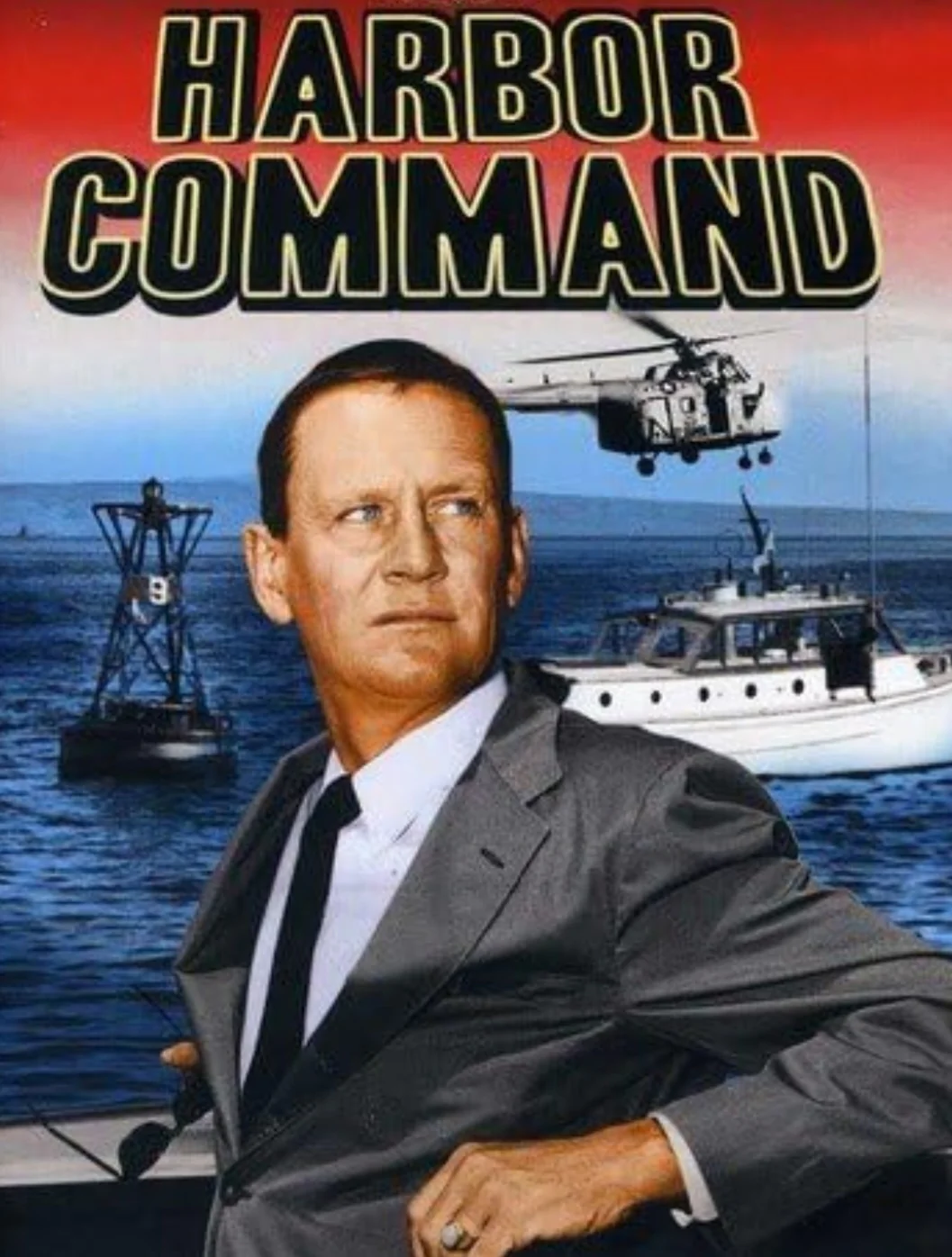
He starred with Casey Walters in the television series Harbor Command (1957–1958), co-starred on The Nanette Fabray Show (1961), and had the lead role in the medical drama The Eleventh Hour (1962–1963). With Fabray, Corey played a widower who married Fabray’s character. Bobby Diamond also starred in the short-lived series. In The Eleventh Hour, Corey appeared as Dr. Theodore Bassett, co-starring with Jack Ging in the role of psychologist Paul Graham. In the second season of The Eleventh Hour, however, Corey was replaced by Ralph Bellamy, who assumed the role of psychiatrist Richard Starke.

Corey made guest appearances on a number of programs, including Target: The Corruptors!ChanningAlfred Hitchcock PresentsThe UntouchablesBurke’s LawThe Road West, and The Wild Wild West. He made a guest appearance during the final season of Perry Mason in 1966 as Jerome Klee in “The Case of the Unwelcome Well.”

Corey served as president of the Academy of Motion Picture Arts and Sciences from 1961 to 1963 and was a member of the board of directors of the Screen Actors Guild. A Republicancampaigner in national politics since 1956, Corey was elected to the Santa Monica City Council in April 1965. The conservative politician ran for the California seat in the United States Congressin 1966, but lost the primary election. He was still a councilman at the time of his death.


Wendell Corey obituary in “The Times” in 1968.

Film star and actor Wendell Corey, the American stage film and television actor, has died in Hollywood at the age of 54. He was an actor who only entered the theatre by chance, and who did not make his film debut until well into middle age.

Corey was born at Dracut, Massachusetts, on March 20, 1914. He was the son of the Rev. Milton R. Corey and was educated at the Central High School in Springfield, Massachusetts. As a young man he considered a variety of professions, including the law, journalism and professional tennis, but finally he began to earn his living selling washing machines. However in 1934 he was given a part in an amateur production of Street Scene in Springfield, and encouraged by this he made his first professional appearance at the Mountain Park casino. Holyoake, Massachusetts, a year later when he played in The Night of January 16th.

His acting career was thereafter reasonably but not outstandingly successful for several years, and when he was auditioned for a part in Robert Sherwood’s The Rugged Path, with Spencer Tracy, but was not chosen, he seriously considered giving up the stage. But he was then given the lead in Dream Girl, in 1945, and was so successful in it that he attracted the attention of Hal Wallis, who took him to Hollywood. Here he made his screen debut in a Hal Wallis-Paramount production. Desert Fury, in 1947 with John Hodiak, Lizabeth Scott, and Burt Lancaster, who was also then at the beginning of his film career. In this same year, which marked the turning point in his career, he appeared with some success on the London stage at the Piccadilly theatre as Bill Page in The Voice of the Turtle by John Van Druten.

The rest of his acting career was devoted largely to the cinema, and later to television, although he did return to the theatre occasionally and notably to New York in 1956 to play in The Night of the Auk. Among the best known films in which he appeared were The Rainmaker and Hitchcock‘s Rear Window

Corey was one of the first of a long line of Hollywood actors to enter politics. He became a member of Santa Monica, California, city council in 1965 and retained the post until his death. A hero of the Second World War, he was awarded the Legion of Honor by Czechoslovakia.
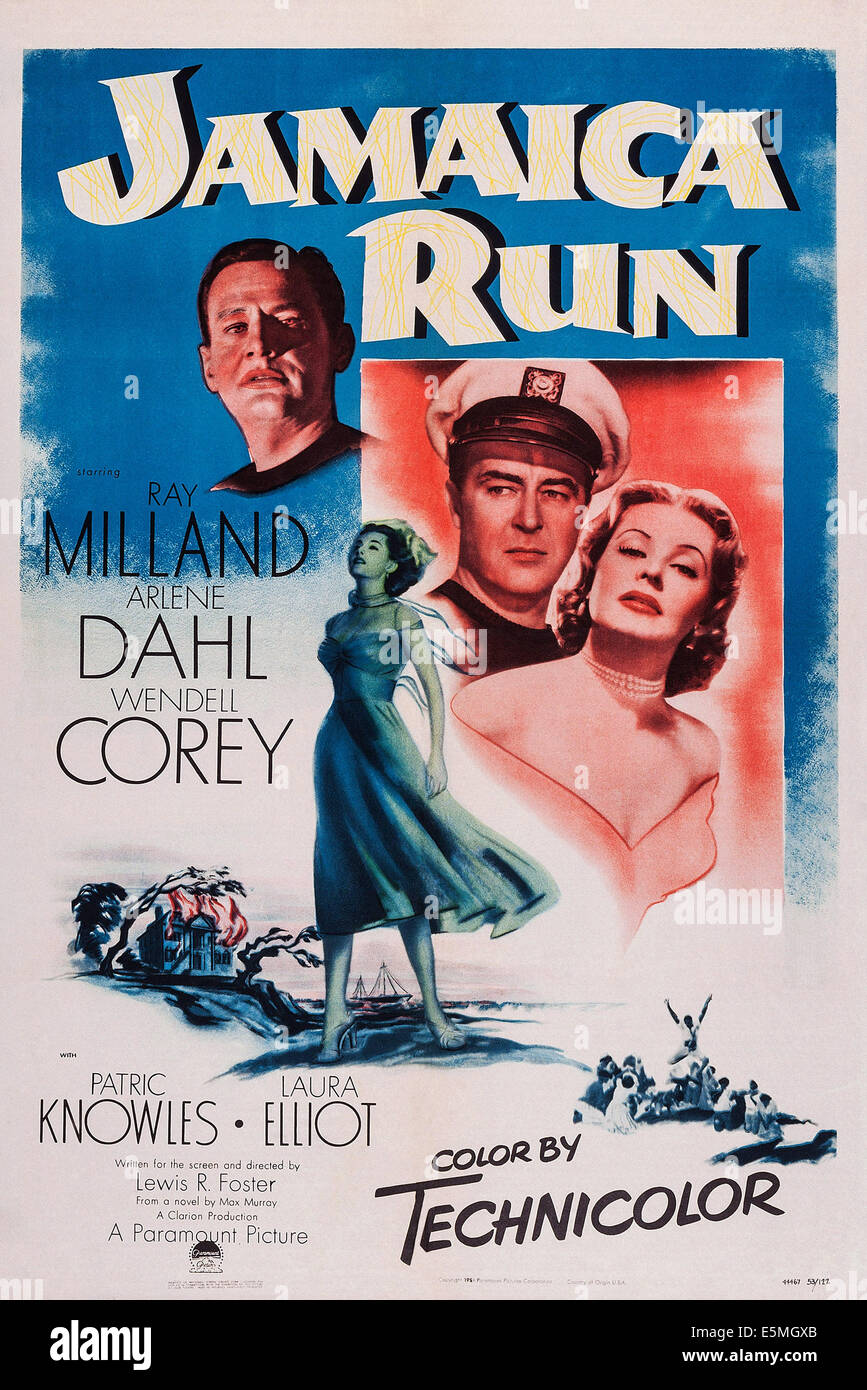
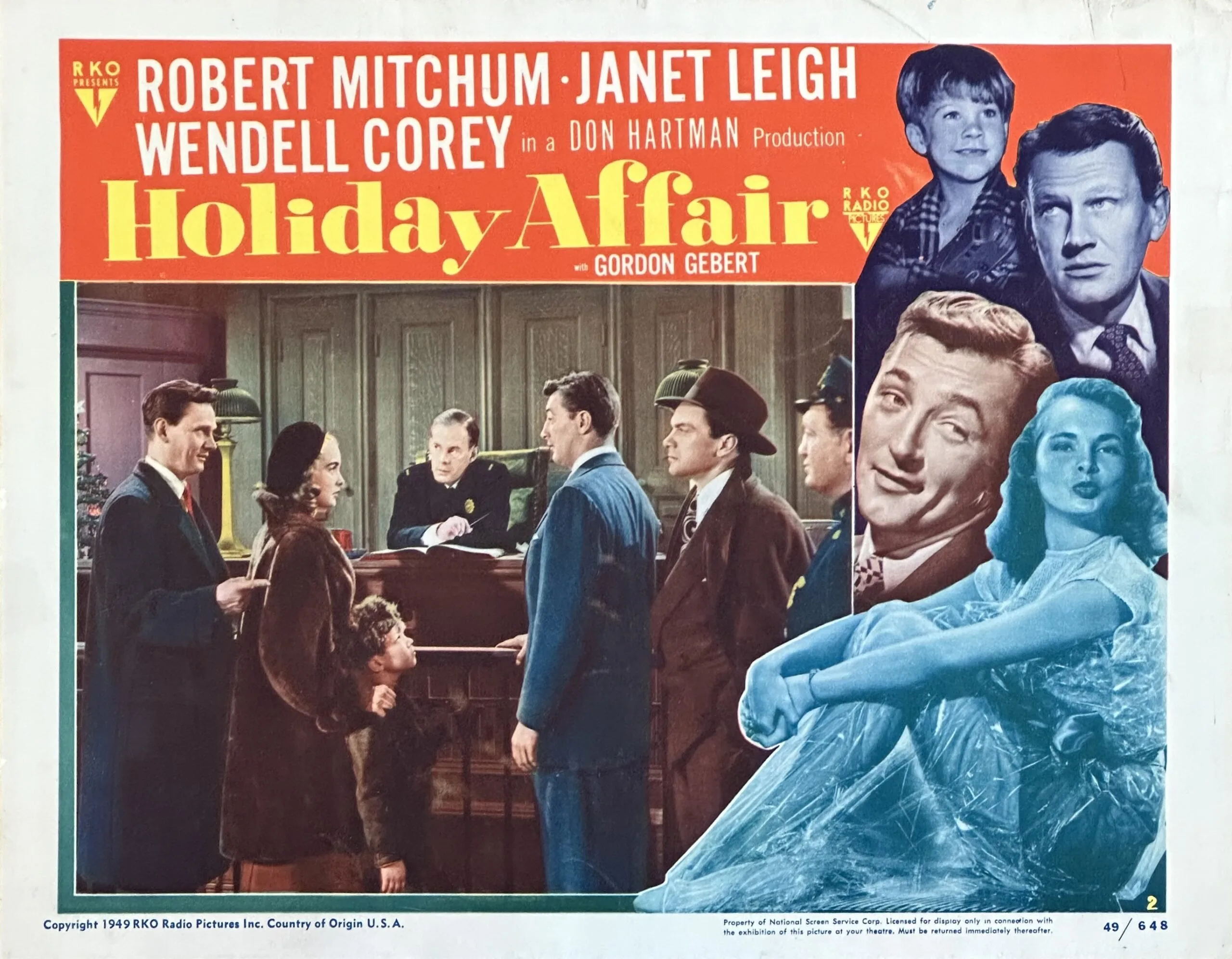
🎬 Career Overview & Critical Analysis of Wendell Corey

Wendell Corey (1914–1968) was an American stage and screen actor best known for playing restrained authority figures, professionals, and morally ambiguous supporting characters in mid-20th-century Hollywood. While rarely a leading star, Corey built a substantial career as a character actor, appearing in more than 50 films and numerous television productions between the mid-1940s and the 1960s. His understated style, calm delivery, and mature screen presence made him particularly effective in dramatic and suspense roles.


Early Life and Stage Career

Corey was born in Dracut and initially pursued acting in regional theatre. His early professional experience came primarily from the stage, culminating in work on Broadway during the early 1940s.

This stage background shaped his acting style:

  • careful vocal control
  • measured emotional expression
  • emphasis on character credibility rather than theatrical flamboyance.

His Broadway work attracted attention from Hollywood producers during the mid-1940s, leading to his transition to film.


Breakthrough in Film (Late 1940s)

Corey’s Hollywood breakthrough came with the acclaimed drama:

  • The Desert Fury
  • Sorry, Wrong Number

In Sorry, Wrong Number, starring Barbara Stanwyck and Burt Lancaster, Corey plays Dr. Alexander, a sympathetic figure helping the anxious protagonist unravel a murder plot.

Critical assessment

Corey’s performance is notable for its quiet authority. While Lancaster and Stanwyck dominate the film’s dramatic intensity, Corey’s calm presence:

  • stabilizes the narrative
  • lends credibility to the suspense.

This early success established his reputation as a reliable supporting performer capable of grounding melodrama with realism.


Collaboration with Alfred Hitchcock

One of Corey’s most notable film roles came in:

  • Rear Window

directed by Alfred Hitchcock.

In the film, Corey plays Detective Lieutenant Doyle, investigating the suspected murder observed by the protagonist played by James Stewart.

Performance analysis

Corey’s role exemplifies Hitchcock’s use of skeptical authority figures:

  • Doyle initially dismisses Stewart’s suspicions
  • represents rational skepticism against paranoia.

Corey’s restrained acting style works effectively here. His performance emphasizes:

  • practical logic
  • professional skepticism
  • subtle shifts from disbelief to cautious acceptance.

Critical perspective

Some critics argue that Corey’s performance is intentionally understated, serving as a narrative counterweight to Stewart’s anxious energy. However, this restraint can also make the character appear emotionally distant.

In Hitchcock’s tightly controlled cinematic environment, Corey’s subtlety aligns well with the director’s preference for psychological realism over theatrical exaggeration.


Career as a Supporting Character Actor (1950s)

Throughout the 1950s Corey became a familiar face in Hollywood films, often portraying:

  • detectives
  • military officers
  • doctors
  • lawyers
  • respectable middle-class professionals.

Notable films include:

  • The Big Knife
  • The Rainmaker
  • The Killing directed by Stanley Kubrick

In The Killing, Corey plays a corrupt police officer involved in a racetrack heist.

Critical interpretation

This role reveals a different aspect of Corey’s acting:

  • subdued moral ambiguity
  • quiet menace rather than overt villainy.

His restrained performance fits Kubrick’s cool, methodical tone and reinforces the film’s theme of ordinary individuals drawn into criminal schemes.


Acting Style

Wendell Corey’s acting style was characterized by several consistent features:

1. Understated realism

Corey avoided exaggerated gestures or melodramatic emotional displays.

2. Professional authority

His voice and posture projected competence and reliability, making him ideal for professional roles.

3. Moral ambiguity

He could subtly convey characters who were neither entirely heroic nor villainous.

4. Emotional restraint

His performances often rely on small shifts in expression or tone rather than dramatic transformation.


Strengths of Corey’s Work

Credibility

Corey brought a sense of authenticity to characters in positions of responsibility.

Adaptability

He moved comfortably between:

  • film noir
  • suspense thrillers
  • dramas
  • westerns
  • television.

Ensemble acting

Corey excelled at supporting roles that enhanced the performances of leading actors without distracting from the narrative.


Limitations and Criticism

Despite his reliability as an actor, Corey’s career faced several limitations.

1. Lack of star charisma

Compared with contemporaries like Humphrey Bogart or James Stewart, Corey lacked the magnetic presence typically required for leading roles.

2. Typecasting

He was frequently cast in similar professional roles, limiting opportunities for range.

3. Subtlety bordering on anonymity

His understated acting style sometimes made him less memorable than more flamboyant performers.


Transition to Television and Later Career

By the late 1950s and 1960s, Corey increasingly worked in television, appearing in various series and television films.

Television roles allowed him to continue playing authoritative figures, including:

  • detectives
  • politicians
  • judges.

In addition to acting, Corey also entered public life and served as mayor of Santa Monica in the early 1960s, an unusual path for a Hollywood actor.


Overall Critical Evaluation

Wendell Corey represents a classic example of the mid-century Hollywood character actor:

  • dependable
  • disciplined
  • often overshadowed by more flamboyant stars.

His best performances—particularly in Rear Window and The Killing—demonstrate the value of restrained, realistic acting within ensemble storytelling.

While he never achieved the iconic status of major leading men, his contributions to classic Hollywood cinema lie in strengthening narrative credibility and supporting complex ensemble casts.


✅ Balanced critical conclusion:
Wendell Corey’s legacy rests not on star power but on craftsmanship. His calm, intelligent performances illustrate how supporting actors can shape the tone and believability of a film, especially in suspense and noir genres.

Leave a Reply

Your email address will not be published. Required fields are marked *