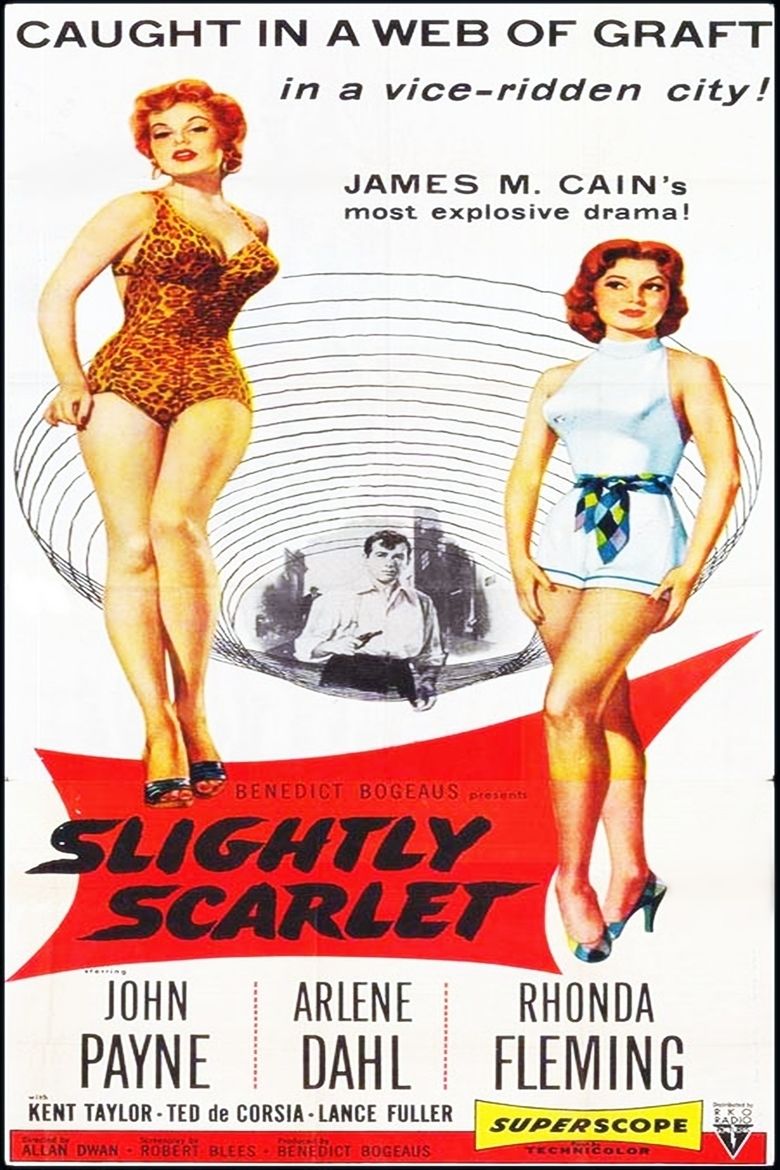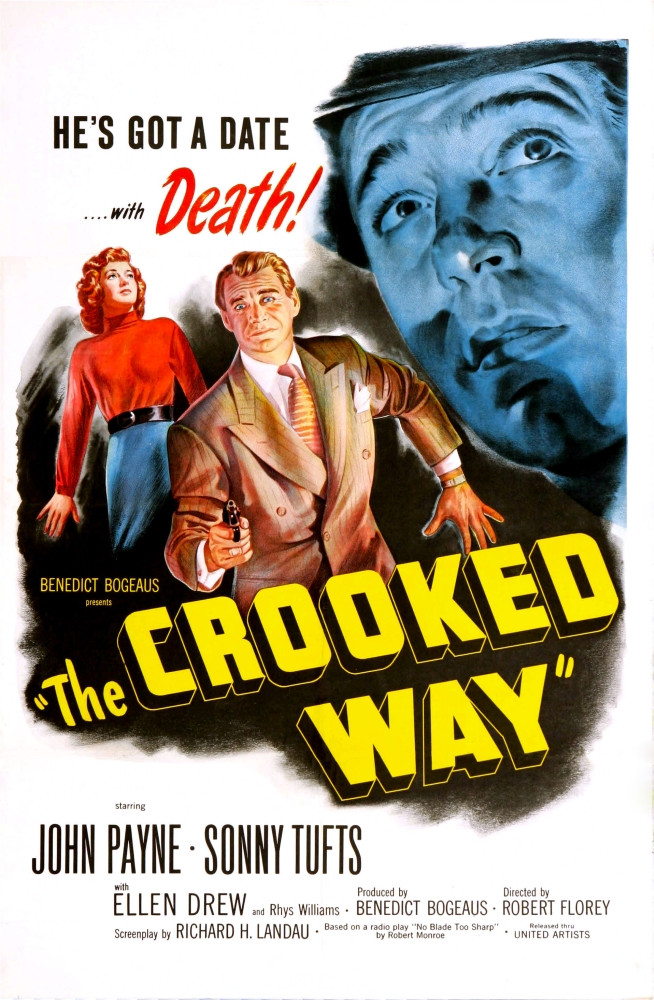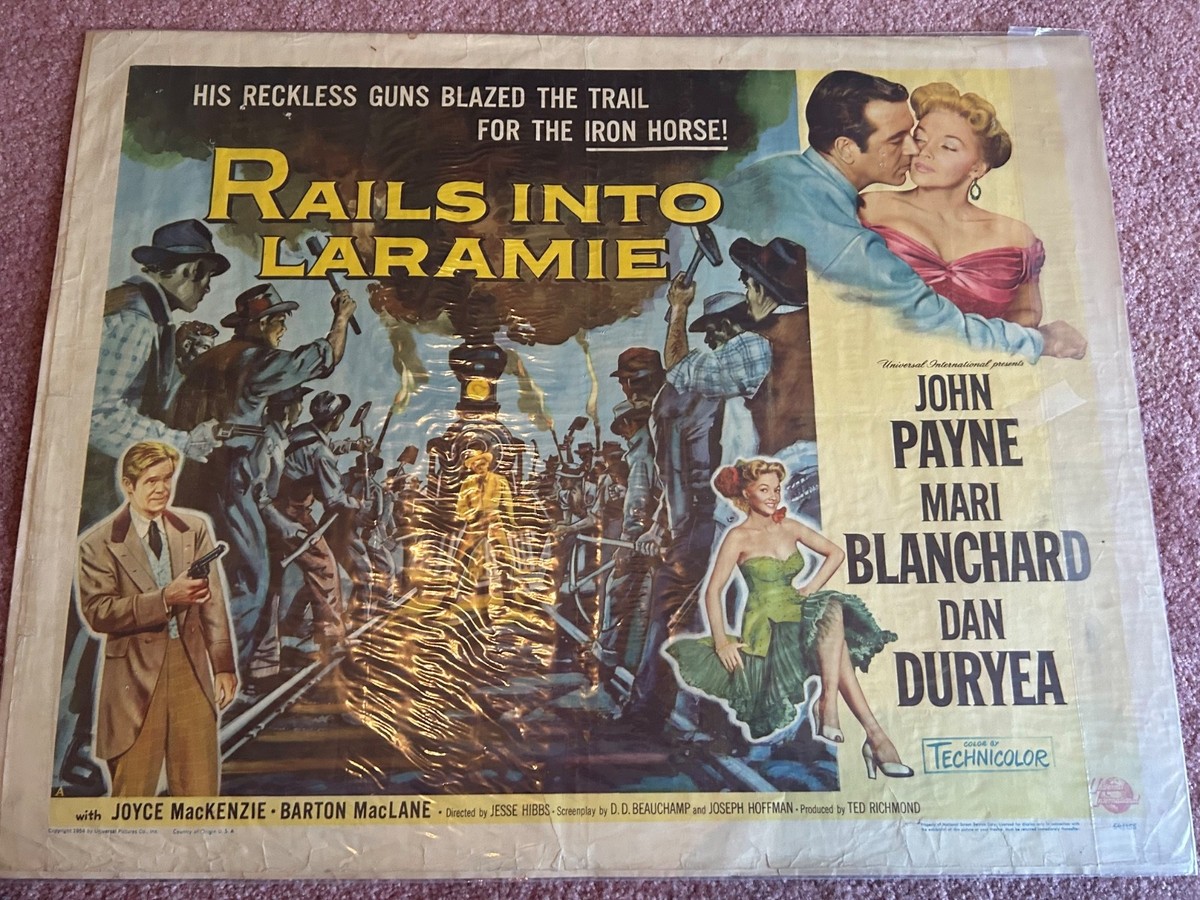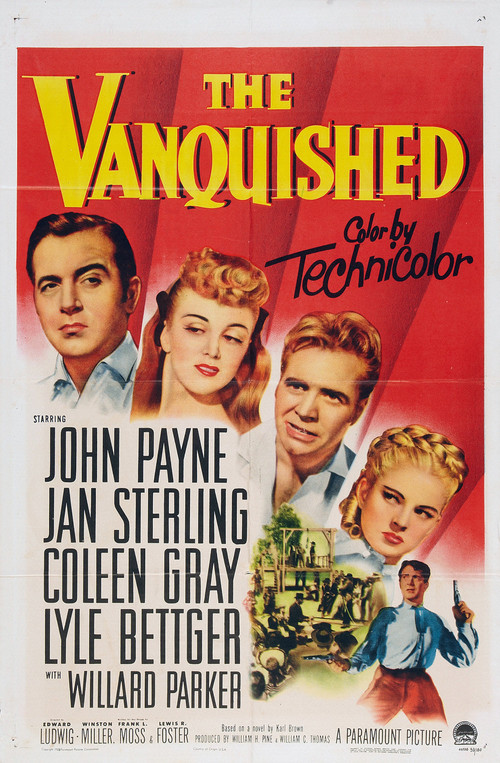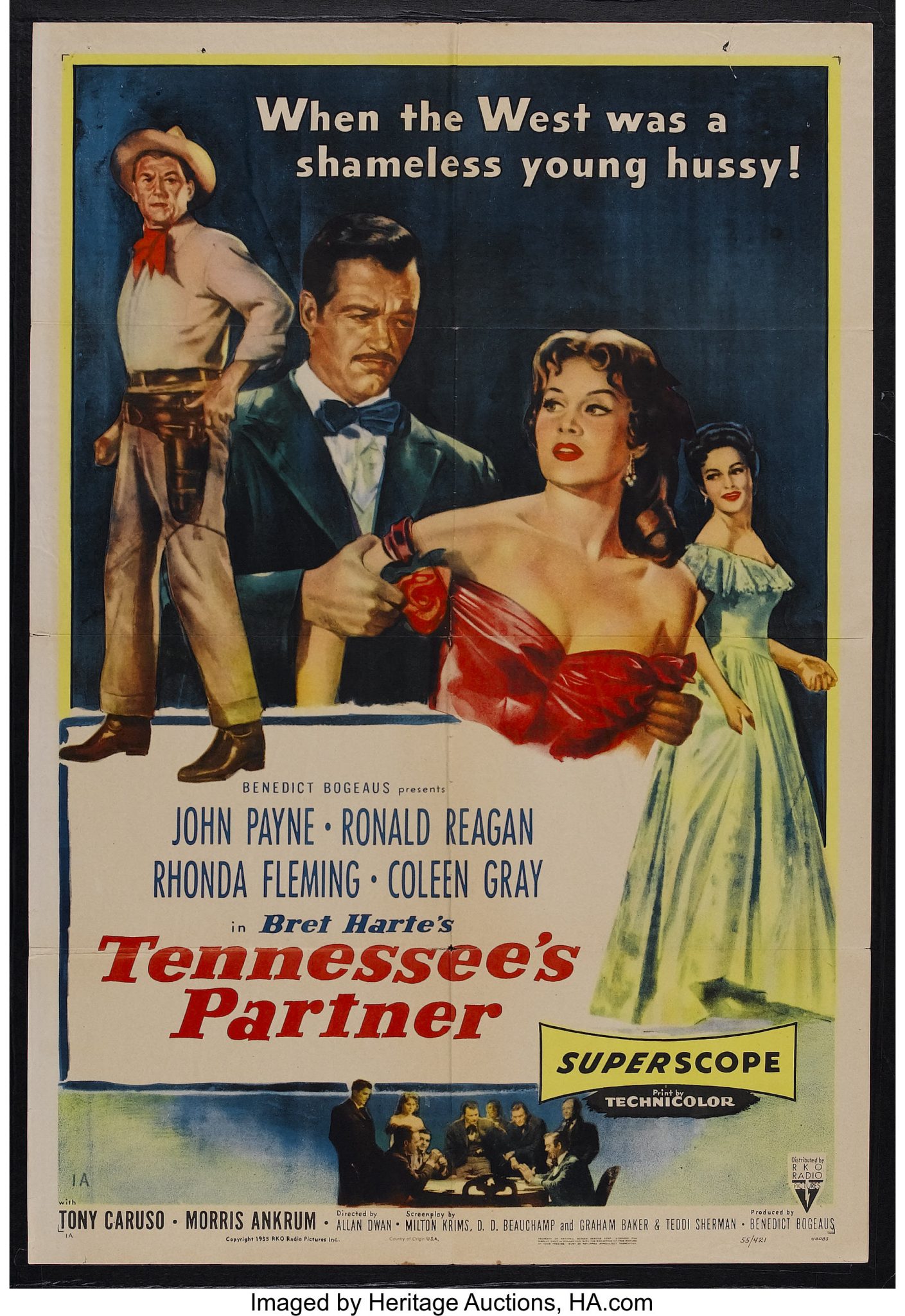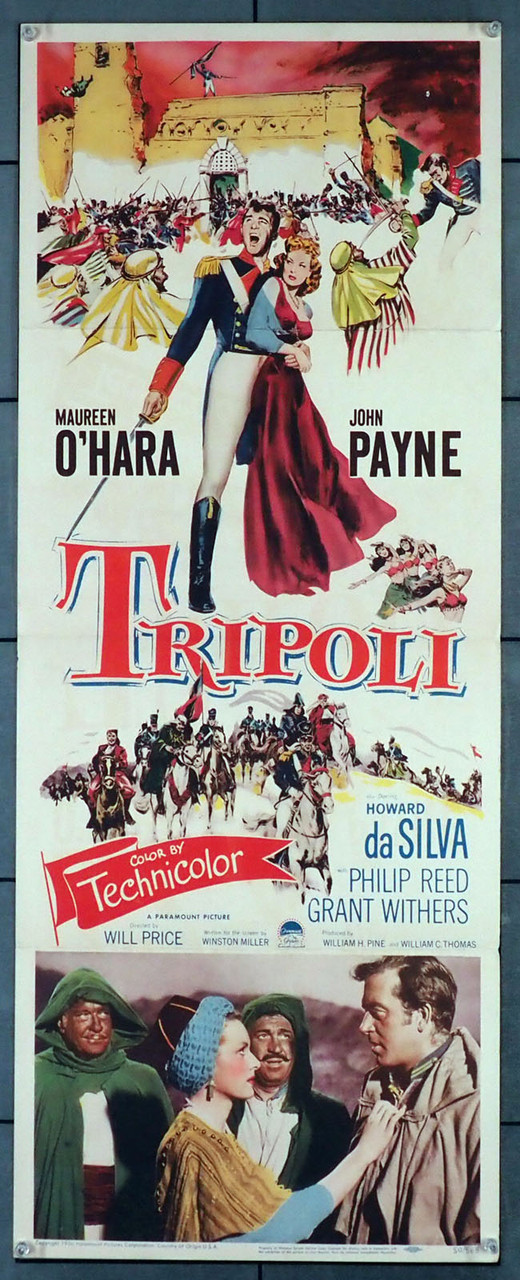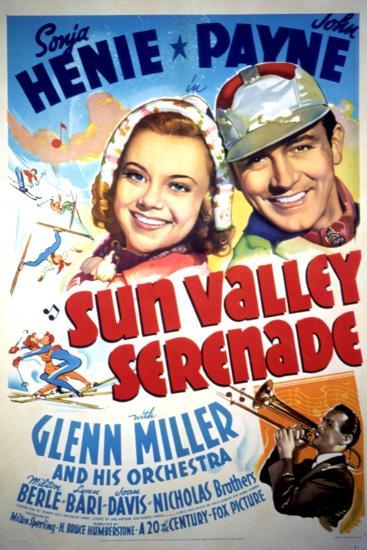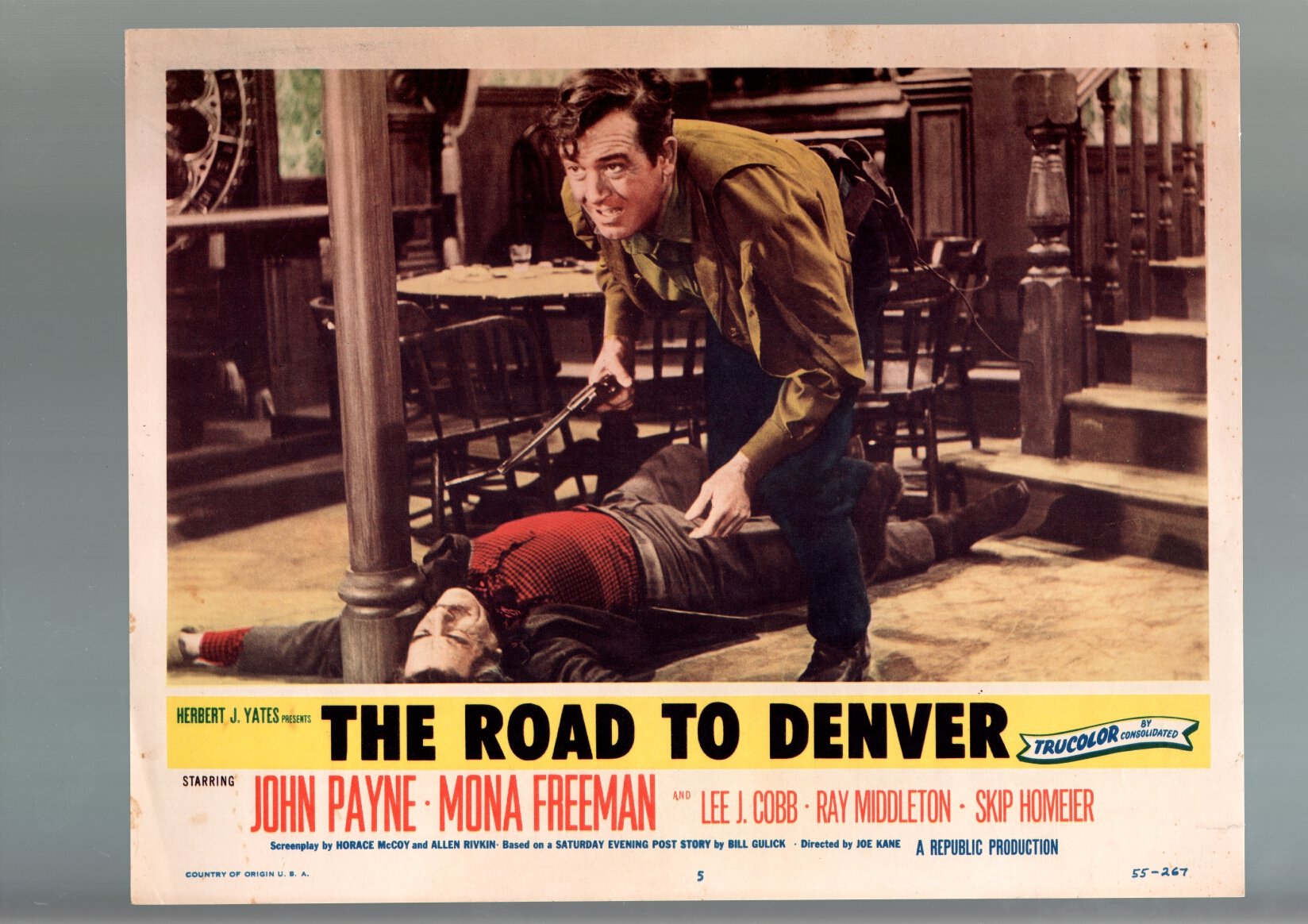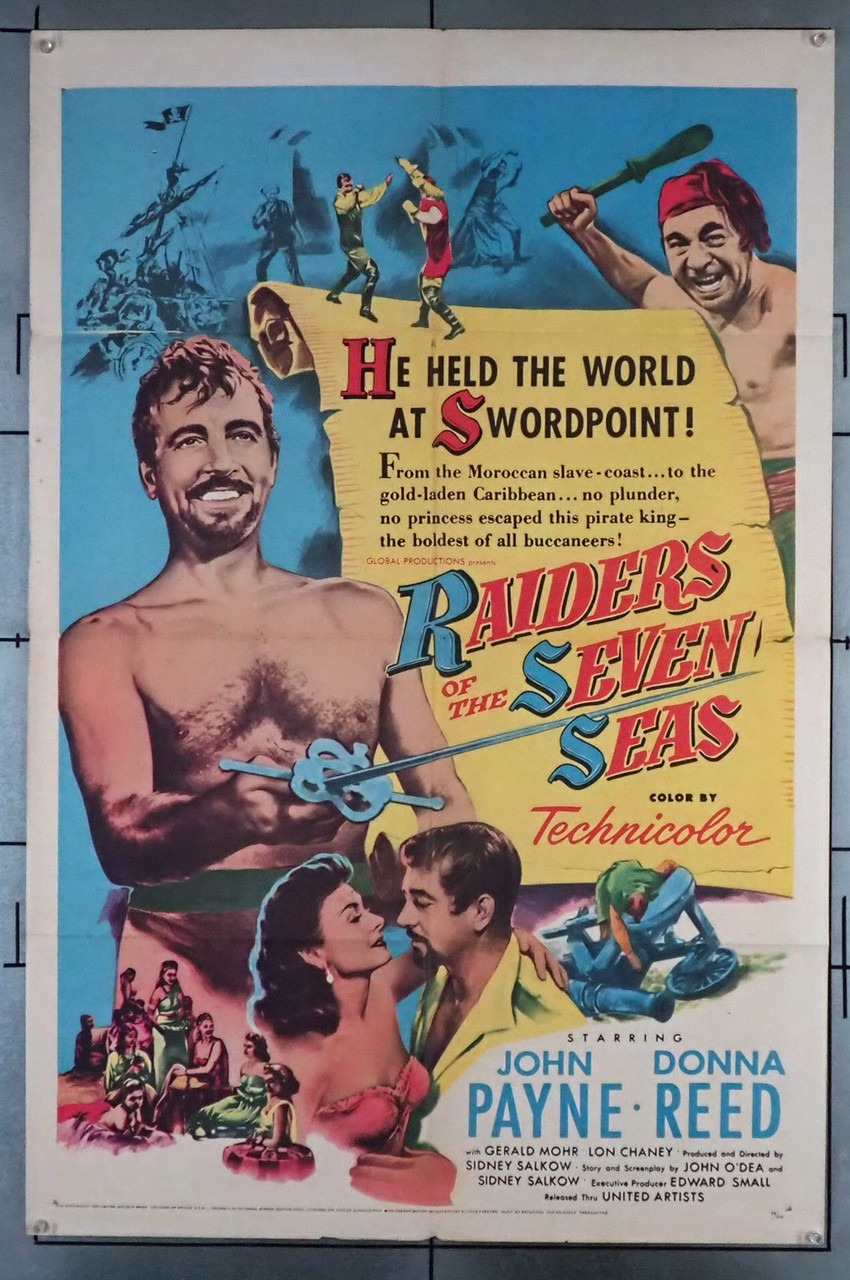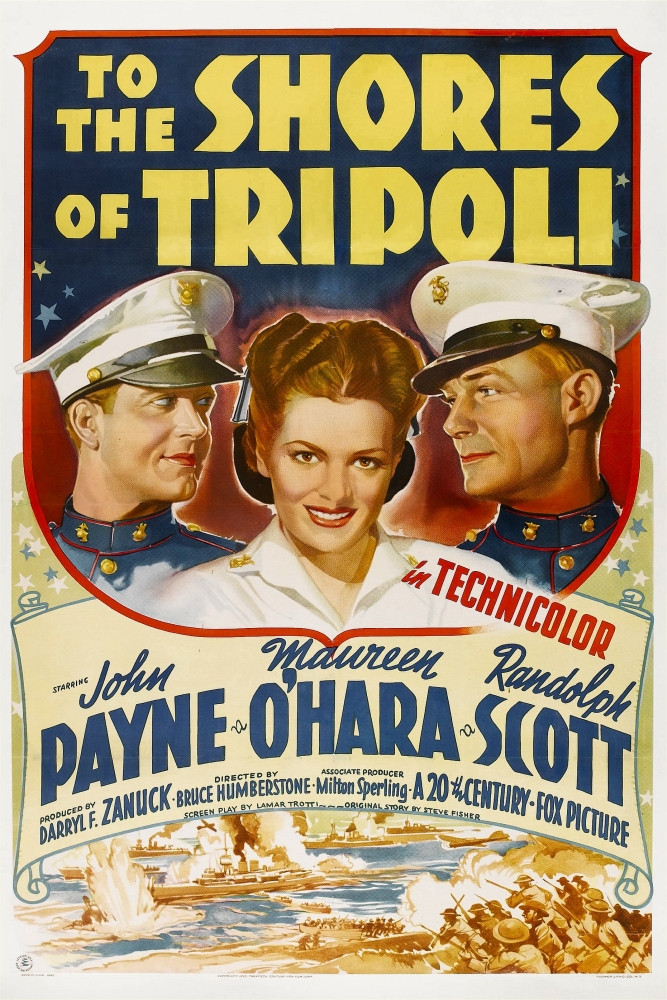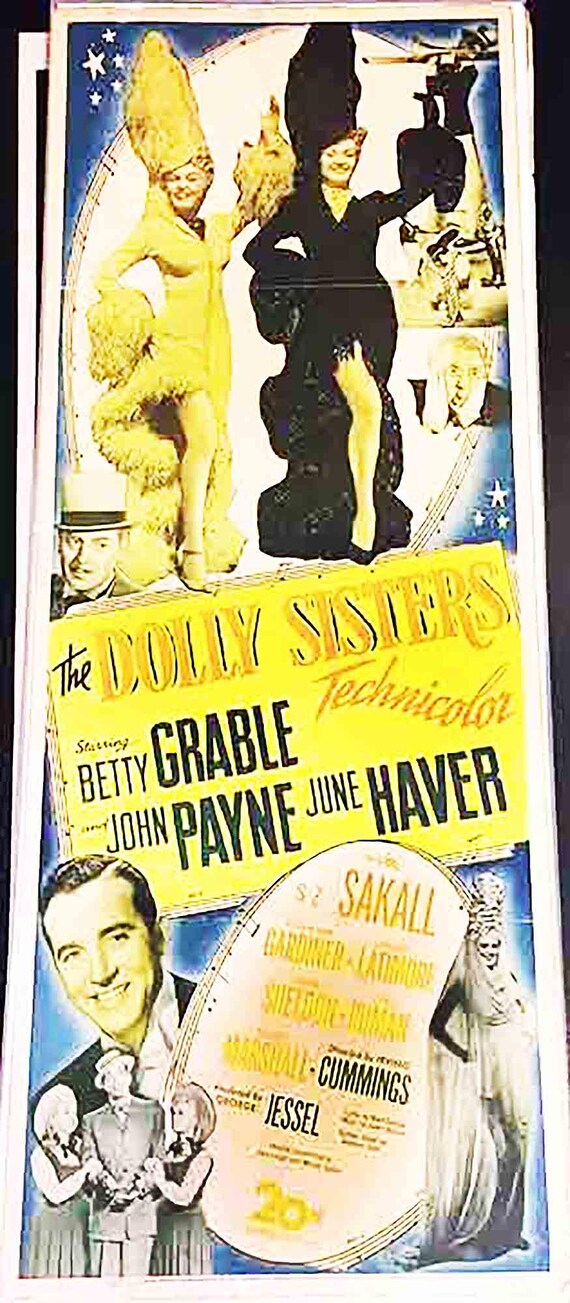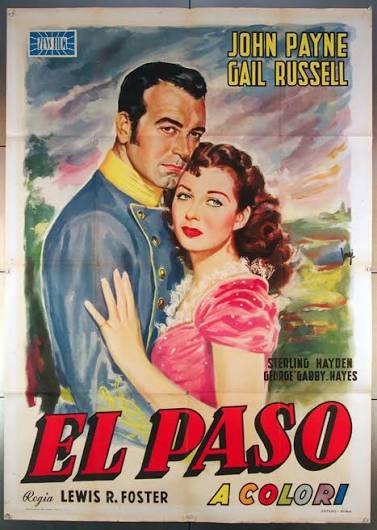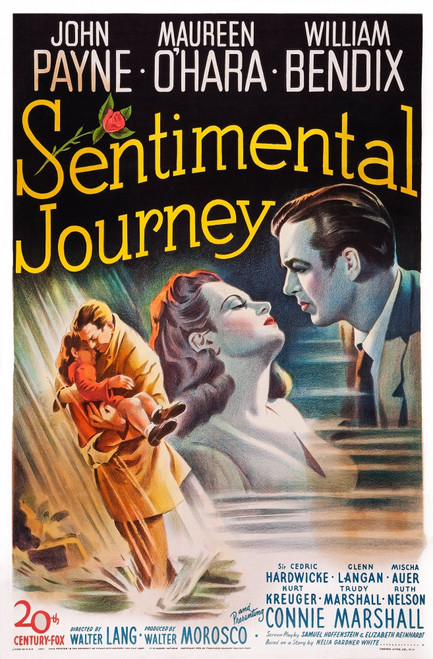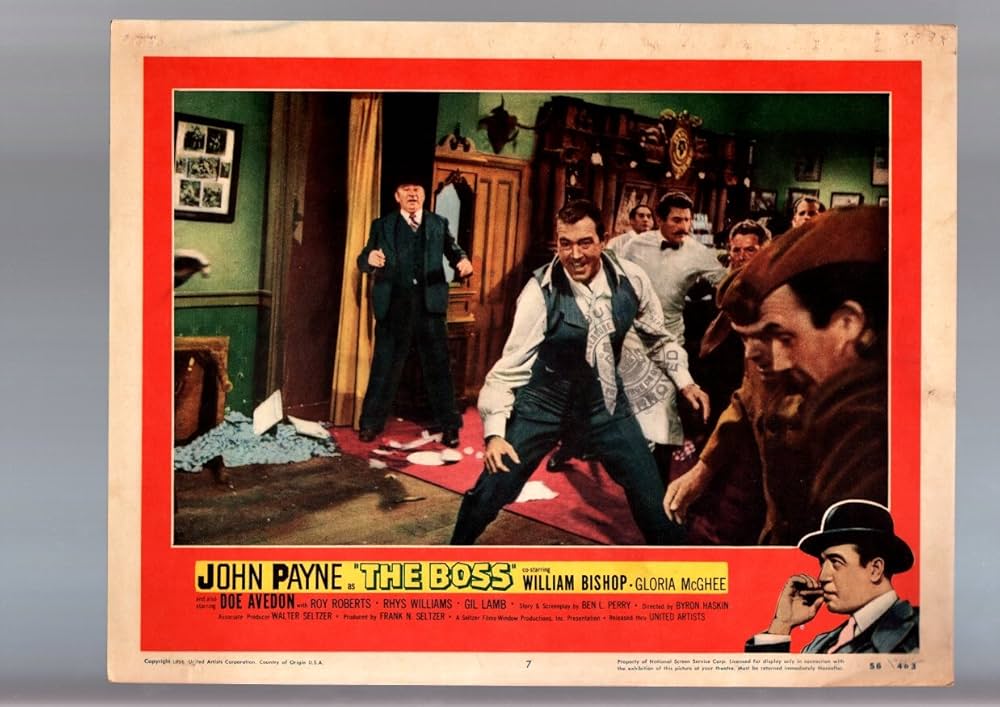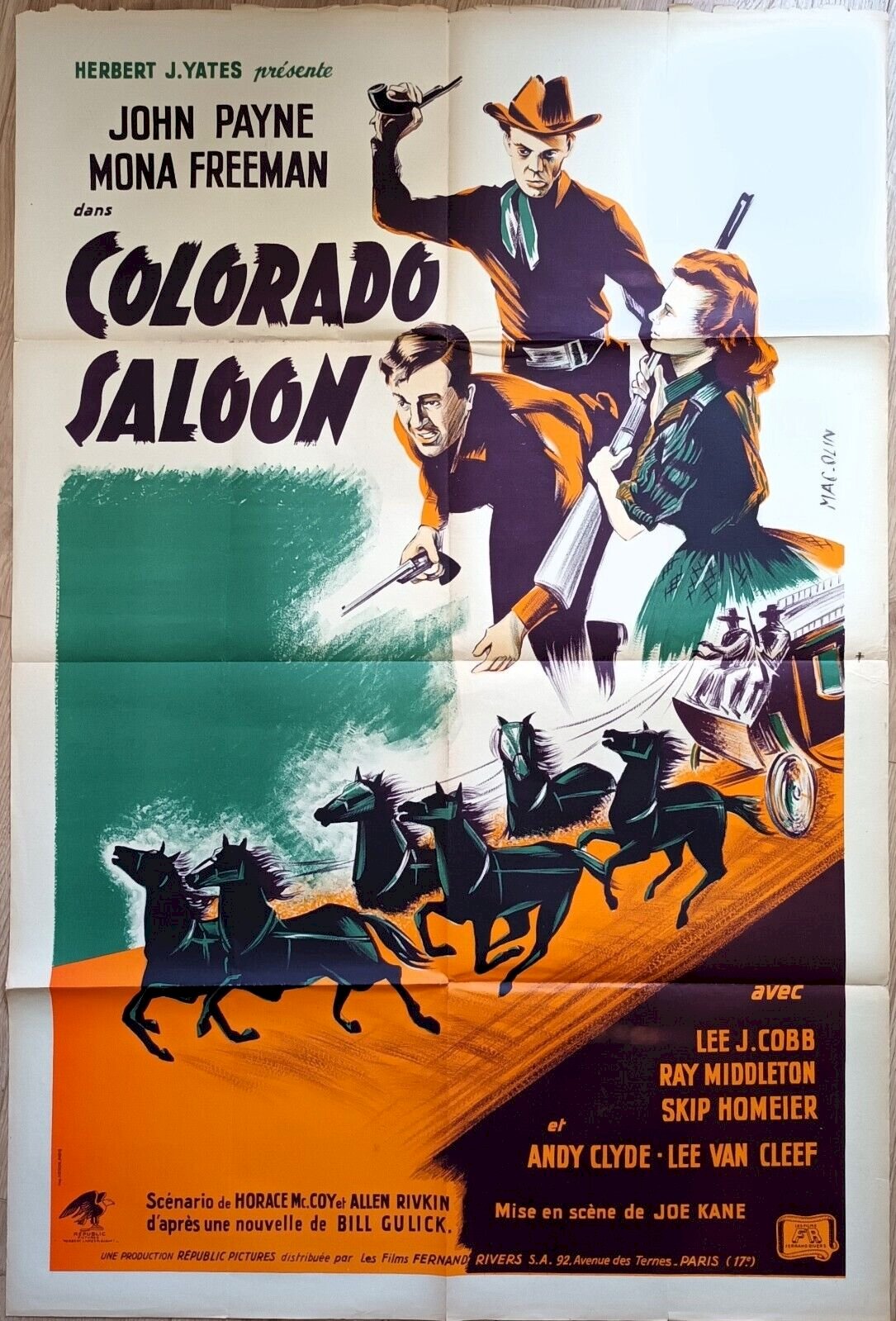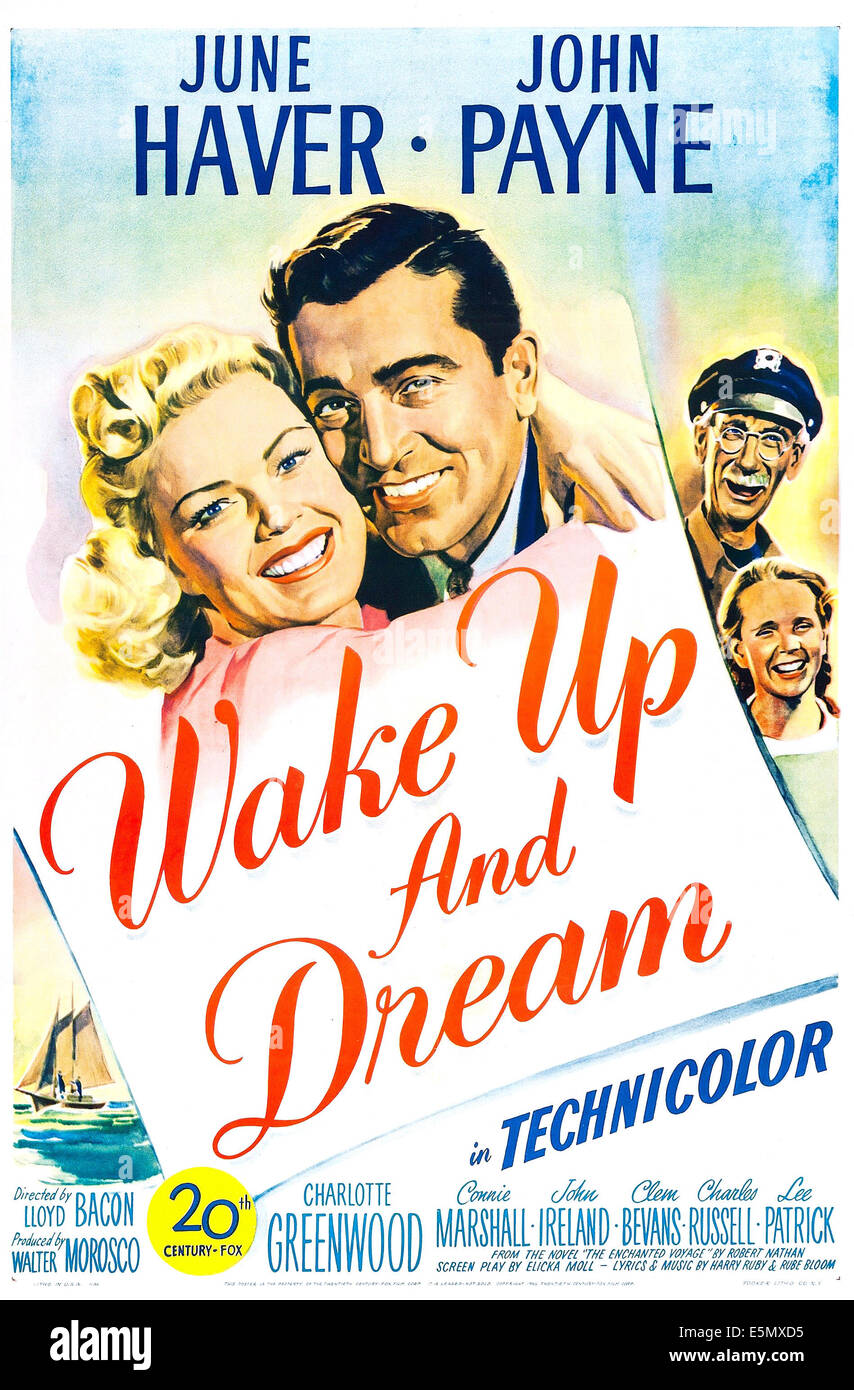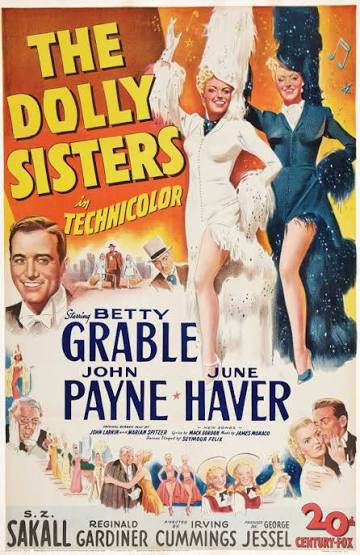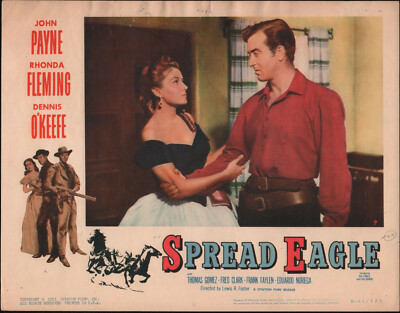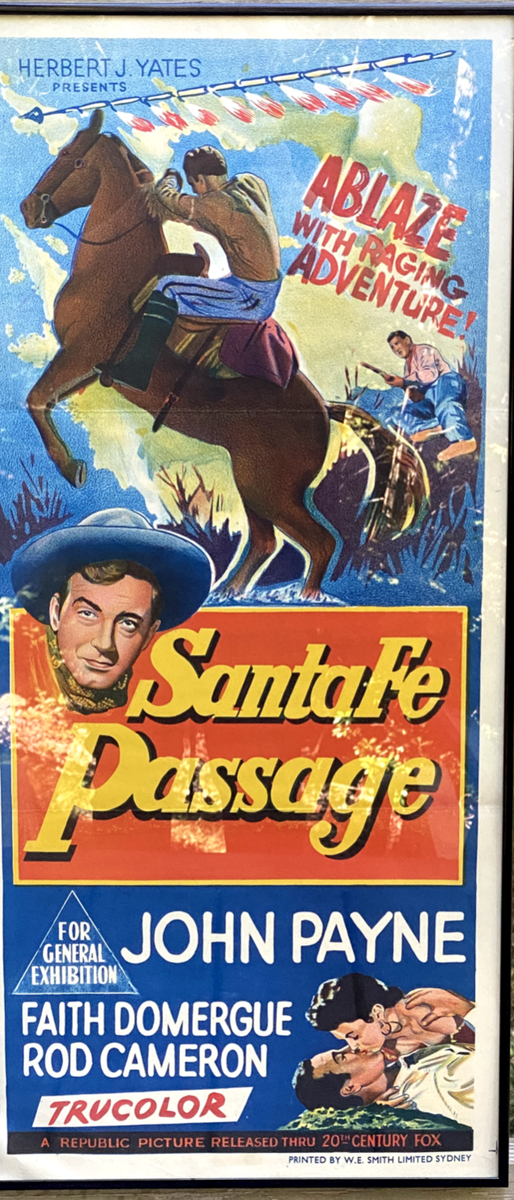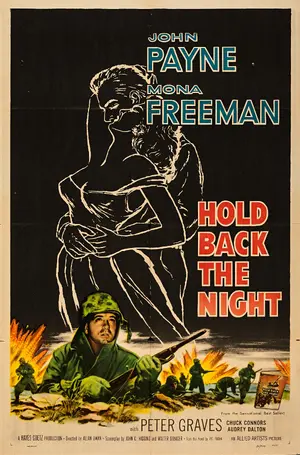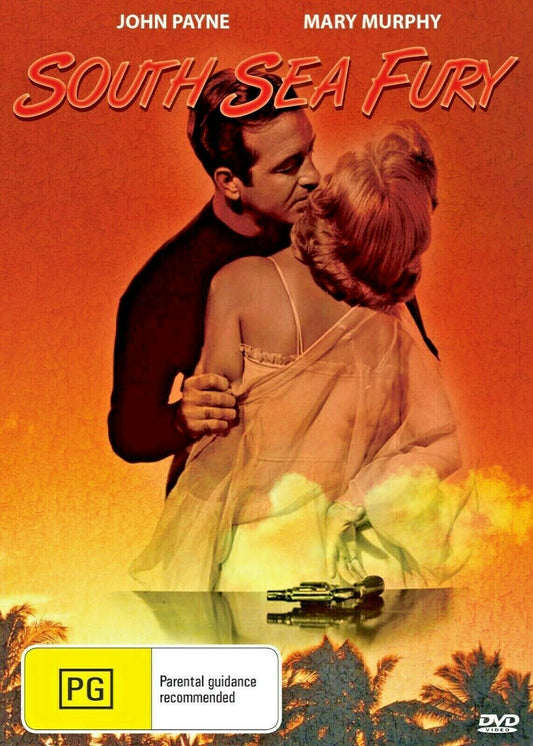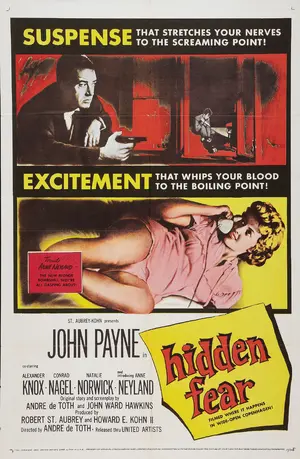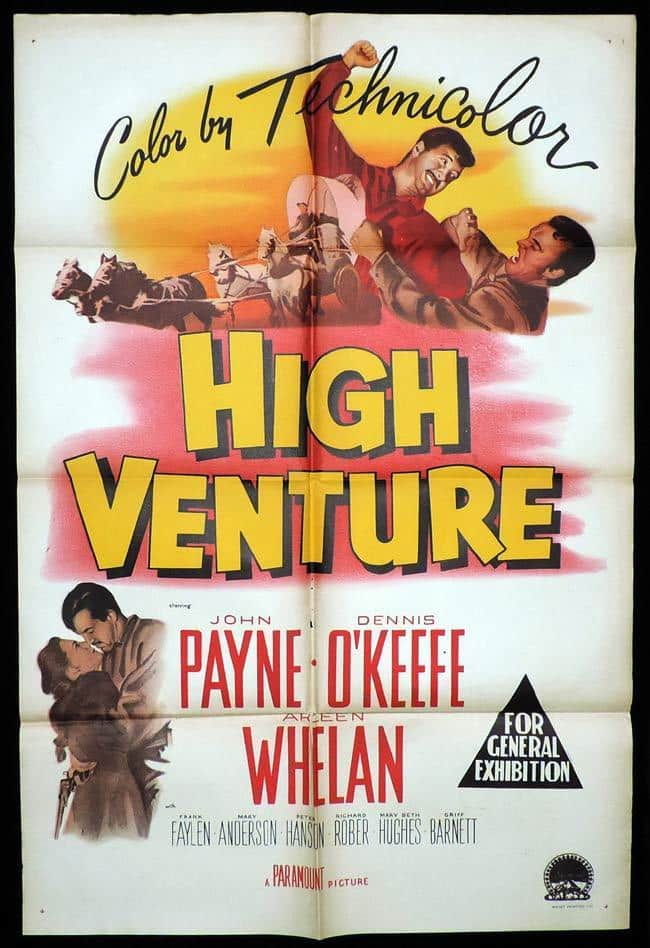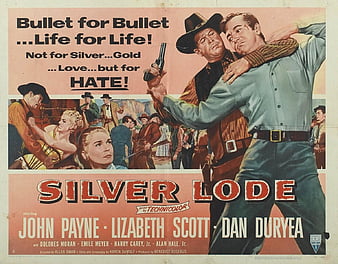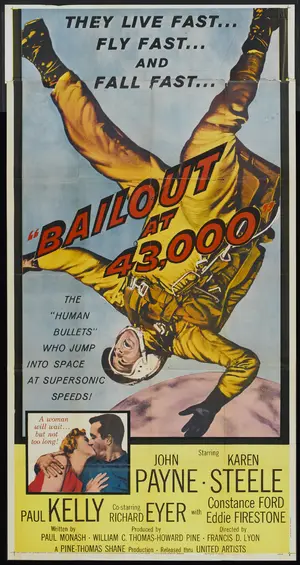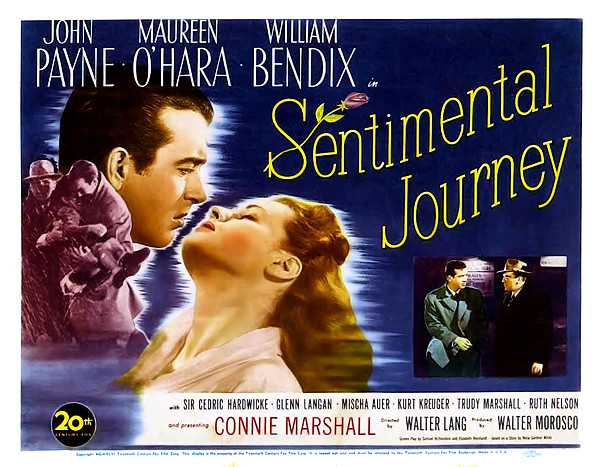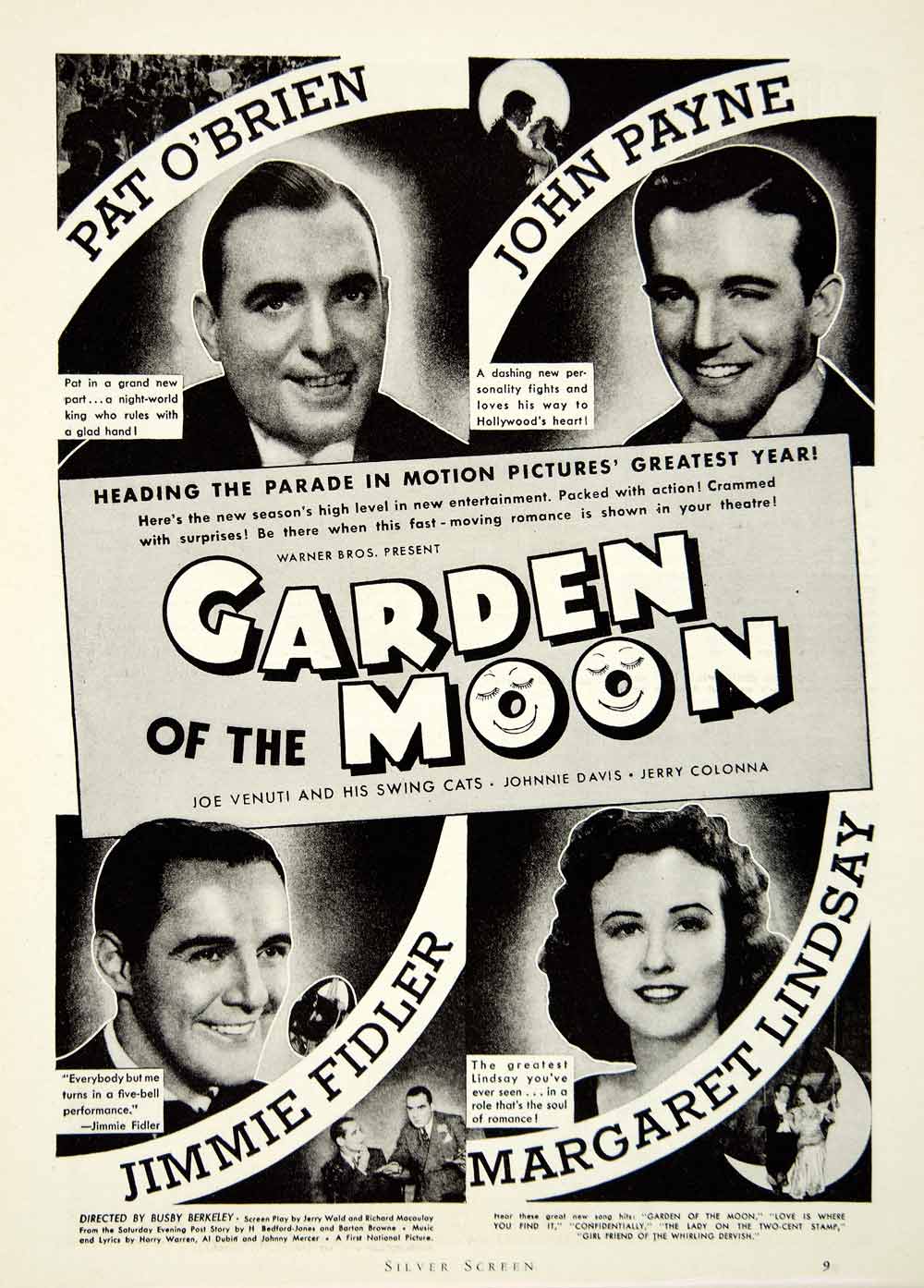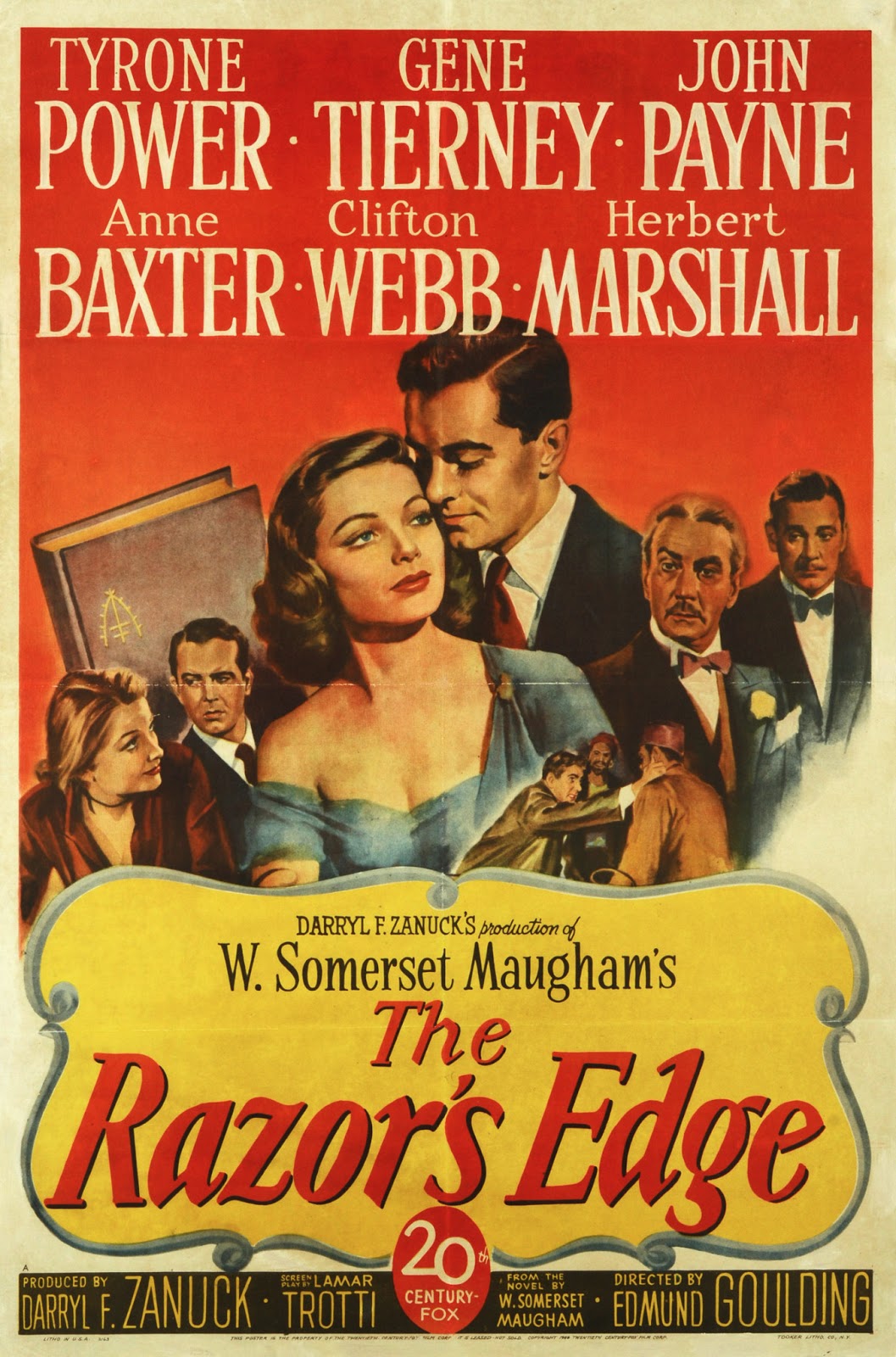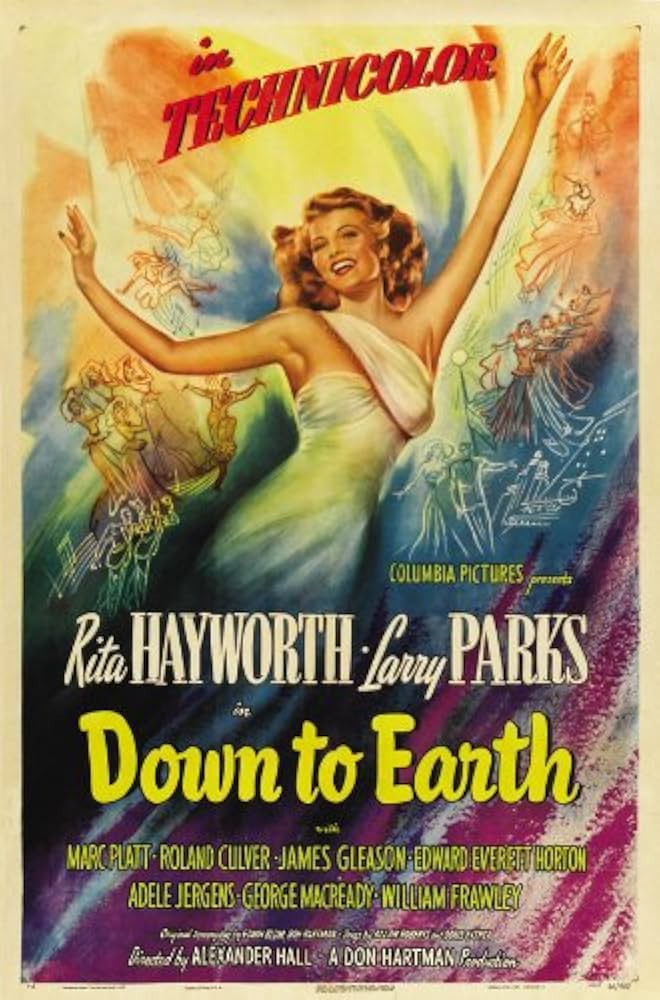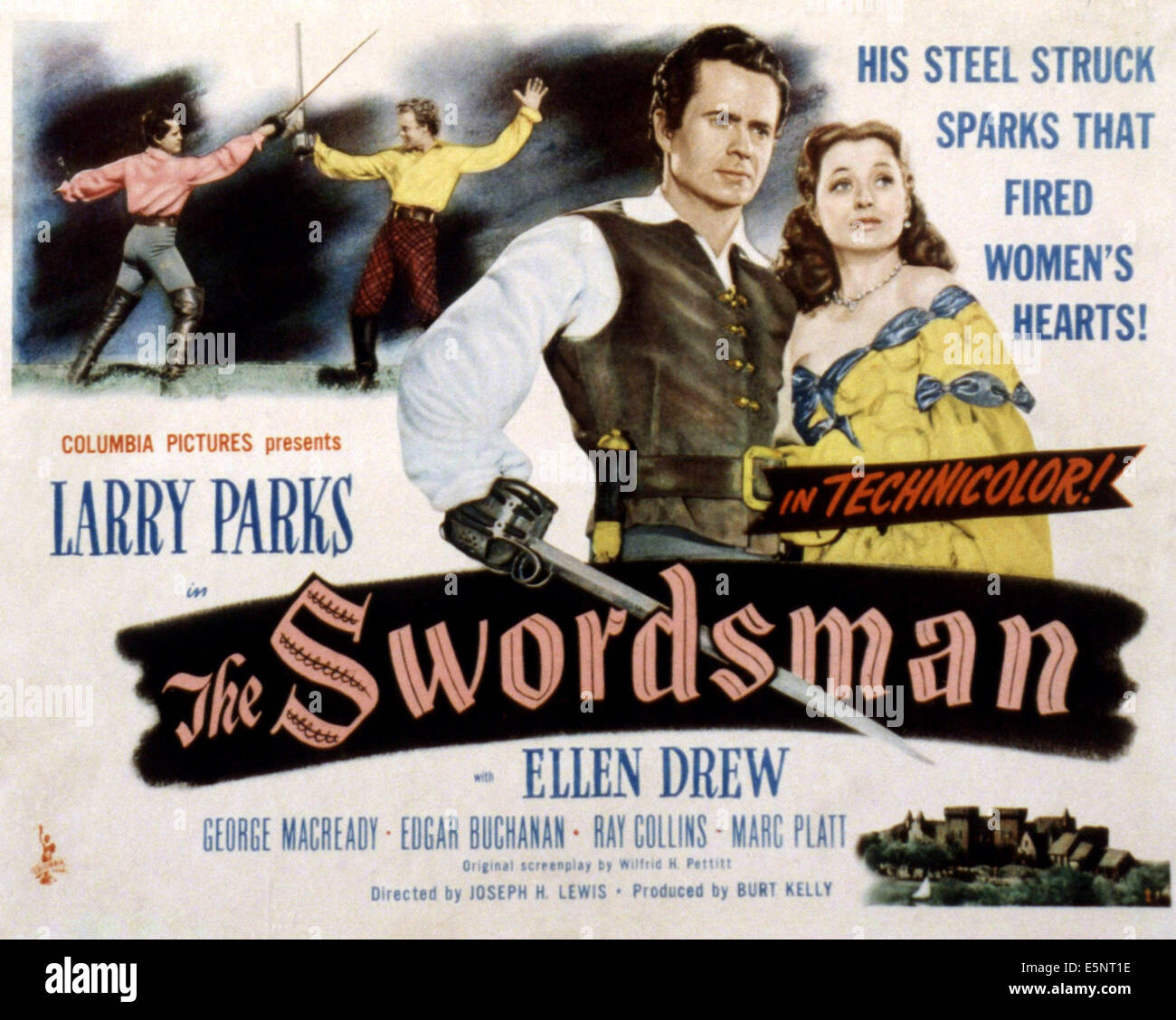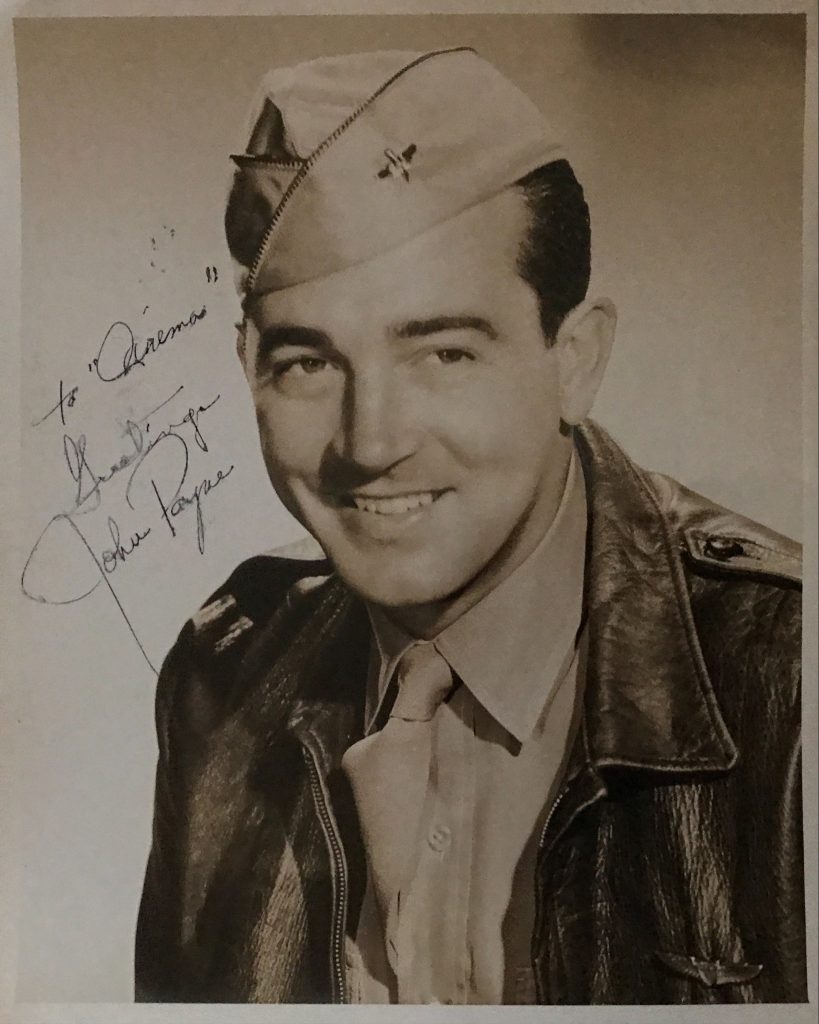
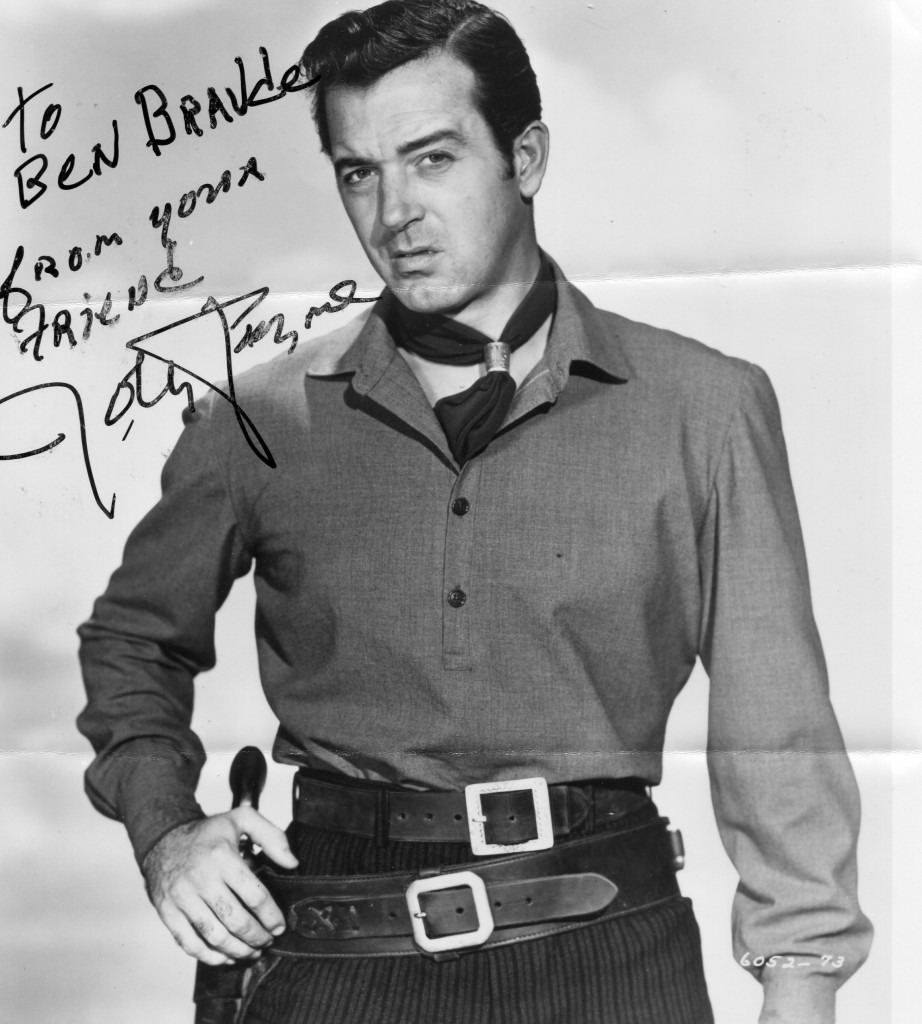
John Payne (1912–1989) is one of the most fascinating “evolutionary” studies in Hollywood history. A critical analysis of his work reveals a career split perfectly into two halves: the Technicolor Crooner of the 1940s and the Granite-Faced Noir Specialist of the 1950s.
In the context of the 1940s “Security Blanket” musicals and the 1950s “Rugged Frontier” Westerns you enjoy, Payne represents the “Complete Professional”—an actor who successfully dismantled his own “Pretty Boy” image to find a “Kitchen Sink” grit that remains startlingly modern.
I. Career Overview: From the Ritz to the Rain-Slicked Streets
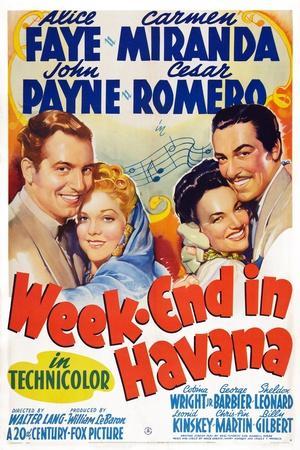
1. The Fox Musical Peak (1940–1945)
Payne was 20th Century Fox’s answer to the “Singing Leading Man.”
The “Symmetric” Partner: He was the reliable, square-jawed romantic lead for Alice Faye, Betty Grable, and Sonja Henie.
The “Security Blanket” Era: In films like Sun Valley Serenade (1941) and Hello, Frisco, Hello (1943), Payne represented the “Idealized American.” Critically, he was praised for his “Easy Naturalism”—he could sing and dance without losing his “Officer-class” masculine dignity.
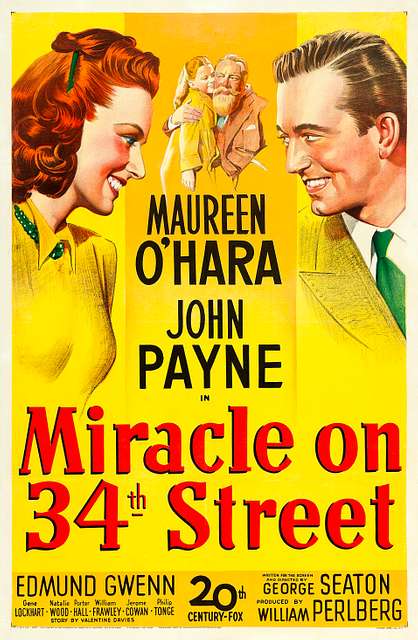
2. The Christmas Icon: Miracle on 34th Street (1947)
As Fred Gailey, Payne delivered his most enduring performance.
The Moral Ideal: Critically, he is the “Still Center” of the film. He played the lawyer who chooses “faith” over “logic,” providing the “Savoury” stability that allowed the more whimsical elements of the story to feel grounded. It remains a masterclass in “Warm-Hearted Naturalism.”
3. The Noir and Western “Grit” (1950–1957)
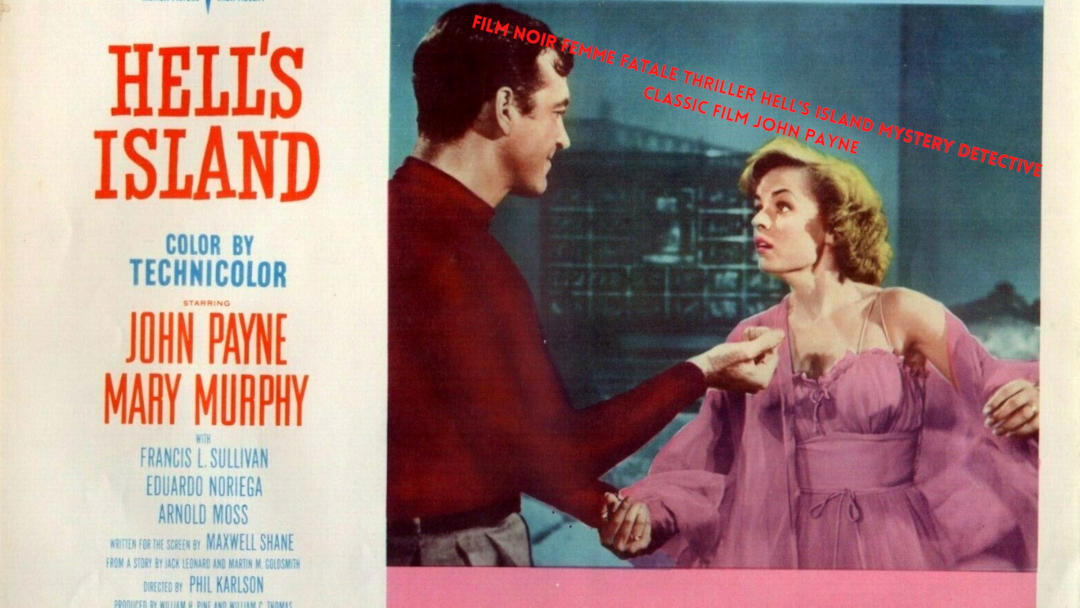
Tired of the “Pretty” roles, Payne reinvented himself as an independent star, often working with director Phil Karlson.
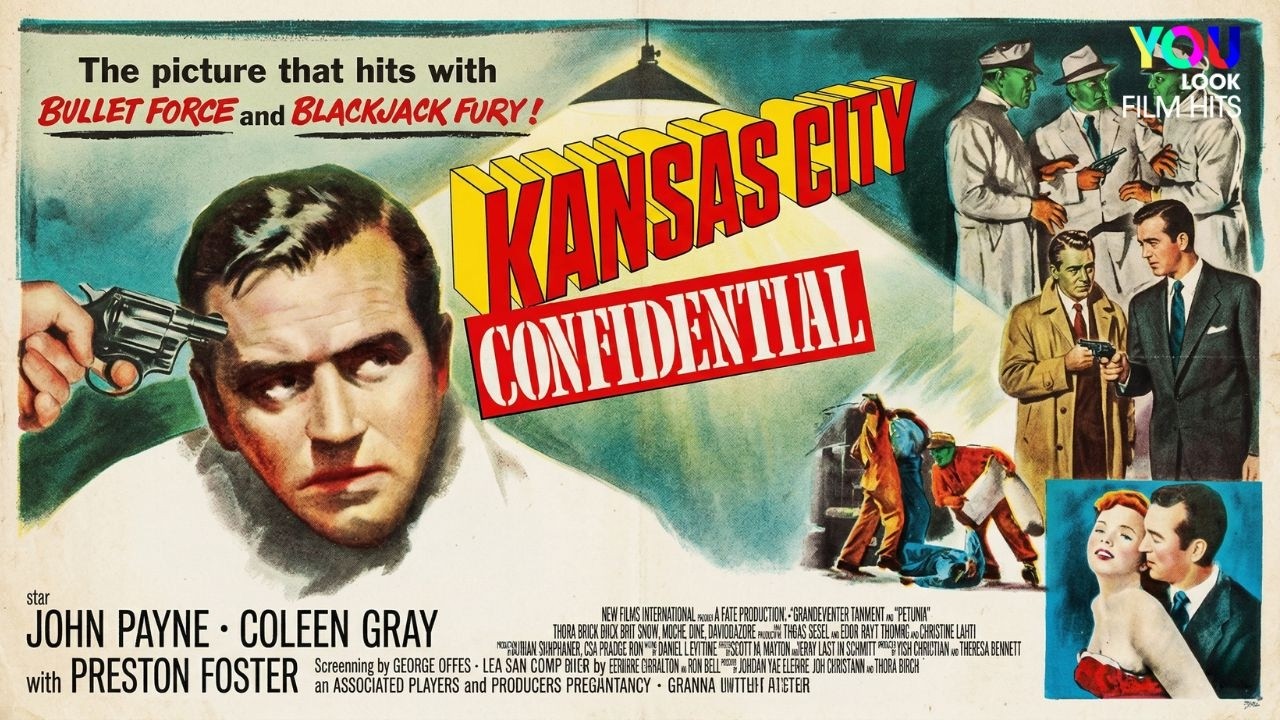
The “Hard-Boiled” Shift: In Kansas City Confidential (1952) and 99 River Street (1953), Payne debuted a new persona—cynical, weary, and physically imposing.
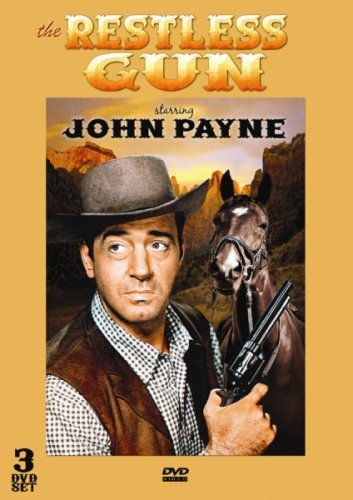
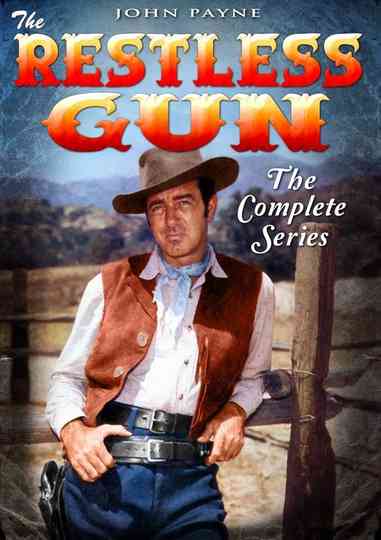
The Restless Gun (1957–1959): He transitioned to TV, producing and starring in this Western. Analysts note he brought a “Major Dundee” discipline to the role, playing a gunfighter who preferred peace but was technically superior in violence.
II. Detailed Critical Analysis
1. The “Architecture” of the Transformation
Critically, Payne is analyzed for his Physical Re-education.
From Smooth to Scarred: In the 40s, his face was a “Fixed Point” of beauty. In the 50s Noirs, he used a “tightened” jaw and a “narrowed” gaze. Analysts point out that he was one of the few actors to successfully “age into the truth.” He stripped away the “Gloss” to reveal a “Kitchen Sink” reality—the look of a man who had seen the war and the world and was no longer smiling.
2. The “Interior” Noir Style
Unlike the “explosive” energy of Gene Hackman, Payne’s Noir performances were defined by “Coiled Tension.”
The Quiet Menace: In 99 River Street, he plays an ex-boxer with a simmering rage. Critics note his use of “Physical Economy”—he moved like a predator. This “Modernist” approach to violence was a departure from the “Stiff Upper Lip” style of Clive Brook. Payne made the Noir protagonist feel dangerously “live.”
3. The “Legacy” of the Independent Producer
Payne was a pioneer of the “Actor-Producer” model.
The Intellectual Control: By owning his own projects, he ensured a consistent “High-Gloss Integrity.”He understood the “Puzzle” of filmmaking, often choosing scripts that dealt with “Moral Ambiguity” and “The Individual vs. The System.” This aligns with the Searching Integrity of your favorite 1960s actors.
Iconic Performance Highlights
| Work | Role | Year | Critical Achievement |
| Miracle on 34th Street | Fred Gailey | 1947 | Defined the “Rational Man of Faith.” |
| Kansas City Confidential | Joe Rolfe | 1952 | The definitive “Hard-Boiled” Noir turn. |
| Silver Lode | Dan Ballard | 1954 | A “Western-Noir” masterpiece of social paranoia. |
| 99 River Street | Ernie Driscoll | 1953 | A “Raw and Visceral” study of frustration |