

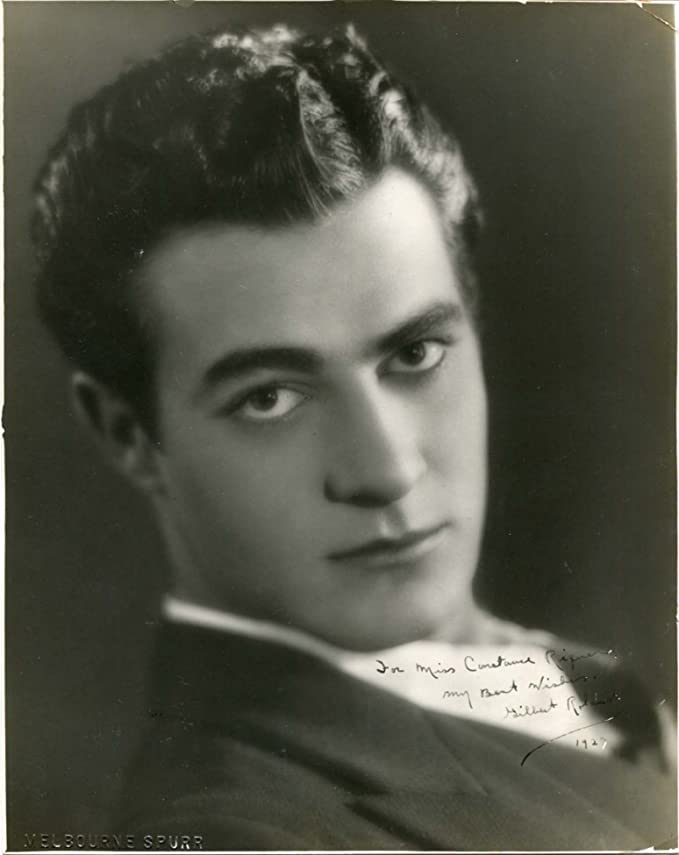
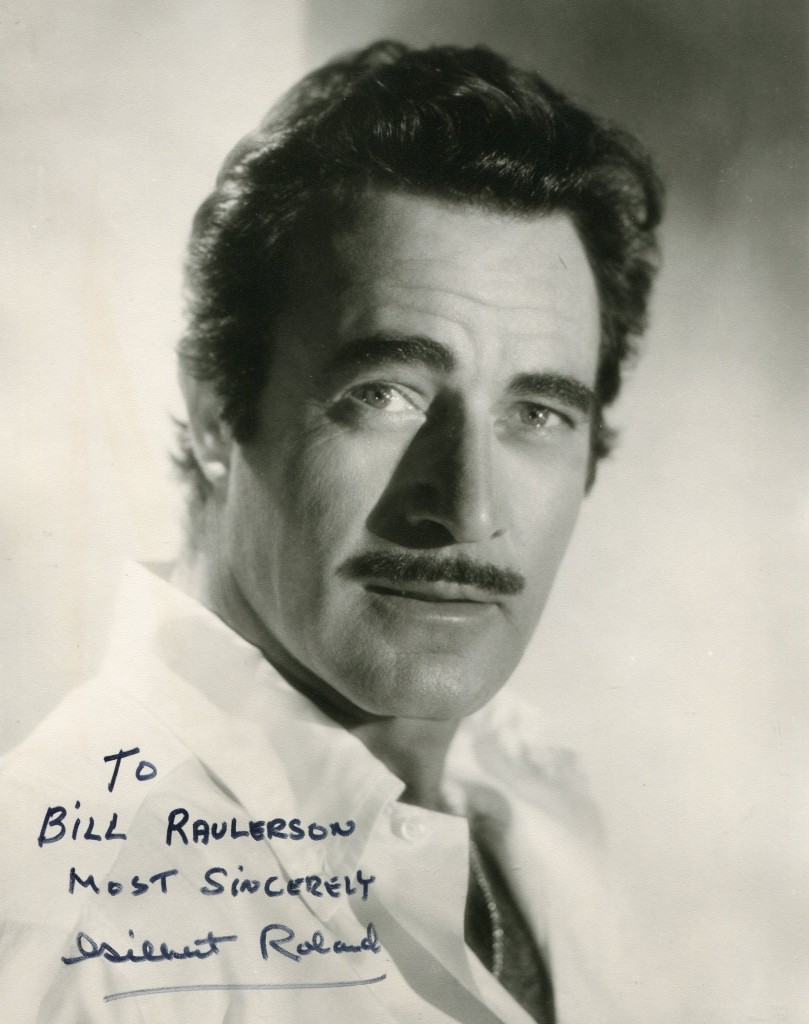
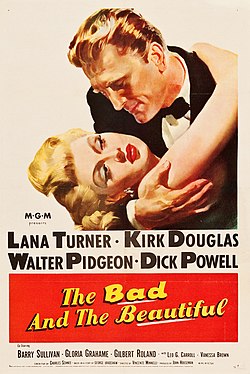
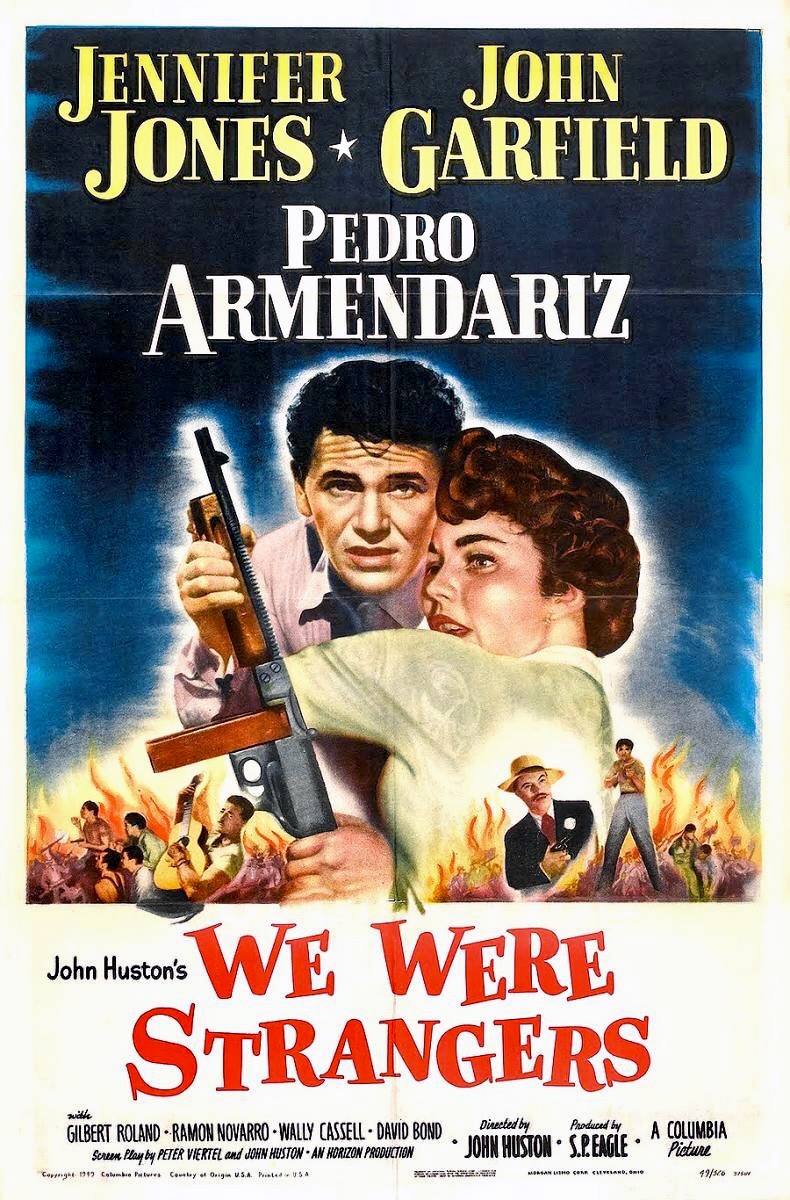
Gilbert Roland was born in 1905 in Mexico. His first major role was in 1927 in “The Plastic Age” with Clara Bow. This was the beginning of a very long career. His films of note include “We Were Strangers” in 1949 with Jennifer Jones and John Garfield, “The Miracle of Our Lady of Fatima” and “The Bad and the Beautiful”. He died in 1994 at the age of 88.
His “Independent” obituary:
MORE Mexicans live in California now than when it formed part of Mexico. The Hollywood studios, however, have never regarded them as a lucrative audience and have made few films either for or about them. Yet one of the most remarkable stories of a Mexican immigration occurred right under the studios’ noses.
Gilbert Roland was born Luis Alonso in 1905 in Juarez, on the Mexican border with Texas. His father, Francisco, was a bullfighter who had come from Spain. Luis had ambitions to follow his father as a torero and Francisco encouraged him. ‘Remember’, he told his son, ‘Women gore more often than bulls.’
When the revolution swept over their town, Francisco Alonso led his family to safety across the Rio Grande. In El Paso, Texas, they encountered anti-Mexican hostility and Luis retreated more and more into the welcoming dark of the motion-picture houses, even though he was relegated to the balcony ‘For Colored People Only’. He was particularly enamoured of the serial star Ruth Roland. When his mother gave him money to buy groceries for the family, he spent it on the movies. ‘I was punished, but it did not matter. The movies were my life.’
Luis became a newspaper boy, and occasionally attended school, but encountered little but open hostility for being a ‘greaser’. He was once beaten for not knowing all the words to ‘The Star-Spangled Banner’. He graduated to working as a messenger boy until he was hit by a car and almost killed. Recovery was slow; when his father went to fight bulls in Tia Juana, Luis went with him, staying on a ranch in San Diego. There he met a Mexican who played bit parts in movies, Chris-Pin Martin. Martin advised Luis to go to Hollywood, and to try to get work at the studios on Gower Street – Gower Gulch. Luis did so, and was hired as a cowboy extra – then as an Indian. ‘All day I chased myself on horseback for three dollars and lunch. My baptism in silent movies.’
But such good fortune was rare, and the youthful Alonso trekked from studio to studio – often incredible distances – finding little employment. He managed to land a job answering fan mail for Antonio Moreno. One night he was working on the backlot when a great star visited the set – Norma Talmadge. Alonso had long admired Talmadge, and had even decorated his bedroom wall with her photograph. He was gratified to find his idol as beautiful and charming in real life as she was on the screen.
Thanks to his knowledge of bull-fighting, he was retained as a dresser’s assistant to prepare Valentino for the arena scenes in Blood and Sand (1922). When a fight erupted among the extras and Luis received a superficial stab wound, it was Valentino – to his amazement and delight – who bandaged his wound with a monogrammed handkerchief.
Alonso had grown into a remarkably handsome young man, and an agent called Ivan Kahn decided he looked like John Gilbert, who was then MGM’s leading star. MGM cast him in The Midshipman (1925) with Ramon Novarro, a fellow Mexican whose family knew the Alonsos before the revolution.
What with Valentino and Novarro, Kahn thought there were too many Latins in the movies, and suggested Alonso changed him name to George Adams. Alonso chose his name from his two favourite starts – Ruth Roland and John Gilbert.
Kahn secured Roland a substantial role in a Clara Bow film The Plastic Age (1925). Roland fell in love with Clara Bow, and nearly married her, but her father told him, ‘What do you make? A hundred and fifty a week. Clara makes two thousand. When you make two thousand a week, you marry Clara Bow.’
Cast opposite Ann Rork (Mrs J. Paul Getty) in The Blonde Saint (1926), Roland at last won critical attention. As a result, he was signed to a contract by Joseph M. Schenck, president of United Artists. The Los Angeles Times carried the headline of his dreams: ‘Gilbert Roland to Star with Norma Talmadge in Camille’. His was the part Valentino had played a few years before. But suddenly, Valentino was dead of peritonitis and a Hollywood weekly declared ‘Gilbert Roland looms as Valentino’s successor.’
Once again, Roland fell in love, but Norma Talmadge was married to the much older Schenck who refused her a divorce. He also threatened Roland with an unspeakable fate. Talmadge and Roland went on a voyage together, but the relationship failed to last. She met the actor and producer George Jessel, Schenck agreed this time to a divorce, and the studio doors closed for a while on Roland. He found himself playing Armand again, opposite Jane Cowl – on the stage. Without any kind of theatrical training, he found it a terrifying experience.
Roland worked his way back into pictures, becoming a dependable supporting actor rather than the star he had been for a brief and heady period.
When David Gill and I were making a documentary about Buster Keaton, we contacted Roland in the hope of filming an interview with him, for Keaton had been one of this closest friends. He invited us to lunch at the Beverly Hills Tennis Club, where he played well into his eighties. And there was no mistaking him when he arrived; he wore a white hat, and open-necked white shirt, showing the old religious medallion hanging at his chest. He had great charisma, and immense charm; he embraced people instead of shaking their hands, and he had no Anglo-Saxon reticence about emotion.
But reticent he was about being interviewed. He refused point- blank to appear on camera. We had the distinct impression that he was shy. He had been a sky- rocketing star in the last years of silent films, and his affection and admiration for silent films was apparent. But he would not repeat his reminiscences on camera.
Fortunately, he spent the last years putting his memories on to tape – when he could play back, edit and re-record if necessary. And in 1988, he proved himself as a writer, with an autobiography – as yet unpublished – in the style of a man he greatly admired, Ernest Hemingway. He called it The Wine of Yesterday
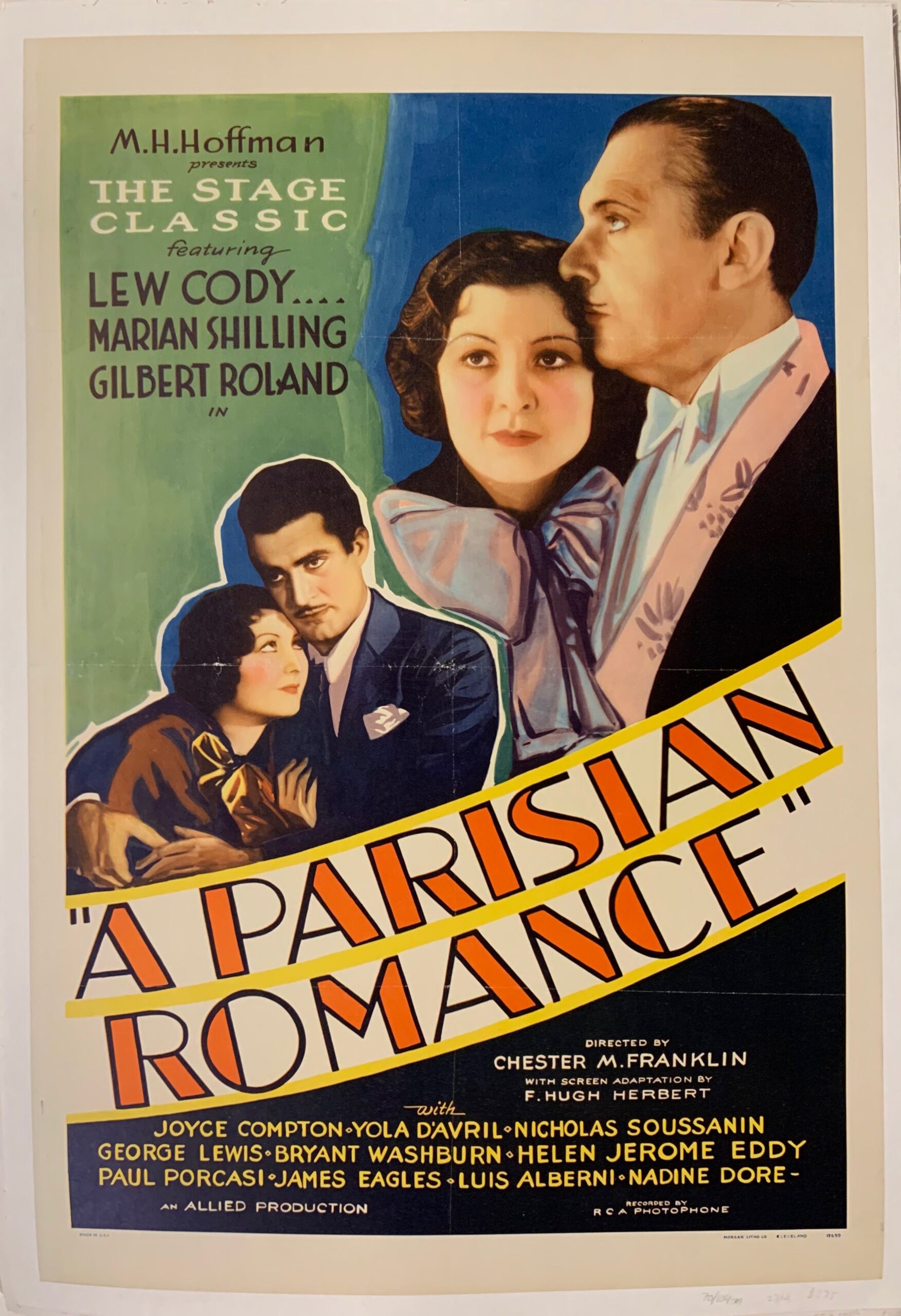
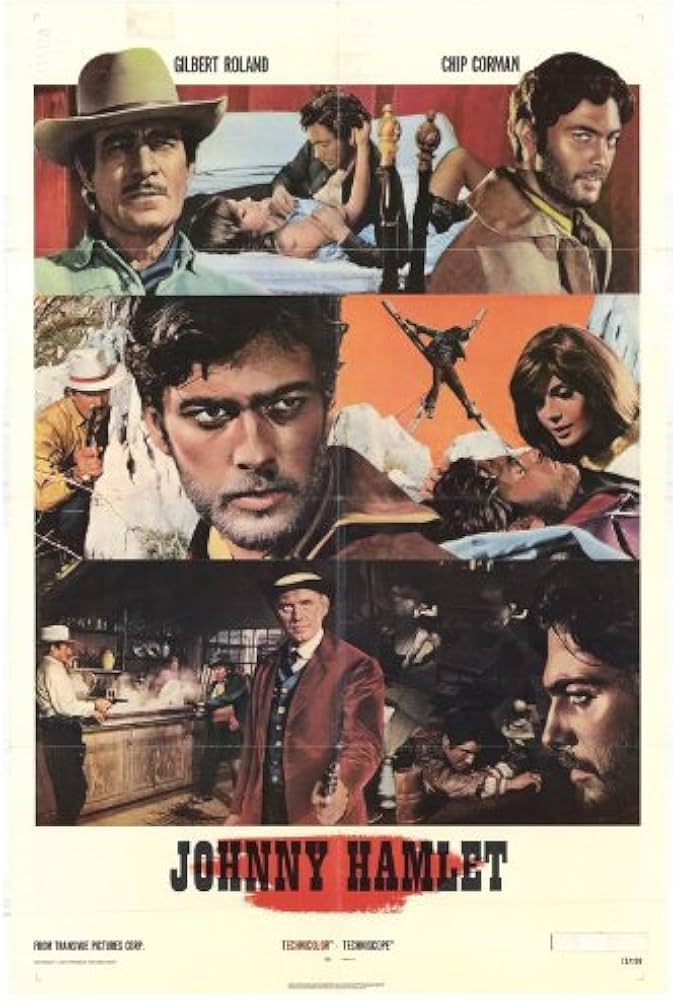
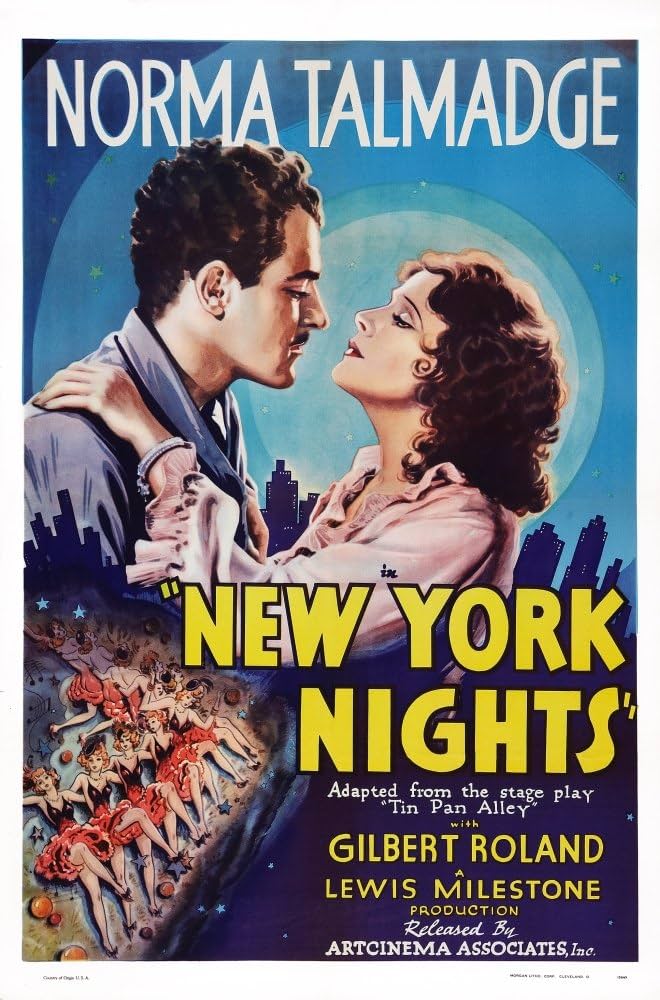
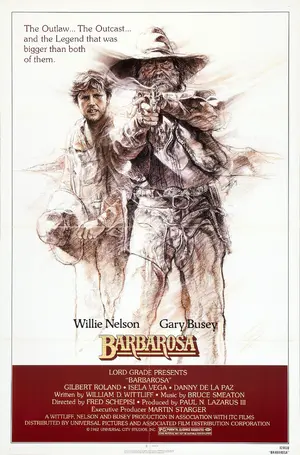
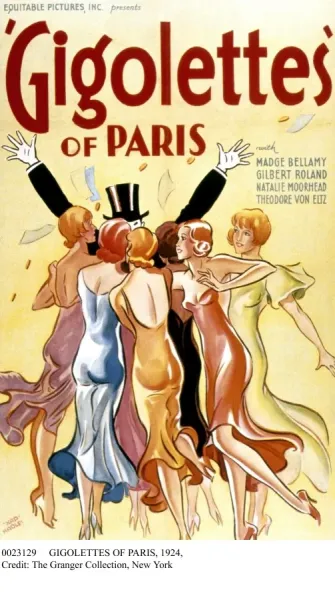
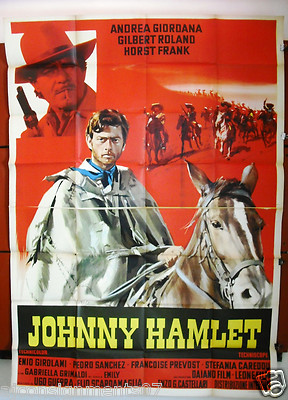
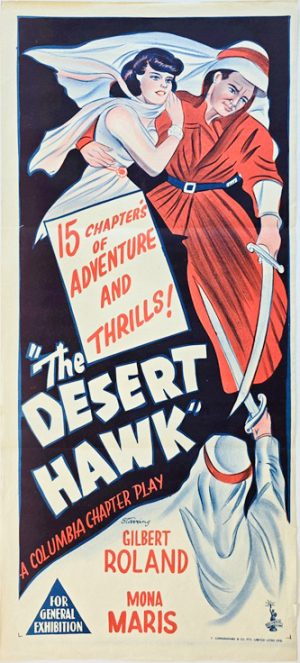
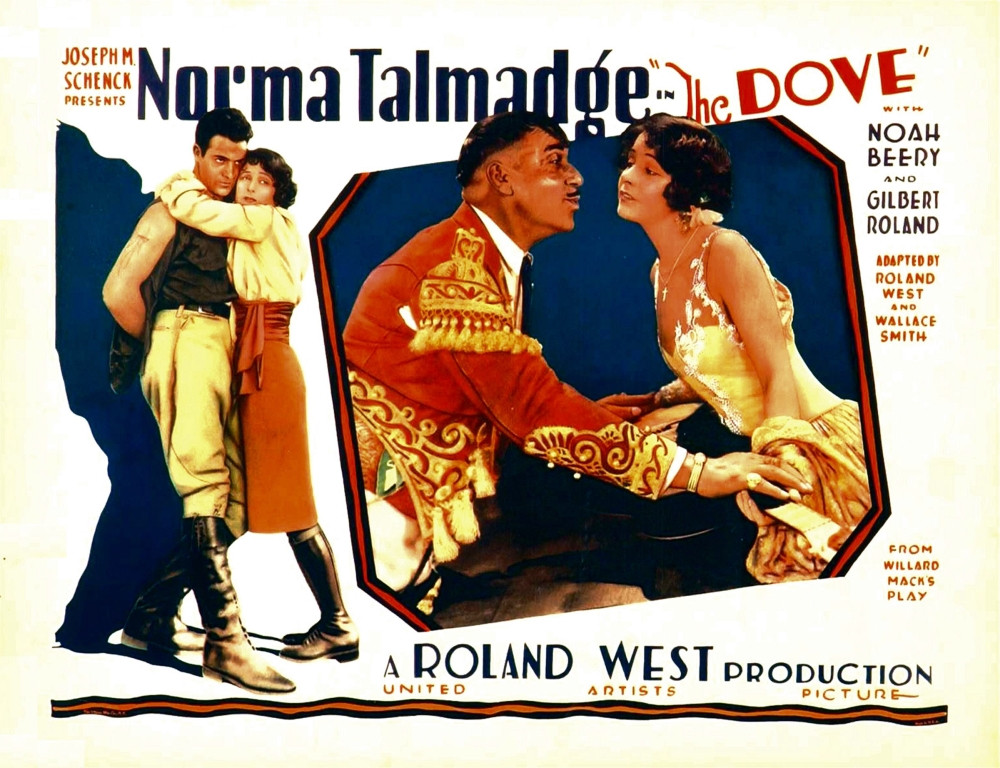
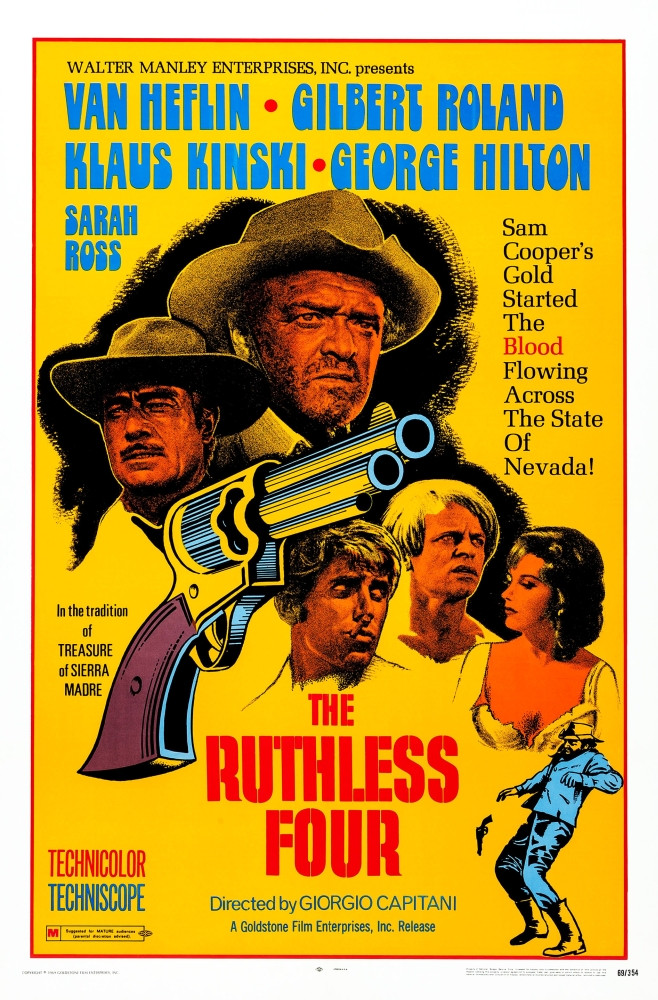
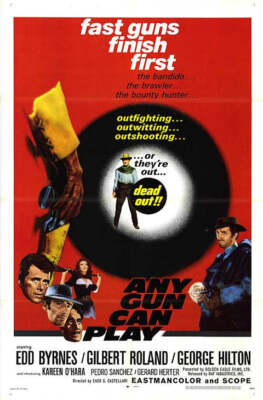
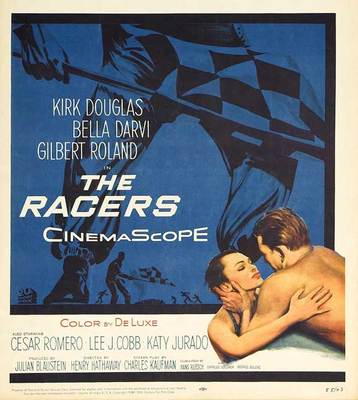
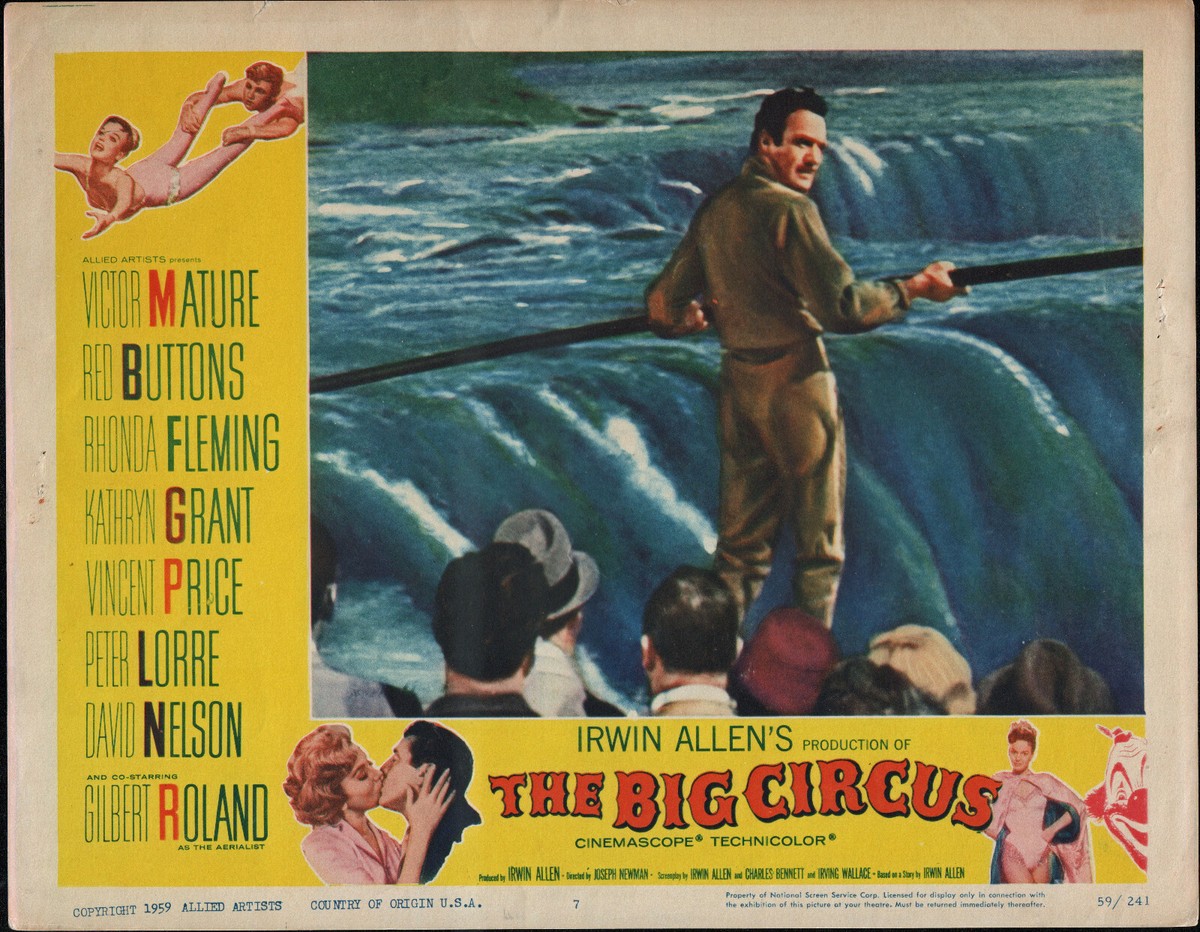
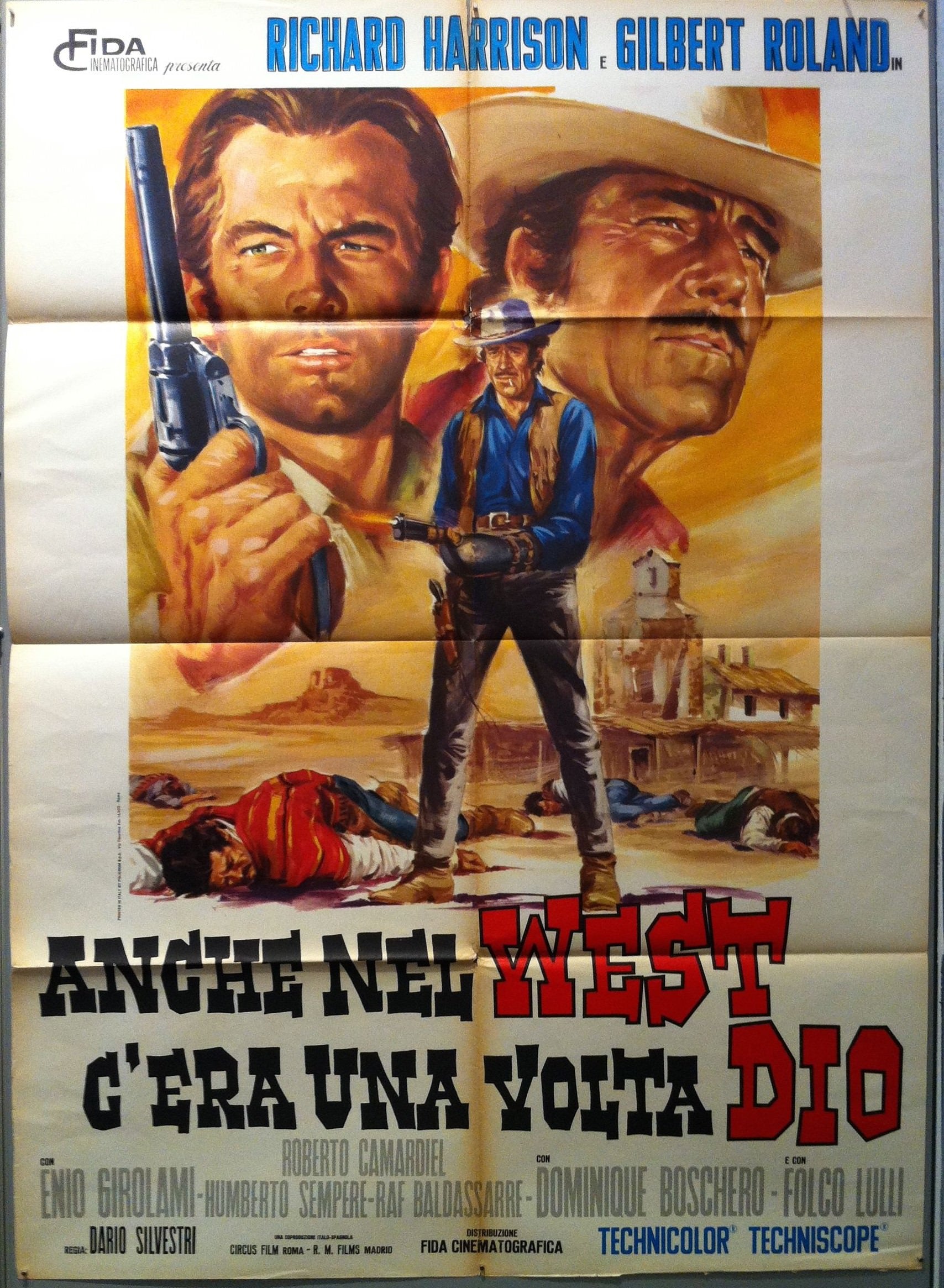
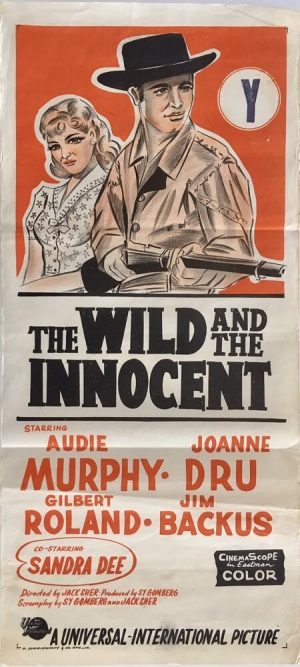
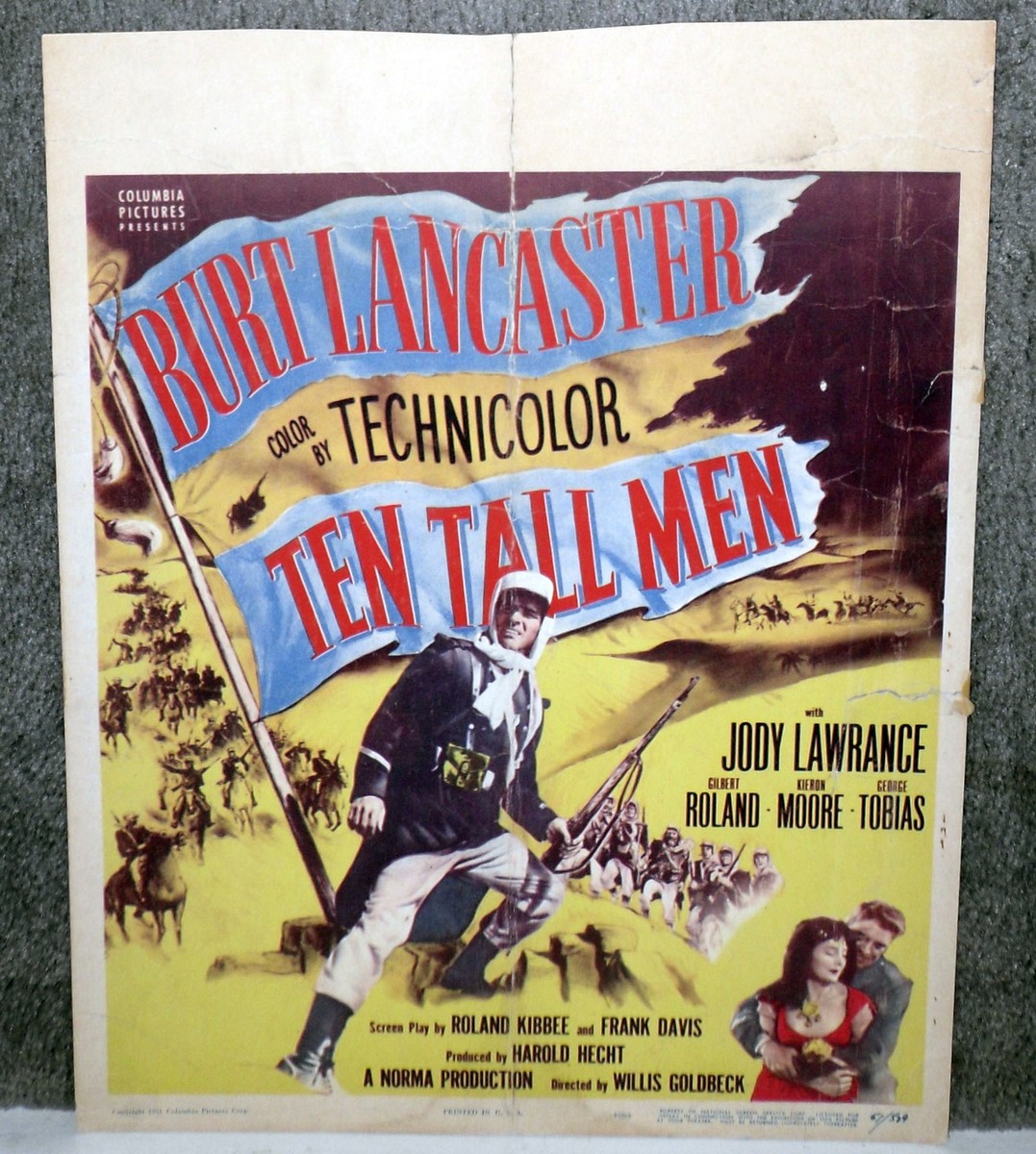
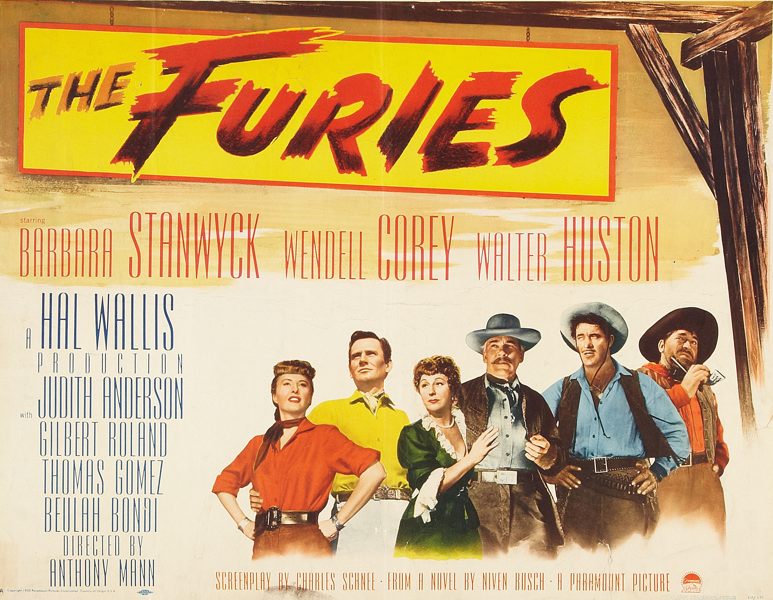
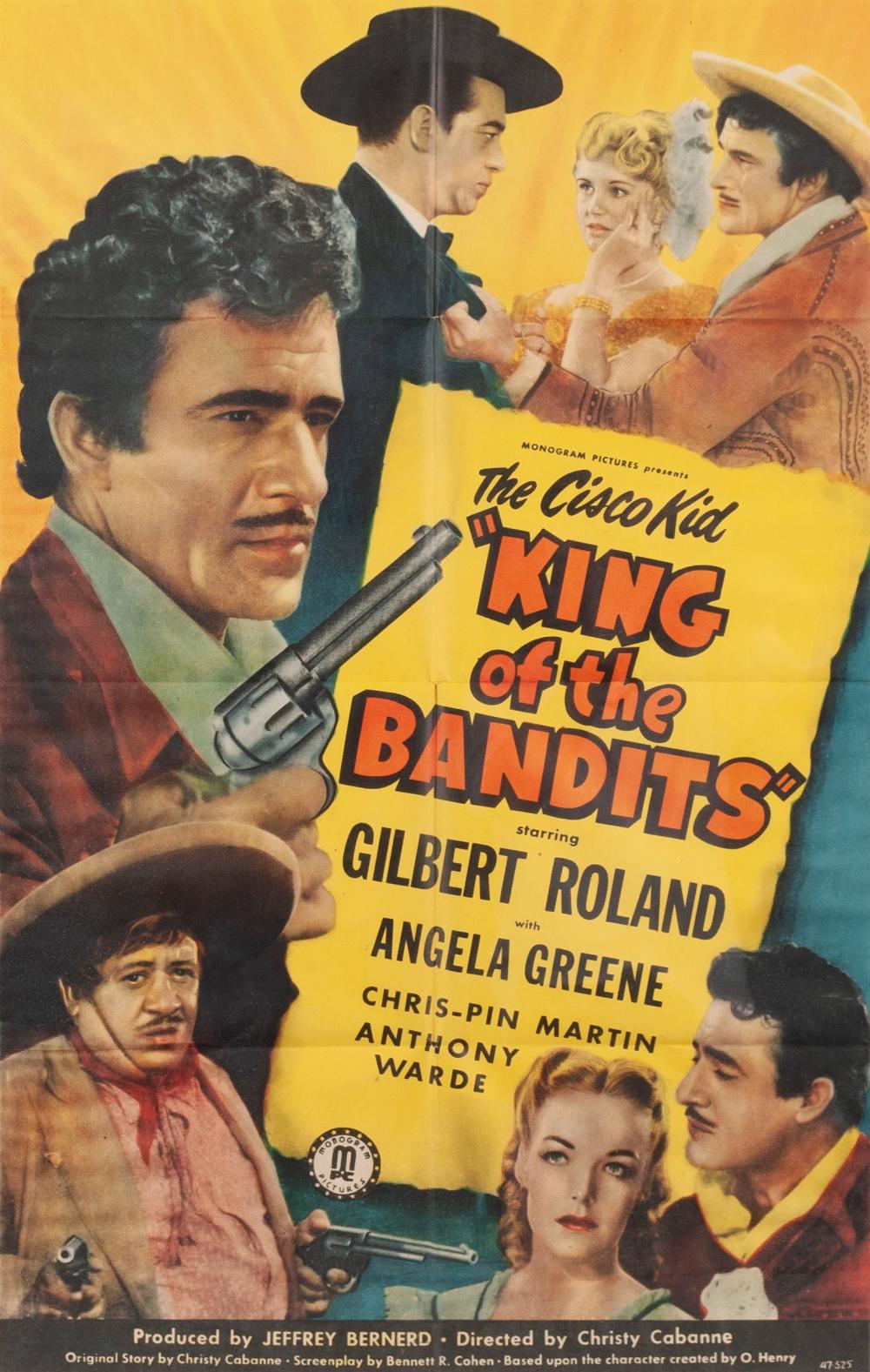
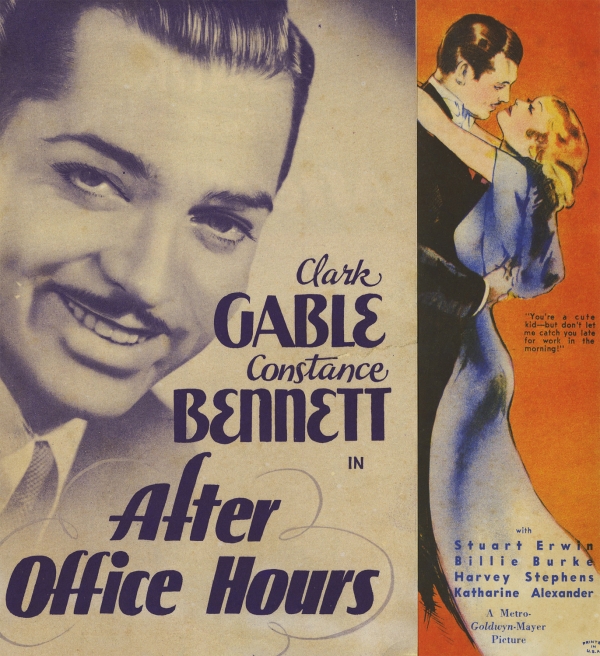
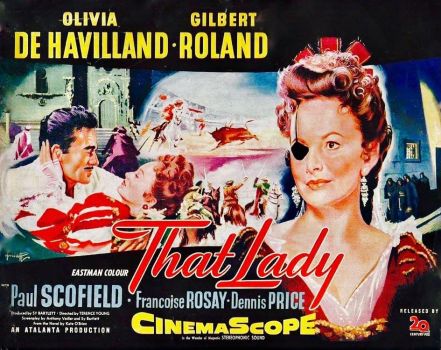
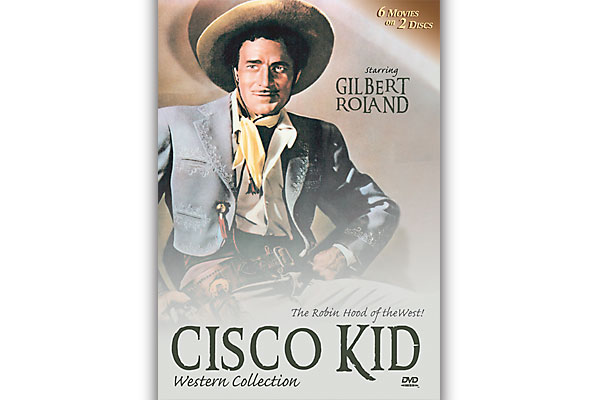
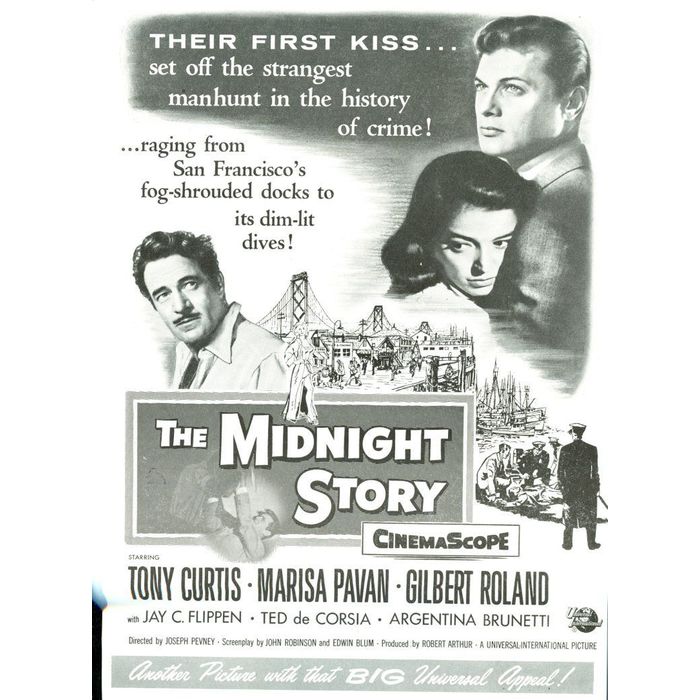
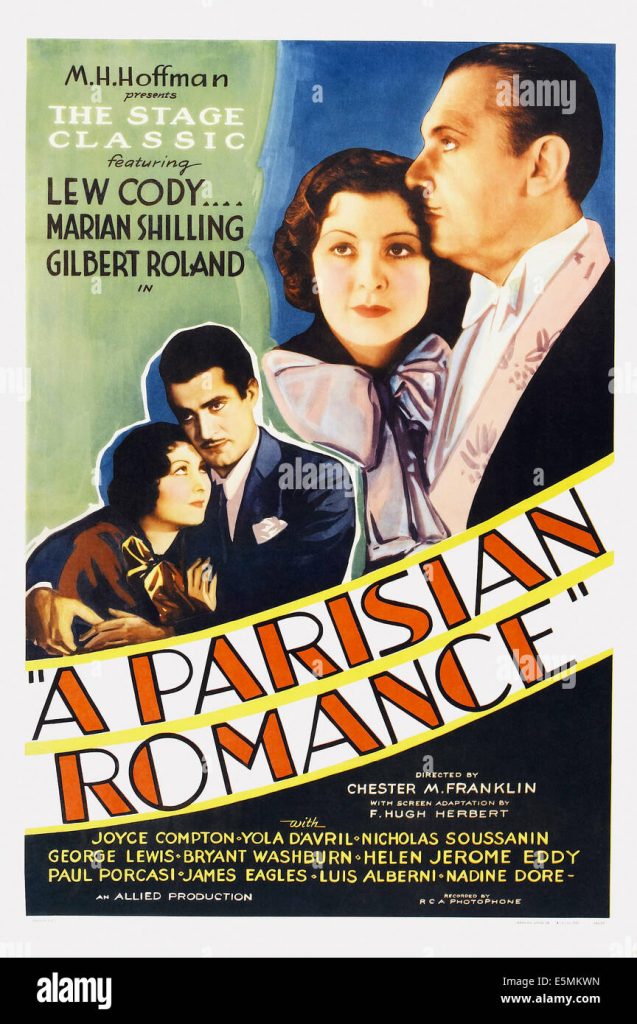
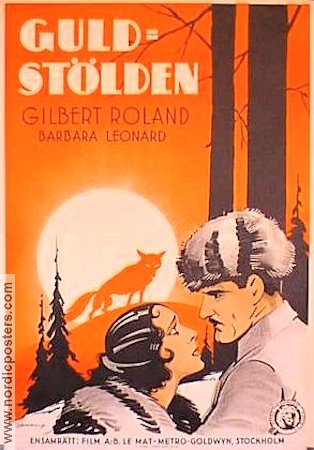
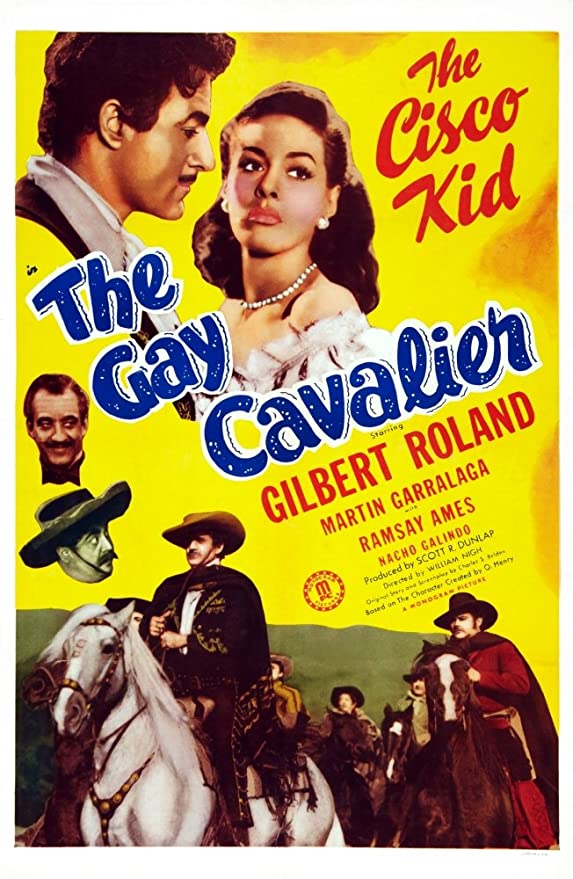
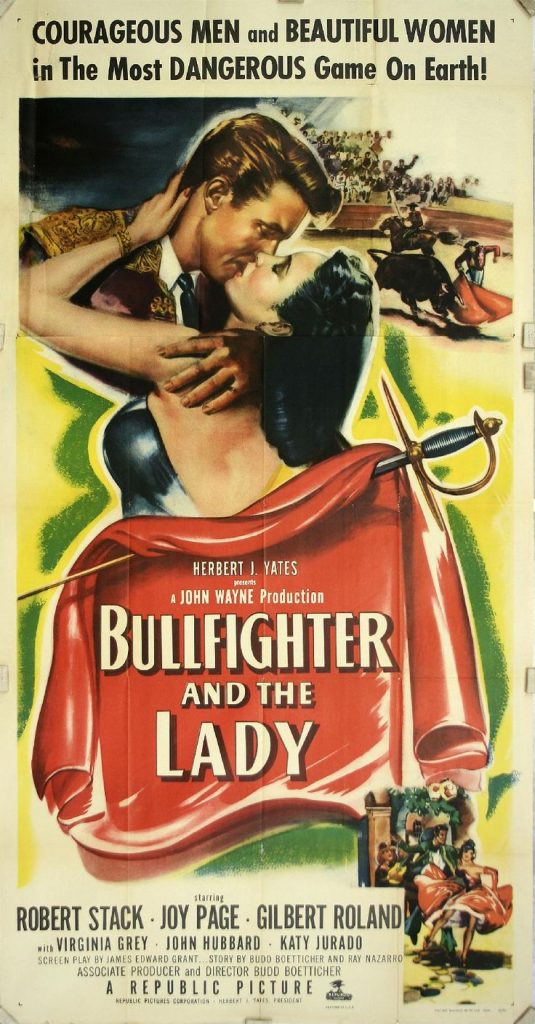
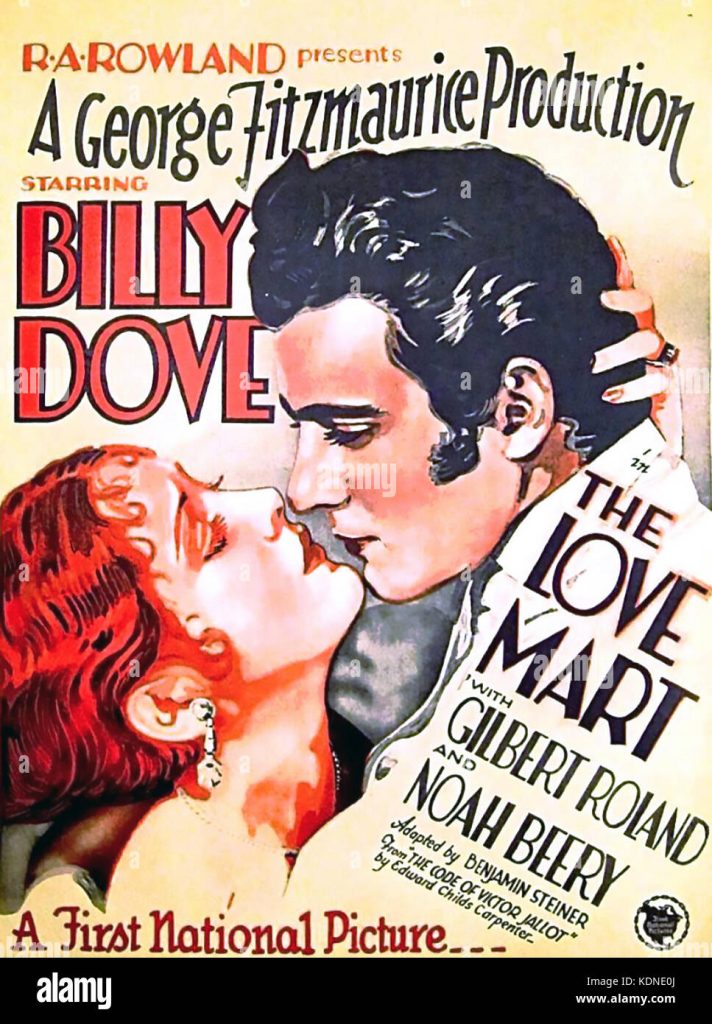
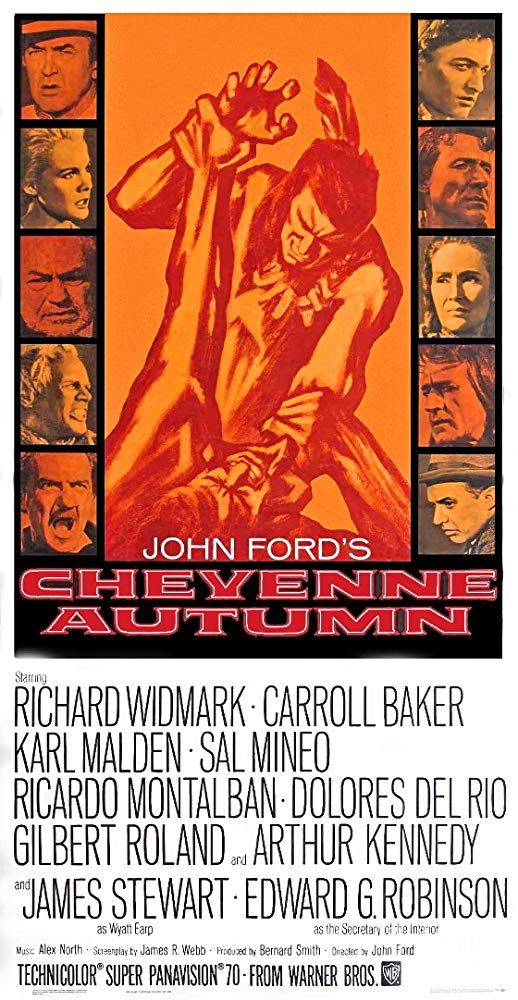
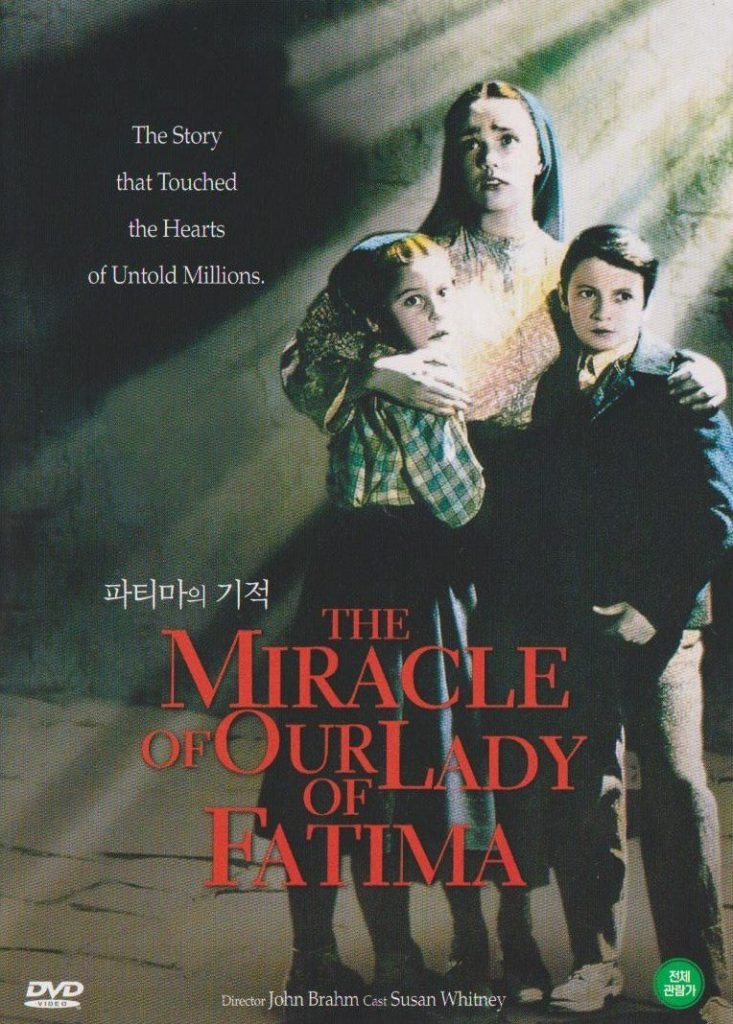
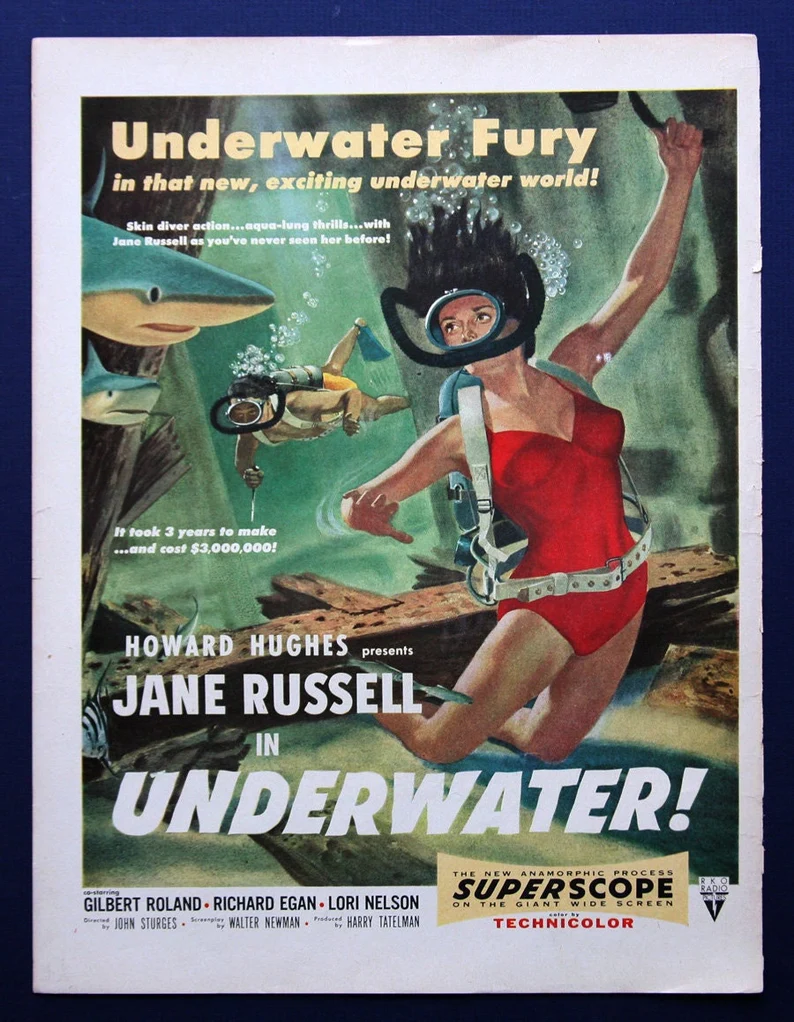

Gilbert Roland (1905–1994) was one of the few actors to successfully navigate the transition from silent film matinee idol to a respected, gritty character actor of the sound era. His career, spanning an incredible seven decades, is a study in professional resilience and the evolution of the Latino image in Hollywood.
Career Overview: The “Amigo” of Hollywood
1. The Silent “Latin Lover” (1920s)
Born Luis Antonio Dámaso de Alonso in Mexico, Roland fled to the U.S. during the Mexican Revolution. He adopted his stage name as an homage to his idols, John Gilbert and Ruth Roland.
The Breakthrough: His role in The Plastic Age (1925) opposite Clara Bow made him an overnight sensation.
The Romantic Icon: He was quickly pigeonholed as a “Latin Lover,” a successor to Rudolph Valentino.His performance in Camille (1926) opposite Norma Talmadge solidified this image, though it arguably limited his early dramatic range.
2. The Transition and the “Cisco Kid” (1930s–1940s)
Unlike many silent stars whose careers ended with the advent of sound, Roland’s deep, resonant voice actually enhanced his screen presence.
The Spanish-Language Market: In the early 1930s, he starred in many Spanish-language versions of Hollywood films, maintaining his stardom internationally.
The Heroic Bandit: In the mid-1940s, he took over the role of The Cisco Kid in six films. He famously refined the character, insisting that the Kid be portrayed as a “civilized man” who read Shakespeare, successfully subverting the “lazy bandit” stereotypes prevalent in Westerns.
3. The Prestige Character Actor (1950s–1982)
The 1950s saw a “second act” for Roland, as directors like John Huston and Vincente Minnelli recognized his gravity and wisdom.
Golden Globe Recognition: He received two Golden Globe nominations: once for the Hollywood-insider drama The Bad and the Beautiful (1952) and again for John Ford’s Cheyenne Autumn (1964).
Final Performance: He retired after the Western Barbarosa (1982), leaving behind a filmography of over 100 credits.
Detailed Critical Analysis
1. The Subversion of the “Latin” Stereotype
Critically, Roland is a pivotal figure in the history of ethnic representation. He was acutely aware of how Hollywood depicted Mexicans and often fought with writers and directors to add “intellectual texture” to his roles.
The “Civilized” Bandit: By giving the Cisco Kid a love for literature and refined manners, Roland transformed a B-movie trope into a symbol of cultural dignity.
Transnational Appeal: Analysts point out that Roland was “transnational” before the term existed. He maintained a following on both sides of the U.S.-Mexico border, serving as a bridge between the Golden Age of Mexican Cinema and the Hollywood Studio System.
2. Physicality and “Warm” Machismo
Roland’s acting style was defined by a blend of athletic grace and emotional stillness.
The Bullfighter’s Poise: Trained by his father (a Spanish bullfighter), Roland brought a matador’s sense of “dangerous elegance” to his movements. Even in his 70s, he remained famously fit, often performing his own stunts.
The “Amigo” Persona: His nickname in Hollywood was “Amigo,” reflecting a screen presence that felt genuinely warm and loyal. Critics often noted that while he had “macho” good looks, he lacked the cold arrogance of other leading men, instead projecting a “certain human wisdom.”
3. The Master of the “Supporting Turn”
In the latter half of his career, Roland became the ultimate “scene-stealer.”
The Bad and the Beautiful: As “Victor ‘Gaucho’ Ribera,” he played a character that was essentially a parody of his own early “Latin Lover” image. The performance was lauded for its self-aware wit and vulnerability.
Aesthetic of Maturity: Unlike actors who struggled with aging, Roland leaned into it. His graying hair and “bold-browed” intensity made him the perfect choice for patriarchs and aging warriors, allowing him to work consistently into his 80s