
ROGER LIVESEY (WIKIPEDIA)
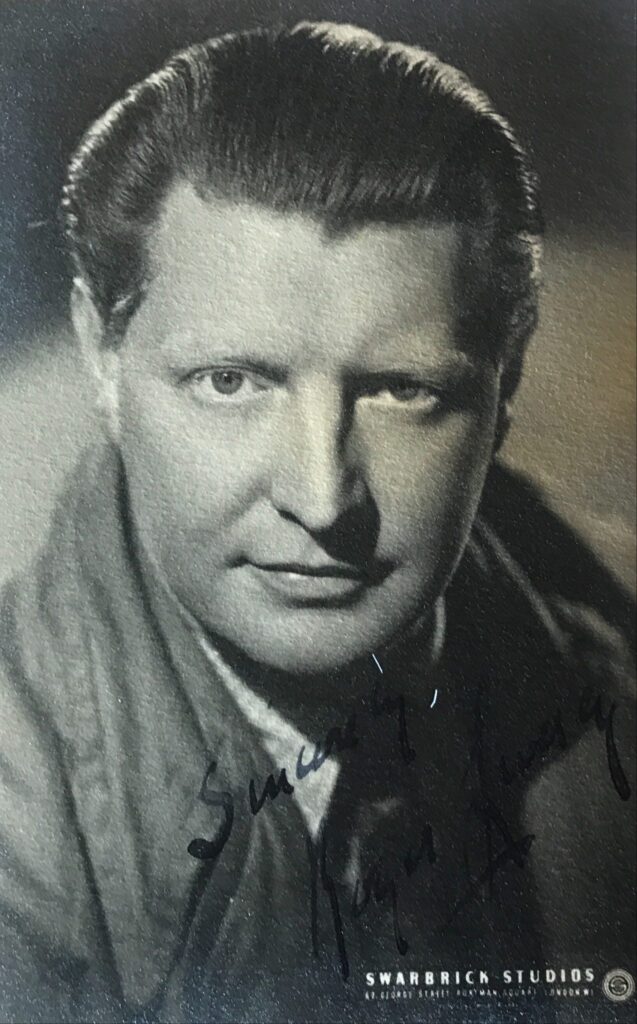
Roger Livesey was a Welsh stage and film actor. He is most often remembered for the three Powell & Pressburger films in which he starred: The Life and Death of Colonel Blimp, I Know Where I’m Going! and A Matter of Life and Death. Tall and broad with a mop of dark blond hair, Livesey used his highly distinctive husky voice, gentle manner and athletic physique to create many notable roles in his theatre and film work.
Livesey was born in Barry, Wales. Although most articles about him indicated that his parents were Samuel Livesey and Mary Catherine (née Edwards), later research has shown that his father was actually Joseph Livesey. The confusion may have arisen because his mother Mary married Samuel (Joseph’s brother) after Joseph’s death and the death of Samuel’s wife, Mary’s sister. Samuel and Mary had a child of their own, Stella, who was both Roger’s half sister and first cousin. Roger Livesey was educated at Westminster City School, London. His two step-brothers (who were also his first cousins) were also actors.
Livesey studied under Italia Conti. His first stage role was as the office boy in Loyaltyat St. James’s Theatre in 1917. He then appeared in a wide range of productions from Shakespeare to modern comedies. He played various roles in the West End from 1920 to 1926, toured the West Indies and South Africa, and then returned to join the Old Vic/Sadler’s Wells company from September 1932 until May 1934. In 1936 he appeared in New York City in Wycherley‘s comedy The Country Wife. While in New York he married actress Ursula Jeans, whom he had known previously in England. Livesey’s sister Maggie was already married to Ursula Jeans’ brother Desmond.
At the outbreak of the Second World War Livesey and Jeans were among the first volunteers to entertain the troops. He then applied for flying duties in the Royal Air Force but due to his age was rejected. Instead he worked in an aircraft factory at Desford aerodromenear Leicester to “do his bit for the war effort”. He was chosen by Michael Powell to play the lead in The Life and Death of Colonel Blimp (1943) after Powell was denied his original choice, Laurence Olivier(Winston Churchill had objected to the movie and the Fleet Air Arm refused to release Olivier, who had been a Hollywood movie star before returning to England to take a Navy commission). The movie was shown in New York and established Livesey’s international reputation as a talented character actor. In 1945, he was the first choice for the male lead role in Brief Encounter, which in the end went to Trevor Howard.
He toured Australia from 1956 to 1958 playing Jimmy Broadbent in The Reluctant Debutante and continued playing many theatrical roles during his film career until 1969. One of his last roles was as the Duke of St Bungay in The Pallisers television series. His final television appearance was in the series Benjamin Franklin in 1975.
Livesey died in Watford from colorectal cancer at the age of 69 on 4 February 1976. He shares a memorial plaque with his wife Ursula Jeans in the actors’ church St Paul’s in Covent Garden
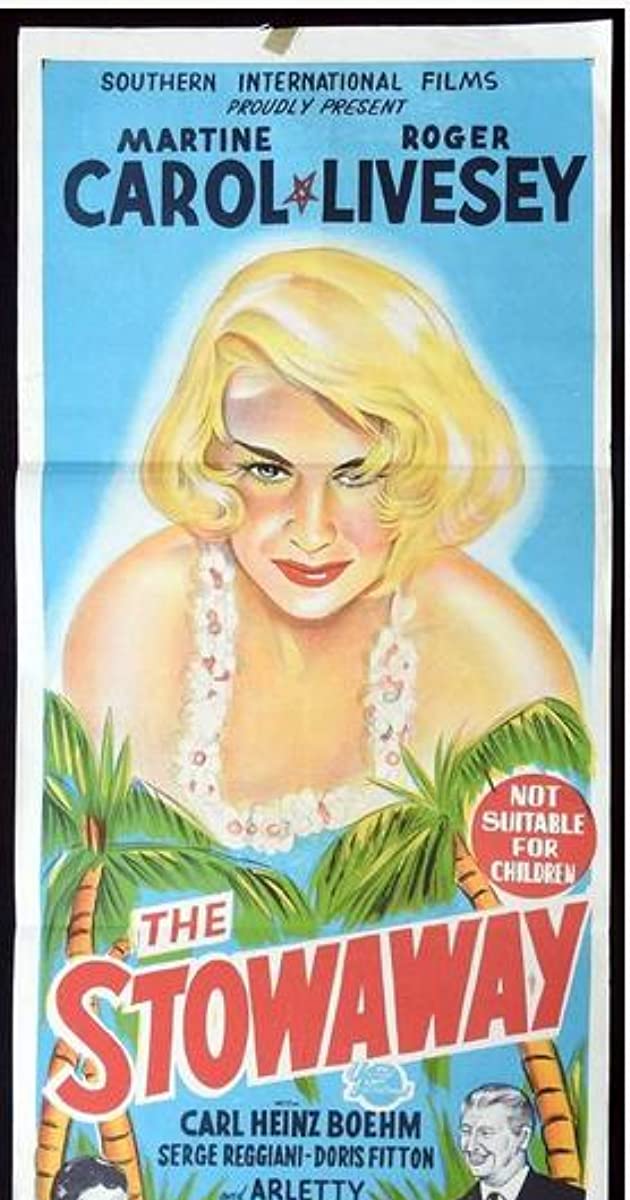
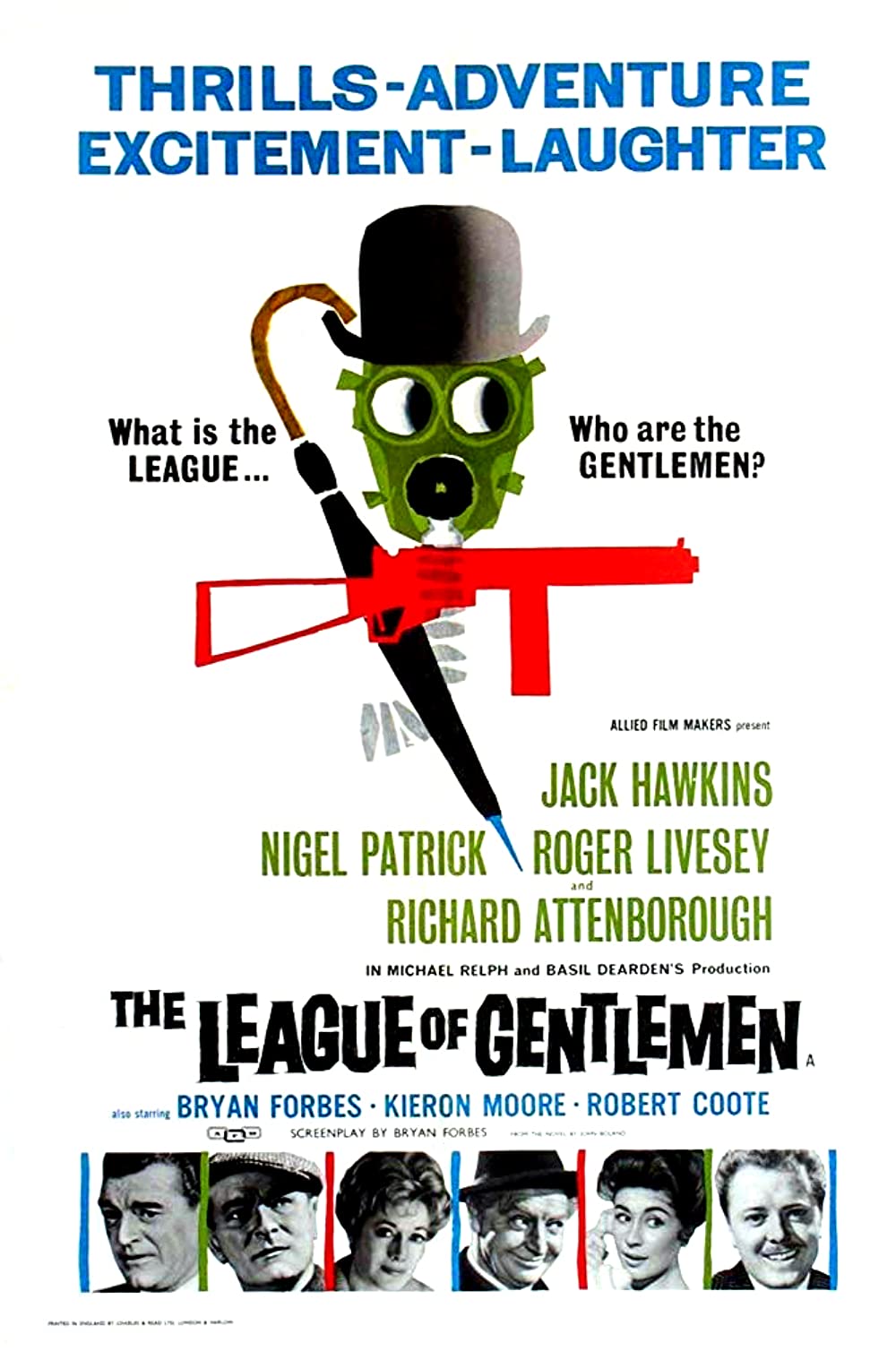
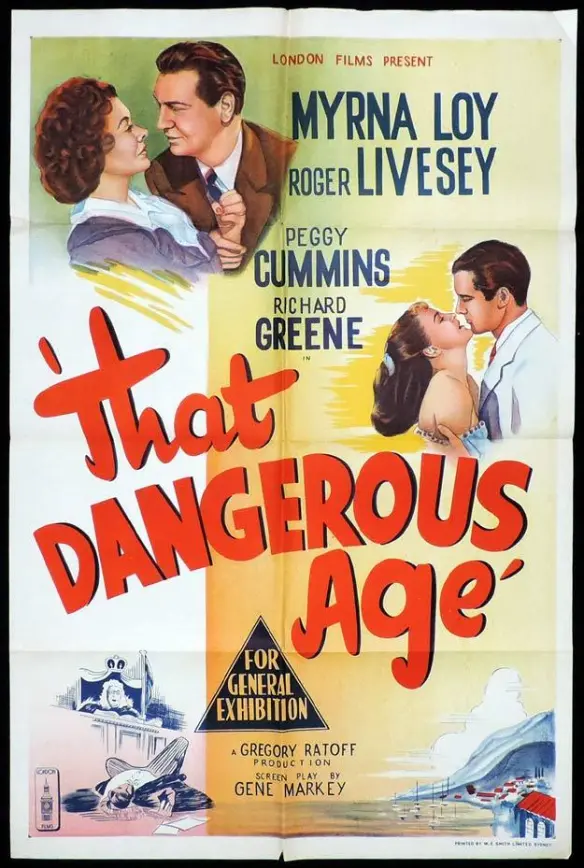
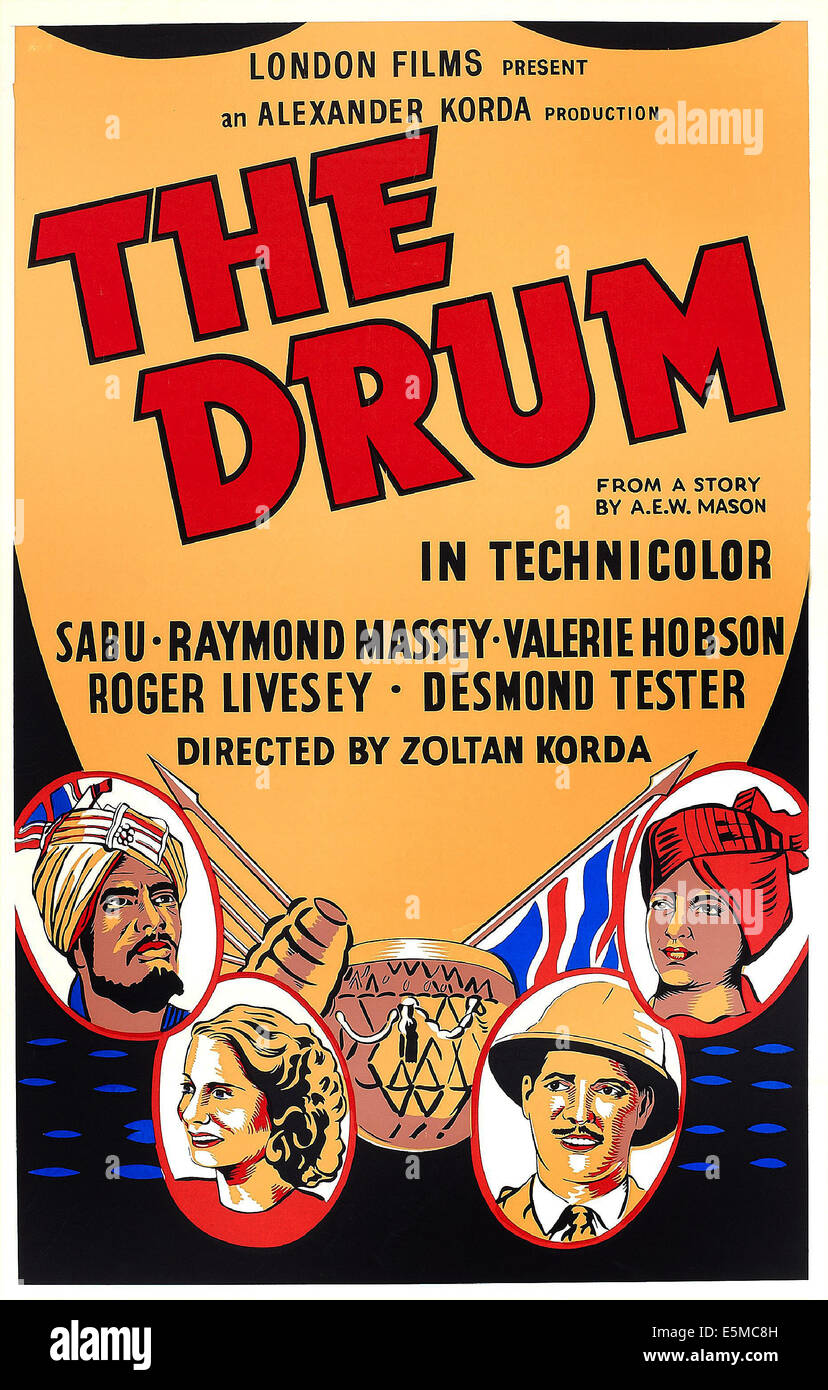
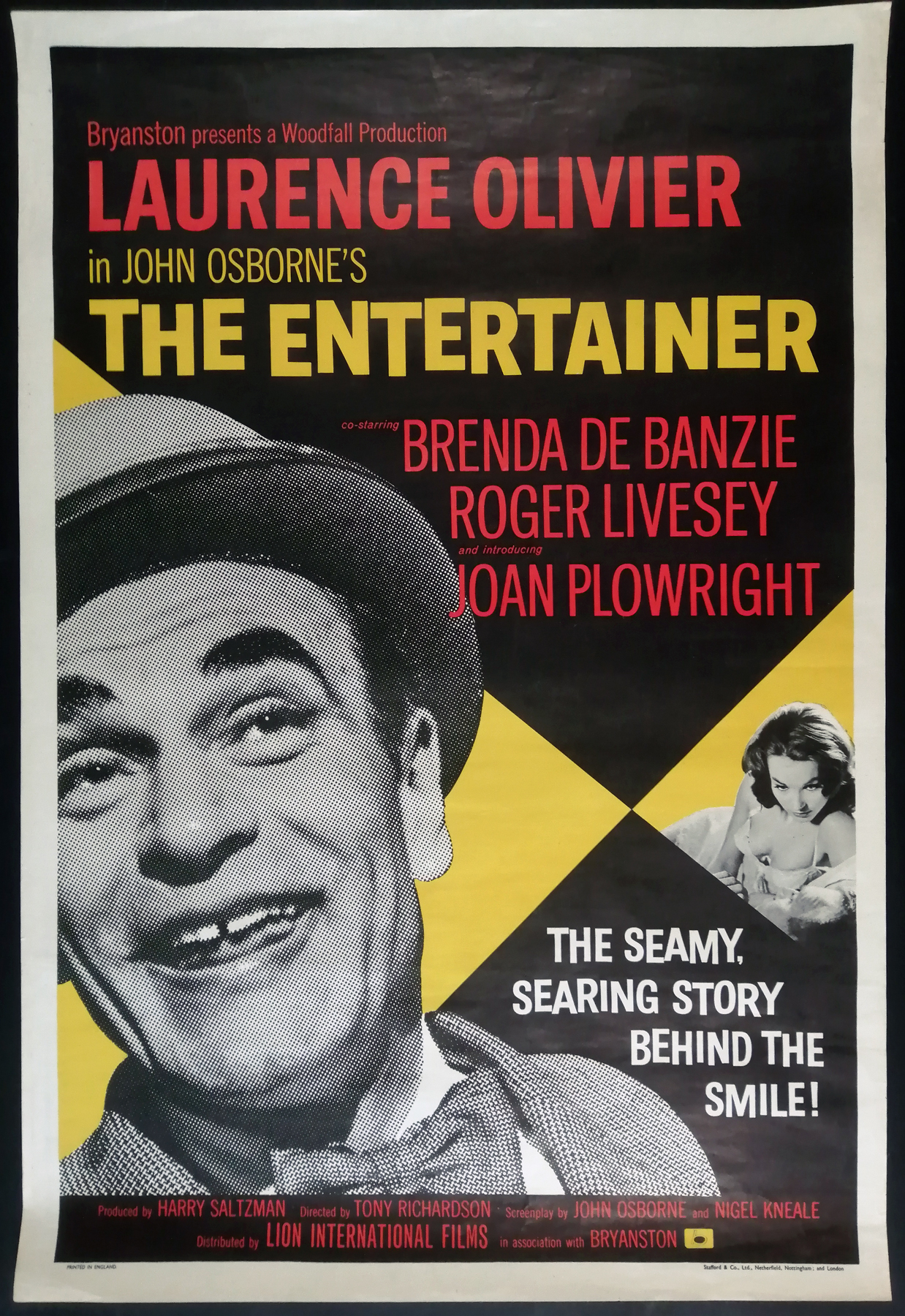
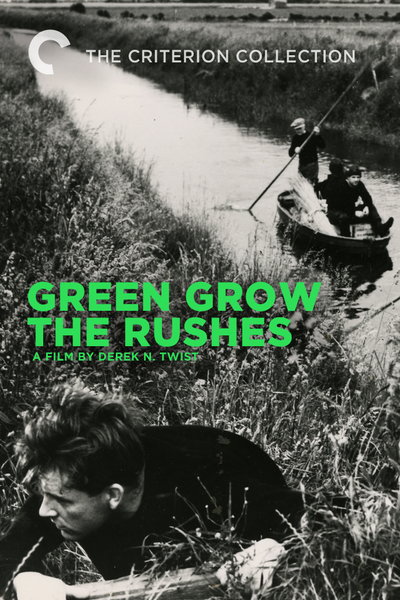
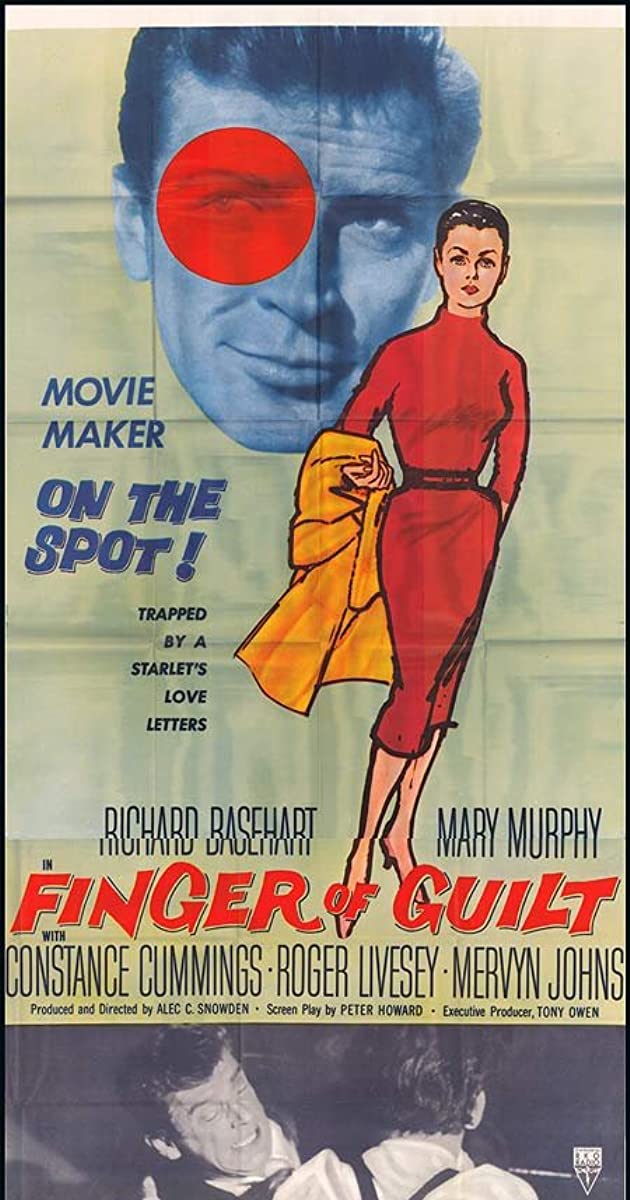
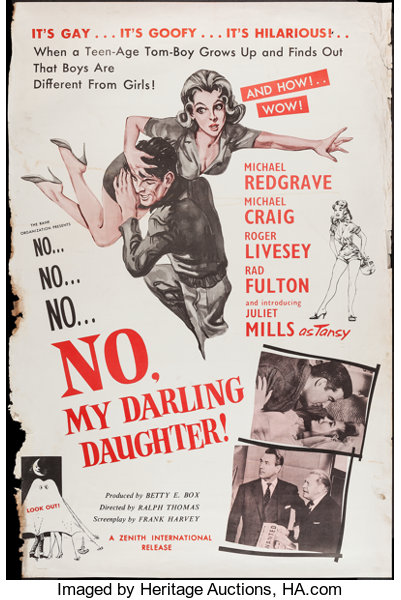
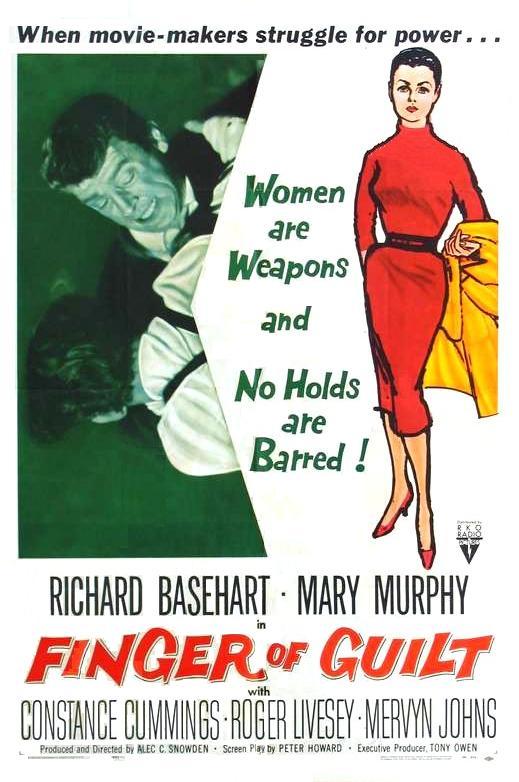
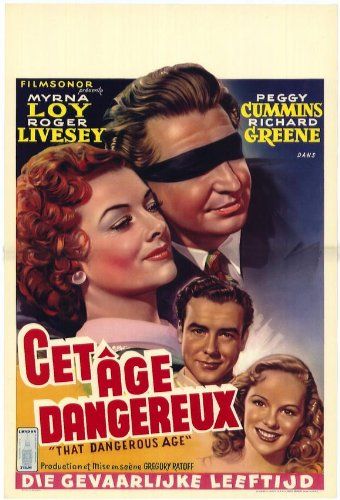
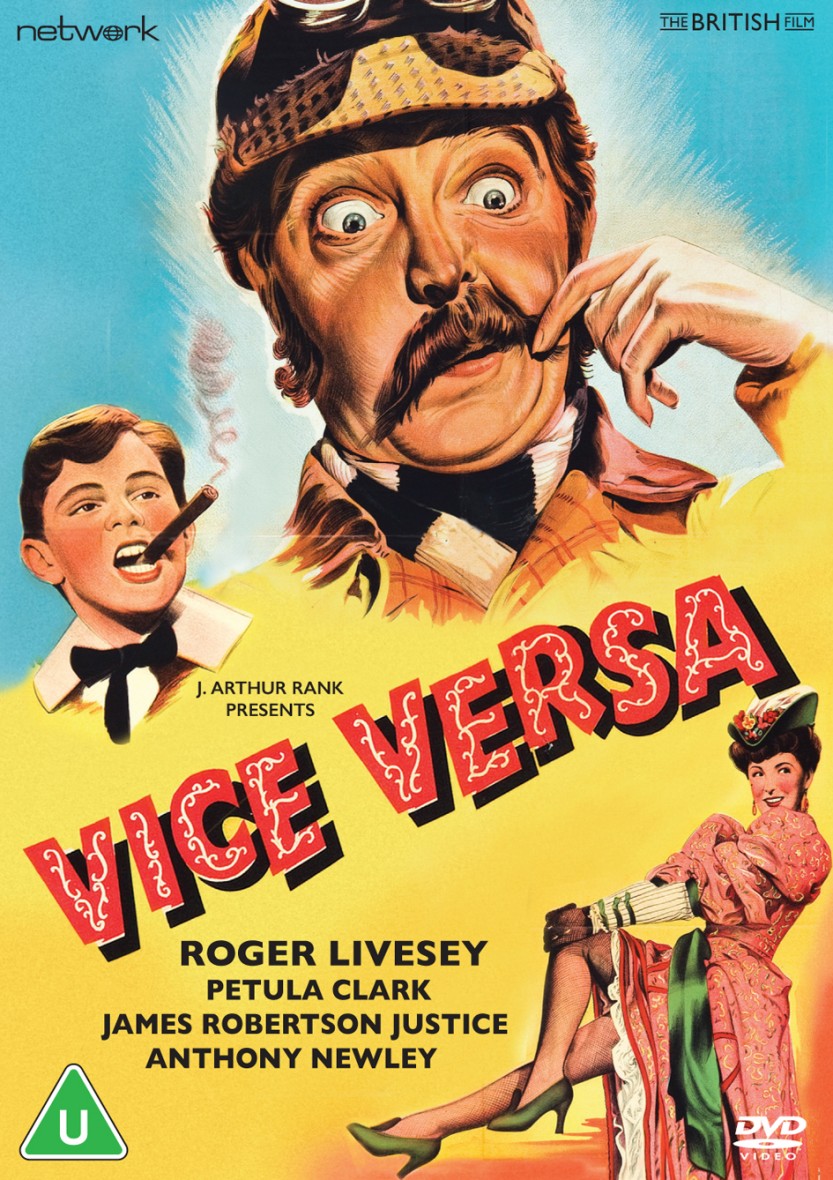
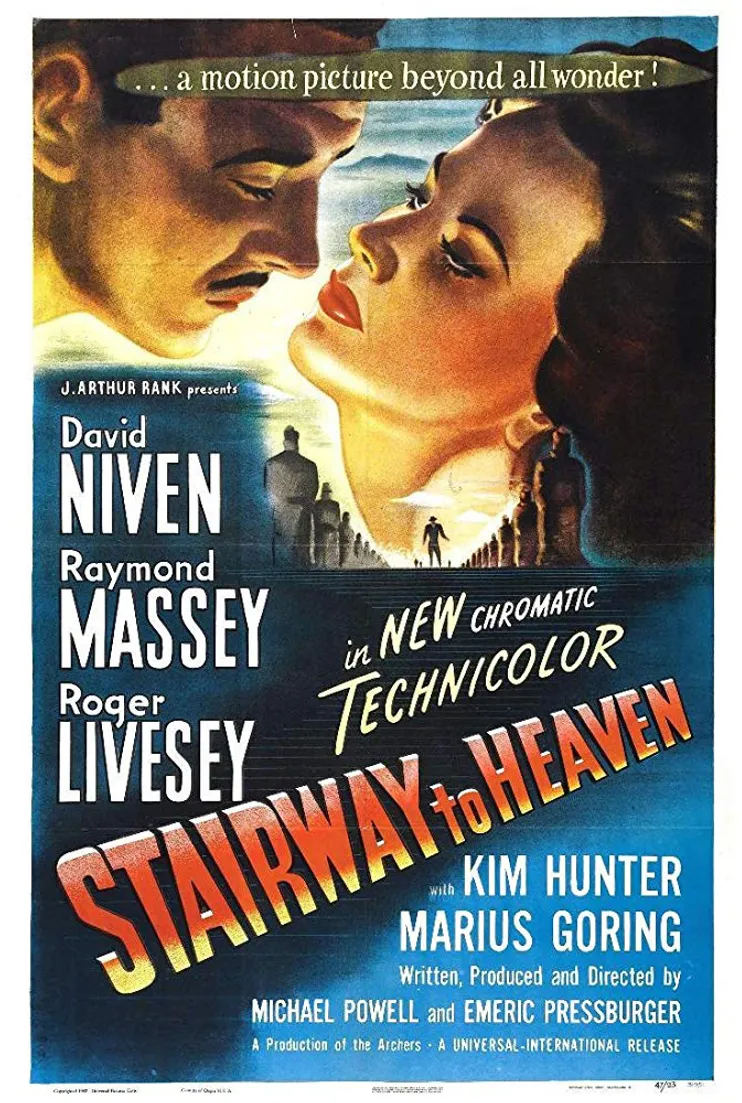
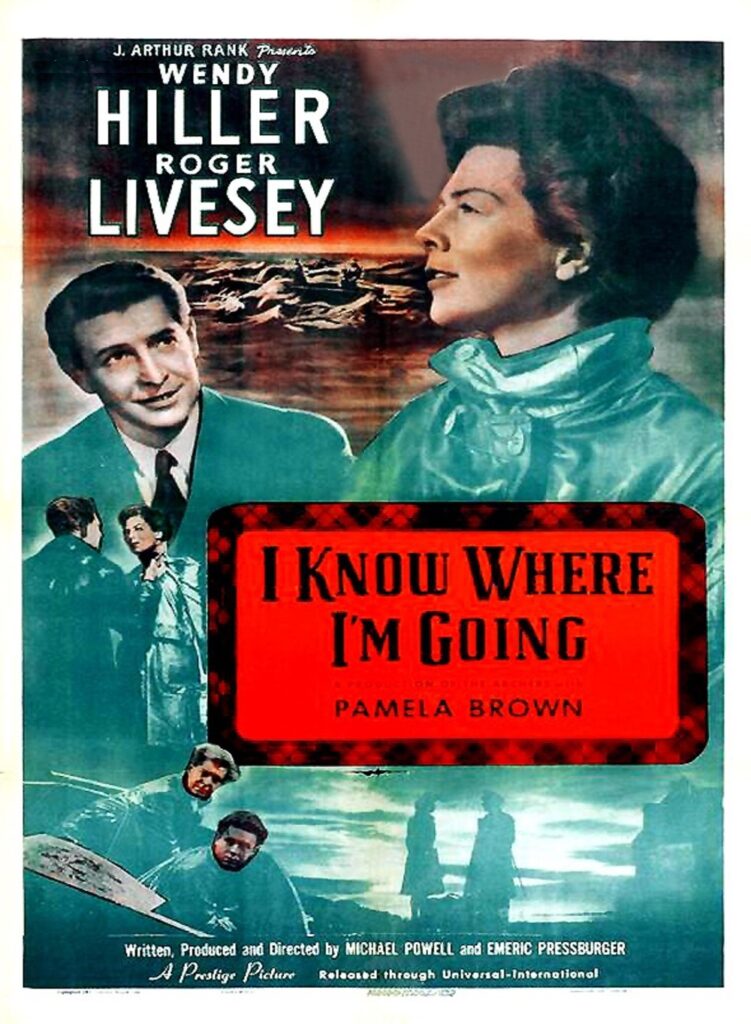
Roger Livesey was an actor who didn’t just play roles; he inhabited them with a specific, “amiable roguery” and a voice that Michael Powell famously described as “a purring growl.” While he is primarily remembered today for a trilogy of masterpieces with Powell and Pressburger, a critical analysis of his career reveals a performer of immense technical range who bridged the gap between the theatrical traditions of the Victorian era and the psychological realism of the mid-20th century.
The Livesey Archetype: Physicality and Voice
Livesey’s most potent tool was his voice—husky, gravelly, and deeply resonant. It provided an immediate sense of warmth and reliability, making him the quintessential “decent Englishman.”
Critically, Livesey’s greatness lay in his ability to subvert his own robust physicality. Though he was a large, athletic man (often likened to a “British John Wayne”), he frequently played characters defined by their sensitivity, vulnerability, or spiritual depth. This contrast created a unique screen presence: a man who looked like he could win a bar fight but preferred to discuss philosophy or birdwatching.
The Definitive Trilogy (Powell & Pressburger)
Livesey’s legacy is inextricably linked to three films made between 1943 and 1946. These roles represent a masterclass in “character-starring”:
1. The Life and Death of Colonel Blimp (1943)
The Role: Clive Candy, a career soldier seen over 40 years.
Critical Analysis: Livesey achieved the near-impossible: he took a political cartoon (David Low’s “Blimp”) and humanized it. His performance is a feat of temporal acting. He doesn’t just use makeup to age; his posture, the speed of his speech, and the “light” in his eyes shift as the character moves from a hot-headed youth to a blinkered, heartbroken old man.
Impact: Martin Scorsese later cited Livesey’s physical transformation as a primary influence on Robert De Niro’s performance in Raging Bull.
2. I Know Where I’m Going! (1945)
The Role: Torquil MacNeil, a Scottish Laird on leave.
Critical Analysis: This is perhaps his most “pure” romantic role. Livesey anchors the film’s mysticism with a performance that is “earthy” yet refined. Interestingly, due to stage commitments, Livesey was never actually on location in Scotland; his performance was captured via clever doubles and studio inserts. The fact that his chemistry with Wendy Hiller remains palpable is a testament to his technical precision.
3. A Matter of Life and Death (1946)
The Role: Dr. Frank Reeves, a neurologist.
Critical Analysis: As the “benign philosopher,” Livesey serves as the bridge between the film’s technicolor reality and its monochrome “other world.” He delivers high-concept dialogue with a conversational ease that makes the film’s metaphysical stakes feel grounded and urgent.
Late Career: The Transition to Character Actor
As he aged, Livesey moved seamlessly into supporting roles, often playing “bogus” or “seedy” authority figures that played against his earlier image of the noble officer.
The League of Gentlemen (1960): He played “Mycroft,” a disgraced padre. Here, he used his “trustworthy” voice to comedic effect, highlighting the character’s underlying corruption.
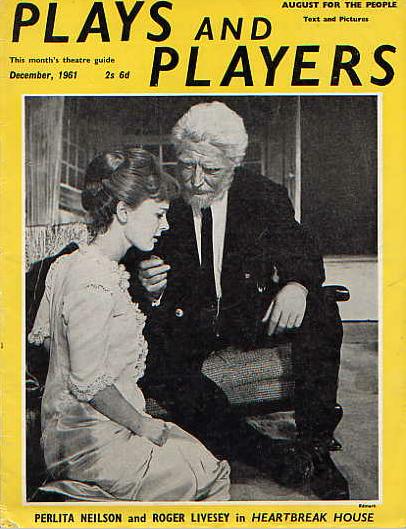
The Entertainer (1960): Playing Billy Rice (father to Laurence Olivier’s Archie Rice), he represented the dying gasp of the Victorian music hall. It was a poignant, “full-circle” performance for an actor who actually grew up in a touring theatrical family
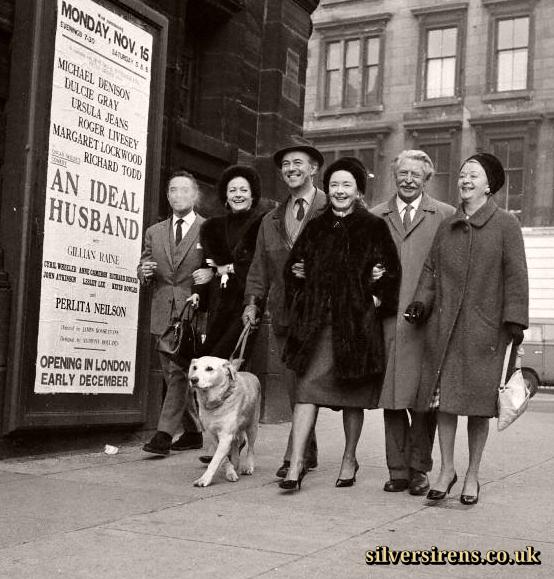
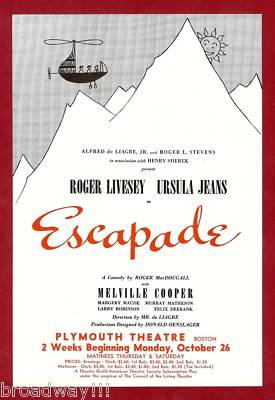
Roger Livesey and Ursula Jeans were one of the mid-20th century’s most enduring theatrical partnerships. Married from 1937 until her death in 1973, their stage career was characterized by a seamless professional shorthand that allowed them to jump between broad farce, Shakespearean drama, and modern social commentary.
Critically, their partnership represented the “actor-manager” tradition in its twilight—a style of working where the couple often toured as a unit, ensuring a consistent level of quality and a shared creative language that few modern pairings can match.
Key Phases of Their Joint Career
1. The Old Vic & Shakespearean Foundations (1930s)
The couple’s professional bond was forged in the classical repertoire of the Old Vic and Sadler’s Wells. While both were established solo performers, their frequent pairing in Shakespearean roles allowed them to refine a “shared rhythm.”
Twelfth Night (1932-1934): In various productions, they explored the comedic dynamics of Illyria.
The Country Wife (1936): Livesey’s turn as Mr. Pinchwife was so successful it took the couple to Broadway, marking a major international milestone. Critics noted that their personal chemistry allowed them to play “bickering” or “strained” stage marriages with a layer of underlying affection that kept the characters likable.
2. The War Years & ENSA Tours
During WWII, the Liveseys were among the first volunteers for ENSA (Entertainments National Service Association). This period was crucial to their critical development:
Watch on the Rhine: They toured this anti-fascist play extensively for the troops.
Strategic Impact: Performing in makeshift theaters and near-frontlines stripped away any theatrical pretension. Their acting became leaner and more direct, a quality that Livesey famously brought to his Powell & Pressburger films during the same period.
3. The West End & Priestley (The 1940s-50s)
Post-war, they became the faces of sophisticated West End theater.
Ever Since Paradise (1947): This play by J.B. Priestley was specifically written for them. It utilized three pairs of actors to represent various stages of a marriage; the Liveseys played the central, framing couple.
Critical Analysis: This role solidified their reputation as the “ideal stage couple”—able to navigate Priestley’s philosophical dialogues on love and time with a mix of wit and “everyman” relatability.
4. International Touring (The Late 1950s)
The Liveseys were famous for their massive tours of Australia and New Zealand (1956–1958).
The Reluctant Debutante: They starred as Jimmy and Sheila Broadbent. This was a blockbuster success, and critics in the southern hemisphere praised them for bringing a high-polish London “West End” standard to regional audiences.
The Great Sebastians (1958): A comedy about a mind-reading act, this play allowed them to showcase their incredible comedic timing and physical synchronicity.
Summary of Their Creative Dynamic
| Feature | The Livesey/Jeans Effect |
| Balance | Livesey provided the “bass note” (gravelly, grounded), while Jeans provided the “soprano” (sharp, blue-eyed, witty). |
| Range | They were unique in their ability to move from The Taming of the Shrew to modern farces like The Cuckoo in the Nest. |
| Legacy | They resisted the “star system,” preferring to work as a traveling team that brought sophisticated theater to the masses. |
The Final Curtain
Their stage partnership ended effectively in the late 1960s. One of Livesey’s final major stage triumphs was the 1969 production of Hamlet at the Round House (directed by Tony Richardson), where he played the Gravedigger and the First Player. Though Jeans was less active by then, her influence remained a constant in his late-career transition to the “grand old man” of the British stage.