

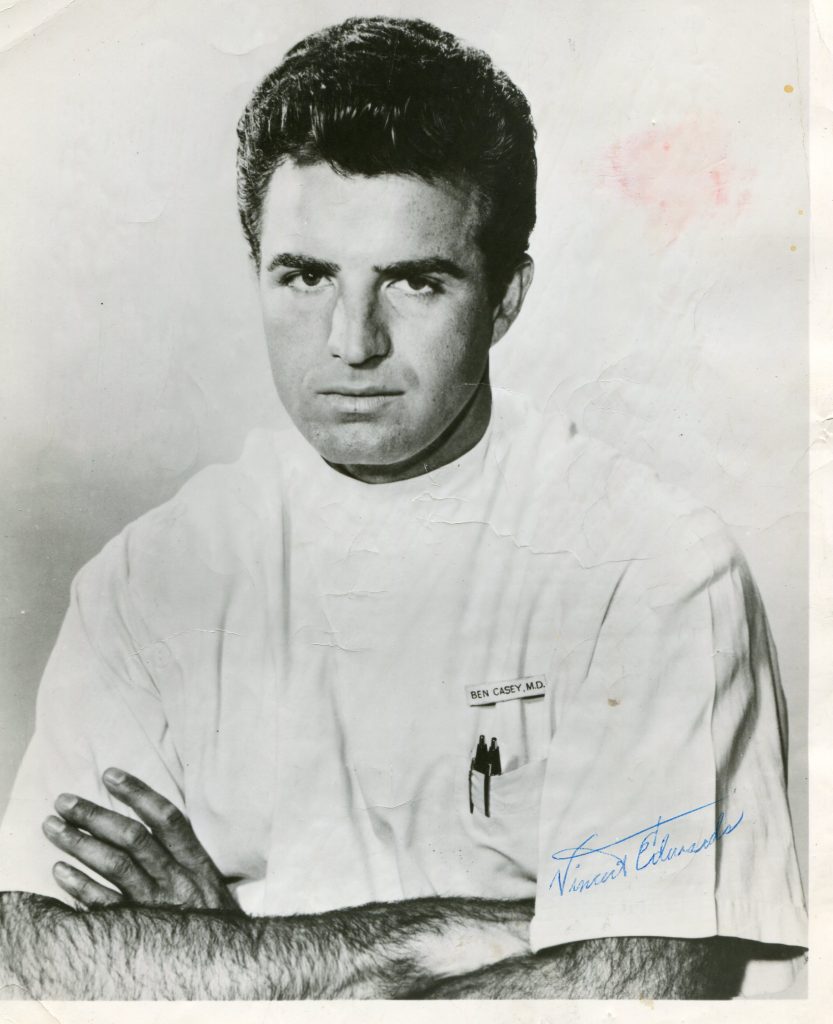
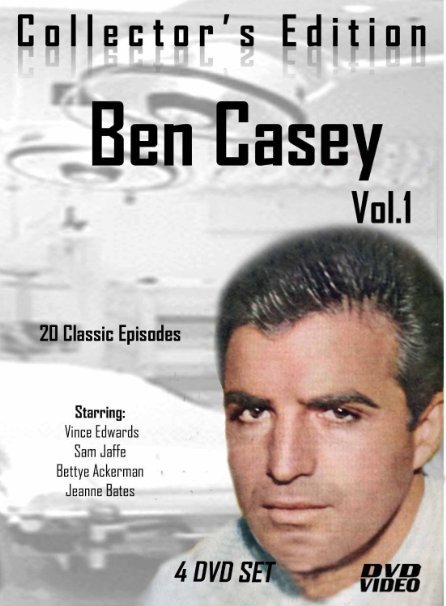
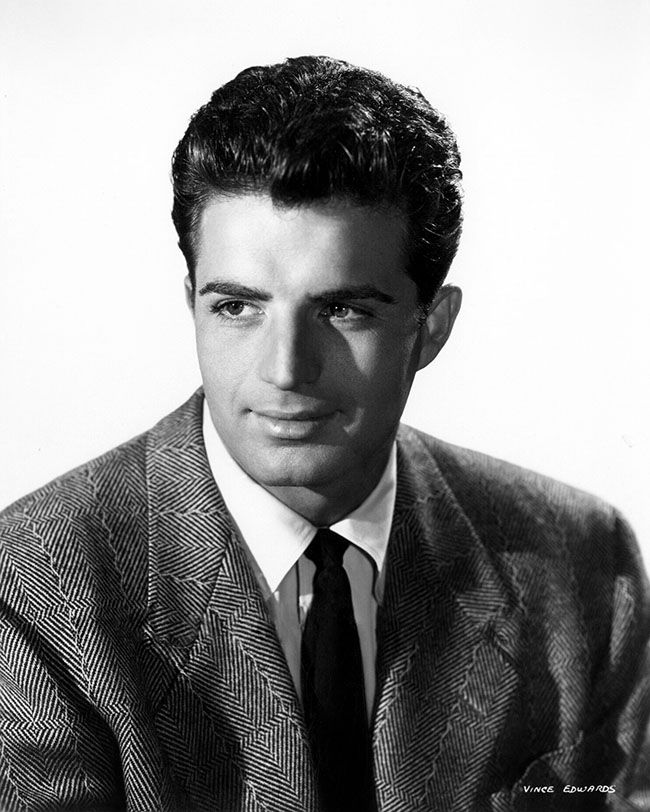
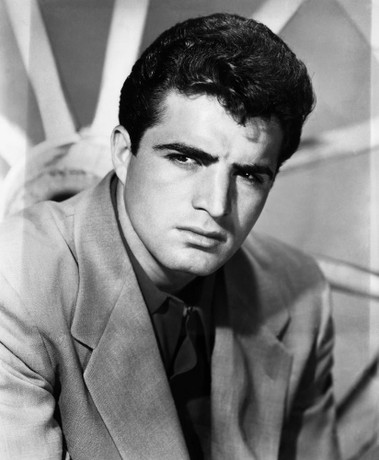
Vince Edwards (1928–1996) was the architect of the “grumpy” medical procedural. Before the cynical brilliance of House or the frantic energy of ER, Edwards created the blueprint for the intense, socially conscious physician as the star of Ben Casey (1961–1966).
A critical analysis of his work reveals an actor who successfully transitioned from a “B-movie” tough guy to a television icon by leaning into a brooding, hyper-masculine intensity that challenged the sanitized “Father Knows Best” energy of the 1950s.
I. Career Overview: From the Pool to the Padded Cell
Act 1: The “Muscle” and the Noir (1950s)
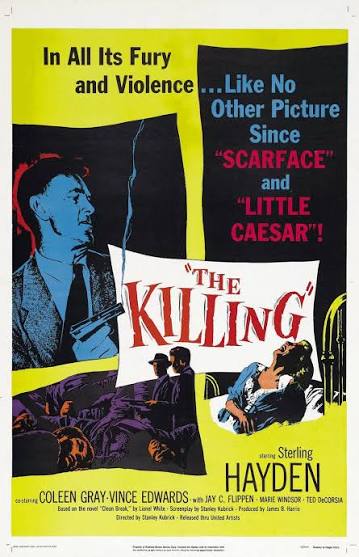
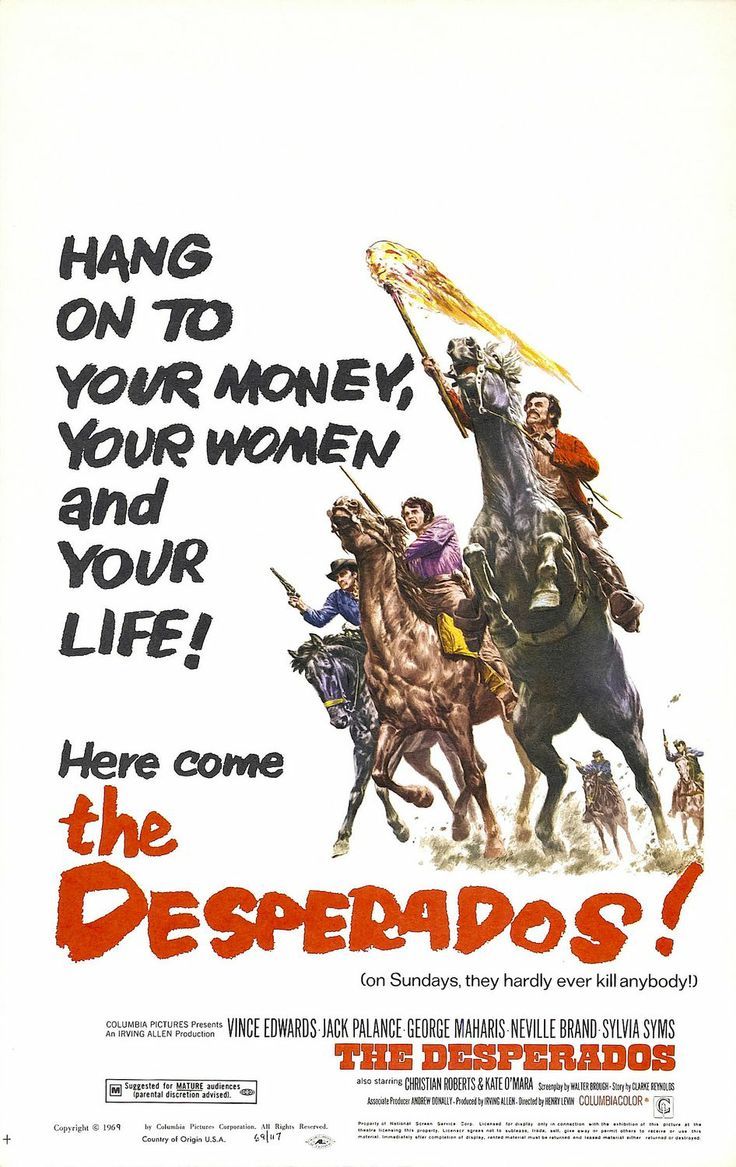
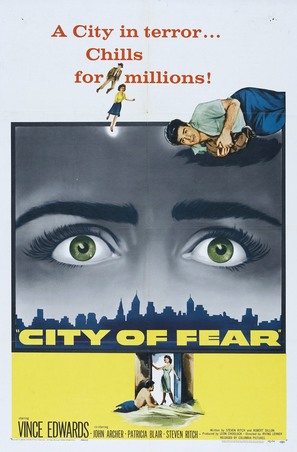
Born Vincent Edward Zoino in Brooklyn, Edwards was a champion swimmer and a student at the American Academy of Dramatic Arts. His early career was defined by his physique and “street-tough” looks. He spent a decade playing hoodlums and haunted protagonists in gritty noirs like The Killing (1956), directed by Stanley Kubrick, and Murder by Contract (1958).
Act 2: The Ben Casey Phenomenon (1961–1966)
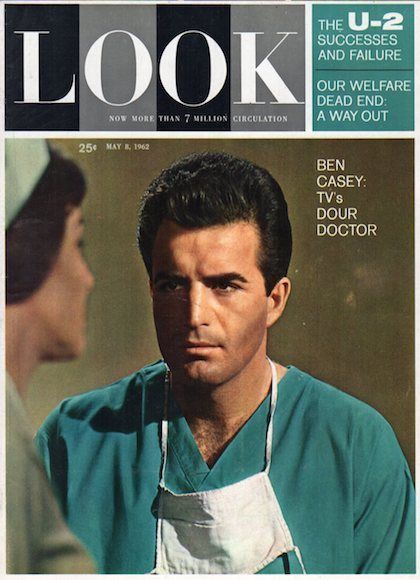
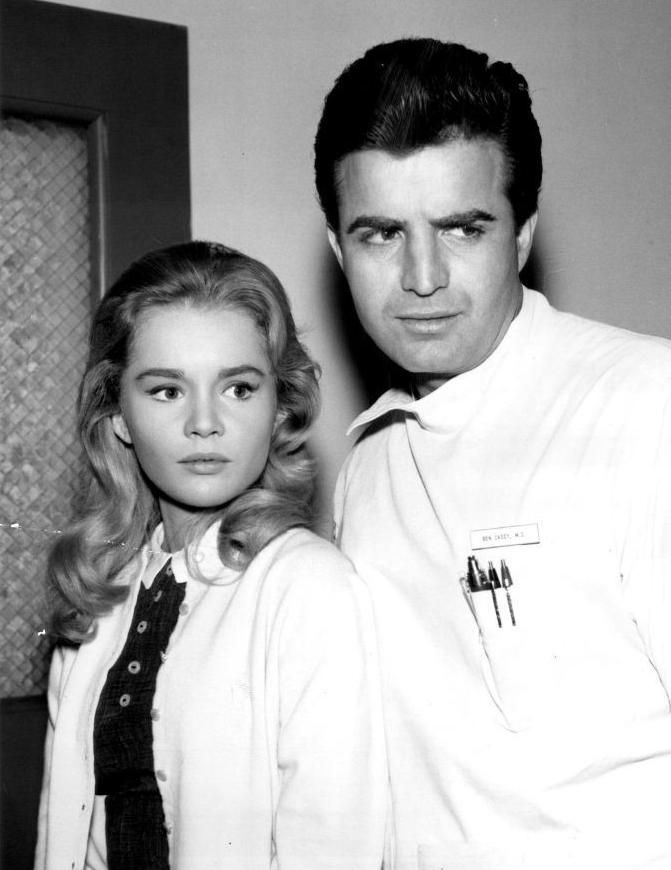
Edwards became a household name as the idealistic but hot-tempered neurosurgeon Dr. Ben Casey. The show was a massive hit, famously opening with the symbols for “Man, Woman, Birth, Death, and Infinity.” At his peak, Edwards was a pop-culture titan, even releasing a string of successful vocal albums that capitalized on his “singing doctor” persona.
Act 3: Sci-Fi and Character Work (1970s–1990s)
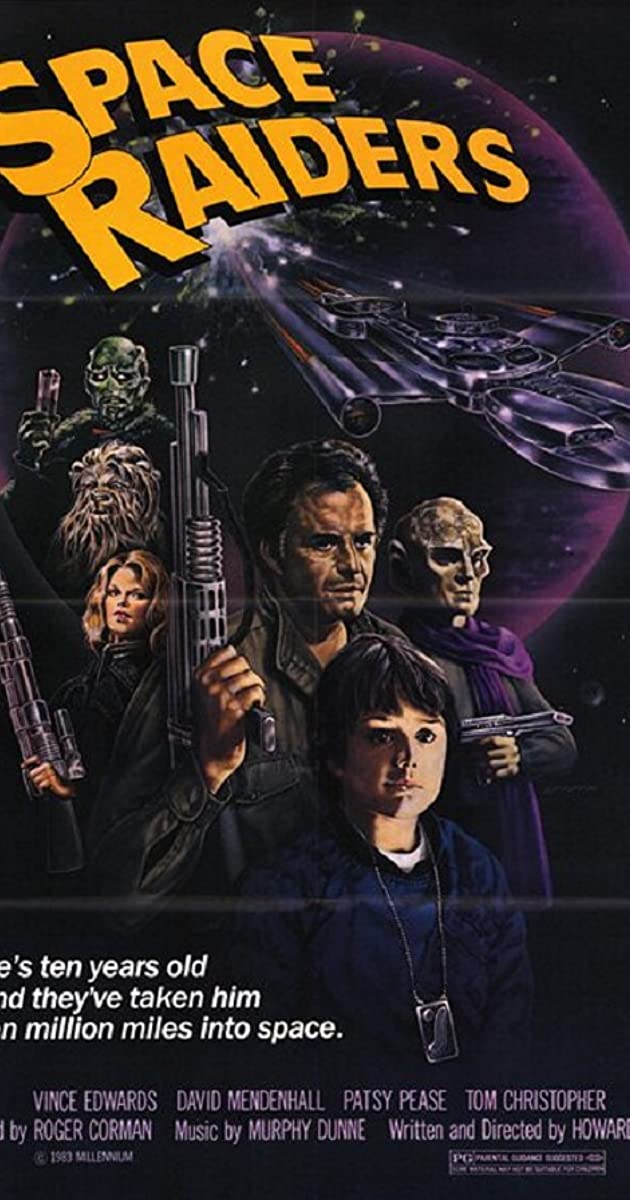
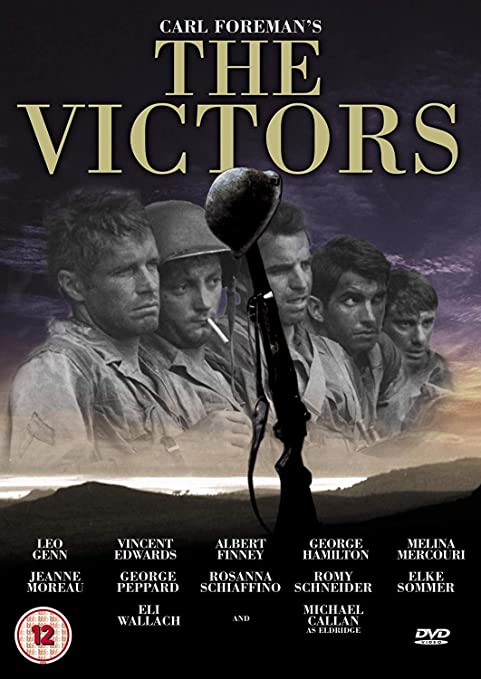
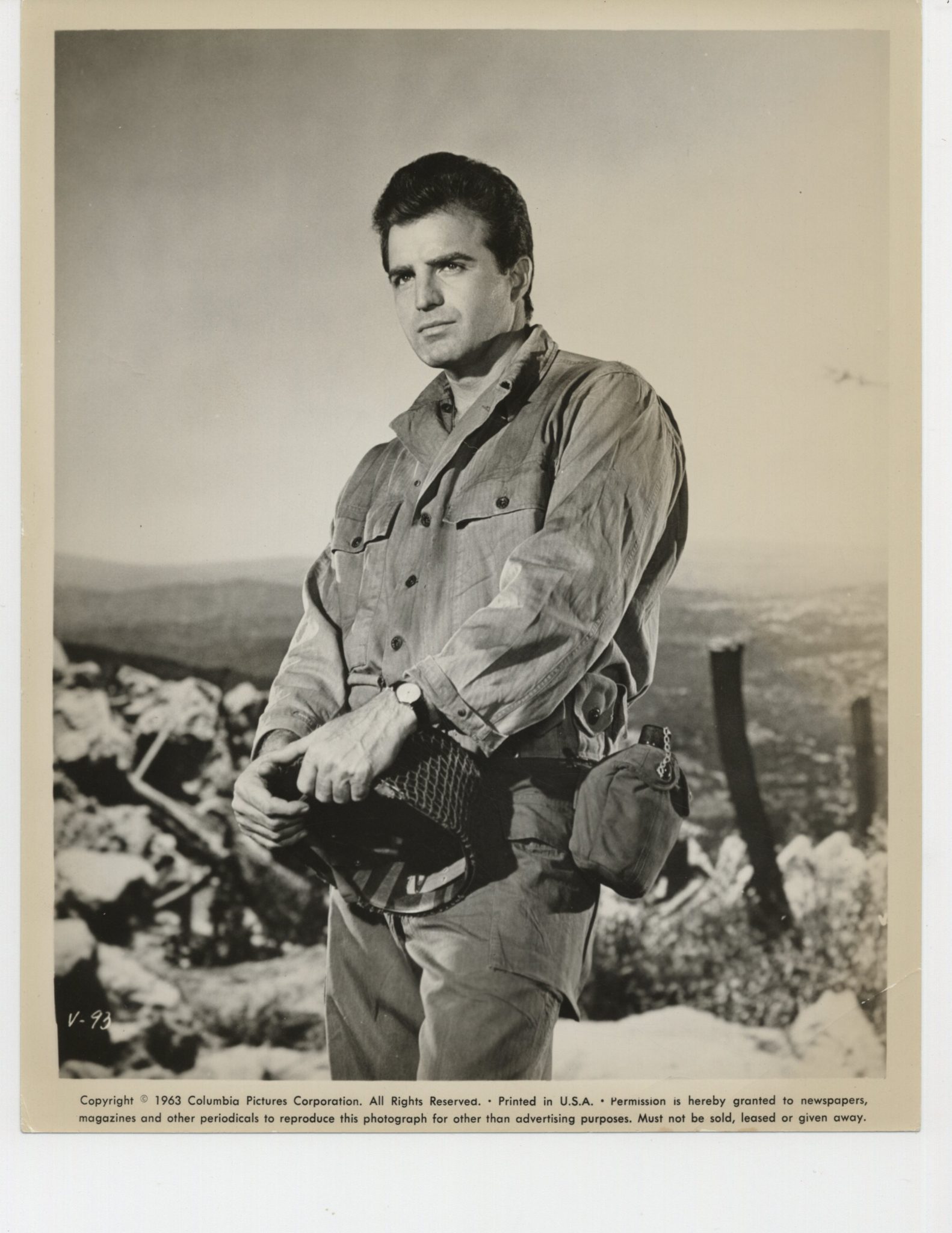
After Ben Casey, Edwards struggled with typecasting. He attempted a return to film and found a cult following in 1970s and 80s genre cinema, most notably as the lead in the sci-fi adventure The Victors (1963) and as the villainous General Caine in the pilot of Buck Rogers in the 25th Century (1979).
II. Critical Analysis: The “Brooding” Leading Man
1. The Kubrick Connection: The Killing
In Stanley Kubrick’s heist masterpiece The Killing, Edwards played Val Cannon.
The Performance: Edwards provided the “physical threat” necessary for the noir atmosphere. Critics often point to his ability to project simmering violence without saying a word.
Analysis: This early role established his “dark” screen presence. Unlike the polished stars of the era, Edwards felt like someone who had actually walked a Brooklyn beat. He brought a “pavement-level” reality to his roles that directors like Kubrick and Irving Lerner found indispensable.
2. Redefining the TV Doctor: Ben Casey
Before Ben Casey, TV doctors (like Dr. Kildare) were often portrayed as polite, deferential, and impeccably groomed.
The Subversion: Edwards’ Casey was surly, frequently seen with his sleeves rolled up, and prone to arguing with his superiors. He introduced the “Doctor as Rebel” archetype.
Critical Impact: Critics at the time noted that Edwards brought “neurotic energy” to the role. He made surgery look like a high-stakes wrestling match with death. His performance shifted the medical drama from a soap opera to a psychological battleground, paving the way for every “difficult” TV doctor that followed.
3. The Challenge of the “Action Hero”
In his post-Casey years, Edwards attempted to transition into an action star.
The Conflict: While he had the physical stature, critics noted that Edwards’ best work happened when he was repressing his emotions. In action roles, where he was required to be more extroverted, some of that “magnetic gloom” was lost.
Legacy of Tone: Modern analysis of his work in Murder by Contract (where he plays a professional hitman who is a health nut) shows he was decades ahead of his time in portraying “quirky” or “procedural” killers.
III. Major Credits and Cultural Pillars
| Work | Medium | Role | Significance |
| The Killing (1956) | Film | Val Cannon | Established his credentials in “high-art” Noir. |
| Murder by Contract(1958) | Film | Claude | A cult classic; arguably his best “pure” acting performance. |
| Ben Casey (1961–66) | TV | Dr. Ben Casey | Defined the modern medical procedural hero. |
| The Victors (1963) | Film | George Baker | A massive anti-war epic that tested his leading-man status. |
| Buck Rogers… (1979) | TV | General Caine | Showcased his ability to play a “heavy” in the sci-fi boom. |
Final Reflection
Vince Edwards was the first actor to prove that an American TV audience would fall in love with a man who was chronically annoyed. He moved the leading-man needle from “charming” to “compelling,” using his Brooklyn grit to ground even the most melodramatic scripts in a sense of physical reality. He remains the patron saint of the “difficult” professional on screen
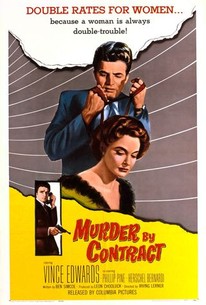
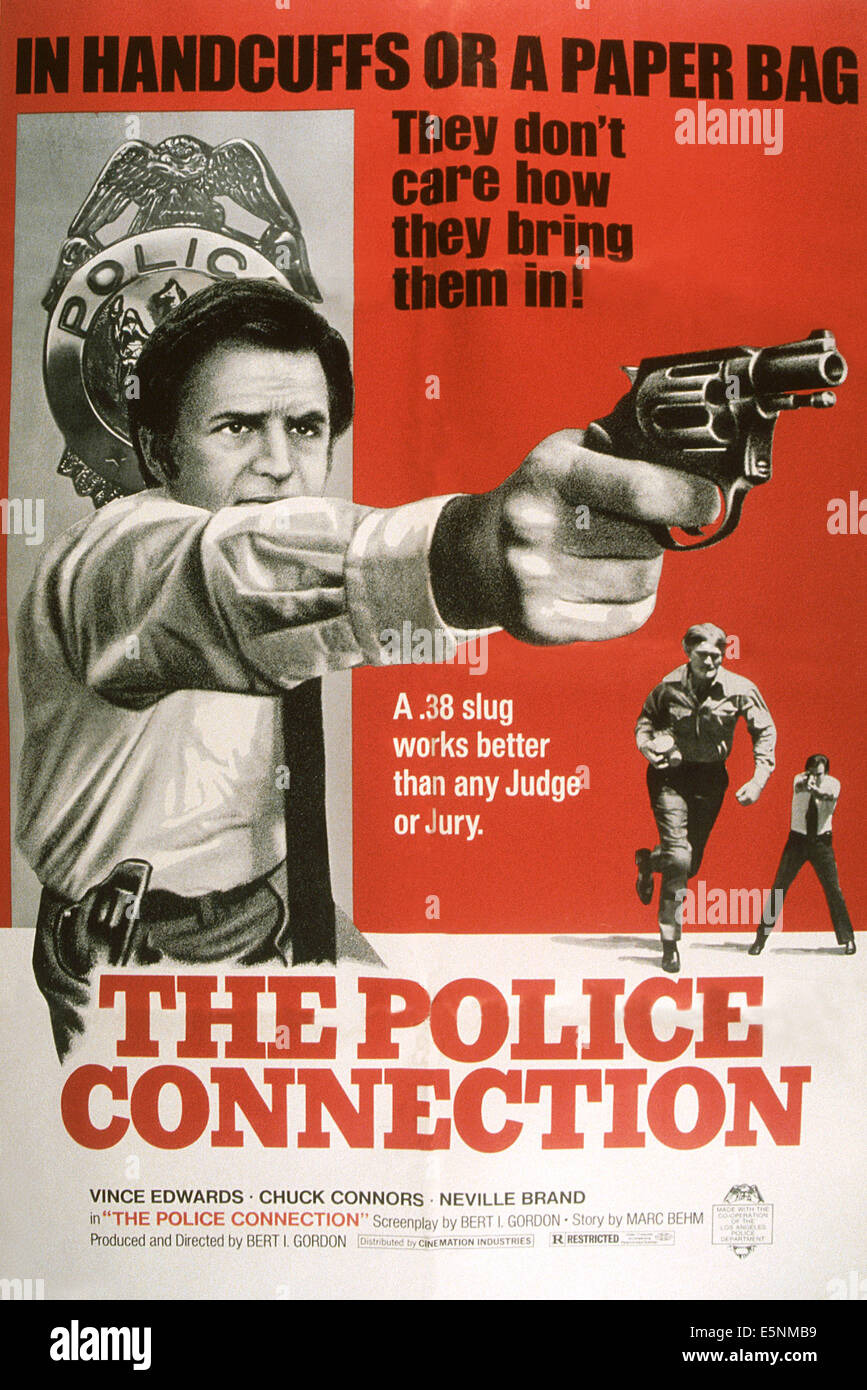
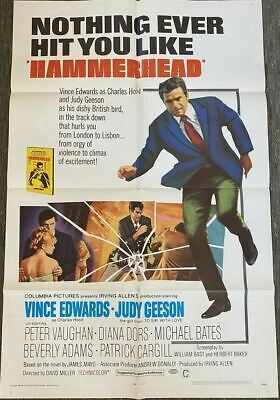
The impact of Murder by Contract (1958) on the landscape of modern cinema is profound, serving as a skeletal blueprint for the “existential hitman” subgenre. While the film was a low-budget B-movie upon release, its critical stock skyrocketed when a young Martin Scorsese cited it as a primary influence on his own visual and narrative style.
The film’s protagonist, Claude (Edwards), is not a typical noir thug; he is a meticulous, health-conscious, and philosophical professional who treats murder with the detached coldness of a corporate auditor.
I. The Scorsese Connection: A Masterclass in Economy
Martin Scorsese famously screened Murder by Contract for his crew during the development of his early films. He praised it for its “purity of style” and its ability to do so much with so little.
1. The Rhythmic Edit
Scorsese was captivated by the film’s rhythmic pacing. Edwards’ character spends a large portion of the film simply waiting—exercising, playing scales on a guitar, or staring at the ocean.
The Impact: This “dead time” influenced the pacing of Taxi Driver (1976). The idea that a killer’s life is 90% mundane routine and 10% explosive violence became a staple of Scorsese’s character studies.
2. The “Claude” Archetype in Taxi Driver
There is a direct line between Vince Edwards’ Claude and Robert De Niro’s Travis Bickle.
The Physical Discipline: Claude’s obsession with push-ups and physical readiness as a precursor to violence was mirrored in Travis Bickle’s “training” sequences.
The Emotional Vacuum: Edwards played Claude with a flat, unemotional affect that removed the “glamour” of the assassin. This influenced the “alienated loner” trope that dominated 1970s New Hollywood.
II. Critical Analysis: Subverting the Hitman Trope
1. The Anti-Materialist Killer
In the 1950s, cinematic killers were usually driven by greed, lust, or revenge. Edwards’ Claude is driven by a middle-class work ethic.
The Performance: Edwards treats the contract like a mortgage payment. He argues about his “fees” and “overhead.”
Analysis: Critics point out that this was a radical deconstruction of the American Dream. By making a hitman a “bureaucrat of death,” the film suggested that the corporate efficiency of the 1950s had a dark, murderous underbelly.
2. The Guitar Score and the “Cool” Aesthetic
The film features a sparse, staccato solo guitar score by Perry Botkin.
The Sound of Isolation: The music mimics Edwards’ performance—unembellished and sharp.
Legacy: This “minimalist cool” influenced the French New Wave, specifically Jean-Pierre Melville, whose film Le Samouraï (1967) shares the same DNA of a silent, ritualistic killer living in a sparse apartment.
III. Summary of Influence: The “Edwards” Ripple Effect
| Element | Impact on Modern Cinema | Examples |
| The Professionalism | The hitman as a “technician” or “artisan.” | The Mechanic, John Wick |
| The Minimalist Set | Using empty spaces to show psychological hollowness. | The Killer (David Fincher) |
| The “Wait” | Focusing on the boredom of the criminal life. | Pulp Fiction, The American |
| The Health Freak | Contrasting physical “wellness” with moral “rot.” | American Psycho |
Final Reflection
Without Vince Edwards’ disciplined, “cold-blooded” performance in Murder by Contract, the modern “cool” assassin might not exist. He moved the character away from the sweating, panicked criminal of the 1940s and toward the precise, alienated professional of the 21st century. It remains one of the most efficient pieces of character acting in the history of the genre.
Los Angeles times obituary in 1996
Vince Edwards, whose portrayal of the brooding, brilliant TV doctor Ben Casey in the 1960s set the standard for many of today’s contingent of handsomely troubled television physicians, has died. He was 67.
Edwards lost a months-long struggle against pancreatic cancer Monday night at UCLA Medical Center, his family said. He had been hospitalized for the last 11 days.
“He was, in life, larger than life,” his wife, Janet Edwards, said. “And he loved being Ben Casey up until the end.”
Although Edwards began his acting career on the New York stage in the late 1940s and toiled in near anonymity through numerous film and television productions in the 1950s, he became an overnight sensation when “Ben Casey” hit the airwaves on ABC in October 1961.
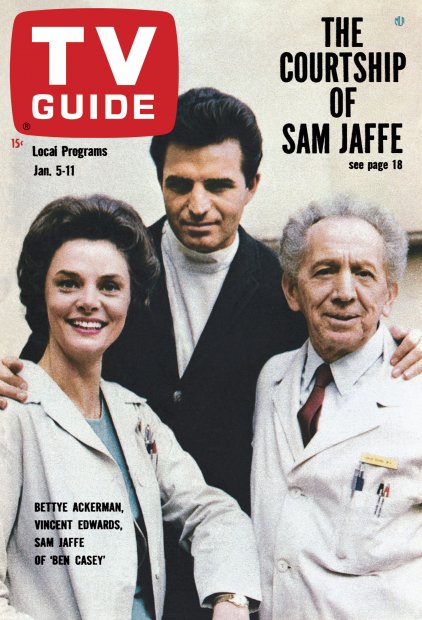
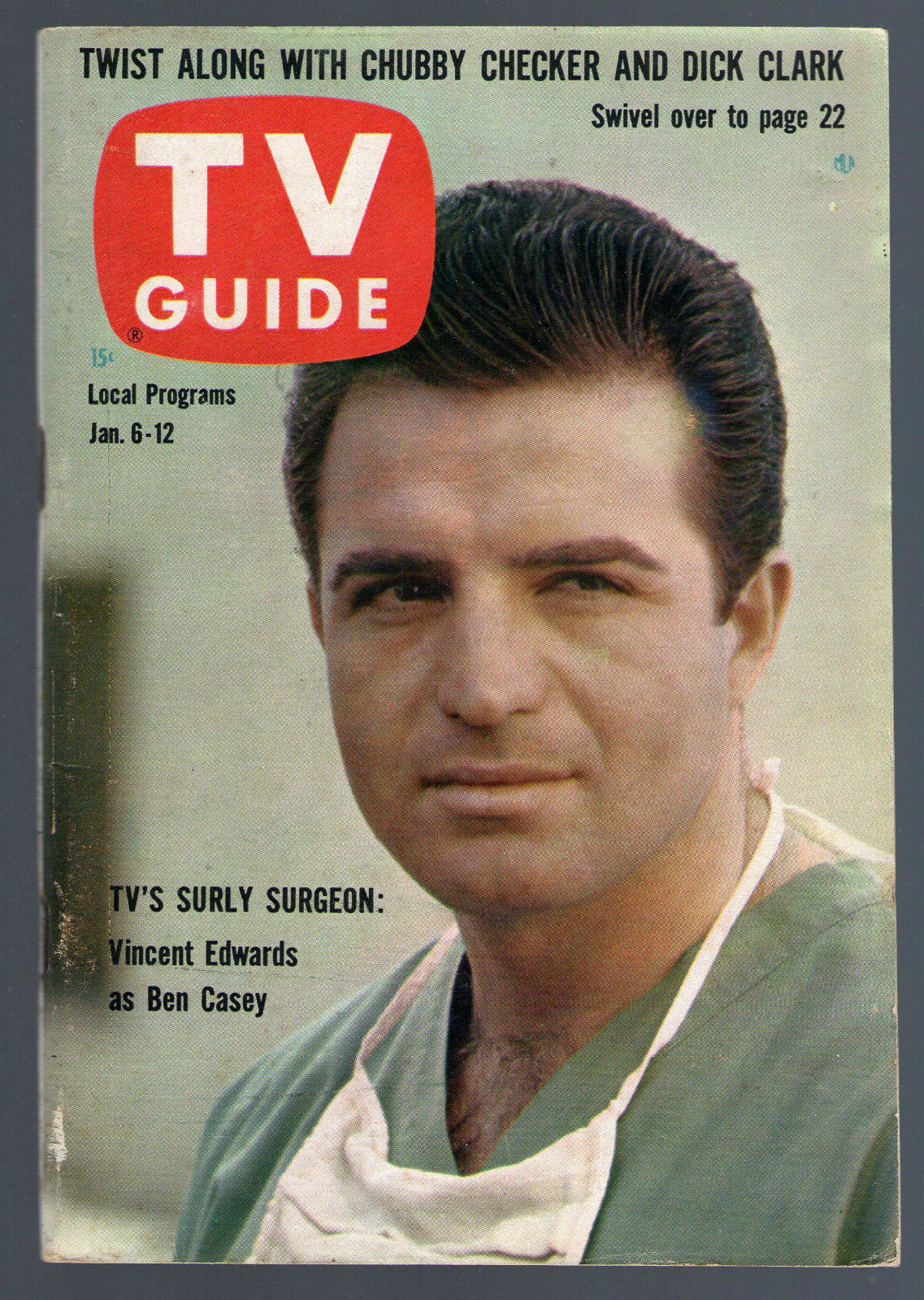
The show shot quickly to the top of the network’s roster, driven by Edwards’ portrayal of a type of physician until then unseen on television: handsome but difficult, strong-headed and softhearted, constantly dueling disease and the medical establishment at once.
“He was the George Clooney of those days,” said his agent, T.J. Castronovo, referring to the heartthrob actor on NBC’s current hit medical drama “ER.”
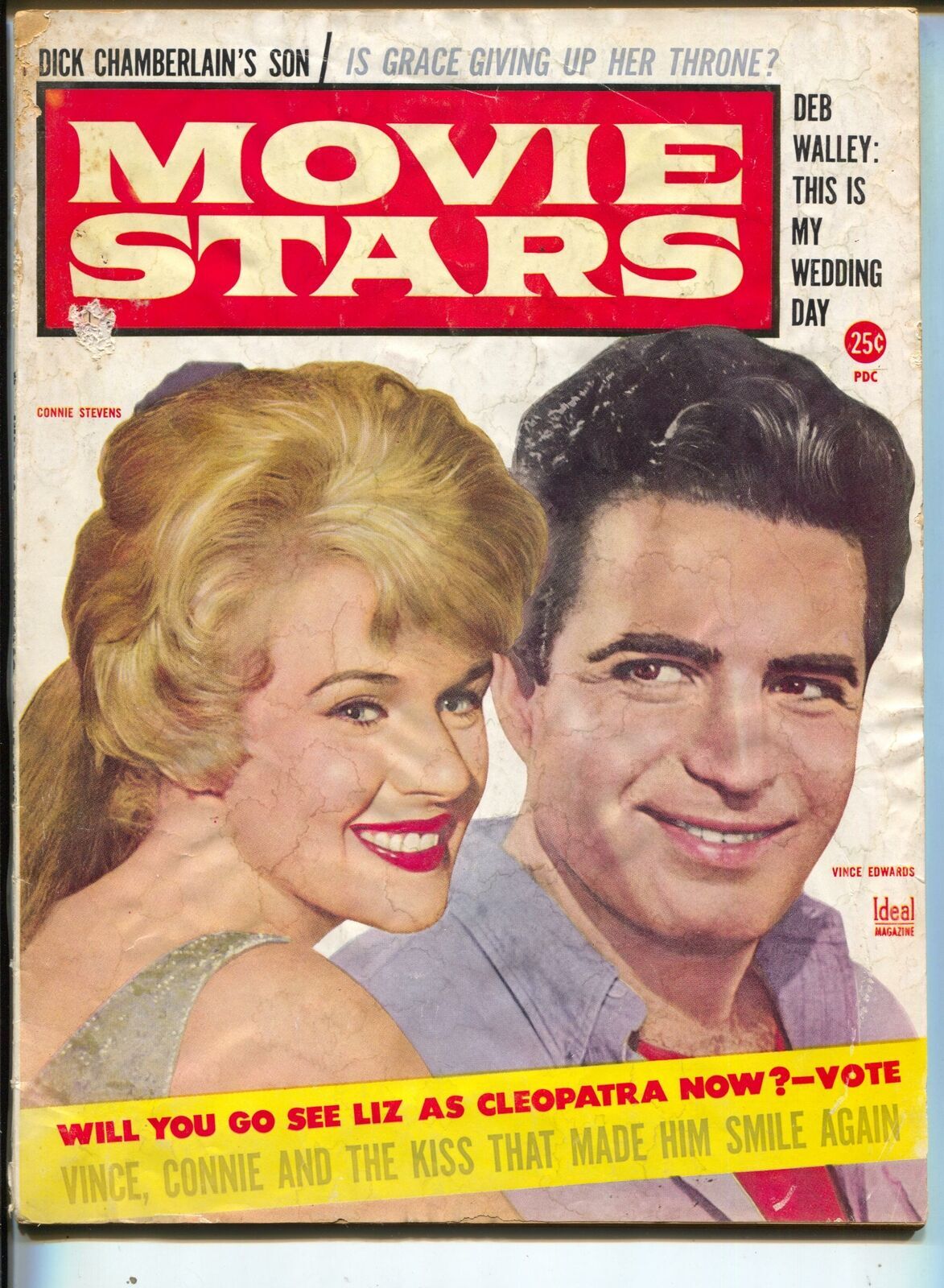
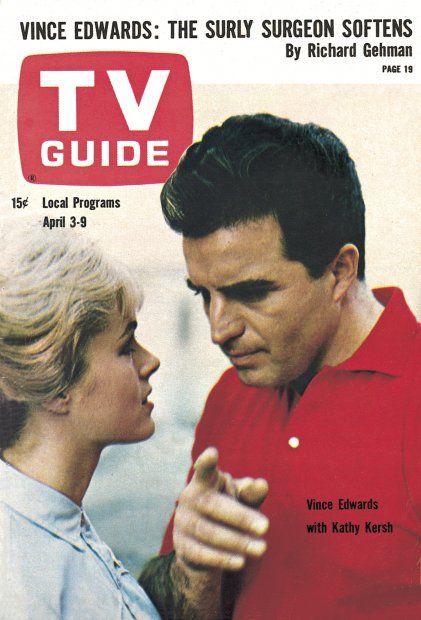
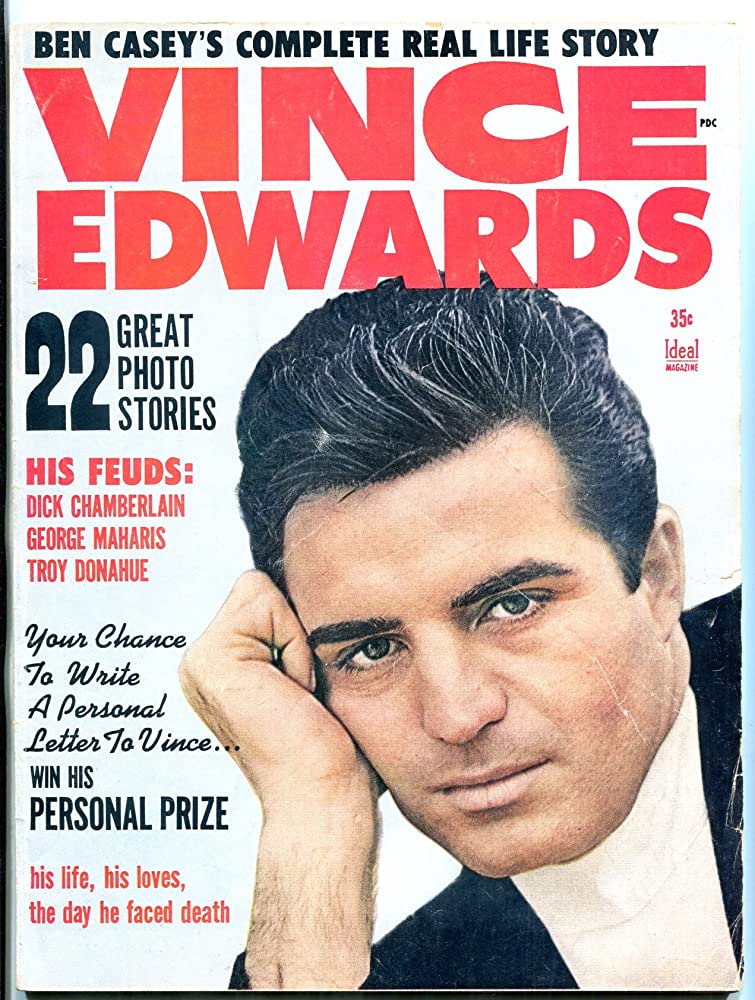
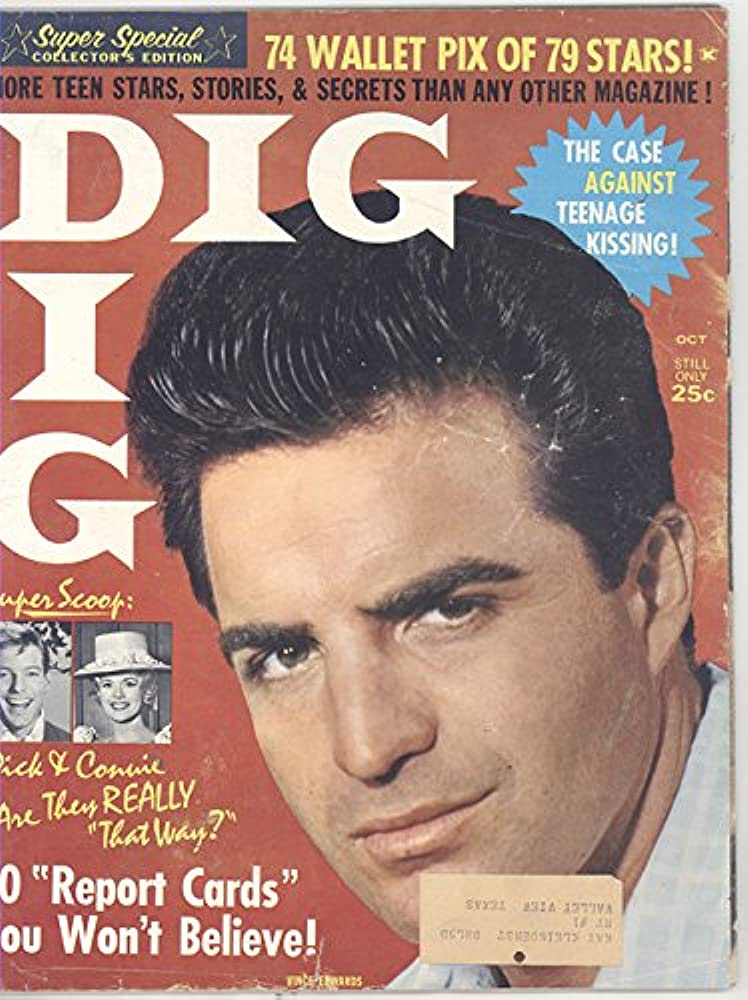
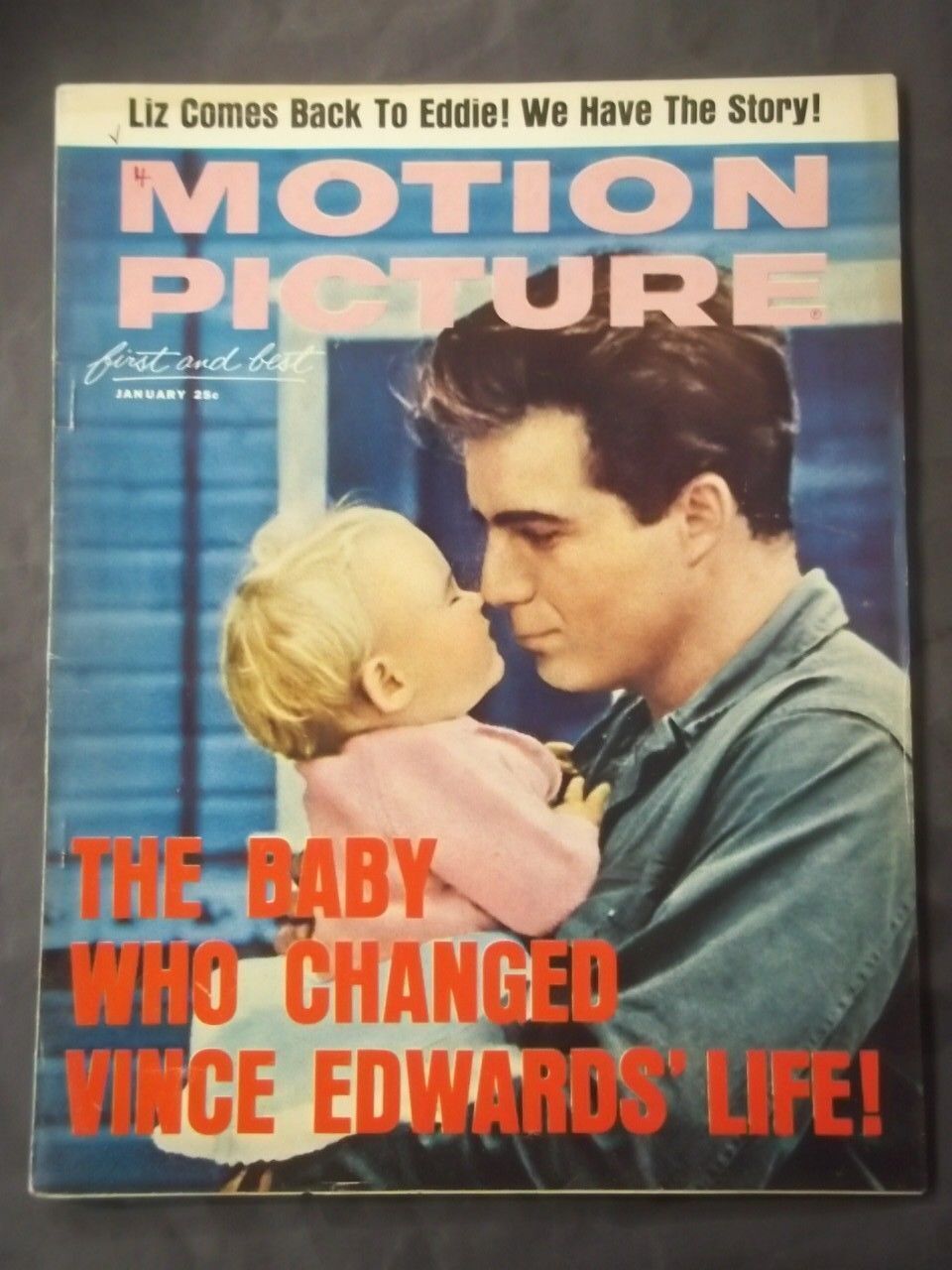
Edwards frequently graced the covers of teen “fan-zines,” one of them promising “100 Intimate Facts” about the actor. A Washington physician consulted during the last months of Edwards’ life was one of many over the years who confessed to taking the Hippocratic oath thanks to Ben Casey, said film director William Friedkin, a longtime friend.
Born Vincent Edward Zoino in 1928, Edwards was raised in one of the roughest neighborhoods of Brooklyn, N.Y. At 14, he pawned his twin brother Bob’s clothes for spending money and advised his sibling never to borrow $10 from one person; borrow 50 cents from 20 people and “you’ll never have to pay them back,” Janet Edwards said.
After deciding to become an actor–rather than a “con man or wise guy,” as he liked to say, Edwards landed a contract with Paramount Pictures in 1951. By 1955, with several B-type films under his belt, including “Mr. Universe,” he was being quietly compared to Marlon Brando and the then recently deceased James Dean.
But Edwards toiled away on Hollywood’s second tier until a visit to the wrong audition room one day in 1961. Instead of reading for the part of an airline pilot, he ended up reading for the part of a strapping young doctor.
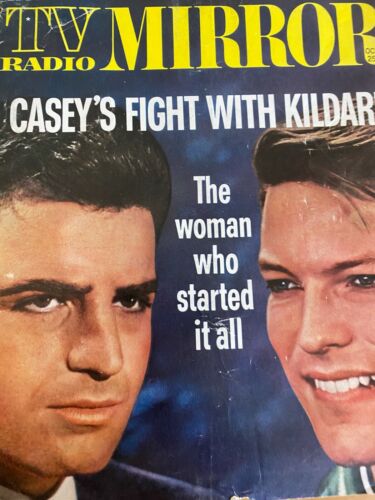
The show, which ran for five years, also starred the late actor Sam Jaffe as Dr. David Zorba, an unflappable neurosurgeon given the task of mentoring the more volatile Casey. It rated in the top 10 during the 1962-63 season, even as NBC produced a rival hit medical drama, “Dr. Kildare,” starring Richard Chamberlain.
After the show was canceled, Edwards made several notable films–including Stanley Kubrick’s low-budget classic “The Killing”–and some forgettable ones. But to his fans, he was always Ben Casey.
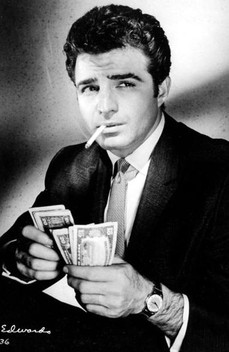
As the offers to act became more and more infrequent, Edwards turned once again to the grittier activities of his youth, family and friends said, becoming a regular at racetracks and card games. He struggled for years with a gambling problem as he continued to do occasional film and television work.
“Vince was a gambler,” Friedkin said. “He would be the first to tell you that he had sacrificed a good portion of his career to an addiction. And he was trying to address that right up until the end.”
Friedkin, who directed Edwards in 1987’s “Deal of the Century” and a movie for cable television, said his friend’s place in television history would be secure, even if his career over the long term did not live up to early predictions.
“It’s no great sin for an actor to be remembered for one role,” Friedkin said. “That role was strong. That role was indelible.”
In addition to his wife and brother, Edwards is survived by three grown daughters. Private services for the actor will be held Friday in Los Angeles.