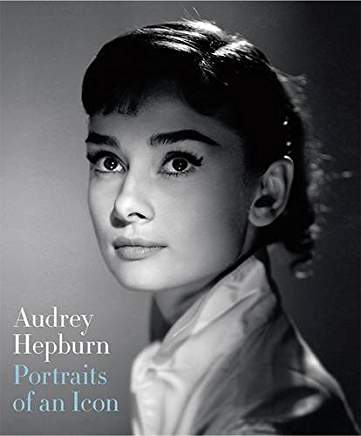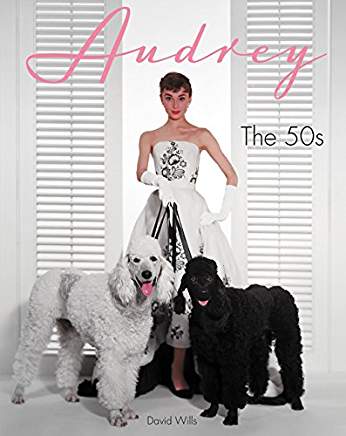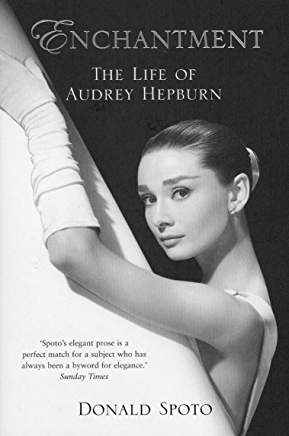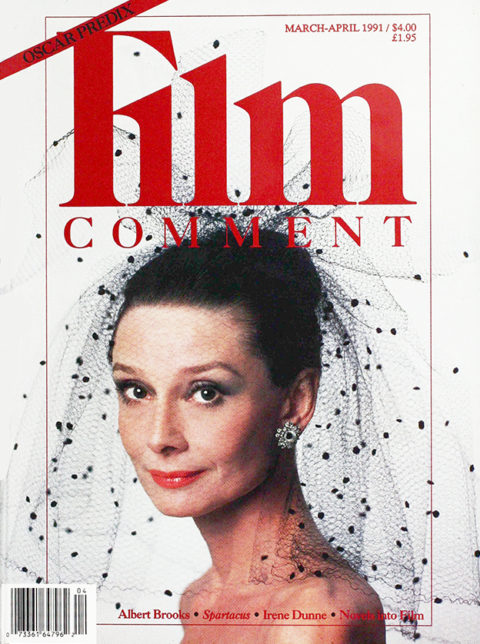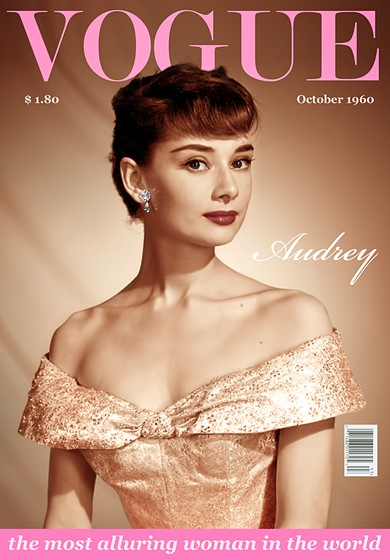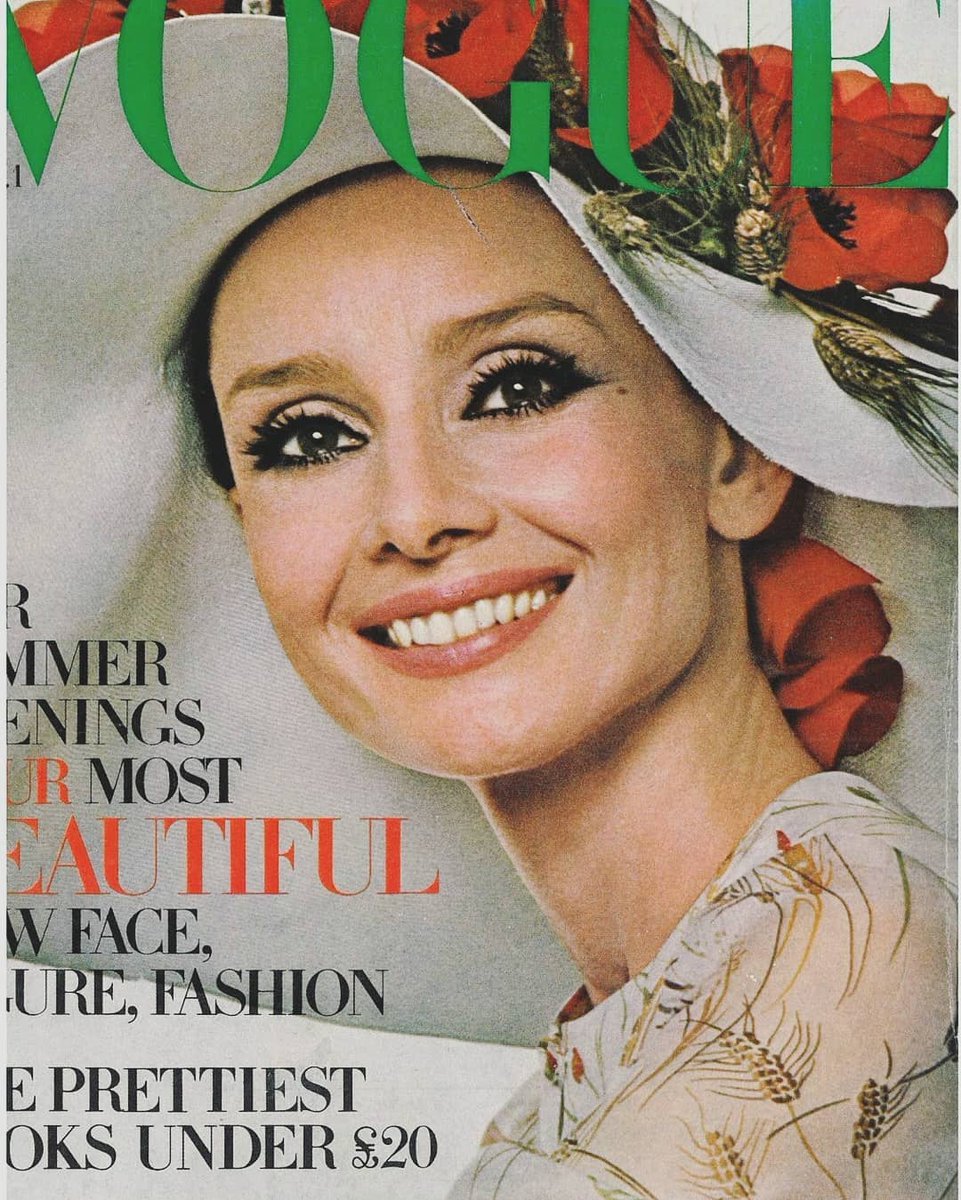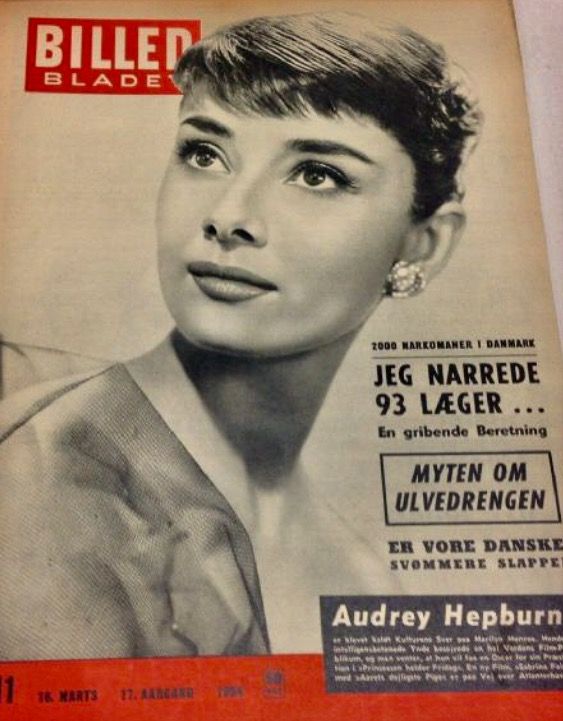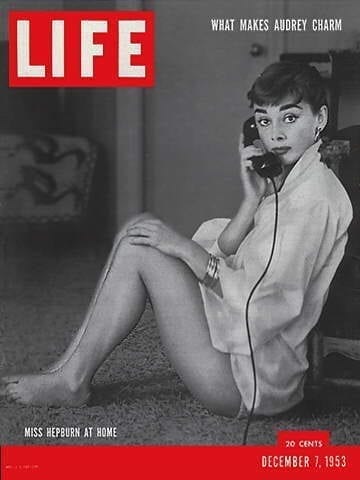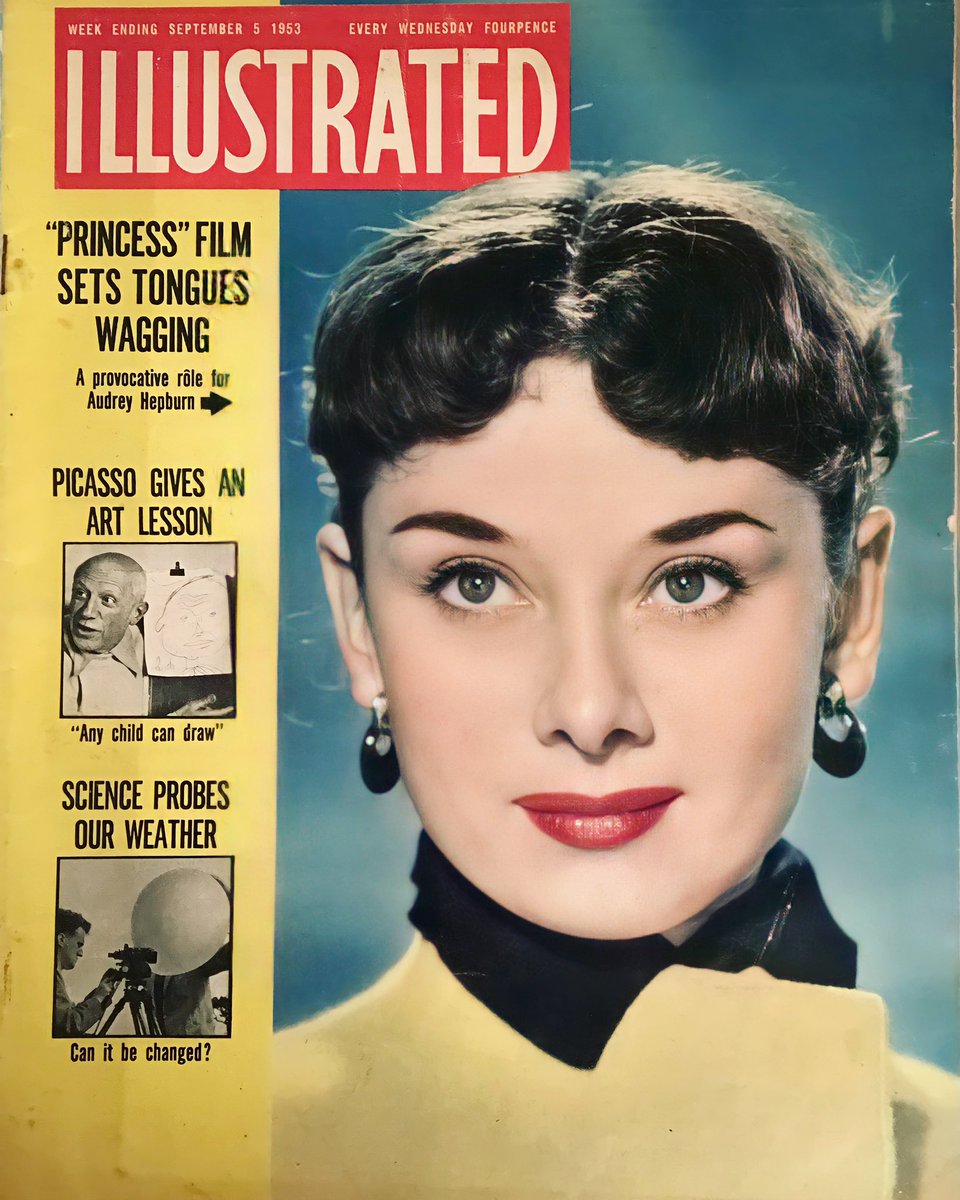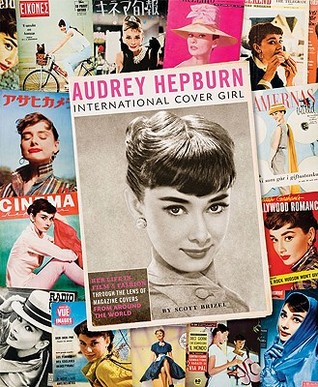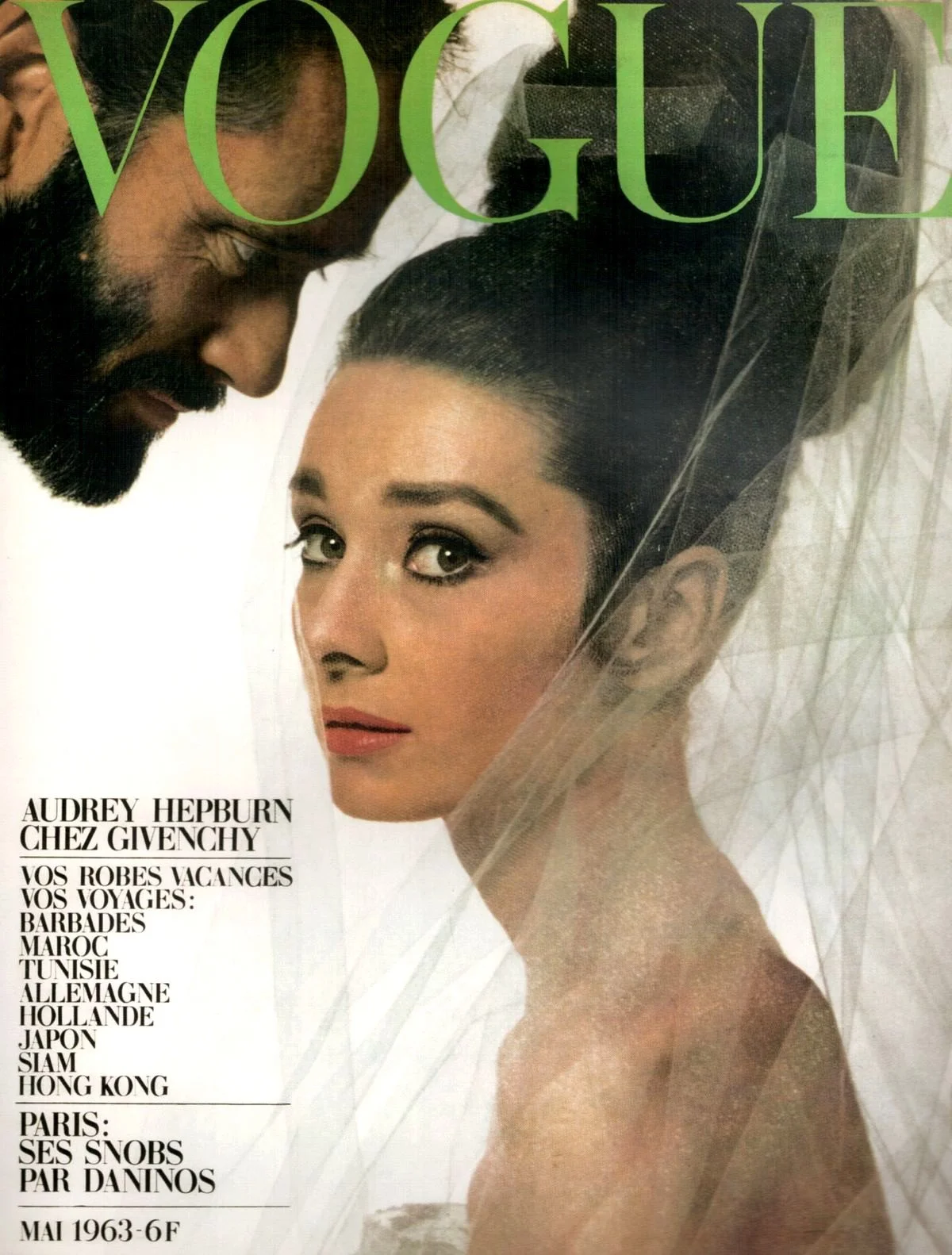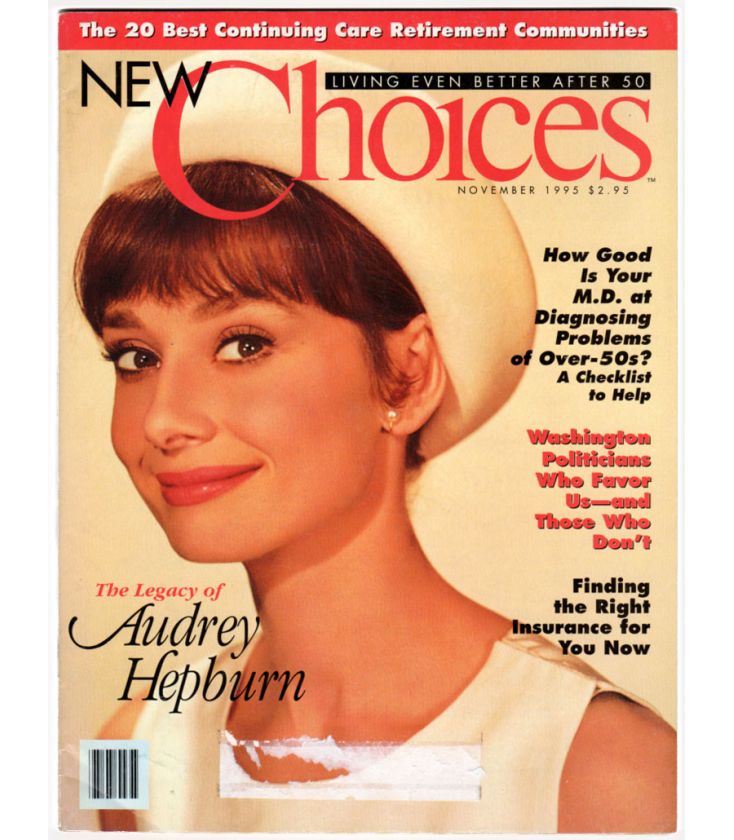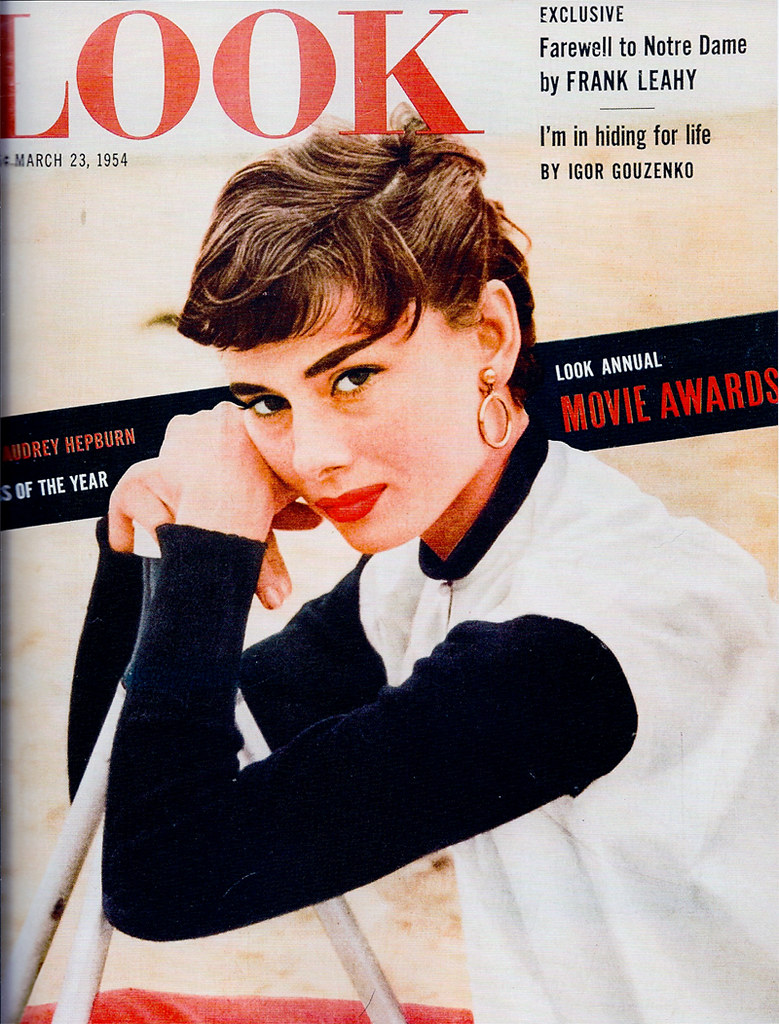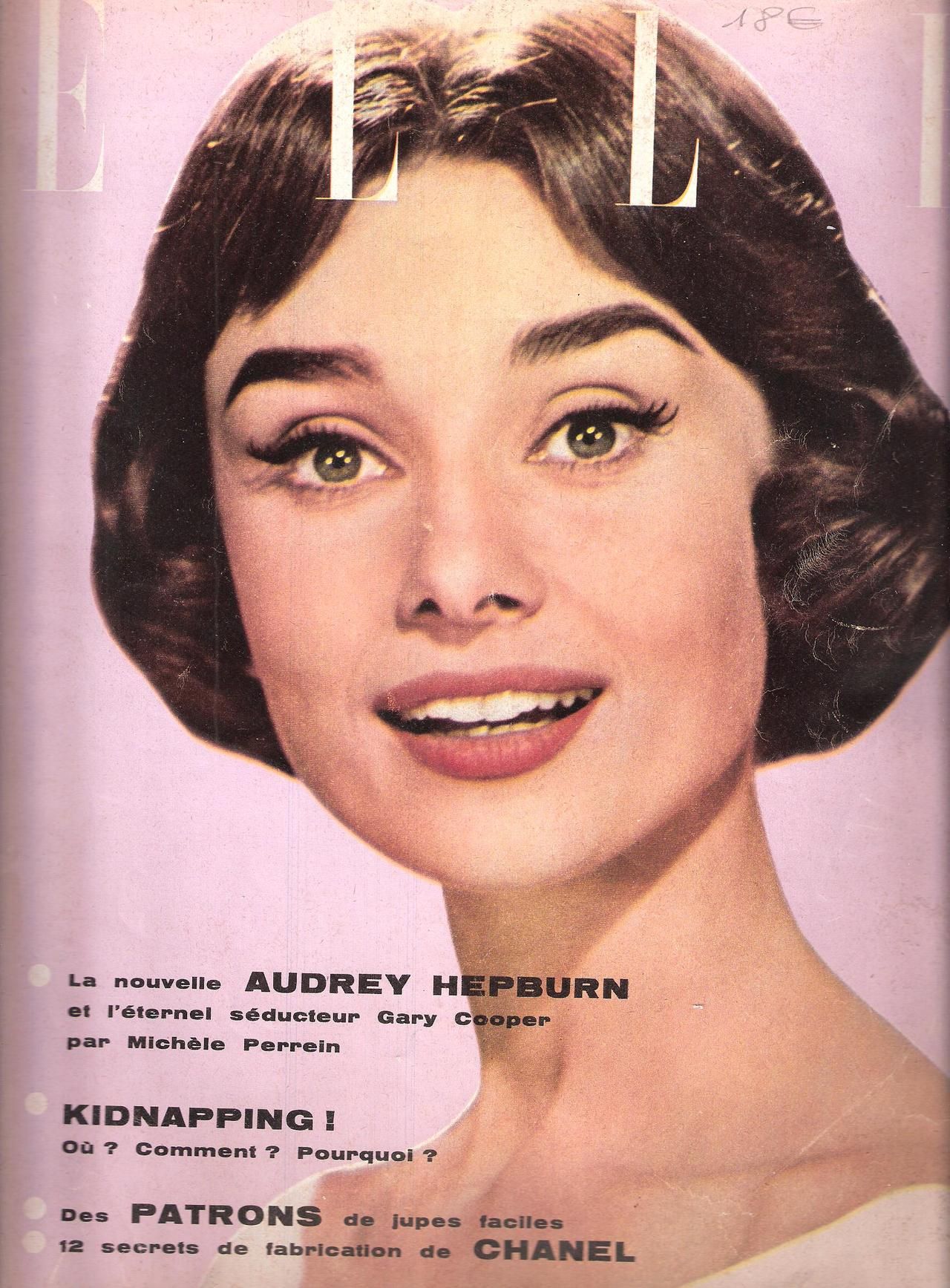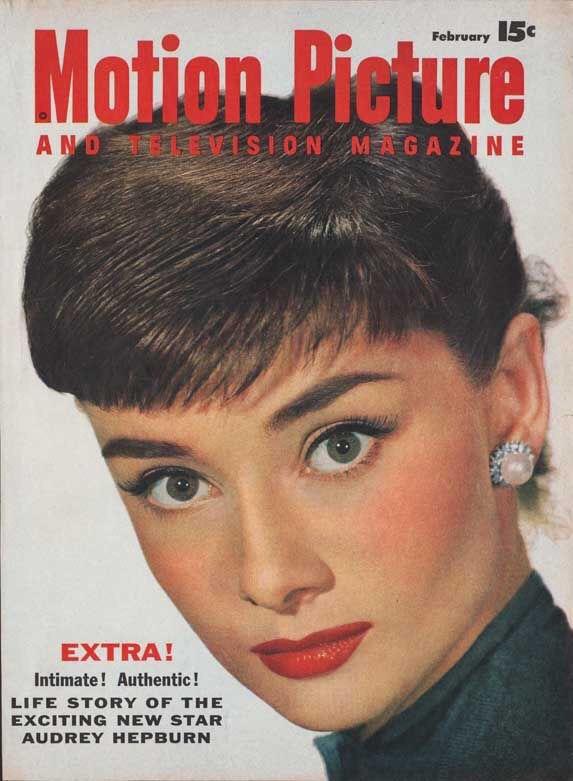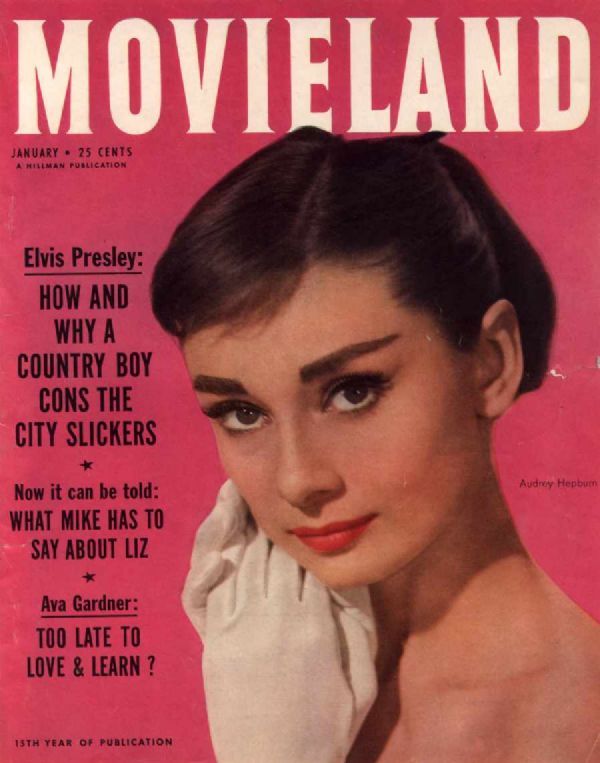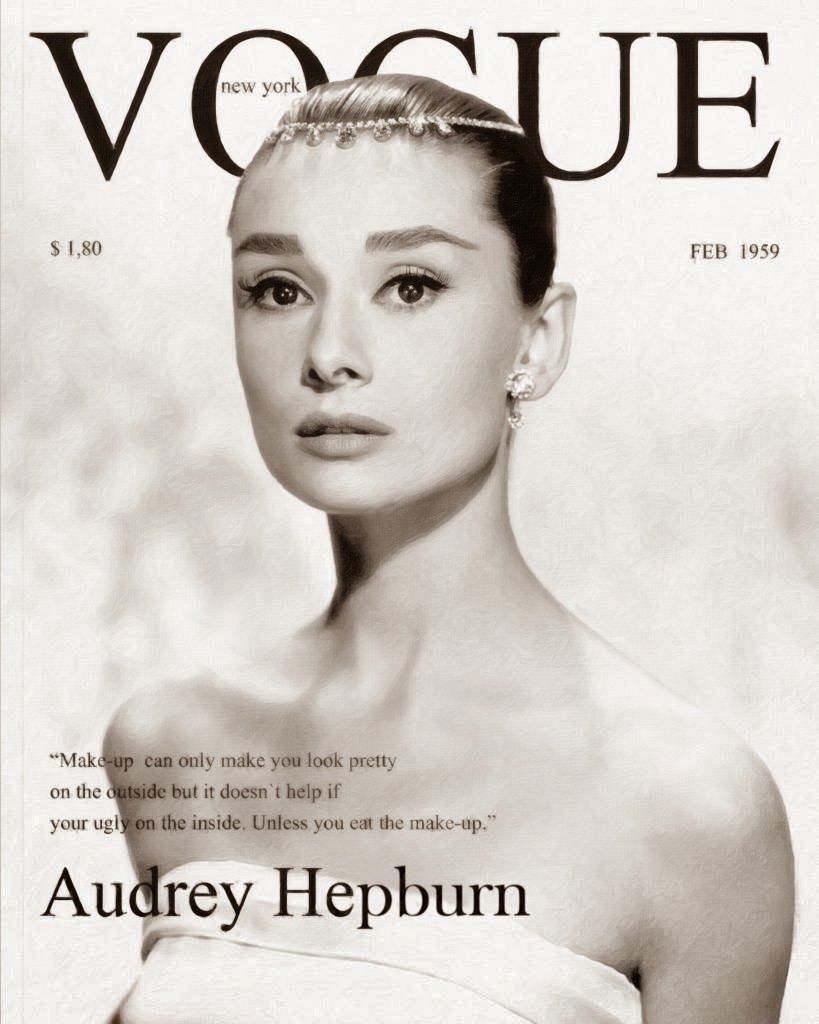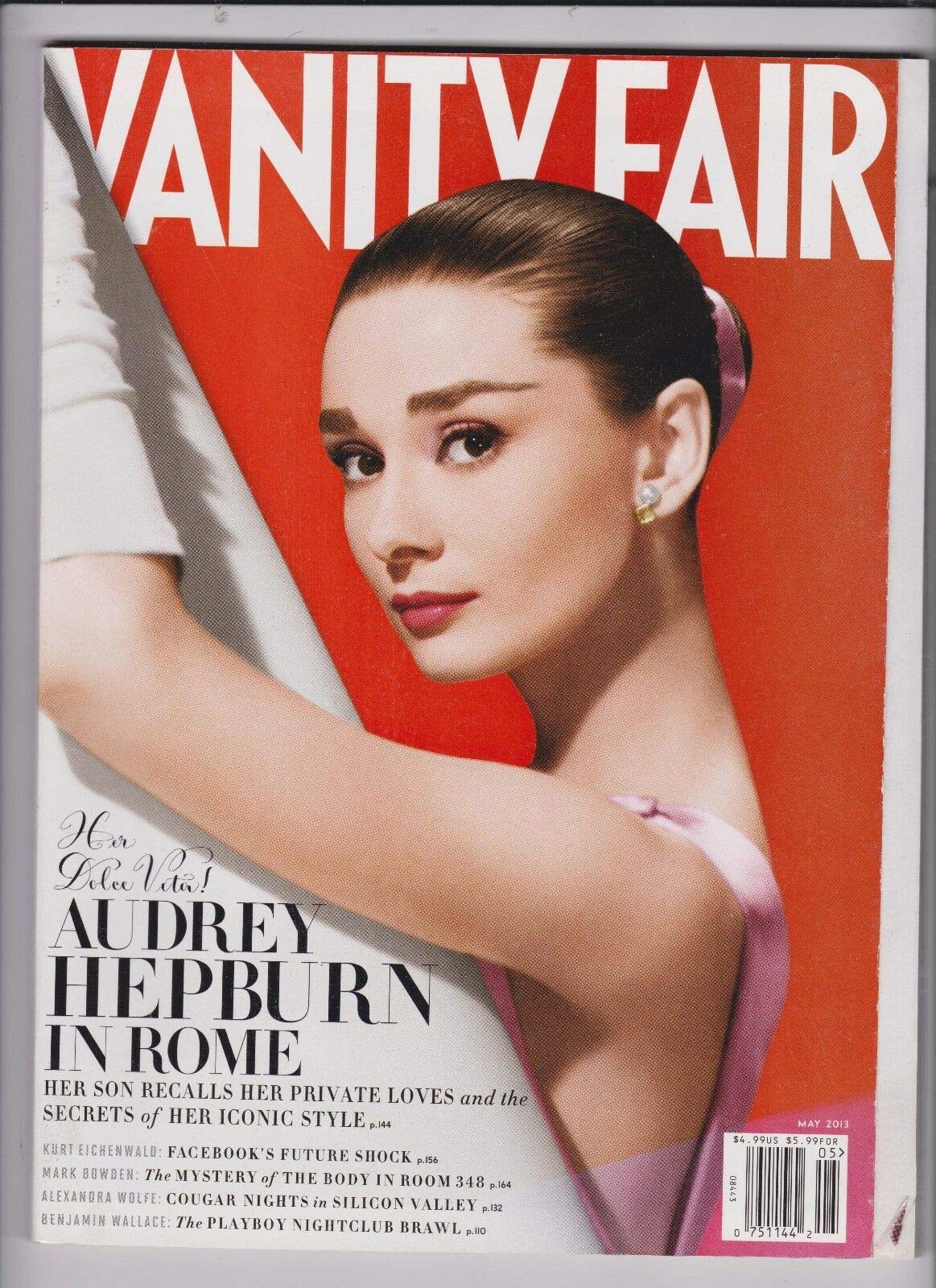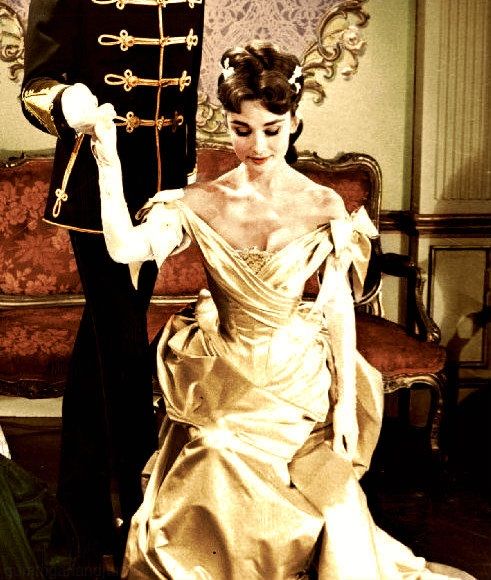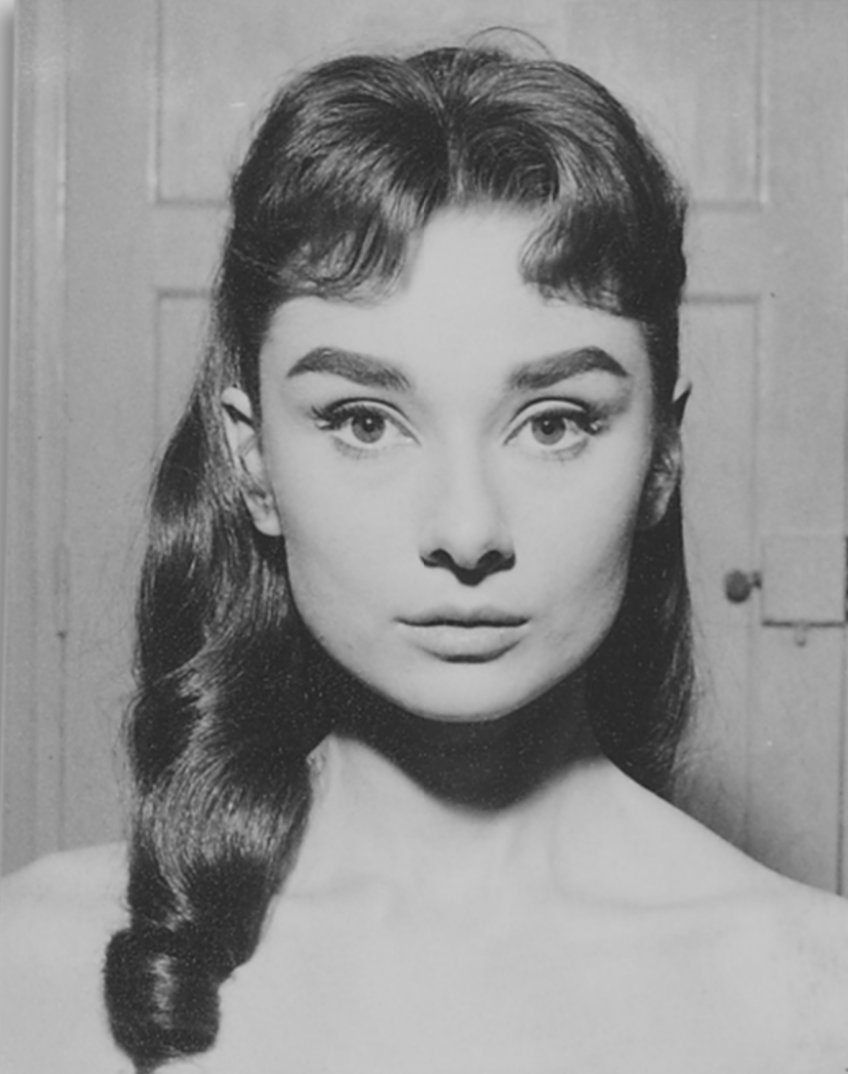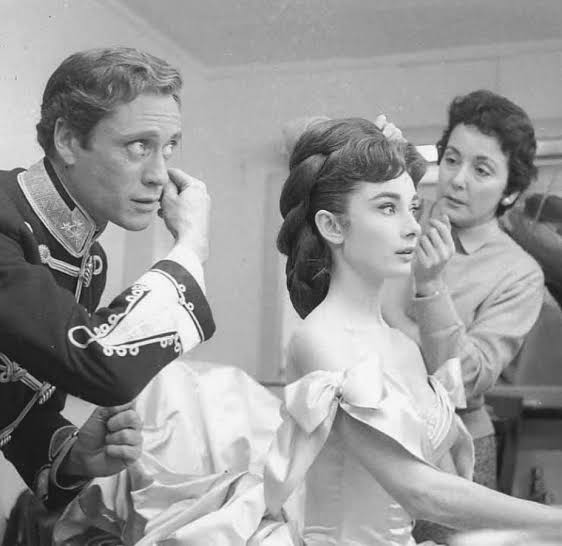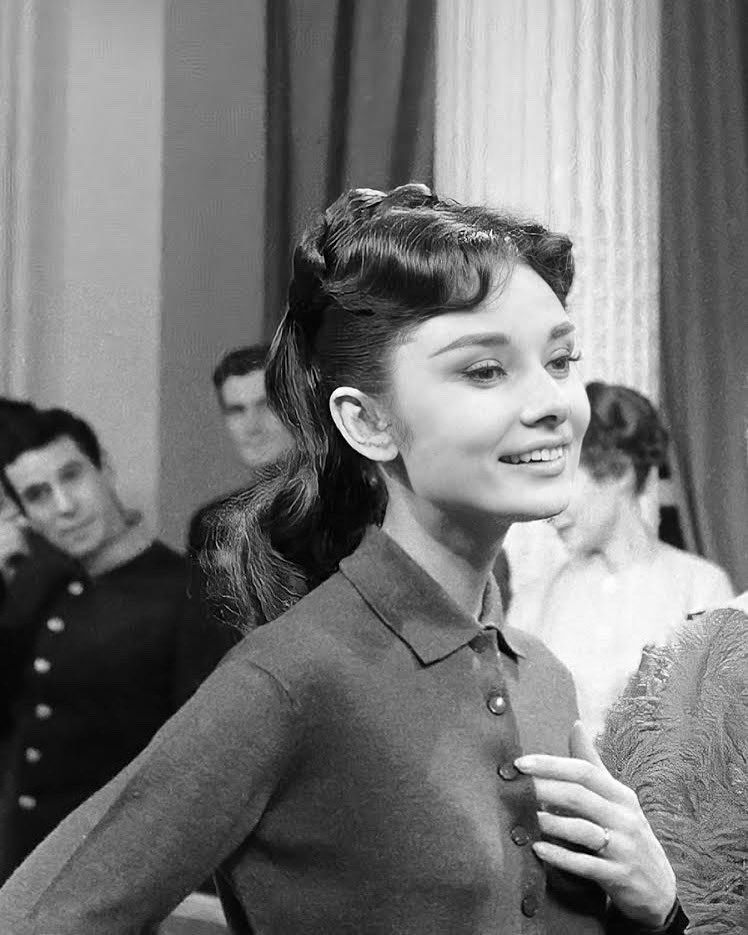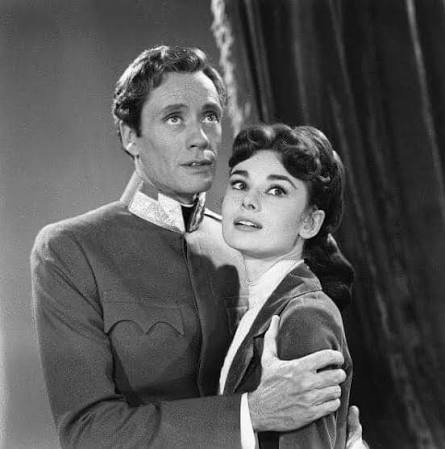

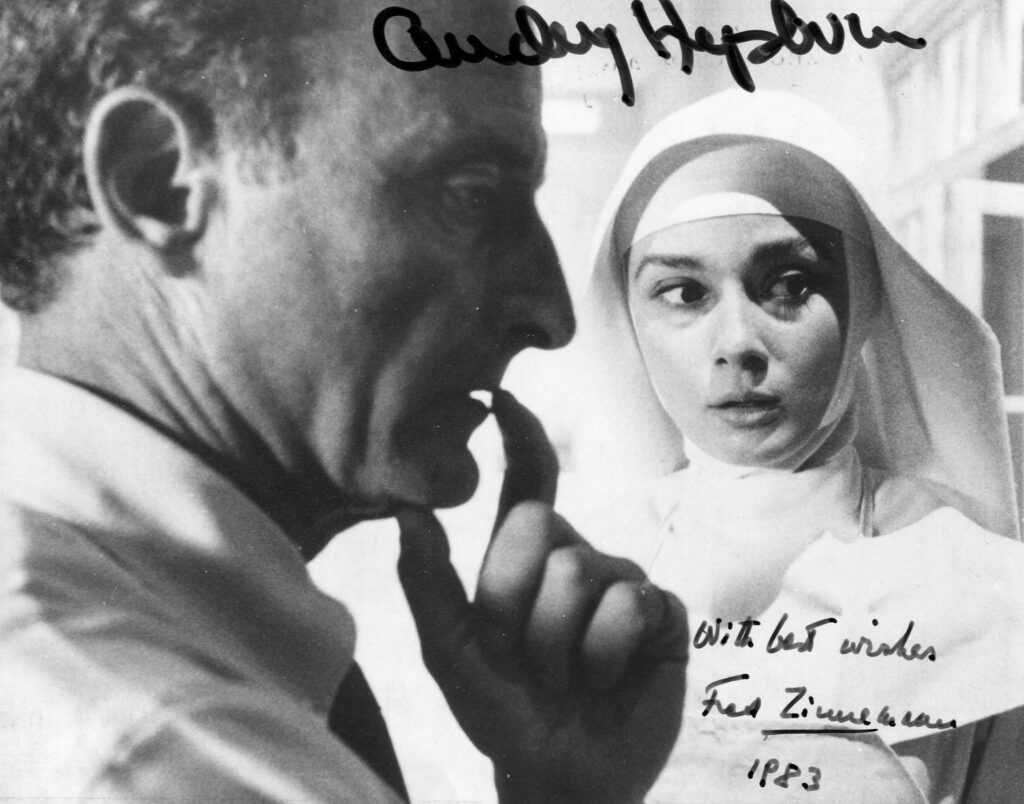
AUDREY HEPBURN OBITUARY IN “THE INDEPENDENT” BY DAVID SHIPMAN IN 1993.
After so many drive-in waitresses in movies – it has been a real drought – here is class, somebody who went to school, can spell and possibly play the piano,’ said Billy Wilder. ‘She’s a wispy, thin little thing, but you’re really in the presence of somebody when you see that girl. Not since Garbo has there been anything like it, with the possible exception of Bergman.’ My generation knew Bergman. Garbo we had never seen. Old pictures were not easy to see in the 1950s. Older cinemagoers talked longingly of Jean Arthur, Carole Lombard, Margaret Sullavan and other enchantresses. From the moment Audrey Hepburn appeared in Roman Holiday (1953), we knew that we had one of our own.
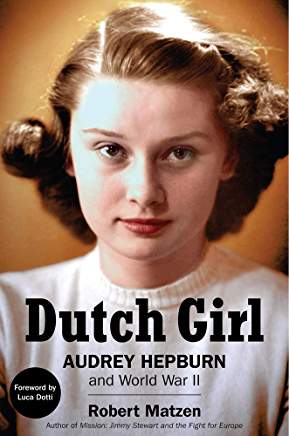
She was born in Brussels to an English banker and a Dutch baroness – and when the war broke out had been trapped in Arnhem with her mother; there they spent the war years, while Hepburn trained as a dancer.
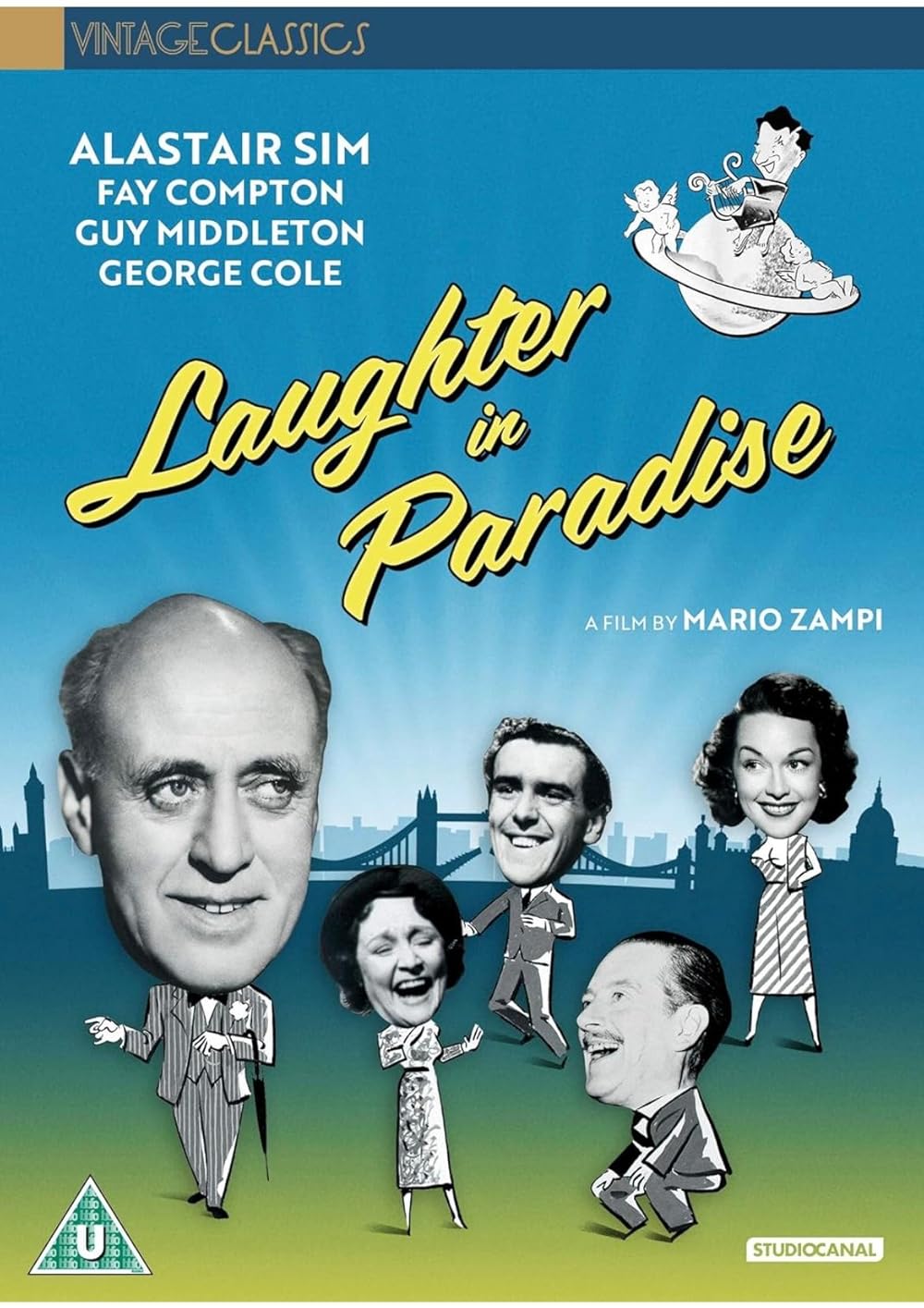
Curiously, several people recognised Hepburn’s particular magic, but few British producers were interested. The revue producer Cecil Landau saw her in the chorus of a West End musical – High Button Shoes (1948) – and engaged her for Sauce Tartare. He liked her so much that he gave her more to do in a sequel, Sauce Piquant. ‘God’s gift to publicity men is a heart-shattering young woman,’ said Picturegoer, ‘with a style of her own . . .’ The magazine mentioned that some people had been to see her perform a couple of dozen times, and among them was Mario Zampi, who was about to direct Laughter in Paradise (1951) for Associated British.
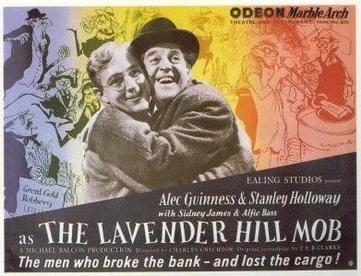
The company’s casting director was equally enthusiastic, but to no avail. She was cast as a hat-check girl: the studio reluctantly allowed her three lines, as against one in the original script. She was signed to a contract, and loaned to Ealing for a couple of lines in the final scene in Lavender Hill Mob (1951), when Alec Guinness is enjoying his ill-gotten loot in South America.
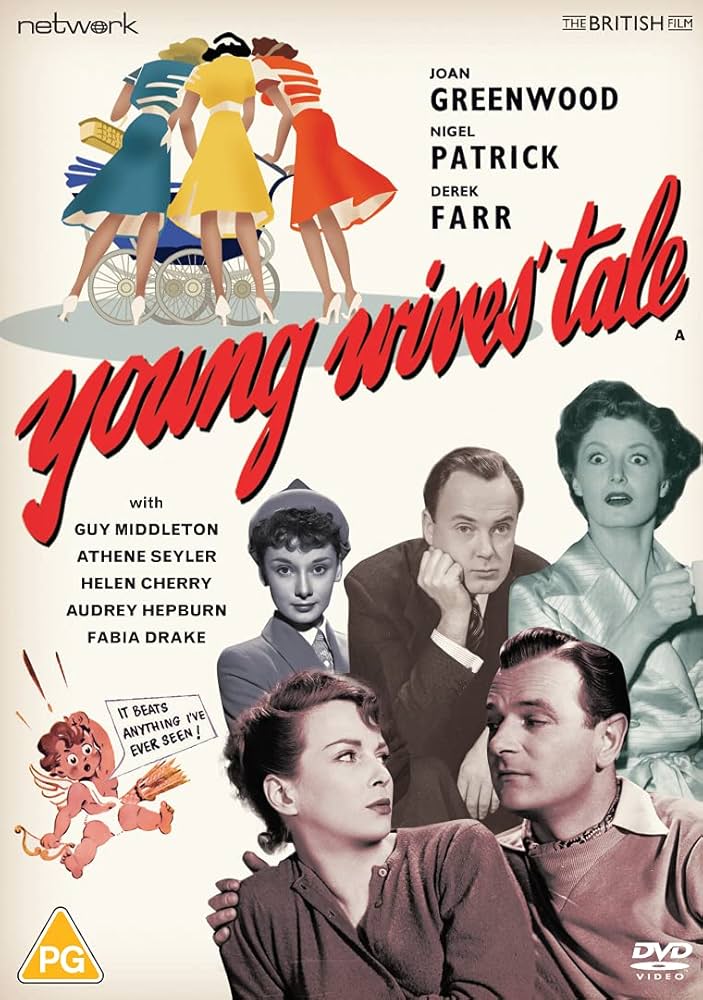
At this point, the producer-director Mervyn LeRoy was looking for a patrician girl to play the lead in Quo Vadis?, MGM’s biggest production in years, and he was excited by Hepburn’s test for him. MGM were not, and the role went to Deborah Kerr. But at last Associated British realised that they might have something in this odd little girl, and they made her a vamp in a parlour-room farce, Young Wives’ Tale (1951), starring Joan Greenwood. It is completely forgotten today, but if you can see it you are likely to be beguiled by two of the most individual actresses who ever appeared in films. They had in common voices with cadences which always alighted on the wrong word to emphasise – as did Sullavan, the other Hepburn, Ann Harding, Irene Dunne, even Judy Garland – turning a statement into a question. In a word, they were never ashamed of their vulnerability; they didn’t seem to be able to cope with life – except to laugh at it. Hepburn’s child-like laugh, deep-throated but tentative, was one of her most distinctive qualities.
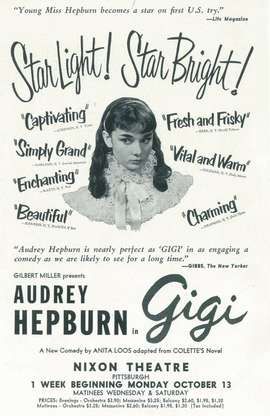
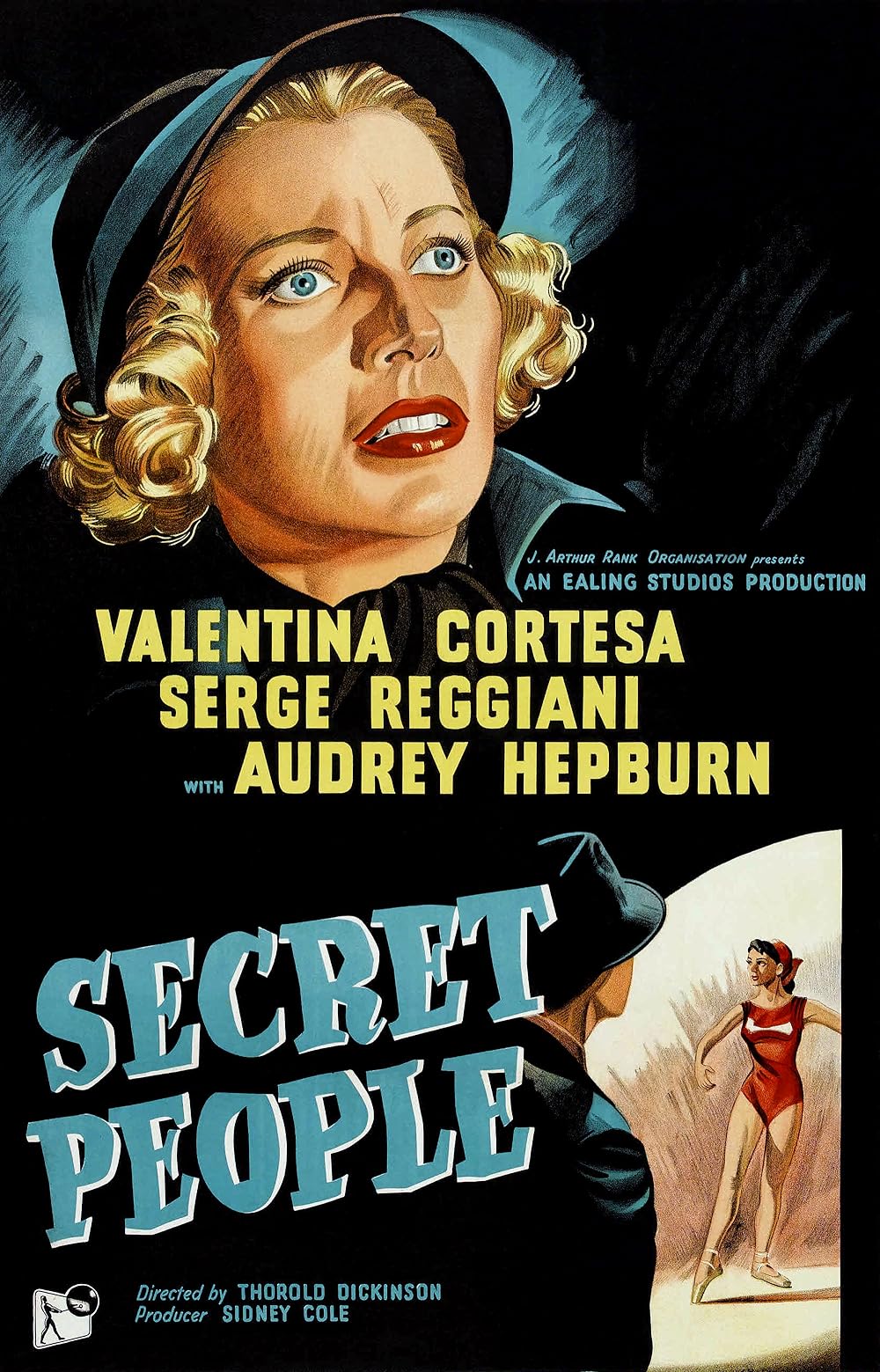
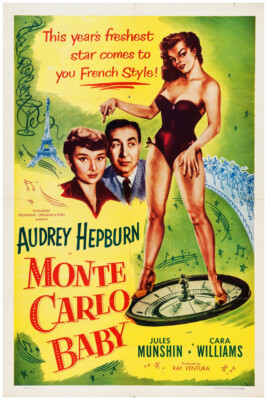
But, obviously, it wasn’t unique. Jean Simmons also had it. And it was Simmons who inadvertently launched Hepburn’s screen career. After Young Wives’ Tale, Associated British loaned Hepburn to Ealing again, to play the sister of the star, Valentina Cortese, in a muddled spy drama, The Secret People (1951), and then to a French company for a minor B-movie, Monte Carlo Baby (1951). Hepburn was doing a scene in a Monte Carlo hotel lobby, when Colette happened by. Colette was then working with the American producer Gilbert Miller on a dramatisation of her novel Gigi, about an innocent youngster being trained to appeal – sexually – to men. This wasn’t a subject show-business wanted to know much about. It wasn’t something Hepburn seemed to know about when she played the role on Broadway in 1951.
Meanwhile, contractual obligations prevented Simmons from appearing in Roman Holiday, and Hepburn was successfully tested. The property had been brought to Paramount by Frank Capra and when he left it was inherited by another leading director, William Wyler. It was not a likely subject for either of them but then, like many of our favourite movies – All About Eve, Casablanca – there is no other like it; it resists imitation: the innocent alone in the big city. The innocent is the princess of an unnamed European country who escapes from the embassy to see Rome incognito. She is recognised by an American reporter, played by Gregory Peck, who sees in her a good news-story and doesn’t reckon on falling in love.
She doesn’t know that he’s a reporter till they are introduced formally at a reception, when by a flicker of an eyelid he indicates that he won’t be filing the story. Peck was not the most adroit of light comedians and the direction was rather academic: but Hepburn’s sheer joy at being free and in love was wonderful to experience. You could never forget her eating an ice- cream on the Spanish Steps or putting her hand in the mouth of the stone lion at Tivoli.
The acclaim that greeted Hepburn was instantaneous and enormous – to be matched only a year later by that for Grace Kelly in what became their decade. Simmons, whom she had never met, telephoned to say, ‘Although I wanted to hate you, I have to tell you that I wouldn’t have been half as good. You were wonderful.’ Hepburn was judged the year’s best actress by the New York critics, by the readers of Picturegoer and by the voters of the Motion Picture Academy. Paramount had Hollywood’s brightest new star – only it didn’t: she was under contract to Associated British, which came to a lucrative agreement by which Paramount had exclusive rights to her services.
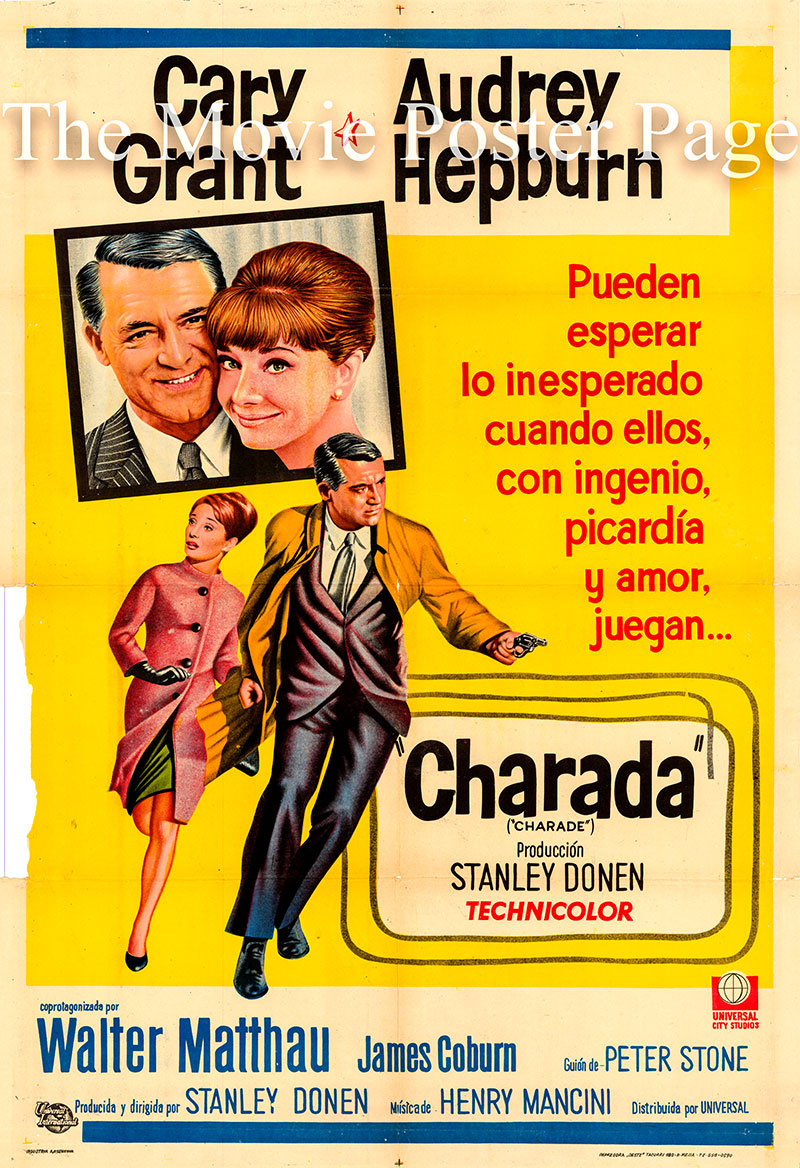
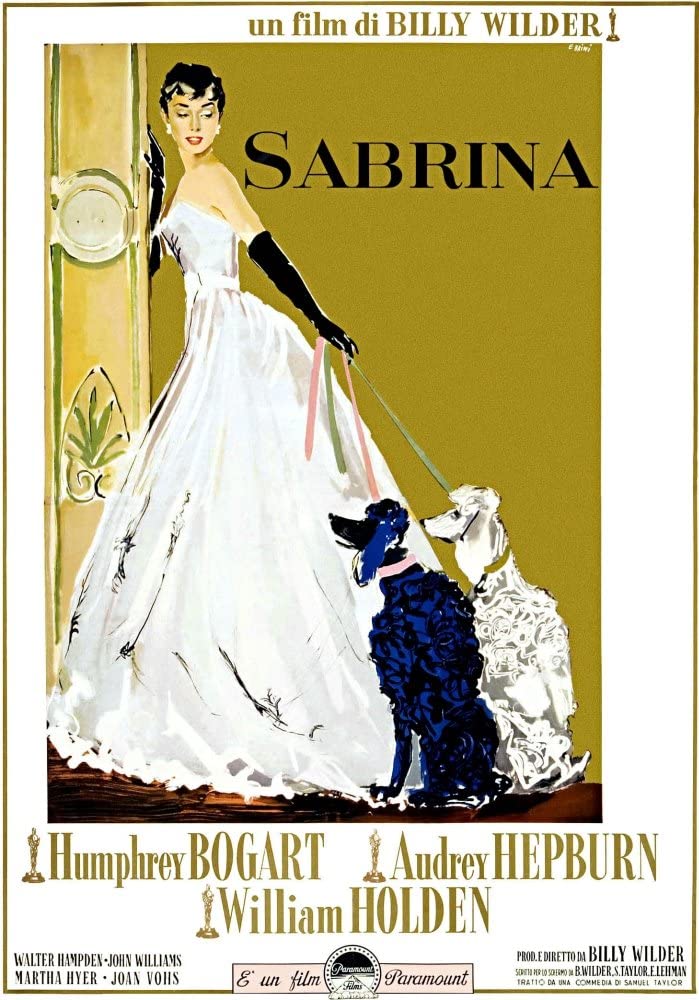
Billy Wilder directed her in Sabrina (1954), in which she was the chauffeur’s daughter, moving from ugly duckling to glamour, which was a formula followed in several subsequent movies. The plot had her loved by two brothers, played by William Holden and Humphrey Bogart. Bogart got her at the end, establishing another pattern to follow, in which she was wooed by men twice her age: by Fred Astaire in Stanley Donen’s Funny Face (1957), Paris fashions and the Gershwins’ music; by Gary Cooper in Wilder’s Love in the Afternoon (1957), Paris again and a rather vulgar remake of Canner’s delicate Ariane; and Cary Grant in Donen’s Charade (1963), Paris yet again and Hitchcockian situations.
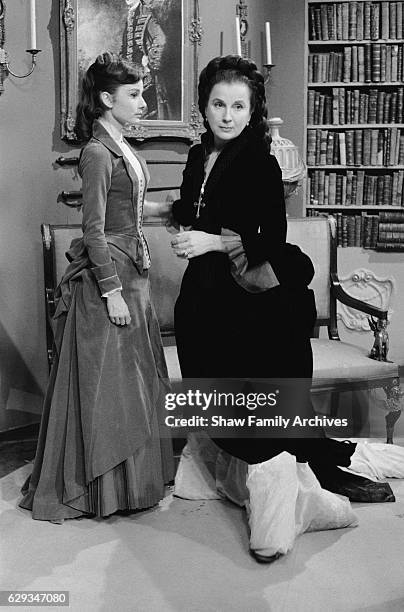
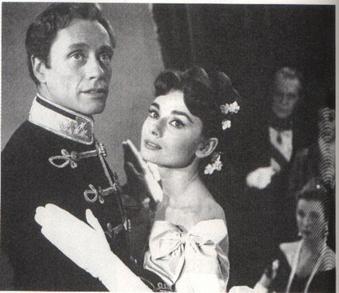
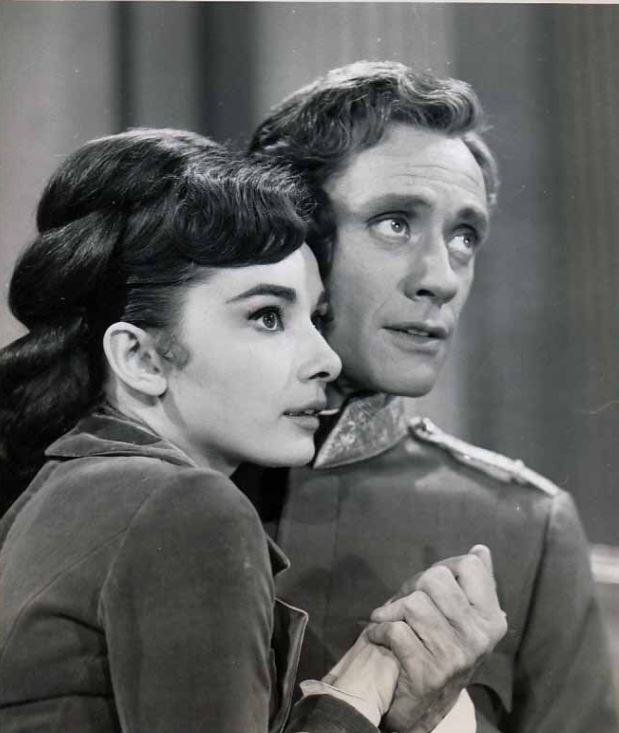
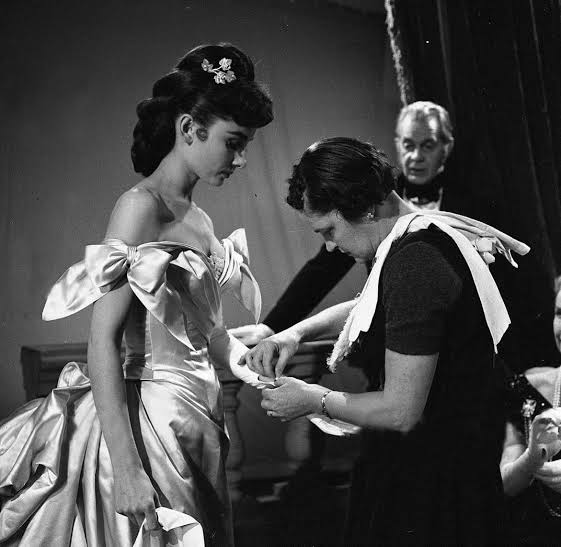
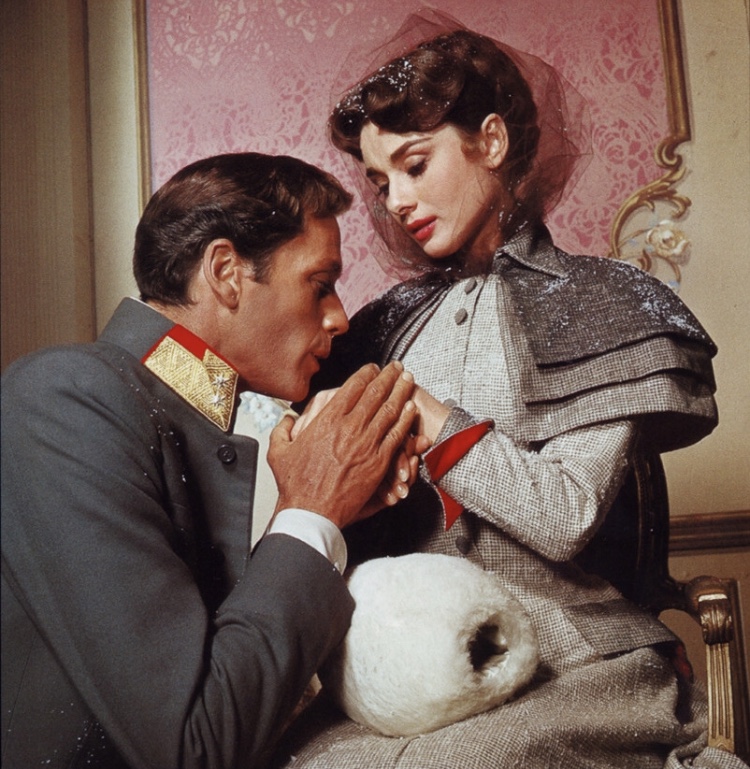
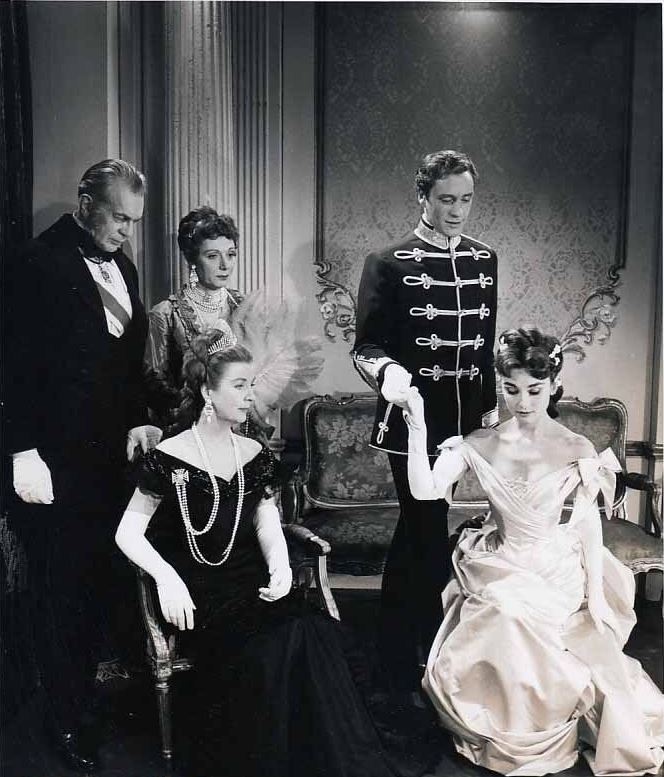
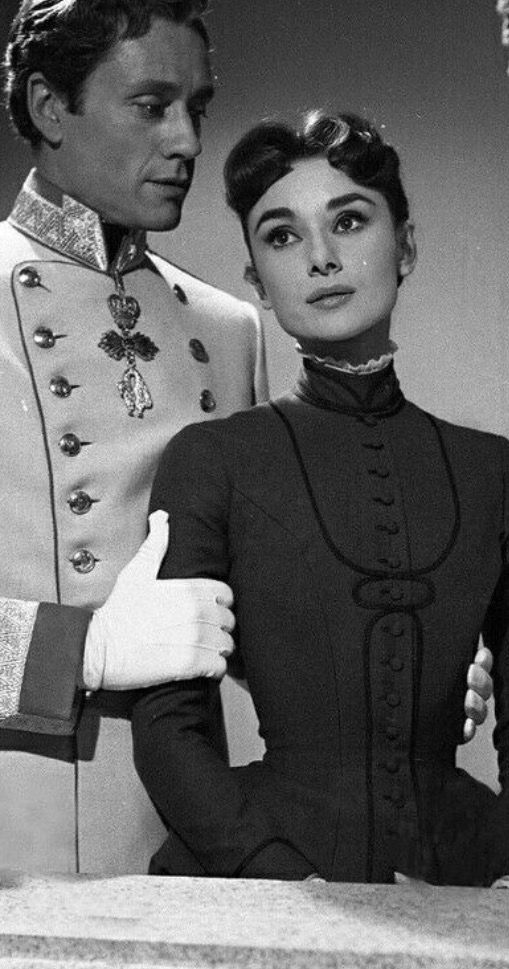
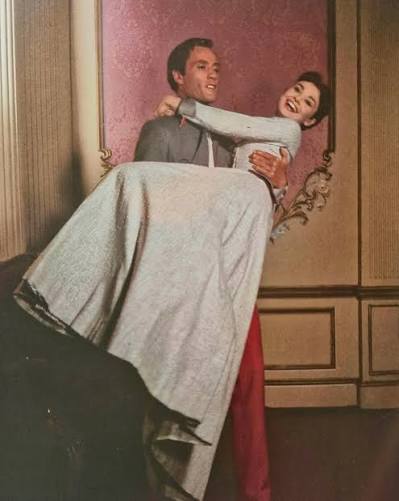
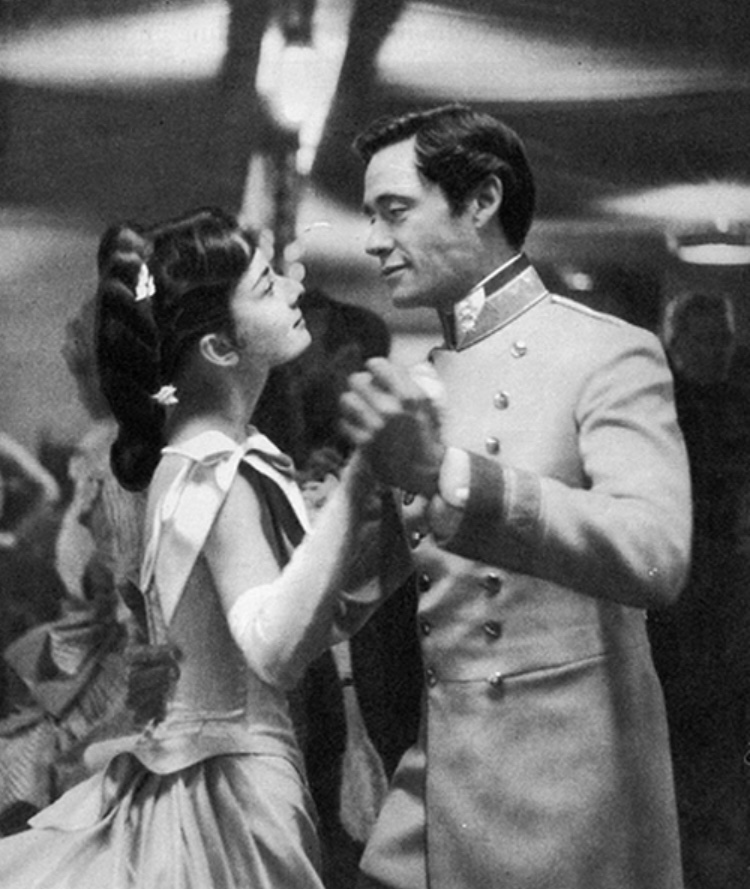
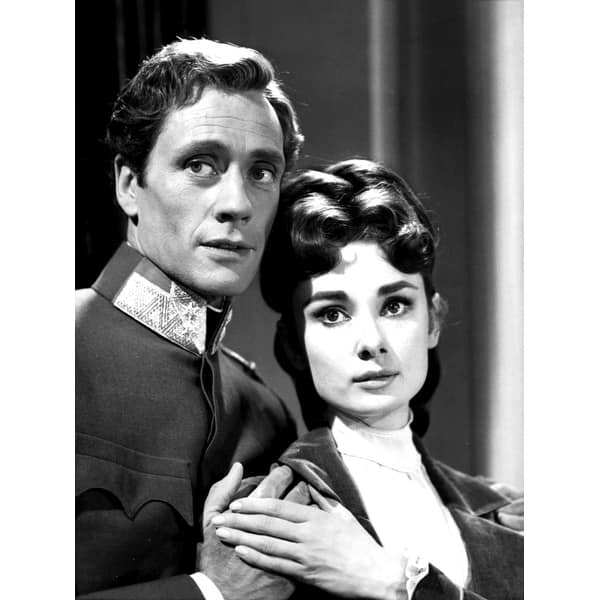
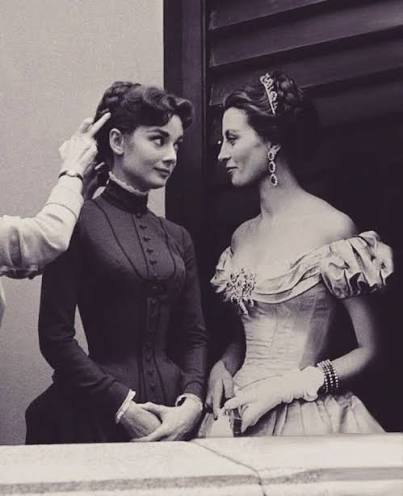
You could understand why these actors took the risk of being described as cradle-snatchers. Astaire said: ‘This could be the last and only opportunity I’d have to work with the great and lovely Audrey and I wasn’t missing it. Period.’ Leonard Gershe, who wrote Funny Face, described her as a joy to work with, ‘as professional as she was unpretentious’. Hollywood’s best directors also clamoured to work with her. King Vidor said that she was the only possible choice to play Natasha in the expensive Italo-American War and Peace (1956), causing William Whitebait in the New Statesman to observe, ‘She is beautifully, entrancingly alive, and I for one, when I next come to read (the book), shall see her where I read Natasha.’ But Tolstoy had done the job for him: physically, temperamentally Hepburn was Natasha.
About this time she might have played another literary heroine. James Mason knew that he would make a superb Mr Rochester, but 20th Century-Fox would only proceed with the project if he could persuade Hepburn to play Jane. He didn’t even try. As he explained: ‘Jane Eyre is a little mouse and Audrey is a head-turner. In any room where Audrey Hepburn sits, no matter what her make- up is, people will turn and look at her because she’s so beautiful.’ Of the many films she turned down the most interesting are MGM’s musicalised Gigi, in her old stage role (and the studio was prepared to pay her far more than Leslie Caron, who was under contract, and who did eventually play the role), and The Diary of Anne Frank, George Stevens’s version of the Broadway dramatisation. She said that that would have been too painful after her own experience of the Occupation (in the event the role was so disastrously cast that the film failed both artistically and commercially).
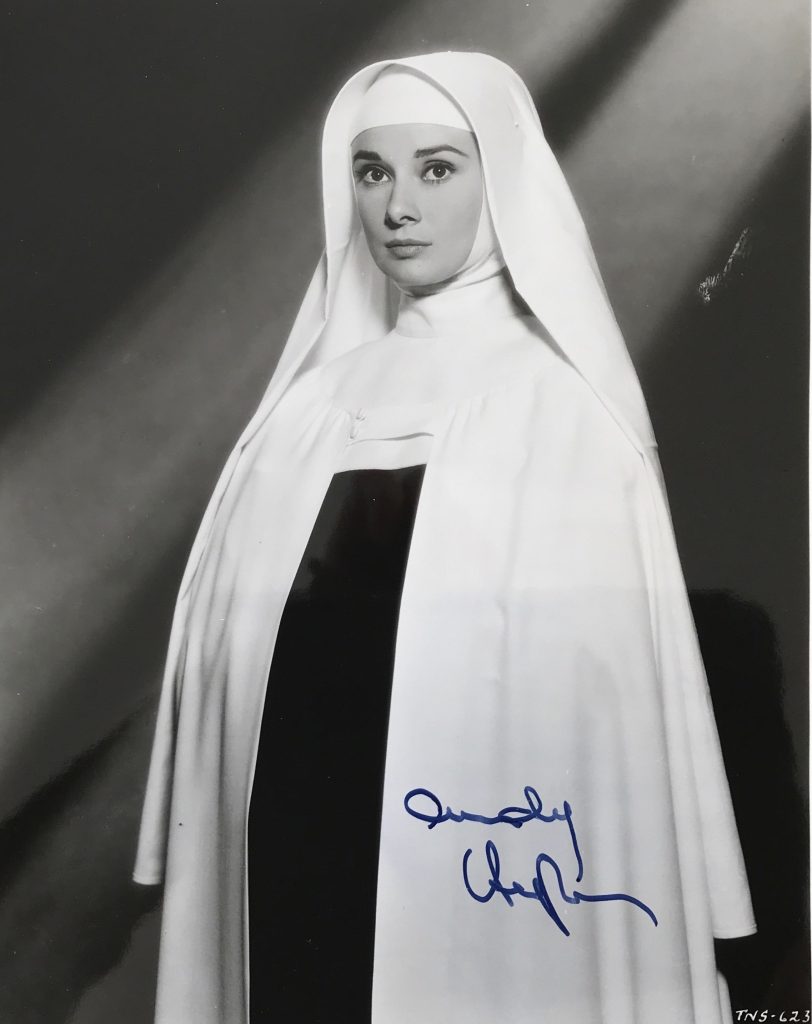
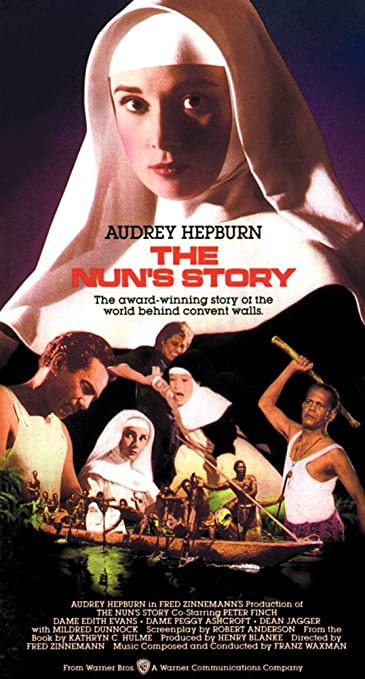
At the same time Hepburn accepted another difficult subject, with another fine director, The Nun’s Story, for Fred Zinnemann. Kathryn Hulme’s novel was also based on fact, about a novice who finds, in the end, that she doesn’t have enough faith to continue. The film remains Hollywood’s best attempt at playing Church, both because it regards it with respect and not piety, yet at the same time allowing us to make our own decisions about the dottiness of the convent system. She held her own against the formidable opposition of Edith Evans and Peggy Ashcroft, both playing Mothers Superior with closed minds – and that was partly because the gentle Zinnemann was nevertheless able to blend their different acting styles, and partly because of Hepburn’s innate instinct for what the camera would allow her to do. Despite her voice mannerisms, here at a minimum, Hepburn was the one star of her generation to suggest intelligence and dignity – which is to say qualities which people, as opposed to actresses, have. Grace, beauty and the sine qua non of stardom made her as rewarding to watch as Garbo, and she can’t disguise them in playing this ordinary girl; but she also has gravity.
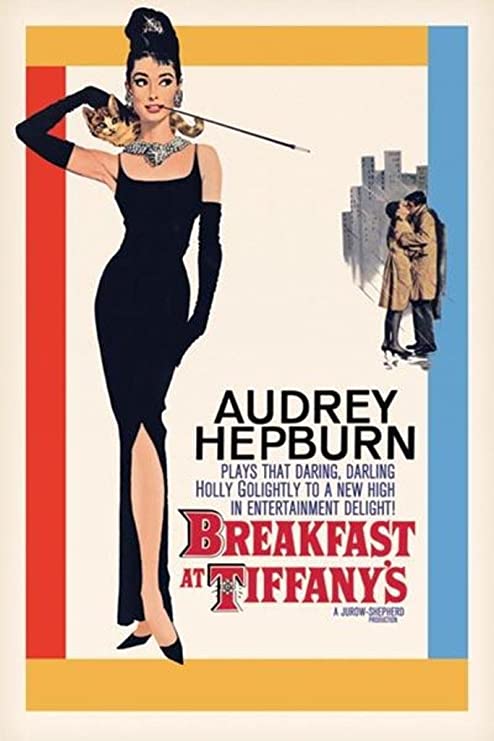
She was touching as Burt Lancaster’s half-breed sister in John Huston’s huge, vasty western The Unforgiven (1960), but Blake Edwards allowed the latent artifice of her screen persona to surface as Holly Golightly in his film of Truman Capote’s novella Breakfast at Tiffany’s (1961). Capote described the result as ‘a mawkish Valentine to Audrey Hepburn’ and George Axelrod, who wrote the screenplay, criticised her for refusing to convey the fact that Holly was a tramp with no morals or principles. No one else seemed to mind.
She had committed herself to the film only after Marilyn Monroe had turned it down, and when there was an impasse with Alfred Hitchcock over No Bail for the Judge. He was desperate to work with her and had spent dollars 200,000 in preparation, when she had second thoughts about a scene in which she was dragged into a London park to be raped. Furious, Hitchcock abandoned the picture rather than go ahead with another actress.
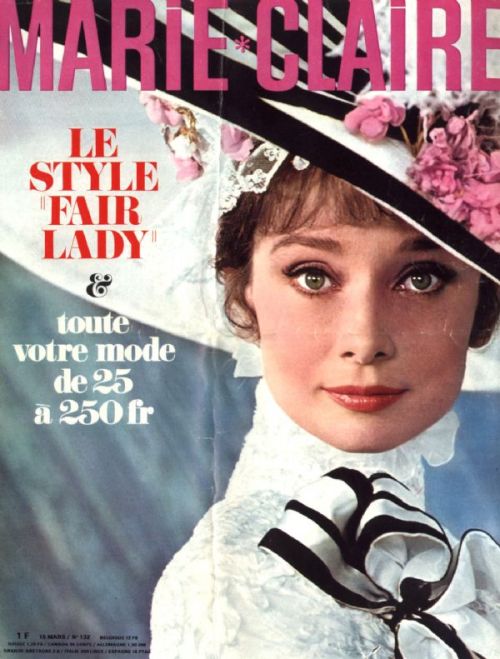
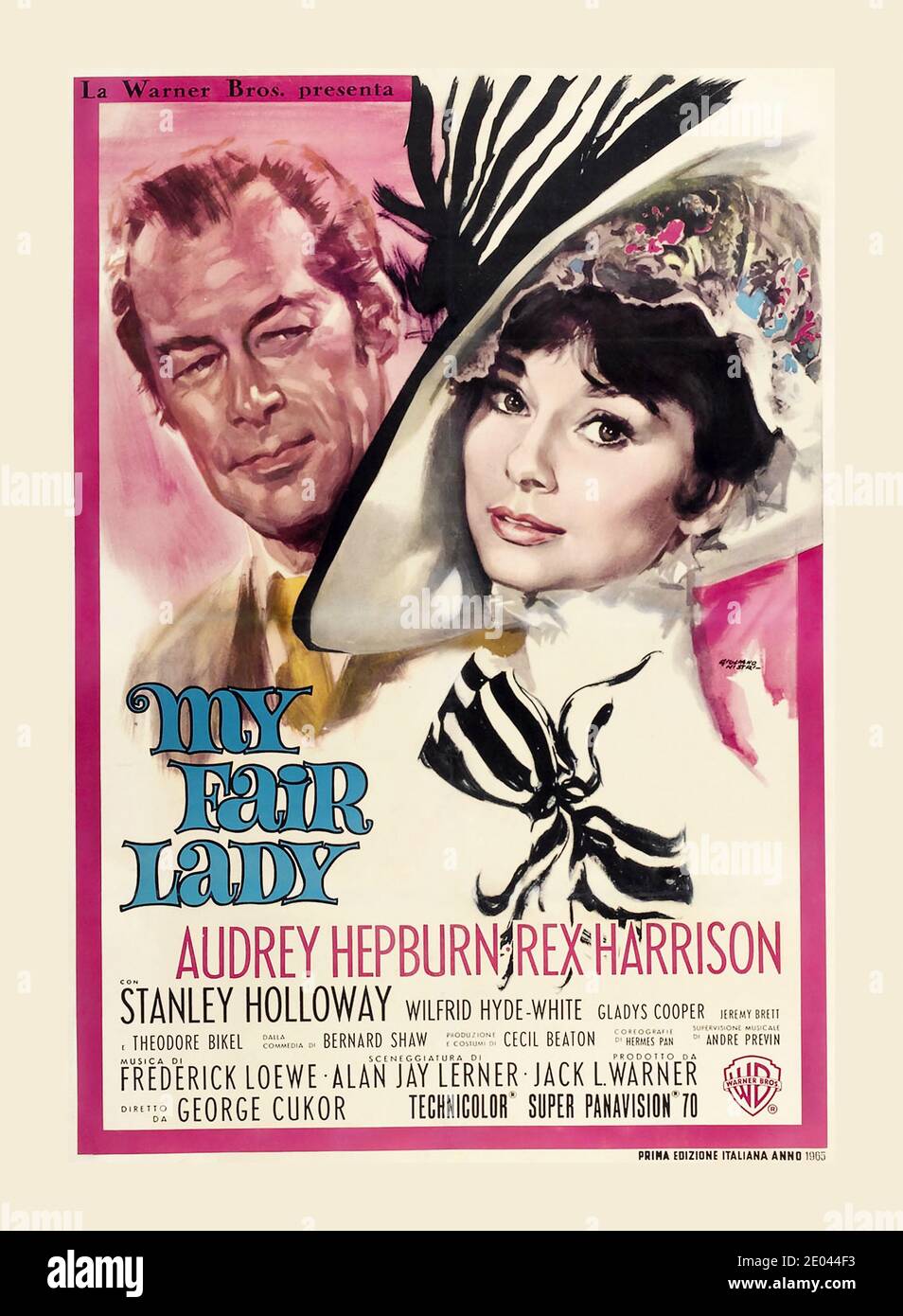
Hepburn was a controversial choice to play Eliza in My Fair Lady (1964). Warners had paid a record sum of dollars 5.5m for the screen rights to the Lerner and Loewe musical version of Bernard Shaw’s Pygmalion. Everyone agreed that its extraordinary success was due to the starring trio of Rex Harrison, Julie Andrews and Stanley Holloway. The last of these was the most expendable, but Jack Warner decided to go with Holloway when James Cagney wisely declined to come out of retirement to play Doolittle. No leading star was prepared to risk a comparison with Harrison’s definitive Higgins (‘Not only will I not play it,’ said Cary Grant, ‘I won’t even go and see it if you don’t put Rex Harrison in it’) which meant Andrews had to be replaced by a solid box-office attraction..
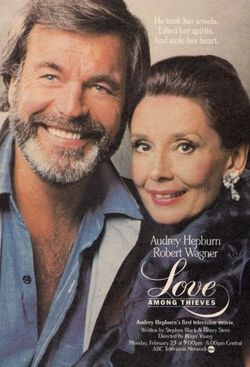
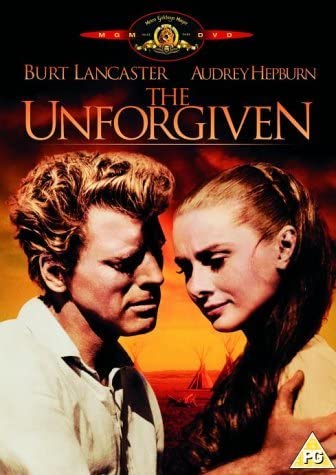
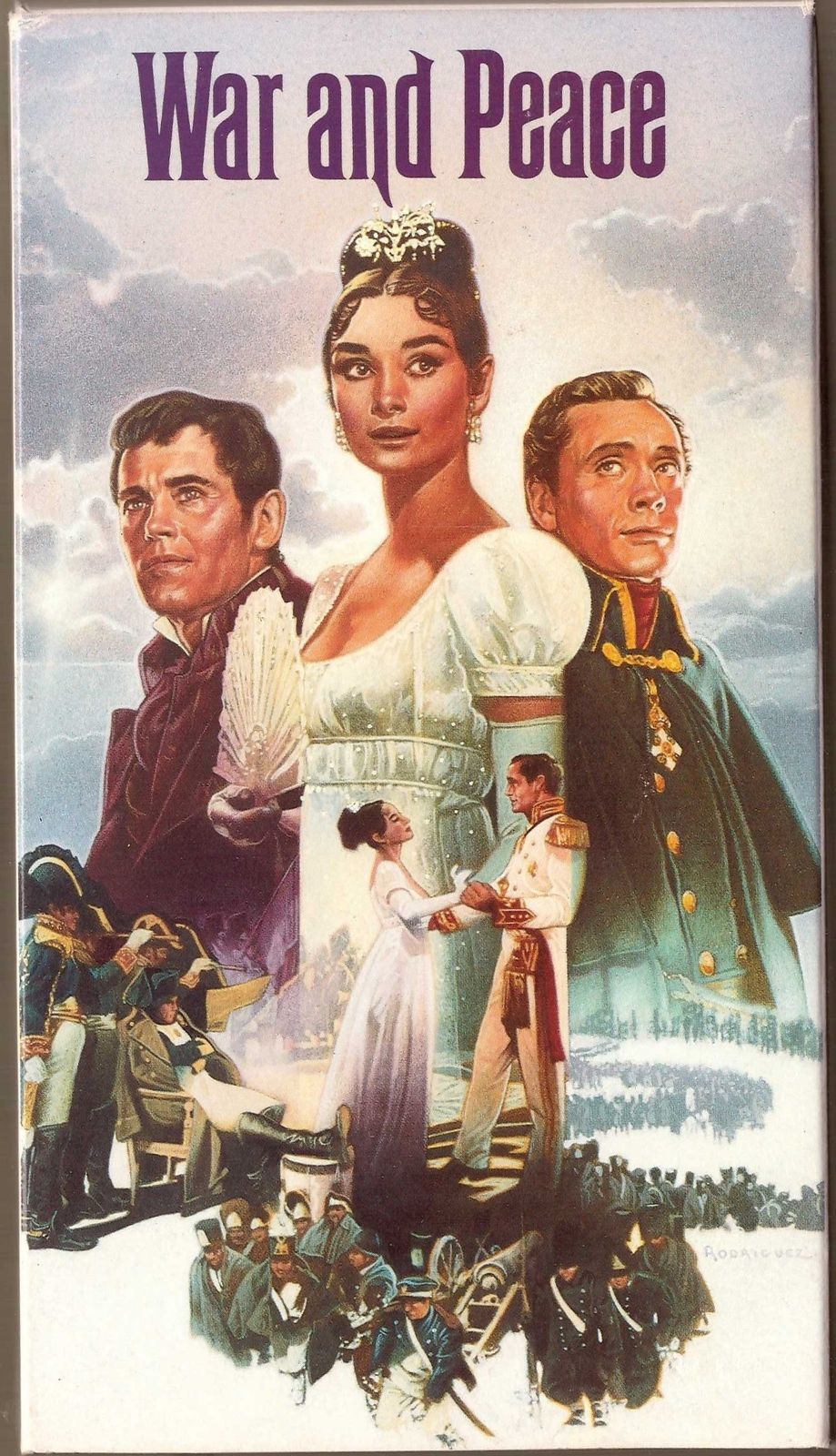
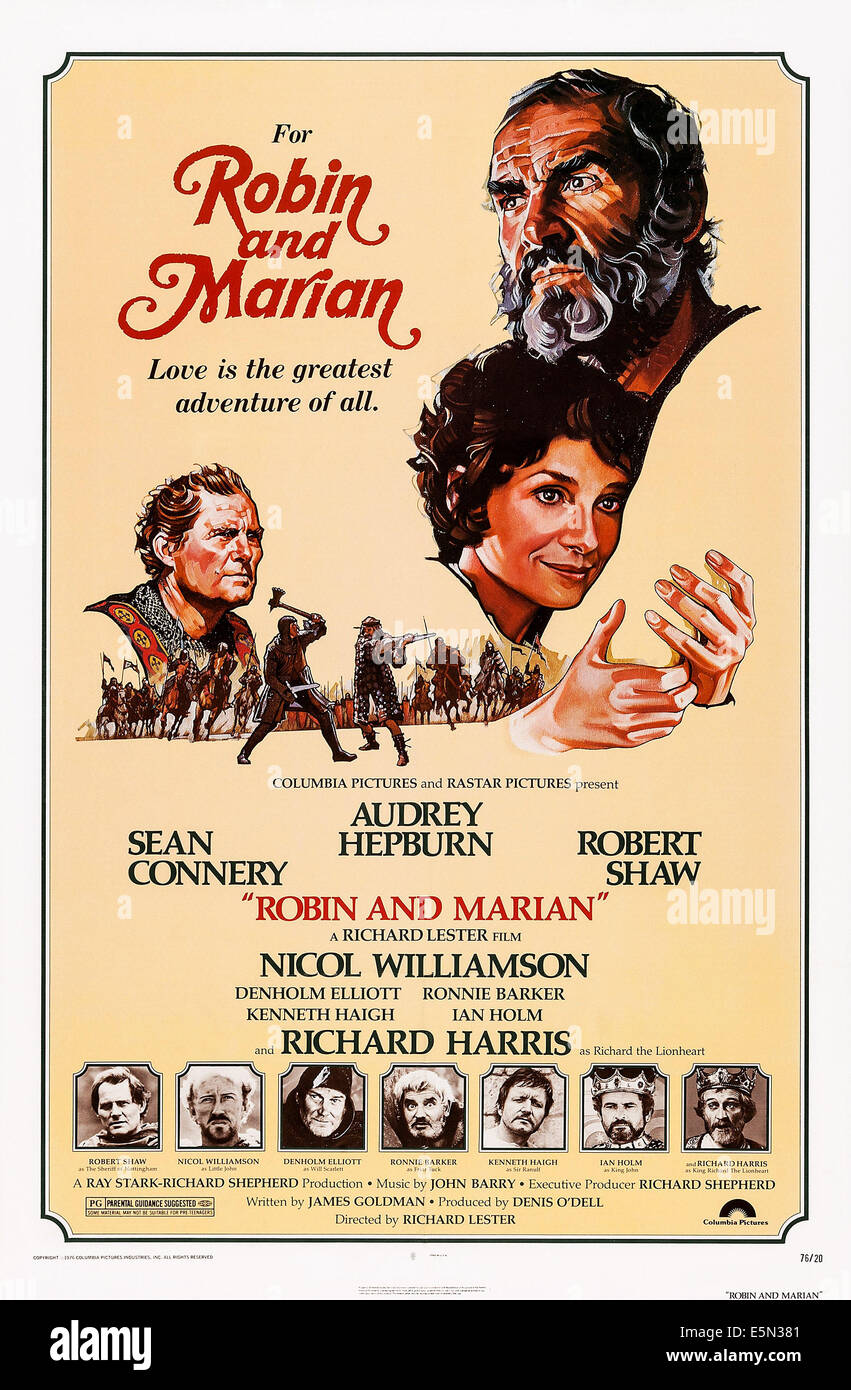
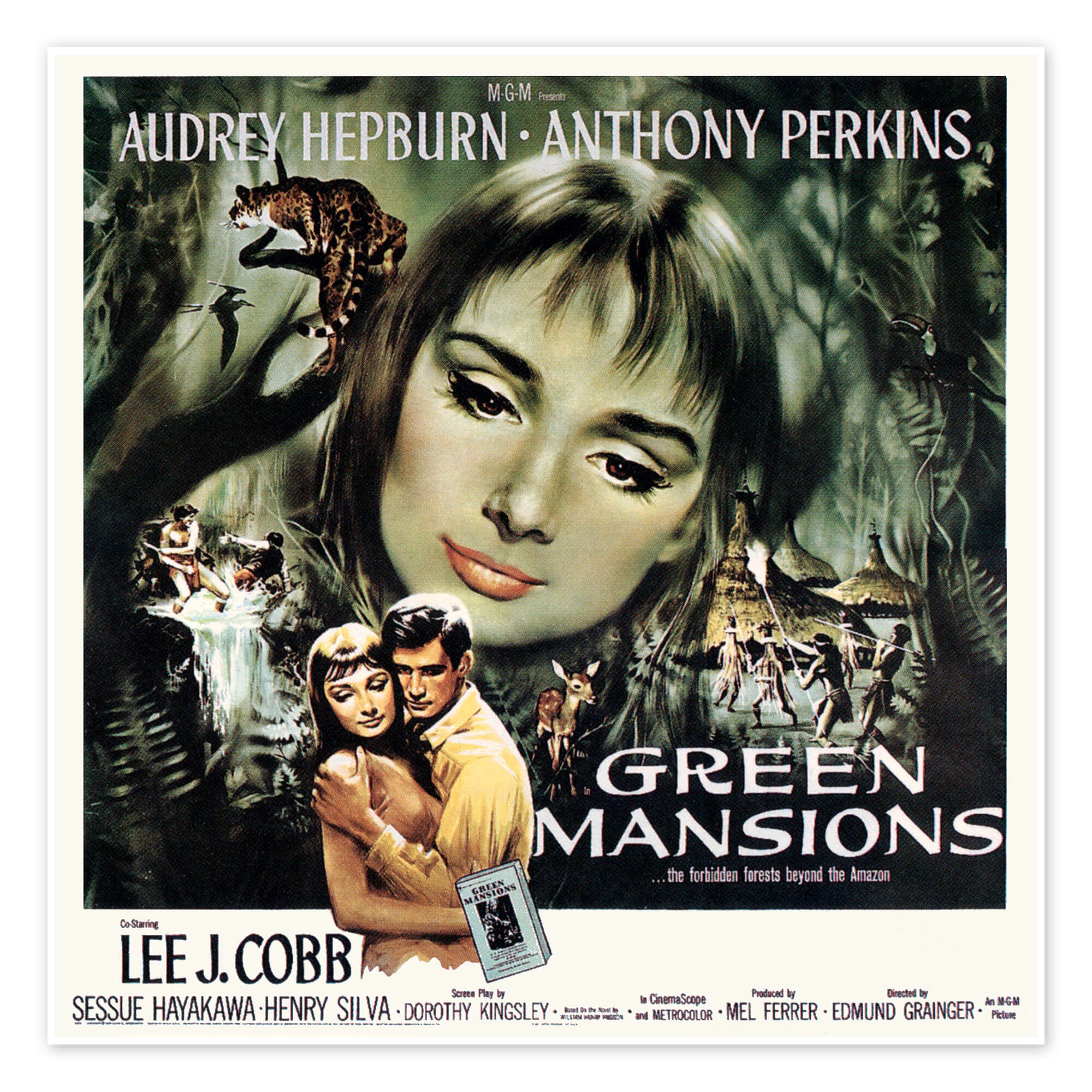
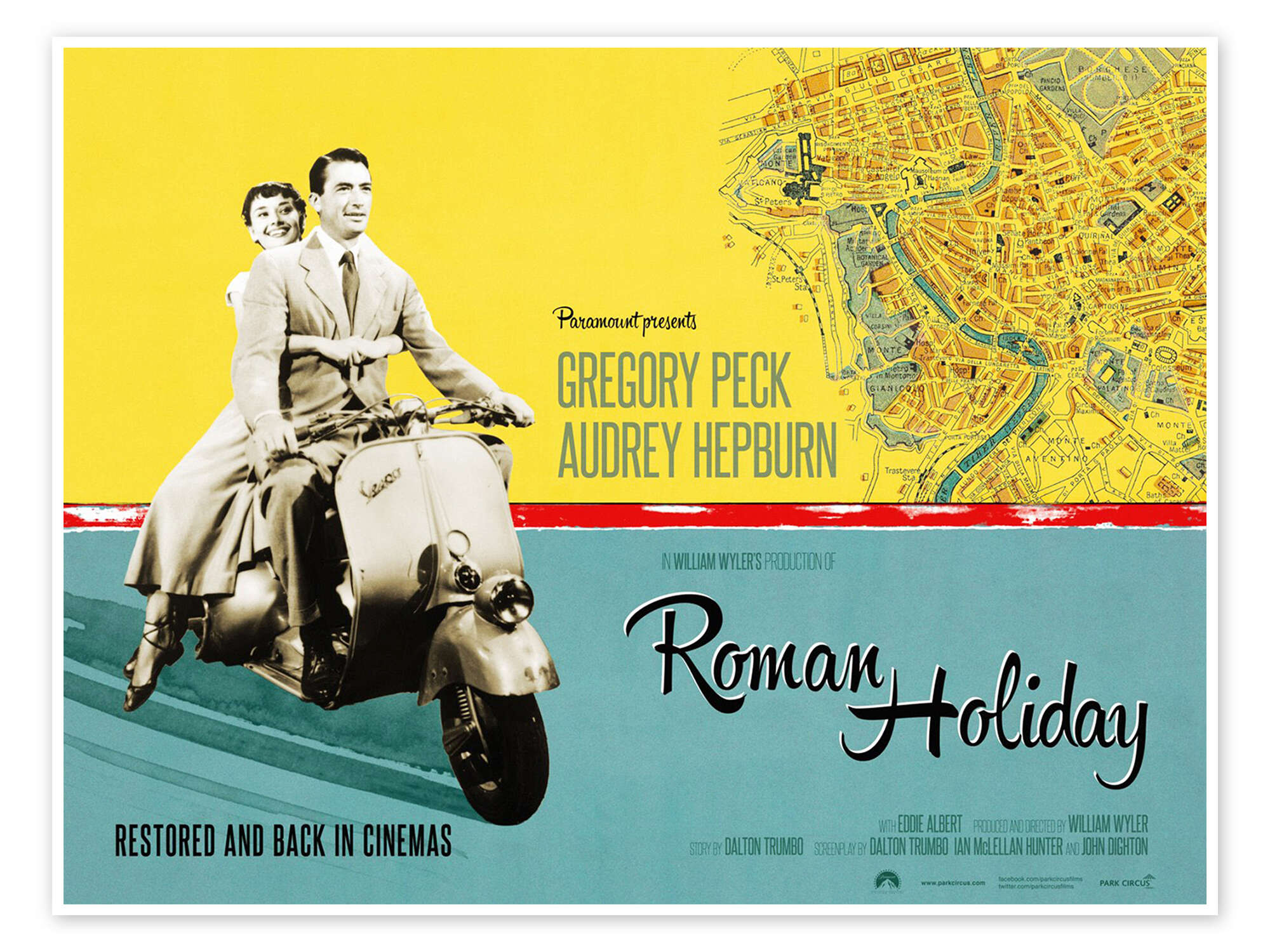
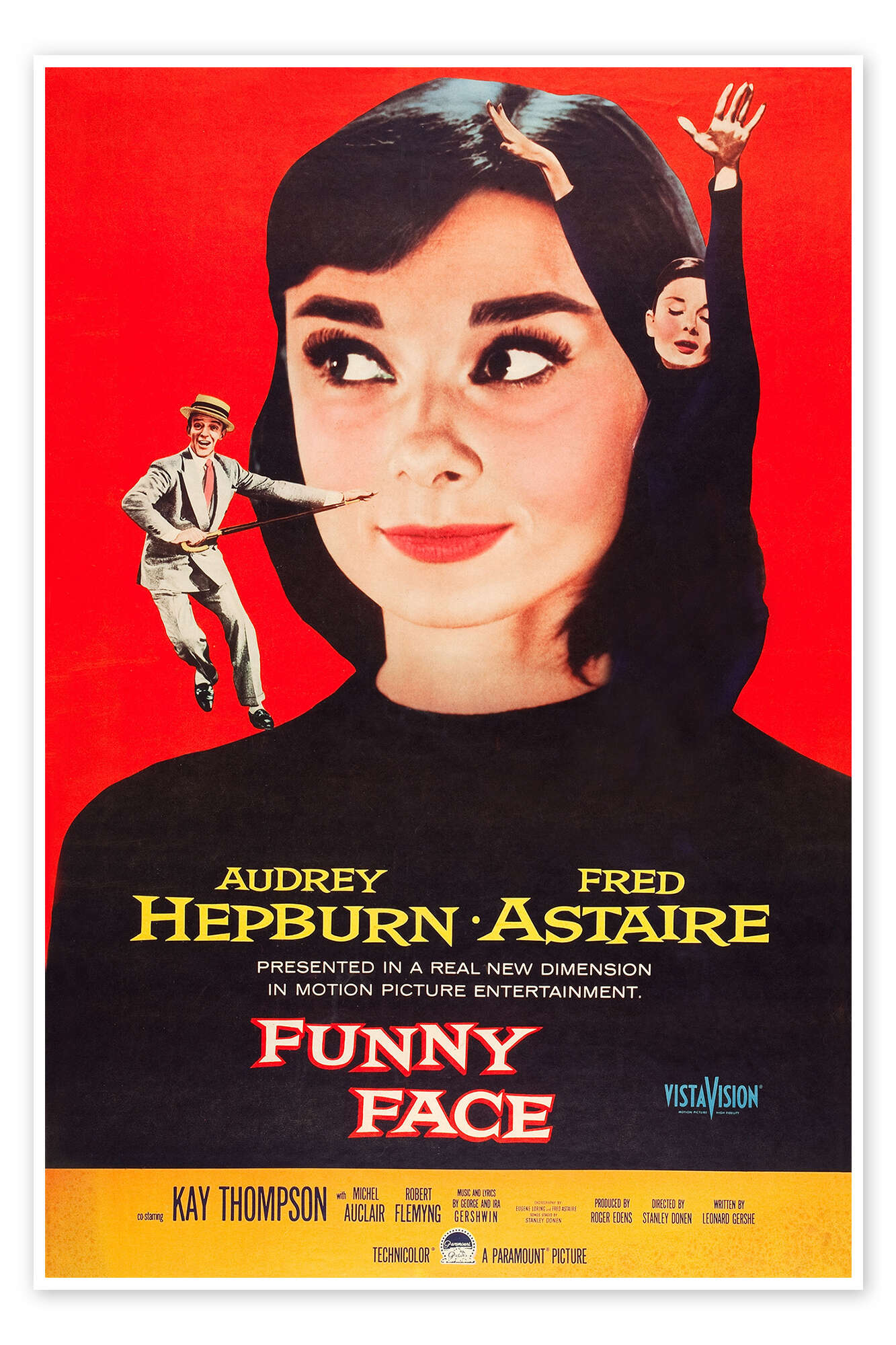
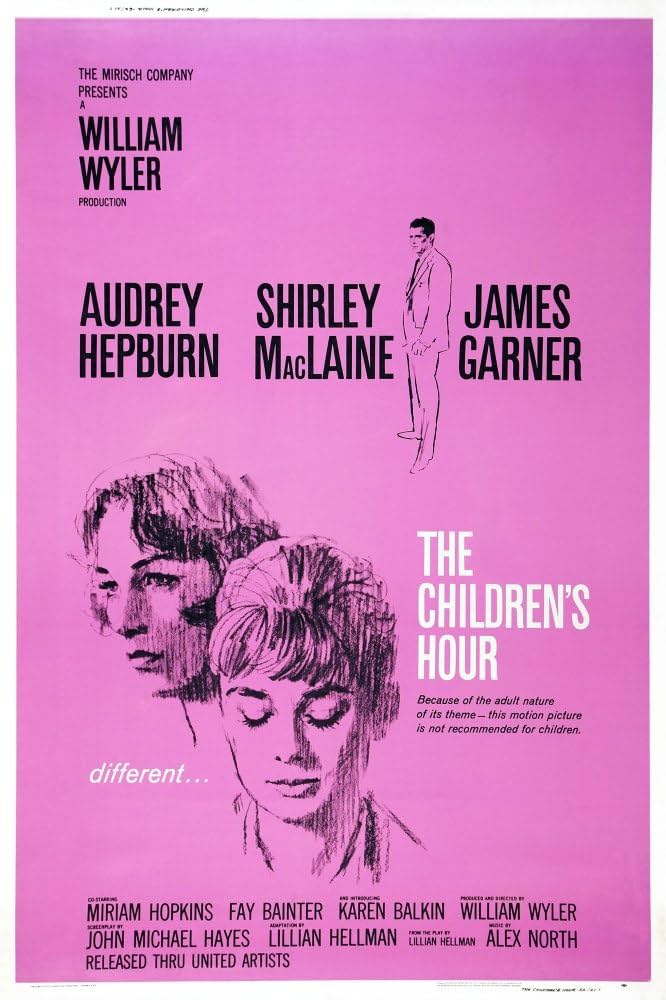
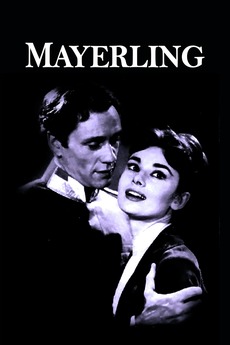
Career overview
Early life and training
Audrey Kathleen Ruston (1929–1993) was born in Brussels and spent her early childhood in Belgium, England, and the Netherlands. Trained initially in ballet, she developed the disciplined physicality, grace, and posture that would later define her screen presence. After World War II she moved to London, working as a dancer, chorus girl, and model before being cast in minor British films.
Stage breakthrough and meteoric film rise
Her first major break came in Colette’s stage adaptation of Gigi (1951) on Broadway, where her natural poise and expressive innocence earned rave reviews and drew the attention of Hollywood producers. Director William Wyler then cast her opposite Gregory Peck in Roman Holiday (1953). Her portrayal of a sheltered European princess tasting freedom for the first time won her the Academy Award for Best Actress and instantly established her as the anti‑Marilyn figure: refined, unsexualized, modern, and emotionally real.
Peak Hollywood years (1953–1967)
Over the next decade, Hepburn worked with many of the era’s most prestigious directors and leading men:
- Sabrina (1954, Billy Wilder) — a romantic fairy tale balancing sincerity and sophistication.
- War and Peace (1956) — Ambitious epic proving her poise could sustain large‑scale costume drama.
- Funny Face (1957, Stanley Donen) — Merged her dance training with musical comedy.
- The Nun’s Story (1959, Fred Zinnemann) — A major dramatic achievement showing spiritual struggle beneath outward serenity.
- Breakfast at Tiffany’s (1961, Blake Edwards) — Created her most iconic modern archetype, “Holly Golightly,” a fusion of glamour and loneliness.
- Charade (1963) and My Fair Lady (1964) — Consolidated her image as urbane, witty, impeccably composed.
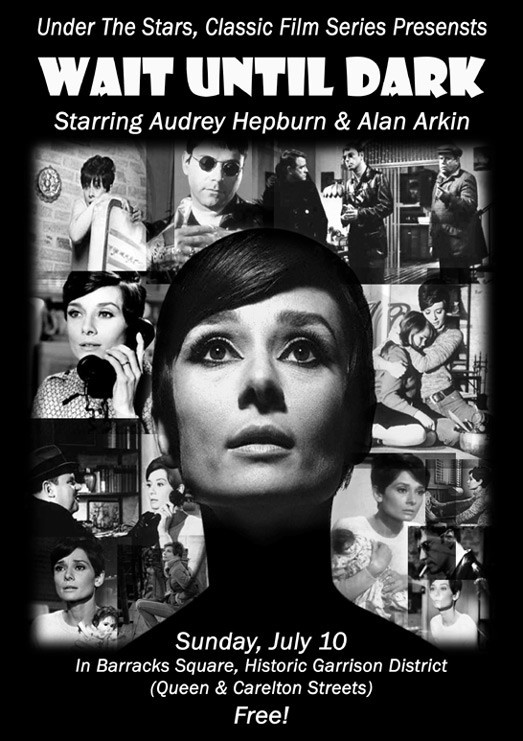
- Wait Until Dark (1967) — Displayed unexpected ferocity and suspense technique as a blind woman fighting for survival; earned another Oscar nomination.
By the late 1960s Hepburn gradually retreated from full‑time filmmaking, choosing family life and later humanitarian work for UNICEF. She made a handful of later appearances—notably Robin and Marian (1976), showing middle‑aged vulnerability opposite Sean Connery—but her legend was by then secure.
Humanitarian career (1980s–1990s)
Appointed a Goodwill Ambassador for UNICEF in 1988, Hepburn devoted the final years of her life to advocacy work in Africa, Central America, and Asia. Her humanitarian dedication deepened admiration for her both within and outside the film community, merging celebrity with moral authority.
She died in 1993 from cancer at her home in Tolochenaz, Switzerland, at age 63.
Screen persona and acting style
- Embodied grace through discipline: Trained as a dancer, Hepburn used posture, stillness, and movement as primary expressive tools. Each gesture seemed precise yet effortless, contributing to an aura of refinement rare in Hollywood stardom.
- Vulnerability and intelligence: Beneath composure she conveyed emotional transparency—her eyes communicated apprehension, yearning, or moral awareness even when dialogue was minimal.
- Modern femininity: In an era between glamour excess and the feminist 1960s, Hepburn presented strength through empathy, independence through quiet resolve—an alternative to dominant bombshell archetypes.
- Naturalistic minimalism: While contemporaries projected theatrical expressiveness, Hepburn relied on understatement—small inflections, a genuine listening quality, and conversational realism.
- Voice and linguistic individuality: Her slightly accented English and light tonal delivery became signatures, adding cosmopolitan authenticity and an otherness that audiences associated with both vulnerability and sophistication.
Critical analysis
Strengths
- Versatility within restraint: Able to move from romantic comedy (Roman Holiday) to moral drama (The Nun’s Story) to suspense (Wait Until Dark), maintaining emotional truth through nuanced economy.
- Chemistry with co‑stars: Created dynamic contrast with stronger, often older male leads—highlighting her intelligence and quietly assertive energy rather than subservience.
- Visual presence: Designers like Hubert de Givenchy crafted her cinematic wardrobe; costume became character psychology. Her pairing of elegance with sincerity revolutionized female screen iconography, shaping fashion and cultural ideals for decades.
- Moral and emotional clarity: She lent credibility to sentiment; her sincerity permitted films bordering on fantasy to feel grounded.
Limitations and constraints
- Narrow dramatic range: Her persona was so defined—poised, gentle, morally pure—that casting within darker or radically realistic material was rare. She seldom tackled overtly political or sexually ambiguous roles.
- Reluctance for psychological extremity: Although she could suggest turmoil (notably in The Nun’s Story), she preferred sensitivity to raw modernist exposure; thus the emerging Method era overshadowed her subtle classicism.
- Cultural misthreading: Later critics have questioned Breakfast at Tiffany’s for racial stereotypes and the film’s softened version of Capote’s novella, making the performance iconic but culturally contentious.
Legacy and significance
- Redefined stardom: Hepburn replaced overt sensual glamour with refinement, intelligence, and emotional accessibility, influencing global fashion and behavior.
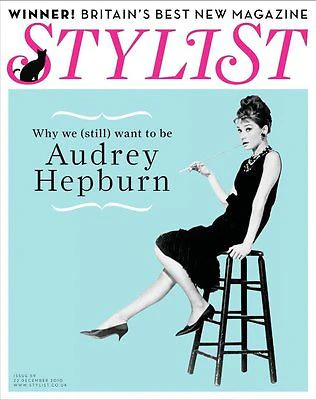
- Cultural durability: Her screen image—slim silhouette, pixie haircut, black dress, and empathy—has become a lingua franca of elegance across generations.
- Humanitarian ideal: Her off‑screen compassion integrated celebrity with conscience; modern public figures often invoke her as the prototype of philanthropy as performance ethics.
- Critical reassessment: Modern analyses emphasize her quiet subversiveness—the way she imbued feminine grace with autonomy, portraying women who choose their own moral paths rather than conforming to male fantasy.
Representative performances to study
- Roman Holiday (1953): Establishes the Hepburn archetype—innocence awakening into self‑awareness.
- The Nun’s Story (1959): Her finest dramatic work; detailed portrait of vocation, discipline, and conscience.
- Breakfast at Tiffany’s (1961): Cultural cornerstone blending charm, melancholy, and modern loneliness.
- Wait Until Dark (1967): Displays psychological courage and precision in suspense form.
- Robin and Marian (1976): A mature coda, reflecting aging romantic idealism.
Summary
Audrey Hepburn’s career unites two modes seldom reconciled: the public icon and the serious artist. Across barely twenty features she transformed notions of femininity, emotional expression, and even cinematic movement itself. Her acting—disciplined yet spontaneous, radiant yet self‑effacing—continues to define a standard of elegance fused with authenticity. If her range was bounded by type, within that space she achieved an unparalleled purity of tone: compassion made visible