
IMDB Entry:
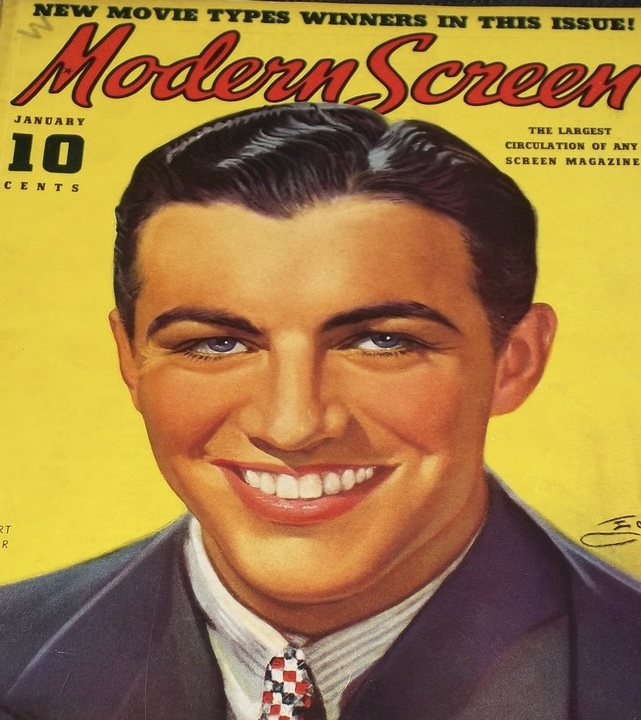
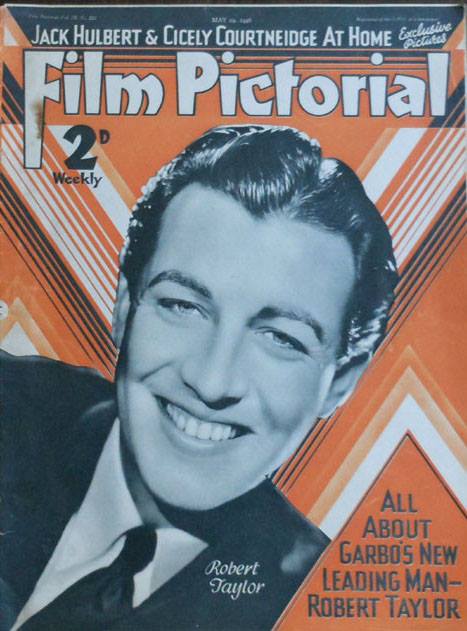
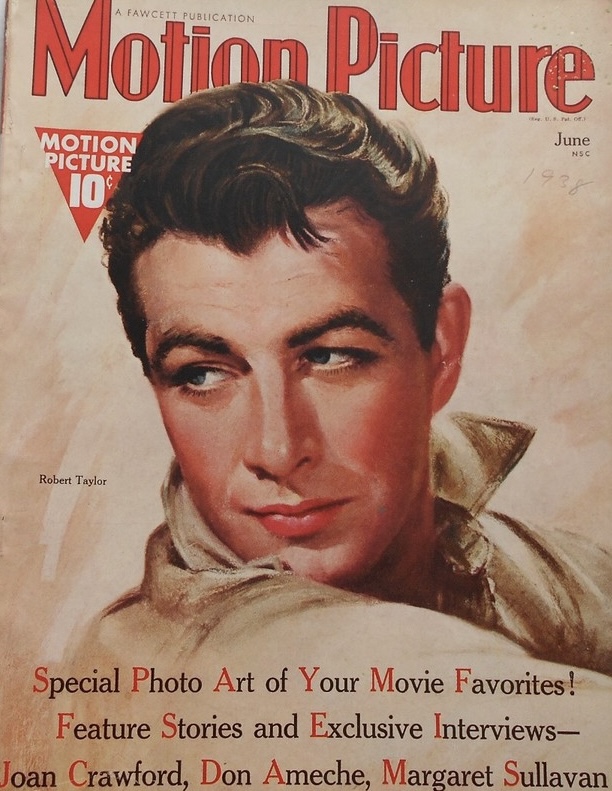
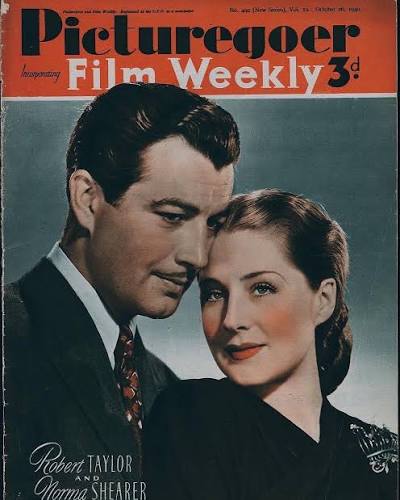
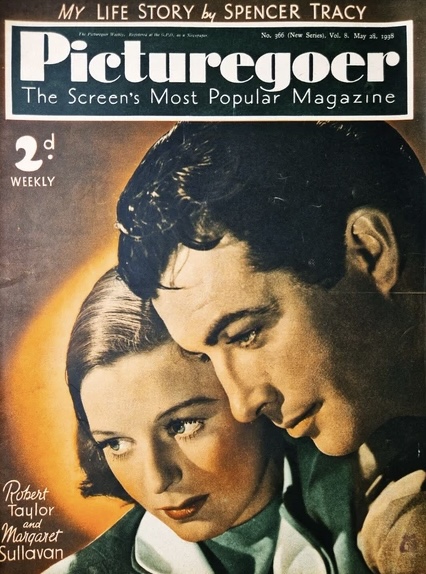
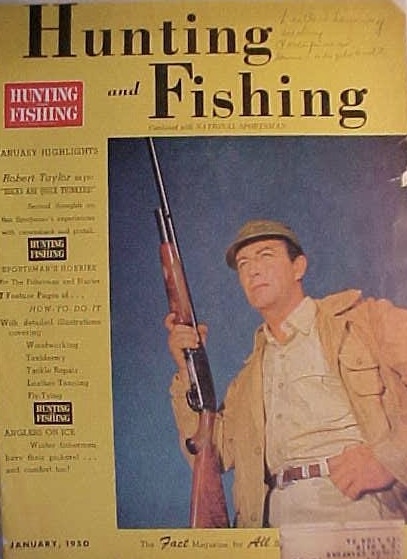
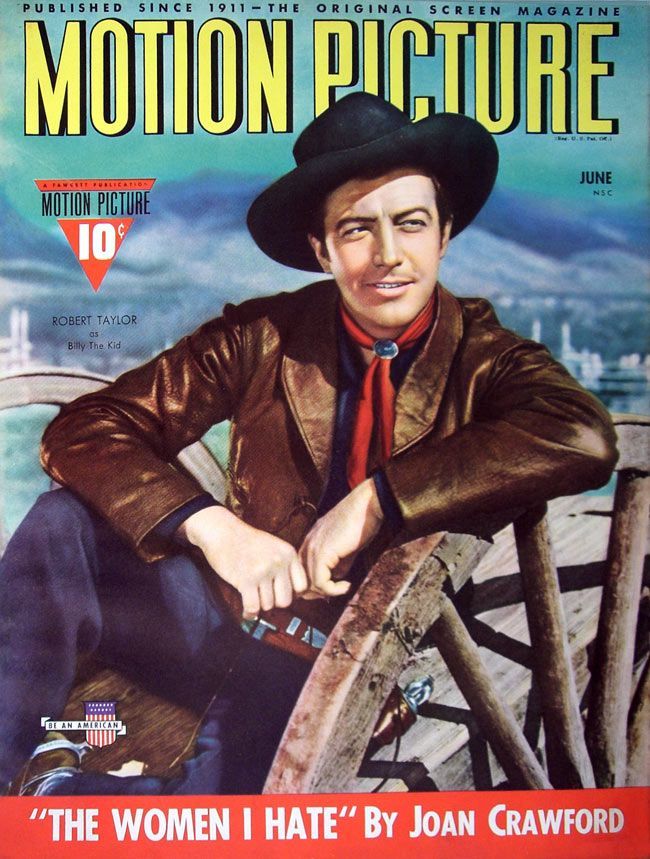
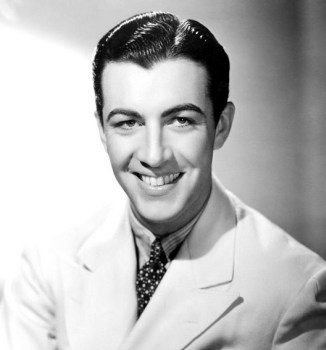
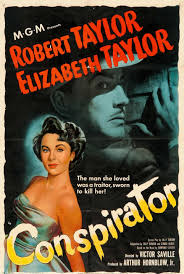
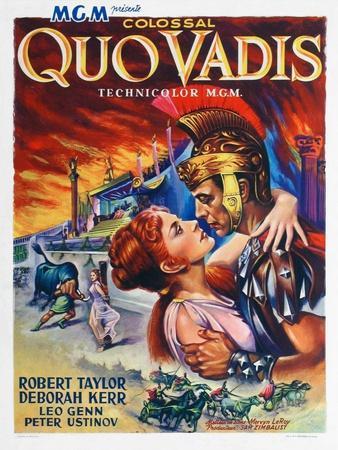
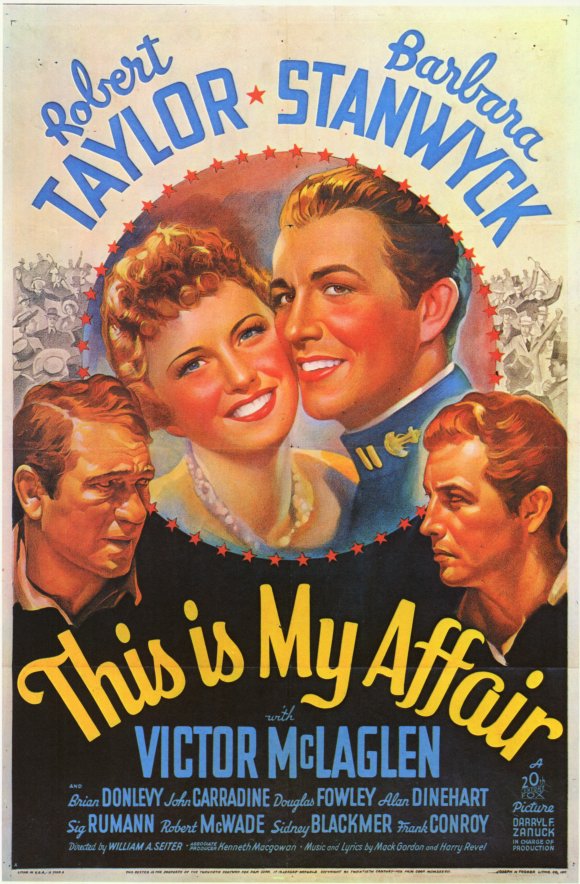
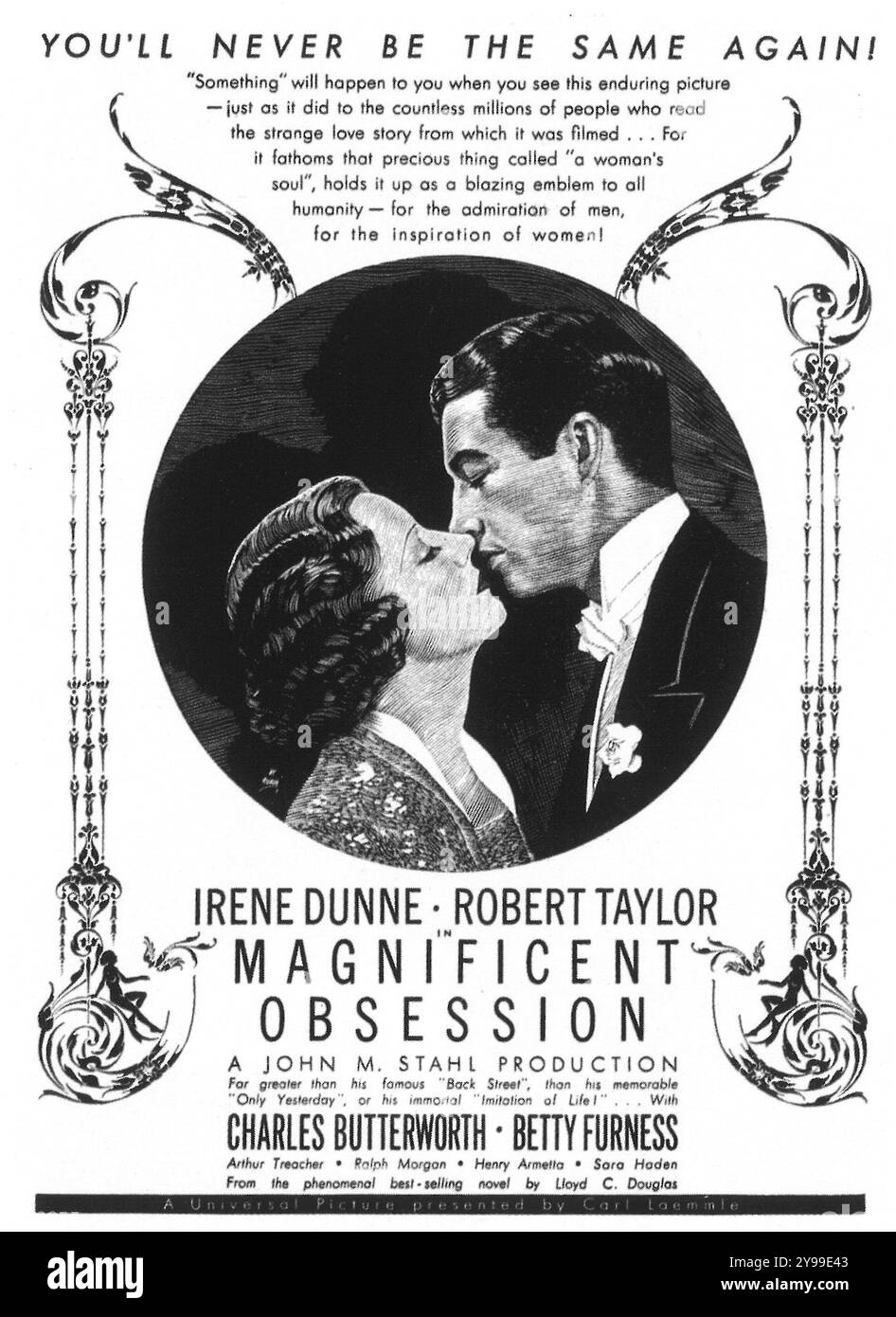
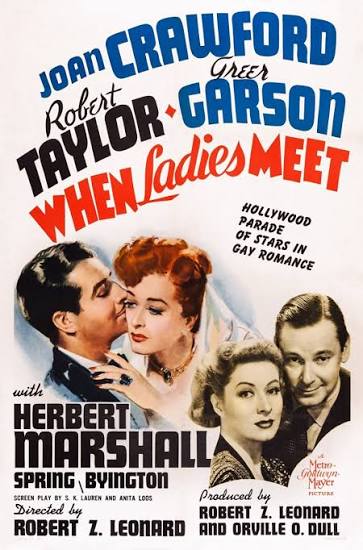
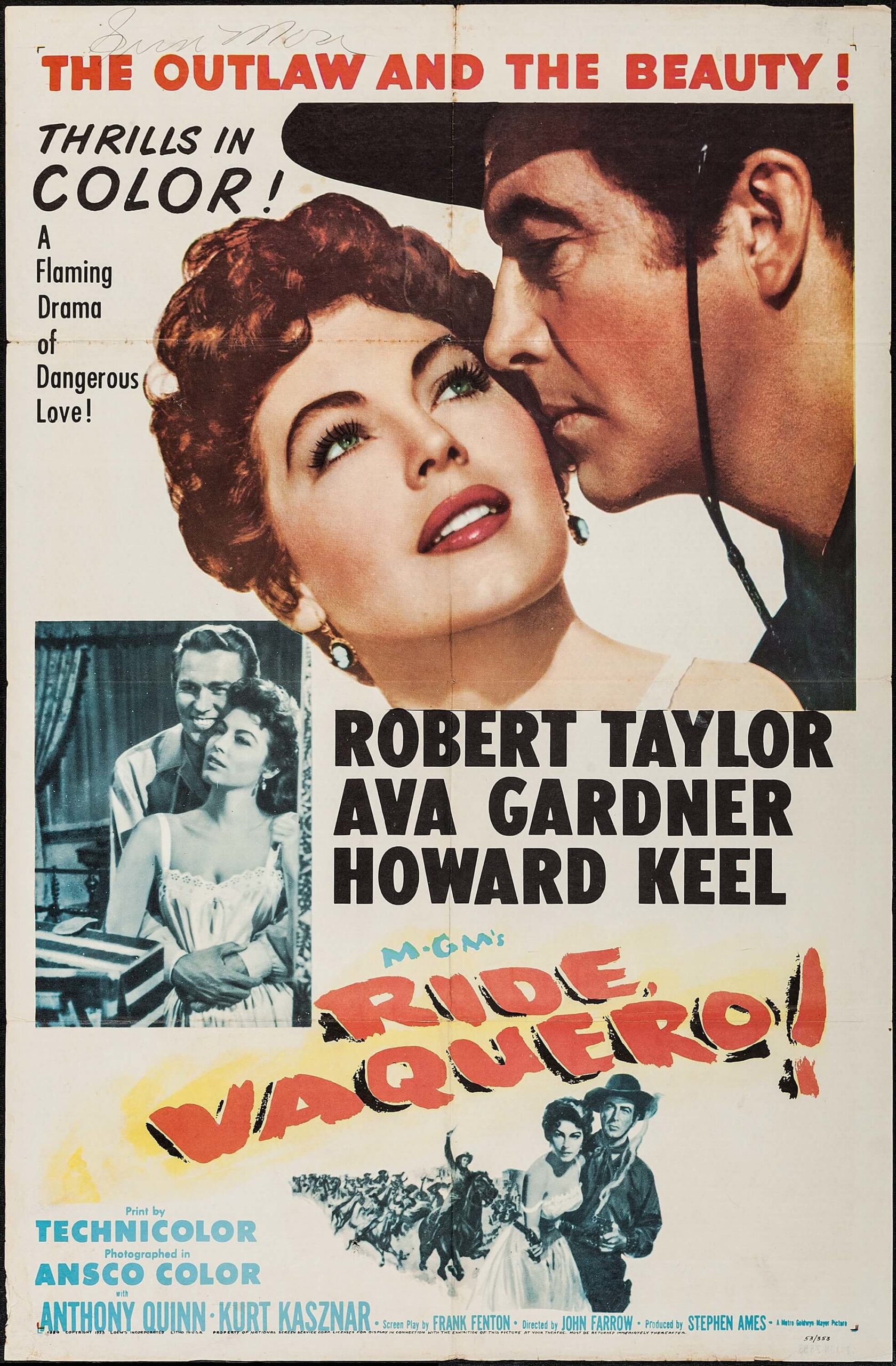
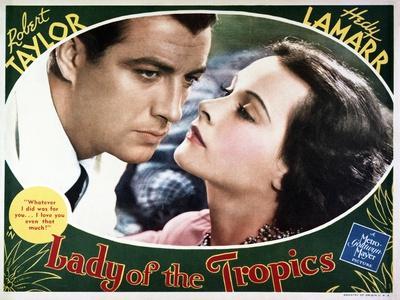
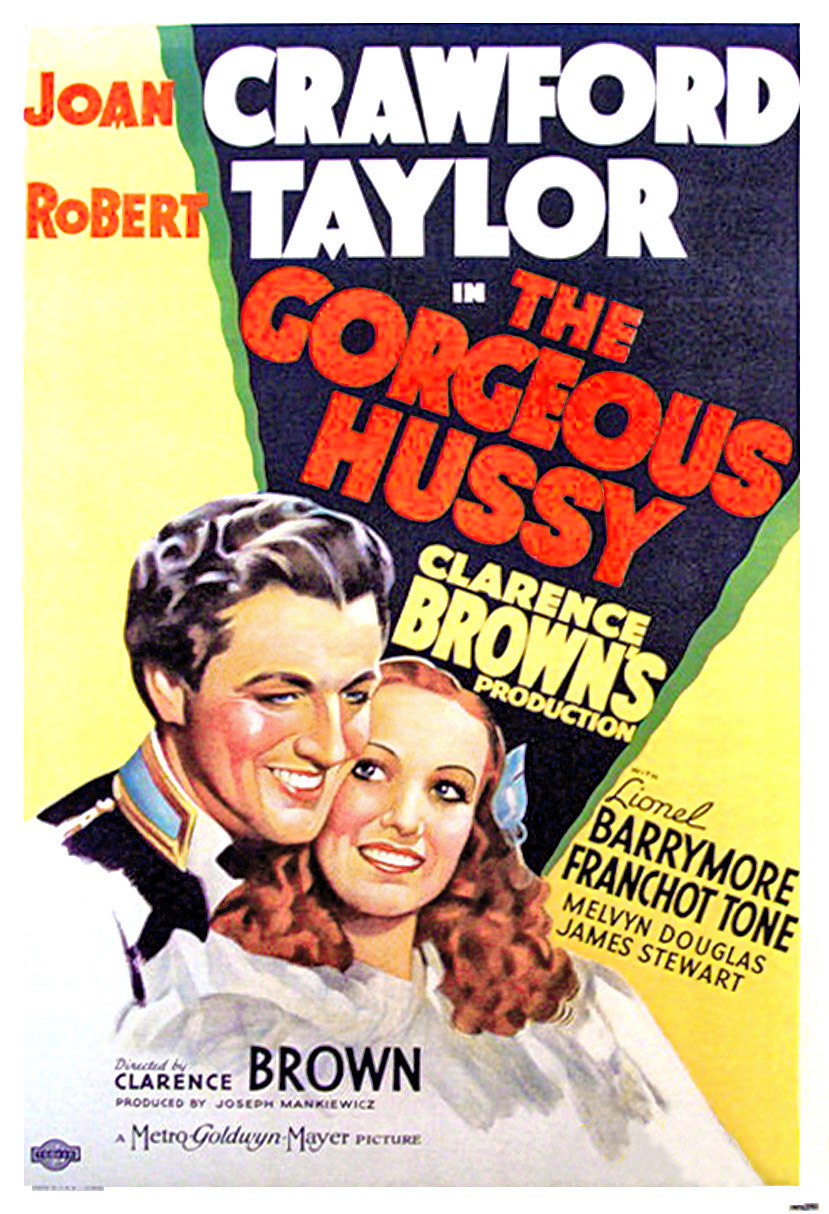
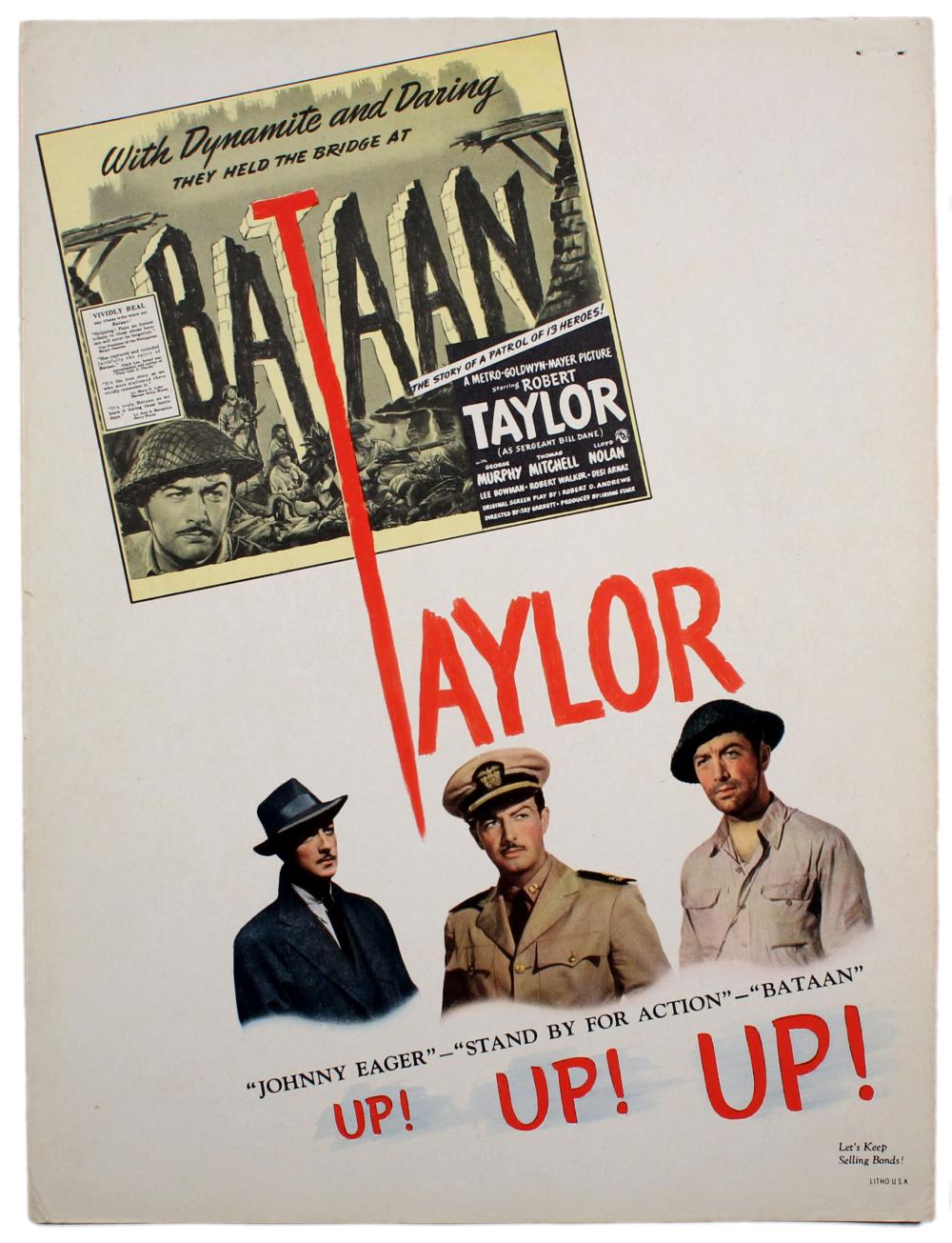
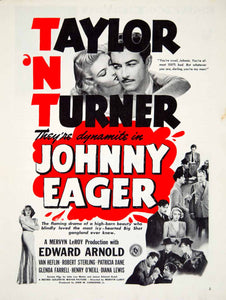
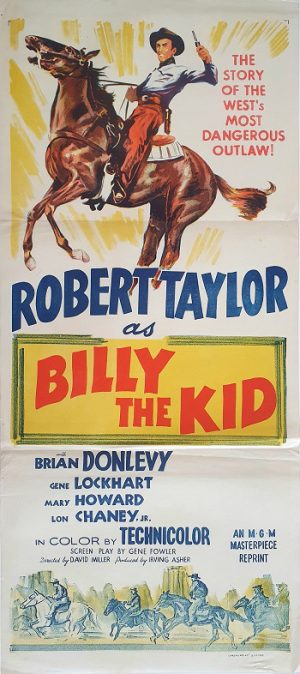
Born Spangler Arlington Brugh, Robert Taylor began displaying a diversity of talents in his youth on the plains of Nebraska. At Beatrice High School, he was a standout track athlete, but also showed a talent for using his voice, winning several oratory awards. He was a musician and played the cello in the school orchestra. After graduating he thought of music as a vocation and started studying music at Doane College in Crete, Nebraska. In the early 1930s he decided to follow in his father’s footsteps and study medicine. He enrolled at Pomona College but also joined the campus theater group and found himself in many lead roles because of his handsome features. He was inspired to go on to the Neely Dixon Dramatic School, but about a year after graduating from Pomona, he was spotted by an MGM talent scout and given a contract in 1934. That same year, he appeared in his first movie, on loan-out to Fox for a Will Rogers entry, Handy Andy (1934). He also did an MGM short, Buried Loot (1935), for its “Crime Does Not Pay” series, which provided good exposure. However, the next year he did even better by being cast as the lead, again on loan-out, this time to then struggling Universal Pictures, in Magnificent Obsession (1935) with Irene Dunne, the story of a happy-go-lucky party guy who inadvertently causes blindness to the young lady he wishes to impress and then becomes a doctor in order to cure her. The movie was a big hit, and Taylor had a taste of instant box-office stardom. Along with his good looks, Taylor already showed solid dramatic skill. However, critics viewed of him as a no-talent flash-in-the-pan getting by on his looks (a charge levied at his closest contemporary comparison, Tyrone Power over at Fox). He had to endure some brutal reviews through his first years in Hollywood, but they would soon fade away. In 1935 alone, he appeared in seven films, and by the end of the year, he was at the top of his form as a leading man and being offered substantial scripts. The next year he appeared with Greta Garbo in Camille (1936), and for the remainder of the decade MGM’s vehicles for him–not to mention a pantheon of top actresses–clicked with audiences. On a personal level, despite his impressive family background and education, Taylor would often strike those who met him as a mental lightweight. Intellectually inclined actress Luise Rainer was shocked when she struck up a conversation with him at a studio function in 1937 when, after asking him what his goals were, he sincerely replied that his most important goal was to accumulate “a wardrobe of ten fine custom-tailored suits.” That he usually comes across on screen as having a confident, commanding presence is more of a testimony to his acting talent than his actual personality. He held rigid right-wing political beliefs that he refused to question and, when confronted with an opposing viewpoint, would simply reject it outright. He rarely, if ever, felt the need to be introspective. Taylor simply felt blessed to be working behind the walls of MGM. His affection for the studio would blind him to the fact that boss Louis B. Mayer masterfully manipulated him for nearly two decades, keeping Taylor’s salary the lowest of any major Hollywood star. But this is also indicative of how much trust he placed in the hands of the studio’s leaders. Indeed, Taylor remained the quintessential MGM company man and would be rewarded by remaining employed there until the demise of the studio system in the late 1950s, outlasting its legend, Clark Gable. Though not quite considered treasures to be locked away in film vaults, Taylor’s films during the first five years of his career gave him the opportunity to explore a wide spectrum of romantic characters, playing young officers or doctors more than once. Some noticeable examples of the variety of roles he took over a year’s time were his chip-on-the-shoulder Lee Sheridan in A Yank at Oxford (1938), ladies’ man/boxer Tommy McCoy in The Crowd Roars (1938) and cynical southern gentleman Blake Cantrell in Stand Up and Fight (1939). Taylor would truly become a first-rate actor in the following decade. By the 1940s, he was playing edgier and somewhat darker characters, such as the title roles in Billy the Kid (1941) and smooth criminal Johnny Eager (1941). With the arrival of the war, Taylor was quick to make his contribution to the effort. As an actor, he made two memorable combat movies: Stand by for Action (1942) and the better known (and for the time, quite graphic) Bataan (1943). From 1943 to 1946, he was in the US Naval Air Corps as a lieutenant, instructing would-be pilots. He also found time to direct two flight instruction training films (1943) and other training films for the Navy. Rather didactic in his ultra-conservative political beliefs, he became involved in 1947 as a “friendly witness” for the House Un-American Activities Committee investigating “Communist subversion” in the film industry. Anyone who knew Taylor knew he was an arch conservative but doubted that he could articulate why. He publicly stated that his accepting a role in Song of Russia (1944) was bad judgment (in reality, it was against his nature to balk at any film assignment while at MGM) and that he considered the film “pro-Communist.” He also–rather unwittingly–fingered fellow actor Howard Da Silva as a disruptive force in the Screen Actors Guild. Although he didn’t explicitly accuse Da Silva of being a Communist, his charges of “disruption” had the same effect, and the veteran actor found himself blacklisted by the studios for many years. After the war and through the remainder of the decade, Taylor was getting action roles to match his healthy box office draw, but there were fewer of them being offered. He was aging, and though he had one of his best known roles as the faith-challenged Gen. Marcus Vinicius in the monster hit Quo Vadis (1951), he was now being seen more as a mature lead. MGM, now under the aegis of Dore Schary, made the decision to move a significant amount of production to England to cut costs and opted to film several big-budget costume epics there starring Taylor.
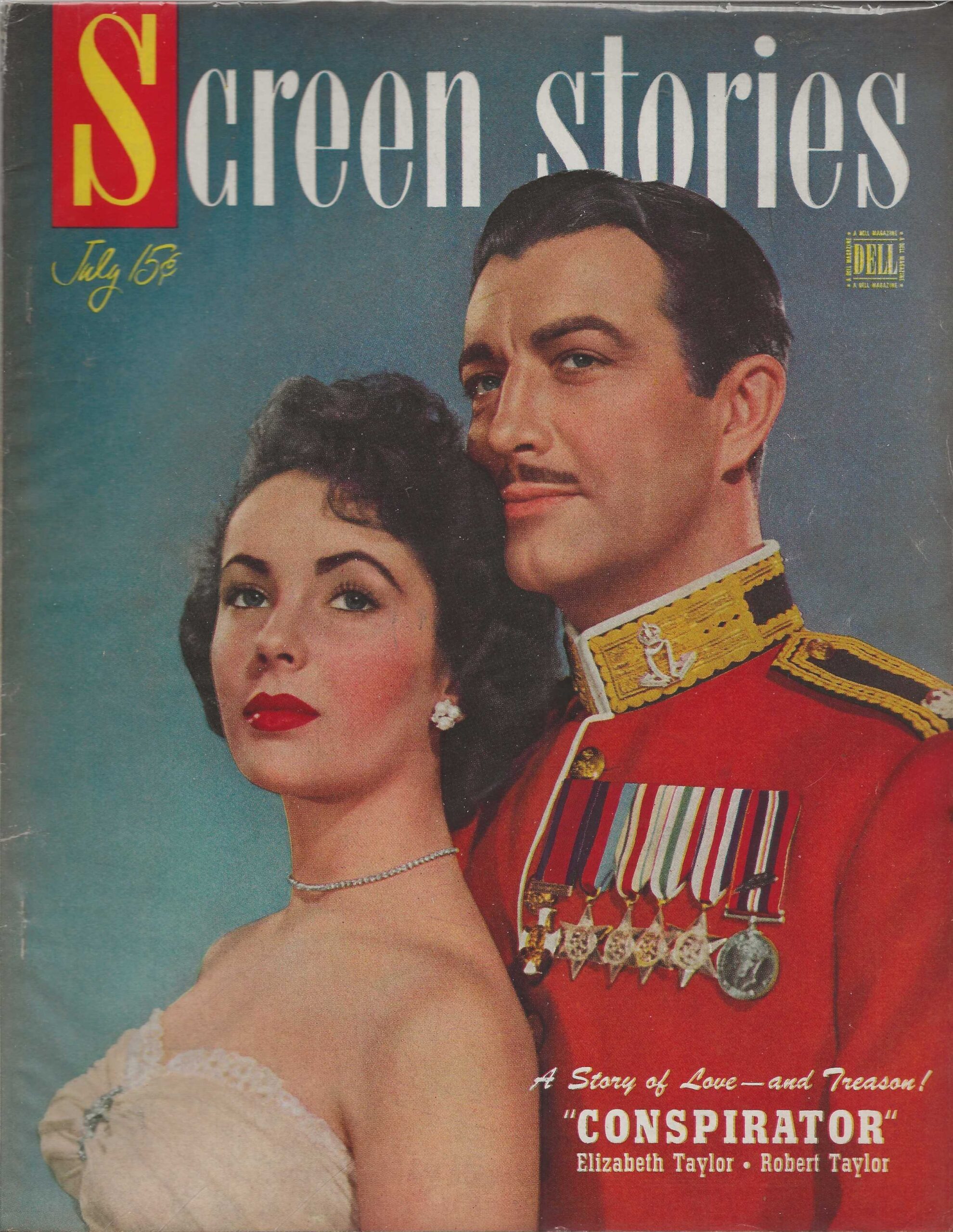
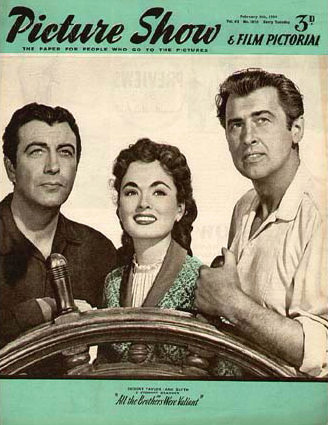
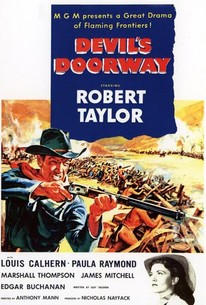
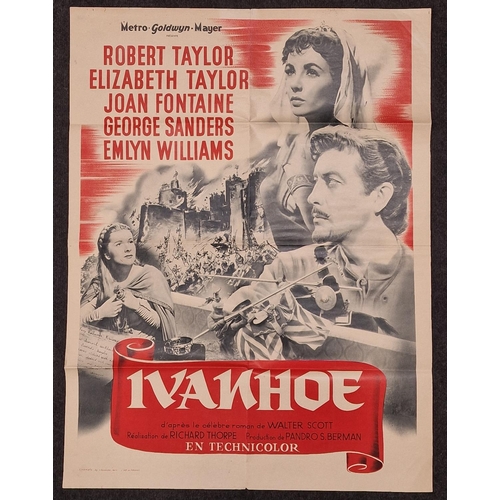
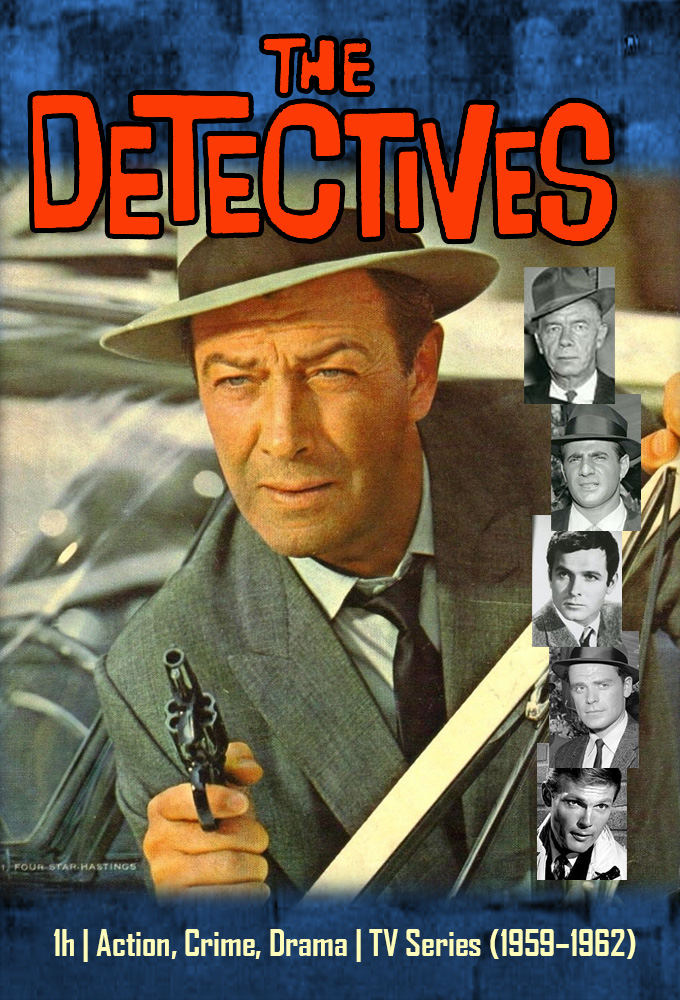
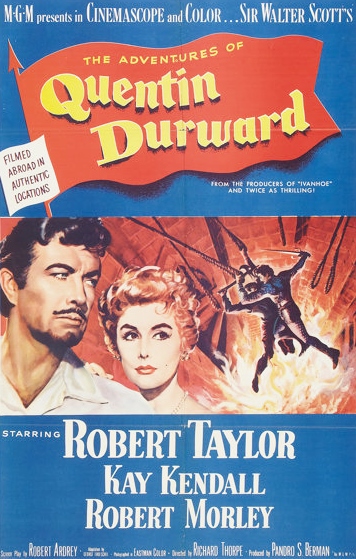
With Walter Scott‘s Ivanhoe (1952), he was back (as once before in 1949) with the dazzling young Elizabeth Taylor pining for him as the exotic young Jewish woman Rebecca, effectively pulling off a role ideally suited for an actor a decade younger. With a great script and lots of action (forget about the mismatch of some matte backdrops!), the movie was a smash hit. He had a new look–rakish goatee and longer hair–that fit the youthful illusion. The movie did so well that MGM opted for a follow-up film based on the King Arthur legend, Knights of the Round Table (1953). It was not quite as good, but Taylor had the same look, and it worked. To his credit, Taylor continued to push for challenging roles in his dramatic output; the old “pretty face” stigma still seemed to drive him. He played an intriguing and most unlikely character in Devil’s Doorway (1950)–an American Indian (dark-stained skin with blue eyes!) who wins a Medal of Honor for heroism in the Civil War but comes home to his considerable land holdings to encounter the continued racial bigotry and envy of his white neighbors. It contained pushing-the-envelope dialog with many thought-provoking scenes dealing with the social plight of the Indian. Taylor did several noteworthy pictures after this film (e.g., the edgy Rogue Cop (1954)) and was even more swashbuckling in one of the lesser known of Sir Walter Scott’s romantic novels, Quentin Durward (1955), again successful in a younger-man role. Though his contract with MGM expired in 1958, he accepted a few more films into the 1960s. He put on some weight in his 50s, and the effects of heavy chain smoking began to affect his looks, but Taylor successfully alternated between starring film roles and television, albeit at a somewhat reduced pace. He founded his own production company, Robert Taylor Productions, in 1958 and moved comfortably into TV work. From 1959 to 1962, he was the star of the TV series The Detectives (1959), and when Ronald Reagan bowed out of TV’s popular western anthology Death Valley Days(1952) for a political career, Taylor took over as host and sometime actor (1966-1968) until his death from lung cancer at the age of only 57.
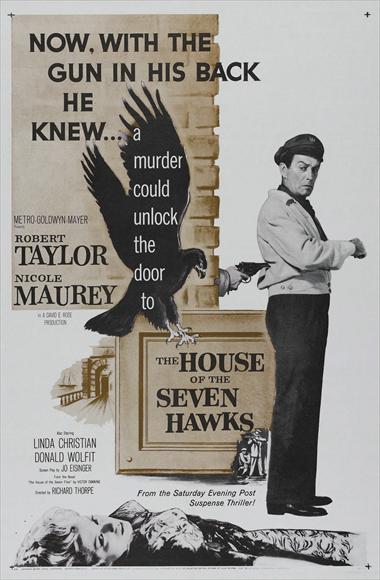
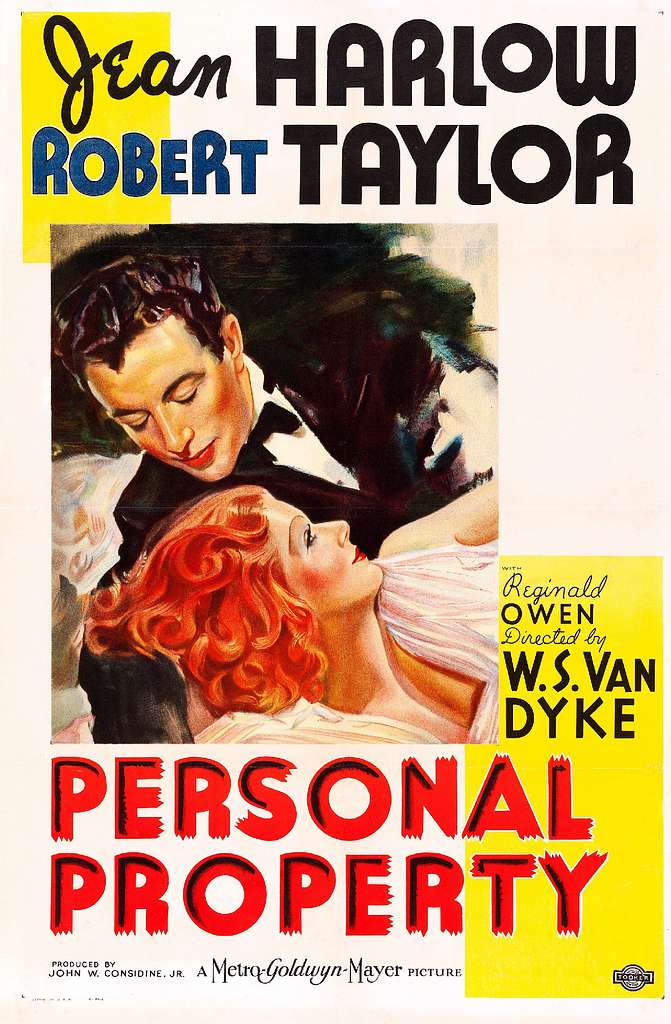
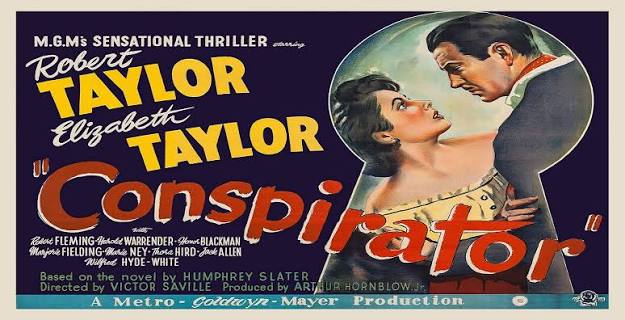
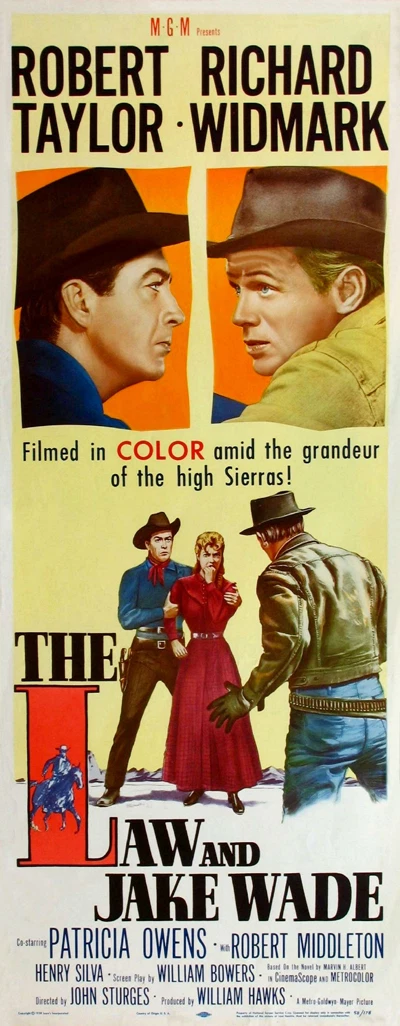
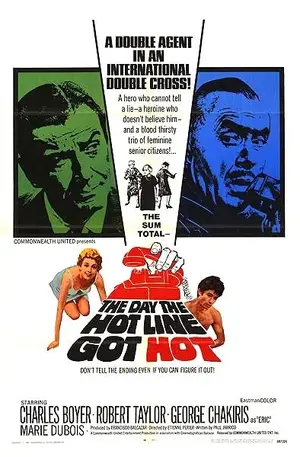
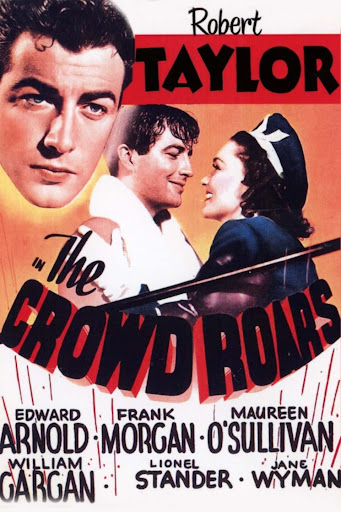
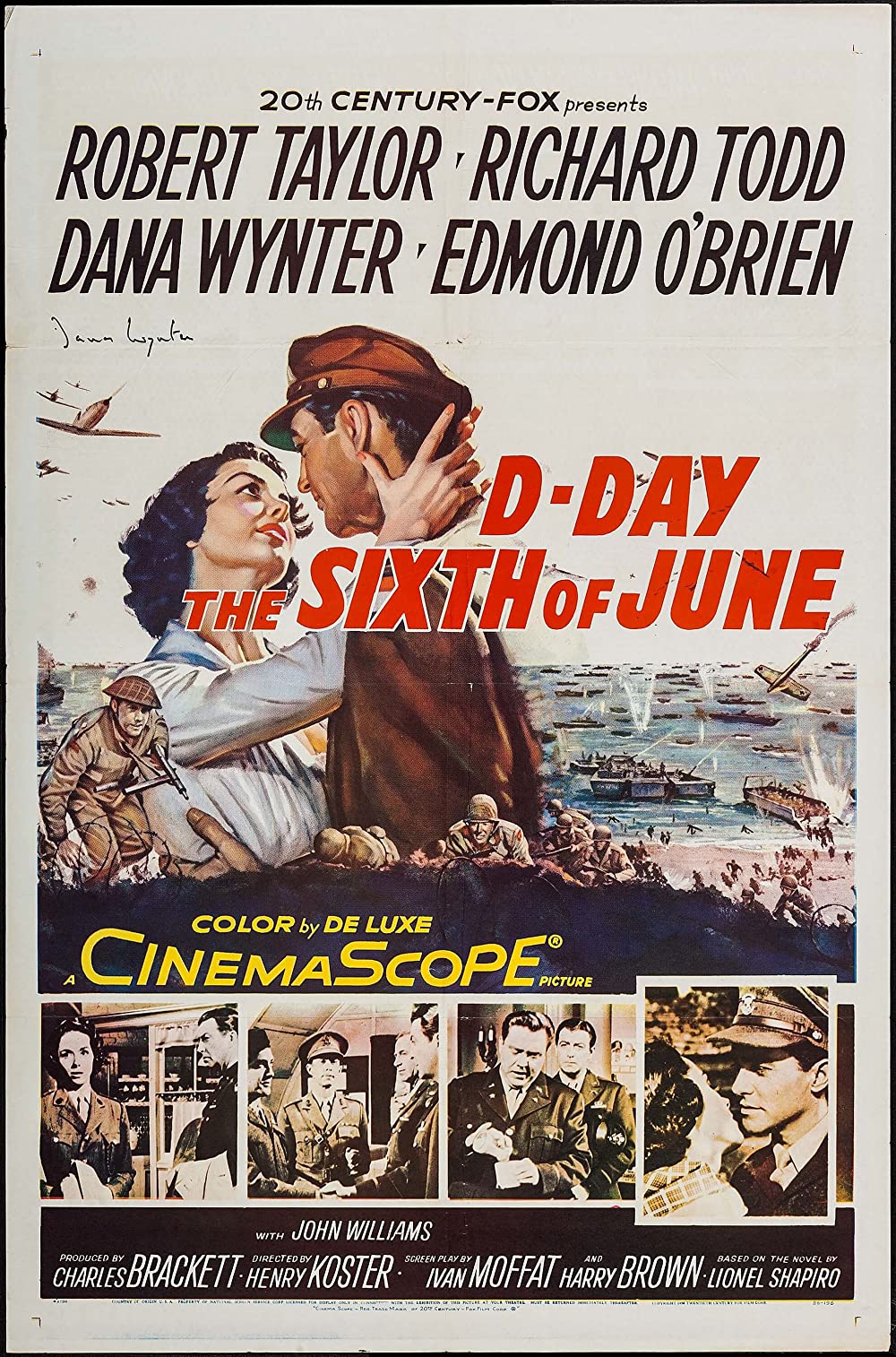
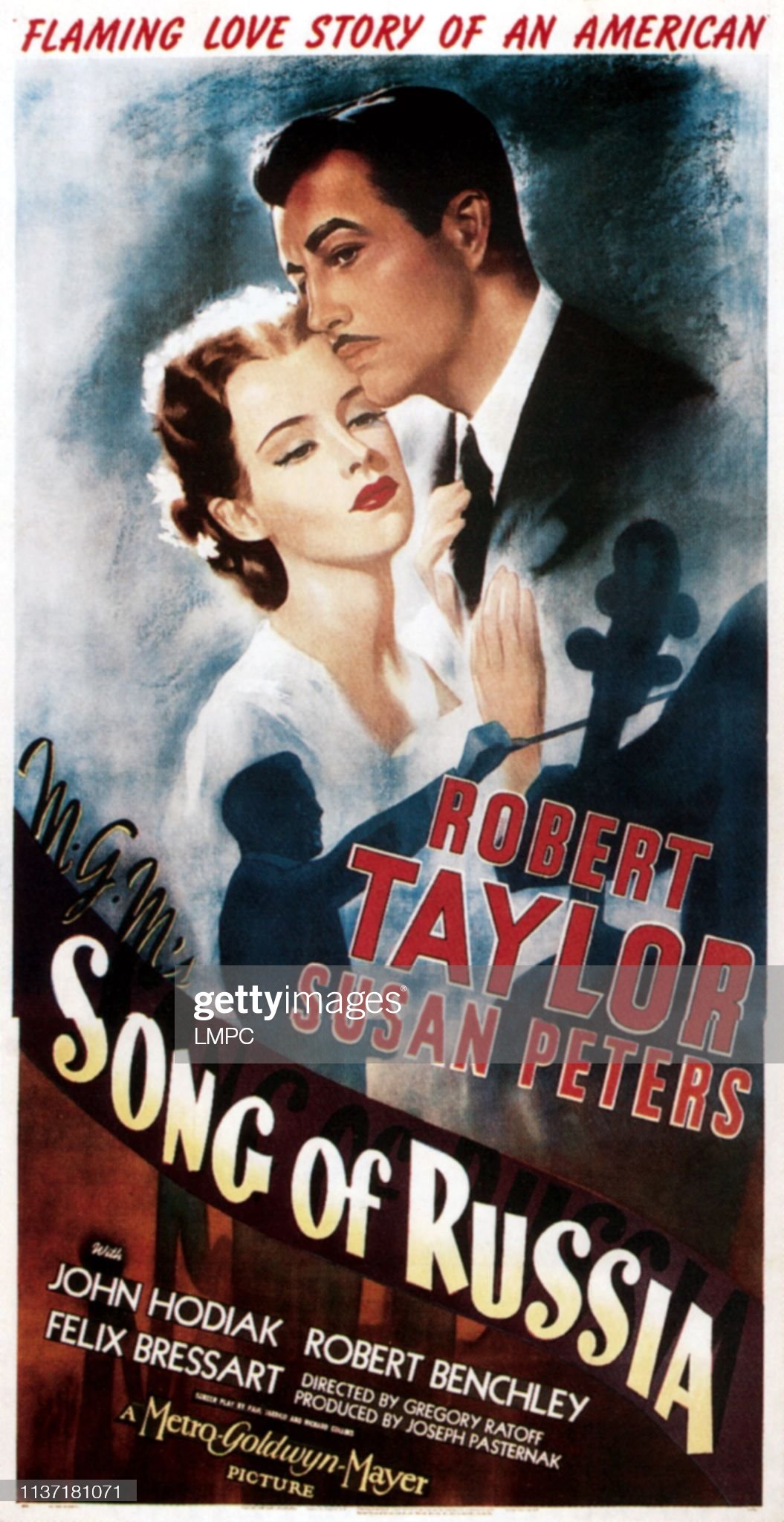
Career overview
Early life and introduction to film
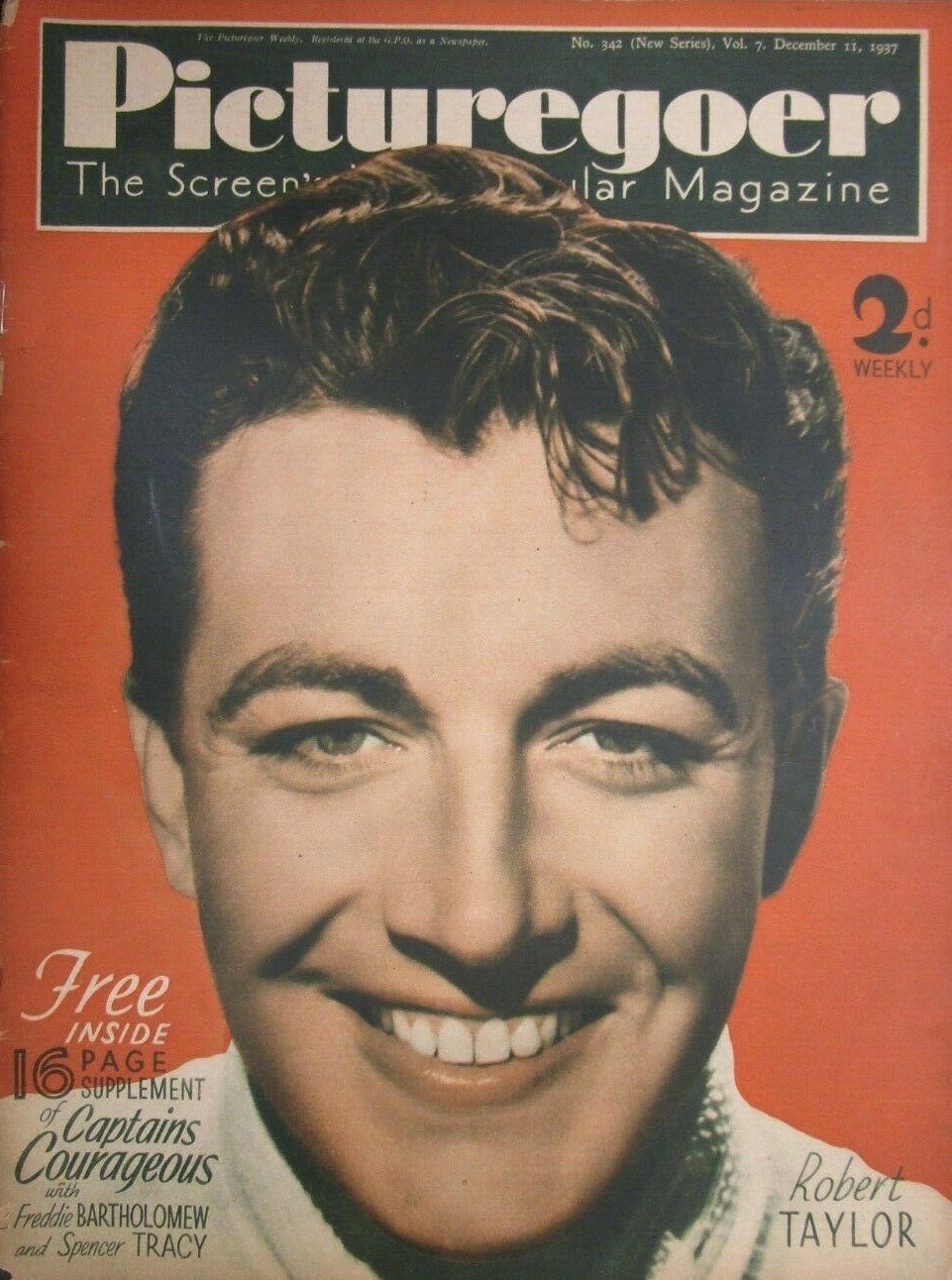
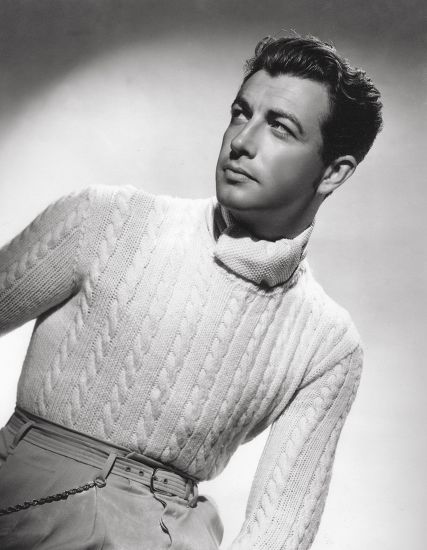
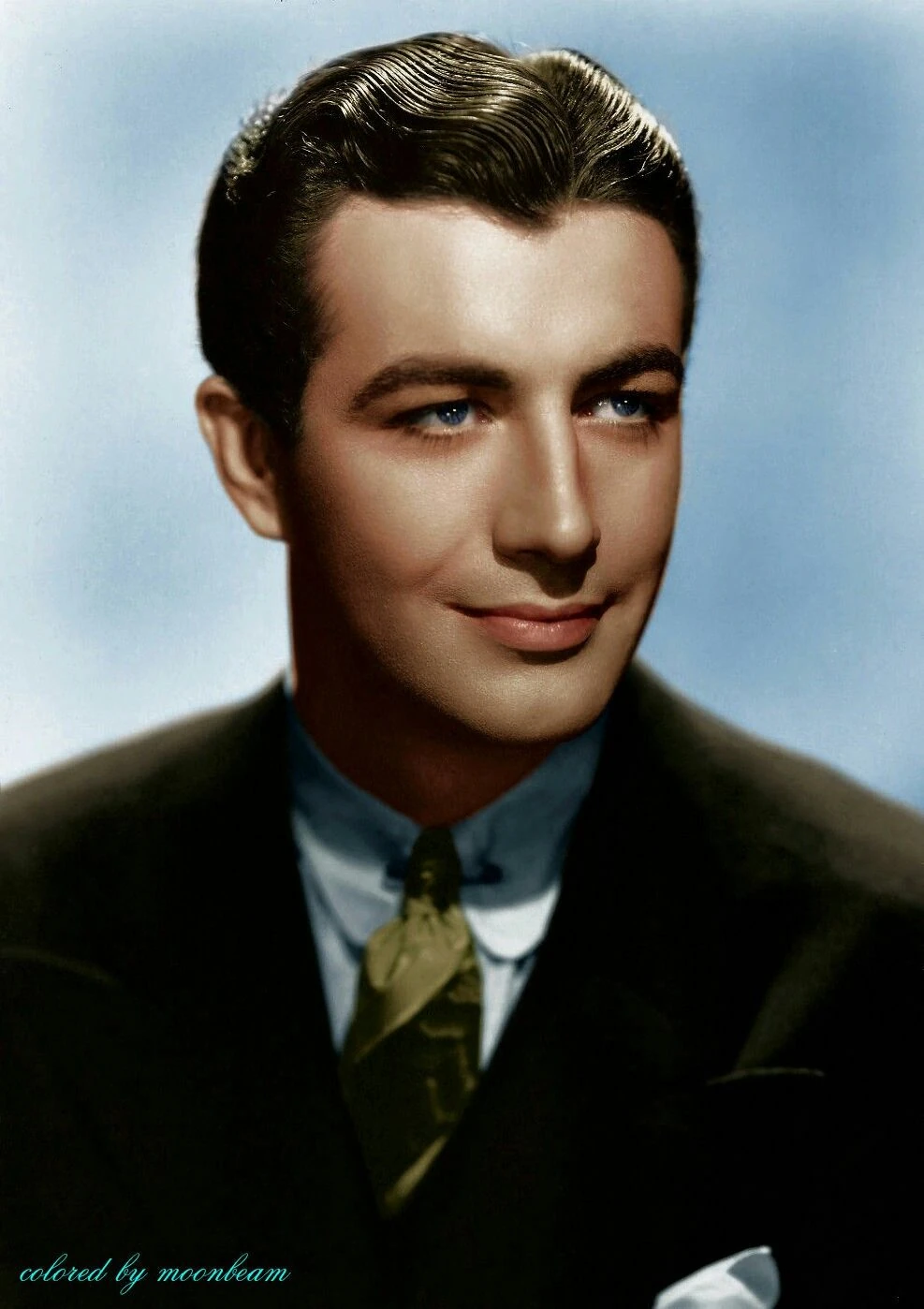
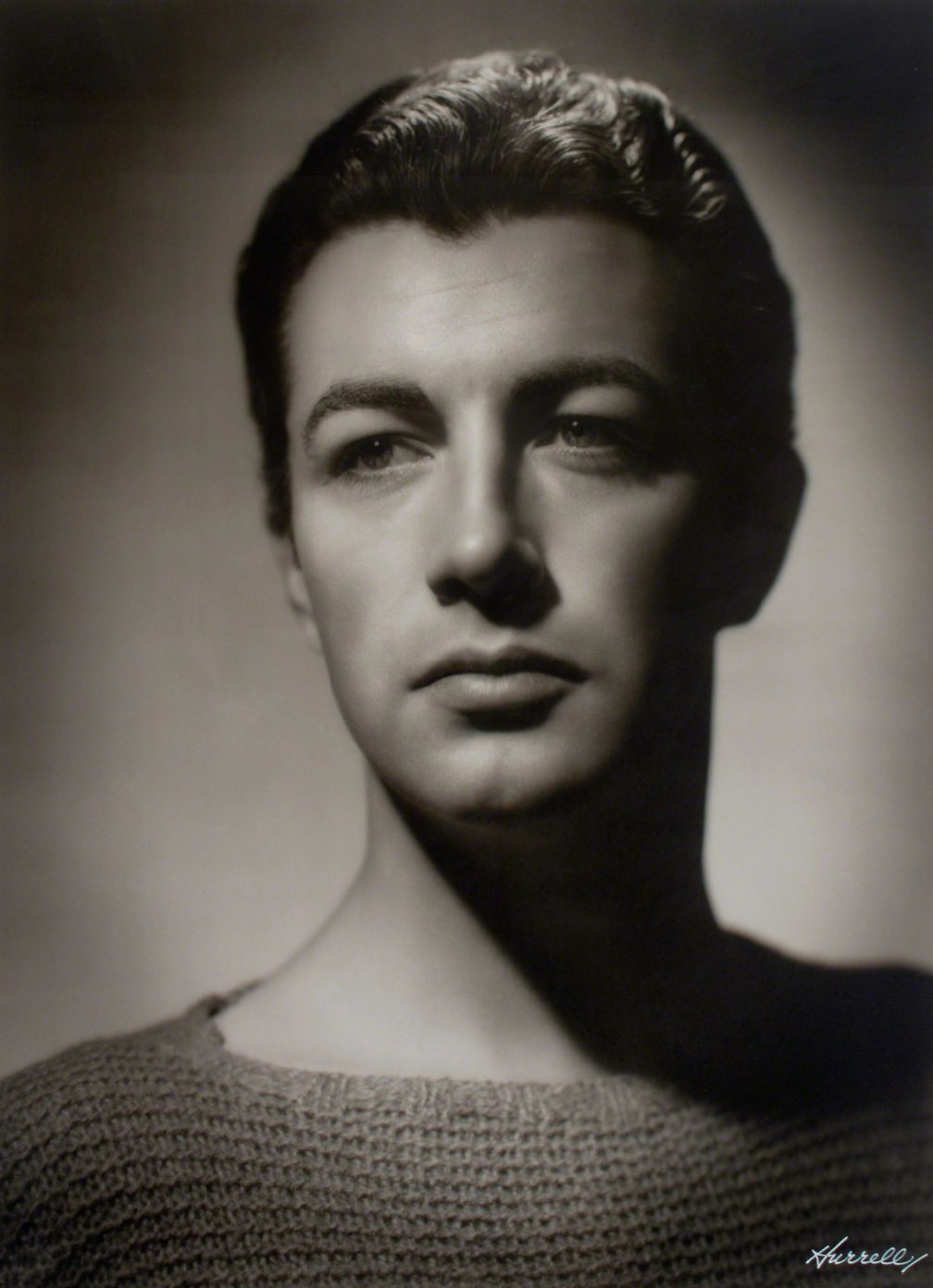
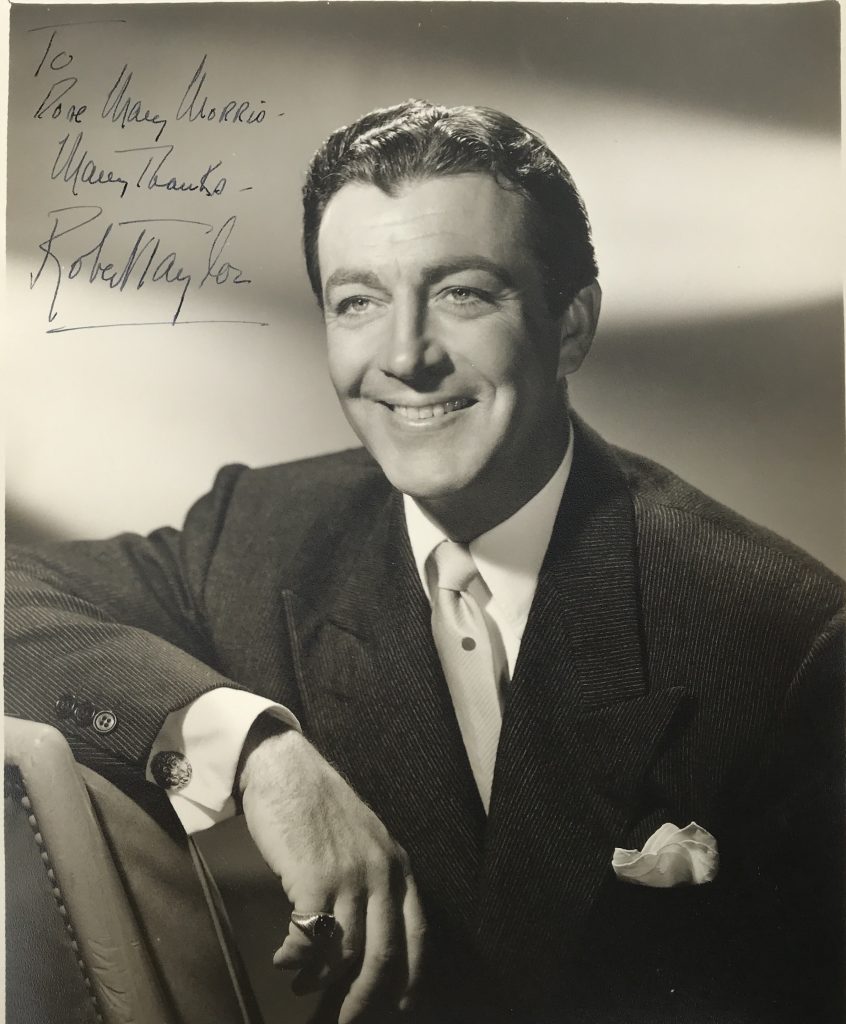
Robert Taylor (born Spangler Arlington Brugh, August 5 1911 – June 8 1969, Nebraska USA) trained in drama and music at Pomona College before joining Metro‑Goldwyn‑Mayer in the mid‑1930s . He broke through almost immediately as one of MGM’s new romantic leads, the studio grooming him as a counterpart to its reigning matinee idols—Clark Gable and Robert Montgomery—but with a more earnest, sensitive appeal.
Hollywood ascendancy (mid‑1930s–1940s)
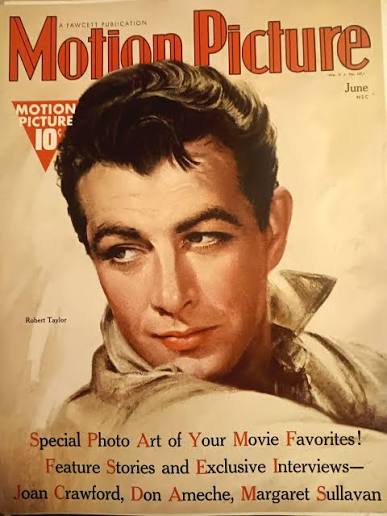
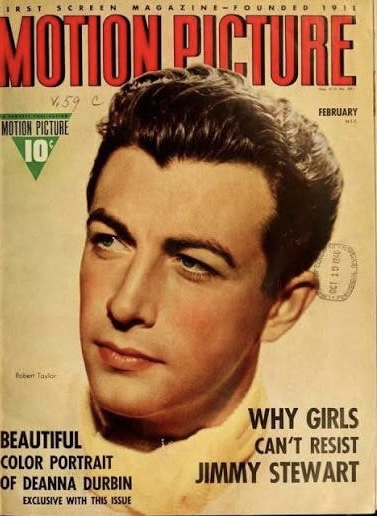
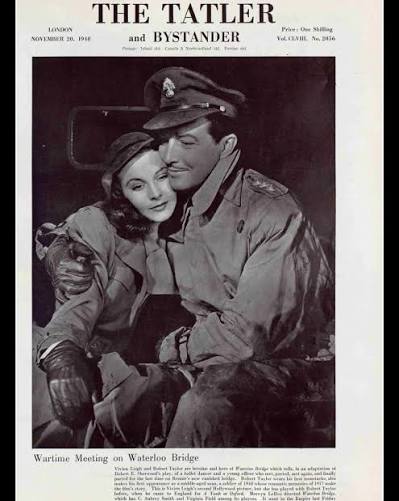
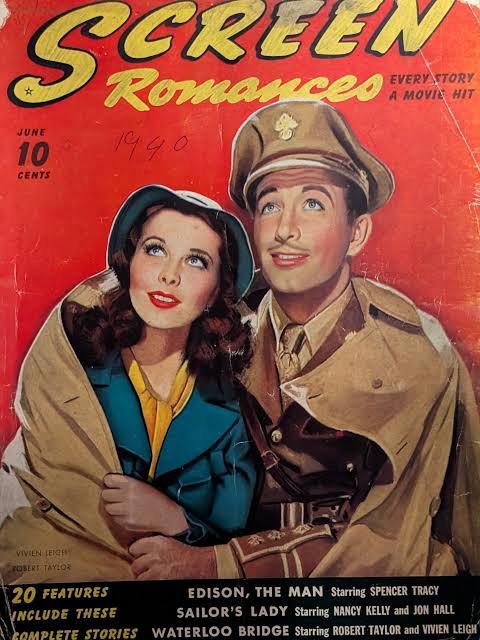
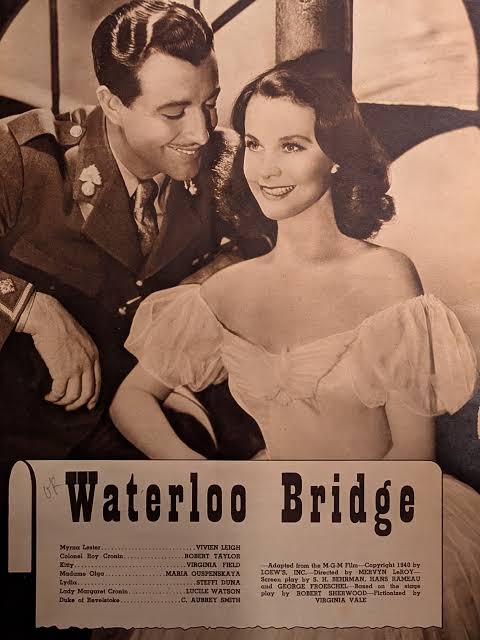
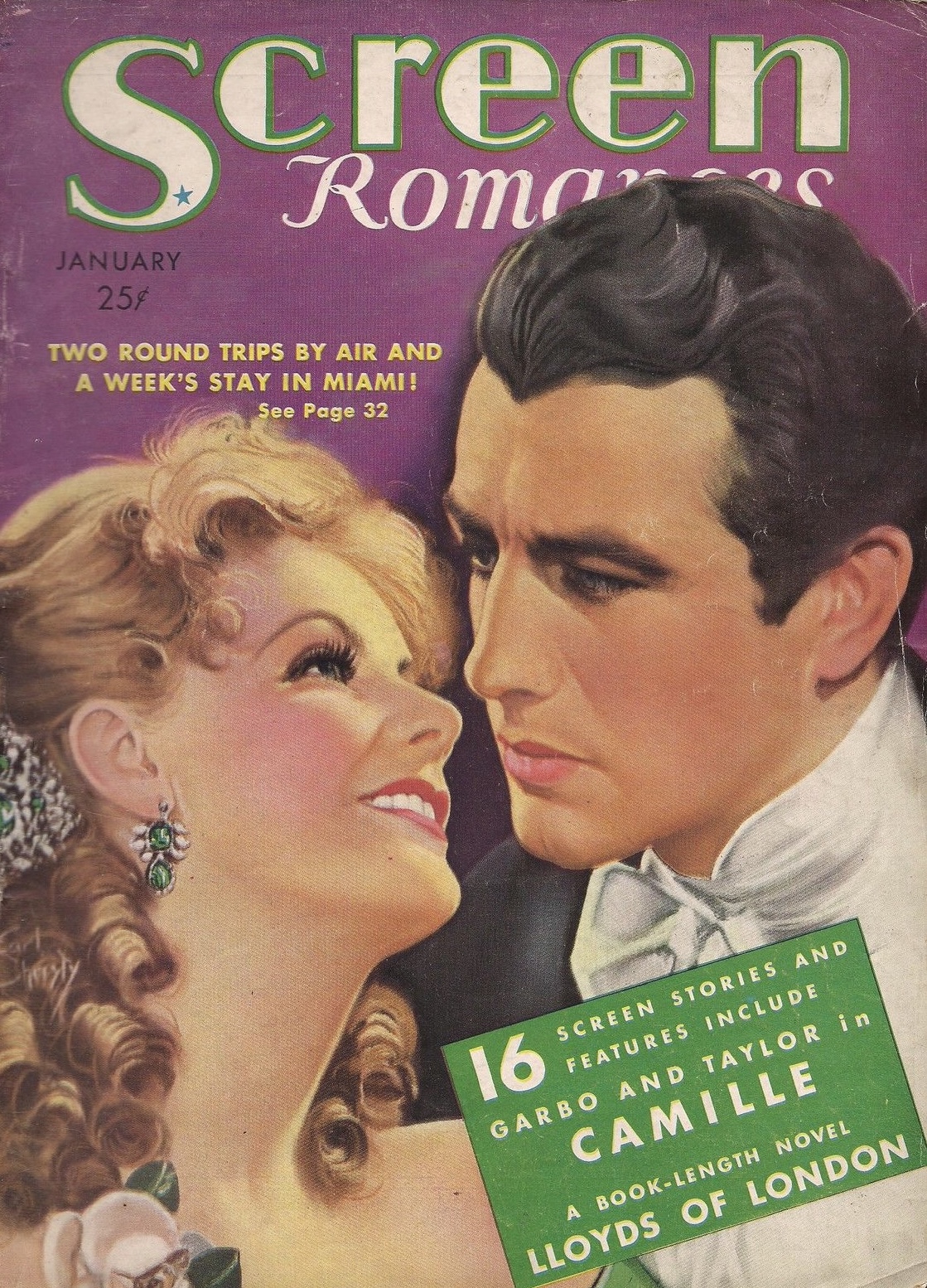
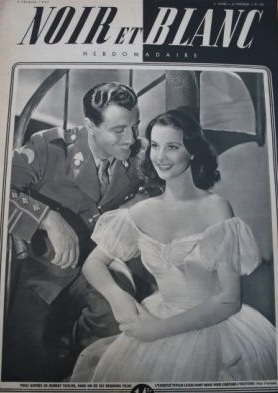
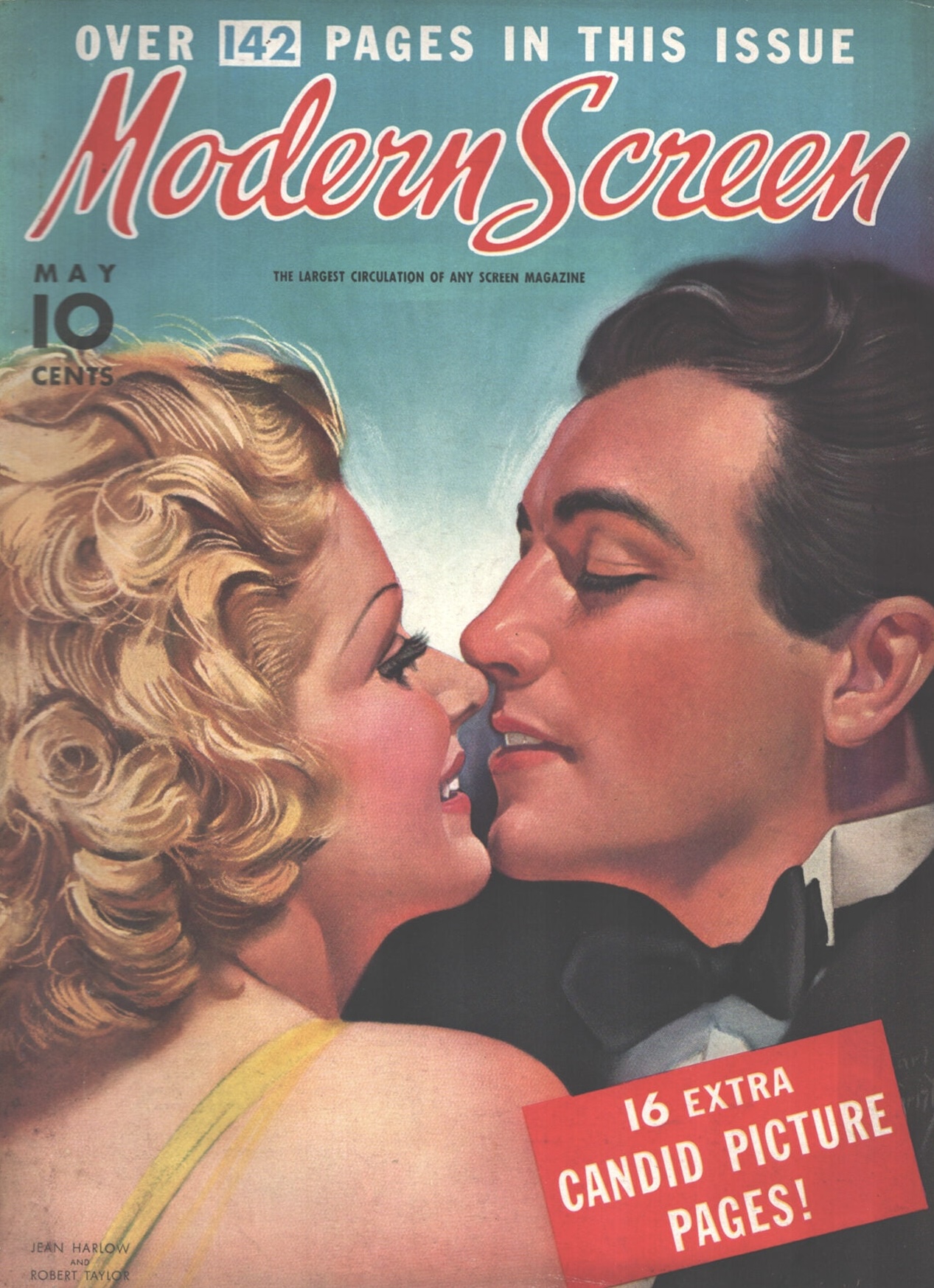
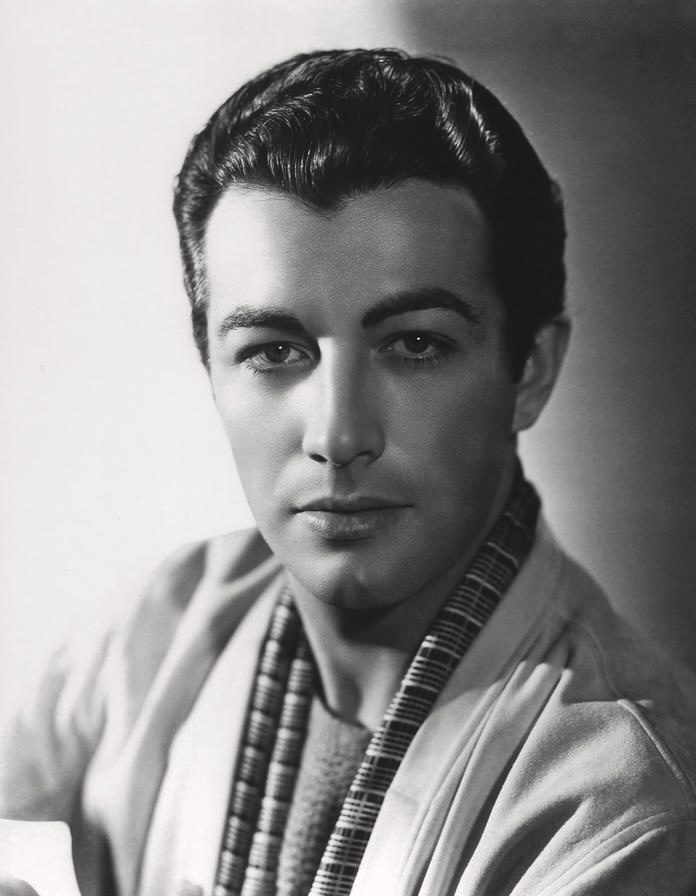
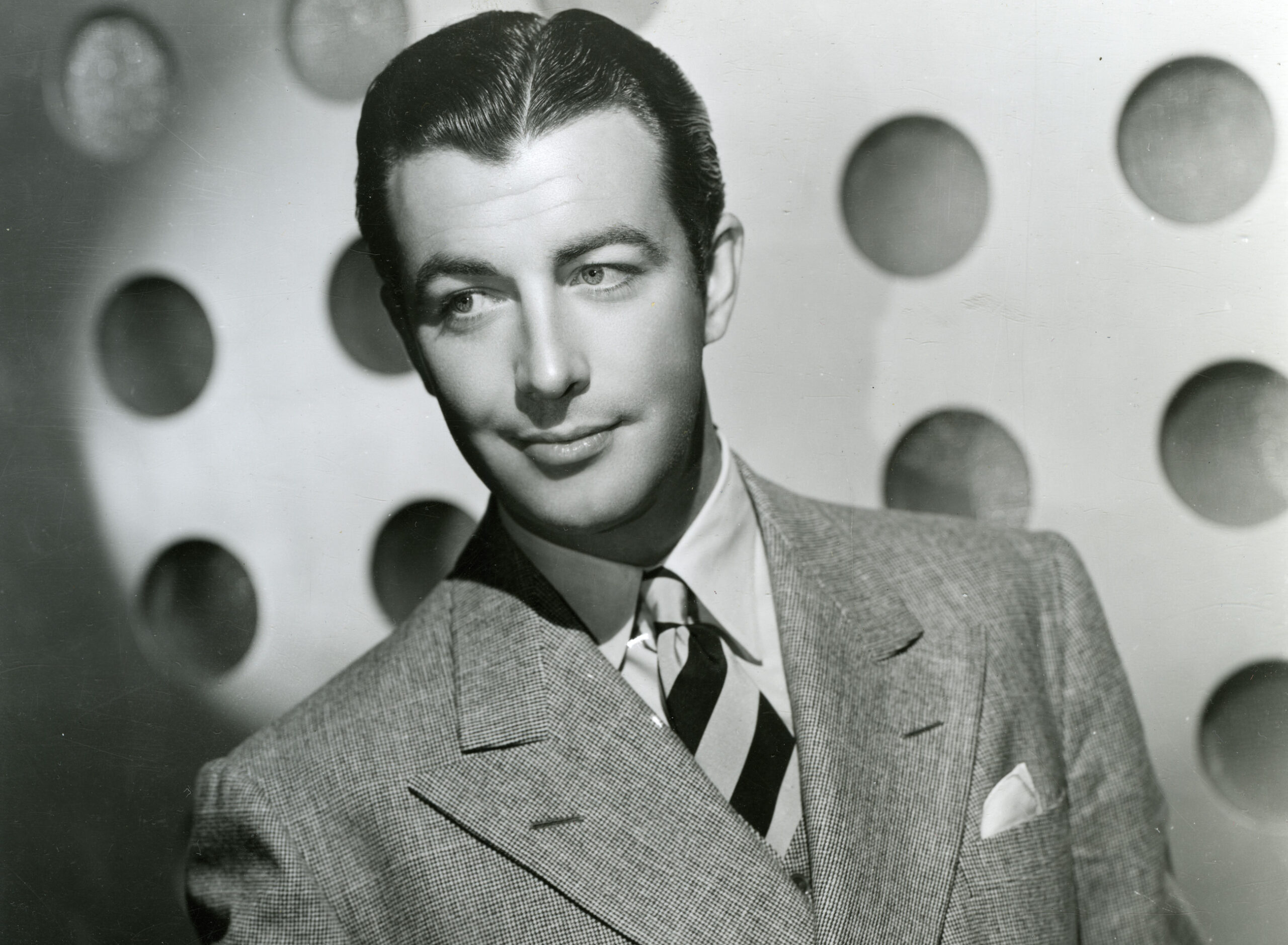
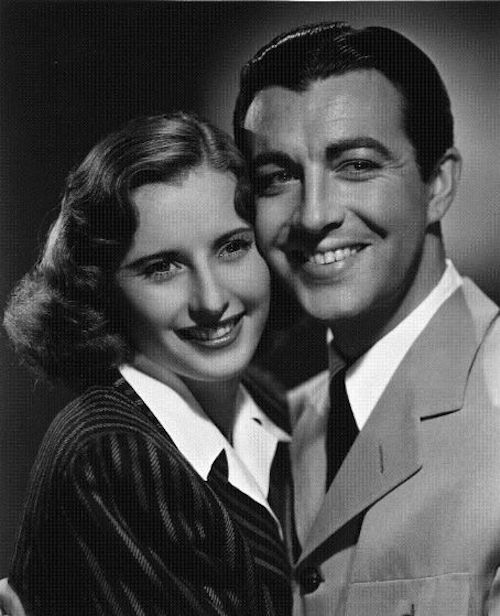
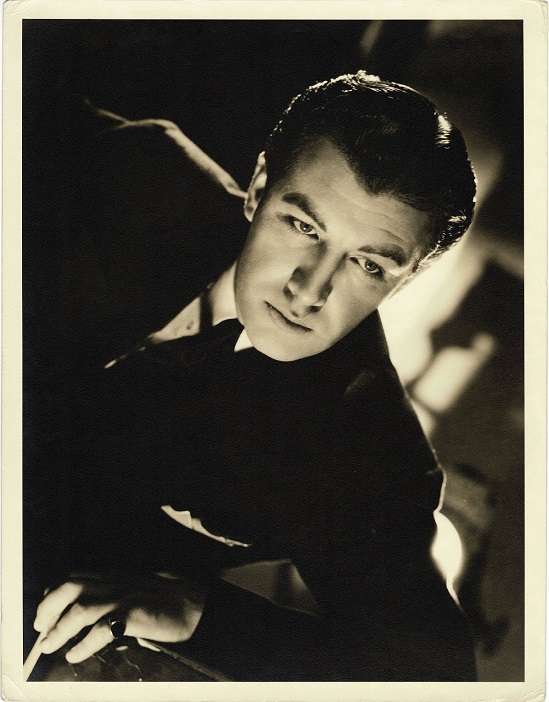
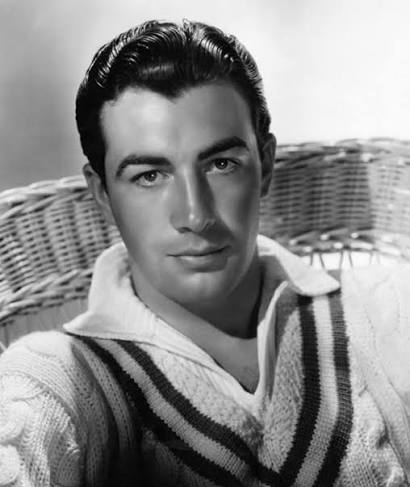
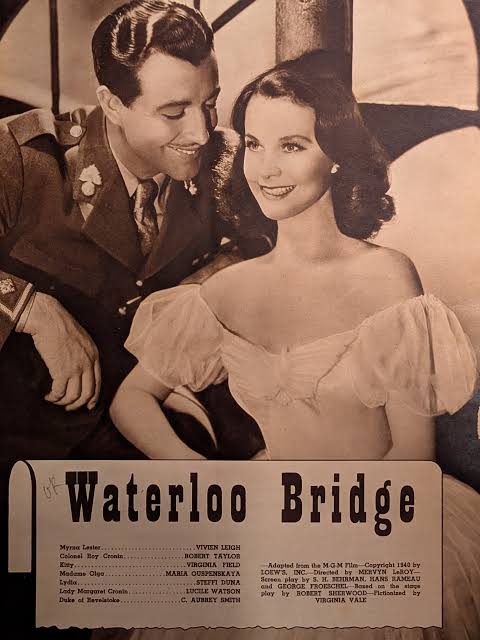
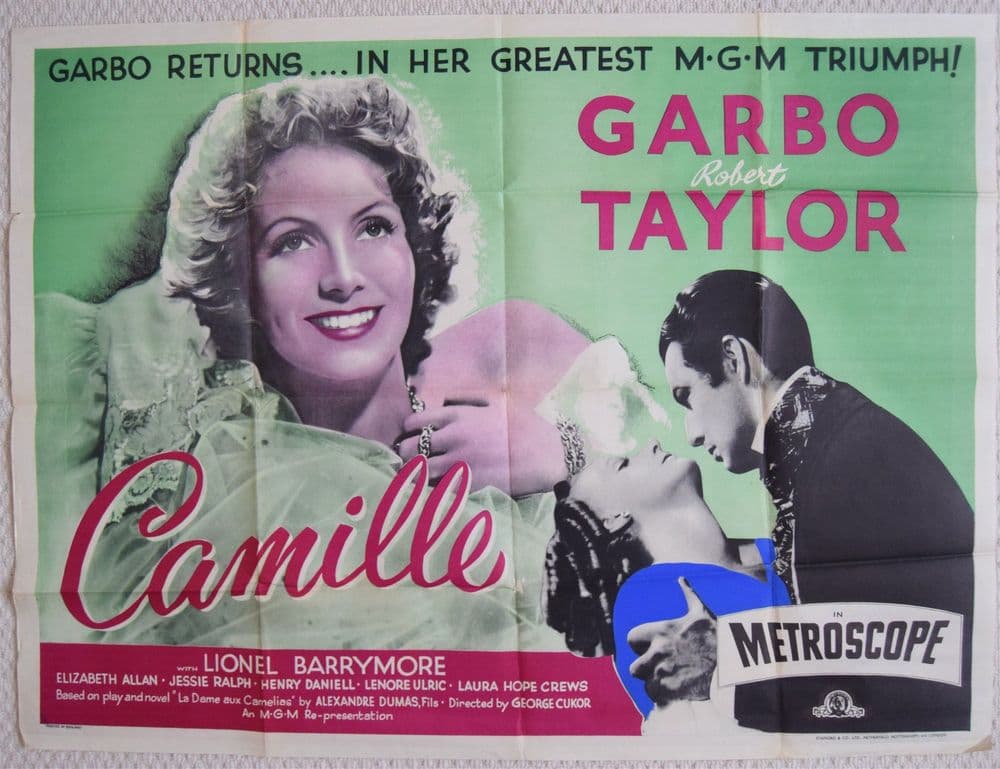
Taylor shot to prominence with Magnificent Obsession (1935) and Camille (1936) opposite Greta Garbo. His tall, athletic build and delicately sculpted features made him the archetype of the “handsome prince” of 1930s melodrama. During this period he became one of MGM’s most bankable names, appearing in Three Comrades (1938), Waterloo Bridge (1940, Sunday Night Review’s“classic picture of romantic tragedy”), and Johnny Eager (1941), where he played against type as a cynical racketeer—a performance that broadened his range and hinted at darker potential.
Post‑war diversification (1940s–1950s)
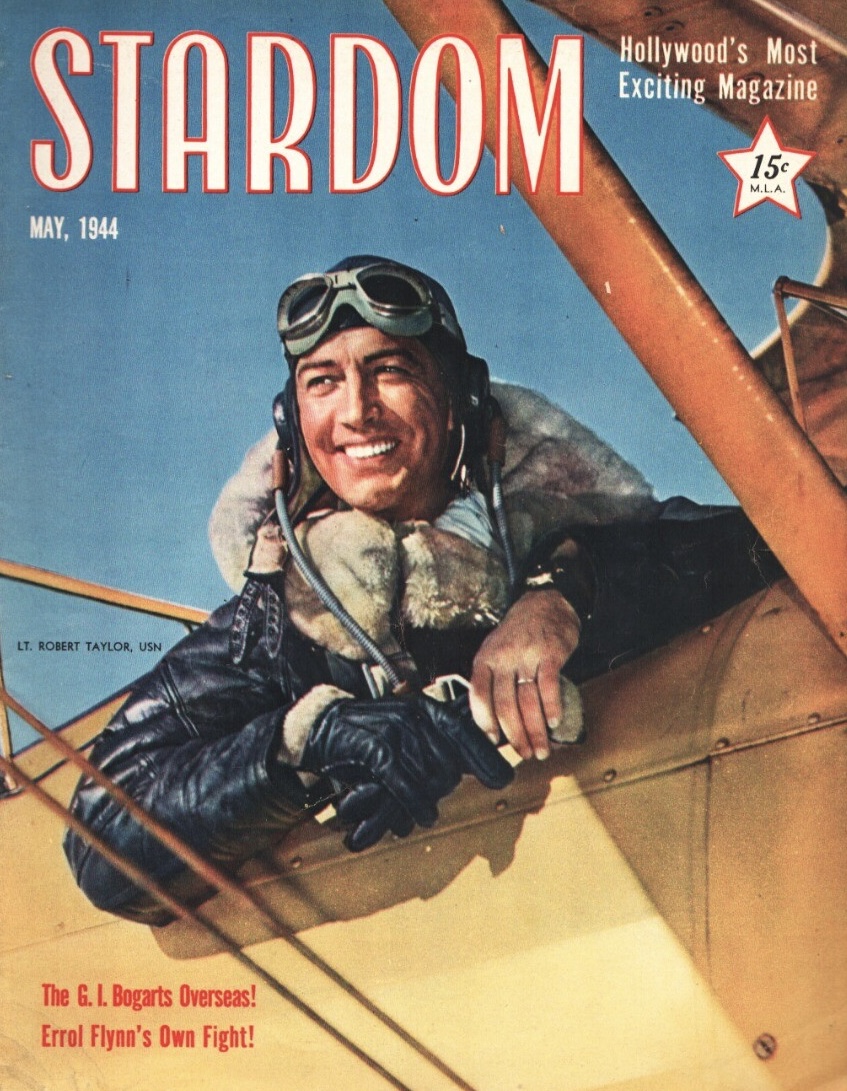
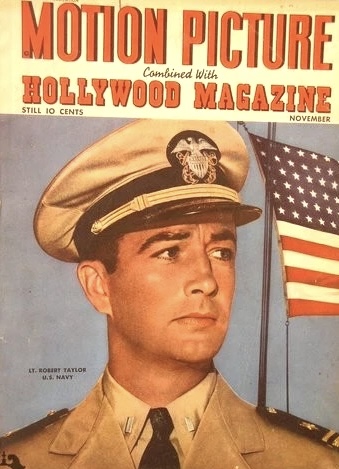
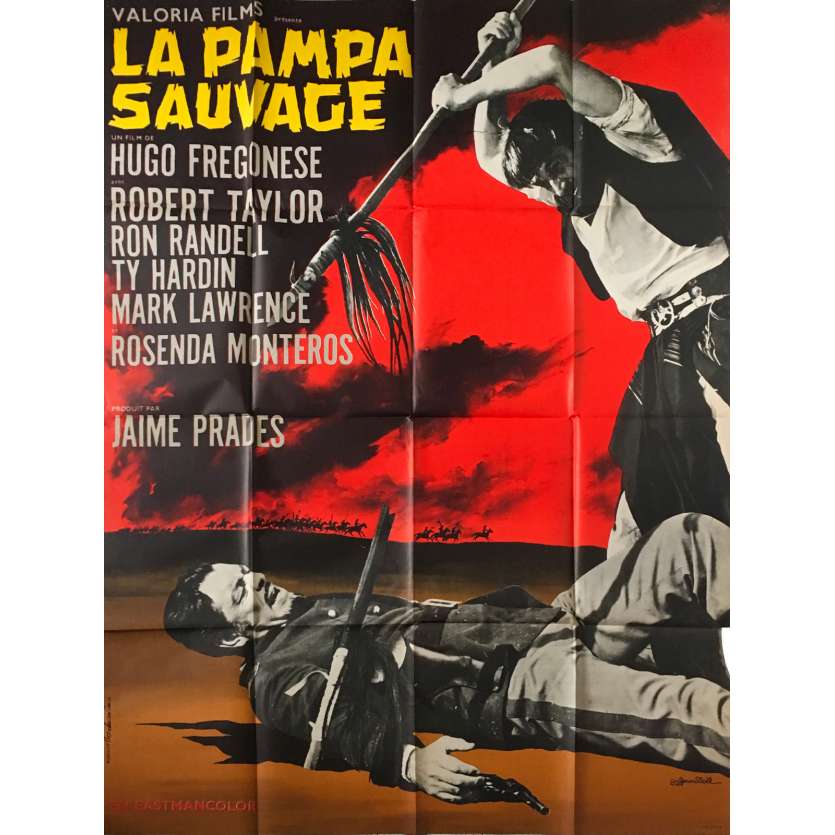
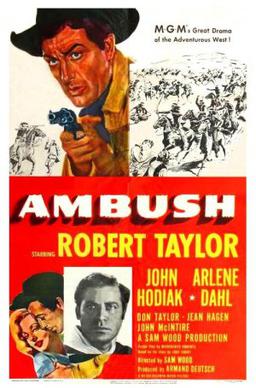
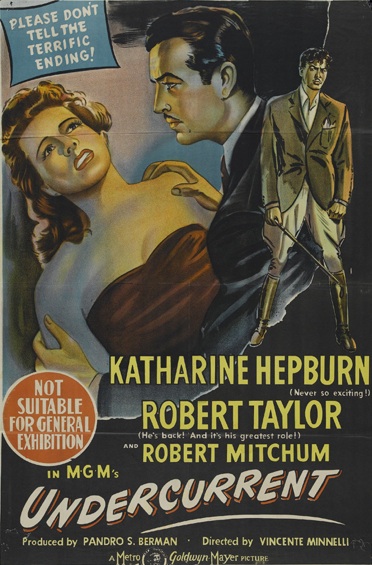
After service as a Navy flight instructor during WWII, Taylor returned a more mature screen presence. The earnest boyish lover of the 1930s evolved into the stoic man of duty or disillusionment. He alternated between noirs (Undercurrent, High Wall 1947) and westerns (Ambush, The Hangman) and starred in glossy adventure spectacles like Ivanhoe (1952) and Quo Vadis (1951). The latter, one of MGM’s peak Technicolor epics, showcased his gravity and reliability alongside Deborah Kerr and Peter Ustinov and remains central to his international reputation.
Television and later career (1950s–1960s)
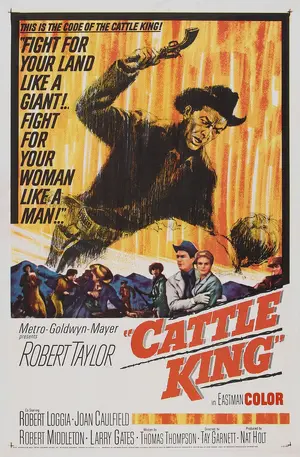
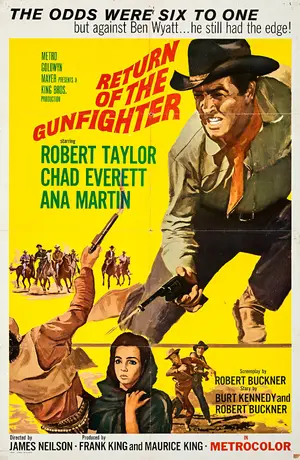
As MGM’s contract‑player system waned, Taylor transitioned to television, headlining The Detectives Starring Robert Taylor (1959–62) . The series capitalized on his authoritative presence and deep voice, elements that had matured into hallmarks of credibility. He continued appearing in films such as Cattle King (1963) and Return of the Gunfighter (1967), while also engaging in off‑screen political commentary, chairing the “Motion Picture Alliance for the Preservation of American Ideals” during the late 1940s’ anti‑Communist climate—an aspect that complicated later critical perceptions of him.
Final years
Taylor worked steadily until 1968, the year before his death from lung cancer at 57. By then he had amassed nearly five decades of steady film and television work, evolving from romantic idol to symbol of integrity and resolve.
Acting style and screen persona
- Controlled romanticism: In his early years Taylor embodied the MGM idea of the noble lover—elegant, gallant, emotionally contained.
- Technical precision: Trained in music, he approached performance with rhythm and restraint. He favored clarity of diction and composure over spontaneity.
- Transformation through age: Wartime maturity added gravity to his screen demeanor; his postwar work replaced youthful softness with moral tension, suiting noir and western roles.
- Visual perfection vs. emotional subtlety: His statuesque looks sometimes provoked claims of blandness, yet careful viewing reveals an actor of nuanced understatement rather than flamboyance.
Critical analysis
Strengths
- Versatility within studio constraints: Though typecast early, Taylor adapted across genres—romance, noir, action, historical spectacle, and television crime drama.
- Embodying American decency: He projected sincerity and quiet strength, making him ideal for narratives of honor, professionalism and redemption.
- Longevity: Few 1930s romantic leads survived as credible leading men three decades later; Taylor’s transition underscores disciplined craft and professional reliability.
Limitations
- Over‑controlled affect: His professionalism sometimes read as lack of spontaneity compared with Method actors emerging in the 1950s.
- Studio shaping: MGM’s emphasis on grooming and image dulled some individuality; producers often prioritized appearance over risk or interior complexity.
- Political conservatism’s shadow: His public alignment with the Hollywood anti‑Communist right influenced later critics, who sometimes viewed his work through ideological lenses rather than artistic ones.
Legacy and significance
- Archetype of the polished Hollywood male lead: Taylor’s combination of grace, self‑discipline and moral steadiness encapsulated MGM classicism.
- Bridge between eras: His career tracks Hollywood’s evolution—from 1930s romanticism through wartime realism to 1950s widescreen spectacle and early TV professionalism.
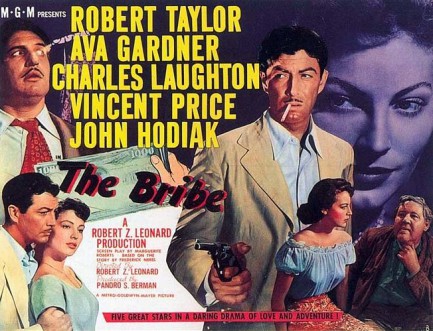
- Influence and endurance: Modern viewers rediscover in films like Waterloo Bridge and The Bribea controlled emotional intelligence comparable to later minimalist actors.
- Cultural symbol of integrity: Even critics wary of his political stance acknowledge his emblematic status as the “gentleman hero” of classical studio cinema.
Representative work to watch
1. Camille (1936) – essential study in romantic sincerity opposite Garbo.
2. Johnny Eager (1941) – pivotal noir performance revealing darker undertones.
3. Quo Vadis (1951) – grand epic showcasing post‑war maturity.
4. Ivanhoe (1952) – Technicolor chivalric ideal.
5. The Detectives (1959–62) – demonstrates his authoritative shift into television realism.
Summary
Robert Taylor’s career charts Hollywood’s passage from glamorized studio romance to modernized masculinity. Initially prized for perfection of form, he matured into an actor of admirable craft who replaced overt ardor with quiet intensity and moral gravity. Though overshadowed at times by flashier peers, his best performances reveal an understated artistry—proof that discipline and restraint can carry emotional weight equal to passion’s display