

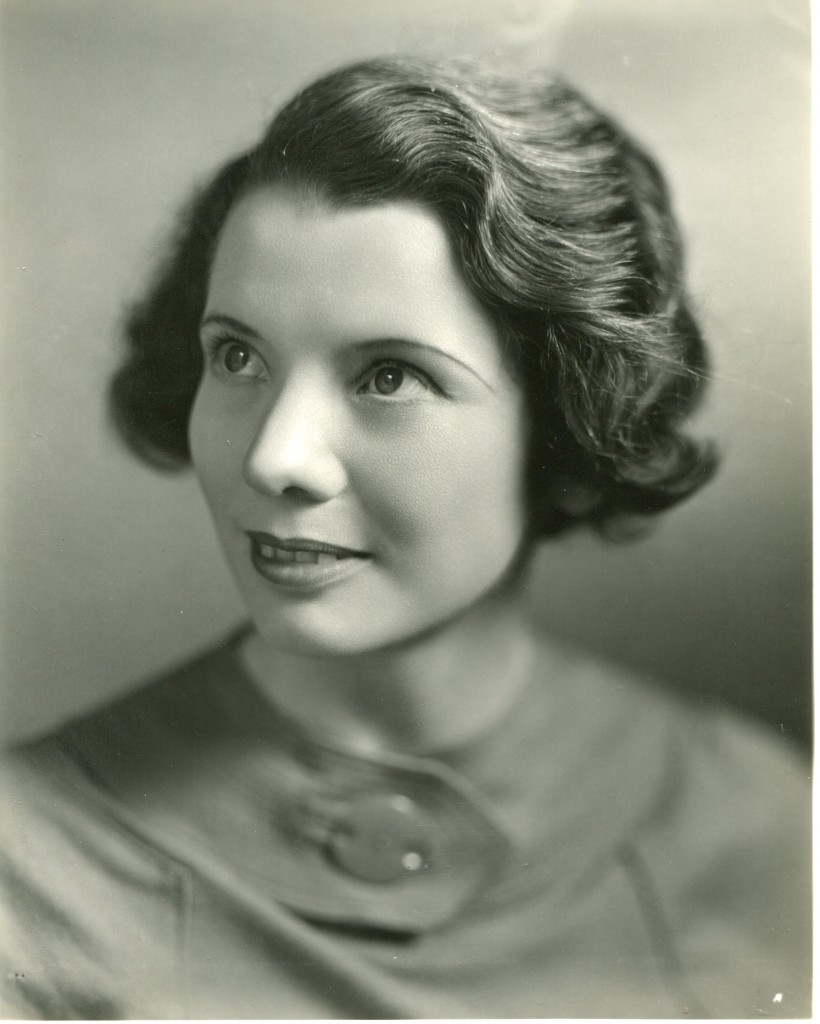
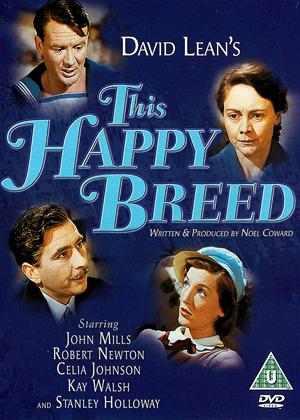
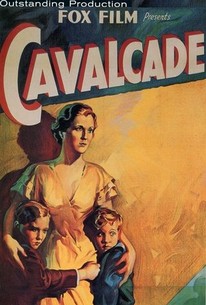
Merle Tottenham is a mystery. She made many films but it is very difficult to find any biographical information about her. She was born in 1910 in India. She commeced her film career in 1932 in the British film “Down Our Street”. The following year she was in Hollywood where she made “The Invisible Man”, “Cavalcade” and “Night Must Fall”. In all of these films she played domestic servants as she did back in Britain in David Lean’s “This Happy Breed” with Celia Johnson and Robert Newton. Merle Tottenham died in 1958. Article on “Night Must Fall” here.
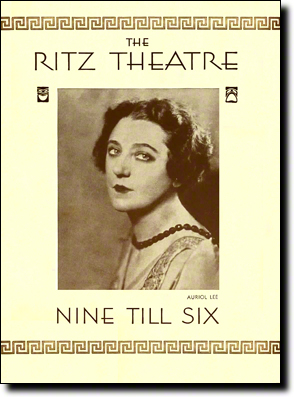

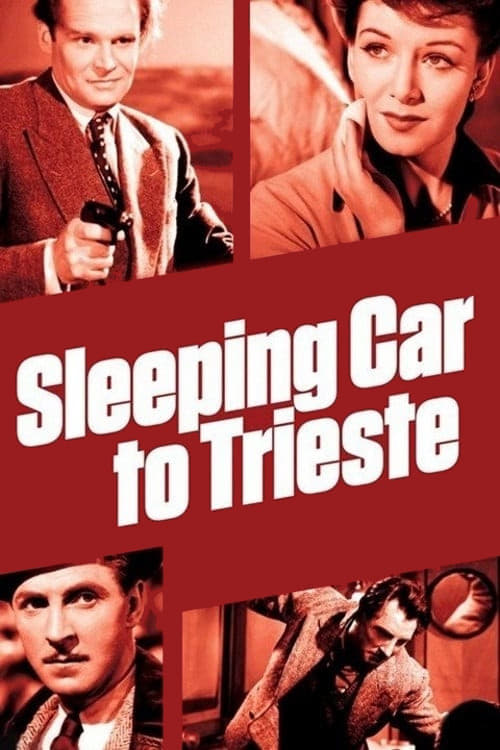
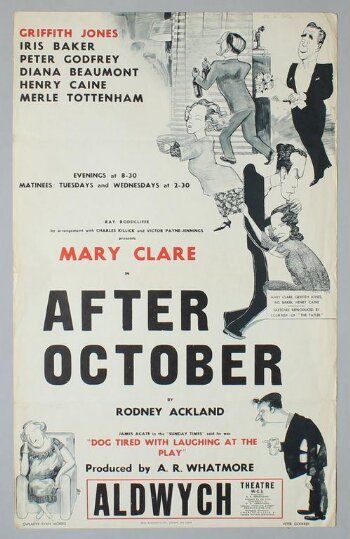

Merle Tottenham (1901–1958) was a quintessential figure of the British and Hollywood “Golden Age” supporting cast. While she never achieved the household name status of a leading lady, she was a favorite of some of the era’s greatest directors, including James Whale, John Ford, and David Lean.
A critical analysis of her work reveals an actress who specialized in the “knowing servant”—characters who, despite their social standing, often possessed more insight and moral clarity than the protagonists they served.
I. Career Overview: The Transatlantic Domestic
1. The Coward Connection (1931–1933)
Tottenham’s breakthrough came through her association with Noël Coward.
-
The Stage Success: She originated the role of Annie, the loyal but sharp-eyed servant, in the West End production of Coward’s epic Cavalcade in 1931.
-
Hollywood Reprisal: When Fox brought the play to the screen in 1933 (which went on to win the Academy Award for Best Picture), Tottenham was one of the few original cast members invited to reprising her role. Her performance was noted for providing the necessary grounded, working-class continuity in a film that spanned decades of British history.
2. The Universal and RKO Years (1933–1937)
Her success in Cavalcade led to a prolific period in Hollywood, where her distinctive, slightly pinched features and precise diction made her a go-to for character parts.
-
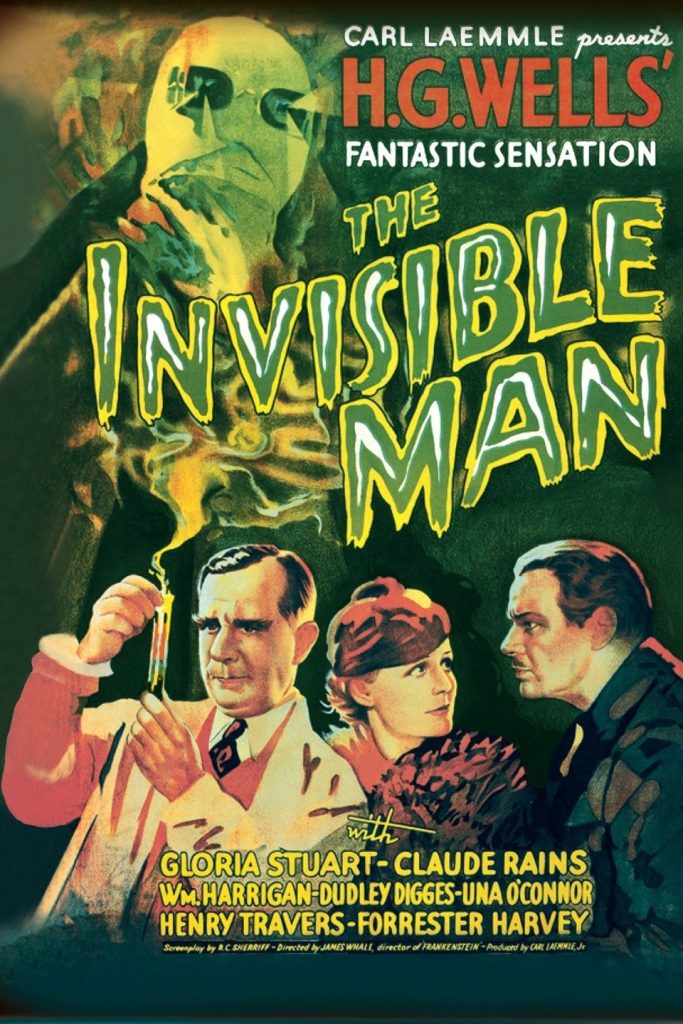
The Invisible Man (1933): Under the direction of James Whale, she played Millie, a barmaid. While the role was small, she was part of the iconic ensemble that created the film’s famously high-strung, darkly comedic atmosphere.
-
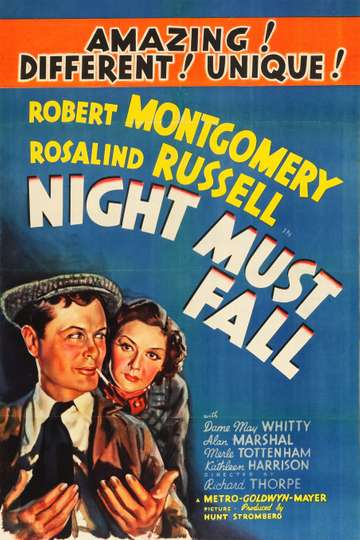
Night Must Fall (1937): She delivered one of her most memorable supporting turns as Dora, the anxious and pregnant maid in this psychological thriller. Her character served as the tragic human cost of the protagonist’s sociopathic charm.
3. The Return to Britain and David Lean (1940s)
Tottenham returned to England and became a staple of the prestigious British films of the 1940s.
-
This Happy Breed (1944): Reunited with Noël Coward’s material under director David Lean, she played Edie, the maid. Critics praised her for her “invisible” acting—providing a sense of lived-in domestic reality that was essential to Lean’s suburban epic.
II. Detailed Critical Analysis
1. The “Observer” Archetype
Critically, Tottenham’s strength lay in her ability to react. In an era of broad theatricality, she was a master of the “side-long glance.”
-
The Intelligence of the Servant: Unlike many of her contemporaries who played servants as bumbling comic relief, Tottenham’s domestics often felt like the most intelligent people in the room. In Cavalcade, her Annie isn’t just a plot device; she is the character who witnesses the shifting social tides with a mixture of stoicism and subtle judgment.
2. The Master of “Anxious Presence”
Tottenham possessed a specific physical quality—a slight tension in her shoulders and a watchful intensity in her eyes—that directors used to build suspense.
-
The Victim in Night Must Fall: Analysts have noted that in Night Must Fall, Tottenham’s Dora is the “moral barometer” of the house. Her palpable anxiety and social vulnerability (being an unwed pregnant woman in the 1930s) heighten the audience’s dread. She played “fear” with a quiet, trembling realism that stood in stark contrast to the film’s more stylized performances.
3. The Minimalist Style
Tottenham was a “pre-method” naturalist.
-
Economy of Movement: In David Lean’s This Happy Breed, critics highlight how she integrates herself into the background of the house. She doesn’t “perform” being a maid; she simply is the maid, moving through the scenes with a professional efficiency that makes the film’s setting feel authentic. This lack of actorly vanity is why she was so highly valued by meticulous directors like Whale and Lean.
Iconic Performance Comparison
| Character | Work | Year | Critical Achievement |
| Annie | Cavalcade | 1933 | Anchored an Oscar-winning epic with working-class dignity. |
| Millie | The Invisible Man | 1933 | Contributed to the “Whale Style” of quirky, heightened realism. |
| Dora | Night Must Fall | 1937 | Provided the tragic, human stakes in a landmark thriller. |
| Edie | This Happy Breed | 1944 | A masterclass in “unseen” supporting acting for David Lean. |
Merle Tottenham was the “Quiet Professional” of the early sound era. She was an actress who understood that in cinema, the characters in the background are often the ones telling the true story. Her legacy is one of technical precision and a rare ability to give voice to the “unseen” women of the 20th century.
Merle Tottenham’s Hollywood period (roughly 1933–1937) was a masterclass in the “imported” British character actress. While many British actors in the early sound era struggled with the technical requirements of the Hollywood studio system, Tottenham was immediately embraced by directors at Universal and RKO for her ability to provide “instant atmosphere.”
I. The Universal Studios Tenure: Gothic & Grotesque
Under the direction of James Whale, Universal was creating a specific “English-Gothic” aesthetic. Tottenham became a key texture in this world.
-
The Invisible Man (1933): As Millie, the barmaid at the Lion’s Head Inn, Tottenham provided the necessary “village” reaction to the unseen terror.
-
Critical Analysis: Analysts point out that Whale used Tottenham to ground the high-concept sci-fi in a earthy, recognizable reality. Her performance isn’t just about screaming; it’s about the suspicion and domestic irritation of a working-class woman whose routine is disrupted by the supernatural. She was part of a “Greek Chorus” of character actors (including Una O’Connor) who balanced the film’s horror with pitch-black comedy.
-
-
The “English Village” Expert: Universal frequently utilized Tottenham when they needed a character who could convey a specific type of British “primness” or “anxious curiosity.” She helped define the “Universal Style”—where the supporting cast was often as vivid and eccentric as the monsters themselves.
II. The RKO and Fox Success: Prestige Dramas
Beyond horror, Tottenham was highly valued in “Prestige” productions that required an authentic British “underclass” perspective.
-
Cavalcade (1933) – Fox: This was the film that made her a Hollywood fixture. Reprising her role as Annie the servant, she was critically lauded for her evolution across the timeline.
-
Critical Analysis: Critics noted that while the lead actors often played to the “rafters,” Tottenham’s performance was remarkably cinematic. She showed the physical toll of decades of service, moving from a youthful, hopeful girl to a weathered woman. She was the “clock” of the film, her aging and shifting social status marking the passage of the 20th century.
-
-
Paddy the Next Best Thing (1933) – Fox: Opposite Janet Gaynor, she played a maid, further cementing her “domestic” type. However, she was praised for never repeating the same performance—each “maid” was a distinct individual with a specific social rank and temperament.
III. Critical Analysis: The “Tottenham Diction” in Hollywood
One of the most interesting aspects of her Hollywood work was her vocal signature.
-
The “Pinched” Vocal Quality: Tottenham possessed a voice that sounded perpetually “on edge.” In Hollywood thrillers like Night Must Fall (1937), this served as an early warning system for the audience. Her voice carried a “tragic frequency” that made her characters’ vulnerabilities feel urgent.
-
The “Submerged” Humor: Even in her most serious roles, there was a dry, British wit. Hollywood directors loved that she could deliver a line with a “deadpan” exhaustion that provided a sophisticated counterpoint to the more exuberant American acting styles of the era.
-
The “Unsentimental” Victim: In an era where female characters were often overly sentimentalized, Tottenham’s Dora in Night Must Fall (RKO) was a breakthrough. She played the “unwed mother-to-be” not as a pathetic figure, but as a trapped, pragmatic woman. Critics today view this as a remarkably modern performance for 1937, avoiding the moralizing “shame” usually associated with such roles.
Comparison of Her Major Hollywood Studios
| Studio | Genre Focus | Role Type | Key Contribution |
| Universal | Horror / Sci-Fi | The “Vivid” Local | Provided the “common sense” foil to the supernatural. |
| Fox | Historical Epic | The “Social Marker” | Embodied the grit and evolution of the British working class. |
| RKO | Thriller / Drama | The “Anxious” Witness | Heightened the suspense through palpable physical tension. |
Merle Tottenham’s Hollywood career was defined by “authenticity without artifice.” She was one of the few character actresses who could survive the transition from the West End stage to the scrutiny of the Hollywood lens without losing her grounded, realistic edge. She remains a vital figure in the history of the “British Colony” in Los Angeles