

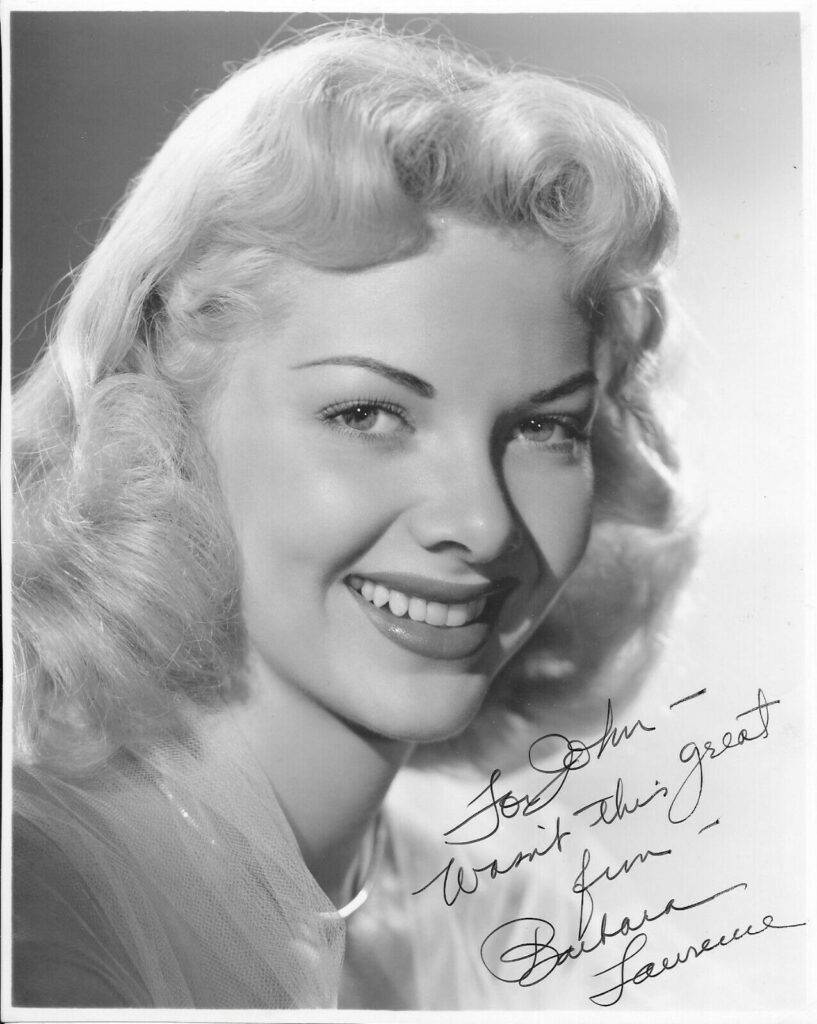
Actress Barbara Lawrence, who played Gertie Cummings in the 1955 movie Oklahoma!, died in 2014. She was 83.
Her daughter-in-law, Christy Nelson, said Friday that the actress died of kidney failure on Nov. 13.
Lawrence’s career spanned the late 1940s through the early 1960s.
Her movies include The Street with No Name, A Letter To Three Wives and the 1957 sci-fi cult classic Kronos.
Her TV work included episodes of Perry Mason and Bonanza.
Lawrence later became an author, publicist and real estate agent in Beverly Hills.
She has a star on Hollywood’s Walk of Fame
DAILY NEWS OBITUARY IN 2013:
Barbara Lawrence, a starlet from Hollywood’s Golden Age who later became a novelist, publicist and Realtor, has died.
She was 83.
“I remember my mother-in-law as beautiful and smart, very classy,” said Christy Nelson, the wife of Lawrence’s youngest son, Barry Nelson. “She really was special in everything she set out to do.”
Lawrence, who has a star on the Walk of Fame, appeared in 30 movies and 70 television shows from the late 1940s through the early 60s, according to her family.
She was usually cast as the leading lady’s best friend or — if there was a man involved — worst enemy.
Among her best-known roles was Gertie Cummings in the 1955 Rodgers and Hammerstein musical, “Oklahoma!,” and Vera Hunter in the 1957 sci-fi cult classic “Kronos.”
Lawrence was also in “A Letter To Three Wives,” “Unfaithfully Yours” and “The Street with No Name,” appearing alongside Kirk Douglas, Rock Hudson, Rex Harrison and Tyrone Power, and in episodes of “Perry Mason” and “Bonanza” with James Garner, Charles Bronson and James Coburn.
She had a cameo in “The Star,” playing herself and causing a commotion among eager fans while arriving at a Hollywood party, to the consternation of Bette Davis, whose own role was that of a fading actress.
Lawrence — a direct descent of Francis Eaton, who came to America on the Mayflower — was born in Oklahoma on Feb. 24, 1930.
She moved with her mother to California at age 10, and was crowned “Little Miss Hollywood of 1942.”
In her teens, she became a model and then an actress under contract to 20th Century Fox Studios, attending high school on the lot and dating Mickey Rooney, Robert Wagner and Howard Hughes, who gave her private flying lessons on his plane.
Lawrence retired from acting in the mid-1960s to care for her four young children, and spent several years in South America.
She later became an author of adventure and mystery novels, a publicist on the Los Angeles bicentennial celebration, and a real estate agent in Beverly Hills, according to her family.
Christy Nelson said she was fearless, becoming among the oldest women to climb Angel Falls in Venezuela, the world’s highest uninterrupted waterfall.
“She had class and sass and everyone who crossed her 83-year path on this earth were better people for it,” Nelson said.
Lawrence suffered from dementia in her final years, and succumbed to kidney failure November 13.
At the time of her death, her youngest son was in intensive care recovering from a serious mountain bike accident. The family delayed revealing that she had died until his condition was stable
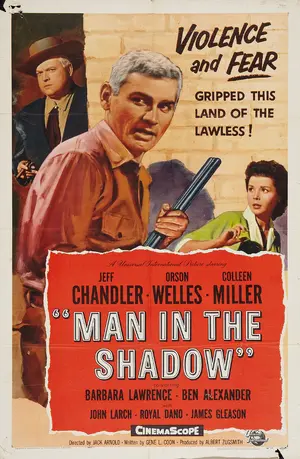
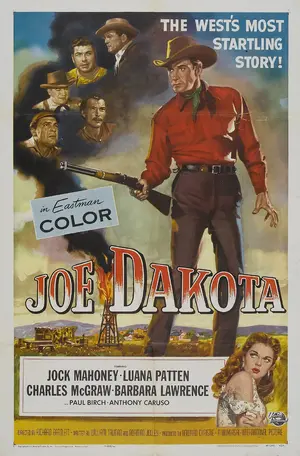
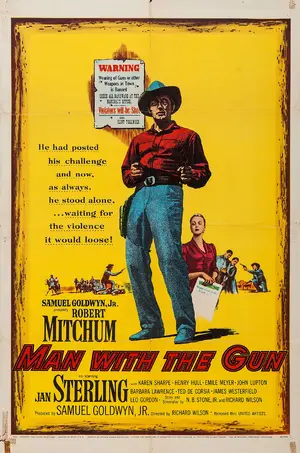
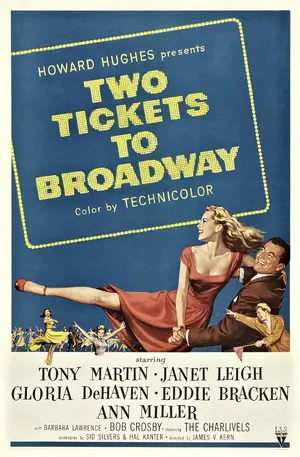
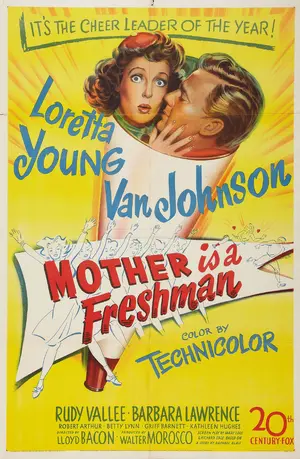
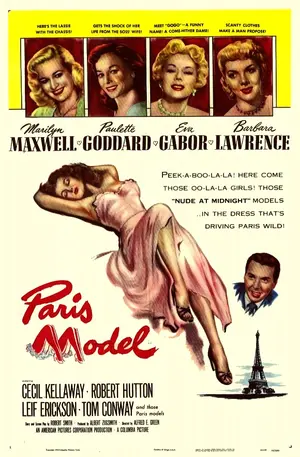
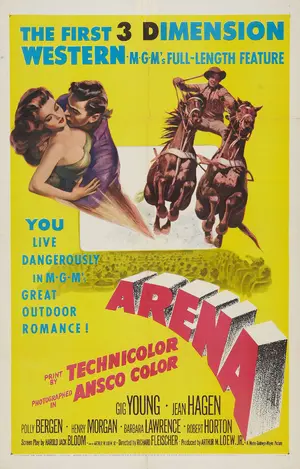
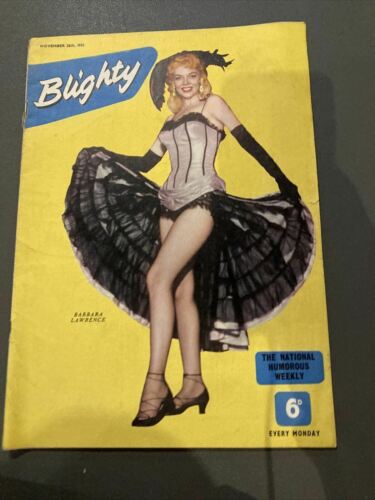
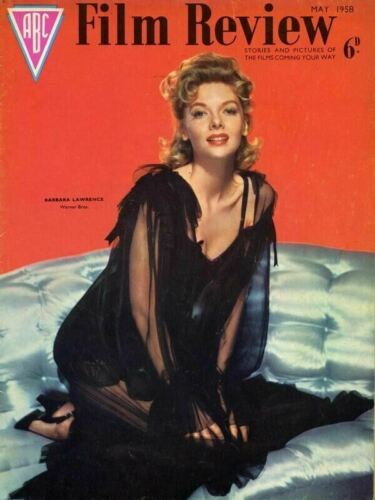
Barbara Lawrence (1930–2013) was a strikingly photogenic actress of the 1940s and 50s whose career serves as a fascinating case study of the “Studio System” at its most efficient—and its most limiting. Often cast as the “other woman” or the sophisticated blonde foil to a more demure lead, Lawrence possessed a sharp, modern energy that frequently outshone the material she was given.
Career Overview
Lawrence’s professional life was a whirlwind that began in childhood and ended abruptly by her choice in her early thirties.
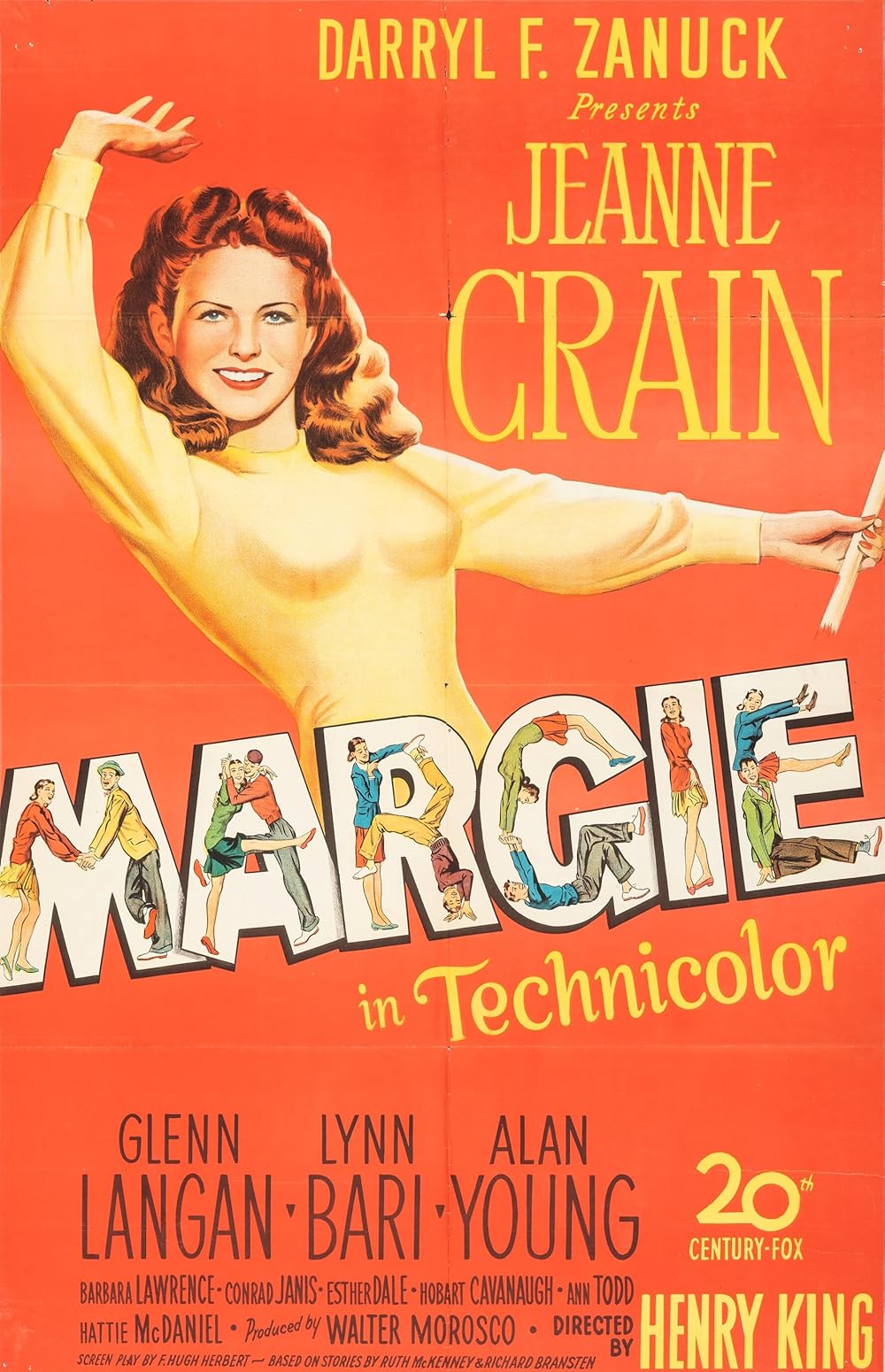
The Teenage Starlet (1945–1947): A former child model and “Little Miss Hollywood,” Lawrence was signed by 20th Century Fox at age 15. She made an immediate impression as the vibrant Babs Weir in Margie (1946) and as Tula in the lavish period epic Captain from Castile (1947) opposite Tyrone Power.
The Noir & Comedy Peak (1948–1953): This period saw her most enduring work. She excelled in sophisticated ensembles like A Letter to Three Wives (1949) and proved her “bad girl” credentials in gritty noirs like Thieves’ Highway (1949). During this time, she was a constant presence in fan magazines, often cited as one of the most beautiful women in Hollywood.
The Western & Musical Shift: In the mid-50s, she transitioned into musicals, most notably playing Gertie Cummings in the film version of Oklahoma! (1955). She also became a staple of the “B-Western” genre and early television procedurals.
Early Retirement: By 1962, disillusioned with the declining quality of roles for women as they aged out of “starlet” status, Lawrence walked away from acting. She successfully reinvented herself as a real estate mogul and author, never returning to the screen.
Detailed Critical Analysis
1. The “Aggressive Blonde” Archetype
Critically, Lawrence is often analyzed as a precursor to the more “active” female archetypes of the 1950s. While peers like June Haver played “sweet,” Lawrence played “sharp.”
The Foil to Sincerity: In A Letter to Three Wives, she plays the younger, flirtatious Georgiana. Critics note that her performance style was built on a specific kind of “calculated poise”—she used her physicality to suggest a woman who was acutely aware of her power in a room.
Vulnerability Beneath the Surface: In her noir work, particularly Thieves’ Highway, she moved away from the “pin-up” image. Her portrayal of Polly Faber showcased a more cynical, tired edge that proved she had the dramatic range to handle the “street-level” realism of the genre.
2. The “Gertie Cummings” Conundrum
Her role in Oklahoma! remains her most discussed performance, though it was a double-edged sword for her critical reputation.
Technical Satire: Lawrence played Gertie with a piercing, rhythmic laugh that became the character’s trademark. Modern critics often view this as a brave, highly stylized choice that successfully satirized the “annoying rival” trope.
The “Character” Turn: It was a departure from her glamour-girl roles and showed a willingness to be “unappealing” for the sake of a laugh. However, some contemporary critics felt the performance was too broad, highlighting the difficulty Lawrence faced when trying to break out of the “pretty girl” box Fox had built for her.
3. The Studio System “Template”
A critical look at Lawrence’s career reveals the limitations of the contract system.
The “Replacement” Star: She was often used by Fox as a “threat” to more established stars during contract disputes (a common tactic used with Linda Darnell or Jeanne Crain). Consequently, her filmography is somewhat fragmented; she rarely had the chance to lead a film designed specifically around her unique “cool” persona.
Modernity in Period Pieces: Even in period films like Captain from Castile, Lawrence was noted for having a “40s face”—a contemporary, sophisticated look that struggled to blend into the 16th century. This modernity made her perfect for noir and urban comedies but occasionally at odds with the “prestige” epics the studio favored.
4. Professional Agency and Departure
Unlike many stars who faded into obscurity, Lawrence’s retirement is viewed by film historians as an act of intellectual agency.
Refusing the “Fade”: Critically, her career is defined as much by its end as its beginning. By leaving at 32, she preserved her image as a vibrant, sharp-witted performer. Her success in real estate later in life is often cited in biographies as evidence that the “steely intelligence” she projected on screen was a true reflection of her off-screen personality.
Major Credits & Recognition
| Project | Role | Significance |
| Thieves’ Highway | Polly Faber | Her most critically respected dramatic work in film noir. |
| A Letter to Three Wives | Georgiana Finney | High-water mark of her sophisticated studio comedy era. |
| Oklahoma! | Gertie Cummings | Her most famous musical role; a masterclass in comedic character acting. |
| Kronos | Vera Hunter | A cult classic sci-fi role that showcased her “leading lady” capability. |