

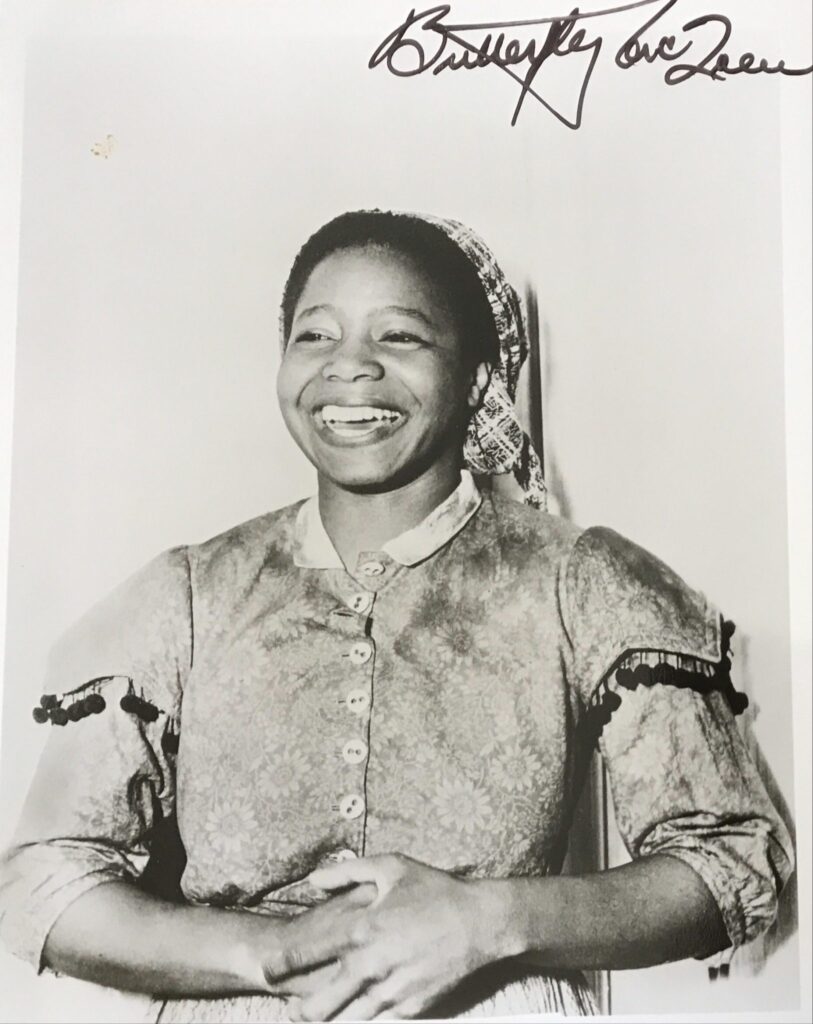
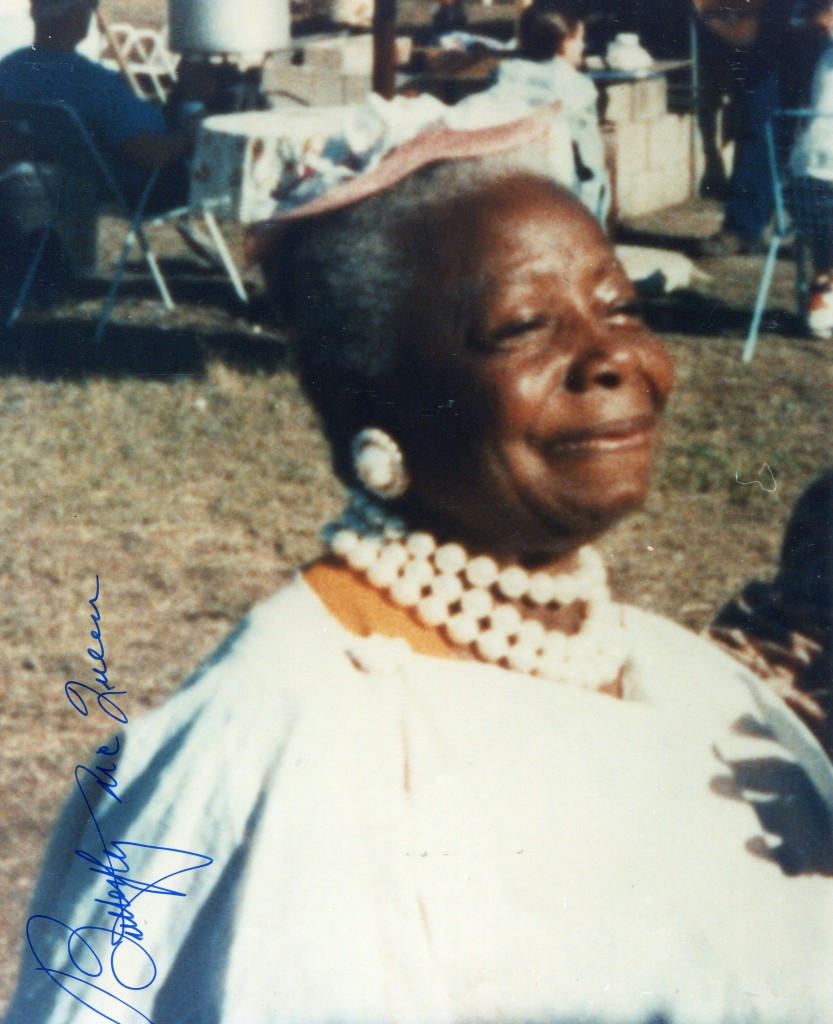
BUTTERFLY MCQUEEN’S OBITUARY IN “THE INDEPENDENT” IN 1995.
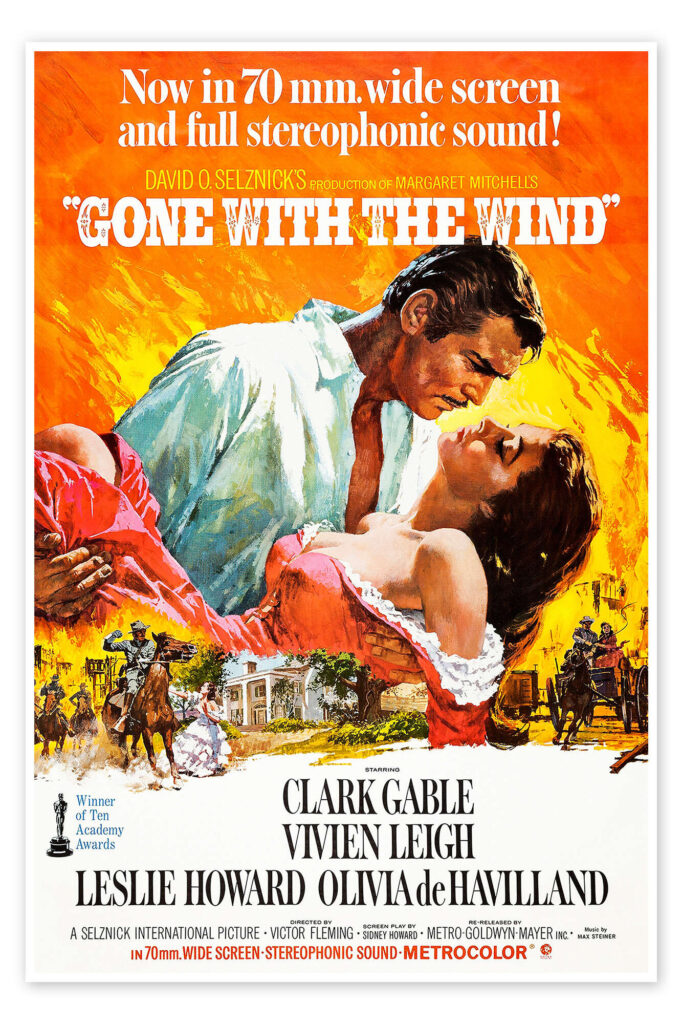
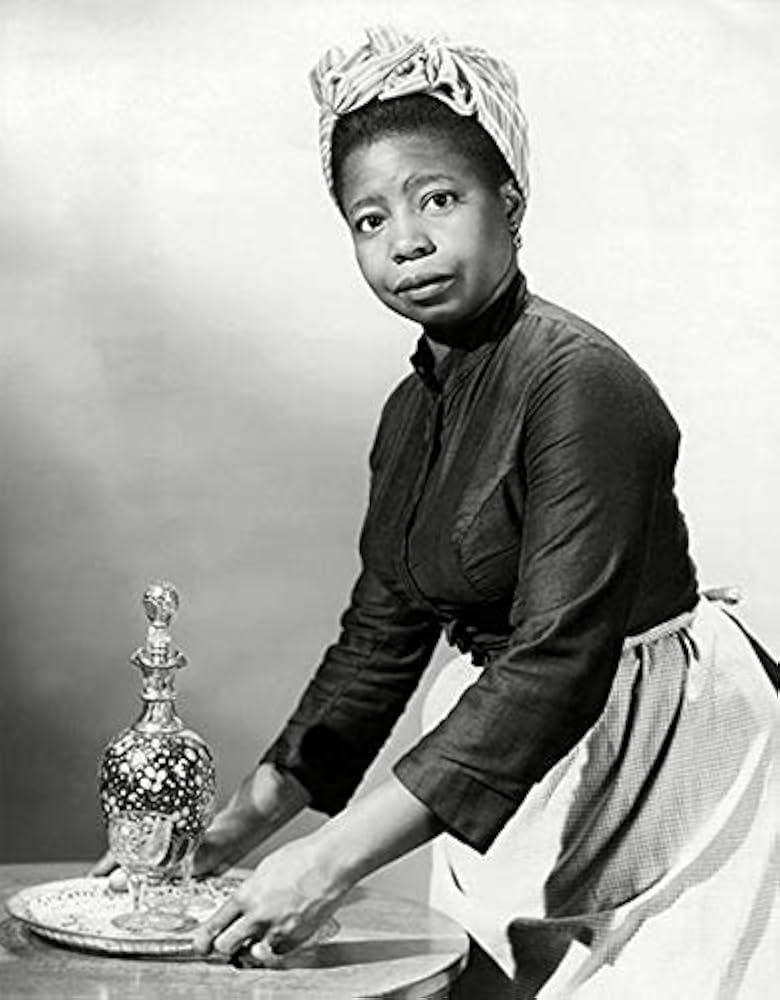
Butterfly McQueen stated that the role of Prissy, Scarlett O’Hara’s hysterical servant girl in Gone with the Wind (1939), was not a rewarding experience for Butterfly McQueen. “A stupid girl. That’s what Prissy was,” she later said. “And producer David O. Selznick knew it was a stupid part and I was an intelligent person. However, I did my best. My very best. And Mammy [Hattie McDaniel] told me: `You’ll never come to Hollywood again. You complain too much.’ “
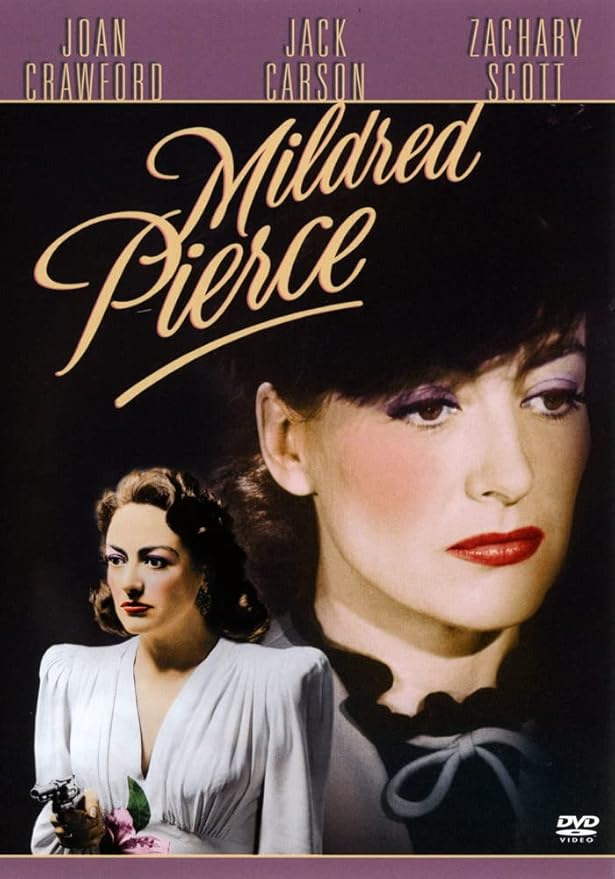
Butterfly was born Thelma McQueen in 1911 in Tampa, Florida, the daughter of a stevedore and a domestic. After leaving school she worked as a children’s nurse and in a factory before deciding to become an actress. In 1934 she joined Venezuela Jones’s Negro Youth Project in Harlem and danced in the “Butterfly Ballet” of their production of A Midsummer Night’s Dream. Later she changed her professional name to Butterfly, and it aptly describes her stage and screen persona. In films like The Women (1939) and Mildred Pierce (1945) the diminutive actress needed no close-ups to assert her presence. With her arms constantly in motion, like a butterfly, she immediately captured audiences’ attention. Then, when she spoke, she stole the scene with her high-pitched voice – once claimed to be higher than a soprano.
McQueen’s first film appearance proved to be her most memorable and controversial. For years her role as Prissy in Gone with the Wind was dismissed as an objectionable racial caricature. However, the African-American film historian Donald Bogle acknowledges that, in spite of this, her performance was “marked by fragility, hysteria and absurdity . . . a unique combination of the comic and the pathetic”.
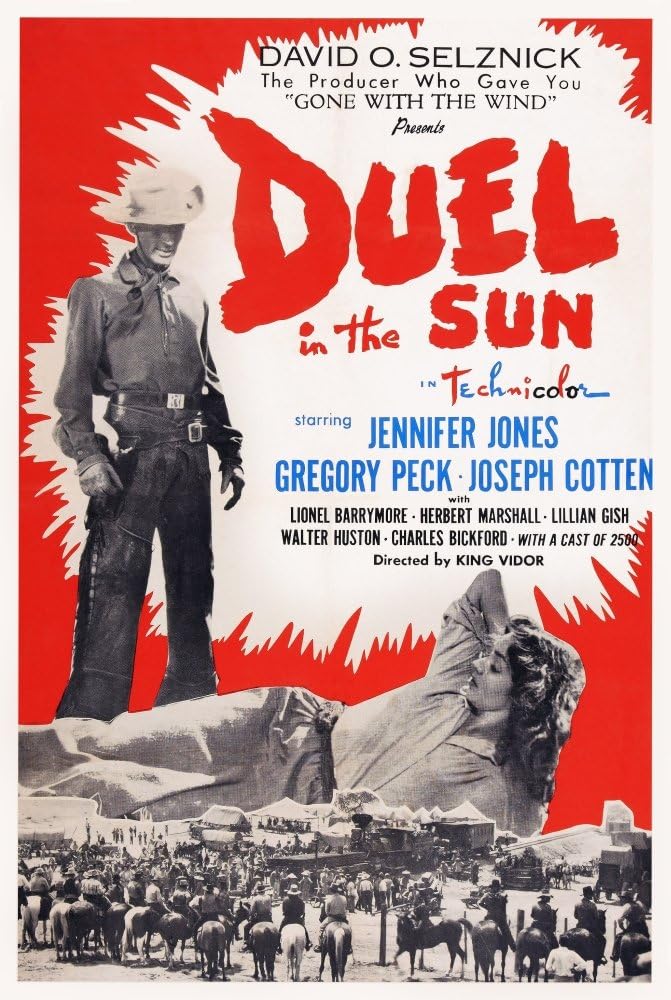
After appearing as Lillian Gish’s servant girl in David O. Selznick’s grandiose western Duel in the Sun (1946), McQueen turned her back on Hollywood. She was unhappy playing what she described as “handkerchief head” roles. There were no more movie offers. In 1989 she said: “When I wouldn’t do Prissy over and over they wouldn’t give me any more work. But today young black people come up to me and say you opened doors for us.”
After leaving Hollywood McQueen was forced to work outside the acting profession. Her many jobs included being a sales assistant in Macy’s toy department in New York; a taxicab dispatcher in the Bronx; and as a real- life maid to a couple in Atlanta. In the 1970s she dedicated herself to social work projects in Harlem, and furthering her education. At the age of 64 she received a degree from the City College of New York
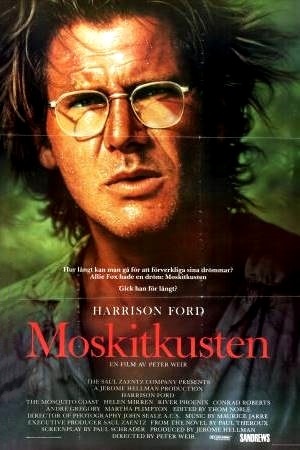
There were occasional stage appearances, including the off-Broadway musical The Athenian Touch (1964). In 1978, during a tour of her one-woman show Butterfly McQueen and Friends, she said: “When you get old they want to put you on the shelf and forget about you. If they try to do it to me, I’ll just come out singing and dancing and show them I’m not finished up yet.” The following year she was awarded an Emmy for her role in The Seven Wishes of a Rich Kid. In 1986, the director Peter Weir cast her in a small role in The Mosquito Coast, starring Harrison Ford. It was her final film. Afterwards she said: “Peter Weir told me to make up my own dialogue but I did it so well he cut it out
In 1989 McQueen willingly took part in the 50th anniversary celebrations of Gone with the Wind, making numerous personal appearances. She charmed everyone at the Edinburgh Film Festival, and delighted British television audiences in an interview with Terry Wogan. But she always made it clear that she hated the role of Prissy: “I was suffering the whole time,” she said. “I didn’t know that I’d have to be just a stupid little slave. I wouldn’t let Vivien Leigh slap me, and I wouldn’t eat watermelon. I was very sensitive about that. Of course, thinking about it now, I could have had fun eating that watermelon and spitting out the pips while everyone went by!”
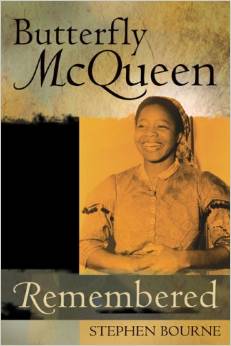
Stephen Bourne
Appraisal:
Butterfly McQueen (1911–1995) remains one of the most paradoxically iconic figures of Hollywood’s Golden Age. While her career is often reduced to a single high-pitched line in Gone with the Wind, a critical analysis reveals a performer of immense technical precision who was trapped by the very industry she helped define.
Career Overview
The Broadway Origins (1930s)
Born Thelma McQueen, she began her career as a dancer. She earned her nickname “Butterfly” after her rapid, fluttering hand movements in a 1935 off-Broadway production of A Midsummer Night’s Dream. Unlike many of her contemporaries, she was a formally trained artist, studying under legendary figures like Katherine Dunham. Her early stage work was characterized by a “delicate” and “ethereal” quality that set her apart from the more boisterous comedic styles of the era.
The Hollywood “Trap” (1939–1947)
McQueen was “discovered” by a talent scout for Gone with the Wind while performing on Broadway.
Prissy (1939): Her role as the squeaky-voiced, seemingly “dim-witted” maid in Gone with the Wind made her a household name. However, it also cemented a racial stereotype that she would spend the rest of her life resenting.
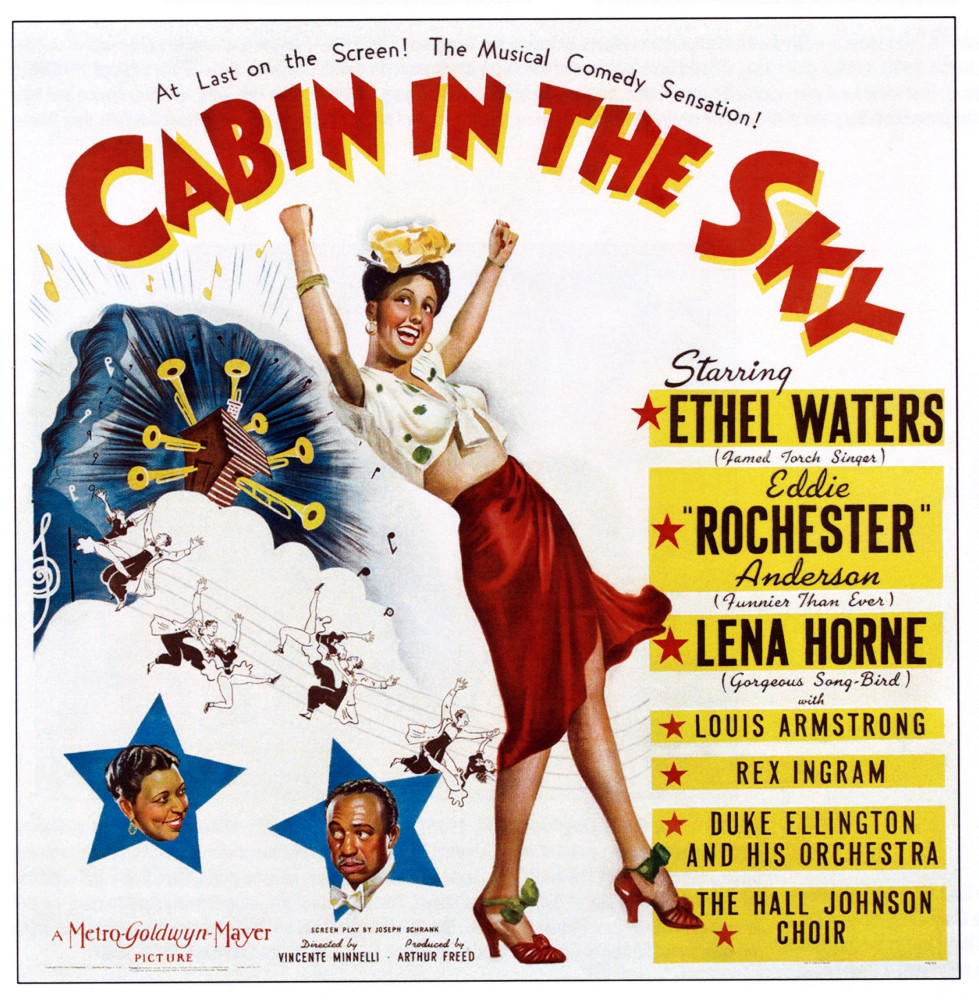
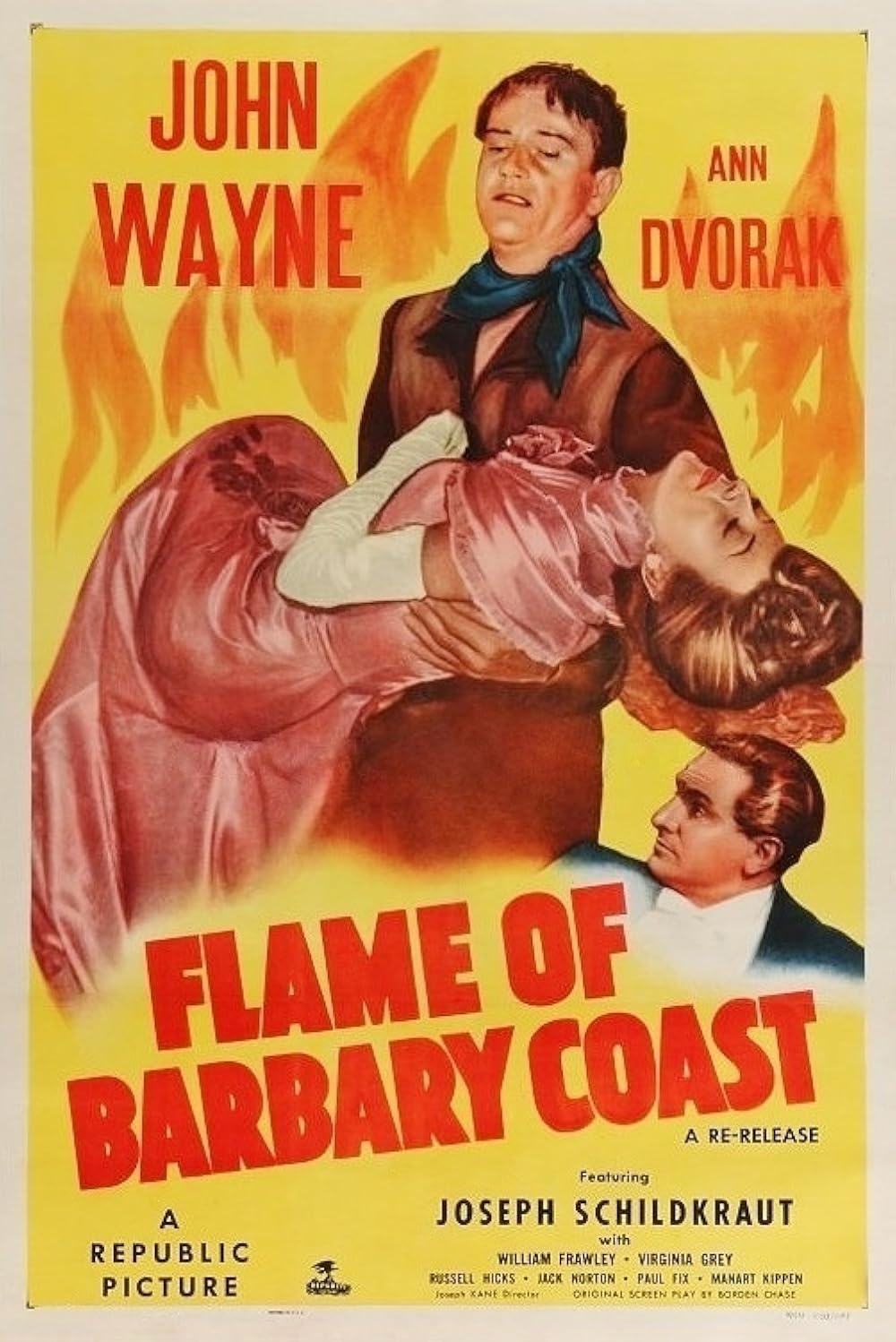
The “Invisible” Supporting Actress: She appeared in several major films, often uncredited or relegated to brief comic relief, including The Women (1939), Cabin in the Sky (1943), Mildred Pierce (1945), and Duel in the Sun (1946).
The Resistance: By 1947, she famously quit film acting, stating: “I didn’t mind being funny, but I didn’t like being stupid.”
The Academic and Activist Second Act (1950s–1995)
After leaving Hollywood, McQueen took on a dizzying array of roles in real life: taxi dispatcher, Macy’s sales clerk, and community volunteer.
Education: At the age of 64, she earned a bachelor’s degree in Political Science from the City College of New York (1975).
Late Career Wins: She enjoyed a late-career resurgence, winning a Daytime Emmy Award in 1980 for The Seven Wishes of a Rich Kid and appearing in the 1986 film The Mosquito Coast.
Detailed Critical Analysis
1. The “Peculiar Artistry” of Voice and Movement
Critically, McQueen’s acting is defined by her voice. Her high-pitched, tremulous delivery was not her natural speaking voice but a deliberate character choice that she utilized to create a “human cartoon.” While this choice leaned into the broad caricatures required by the studios, film historians like Donald Bogle argue that she brought a wistful, almost otherworldly quality to her roles that transcended the script. Her movements remained those of a dancer—precise, light, and intentionally erratic.
2. Subverting the Stereotype from Within
Modern analysis often views her performance as Prissy through a lens of subversive resistance. Some critics argue that her portrayal was so extreme and “clueless” that it functioned as a form of satire against the white characters’ expectations of her. By making Prissy so infuriatingly inept, she forced the audience to reckon with the absurdity of the “loyal servant” myth.
3. The Tragic Contrast of Range
The tragedy of McQueen’s career lies in the unseen range. In Vincente Minnelli’s Cabin in the Sky, she was given a rare opportunity to play a character (Lily) who was smartly attired and possessed common sense. This role demonstrated that, given the chance, she could have been the “Black Eve Arden”—a sharp, sophisticated second lead. Instead, Hollywood’s refusal to see her as anything but “the help” led to a truncated filmography.
4. Intellectual Autonomy
McQueen is a rare example of an actor who refused to be defined by her fame. Her decision to quit Hollywood at the height of her visibility was a radical act of self-preservation. Her later life—marked by atheism, political study, and community service—reveals a woman whose intellectual depth was entirely at odds with the “dim-witted” characters she was forced to play.
Key Awards and Legacy
Daytime Emmy Award (1980): Outstanding Individual Achievement in Children’s Programming.
Black Filmmakers Hall of Fame (1975): Inductee.
Freethought Heroine Award (1989): Awarded by the Freedom From Religion Foundation for her life-long atheism and social activism