

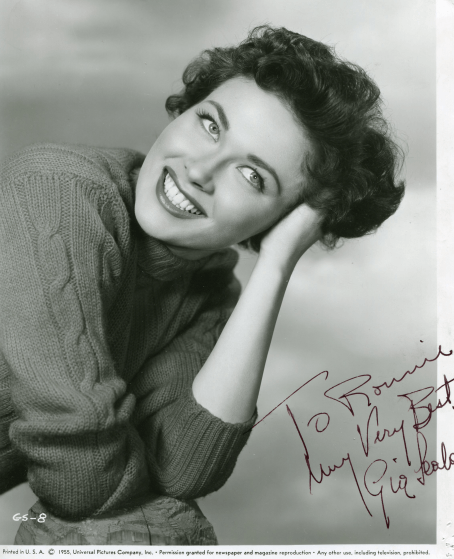
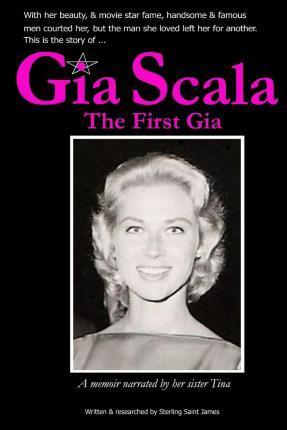
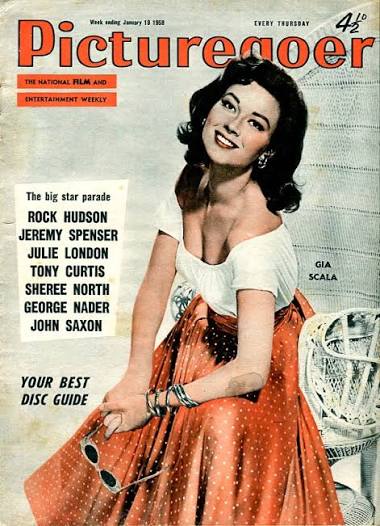
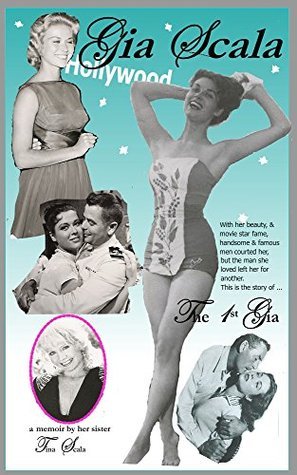
This tall, dazzling, yet reserved and sensitive foreign import was born Giovanna Scoglio in Liverpool, England but moved to Sicily with her aristocratic Sicilian father and Irish mother at three months of age. She migrated to New York at age 14 and attended Bayside (Queens) High School, graduating in 1952. She worked various jobs as a file clerk and airline reservations taker while studying with Stella Adler and the Actors Studio. Appearing as a contestant on a television game show, a Universal Studios agent happened to spot the young beauty and immediately placed her under contract in 1954.
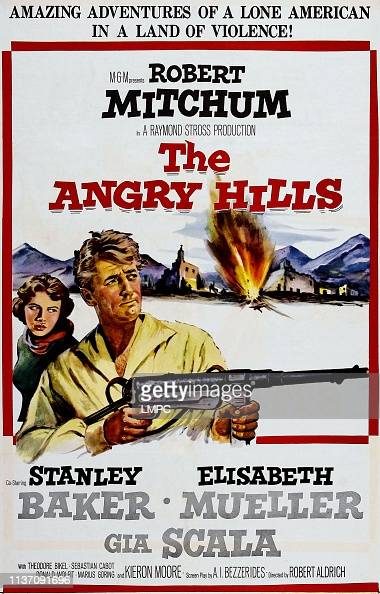
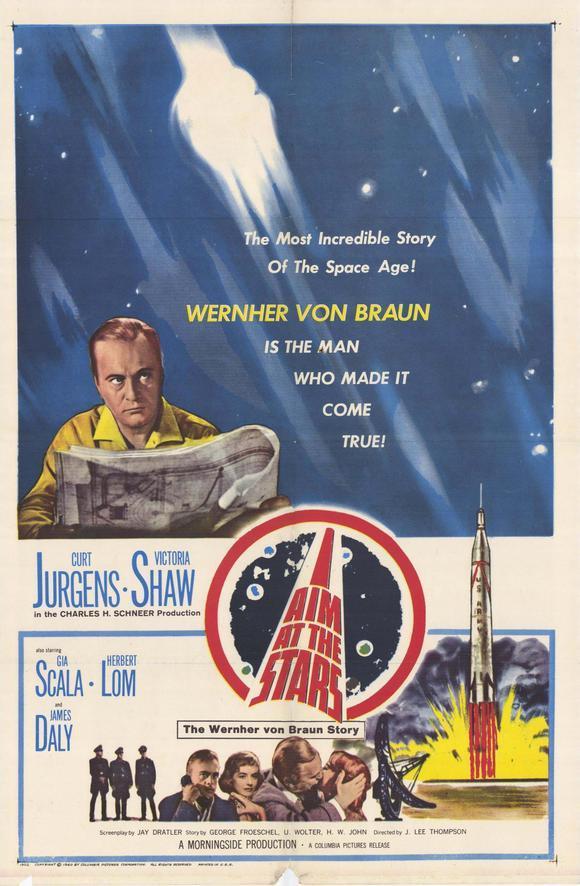
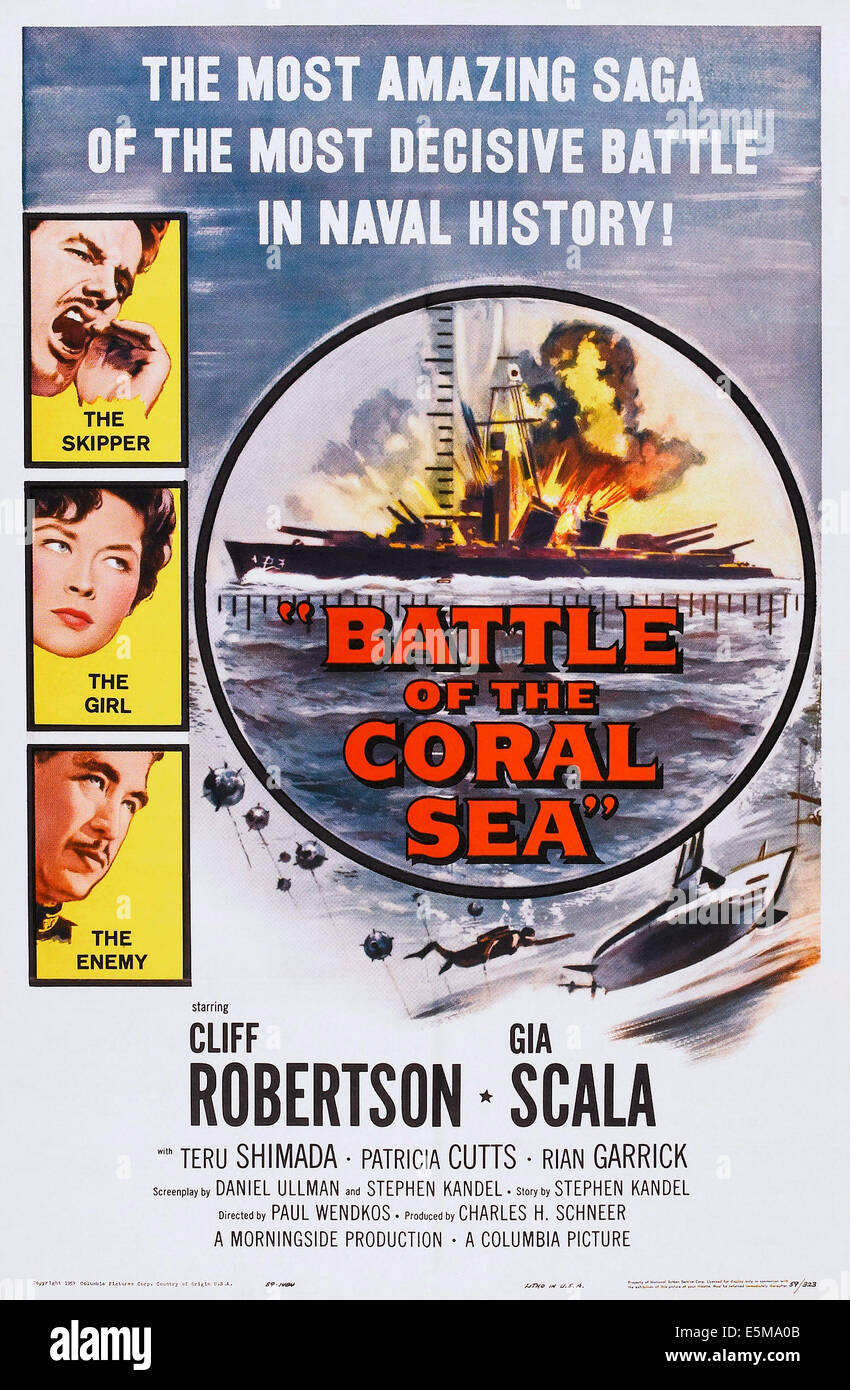
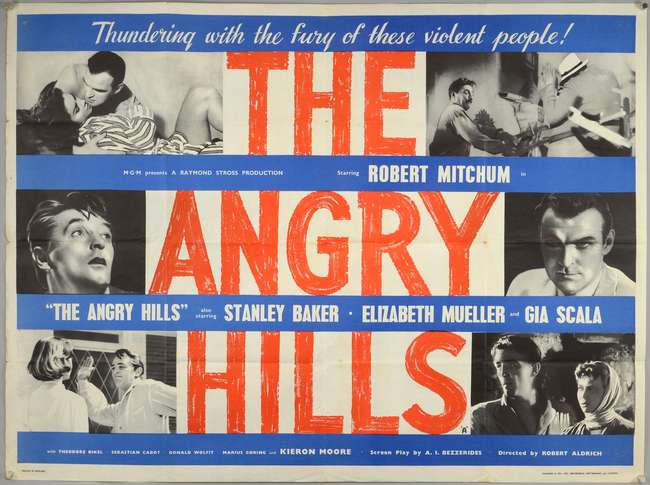
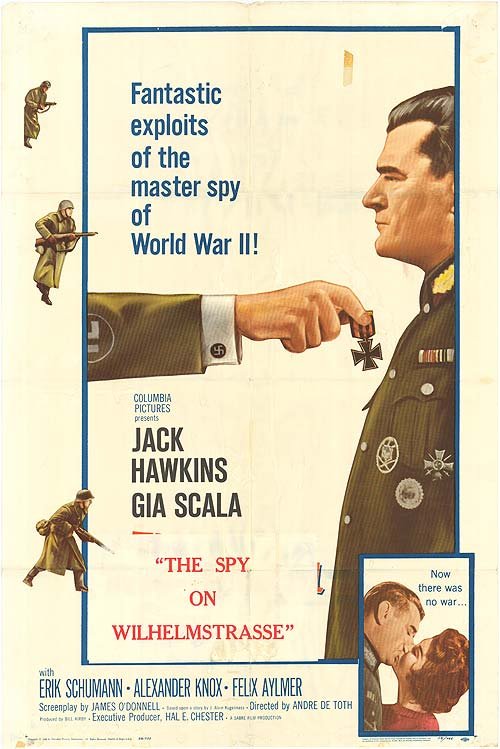
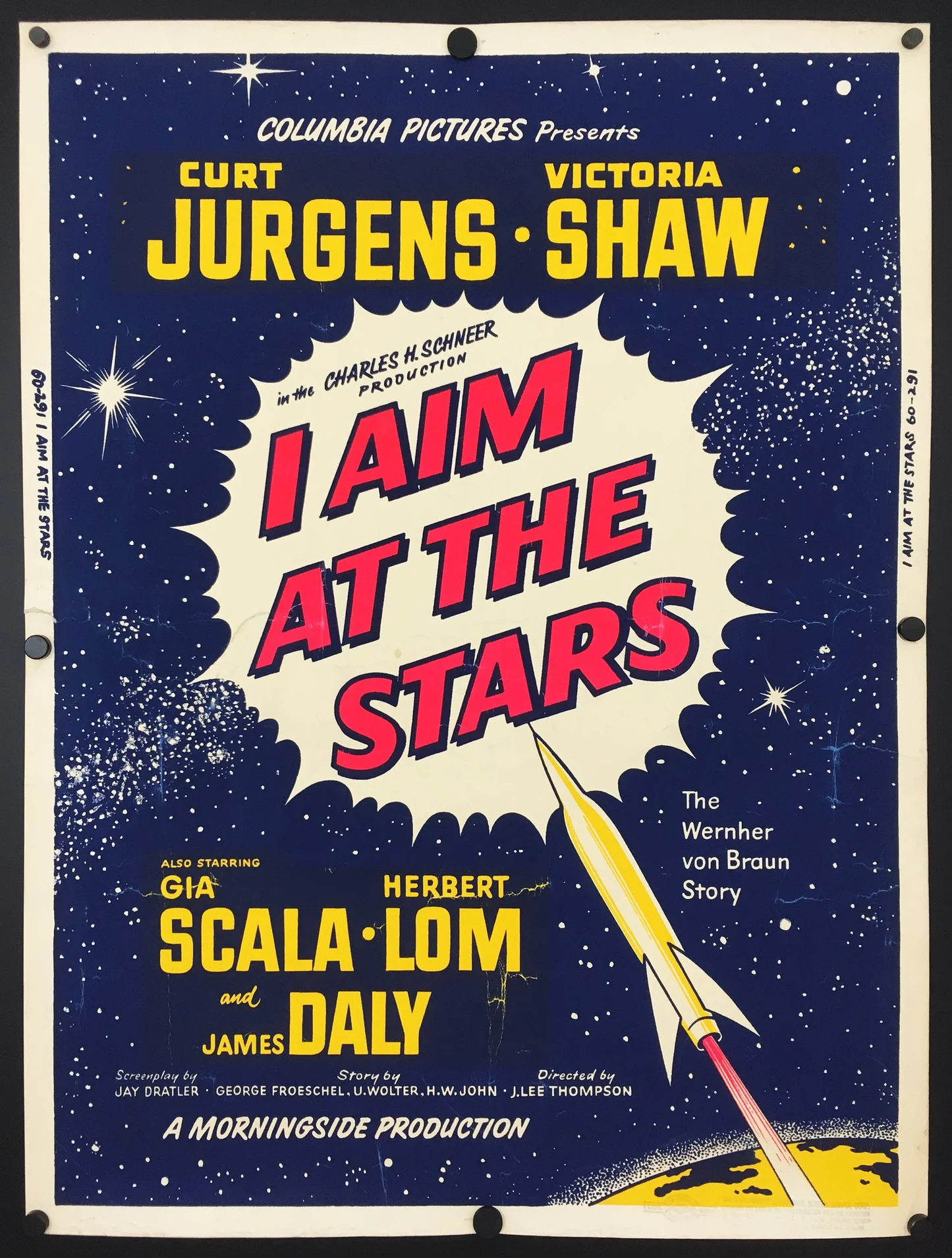
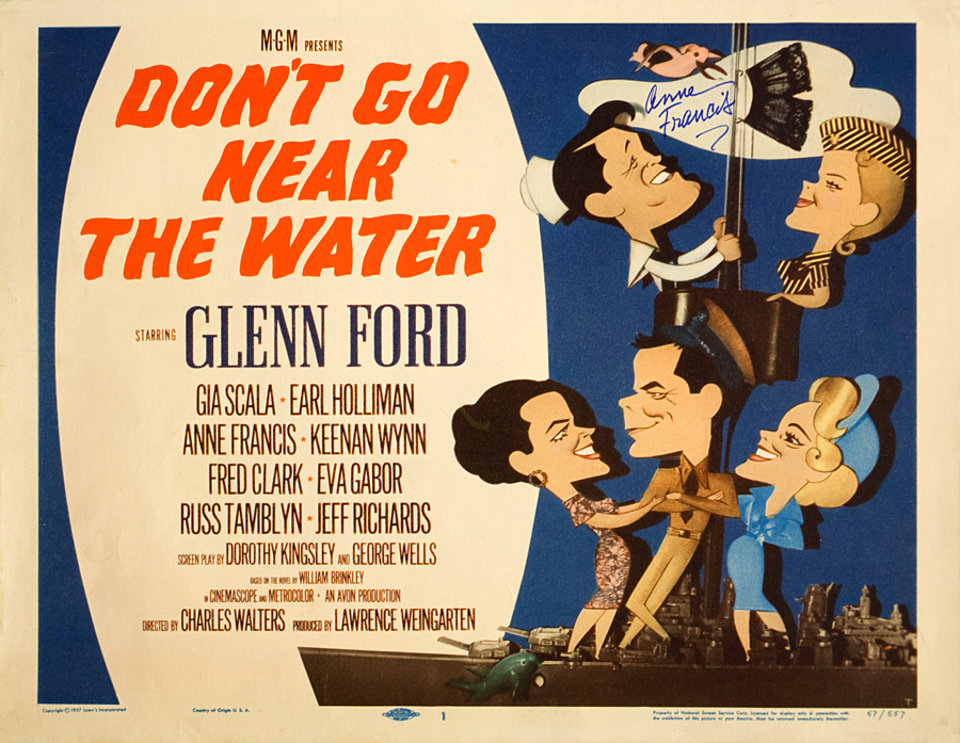
It did not take long before she moved up the Hollywood ladder. After only a couple of bit parts, Gia began earning good notices for her “second lead” roles. Her performance in The Price of Fear (1956) led to even better love interest parts in The Garment Jungle (1957) with Kerwin Mathews, Don’t Go Near the Water (1957) opposite Glenn Ford, The Two-Headed Spy (1958) with Jack Hawkins, The Angry Hills (1959) starring Robert Mitchum, and I Aim at the Stars (1960) with Curd Jürgens. Gia’s best known film role came as the mute Anna, the ill-fated Greek resistance fighter, in the classic all-star epic film, The Guns of Navarone (1961) headed up by Gregory Peck and Anthony Quinn
.

Career Overview
Gia Scala was born Josephine Grace Johanna Scoglio on March 3, 1934, in Liverpool, England, to an Italian father and Irish mother. Raised in Messina and Mili San Marco, Sicily, she moved as a teenager to Queens, New York, where she studied acting at night while working day jobs and trained under renowned teacher Stella Adler .
Her striking looks and composed European manner caught Hollywood’s attention after she appeared on the TV show Stop the Music. Universal Studios signed her to a contract in 1954, transformed her image—dyed hair, capped teeth, and the stage name “Gia Scala”—and began casting her in supporting roles.
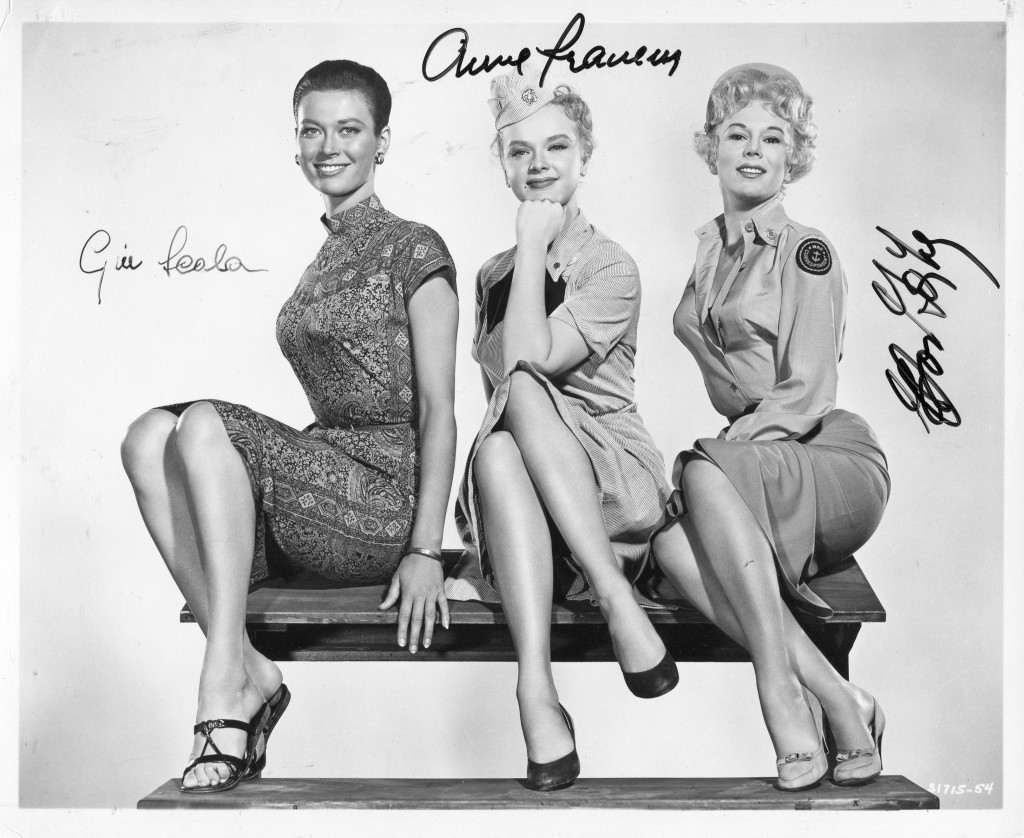
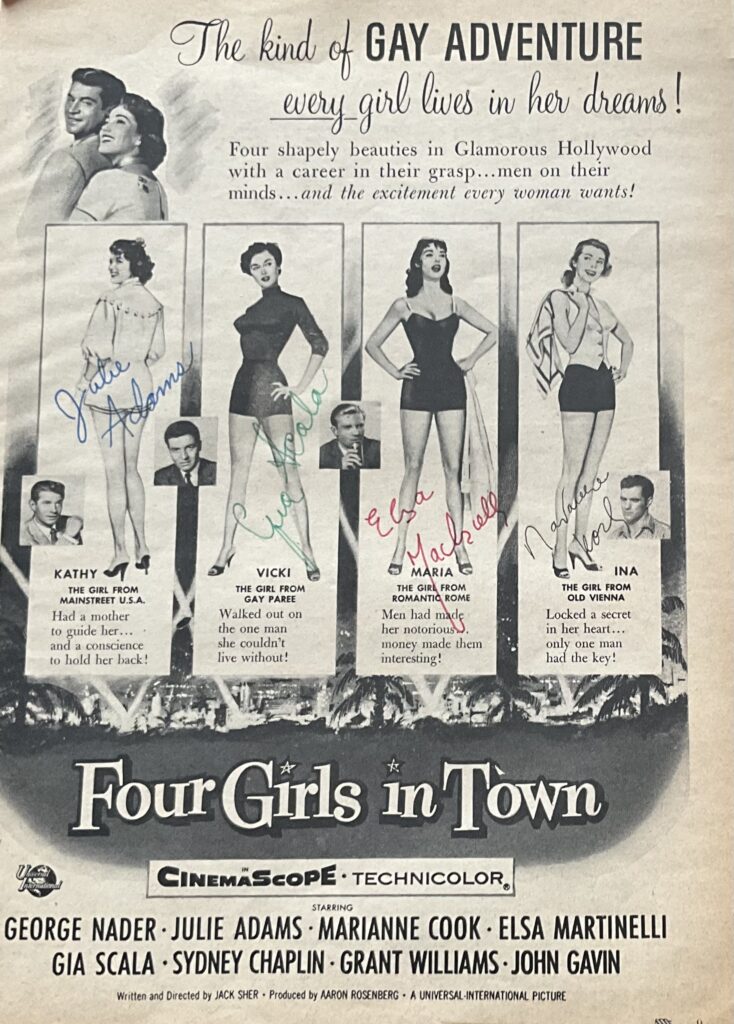
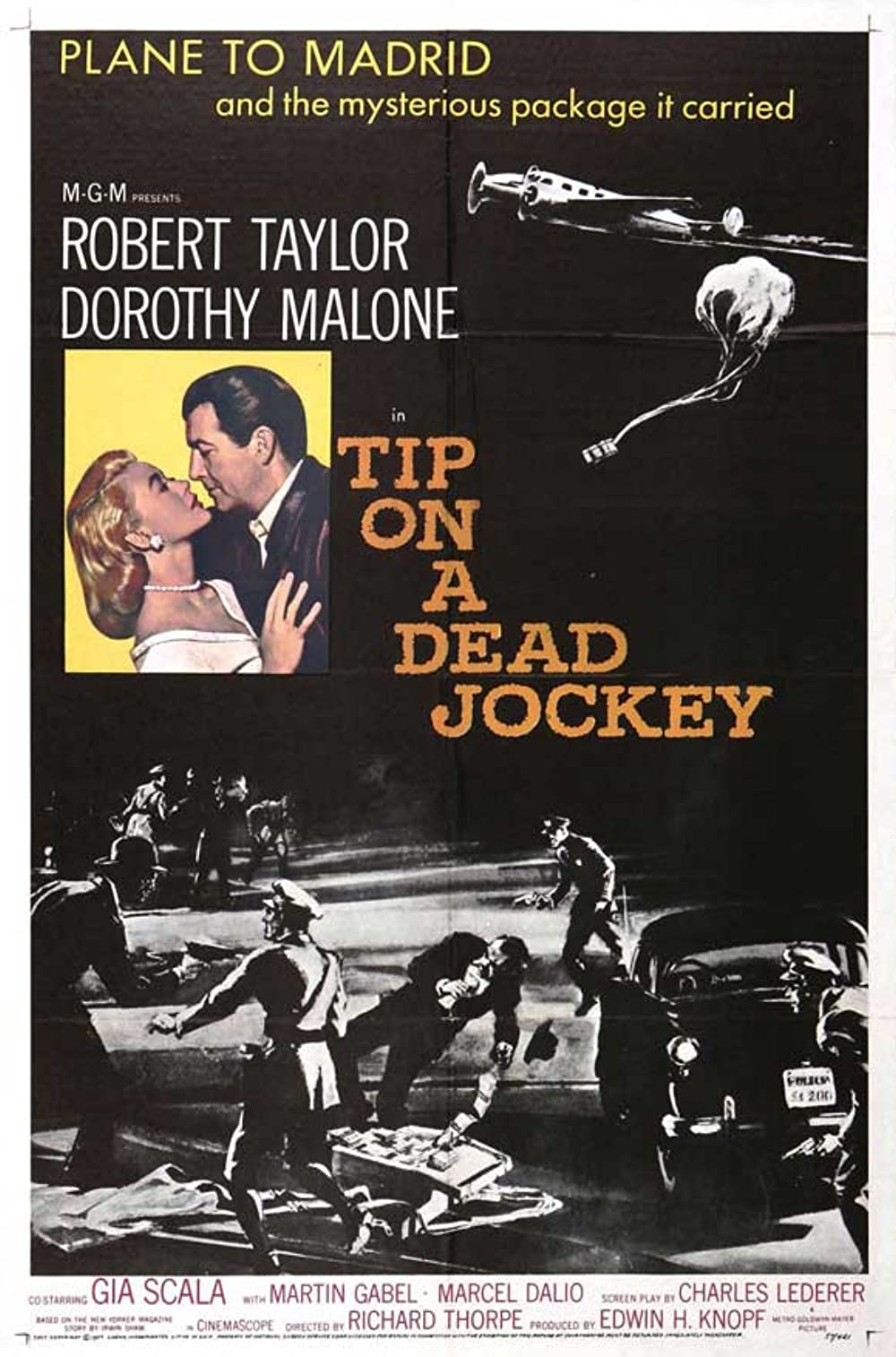
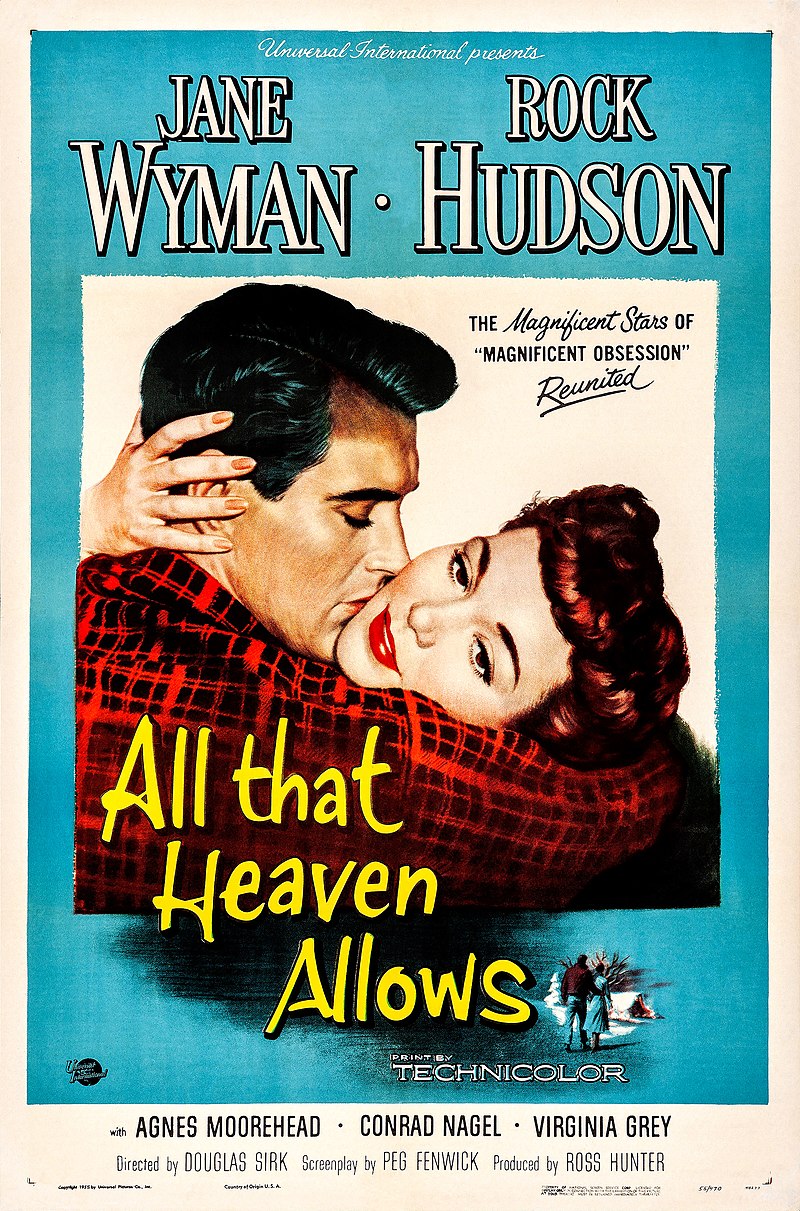
Her first screen appearance came in All That Heaven Allows (1955), followed by more substantial parts in Four Girls in Town and Tip on a Dead Jockey (1957). But it was her work in The Garment Jungle (1957) and Don’t Go Near the Water (1957) that made her a recognizable figure, often representing sophisticated yet sympathetic women who balanced allure with moral strength.
Scala’s most memorable role was as Anna, the mute Greek resistance fighter in The Guns of Navarone (1961)—an epic starring Gregory Peck and Anthony Quinn. Though she had limited dialogue, her performance conveyed poignancy and quiet determination, demonstrating expressive range within the constraints of a largely visual part .
After Navarone, Scala’s career began to wane. She appeared in television anthology series (Alfred Hitchcock Presents, Goodyear Theatre, It Takes a Thief) and occasional films through the 1960s, but her momentum faltered amid studio changes and personal struggles. Her final screen appearance was in the It Takes a Thief episode “The Artist Is for Framing” (1969).
Scala died tragically in her Hollywood Hills home on April 30, 1972, from acute ethanol and barbiturate intoxication, a death ruled accidental though long surrounded by speculation .
Critical Analysis
1. Style and Persona
Gia Scala’s screen appeal rested on contrasts: poise masking emotional fragility. She often played women whose elegance concealed inner turmoil—characters caught between idealism and disillusionment. Her training under Adler showed in her disciplined stillness and attention to psychological nuance: she used silence and gaze rather than overt dramatics.
This subtlety differentiated her from contemporaries such as Anita Ekberg or Brigitte Bardot—Scala projected European sophistication rather than brash sensuality. Her acting style, understated yet emotionally sincere, suited restrained melodrama and war films rather than broad comedies or musicals.
2. Thematic Resonance and Limitations
Scala’s best performances, especially The Guns of Navarone, showcased the themes that would define her brief career: dignity under pressure, the human cost of violence, and quiet endurance. Yet Hollywood’s narrow casting practices often confined her to secondary “decorative” roles—love interests or wives—despite her dramatic training and range.
The lack of writing depth for such parts in 1950s–60s studio films ultimately limited how fully she could realize her potential. Her beauty became both her entry ticket and her professional confinement.
3. Industry Context
Scala’s story reflects the transitional moment between classic studio glamour and modern self-expression in Hollywood. By the early 1960s, the old studio system was weakening, and actors without strong personal branding or aggressive management (especially women foreign-born or with European accents) often saw their opportunities dwindle. Scala fit neither the ingénue nor the Americanized “method” archetype, falling between markets.
4. Legacy
Though her filmography is small, Scala remains emblematic of postwar Hollywood’s fascination with “continental” women—cultured, mysterious, and tragic. The Guns of Navarone endures as her defining work, where she left a memorable emotional imprint in minimal screen time. Among classic film enthusiasts, she is remembered as a symbol of unrealized promise—a talented actress who might have flourished in an era offering more complex roles to women.
Her life’s brevity and struggles with depression have lent her a haunting allure, sometimes compared to contemporaries like Jean Seberg or Inger Stevens, who likewise faced the psychological toll of an industry fixated on appearances and compliance.
Summary Timeline
| Period | Career Focus | Key Works | Notes |
|---|---|---|---|
| 1954–1956 | Early Hollywood years | All That Heaven Allows (uncredited) | Contract with Universal; image makeover. |
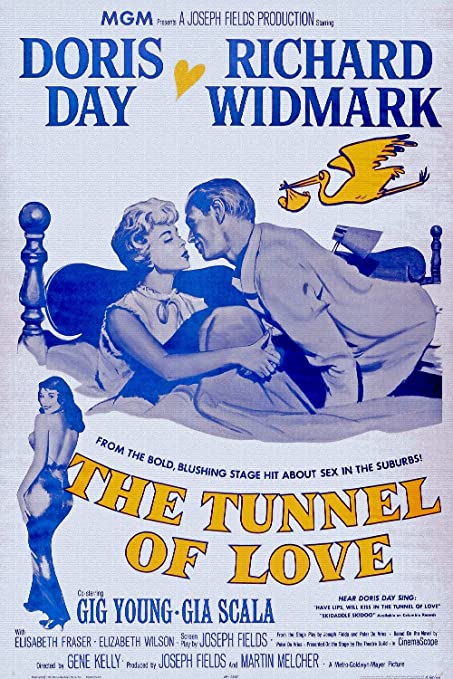
| 1957–1959 | Breakthrough roles | Four Girls in Town, The Garment Jungle, Don’t Go Near the Water, The Tunnel of Love | Showed range from romantic comedy to noir-style drama. |
| 1960–1961 | Peak | The Guns of Navarone | International success; critical recognition. |
| 1962–1969 | Television and decline | Alfred Hitchcock Presents, It Takes a Thief | Shift from film to small-screen work. |
| 1970–1972 | Withdrawal from acting | — | Personal struggles and early death. |
In essence: Gia Scala’s career encapsulates the poignancy of Hollywood talent restrained by typecasting. Her quiet strength and luminous presence promised a deeper artistry than her era allowed. Though history has often noted her as a tragic figure, her best work—especially in Navarone—testifies to genuine craft beneath the glamour.