

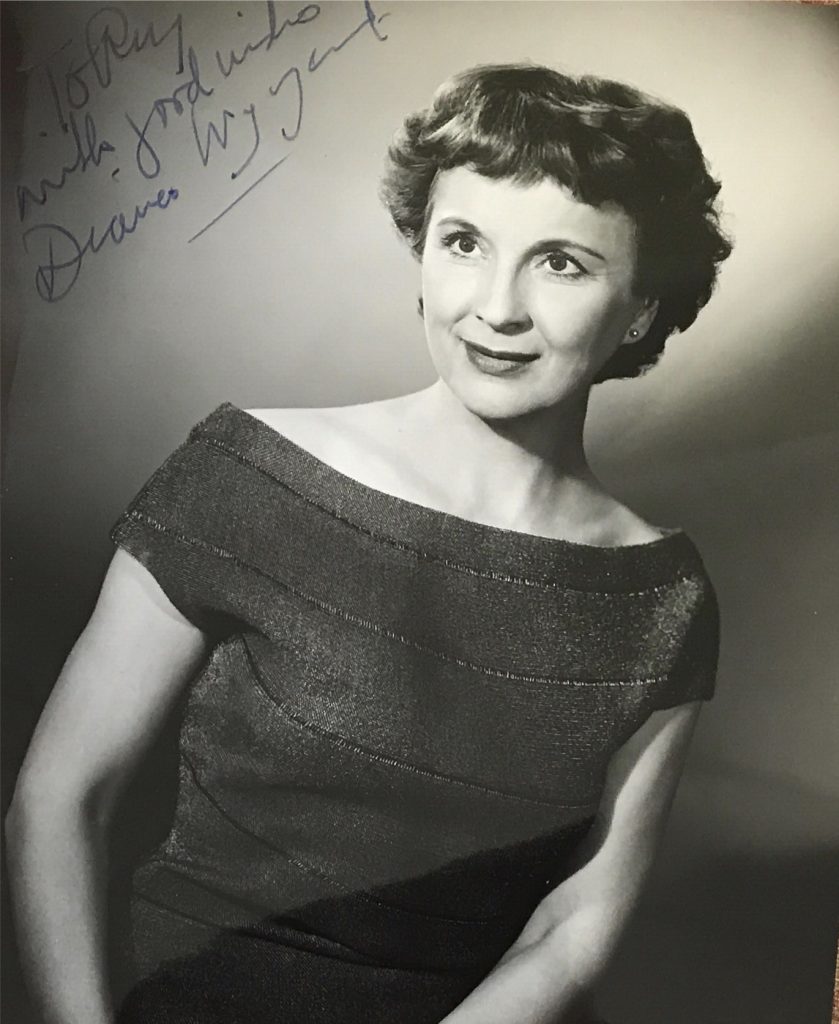
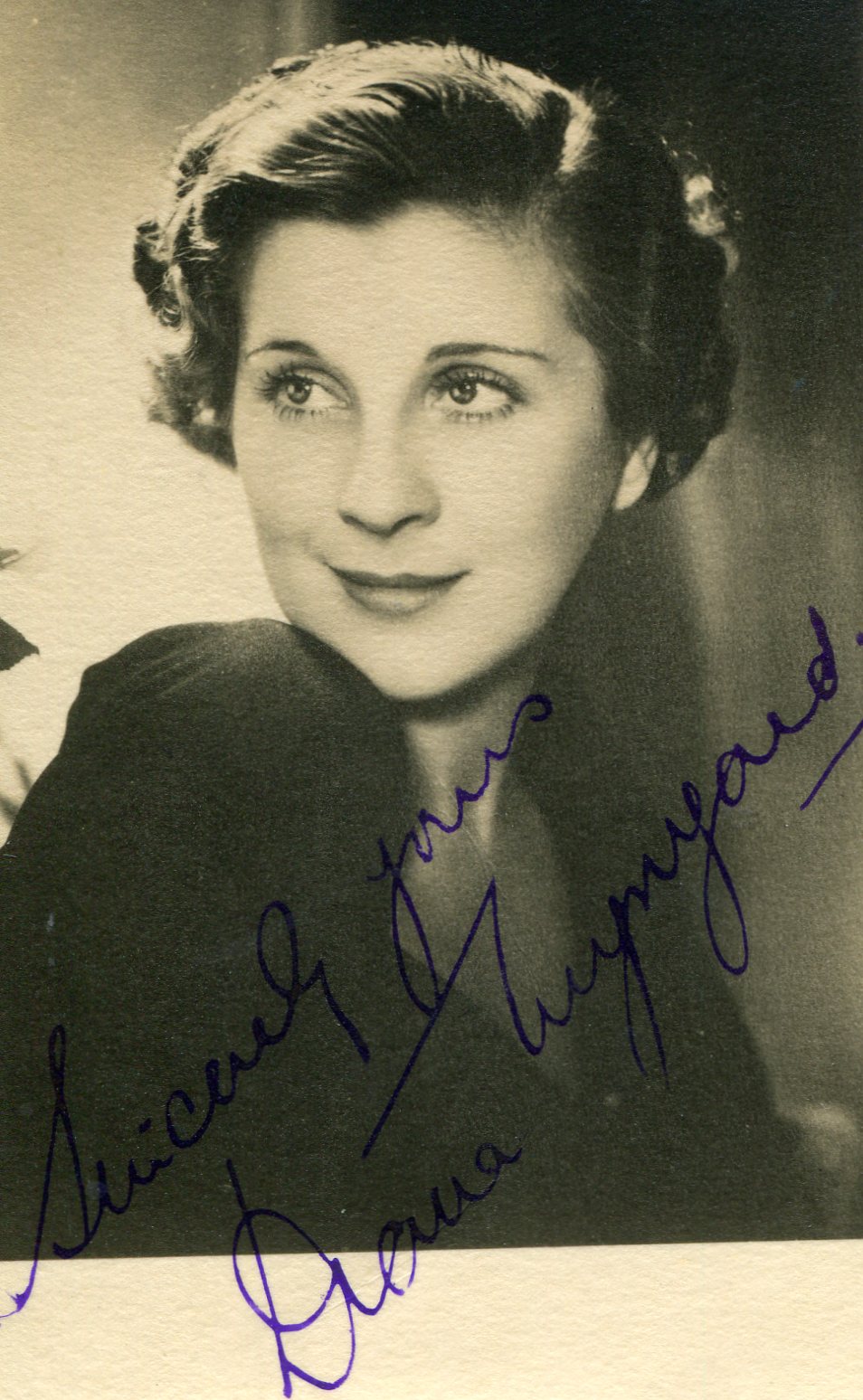
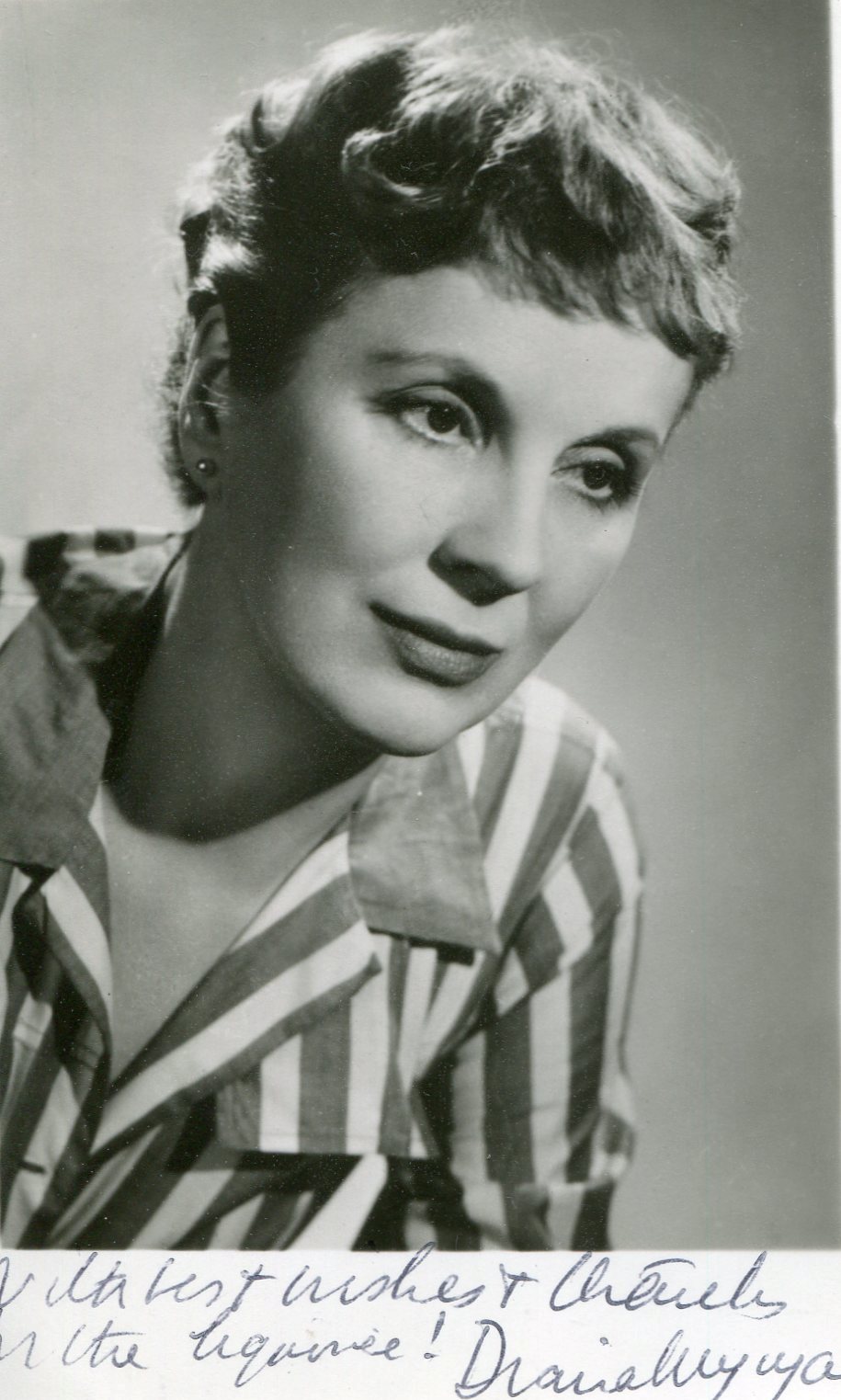
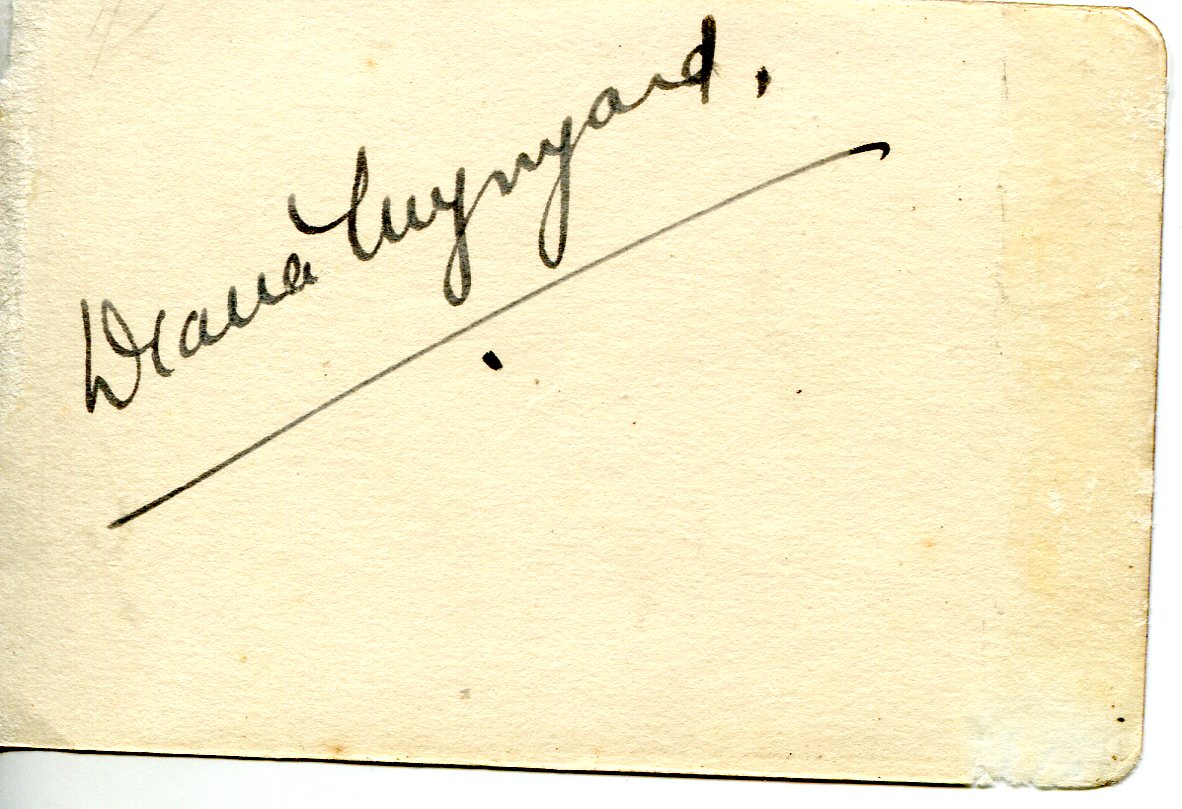
Had she wanted it, Diana Wynyard might have had a screen career as long and distinguished as that of Davis or Hepburn. As a stage actress she was excellent but seldom outstanding, nor was her later screen work likely to make anybody’s eyes pop out.
But her early film work is quite, quite stunning. Quiet, cool, gracious, ladylike, she was warmer and more believable than those adjectives imply: either her acting has not dated an iota or it was years before it’s time.
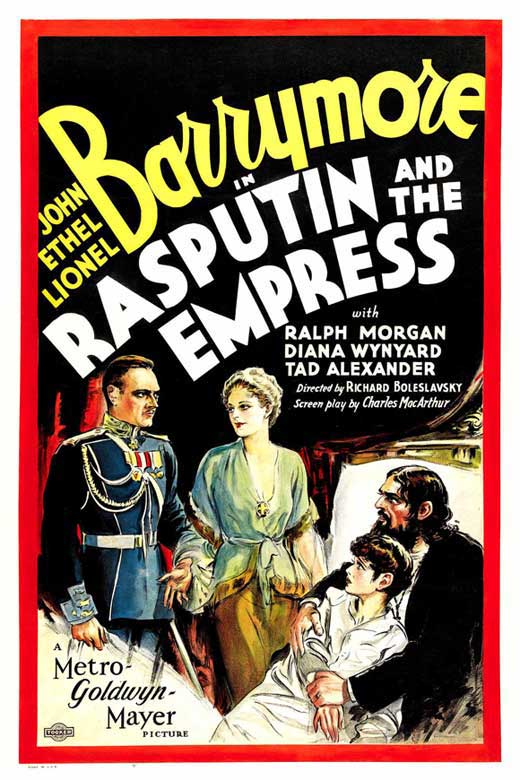
In “Rasputin and the Empress” the Barrymores are acting away like mad and about as convincing as a tree-full of parrots, but Wynyard simply exists ion the same way that someone like Spencer Tracy existed.
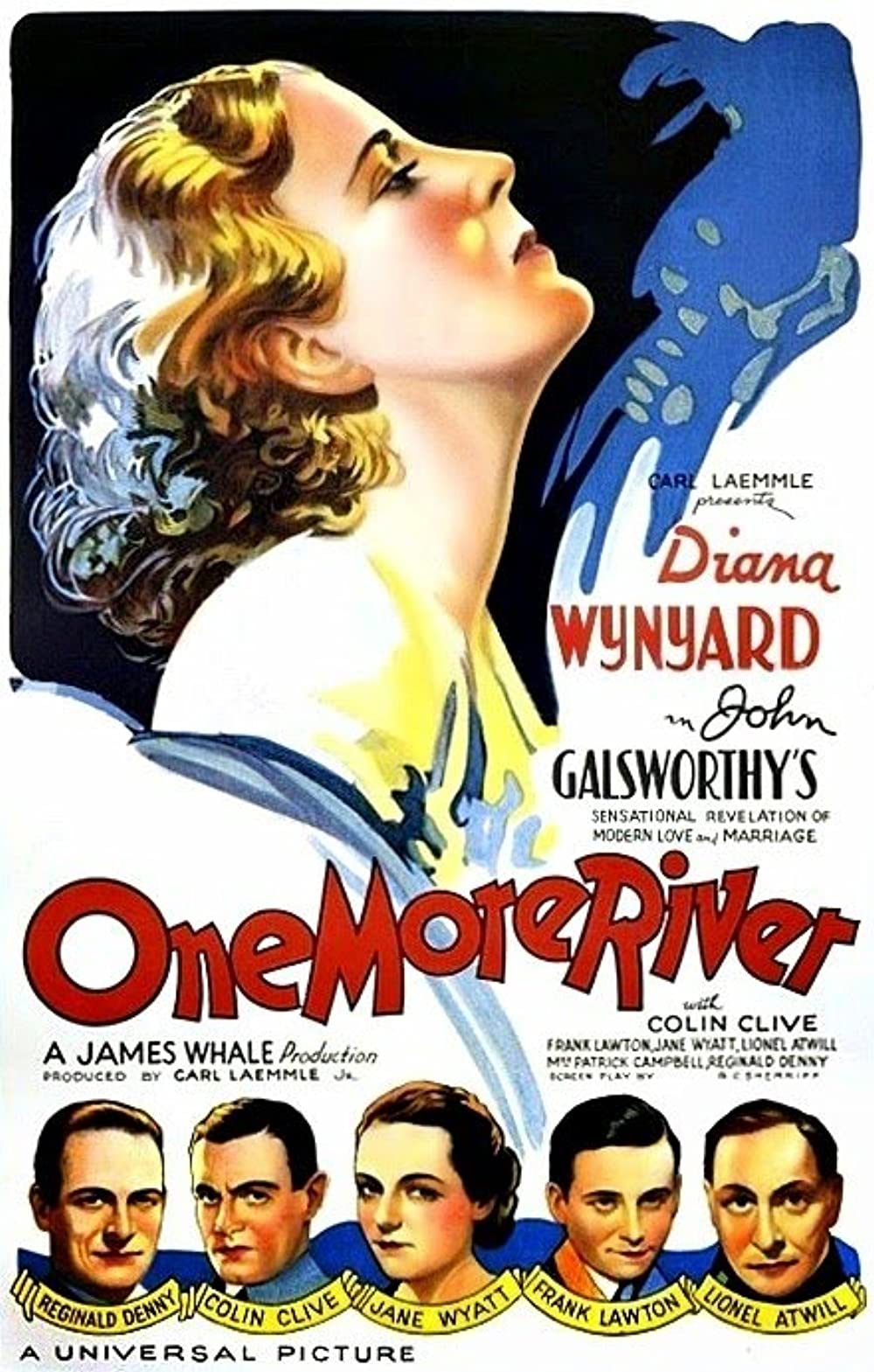
In “One More River” the cast are expectedly more subdued, the film is still Galsworthy junk but when Wynyard is on screen at any point, you might be watching a film made yesterday” – David Shipman in “The Great Movie Stars” (1970)
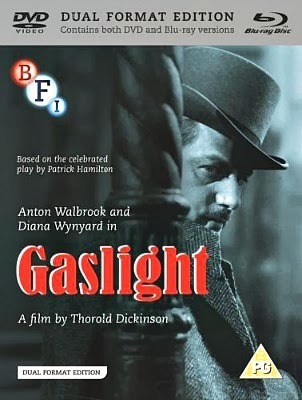
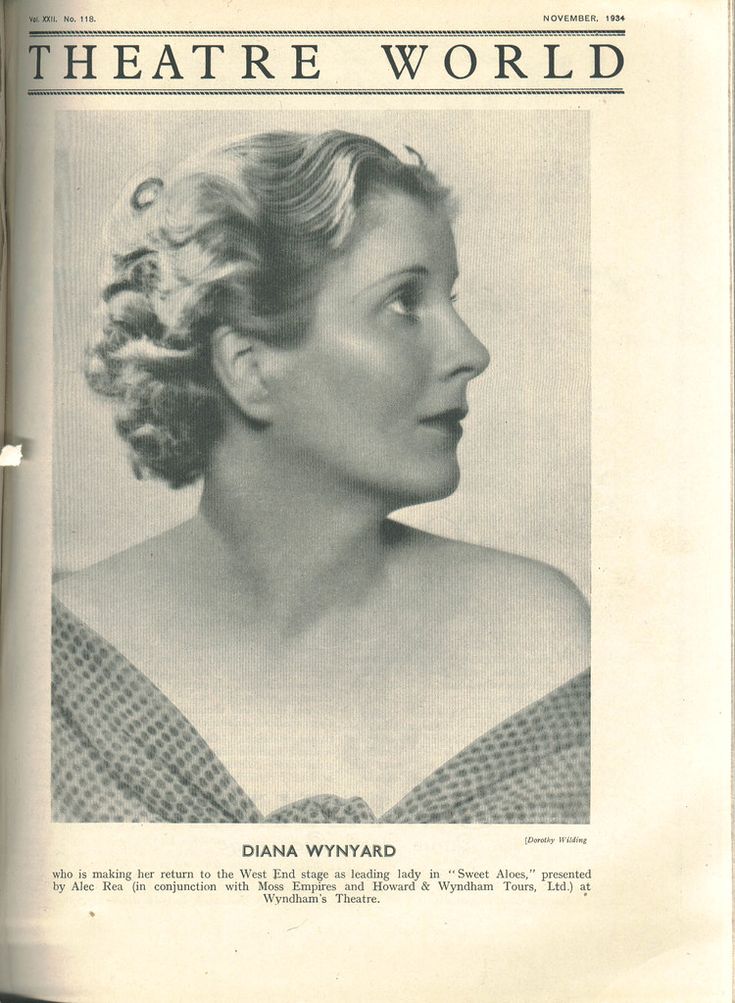
Diana Wynyard was born in London in 1906. She had a cool calm presence on film and was seen to best effect in the UK made “Gaslight”, and “An Ideal Husband”.
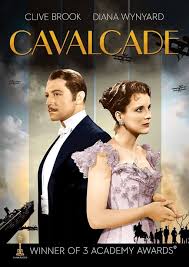
In the earlier part of her career she made films in Hollywood including “Rasputin and the Empress” and “Cavalcade” by Noel Coward. Diana Wynyard had a flourishing stage career and was in rehersal for a new play with Maggie Smith when she died suddenly in 1964. An article reviewing Diana Wynyard and her role in “Cavalcade” can be found here.
TCM Overview:
A luminous and intelligent British actress, Diana Wynyard brought genteel grace and an aristocratic dignity to a highly successful stage career. With a carriage and mien well-suited to period drama, she briefly made her mark in several classy roles in Hollywood during the depths of the Depression in the 1930s. Her US film stardom didn’t take, however, but she was sporadically active in British film for 20 years thereafter, leaving behind several outstanding performances that made one wish she had done more in film
IMDB Overview:
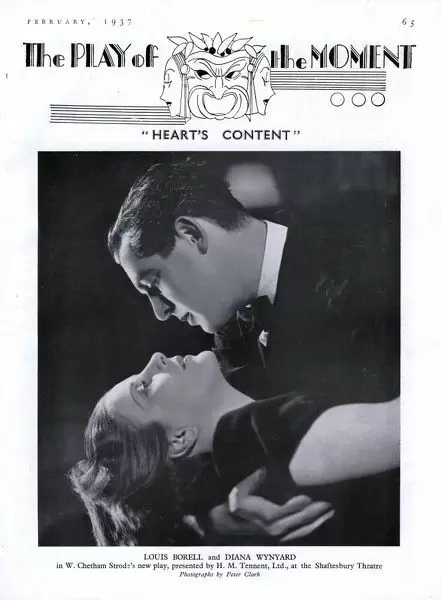
One of the outstanding stage actresses of her time, Diana Wynyard will always be remembered for her unforgettable performance in the British version of the thriller Gaslight (1940) (re-made in Hollywood in 1944 with Ingrid Bergman). Starring opposite the great Anton Walbrook, she played the part of terrorized Bella Mallen (driven to the point of insanity by her evil husband) with an ethereal, haunted fragility. Diana Wynyard was educated at the Woodford School in Croydon and first appeared on the stage in London in 1925, debuting in ‘Sorry, You’ve been Troubled’ as Lady Sheridan. She soon became one of the great stars of the British theatre with a wide-ranging repertoire, which included Shakespeare, Chekhov and Shaw. In 1937, she played Eliza Doolittle in ‘Pygmalion’.
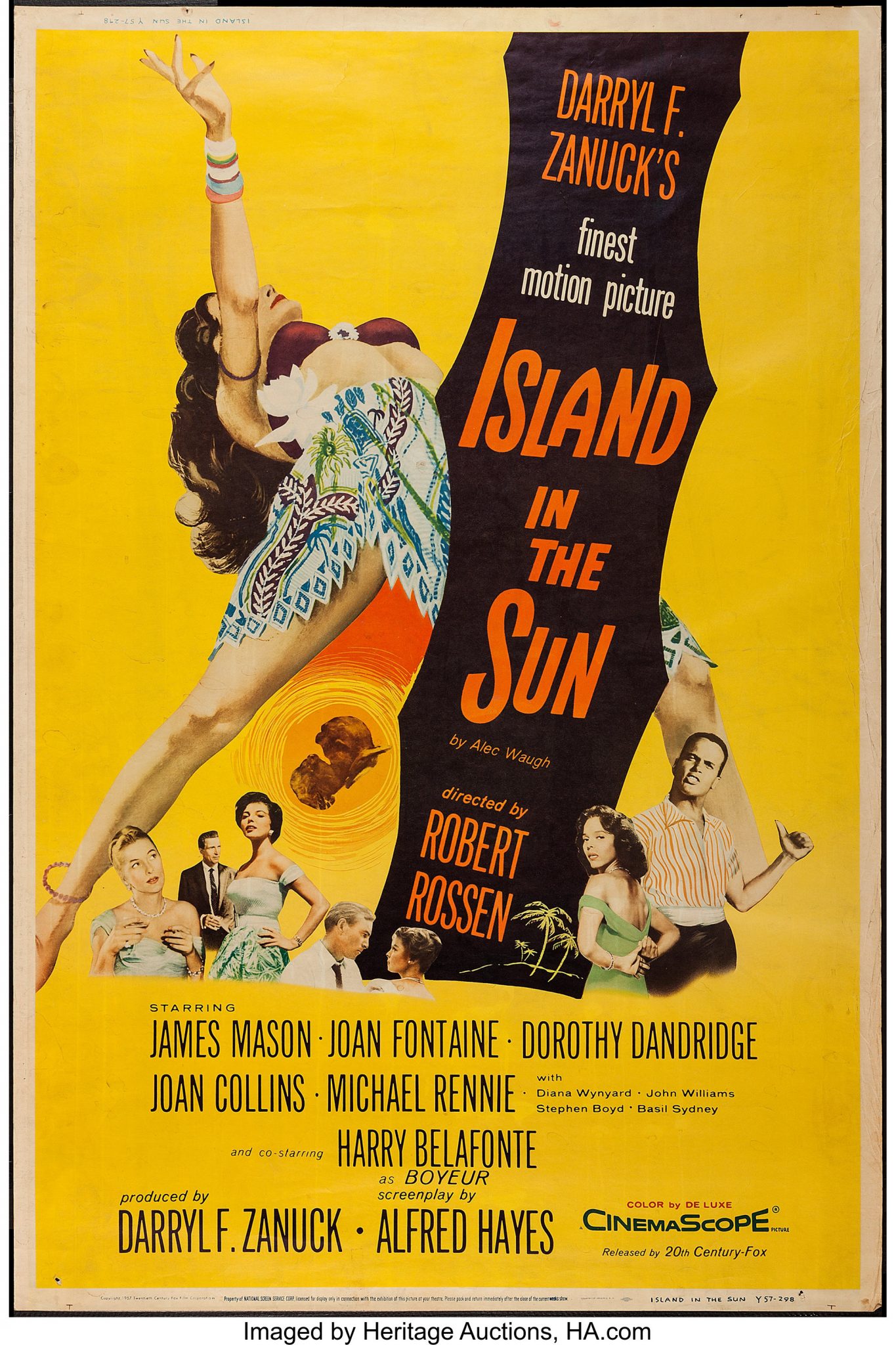
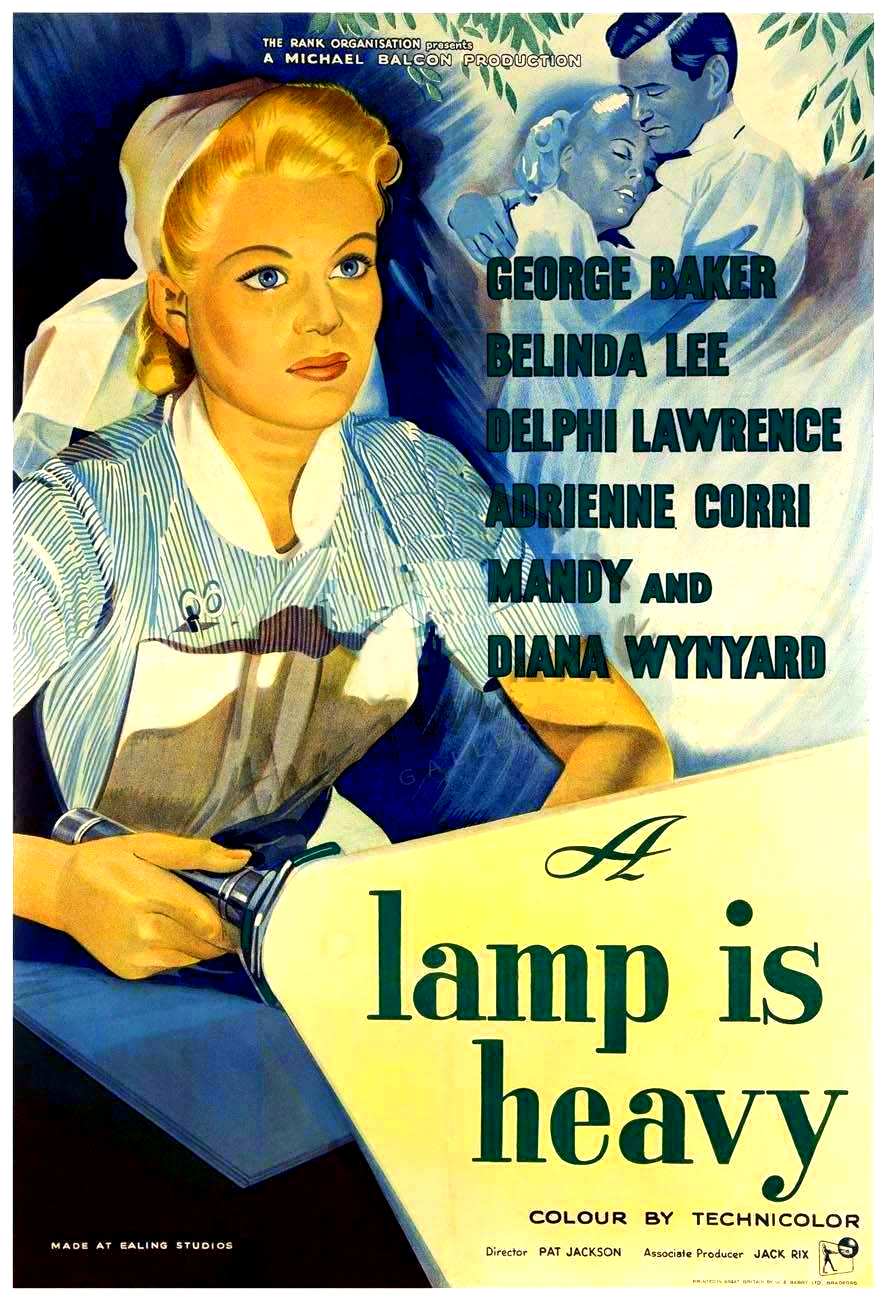
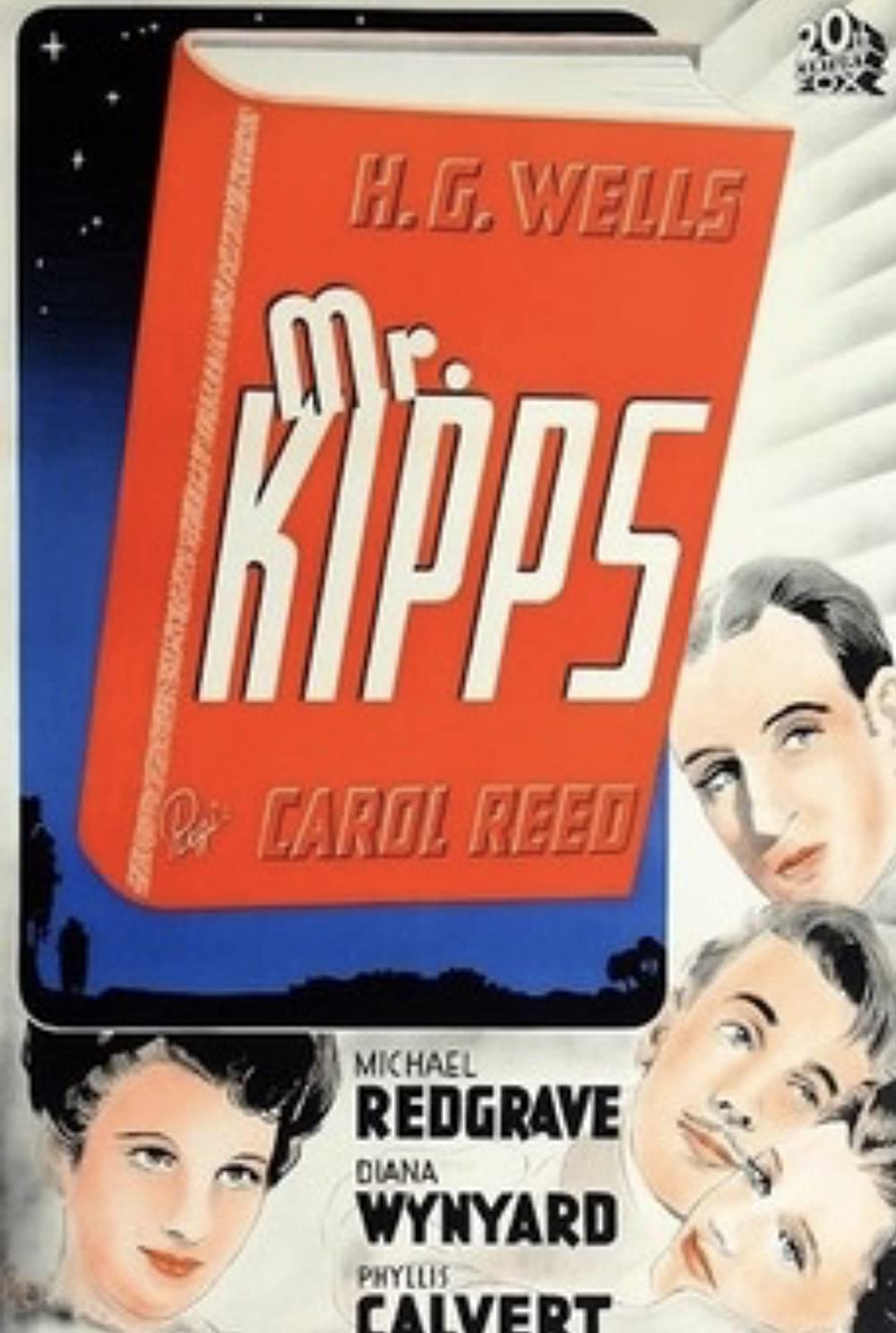
In 1932, she was signed to a contract at MGM and was cast opposite the three Barrymores in Rasputin and the Empress (1932). However, her best performance was with Clive Brook in Noël Coward’s Cavalcade (1933), for which she received an Academy Award nomination. The New York Times (June 6, 1933) remarked, “Miss Wynyard is excellent as Jane Marryot. She portrays her role with such sympathy and feeling that one scarcely thinks of her as an actress”. Another review of Diana Wynyard, this time for One More River (1934), described her acting as ‘stirringly sincere’. Her Hollywood career lasted only two years before the actress returned to England. She gave other sensitive performances in The Prime Minister (1941), with John Gielgud as Benjamin Disraeli, and Kipps (1941), with Michael Redgrave, both directed by Carol Reed. Her subsequent marriage to Reed lasted just four years. Diana Wynyard appeared in smaller supporting roles during the 1950s and, in keeping with her confession “I don’t really want to be a film star”, gradually returned to the Shakespearean stage. One of her last significant screen roles was as James Mason’s mother in Island in the Sun (1957).
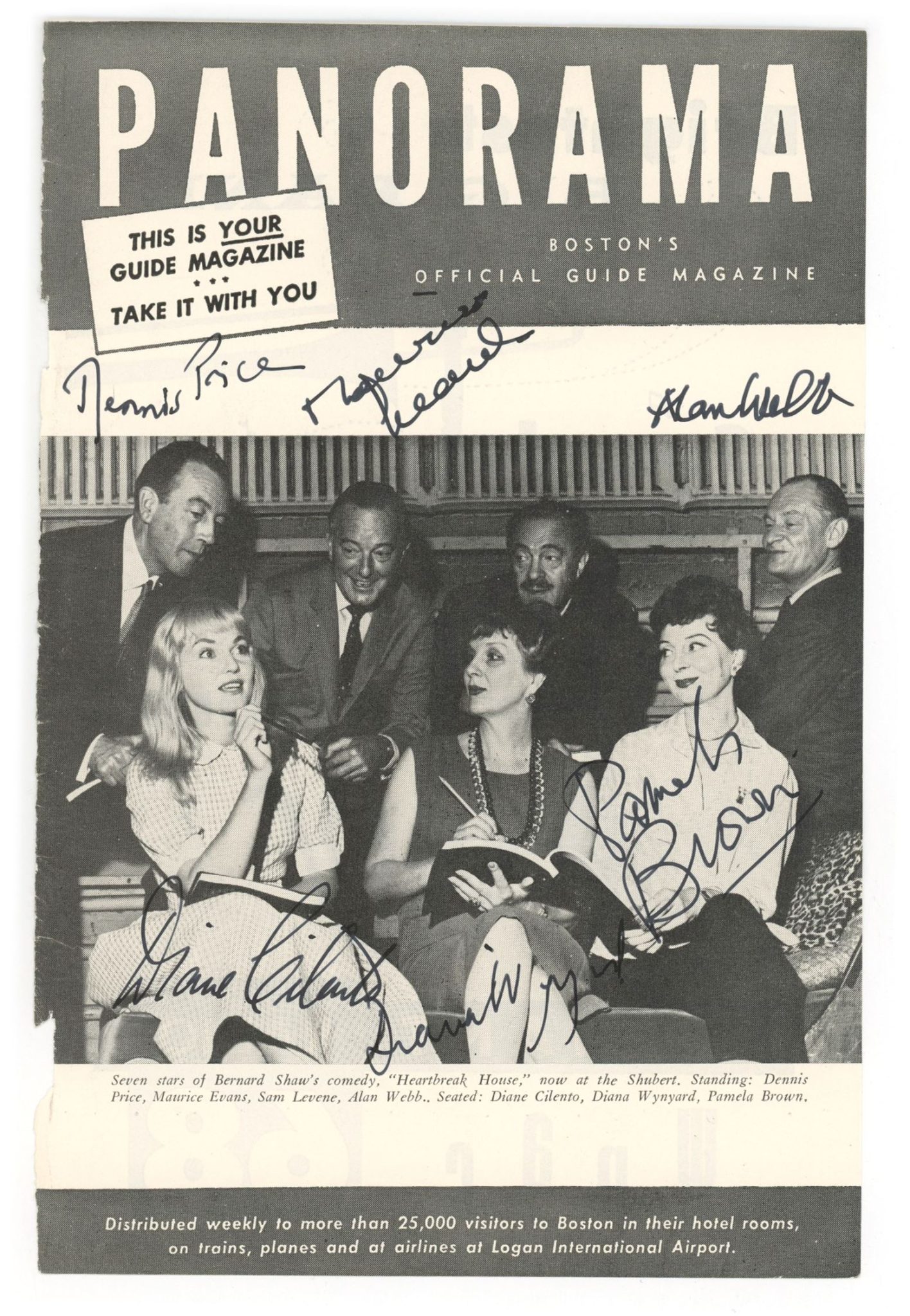
On stage, she played Beatrice, first opposite Anthony Quayle and later John Gielgud, in ‘Much ado about nothing’ (Australian tour, 1949-50). Other parts included Katherine in ‘The Taming of the Shrew’ and Hermione in ‘The Winter’s Tale’. Diana was awarded a CBE in 1953 for her contribution to the theatre. She never stopped working and gave her final performance as Gertrude to Peter O’Toole’s Hamlet.
New york times obituary in 1964.
LONDON, May 13 — Diana Wynyard, the actress, died in St.. Paul’s Hospital tonight. Her age was 58. She was taken ill recently with a kidney complaint.
Both of Miss Wynyard’s marriages ended in divorce. Her first husband was Sir Carol Reed, the film director, and the second was Dr. Tibor Csato.
For many Americans, Miss Wynyard’s serene Saxon beauty typified the wellbred Englishwoman. She played lighthearted as well as tragic roles in the movies and on the stage and she could range from Shakespeare to Shaw to Cheklov.
She is best remembered in this country for her 1933 performance in Noel Coward’s “Cavalcade,” a motion‐picture pageant of England in the years from the Boer War to the early nineteen‐thirties
Miss Wynyard played Jane Marryot, the wife and mother who loses one son in the sinking of the Titanic and another in the war. Her co‐star was the late Clive Brook.
In one scene, Mr. Brook, as Robert Marryot, and his son, Joe, are about to drink to the downfall of Germany in August, 1914. The son remarks to his father that nevertheless he rather likes the Germans, and the father, when asked how he feels, acknowledges that he likes them “enormously.” Miss Wynyard, as the mother, then says in Mr. Coward’s moving words:
“Drink to the war, then! I’m not going to. I can’t. . . Rule Britannia! Send us victorious, happy and glorious! “Drink, Joey. You’re only a baby, still you’re old enough for war. Drink as the Germans are drinking tonight, to victory and defeat, and stupid, tragic sorirow. Don’t ask me to do it, please!”
A oritio once said that when Miss Wynyard was on stage, no one could take his eyes off her. The critic observed, however, that she had one limitation. “She cannot easily interpret either mere silliness or highly spectacular wit. In one way or another, the women she represents must be women of charcter.”
Miss Wynyard, who was described by a Hollywood casting director in 1933 as one of the 10 brainiest women in the movies, was born in London. She attended private schools there, and was an avid reader of Shakespeare and any plays she could get her handson. In school she organized a dramatic group and managed to direct, produce and act the title role of “Candida.” in 1924.
After taking a year of voice training, she played a walk‐on part at a London theater before joining a repertory company. She played 40 roles in a year, and then went on tour with Mary Lehr in “The Grand Ducchess. Miss Wynyard played dozens of roles with the Liverpool Repertory Company before attracting the attention of Benn W. Levy, the playwright, who cast her in her first leading role in “The Devil Passes.” She played the ingenue opposite Basil Rathbone when the play, chosen one of the 10 best of the 1932 season, opened in New York.
On her return to Britain, she played in “Petticoat Influence,” where she was seen by an American motion‐picture executive who asked her to make a screen test. This resulted in a contract and a second trip to the. United States in 1932 that took her to Hollywood.
Miss Wynyard was immediately cast by Metro‐GoldwynMayer for the role of the Grand Duchess in “Rasputin and the Enjpress,” which also starred the three Barrymores — Ethel, Lionel and John. Several days later she was called to the Fox studio to make a test for “Cavalcade,” then went on to the “Rasputin” set. Three months later, after many actrdsses had been tested, she won the Jane Marryot role.
Later, in the spring of 1933, she shared top billing with John Barrymore in the movie version of Robert Sherwood’s “Reunion ir Vienna.”
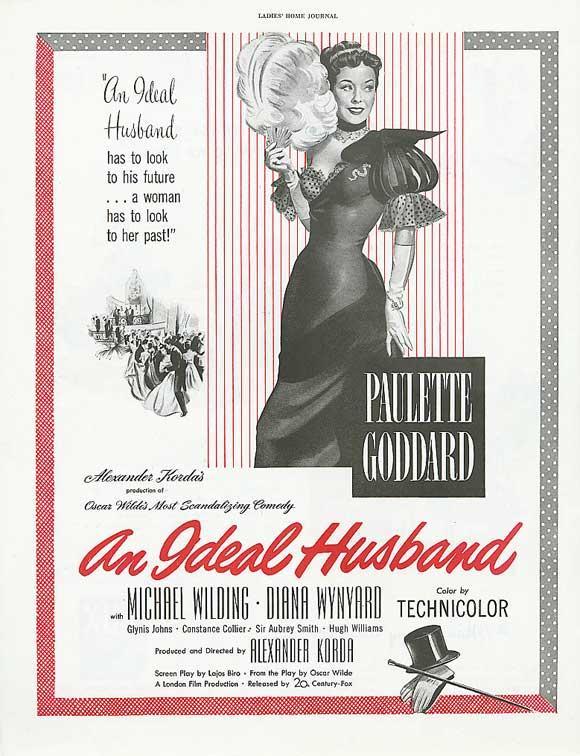
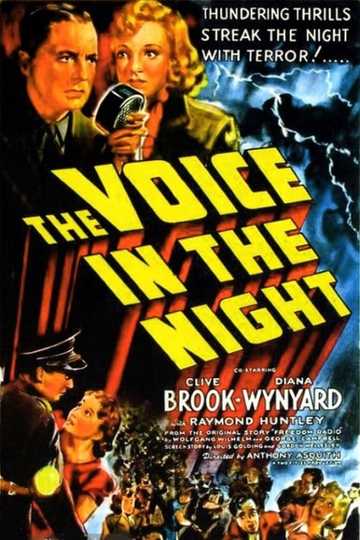
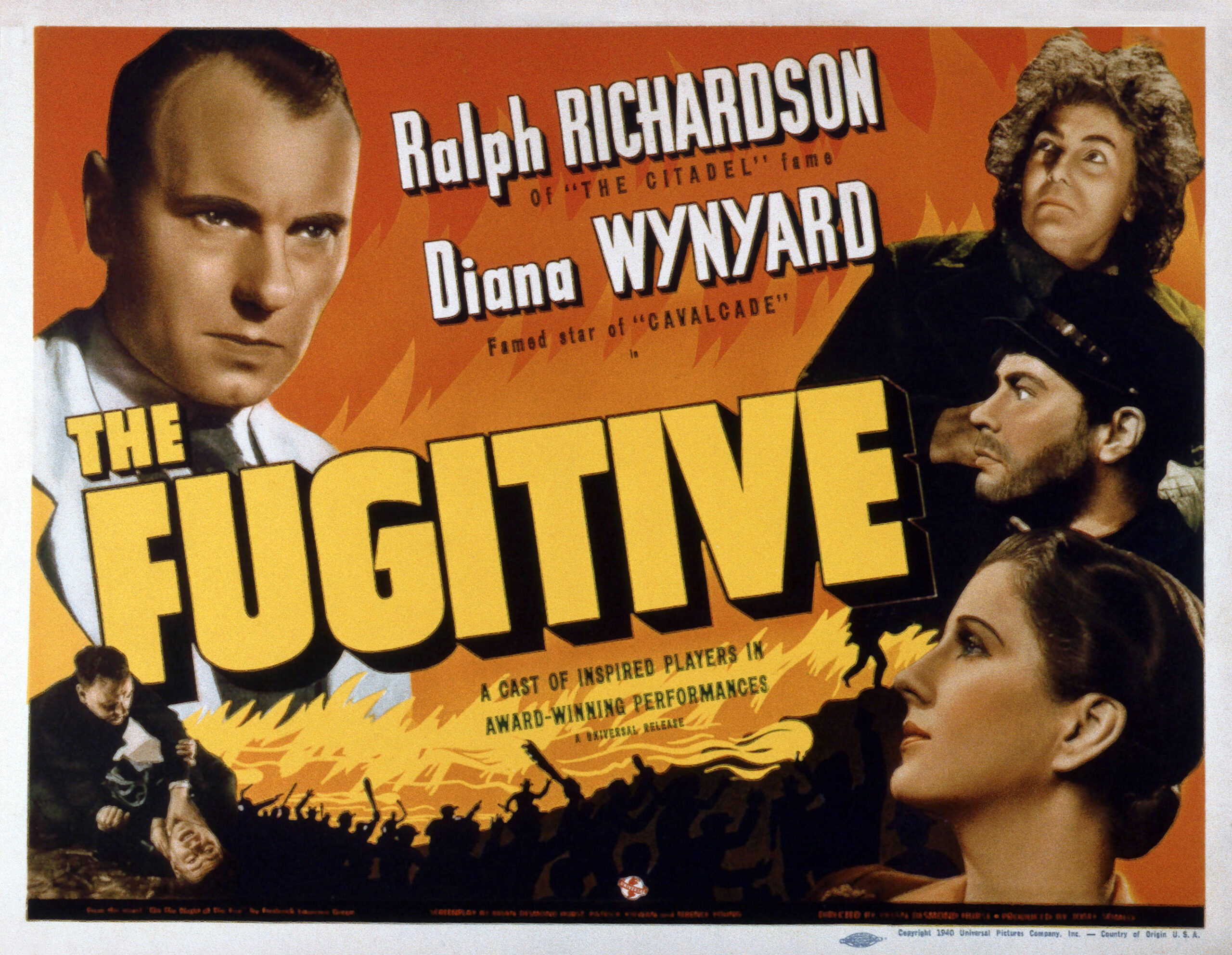
Among the many films that Miss Wynyard appeared in were “Men Must Fight,” “Where Sinners Meet,” “Let’s Try Again,” “One More River,” “The Fugitive,” “The Voice in the Night,” “The Prime Minister,” “An Ideal Husband” and “Angel Street.
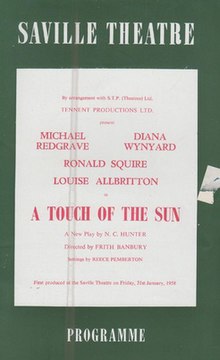
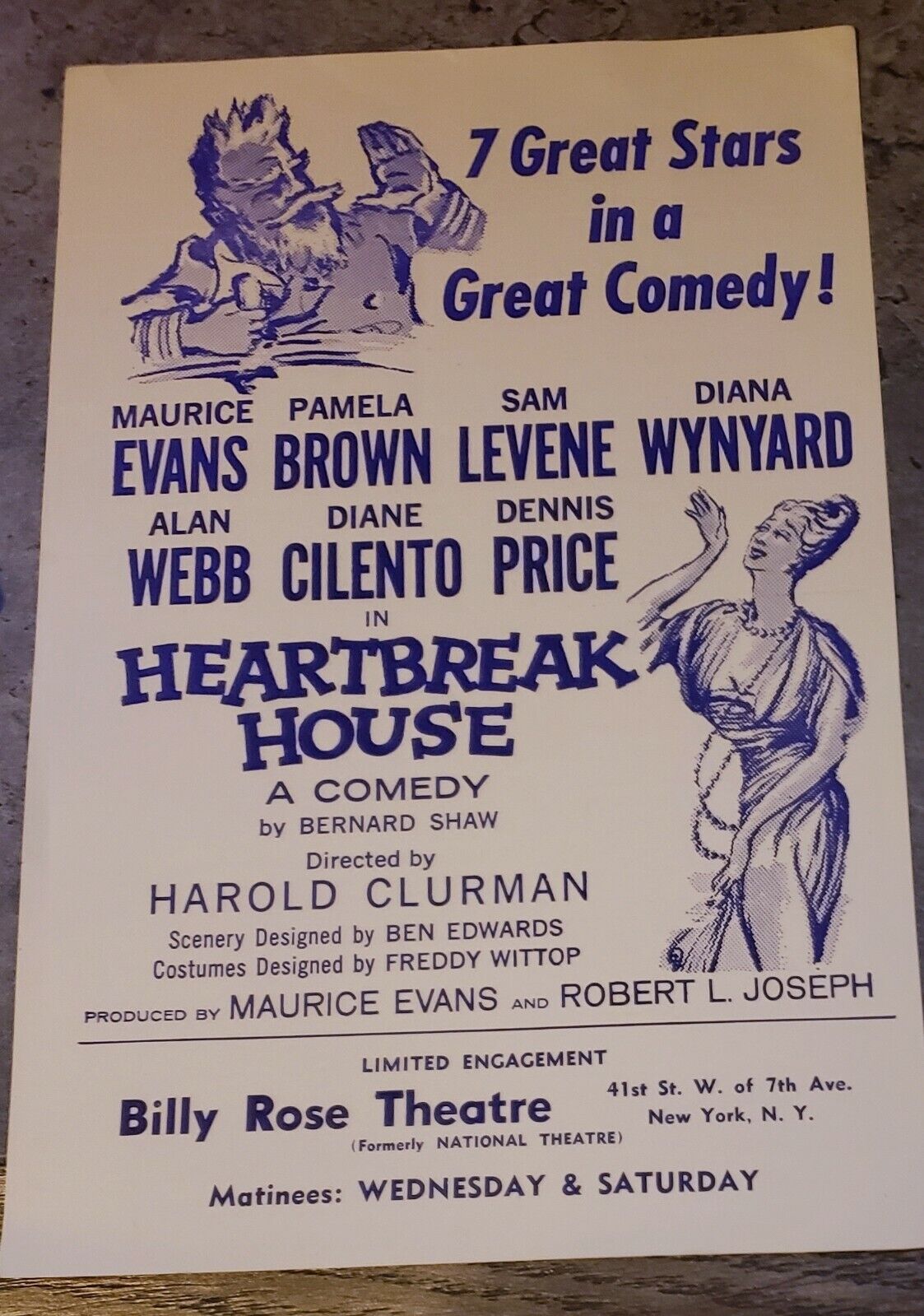
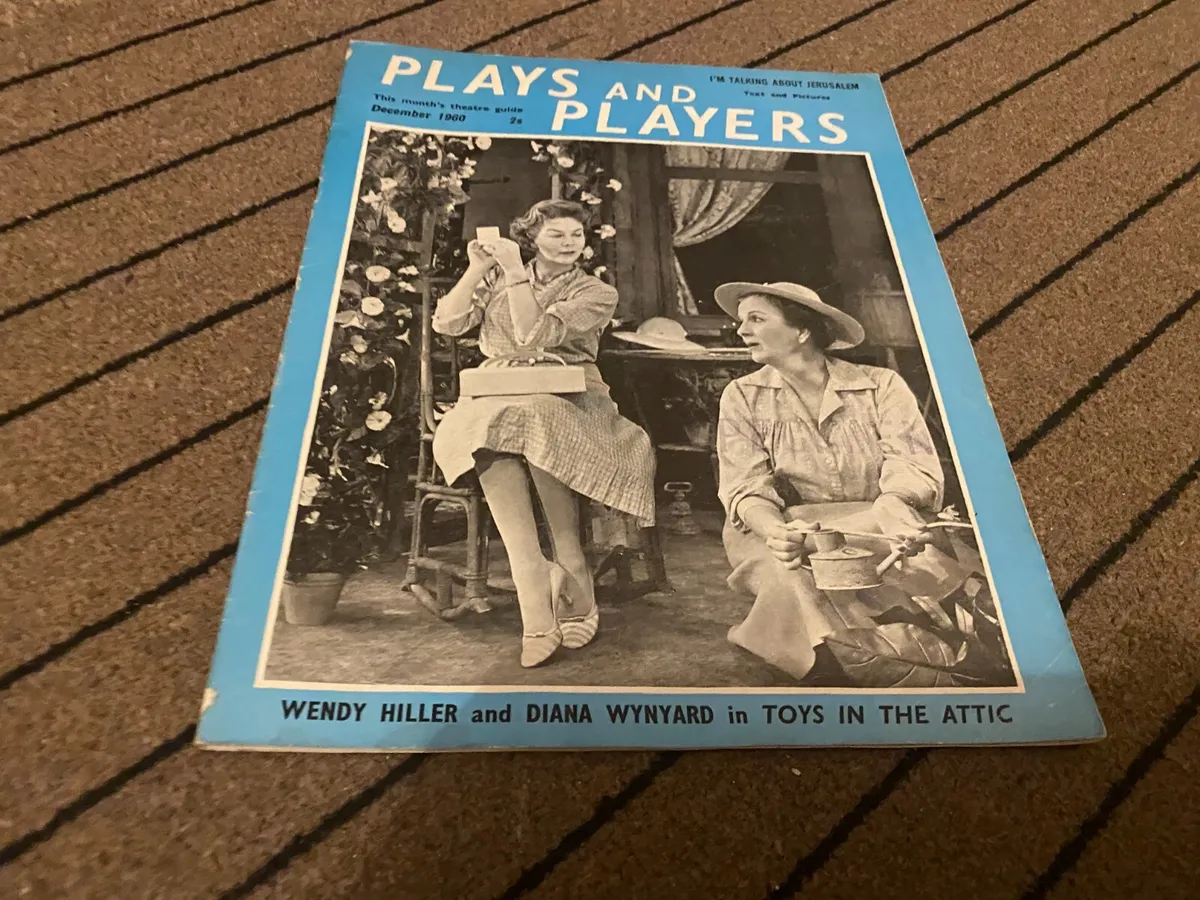
Her London stage appearances included roles in “Much Ado About Nothing,” “The Winter’s Tale,” “Captain Caravallo,” “Marching Song,” “The Bad Seed,” “Camino Real” and “The Sea Gull.”
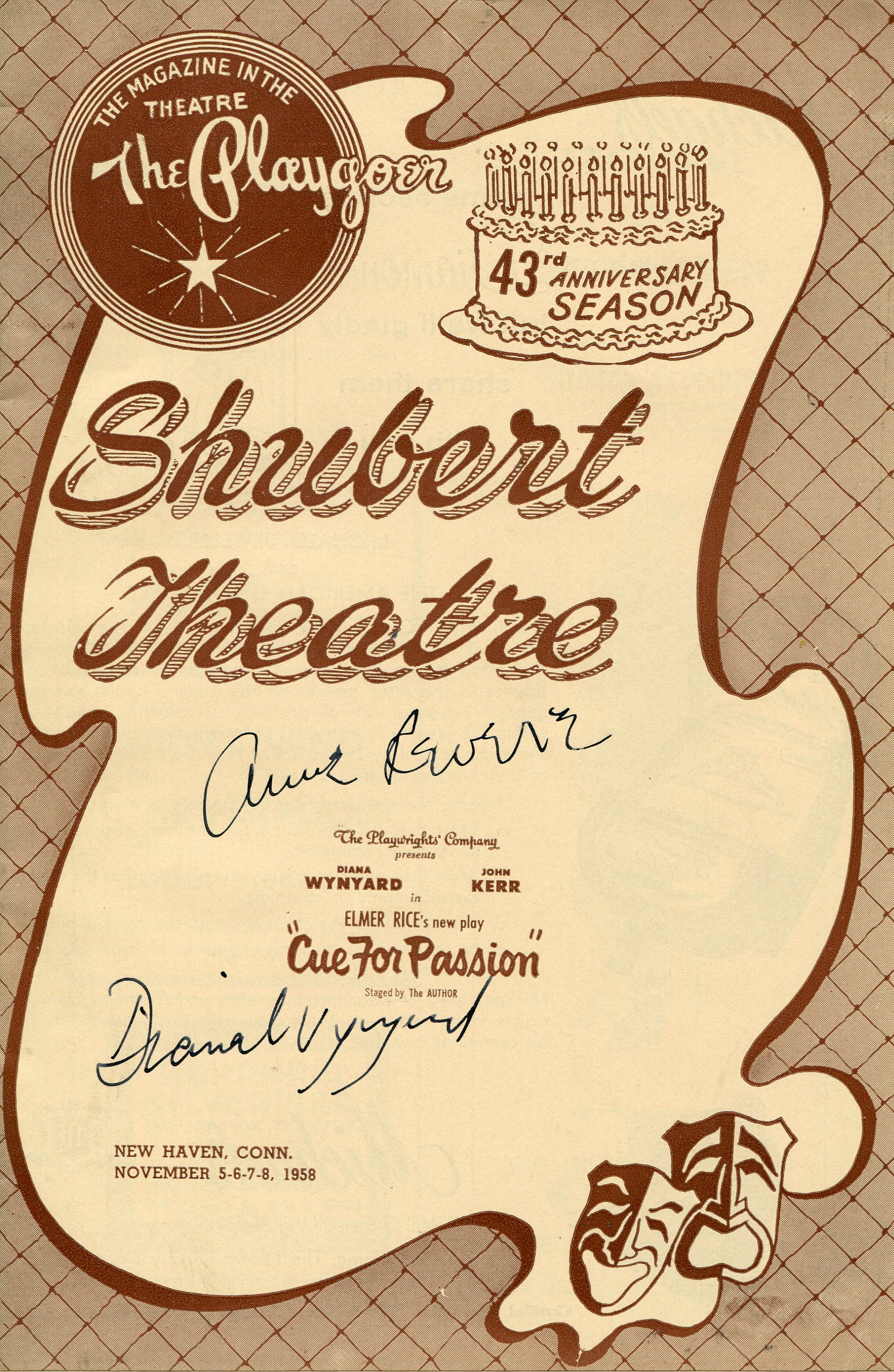
Miss Wynyard’s real name was Dorothy Isabel Cox. She was named a Commander of the British Empire in 1953. She last appeared on Broadway in 1958 in the Elmer Rice play “Cue for Passion.”
Miss Wynyard was in the cast of “The Master Builder,” which was scheduled to open at the National Theater in London on June 9. Her place will be taken by Celia Johnson.