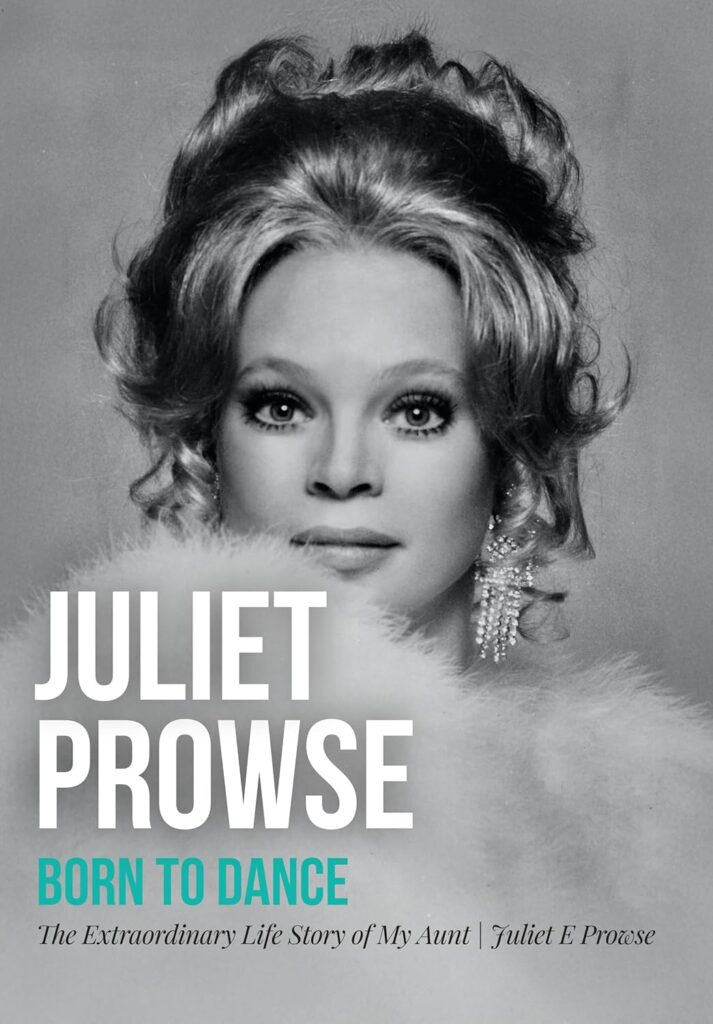

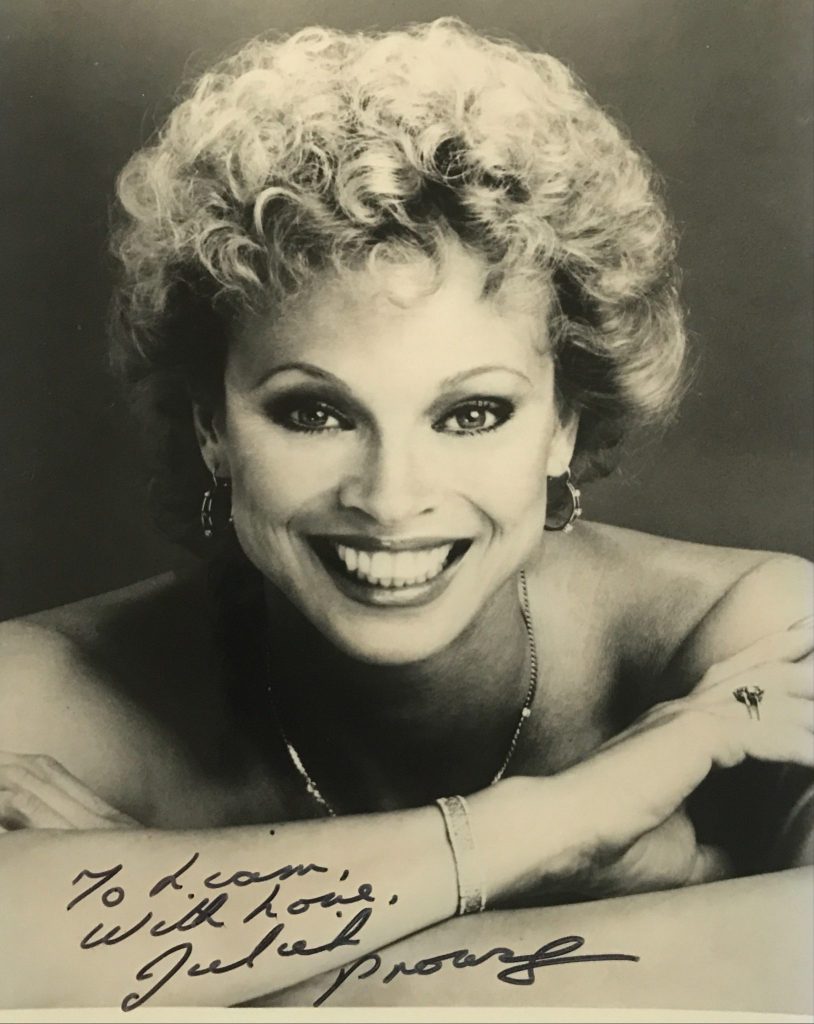
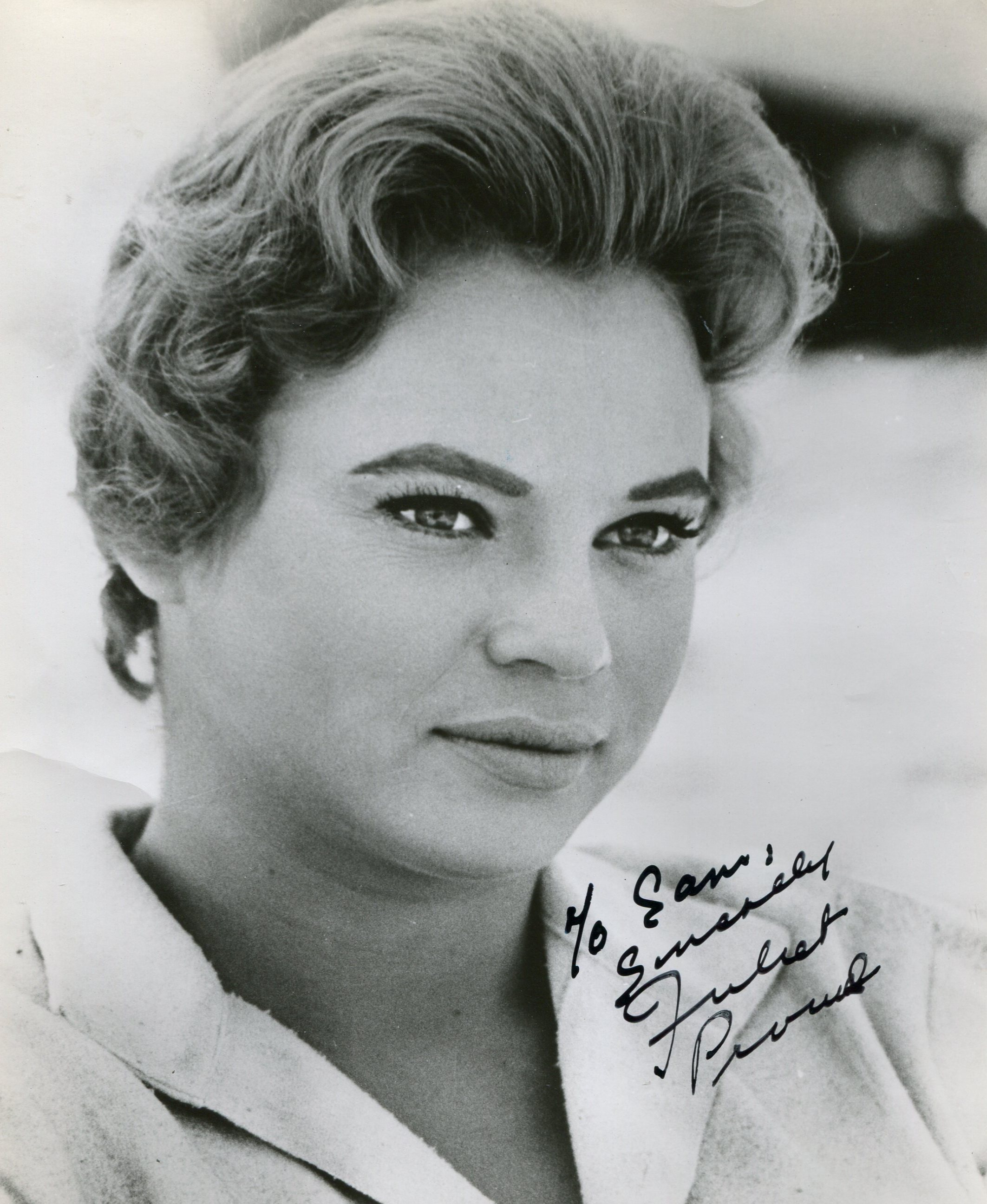

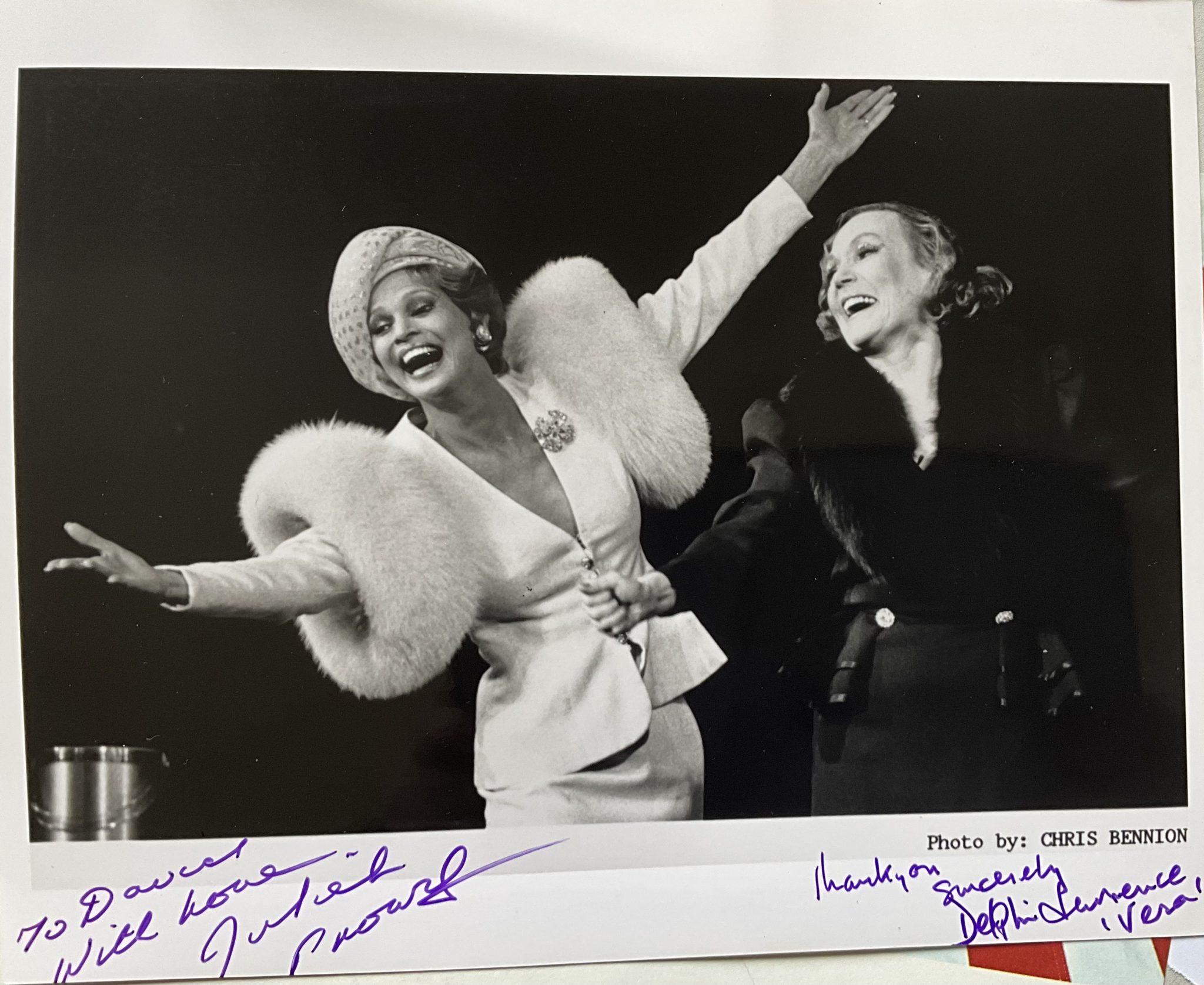
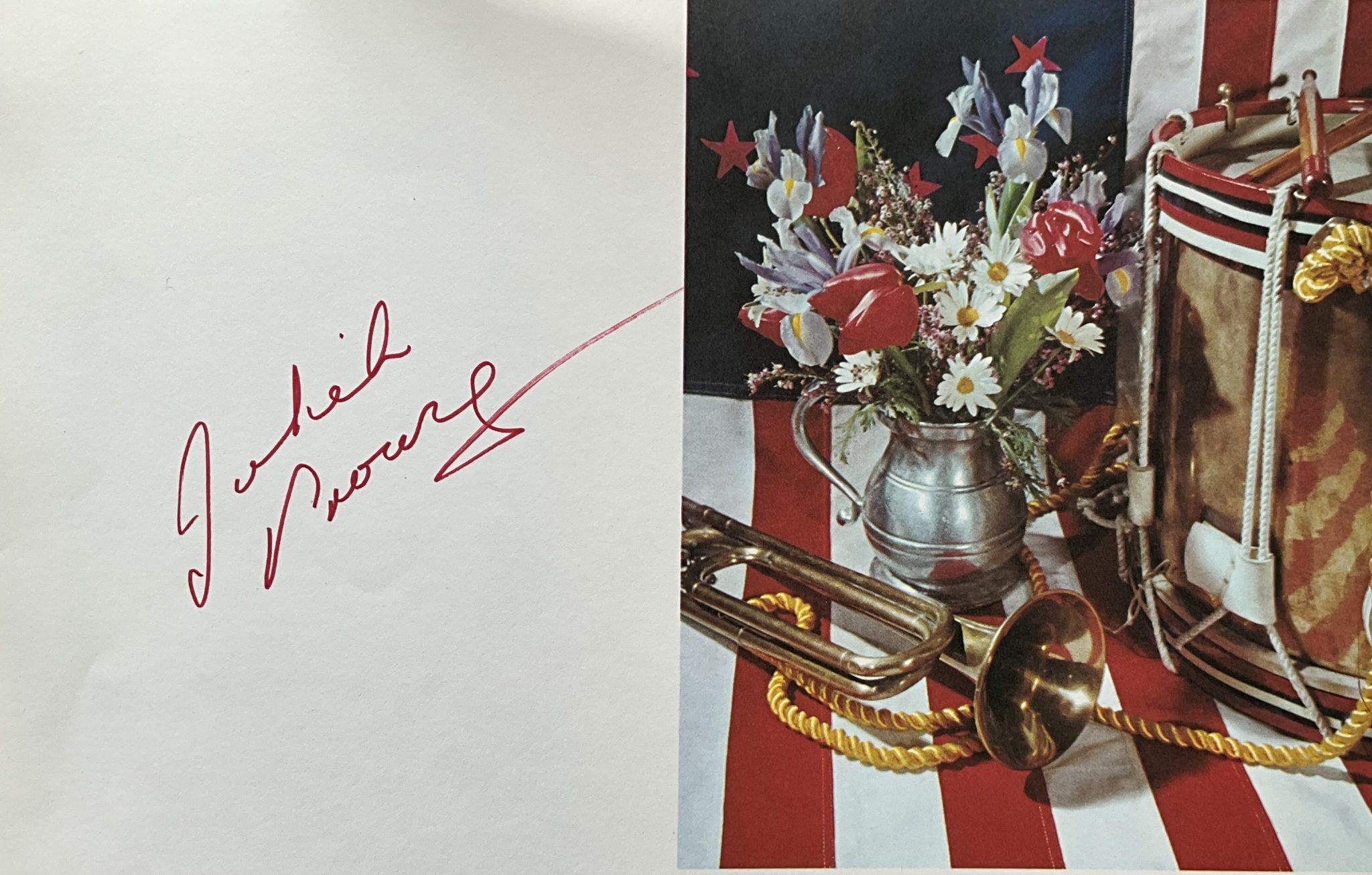
JULIET PROWSE OBITUARY IN “THE INDEPENDENT” IN 1996.
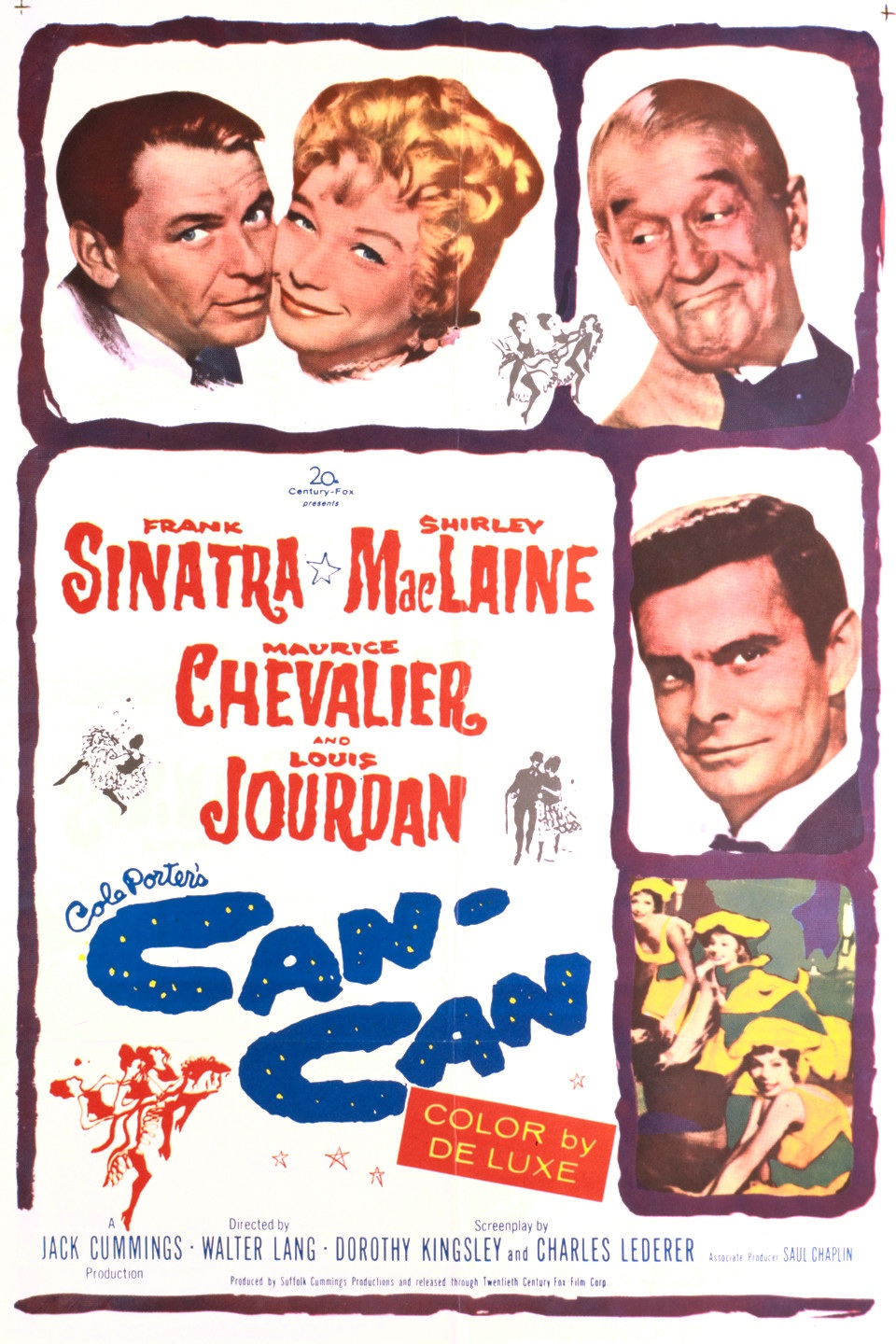
Juliet Prowse was a terrific dancer whose presence graced films of the early 60’s. She was born in Bombay, India in 1936 but raised in South Africa. Her first film was “Can-Can” in 1960 with Frank Sinatra and Louis Jourdan. She was Elvis Presley’s leading lady in “G.I. Blues” and in 1965 starred with Sal Mineo in the cult movie “Who Killed Teddy Bear”. Juliet Prowse had a very busy career on the music stage and in concert halls and Las Vegas. She died in 1996.
Her obituary by Tom Vallance in “The Independent” newspaper:A tall actress-dancer with red hair, pouting lips (she was once called “a trim Brigitte Bardot”) and a great high kick, Juliet Prowse appeared on screen with Frank Sinatra (who proposed marriage) and Elvis Presley during an all too brief film career, shocked Nikita Khrushchev with her dancing in Can-Can, became a London stage favourite (notably in Sweet Charity), and a sensational night-club performer, where her father worked as a travelling salesman.
Her father, an Englishman born in South Africa, died when she was three and her mother then took her to relatives in Durban, but finally settled in Johannesburg. “Juliet showed an aptitide for dancing from the time she could walk,” stated her mother, who enrolled her daughter in ballet school at the age of four. At 14 she was in the corps of Johannesburg’s Festival Ballet, dancing in Swan Lake, Coppelia and Les Sylphides. Two years later she played the Queen of the Wilis in Giselle – cast because of her outstanding elevation, she was the youngest dancer ever to play the role in South Africa. “I never graduated from college,” said Prowse, “because I became so interested in dancing that when I was 16 I quit to study with the ballet teacher Marjorie Sturmm in Johannesburg.”
Going to London two years later to continue her studies, she received the biggest disappointment of her life when turned down by Anton Dolin for the London Festival Ballet because she was too tall (nearly 5ft 8in).
Prowse turned to show dancing and successfully auditioned for Jack Cole, who was choreographing the film Gentlemen Marry Brunettes (1955) in London. Though she appeared in only one of the film’s numbers, Cole was impressed and asked her to work with him again in the London production of Kismet. She played the role of Princess Samaris, with an impressive solo dance to “Not Since Nineveh”, then after a 20-month run accepted an offer to dance in La Nouvelle Eve night-club in Paris, an engagement terminated when she injured her ankle in a motor-scooter accident.
While touring Italy in a revue starring the comic Macario, she fell in love with another dancer, Sergio Fadini, and with a third dancer they formed an act, the Prowse Dancers, and toured the European night-club circuit. Ambitious for her, Fadini polished her acting, singing and dancing technique and when he heard that Hermes Pan was in Rome he arranged an interview for her.
Pan, about to return to Hollywood to work on Can-Can, recommended her to 20th Century-Fox, who assigned her to appear in the movie. Having been given her featured role in Kismet on stage when the previous dancer dropped out at the last minute, Prowse now had her role of Celestine expanded to include the part of Claudine when Barrie Chase suddenly withdrew from Can-Can. “I’ve always had it easy,” Prowse said later. “I’ve never had to fight to get parts.”
Her role now included two major dancing roles plus a prominent acting role as the girl to whom Frank Sinatra sings “It’s Alright With Me”. An overlong and dull version of Cole Porter’s stage hit, Can-Can was considered notable mainly for the dancing of Prowse, particularly her solo as the Snake in the “Adam and Eve Ballet”, sliding sensually down branches of the Tree of Life dressed in blue-green snakeskin, a big red apple in her hand.
Khrushchev, after his famous visit to the set during the film’s making, described the number as “lascivious, disgusting and immoral”, but Frank Sinatra described Prowse as “the sexiest dancer I’ve ever seen”. He began an affair with her and featured her in two of his television specials, the first of which (in December 1959) showcased Prowse in an enormous production number staged in the California desert.
Regarding the well- publicised relationship, Prowse stated, “Gossip doesn’t worry me – I’m an open person. I’ve mixed around in this business long enough not to be embarrassed by anything pertaining to sex.” Fadini, her former boyfriend, commented, “Juliet is a sweet, shy, reserved girl – I don’t see what she sees in a man like him.”
When Sinatra proposed marriage with the condition that Prowse give up her career, she refused. “I am ambitious and have possibilities to be great,” she said.
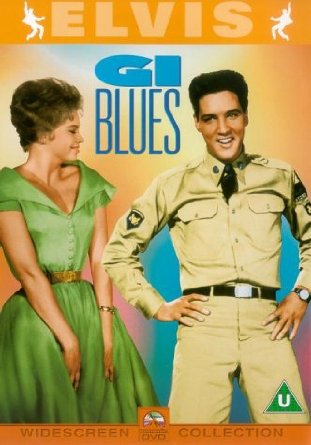
Prowse went straight from Can-Can to the starring role opposite Elvis Presley in G.I. Blues (1960), based on a play filmed several times before (notably as The Fleet’s In in 1942) about a military unit who bet their company Lothario that he cannot melt the heart of a haughty night-club star. As the cabaret performer, Prowse won praise from critics for her exciting dance routines and her pert performance, and the director Norman Taurog later recounted that he had to shout “Cut!” several times to sepaarate the two stars during their kissing scenes.
Of Presley, Prowse stated, “He would make a damn fine dancer – he’s got fabulous rhythm”, and she would later do a perfect impersonation of the rock star in her night-club act.
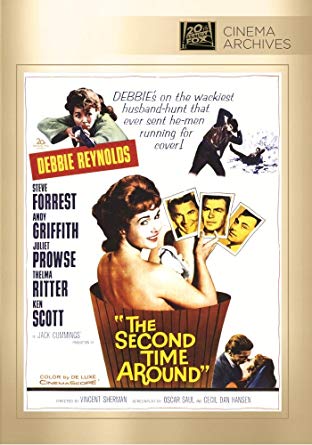
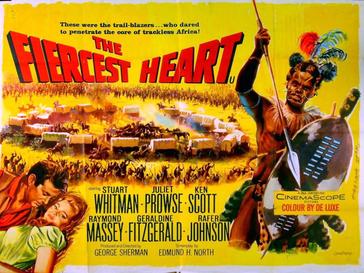
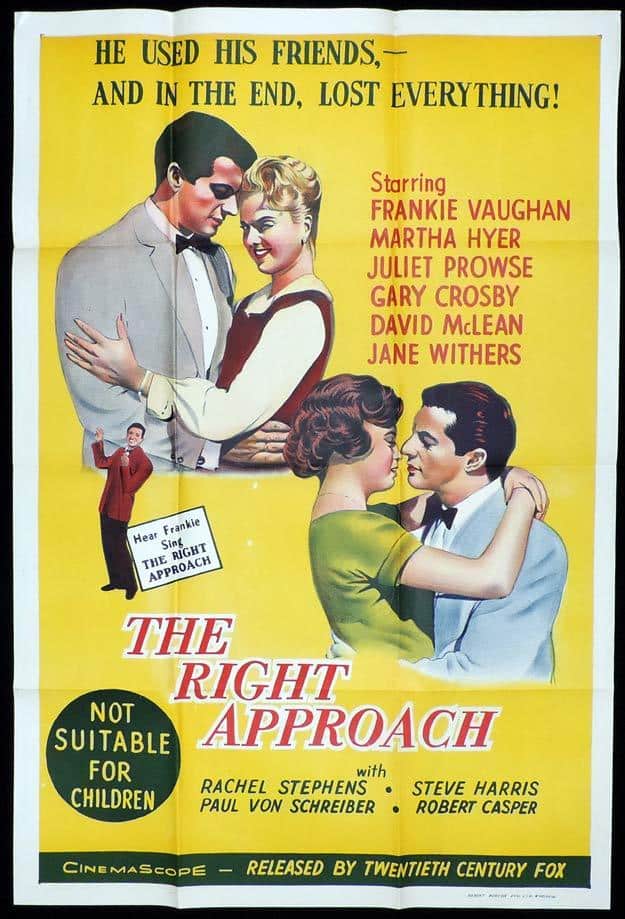
With the end of her relationship with Sinatra, Prowse’s film career faltered. Fox, who had signed her to a seven-year contract, put her only into a minor musical, The Right Approach (1961), with Frankie Vaughan, a routine adventure, The Fiercest Heart (1961), about battling Boers and Zulus in 1837 South Africa, and in support of Debbie Reynolds in the comedy The Second Time Around (1961) before letting her go. (Her description of Hollywood as “a demoralising hick-town” had not endeared her to the moguls.)
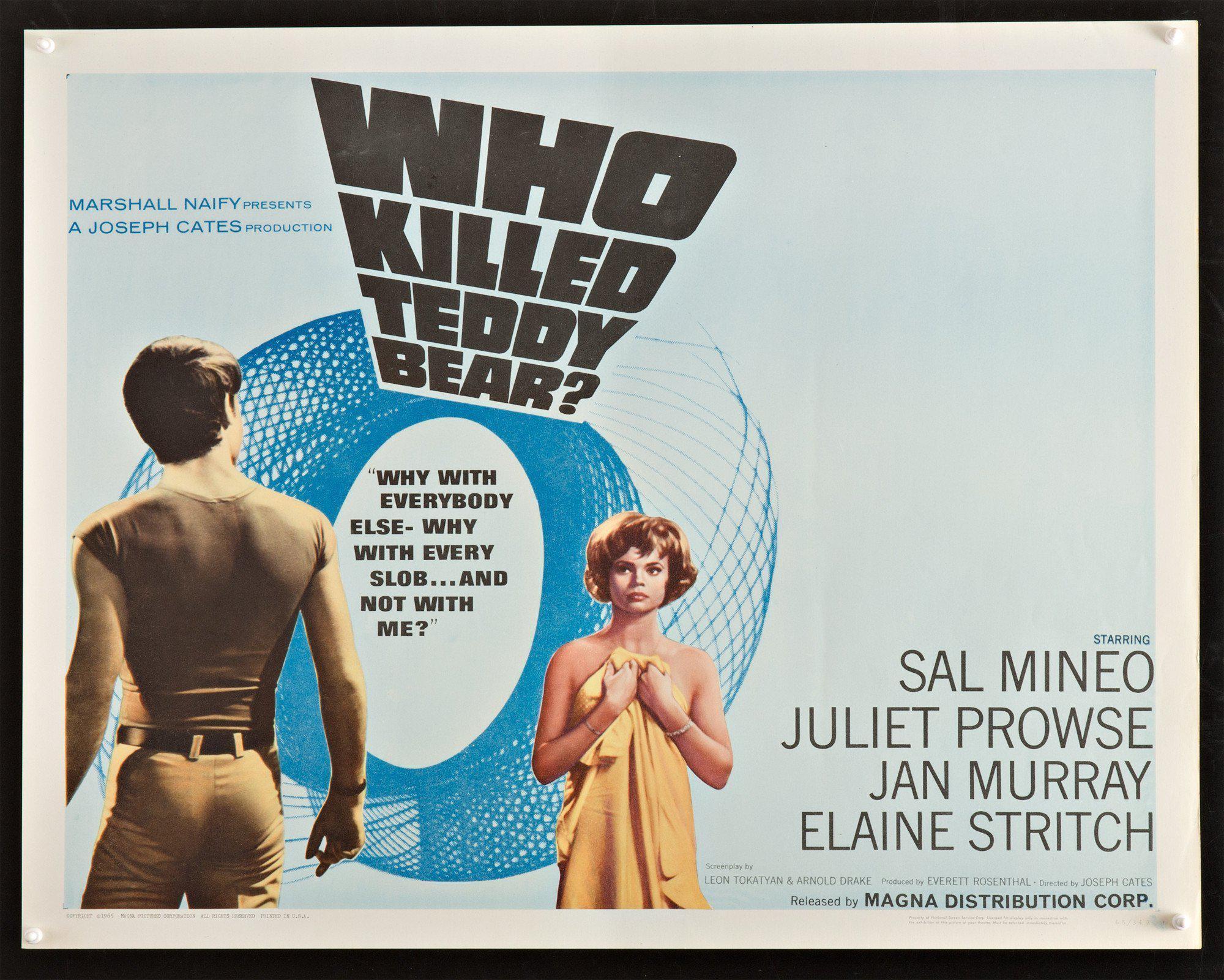
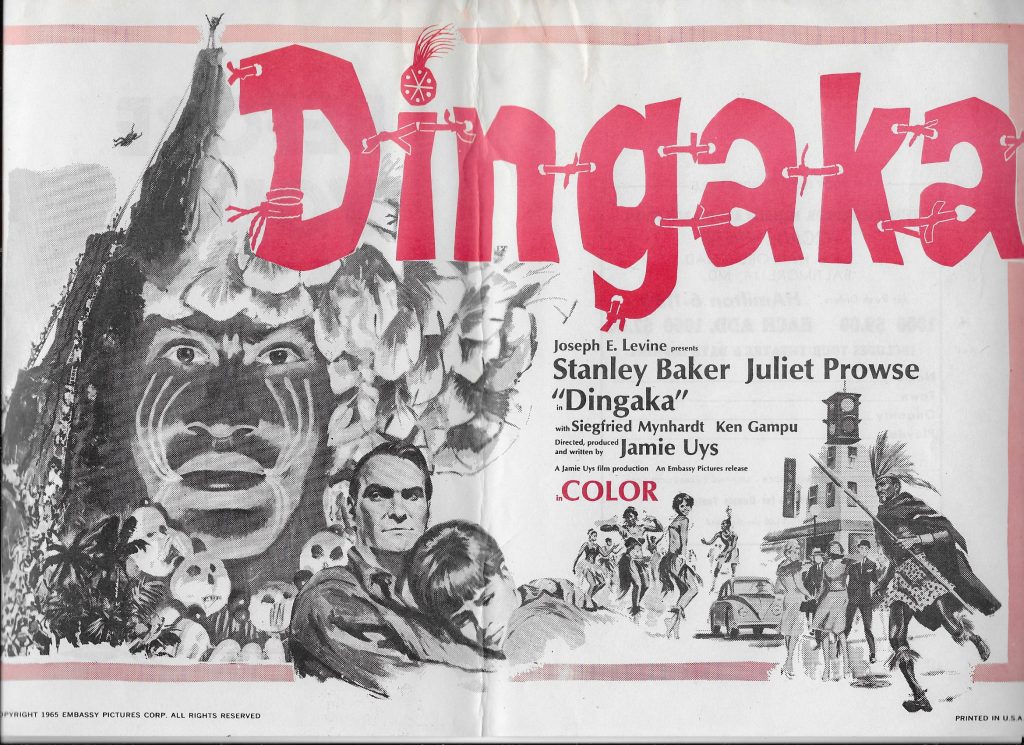
She returned to South africa in 1965 to film Jamie Uys’s Dingaka, and the same year starred as a discotheque dancer admired by both a voyeur/serial killer (Sal Mineo) and a lesbian (Eliane Stritch) in an exploitation movie made in New York, Who Killed Teddy Bear?, which has recently inexplicably been rediscovered and was hailed by some critics as a masterpiece of underground cinema when revived earlier this year at New York’s enterprising Film Forum cinema.
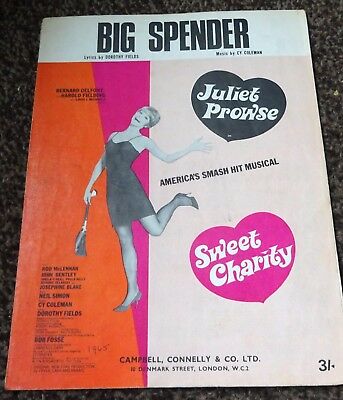
Prowse was now concentrating on television and the theatre. After touring in such shows as Damn Yankees, Irma La Douce and The Boy Friend, she was cast in the Las Vegas production of Sweet Charity and played there to capacity for six months. In 1967 she enchanted London in the same piece as the gullible dance-hall hostess, stopping the show nightly cavorting through “If My Friends Could See Me Now”, and touchingly conveying the heroine’s unshakeable faith in human nature.
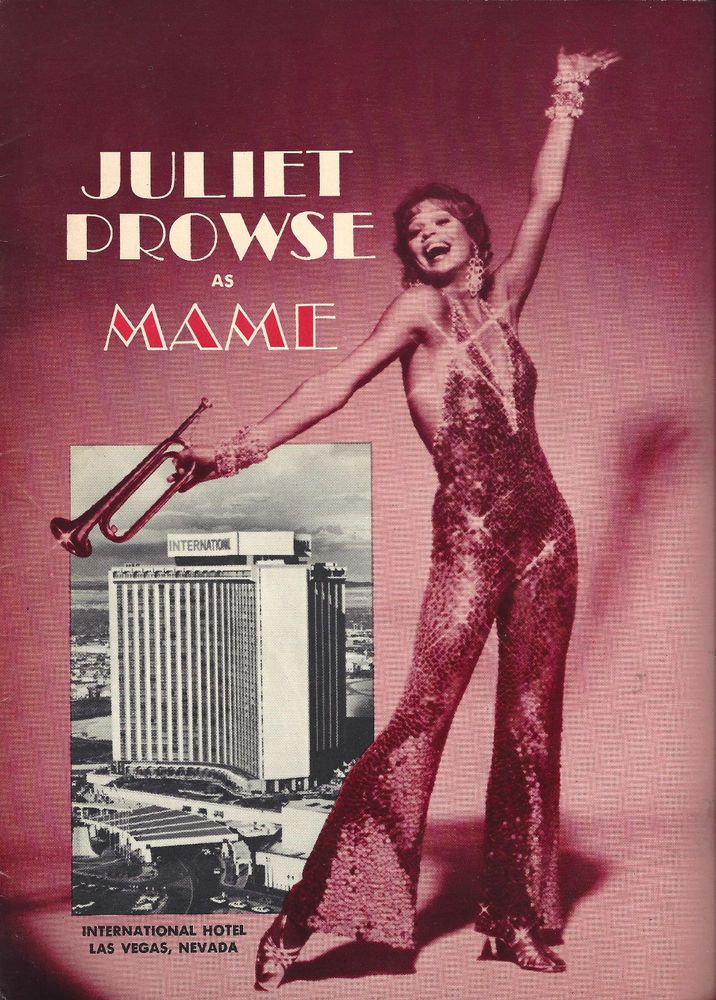
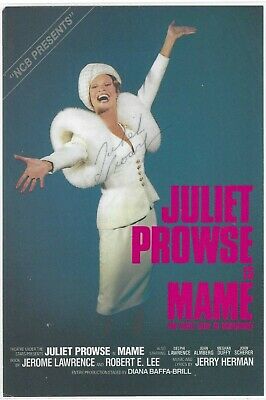
She returned to London in 1969 to star in Mame at Drury Lane while Ginger Rogers took a holiday, again winning acclaim, and in 1976 starred opposite Rock Hudson in a limited season of the two-character musical I Do! I Do!, one critic commenting that “Juliet Prowse is fast enough on her feet to prevent any damage to her toes when Rock is called on to do an occasional stiff-backed military two-step
Although she often confessed an ambition to have an original stage musical written fo her, Prowse’s principal career was now in night-clubs. In 1971 she made a sensational success with an act at Desert Inn in Las Vegas. Produced by Tony Charmoli, it was praised for its simplicity and finesse compared to the usual brash glitter of Vegas revues. It was climaxed, after Prowse had danced variations on the charleston, cha-cha and jitterbug, performed comedy sketches and sung ballads, with a memorable 15-minute ballet to Ravel’s “Bolero”.
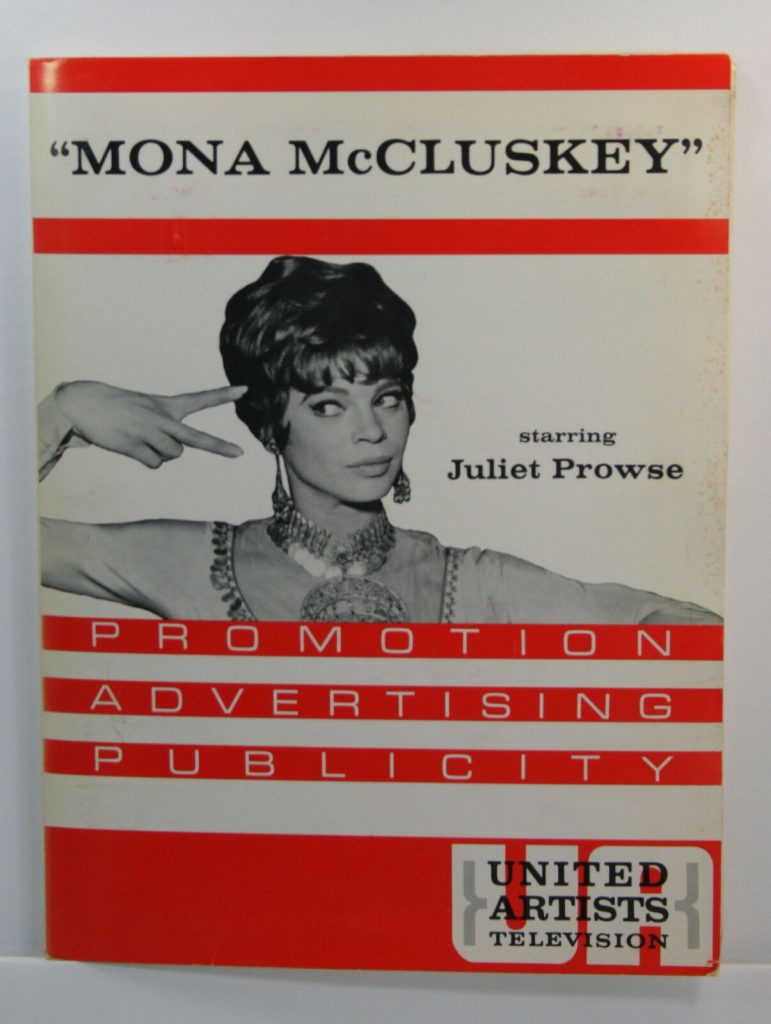
She did guest appearances on all the leading television shows, including those of Perry Como, Bob Hope, Danny Kaye and Ed Sullivan, had her own situation comedy show, Mona McCluskey, (produced by Geoge Burns) in 1965 and her own television special, The Juliet Prowse Show, in 1979. She loved her work, and put herself through a gruelling twice-nightly schedule during her days as a night-club star, but always referred wistfully to her biggest regret.
“I’ve never starved,” she once said, “and my family always encouraged me, as did everyone else. But my really big disappointment was beng told I was too tall for the ballet.”
Juliet Prowse, actress and dancer: born Bombay 25 September 1936; married 1969 Eddie James (marriage dissolved 1970), 1972 John McCook (one son); died Los Angeles 14 September 1996

Juliet Prowse (1936–1996) was a performer of extraordinary physical discipline who redefined the “triple threat” for the mid-century era. While her tabloid-heavy romances with Frank Sinatra and Elvis Presley often threatened to overshadow her talent, a critical analysis reveals a world-class dancer who successfully fused classical ballet precision with the high-octane energy of Las Vegas showmanship.
She was famously described as having “the best legs since Betty Grable,” but her real contribution was her role as a pioneer of the self-produced female residency.
I. Career Overview: From Ballet to the Big Screen
Act 1: The South African Prodigy (1940s–1950s)
Born in India and raised in South Africa, Prowse was a ballet prodigy. By age 14, she was dancing with the Johannesburg Festival Ballet. However, at 5’8″ (and much taller on pointe), she was deemed too tall for traditional prima ballerina roles. This “limitation” forced her toward modern show dancing, leading her to London and eventually Paris, where she was discovered by choreographer Hermes Pan.
Act 2: The Hollywood “Immoral” Debut (1960–1965)
Prowse’s Hollywood debut in Can-Can (1960) became an international scandal. Soviet leader Nikita Khrushchev visited the set and famously branded her dance “immoral.” This notoriety, combined with her role opposite Elvis Presley in G.I. Blues (1960), made her an instant superstar. Despite a seven-year contract with 20th Century Fox, she walked away from major film roles to maintain creative control over her work.
Act 3: The Queen of Las Vegas (1966–1990s)
Realizing that Hollywood struggled to cast a woman of her height and specific “exotic” intensity, Prowse pivoted to the stage. She became the “Million Dollar Baby” of Las Vegas, headlining long-running residencies at the Desert Inn. She also starred in massive West End successes, including Sweet Charity (1967) and Mame (1969), cementing her status as a premier stage lead.
II. Critical Analysis: The Prowse Technique
1. The Synthesis of Ballet and Burlesque
Prowse’s dance style was unique because it never lost its classical foundation.
The Technique: Critics often noted her “extraordinary elevation” and “turn-out,” hallmarks of her ballet training. She brought a structural rigor to jazz and can-can numbers that made them appear more athletic than salacious.
Analysis: Unlike many of her contemporaries, Prowse didn’t rely on “fluff.” Her movements were characterized by sharp, geometric lines and a “pouncing” energy. She turned the female body into a medium of precise power, a style that influenced later choreographers like Bob Fosse.
2. The “Triple Threat” in Sweet Charity
When Prowse took Sweet Charity to London, she faced comparison to Gwen Verdon.
The Performance: Critics hailed her interpretation for its “vulnerability cloaked in brass.” While she had the legs for “Big Spender,” she surprised reviewers with her “gullible, wide-eyed faith” in the character’s humanity.
Legacy: This role proved she was more than a “Sinatra associate.” She was a comedic actress capable of carrying a massive, demanding musical on her own shoulders.
3. The Business of the “Vegas Show”
In the 1970s, Prowse did something few women in entertainment had achieved: she formed her own production company to build her Las Vegas acts.
The Strategic Shift: Critics praised her 1971 Desert Inn act for its “simplicity and finesse,” contrasting it with the usual “brash glitter” of Vegas. By incorporating a 15-minute ballet to Ravel’s Boléro, she successfully elevated the nightclub act into a legitimate art form.
III. Major Credits and Comparative Roles
| Work | Medium | Role | Significance |
| Can-Can (1960) | Film | Claudine | The “scandalous” debut that defined her as a global star. |
| G.I. Blues (1960) | Film | Lili | Showcased her “haughty-yet-tender” screen presence. |
| Mona McCluskey (1965) | TV | Mona | A rare sitcom lead role, produced by George Burns. |
| Sweet Charity (1967) | Stage | Charity | Her definitive stage triumph in London and Vegas. |
| Who Killed Teddy Bear?(1965) | Film | Norah Dain | A cult noir role that showed her darker, dramatic range. |
Final Reflection
Juliet Prowse was an artist who refused to be diminished by her own beauty. She navigated the “tough” industries of mid-century Hollywood and Las Vegas by treating her body as an elite instrument and her career as a business. She remains the patron saint of the “tall girl” in dance—someone who turned her perceived physical “flaw” into a towering, unmatched professional advantage.