

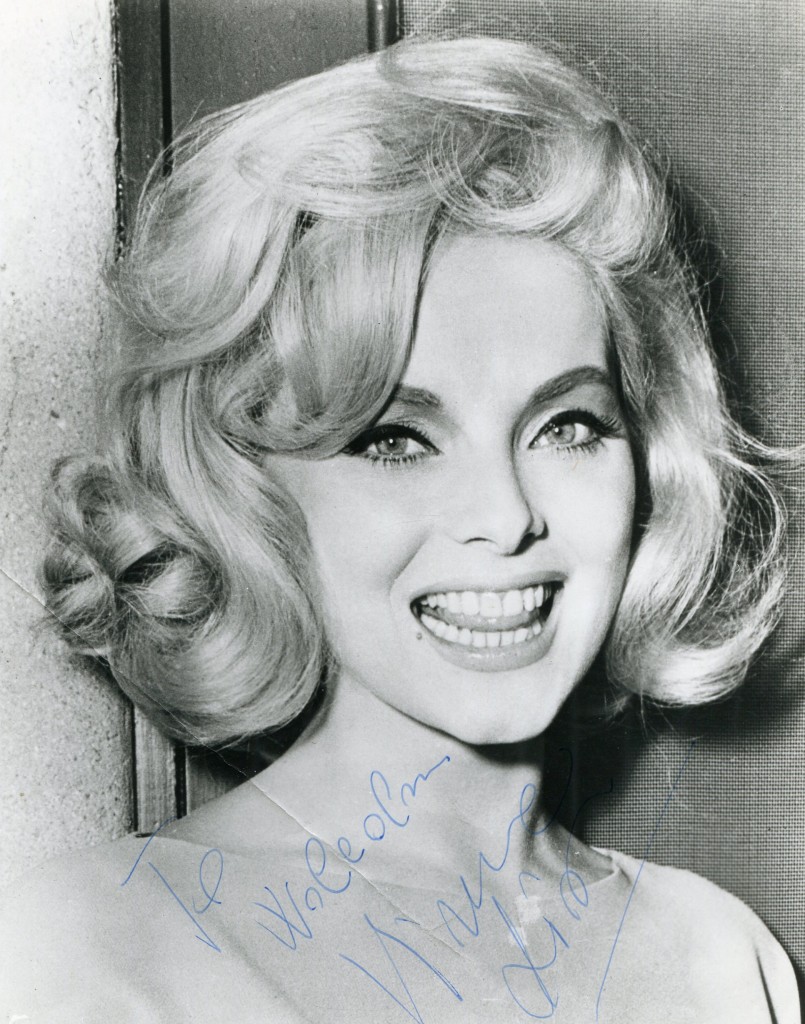
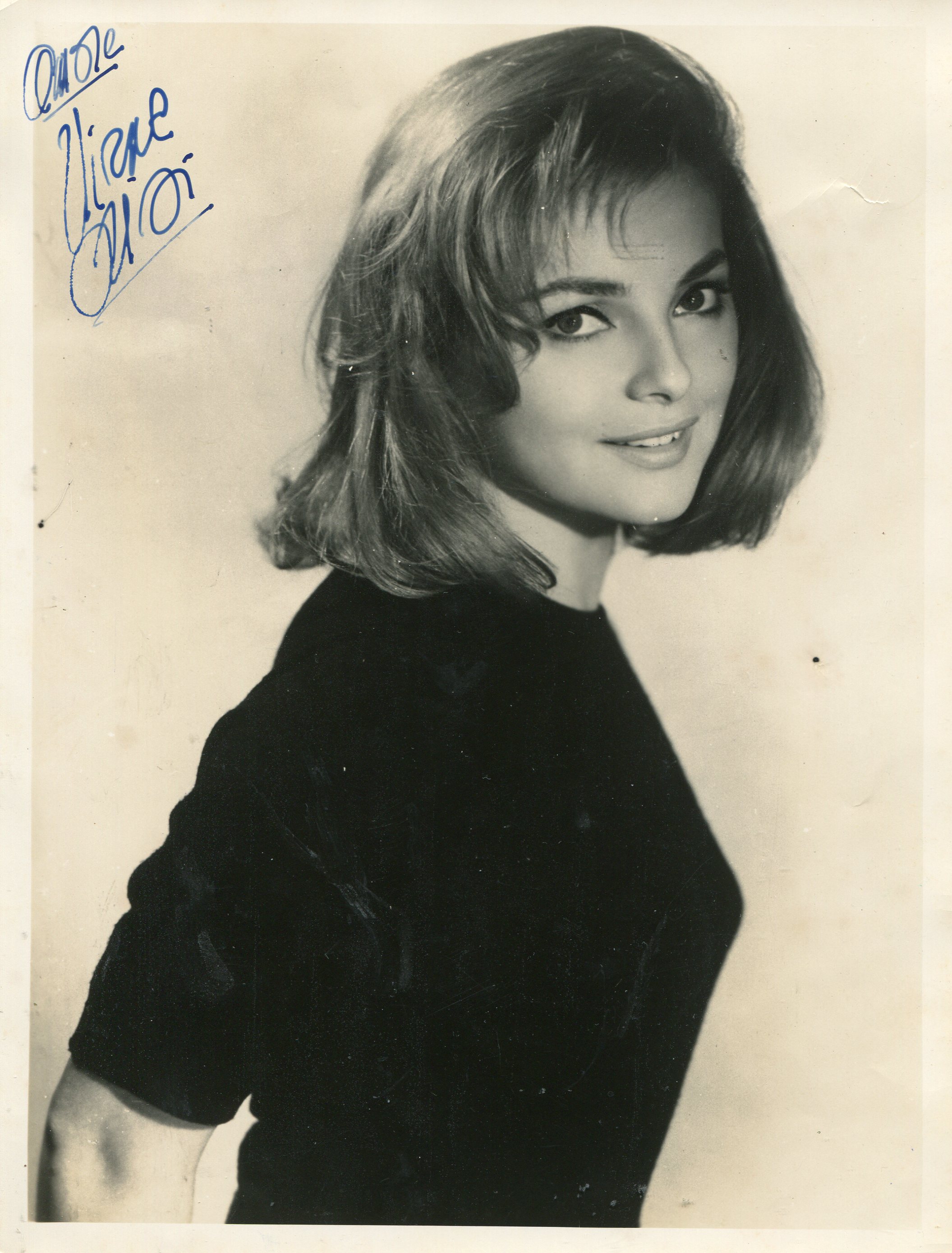

VIRNA LISI OBITUARY IN “THE DAILY TELEGRAPH”.
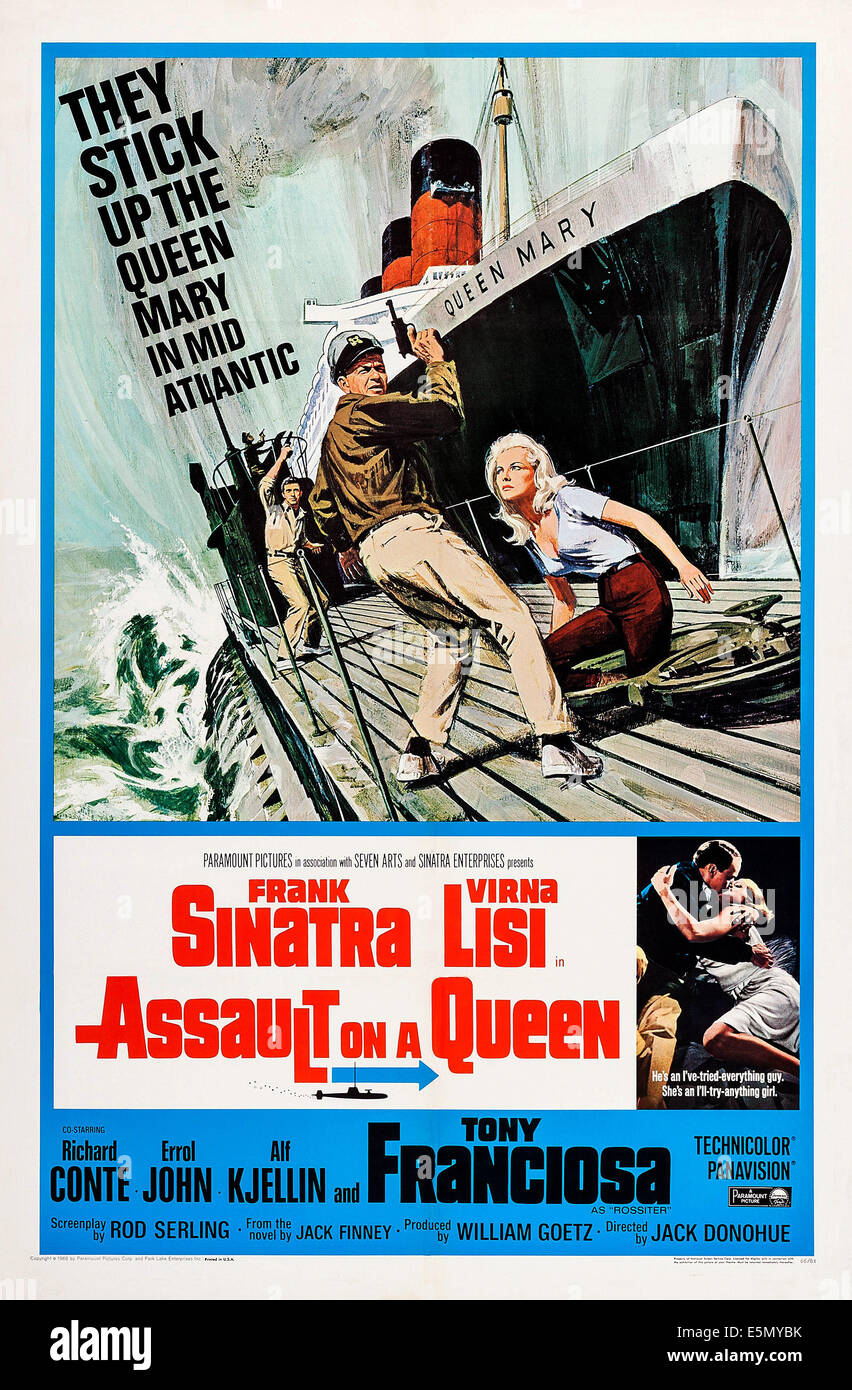
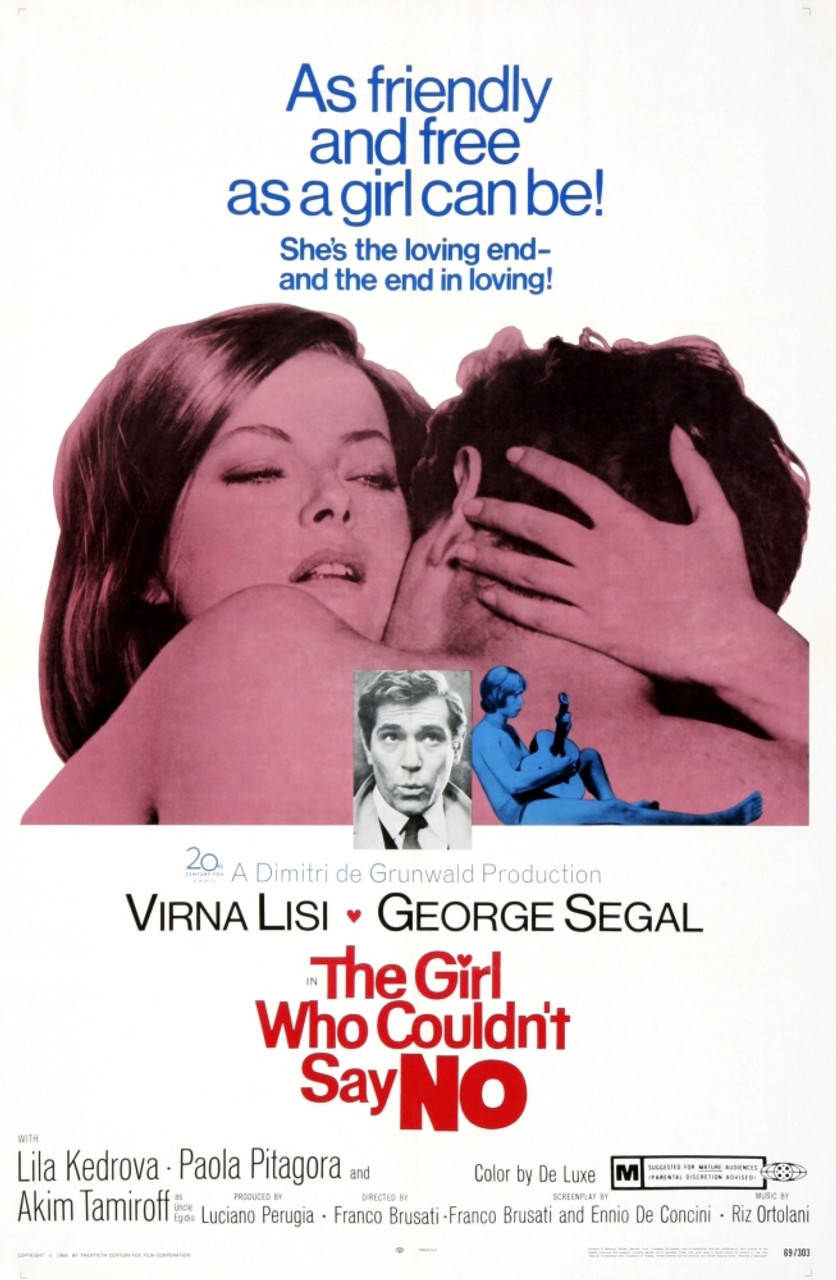
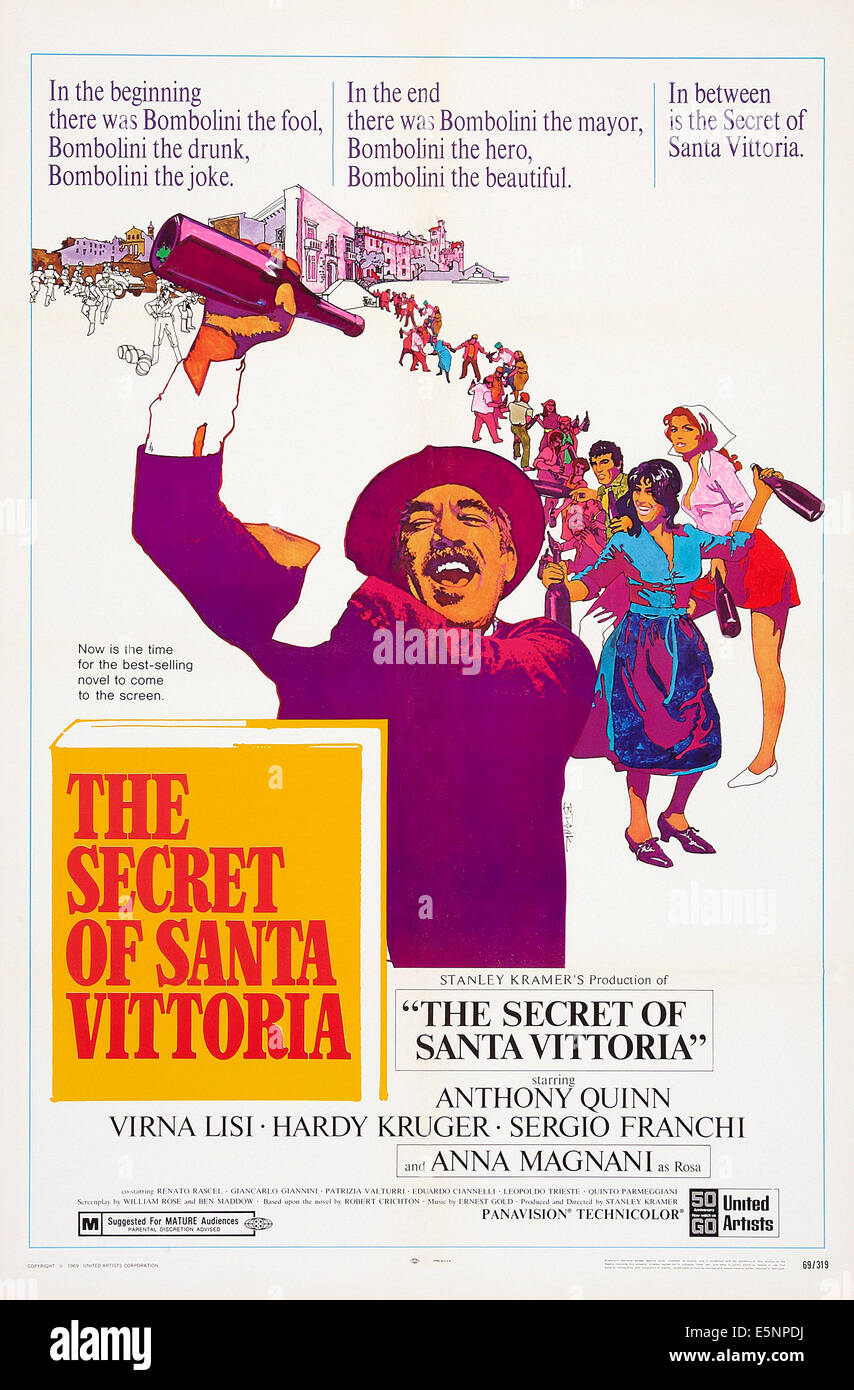
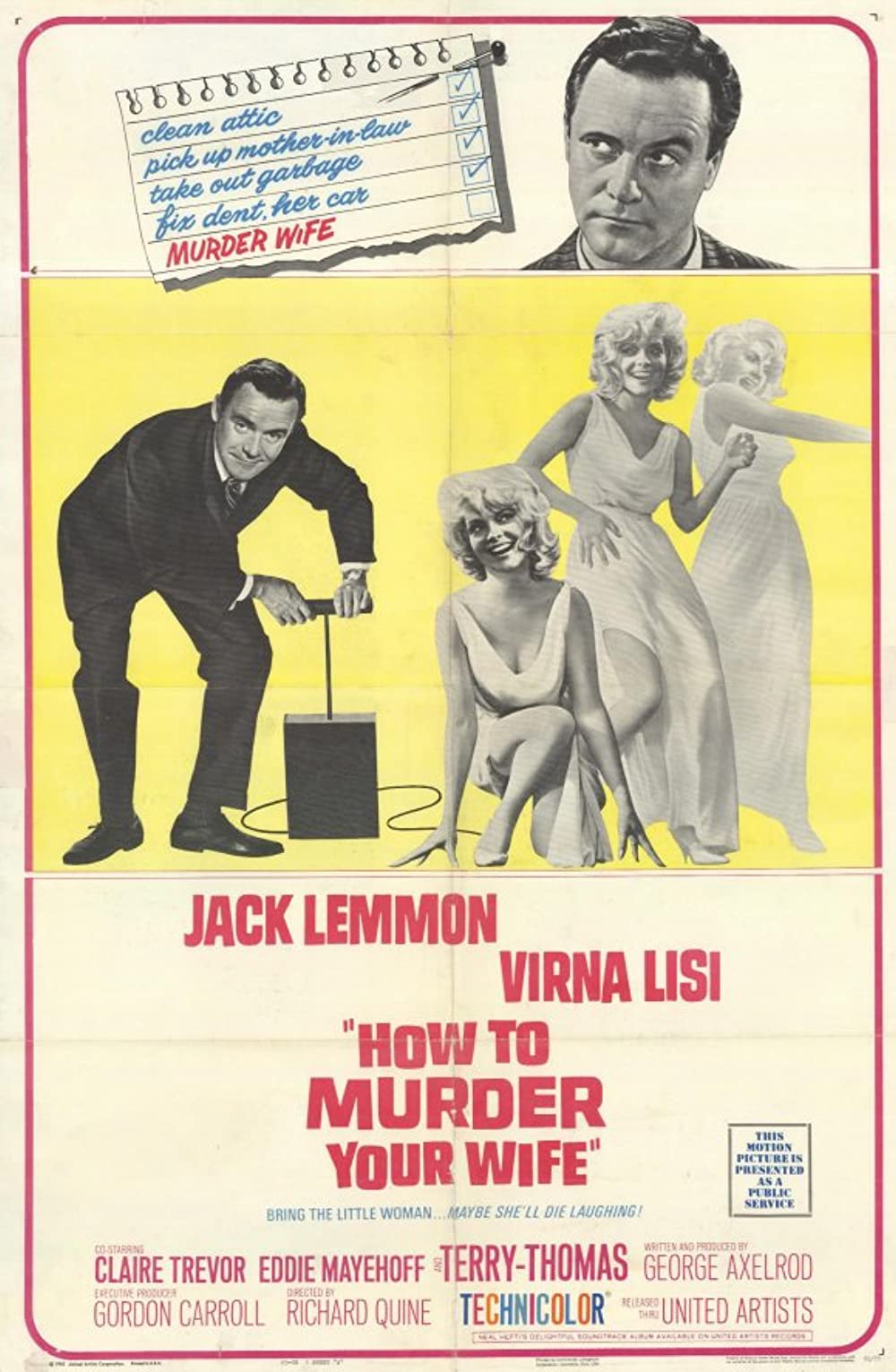
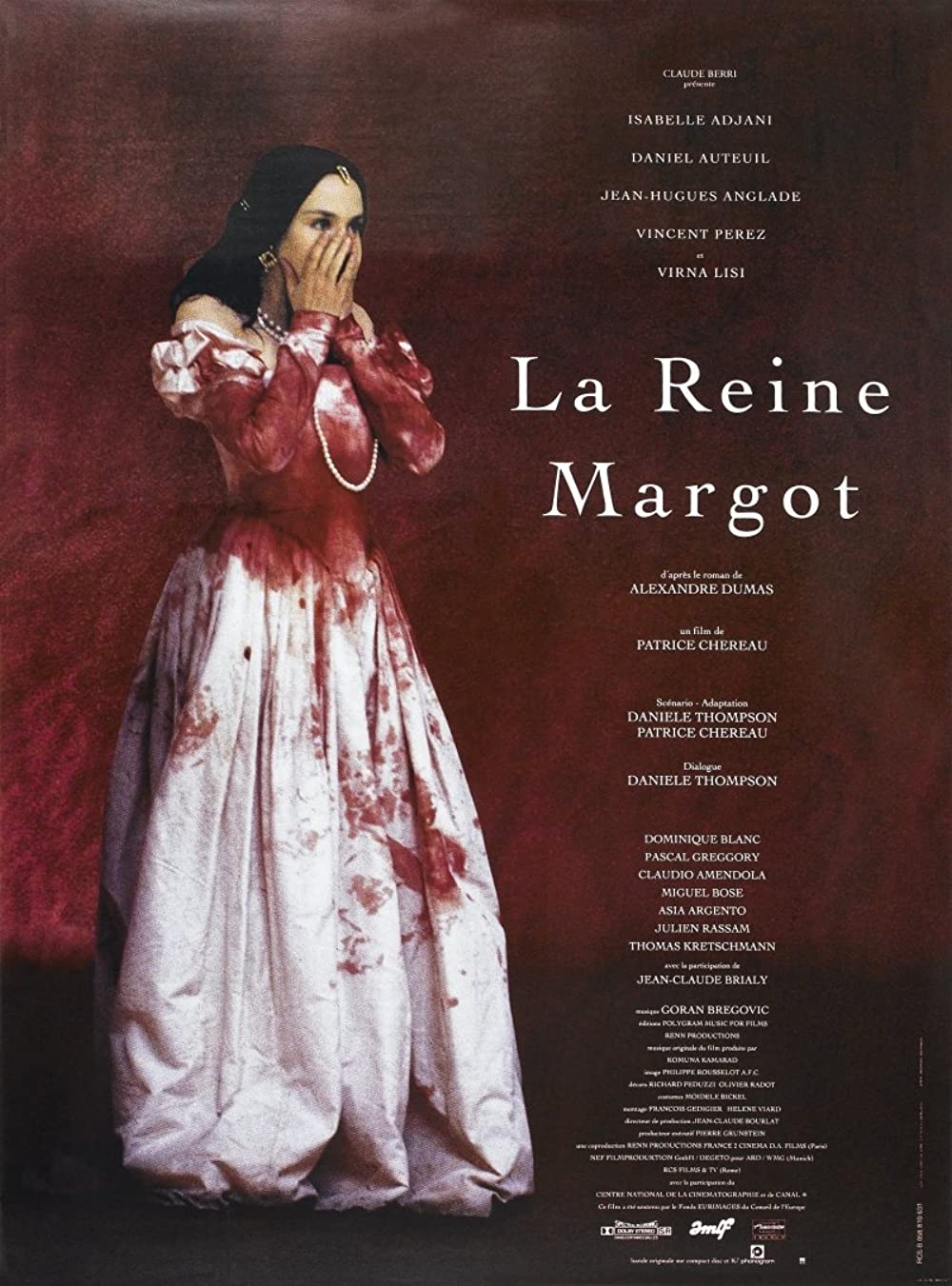
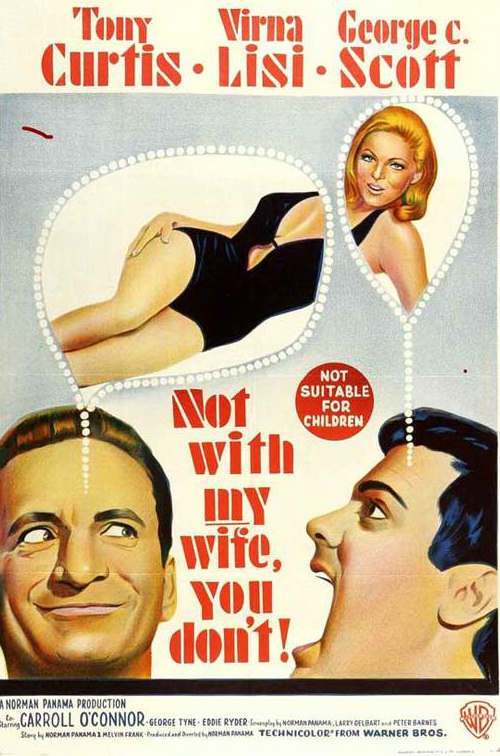
Virna Lisi was born in Ancona, Italy in 1936. She made her debut in her home country in “Line of Steel” in 1953. In the mid 60’s she went to Hollywood where she made three films “How to Murder Your Wife” with Jack Lemmon, “Not With My Wife You Don’t” with Tony Curtis and George C. Scott and “Assault on a Queen” with Frank Sinatra. Back in Italy she made “The Secret of Santa Vittoria” with Anthony Quinn and Anna Magnani. In 1994 she delivered a stunning performance in “La ReineMargot”. Sadly Virna Lisi died in December 2014.
Her “Telegraph” obituary:
Virna Lisi, the Italian actress, who has died aged 78, enjoyed a brief burst of fame in Hollywood in the 1960s before decamping back to Europe, frustrated at being cast as what she saw as blonde eye-candy; nearly three decades later she won the best actress award at Cannes for her portrayal of the scheming Catherine de Medici in Patrice Chéreau’s costume epic Queen Margot (1994).
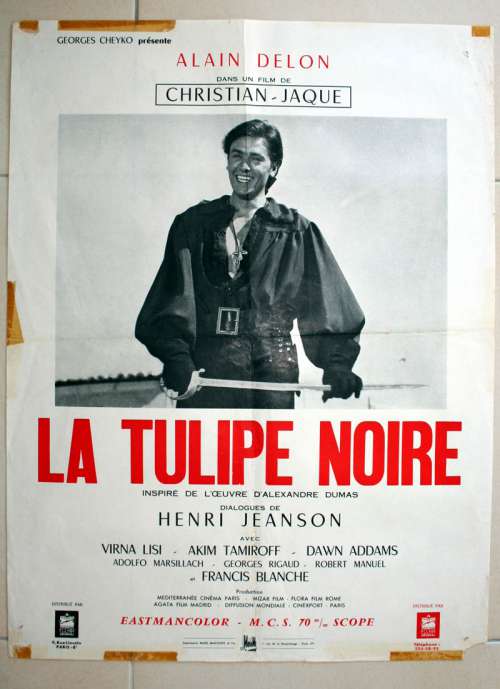
She was born Virna Lisa Pieralisi in Ancona on November 8 1936, the daughter of a marble exporter, and began appearing in the Italian cinema at the age of only 17, having been discovered by two Neapolitan producers ; she was soon also working extensively on both stage and television, and her beauty secured her a spot advertising a brand of toothpaste with the slogan: “con quella bocca può dire ciò che vuole” (with that mouth, she can say whatever she wants). She made several films in France, including La Tulipe Noire (Black Tulip, 1964), alongside Alain Delon, and before she was 30 she had come to the attention of Hollywood.
In 1965 she starred with Jack Lemmon and Terry-Thomas in the romantic comedy How to Murder Your Wife. Lemmon has the part of Stanley Ford, a well-off New York cartoonist who is leading a happy-go-lucky bachelor existence until, at a party, he witnesses the comely Virna Lisi bursting out of a large cake in a bikini. The next morning he wakes to find her in bed with him, and discovers that he has married her in a drunken stupor; the relationship goes downhill from there
Virna Lisi later described the film as “very successful, but very light”, and she was no more complimentary (“trivial fluff”) about Not With My Wife, You Don’t (1966), in which she is an Italian nurse during the Korean War who falls in love with two United States Air Force pilots (Tony Curtis and George C Scott).
As for Assault on a Queen (1966), an action-adventure movie in which she co-starred with Frank Sinatra, in her judgment it was “not very good”.
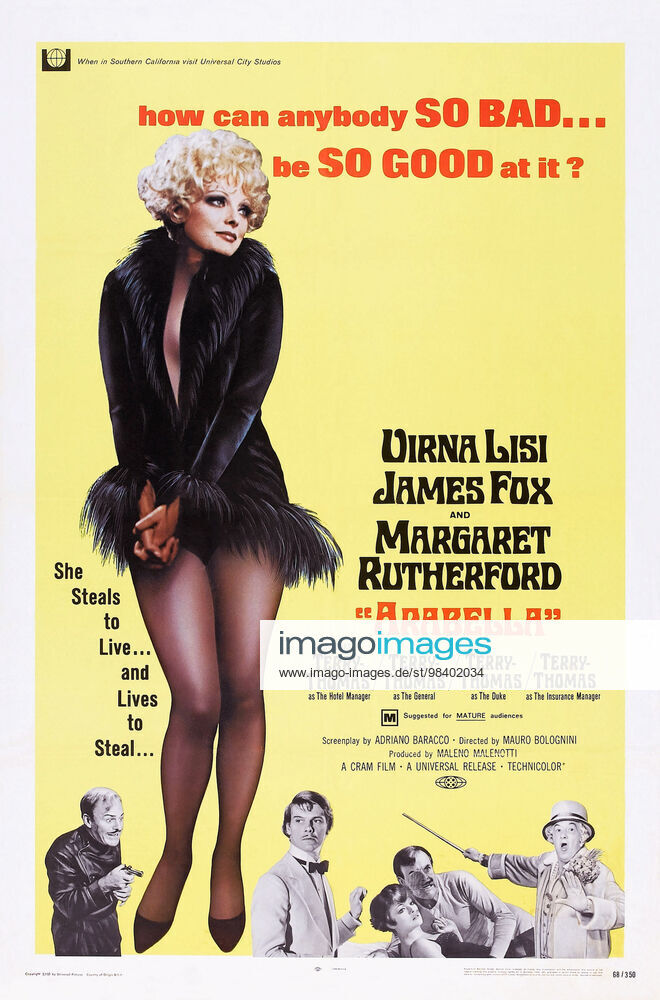
She then turned down an offer to star in Barbarella (1968), later explaining: “They said, ‘You will look wonderful with wings and long silver hair.’ I said that I wanted to play something, a role, a real part.” The opportunity went to Jane Fonda, but 30 years later Virna Lisi claimed to have no regrets: “Maybe I’ve made some wrong choices in my career, but I don’t think that was one of them.”
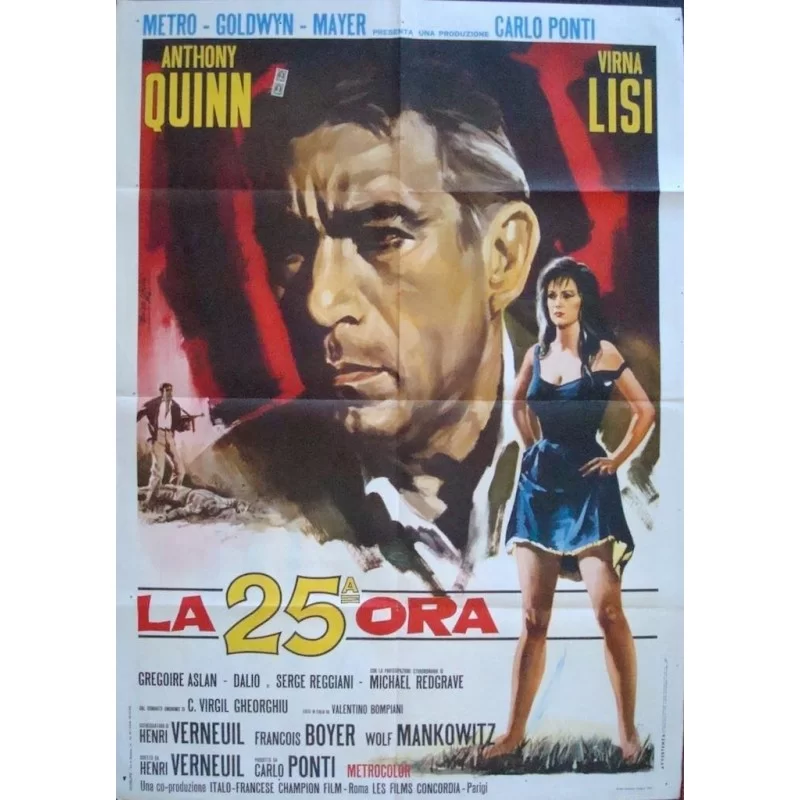
Virna Lisi took the bold step of buying out her contract with United Artists and returning to Europe, making an enduring career in both film and television, principally in her native Italy. She did not entirely abandon English-language roles, for example co-starring with Anthony Quinn in Stanley Kramer’s The Secret of Santa Vittoria (1969), in which an Italian wine-producing village conceals from the Germans a million bottles of wine in the aftermath of the fall of Mussolini .
In 1977 Virna Lisi won critical praise for her role as the sister of the philosopher Friedrich Nietzsche in Beyond Good and Evil, directed by Liliana Cavani, famous for drawing out superb performances from Dirk Bogarde and Charlotte Rampling in The Night Porter (1974); and she gained further plaudits for her performance in Luigi Comencini’s Buon Natale… Buon Anno (1989).
Her most successful role could hardly have been further removed from Hollywood’s casting of her as a frivolous blonde. As Catherine de Medici in Queen Margot, set in Reformation France and based on the novel by Alexandre Dumas, she forces her daughter Marguerite de Valois (Isabelle Adjani) to marry the Protestant Henry of Navarre (Daniel Auteuil) and helps to orchestrate the St Bartholomew’s Day Massacre of Protestants in 1572.
Although not everyone was enamoured of the film – The New York Times called it “chaotic, overheated and bizarrely anachronistic”, and likened Virna Lisi’s character to “Nosferatu with a wig” – the judges at Cannes voted her the year’s best actress. “I heard Clint Eastwood announce my name on the stage,” she later recalled. “It was a shock. My God! This was just a small part. My son, who was sitting next to me, whispered and told me not to cry. I got up there and cried as if I were a little starlet. It was very stupid, but, then, it had taken me 35 years to get there.”
It was a source of pride to her that her looks had nothing to do with the accolade: “It must have been difficult for [the film makers] to find anyone who was willing to look as ugly as this woman. I spent three hours in make-up every morning with them pinning things in my hair, to make me look ugly.” Peeling off the make-up and hair required another hour at the end of the day’s filming.
Virna Lisi’s later films include Follow Your Heart (1996), in which he plays an elderly woman dying of cancer. Her performance was rewarded with an Italian Golden Globe for best actress.
In 2002 she made Il più bel giorno della mia vita (The Best Day of My Life), appearing as a widowed grandmother living in her family’s crumbling villa in Rome.
Virna Lisi married, in 1960, Franco Pesci, an architect. He died in 2013, and she is survived by their son.
Virna Lisi, born November 8 1936, died December 18 2014
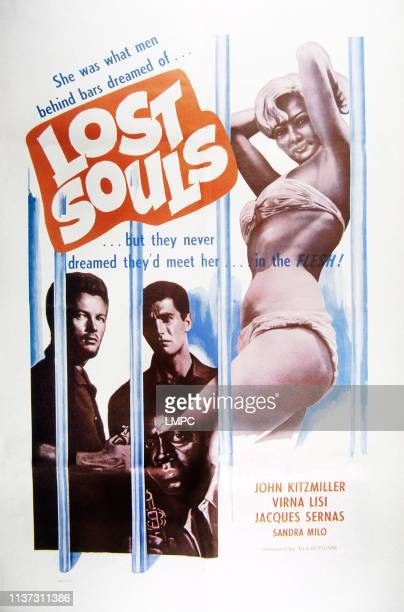

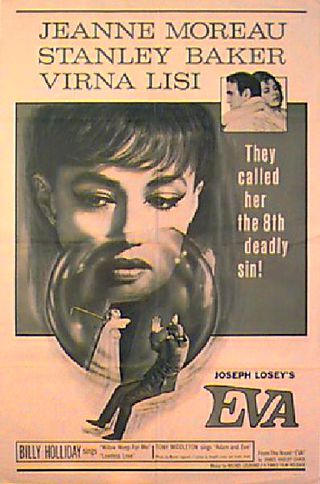
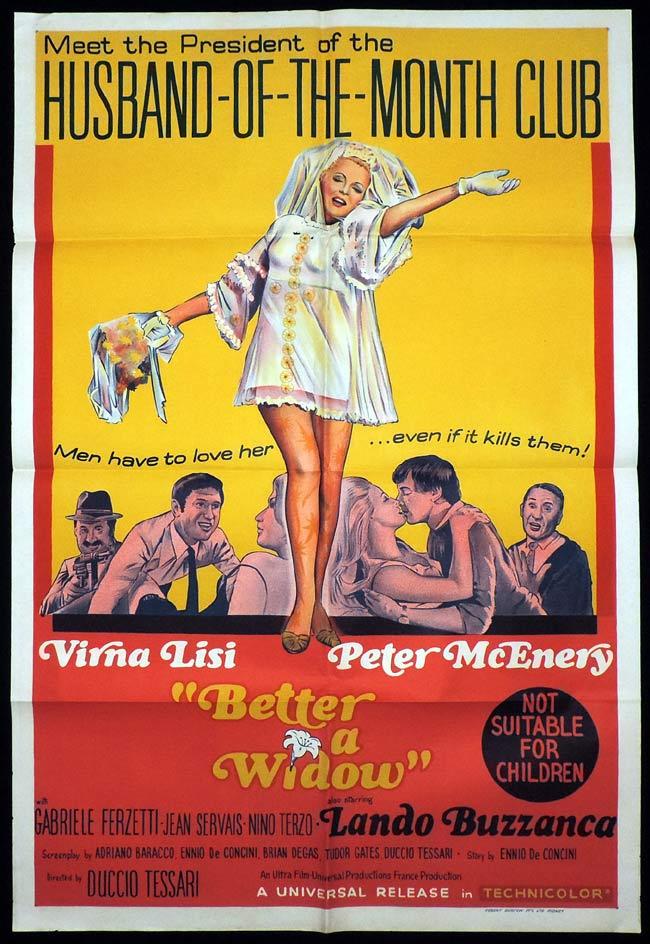
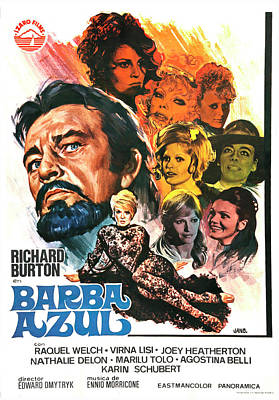

Career overview of Virna Lisi
Virna Lisi (1936–2014) had one of the most unusual dual-track careers in European cinema, moving between Italian genre film, Hollywood star-making attempts, and later a respected return to European auteur cinema. Her trajectory is especially interesting because it resists a single identity: she was simultaneously cast as a Hollywood blonde ideal, a European dramatic actress, and later a figure of mature, psychologically complex roles.
Her career can be read as a long negotiation between image (beauty, glamour) and resistance (intelligence, irony, and control over her own casting identity).
Early career: Italian popularity and genre cinema (1950s–early 1960s)
Lisi began in Italian cinema as a teenager, quickly becoming a popular screen presence in light comedies and melodramas.
Early work includes:
- La donna del giorno
- Eva
Critical analysis:
- Early Lisi is defined by:
- Photogenic clarity
- Light comedic timing
- Controlled expressiveness
She is frequently positioned as:
- Romantic interest
- Modern “new Italian woman”
- Glamorous but approachable figure
Key insight:
Unlike Anna Magnani’s earthy intensity or Sophia Loren’s sensual robustness, Lisi’s early persona is built on cool elegance and visual refinement.
Hollywood phase: attempted transformation into a blonde icon (mid–late 1960s)
Lisi was recruited into Hollywood during its search for European glamour alternatives to Marilyn Monroe-type icons.
Key film:
- How to Murder Your Wife (with Jack Lemmon)
Critical analysis: Hollywood miscasting and image tension
Hollywood attempted to recast Lisi as:
- A platinum-blonde comedic beauty
- A glamorous foil in American sex comedy
Performance reality:
- Lisi’s acting style is:
- Subtle
- Controlled
- Slightly ironic
This creates tension:
- Hollywood demands overt comic exaggeration
- Lisi offers restrained intelligence and emotional distance
Key insight:
Her Hollywood phase exposes a structural mismatch:
She was cast as an image before she was understood as an actor.
This is one of the defining contradictions of her career.
Breakthrough transformation: La cagna and European reinvention (1970s)
Lisi’s most critically respected period begins when she returns to European cinema and shifts into more serious roles.
- La cagna
Critical analysis of performance
- She plays a complex, emotionally ambiguous woman in a psychologically charged narrative
- Her performance is marked by:
- Emotional restraint
- Controlled surface behavior masking internal tension
- Minimal but precise gesture work
Key insight:
This marks a decisive shift:
- From “image actress” → to psychological performer
She begins to use her previous association with glamour as something to subvert rather than embody.
Mature career: prestige European cinema and character work (1970s–1990s)
Lisi became a respected presence in European auteur cinema, including:
- Casanova ’70 (earlier transitional work with Mario Monicelli)
- La Reine Margot (later international prestige role)
Critical analysis: aging, authority, and reinvention
In later roles, Lisi often plays:
- Aristocratic or maternal authority figures
- Women defined by intelligence and social position rather than sexuality
In La Reine Margot:
- She embodies political calculation and emotional control
- Her performance is defined by:
- Stillness
- Vocal precision
- Strategic emotional understatement
Key insight:
Lisi’s later career demonstrates a rare Hollywood-to-Europe reversal:
She moves from being cast for beauty to being cast for authority.
Acting style and screen persona
Virna Lisi’s acting is defined by:
- Controlled emotional expression
- Precision in gesture and gaze
- A deliberate restraint that creates internal tension
- Strong awareness of cinematic framing
Her persona evolves through three phases:
- Youthful elegance (Italian cinema)
- Manufactured glamour (Hollywood phase)
- Mature psychological authority (European auteur cinema)
Critical analysis of her career
1. The problem of “beauty casting”
Lisi’s early career is shaped by her appearance:
- She is repeatedly cast as a visual ideal
- This limits initial opportunities for dramatic depth
Insight:
Her career demonstrates how beauty can function as both:
- Access point to stardom
- Restrictive interpretive frame
2. Subversion of Hollywood expectations
In Hollywood, she resists transformation into:
- Loud comedy
- Overstated sensuality
Instead, she maintains:
- European restraint
- Psychological ambiguity
This leads to her underuse in American cinema but preserves her identity.
3. Reinvention through European auteur cinema
Her return to Europe allows:
- Greater complexity of role
- Emphasis on character psychology
- Use of minimalism as expressive tool
Key insight:
She transforms from “star image” into interpretive actress of restraint.
4. Comparison with contemporaries
Compared to:
- Sophia Loren
- Claudia Cardinale
Lisi differs in that:
- Loren emphasizes emotional and physical expressiveness
- Cardinale emphasizes auteur sensuality and historical presence
- Lisi emphasizes intellectual restraint and controlled surface performance
5. Career structure and identity evolution
Her career is notable for:
- Early typecasting
- Mid-career misalignment
- Late-career critical rehabilitation
Insight:
Few actresses move so clearly from:
decorative presence → to psychological authority
Overall evaluation
Strengths:
- Exceptional control and restraint
- Strong adaptability across European cinema
- Successful reinvention in mature roles
- Ability to subvert early “beauty icon” casting
Limitations:
- Early Hollywood phase underutilised her depth
- Less immediately iconic than more expressive contemporaries
- Subtlety sometimes led to underrecognition in mass-market contexts
Conclusion
Virna Lisi’s career is best understood as a slow transformation from image to intelligence:
- She begins as a symbol of European glamour
- Becomes constrained by Hollywood’s visual expectations
- Ultimately re-emerges as a performer of psychological precision and controlled authority
In the end:
Her legacy lies in demonstrating that cinematic beauty can evolve into something more complex—a tool for restraint, ambiguity, and mature emotional intelligence rather than surface decoration.