

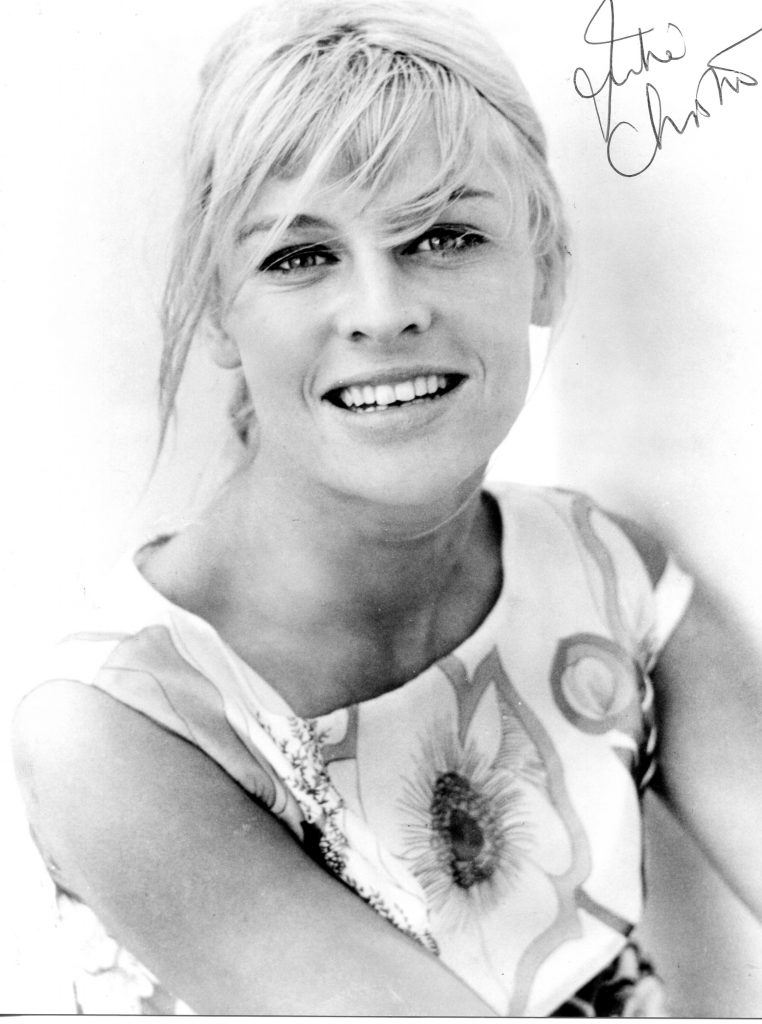
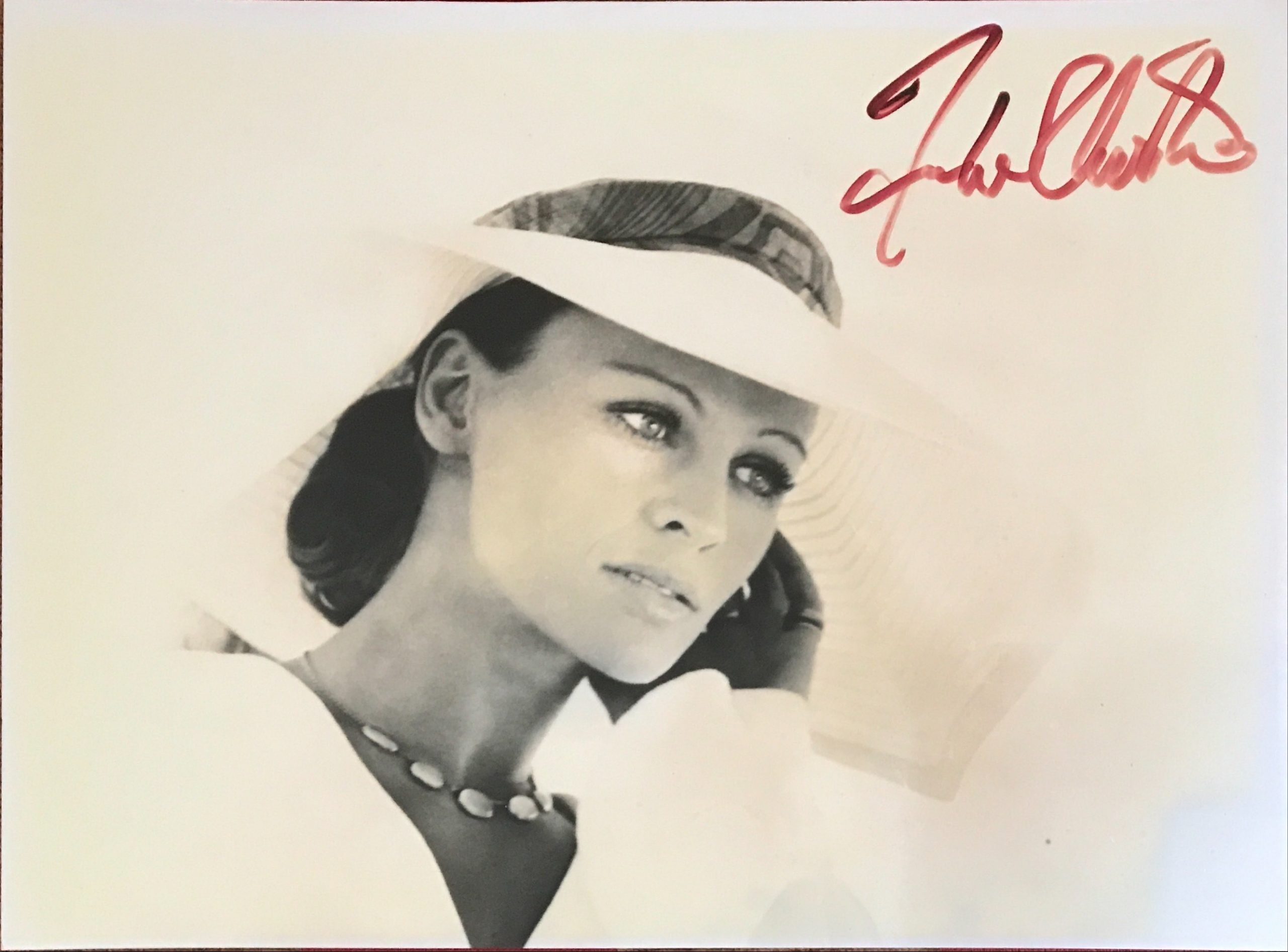
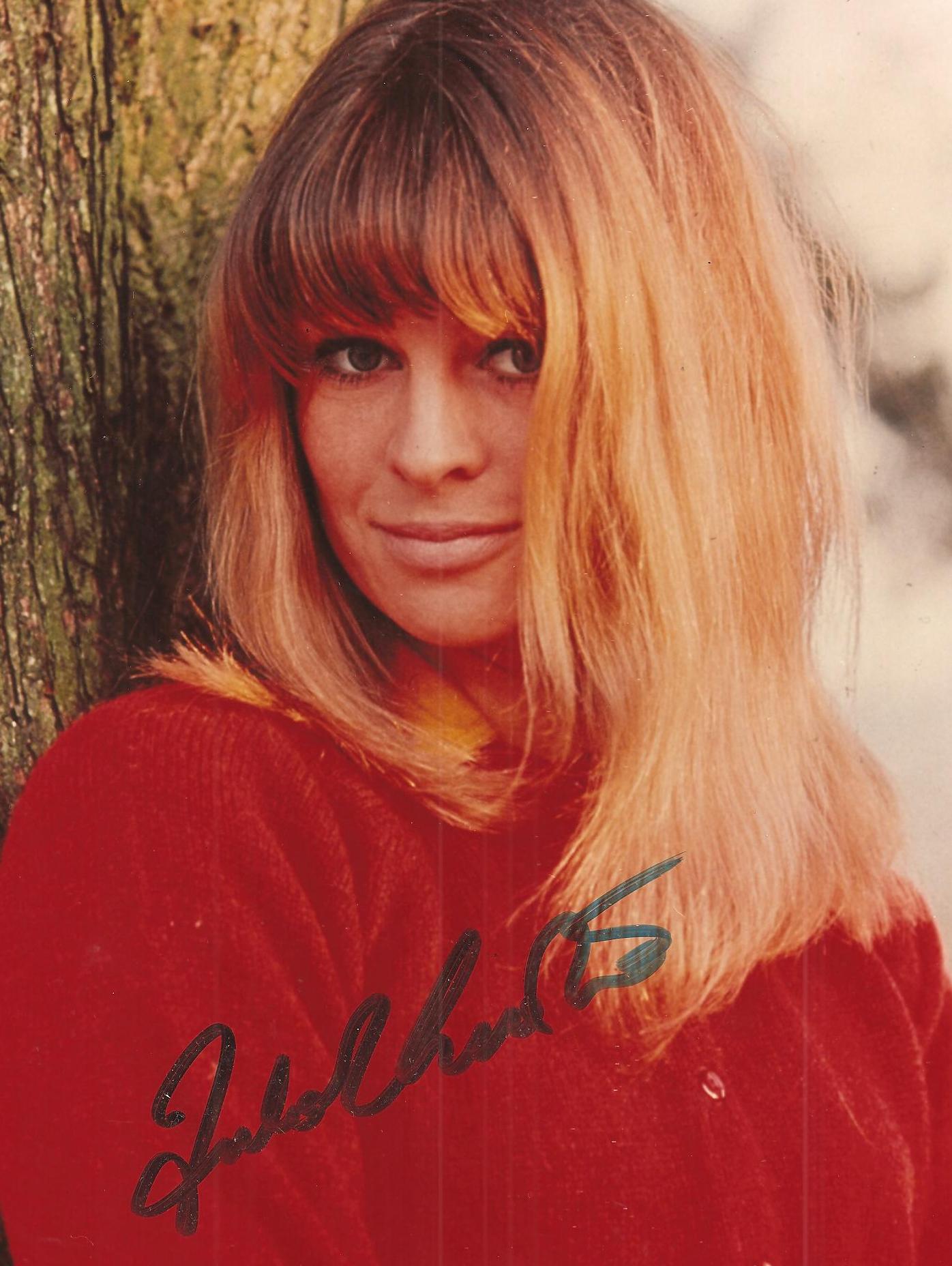
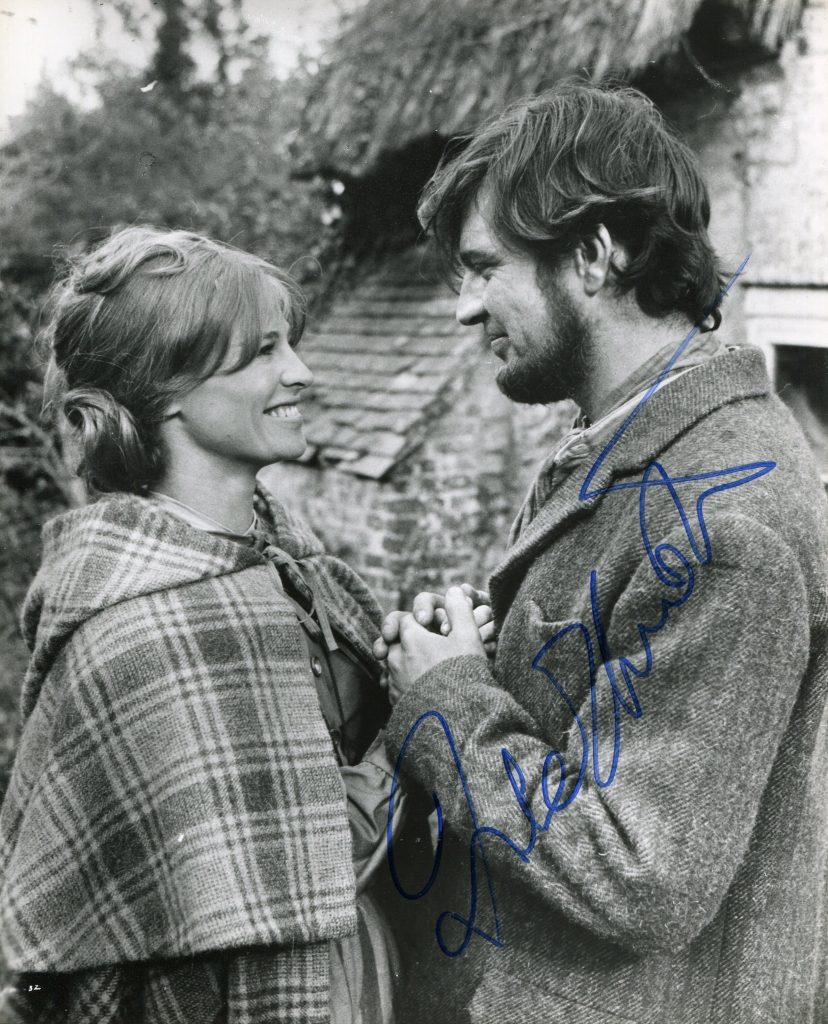
Julie Christie, the British movie legend whom Al Pacino called “the most poetic of all actresses,” was born in Chabua, Assam, India, on April 14, 1940, the daughter of a tea planter and his Welsh wife Rosemary, who was a painter. The young Christie grew up on her father’s plantation before being sent to England for her education. Finishing her studies in Paris, where she had moved to improve her French with an eye to possibly becoming a linguist (she is fluent in French and Italian), the teenager became enamored of the freedom of the Continent. She also was smitten by the bohemian life of artists and planned on becoming an artist before she enrolled in London’s Central School of Speech Training. She made her debut as a professional in 1957 as a member of the Frinton Repertory of Essex.
Christie was not fond of the stage, even though it allowed her to travel, including a professional gig in the United States. Her true métier as an actress was film, and she made her debut in the science-fiction television series A for Andromeda (1961) in 1961. Her first film was a girlfriend part in the Ealing-like comedy Crooks Anonymous (1962), which was followed up by a larger ingénue role in another comedy, The Fast Lady (1962). The producers of the James Bond series were sufficiently intrigued by the young actress to consider her for the role that subsequently went to Ursula Andress in Dr. No (1962), but dropped the idea because she was not busty enough.
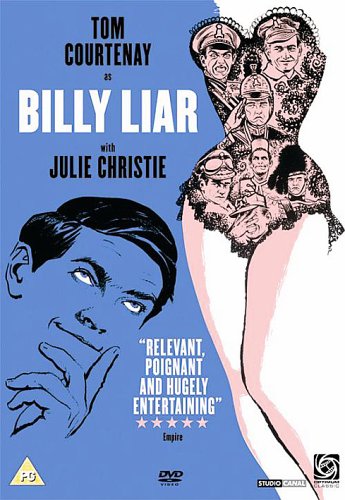
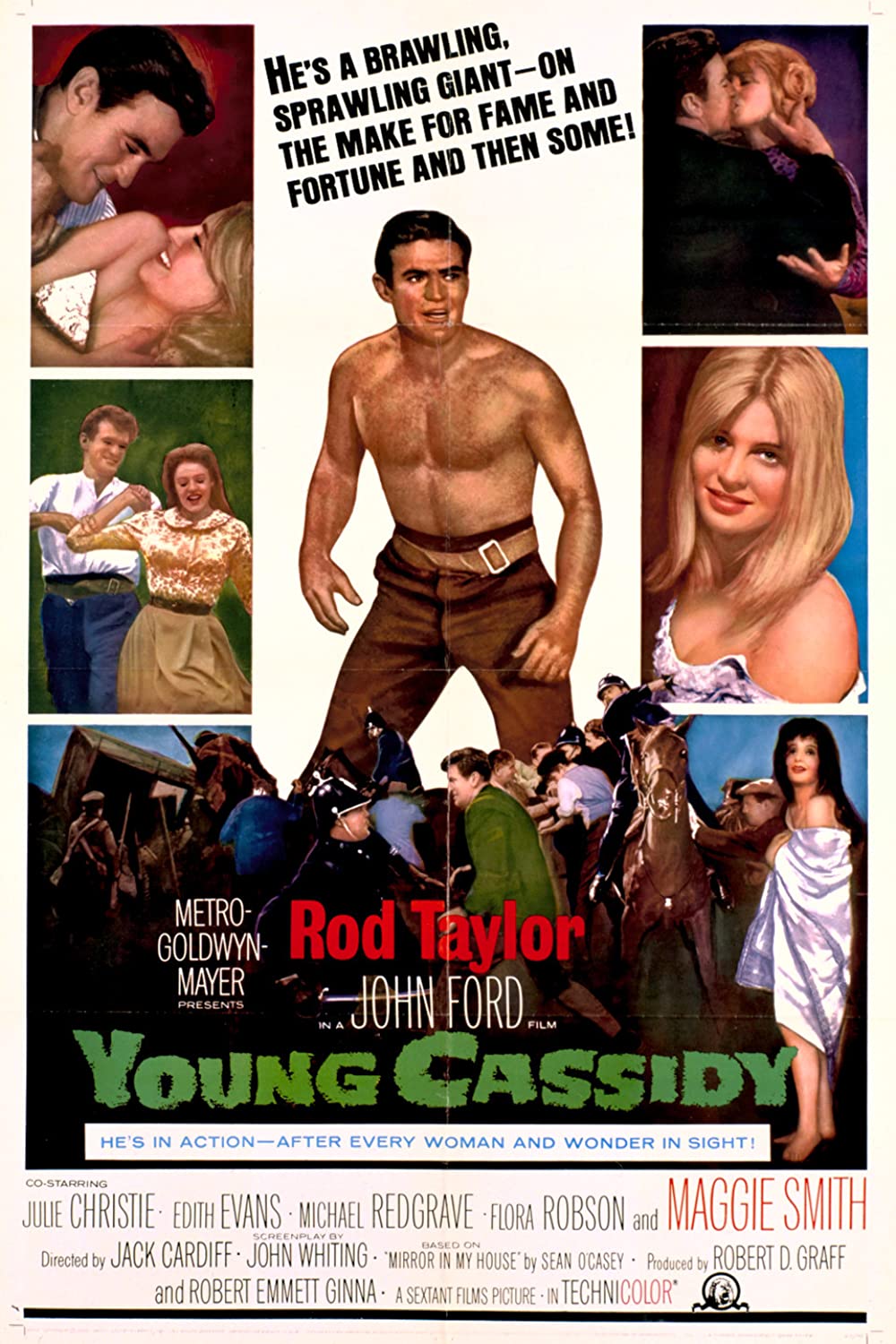
Christie first worked with the man who would kick her career into high gear, director John Schlesinger, when he choose her as a replacement for the actress originally cast in Billy Liar (1963). Christie’s turn in the film as the free-wheeling Liz was a stunner, and she had her first taste of becoming a symbol if not icon of the new British cinema. Her screen presence was such that the great John Ford cast her as the young prostitute in Young Cassidy (1965). Charlton Heston wanted her for his film The War Lord (1965), but the studio refused her salary demands.
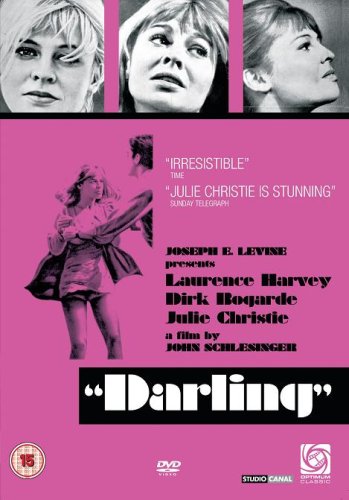
Although Amercan magazines portrayed Christie as a “newcomer” when she made her breakthrough to super-stardom in Schlesinger’s seminal Swinging Sixties film Darling (1965), she actually had considerable work under her professional belt and was in the process of a artistic quickening. Schlesinger called on Christie, whom he adored, to play the role of mode Diana Scott when the casting of Shirley MacLaine fell through. (MacLaine was the sister of the man who would become Christie’s long-time paramour in the late 1960s and early ’70s, Warren Beatty, whom some, like actor Rod Steiger, believe she gave up her career for. Her “Dr. Zhivago” co-star, Steiger — a keen student of acting — regretted that Christie did not give more of herself to her craft.)
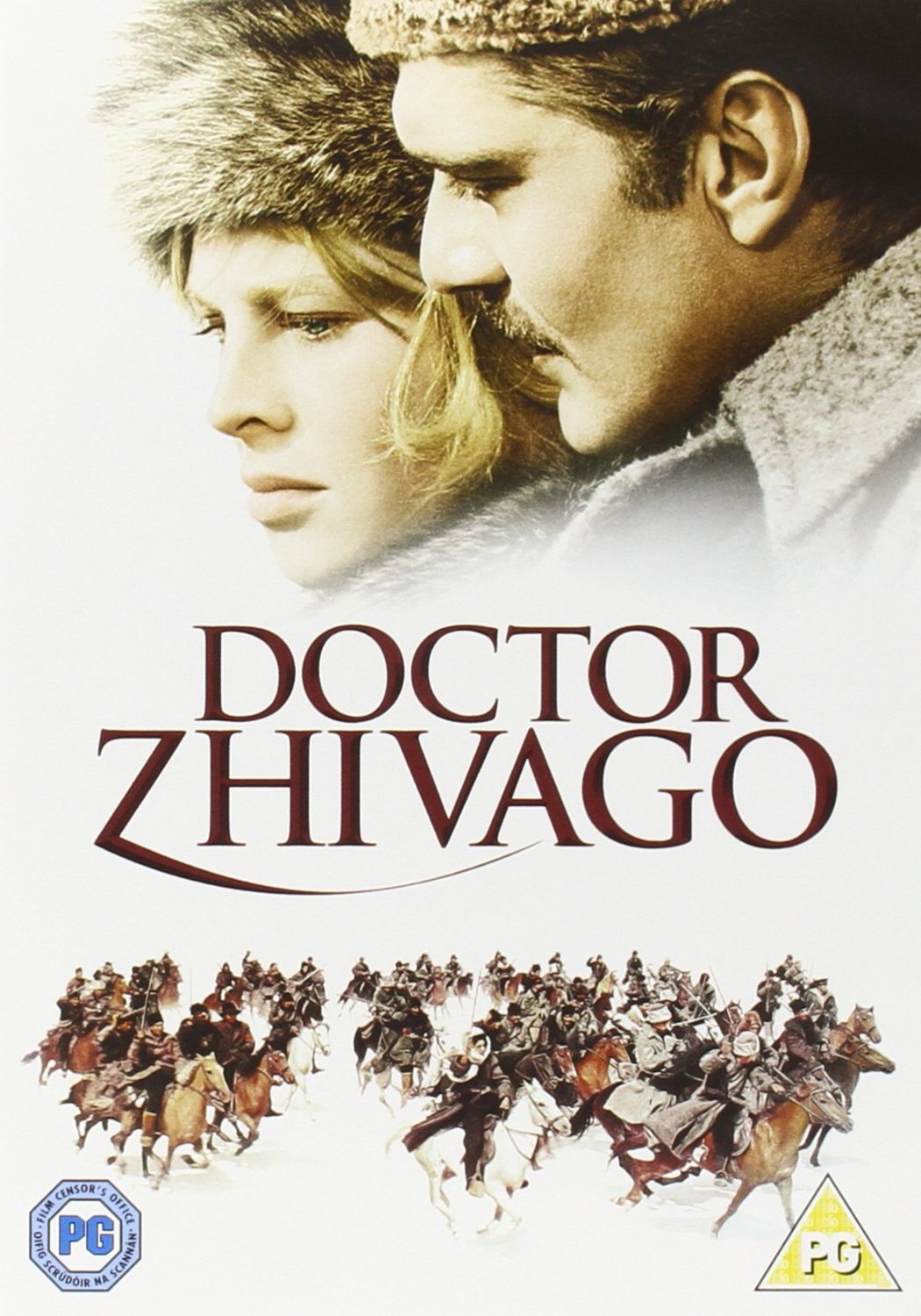
As played by Christie, Diana is an amoral social butterfly who undergoes a metamorphosis from immature sex kitten to jaded socialite. For her complex performance, Christie won raves, including the Best Actress Awards from the Academy of Motion Picture Arts and Sciences and the British Film Academy. She had arrived, especially as she had followed up “Darling” with the role of Lara in two-time Academy Award-winning director David Lean’s adaptation of Boris Pasternak’s Doctor Zhivago (1965), one of the all-time box-office champs.
Christie was now a superstar who commanded a price of $400,000 per picture, a fact ruefully noted in Charlton Heston’s diary (his studio had balked at paying her then-fee of $35,000). More interested in film as an art form than in consolidating her movie stardom, Christie followed up “Zhivago” with a dual role in Fahrenheit 451 (1966) for director François Truffaut, a director she admired. The film was hurt by the director’s lack of English and by friction between Truffaut and Christie’s male co-star Oskar Werner, who had replaced the the more-appropriate-for-the-role Terence Stamp. Stamp and Christie had been lovers before she had become famous, and he was unsure he could act with her, due to his own ego problems. On his part, Werner resented the attention the smitten Truffaut gave Christie. The film is an interesting failure.
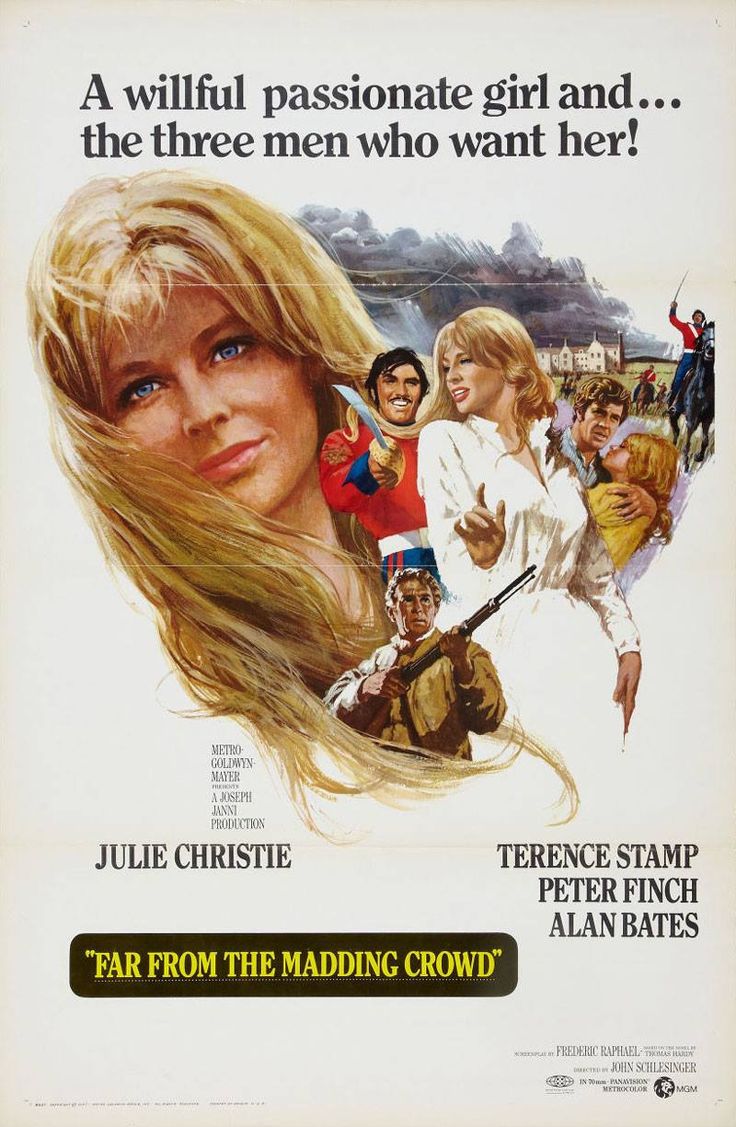
Stamp overcame those ego problems to sign on as her co-star in John Schlesinger’s adaptation of Thomas Hardy’s Far from the Madding Crowd (1967), which also featured two great English actors, Peter Finch and Alan Bates. It is a film that is far better remembered now than when it was received in 1967. The film and her performance as the Hardy heroine Bathsheba Everdene was lambasted by film critics, many of whom faulted Christie for being too “mod” and thus untrue to one of Hardy’s classic tales of fate. Some said that her contemporary Vanessa Redgrave would have been a better choice as Bathsheba, but while it is true that Redgrave is a very fine actress, she lacked the sex appeal and star quality of Christie, which makes the story of three men in love with one woman more plausible, as a film.
Although no one then knew it, the period 1967-68 represented the high-water mark of Christie’s career. Fatefully, like the Hardy heroine she had portrayed, she had met the man who transformed her life, undermining her pretensions to a career as a movie star in their seven-year-long love affair, the American actor Warren Beatty. Living his life was always far more important than being a star for Beatty, who viewed the movie star profession as a “treadmill leading to more treadmills” and who was wealthy enough after Bonnie and Clyde (1967) to not have to ever work again. Christie and Beatty had visited a working farm during the production of “Madding Crowd” and had been appalled by the industrial exploitation of the animals. Thereafter, animal rights became a very important subject to Christie. They were kindred souls who remain friends four decades after their affair ended in 1974.
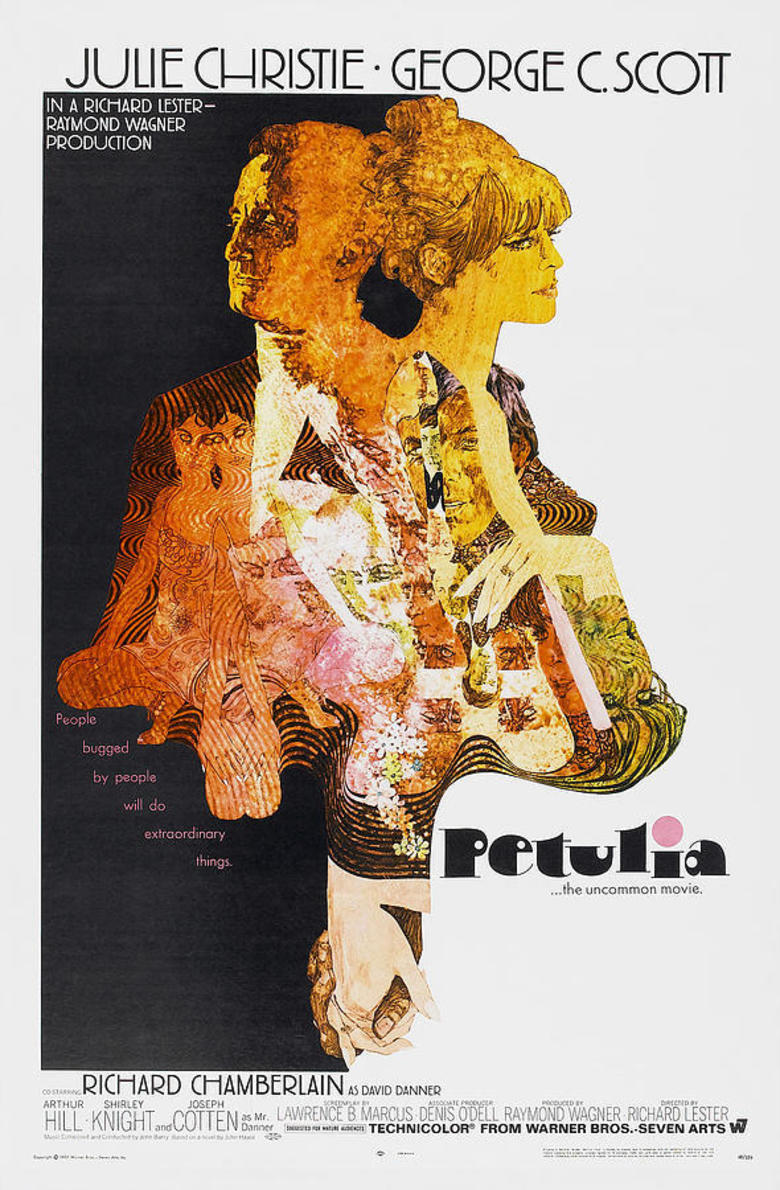
Christie’s last box-office hit in which she was the top-liner was Petulia (1968) for Richard Lester, a film that featured one of co-star George C. Scott’s greatest performances, perfectly counter-balanced by Christie’s portrayal of an “arch-kook” who was emblematic of the ’60s. It is one of the major films of the decade, an underrated masterpiece. Despite the presence of the great George C. Scott and the excellent Shirley Knight, the film would not work without Julie Christie. There is frankly no other actress who could have filled the role, bringing that unique presence and the threat of danger that crackled around Christie’s electric aura. At this point of her career, she was poised for greatness as a star, greatness as an actress.
And she walked away.
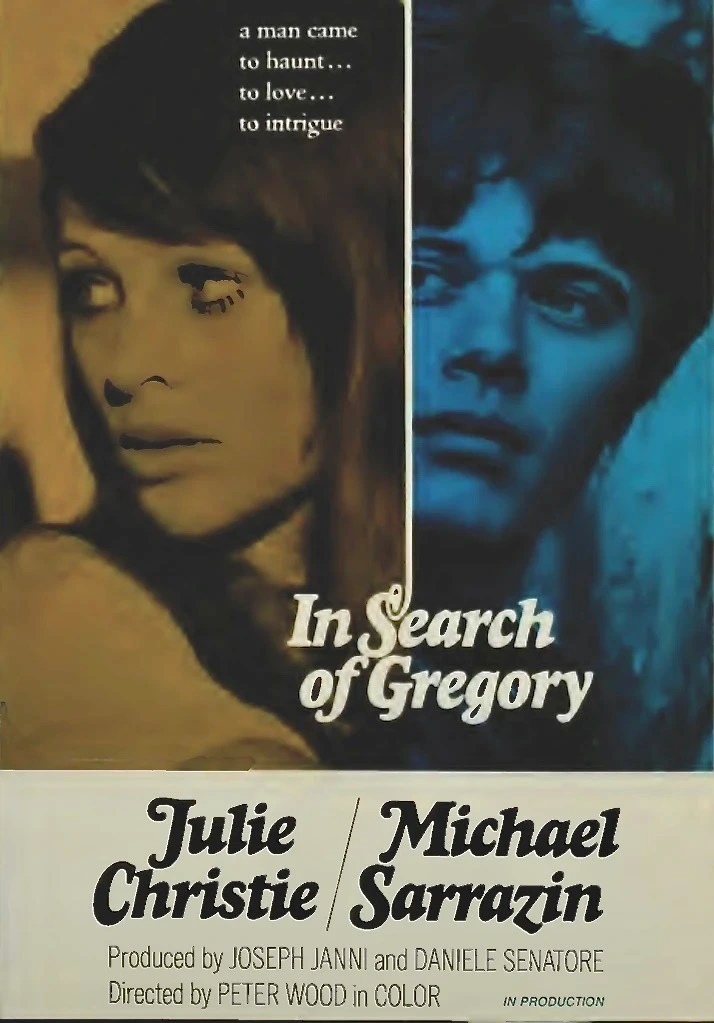
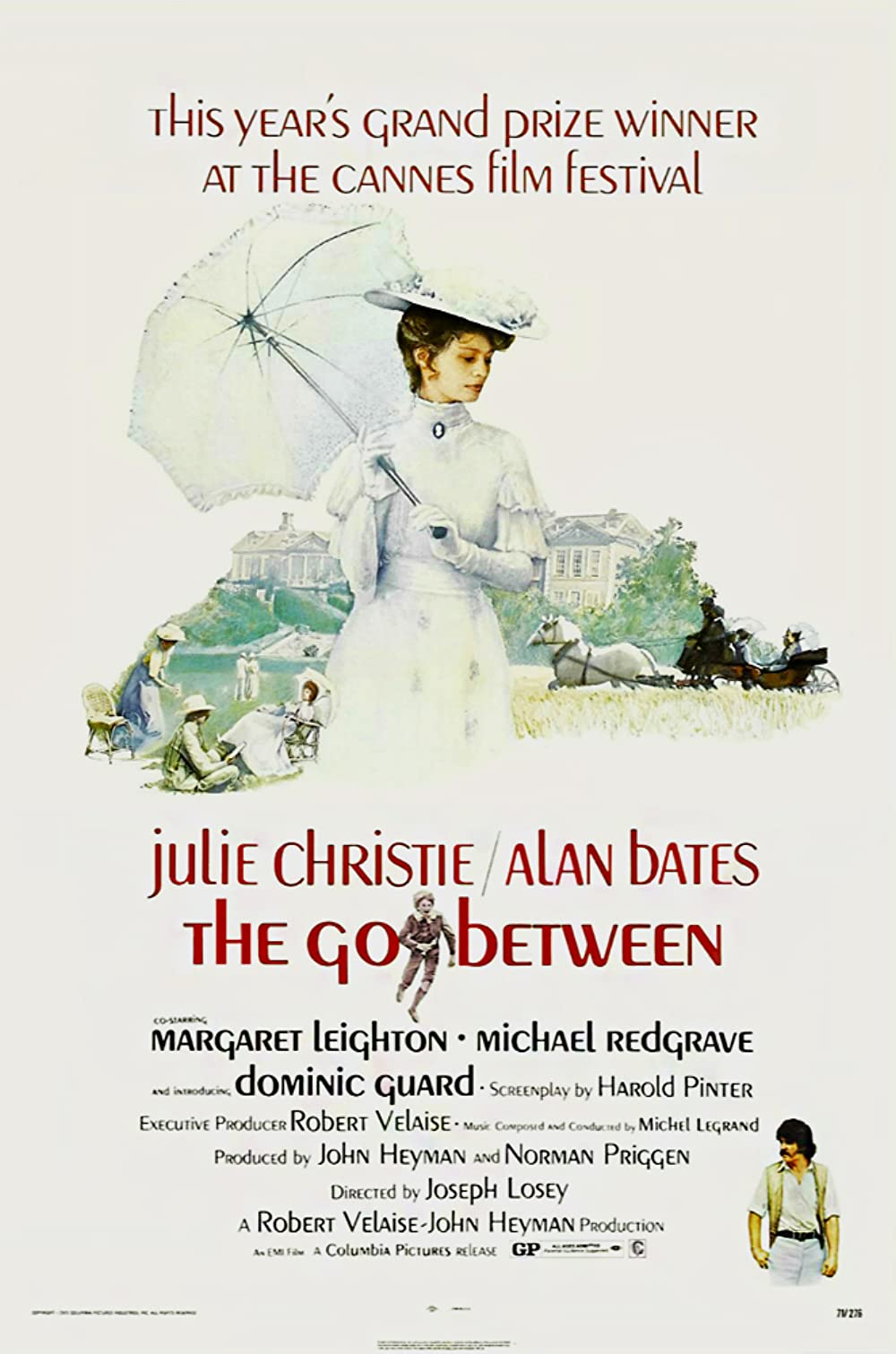
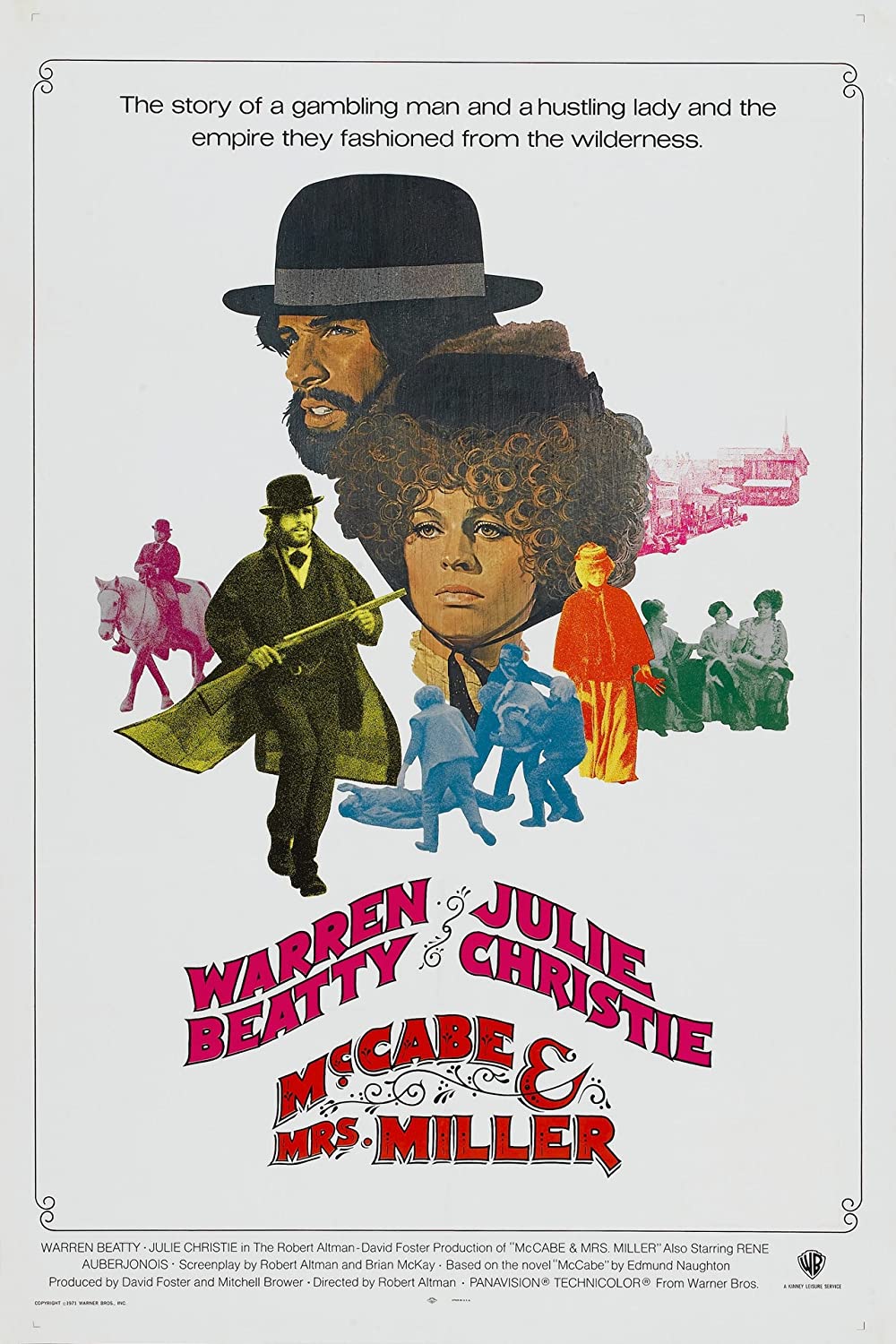
After meeting Beatty, Julie Christie essentially surrendered any aspirations to screen stardom, or at maintaining herself as a top-drawer working actress (success at the box office being a guarantee of the best parts, even in art films.) She turned down the lead in They Shoot Horses, Don’t They? (1969) and Anne of the Thousand Days (1969), two parts that garnered Oscar nominations for the second choices, Jane Fonda and Geneviève Bujold. After shooting In Search of Gregory (1969), a critical and box office flop, to fulfill her contractual obligations, she spent her time with Beatty in Calfiornia, renting a beach house at Malibu. She did return to form in Joseph Losey’s The Go-Between (1971), a fine picture with a script by the great Harold Pinter, and she won another Oscar nomination as the whore-house proprietor in Robert Altman’s minor classic McCabe & Mrs. Miller (1971) that she made with her lover Beatty. However, like Beatty himself, she did not seek steady work, which can be professional suicide for an actor who wants to maintain a standing in the first rank of movie stars.
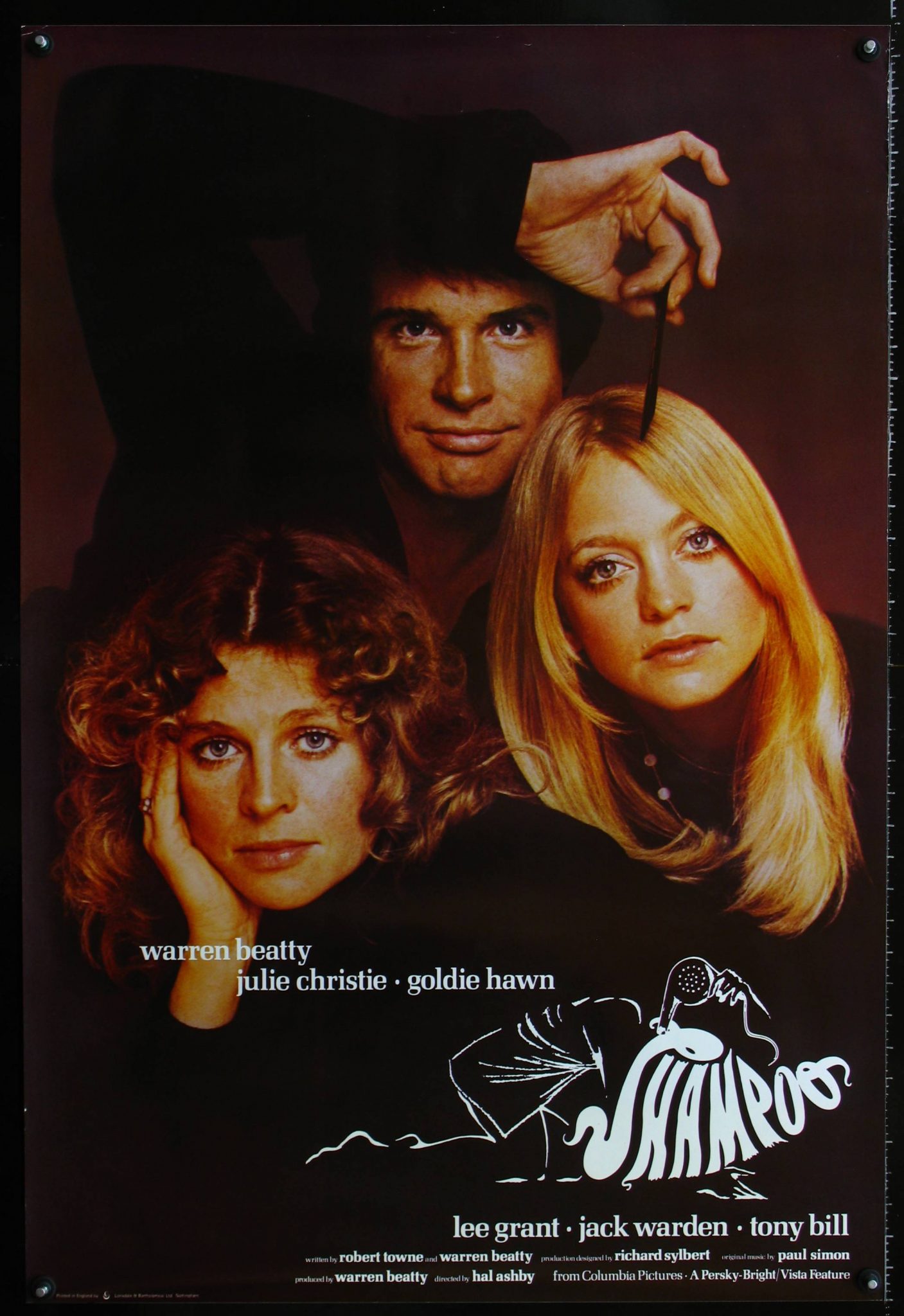
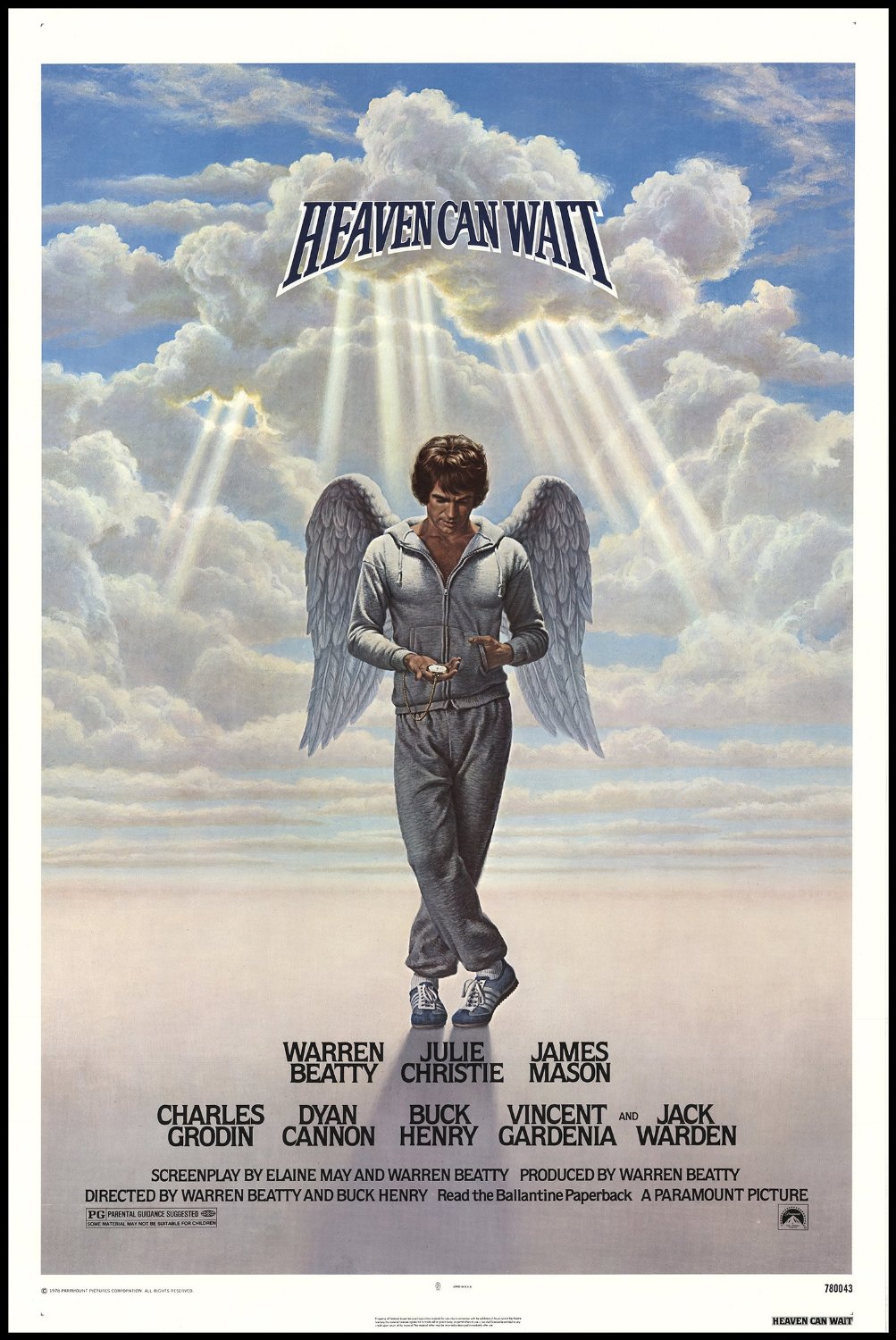
At the same time, Julie Christie turned down the role of the Russian Empress in Nicholas and Alexandra (1971), another film that won the second-choice (Janet Suzman) a Best Actress Oscar nomination. Two years later, she appeared in the landmark mystery-horror film Don’t Look Now (1973), but that likely was as a favor to the director, Nicolas Roeg, who had been her cinematographer on “Fahrenheit 451,” “Far From the Madding Crowd” and “Petulia.” In the mid ’70s, her affair with Beatty came to an end, but the two remained close friends and worked together in Shampoo (1975) (which she regretted due to its depiction of women) and Heaven Can Wait (1978).
Finally, the end of the American phase of her movie career was realized when Christie turned down the part of Louise Bryant in Reds (1981), a part written by Warren Beatty with her in mind, as she felt an American should play the role. (Beatty’s latest lover, Diane Keaton, played the part and won a Best Actress Oscar nomination.) Still, she remained a part of the film, Beatty’s long-gestated labor of love, as it is dedicated to “Jules.”
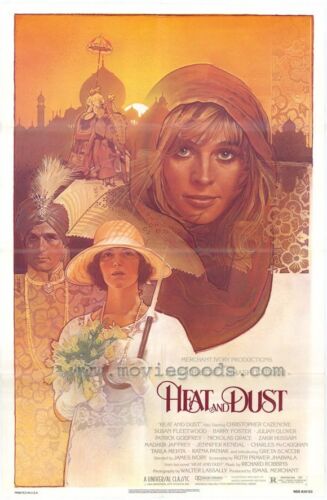
Julie Christie moved back to the UK and become the UK’s answer to Jane Fonda, campaigning for various social and political causes, including animal rights and nuclear disarmament. The parts she did take were primarily driven by her social consciousness, such as appearing in Sally Potter’s first feature-length film, The Gold Diggers (1983) which was not a remake of the old Avery Hopwood’s old warhorse but a feminist parable made entirely by women who all shared the same pay scale. Roles in The Return of the Soldier (1982) with Alan Bates and Glenda Jackson and Merchant-Ivory’s Heat and Dust (1983) seemed to herald a return to form, but Christie — as befits such a symbol of the freedom and lack of conformity of the ’60s — decided to do it her way. She did not go “careering,” even though her unique talent and beauty was still very much in demand by filmmakers.
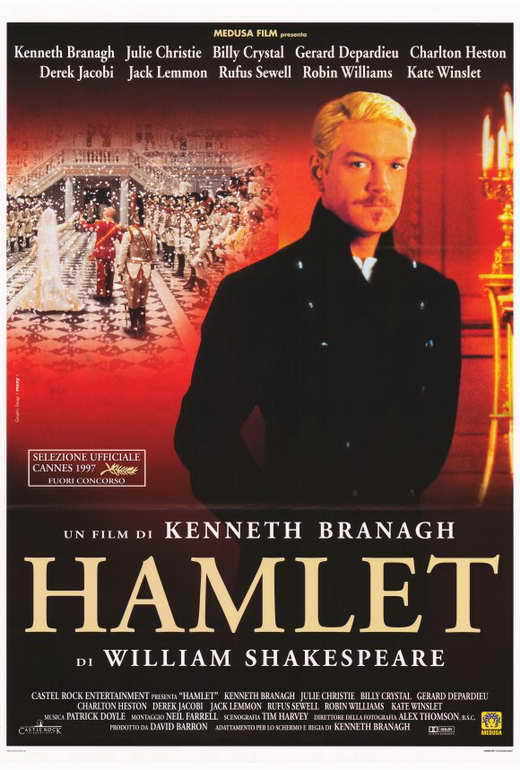
At this point, Christie’s movie career went into eclipse. Once again, she was particularly choosy about her work, so much so that many came to see her, essentially, as retired. A career renaissance came in the mid-1990s with her turn as Gertrude in Kenneth Branagh’s ambitious if not wholly successful Hamlet (1996). As Christie said at the time, she didn’t feel she could turn Branagh down as he was a national treasure. But the best was yet to come: her turn as the faded movie star married to handyman Nick Nolte and romanced by a younger man in Afterglow (1997), which brought her rave notices. She received her third Best Actress Oscar nomination for her performance, and showed up at the awards as radiant and uniquely beautiful as ever. Ever the iconoclast, she was visibly relieved, upon the announcement of the award, to learn that she had lost!
Christie lived with left-wing investigative journalist Duncan Campbell (a Manchester Guardian columnist) since 1979, first in Wales, then in Ojai, California, and now in London’s East End, before marrying in January 2008. In addition to her film work, she has narrated many books-on-tape. In 1995, she made a triumphant return to the stage in a London revival of Harold Pinter’s “Old Times”, which garnered her superb reviews.
Julie Christie’s performance in “Away From Her” is superb, and already has garnered her the National Board of Review’s Best Actress Award. She received her fourth Academy Award nomination, and quite possibly her second Oscar, for her unforgettable performance, a labor of love she did for a friend.
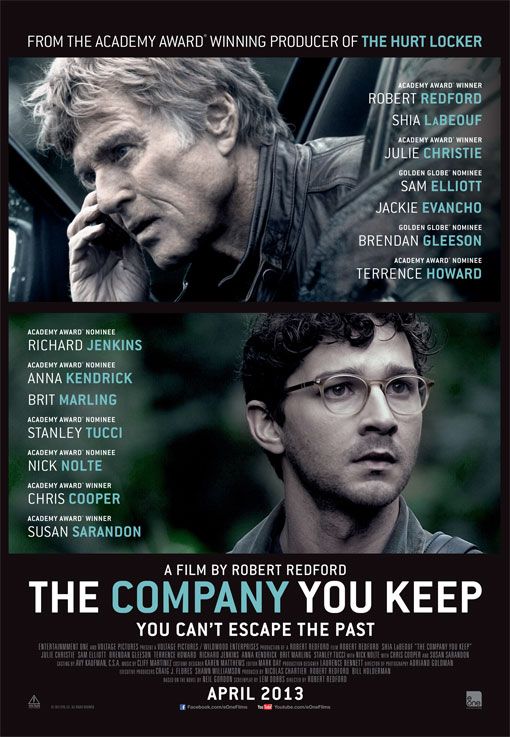
In 2012 she was back in the U.S. to star in the thriller “The Company You Keep” opposite Robert Redford.
Julie Christie is not just an icon of 60’s London but an icon of world cinema.


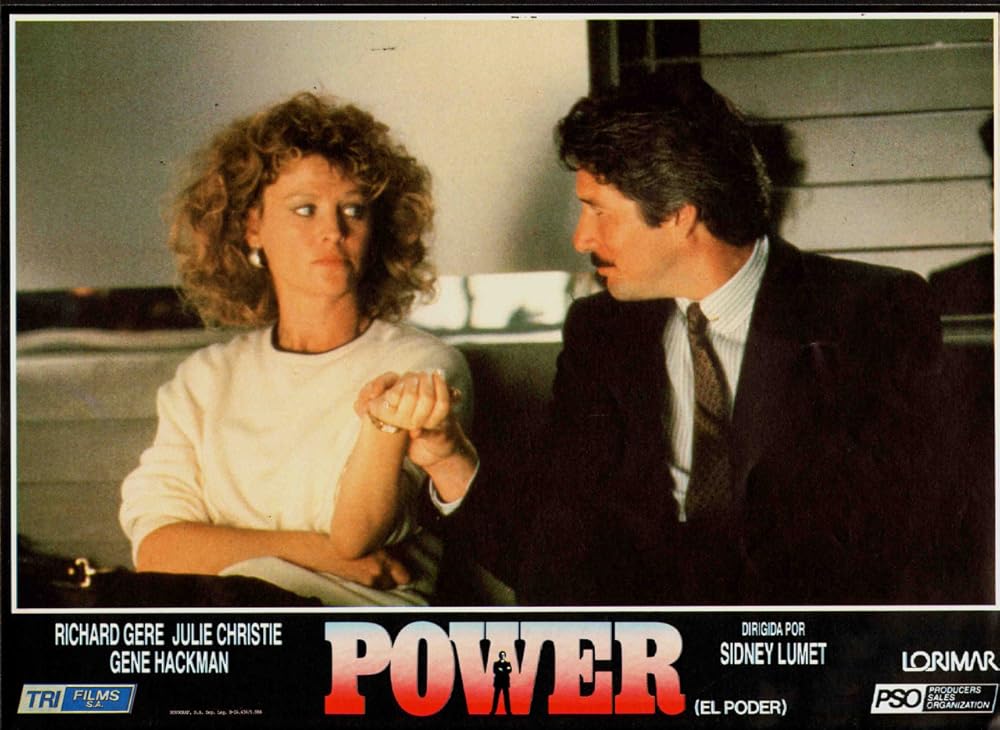
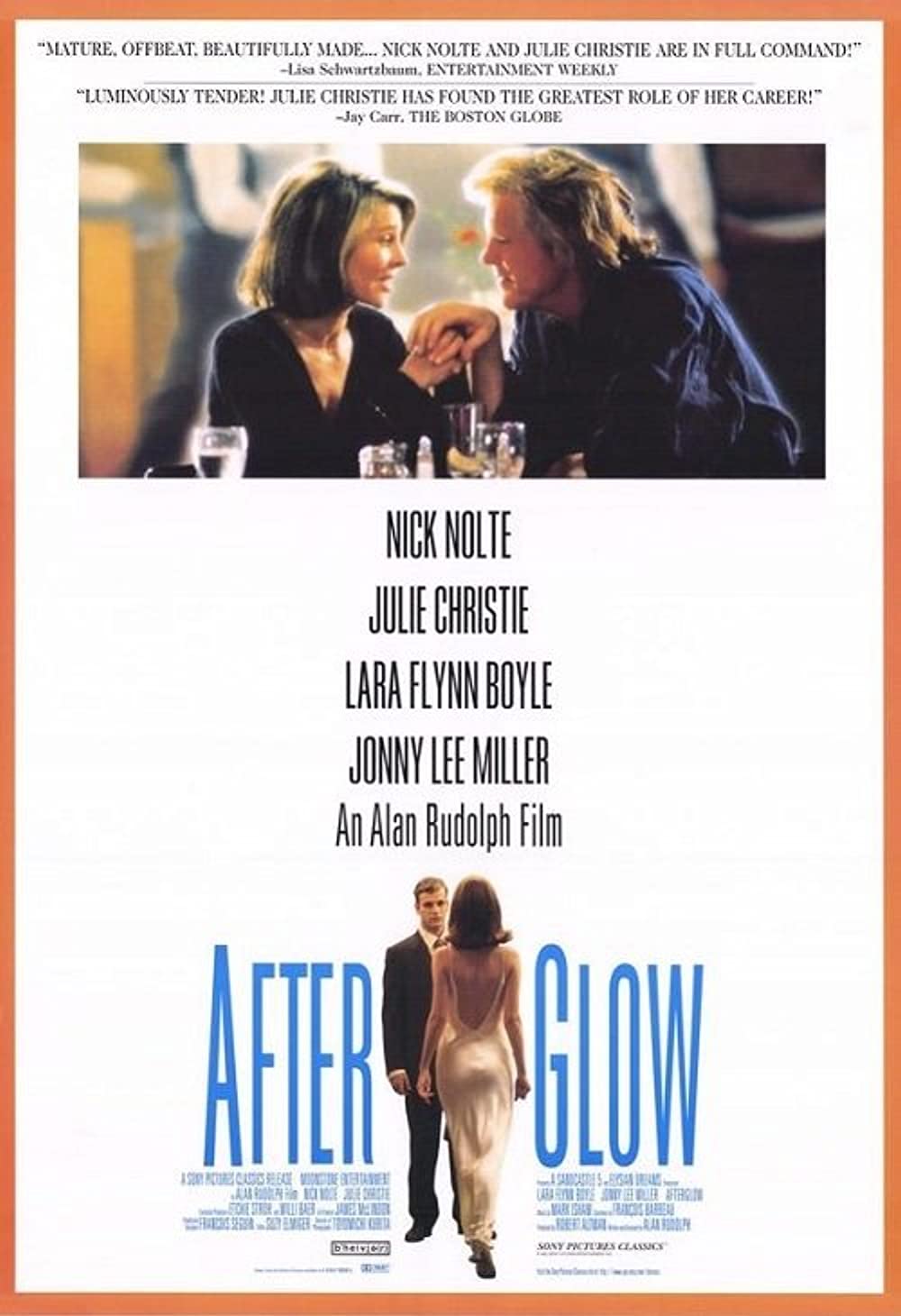
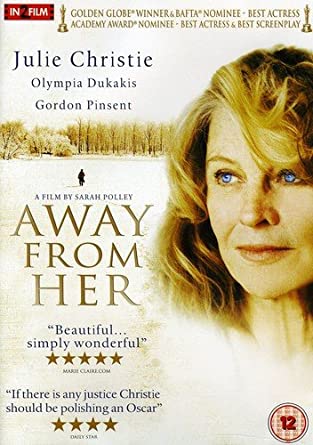
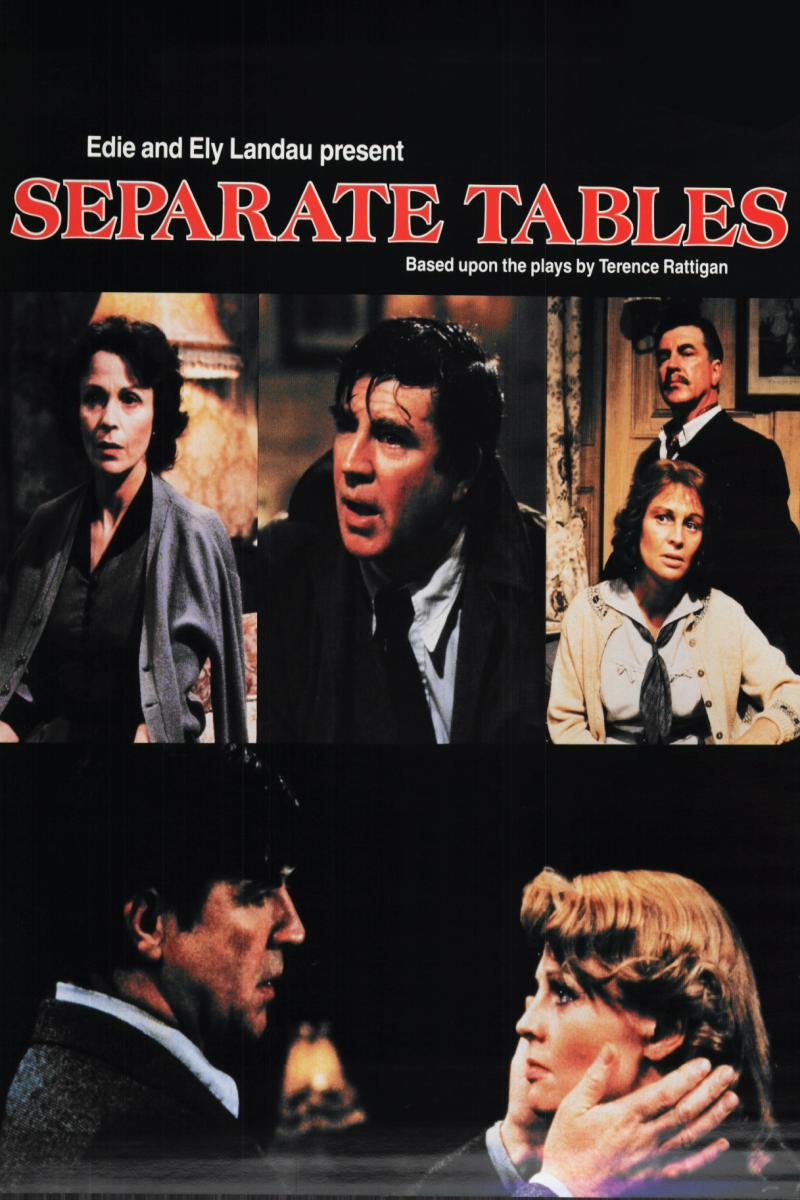
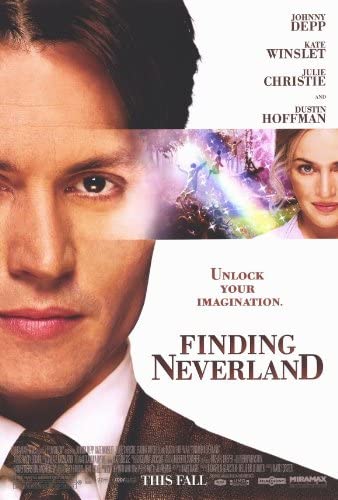
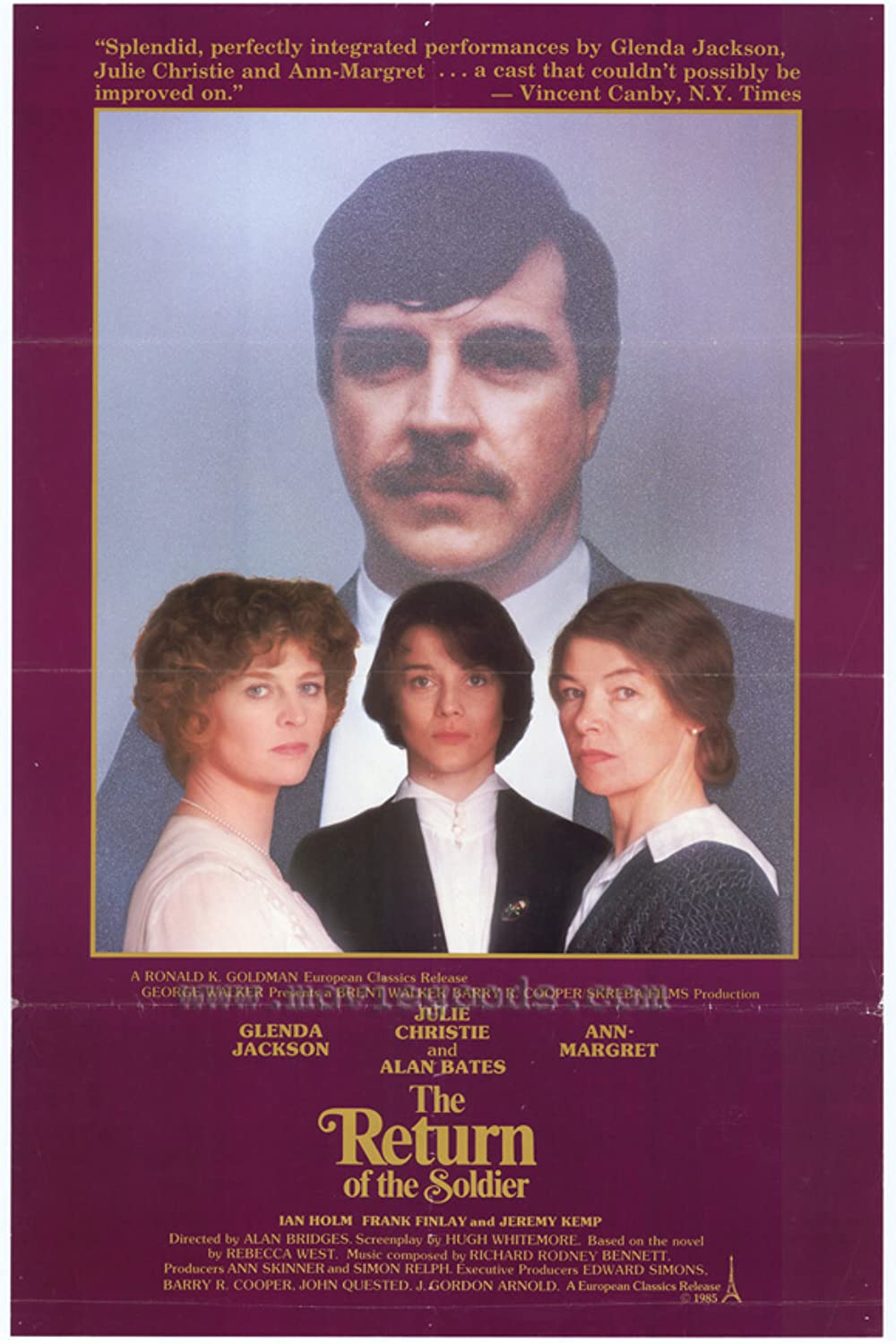
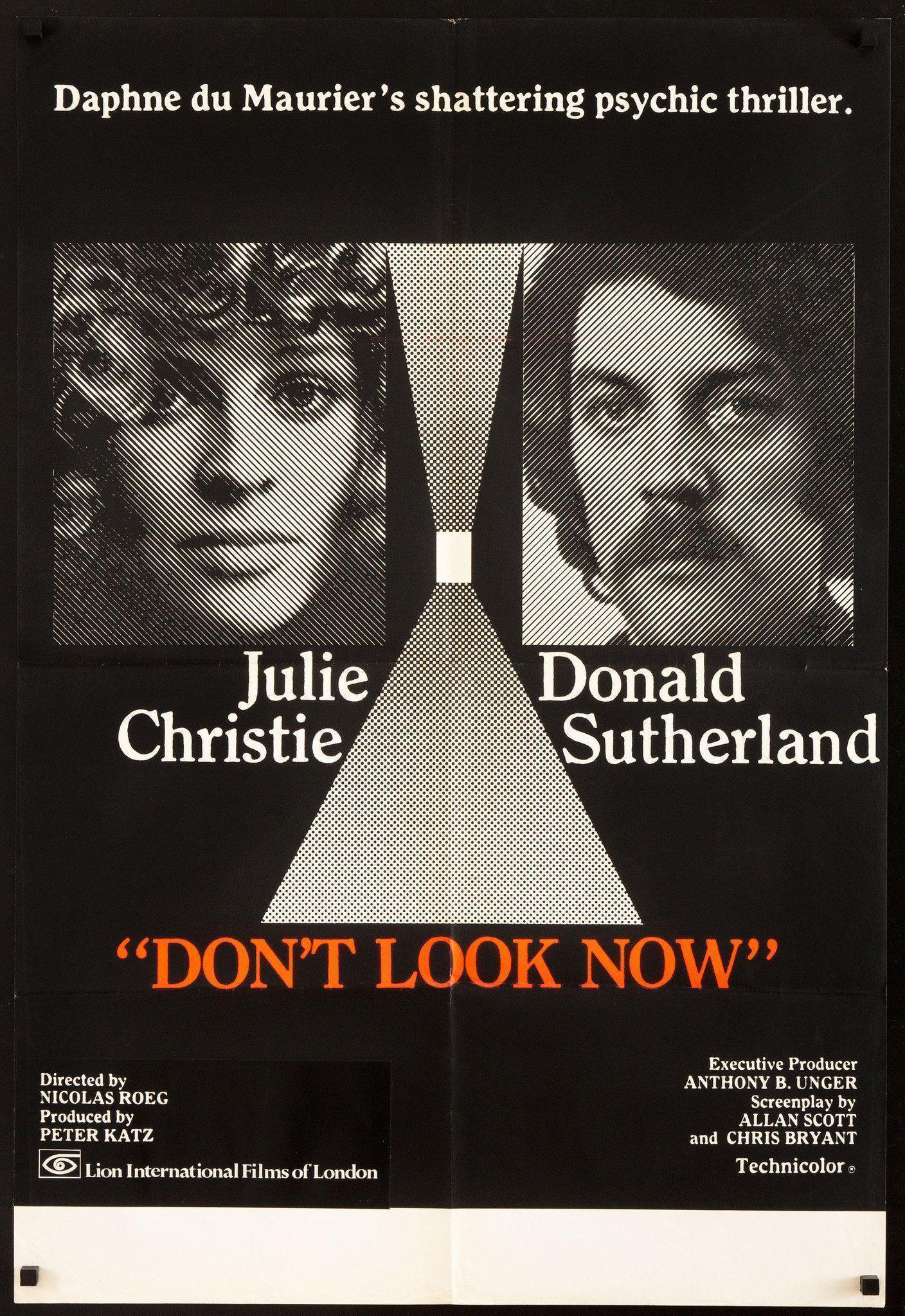
Julie Christie (born 1940) is widely regarded as the “face of the 1960s,” an actress whose ethereal beauty and modern, independent spirit redefined the “leading lady” for the post-war era. While she became a global icon through massive epics, a critical analysis of her work reveals an actress who was deeply ambivalent about stardom, often choosing challenging, cerebral roles over conventional Hollywood fame.
I. Career Overview: The Icon of the “Swinging Sixties”
1. The Breakthrough and Oscar Success (1963–1965)
After a few minor roles, Christie caught the world’s attention in John Schlesinger’s Billy Liar (1963). Her brief appearance as Liz, the free-spirited girl with a handbag, became the visual shorthand for the new “liberated” British woman.
The Triple Threat of 1965: This was her watershed year. She starred in Darling (winning the Academy Award for Best Actress), played Lara in the epic Doctor Zhivago, and appeared in Young Cassidy. Overnight, she became one of the most famous women in the world.
2. The Auteur Era (1966–1978)
Following her Oscar win, Christie avoided the “star” machine, instead collaborating with the most influential directors of the era:
François Truffaut: Fahrenheit 451 (1966)
Robert Altman: McCabe & Mrs. Miller (1971) — earning her second Oscar nomination.
Nicolas Roeg: Don’t Look Now (1973)
Warren Beatty: Shampoo (1975) and Heaven Can Wait (1978).
3. The “Semi-Retirement” and Late Career (1980s–Present)
Christie famously retreated to a farm in Wales, working only when a script truly intrigued her. This led to a series of powerful, “mature” performances in the late 90s and 2000s, including Afterglow (1997) and her heartbreaking turn as an Alzheimer’s patient in Away from Her (2006), which earned her a fourth Oscar nomination.
II. Detailed Critical Analysis
1. The “Modernist” Acting Style
Critically, Christie’s greatest contribution was her lack of artifice.
Naturalism: At a time when many actresses were still trained in a more theatrical, declamatory style, Christie brought a “lived-in” quality to the screen. In Darling, her performance as Diana Scott was revolutionary because she didn’t try to make the character likable; she played her as narcissistic, bored, and restless—qualities that felt startlingly real to 1960s audiences.
The “Look”: Her face became a canvas for the era. With her heavy fringe and wide-set eyes, she embodied the shift from the “manicured” stars of the 50s (like Grace Kelly) to the “unstructured” beauty of the 60s.
2. The Archetype of the “Inaccessible” Muse
A recurring theme in Christie’s filmography is her role as an elusive or unattainable woman.
Lara in Doctor Zhivago: She represents the “soul of Russia”—a woman swept up in history who remains an enigma even to the man who loves her.
Laura in Don’t Look Now: Alongside Donald Sutherland, she delivered what is often cited as the most realistic depiction of grief (and intimacy) in cinema. Critics praised her ability to move from “shattered fragility” to “haunting obsession” without ever losing the audience’s empathy.
3. Resistance to the “Star Machine”
Perhaps the most interesting critical aspect of Christie’s career is her active rejection of Hollywood.
The “Anti-Star”: Unlike contemporaries who sought to build “brands,” Christie often turned down major roles (including the lead in They Shoot Horses, Don’t They?) to live a private life.
Intellectual Choice: Analysts point out that this “scarcity” added to her mystique. When she did appear on screen, it carried more weight because the audience knew she had chosen the project for its artistic merit rather than a paycheck. Her late-career work in Away from Her is a testament to this; her performance is stripped of all “movie star” vanity, focusing purely on the devastating cognitive decline of her character.
Iconic Role Comparison
| Character | Film | Archetype | Key Critical Legacy |
| Diana Scott | Darling | The Restless Model | The definitive portrait of 60s aimlessness. |
| Lara Antipova | Doctor Zhivago | The Tragic Muse | One of the most enduring romantic icons in cinema history. |
| Constance Miller | McCabe & Mrs. Miller | The Pragmatic Madam | Subverted the “Western Heroine” stereotype with grit. |
| Fiona Anderson | Away from Her | The Vanishing Wife | A masterclass in subtle, internal dramatic acting. |
Julie Christie remains the rare actress who successfully navigated the transition from a “physical icon” to a “prestige actor,” largely by maintaining a fierce independence from the industry that sought to define her.