

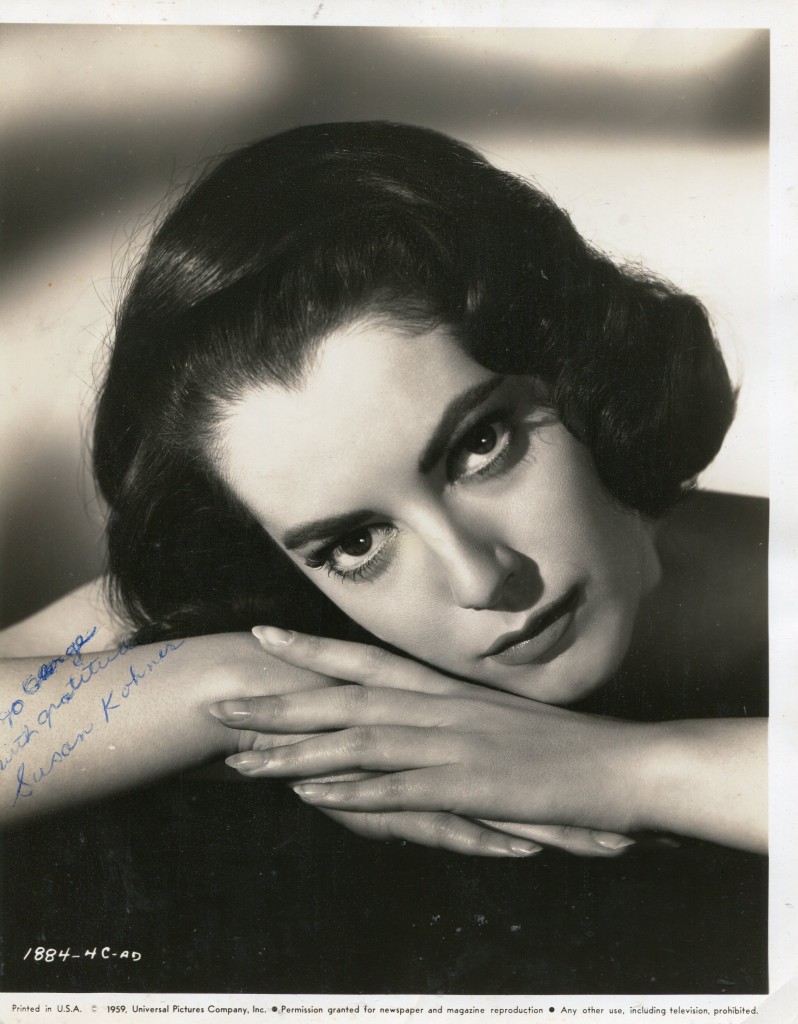
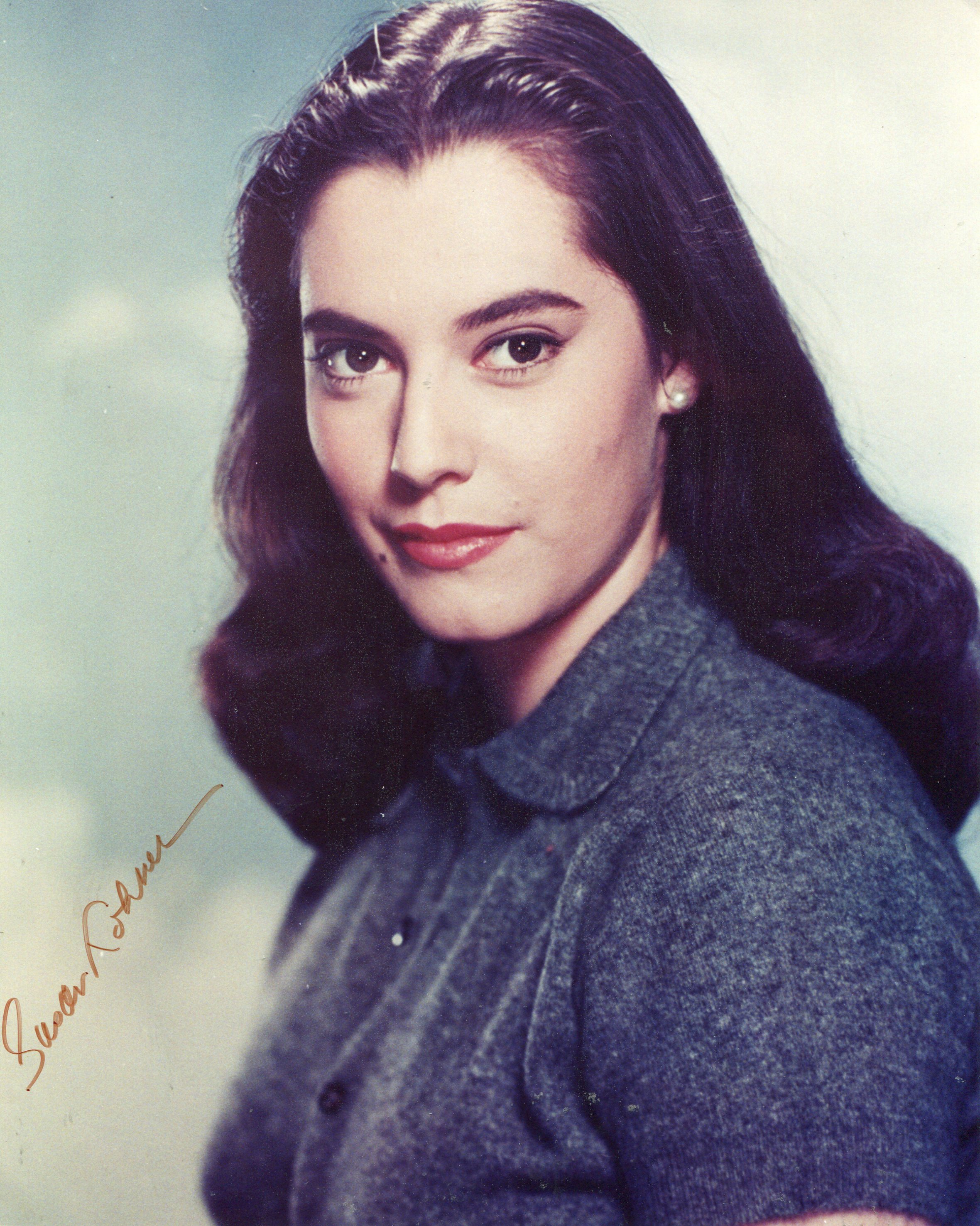
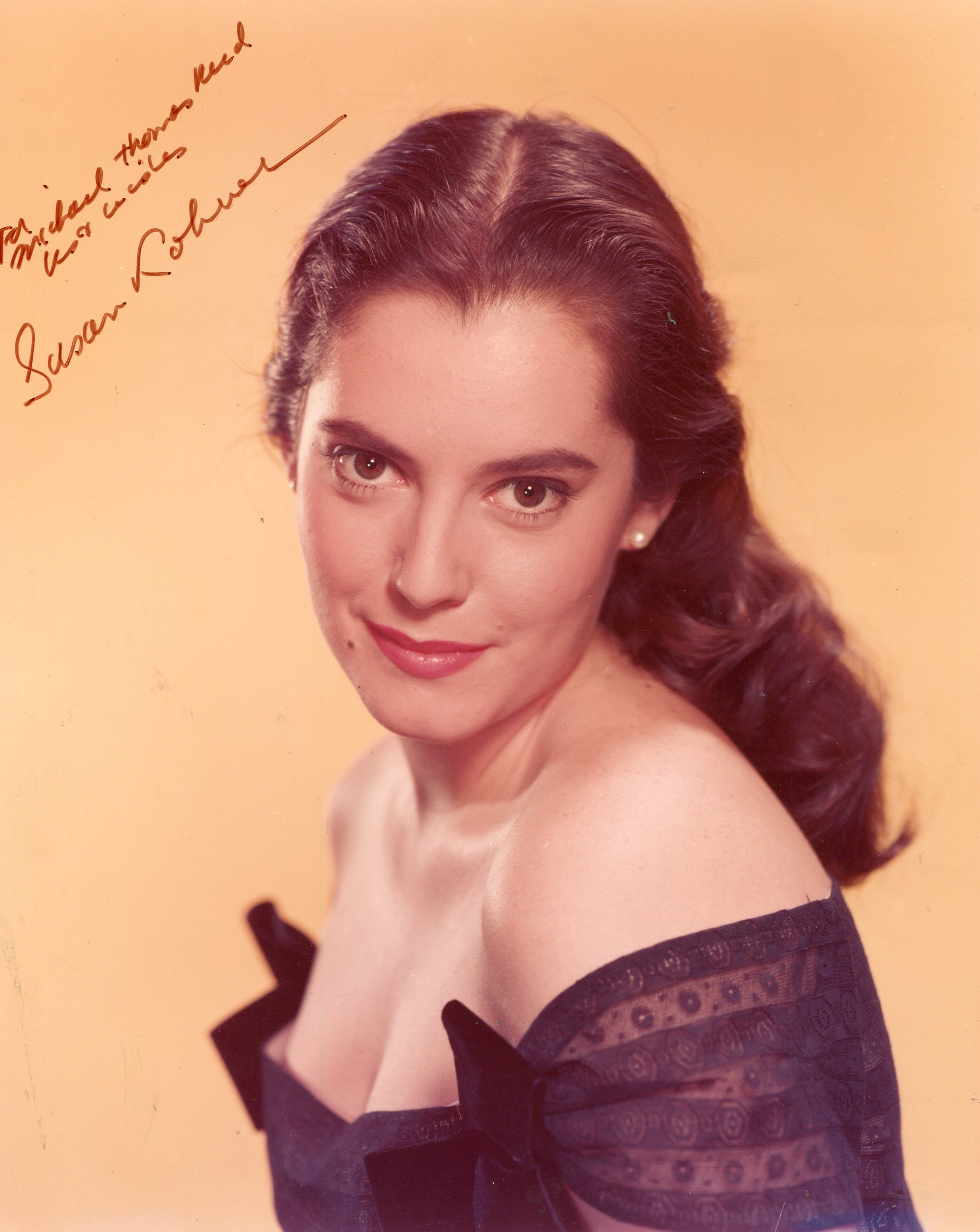
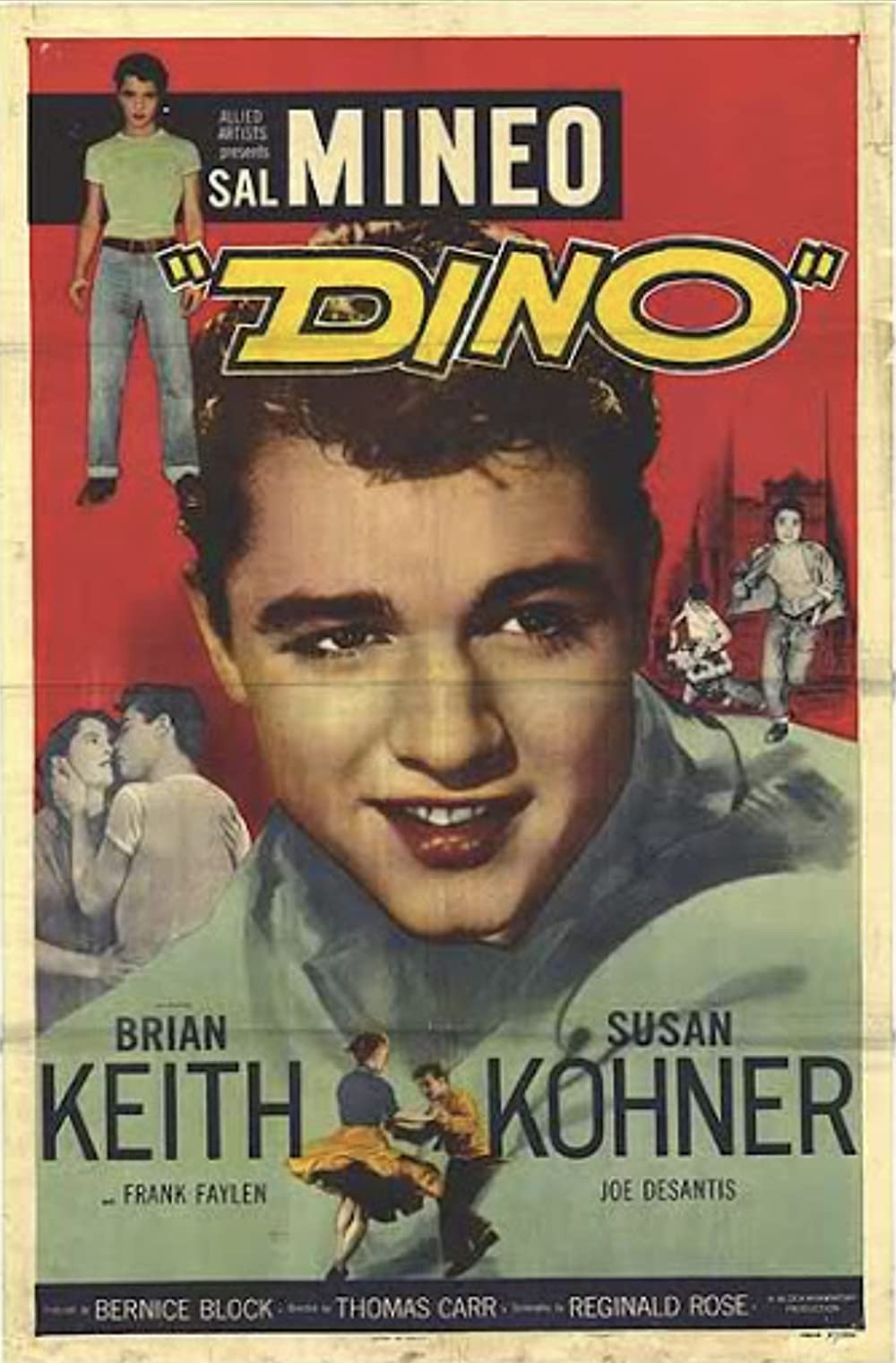
Susan Kohner was born on November 11, 1936 in Los Angeles, California. Her Mexican mother was actress Lupita Tovar, a successful performer from the 1930s and it was only natural that for Susan to gravitate toward acting. Her first role was in To Hell and Back (1955) in 1955. One more film in 1956 and one in 1957 brought her to the attention of producers in the movie industry. Susan made four in 1959. The best of the lot was Imitation of Life (1959), a film starring Lana Turner and Sandra Dee. It was a dual story of Lana portraying a struggling actress and Susan as Sara Jane, struggling with the fact that although she appeared white, her mother was Black. Susan’s role as a young woman trying to cope in the white world while hiding the fact she was Black was enough to win her an Academy Award nomination as Best Supporting Actress. Unfortunately, Susan lost out to Shelley Winters in The Diary of Anne Frank (1959). After appearing in Freud (1962), Susan left films for good with the exception of appearing in the television program Temple Houston (1963) in 1963. She wed John Weitz in 1964 and retired to raise a family.
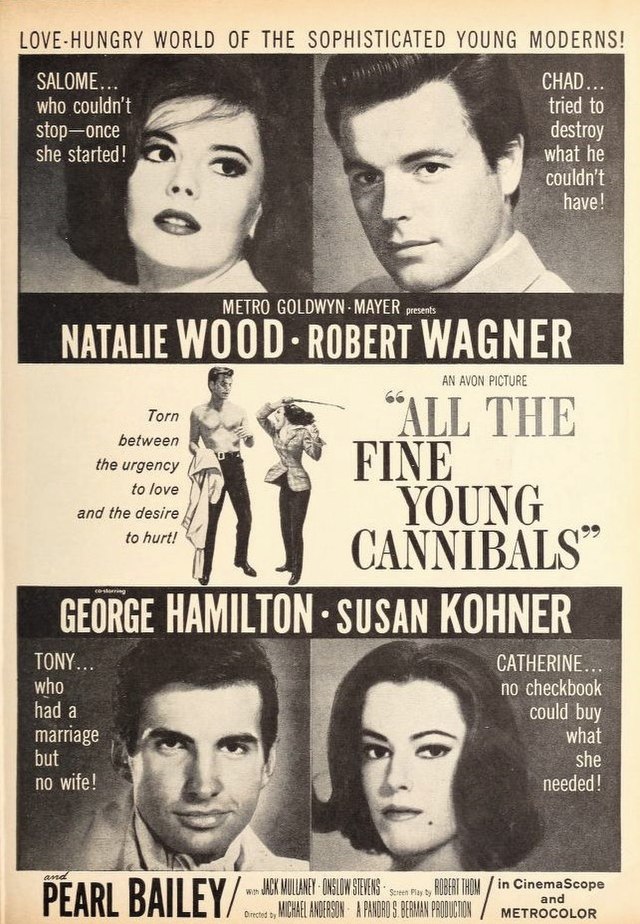


Susan Kohner (born 1936) occupies a unique and somewhat bittersweet position in Hollywood history. While her career was relatively brief—spanning only about a decade before she chose to retire from the screen—her work in one specific film, Imitation of Life, remains a cornerstone of American cinematic studies regarding race, identity, and the “tragic mulatto” archetype.
1. Career Arc: The Pedigree of a Prodigy
Kohner was Hollywood royalty before she ever stepped in front of a camera. She was the daughter of Paul Kohner, a legendary agent, and Lupita Tovar, a Mexican film star.
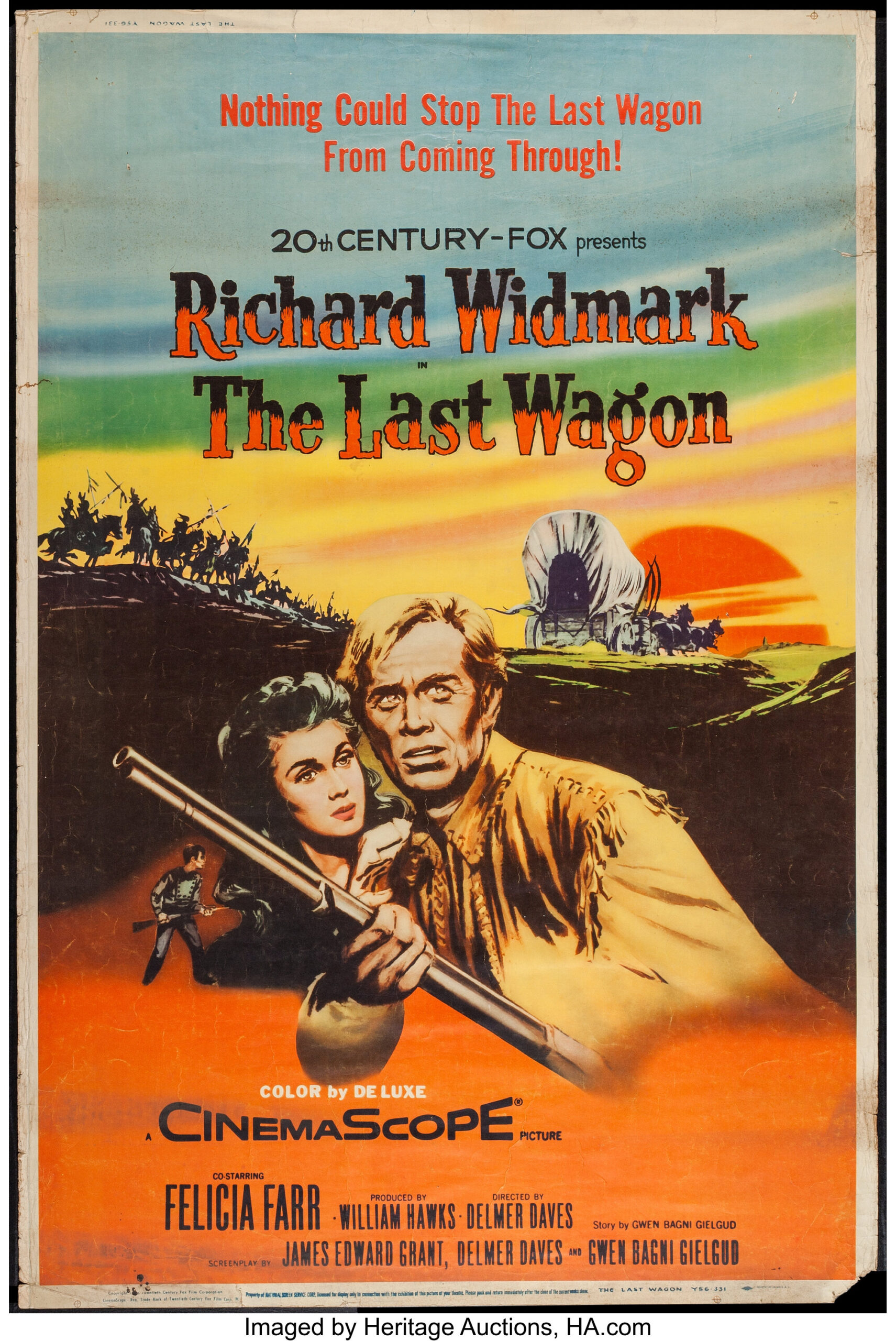
The Dramatic Debut (1955–1958): Her early work was characterized by a sensitive, brooding quality. She appeared in films like The Last Wagon and The Gene Krupa Story, often cast in roles that played on her “exotic” or ethnically ambiguous beauty.
The Sirkian Breakthrough (1959): Her casting in Douglas Sirk’s Imitation of Life elevated her from a starlet to a serious dramatic contender. The role earned her two Golden Globes and an Academy Award nomination.
The Creative Departure (1962–1964): Following a high-profile role in John Huston’s Freud: The Secret Passion, Kohner effectively retired from acting to marry designer John Weitz and raise her children (who would become the famous filmmakers Paul and Chris Weitz).
2. Critical Analysis of Key Performances
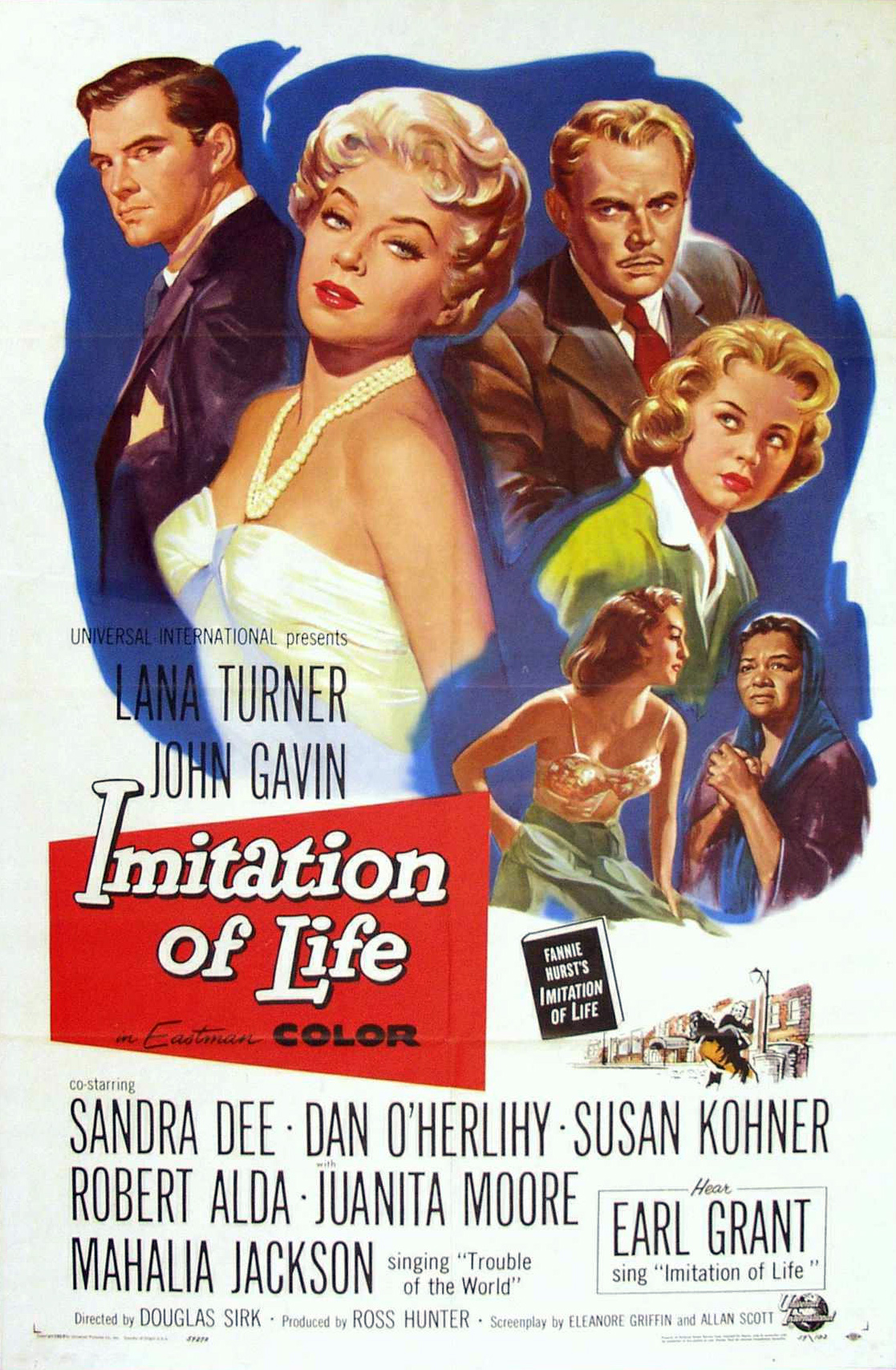
Imitation of Life (1959) – The Anatomy of Erasure
As Sarah Jane, a light-skinned Black woman who attempts to “pass” as white, rejecting her dark-skinned mother (Juanita Moore) in the process.
Analysis: Kohner’s performance is a masterclass in visceral self-loathing. In a film defined by Douglas Sirk’s saturated colors and high melodrama, Kohner provides the jagged, uncomfortable edge. She plays Sarah Jane not as a villain, but as a victim of a sociological “dead end.”
Critique: Critics often point to the “Mirror Scene” as her finest moment. Kohner utilizes her physicality—often looking at herself with a mix of hunger and disgust—to convey the horror of living a lie. Her performance is essential because she makes Sarah Jane’s cruelty toward her mother feel like an act of desperate survival rather than mere spite.
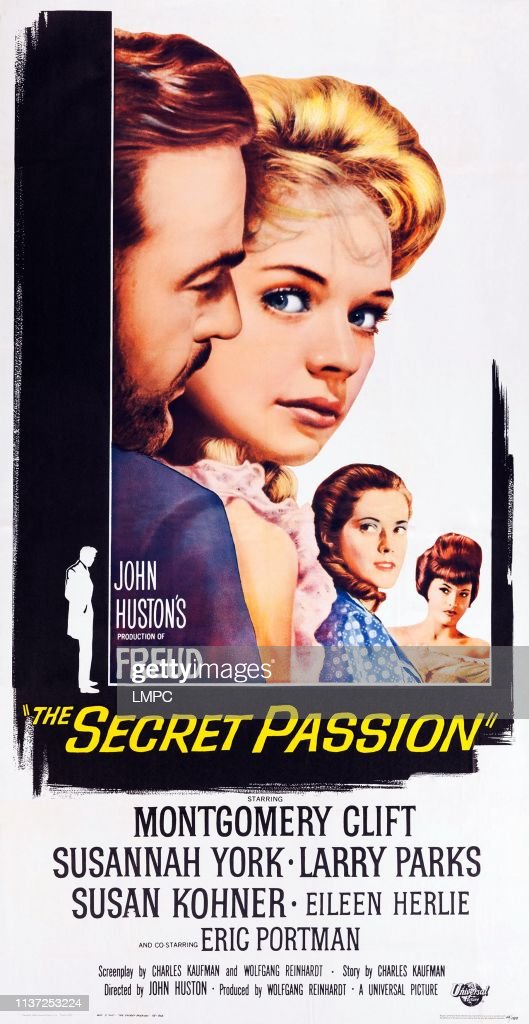
Freud: The Secret Passion (1962) – The Intellectual Ingenue
Playing Martha Freud, the wife of the father of psychoanalysis (Montgomery Clift).
Analysis: This role required a complete shift from the explosive histrionics of Sirkian melodrama to a restrained, cerebral Victorianism. Kohner had to hold her own against Clift’s famously intense, internal acting style.
Critique: Kohner was praised for her ability to project intelligence and fortitude. In a film about the “unseen” world of the mind, she provided the necessary domestic reality. Critics noted that she managed to make a supportive wife role feel active and essential to the protagonist’s journey.
The Big Fisherman (1959) – The Epic Outsider
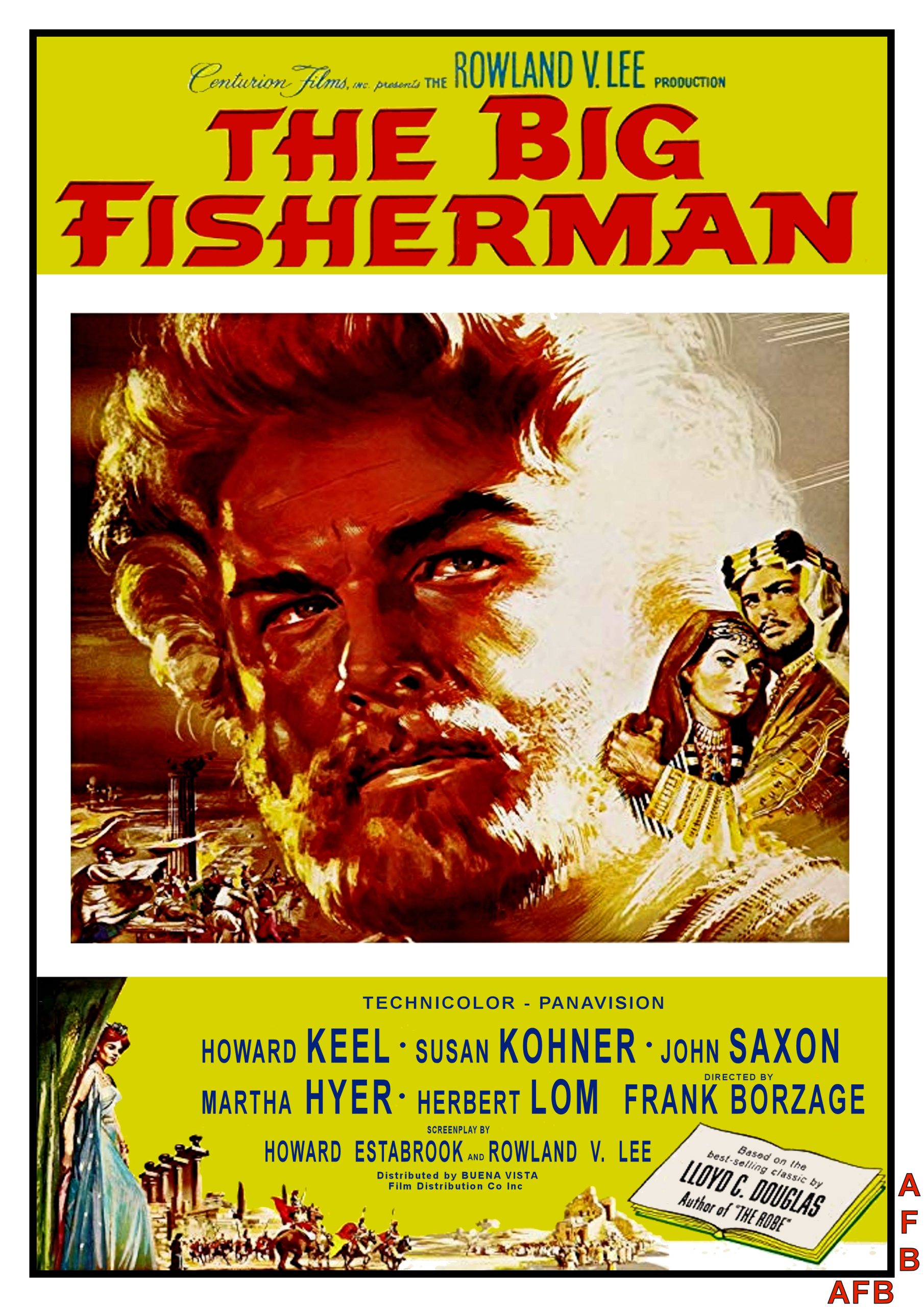
As Fara, an Arab-Judean princess seeking revenge.
Analysis: This role played into the “exoticism” often forced upon Kohner by the studio system. However, she brought a Shakespearean weight to the role, treating the biblical epic with a level of dramatic seriousness that elevated the material.
3. Style and Legacy: The “Nervous” Intensity
Susan Kohner’s acting style was defined by a specific kind of high-tension vulnerability.
| Attribute | Critical Impact |
| Physical Expressiveness | Kohner had a way of using her entire body to signal discomfort; she was rarely “relaxed” on screen, which made her characters feel perpetually on the brink of a breakthrough or a breakdown. |
| Ethnic Ambiguity | Like her contemporary Maria Schell, Kohner was often used as a “blank slate” for various ethnicities, which reflects the limited but growing curiosity of 1950s Hollywood regarding non-Anglo stories. |
| Emotional Bravery | She was willing to look “ugly” in her grief or rage, a trait that anticipated the grit of the 1960s and 70s. |
The “Passing” Controversy
In modern critical circles, Kohner’s performance in Imitation of Life is often debated because she was a woman of Mexican-Czech heritage playing a Black woman. However, film historians often argue that Kohner’s own “mixed” heritage allowed her to tap into a genuine sense of cultural displacement that a purely white or purely Black actress of that era might have approached differently. She understood the “in-between” space of the immigrant or the outsider.
Critical Note: Susan Kohner’s legacy is defined by the power of the “Short Career.” By retiring at her peak, she avoided the “decline” phase that many actresses of her generation faced. She remains frozen in cinematic time as the definitive voice of the restless, identity-seeking youth of the late 1950s