


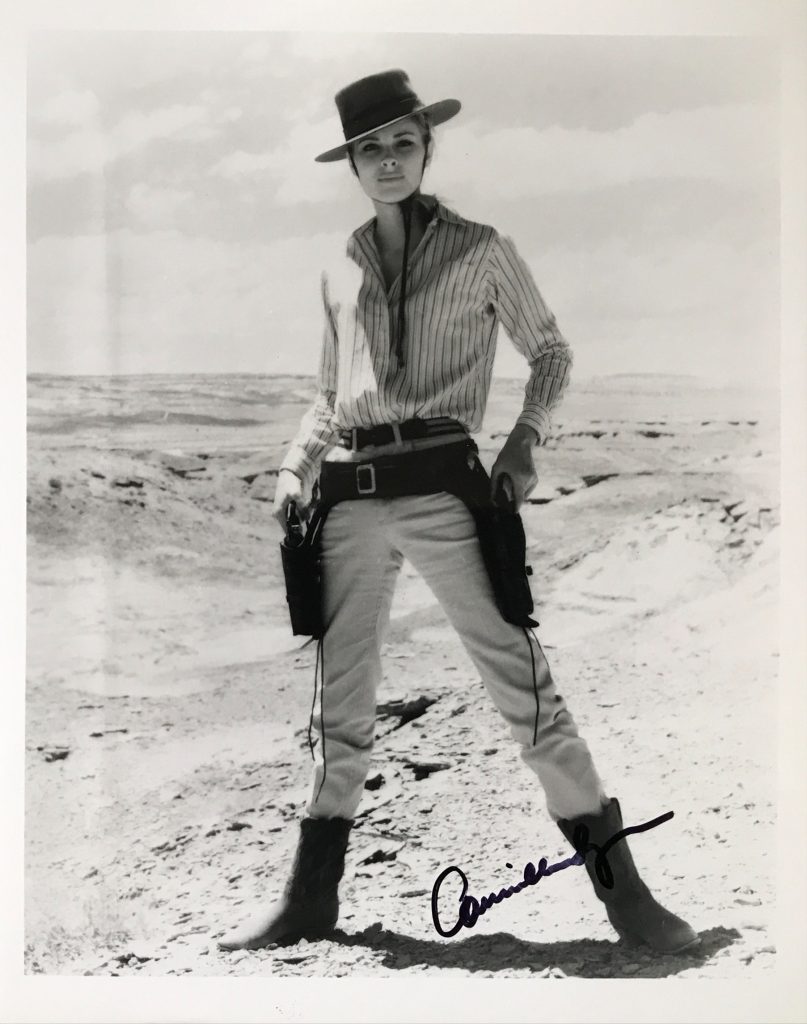
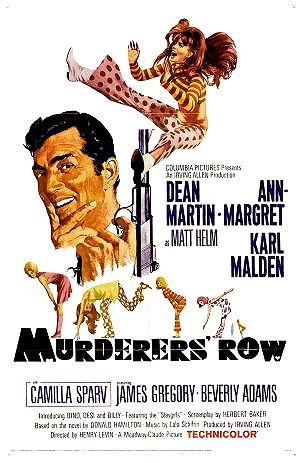
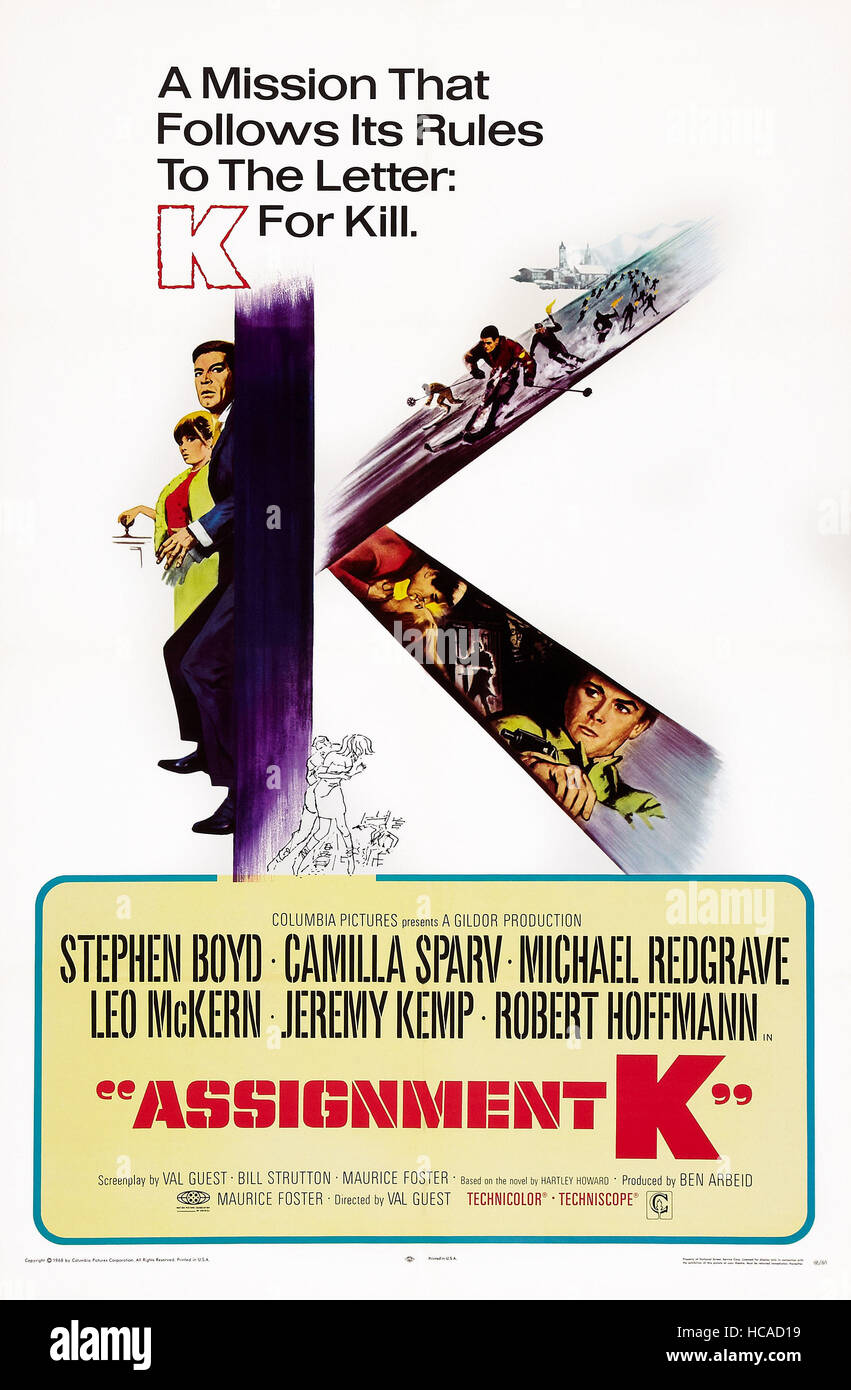
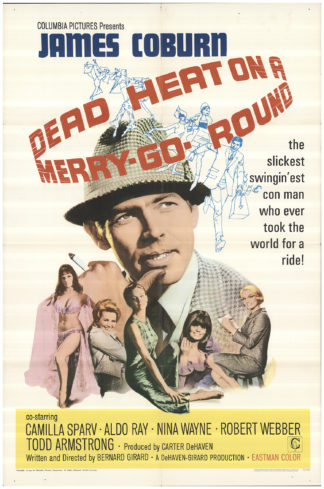
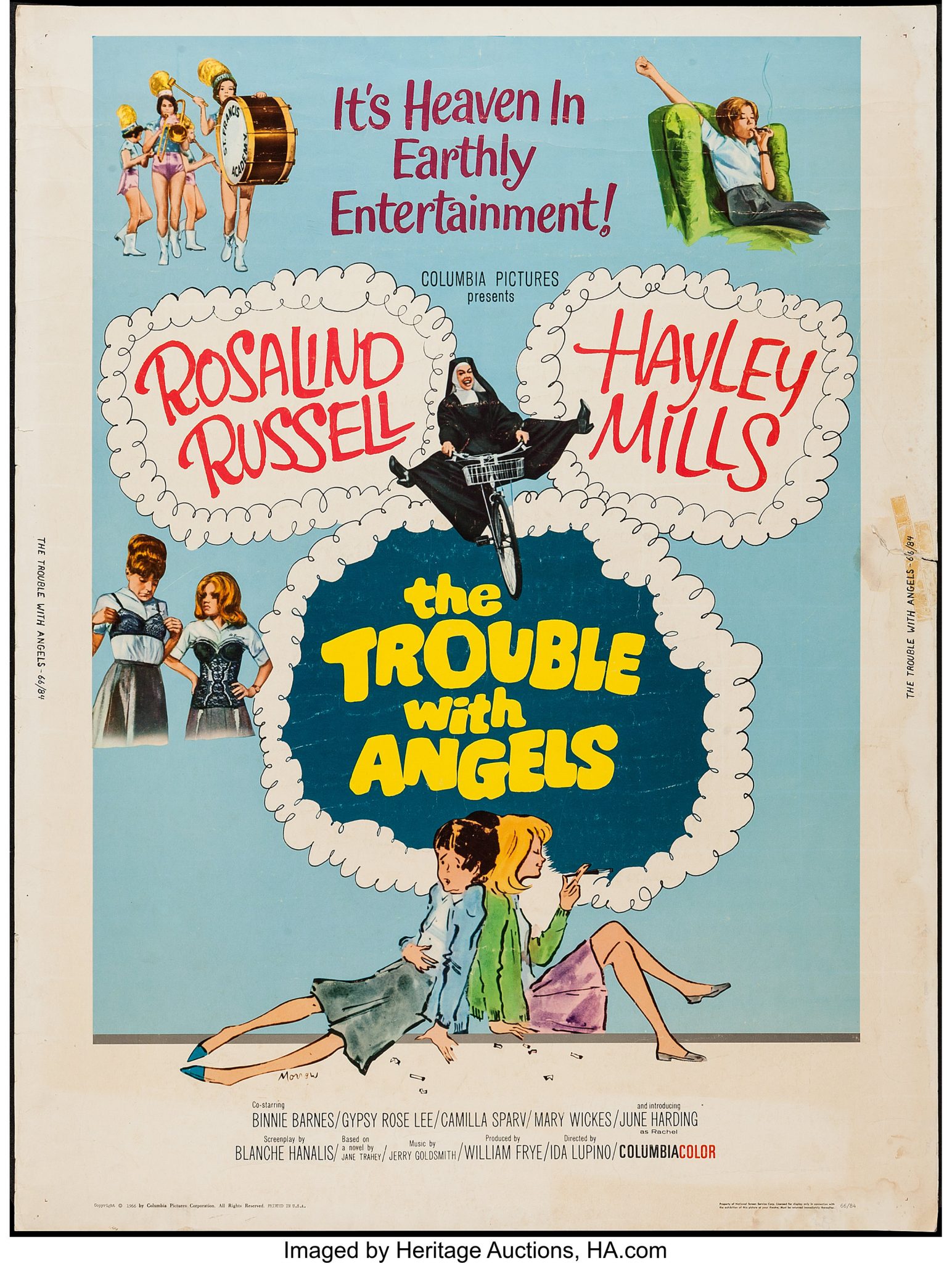
Glamorous, svelte, ash blonde Camilla Margareta Sparv briefly courted the international limelight in the mid-60s. The stunning Swedish high-fashion model arrived in Hollywood in 1965, courtesy of Columbia Pictures. Following a third-billed role (Sister Constance) in The Trouble with Angels (1966), she was awarded a Golden Globe as Most Promising Newcomer in 1967 for her performance (Inger Knudson) opposite James Coburn in Dead Heat on a Merry-Go-Round (1966). This seems to have set the tone for her subsequent casting as exotic European belles in several action films: the alluringly named Coco Duquette, mistress of chief antagonist Karl Malden in the Matt Helm thriller Murderers’ Row (1966); kidnap victim Toni Peters and love interest of British spy Stephen Boyd in Assignment K (1968); the spunky girlfriend of a U.S. marshal (Gregory Peck) searching for Mackenna’s Gold (1969); and the girl a champion skier (Robert Redford) has a brief fling with in Downhill Racer (1969). After a six-year hiatus, Camilla segued into television guest roles, decorating a number of (mostly) crime shows, including The Rockford Files (1974), Hawaii Five-O (1968), Barnaby Jones (1973) and Simon & Simon (1981).
Camilla was married three times: her exes included former Paramount production chief Robert Evans and vacuum cleaner millionaire Herbert Hoover III. Her third husband (of 22 years) was hedge fund founder and real estate company owner Fredric Kolber (1939-2016).


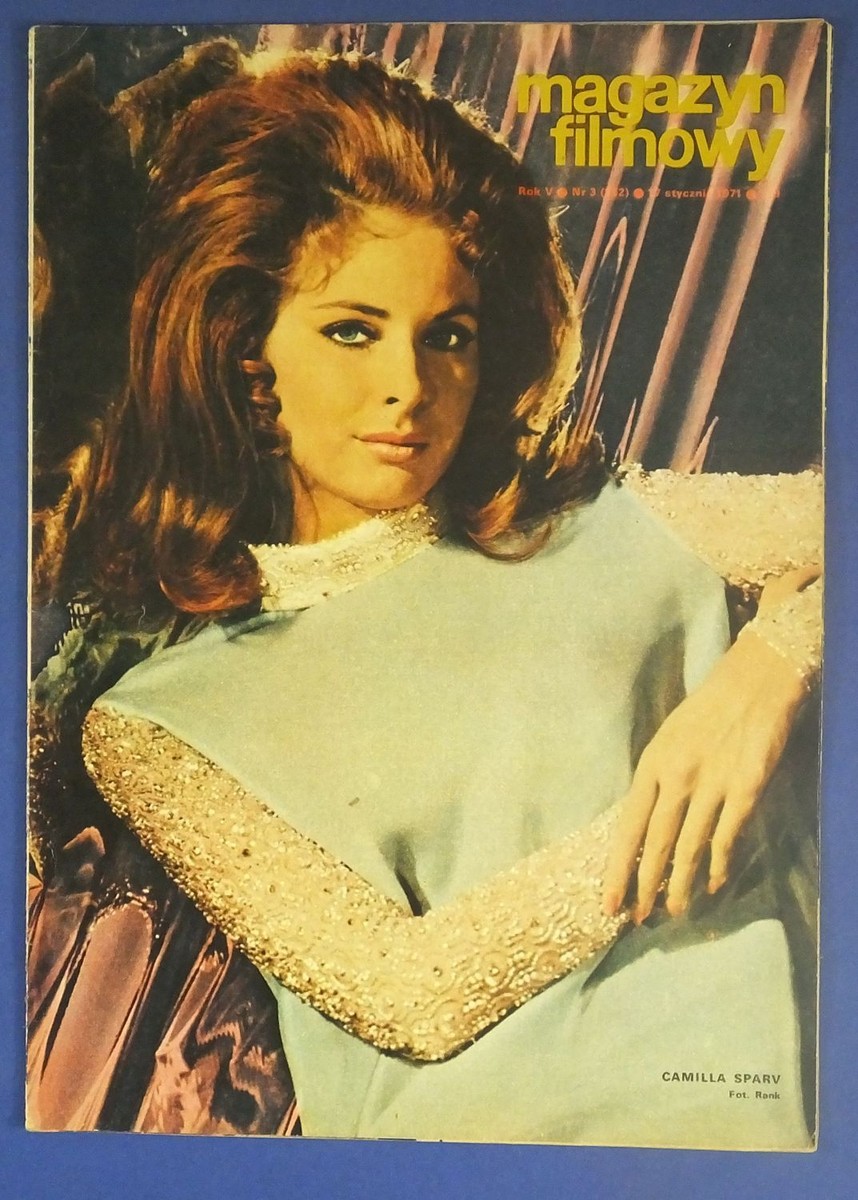
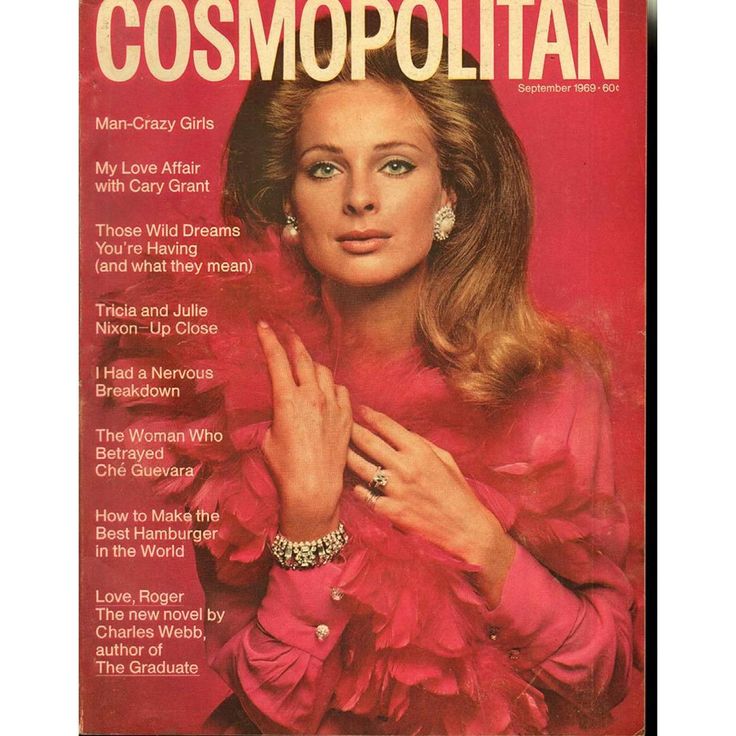
Career overview of Camilla Sparv
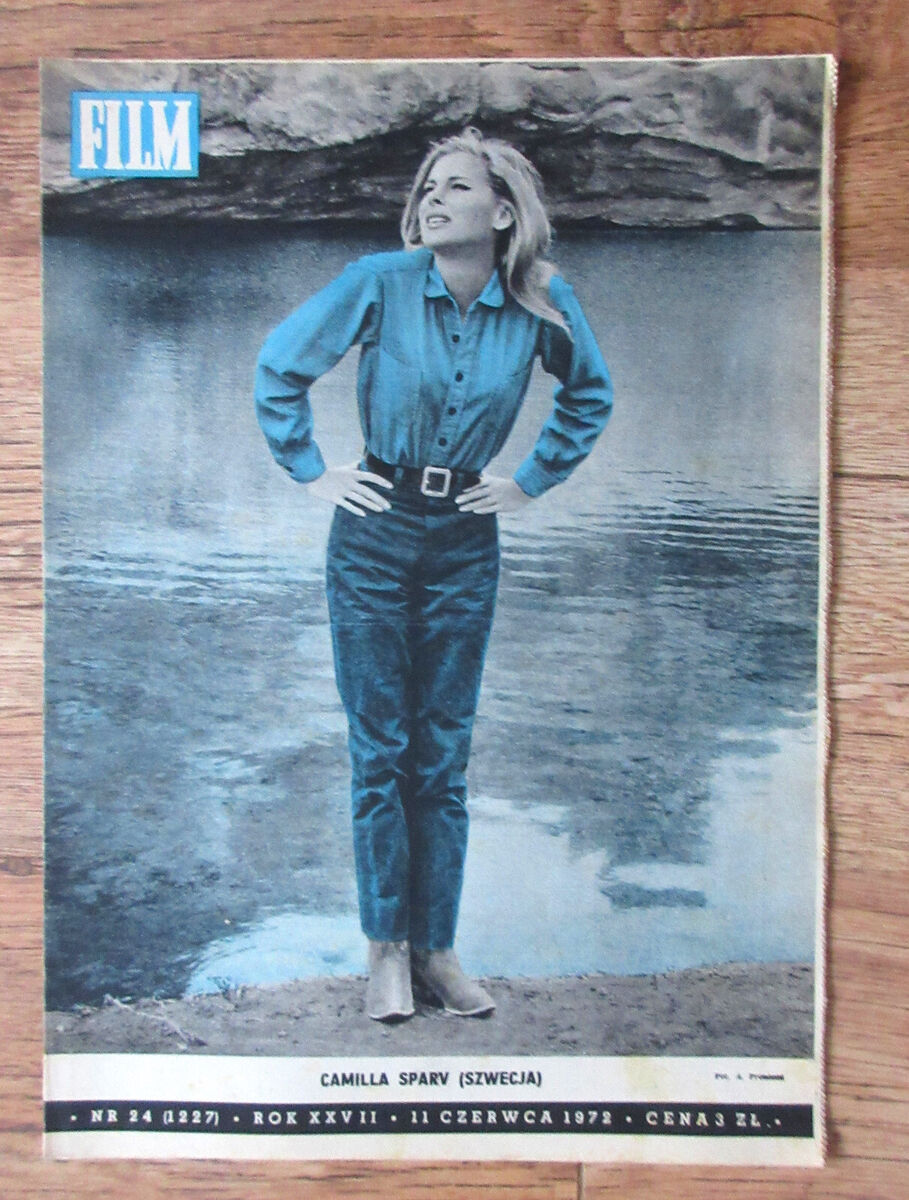
Camilla Sparv (b. 1943) is a Swedish-born actress whose career is best understood within the late-1960s and early-1970s cycle of European “international glamour” performers in Hollywood and American television. Unlike major stars of the era who achieved long-term leading status, Sparv’s career occupies a more transitional space: she was repeatedly cast as the cool European blonde archetype, often in crime films, espionage stories, and prestige television dramas, before gradually receding from screen prominence.
Her career is less about auteur-driven transformation and more about the industrial use of European elegance as stylistic texture in American genre storytelling.
Early emergence: European training and MGM introduction (mid-1960s)
Sparv trained in Sweden and entered international cinema during a period when Hollywood studios were still importing European actresses to refresh genre cinema with sophistication and “continental” appeal.
Early key film:
- Murderers’ Row
Critical analysis: the “Euro-glamour function”
From the beginning, Sparv was positioned less as a psychologically developed character actress and more as:
- A visual marker of sophistication
- A romantic or semi-mysterious presence in action narratives
- A stabilizing elegance within male-driven plots
Performance traits:
- Composed facial expression with minimal emotional fluctuation
- Clear, slightly formal line delivery
- Strong emphasis on posture, framing, and stillness
Key insight:
Sparv’s early career reflects a Hollywood tendency of the 1960s:
European actresses were often used less for dramatic complexity than for aesthetic contrast within American genre films
Hollywood film work: espionage, crime, and ensemble casting (late 1960s)
Sparv’s most visible period in Hollywood involved appearances in action and crime-oriented films such as:
- Dead Heat on a Merry-Go-Round
She also appeared in television and episodic drama, a common path for imported European performers once studio film roles became less frequent.
Critical analysis: restrained performance in genre frameworks
In these films:
- Sparv often plays:
- Romantic interest
- Sophisticated accomplice
- Foreign outsider within American systems
Her acting style is defined by:
- Emotional containment rather than expressiveness
- A controlled, slightly detached presence
- Strong reliance on visual composure over dialogue intensity
Key insight:
Her effectiveness depends on surface control rather than psychological excavation, which works well in espionage and crime genres where ambiguity is structurally useful but limits deeper character development.
Transition to television and reduced cinematic centrality (1970s)
As Hollywood shifted toward more flexible casting and reduced reliance on imported glamour archetypes, Sparv moved into television appearances and lower-profile roles.
This phase is characterized by:
- Guest appearances in American TV dramas
- Reduced leading film roles
- Gradual withdrawal from major studio visibility
Critical analysis: structural decline of the “international blonde archetype”
Sparv’s career trajectory reflects a broader industry shift:
- The 1960s valued European elegance as stylistic contrast
- By the 1970s, American cinema increasingly favored:
- Naturalistic acting styles
- Psychological realism
- Domesticized character identities
Key insight:
Her decline in visibility is less personal than structural:
the role she was designed for—stylized European glamour within American genre film—became less central to Hollywood storytelling
Acting style and screen persona
Camilla Sparv’s screen identity is defined by:
- Controlled emotional expressiveness
- Strong emphasis on composure and visual poise
- Minimal dramatic volatility
- A sense of emotional distance or ambiguity
Her persona typically conveys:
- Cosmopolitan sophistication
- Cold elegance or emotional reserve
- Romantic presence without overt intimacy
- “Foreignness” used as narrative texture
Critical analysis of her career
1. The “decorative function” in genre cinema
Sparv exemplifies a specific Hollywood casting logic:
European actresses as aesthetic and tonal contrast rather than central psychological agents
She is frequently positioned:
- Around male protagonists
- Within plots driven by action or crime mechanics
- As emotional or visual counterbalance rather than narrative driver
2. Strength through restraint, limitation through opacity
Her acting strengths include:
- Strong screen composure
- Effective presence in ensemble scenes
- Ability to sustain ambiguity without overplaying emotion
But this same restraint leads to limitations:
- Limited dramatic escalation
- Few opportunities for deep psychological arcs
- Difficulty in roles requiring emotional transformation
3. Comparison with contemporaries
Compared with actresses like:
- Elke Sommer
- Ursula Andress
- Senta Berger
Sparv differs in that:
- Andress: iconic, mythic sensuality (especially in Bond-era imagery)
- Sommer: comedic adaptability and genre versatility
- Berger: gradual movement toward serious European dramatic work
- Sparv: consistent but narrowly defined elegance within American genre frameworks
4. The limits of “imported sophistication”
Her career highlights a structural Hollywood phenomenon:
- European actresses were often valued for what they signified, not what they developed
- Once that stylistic demand faded, many careers contracted
Key insight:
Sparv’s trajectory shows how quickly an archetype can lose industrial relevance when audience taste shifts.
Overall evaluation
Strengths:
- Strong visual presence and screen elegance
- Effective in crime, espionage, and ensemble genres
- Controlled and consistent performance style
- Clear contribution to the “international sophistication” aesthetic of 1960s Hollywood
Limitations:
- Limited emotional range on screen
- Typecasting within decorative or supporting roles
- Difficulty transitioning into more psychologically complex 1970s acting styles
- Declining opportunities as genre trends changed
Conclusion
Camilla Sparv represents a very specific moment in film history: the late studio-to-new-Hollywood transition, when European elegance was still a valued cinematic texture but increasingly losing narrative centrality.
Her career can be summarized as:
- A successful entry into Hollywood’s international glamour system
- Effective use of restraint and composure within genre cinema
- Gradual obsolescence as cinematic realism replaced stylized cosmopolitan casting
Ultimately:
Sparv’s significance lies not in transformation or stardom, but in how clearly her career reflects the fading of a Hollywood archetype: the European “cool blonde” as decorative sophistication within American genre storytelling