
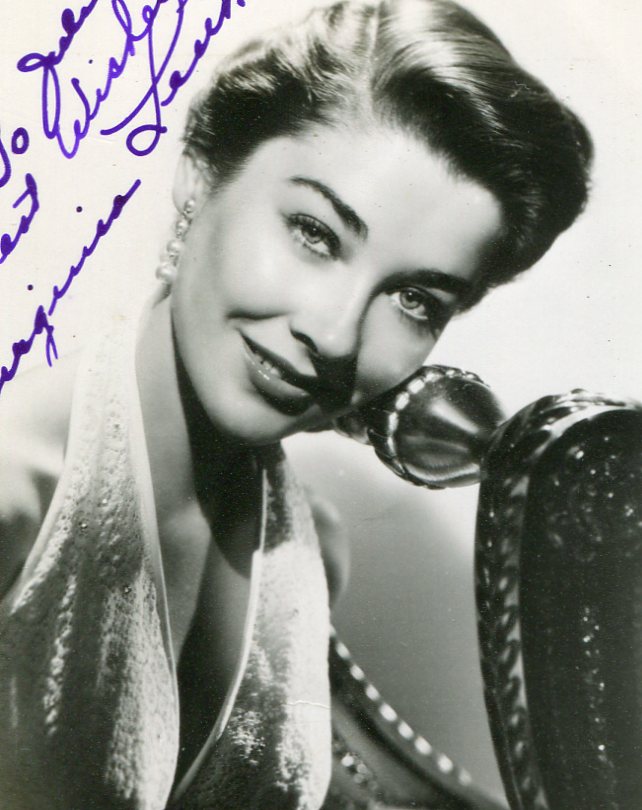
The daily telegraph obituary in 2019
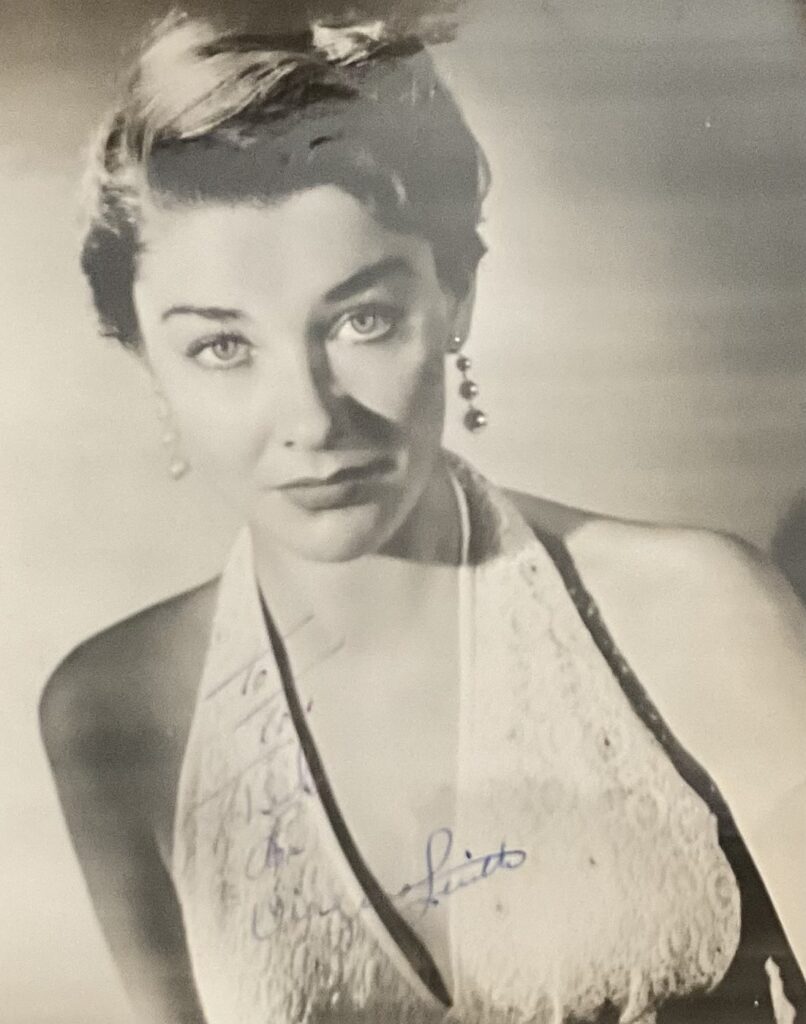
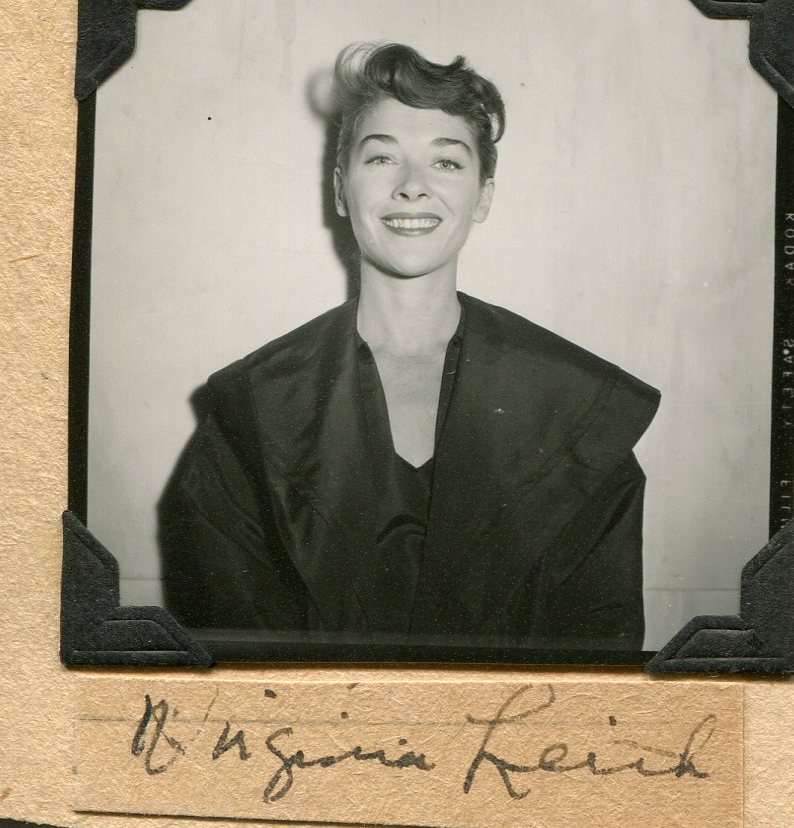
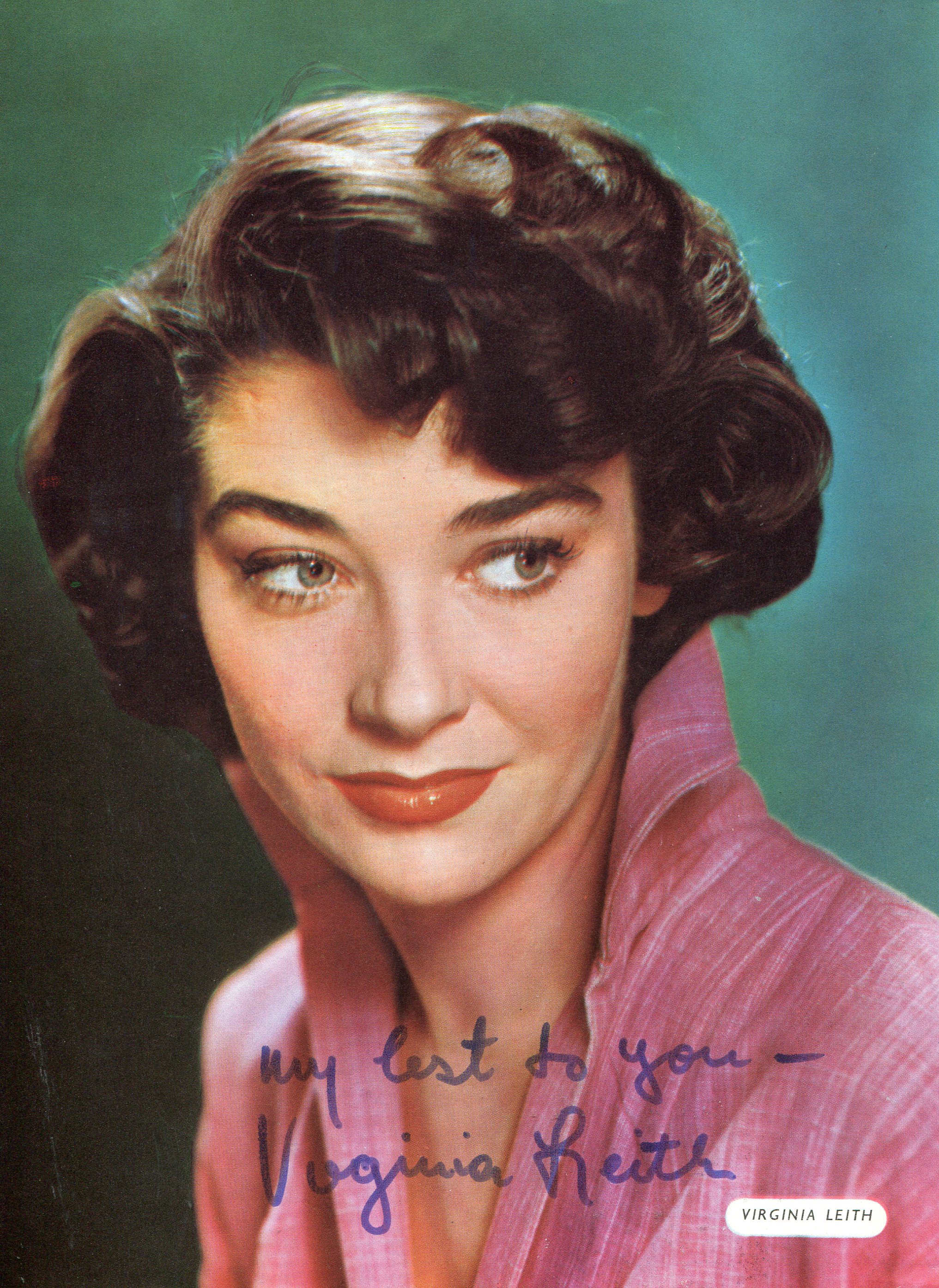
Virginia Leith, who has died aged 94, was a smoky-voiced model turned actress who began her career under Stanley Kubrick’s direction, before featuring in the film noir classics Violent Saturday and A Kiss Before Dying, before achieving sci-fi cult status as the disembodied fiancée in The Brain That Wouldn’t Die.
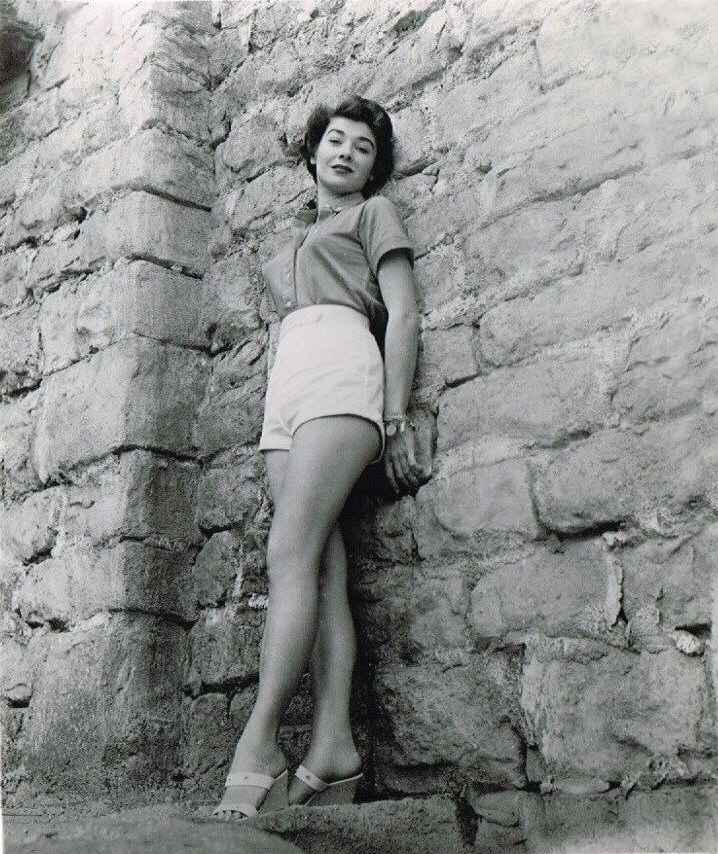
She was born on October 15 1925 in Cleveland, Ohio. After leaving high school, where she had excelled at sports, she worked as a waitress at a drive-in cinema in New York and then combined modelling with work as a hat-check girl in Hollywood.
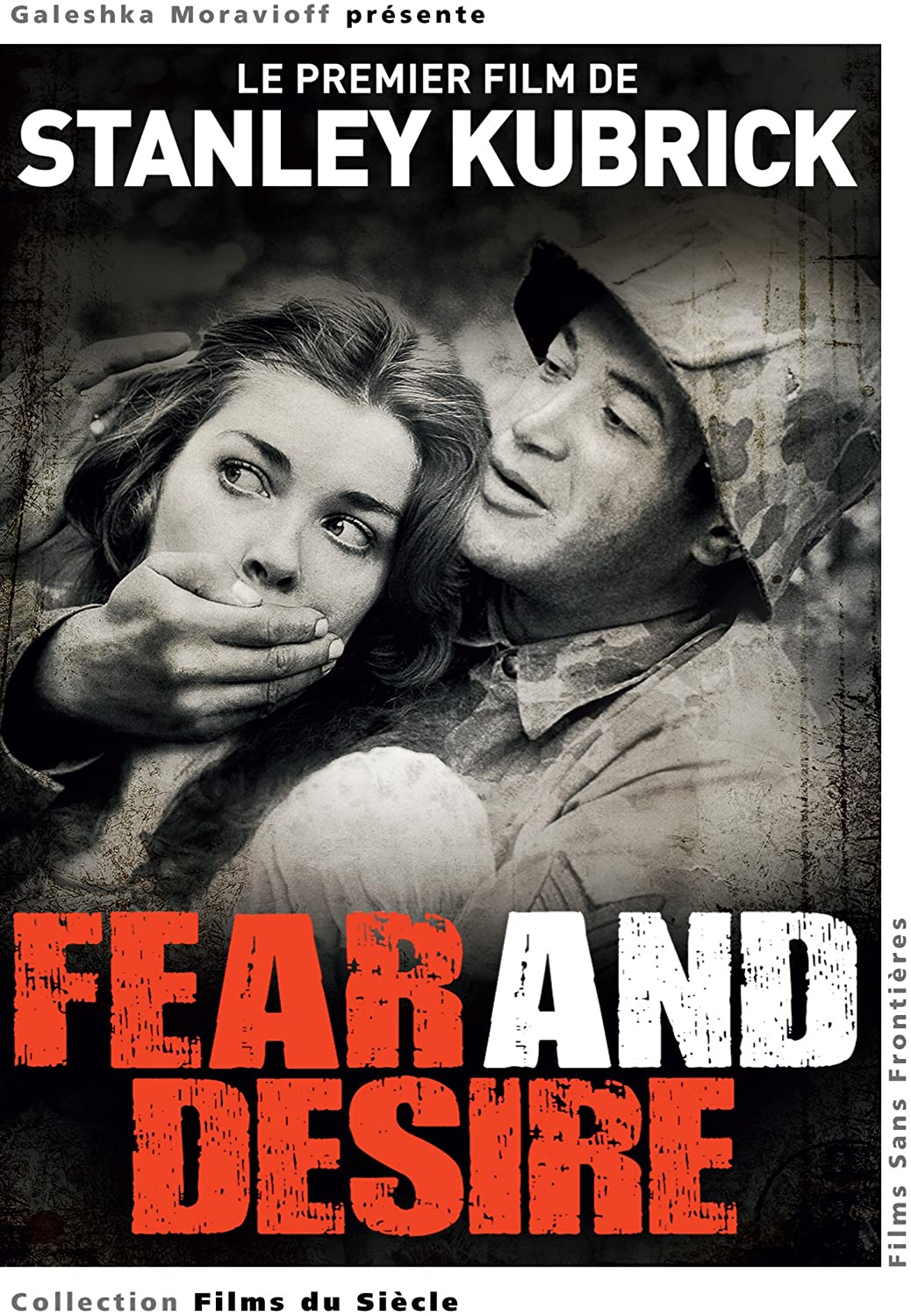
By 1953 she was modelling full-time, and piqued the interest of Stanley Kubrick, then a photographer for Look magazine, after he shot her for its cover. He cast her in his directorial feature debut, Fear and Desire (1953), which was financed by family and friends
An anti-war film made towards the end of the Korean conflict – though not set during any specific war – it portrayed four soldiers trapped behind enemy lines who confront their fears and desires when they capture a local girl (Virgina Leith): posters bore the tagline: “Trapped … 4 Desperate Men and a Strange Half-Animal Girl!”
With little success at the box office, and following the death of its distributor Joseph Burstyn, the film faded from view – which suited Kubrick, who was thought to have destroyed the original negative. In 1994, when a screening was arranged, he discouraged people from attending and described Fear and Desire as “a bumbling amateur film exercise”. Leith, however, did show up
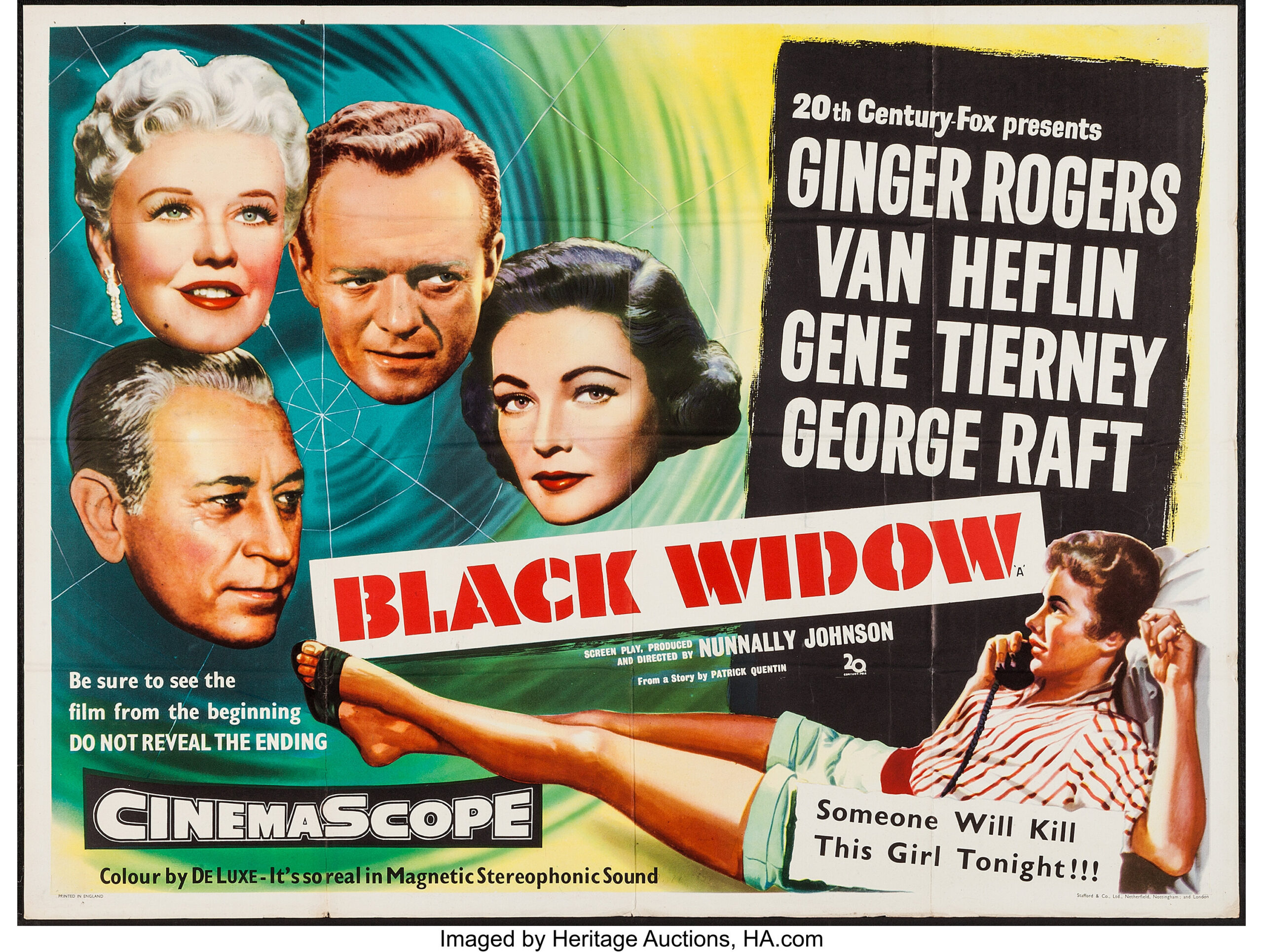
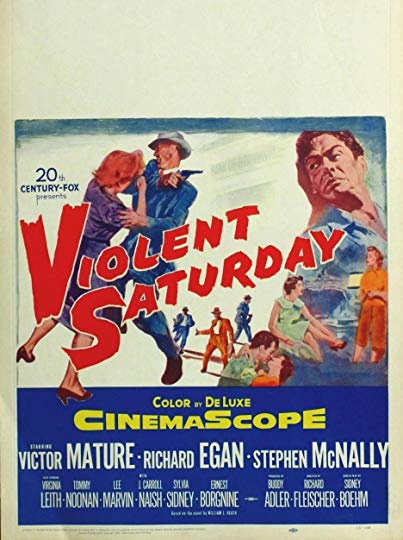
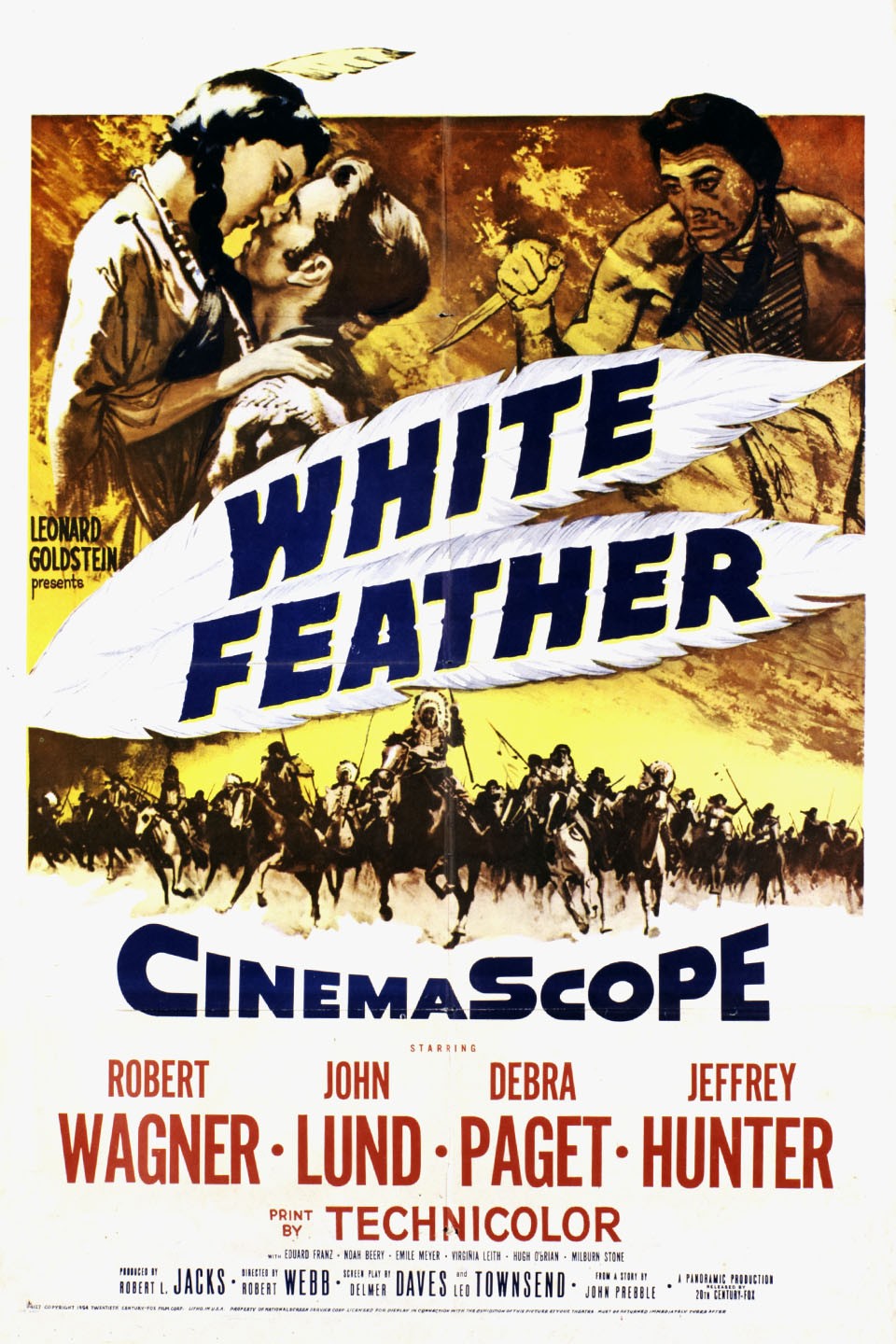
The film led to a contract with 20th Century Fox, and after playing an uncredited chorus girl in the Bob Hope comedy Here Come the Girls, and small parts in the Ginger Rogers noir vehicle Black Widow and the western White Feather, Virginia Leith landed her breakthrough role, as a nurse in Violent Saturday (1955), which chronicles the planning and execution of a bank robbery in a small mining town.
There was an outcry over its violence, with Lee Marvin grinding a young boy’s hand into the ground and Ernest Borgnine attacking Marvin with a pitchfork; it was, said The New York Times, “an unedifying spectacle”, but it has since been reassessed as one of director Richard Fleischer’s best films.
The following year Virginia Leith had her meatiest role, in the noir classic A Kiss Before Dying – based on Ira Levin’s award-winning novel – as the sister of a murdered mining heiress (Joanne Woodward) who sets out tracks down her killer. It was, wrote one critic, “an icily acute nightmare
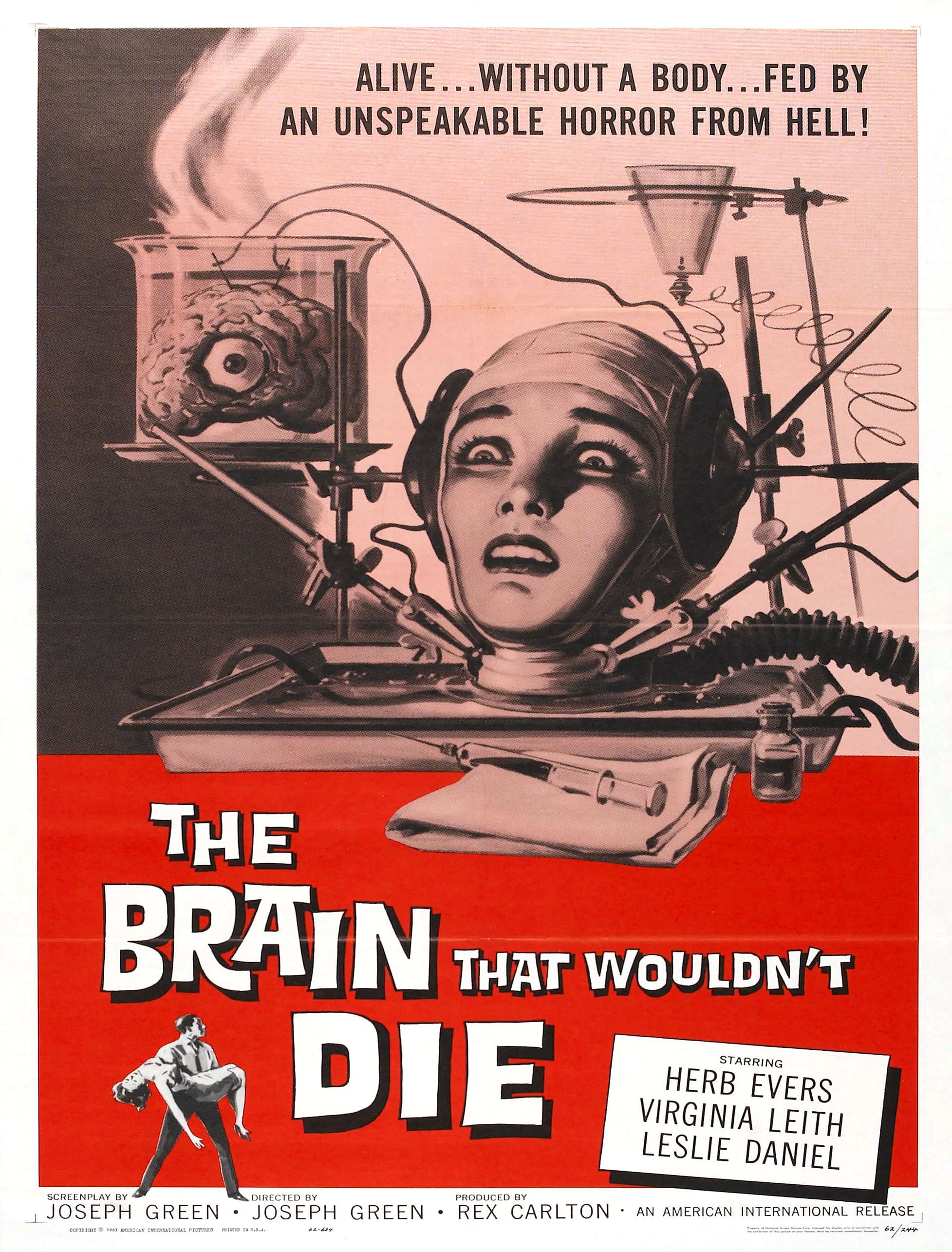
But her best-known part was as the unfortunate girlfriend in The Brain That Wouldn’t Die (shot in 1959 but not released until 1962). It depicted a mad scientist (Jason Evers) experimenting with transplant techniques by keeping alive his fiancee’s head after she is decapitated in a car crash, before going on a homicidal hunt to find a svelte new body for her.
She, meanwhile, begins to communicate telepathically with a mutant locked in a nearby cell, the victim of an experiment gone wrong, with fatal consequences. The film gradually acquired cult status and has spawned several musicals, all of them short-lived.
Leith was linked to a string of Hollywood heartthrobs such as Marlon Brando and Frank Sinatra, although she annoyed the celebrated gossip columnist Hedda Hopper by refused to divulge details, earning herself the title of “Hollywood’ Most Uncommunicative Actress”.
To Leith’s surprise, and that of her growing legion of fans, 20th Century Fox cancelled her contract in 1957. She languished in guest roles on television before bowing out of acting when she married the Canadian actor, Robert Harron. They divorced after eight years, and she returned to acting, in series such as Starsky and Hutch.
Virginia Leith is survived by two stepdaughters, one of whom, Mary Harron, director of American Psycho.
Virginia Leith, born October 15 1925, died November 4 2019
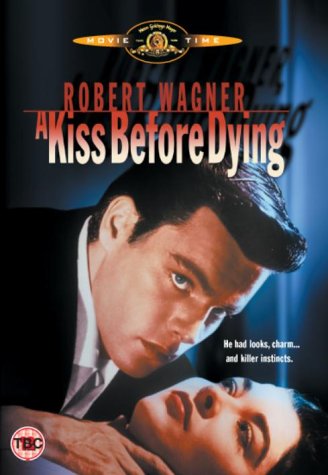
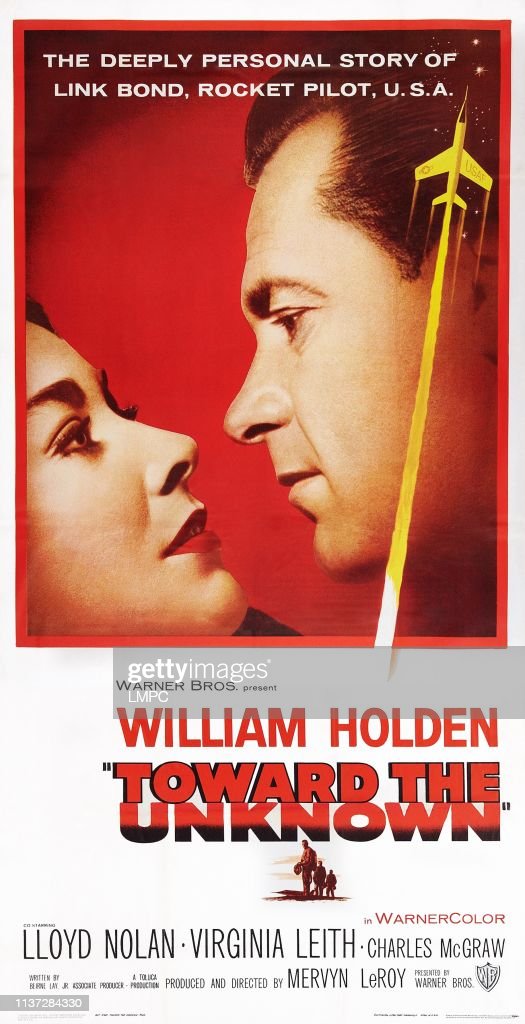
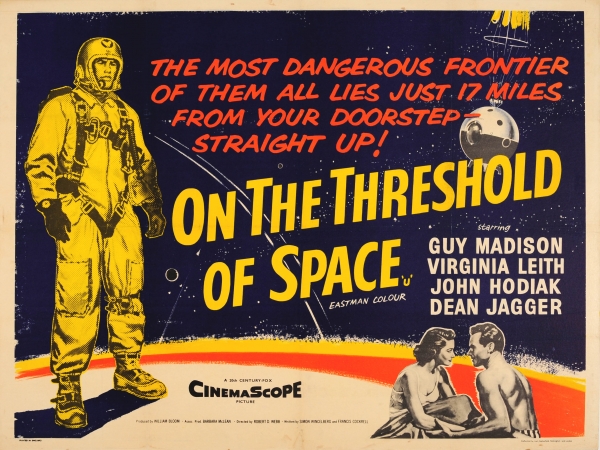
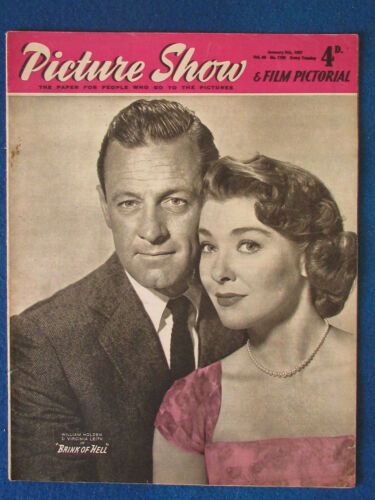
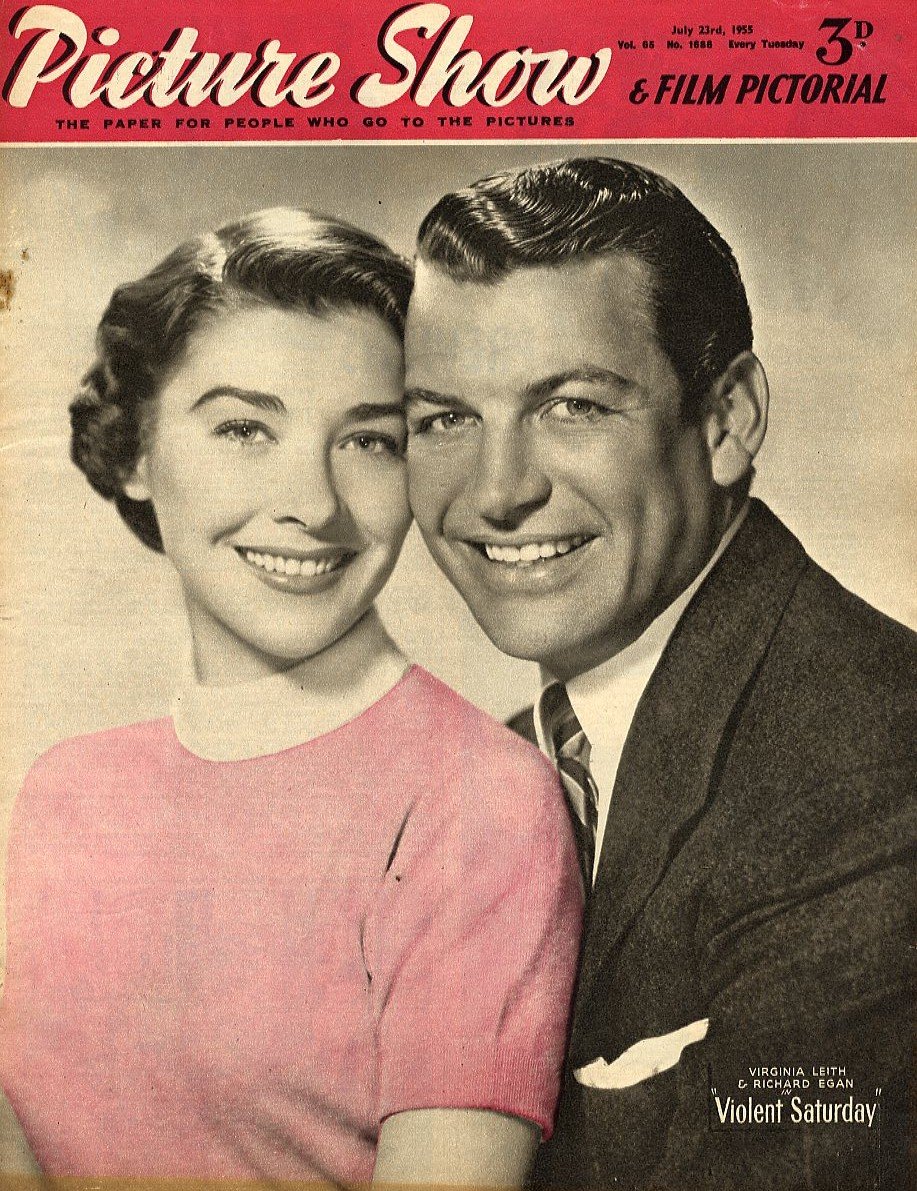
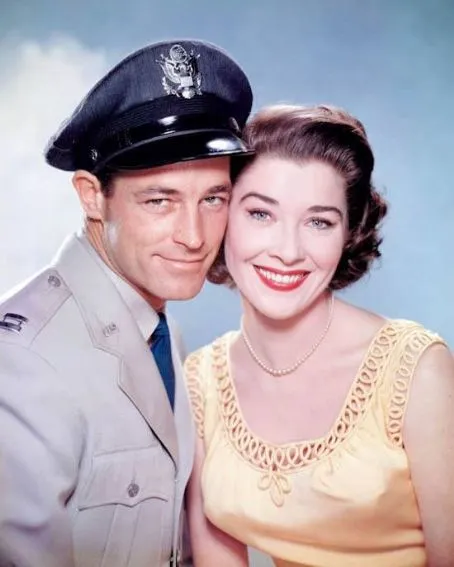
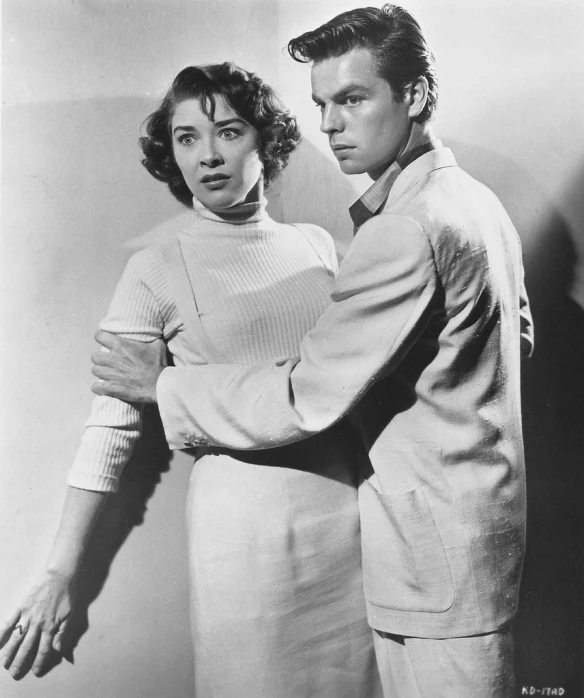
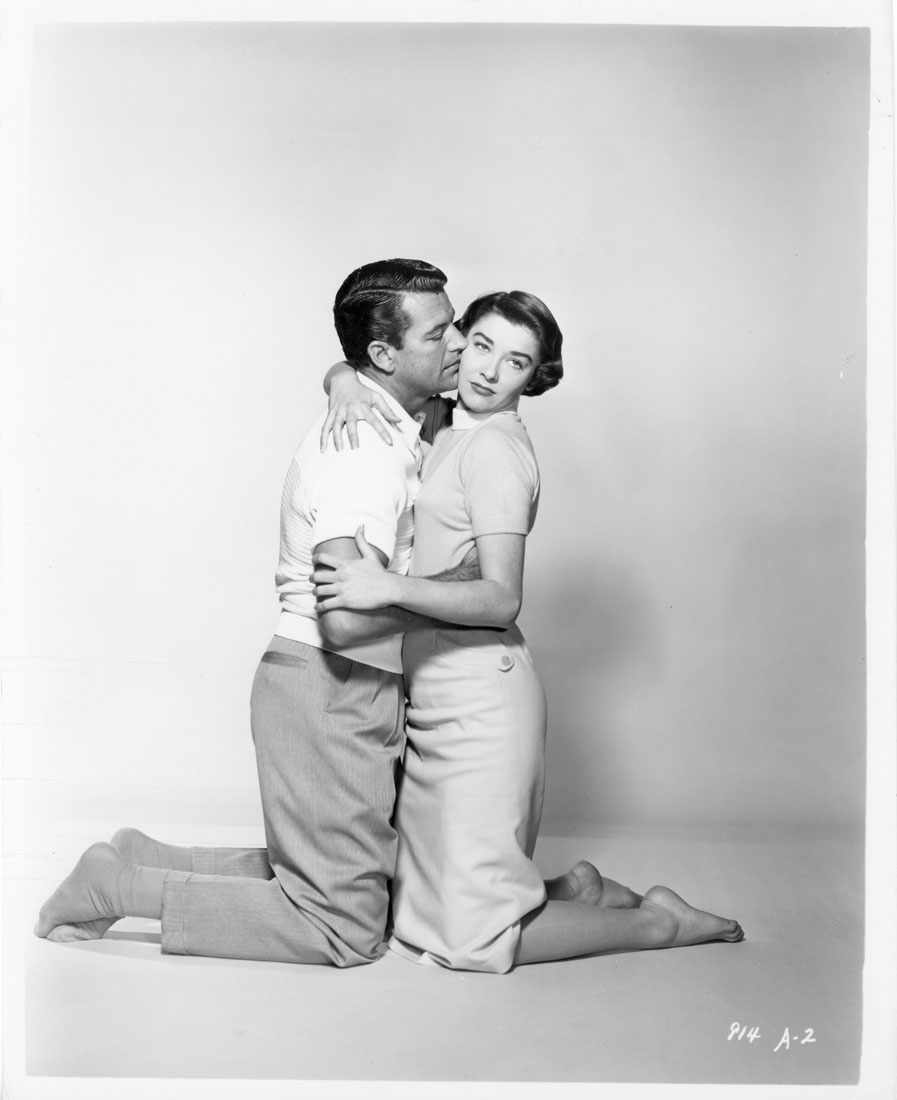
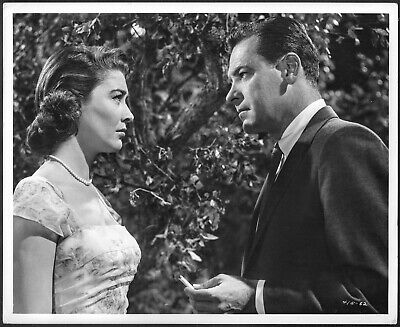
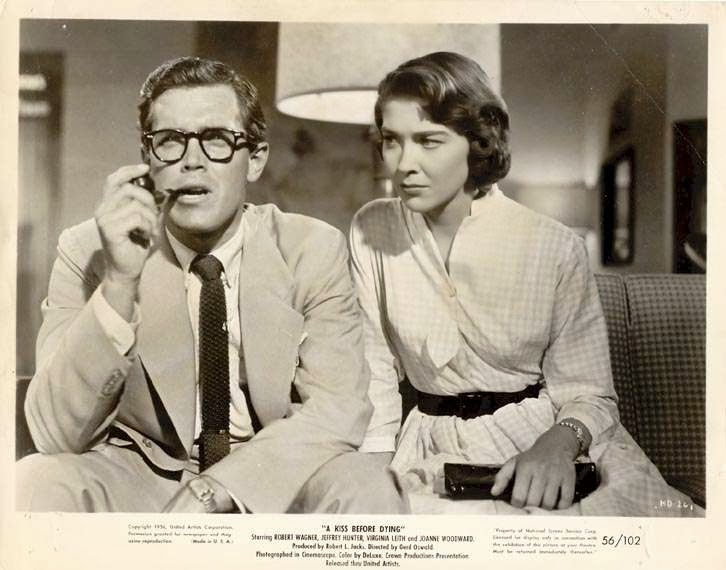
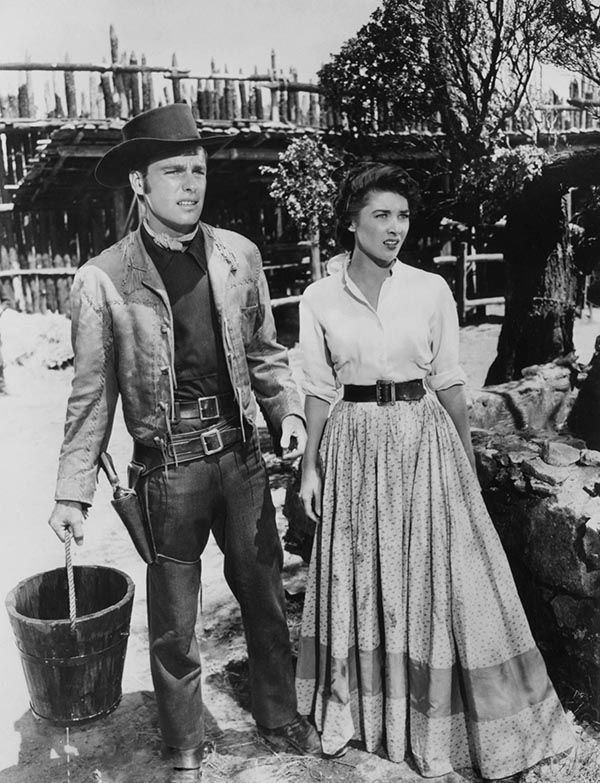
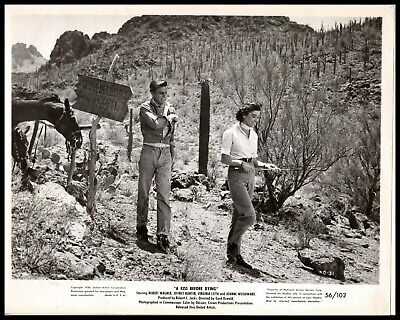
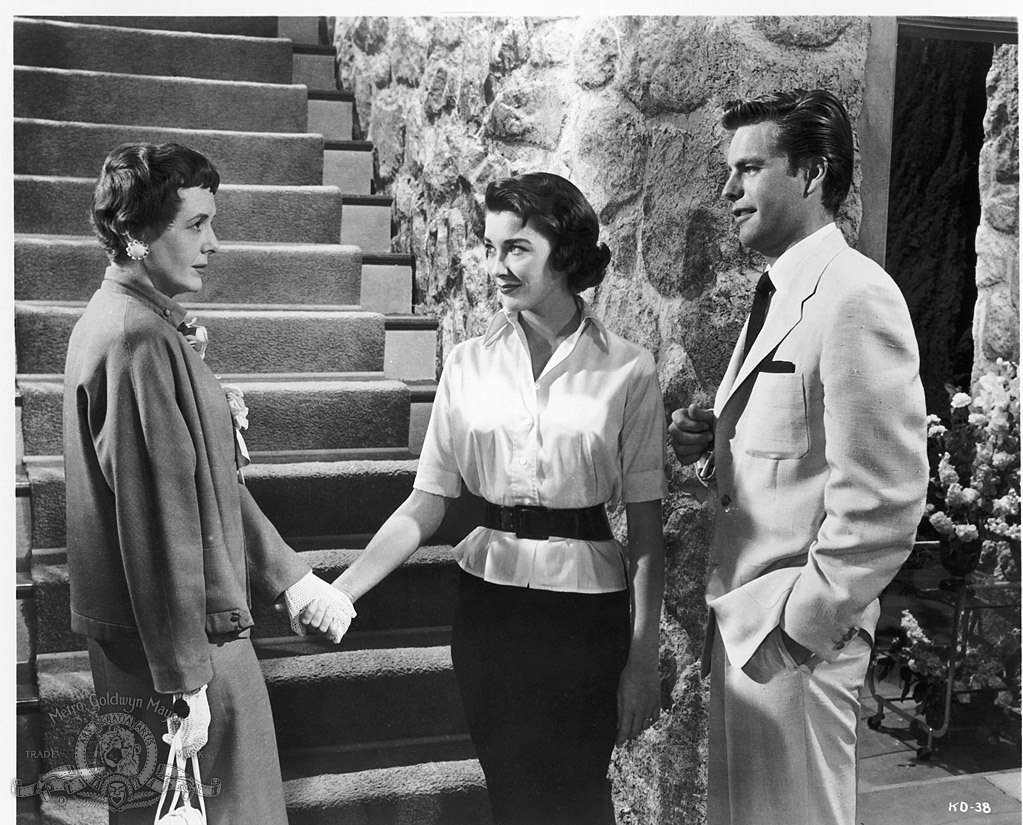
During this period critics noted her smoky voice, statuesque beauty and restrained acting style — expressive but never forced — fitting 1950s studio realism.
Cult stardom — The Brain That Wouldn’t Die (1962)
Leith’s most lasting pop‑culture legacy arrived unintentionally. She filmed The Brain That Wouldn’t Die in 1959, a low‑budget sci‑fi horror released three years later, playing a woman decapitated in a car accident whose scientist fiancé keeps her severed head alive. The performance, confined to a table and dependent entirely on voice and expression, became iconic within cult‑film circl
Hiatus and television return (1960s–1980s)
Leith married Canadian actor‑writer Don Harron in 1960 and temporarily left acting. Following their 1968 divorce she returned to screen work in the late 1970s, guest‑starring on major American TV series such as Starsky & Hutch, Baretta, and Barnaby Jones. Her final screen appearances came in the early 1980s before she retired permanently.
She died in 2019 in Palm Springs at 94, her body donated to medical science
Acting style and screen persona
Controlled naturalism: Leith’s performances combined mid‑century Hollywood poise with hints of Method‑era introspection. She conveyed emotion through vocal shading and economy rather than overt gesture.
Modern, unaffected sensuality: Critics of the time described her as “smoky‑voiced” and “coolly intelligent”; her sexuality was understated, more psychological than flamboyant, differentiating her from contemporaries cast mainly for glamour.
Resilient composure: Whether socialite, scientist’s fiancée, or tragic ingénue, she carried herself with self‑control under strain—an image of postwar feminine stoicism that resonated in the 1950s but also limited the range of parts offered.
Expressiveness within constraint: Her role in The Brain That Wouldn’t Die distilled this quality—unable to move her body, she created anxiety and pathos entirely through eyes, voice, and timing.
Critical analysis
Strengths
Technical intelligence: Trained through modeling rather than theatre, she nonetheless used stillness effectively—understanding camera framing and light.
Versatility across genres: From Westerns to noir to science‑fiction she adapted tone gracefully.
Distinct voice and presence: Her voice lent authority that balanced the ornamental expectations of studio “starlets.”
Limitations and industry constraints
Typecasting: Studio publicity framed her as a statuesque “cool blonde,” curbing access to comic or lower‑class roles that could have broadened her range.
Interrupted momentum: Marriage and the choice to retire in 1960 effectively ended a career that might have transitioned into the grittier 1960s Hollywood realism.
Uneven visibility: Apart from one cult classic, much of her film work exists as solid ensemble support rather than headline vehicles, leading to historical neglect.
Legacy and significance
A mid‑century transitional figure: Leith embodied the tail‑end of the contract‑player era, bridging the classical studio system and the more self‑conscious modernity Kubrick and others would pioneer.
Cult immortality: Her immobilized but indelible performance in The Brain That Wouldn’t Die influenced later horror archetypes of the dismembered yet conscious female protagonist; the film’s continuing midnight‑movie life ensures her name remains known..
Summary
Virginia Leith’s career, though modest in output, is emblematic of 1950s Hollywood’s blending of classic elegance and emerging modern psychology. Her poise, husky voice, and quiet intensity made her a distinctive screen presence whose work—particularly the paradoxically disembodied performance in The Brain That Wouldn’t Die—still fascinates cinephiles. Beneath the cult notoriety lies a reminder of a gifted actress navigating, and ultimately transcending, the confines of a studio system that never quite knew what to do with intelligence behind beauty.