

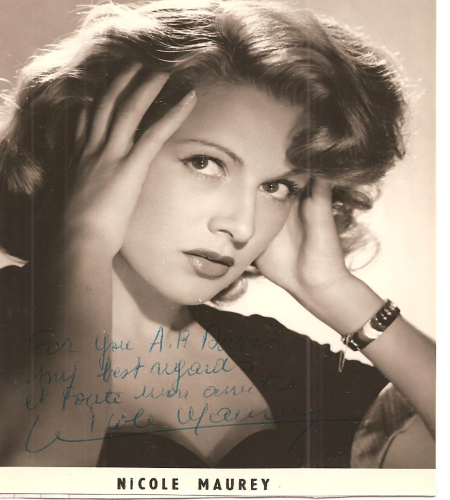
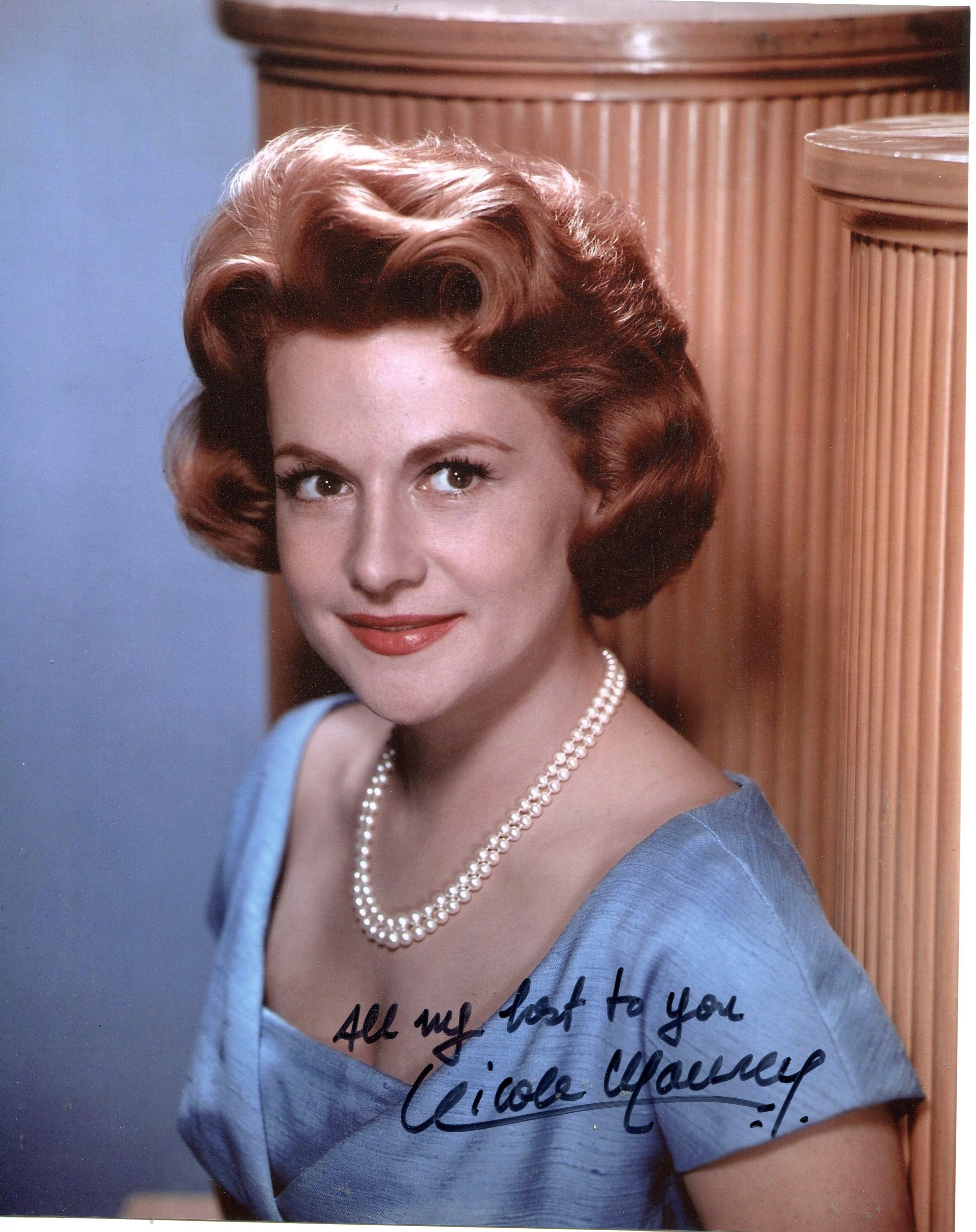
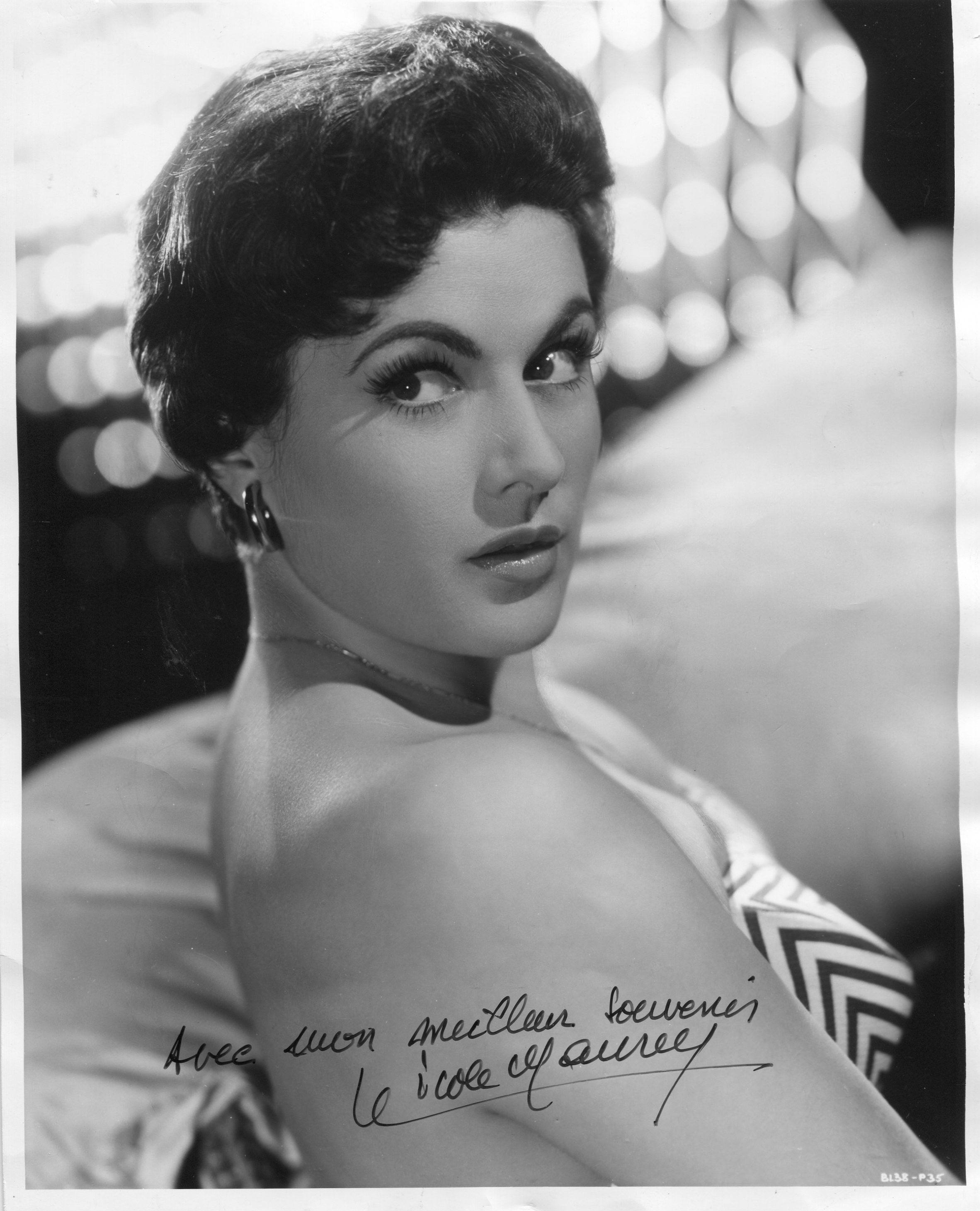
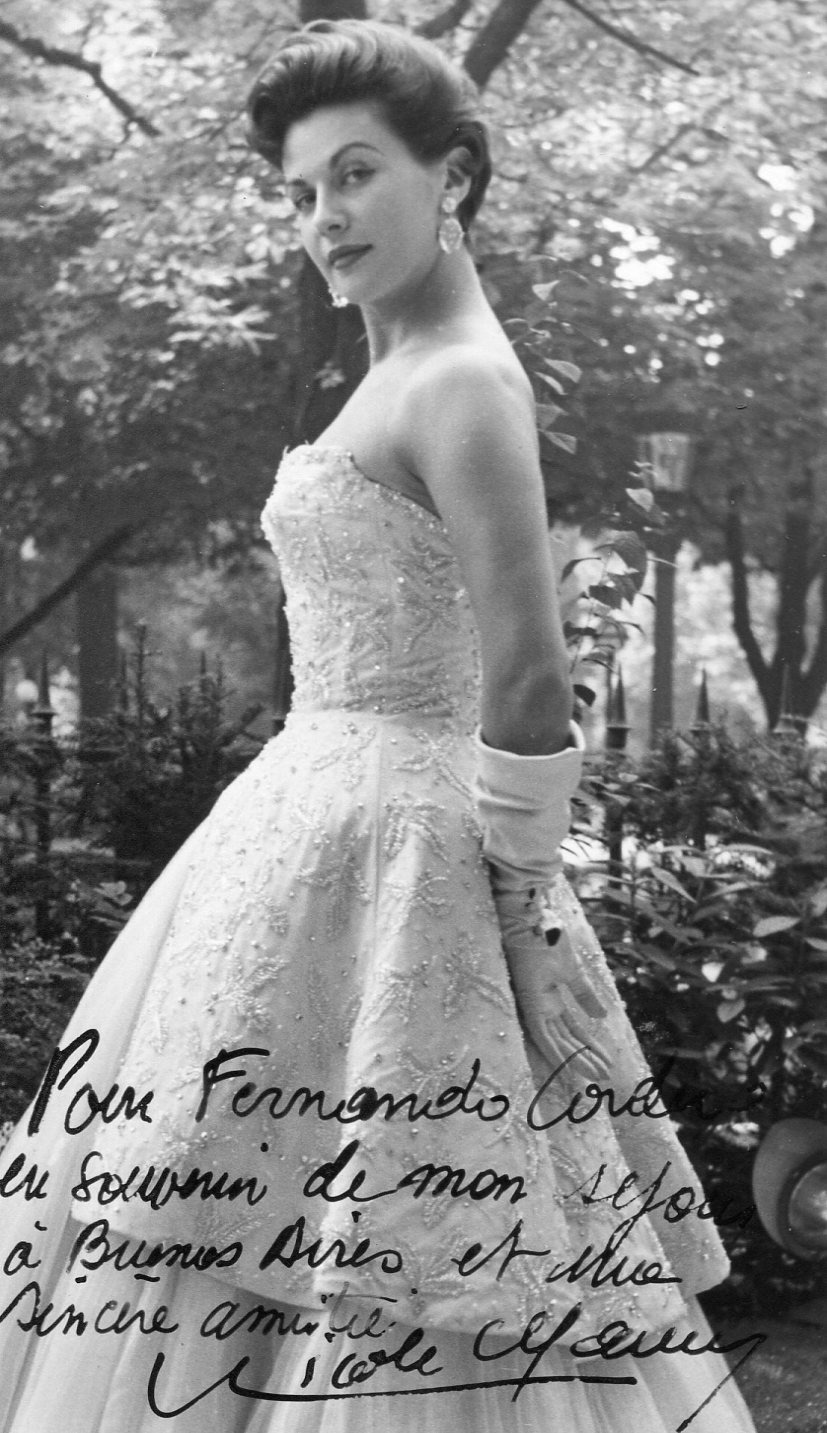
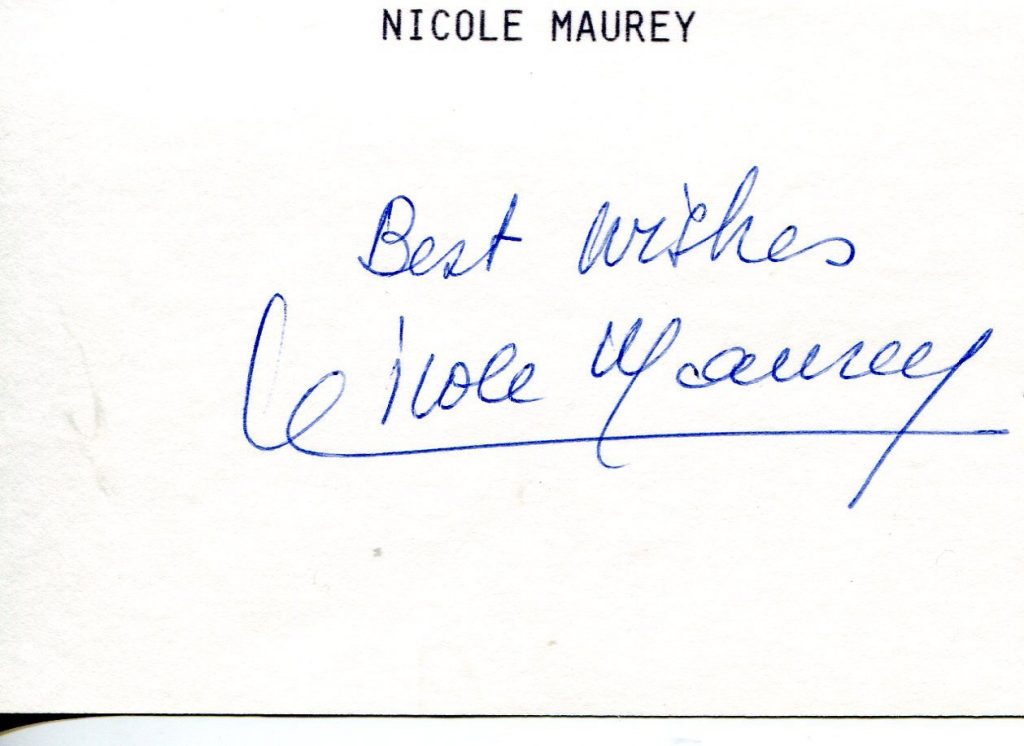
This glamorous French import who was born Nicole Arlette Maurey in a Paris suburb on December 20, 1925, began studying dancing in her early career but switched to films in 1944, where she was cast in various heroine roles.
She made her French film debut with a featured role in the costume period pieces Le cavalier noir (1945) starring Georges Guétary and Paméla (1945) starring Fernand Gravey. She earned her first starring role as the title character in the fantasy Blondine (1945). After some time away, she reappeared in film in the early 1950s and gained some momentum with roles in Journal d’un curé de campagne (1951), Rendez-vous à Grenade (1951) opposite Spanish tenor Luis Mariano, the comedy fantasy Le dernier Robin des Bois (1952), the crime thriller Opération Magali (1953), the heavy drama Les compagnes de la nuit (1953) and the much lighter L’oeil en coulisses (1953).
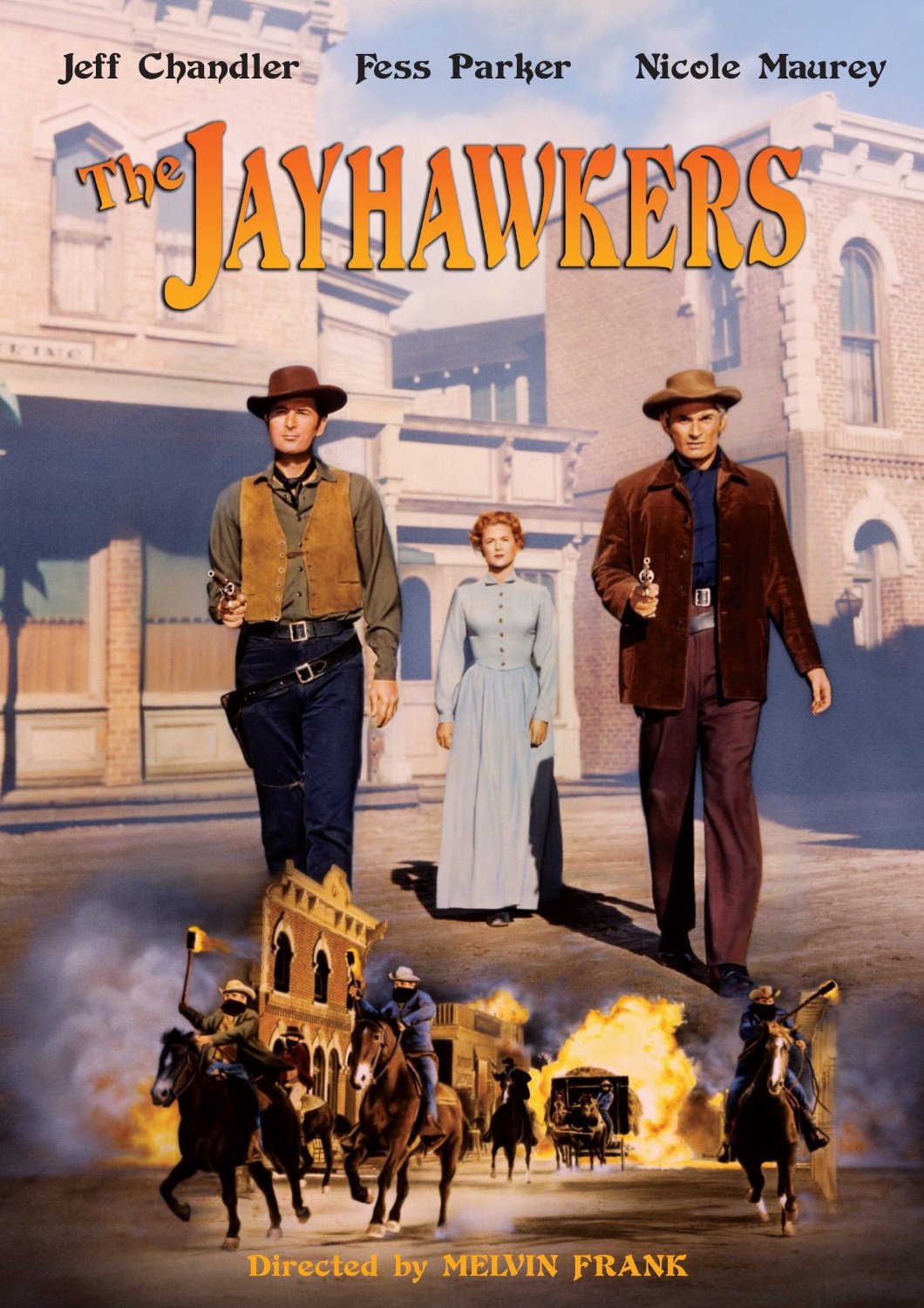
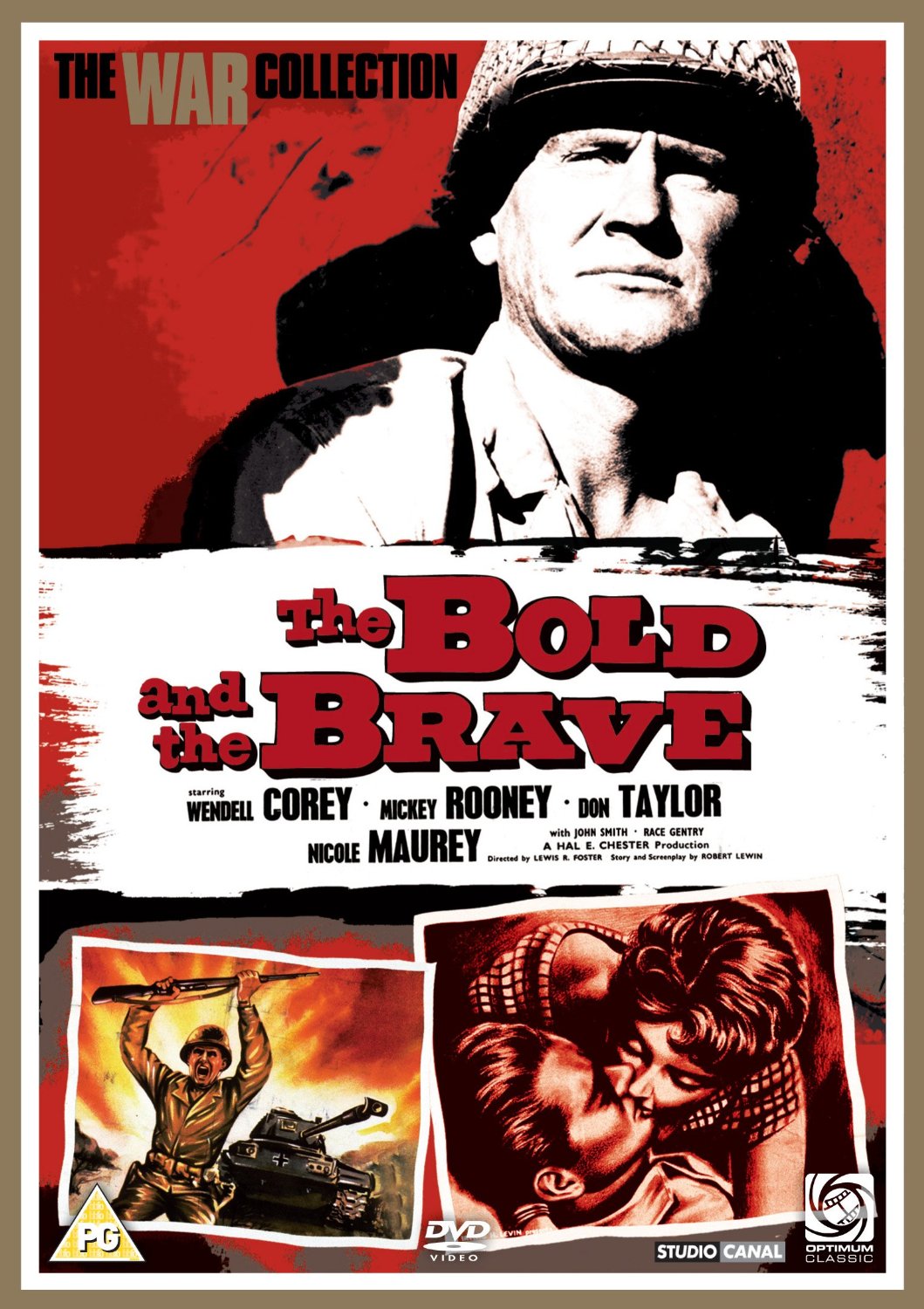
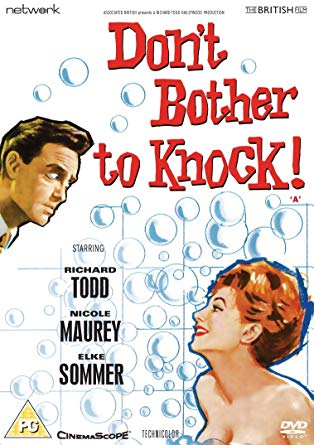
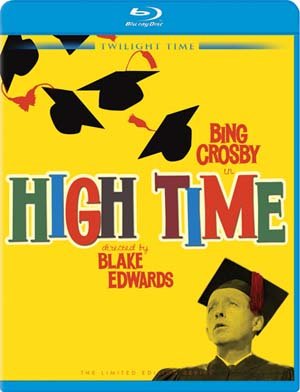
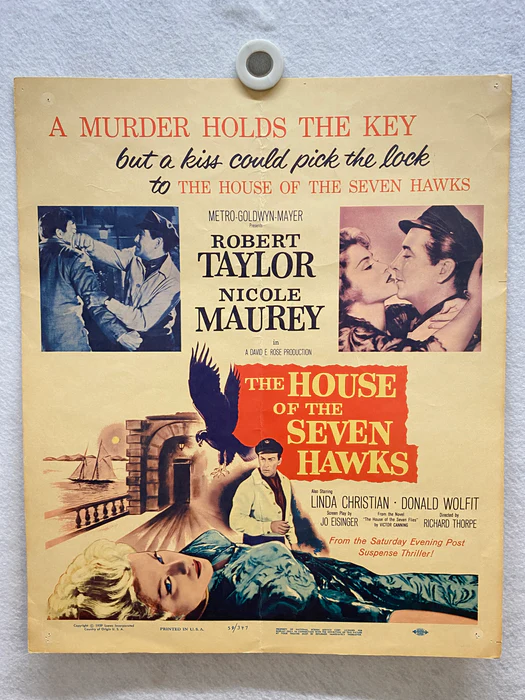
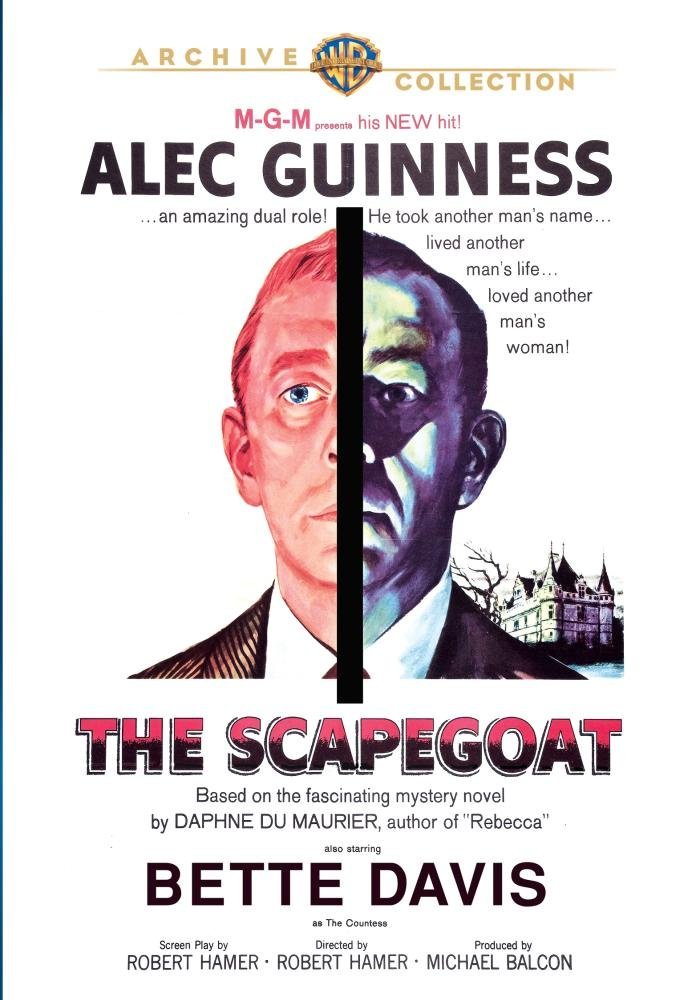
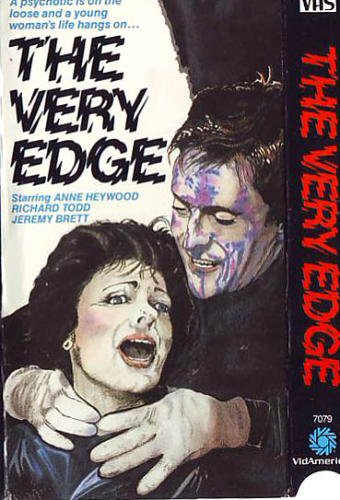
Nicole began to flirt with Hollywood stardom in the 50s co-starring with Bing Crosby in both the drama Little Boy Lost (1953)and musical comedy High Time (1960); Charlton Heston in the adventure drama Secret of the Incas (1954); Mickey Rooney in the war drama The Bold and the Brave (1956); Danny Kaye in the war comedy Me and the Colonel (1958) and Jeff Chandler in the western The Jayhawkers! (1959). When things didn’t pan out, she moved and settled in England in the next decade and appeared pleasantly in a variety of films but without much fanfare. Some include The Scapegoat (1959) with Alec Guinness; The House of the Seven Hawks (1959) with Robert Taylor; His and Hers (1961) with Terry-Thomas;and Don’t Bother to Knock (1961) and The Very Edge (1963) both starring Richard Todd. Her most memorable movie role of that period was that of Christine in the classic sci-fi horror The Day of the Triffids (1963) in which she was coupled with Jesse Ed Azure as they escape from flesh-eating plants.
Eventually returning to her homeland where she filmed the secret agent drama Pleins feux sur Stanislas (1965) and appeared as Michele Champion in the dramatic TV series Champion House (1967), Nicole appeared sporadically on film and especially on TV. Featured in the film drama Gloria (1977), she also appeared in a small part in the highly popular biopic Chanel Solitaire (1981).
Married and divorced (1950-1960) from actor Jacques Gallo, she later wed in the 1970’s but divorced again. Nicole died of natural causes on March 11, 2016, in France, at age 90.
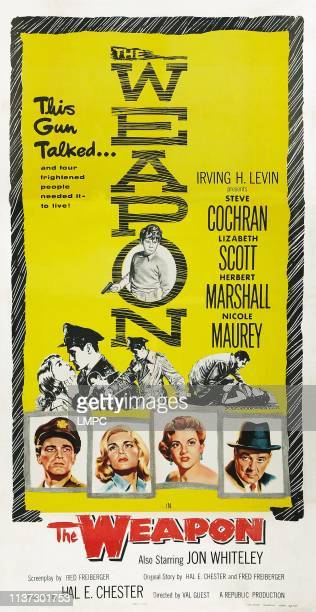
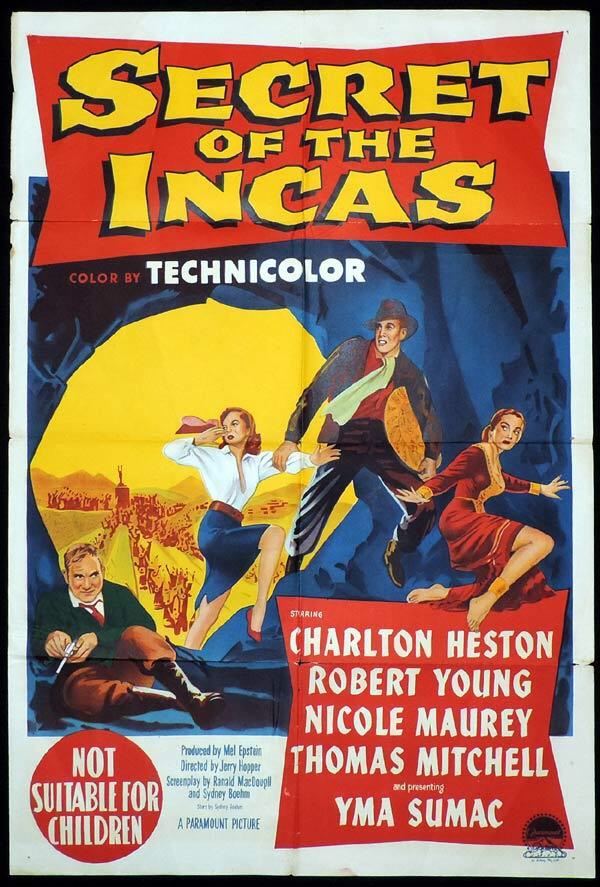
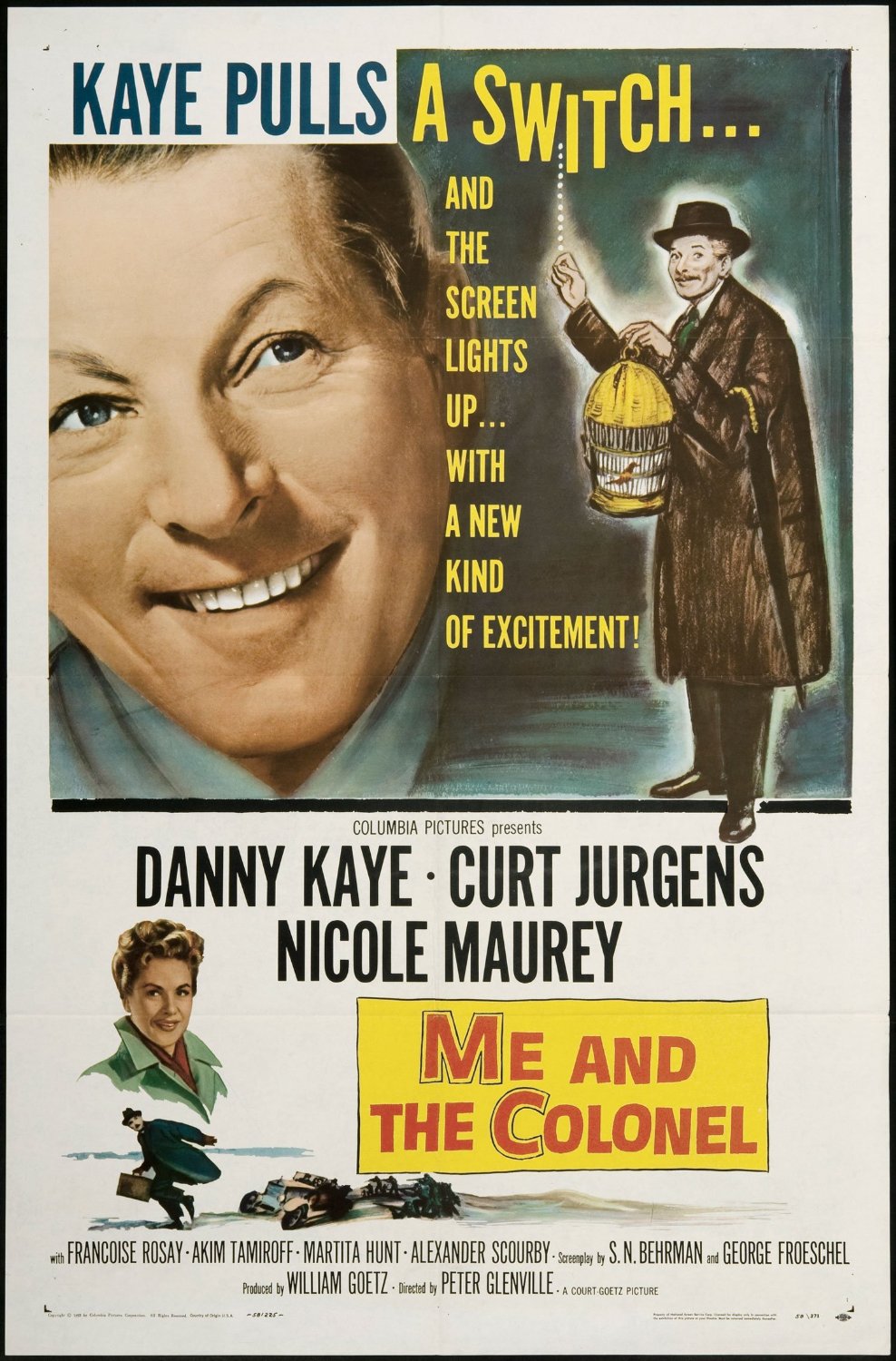
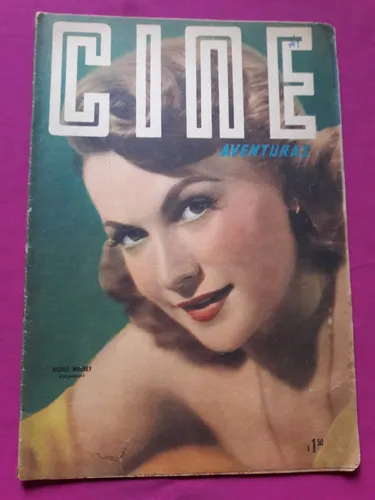
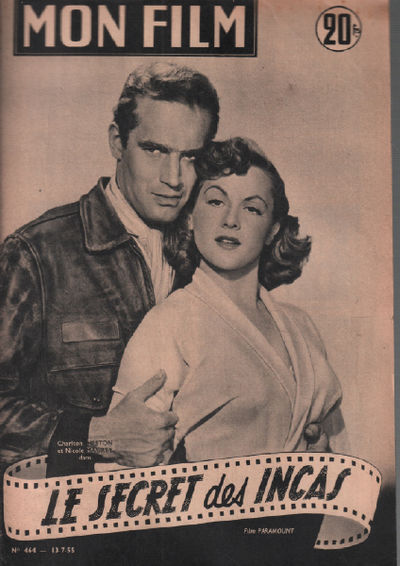
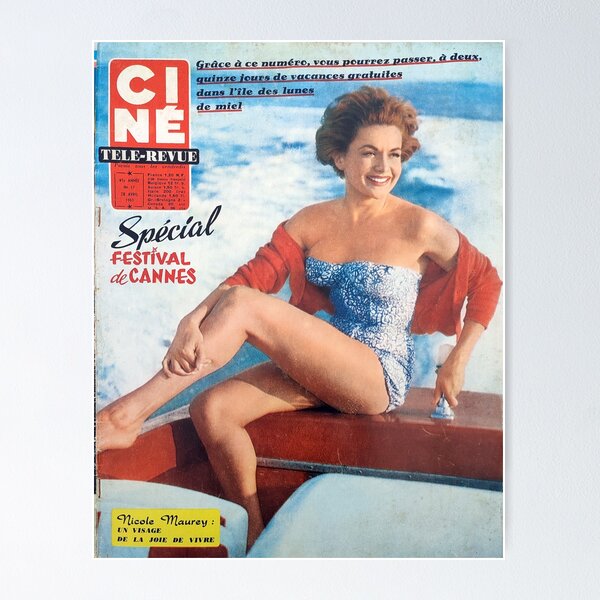

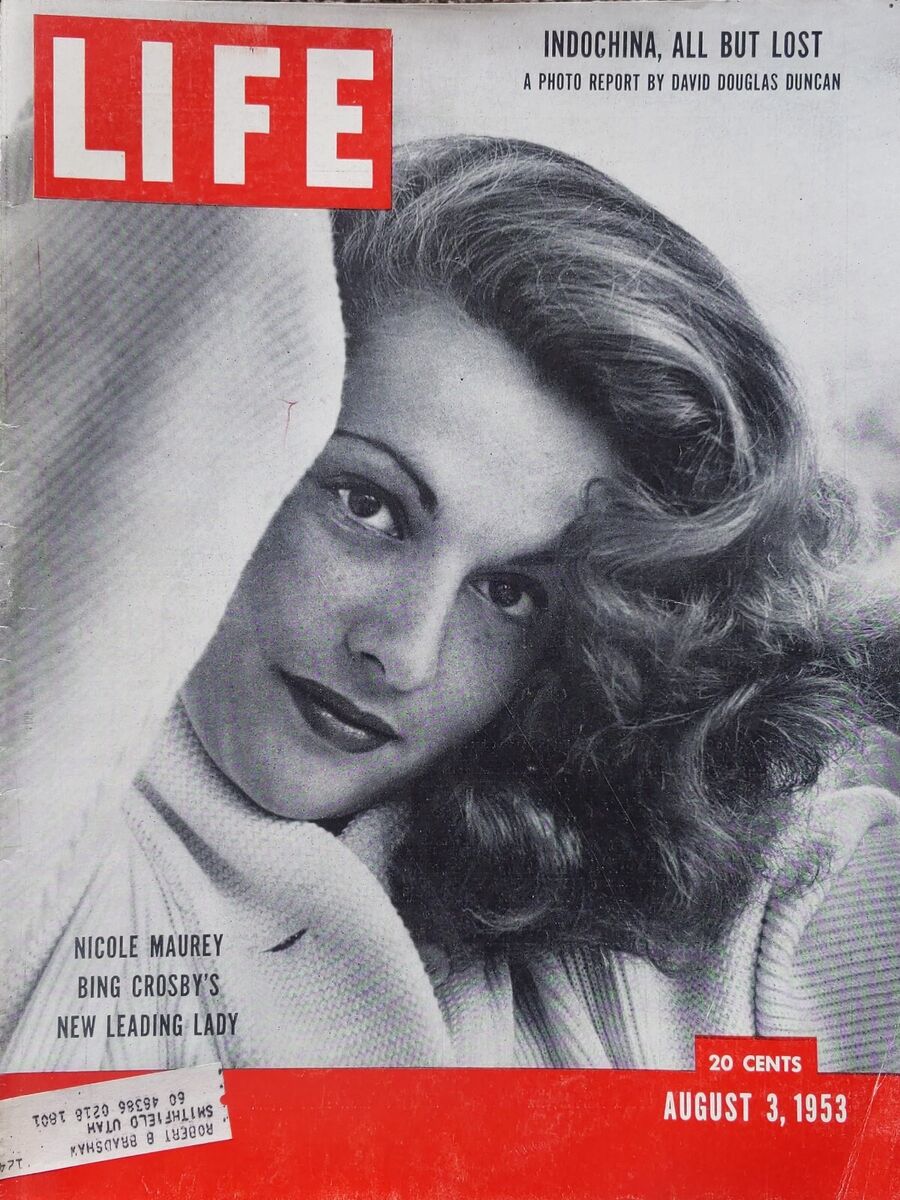
Nicole Maurey (1925 – 2016) was a French film and stage actress whose career stretched across four decades and multiple national cinemas. She is best remembered internationally for her work in British and American films of the 1950s—most notably the cult science‑fiction classic The Day of the Triffids (1963)—but in France she was admired as a refined dramatic performer whose poise and emotional precision helped carry post‑war French cinema from poetic realism to modern psychological naturalism. Though never a global star on the order of Darrieux or Signoret, Maurey’s filmography exemplifies the quiet professionalism and stylistic flexibility of the generation that rebuilt European acting after the war.
Early Life and Training
Born Nicole Andrée Adrienne Maurey in Bois‑Colombes, near Paris, she began as a concert pianist, studying at the Paris Conservatoire. An injury curtailed her musical career, and she turned to acting in the mid‑1940s, joining local repertory companies before entering film through director Léo Joannon. Her musical training left enduring marks: rhythmic control of line delivery and a composer’s sense of phrasing that critics would later notice in her speech patterns.
She debuted in Joannon’s Leçon de conduite (1946) and Les Portes de la nuit (1946) before gradually earning larger roles in French post‑war melodrama, developing the luminous yet grounded persona that would make her attractive to British and American producers seeking sophisticated continental heroines.
Emergence in Post‑War French Cinema (1947–1951)
Throughout the late 1940s Maurey appeared in mid‑budget French productions that balanced entertainment with moral reflection.
Orage d’été (1949) and Rome Express (1950)
These films introduced her signature duality: cultivated exterior housing sincerity and quiet vulnerability. Critics compared her restraint favorably to the stylized emoting still common in pre‑war performers. Le Film Français observed that she possessed “une vérité moderne—dénuée de théâtre, épanouie dans le regard,” a form of truth expressed through gaze rather than gesture.
Her beauty—a mix of softness and self‑control—allowed her to portray post‑Occupation womanhood without either nostalgia or cynicism. That combination of inner warmth and outer composure would later define her English‑language persona.
International Breakthrough (1950–1956)
Diary of a Country Priest (1951, Robert Bresson) – Early association
Maurey had a small role that caught critics’ attention for understatement; her naturalism aligned with Bresson’s austere method. She learned the virtue of interior stillness, a discipline that would shape her mature screen technique.
The Adventurers / Le Défroqué (1954, Jean‑Pierre Blanchard) & International Festival Circuit
Her performance as a conflicted woman drawn to a defrocked priest earned festival honors, convincing British casting directors that she could combine continental chic with moral gravity.
Little Boy Lost (1953, George Seaton, U.S.A.) – Paramount Debut
Opposite Bing Crosby, Maurey played Lisa Garland, an idealized yet human figure in this Franco‑American drama about post‑war dislocation and spiritual renewal.
Critics admired how she elevated sentimental material; The New York Times called hers “an unusually intelligent portrayal of conscience and tenderness.” American reviewers likened her to Ingrid Bergman—a comparison Maurey found flattering but misleading: Bergman projected fervor, Maurey reflective grace.
The film’s success led to a contract with Paramount and established her Hollywood visibility, though she avoided long‑term studio binding to retain artistic freedom.
The British Period (1953–1964)
Maurey found a sustaining base in British cinema and television, often cast as cosmopolitan moral anchor to the leading actor
The Jayhawkers! (1959, Melvin Frank)*
Returning briefly to Hollywood, she shared billing with Jeff Chandler. She handled the frontier melodrama with quiet authority, demonstrating that the supposed ‘club‑footed’ European actress could move and speak within the rhythms of American genre film without cliche or caricature.
The Day of the Triffids (1963, Steve Sekely)*
This role as Christine Durnford in the iconic science‑fiction thriller brought her cult immortality. Amid apocalyptic spectacle and special‑effects awkwardness, Maurey anchors the film’s emotional plausibility. Her Christine—resourceful, calm under pressure—embodied a rare feminine competence in early‑1960s sci‑fi. Contemporary reviewers lauded her credibility (“Miss Maurey gives the one wholly adult performance,” wrote Monthly Film Bulletin).
In retrospect, critics from Kim Newman to Jonathan Rigby identify her as the “moral constant” of the picture: she makes disaster communal rather than sensational, bringing a post‑war humanitarian tone to pulp fiction.
Return to French Cinema: Mature Roles (1965–1980s)
After the mid‑1960s, Maurey concentrated on France and continental co‑productions, emphasizing character over glamour.
Le Tonnerre de Dieu (1965, Denys de La Patellière)*
As Marie, wife to Jean Gabin’s irascible veterinarian, she embodied domestic reason balancing male obstinacy—critics hailed her chemistry with Gabin as “the calm eye of the tempest.” The performance earned her a Prix Suzanne Bianchetticommendation for excellence in supporting role.
Les Enfants du Juge (1975, TV drama)*
She transitioned gracefully into television, playing complex mothers, professionals, and judges’ spouses. Her stagecraft ensured every line carried precision; reviewers observed that she possessed “the serenity of truth rather than technique.”
Late Work
Occasional stage appearances at the Théâtre Marigny and Théâtre de Boulogne reaffirmed her clarity of presence. A 1983 revival of Les Parents terribles showed she still commanded vocal nuance and moral weight far into her fifties.
Acting Style and Technique
| Element | Description |
|---|---|
| Vocal Musicity | Her training as pianist informed phrasing: dialogue shaped in cadences, each pause deliberate. Even in English‑language films, accent served as expressive timbre, suggesting intellect and emotional discipline. |
| Economy of Gesture | Like many post‑war French actors influenced by Bresson, she valued understatement. Expressive meaning resided in a glance or lowered chin rather than overt movement. |
| Moral Intelligence | On screen she projected ethical steadiness: agency through composure. Critics often called her “the adult woman in an adolescent cinema.” |
| Trans‑Cultural Adaptability | Equally credible across French, British, and American contexts. She could adjust pacing and rhetorical tone without erasing identity. |
| Screen Presence | Maurey’s stillness is strategic, contrasting with her luminous gaze that communicates humanness even when dialogue is minimal. |
Thematic Consistencies in Her Roles
- Female Rationality: Her characters often embody empathetic intellect—educators, doctors, or partners who maintain balance amid male volatility.
- Post‑War Humanism: Coming of age in the aftermath of conflict, she infused genre material with civic conscience; emotion served renewal rather than hysteria.
- Cultural Mediation: Fluent in English and transnational production styles, she symbolized the bridge between European sophistication and Anglo‑American narrative directness.
- Aging with Grace: Unlike many contemporaries sidelined by youth culture, Maurey transitioned into authoritative elder figures, asserting authenticity over glamour.
Representative Performances and Significance
| Year | Film | Role | Critical View |
|---|---|---|---|
| 1953 | Little Boy Lost | Lisa Garland | Moral realism; establishes her international reputation |
| 1955 | |||
| 1959 | The Jayhawkers! | Lora | Proof of effortless cross‑cultural acting |
| 1963 | The Day of the Triffids | Christine Durnford | Cult heroine of composure; adult realism in sci‑fi |
| 1965 | Le Tonnerre de Dieu | Marie | Mature domestic authority; emotional truth in bourgeois drama |
Critical Reputation and Legacy
Contemporary critics sometimes underestimated her subtlety, mistaking discretion for lack of intensity. Retrospective appraisals, however, have placed her among the key figures of mid‑century Franco‑Anglophone cinema. French scholar Ginette Vincendeau identifies Maurey as “the professional conscience of post‑war femininity—cultured feeling without melodrama.”
Her Day of the Triffids performance has taken on new resonance in feminist film studies: unlike screaming victims typical of early horror, Maurey’s Christine applies empathy as survival strategy—a quietly progressive image of resilience.
Cahiers du Cinéma’s 2005 retrospective on forgotten French actresses described her as “la compagne d’intelligence—never muse, always mirror.” The phrase captures her essential artistry: she reflected the moral and emotional light of her scene partners while sustaining her own lucid identity.
Summary Evaluation
| Strengths | Limitations |
|---|---|
| Controlled naturalism; ability to project intellect and warmth concurrently | Lack of a single auteur partnership limited auteurist fame |
| Polyglot dexterity and adaptability across genres | Understated style sometimes overshadowed by more flamboyant contemporaries |
| Longevity built on credibility rather than glamour | Sparse late‑career visibility due to retreat from high‑profile productions |
Conclusion
Nicole Maurey’s work exemplifies the professionalism and emotional clarity of post‑war French and European cinema. She fused musicianship, technique, and compassionate intelligence to craft performances that dignified every genre she entered—from romantic drama to science fiction. If she never attained the global celebrity of Darrieux or Bardot, it was because her strengths lay in equilibrium rather than excess. Her legacy endures in the understated integrity of her screen women: cosmopolitan, humane, and quietly indelible