


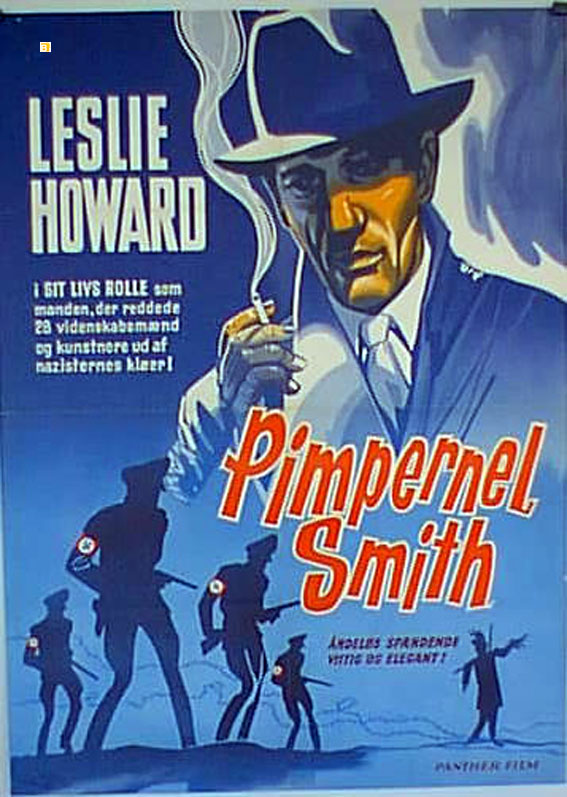
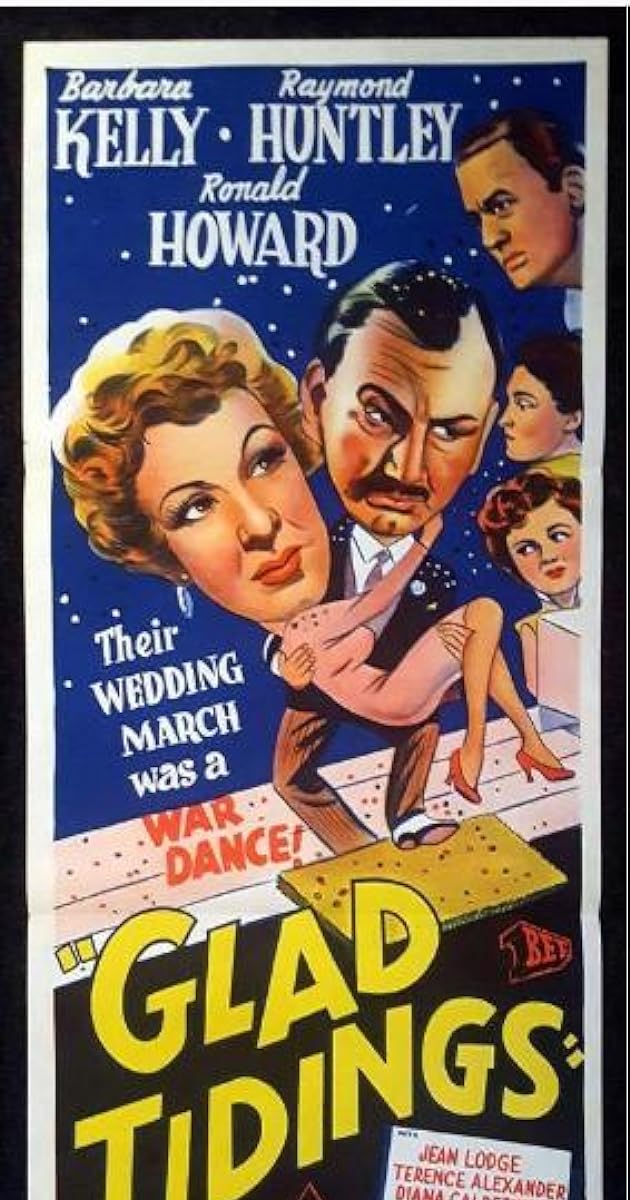
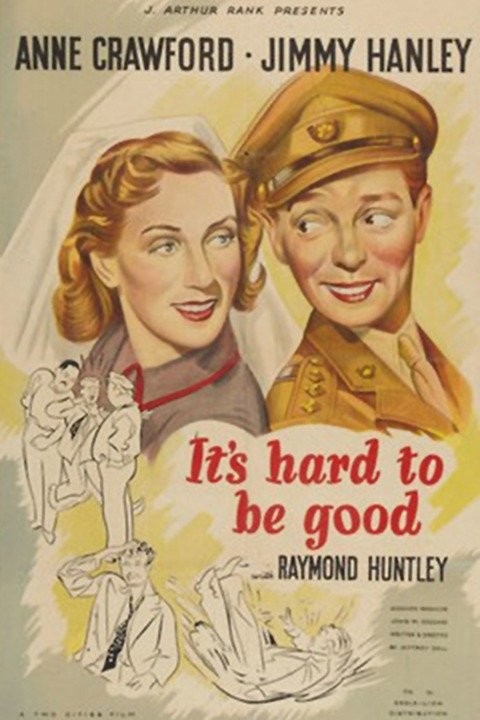
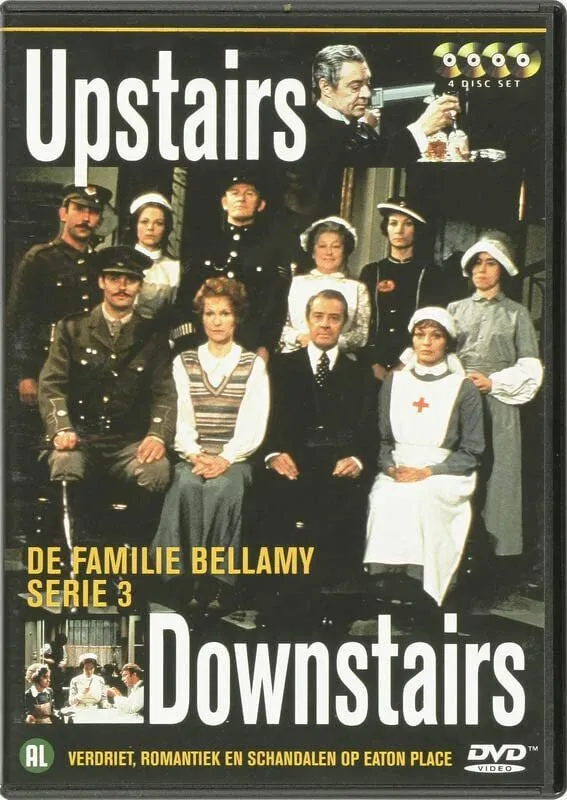
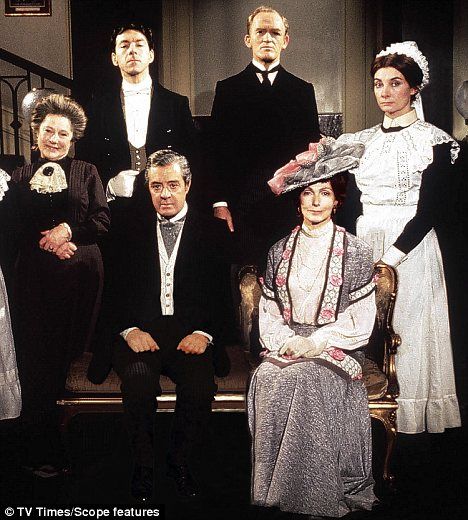
Birmingham-born Raymond Huntley was one of those instantly recognisable, mannered types that popped up in classic British films of the 1940’s and 50’s. Tall and austere, he had a somewhat mean, sour-faced look, accentuated whenever staring with icy disdain from behind horn-rimmed spectacles. This, and his trademark dry delivery, made Huntley such perfect casting for an extensive array of ever-so-superior, humourless civil servants, mean-spirited bank managers, dullish clubroom snobs, smug business types, dour undertakers or sinister cold war spooks. Earlier in his career, Huntley essayed rather more overtly menacing characters, effectively typecast during the war years as Nazi officers (‘Pimpernel’ Smith (1941)) or German spies (Inspector Hornleigh Goes to It (1941)). It is hard to pick out two outstanding performances above all others, but he was arguably at his best as the local bank manager Wix in Passport to Pimlico (1949), emphatic in his greed to reap whatever benefits from the Burgundian declaration of independence; as the irascible boffin Laxton-Jones in School for Secrets (1946); and as Henry Chester, made resentful by his illness, in the Sanatorium segment of Trio (1950). Towards the end of his career, Huntley achieved his greatest popularity when he was cast as the grumpy family solicitor, Sir Geoffrey Dillon, in TV’s Upstairs, Downstairs (1971).
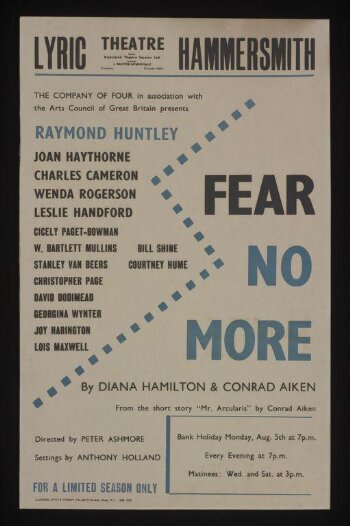
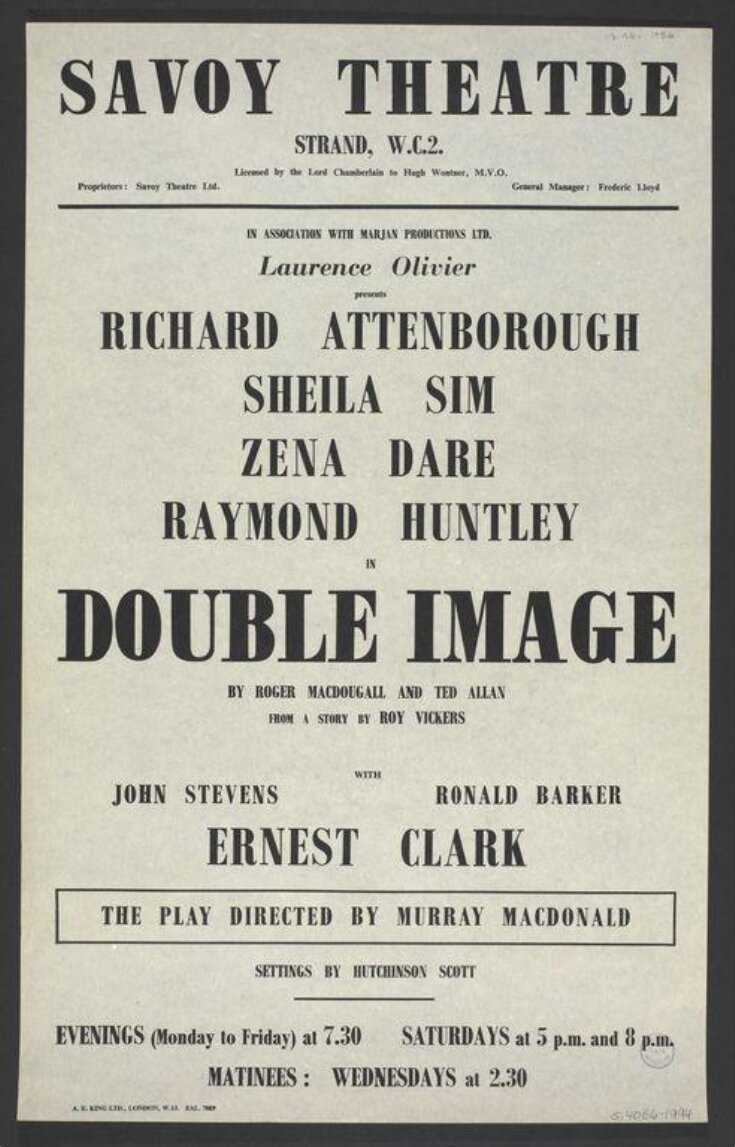
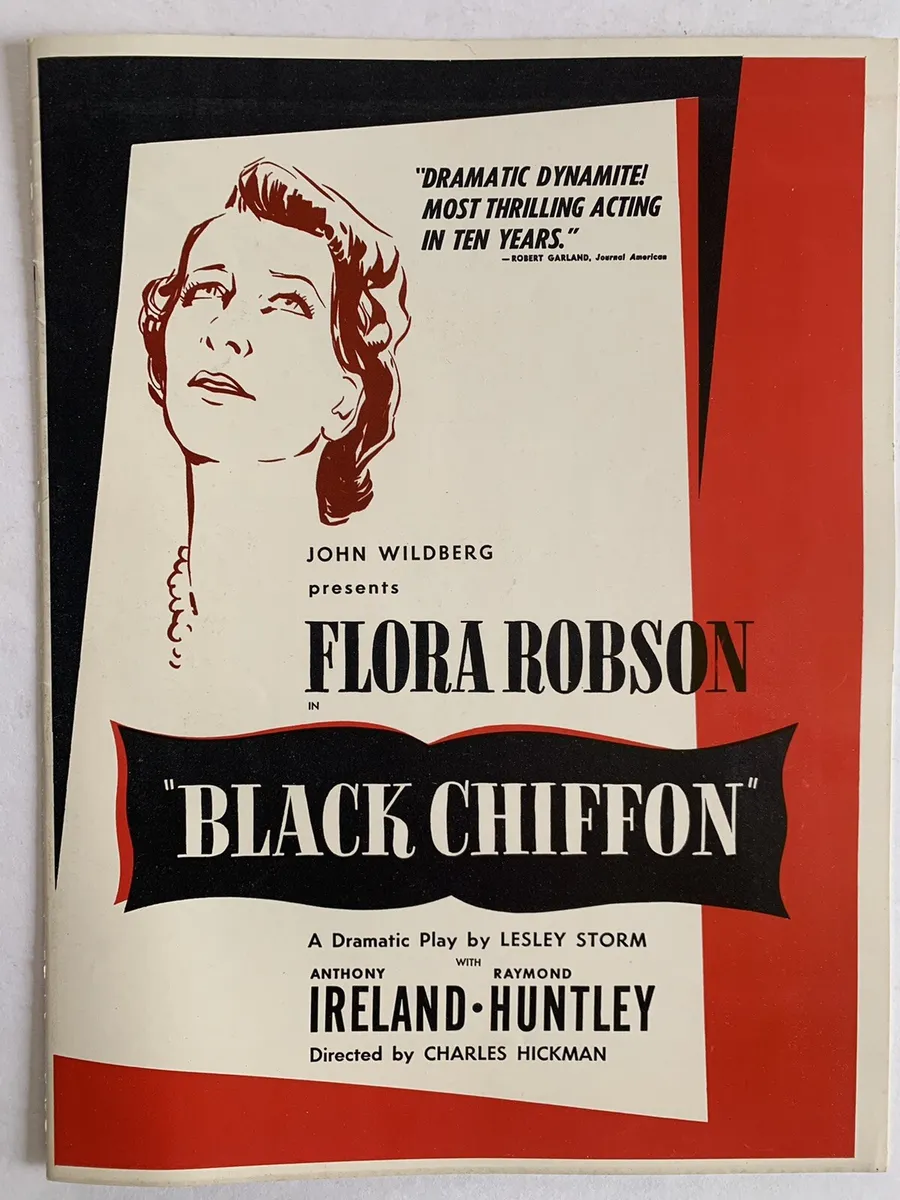
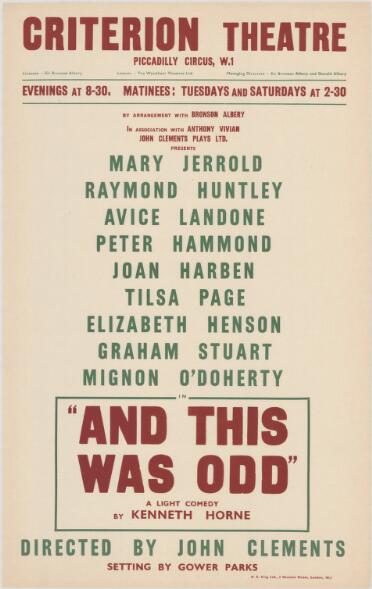
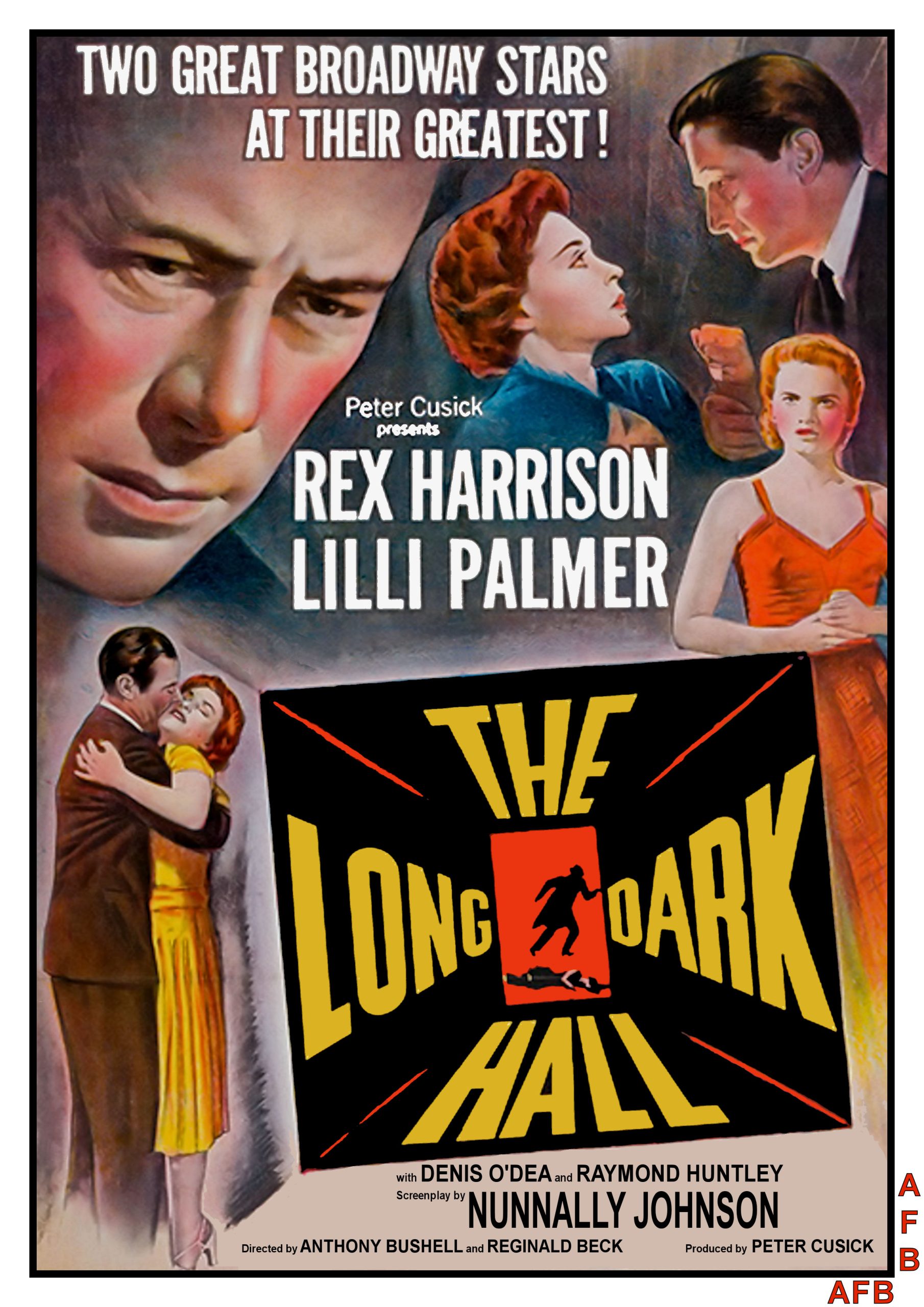
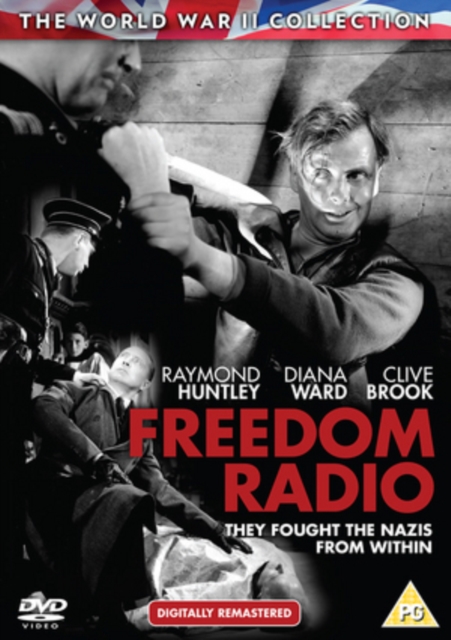
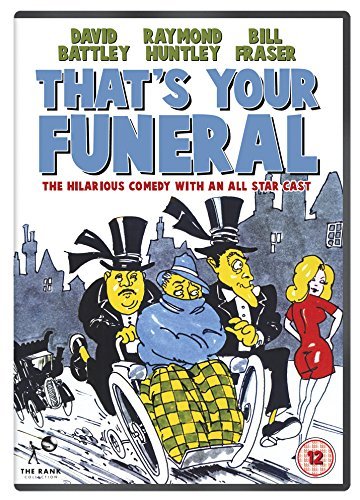
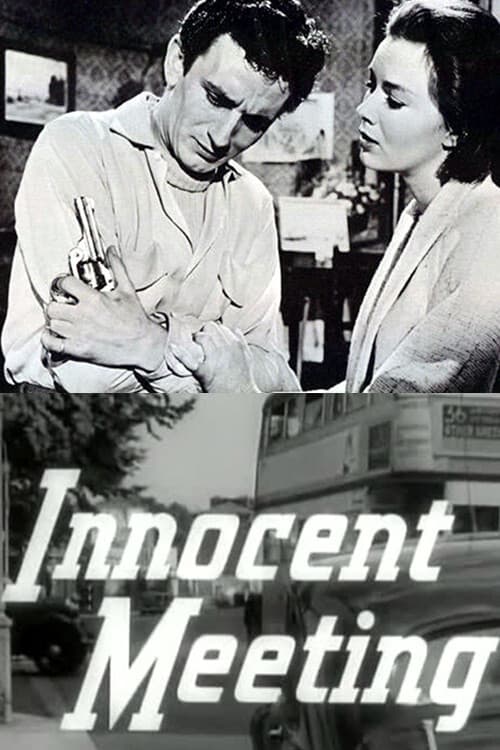
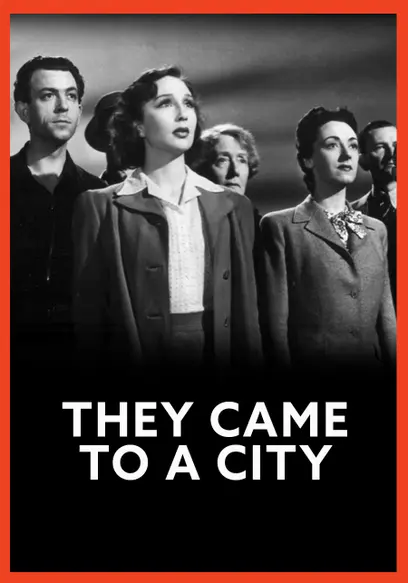
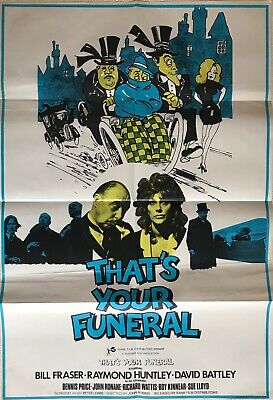
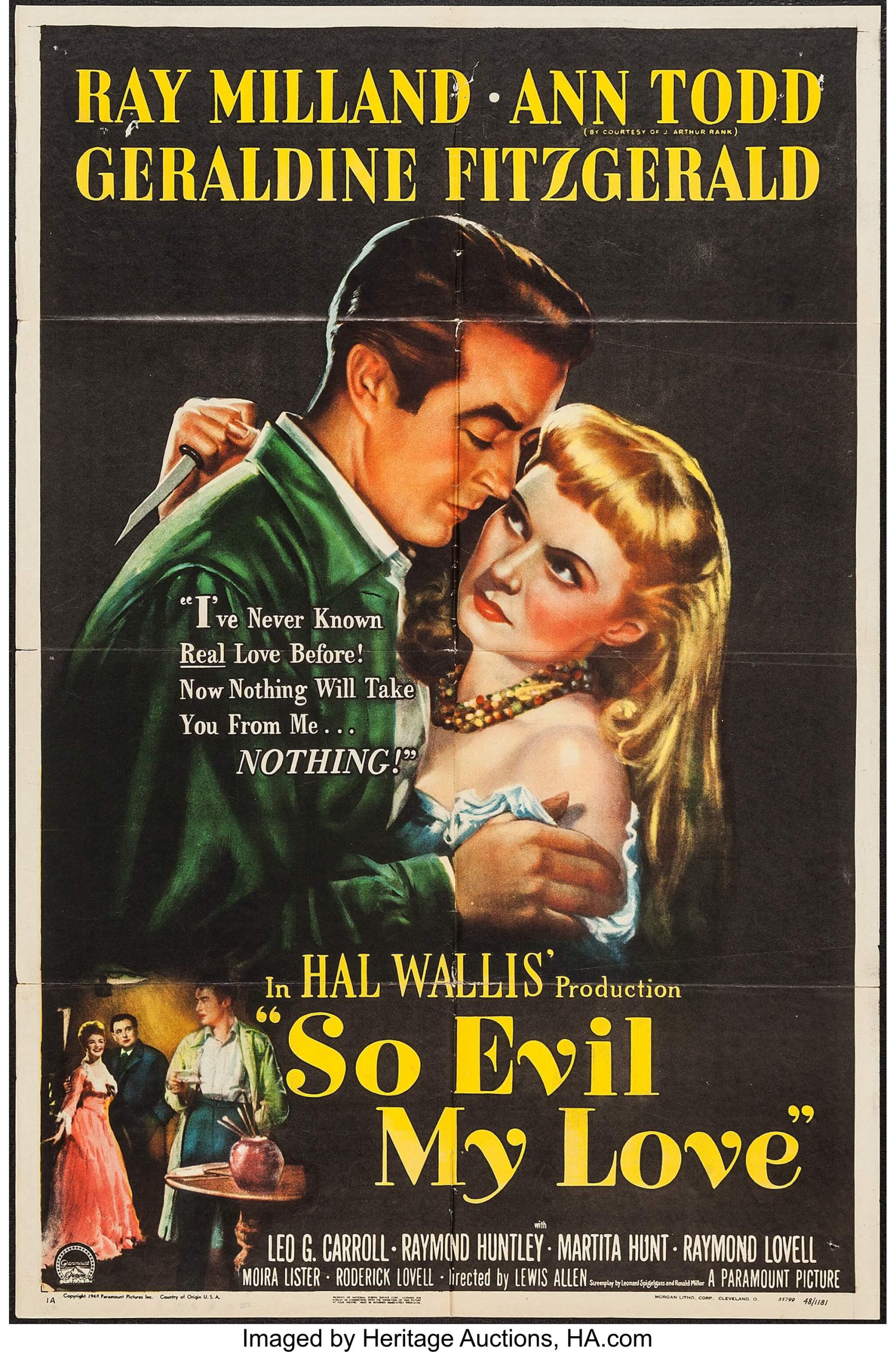
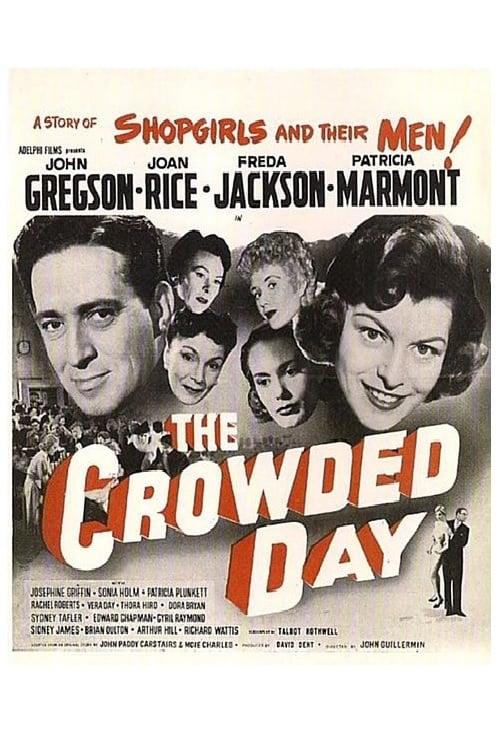
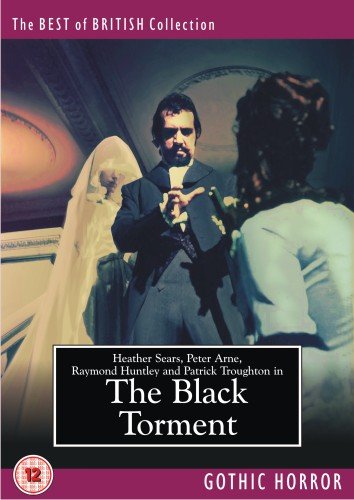
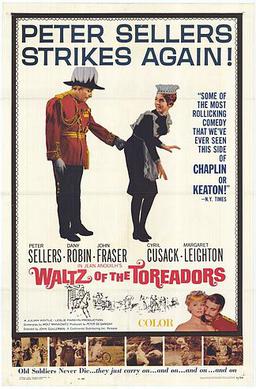
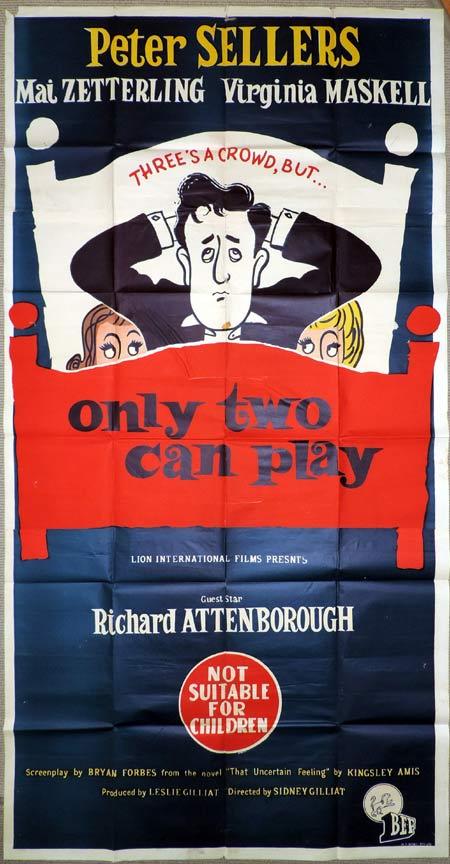
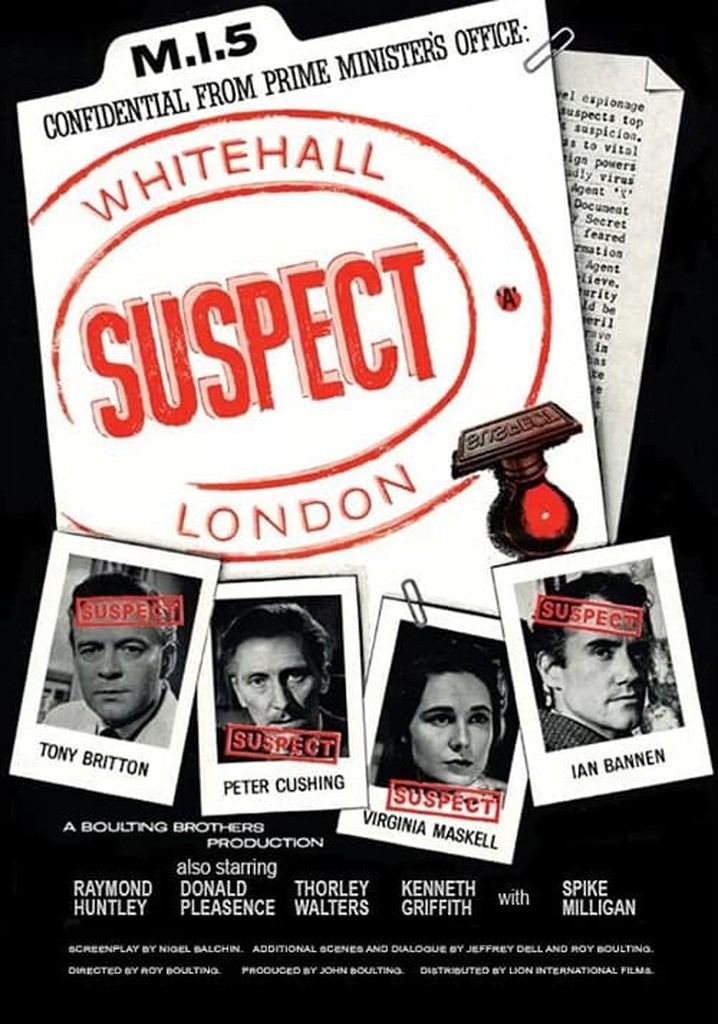
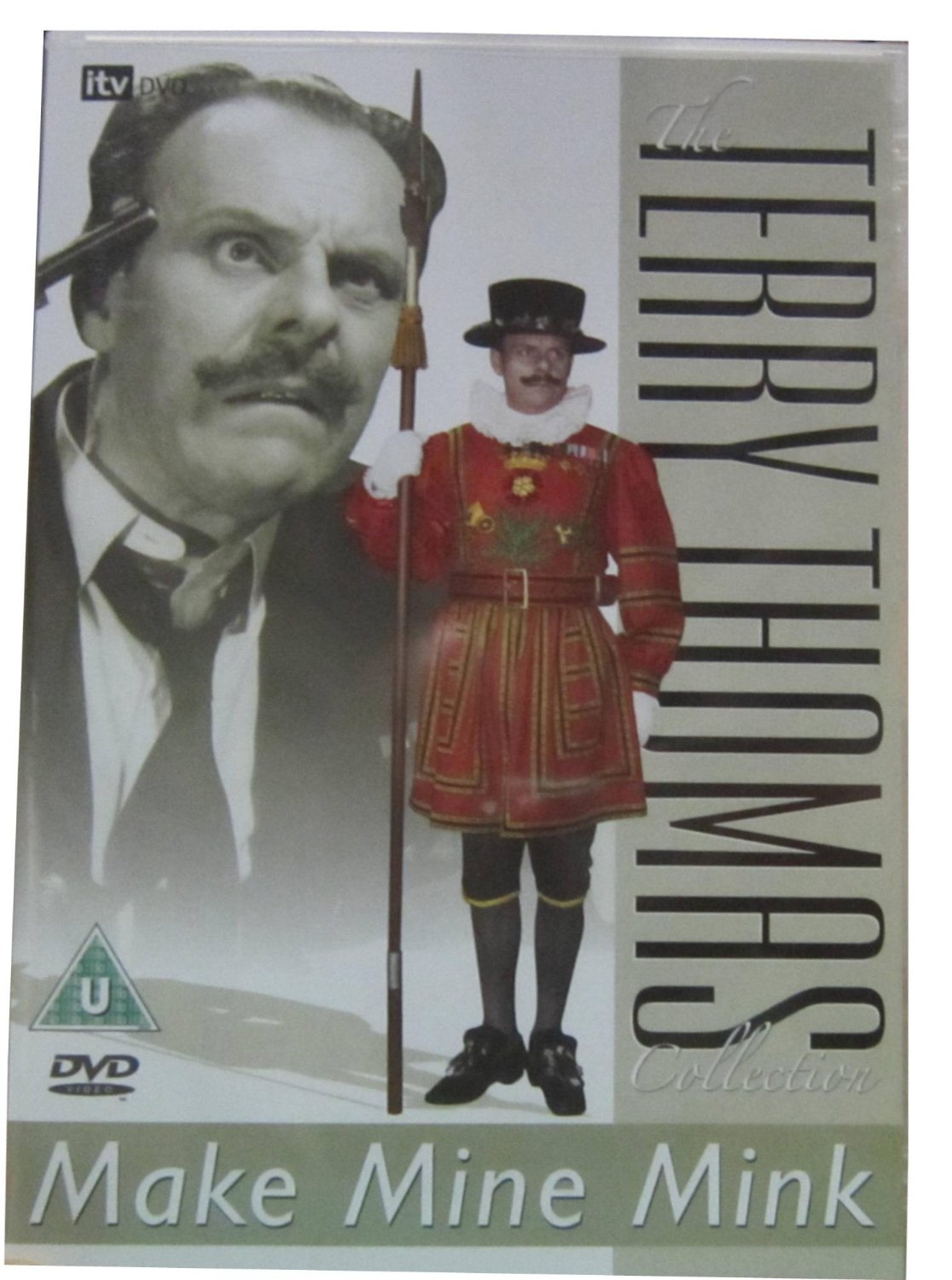
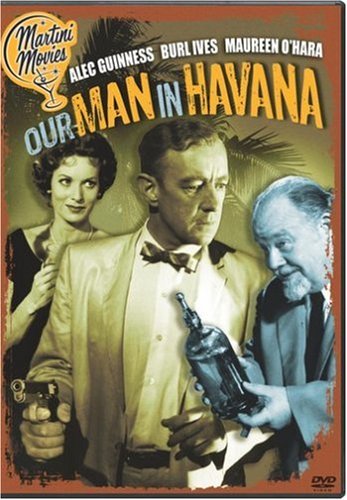
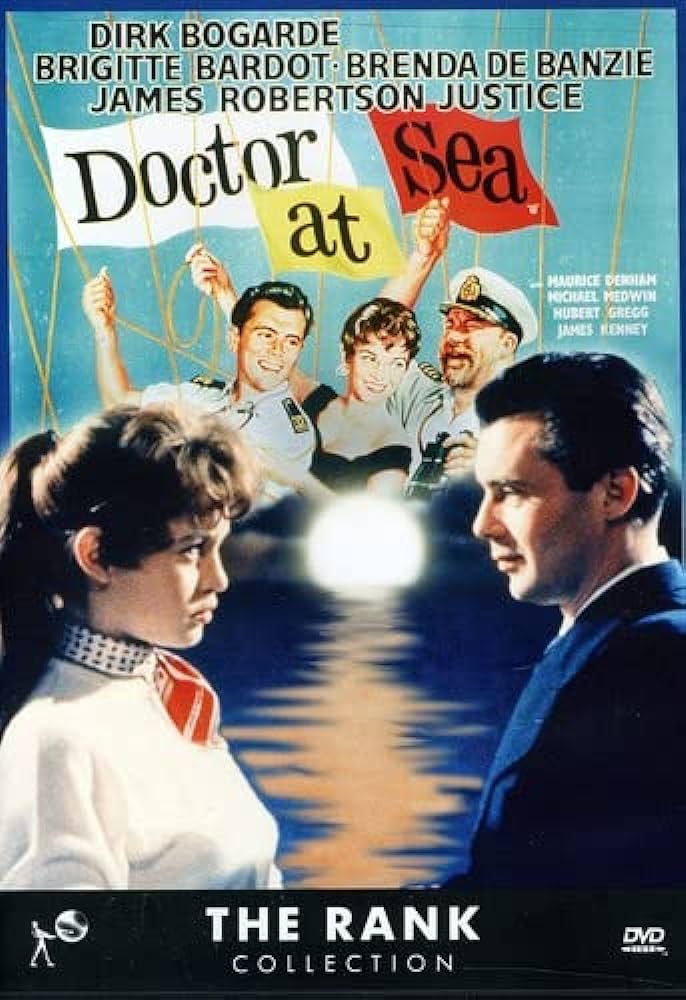
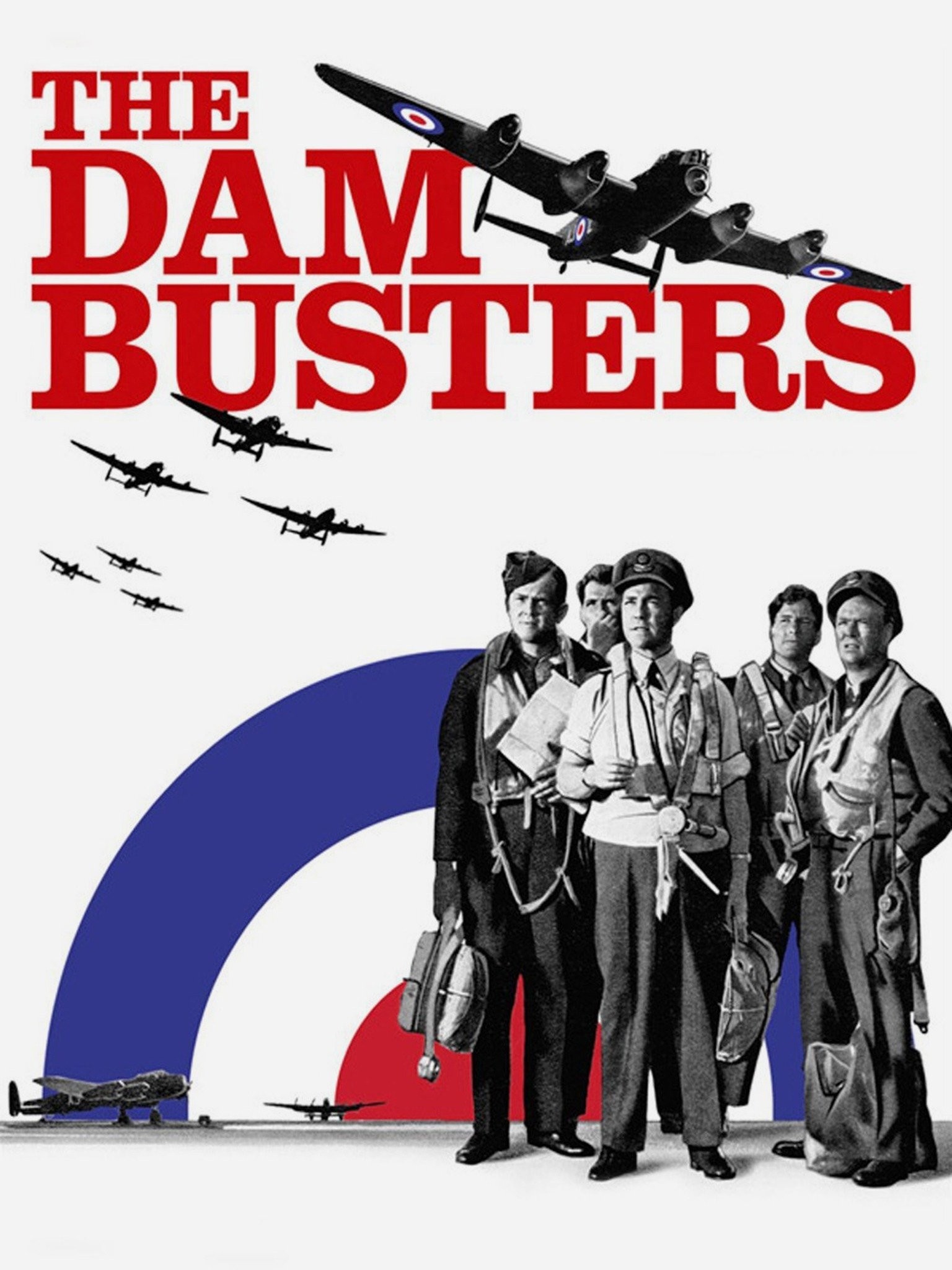
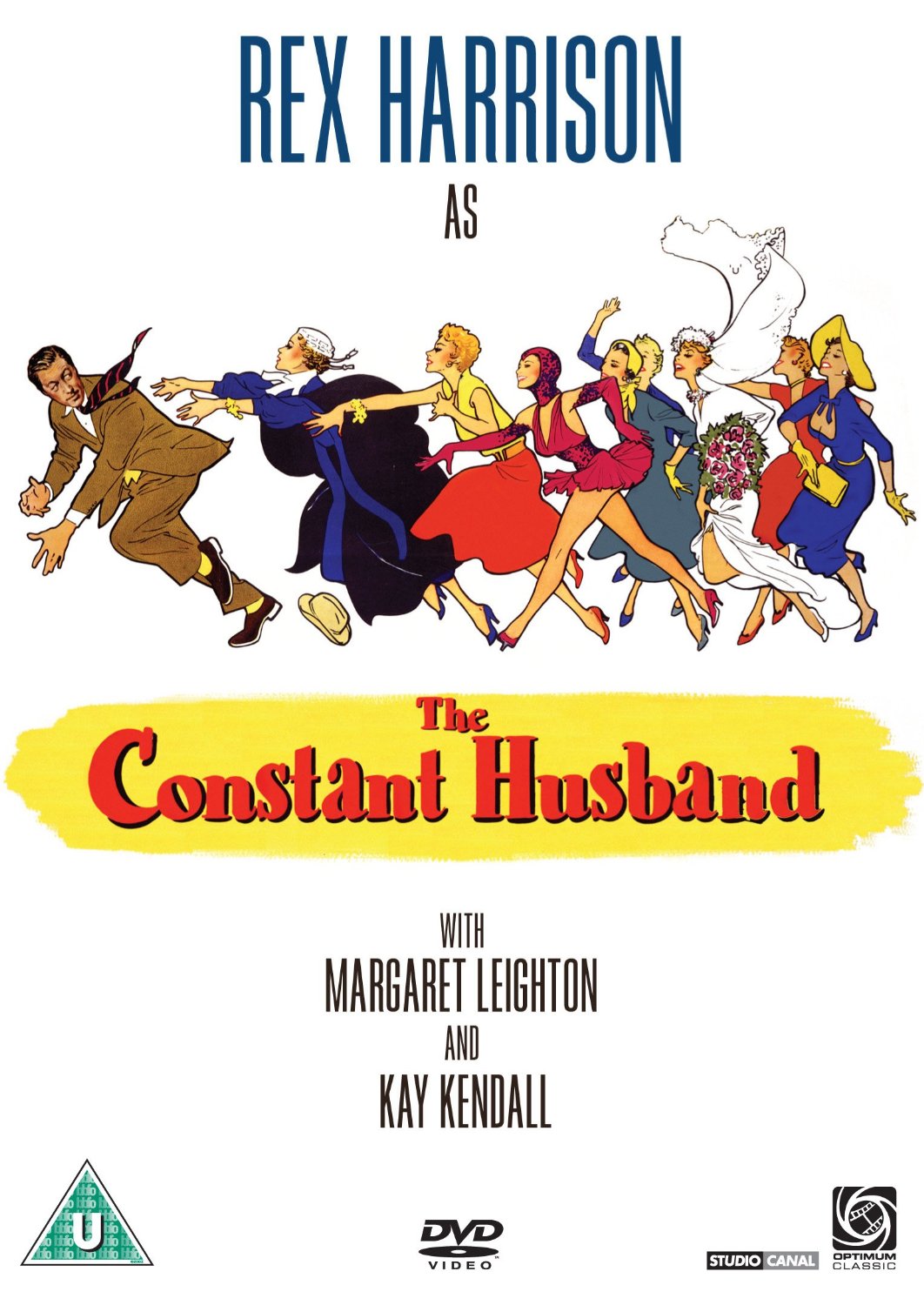
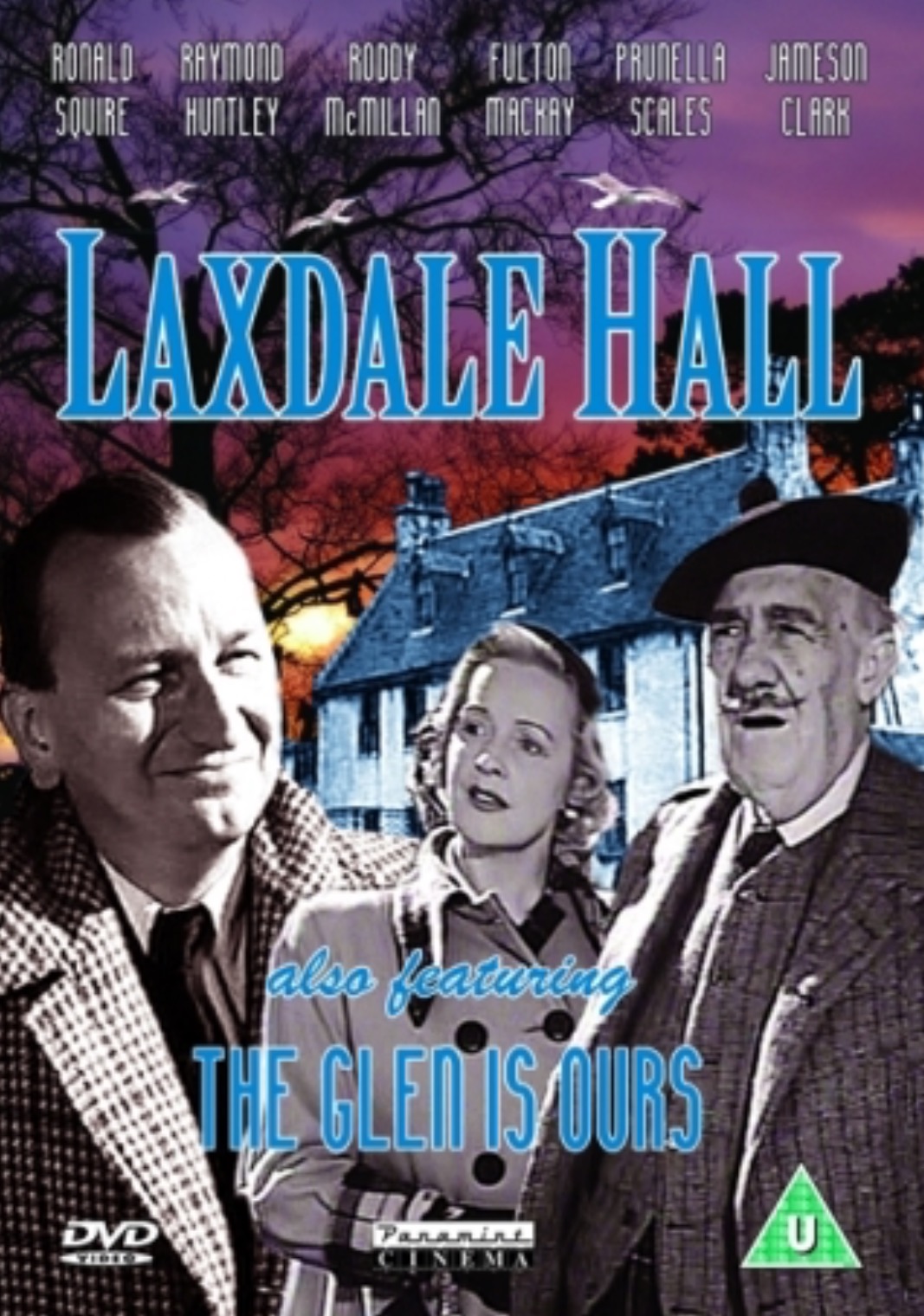
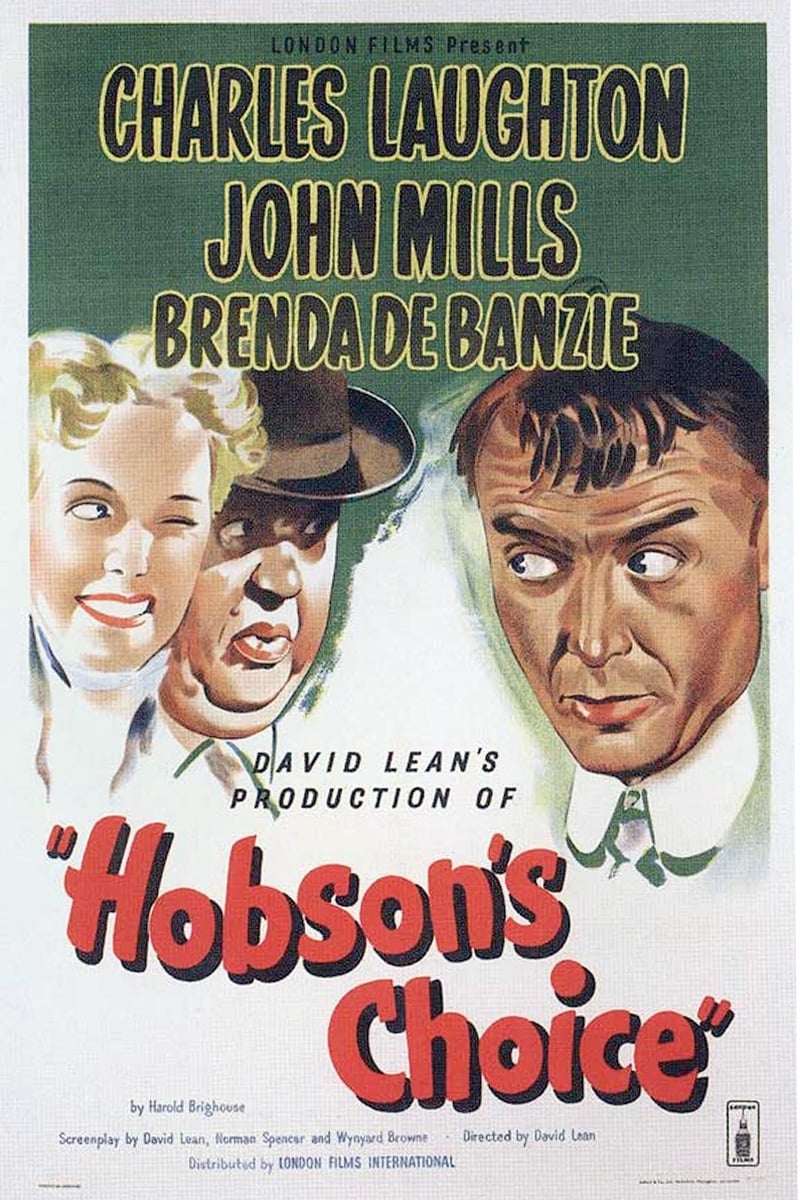
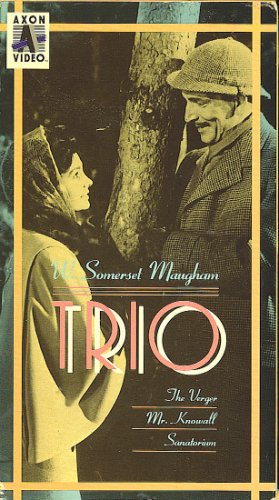
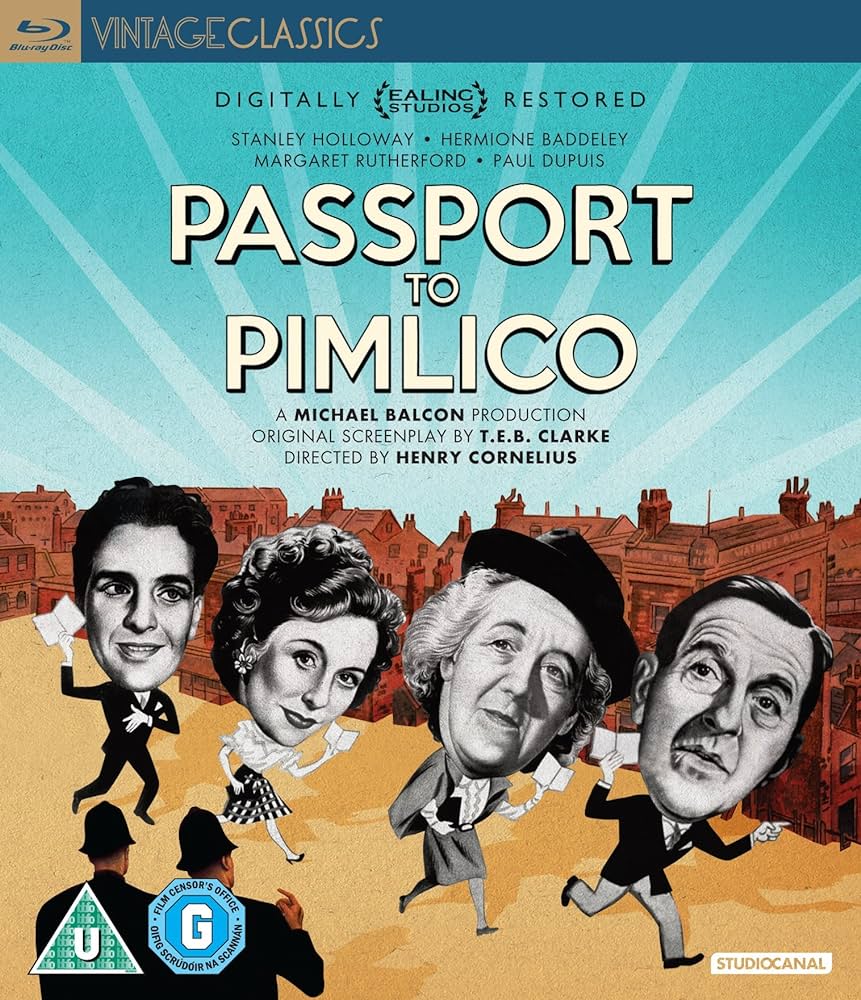
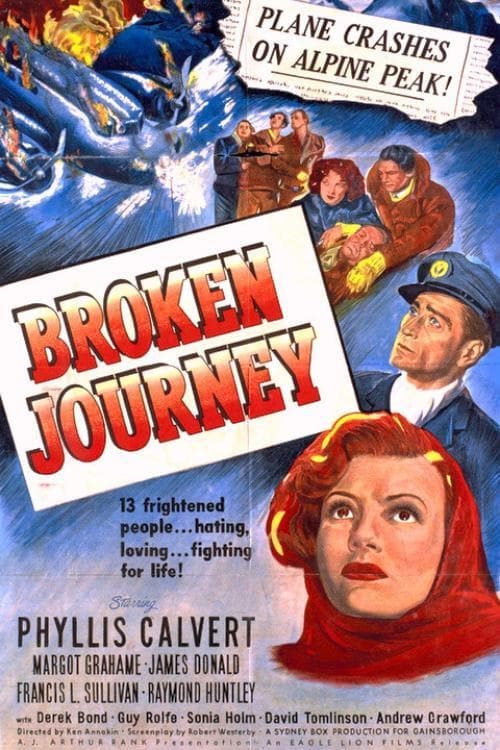
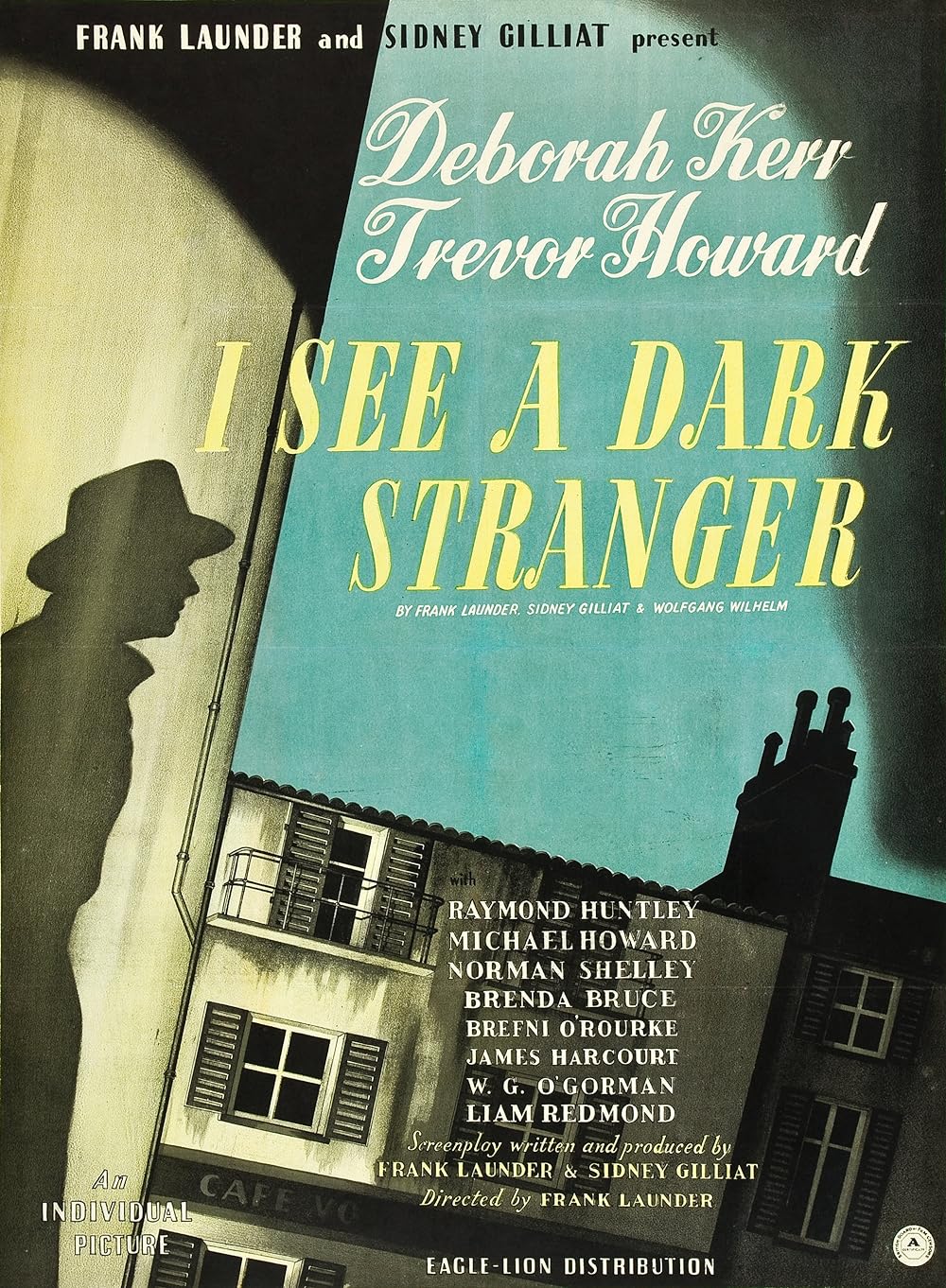

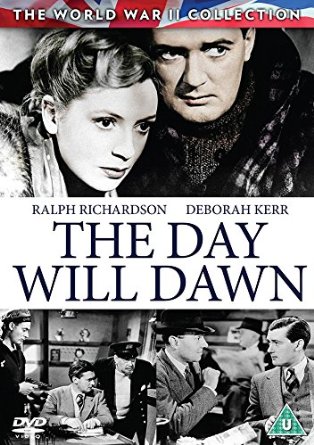
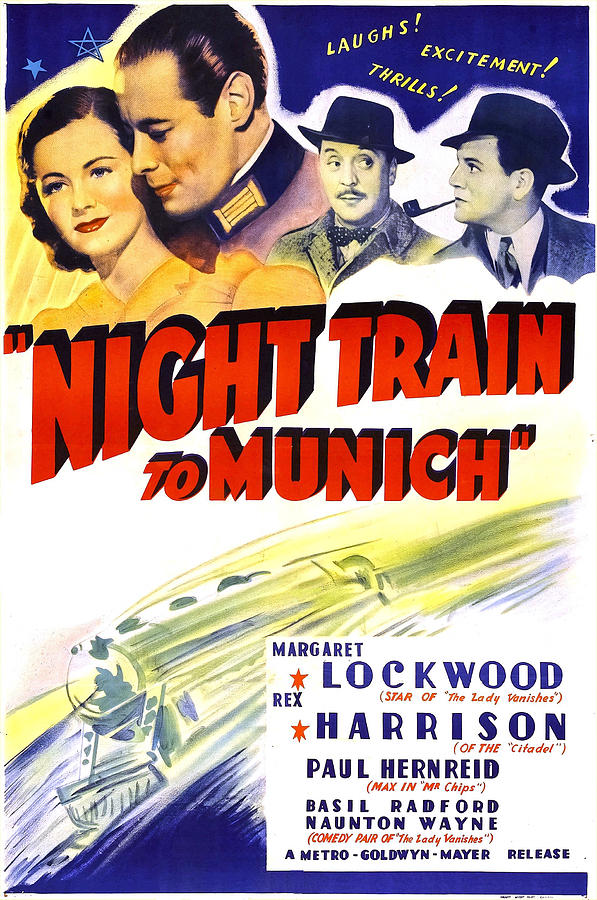
Raymond Huntley (1904–1990) was the quintessential “Bureaucrat of British Cinema.” A critical analysis of his work reveals an actor who perfected the art of the supercilious sneer and the weary sigh. While he rarely played the lead, he was the essential “friction” in the gears of the British film industry for over fifty years—the man behind the mahogany desk who could wither a hero with a single, arched eyebrow.
In the 1940s Noir and 1960s Kitchen Sink genres you love, Huntley represented the “Establishment”—the cold, structural reality that the protagonists were often trying to escape or subvert.
I. Career Overview: The Professional Skeptic
1. The Dracula Milestone (1920s–1930s)
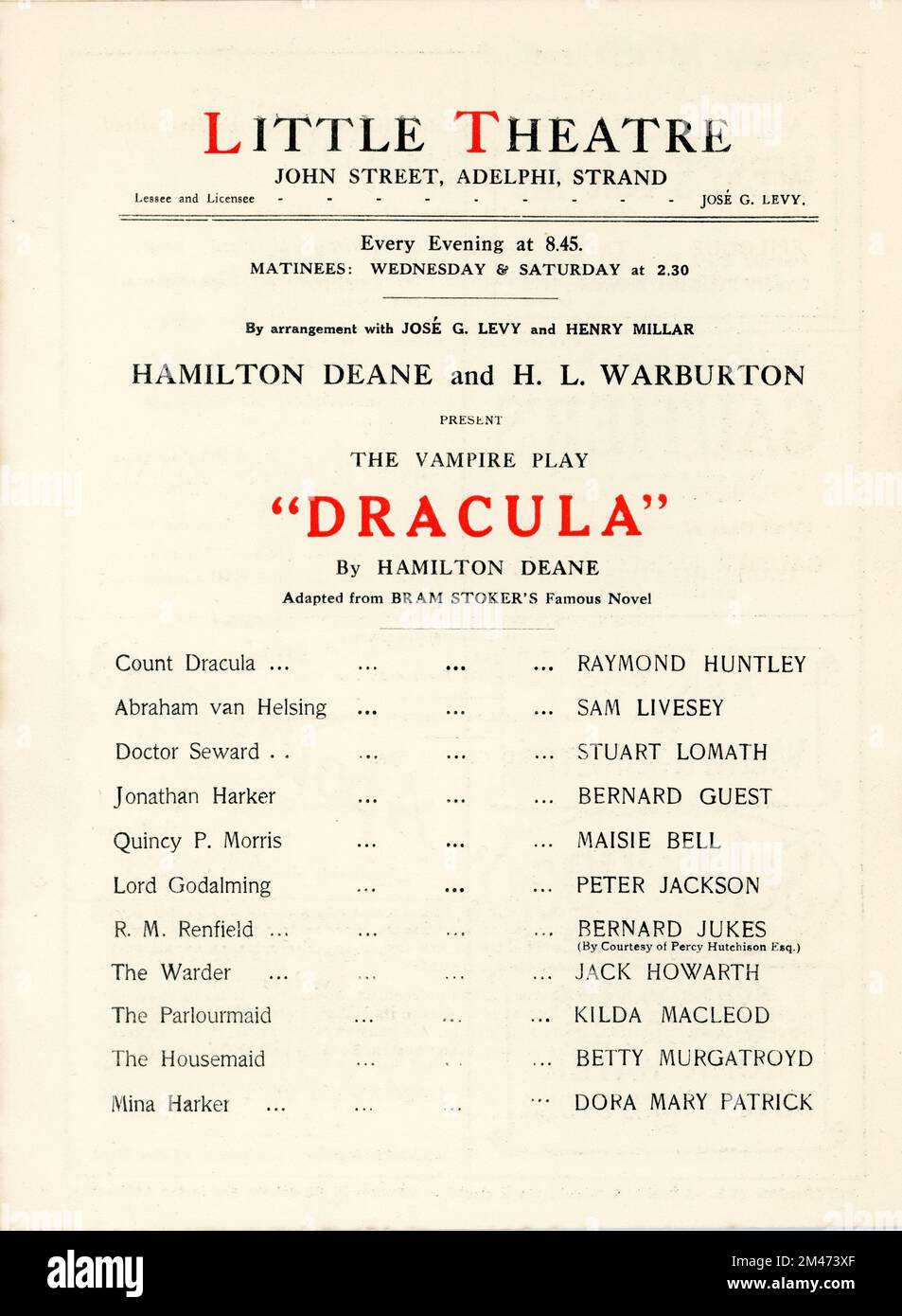
Huntley’s career began with a literal bite. In 1927, he was the first actor to play Count Dracula on the professional stage (in the Hamilton Deane adaptation).
-
The “Icy” Foundation: Critically, this is where he developed his signature “stillness.” He played the Count not as a screaming monster, but as a chillingly polite aristocrat. This “polite menace” would become his calling card for the next sixty years.
2. The Golden Age of Character Acting (1940s–1950s)
During the 1940s, Huntley became the definitive “Bank Manager,” “Judge,” or “Government Official.”
-
Night Train to Munich (1940): In this classic thriller, he showcased his ability to blend comedy with tension.
-
Passport to Pimlico (1949): As a Whitehall bureaucrat, he embodied the “Red Tape” that the Ealing comedies so loved to satirize. He was the man who said “No” so perfectly that the audience couldn’t help but laugh.
3. The “Kitchen Sink” and Satire Era (1960s–1970s)
In the 1960s, Huntley’s persona evolved to fit the angrier, more realistic tone of the times.
-
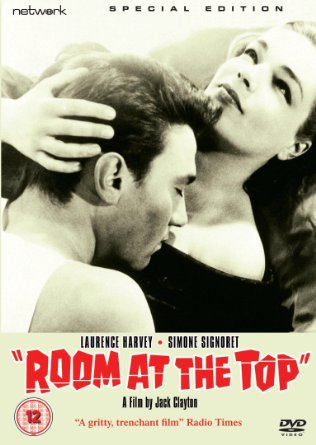
Room at the Top (1959): This film kicked off the Kitchen Sink movement. As Mr. Hoylake, Huntley represented the rigid, class-conscious Northern establishment that Joe Lampton (Laurence Harvey) was trying to penetrate.
-
That Was The Week That Was:** He became a frequent face in television satire, proving that his “serious” persona was the perfect tool for mocking the self-importance of British power.
II. Detailed Critical Analysis
1. The Architecture of the “Stiff Upper Lip”
Critically, Huntley is analyzed for his vocal and facial economy.
-
The “Pursed Lip” Technique: Huntley rarely raised his voice. He used a precise, clipped, and deeply “correct” Received Pronunciation. His power came from the paucity of his expressions. A slight narrowing of the eyes was, in Huntley’s toolkit, equivalent to a physical blow. In the 40s Noirs, this made him a formidable antagonist—he was the “impersonal evil” of a corrupt system.
2. The “Honest” Obstacle
In the Kitchen Sink dramas, Huntley wasn’t a “villain” in the melodramatic sense; he was an obstacle of reality.
-
The Weight of Tradition: Analysts note that Huntley’s characters always believed they were doing the “proper” thing. In Room at the Top, his Hoylake isn’t a monster; he is a man who believes in the rules of the game. Huntley brought a humanity to the bureaucrat—you could see the decades of duty in his tired eyes. He made the “Establishment” feel three-dimensional, which made the hero’s struggle against it feel more authentic.
3. The Comic Undercurrent
Huntley was a master of “Deadpan”.
-
The Straight Man: He understood that the funniest thing in a chaotic world is a man who refuses to acknowledge the chaos. In his many guest spots (including Upstairs, Downstairs as Sir Geoffrey Dillon), he played the “Legal Mind” with such total conviction that it became a form of high comedy. He was the “anchor” that allowed more flamboyant actors to drift.
Iconic Performance Highlights
| Work | Role | Year | Critical Achievement |
| Night Train to Munich | Kampenfeldt | 1940 | Mastered the “Civilized Villain” archetype. |
| Passport to Pimlico | Mr. Fitch | 1949 | Defined the “Satirical Bureaucrat” for Ealing. |
| Room at the Top | Mr. Hoylake | 1959 | Provided the “Establishment Friction” for the Kitchen Sink era. |
| Upstairs, Downstairs | Sir Geoffrey Dillon | 1971–75 | A late-career masterclass in “Legal Poise.” |