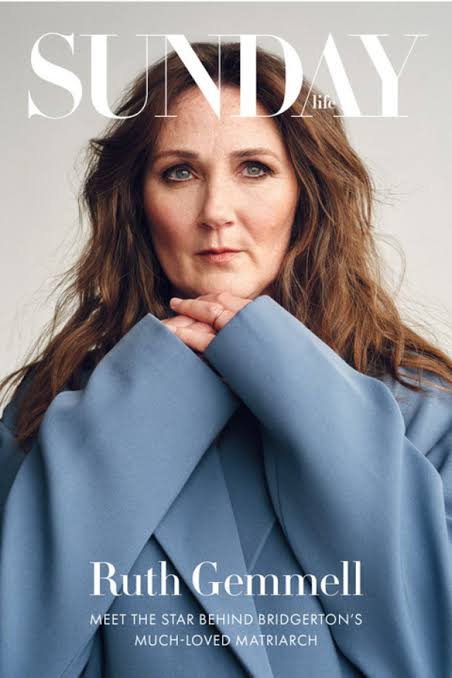
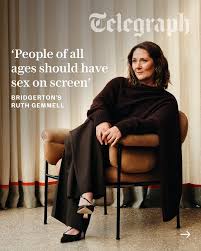
Ruth Gemmell is a British actress whose career spans over three decades across theatre, film, and television. Known for her understated yet emotionally intelligent performances, she has built a reputation as a character actor capable of remarkable range—from working-class realism to period drama refinement.
Career Overview
Early Career and Training
Born in Bristol in 1967, Ruth Gemmell studied at the Webber Douglas Academy of Dramatic Art in London—an institution known for cultivating grounded, text-sensitive performers. Her early work was primarily on stage and television, where she gained experience in British dramas such as Casualty and The Bill. These formative roles established her aptitude for naturalism and her ability to inhabit ordinary characters with emotional specificity.
Breakthrough: Fever Pitch (1997)
Gemmell’s first major film role came opposite Colin Firth in Fever Pitch (adapted from Nick Hornby’s novel). Her performance as Sarah Hughes, the level-headed partner to Firth’s obsessive football fan, revealed her gift for emotional realism amidst comic restraint. Though the film centered on Firth’s character, Gemmell gave the narrative its moral core—balancing frustration and affection in a way that felt deeply authentic. Critics at the time noted her understated presence, which allowed the romantic and psychological tension to feel lived-in rather than theatrical.
From an analytical perspective, Fever Pitch demonstrated Gemmell’s key strength: a performative subtlety that animates ordinary life. She neither relies on heightened gestures nor emotional excess, preferring minute shifts in tone and physicality to register change. This has become a consistent hallmark across her later work.
Range and Television Work
Throughout the late 1990s and 2000s, Gemmell became a familiar face on British television, appearing in series such as:
- Silent Witness
- Waking the Dead
- Foyle’s War
- Home Fires
- EastEnders (in the recurring role of Debra Dean)
Rather than seeking celebrity, Gemmell’s choices leaned toward ensemble storytelling and morally complex narratives. Her performances consistently elevated supporting roles—imbuing even limited screen time with nuance and psychological weight.
Her appearances in crime and procedural dramas often positioned her as investigators, mothers, or professionals navigating grief, duty, or ethical compromise—roles which benefited from her unshowy intelligence as an actor. These performances reinforced her identity as a “truthful” presence—someone the audience believes instinctively.
Bridgerton and Late-Career Recognition
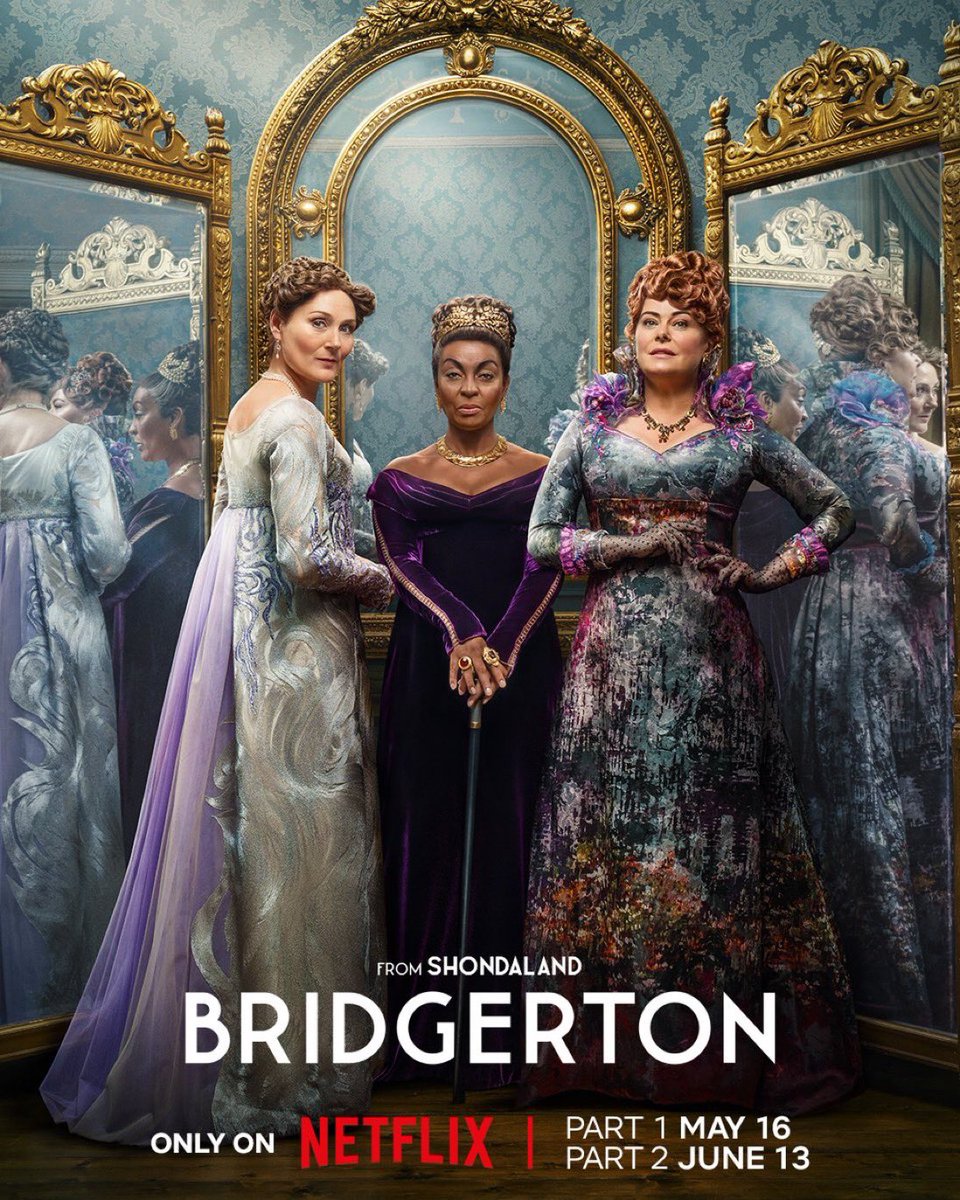
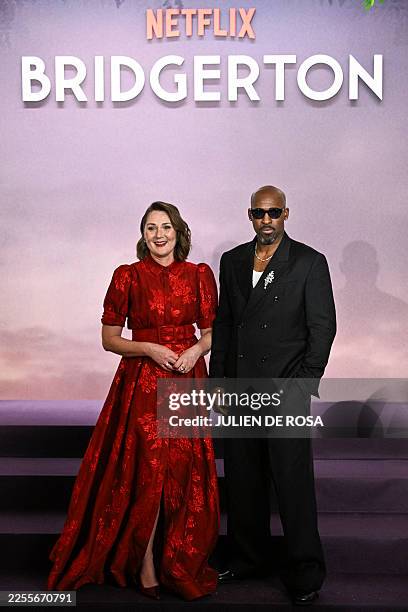
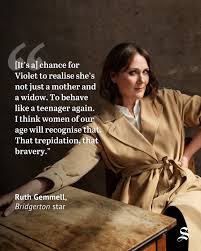
Gemmell achieved renewed international recognition in the Netflix phenomenon Bridgerton (2020–present), where she plays Lady Violet Bridgerton. The role demands both composure and emotional openness; as the matriarch of the family, Violet represents compassion, decorum, and lingering grief.
Critically, her work in Bridgerton showcases mature emotional calibration—a step away from youthful romantic leads toward maternal wisdom and interior conflict. She imbues a potentially archetypal role with grace and restraint, grounding the opulent series in human feeling. Notably, her line delivery and physical stillness often act as emotional conduits amid the show’s aesthetic spectacle—a powerful contrast within the heightened Regency context.
The part has also introduced Gemmell to a new generation of viewers, proving her enduring adaptability and broad appeal.
Theatrical Work
While best known onscreen, Gemmell has continued to work in theatre, including engagements with the Royal Shakespeare Company and the National Theatre. These roles—often rooted in classical or contemporary realism—reflect her ongoing commitment to craft rather than celebrity. On stage, critics have praised her for precision with language and an ability to find modern resonance in traditional texts.
Critical Analysis
Strengths
- Emotional precision: Gemmell’s instrument is subtle but assured; she often conveys more through silence and gaze than dialogue.
- Text sensitivity: Her theatre training gives her an unforced rhythm and diction that make even complex dialogue sound conversational.
- Longevity and consistency: She thrives across multiple media without a defined “star persona,” which allows for sustained credibility and range.
Artistic Identity Gemmell’s career can be understood through the lens of British realism—a commitment to psychological accuracy over aesthetic glamour. She resists melodrama, opting for tightly controlled emotional expression. This makes her performances a masterclass in interiority: characters who feel shaped by lived experience rather than narrative convenience.
Limitations or Under-recognition Despite critical respect, Gemmell has not always received the same public visibility as contemporaries with similar longevity. Her inclination toward supporting or ensemble roles may partly explain this, as might the gendered casting limitations for women entering midlife in British television. Yet, her late recognition in Bridgerton arguably repositions her as a vital senior figure in British screen acting.
Summary
Ruth Gemmell’s career reflects craft over celebrity: a devotion to the integrity of character work, emotional truth, and the ensemble dynamic. From Fever Pitch’s grounded realism to Bridgerton’s stylized empathy, she continually demonstrates how understated performance can hold emotional command. Her trajectory illustrates the endurance of actors who build careers on authenticity, technique, and quiet authority rather than spectacle—a hallmark of Britain’s best character actors