
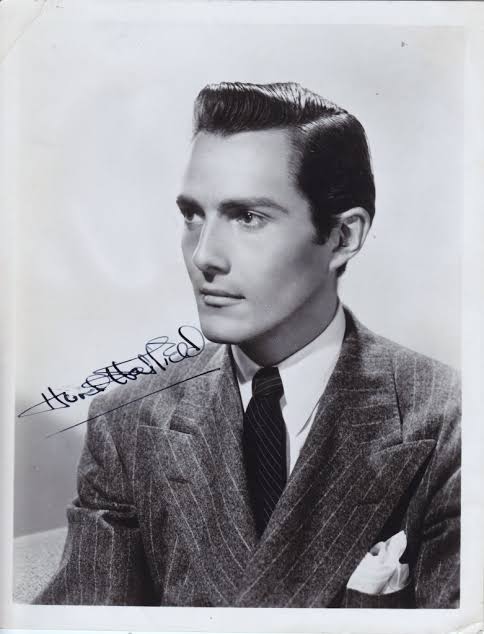
His obituary by Tom Vallance in “The Independent”:
He would later say, however, that the role was a curse as well as a blessing, for within five years he was appearing in B movies, and throughout the rest of his life he would be associated with that single role, despite a long and varied career in film, television and particularly theatre. “I have been haunted by The Picture of Dorian Gray,” he said. “New York, London, anywhere I’m making a personal appearance, people will talk about other things but they always get back to Dorian Gray.” Coincidentally, until recently Hatfield’s appearance remained remarkably youthful, and he became accustomed to being asked if he kept a painting of himself in his attic.
He was born William Rukard Hurd Hatfield in New York City in 1918. He won a scholarship to study acting at Michael Chekhov’s Dartington Hall company in Devon, England, and made his professional debut in the spring of 1939 playing the Baron in scenes from The Lower Depths at the company’s theatre. Returning to the United States with Chekhov’s company, he toured as Sir Andrew Aguecheek in Twelfth Night, Caleb Plummer in Cricket on the Hearth, and Gloucester in King Lear, before making his Broadway debut as Kirilov in The Possessed (1939).
This adaptation of several Dostoevsky works into one sombre 15-scene play ran for only 14 performances, with both the acting and Chekhov’s direction deemed excessively stylised. While the company was playing on the West Coast, Hatfield was signed by MGM and cast as Lao San in the studio’s 1944 adaptation of Pearl Buck’s epic novel Dragon Seed, about the effect of Japanese invasion on a family of Chinese farmers. “That was some experience,” said Hatfield later. “A nightmare! Walter Huston was my father, Katharine Hepburn my sister, Aline MacMahon from New York my mother, Turkish Turhan Bey my brother, Russian Akim Tamiroff my uncle – it was a very odd Chinese family!”
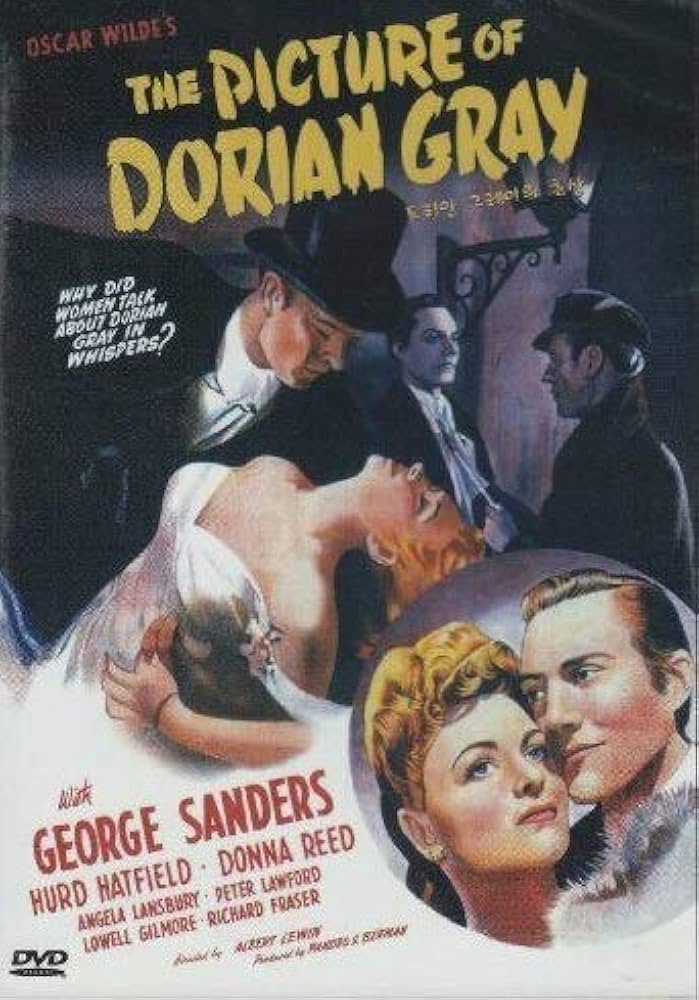
Hatfield then auditioned for the role of vain young sensualist who trades his soul for eternal youth in The Picture of Dorian Gray (1945). “Oscar Wilde’s original Dorian is blond and blue-eyed,” he said later, “and here I was, this gloomy-looking creature. I almost didn’t go to the audition, and when I did, all these blond Adonises were to the right and left of me. I looked like one of their agents!”
The director Albert Lewin had just written and directed a successful transcription of Somerset Maugham’s The Moon and Sixpence, and he was given a large budget to make an opulent and literate version of Wilde’s novel, though critics objected to the many liberties that were taken with the story. The strict censorship of the time worked to some extent in the film’s favour, making the suggestions of corruption and decadence all the more telling for being oblique.
Harry Stradling’s photography, which blazed into colour from black-and- white when it showed the ageing, increasingly dissolute portrait (by Ivan Albright), won an Academy Award. George Sanders was ideally cast as the cynical misogynist Lord Henry Wotton and Angela Lansbury won an Oscar nomination for her portrayal of Sybil Vane, the music-hall singer whose plaintive rendition of “Little Yellow Bird” wins Gray’s heart before he is persuaded by Wotton to jilt her cruelly.
Hatfield’s enigmatic, passive performance was given a mixed reception (one critic described his lack of facial animation to that of an actress playing Trilby while under the hypnotic spell of Svengali). Variety reported, “He plays it with little feeling, as apparently intended, and does it well . . . he’s singularly Narcissistic all the way.” The majority felt that the actor’s immobile features and flat tones suggested the mixture of beauty and depravity called for, but although the film was a great success it failed to ignite Hatfield’s film career. “The film didn’t make me popular in Hollywood,” he commented later. “It was too odd, too avant- garde, too ahead of its time. The decadence, the hints of bisexuality and so on, made me a leper! Nobody knew I had a sense of humour, and people wouldn’t even have lunch with me.”
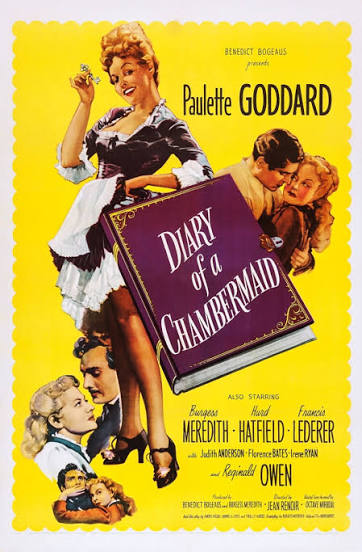
His next film was an independent production, the off-beat Diary of a Chambermaid (1946), adapted by Burgess Meredith from Octave Mirbeau’s 1900 novel Le Journal d’une femme de chambre and directed by Jean Renoir, who was a great admirer of Paulette Goddard, Meredith’s wife and the star of the film. In this strongly cast production, Hatfield held his own as the consumptive son of a wealthy landowner who finds strength and redemption through the love of a chambermaid, but the film, now regarded as a minor classic, was only a succes d’estime at the time of its release, and Hatfield returned to MGM to play a subsidiary role as one of the scientists working on the atom bomb in the studio’s semi-documentary of the weapon’s development, The Beginning or the End (1947).
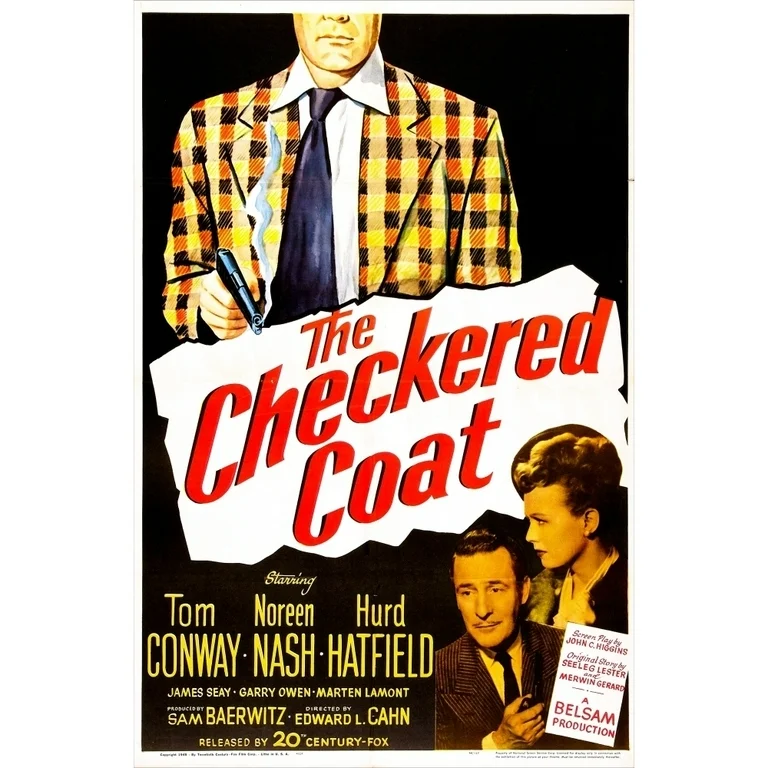
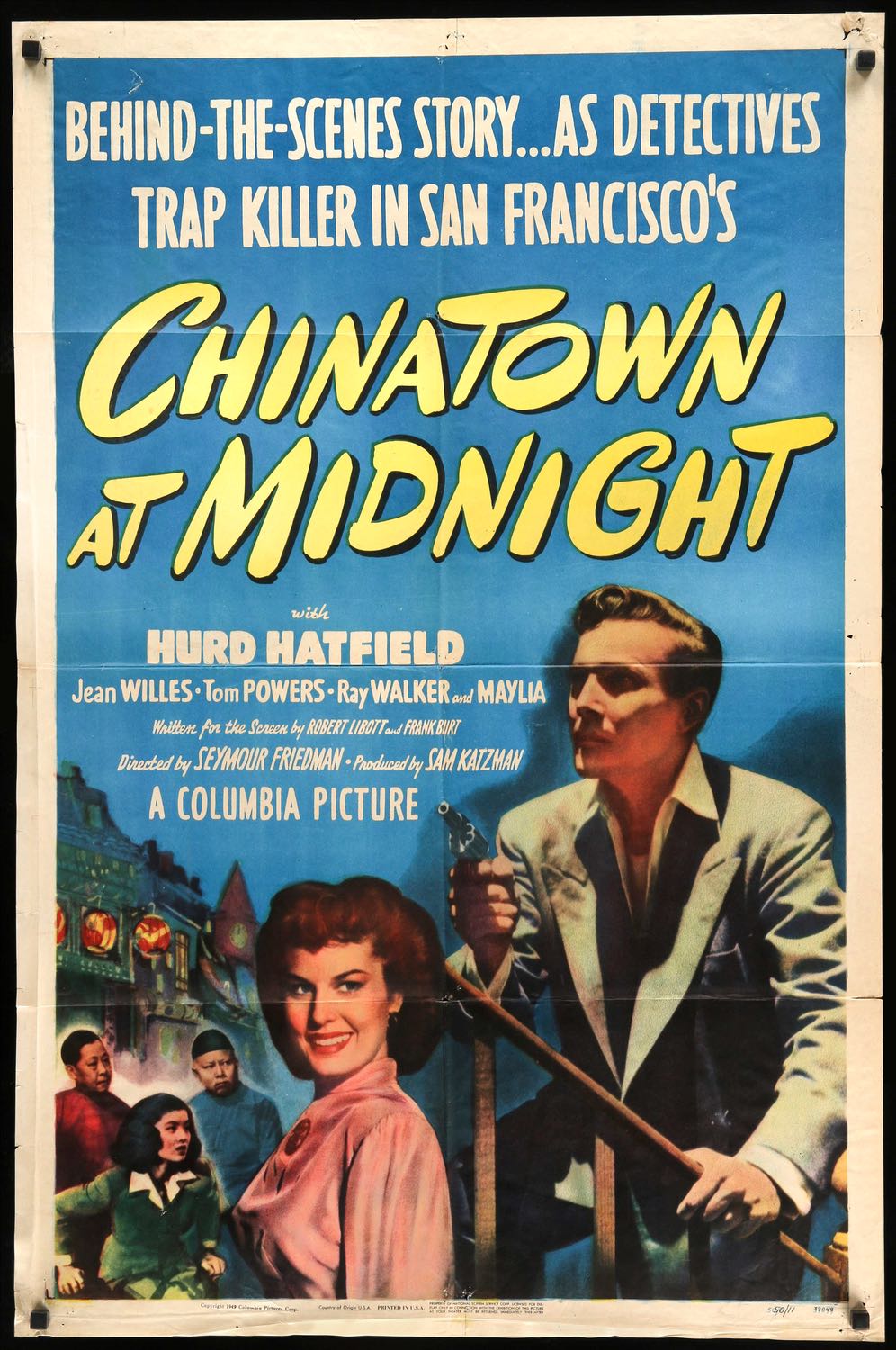
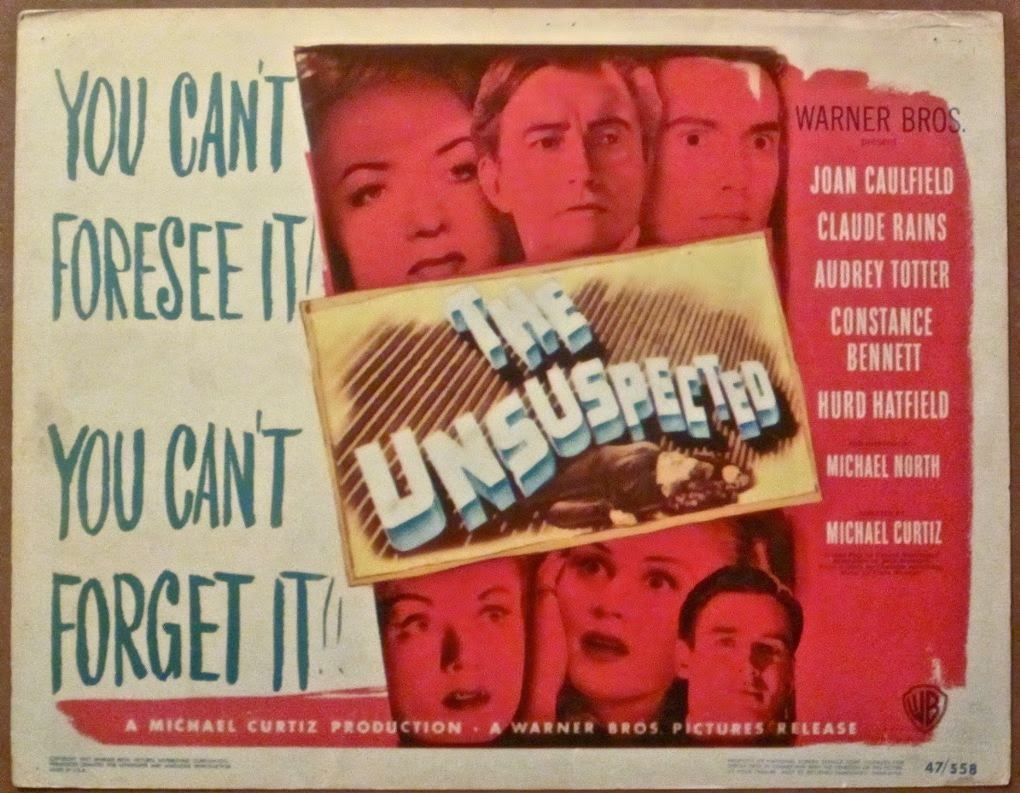
He had a better role in Michael Curtiz’s enjoyable thriller The Unsuspected (1947), as an artist driven to alcohol by his wife’s infidelities. In Walter Wanger’s costly but ponderous Joan of Arc (1948), Hatfield played Father Pasquerel, chaplain to Joan (Ingrid Bergman), but, when this was followed by roles as the villain in two B movies, The Checkered Coat (1950, as a psychotic killer called Creepy) and Chinatown at Midnight (1950), he decided to return to the stage.
In 1952 he appeared on Broadway as Dominic in Christopher Fry’s Venus Observed, directed by Laurence Olivier, and the following year played Lord Byron and Don Quixote in Tennessee Williams’s Camino Real, directed by Elia Kazan. He was Prince Paul in the Broadway production of Anastasia (1954), played the title role in Julius Caesar in the inaugural season of the American Shakespeare Festival at Connecticut, Stratford (1955) and appeared as Don John in John Gielgud’s legendary production of Much Ado About Nothing (1959).
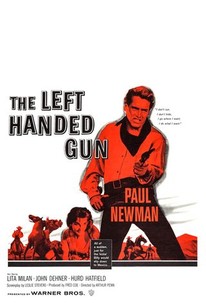
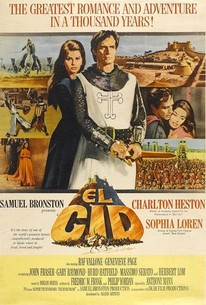
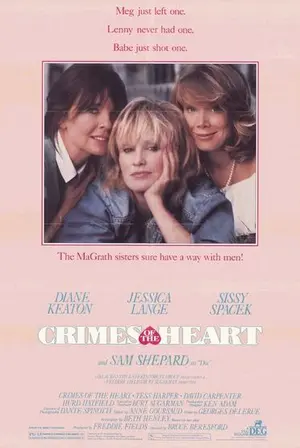
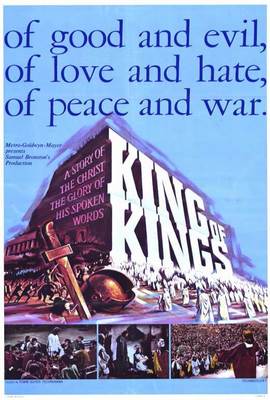
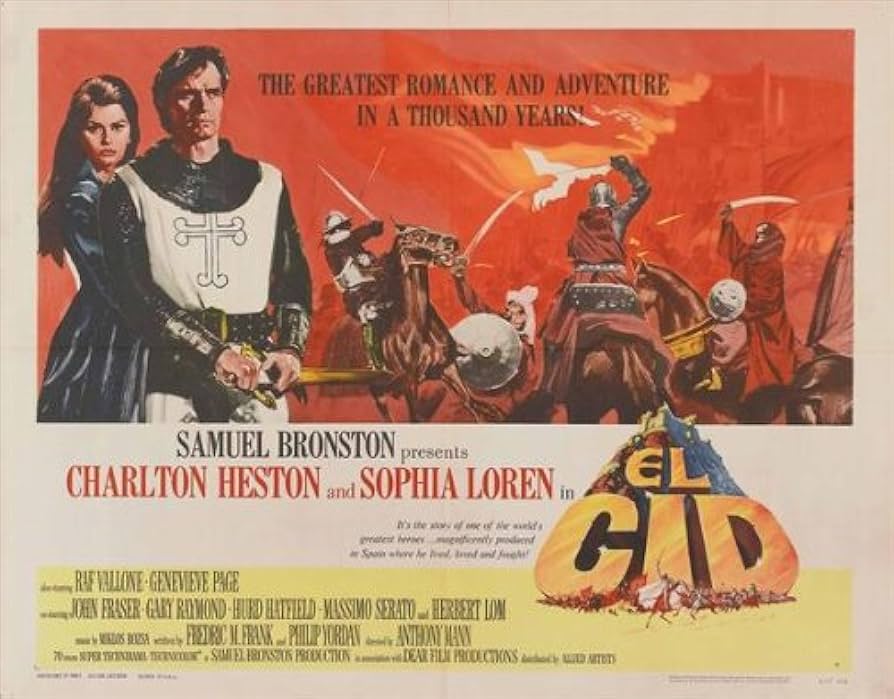
He occasionally returned to Hollywood, notably for two sexually ambivalent roles: the epicene follower of Billy the Kid (Paul Newman) in Arthur Penn’s film of Gore Vidal’s The Left-Handed Gun (1958) and a homosexual antique dealer considered a suspect in The Boston Strangler (1968) – the scene in which he is questioned by a liberal police officer (Henry Fonda) was one of the most potent in the film. He was in two of 1965’s epics, King of Kings and El Cid, and in 1986 returned to the screen to play the ailing grandfather of Jessica Lange, Sissy Spacek and Diane Keaton in Crimes of the Heart.
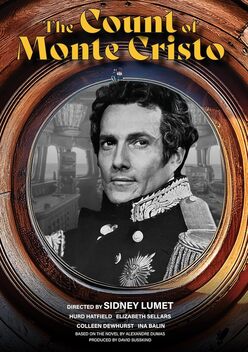
His prolific television work included The Rivals and The Importance of Being Ernest (both 1950), the title roles in The Count of Monte Cristo (1958) and Don Juan in Hell (1960), episodes of Suspense, Alfred Hitchcock Presents and Murder She Wrote, and in 1963 an Emmy-nominated performance as Rothschild in The Invincible Mr Disraeli. In recent years he toured Germany, Northern Ireland, Latvia and Russia in The Son of Whistler’s Mother, a one-man play about James McNeill Whistler, and in July 1997 he made a personal appearance at the Metropolitan Museum of Art in New York in connection with an exhibition of paintings by Albright (including Dorian Gray).
A bachelor, Hurd Hatfield had lived for many years on an estate in Ireland (he also owned a house on Long Island), commuting for acting assignments. He recently stated that he had accepted his permanent association with the role of Gray, even though the film had for him been “a terrible ordeal in self- control, everything being so cerebral”. He added, “But not many
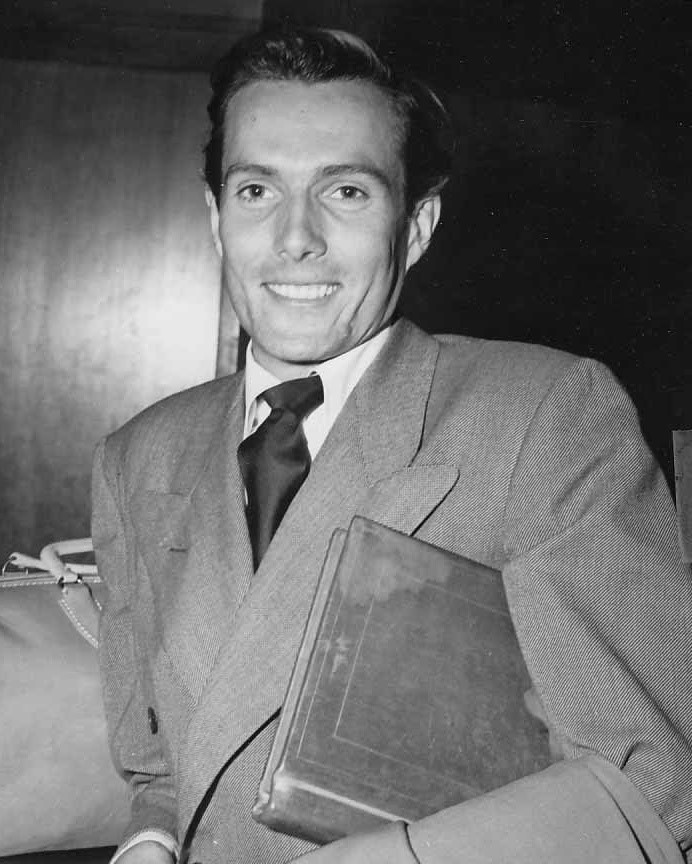
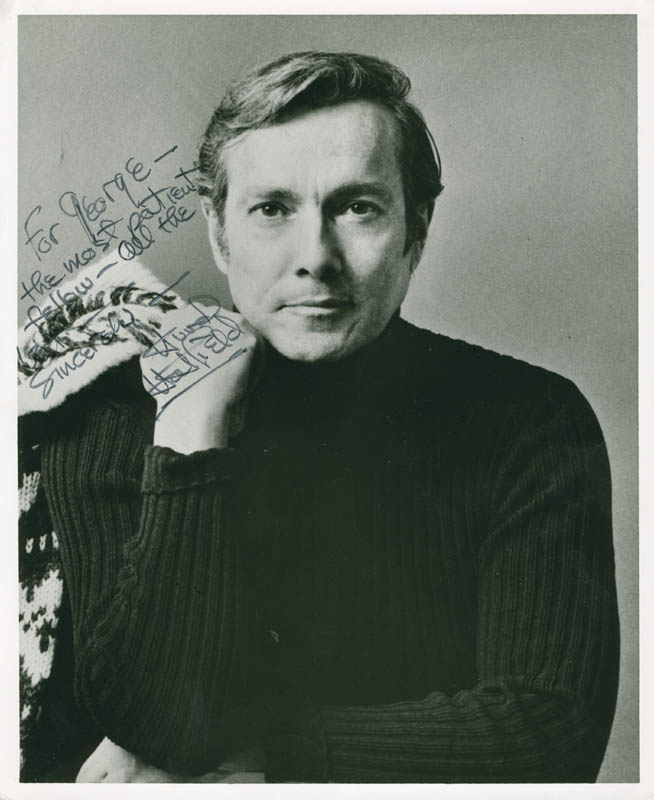
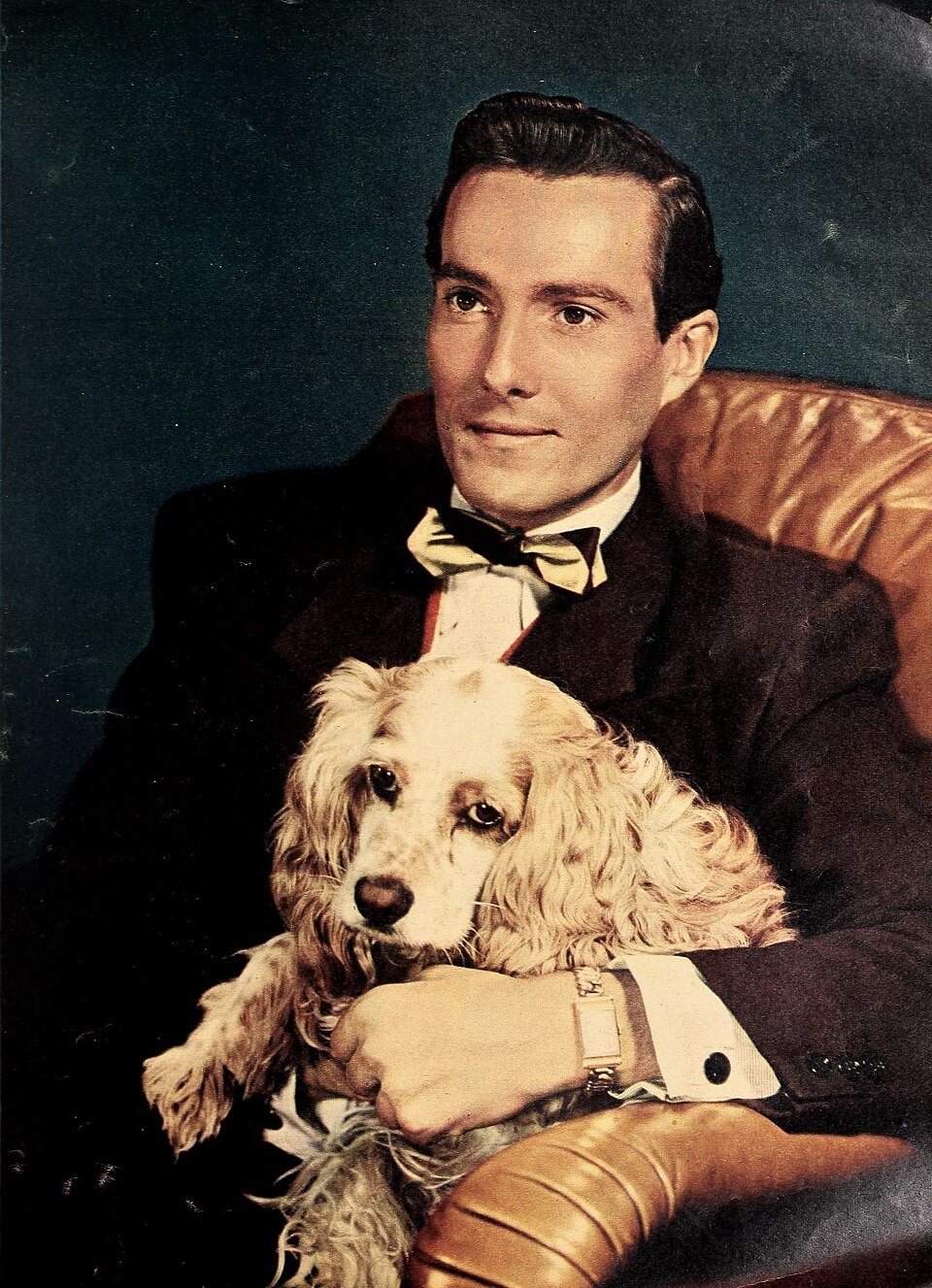
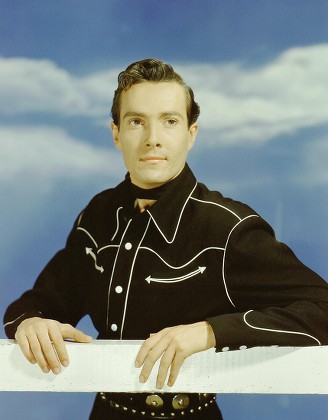
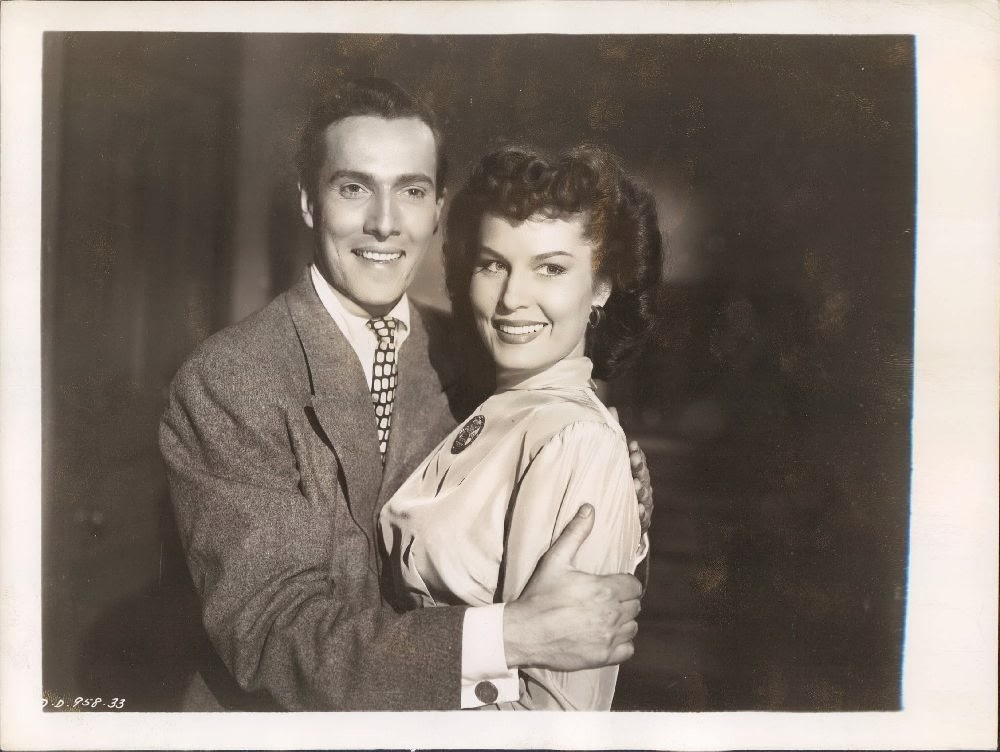
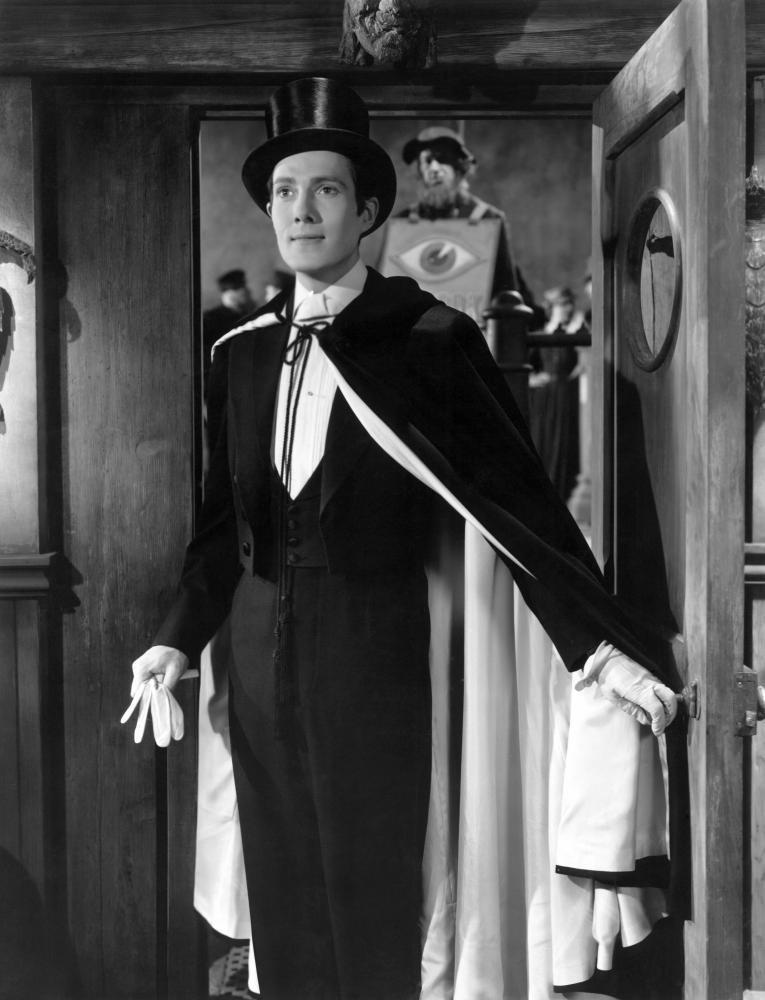
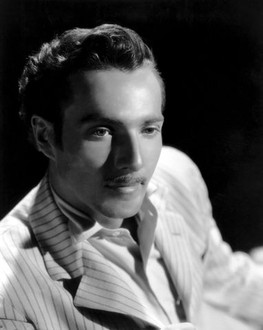
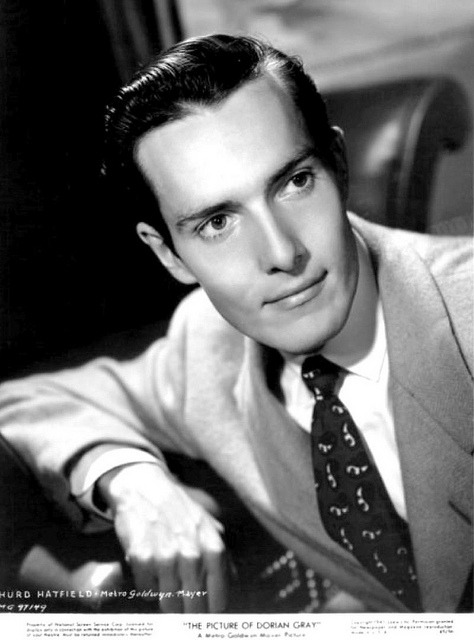
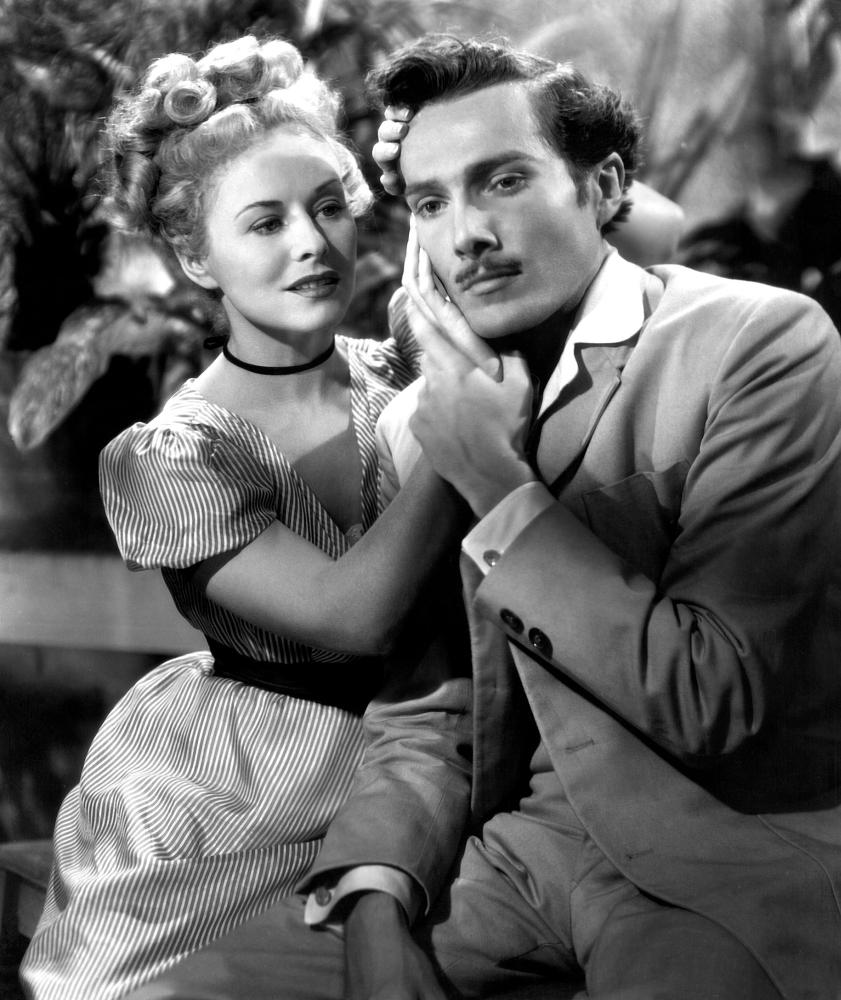
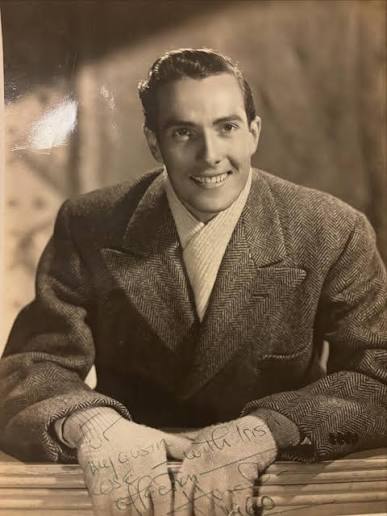
Hurd Hatfield (1917–1998) was an American actor whose career bridges the late Golden Age of Hollywood, the British stage, and later television and character‑role work, but he is indelibly known for one signature part: Dorian Gray. His looks and early success gave him every chance to become a major leading man, yet his career slowly shifted from front‑rank stardom to a long, respected stretch as a distinctive supporting and character actor, often playing elegant, morally ambiguous, or quietly troubled men.
Early stage and the leap to Hollywood
Born in New York, Hatfield moved to England to study acting at the Michael Chekhov Theatre Studio in Devonshire, grounding himself in a psychologically informed, slightly ascetic style that later suited his penchant for thoughtful, restrained performances. After stage work in the United Kingdom and the United States, he was cast in his first major film, Dragon Seed (1944), a wartime drama with Katharine Hepburn in which he played a Chinese peasant despite not being Asian; the casting was a typical xenophobic‑era gesture, though the film itself was a prestige MGM project.
His breakthrough came the next year, when director Albert Lewin cast him as Dorian Gray in The Picture of Dorian Gray (1945), MGM’s high‑budget adaptation of Oscar Wilde’s novel. The film’s Oscar‑winning cinematography and the now‑famous Ivan Albright portrait of the “aged Dorian” made it a unique visual experiment, and Hatfield’s otherworldly good looks and cool reserve quickly became inseparable from the role.
Critically, the casting is now seen as a bold, if somewhat “wooden,” choice: his blank, almost doll‑like stillness was read by some at the time as lack of expressiveness, yet later analysis argues that this was a deliberate strategy to embody Dorian’s narcissistic detachment. His performance works precisely because he does not over‑act: his charm is cool, his cruelty insinuated rather than shouted, and his eventual unease about the portrait becomes all the more disturbing for its quiet, internalized quality.
Typecasting and early post–Dorian work
The success of The Picture of Dorian Gray simultaneously made Hatfield’s name and trapped him. He later complained that the film’s decadent aura, its suggestions of bisexuality and narcissism, and its “odd,” almost avant‑garde tone made him a kind of pariah in conservative‑minded Hollywood circles, limiting his opportunities as a conventional leading man.
He followed Dorian with a string of reputable but less iconic roles:
The Diary of a Chambermaid (1946), a psychological drama in which he plays a politically dovish, somewhat empty sophisticate; critics note that he brings a similar air of cultivated, slightly hollow refinement to the character, using the same kind of gliding, urbane presence but without the Gothic weight of Dorian.
The Unsuspected (1947), a noir‑tinged suspense film, in which he plays a smooth, watchful radio‑drama host drawn into a murder plot; reviewers of the film often highlight his cool, almost unreadable demeanor as a key part of the picture’s eerie, claustrophobic mood.
The Beginning or the End (1947), a docu‑style drama about the Manhattan Project, and Joan of Arc (1948), a big‑budget, critical‑and‑box‑office failure, which accelerated his marginalization in major studio leading roles.
This sequence of films reveals a pattern: Hatfield was repeatedly cast as a pale, cerebral, morally ambiguous man whose charm barely masks emotional or ethical emptiness. Directors gravitated to his reserve and sleek good looks, using them as shorthand for a certain kind of modern, “decadent” masculinity, but they rarely gave him the chance to play unambiguously heroic or emotionally exuberant parts.
Shift to stage and supporting roles in the 1950s–70s
By the 1950s, Hatfield’s film career as a leading man had stalled, and he increasingly turned back to the stage, where his classical‑training background and precise diction suited him to Shakespeare and literary drama. He appeared in productions such as Tennessee Williams’s Camino Real and Off‑Broadway plays, often playing intellectuals, poets, or spiritually torn figures, doubling down on the introspective persona he had first established on screen.
In film, he settled into a pattern of capable, often memorable supporting roles:
The Left‑Handed Gun (1958), a moody, modern‑style western in which he plays a sympathetic but ineffectual authority figure observing the rise of a young outlaw; his understated presence underscores the film’s psychological angle rather than its action.
Beyond This Place (1957, directed by Sidney Lumet), a British courtroom‑drama adaptation, where his cultivated, restrained demeanor fits a tightly controlled, socially observant narrative style.
Critics of this phase often praise his reliability and his ability to bring gravitas to smaller parts without puffing himself up; he rarely dominates the frame, but he often “tightens the film” by giving it a core of seriousness and moral unease.
Major spotlight returns: Pontius Pilate and later work
Hatfield did not disappear, however; he returned to larger‑visibility roles in big‑budget historical and epic pictures. His most famous later part is Pontius Pilate in George Stevens’ King of Kings (1961), where he plays the Roman governor as a weary, morally conflicted administrator caught between imperial duty and a nagging sense of spiritual doubt.
Critics and later commentators often point to this performance as a kind of “second signature” role: once again he plays a man whose conscience is at odds with his position, and once again his restraint and dryness heighten the sense of inner conflict. He repeated the pattern in El Cid (1961), where he appears as a noble figure in a tapestry of larger‑than‑life personalities, and in Harlow (1965), where he embodies the tragic producer Paul Bern, bringing a quiet gravitas to a story of glamour and self‑destruction.
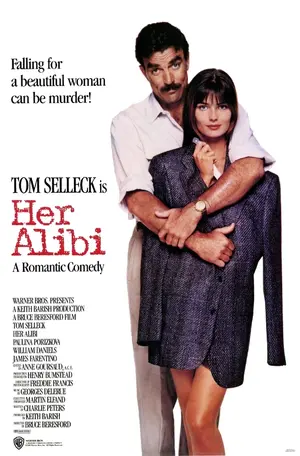
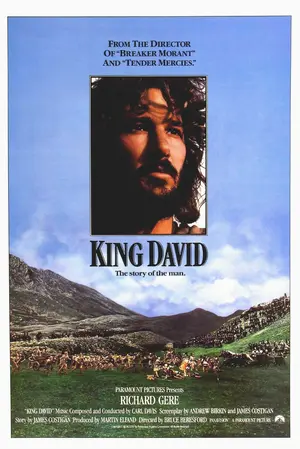
In the 1960s and 1970s he continued to work in television and lower‑profile films, including The Boston Strangler (1968) and later, in the 1980s, King David (1985) and Her Alibi (1989). His television work included guest appearances on shows such as Murder, She Wrote, where he reunited with his longtime friend Angela Lansbury, and he earned an Emmy nomination for his role in the Hallmark Hall of Fame production The Invincible Mr. Disraeli.
Critical reputation and performance style
Hatfield is remembered today less as a major star than as a distinctive, somewhat haunted leading man who brought a unique blend of beauty, reserve, and moral ambiguity to his best roles. His acting style is marked by:
A cool, almost statuesque stillness punctuated by small, precise gestures and glances, making his characters feel emotionally guarded and internally divided.
A tendency to play men who are either morally compromised or quietly tormented, often using his voice and posture to suggest a mind wrestling with guilt, doubt, or aesthetic detachment.
Critically, his career is often read as a case of typecasting and diminishing returns: the very things that made him ideal for Dorian Gray and similar roles also made him hard to cast in broad populist vehicles, and he never fully realized the leading‑man trajectory his looks and early films promised. Yet, for viewers attuned to psychological nuance and moral complexity, he remains a quietly compelling figure whose reserved performances deepen films that might otherwise lean more heavily on spectacle and melodrama.
In sum, Hurd Hatfield’s career is best understood as that of an actor whose early association with The Picture of Dorian Gray both defined and constrained his path, but who nonetheless built a long, varied, and artistically consistent body of work by returning repeatedly to the figure of the elegant, morally uneasy man caught between self‑destruction and a fragile conscience.
Hurd Hatfield’s later life was marked by a gradual withdrawal from the mainstream Hollywood scene and a turn toward a quieter, more private existence, much of it spent in Ireland. After his film and stage heyday in the 1940s and 1950s, he continued working in television and character‑role parts but by the 1970s and 1980s he had semi‑retired and moved to Ireland, where he lived for the final decades of his life.
Life in Ireland
Hatfield made his home in County Meath and later in County Wicklow, leading a simple, relatively reclusive life away from the glare of Hollywood and the British theatrical circuits. Friends and biographical sketches describe him as cultured, bookish, and intellectually curious—qualities that suited the slower pace and literary atmosphere of rural Ireland. He maintained close ties with longtime friends such as Angela Lansbury, to whom he remained a devoted correspondent and confidant, and he continued to read and follow the arts, but he rarely appeared in the press or in public events.
He also became increasingly involved in local parish life, and there are accounts of him assisting in the Catholic church in the vicinity of his home, lending a hand with Mass readings and other small‑scale duties, consistent with his own quiet, disciplined temperament. This quiet, quasi‑monastic tone to his later years contrasted sharply with the glamorous decadence of his defining role as Dorian Gray, underscoring how far he had moved from that image‑driven phase of his life.
Final years and death
Hatfield continued to accept the occasional film or television job into the late 1980s, including a part in the 1989 comedy Her Alibi with Tom Selleck, but these were token returns rather than a full comeback. By this point, his main public presence was through his cult reputation as Dorian and through admiring essays and retrospectives that re‑examined his restrained, psychologically complex style.
He died in 1998 at the age of 80 at his home in County Cork, His gravestone reads simply “The Artist,” a modest inscription that reflects the dignified, understated way he chose to live his later years in Ireland, far from the noisy machinery of the studio system that had once defined him