

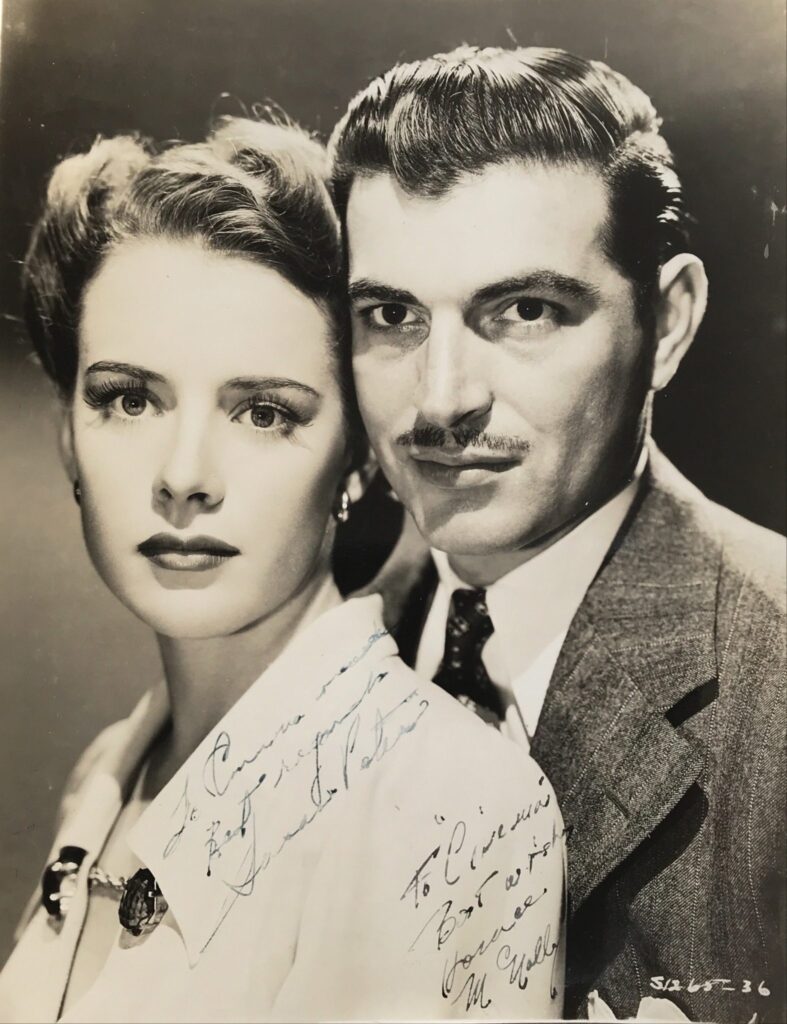
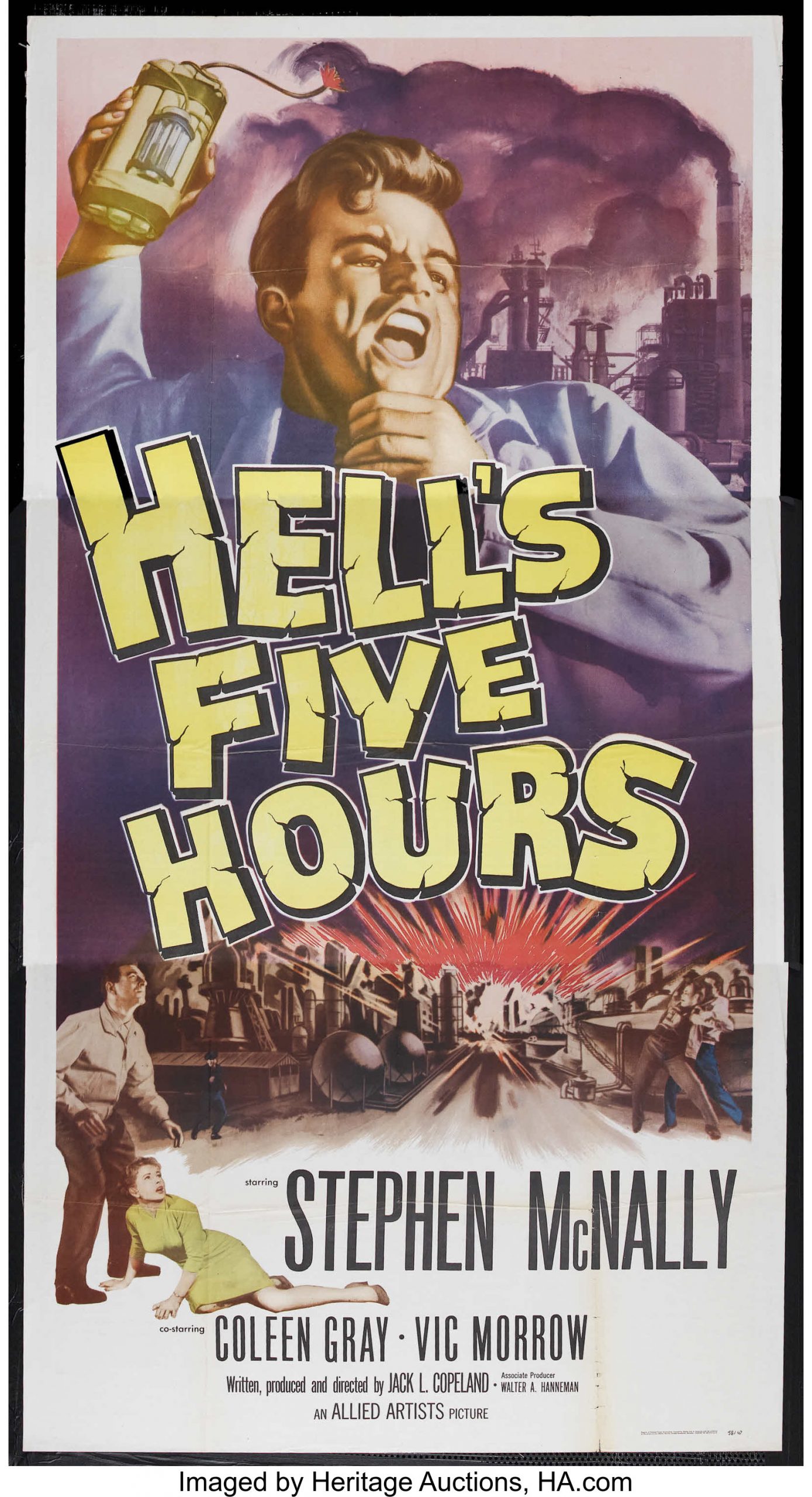
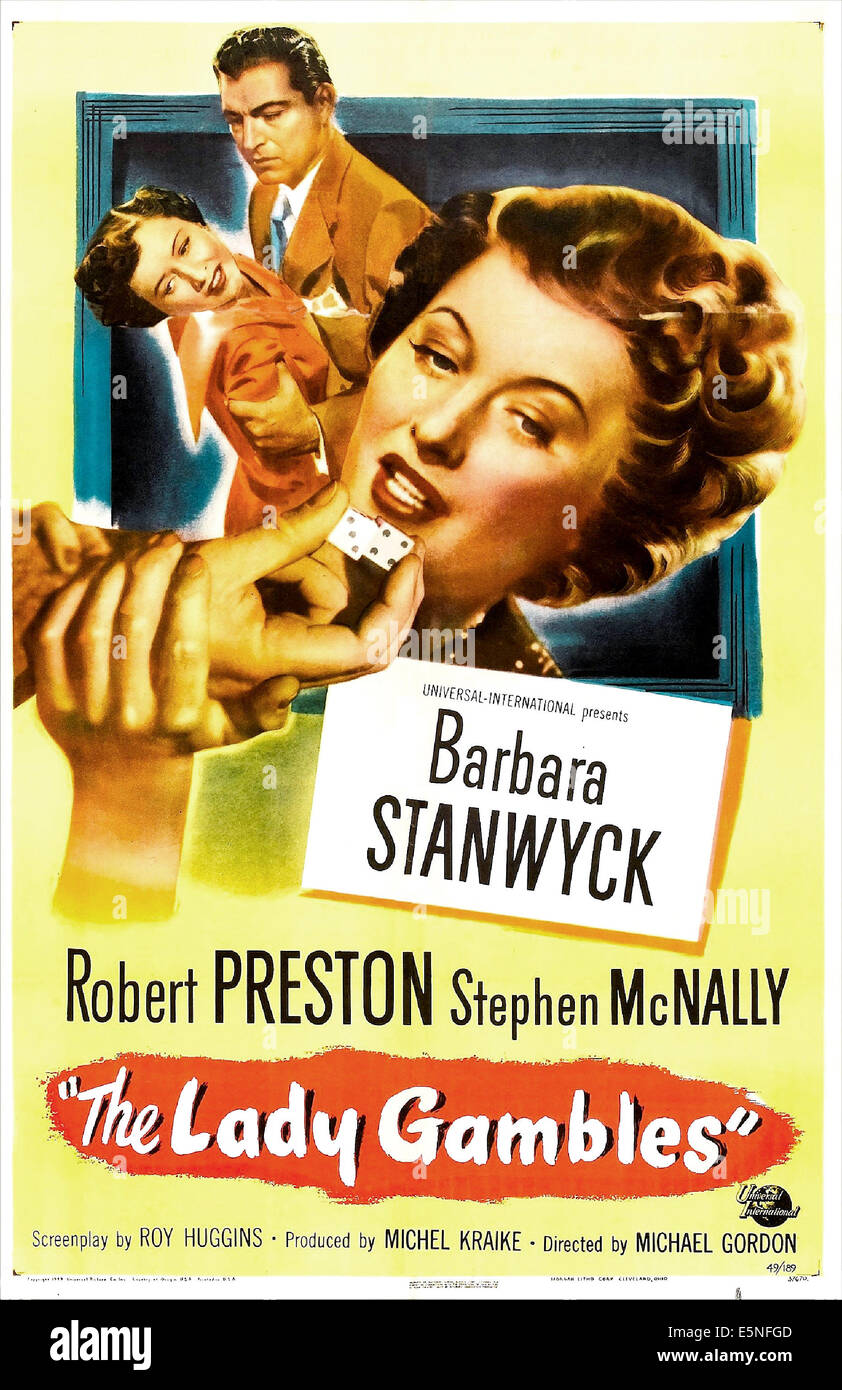
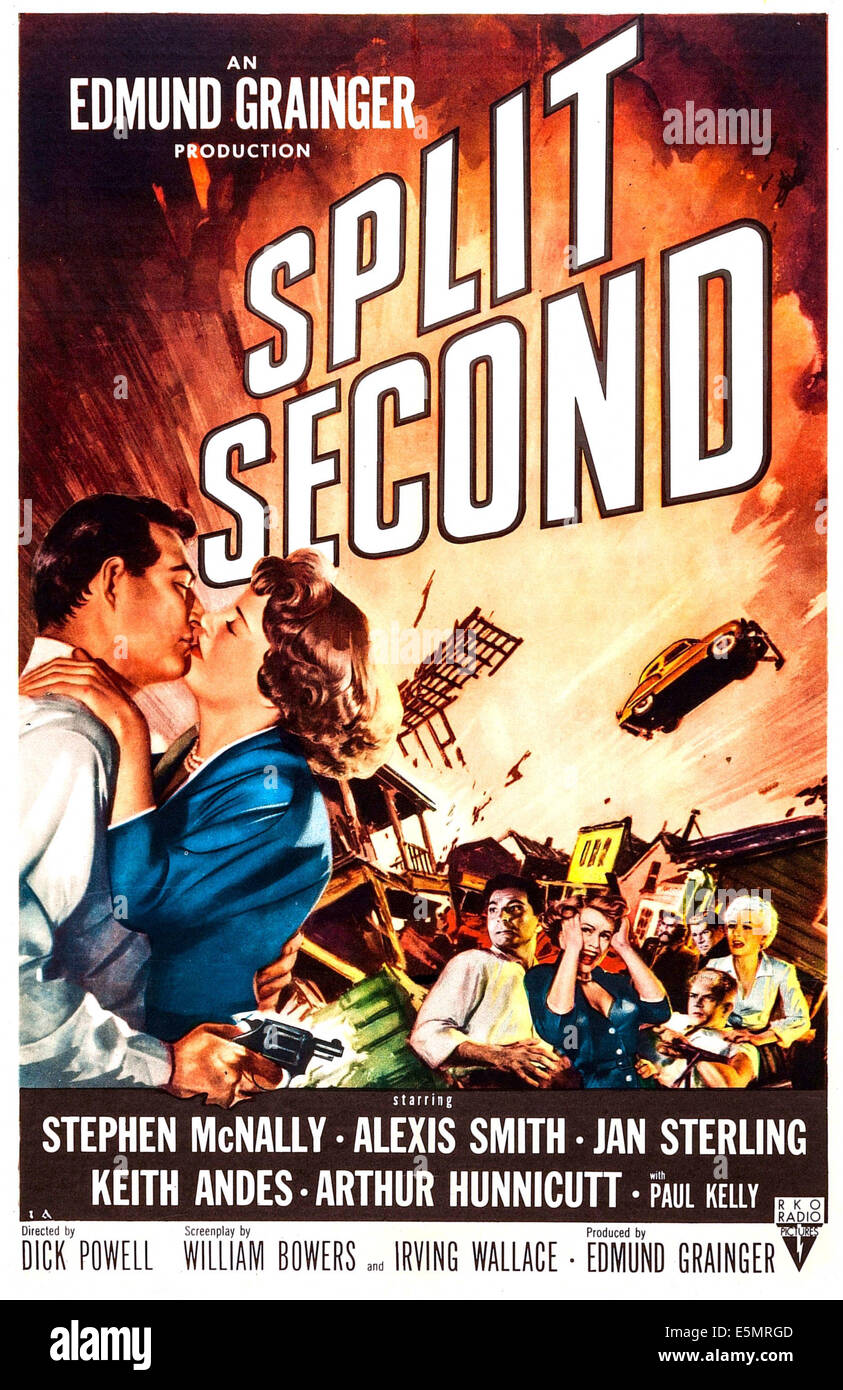
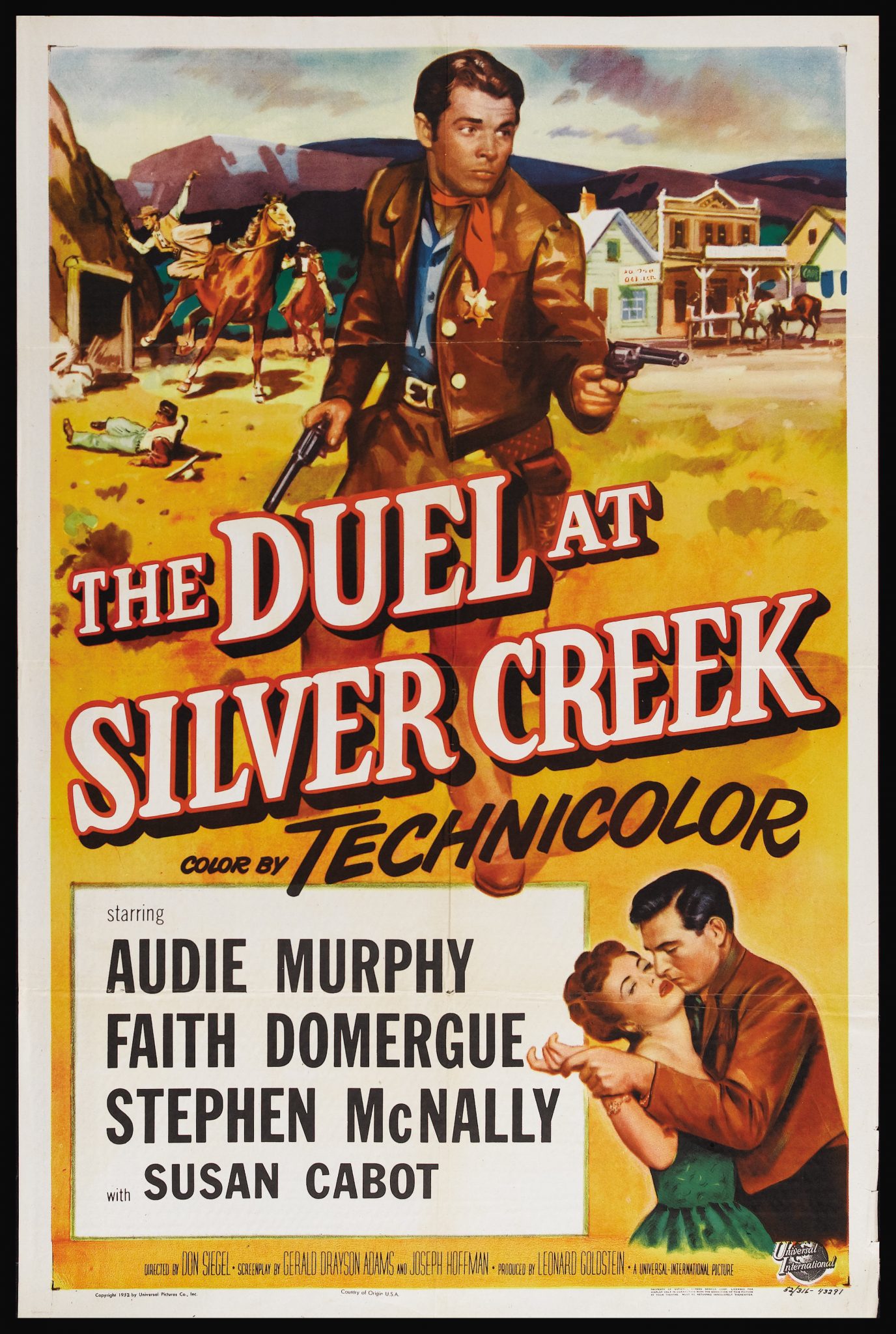
Stephen McNally (1911–1994) was a distinctive presence in post-war American cinema, an actor whose career was defined by a transition from “Horace,” the mild-mannered supporting player, to “Stephen,” the quintessential cold-eyed villain of the 1950s. A former attorney who traded the courtroom for the soundstage, McNally brought a precise, almost clinical coldness to his performances that made him one of the most effective “heavies” of the studio era.
I. Career Overview: The Lawyer Turned Outlaw
1. The “Horace” Years (1942–1946)
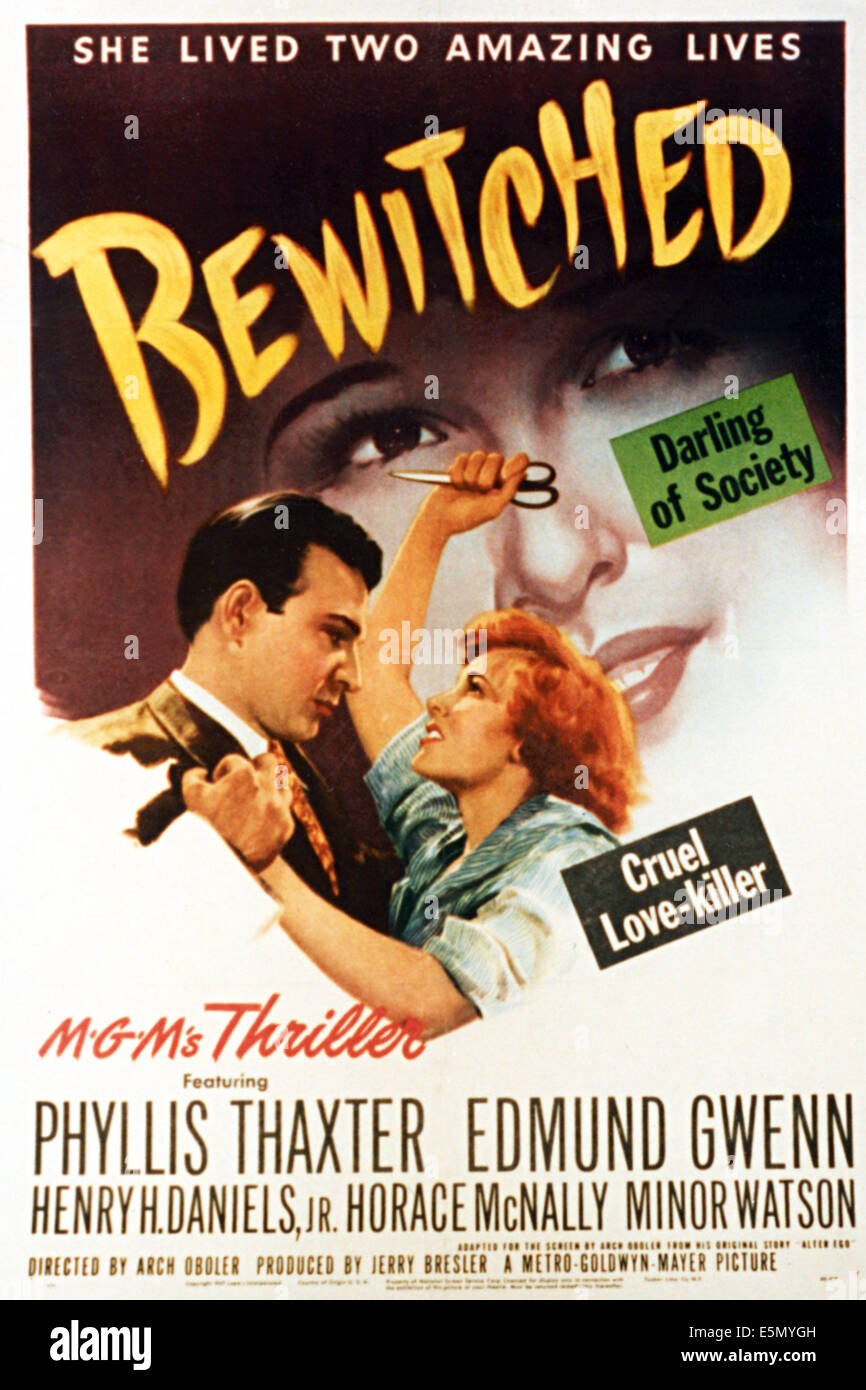
Starting his career under his birth name, Horace McNally, he was initially cast in small, often uncredited roles at MGM.
The Stage Training: His background as a practicing attorney in New York gave him a disciplined approach to dialogue and a natural authority.
Minor Heroics: During WWII, he played a variety of doctors, pilots, and clean-cut supporting characters in films like Thirty Seconds Over Tokyo (1944).
2. The Transformation & Johnny Belinda (1948)
In 1946, he changed his name to Stephen McNally, a move that coincided with a radical shift in his screen persona.
The Breakout Villain: His performance in Johnny Belinda (1948) as the brutal Locky McCormick was a shock to audiences. Playing the man who rapes a deaf-mute woman (Jane Wyman), McNally delivered a performance of such “rabid” cruelty that it broke through the restrictions of the Motion Picture Production Code.
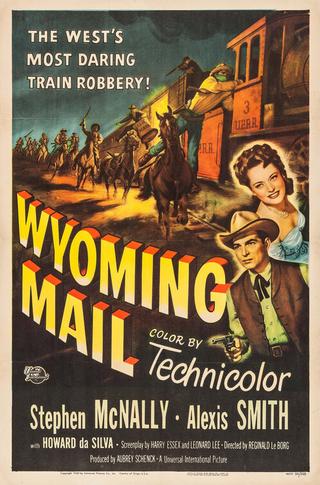
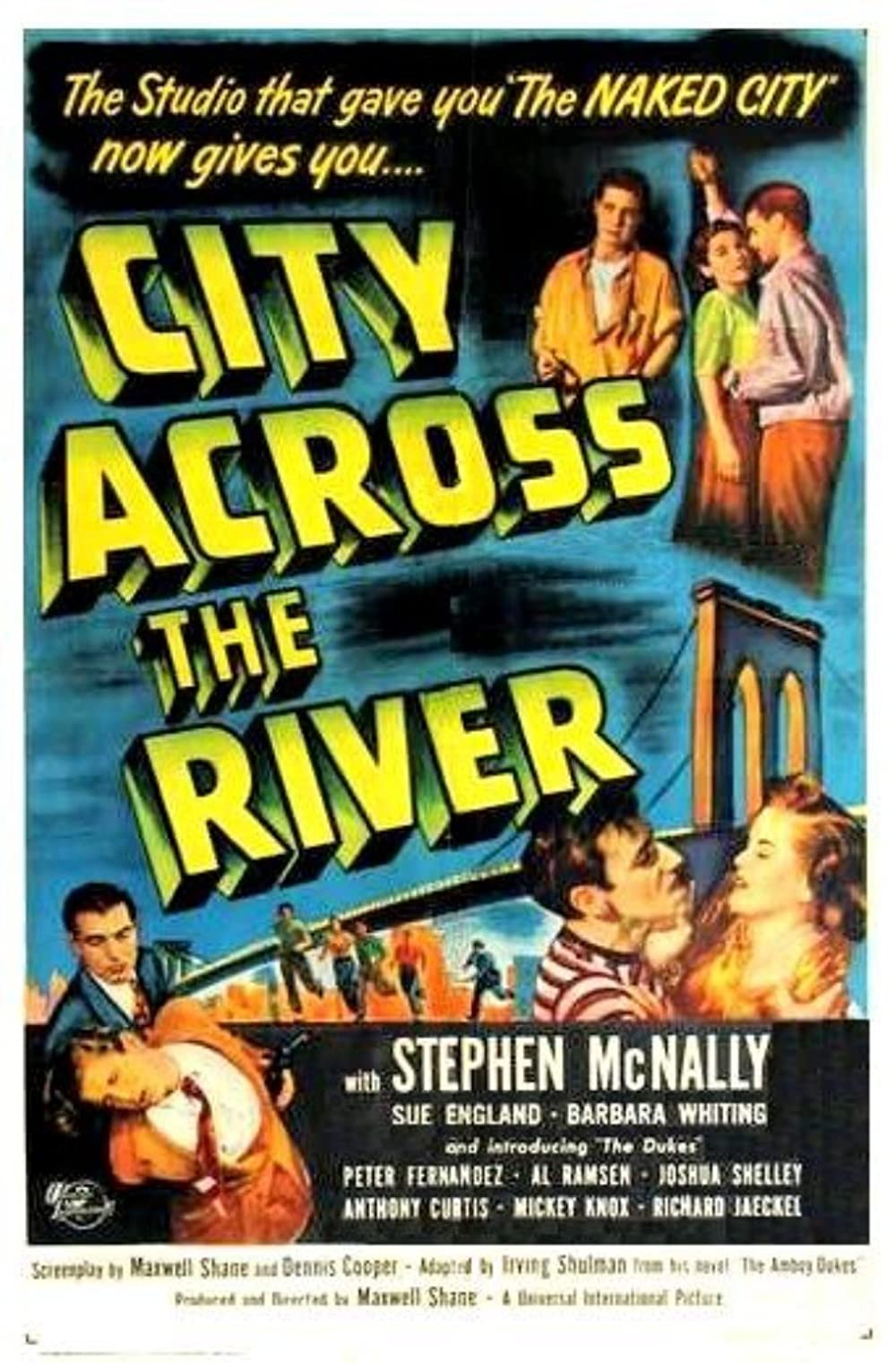
The Genre Hero: While he occasionally played the “tough guy” lead in B-movies like City Across the River (1949), his most enduring work remained in the realm of the antagonist.
3. The Western and Noir Peak (1950s)
The 1950s saw McNally at the height of his powers, primarily at Universal Pictures.
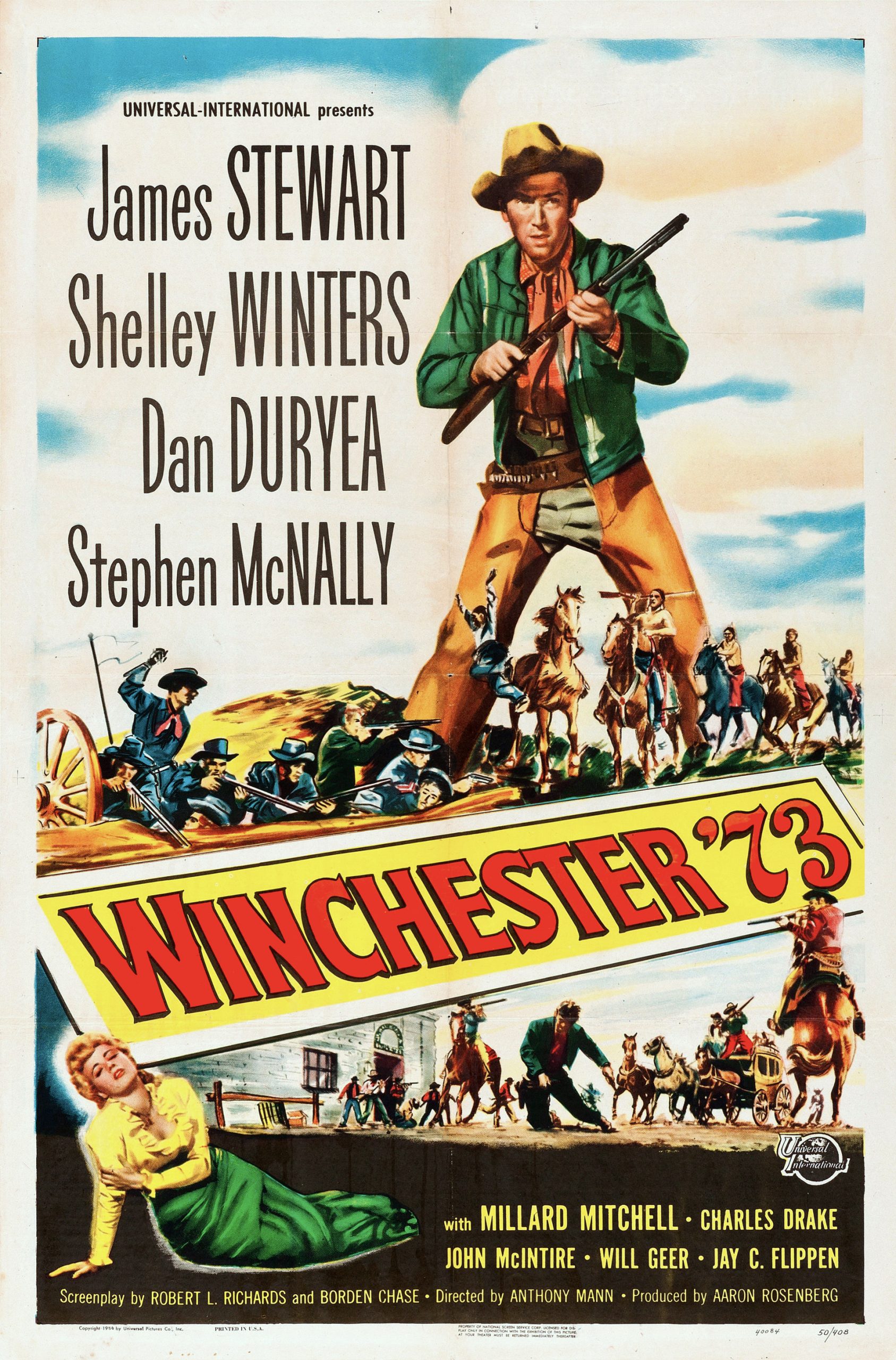
Winchester ’73 (1950): As Dutch Henry Brown, he provided the perfect foil for James Stewart’s Lin McAdam. Their climactic shootout on a rocky hillside is considered a masterpiece of the genre.
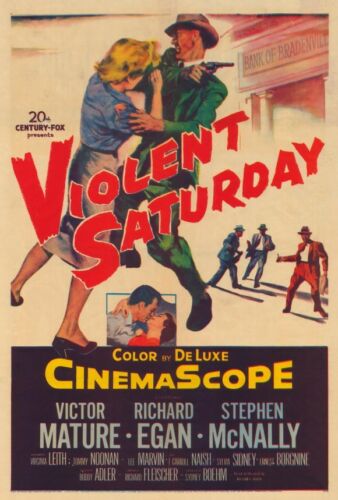
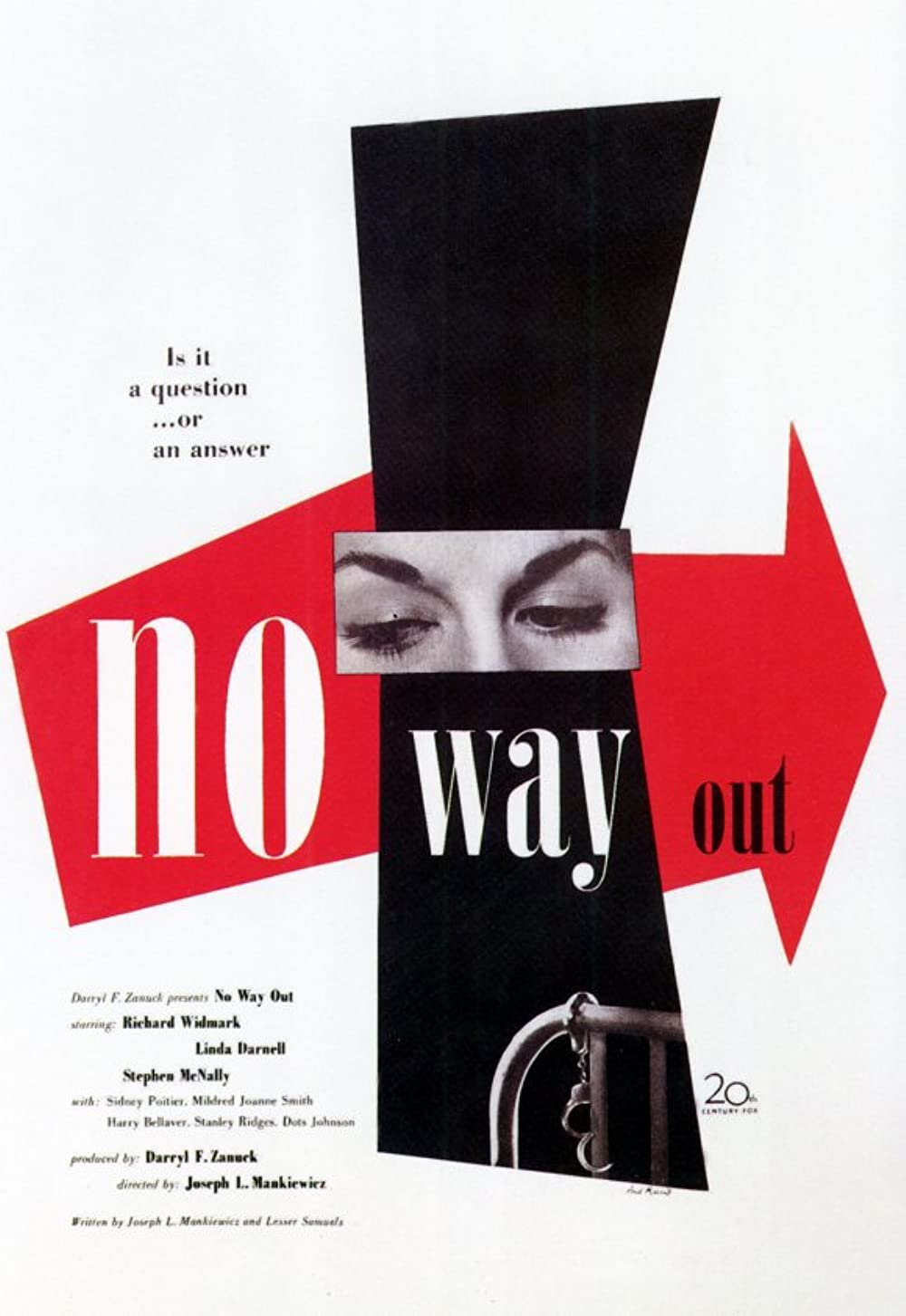
Film Noir: He excelled in the “urban grit” of the era, notably in No Way Out (1950), where he played a rare sympathetic role as a doctor mentoring Sidney Poitier, and Violent Saturday (1955), where he played a calculating bank robber.
II. Detailed Critical Analysis
1. The “Intellectual” Malice
Critically, McNally’s greatest asset was his restrained intensity. Unlike many villains of the era who relied on snarling or physical histrionics, McNally’s menace felt calculated.
The Lawyer’s Precision: His legal background seemed to inform his acting; he often played characters who were “casing the joint,” whether it was a bank in Violent Saturday or a person’s vulnerability in Woman in Hiding. There was a “watching” quality to his eyes that suggested a mind always three steps ahead.
2. Subverting the “Matinee Idol” Look
McNally had the tall, dark, and handsome features of a traditional leading man, but he used them to subvert audience expectations.
The Charm of the Brute: In Johnny Belinda, he used his conventional good looks to mask a “smarmy” egotism. Critics noted that his villainy was effective because he didn’t look like a monster; he looked like the popular “town bully,” making his sudden acts of violence feel all the more predatory and realistic.
3. The Stoic Anchor of Anthony Mann’s West
In his collaborations with director Anthony Mann, McNally was essential to the “Revisionist Western.”
The Shadow of the Hero: In Winchester ’73, his Dutch Henry is essentially the “dark mirror” of James Stewart’s character. Critics have highlighted how McNally’s impulsive, volatile energy forced Stewart to shed his “wholesome” persona, pushing the Western into more psychologically complex territory. McNally didn’t just play a “bad guy”; he played a catalyst for the hero’s own moral descent.
Iconic Performance Comparison
| Character | Film | Archetype | Critical Element |
| Locky McCormick | Johnny Belinda | The Predatory Brute | A groundbreaking, “Code-breaking” portrayal of evil. |
| Dutch Henry Brown | Winchester ’73 | The Outlaw Brother | Provided the “dark throughline” for a Western classic. |
| Dr. Dan Wharton | No Way Out | The Ethical Mentor | Showed his range as a man of quiet, moral authority. |
| Harper | Violent Saturday | The Professional Thief | A masterclass in “noir” tension and cold planning. |
Stephen McNally remains an underrated architect of mid-century cinema. He was an actor who understood that the most frightening villains aren’t the ones who scream, but the ones who wait, observe, and strike with the cold efficiency of a man who has already weighed the evidence.