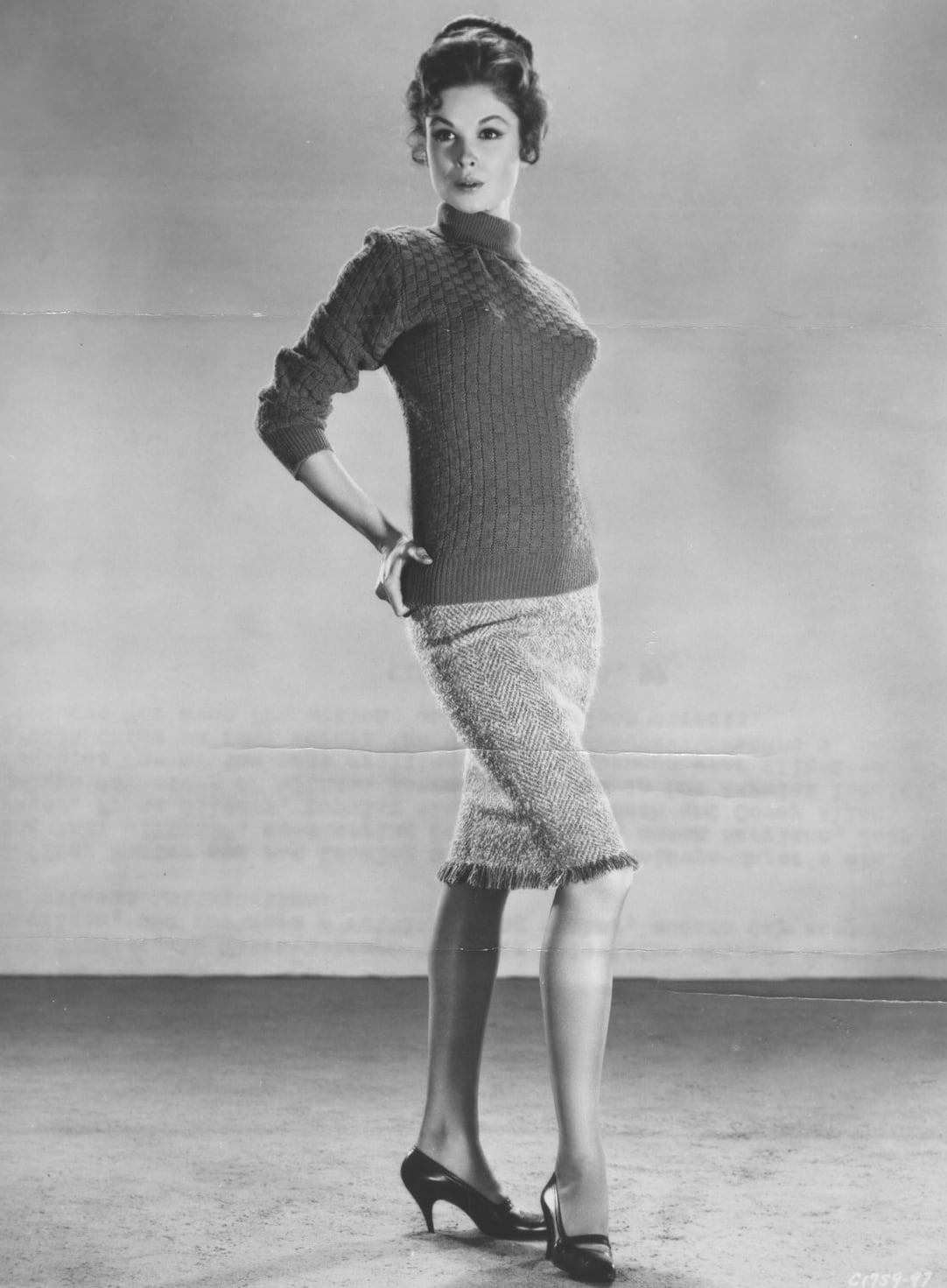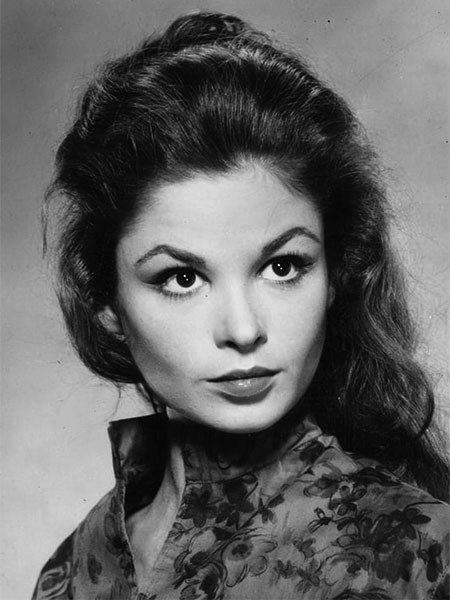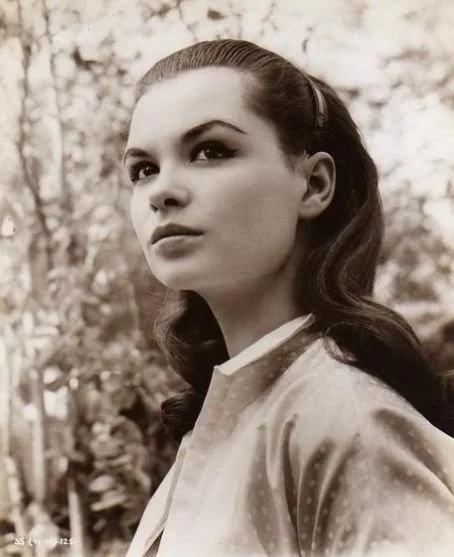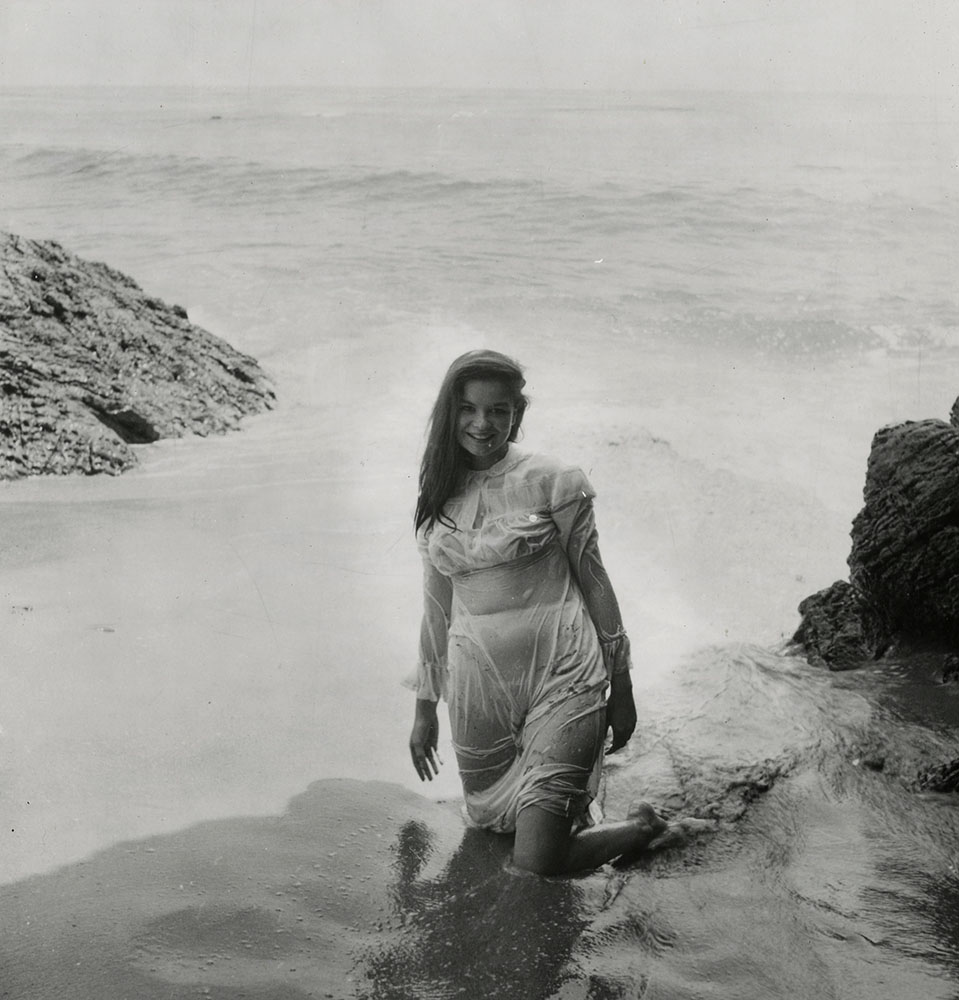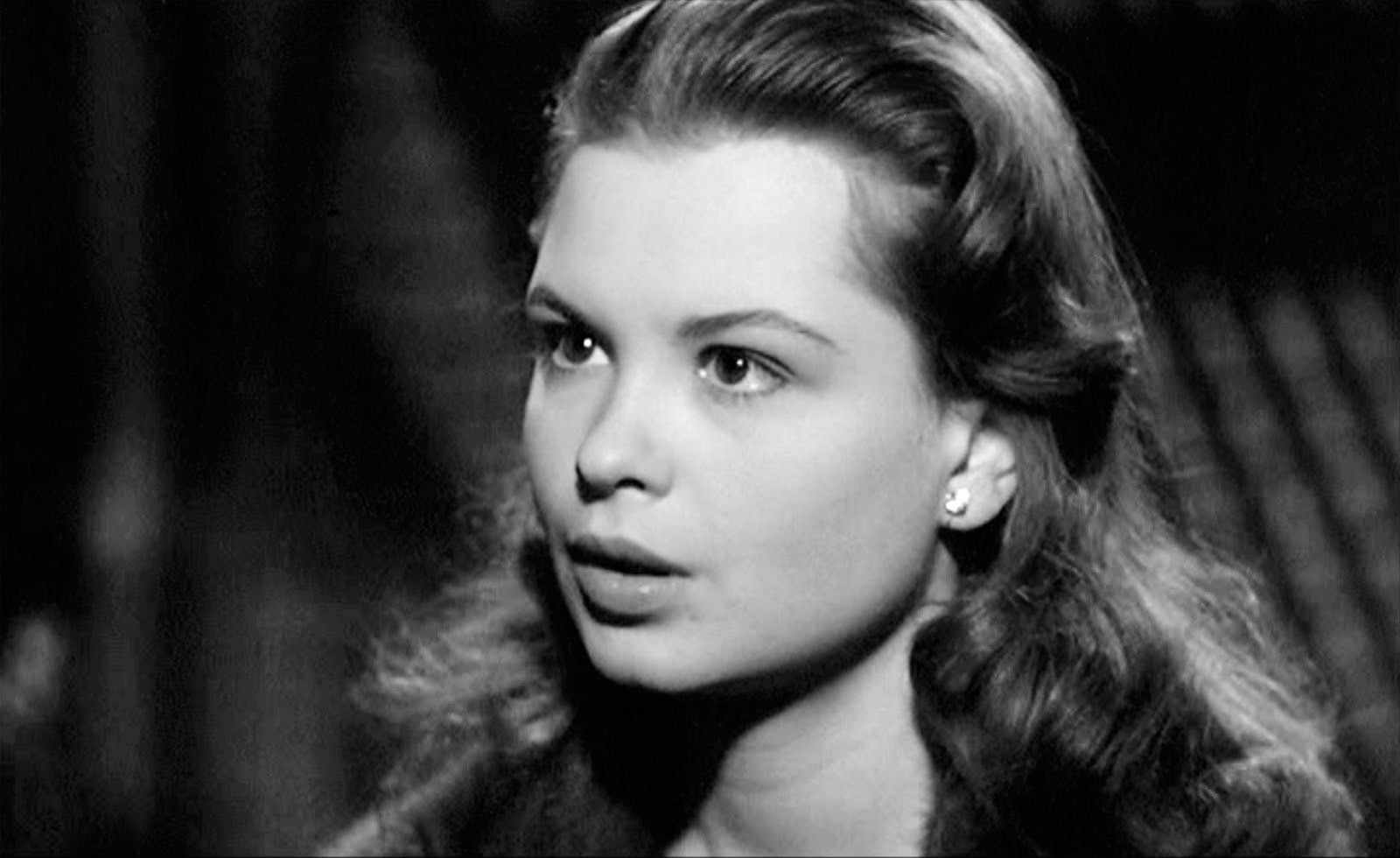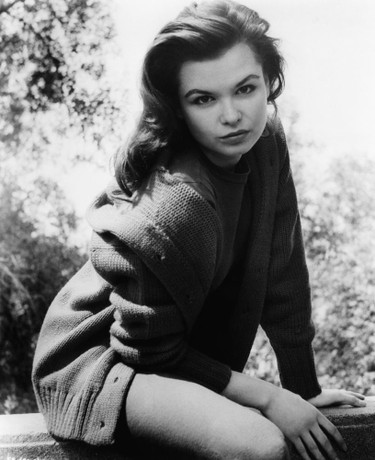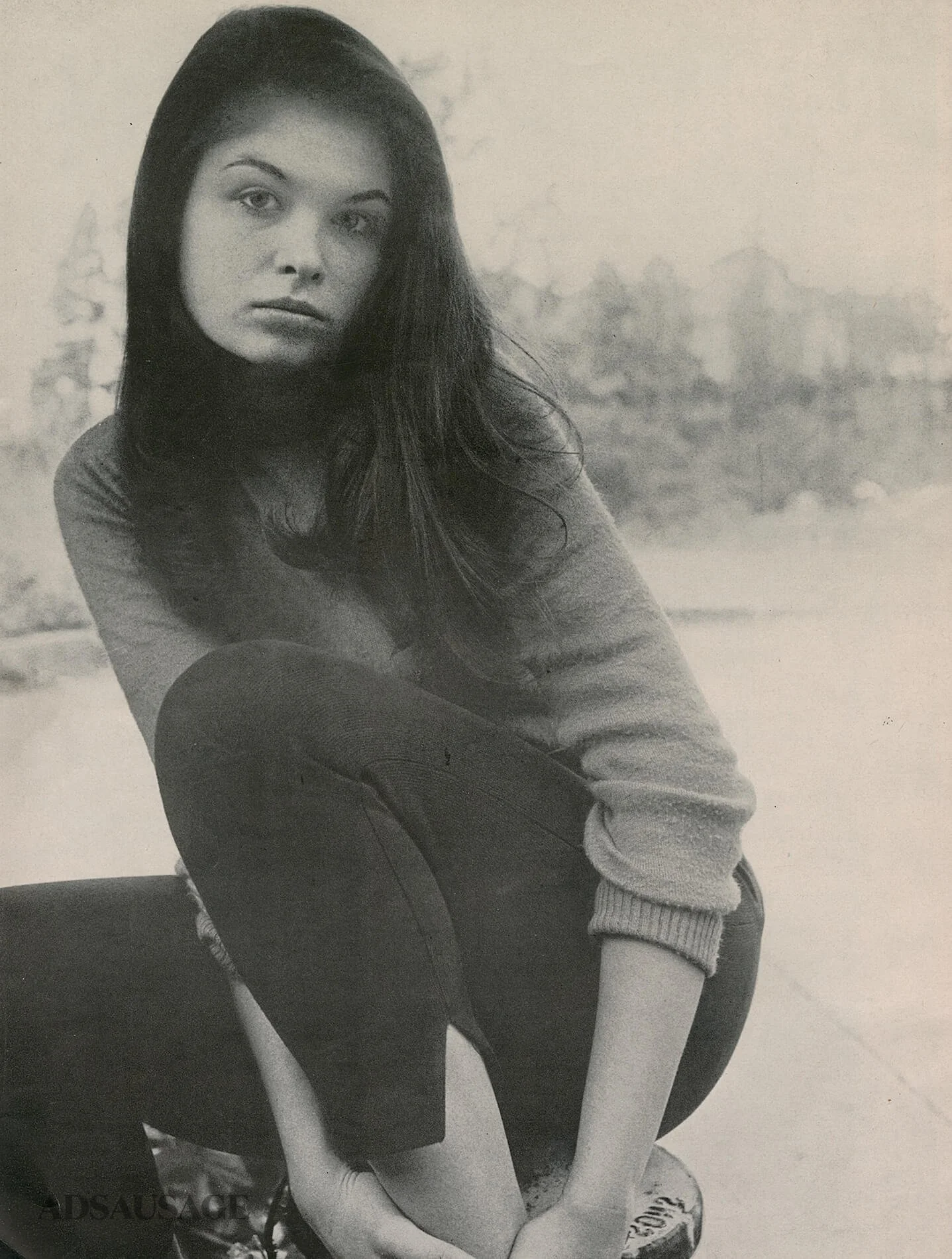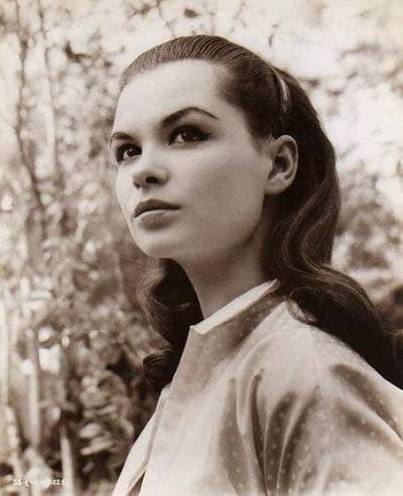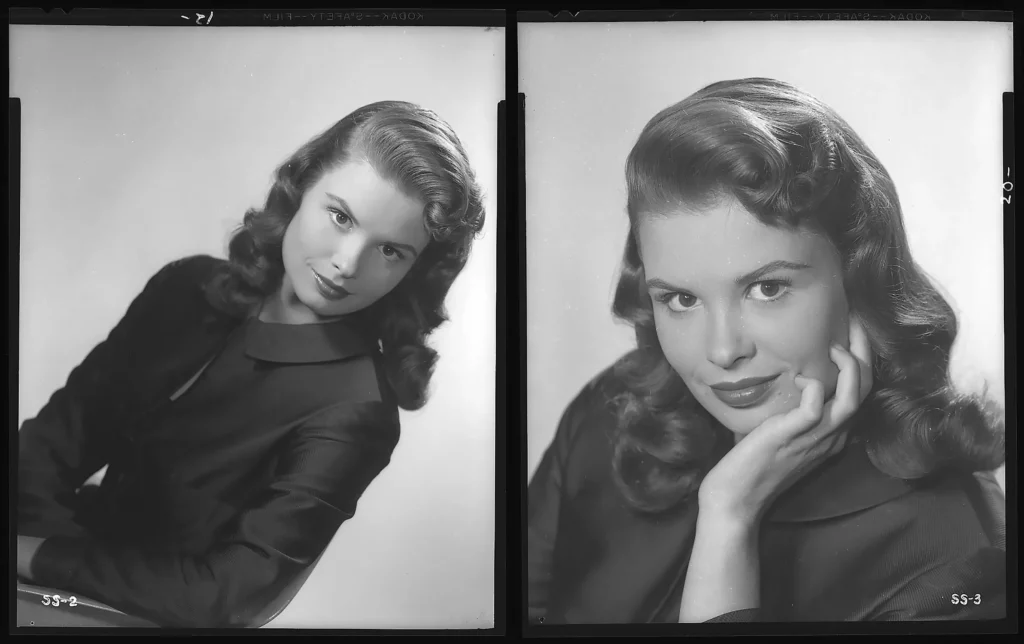

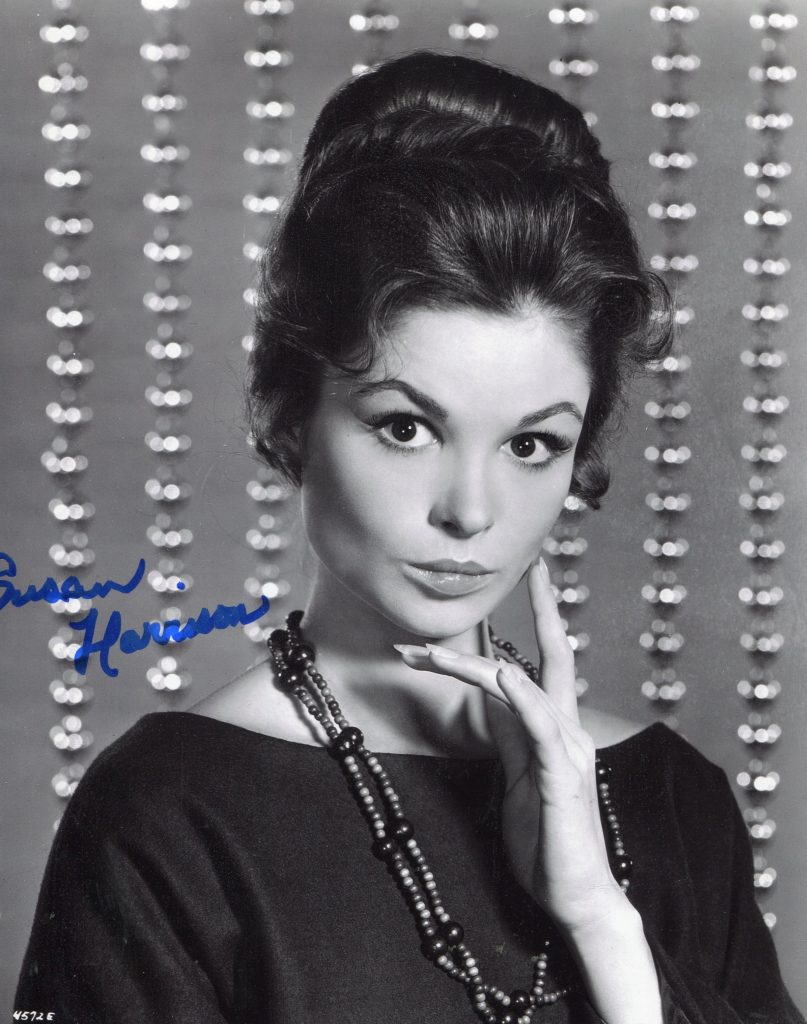
Susan Harrison (1938–2019) is one of the most intriguing “what if” stories of 1950s Hollywood. Unlike the journeyman actors of her era who appeared in hundreds of roles, Harrison’s film career was incredibly brief, yet it contains one of the most critically significant performances of the decade.
Career Overview: The Shooting Star
1. The Meteoric Debut (1957)
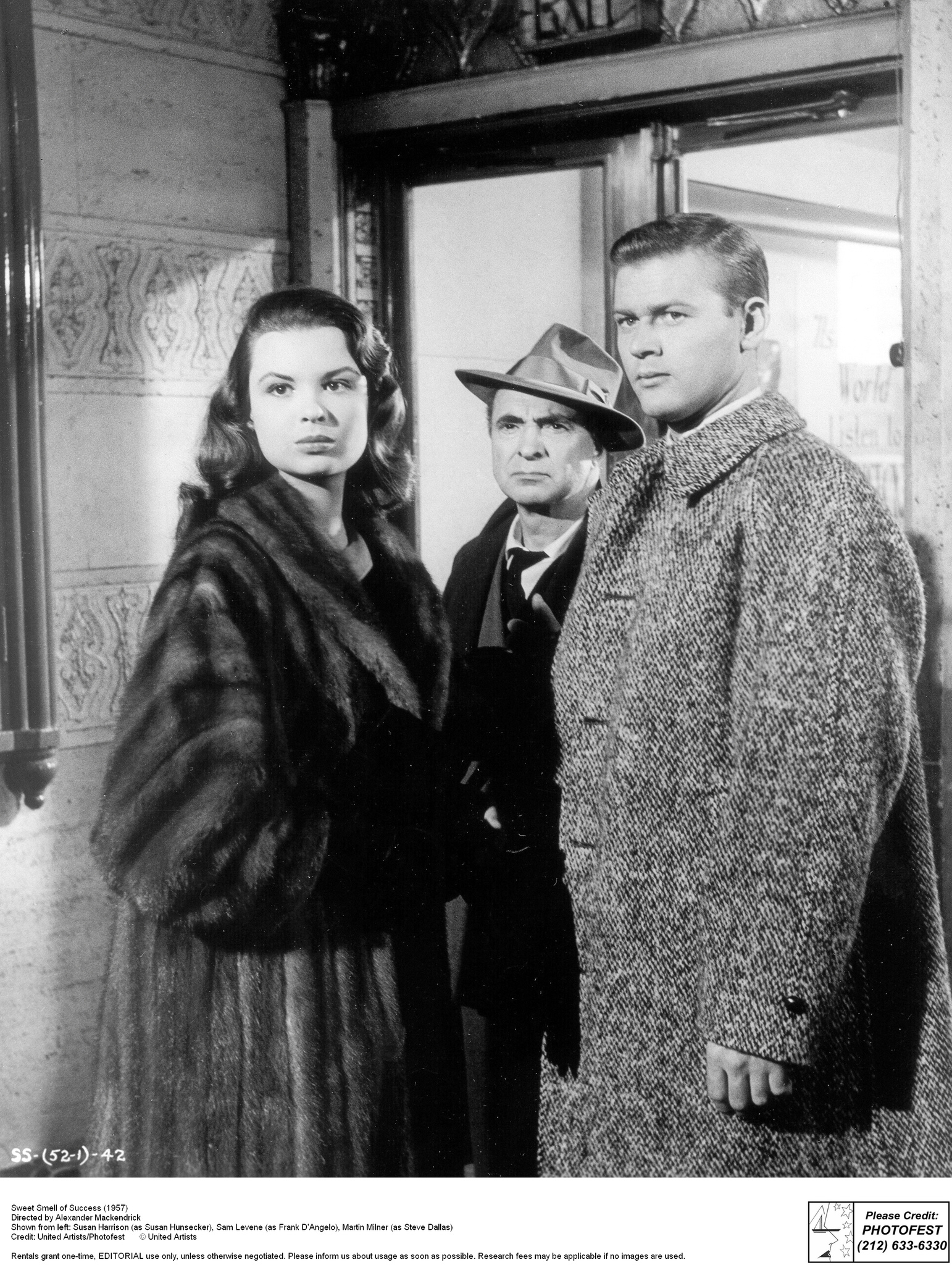
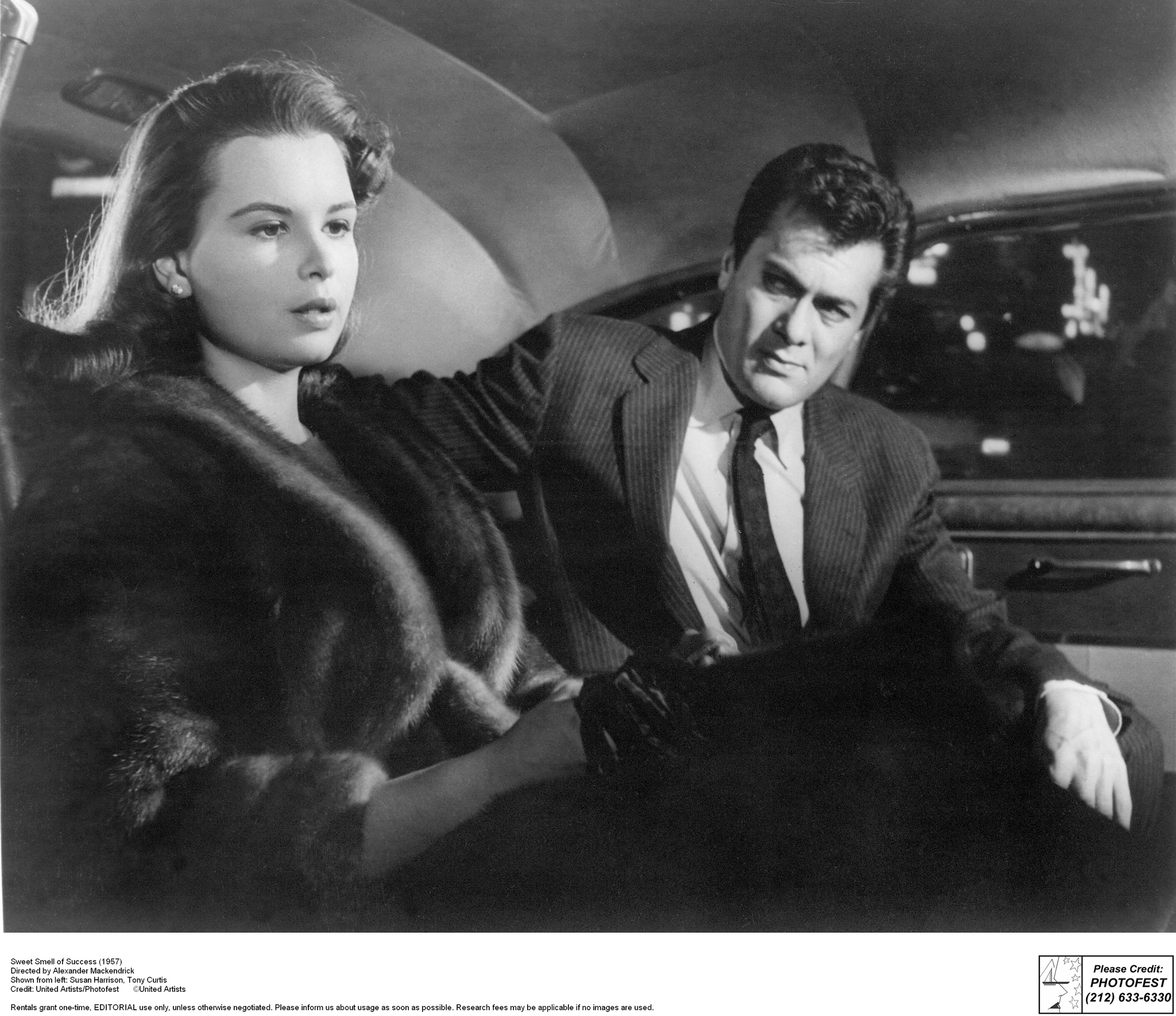
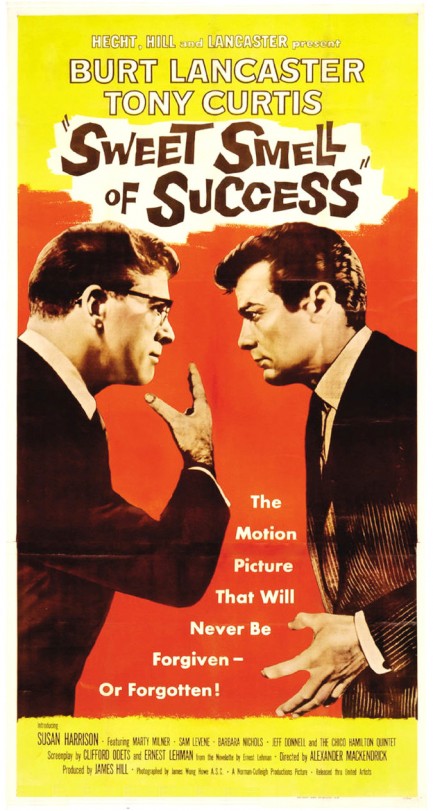
A graduate of the High School of Performing Arts in New York, Harrison was discovered while studying at Boston University. At just 18 years old, she was cast in the co-lead role of Susan Hunsecker in the acid-tongued film noir classic Sweet Smell of Success (1957). Starring alongside titans Burt Lancaster and Tony Curtis, she played the younger sister trapped in a claustrophobic, emotionally incestuous orbit with her powerful columnist brother.
2. Broadway and Early TV (1957–1961)
Following her film debut, Harrison appeared to be on the fast track to stardom:
The Stage: She received glowing reviews for her Broadway debut in William Saroyan’s The Cave Dwellers (1957).
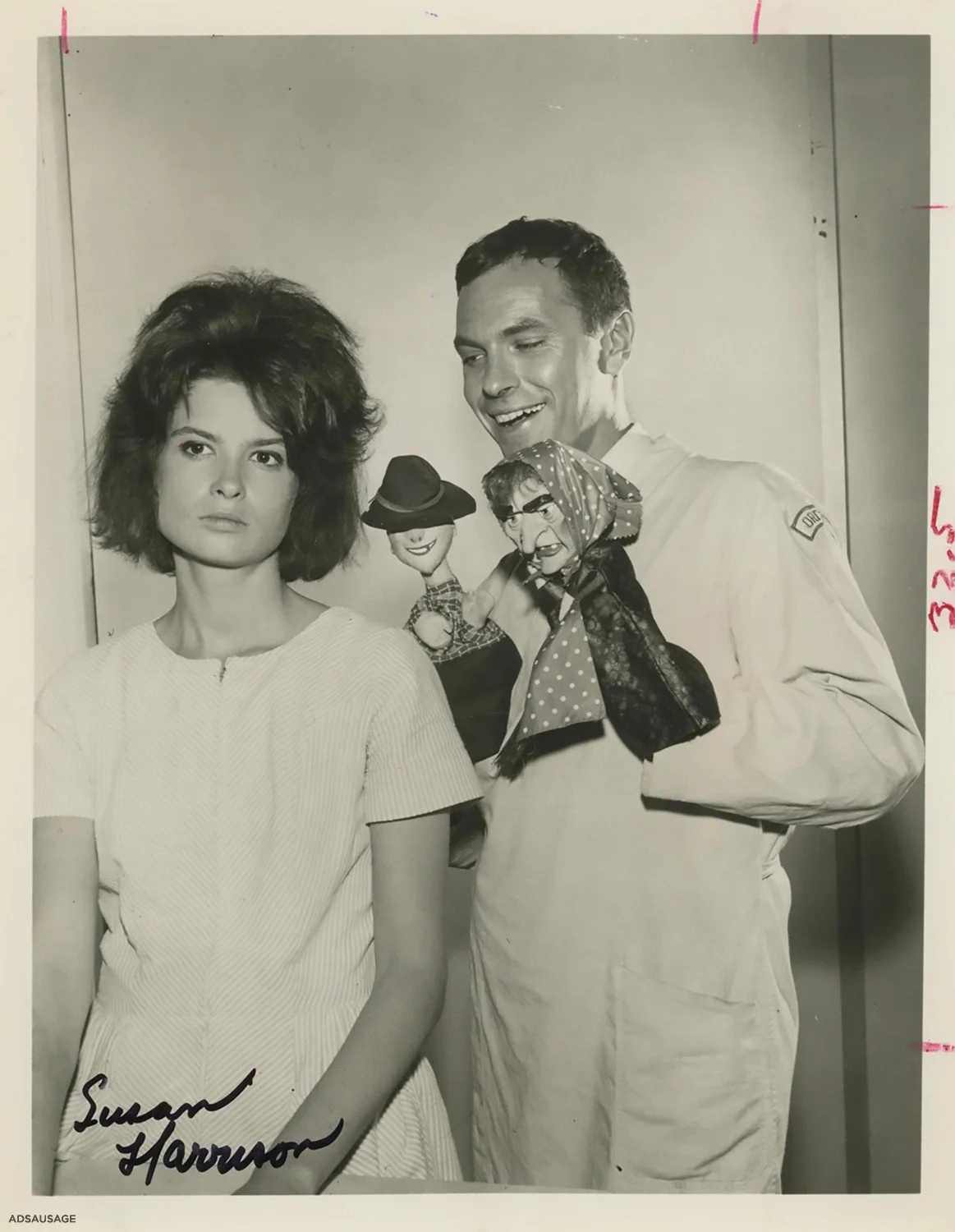
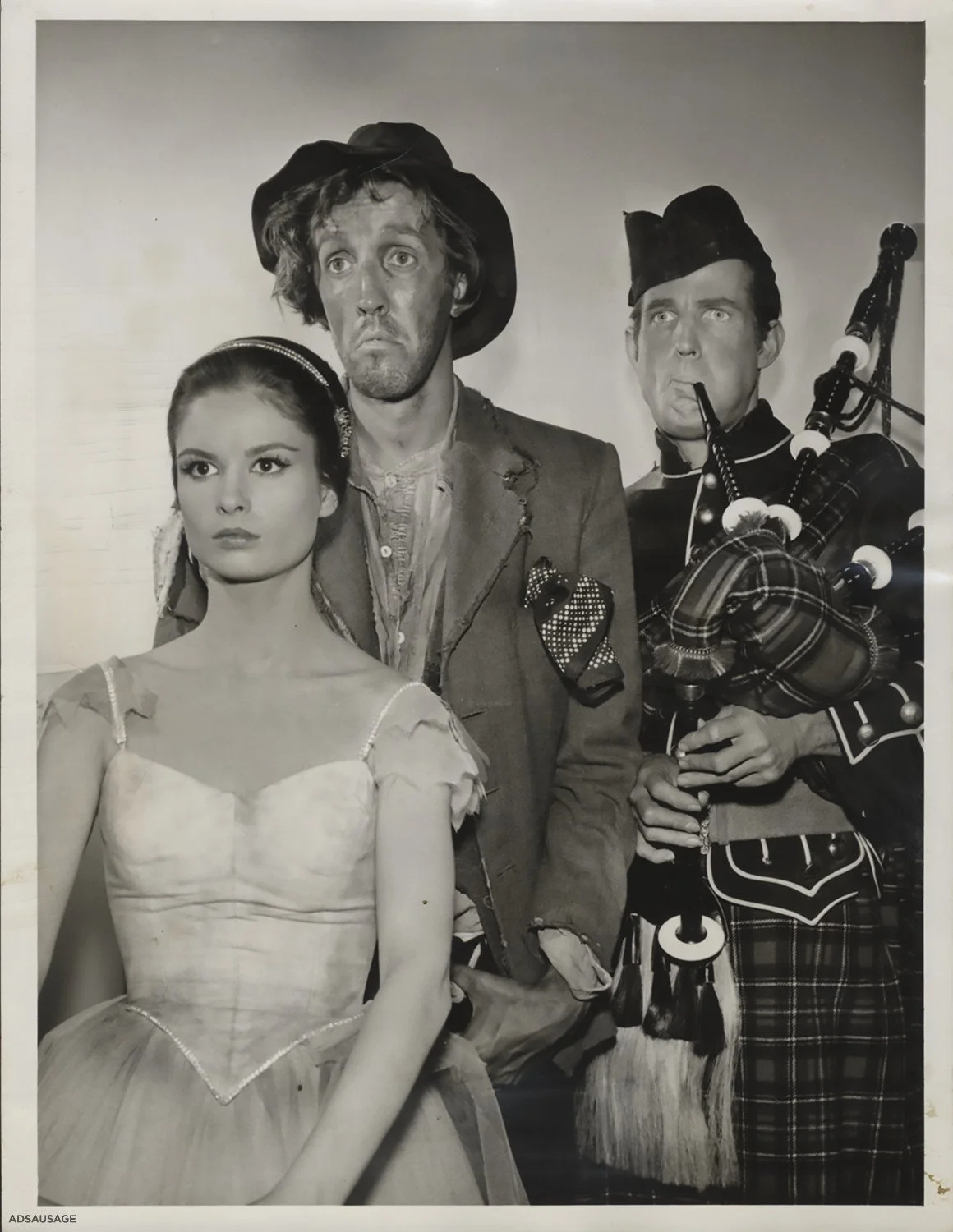
The Twilight Zone: She delivered a haunting, minimalist performance in the classic 1961 episode “Five Characters in Search of an Exit,” playing a ballerina trapped in a mysterious cylinder. This role cemented her image as a performer of delicate, almost ethereal vulnerability.
3. The Sudden Exit (1963)
By the early 1960s, despite roles in films like Key Witness (1960) and guest spots on Bonanza and Alfred Hitchcock Presents, Harrison made the personal choice to retire from show business. She essentially vanished from the public eye to focus on her family, though she later became known to a new generation as the mother of Darva Conger (of Who Wants to Marry a Multi-Millionaire? fame).
Detailed Critical Analysis
The Archetype of “The Victim-Heroine”
In Sweet Smell of Success, Harrison’s performance is the moral center of an otherwise amoral universe.
The Gaze of the Innocent: Critically, she was tasked with playing “innocence” in a film that was relentlessly cynical. Analysts point out that she had to be believable as the only thing J.J. Hunsecker (Lancaster) loved, while also portraying the quiet rot that such “love” causes.
Physicality vs. Dialogue: While Lancaster and Curtis were given the famous, machine-gun dialogue of Clifford Odets, Harrison’s performance relied on reaction and repression. Her Susan is often seen looking toward the exit, a visual metaphor for her desire to escape her brother’s suffocating influence.
The “Menagerie” of Vulnerability
Her role in The Twilight Zone is a masterclass in expressive movement.
Playing a ballerina who doesn’t know she is a toy, Harrison used her dance training to convey a sense of “unnatural grace.”
Critics argue that this role highlighted her greatest strength: an ability to appear fragile yet unbreakable.Even when trapped in a literal and figurative cylinder, her character maintains a desperate, tragic dignity.
Legacy of the “Limited Filmography”
Because she retired so young, Harrison’s work is often viewed through a lens of unfulfilled potential.
The Anti-Star: Unlike many of her contemporaries who chased fame, Harrison’s legacy is defined by her absence. This has led film historians to classify her as a “cult” figure—an actress who defined a specific type of mid-century psychological trauma and then walked away before the industry could typecast her into obsolescence.
Resemblance as Casting: It has been noted by historians that Harrison was cast in Sweet Smell of Success partly because she resembled Walda Winchell, the daughter of real-life gossip monger Walter Winchell. This adds a layer of “meta-critique” to her performance, as she was essentially playing a real-world tragedy for the screen.
Iconic Performance Comparison
| Role | Work | Character Focus | Critical Legacy |
| Susan Hunsecker | Sweet Smell of Success | Emotional Captive | Defined the “dark side” of the 50s sibling dynamic. |
| The Ballerina | The Twilight Zone | Existential Despair | A hallmark of “High Concept” early TV acting. |
| The Girl | The Cave Dwellers | Poetic Innocence | Proved she could carry a Broadway |
Susan Harrison’s career was defined by a specific type of mid-century poetic fragility. While her film debut is her most famous work, her Broadway breakthrough and her final film projects provide a complete picture of her “meteoric” trajectory.
1. The Broadway Breakthrough: The Cave Dwellers (1957)
Following the success of Sweet Smell of Success, Harrison returned to the stage in William Saroyan’s “The Cave Dwellers.” The play opened at the Bijou Theatre on October 19, 1957.
The Role: She played a character simply known as “The Girl.”
The Narrative: The play is a whimsical, allegorical story about a group of homeless, former theater performers camping out in an abandoned, unheated theater on New York’s Lower East Side as it awaits demolition.
Critical Analysis: * The “Saroyan Girl”: Critics noted that Harrison was the perfect muse for Saroyan’s lyrical, sentimental style. While the play itself received mixed reviews for being “plotless,” Harrison was singled out for her ethereal quality.
Vulnerability as Strength: Her performance was described as “luminous” and “waif-like.” She represented the youth and hope of the theater, standing in contrast to the aging, cynical characters played by veterans like Eugenie Leontovich and Barry Jones.
The Transition: This role proved that Harrison was not just a “film find” but a classically trained actress (High School of Performing Arts alumna) who could hold her own in a high-concept Broadway production.
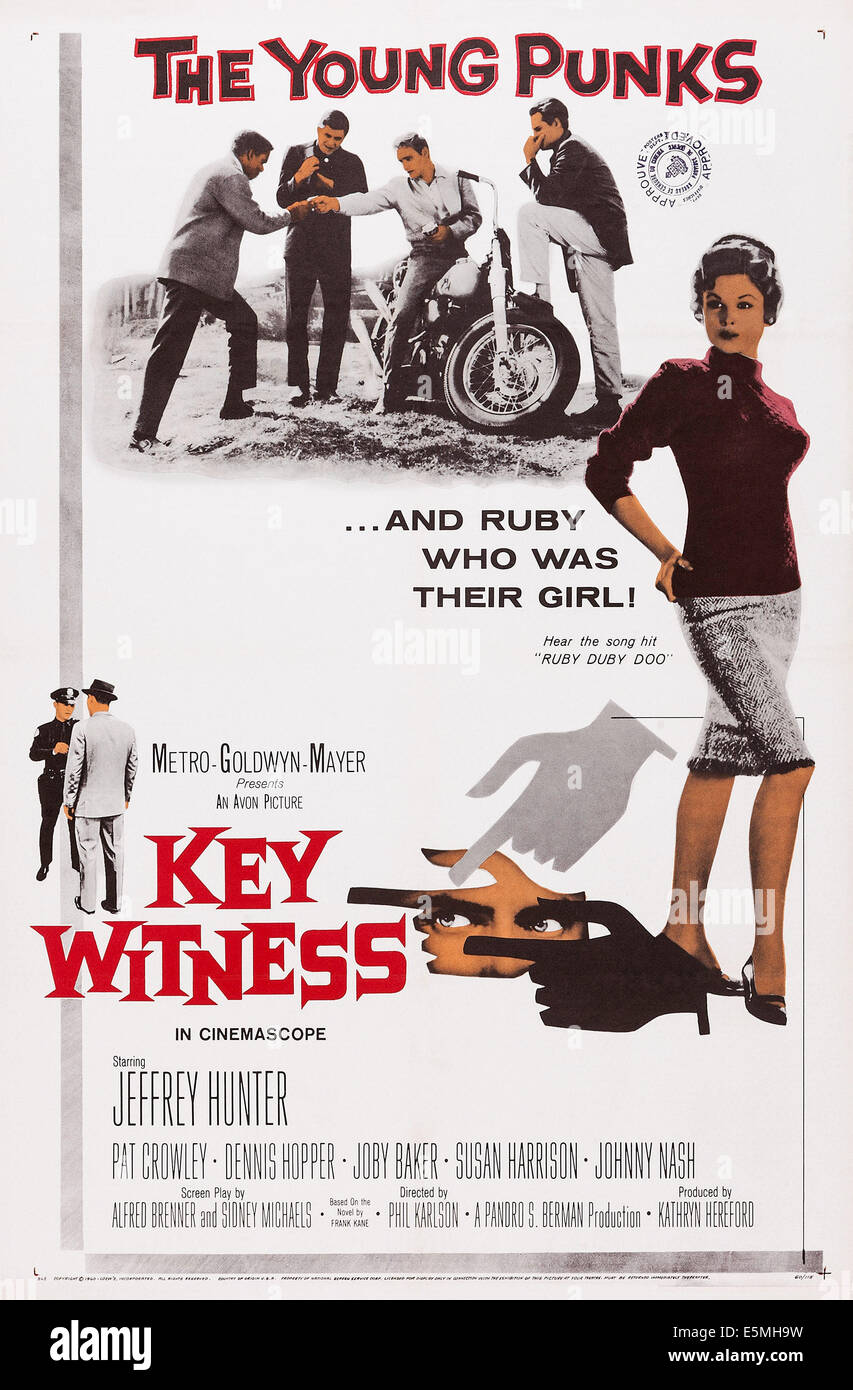
2. The Last Film: Key Witness (1960)
While Harrison appeared in a few television episodes in 1961 and 1963 (most notably The Twilight Zone), her final feature film was the gritty crime drama Key Witness.
The Role: She played Ruby, a member of a juvenile street gang.
The Narrative: The film follows a man (Jeffrey Hunter) who witnesses a gang murder and is subsequently terrorized by the gang to prevent him from testifying.
Critical Analysis:
Subverting the Ingenue: In a sharp departure from the refined, high-society world of Sweet Smell of Successor the poetic Cave Dwellers, Key Witness saw Harrison playing a rougher, more street-hardened character.
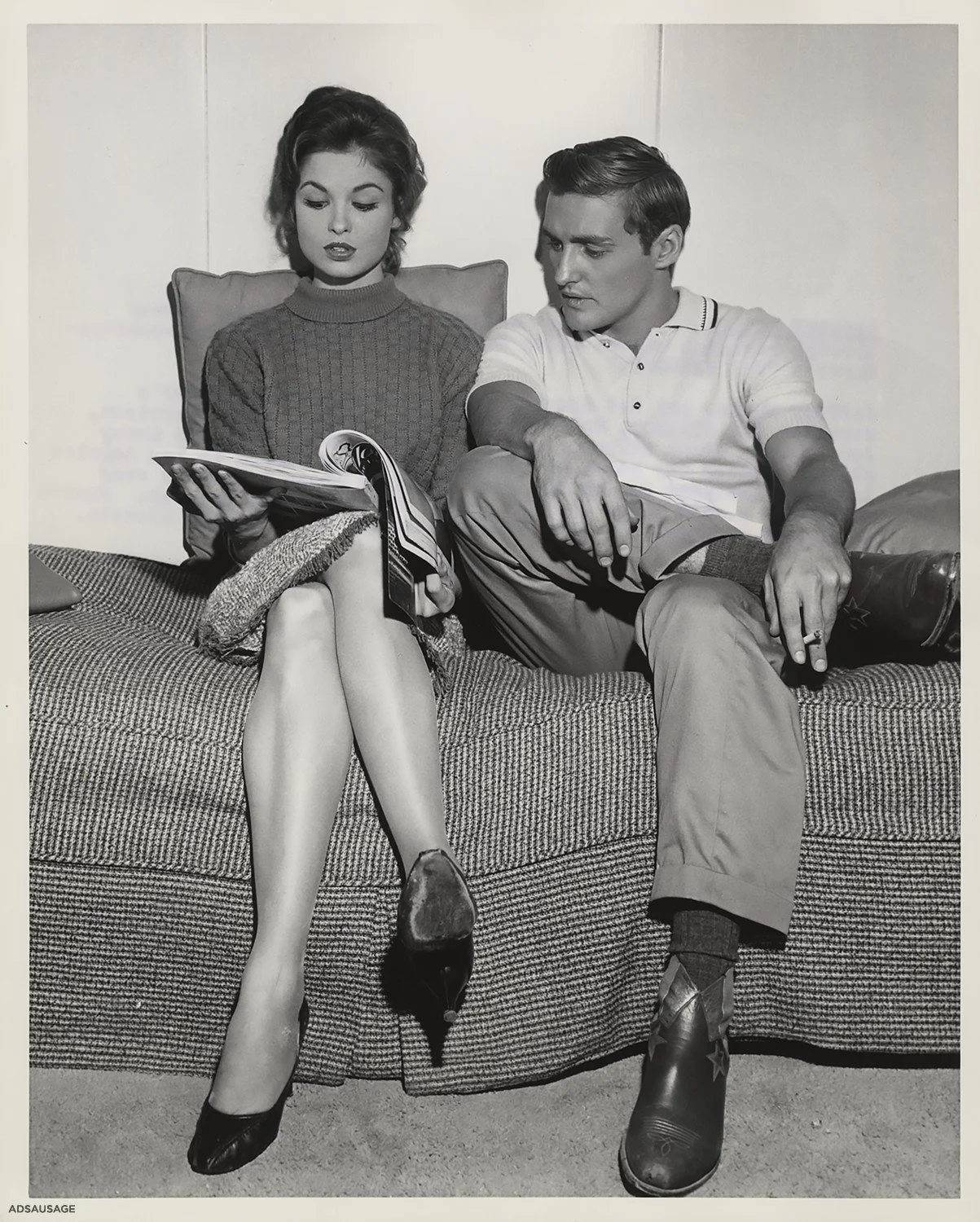
The “New Hollywood” Grit: Critics view this film as an example of the industry trying to figure out where Harrison fit. She shared the screen with a young Dennis Hopper, and her performance reflected the growing trend of “juvenile delinquency” films that dominated the era.
The Decision to Leave: Despite showing a more versatile, aggressive side in this film, Harrison reportedly found the Hollywood machine unfulfilling. This film, along with her guest roles, served as the “closing chapter” before she chose to retire in 1963 to focus on her marriage and raising her children.