
The Guardian obituary in 2010 –
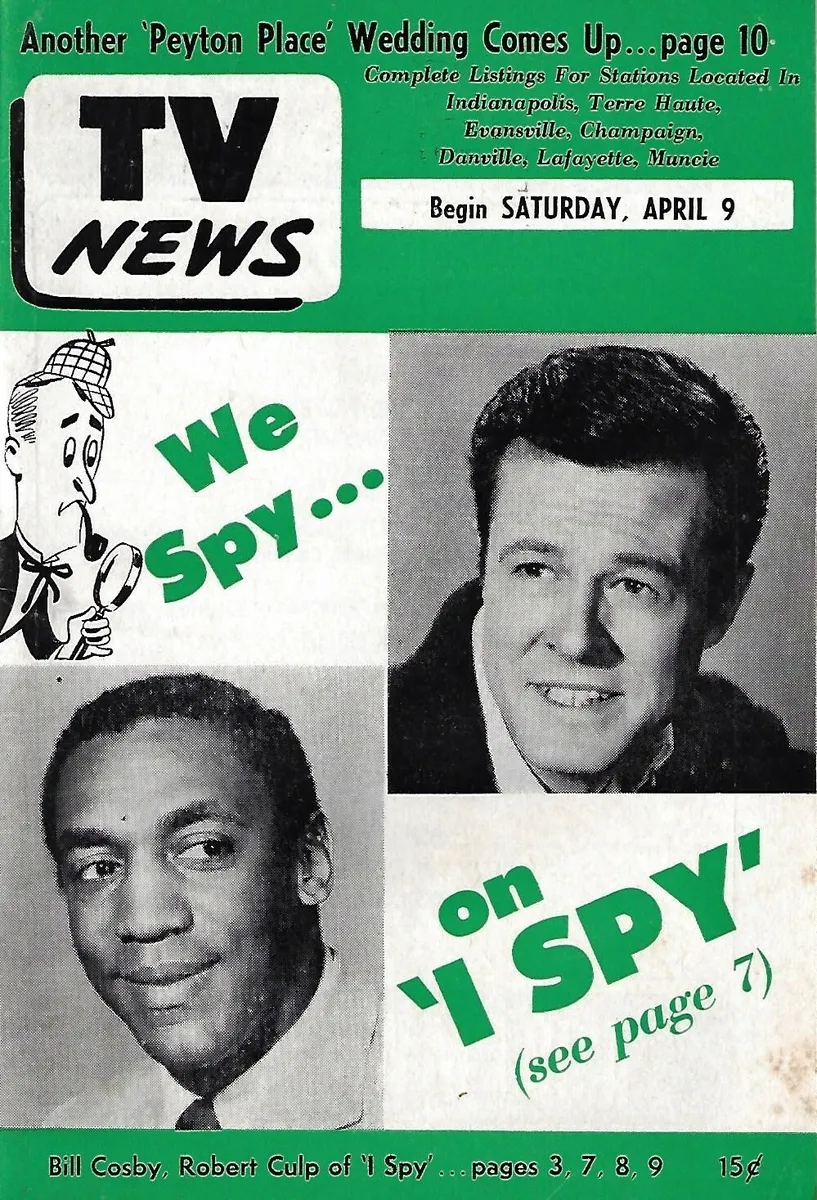
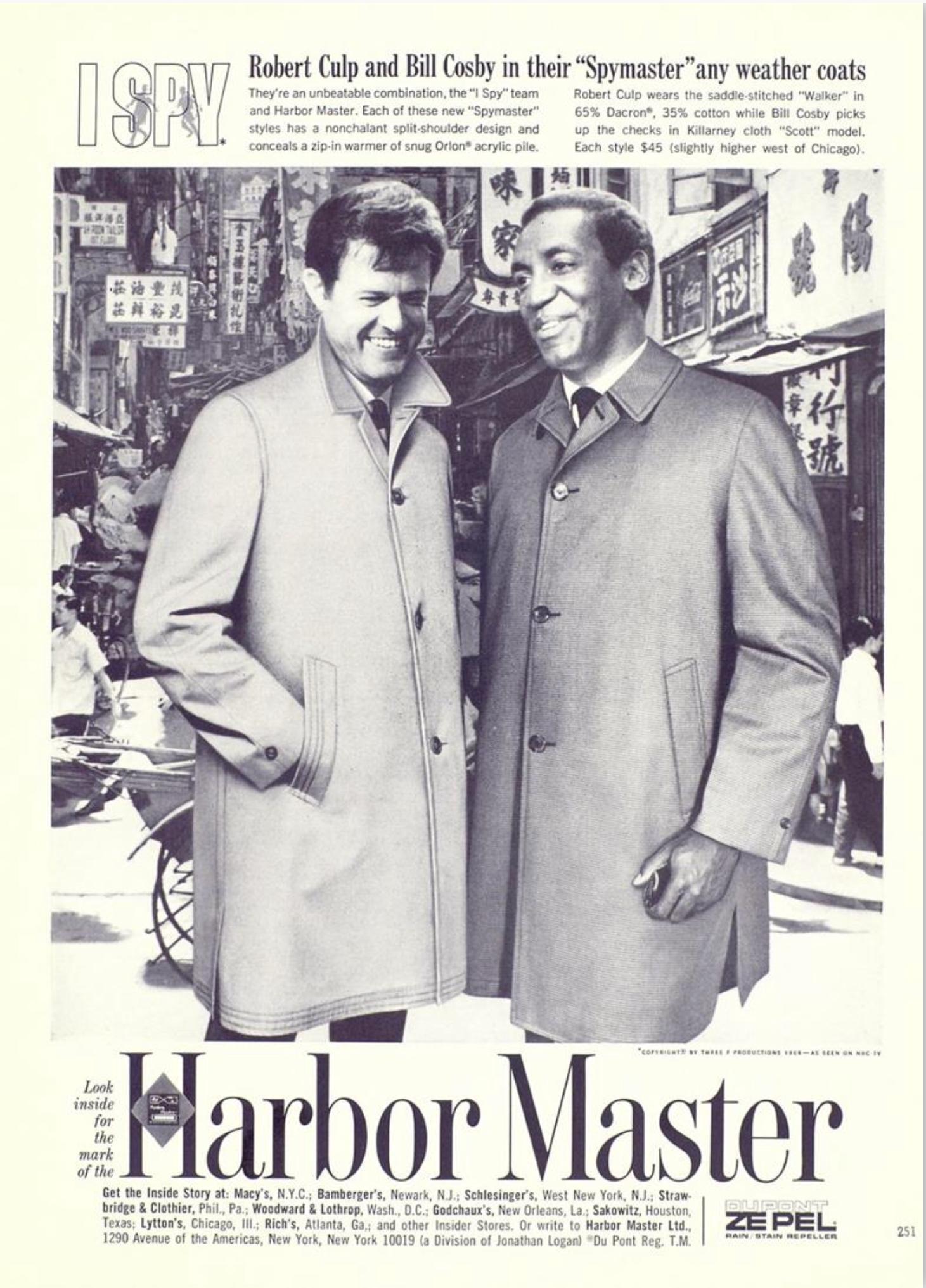
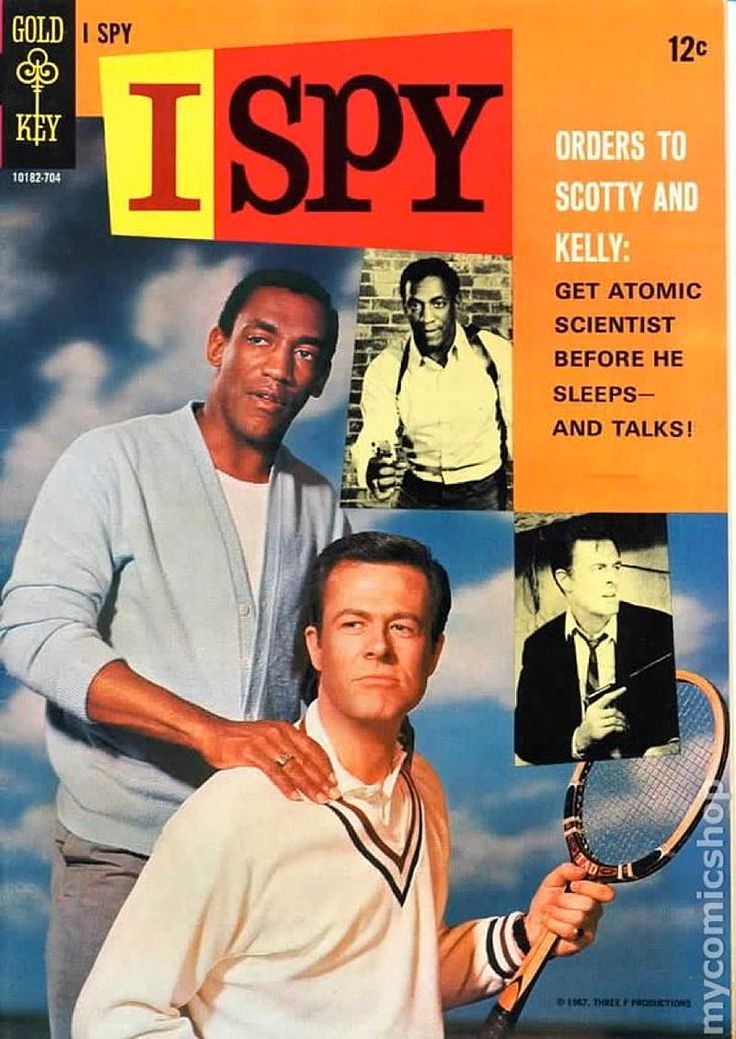
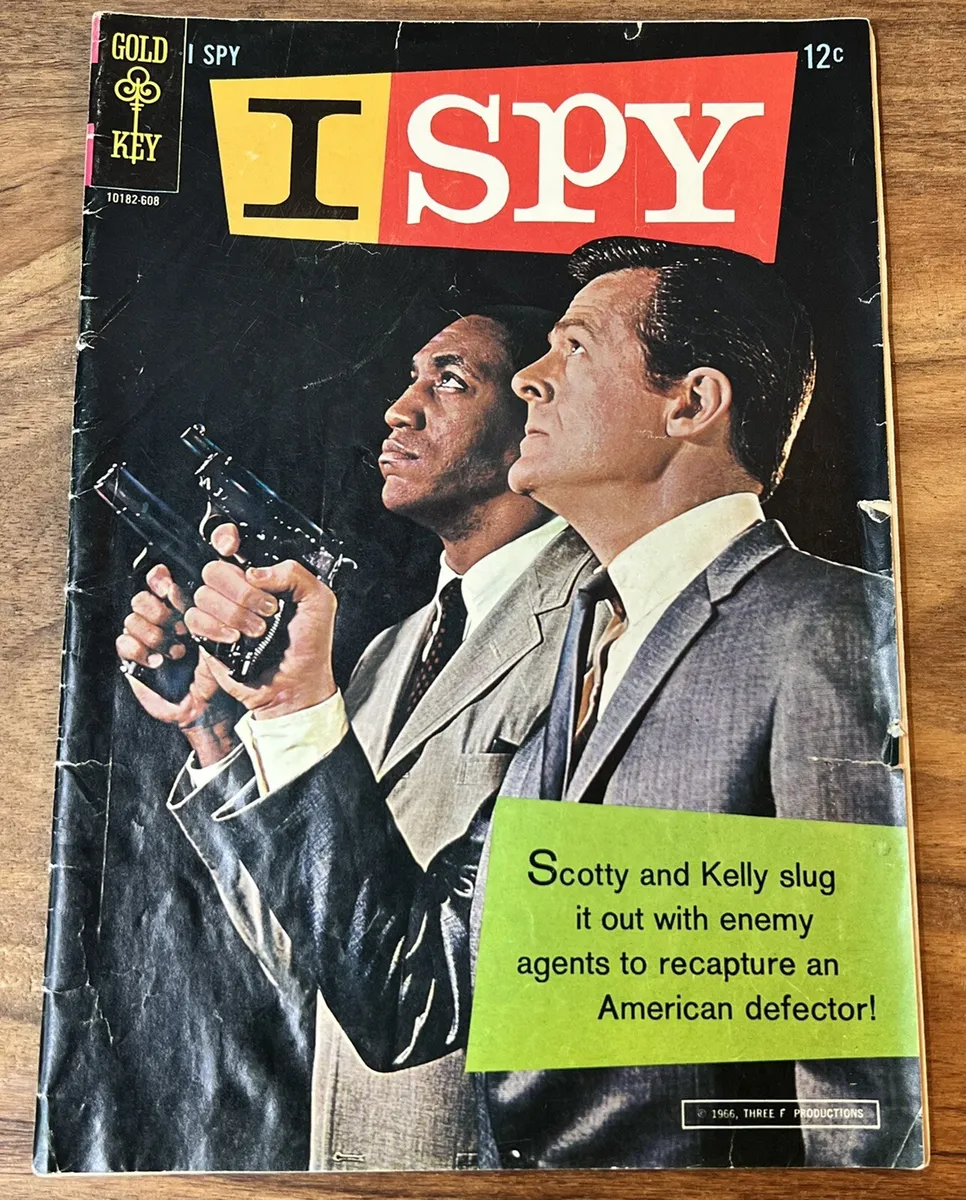
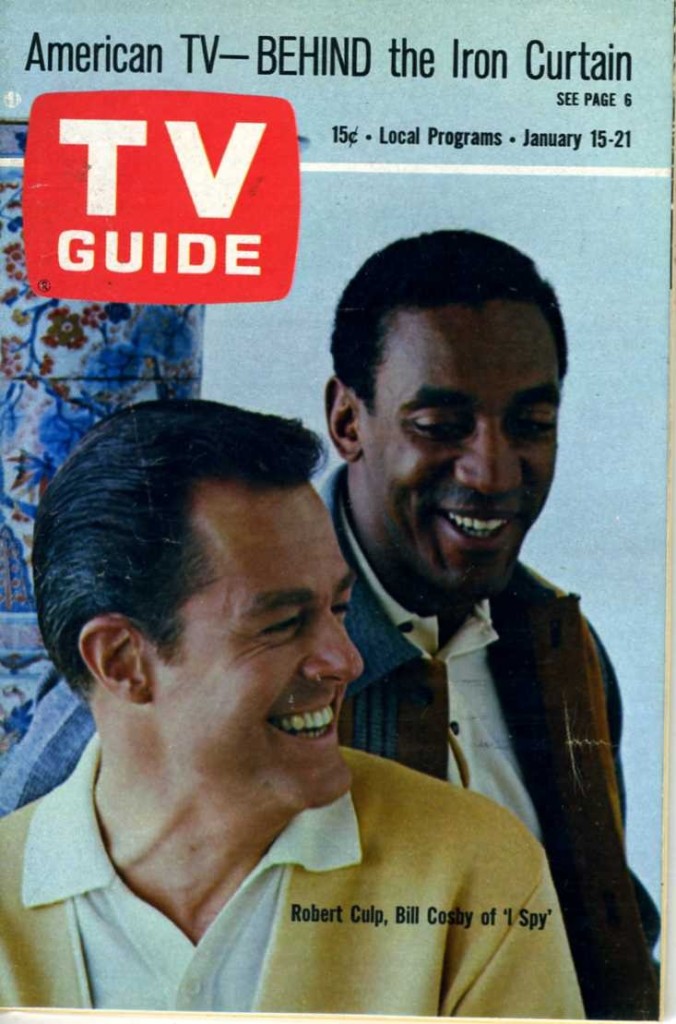
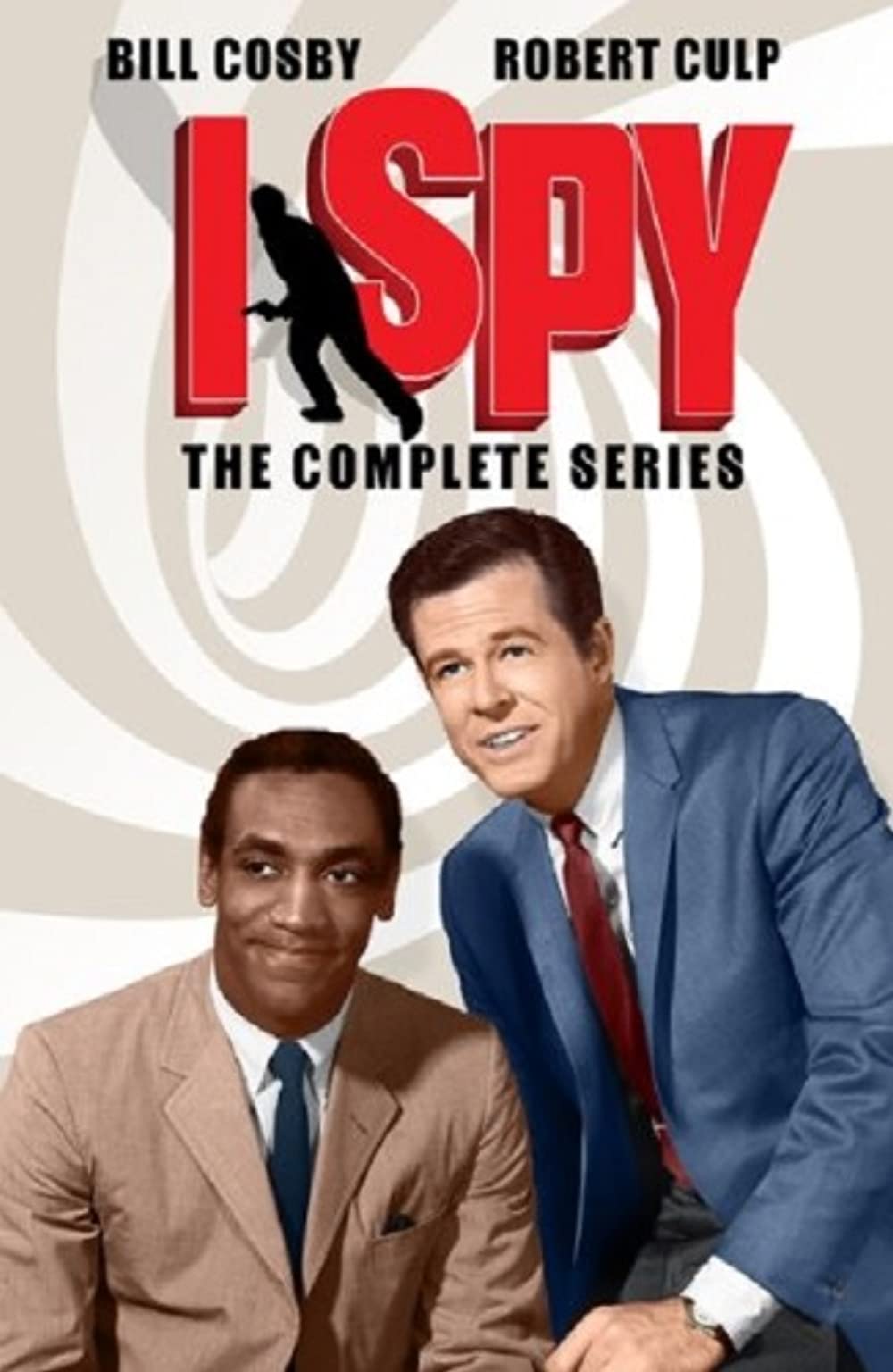
Television stars tend to be more intimate with their audience than film stars, mainly because they are seen close up in people’s living rooms week after week. Robert Culp, who has died of a heart attack aged 79, created that kind of intimacy, especially in the series I Spy. In the show, which ran from 1965 to 1968, another kind of intimacy existed between buddy-buddies Culp and his co-star Bill Cosby.
The fact that their two characters were of equal importance and that Cosby’s race was never mentioned (although all his girlfriends were African-American) was a breakthrough for US television. They seemed a pretty hip pair in the 1960s – secret agents posing as a professional tennis player, Kelly Robinson (Culp), and his manager, Alexander Scott (Cosby) – trading witty banter as they chased villains and beautiful women around exotic locations. One of the strengths of the show was that the actors were filmed on location without reliance on stock footage, which was rather rare in those days.
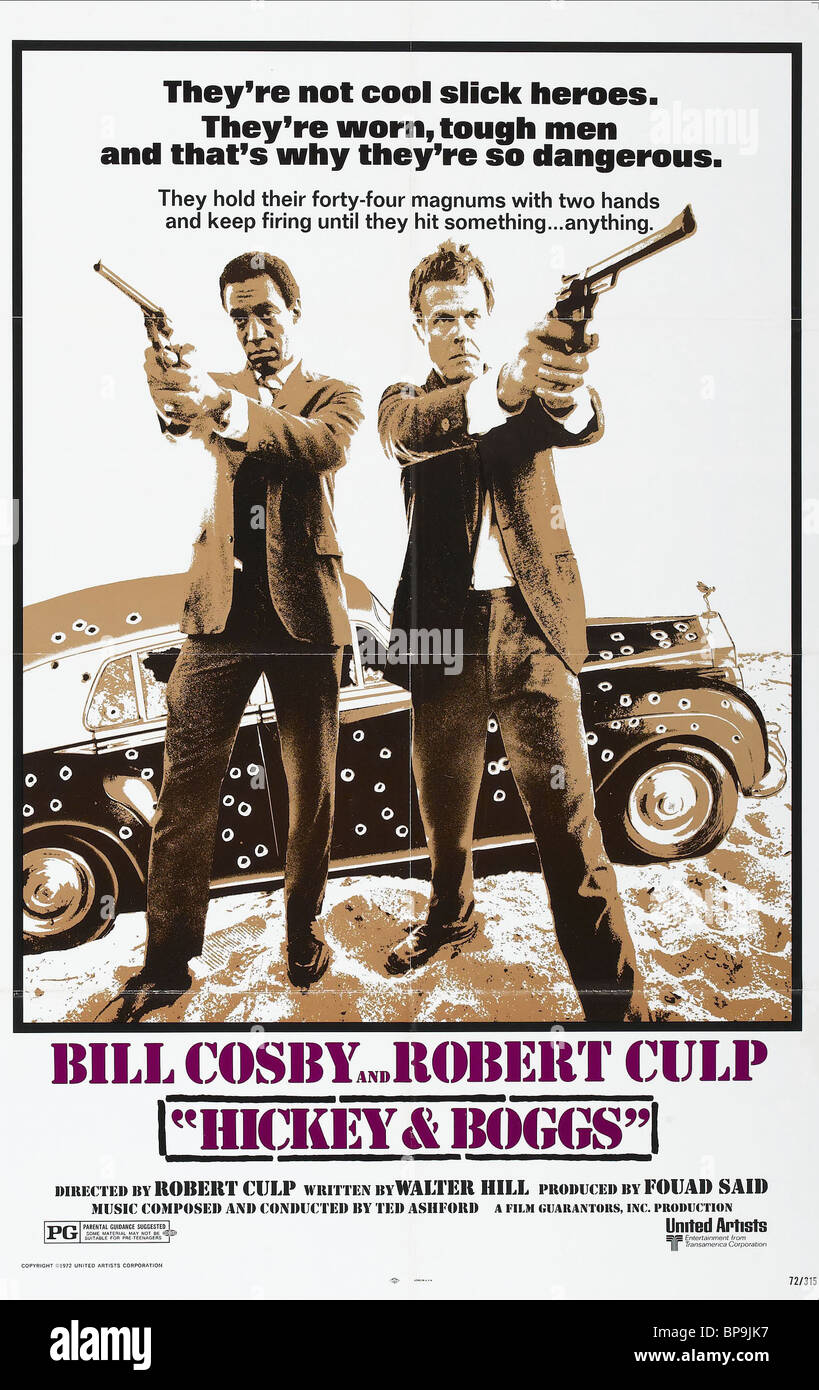
Although the I Spy tag stuck to Culp throughout his career, he was no one-trick pony. Over 50 years in television, he played a variety of roles and also wrote a number of episodes for series in which he appeared. He also made more than two dozen feature films, one of which – Hickey and Boggs (1972), starring Cosby and himself – he directed. However, those expecting a reprise of their popular TV characters were surprised by the dark tone of the film.
They played two down-and-out private eyes, Al Hickey (Cosby) and Frank Boggs (Culp), who, hired to trace a missing girl, get embroiled with bank robbers and a black power organisation. The two antiheroes spend as much time debating the fundamental questions of their existence as they do trying to solve the case, and at one stage, a gloomy Cosby says: “Nobody came … nobody cares. It’s still not about anything” – lines that could have come from Waiting for Godot.
This was no coincidence, as Culp had appeared as Vladimir in a pre-American premiere of Samuel Beckett’s play in 1955 at the actor and teacher Herbert Berghof’s HB Studio in New York. He had little professional acting experience at the time, having appeared in only a small role as a student of Socrates in the TV series You Are Here (1953). He first started acting at Berkeley high school, California, where he shone more as a track and field athlete. After leaving San Francisco State University without a degree, he headed for New York.
His studies with Berghof gave Culp a boost and he landed the title role of the pathetic clown in Leonid Andreyev’s He Who Gets Slapped at the off-Broadway Actors’ Playhouse in 1956, for which he won an Obie as best actor. Two less successful appearances on Broadway followed, before Culp found his niche in television.
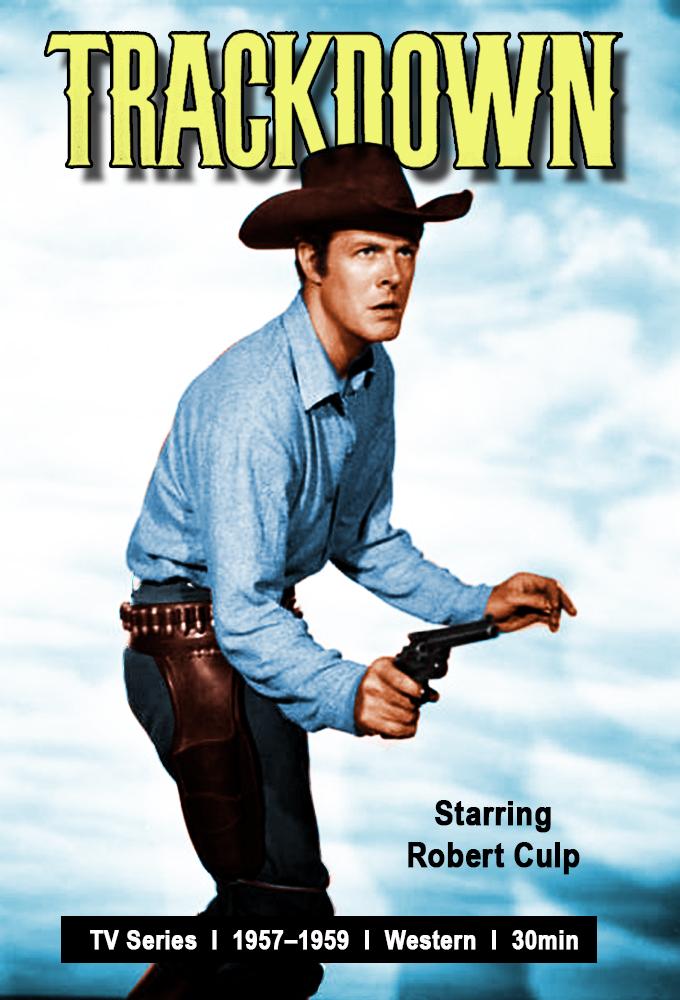
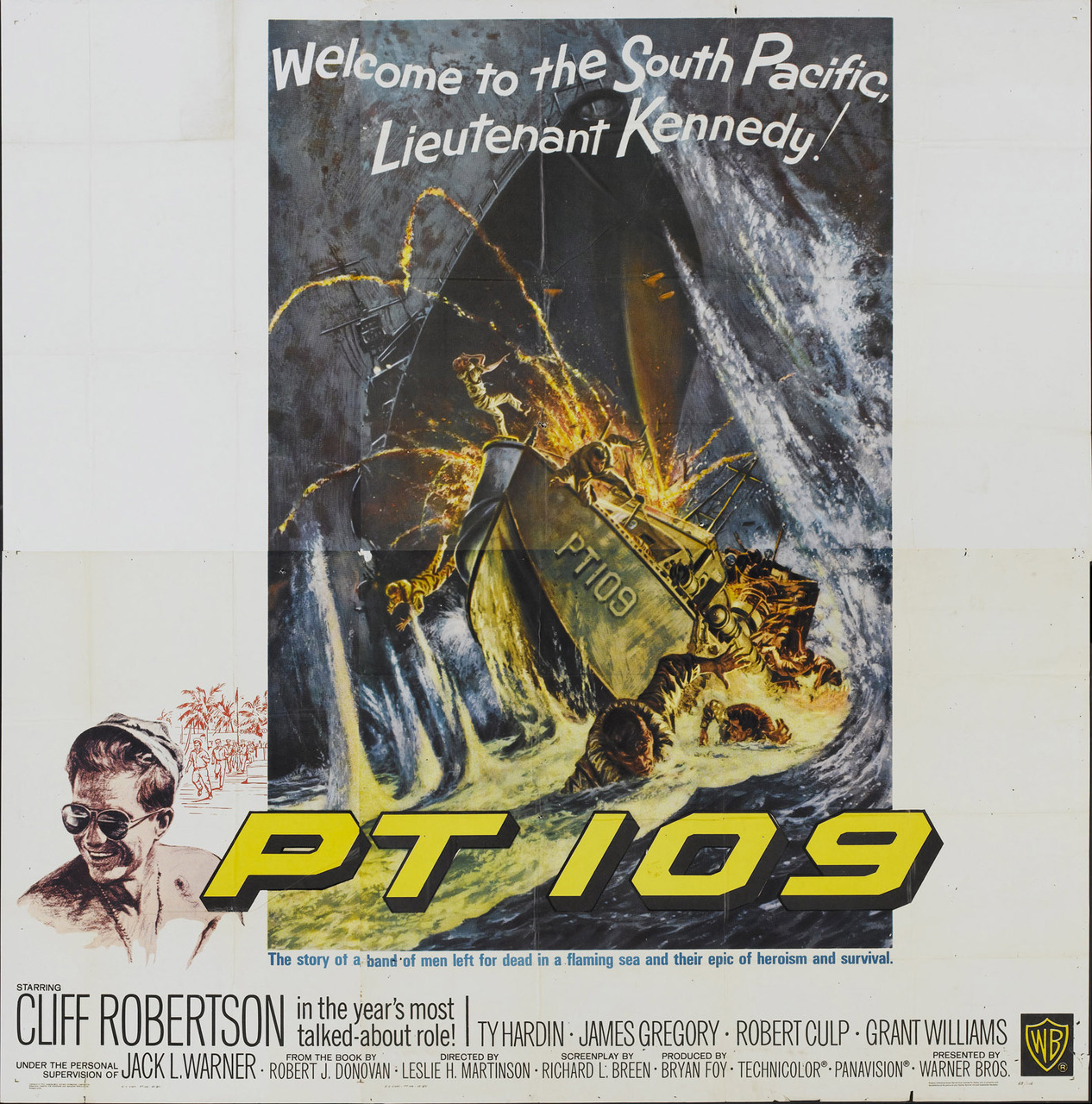
His first triumph was as a Texas ranger in the western series Trackdown (1957-59), some episodes of which were directed by Sam Peckinpah. Culp went on to appear in numerous TV horse operas including Bonanza, Wagon Train and The Rifleman, though he made his big screen debut as a crew member on a patrol torpedo boat under Lieutenant John F Kennedy (Cliff Robertson) in PT 109 (1963), set during the second world war. In the same year, he was Robertson’s wealthy love rival for Jane Fonda’s affections in the lightweight comedy Sunday in New York.
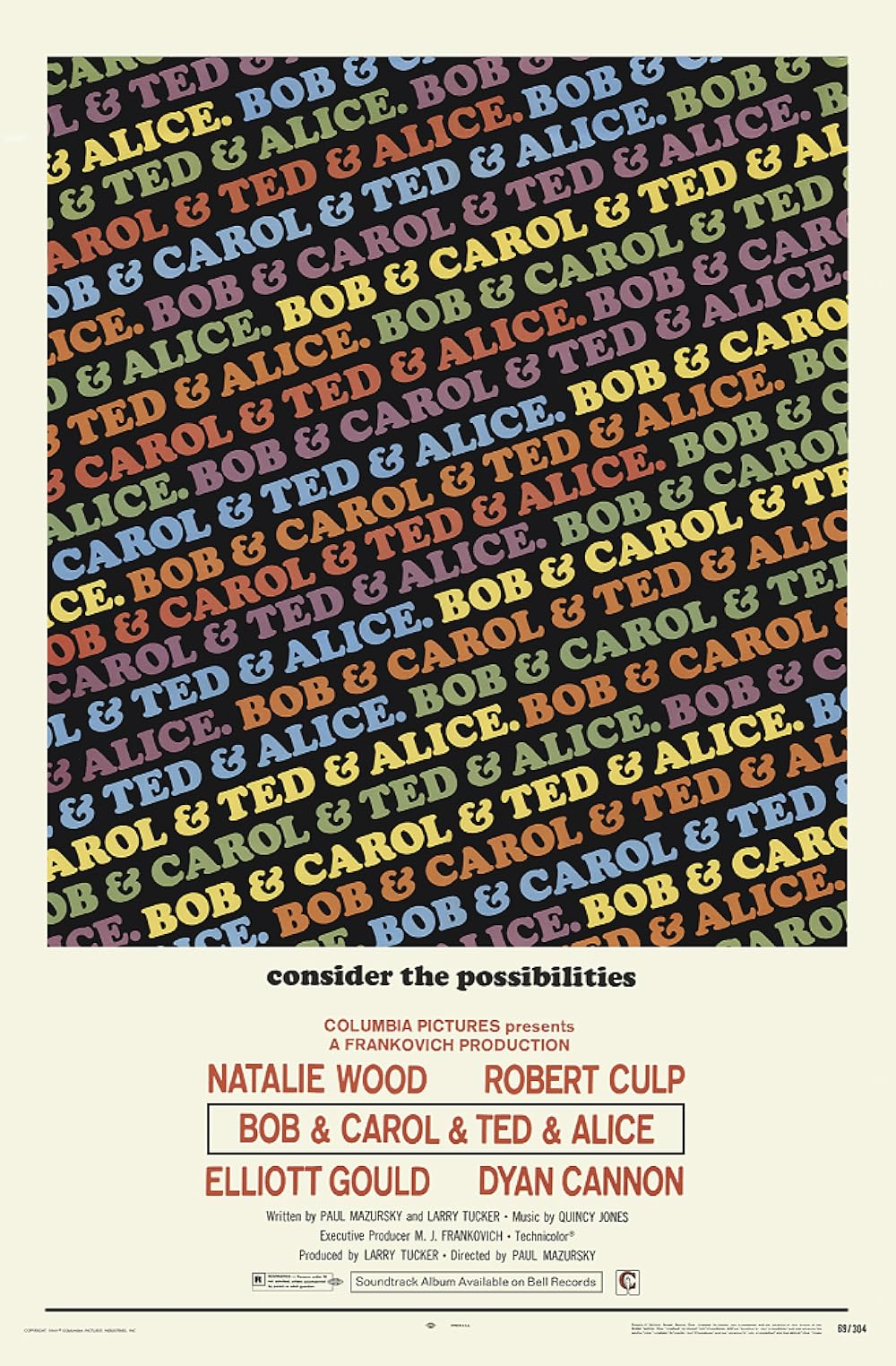
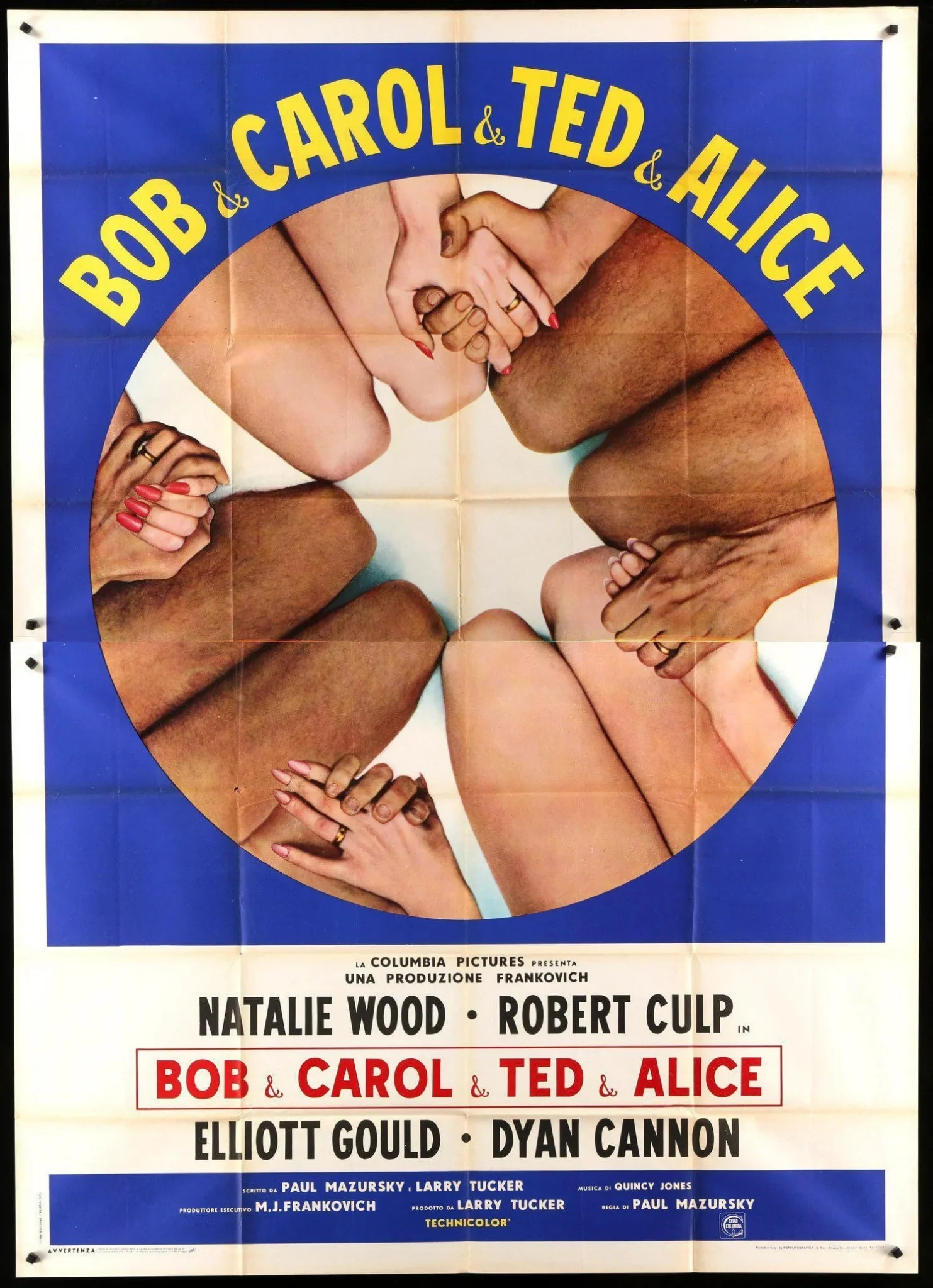
But it was not until 1969, after his lengthy service in I Spy, that he found a feature film with which he could be satisfied. He played Bob in Paul Mazursky’s Bob & Carol & Ted & Alice – now as dated as hippie beads and flared trousers. Nevertheless, the film, a teasing satire on the new sexual permissiveness, grabbed the public’s curiosity. The attempt at wife-swapping by the groovy couples (Culp and Natalie Wood, Elliott Gould and Dyan Cannon) is aborted when they realise that love and fidelity are more important than sex. Culp’s deadpan swinger remains his best film role.
He continued to appear regularly on television, popping into almost every series, including Columbo, in which his smooth good looks and underplaying made him an ideal murder suspect four times. From 1981 to 1983, he starred in 44 episodes of The Greatest American Hero as a rightwing FBI agent, which he played tongue-in-cheek. Actually, Culp had been an active supporter of the civil rights movement in the 1960s.
He was married five times, once, from 1967 to 1970, to the actor France Nuyen, whom he met when she appeared in four episodes of I Spy. He is survived by his fifth wife and three sons, Joseph, Joshua and Jason, and two daughters, Samantha and Rachel.
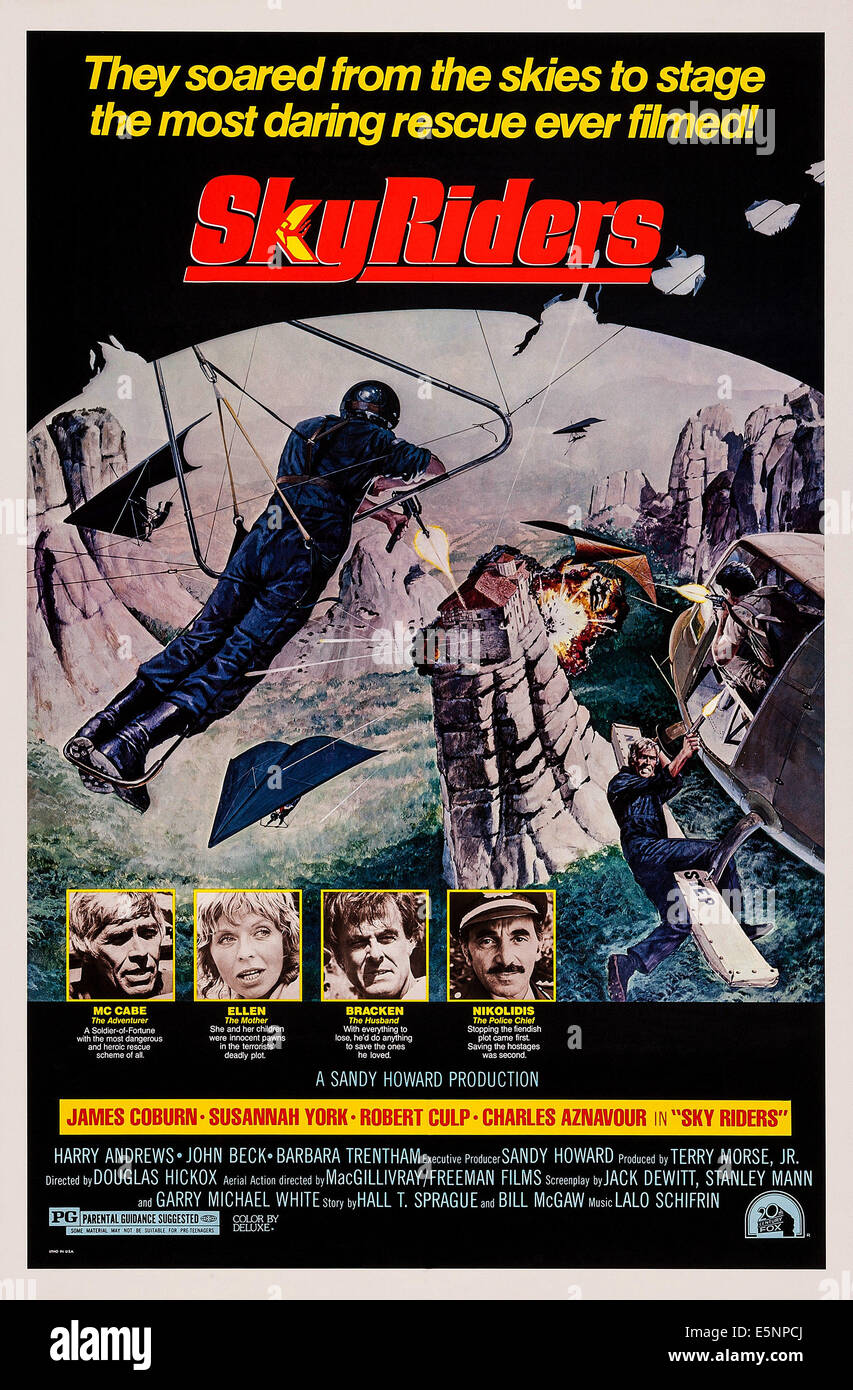
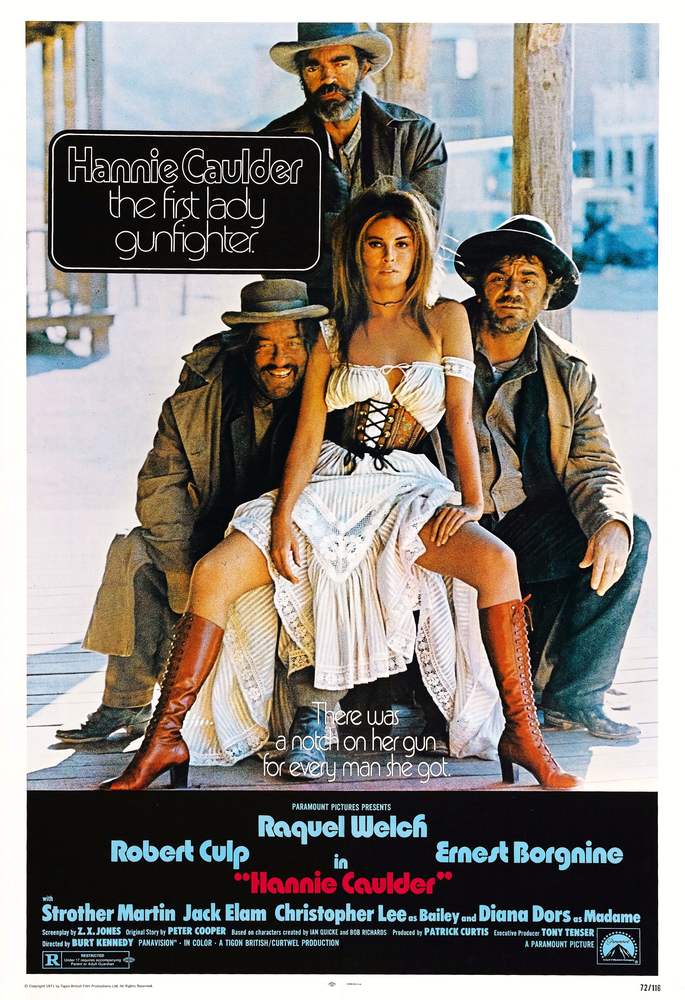
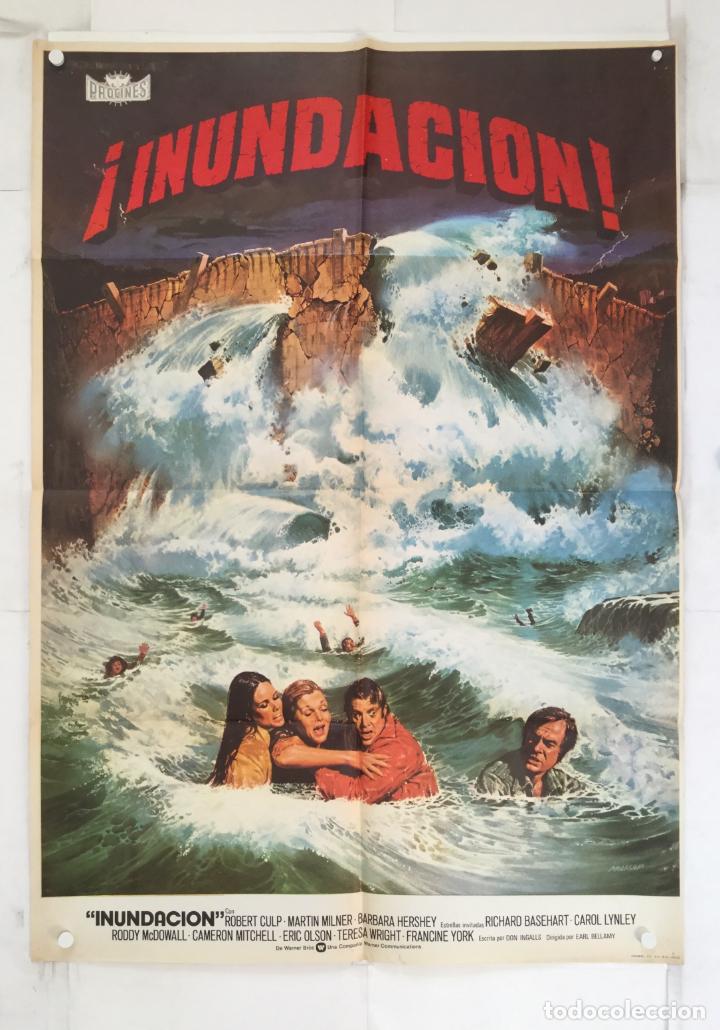
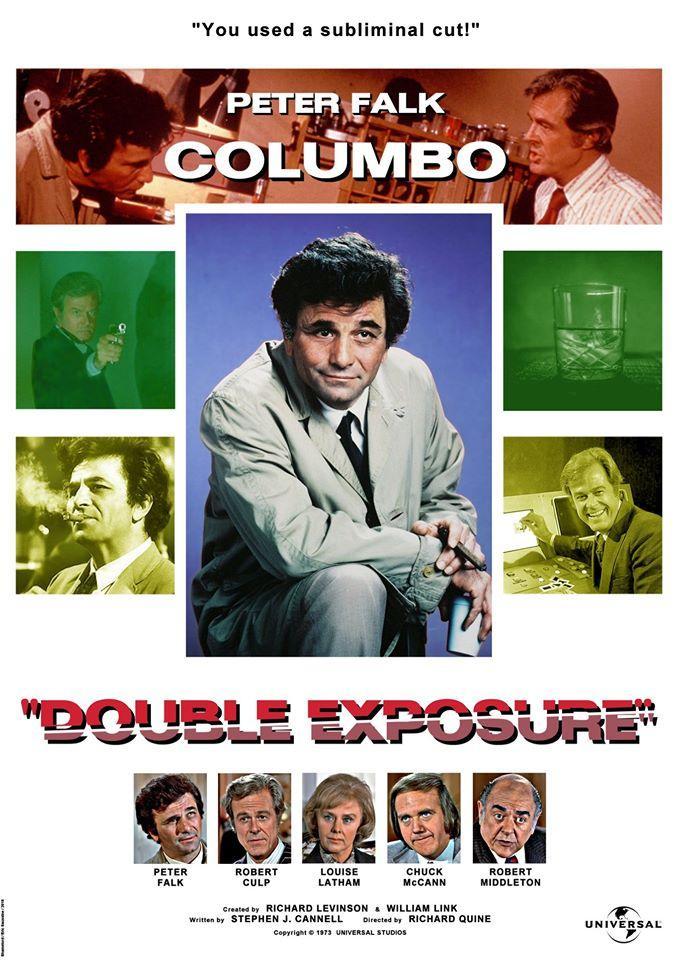
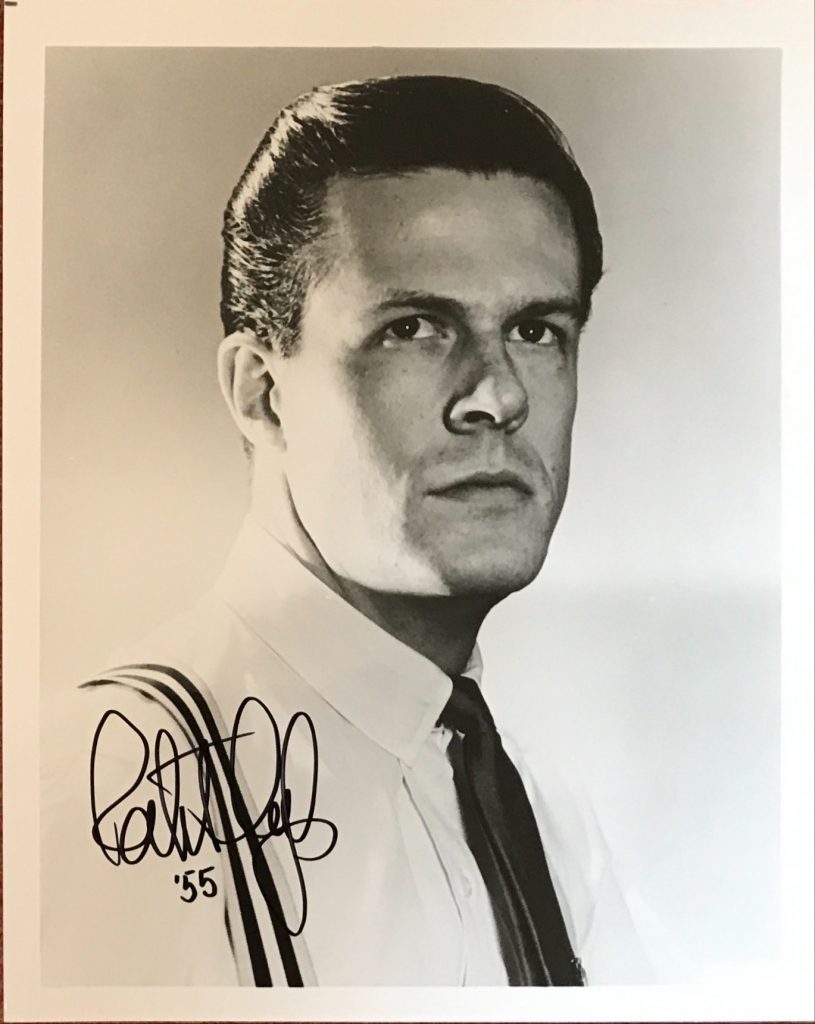
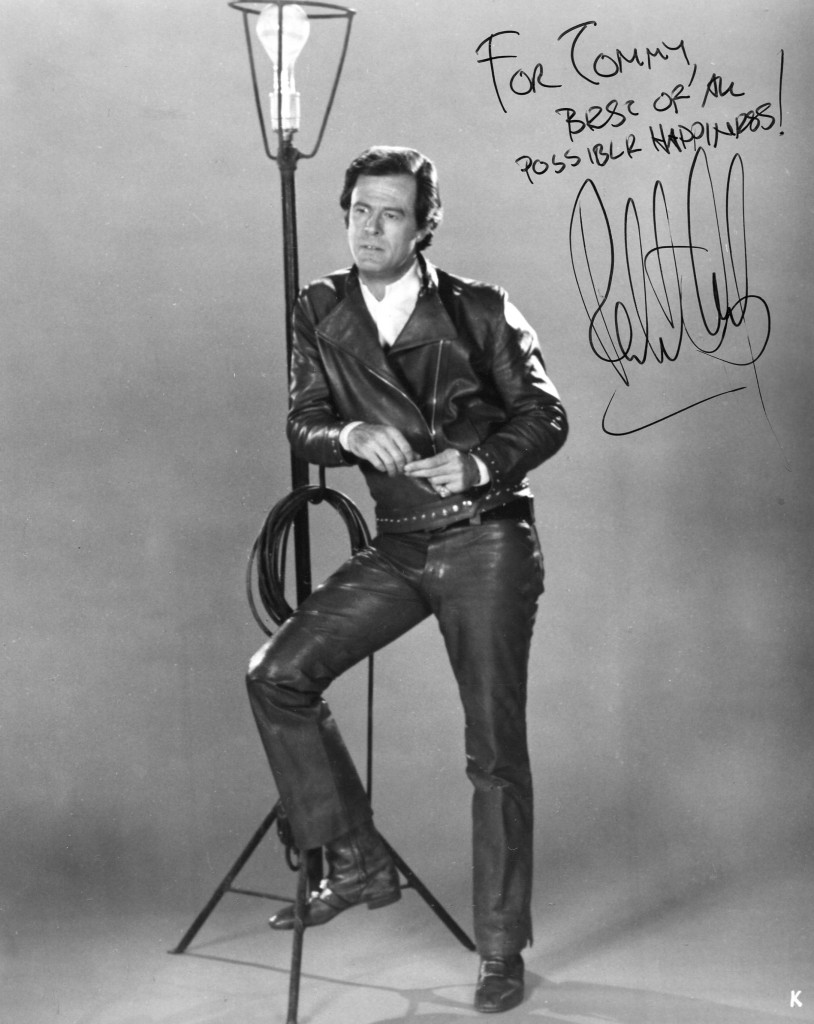
Robert Culp (1930–2010) was a quintessential “Renaissance Man” of 1960s and 70s television—an actor, writer, and director who combined a collegiate, athletic charm with a brooding, intellectual intensity. While often categorized by his smooth leading-man looks, Culp was a tireless subverter of tropes, using his influence to break racial barriers and explore the darker, more neurotic edges of the American male psyche.
Career Overview: The Television Architect
1. The Breakthrough & Sci-Fi Cult Status (1950s–1964)
Culp first found fame in the Western series Trackdown (1957–1959), but his most critically significant early work was in anthology television. His three appearances on The Outer Limits—specifically the Hugo Award-winning “Demon with a Glass Hand” (1964)—established him as a performer of immense physical and psychological range. In that episode, written by Harlan Ellison, Culp’s frantic, haunted performance became a template for the “tortured hero” in science fiction.
2. The I Spy Revolution (1965–1968)
As the lead in I Spy, Culp did more than just play a secret agent; he acted as a cultural disruptor. Playing Kelly Robinson, he insisted on a partnership of absolute equality with his co-star, Bill Cosby.
The Writer-Actor: Culp wrote seven episodes of the series and directed one, crafting a “casual-cool” dialogue style that felt improvised and modern compared to the stiff procedurals of the era.
Cultural Impact: By portraying a deep, non-subservient brotherhood between a Black man and a white man during the height of the Civil Rights Movement, Culp helped normalize racial integration for millions of viewers.
3. “New Hollywood” and The Villainous Turn (1970s–2010)
In the 1970s, Culp pivoted toward “New Hollywood” cinema and complex guest roles.
The “Dissipated Swinger”: In the landmark sex comedy Bob & Carol & Ted & Alice (1969), he played a man attempting to navigate the sexual revolution with a mix of pretentious enlightenment and genuine confusion.
The Columbo Nemesis: Culp holds a special place in television history as one of the most frequent murderers on Columbo, playing three different killers across the 1970s. These roles allowed him to lean into a cold, arrogant, and intellectual villainy that contrasted sharply with his “hero” persona.
Late Career Renaissance: He found a new generation of fans in the 1980s as the high-strung, patriotic FBI agent Bill Maxwell in The Greatest American Hero, and later as the cantankerous father-in-law on Everybody Loves Raymond.
Detailed Critical Analysis
The “Casual Realism” of His Acting
Critically, Culp was a pioneer of what might be called “the conversational style” in television. At a time when TV acting was often theatrical and declamatory, Culp brought a low-key, mutter-heavy realism to his roles.
Vocal Texture: He used a rhythmic, often breathy delivery that made his characters feel like they were thinking in real-time.
The “Cool” Mask: Critics often noted that Culp’s greatest strength was his ability to suggest a “simmering interior.” Even in light roles, there was a sense of a man holding back a great deal of intellectual or emotional weight.
The Auteur in the Actor
Unlike most actors of his era, Culp was deeply involved in the mechanics of storytelling.
Subverting the Spy Genre: Through his writing on I Spy, he stripped away the “James Bond” gadgets and focused on the exhaustion and moral ambiguity of espionage. His episodes (like “Home to Judgment”) are often noted for their somber, philosophical tone.
Directorial Vision: His 1972 film Hickey & Boggs (which reunited him with Cosby) was a critical darling for its bleak, deconstructivist take on the private eye genre. It is now viewed as a cult classic of the “cynical 70s,” stripping away the glamour of the detective life in favor of grit and failure.
Legacy of the “Straight Man”
The irony of Culp’s career is that he was frequently the “straight man” to larger personalities (Cosby in I Spy, William Katt in The Greatest American Hero, Ray Romano in Raymond). However, critical retrospective shows that Culp was the anchor. His stillness and gravitas allowed the comedy around him to work; he played the “world-weary expert” better than almost any of his contemporaries, lending credibility to even the most absurd premises.
Iconic Performance Comparison
| Role | Character Archetype | Key Attribute |
| Kelly Robinson (I Spy) | The Cool Professional | Relaxed, egalitarian charm. |
| Trent (The Outer Limits) | The Tragic Outsider | Intense physical and emotional vulnerability. |
| Bob Sanders (B&C&T&A) | The Modern Skeptic | Nuanced portrait of middle-age insecurity. |
| Bill Maxwell (Greatest American Hero) | The Dogmatic Patriot | Manic energy and comedic rigidity. |