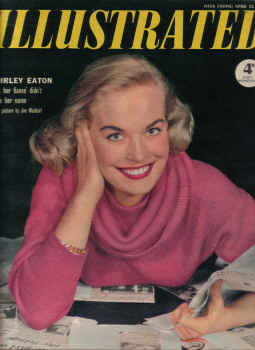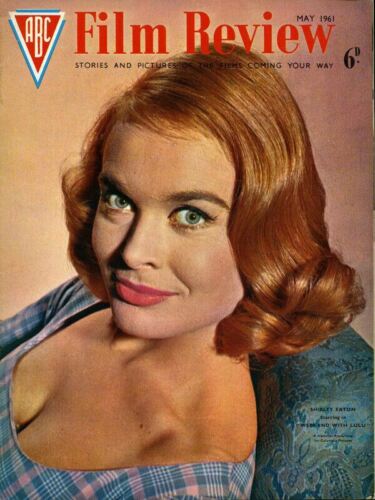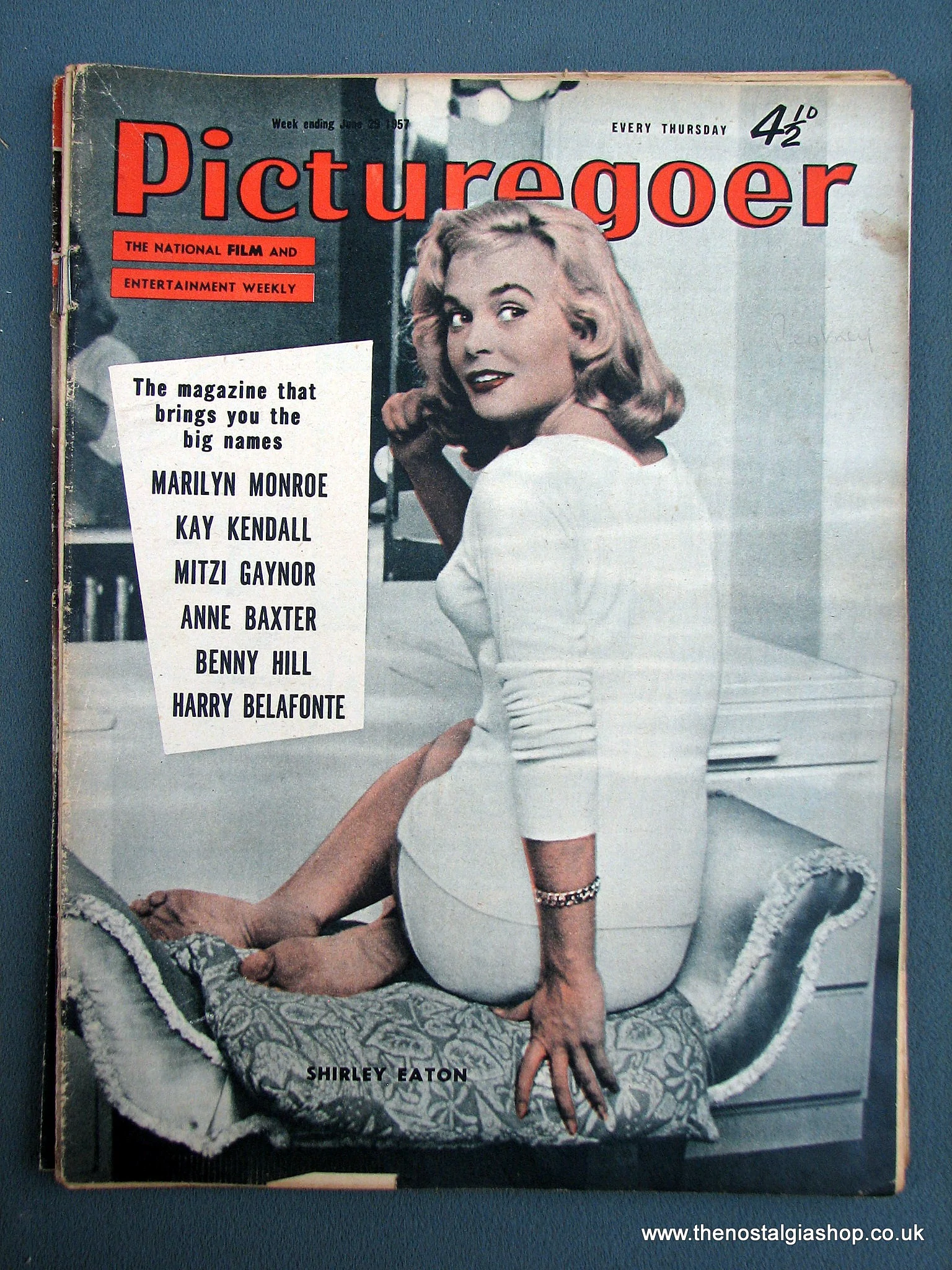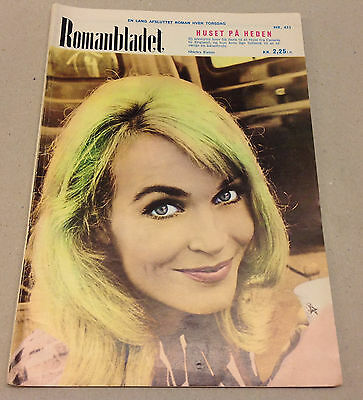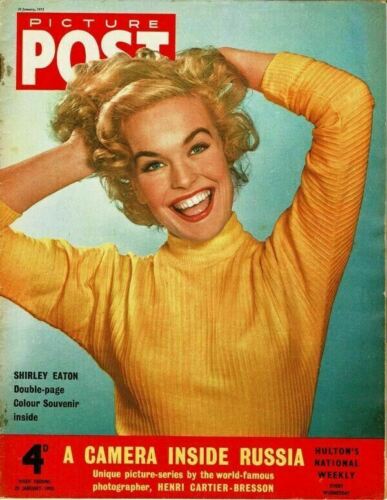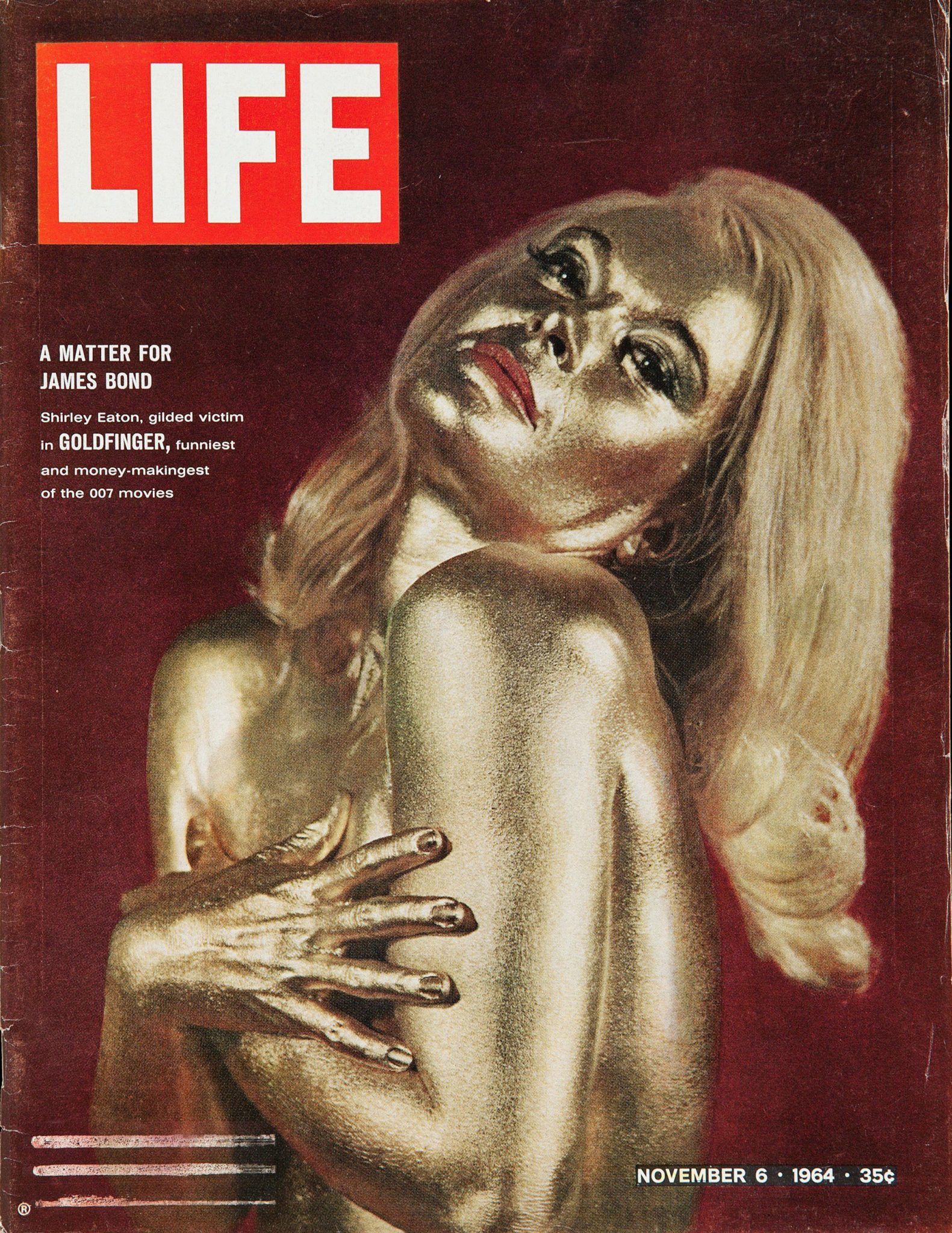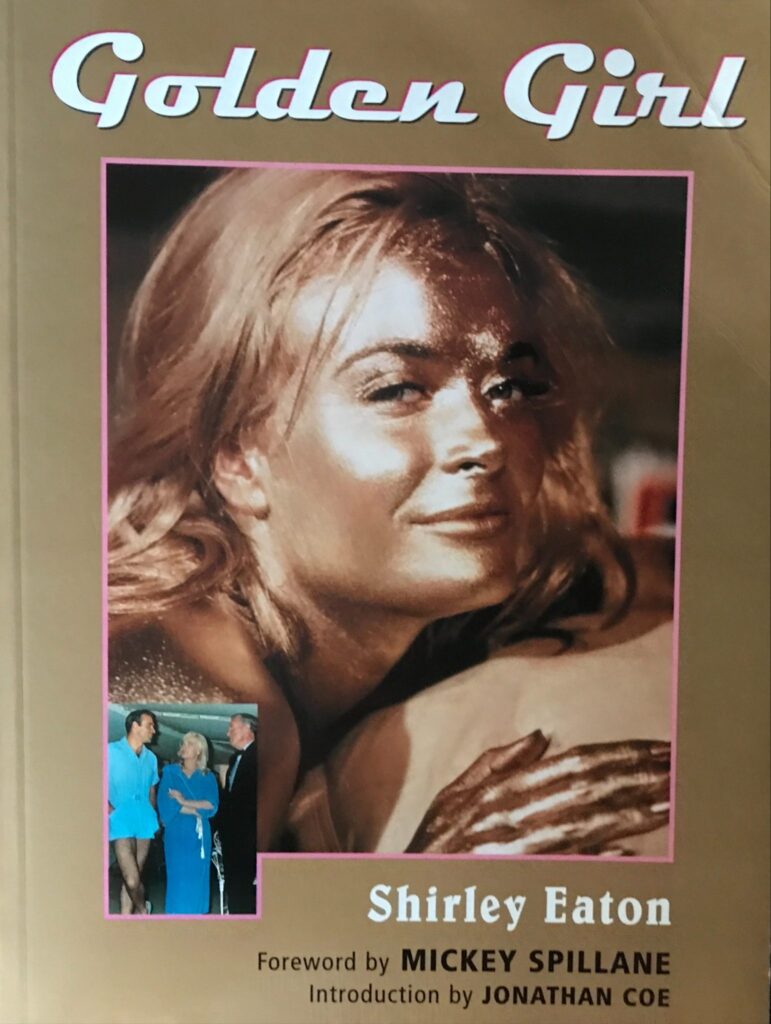

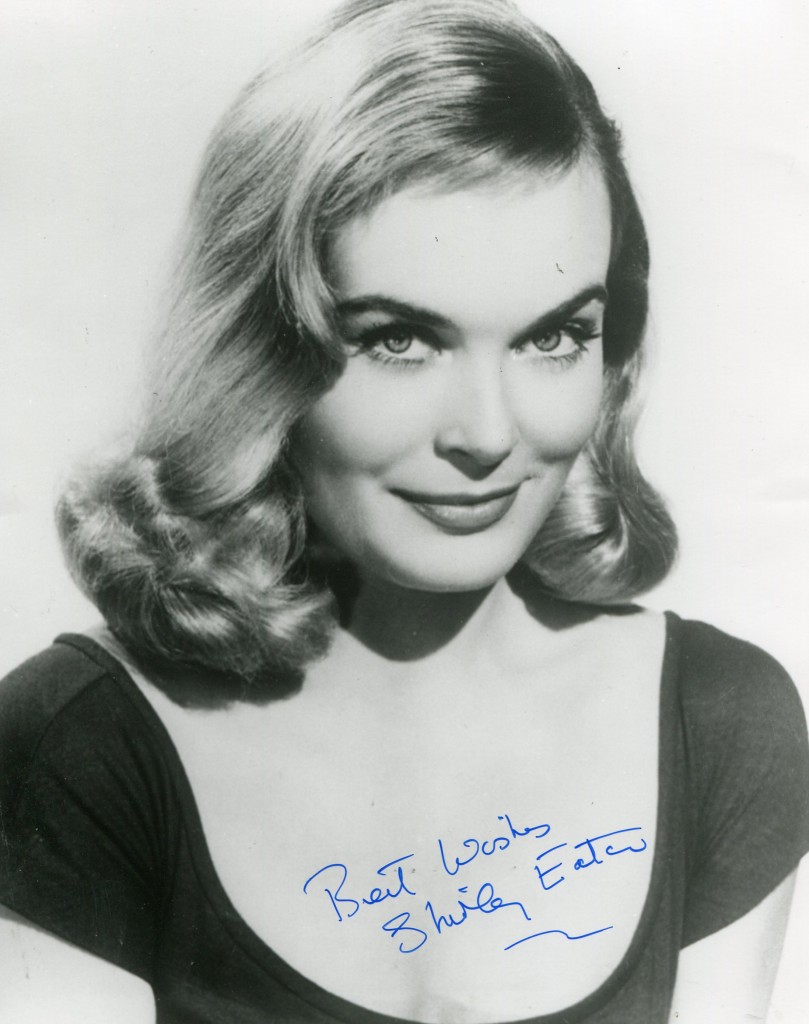
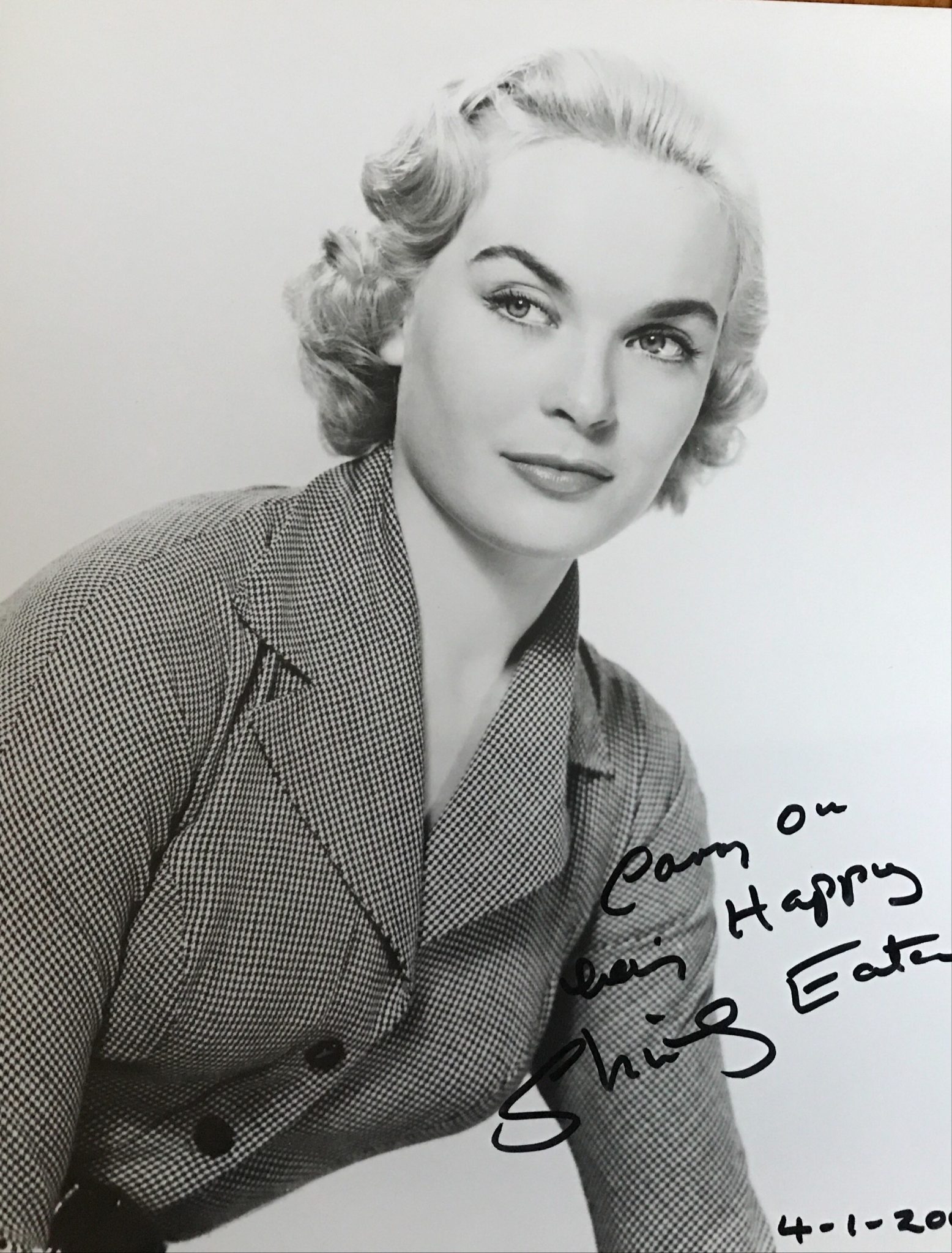
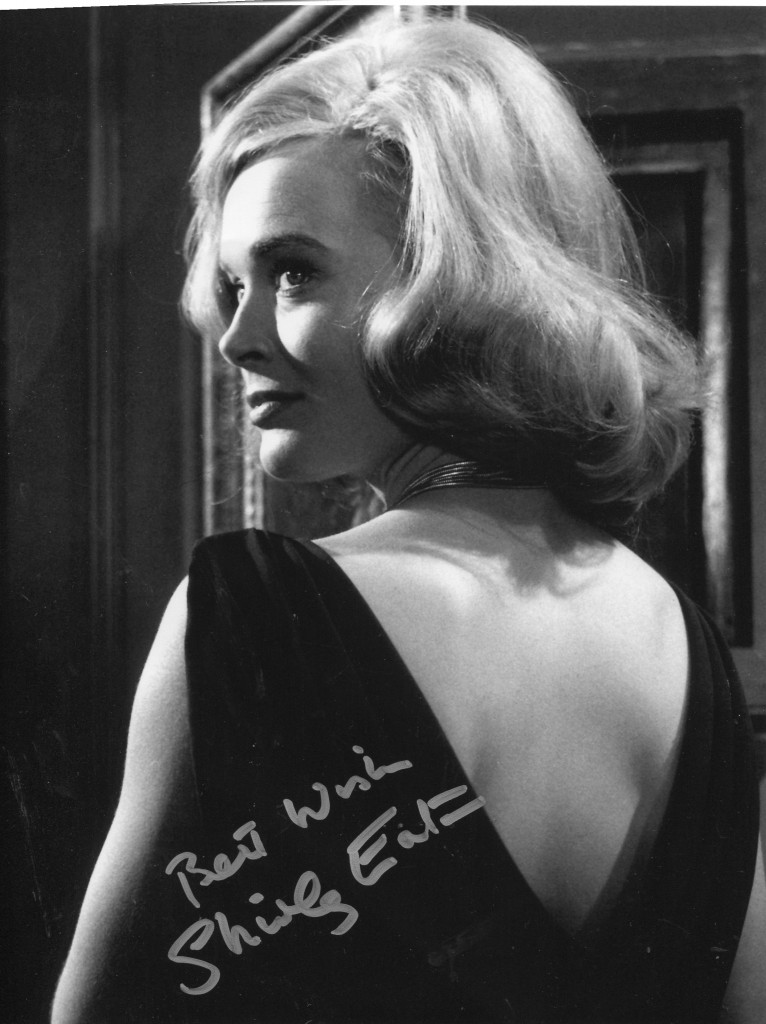
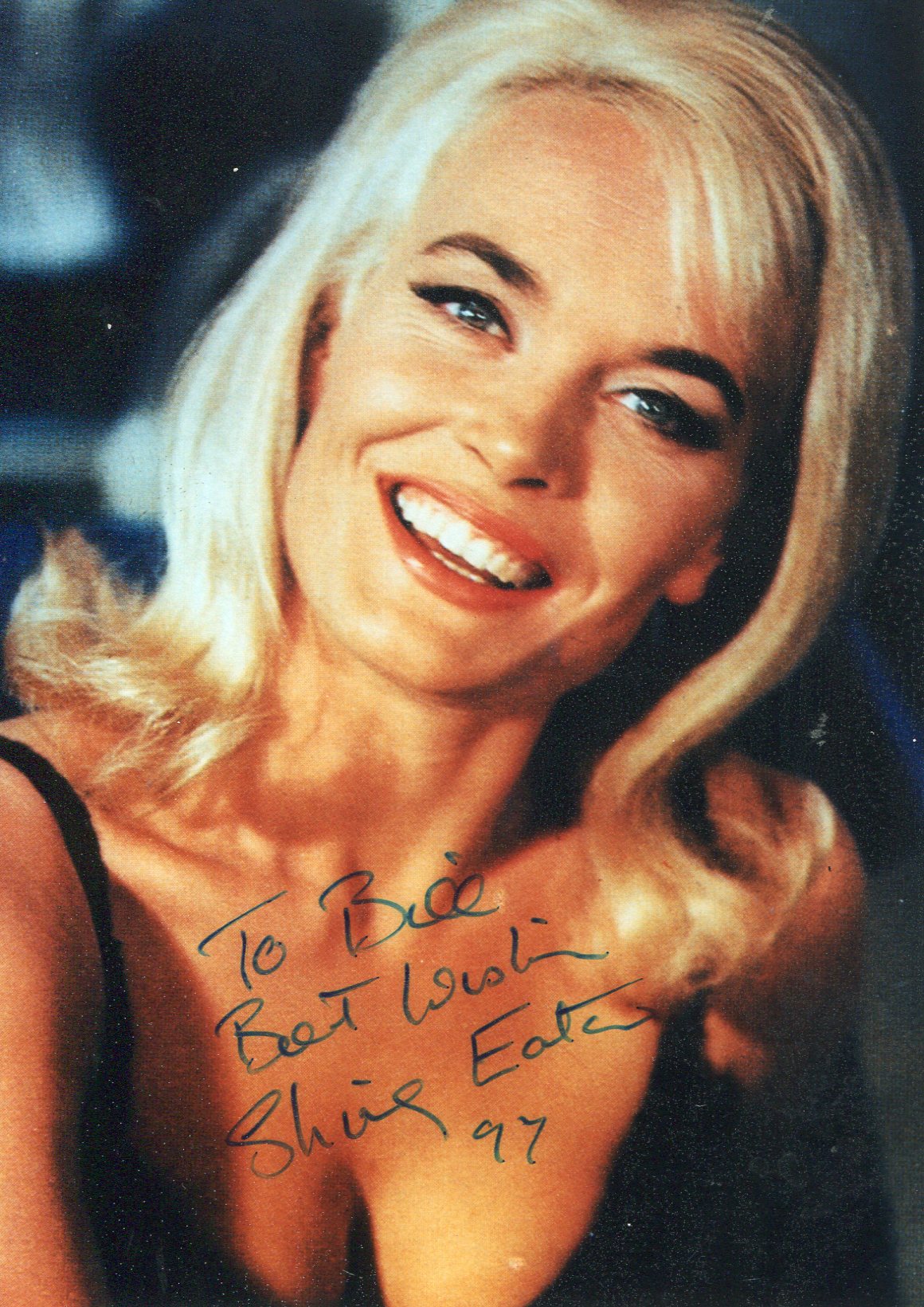
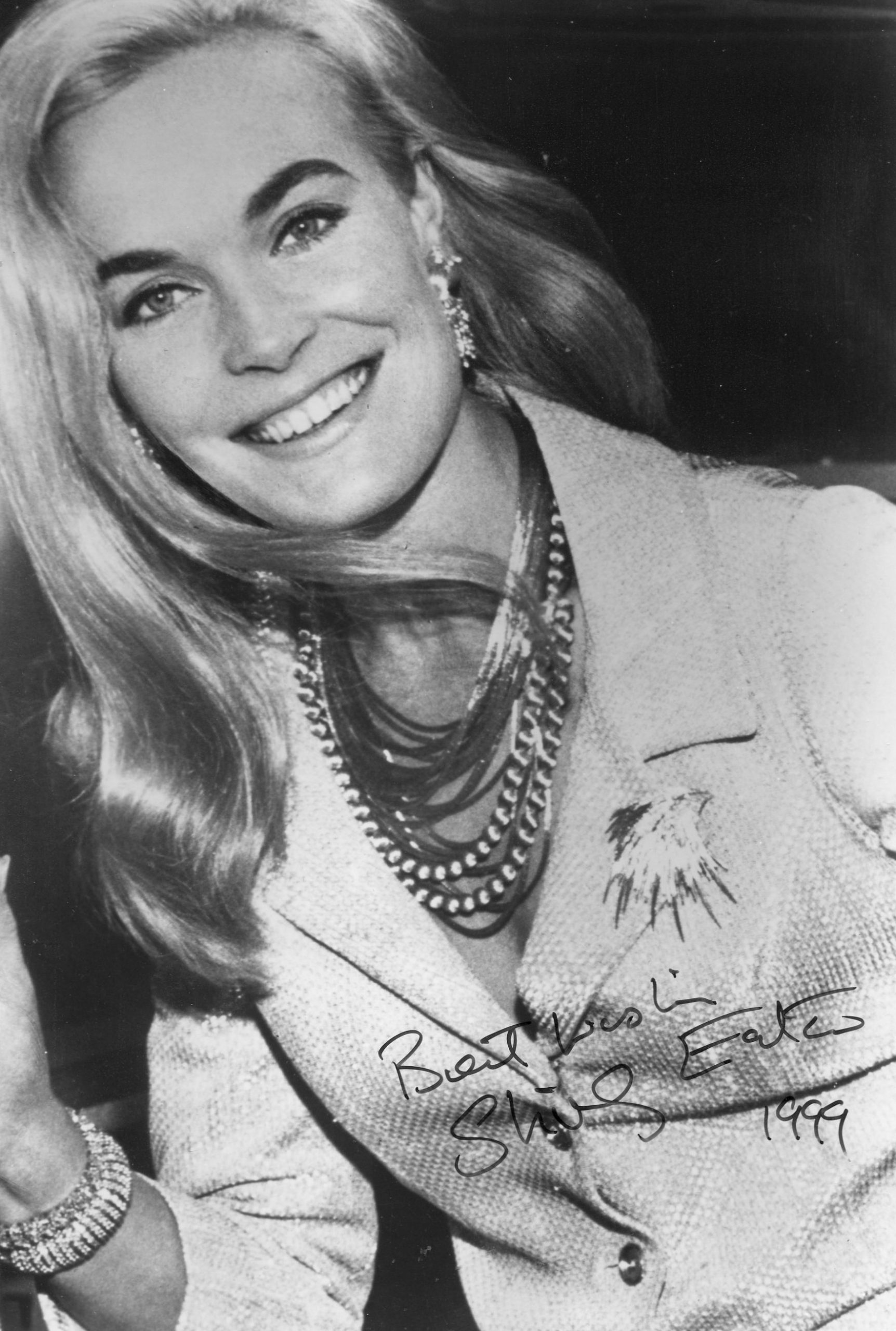
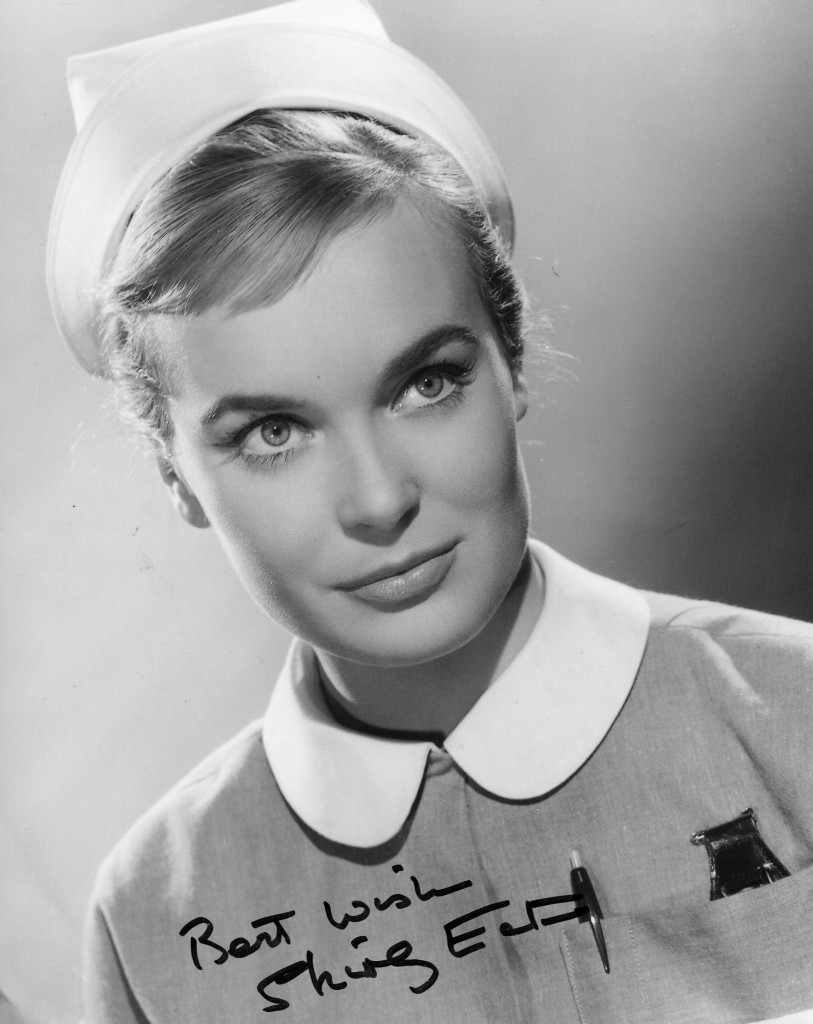
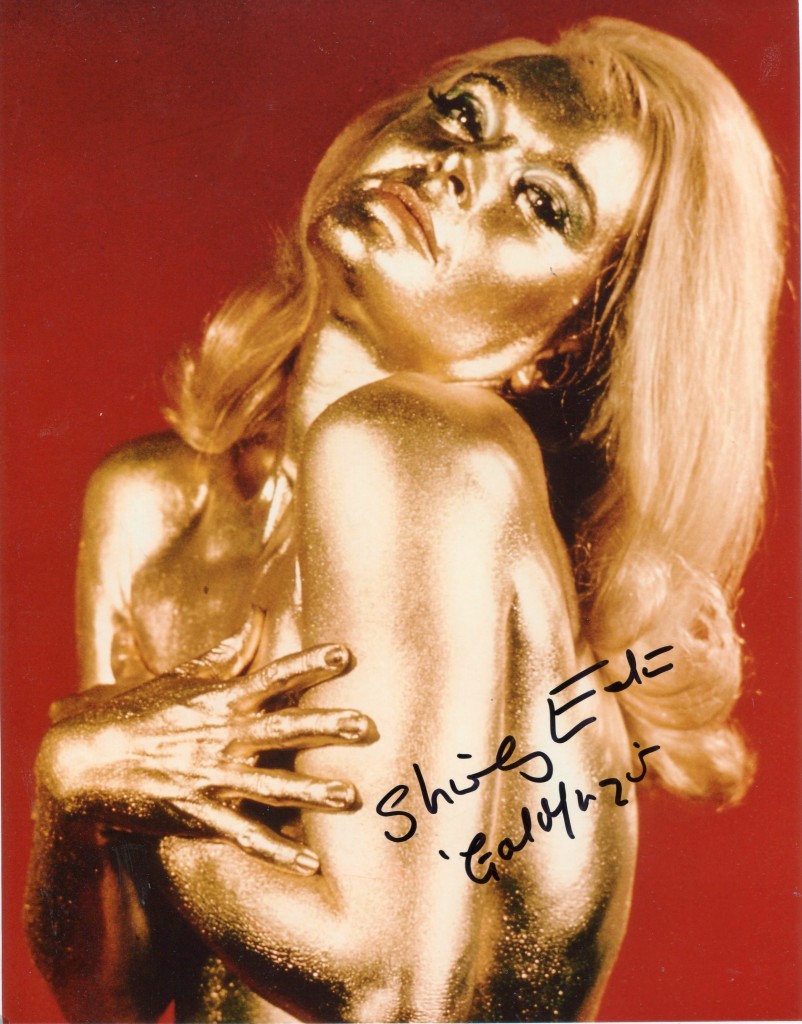
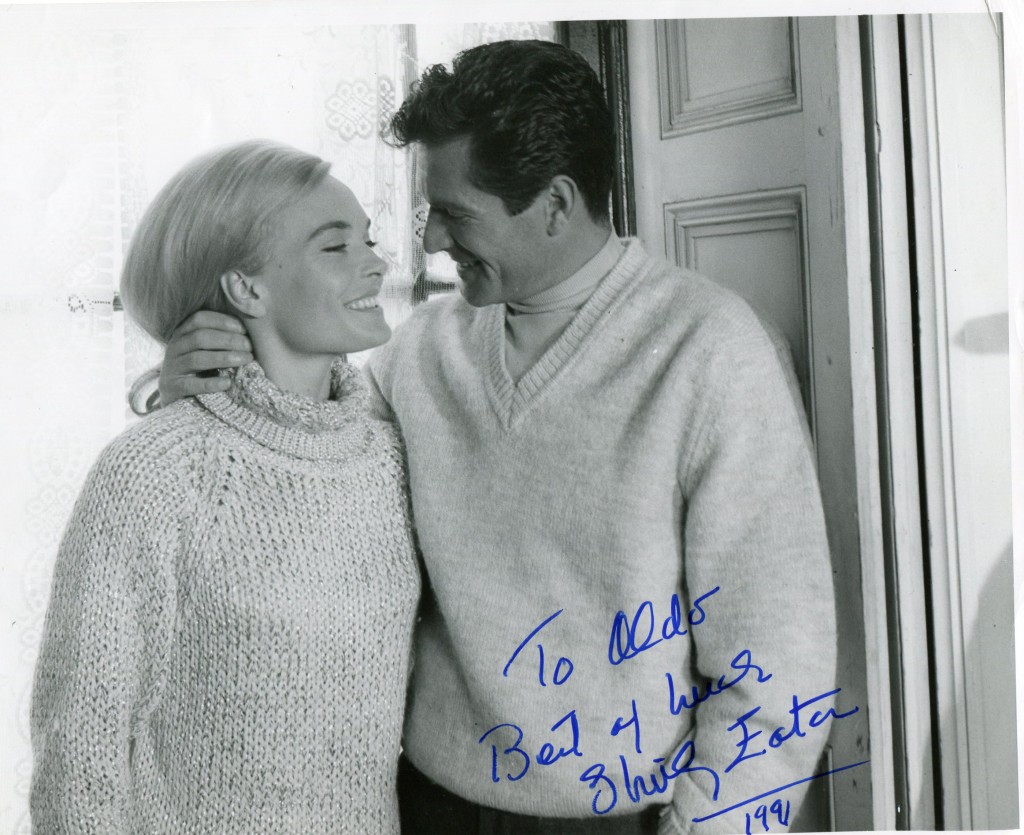
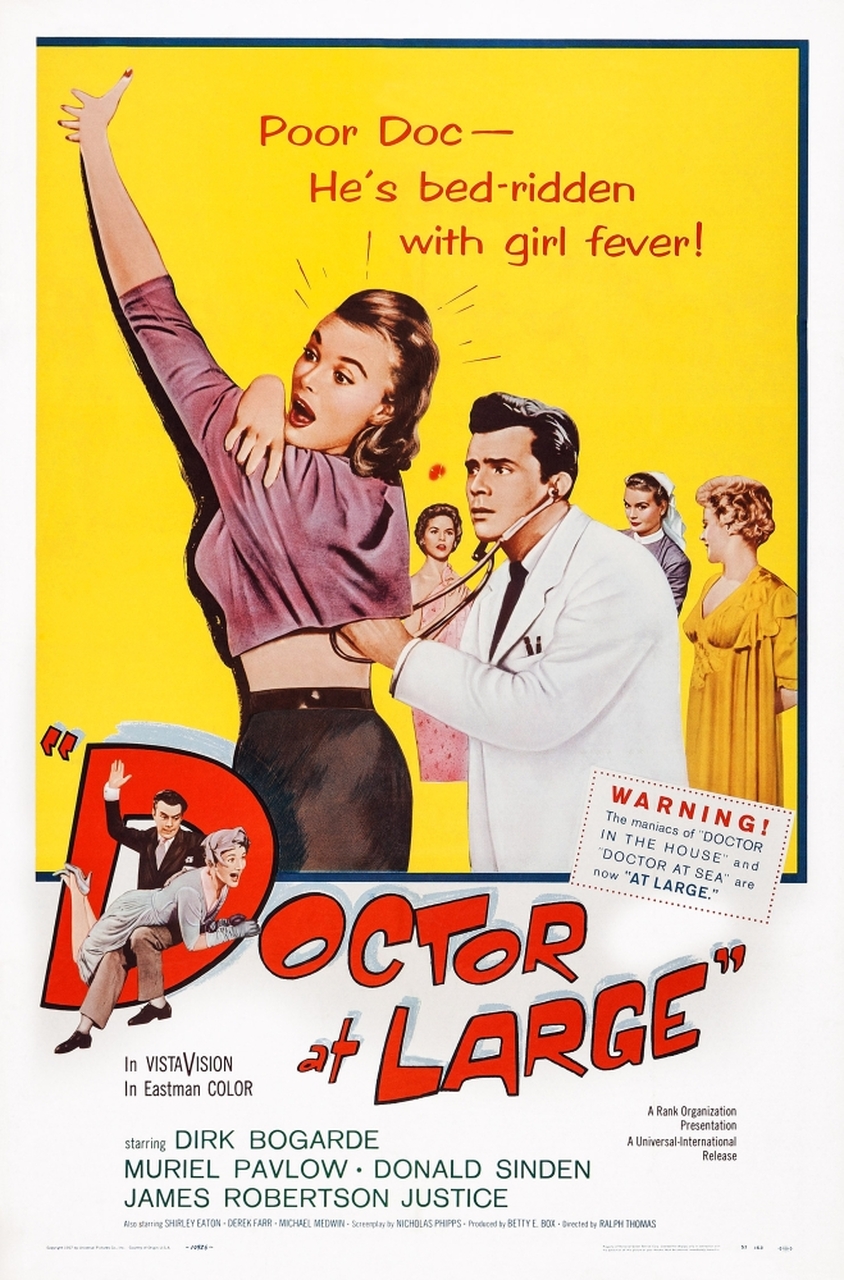
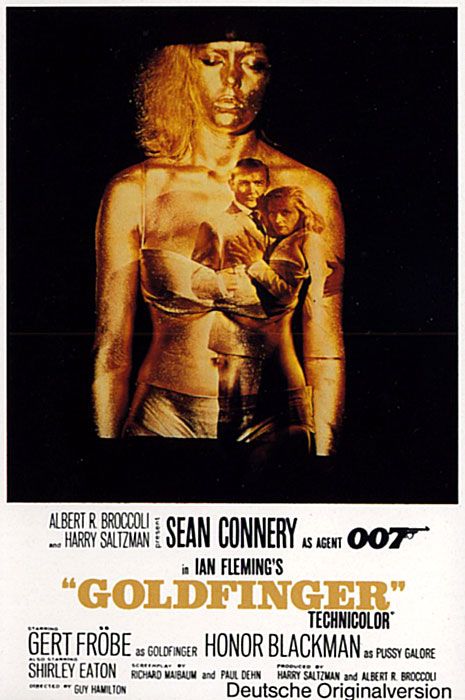
. Shirley Eaton (born 1937) is a quintessential icon of 1960s British cinema, a performer whose career serves as a fascinating case study in the power and the peril of the “Cinematic Image.” While she was a prolific comedic actress and a staple of the “Carry On” franchise, she is globally immortalized for a single, visually arresting image: the “Golden Girl” in Goldfinger.
Her career is defined by a transition from the “Girl Next Door” of British light comedy to the “International Sex Symbol” of the jet-set era, ultimately culminating in a premature retirement that preserved her mythic status.
Career Overview: From RADA to the Midas Touch
1. The “Carry On” Ingenue (1950s–early 1960s)
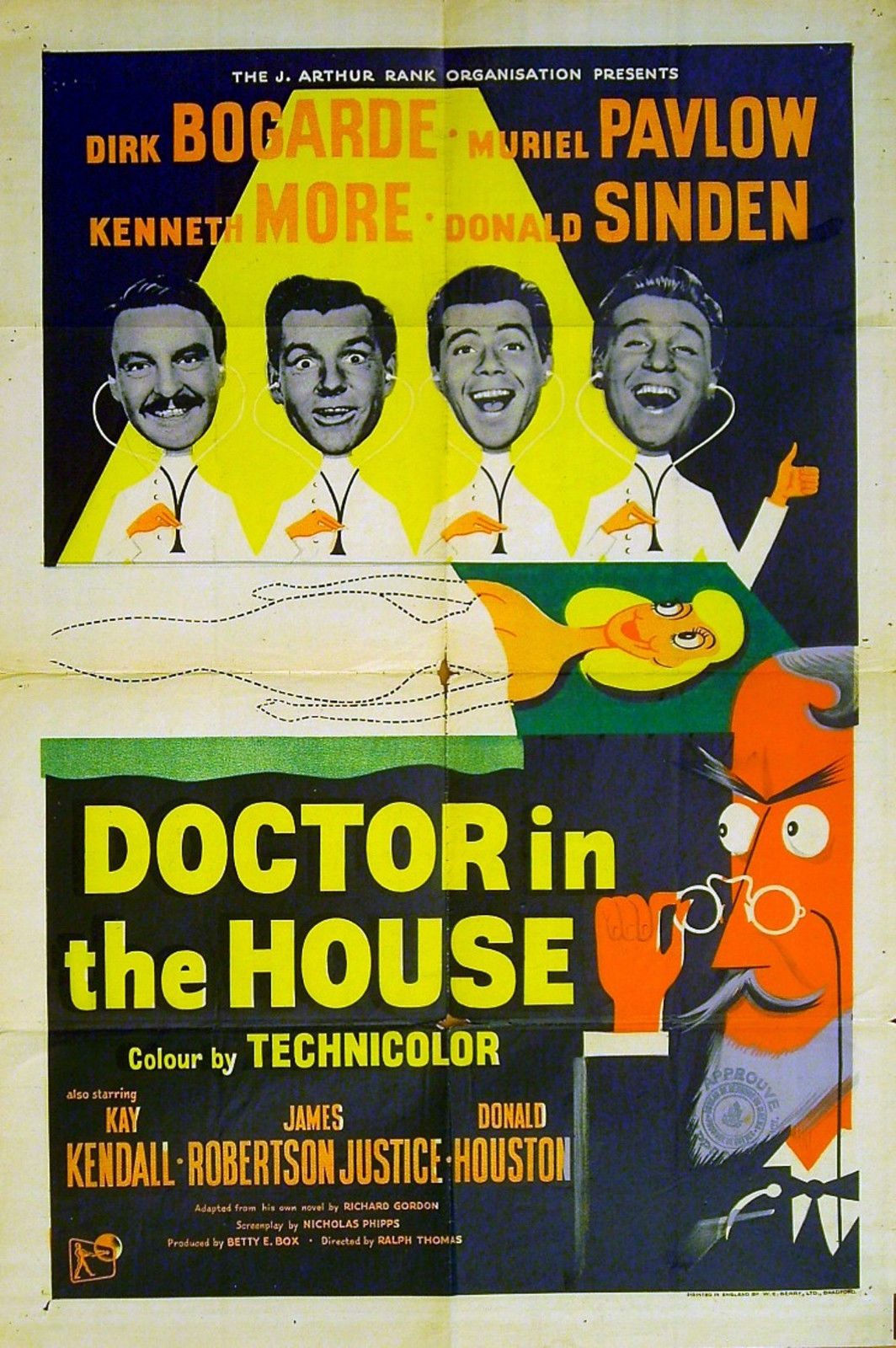
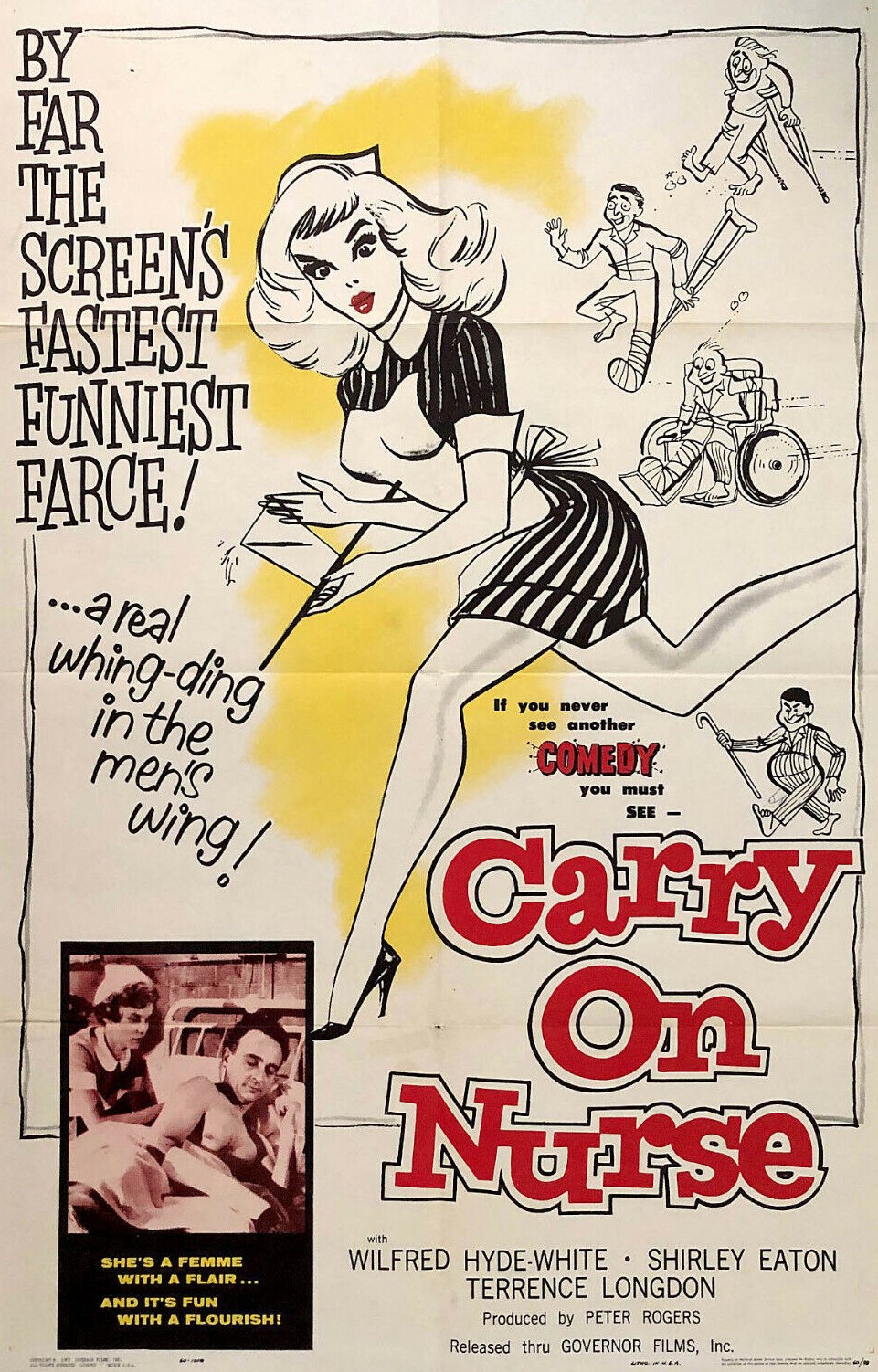
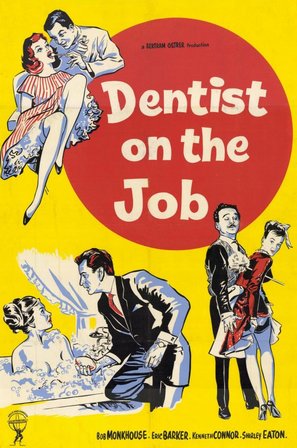
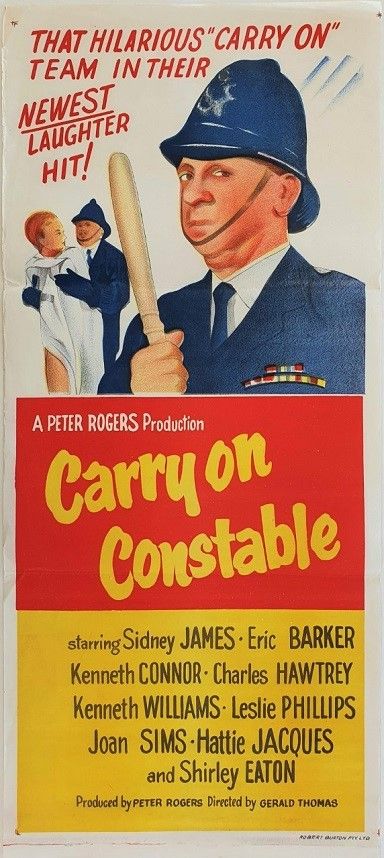
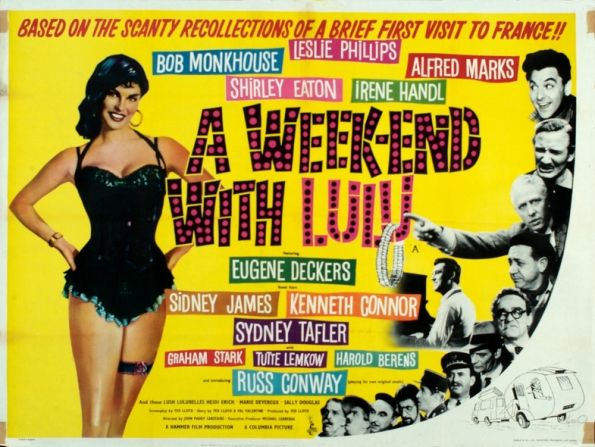
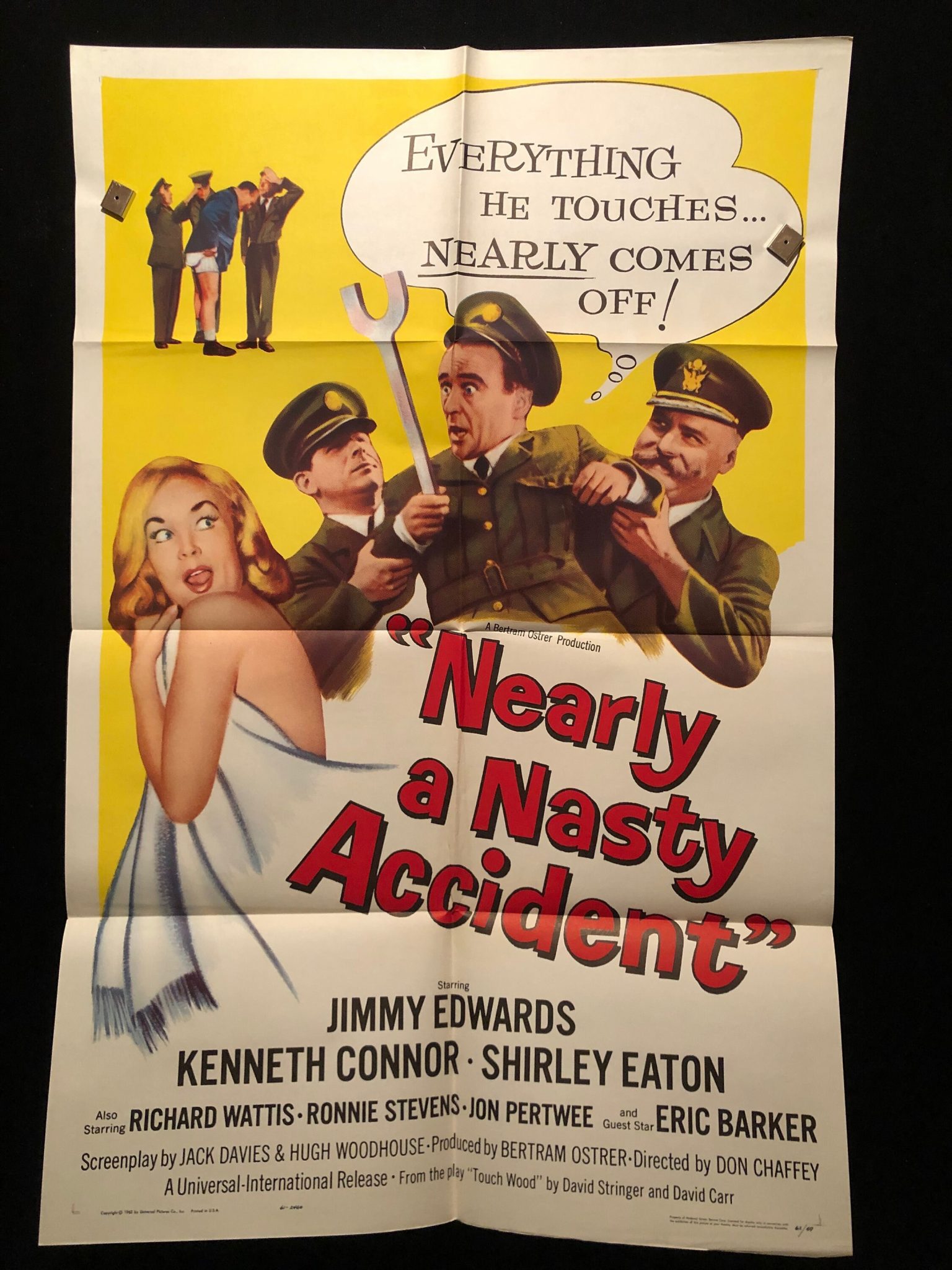
A graduate of the Aida Foster Stage School, Eaton began as a disciplined theatrical performer. She became a key member of the early Carry On ensemble, appearing in the very first entry, Carry On Sergeant (1958), and later Carry On Nurse(1959). In these films, she played the “straight woman” to the chaotic comedians, utilizing a wholesome, sparkling charm.
2. The Bond Catalyst: Goldfinger (1964)
Eaton’s casting as Jill Masterson changed her career trajectory instantly. Despite having less than 10 minutes of screen time, her death—covered in 24-karat gold paint—became the definitive aesthetic marker of the James Bond franchise. It remains one of the most famous deaths in film history.
3. The Global “Siren” Phase (1965–1969)
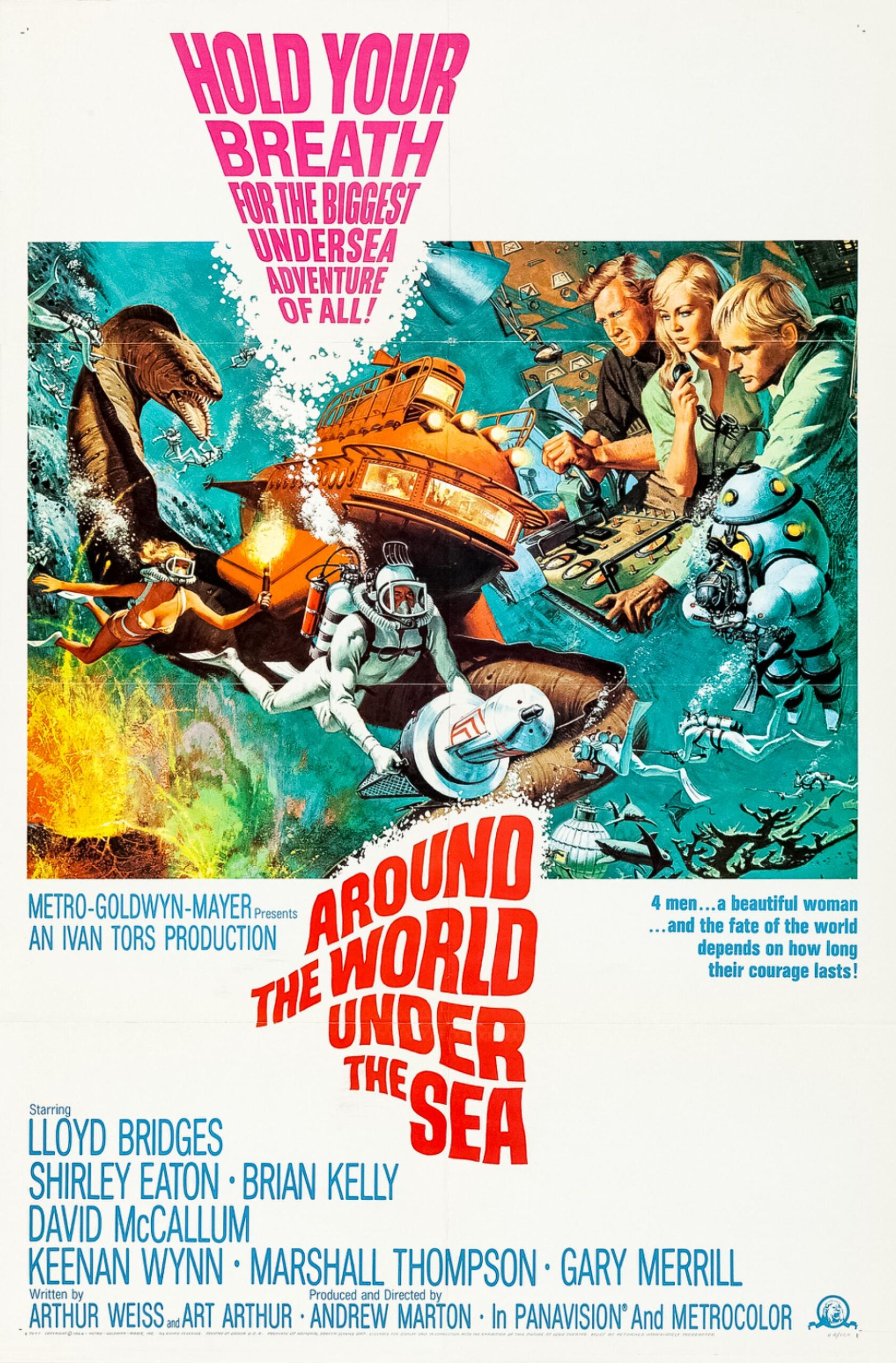
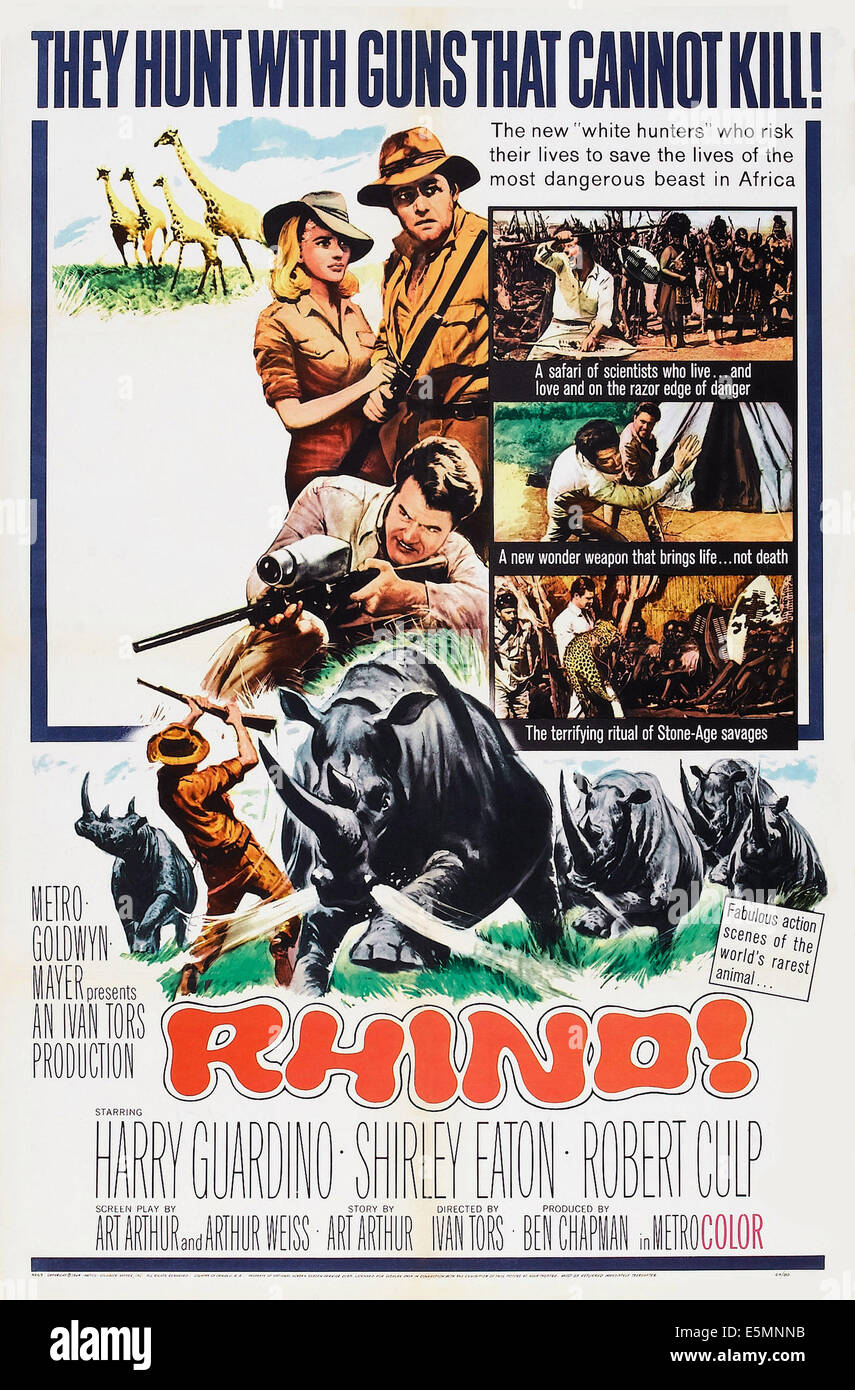
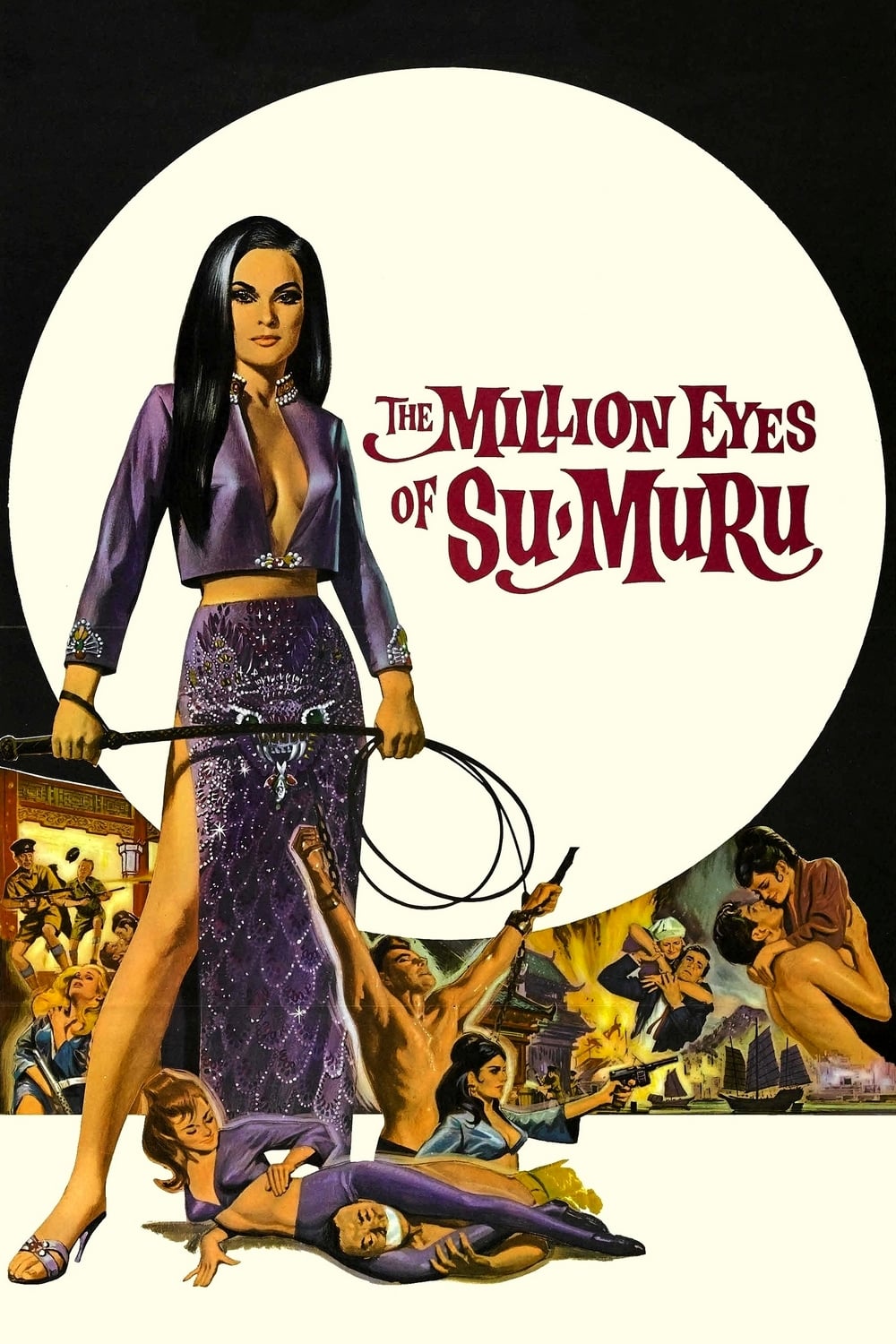
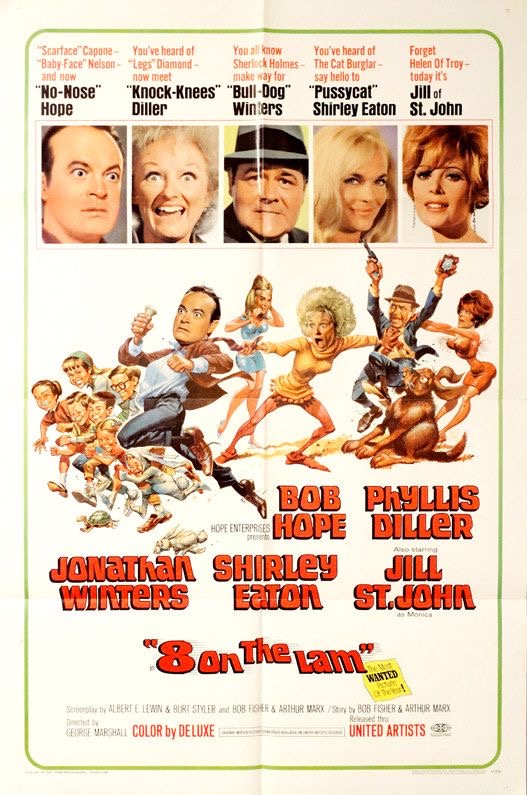
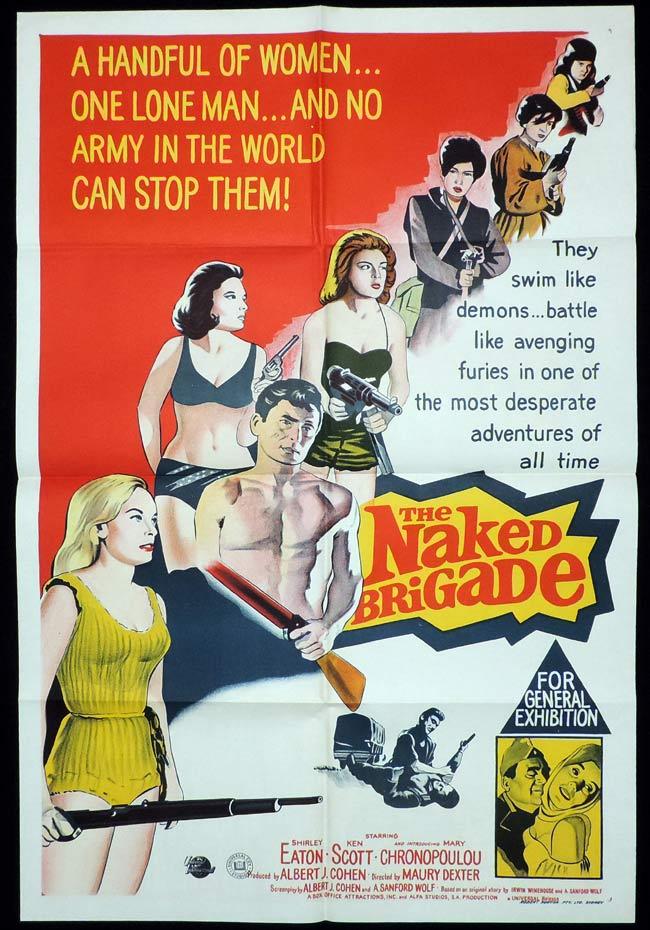
Following Goldfinger, Eaton was sought after for international adventure films. She starred in the underwater sci-fi Around the World Under the Sea (1966) and took on the lead role in the “Female Bond” style thriller “The Girl from Rio” (1969), playing the villainous Sumuru.
4. The “Garbo” Retirement
In 1969, at the height of her fame and only 32 years old, Eaton made the deliberate choice to retire from acting to raise her family. This “disappearance” from the screen effectively froze her in the public imagination as the eternally glamorous icon of the Sixties.
Detailed Critical Analysis: The “Iconographic” Actress
1. The “Golden” Performance: More Than a Prop
Critics often overlook Eaton’s actual acting in Goldfinger because of the visual spectacle of the gold paint.
Analysis: In her scenes with Sean Connery, Eaton displays a sophisticated, playful irony. She doesn’t play Jill as a victim, but as a mercenary who is genuinely charmed by Bond.
Critical Insight: Her performance is essential to the film’s “Shock Factor.” Because she is so lively and charismatic in the first act, her silent, metallic corpse in the second act carries a profound thematic weight—it represents the dehumanizing nature of Goldfinger’s greed. Eaton provided the “humanity” that made the “spectacle” work.
2. The “Carry On” Discipline
Eaton’s work in the Carry On series required a specific type of technical comedy.
Technical Analysis: Playing the “Nurse” or the “Girlfriend” amongst clowns like Kenneth Williams and Sid James requires impeccable timing. Eaton’s role was to provide the “Reality Anchor.” Critics noted her ability to maintain a shimmering composure while absurdity erupted around her. She was the “Idealized British Woman” of the late 50s: efficient, beautiful, and possessing a hidden, mischievous wit.
3. Subverting the “Sumuru” Archetype
In The Girl from Rio and The Million Eyes of Sumuru, Eaton played a character who wanted to enslave mankind.
Critical View: This was a radical departure from her wholesome beginnings. Eaton utilized a cold, statuesque distance. She moved away from the “warmth” of her earlier roles to a more stylized, camp performance. While the films were “B-movie” fare, critics praised Eaton for her “vocal authority” and her ability to dominate the frame through sheer presence, even when the scripts were thin.
4. The Aesthetics of “The Gaze”
Eaton was an actress who understood the geometry of her own face.
Technical Analysis: She was a master of “The Look”—knowing exactly how to tilt her head to catch the studio lights. This “Technical Beauty” made her a favorite of cinematographers. Critics have argued that Eaton was one of the first British actresses to successfully bridge the gap between “Traditional Glamour” and “Modern Pop-Art
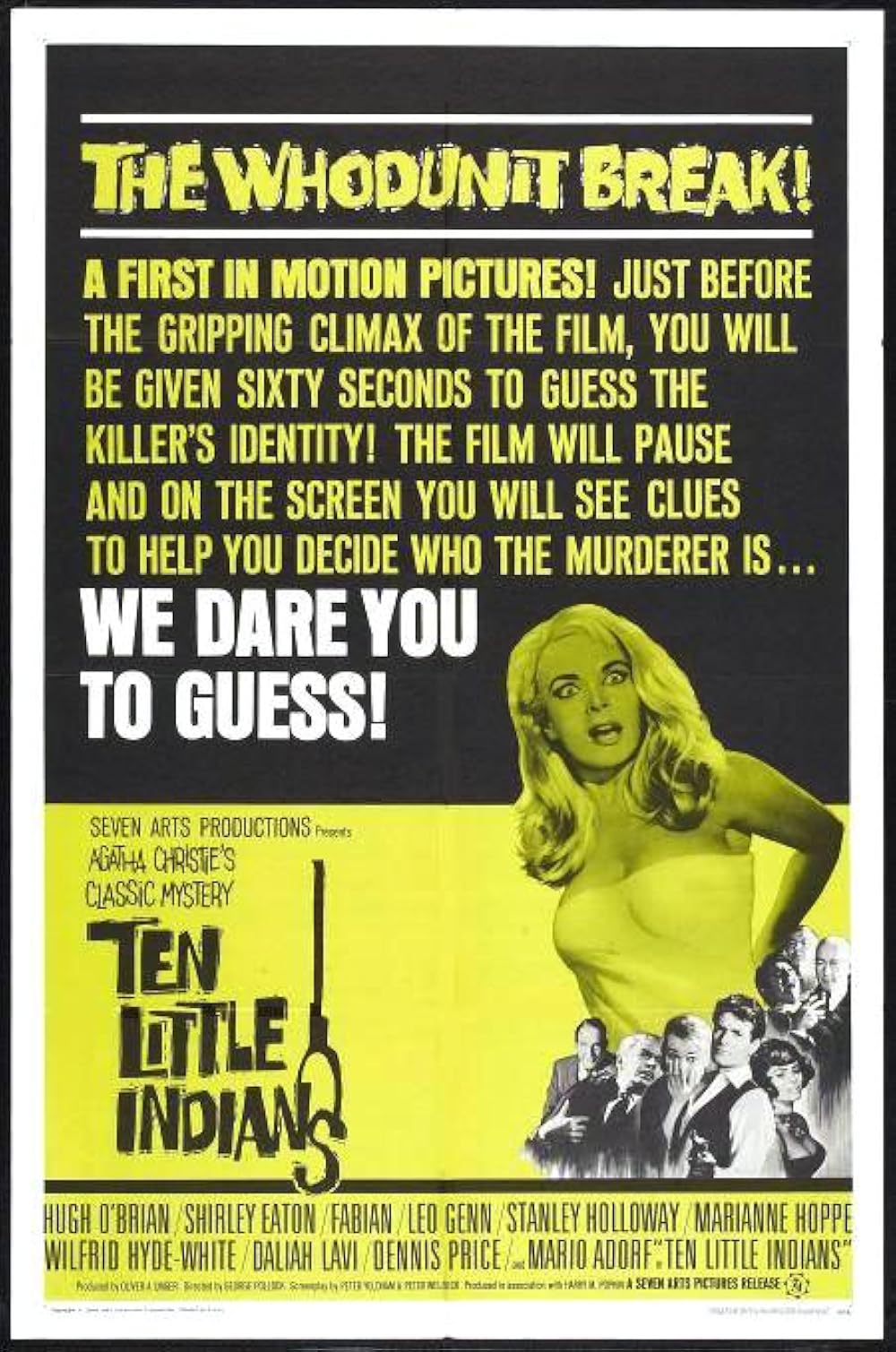
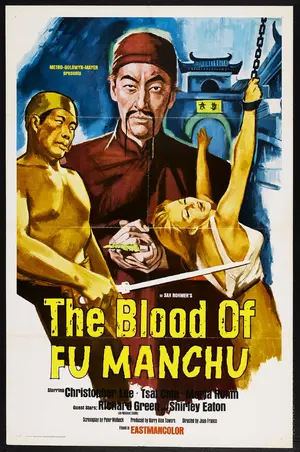
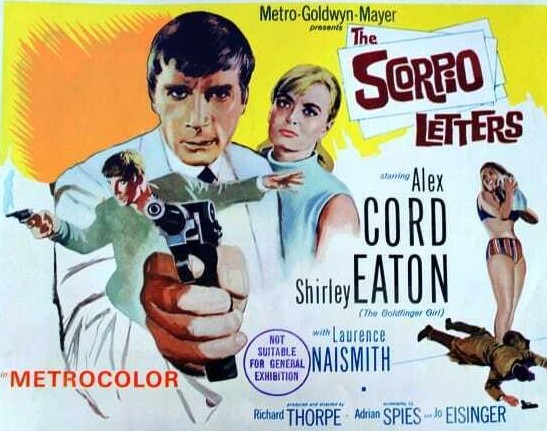
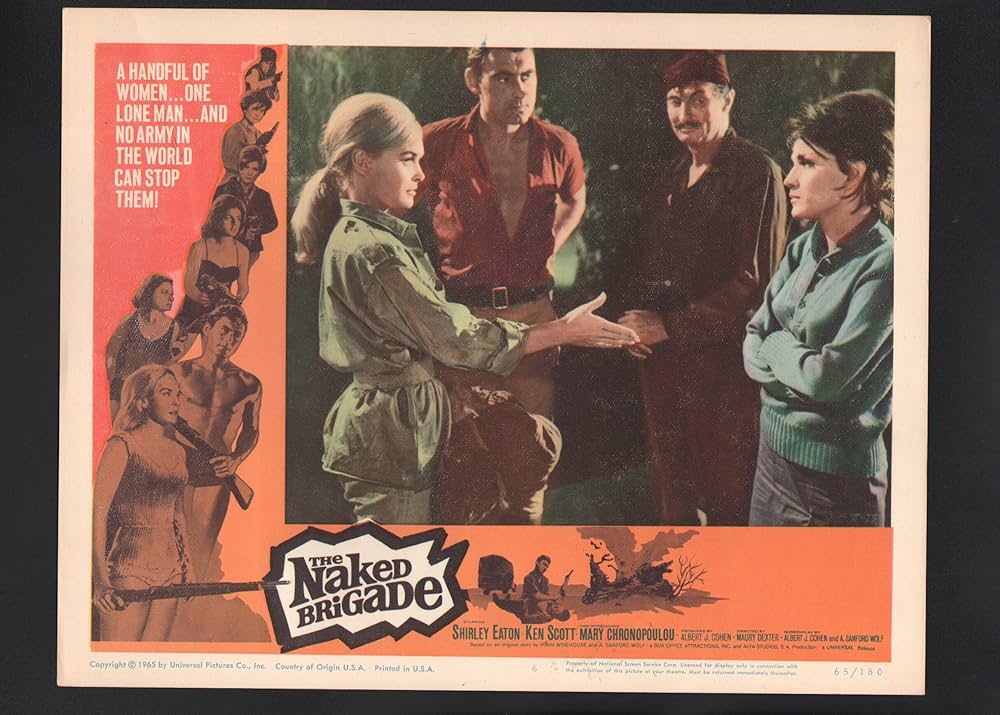
the 1965 version of “Ten Little Indians” (also known as And Then There Were None), Shirley Eaton played the female lead, Ann Clyde. This production was a significant milestone in her career as it allowed her to move away from the “Bond Girl” decorative archetype and into a classic, high-stakes ensemble mystery.
Directed by George Pollock (famed for the Margaret Rutherford Miss Marple films), the movie moved the setting from a bleak island to a snowy, isolated mountain retreat in the Austrian Alps.
Critical Analysis: The “Scream Queen” with a Secret
1. The “Wholesome” Subversion
By 1965, Eaton was the “Golden Girl” of global cinema. In Ten Little Indians, she utilized her “English Rose”persona to create a character that felt inherently trustworthy.
Analysis: In an ensemble where every character is a suspected murderer, Eaton’s technical challenge was to remain the “Audience Avatar”—the person we root for—while maintaining a sliver of ambiguity.
Critical Insight: Critics noted that Eaton played Ann with a sharper edge than the book’s original Vera Claythorne. She wasn’t just a victim; she was a participant in the psychological chess match. Her performance anchored the film’s romantic subplot (with Hugh O’Brian) in a way that felt like a genuine alliance rather than a hollow genre trope.
2. The Mechanics of Fear
This film required Eaton to perform a wide range of “suspense acting,” from dawning realization to outright terror.
Technical Detail: Eaton was a master of the “Silent Scream.” In the 1960s, thriller acting relied heavily on facial close-ups. Eaton used her large, expressive eyes to telegraph the “counting down” of the guests.
Comparison: Unlike the 1945 version, which was more theatrical, the 1965 version leaned into the “Mod” aesthetic. Eaton’s performance reflected this; she was more proactive and physically dynamic, navigating the winding staircases and darkened hallways of the mansion with a “modern” energy.
3. The Climax and the “Twist”
Without spoiling the specific ending of the 1965 version (which differs slightly from Christie’s original novel), Eaton had to carry the emotional weight of the final confrontation.
Critical View: The ending of this version is often criticized for being “too soft,” but Eaton’s performance during the reveal is technically flawless. She managed to transition from sheer terror to cold, calculated survivalism in a matter of seconds. Critics praised her for providing the film with its most “human” moments, making the final resolution feel earned.
Impact on Her Career
| Element | Significance for Eaton |
| Ensemble Parity | She proved she could hold her own against veterans like Fabian, Christopher Lee, and Stanley Holloway. |
| Genre Versatility | It established her as a capable lead in the “Mystery/Thriller” genre, not just “Action/Comedy.” |
| Wardrobe as Character | Her “Ski-Chic” costumes in the film further cemented her status as a 1960s style icon, blending glamour with the grit of a survival story. |
In Ten Little Indians, Shirley Eaton proved that she was a formidable dramatic technician. She took a role that could have been a “damsel” archetype and gave it a sense of intelligence and agency. It remains one of the best examples of her “Post-Bond” work, showing that even in a house full of killers, she was the one the audience couldn’t take their eyes off