
Guardian obituary in 1999.
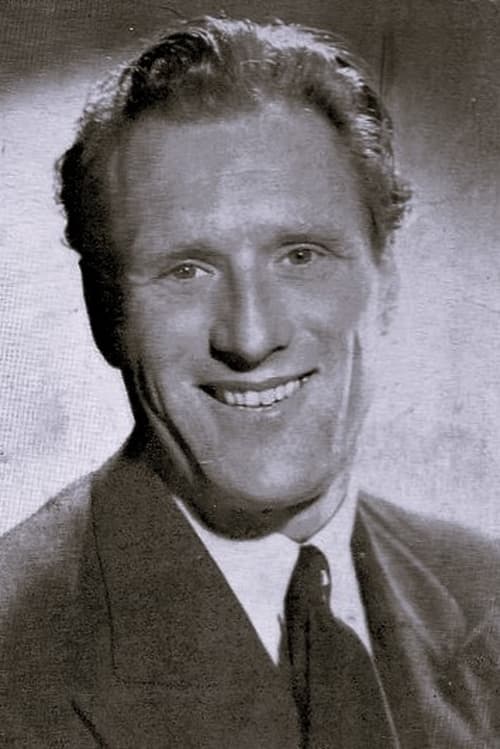
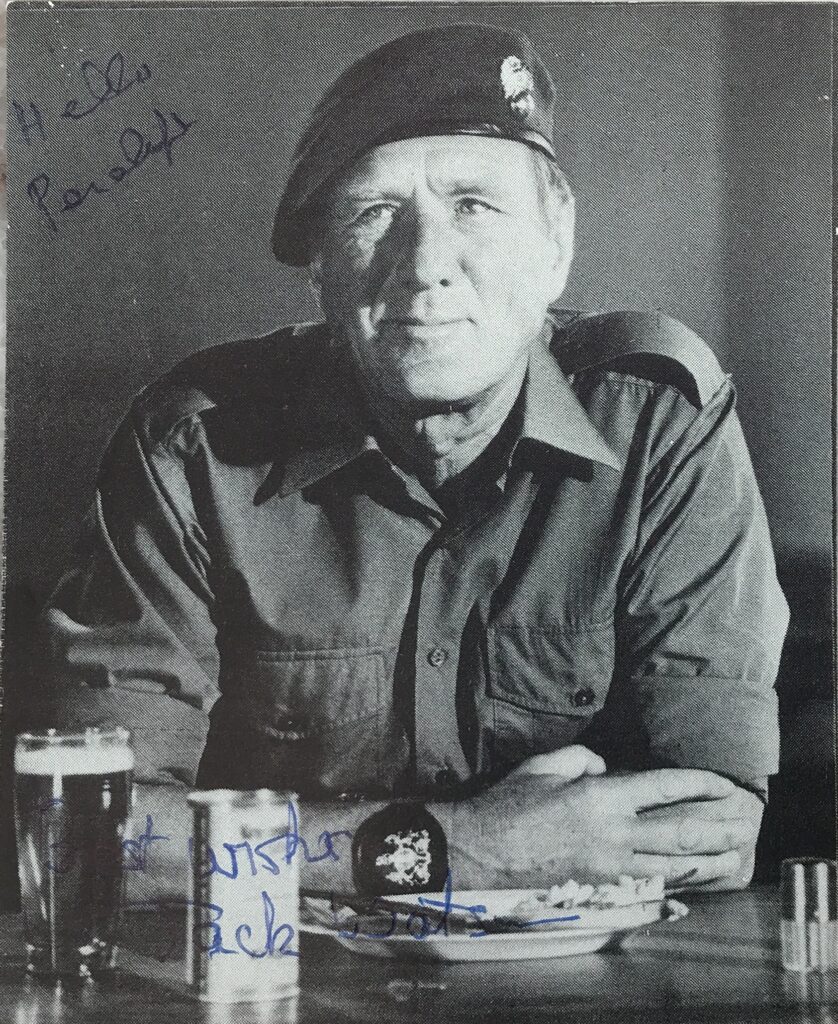
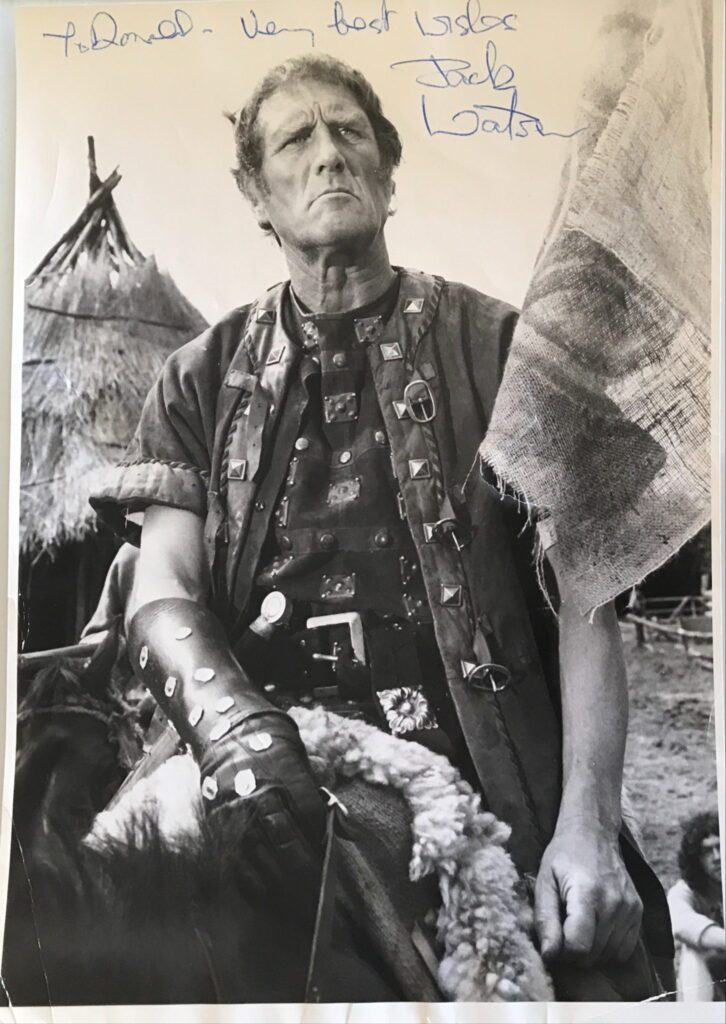
Jack Watson, who has died aged 84, fell into the “I know the face but… ” category of actors. The face was weather-beaten and tough, and – standing at 6ft 2in and weighing well over 13 stone – he was meant to play rugged soldiers and policemen. Given his rather dour screen persona, people were often surprised to learn that he was a gentle and charming man, who had started his career in showbusiness as a comedian.
Watson’s father was Nosmo King, a popular British variety artist. At 16, Jack, under his real name of Hubert Watson, became a stooge to his father, playing an irritatingly precocious teenager. He toured the country in various variety halls and in rep, before joining the Royal Navy at the outbreak of the second world war. “I didn’t need much method acting to draw on my navy experiences when I played naval men in movies,” Watson explained.
Among his most well-known sailors was his portrayal of Petty Officer Bill Gregory, the man who loved and lost Elsie Tanner in Coronation Street.
During the war, Watson was resident compere for a BBC weekly radio comedy show called The Navy Mixture. While doing the show, he married a BBC engineer, Betty Garland, who later wrote his radio and stage material. The other six days of the week, Watson worked at the naval mental hospital in Bristol, keeping men’s minds and bodies fit – a task for which he was well qualified. An enthusiastic sportsman, he once represented Great Britain in diving and swimming.
Demobbed in 1945, he travelled with The Navy Mixture in variety, and was in Blackpool Night on radio. “It was difficult to go straight because all the agents and casting directors thought of me simply as a comic,” he remarked, until he was cast as TV villains in Dixon Of Dock Green and Z-Cars. Changing his name from Hubert to Jack must have helped.
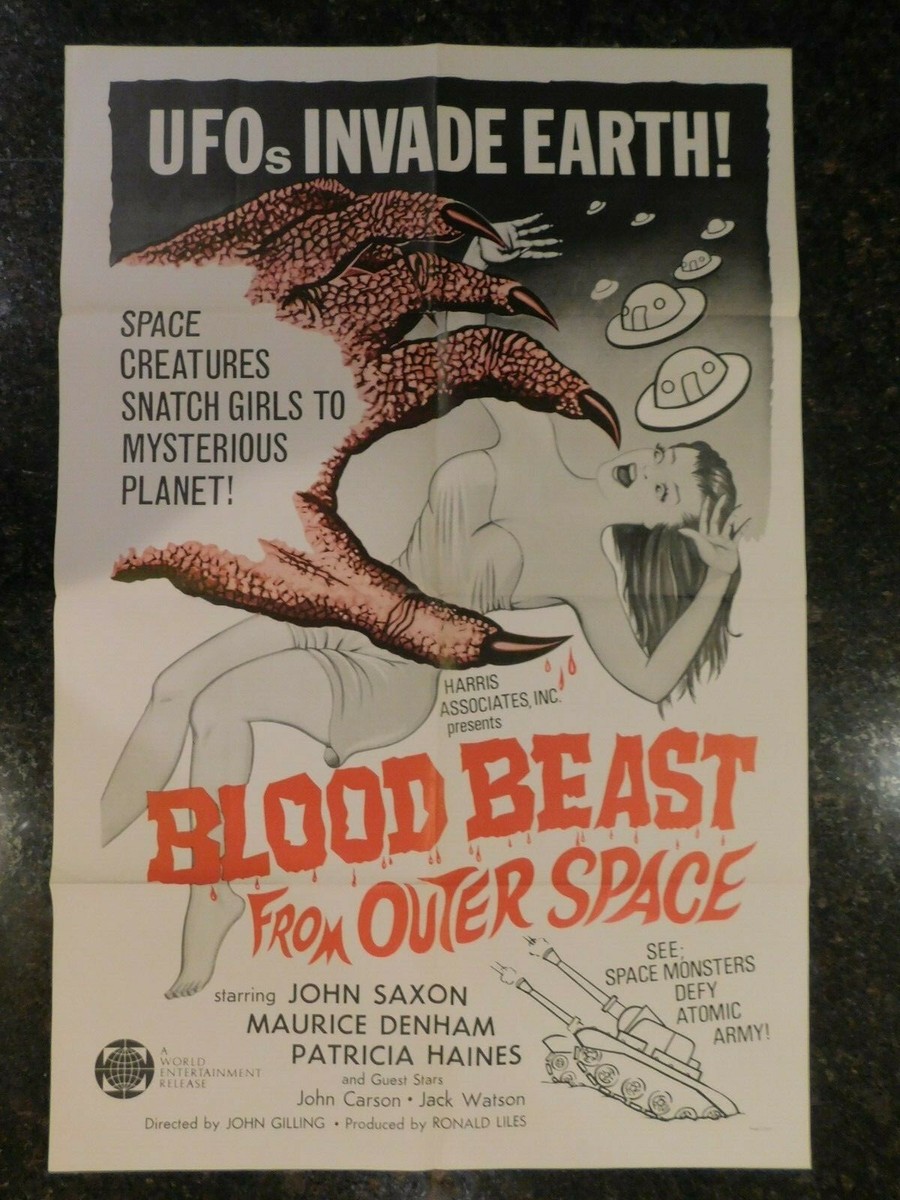
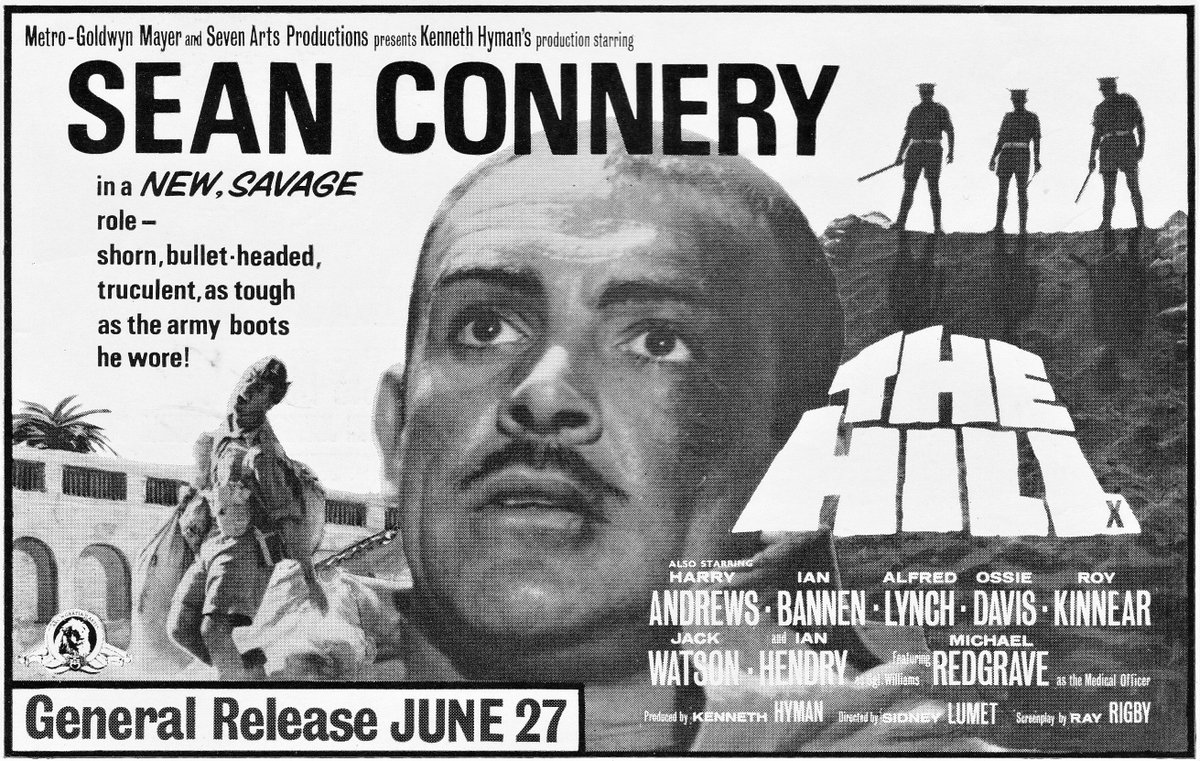
He played a police inspector in his film debut, Michael Powell’s Peeping Tom (1960). He was a policeman again in Konga (1961), a feeble British version of King Kong with a man in a gorrilla suit heading for Big Ben. Better was his role as a rugby league colleague of Richard Harris in Lindsay Anderson’s This Sporting Life (1962). In Sidney Lumet’s The Hill (1965), he was the hardy Scottish prisoner at a desert military stockade. Watson actually ran up and down the steep hill with a full pack on his back in high temperatures (the film was shot in Spain) “just to get the feel of it.”
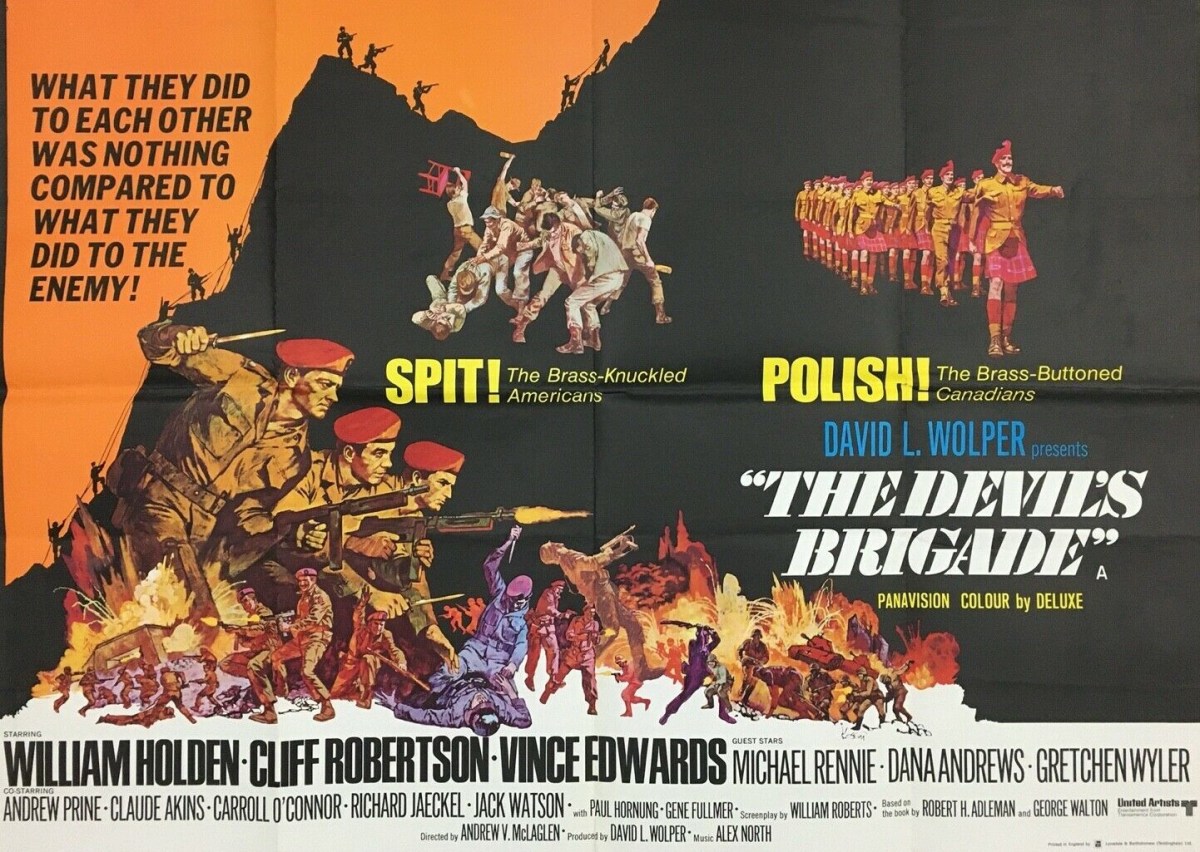
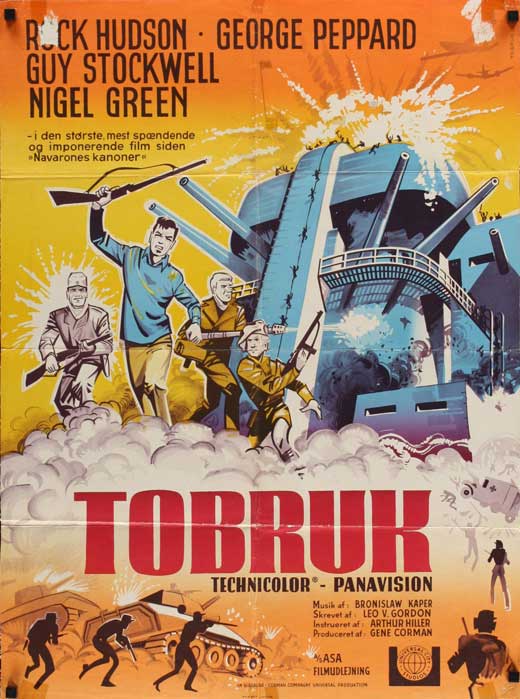
In Tobruk (1967), he was a sergeant major under Rock Hudson and George Peppard. After that he was demoted to corporal under “lieutenant colonel” William Holden in The Devil’s Brigade (1968), a poor imitation of The Dirty Dozen. It was directed by Andrew McLaglen, who went in for macho war movies and brawling westerns.
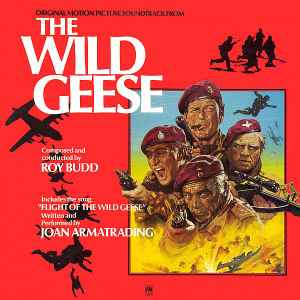
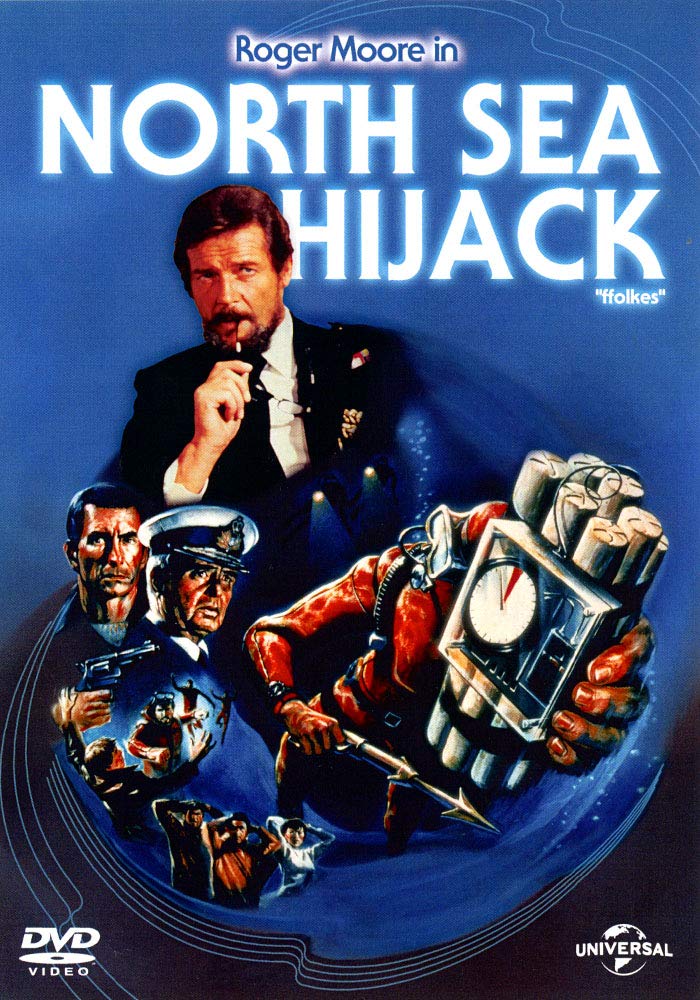
Watson’s so-called British tenacity got him cast him as military men again in further McLaglen thick-ear war pictures, such as The Wild Geese (1978), The Sea Wolves and North Sea Highjack (both 1980), again deferring rank and star status to the likes of Roger Moore, Richard Burton and David Niven. “I didn’t want to be a star, just an actor,” Watson remarked.
In Richard Lester’s “almost disaster” movie Juggernaut (1976), Watson was the stiff-upper-lip chief engineer on a luxury liner, who helps the demolition experts Richard Harris and David Hemmings to defuse bombs.
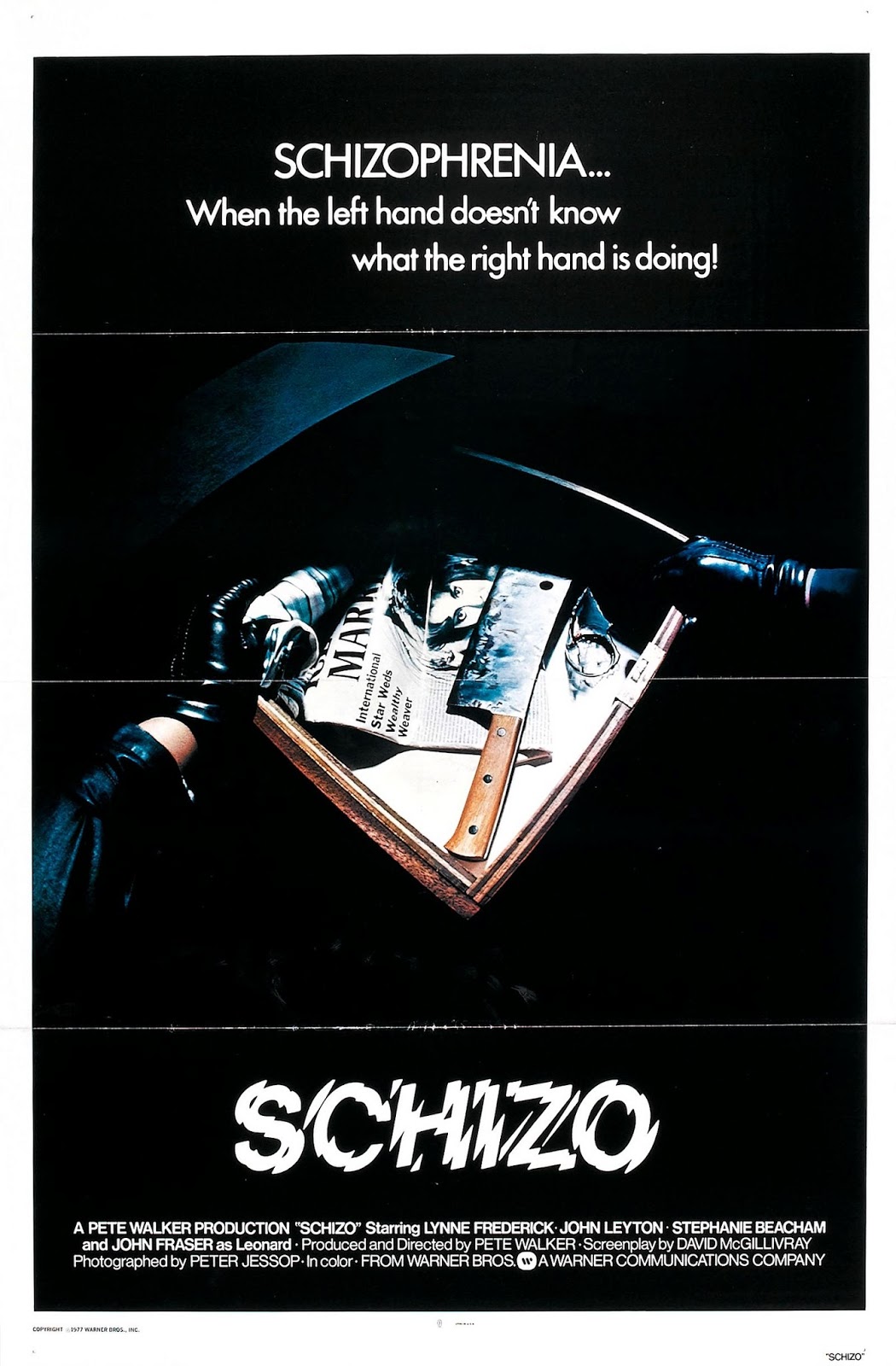
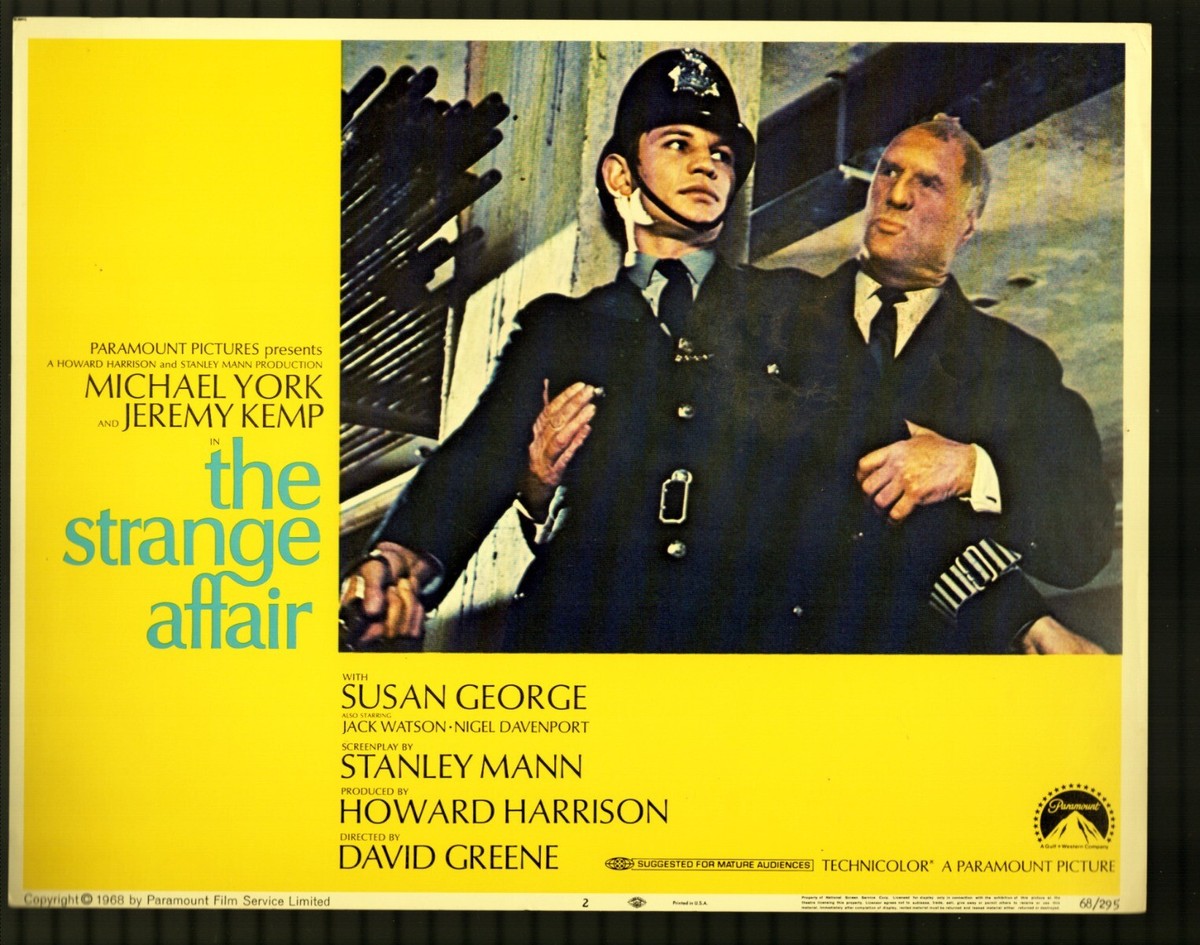
But heavies also came naturally to him, like his narcotics dealer in The Strange Affair (1967), and appearances in schlocky British horror movies such as Horror On Snape Island (1971) and Schizo (1977), during which free smelling salts were handed out to audiences.
Having made around 60 films in 14 years, Watson knew they couldn’t all be masterpieces. In fact, they gave him a very good living, enabling him to buy a beautiful stone house in Bath.
He is survived by his wife Betty, two daughters and a son.
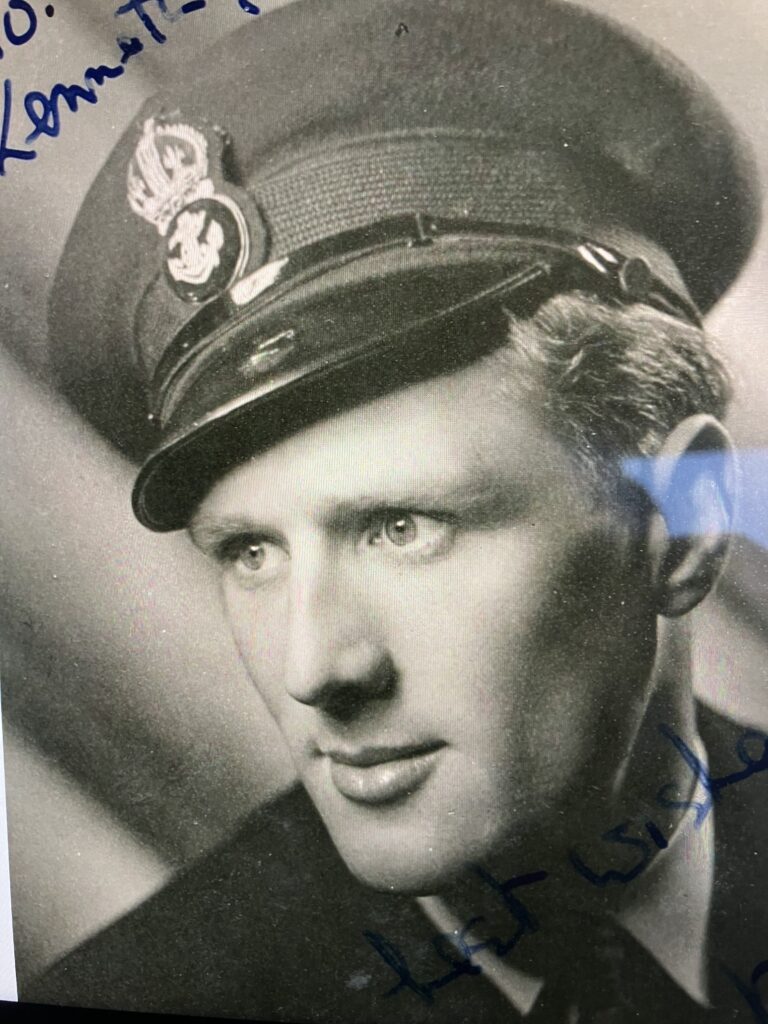
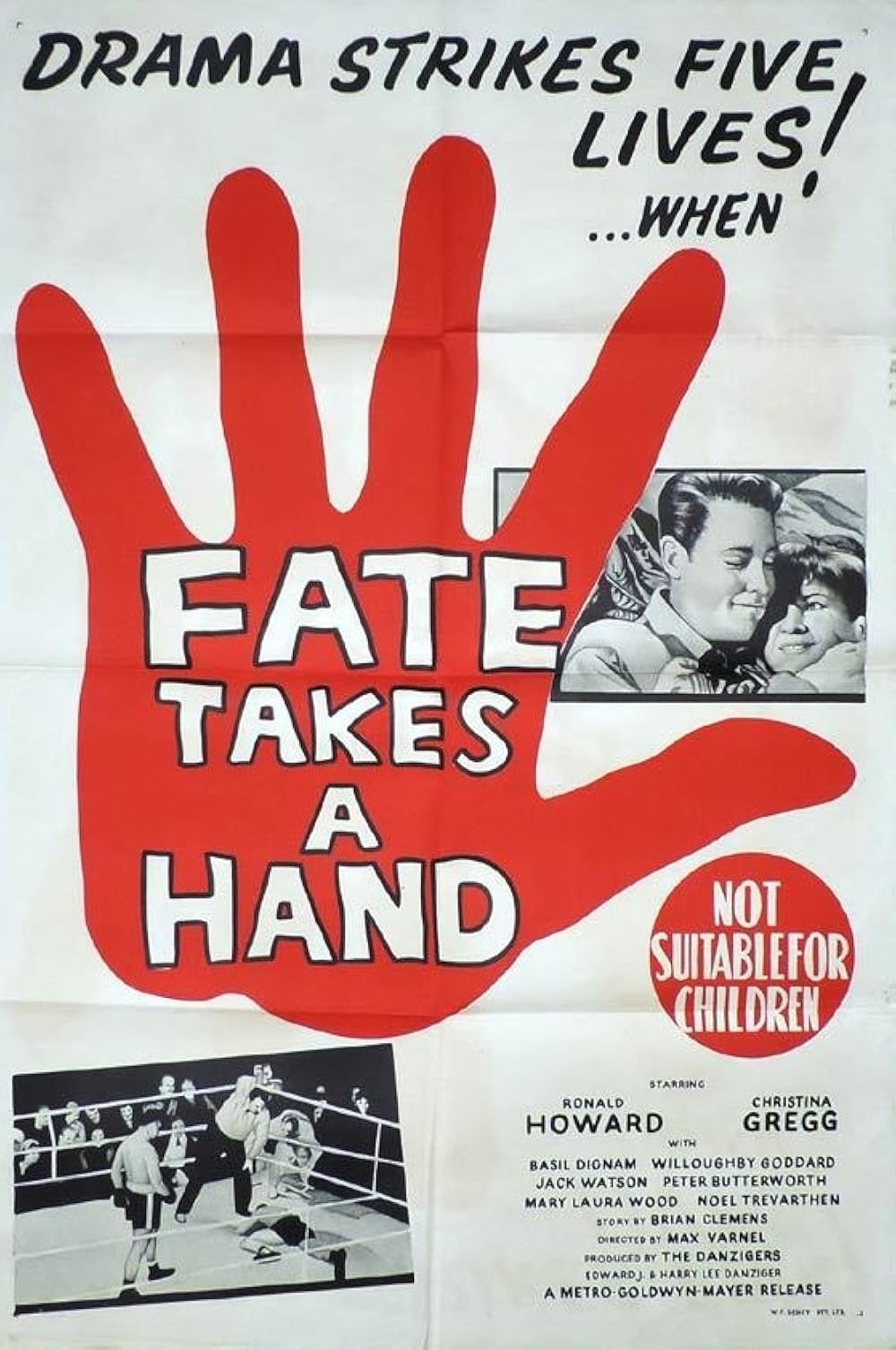
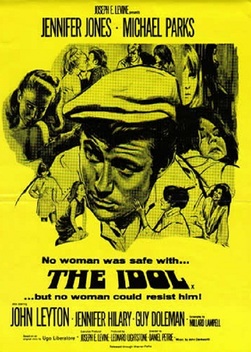
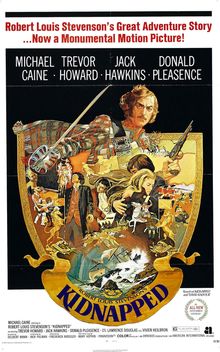
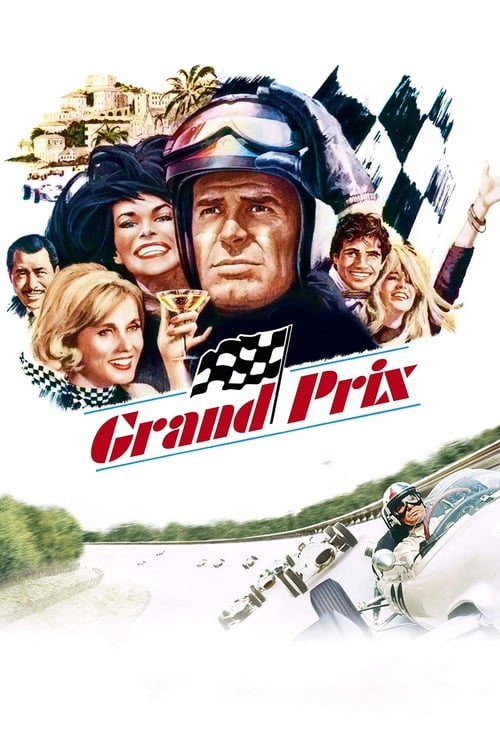
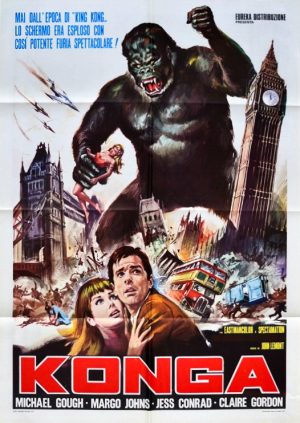
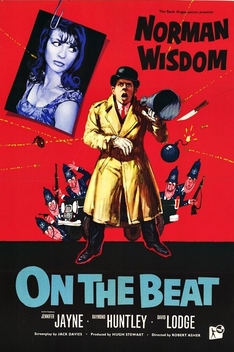
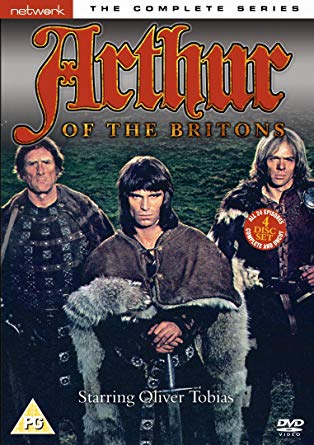
Jack Watson (1915–1999) was the “Gnarled Oak” of British character acting. A man of formidable physical presence, a weather-beaten face, and a voice like crushing gravel, he was the go-to performer for roles requiring a raw, uncompromising masculinity. While he often played soldiers, sailors, and hard-bitten laborers, a critical analysis of his work reveals an actor of surprising sensitivity who could project a profound, silent wearyness that spoke to the post-war British working-class experience.
Career Overview: From Music Hall to the Mud
1. The Variety Origins (1930s–1940s)
Watson was born into a show business family (his father was the comedian Nosmo King). He began his career in Music Hall and as a radio personality, which gave him a flawless sense of timing and vocal projection. This “light entertainment” background is often overlooked but was the foundation for the precision he later brought to gritty dramas.
2. The “Hard Man” Archetype (1960s)
Watson’s film career ignited in the 1960s when British cinema moved toward “Kitchen Sink” realism and gritty war epics. He became a staple of the genre, appearing in “The Hill” (1965) alongside Sean Connery and Harry Andrews, and delivering a quintessential performance in the classic “This Sporting Life” (1963).
3. The Folk-Horror and Cult Era (1970s)
In the 1970s, Watson’s ruggedness was utilized by a new generation of directors. He appeared in the visceral “The Wild Geese” (1978) and became a recurring figure in British television, most notably in the “Prehistoric” drama The Inheritors and various mystery anthologies where his “earthy” presence added a layer of folk-realism.
4. The Television Pillar
Watson was a ubiquitous presence on British TV for three decades, appearing in everything from Coronation Street (as the tough Bill Gregory) to Doctor Who and The Sweeney. He represented a specific type of “Reliable Authority”—the man who had seen it all and wasn’t impressed.
Detailed Critical Analysis: The Physicality of Truth
1. The “Stoic Sufferer” in This Sporting Life
In Lindsay Anderson’s masterpiece of social realism, Watson played Len Miller, the veteran rugby player.
Analysis: Watson utilized his own athletic frame to portray the physical toll of labor and sport. Critics noted that Watson didn’t need dialogue to convey the character’s history; his bruised face and heavy gait told the story of a lifetime of hits. He provided the “grounding” for Richard Harris’s more volatile performance, representing the grim future that awaited the protagonist.
2. The “Pressure Cooker” Technique: The Hill
In Sidney Lumet’s The Hill, Watson played McGrath, one of the prisoners in a brutal North African military stockade.
Critical Insight: In an ensemble of “heavy hitters” (Connery, Andrews, Ian Bannen), Watson stood out by being the most contained. He utilized a “simmering” energy. Critics hailed his ability to portray masculinity under siege—showing a man who refuses to break even when his body is failing. He was the “Physical Conscience” of the film.
3. The “Voice of the Soil”
Watson’s voice was his most distinctive technical tool. It was deep, resonant, and carried a regional “everyman” quality that bypassed the clipped enunciation of the BBC era.
Technical Analysis: Watson used his voice to establish immediate status. Whether playing a sergeant or a pub landlord, his vocal delivery suggested a man who lived by a code of “no-nonsense.” This made him a favorite for directors of Folk Horror or period dramas (like Kidnapped), as he sounded like he belonged to the landscape itself.
4. Subverting the “Bully” Archetype
While his size and face led him to be cast as “tough guys,” Watson often infused these roles with a surprising tenderness.
Critical View: In his television guest spots, Watson would often play a father or a mentor whose outward gruffness hid a deep, inarticulate love. Critics have argued that Watson was one of the few actors of his generation who could play “Working-Class Vulnerability” without it feeling sentimental or forced. He played the “burden of being strong.”
Key Credits & Critical Milestones
| Year | Title | Role | Significance |
| 1960 | Peeping Tom | Inspector Miller | A key role in Michael Powell’s controversial masterpiece. |
| 1963 | This Sporting Life | Len Miller | Defined his “Physical Realism” style. |
| 1965 | The Hill | McGrath | Part of one of the greatest “tough guy” ensembles in cinema. |
| 1966 | Grand Prix | Jeff Jordan | Showcased his ability to handle high-octane international drama. |
| 1978 | The Wild Geese | RSM Sandy Young | A classic “old school” military performance. |
Jack Watson was an actor who brought a visceral, unvarnished truth to every frame he occupied. He didn’t just play soldiers and laborers; he gave them a soul, showing the exhaustion and the dignity that comes with a life of hard work. In the history of British cinema, he remains the definitive “Reliable Man”—the actor who made the world of the film feel dangerously, beautifully real