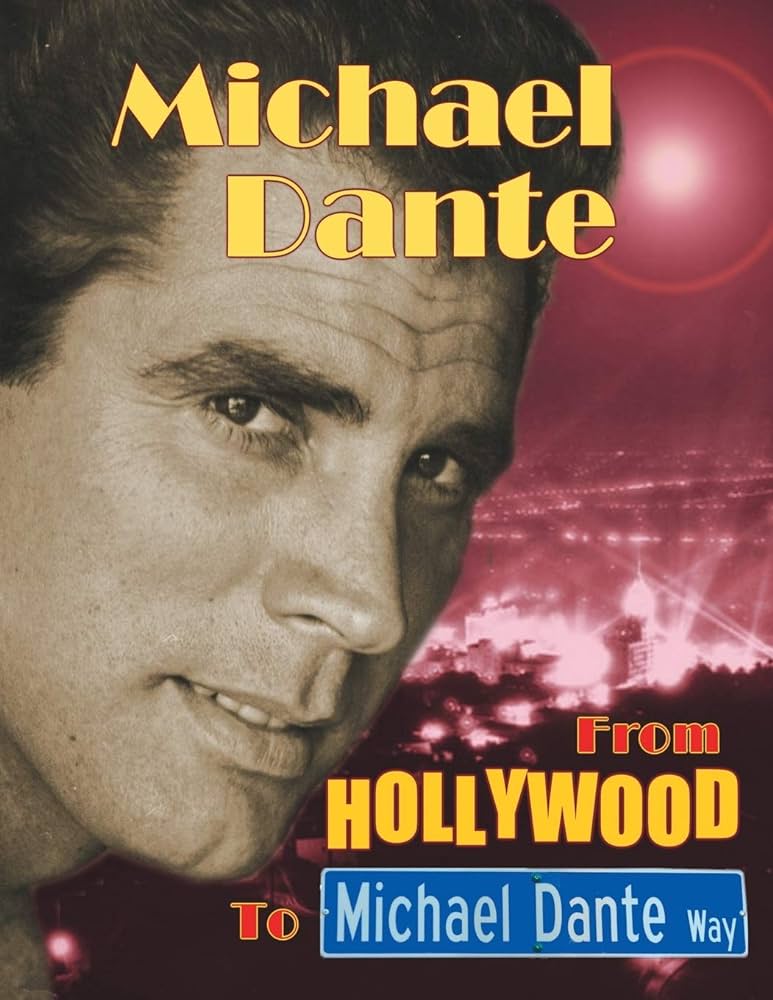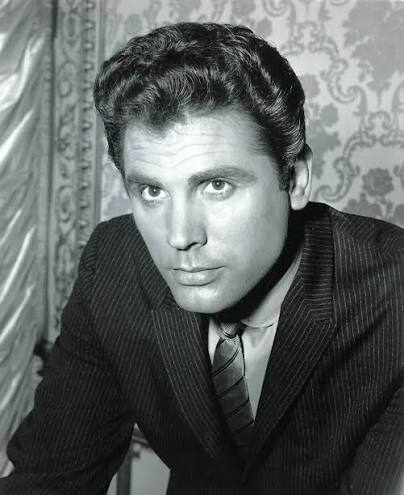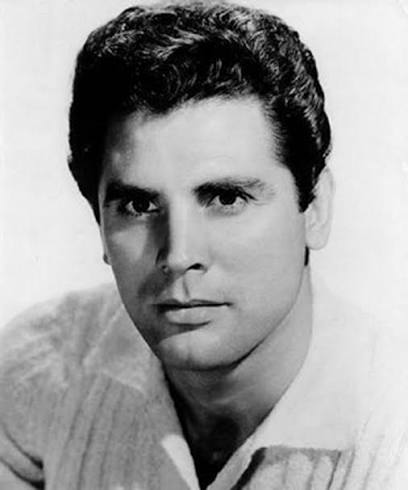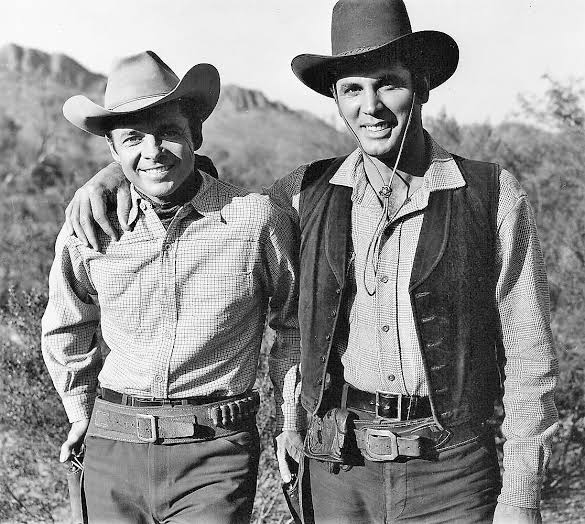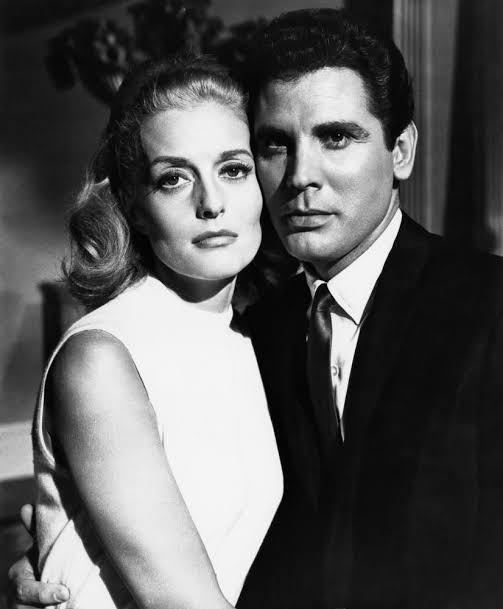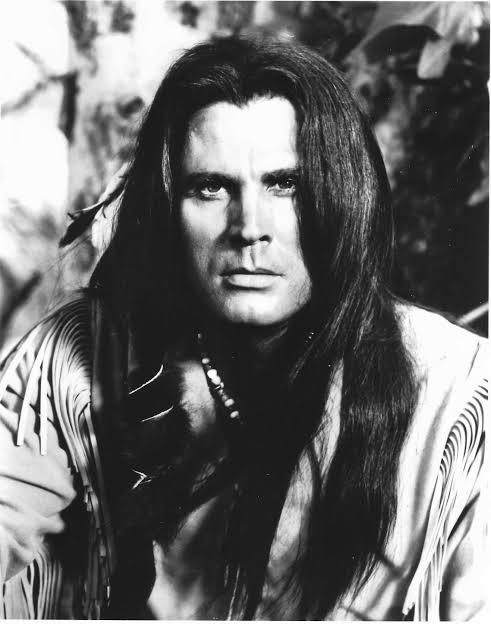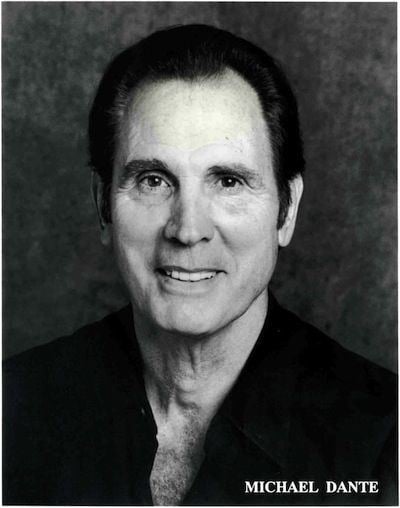

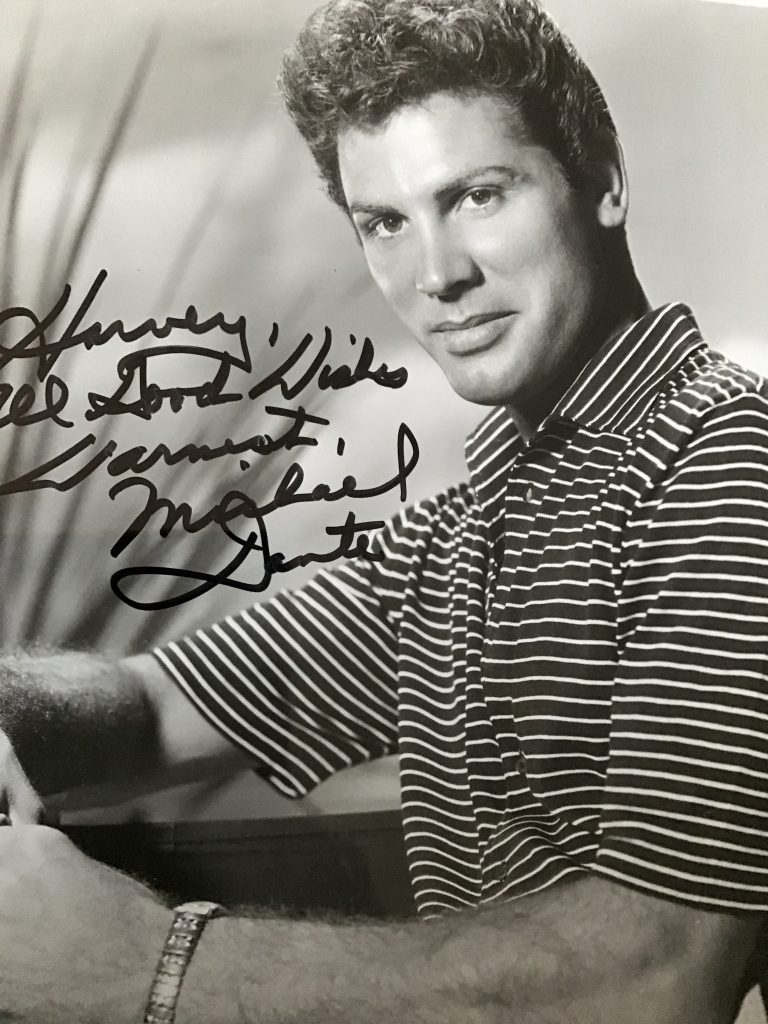
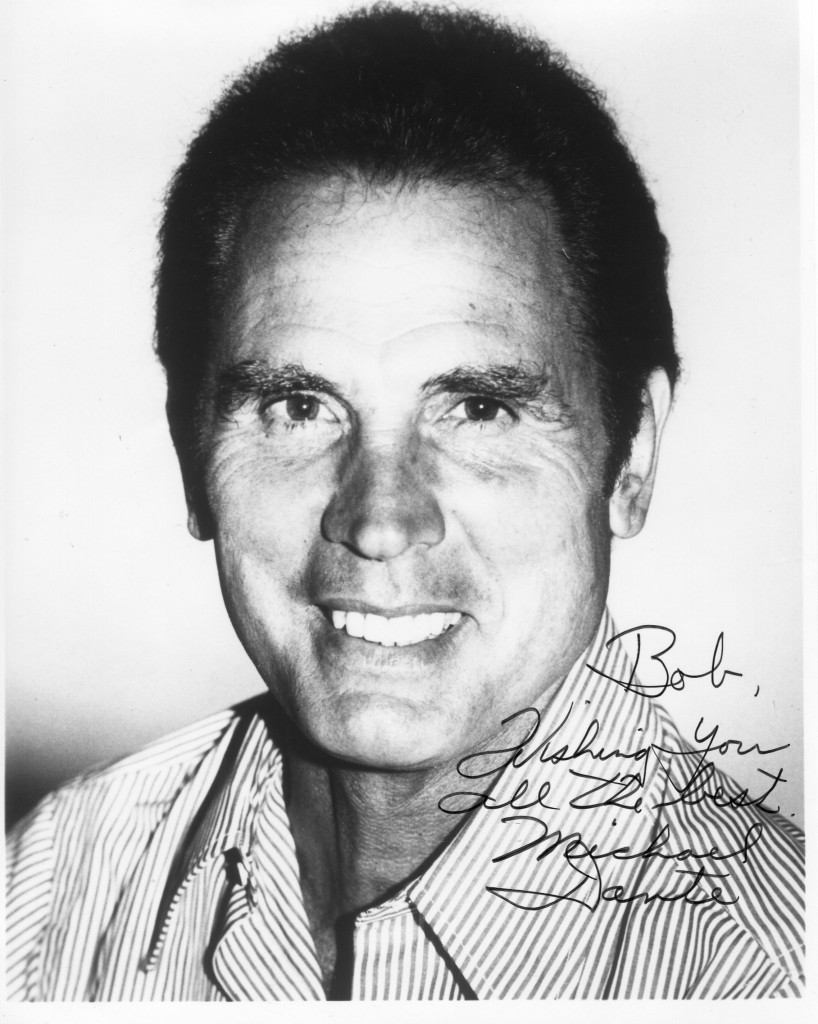
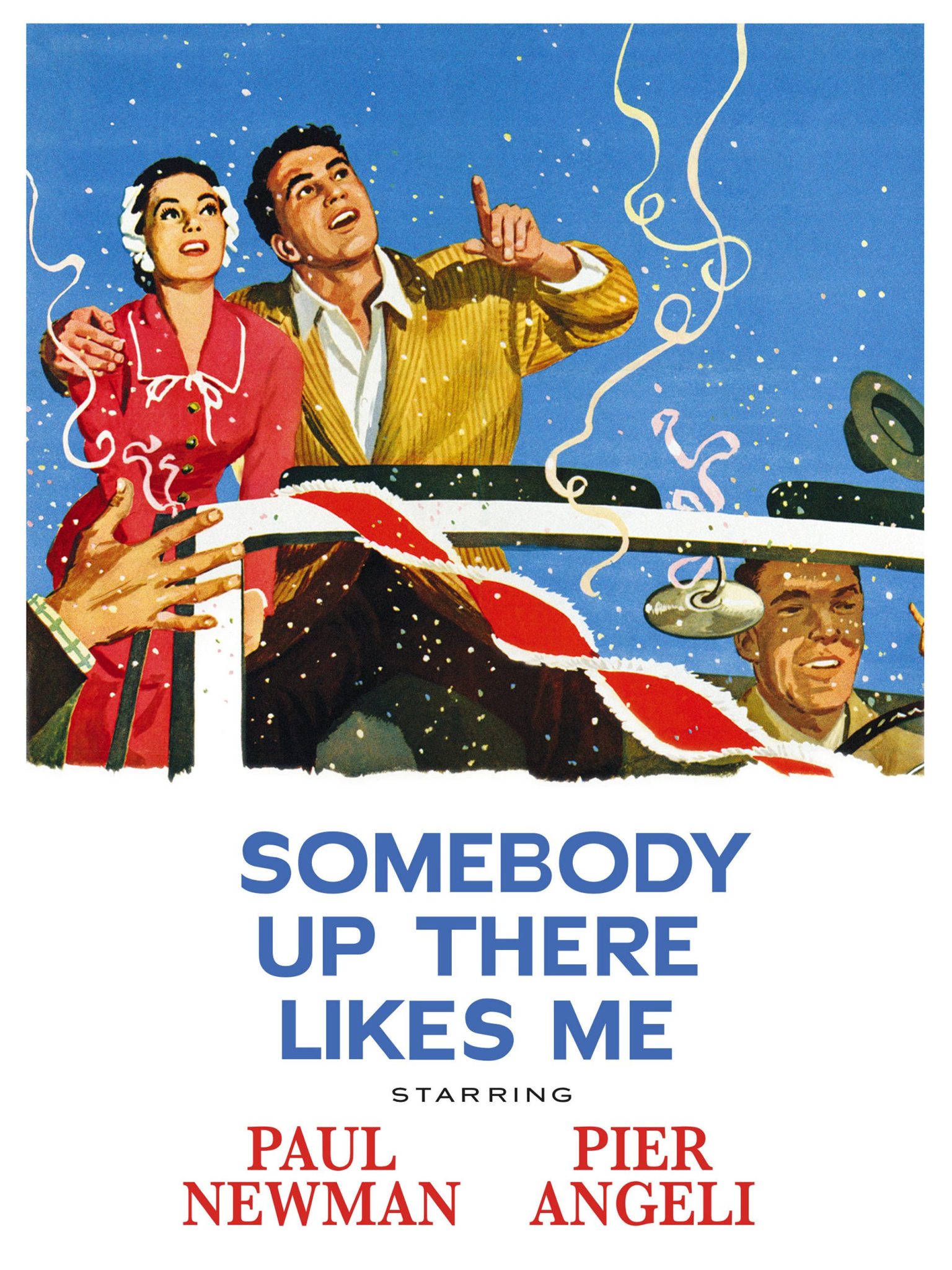
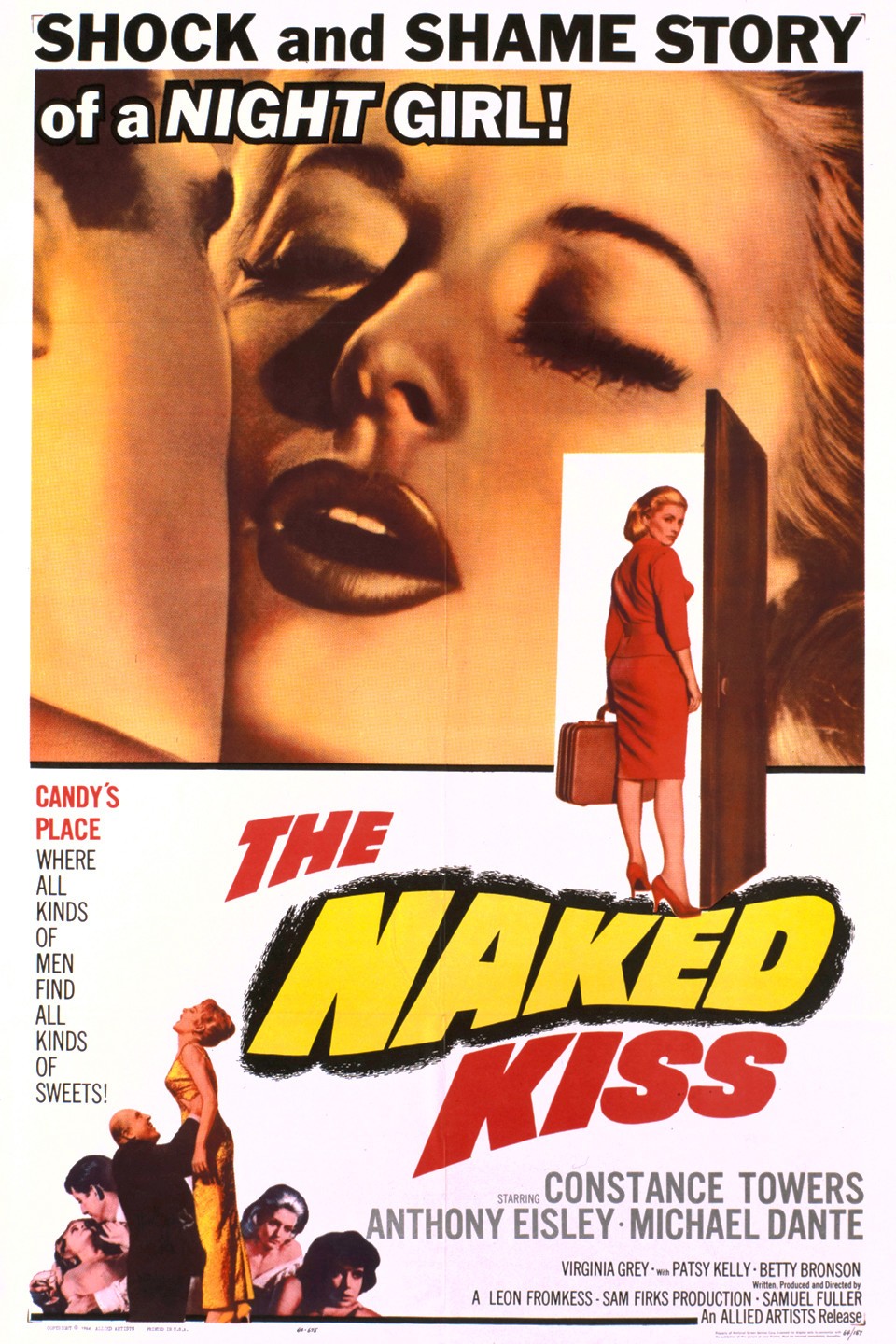
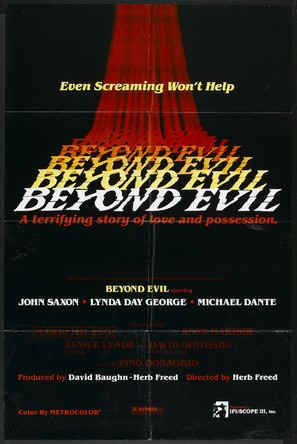
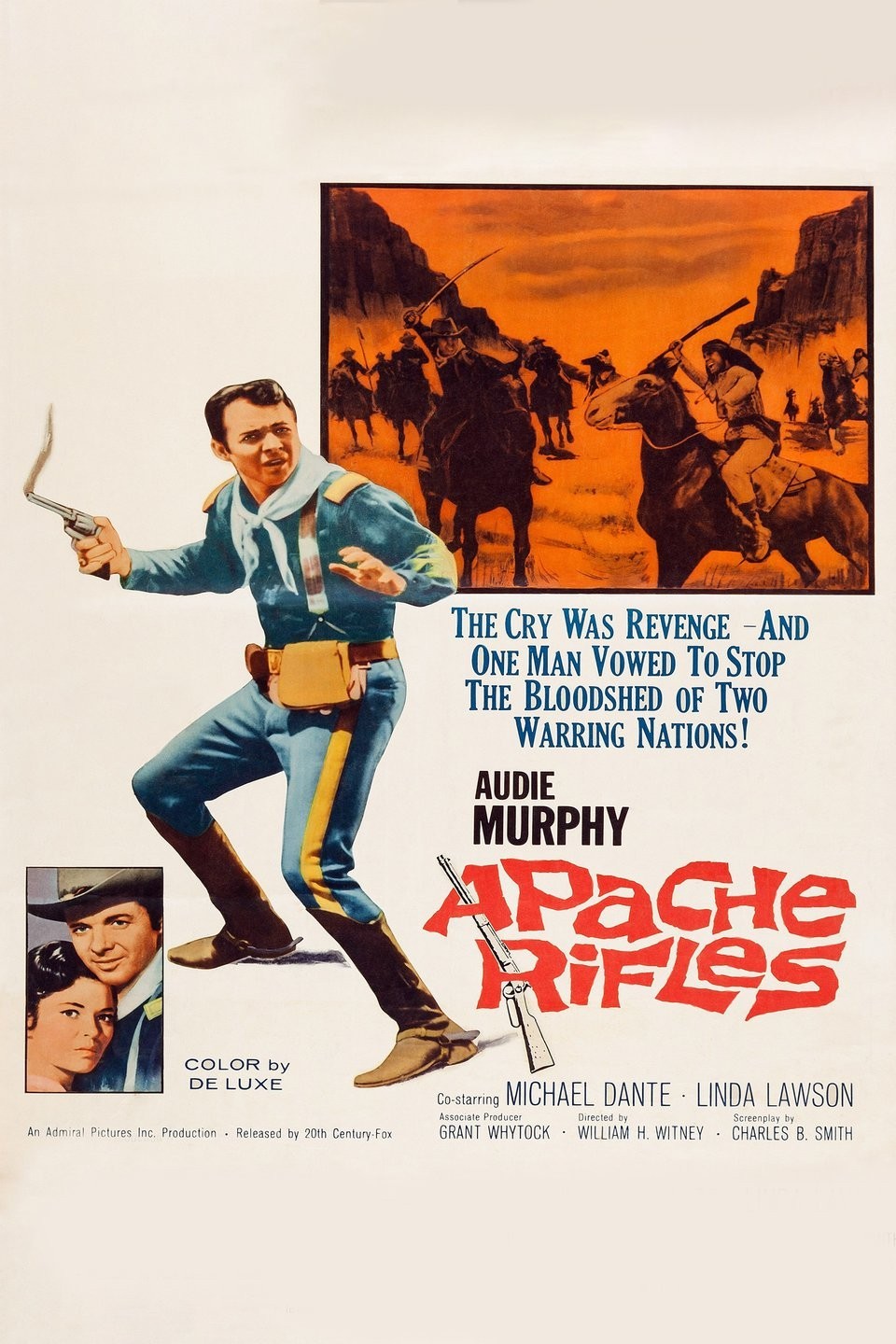
Michael Dante was born in 1931 in Stamford, Connecticut. He made his movie debut in 1956 in “Somebody Up There, Likes Me”. His films include “Kid Galahad”, “The Naked Kiss”, “Apache Rifles”, “Harlow” and “Arizona Raiders”.
“Wikipedia” entry:
Michael Dante (born Ralph Vitti; September 2, 1931 in Stamford, Connecticut) is an American award-winning actor of television, films and stage and a former professional minor league baseball player.
As a boy growing up on the West Side neighborhood of Stamford, he would sneak into a local movie theater with his friends to watchwesterns.[1]
“I grew up wanting to be the sidekick of The Lone Ranger and wanting to follow my heroes,” Dante told a reporter in 2006.[1]
He was a shortstop on the Stamford High School baseball team, then played for “The Advocate All-Stars” team which won a 1949 New England baseball championship.
After graduating from high school, Dante signed a bonus contract with the Boston Braves. He used his $6,000 bonus went to buy his family a four-door Buick with whitewalls.[1]
During spring training with the former Washington Senators, Dante took drama classes at the University of Miami in Coral Gables, Florida. Bandleader Tommy Dorsey arranged a screen test for him at Metro-Goldwyn-Mayer. His first film, Somebody Up There Likes Me, was released in 1956.
He changed his name at the urging of studio boss Jack Warner, who thought “Vitti” would not fit well on theater marquees. Warner suggested some first names, from which the actor picked “Michael.” He chose the last name “Dante” because it had been used by some relatives.[1]
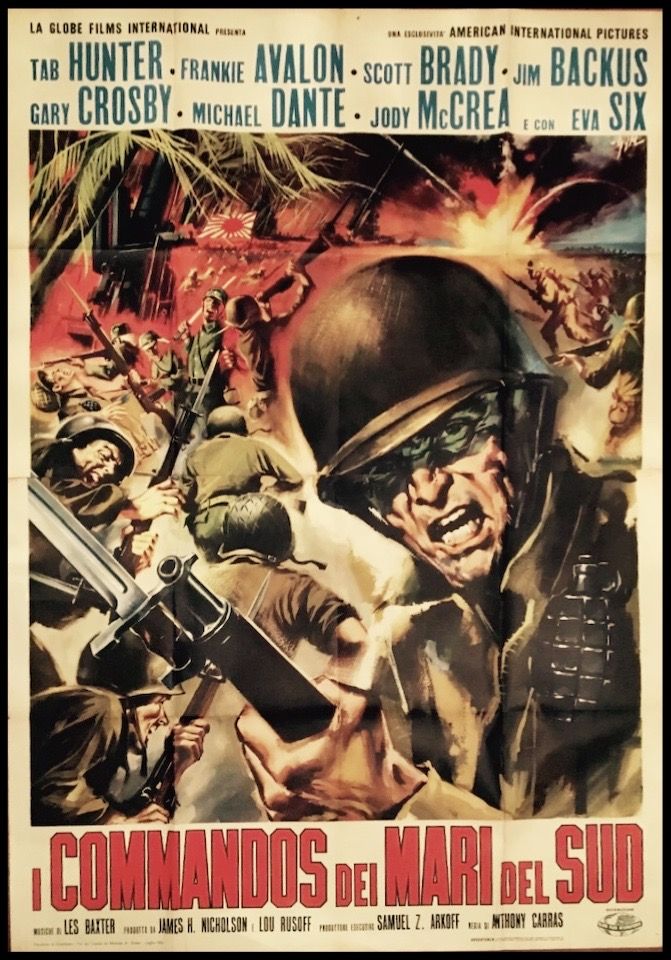
Dante has appeared in 30 films and 150 television shows.[1] He is notable for spending seven years in supporting roles under contract to three major studios at once: MGM,Warner Brothers and Twentieth Century Fox. He considers his best performances the role that he played in Killer Instinct on the CBS television series Desilu Playhouse, along with his roles in the movies Westbound, Winterhawk and Seven Thieves.[1]
Dante was cast twice in on the ABC/Warner Brothers western series, Colt .45, starring Wayde Preston. Dante and Forrest Lewis portrayed Davey Lewis and Willy Ford, respectively, in the 1957 episode “The $3,000 Bullet”. Dante then played the role of Ab Saunders in the 1958 episode “The Deserters”, with Angie Dickinson as Laura Meadows and Myron Healey as an unnamed fur trader. That episode was directed by Leslie H. Martinson.[2]He also appeared on the ABC-WB crime drama, Bourbon Street Beat, withAndrew Duggan, on the syndicated adventure series, Rescue 8, starring Jim Davis and Lang Jeffries, and in three episodes of CBS’s The Texan, starring Rory Calhoun.
Dante made two guest appearances on Perry Mason starring Raymond Burr. In 1959 he played Arthur Manning in “The Case of the Dangerous Dowager,” and in 1965 he played murder victim Douglas Kelland in “The Case of the Feather Cloak.”
His 1967 performance in the “Friday’s Child” episode of Star Trek as a member of an alien race, has garnered him invitations to Star Trek conventions.[1] He also had a recurring role as the Sioux Chief Crazy Horse in the short-lived ABC military western series, Custer starring Wayne Maunder in the title role of Lieutenant Colonel George Armstrong Custer.
Dante also has recurring roles on the television serials Days of our Lives and General Hospital.
In the 1970s, Dante met John Wayne, whom he watched on screen as a child. Wayne had seen Dante in Winterhawk and asked him to co-host a charity event in Newport Beach, California. That started a friendship between the two actors, and they co-hosted other events until Wayne’s death in 1979.[1]
It was one brief co-starring role that wrote Dante into American popular culture. A frequent extra on the original Star Trek television series, he was cast in the role of “Maab” in the 1967 episode, “Friday’s Child” alongside Julie Newmar. Dante’s affable personality makes him a popular draw at Star Trek fan conventions all over the country.
Michael Dante is currently the host of a syndicated radio talk show, On Deck, previously known as the Michael Dante Celebrity Talk Show on which he interviews some of Hollywood’s biggest stars. His program guests have included Milton Berle, Tony Curtis, and Bryant Gumbel.[1] An avid golfer, he once hosted the annual Michael Dante Celebrity Golf Tournament, a charitable fund-raiser held annually in Palm Springs, California, beginning in 1991.
In 2006, Dante told an interviewer that he had written a script for a sequel to Winterhawk and was trying to get funding for the projected movie
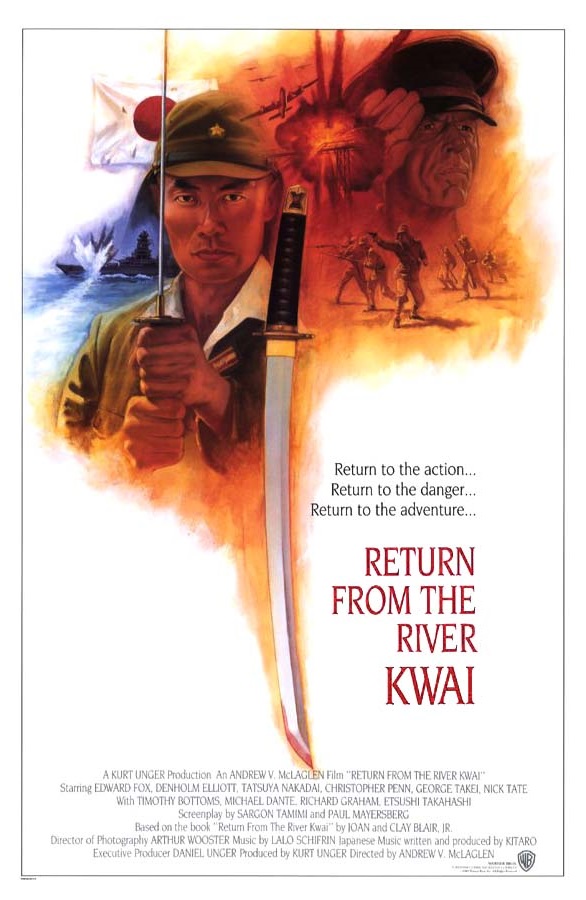
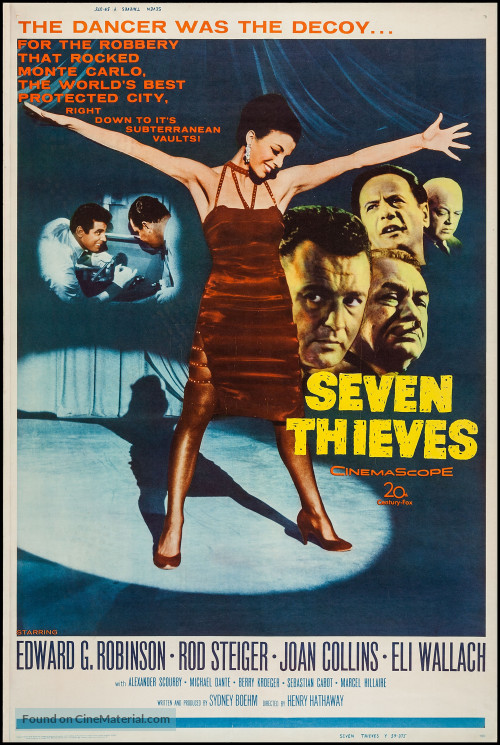
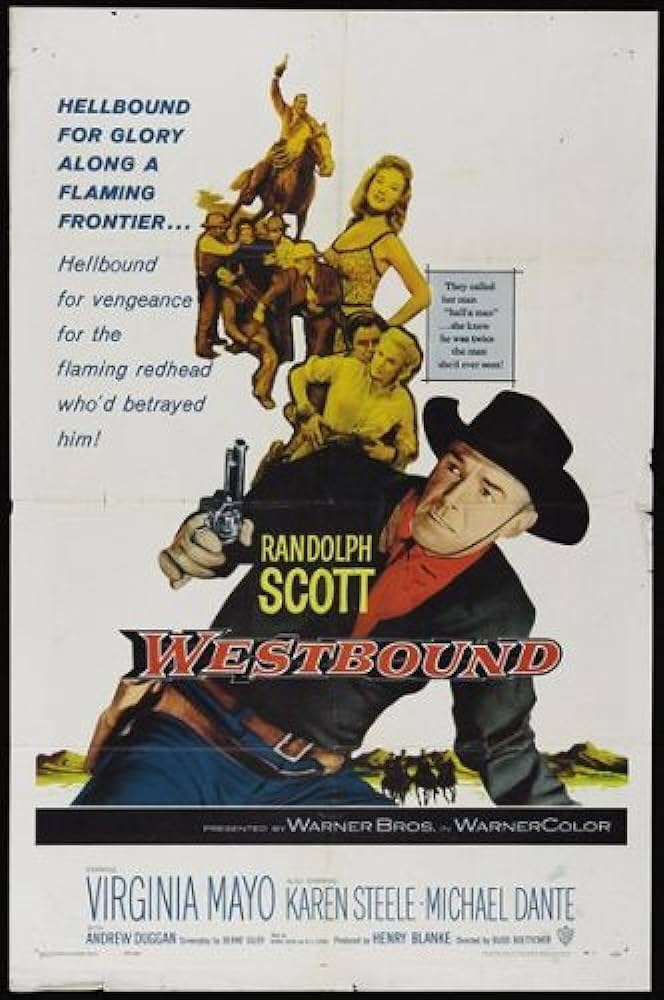
Choosing to explore Michael Dante’s work with “Old Hollywood” titans like John Ford and Samuel Fulleroffers a fascinating look at an actor who was essentially the “last of a breed.”
While younger actors in the late 1960s were leaning into the messy, “unwashed” style of the Method, Dante maintained a classical, statuesque discipline that appealed to the old-school directors who valued composition, posture, and “screen presence.”
1. The John Ford Collaboration: 7 Women (1966)
John Ford was the architect of the American Western myth, and 7 Women was his final film. It was a stark, claustrophobic departure from his sweeping landscapes, focusing on a mission in China under siege by Mongolian bandits.
Critical Analysis: The “Silent Threat”
Dante played Maunga, the leader of the bandit hoard.
The “Fordian” Frame: Ford notoriously hated “acting” with a capital A; he wanted actors who could existin a frame. Dante, with his professional athlete’s poise, provided Ford with a powerful visual tool. He didn’t need to chew the scenery; his stillness made the threat feel inevitable.
The Transgressor: Critics have noted that Dante’s role in 7 Women was one of the most “visceral” in any Ford film. He represented the “Barbarian at the Gate,” but Dante played him with a high-status, predatory grace. He was the dark mirror to the mission’s rigid order.
Technical Insight: Physicality over Dialogue
Ford directed Dante to use his eyes and his stance to dominate the mission women. By stripping away his dialogue, Ford highlighted Dante’s ability to communicate through silhouette—a hallmark of the silent film era that Ford still championed in 1966.
2. The Samuel Fuller Collaboration: The Naked Kiss (1964)
If Ford was the “Poet,” Samuel Fuller was the “Journalist” of cinema—raw, sensational, and uncompromising. The Naked Kiss is one of the most subversive noirs ever made.
Critical Analysis: Subverting the “Prince Charming”
In this film, Dante plays Grant, the town’s wealthy benefactor and the “ideal man” for the protagonist, Kelly (Constance Towers).
The Psychological Trap: Fuller used Dante’s “leading man” looks to trick the audience. Dante plays Grant with an almost “too-perfect” charm. Critics argue this is Dante’s most complex work because he has to play a mask.
The “Fuller” Close-up: Fuller was famous for tight, confrontational close-ups. Dante’s performance in the film’s shocking climax—where his secret is revealed—is a masterclass in facial collapse. He moves from a look of cultured refinement to a terrifying, infantile vulnerability in seconds.
Technical Insight: The “Hard-Boiled” Rhythm
Fuller’s scripts had a staccato, “pulpy” rhythm. Dante adapted his delivery to match, using a clipped, precise cadence that felt modern and dangerous. He was one of the few actors who could bridge the gap between Fuller’s tabloid energy and the film’s underlying melodrama.
Comparative Critical Summary
| Director | What they Saw in Dante | The Resulting Performance Style |
| John Ford | The “Statuesque” Athlete | Iconographic: Using body language to represent a primal force. |
| Samuel Fuller | The “Polished” Leading Man | Subversive: Using a handsome exterior to hide a fractured psyche. |
The Legacy of the “Director’s Actor”
Dante’s work with these men proves he was a “chameleon of tone.” He could provide the mythic weightrequired by Ford and the psychological grit demanded by Fuller. He was an actor who understood that his job was to be a “part of the frame,” ensuring that the director’s vision was supported by a performance that was as technically precise as it was emotionally honest.