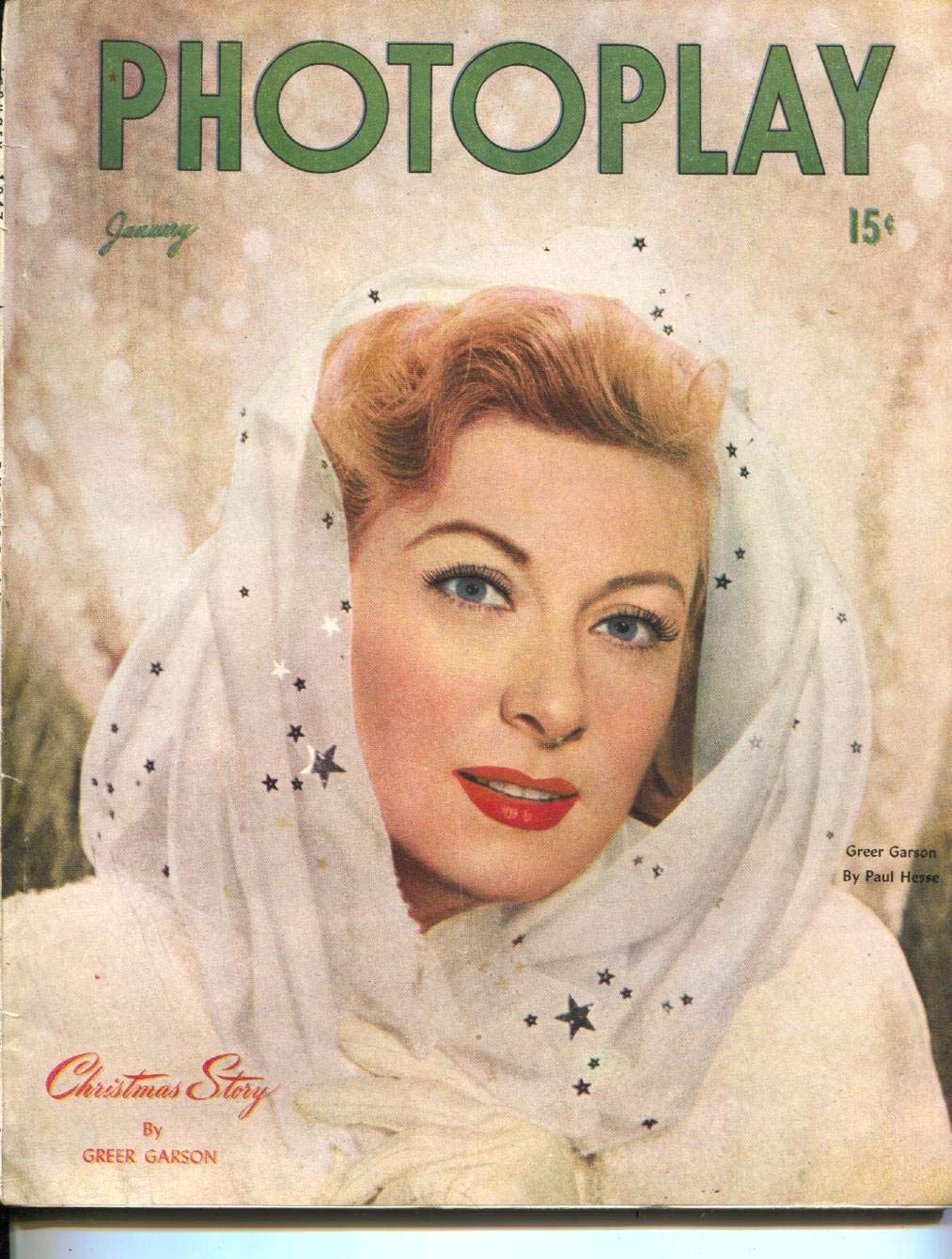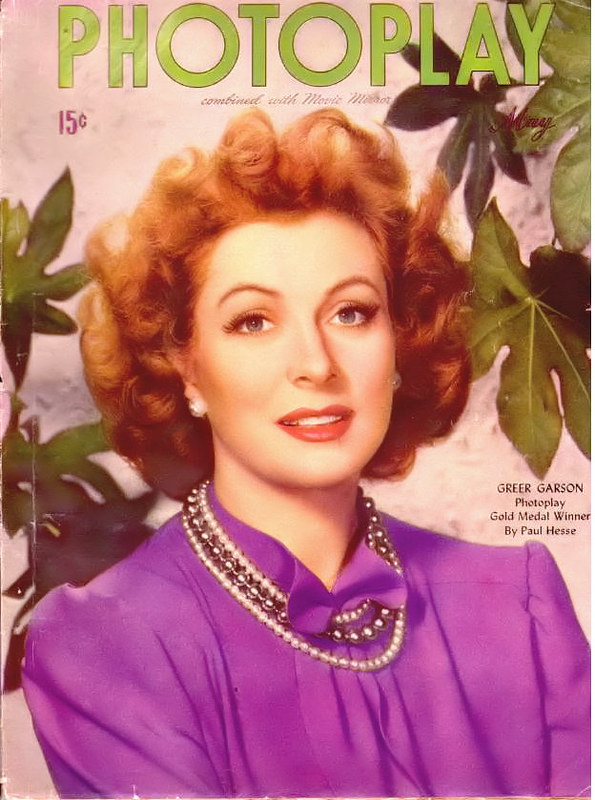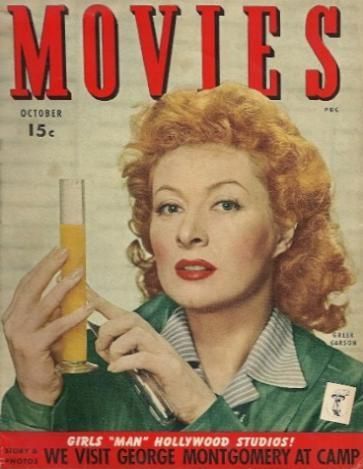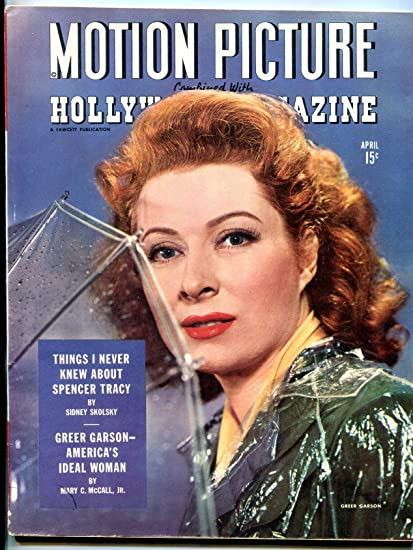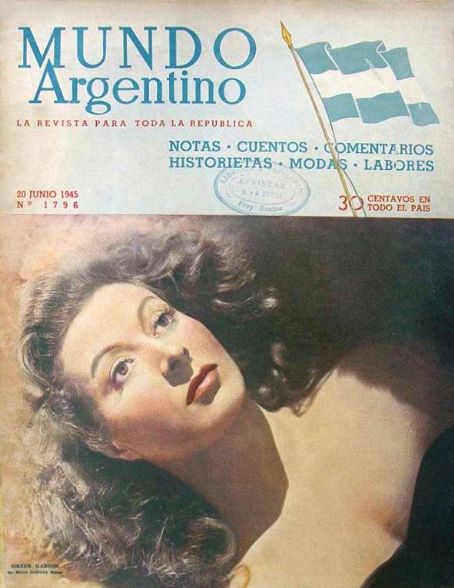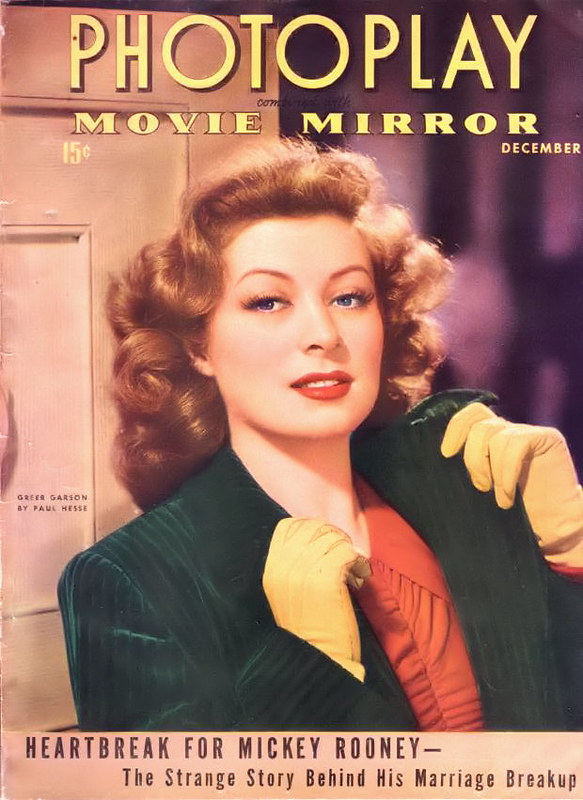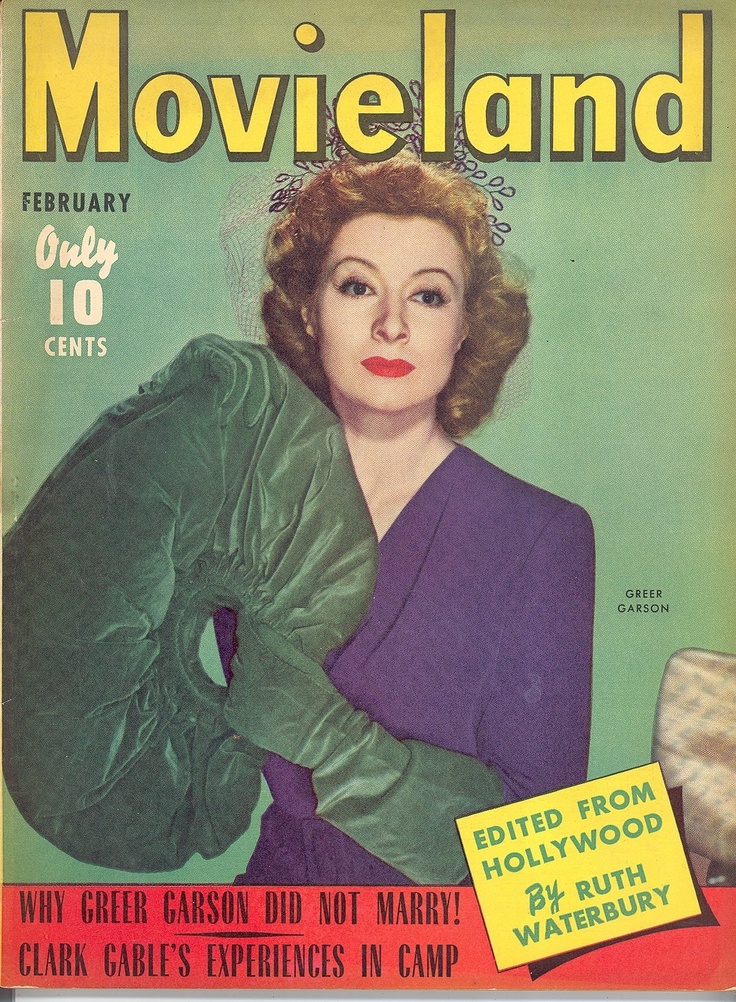

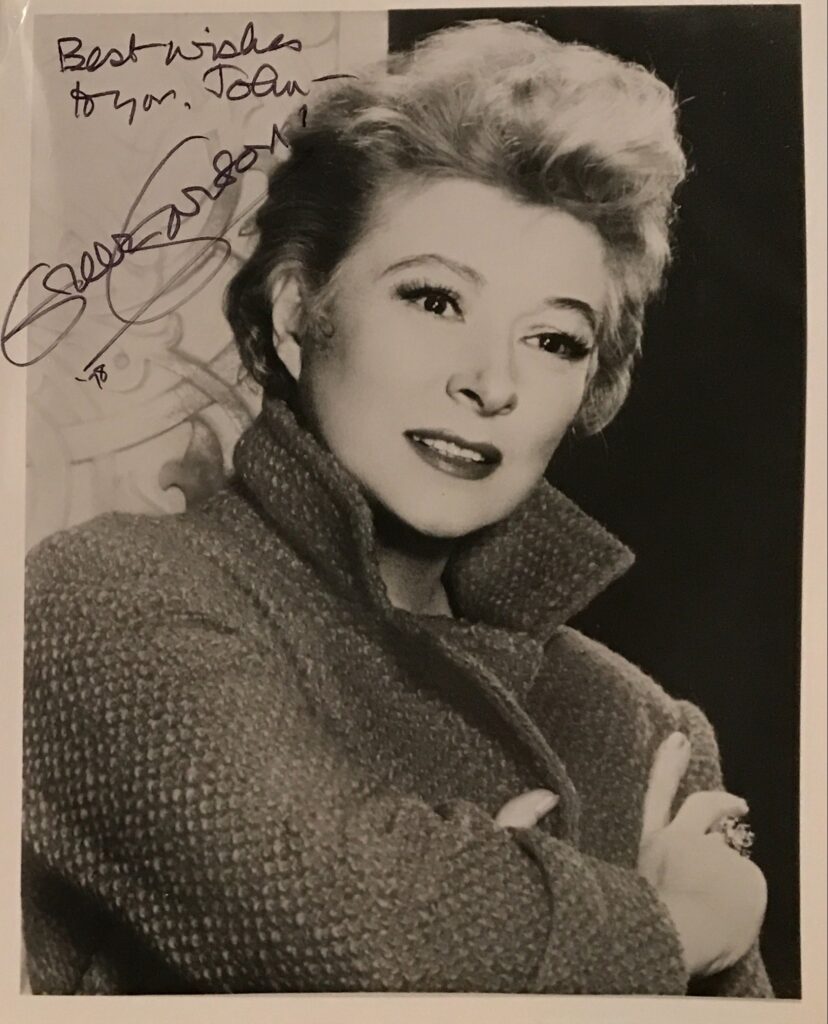
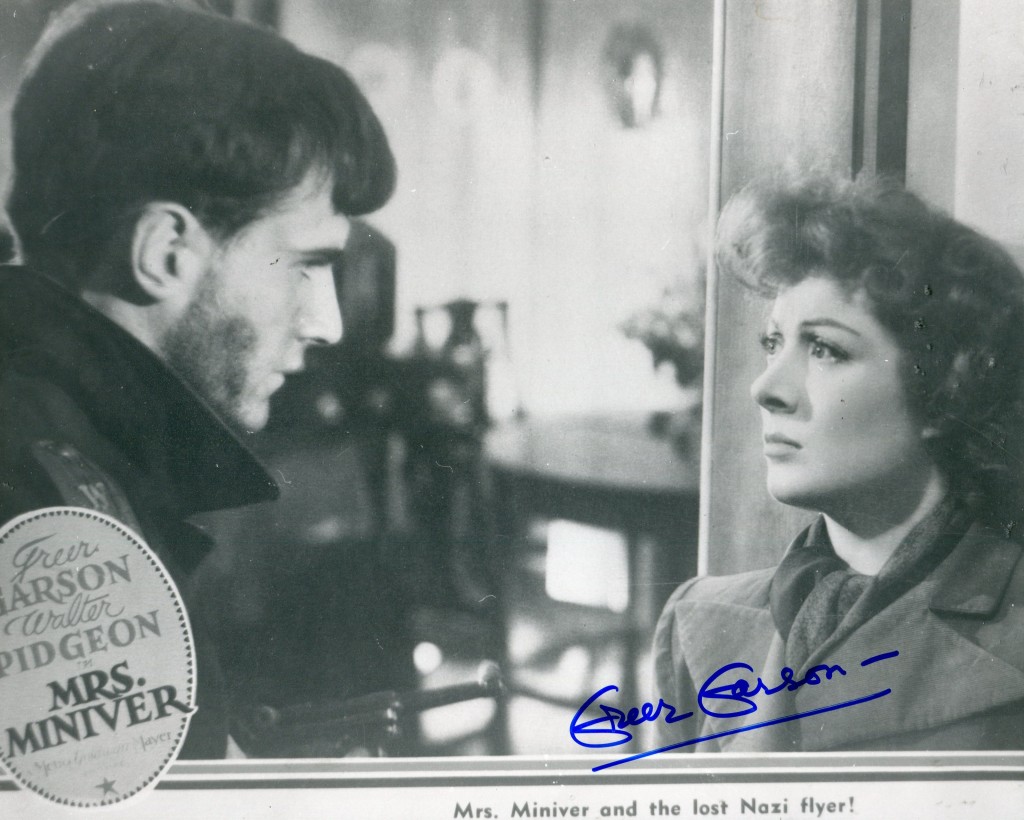
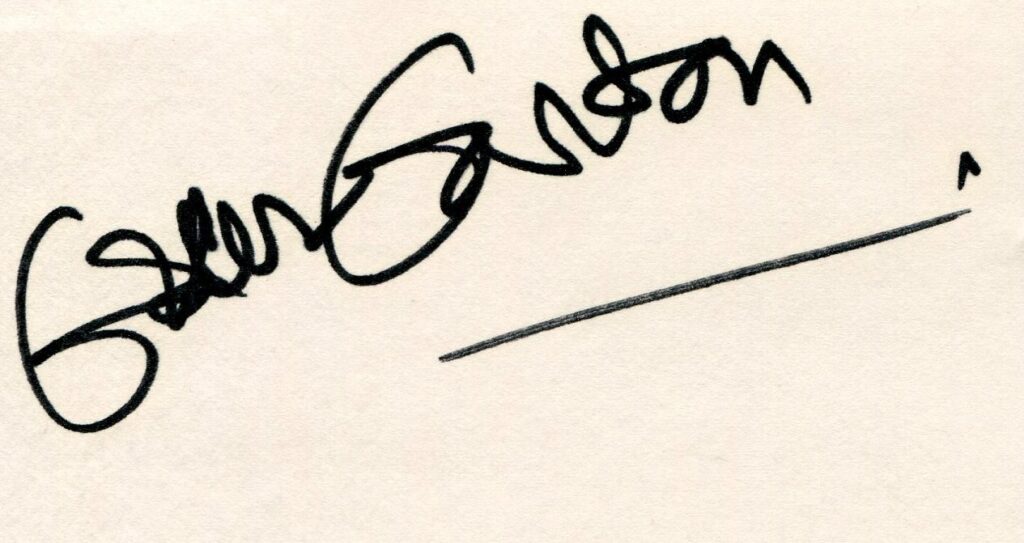
GREER GARSON OBITUARY IN “THE INDEPENDENT”.
Greer Garson was born in 1902 in Manor Park in Essex. Much of her childhood was spent in Co Down in Northern Ireland. She began her career on the London stage and was spotted by MGM’s Louis B. Meyer and brought out to Hollywood in 1938. Her first film with MGM was “Goodbye Mr Chip” with Robert Donat. During the early 1940’s, she was one of the most popular star. “Mrs Miniver”, “Random Harvest” and “Madame Curie” among others were hugly popular. She starred with Walter Pidgeon in several films. She died in Texas in 1996.
David Shipman’s Obituary in The Independent:
She was a successful stage actress when the head of MGM, Louis B. Mayer, went to a West End play called Old Music (1937) on the (mistaken) assumption that it was a musical. Her performance impressed him enough to offer a contract, but his studio did not know what to do with a broad-faced, university-educated thirtyish British actress; so, this being the era of typecasting, they saw her as another Binnie Barnes, whose forte was to chase after men, money or both.
Illness prevented Garson from following this path (the film was called Dramatic School) and she languished till Sam Wood cast her in Goodbye Mr Chips (1939), which he was to direct in Britain. She did not relish the role, since she was due to die only screen minutes after marrying and humanising the dry schoolteacher Mr Chipping. Robert Donat collected a popular Oscar for playing him, but Garson’s brief contribution was equally vital. C.A. Lejeune, the film critic of the Observer, spoke of her “vivid grace” and Graham Greene admired “the short-lived wife [who] lifts the whole picture into – we are tempted to call it reality – common sense and tenderness, a sense of happiness too good to last”.
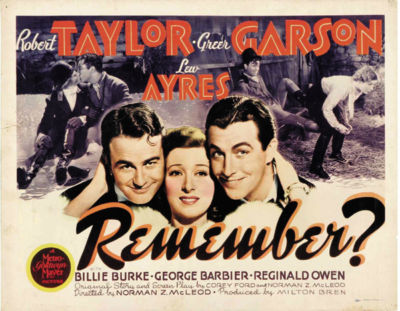
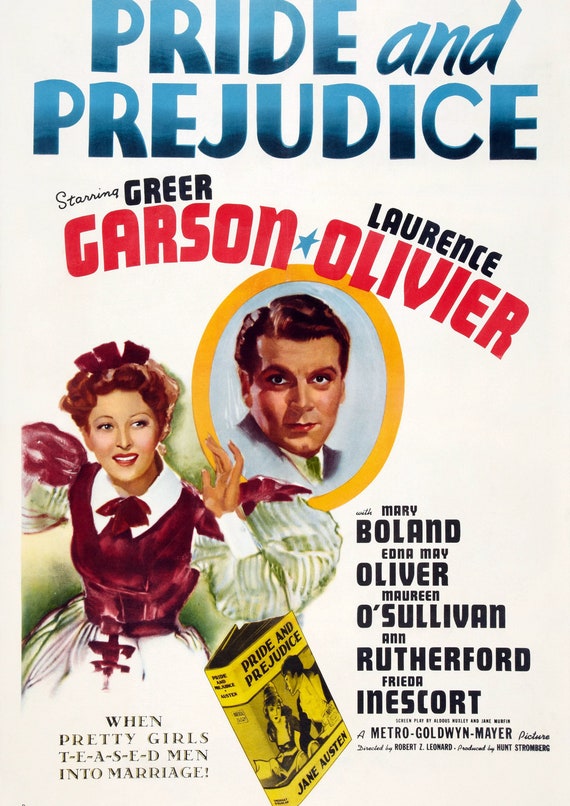
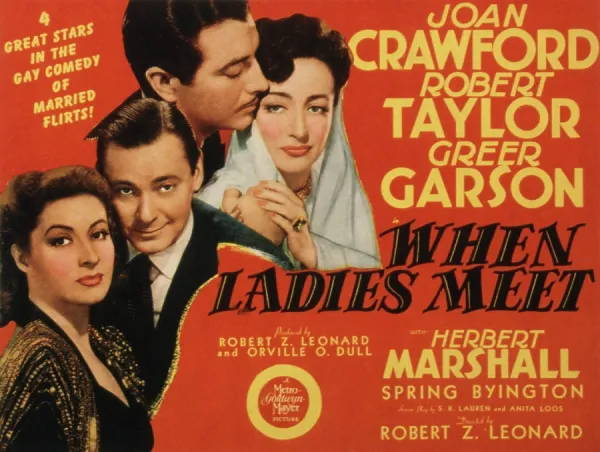
On her return to Hollywood she was forced into the studio’s chosen image – a New York sophisticate, jagged with sophistication in huge hats – squabbling and making up with Robert Taylor in Remember? But her Mrs Chipping was uppermost in executive minds when casting Pride and Prejudice (1940), based on a stage version which had been bought for Norma Shearer and Clark Gable. Garson and Olivier were much more sensible choices, even if Olivier later observed: “Dear Greer seemed to me all wrong as Elizabeth . . . she was the only down-to-earth sister but Greer played her as the most affected and silly of the lot”. However, Bosley Crowther of the New York Times wrote that she had “stepped out of the book, or rather out of one’s fondest imagination: poised, graceful, self-contained, witty, spasmodically stubborn and as lovely as a woman can be.” Nevertheless those who tend to Olivier’s view sighed for her presence during the recent BBC adaptation, in which Jennifer Ehle completely missed Lizzie’s sense of self-mockery.
Garson’s performance reversed MGM’s concept of her, and she replaced Shearer in the title role of Mrs Miniver (1942) when that actress refused to play the mother of a grown-up son. He was played by Richard Ney, who was actually years younger than Garson: 14, in fact, though at the time it seemed less, since MGM’s publicists had lopped years off her age. She obliged them by waiting till the film had gone its rounds before making him her second husband, but as far as the studio was concerned the film had made her the biggest star on the lot.
It was a movie showered with Oscars, including Best Film, Best Actress (Garson) and Best Director (William Wyler). Garson made cinema history by making an acceptance speech that lasted 45 minutes: new rules were brought in to stop this happening thereafter. The story of an “ordinary” British family through Dunkirk and the Blitz, it struck a particular chord with the Americans, who had just entered the war.
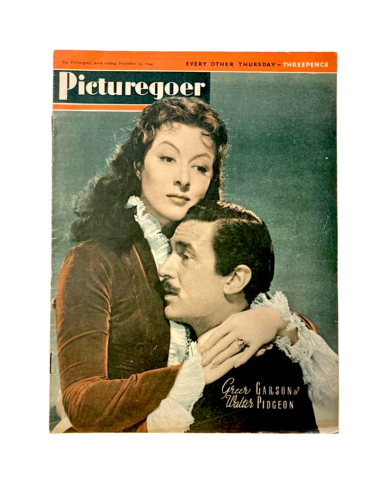
Winston Churchill told Parliament that it had done more for the British war effort than a flotilla of destroyers. Yes, and Garson epitomised the courageous British housewife, the domestic ideal, partnering the equally sunny Walter Pidgeon, with whom she was to make eight films in all; but what with Mrs M rounding up a German paratrooper in the garden and no mention of rationing it was hardly realistic. Wyler, when he arrived in Britain with the Army, admitted that he would have made a very different picture if he had been here first.
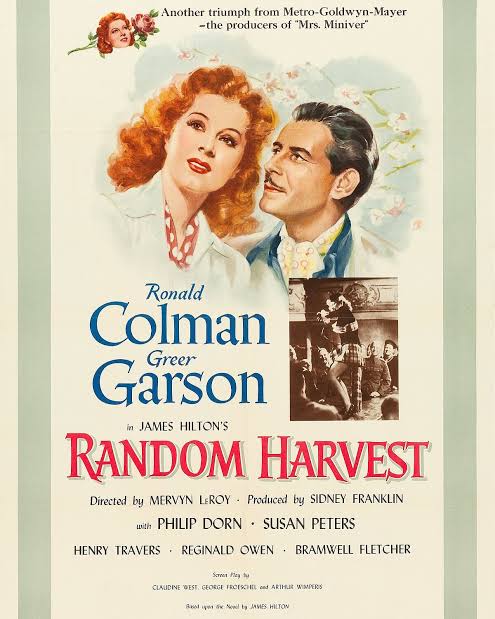
Better altogether was Random Harvest since, as adapted by the same four writers, including James Hilton (who had written the original novel as well as Goodbye Mr Chips), it aspired only to romantic melodrama. Ronald Colman was the amnesiac officer who meets and falls in love with a music- hall star played by Garson on Armistice Day 1918 and marries her; and who later doesn’t recognise her when she becomes his secretary. Accompanied by some publicity about the lady’s short stage kilt and tights, the film was a second box-office bonanza (at a time when few New York cinemas showed their films for more than a week, these ran for 10 and 11 weeks respectively at Radio City Music Hall).
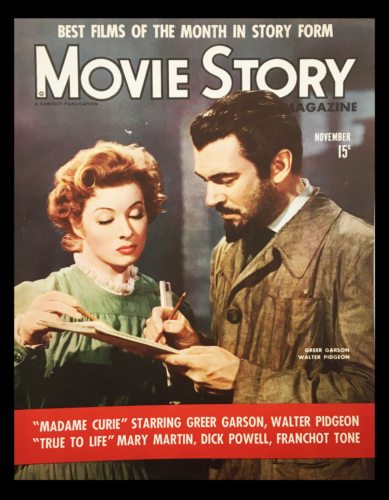
MGM had forced Shearer into retirement and had let Myrna Loy, “the perfect wife” go; Garbo had withdrawn for the duration; Crawford, who had hoped to inherit the mantle of Metro’s First Lady, saw it (to her chagrin) bestowed on Garson, who also inherited a role intended for Garbo – Madame Curie (1943), with Pidgeon as Monsieur. James Agate didn’t care for it but took the occasion to observe that it was time “to recognise Greer Garson as the next best film actress to Bette Davis”.
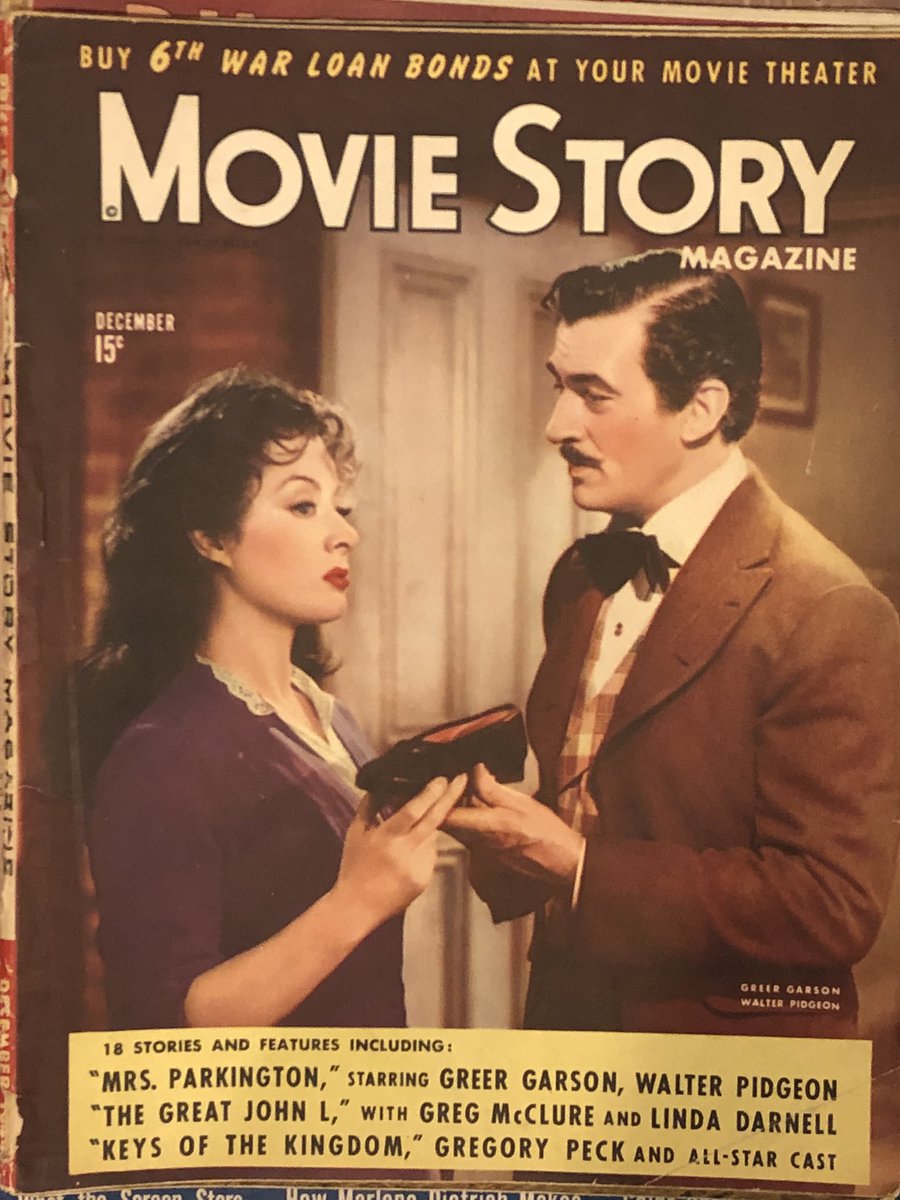
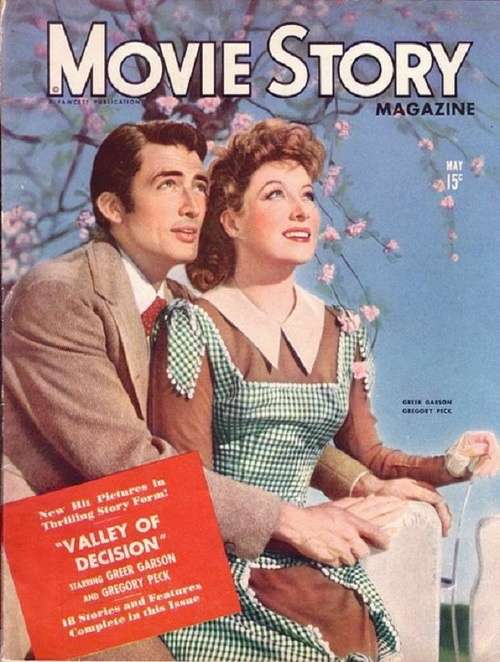
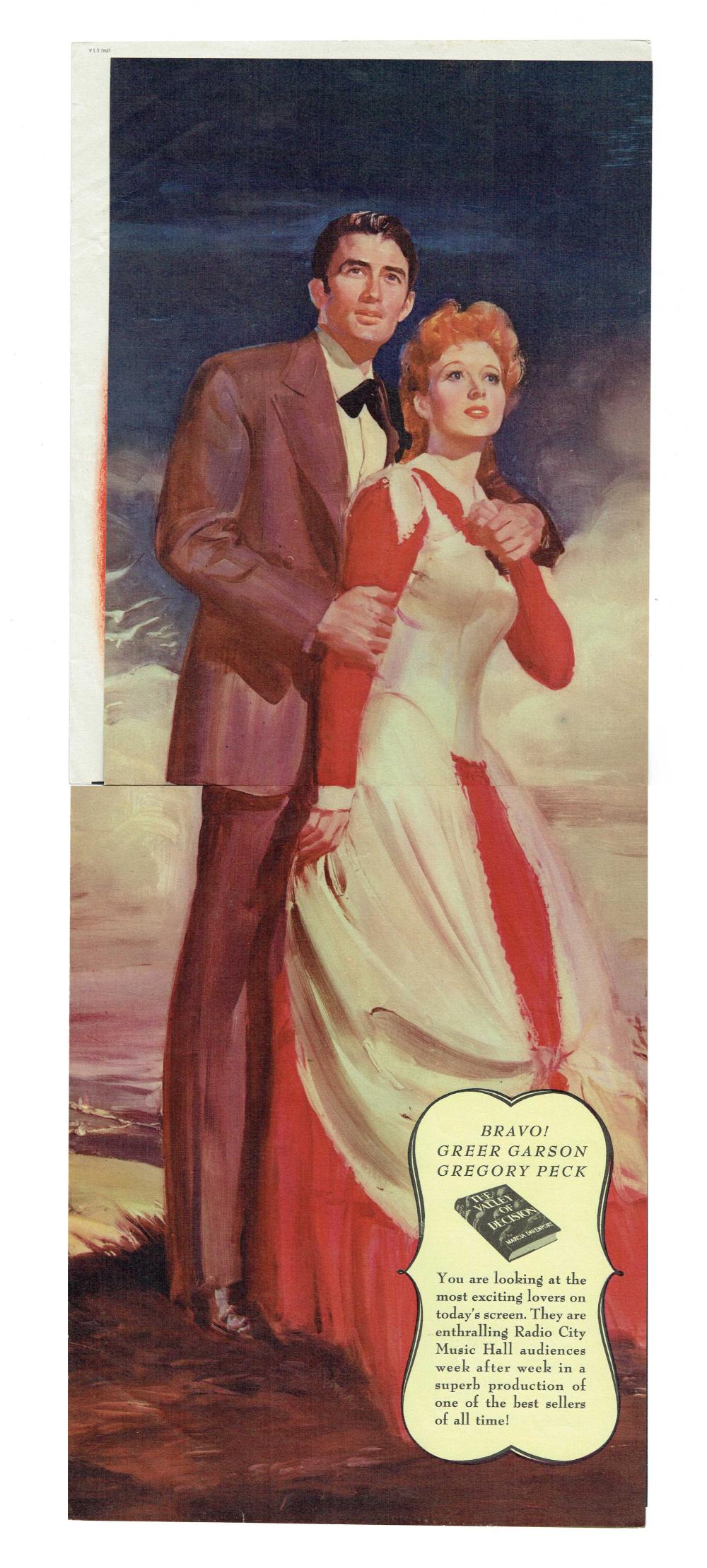
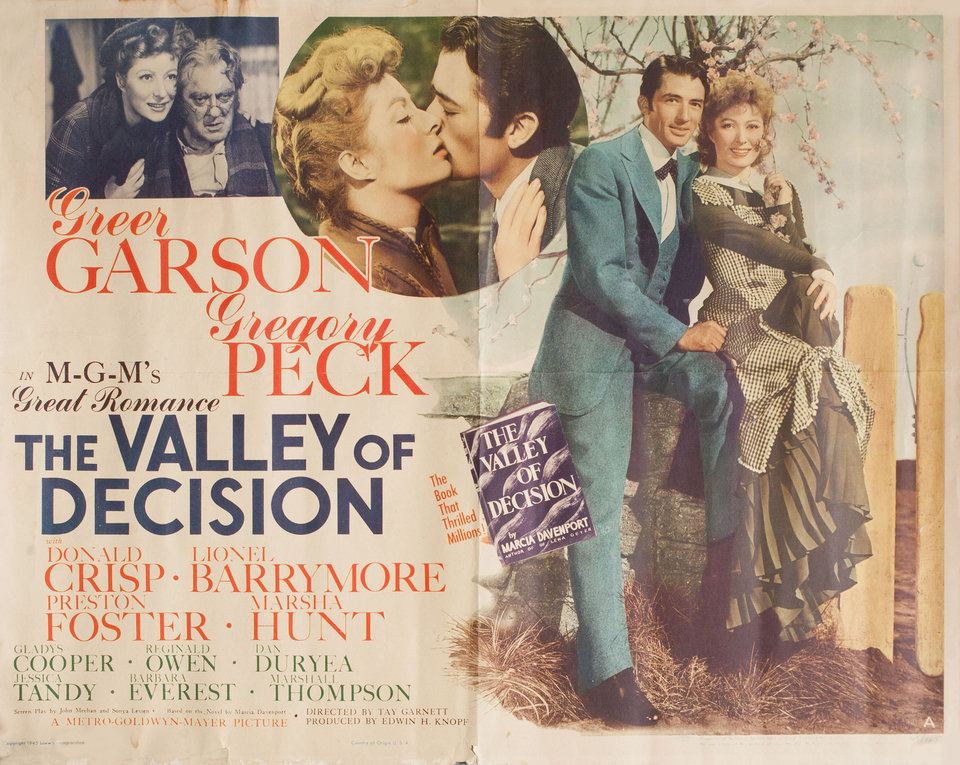
MGM had just signed her to a new seven-year contract without options, and reinforced her new persona, that of a patrician matriarchal figure, in two period family dramas, Mrs Parkington (1944), with Pidgeon, and The Valley of Decision (1945), with Gregory Peck. “Gable’s Back and Garson’s Got Him” was the way the studio publicised his first post-war film, Adventure (1946), but it was a slogan much derided – partly because the plot degenerated (depending on how you lok at it) from romantic comedy to religious allegory, and partly because Clark Gable let it be known that he loathed it.
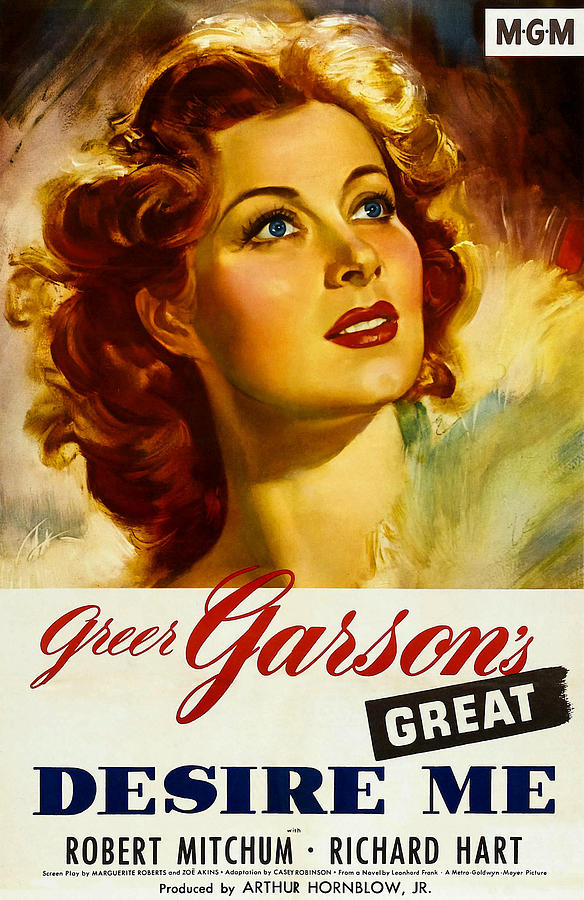
The movie marked the start of a gradual decline in Garson’s fortunes, and the next, Desire Me (1947), was the only film to be issued without a director credit in the studio’s history. This was hardly her fault, but co-star Robert Mitchum observed that he stopped taking acting seriously when she needed 125 takes to say “No”. Garson and Pidgeon were put into a comedy in an attempt to change the image, but Julia Misbehaves (1948) was chiefly remarkable for ill-using its source, Margery Sharpe’s clever novel The Nutmeg Tree.
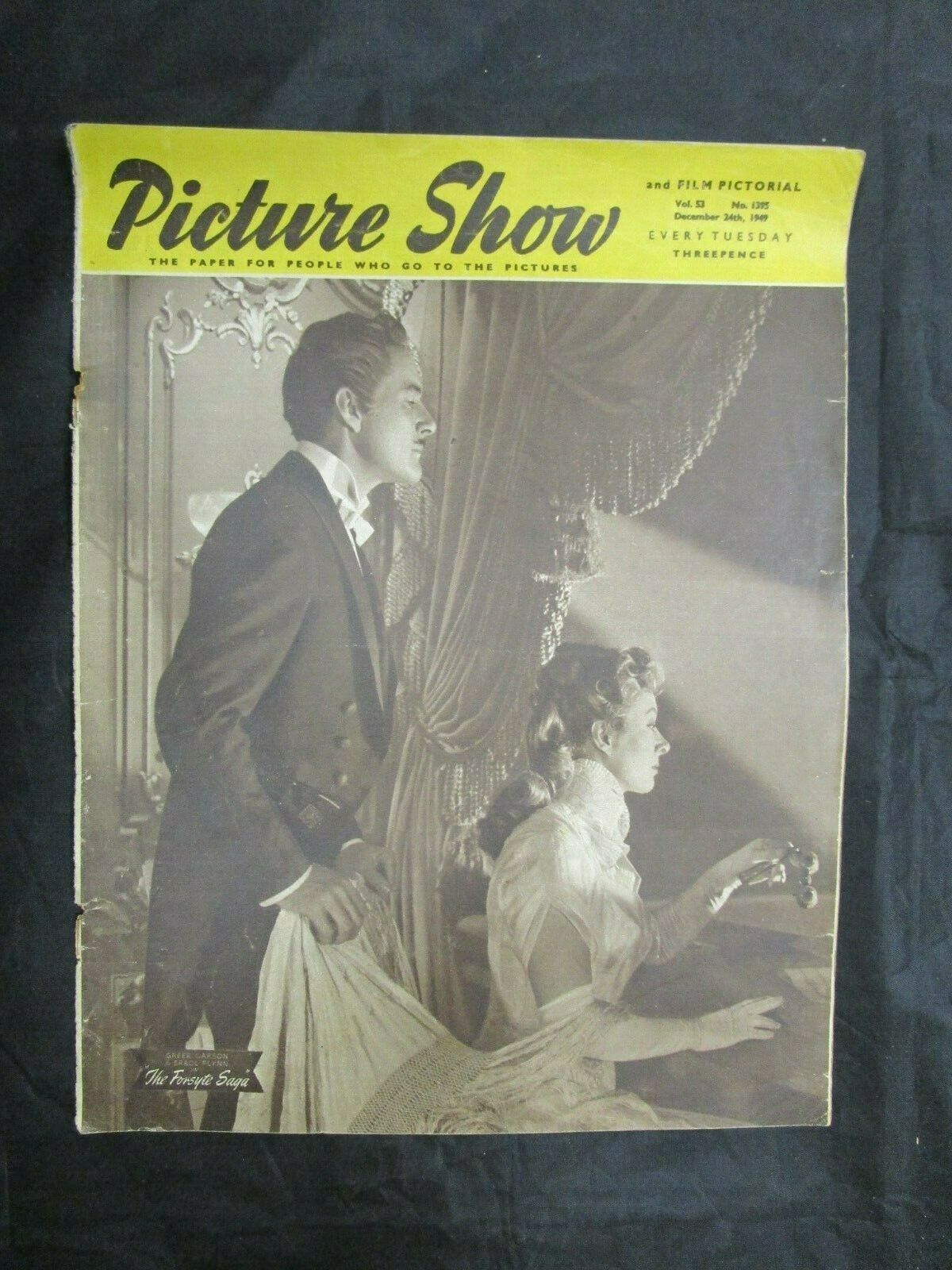
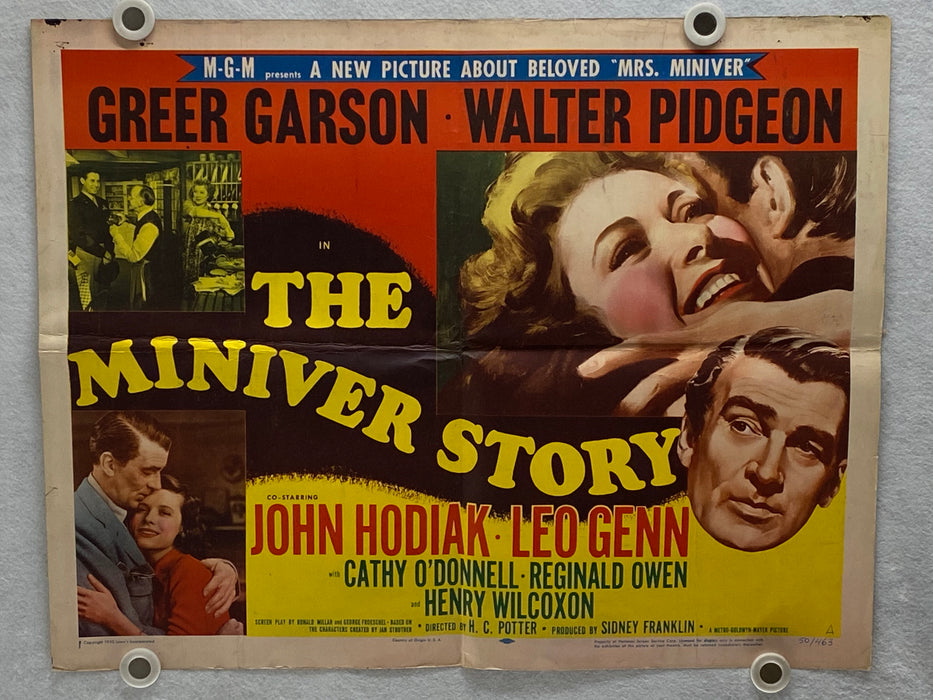
Garson’s fans returned when she played Irene to Errol Flynn’s Soames in That Forsyte Woman (1949), based on part of Galsworthy’s saga, but they stayed away from a more obvious attempt to retrieve them, The Miniver Story (1950).
With the exception of Mankiewicz’s Julius Caesar (1953), in which she was Calpurnia, her last films for the studio were mediocre. She was considered for the role Grace Kelly eventually played in Mogambo but the producer, Sam Zimbalist, considered her too mannered. Like Fox’s Betty Grable, her only constant rival on the box-office lists, she had become a liability, but because their names had been so indelibly associated with these studios for so long, they were kept on well after they had outlived their appeal.
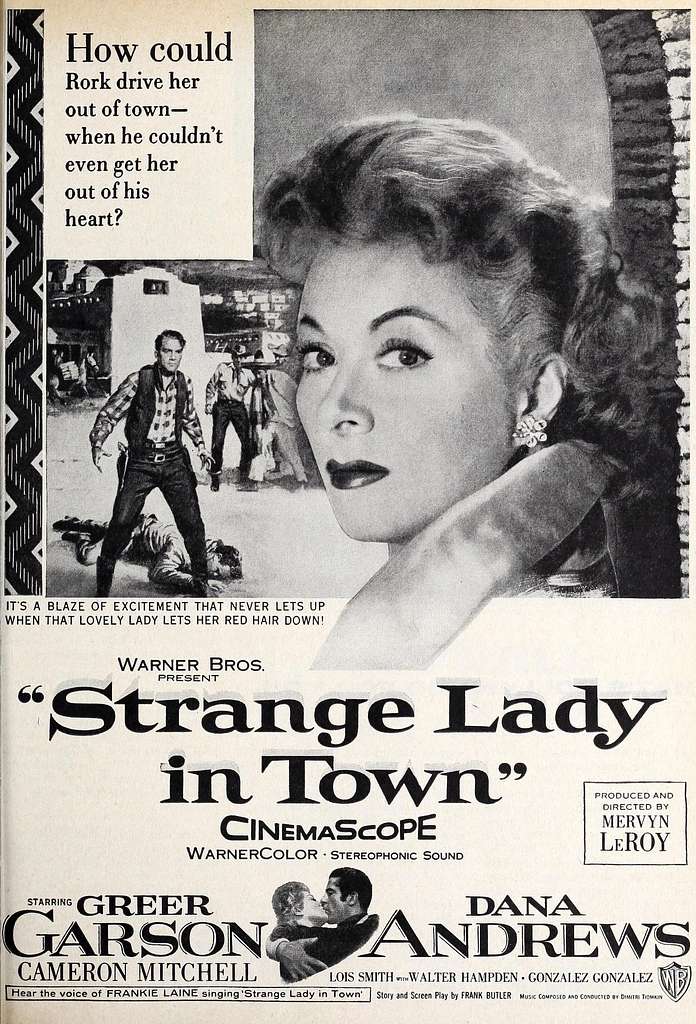
A Western at Warners, Strange Lady in Town (1955), confirmed this and, having married a wealthy Texan, Garson didn’t need to work. She accepted only occasional roles that she really wanted to do, including Auntie Mame (1958) on Broadway, replacing Rosalind Russell; Eleanor Roosevelt in Sunrise at Campobello (1960); an imperious Queen Mary, by this time a sort of alter-ego, in Crown Matrimonial (1974), for television; and Aunt March in a television Little Women (1978). She spent her last years in Dallas, where her work for good causes was unstinting, including the campus theatre endowed in her name,
Joe Mankiewicz, who was at MGM at the same time, was once talking to me about its producers. “They all had a girl on the side. Eddie Mannix had – what was the name of that Irish-Jewish redhead?” “Greer Garson?” I ventured, wondering that what to me was one of the most regal of stars was to him just another half-forgotten “protegee”. Could this be the same Greer Garson who indignantly rejected the self-parody number in Ziegfeld Follies written for her by Roger Edens and Kay Thompson, which Judy Garland so eagerly played?
David Shipman
Greer Garson, actress: born Co Down, Northern Ireland 29 September 1903; married 1933 Edward A. Snelson (marriage dissolved 1937), 1943 Richard Ney (marriage dissolved 1947), 1949 Elijah “Buddy” Fogelson (died 1987); died Dallas, Texas 6 April 1996
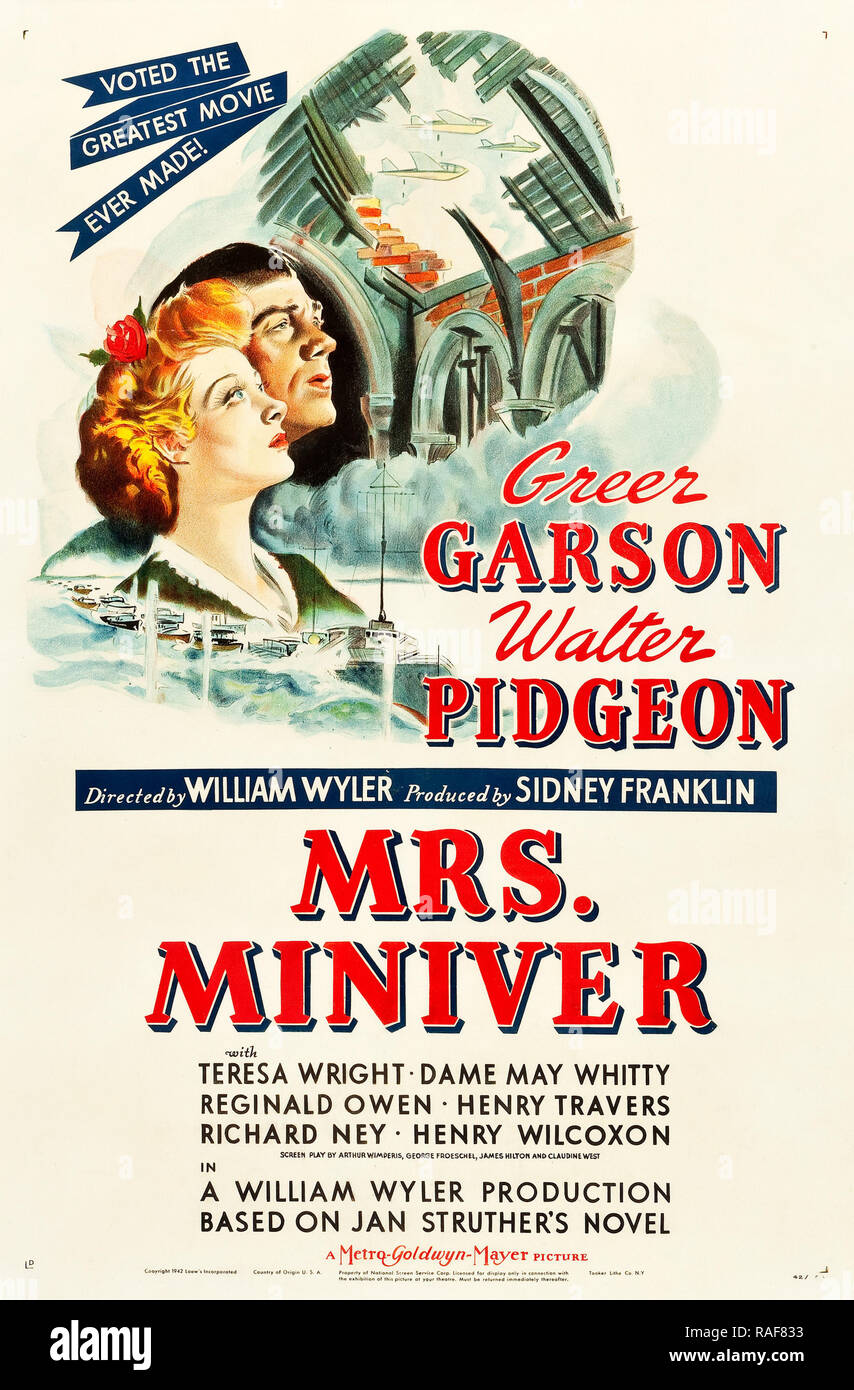
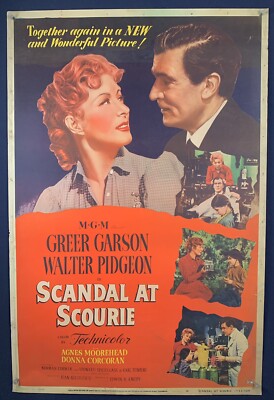
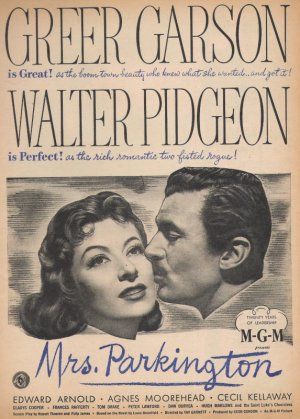
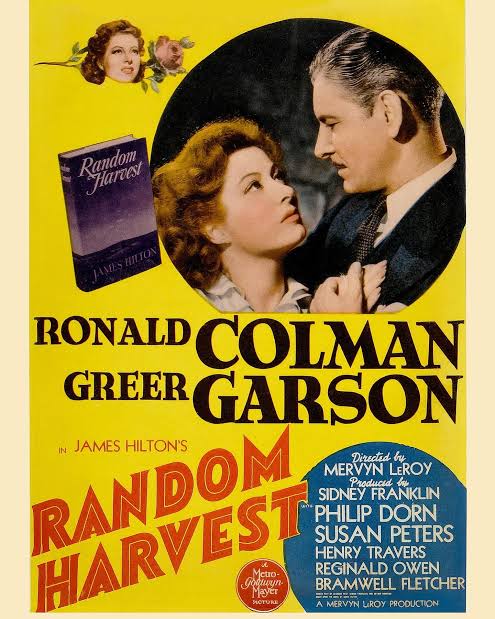
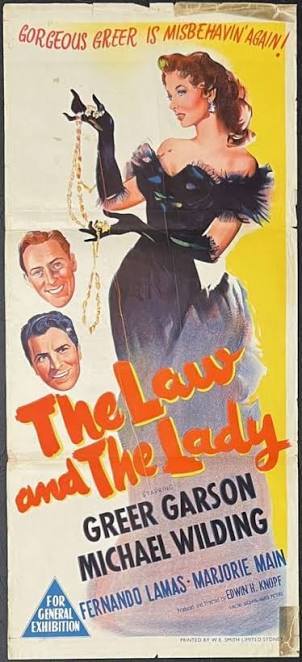
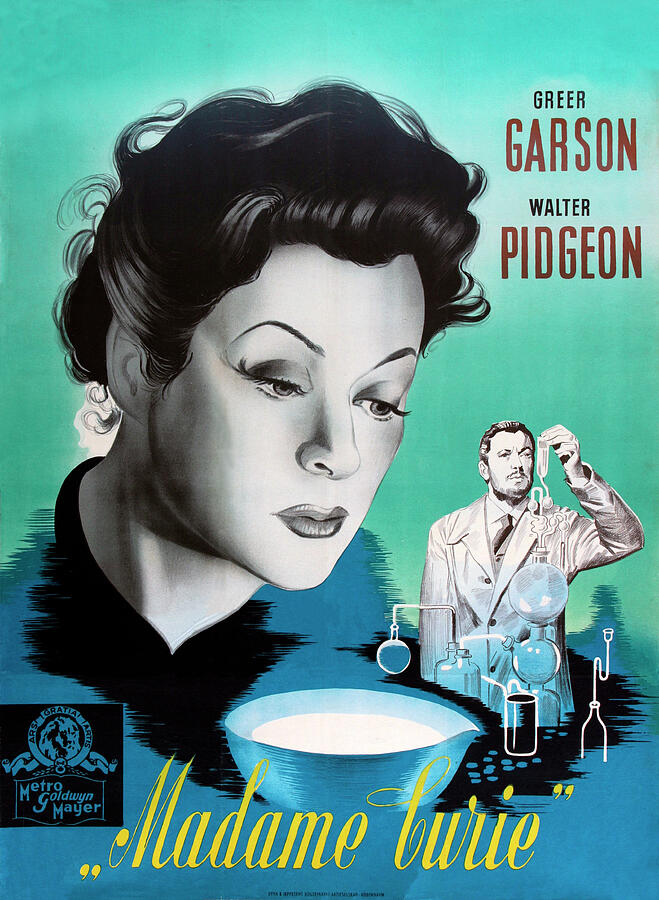
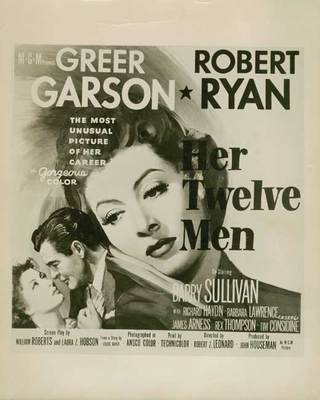
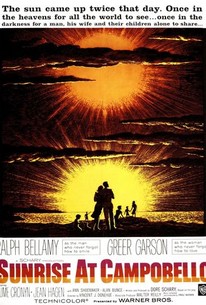
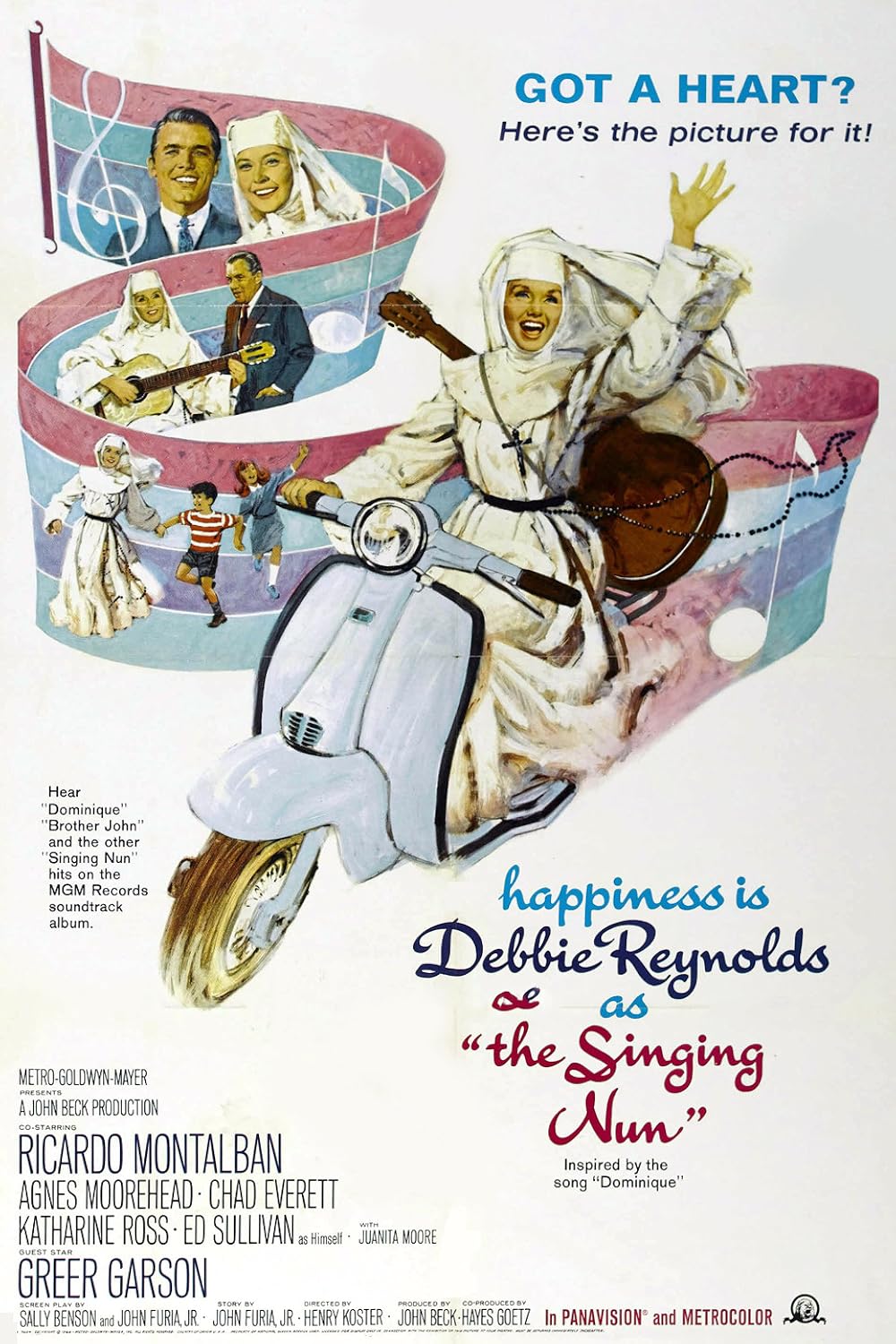
Career Overview
The Late Discovery (1932–1938): Unlike many starlets who began in their teens, Garson was a university-educated professional who worked in advertising before debuting on the London stage at age 27. She was “discovered” by Louis B. Mayer in a West End play, leading to an MGM contract that she initially resisted until she was offered a role she respected.
The “Mrs. Chips” Breakthrough (1939): She made her film debut in Goodbye, Mr. Chips. Despite only having about 25 minutes of screen time, her portrayal of Katherine Chipping was so luminous that it earned her an Oscar nomination and instant stardom.
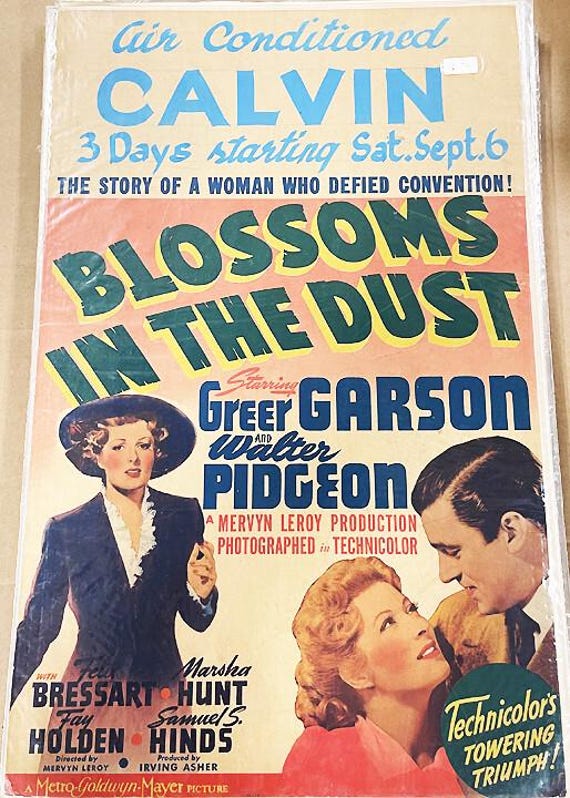
The Consecutive Nomination Streak (1941–1945): Garson achieved a feat matched only by Bette Davis: receiving five consecutive Academy Award nominations for Best Actress (Blossoms in the Dust, Mrs. Miniver, Madame Curie, Mrs. Parkington, and The Valley of Decision).
The Miniver Legend (1942): Her role as Kay Miniver, a middle-class British housewife surviving the Blitz, won her the Oscar and was credited by Winston Churchill as doing more for the war effort than “a flotilla of destroyers.”
The Post-War Decline & Comeback: As the 1940s ended, the public grew weary of her “noble” image. Attempts to play “fun” roles (Julia Misbehaves) were poorly received. However, she staged a brilliant late-career comeback with her Oscar-nominated portrayal of Eleanor Roosevelt in Sunrise at Campobello (1960).
Detailed Critical Analysis
1. The “Luminous” Visual Archetype
Critically, Garson is often studied for her specific visual presentation. MGM’s cinematographers utilized a “halo” lighting technique specifically for her.
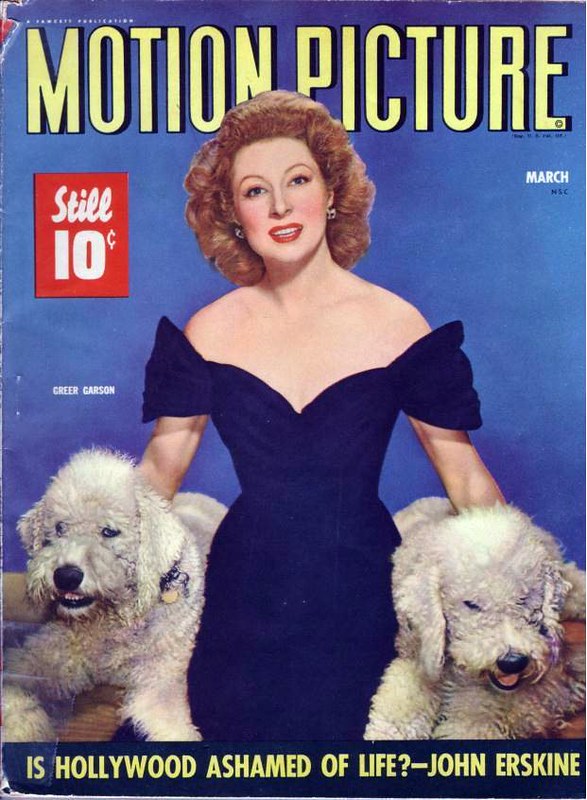
The Saintly Glow: Her vibrant red hair and pale skin were often lit to create a shimmering, ethereal effect. Critics note that this visual “saintliness” reinforced her characters’ moral superiority, making her the ultimate “anchor” in wartime melodramas.
Refined Physicality: Coming from the stage, her movements were incredibly poised. In Pride and Prejudice(1940), her Elizabeth Bennet was praised for its “intellectual sparkle,” providing a blueprint for the “educated leading lady” that differed from the raw sexuality of peers like Rita Hayworth.
2. The Burden of the “Ideal Woman”
The primary critical critique of Garson’s mid-career work is the “Noble Trap.” * Typecasting as Virtue: Because Mrs. Miniver was so successful, Louis B. Mayer insisted she play “variations on a theme.” Critics of the late 40s (such as Pauline Kael) eventually found her “noble suffering” and “stiff upper lip” repetitive.
Subverting the Image: In retrospective analysis, modern critics point to films like Random Harvest (1942) to show her range. Her transition from a bright, music-hall performer to a somber, dedicated secretary in that film demonstrates a subtle psychological complexity that her “Mrs. Miniver” fame often overshadowed.
3. The Intellectual Approach to Acting
Garson was famously one of the most educated actresses in Hollywood (holding degrees from King’s College London and the University of Grenoble).
Technical Precision: Directors like William Wyler noted that she approached scripts with a researcher’s mind. For Madame Curie, she spent weeks studying scientific procedures to ensure her movements in the laboratory were authentic.
Vocal Architecture: Her voice was one of her greatest tools—melodic, authoritative, and perfectly modulated.Critically, she used her voice to convey “inner strength” rather than “outer aggression,” which was the key to her wartime appeal.
4. The Oscar Acceptance Speech (The Five-Minute Legend)
Her 1943 Oscar win is historically tied to her record-setting acceptance speech (clocking in at nearly six minutes).
Critical Backlash: At the time, the press used the speech to paint her as “pompous” or “self-important.”
Modern View: Film historians now see the backlash as a reflection of the industry’s discomfort with a woman who was truly articulate and refused to be “humbled” by the studio’s power. It was after this speech that the Academy instituted the time limits that exist today.
Major Awards & Milestone Credits
| Project | Role | Significance |
| Goodbye, Mr. Chips | Katherine Chipping | Immediate stardom; established her as a “prestige” actress. |
| Mrs. Miniver (1942) | Kay Miniver | Oscar Win; defined the wartime “Home Front” heroine. |
| Random Harvest | Paula/Margaret | A critical favorite; showcased her versatility and romantic chemistry. |
| Madame Curie (1943) | Marie Curie | Nominated; a rare “intellectual” biopic for a female lead. |
| Sunrise at Campobello | Eleanor Roosevelt | Her seventh and final nomination; a masterclass in mimicry and soul. |
Greer Garson’s philanthropic legacy is as enduring as her cinematic one. After marrying Texas oilman and rancher E.E. “Buddy” Fogelson in 1949, she pivoted from the “Queen of MGM” to a powerhouse of South-Western philanthropy. Her giving was strategic, focusing almost exclusively on the arts, higher education, and environmental preservation.
1. The Patron of Performing Arts
Garson’s most visible legacy is the two theaters that bear her name. She believed deeply that theatrical training required professional-grade facilities.
Southern Methodist University (SMU), Dallas: She donated millions to establish the Greer Garson Theatre, a 255-seat classical thrust stage designed to resemble the Globe Theatre in London. She also endowed the Greer Garson Award, which still provides financial support to high-achieving acting students today.
Santa Fe University of Art and Design: She funded a second Greer Garson Theatre in New Mexico. This facility became the heart of the city’s performing arts scene for decades. Even after the university closed in 2018, the “Greer Garson Theatre Center” remains a focal point of local efforts to revitalize the Midtown district as a cultural hub.
2. The Fogelson Library and Academic Support
In Santa Fe, Garson and her husband were “angel investors” for the local college (then the College of Santa Fe).
The Fogelson Library: While named for her husband, Greer was a founding member of the library committee and a primary donor. The library housed a staggering collection of rare books and fine art, much of which was curated or donated by the couple.
Nina Garson Reflection Pool: On the Santa Fe campus, she funded a small “fish pond” oasis dedicated to her mother, Nina. It served as a quiet space for student contemplation—a nod to her own academic roots at the University of London.
3. Environmental and Cultural Preservation
The couple’s 13,000-acre Forked Lightning Ranch in Pecos, New Mexico, became a landmark of conservation.
Pecos National Historical Park: Garson and Fogelson donated significant portions of their land and funded the construction of the E.E. Fogelson Visitor Center. They effectively laid the groundwork for the area to become a National Historical Park, protecting thousands of years of Pueblo and Spanish colonial history.
Conservation Fund: After her husband’s death, Garson sold her remaining interest in the ranch to The Conservation Fund specifically to ensure it would be donated to the federal government rather than sold for private development.
4. Grassroots Generosity
Beyond the multi-million dollar buildings, Garson was known in the town of Pecos for a more personal style of charity:
Education: She personally paid the college tuition for several local employees’ children.
Arts Access: She frequently funded buses to transport local schoolchildren to Santa Fe to see live theater, believing that exposure to the arts was a basic human right.
“The Salmon Paint”: In a famous local anecdote, she accidentally ordered too much salmon-colored paint for her ranch. Rather than return it, she donated it to the town of Pecos; for years, a significant portion of the town’s public buildings and fences were reportedly painted “Greer Garson Salmon.”
Philanthropic Impact Summary
| Project | Location | Focus |
| Greer Garson Theatre | Dallas, TX (SMU) | Professional actor training and performance. |
| Greer Garson Theatre | Santa Fe, NM | Community arts and university productions. |
| Fogelson Library | Santa Fe, NM | Rare book preservation and student research. |
| Pecos National Park | Pecos, NM | Land conservation and historical preservation. |
| Garson Studios | Santa Fe, NM | Film industry infrastructure and sound stages. |
Greer Garson’s “rare book collection” was not just a hobby; it was a scholarly endeavor that reflected her background as a honors graduate from the University of London. While much of her philanthropic focus was on buildings and theaters, the Fogelson Library at the College of Santa Fe (now the Midtown Campus) became the repository for a collection that was, until recently, one of the “secret treasures” of the Southwest.
The Composition of the Collection
The rare book collection at the Fogelson Library consisted of approximately 2,500 items, many of which were personally selected by Garson and her husband, Buddy Fogelson.
The Military and Civil War Archive: One of the centerpieces is An Official Record of the Union and Confederate States in The War of Rebellion, a massive, multi-volume set published in 1900. This reflected Buddy Fogelson’s military background and Greer’s interest in historical documentation.
Southwestern Classics: Garson was a primary patron of the Rio Grande Press, which specialized in high-quality reprints of rare Southwestern historical texts. Her collection included first editions and limited reprints of journals from early Spanish explorers and pioneer narratives.
The “Bollingen” Connection: She ensured the library received a complete set of publications from the Bollingen Foundation, which included rare works on Jungian psychology, mythology, and art—subjects that Garson studied deeply in her private life.
Art and Photography: The collection held rare, non-circulating volumes from Twin Palms Publishers, including high-end art and photography books that are now worth thousands of dollars.
The “Nina Garson” Personal Archive
Separate from the rare books but housed in the same climate-controlled vault at the library were Garson’s personal papers, which she donated in 1993.
The Scripts: Original, annotated scripts from Mrs. Miniver, Goodbye, Mr. Chips, and Madame Curie. These scripts often contain her handwritten notes on character motivation and technical cues.
The “Lost” Autobiography: A 109-page manuscript of an autobiography that Garson began in the 1940s but never finished. It remains a primary source for scholars researching her early life in London.
The Scrapbooks: 107 meticulously maintained scrapbooks that chronicle every day of her professional life from 1935 to 1993.
Current Status: A Collection in Transition
The fate of this collection became a subject of intense critical debate following the closure of the Santa Fe University of Art and Design in 2018.
City Ownership: Because the city of Santa Fe owns the land and many of the campus assets, the collection—valued in the millions—is technically under the stewardship of the city’s Arts Commission.
Inventory (2014-2016): A comprehensive inventory conducted just before the school closed confirmed that the rare book collection remained in “good to excellent” condition, though access to the public has been severely restricted since the campus became a “midtown redevelopment” site.
The SMU Parallel: While Santa Fe holds the books and New Mexico-specific papers, the Hamon Arts Library at Southern Methodist University (SMU) in Dallas holds the “other half” of her legacy—approximately 60 linear feet of archival material and 108 boxes of correspondence.
| Collection Type | Location | Key Highlight |
| Rare Historical Books | Santa Fe, NM (Fogelson Library) | Civil War Records & Southwestern Classics. |
| Professional Archive | Dallas, TX (SMU Libraries) | Annotated Scripts & Career Scrapbooks. |
| Art Photography | Santa Fe, NM (Chase Library) | Every book published by Twin Palms. |
| Personal Letters | Washington, D.C. (Library of Congress) | Correspondence with world leaders and costars. |