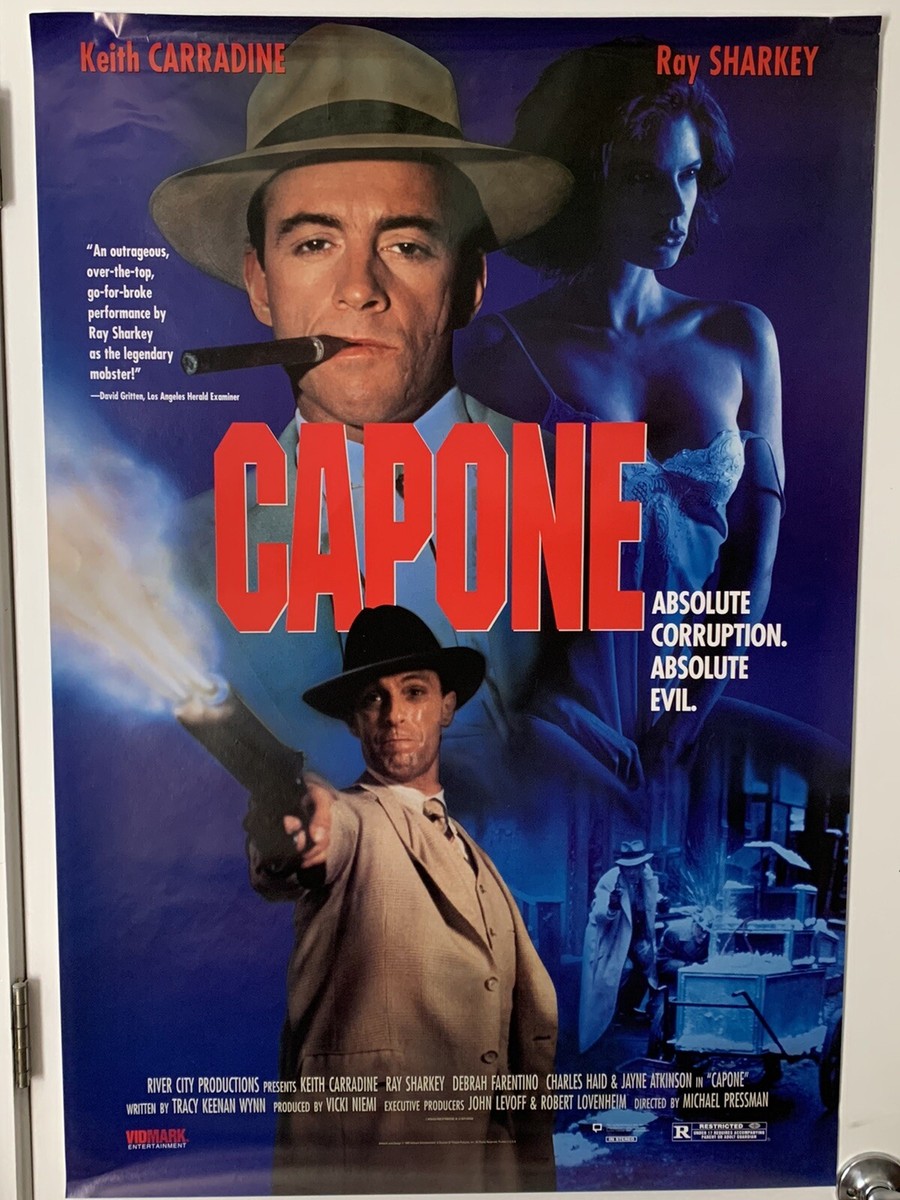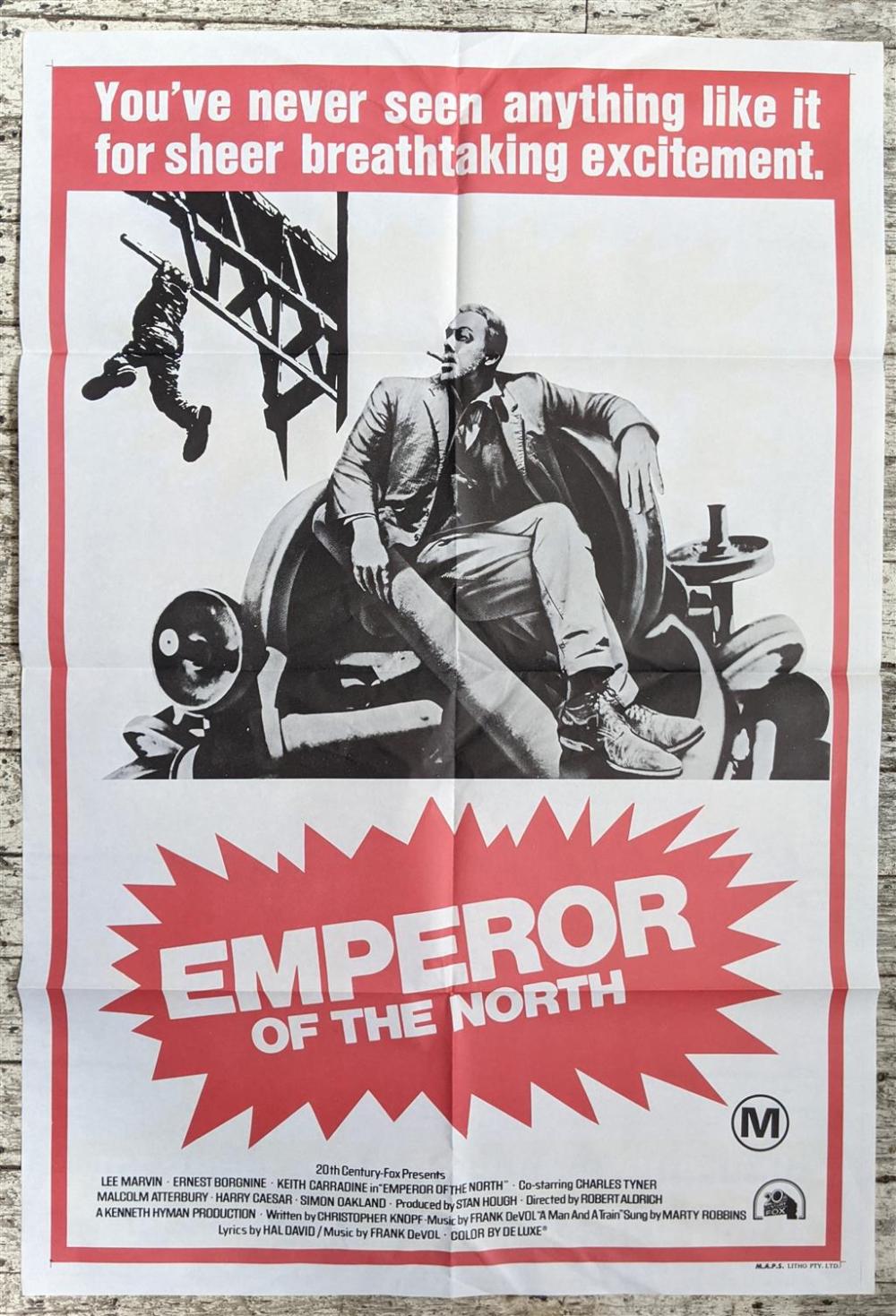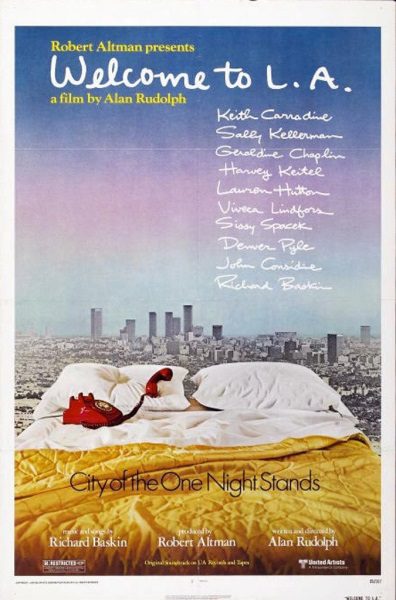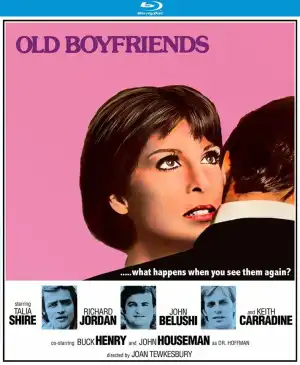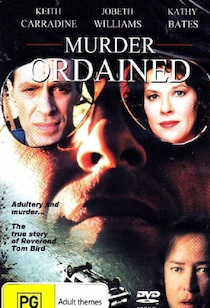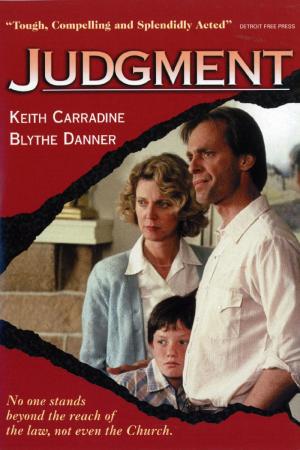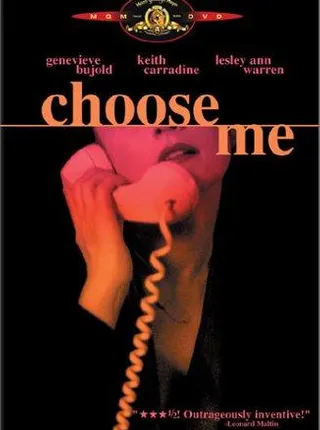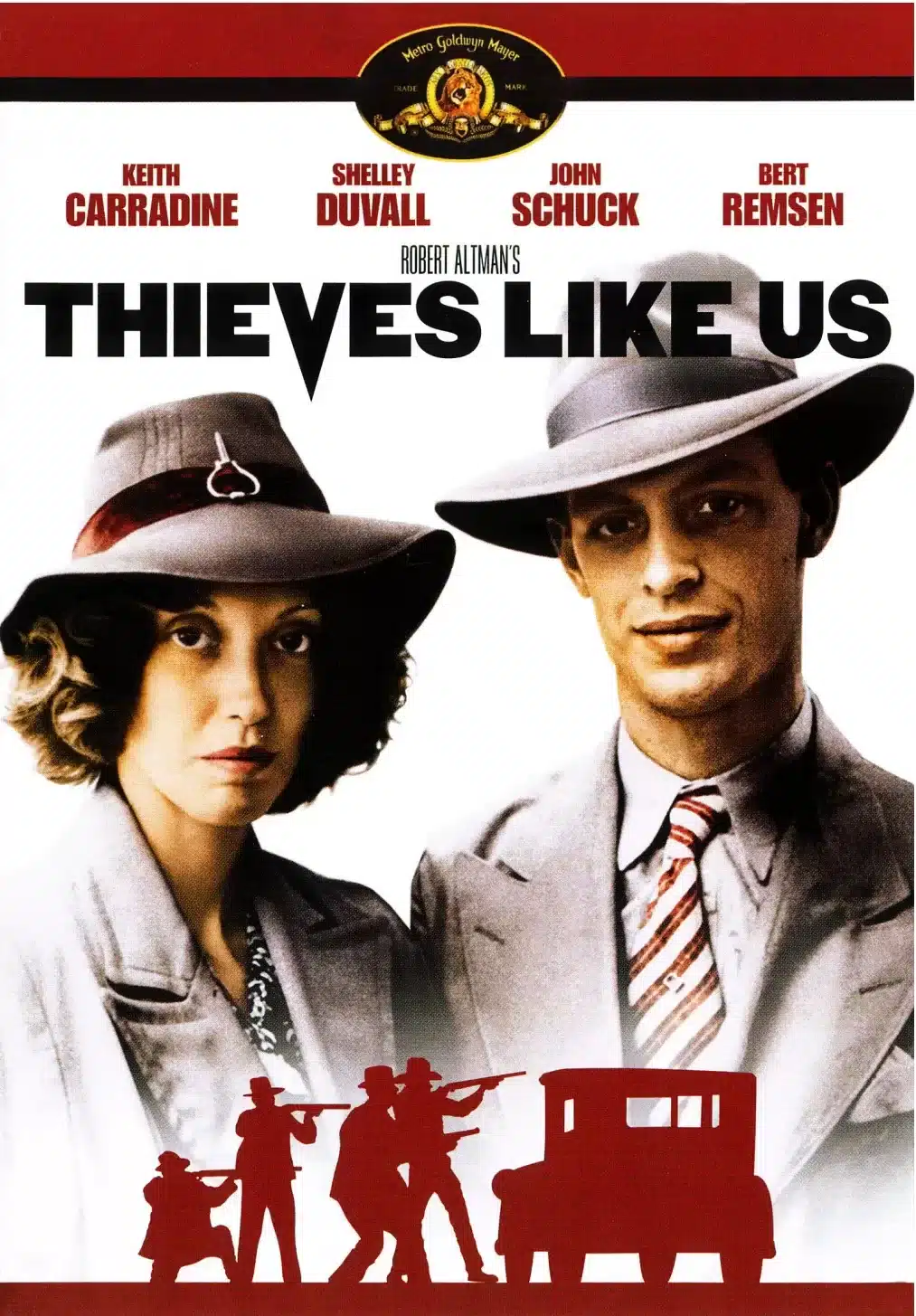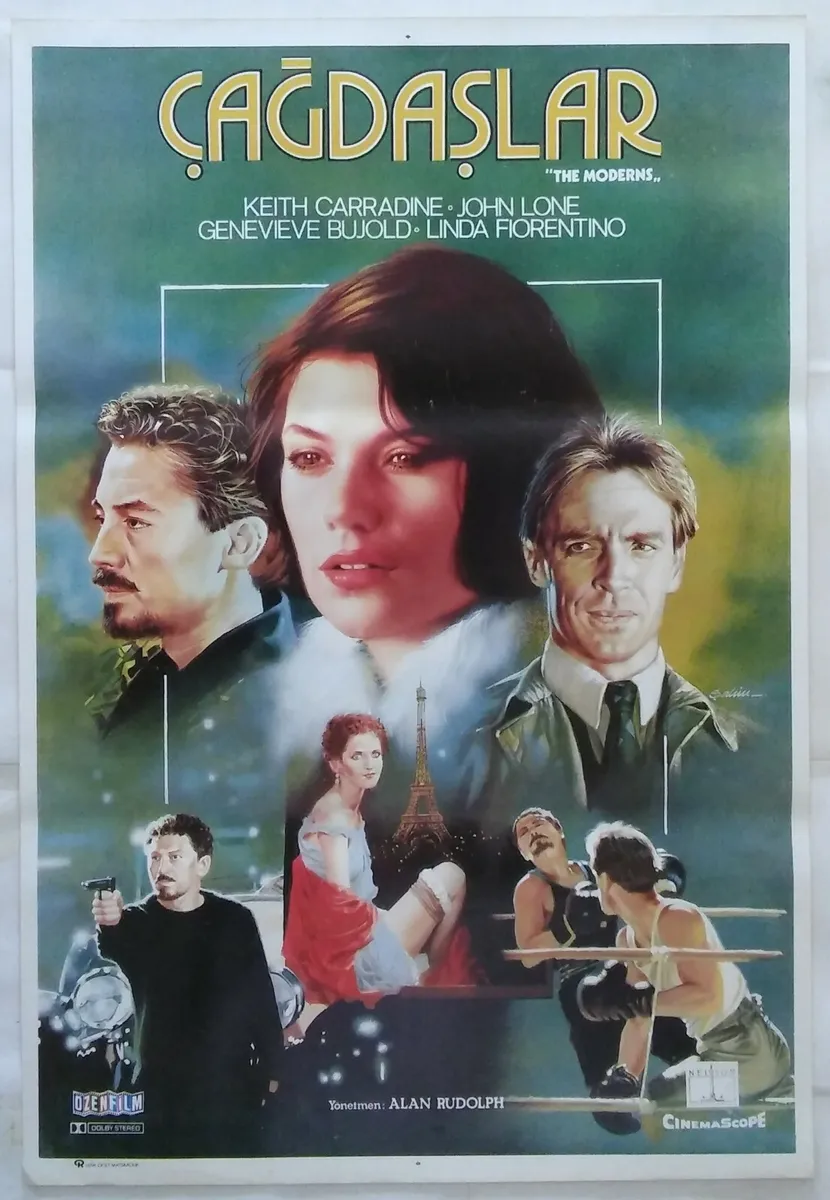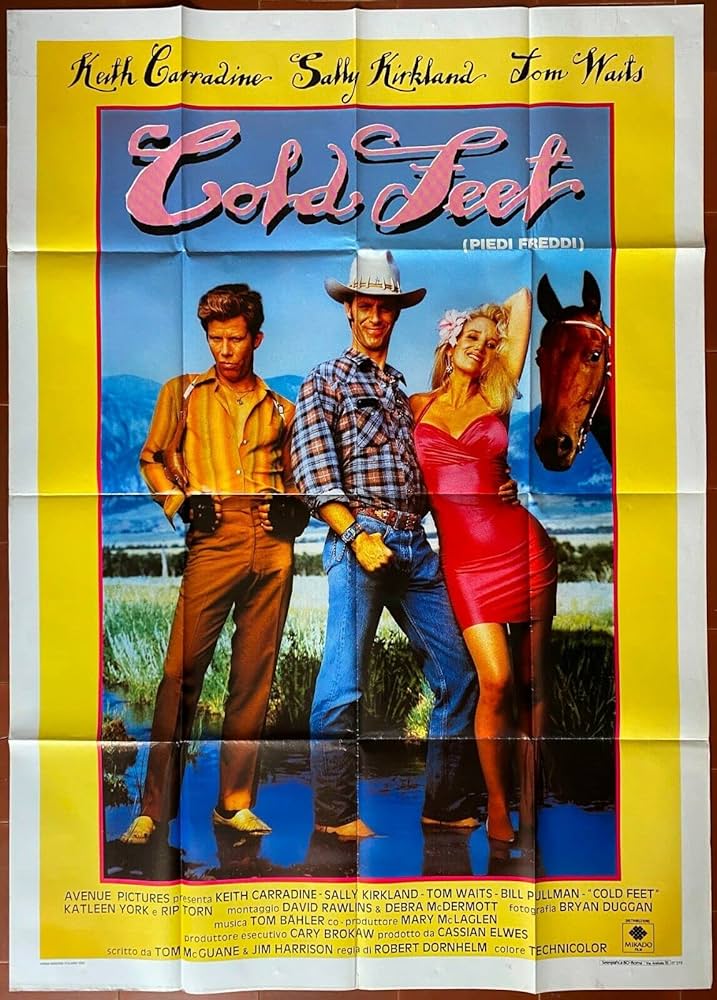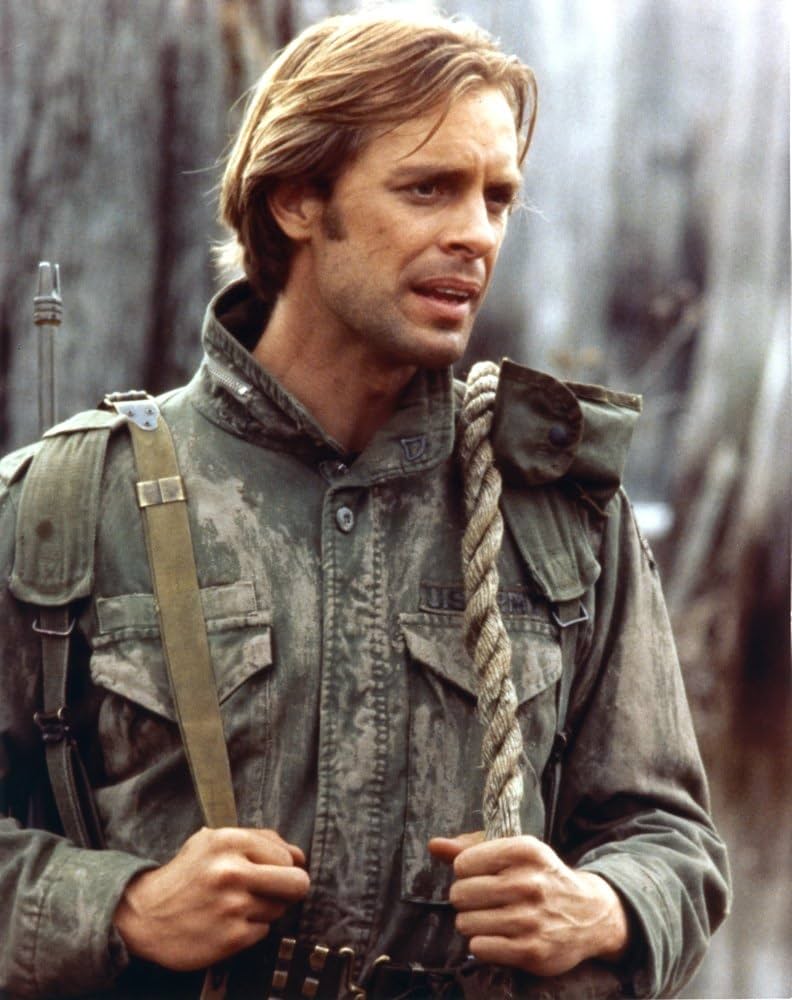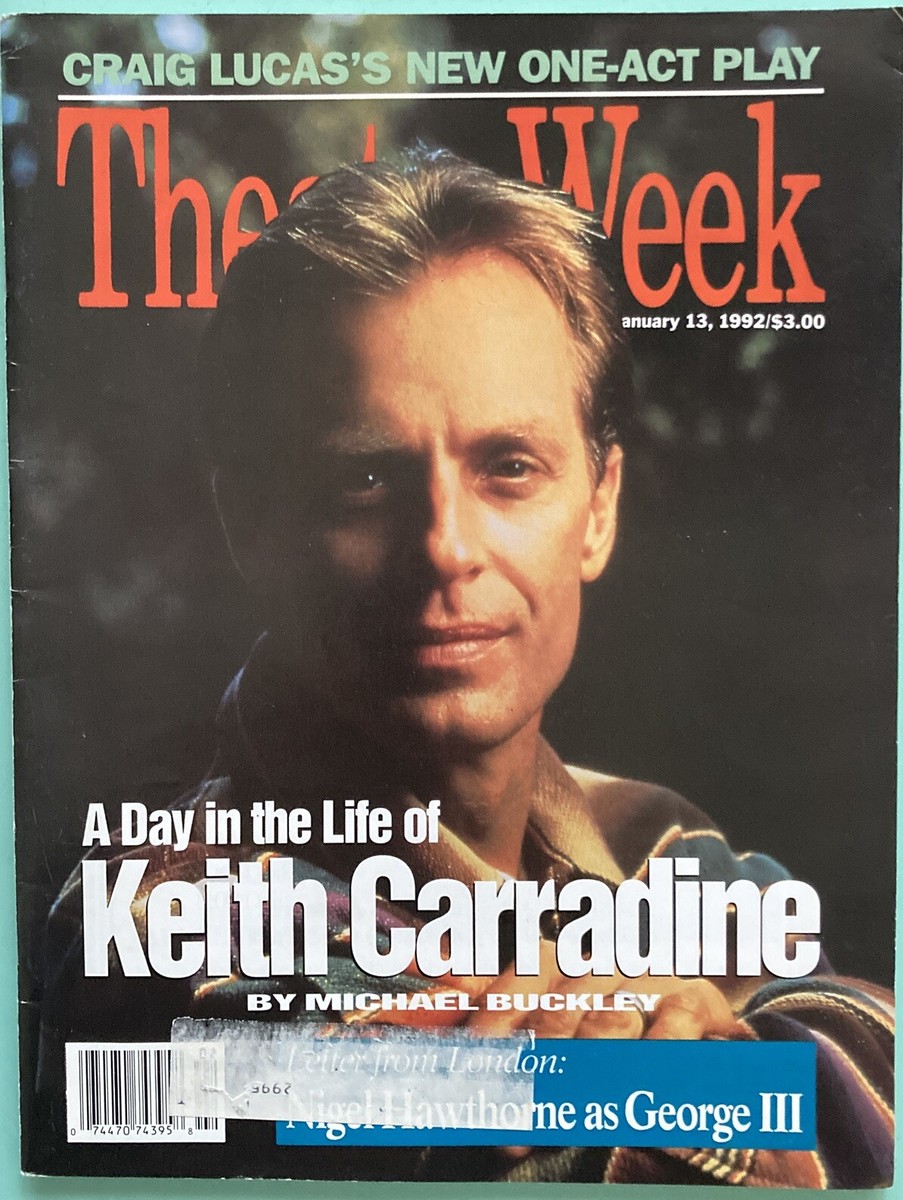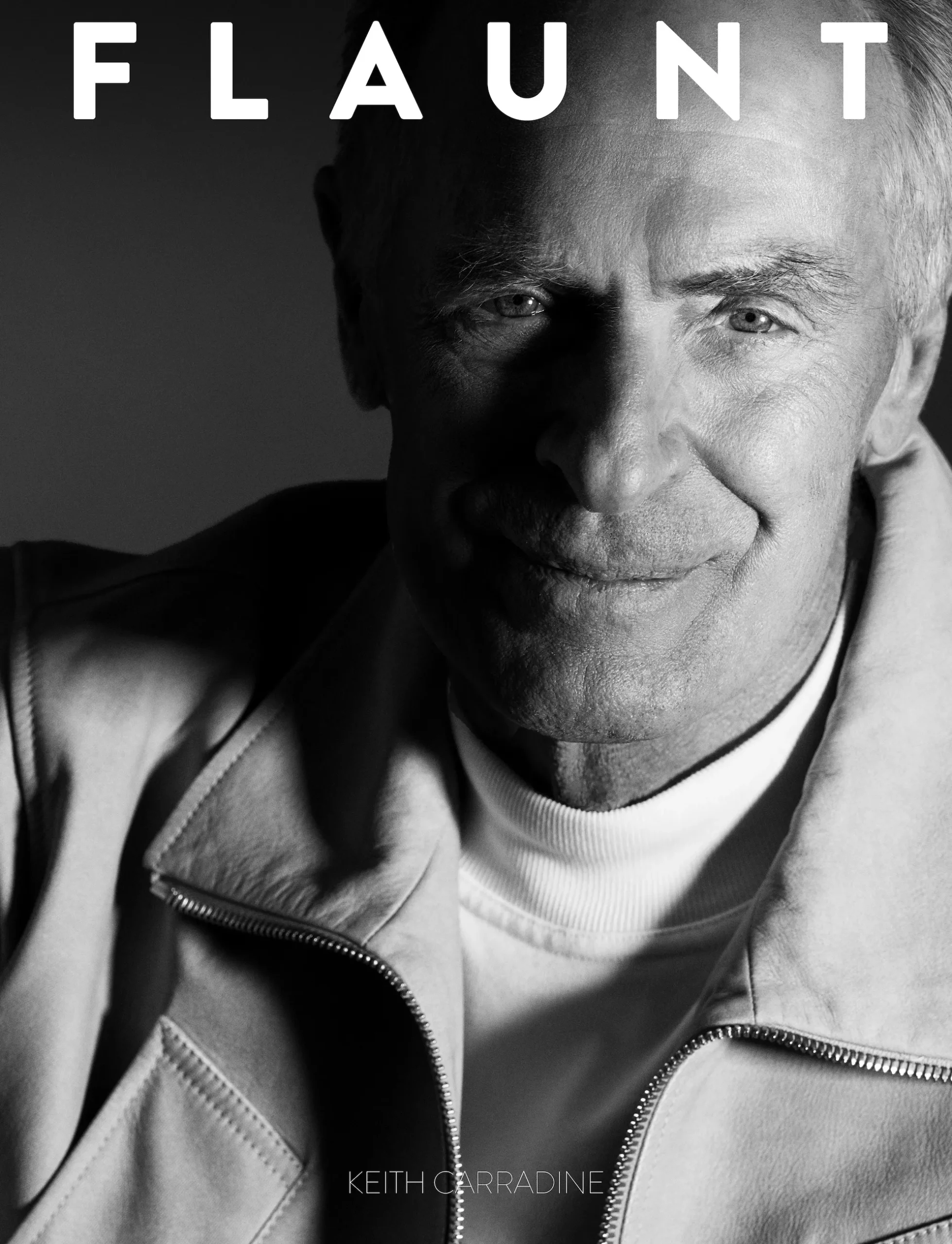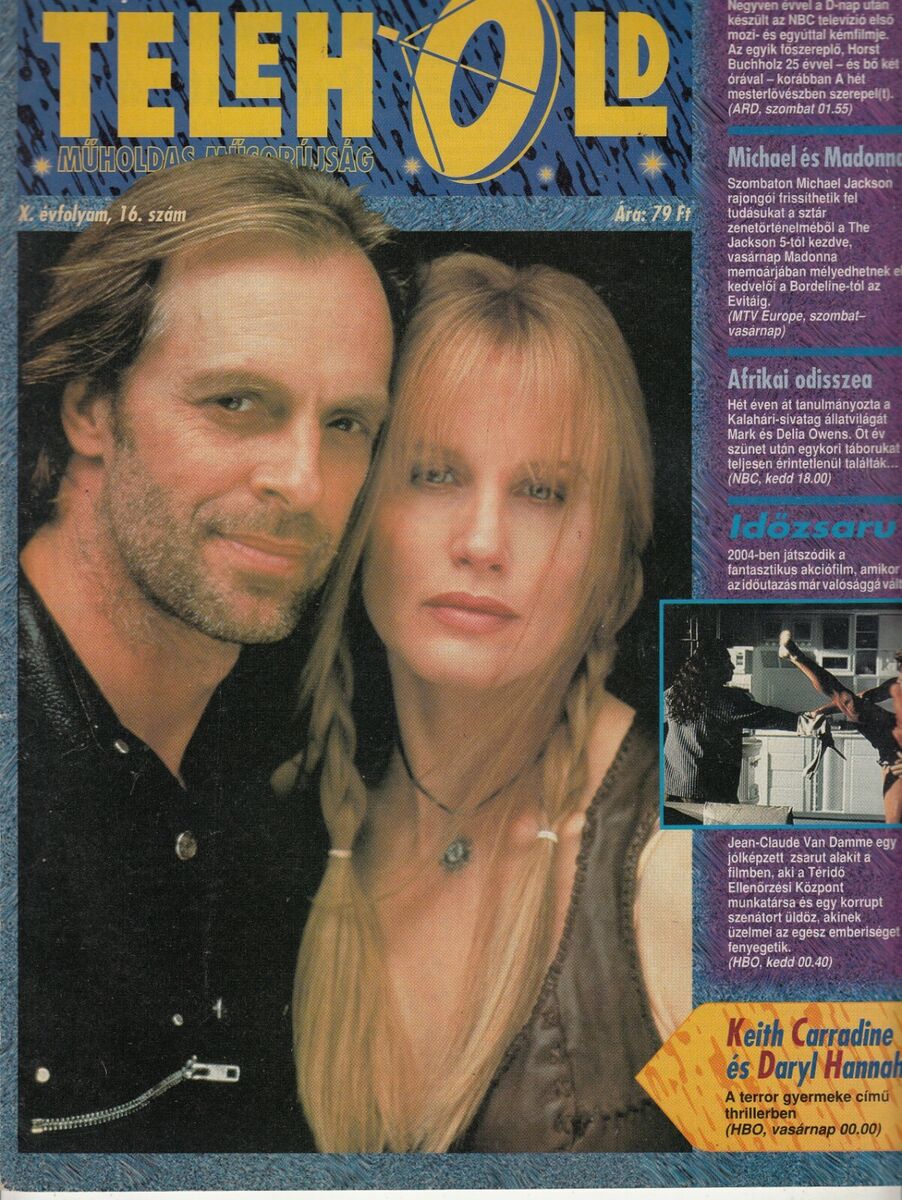

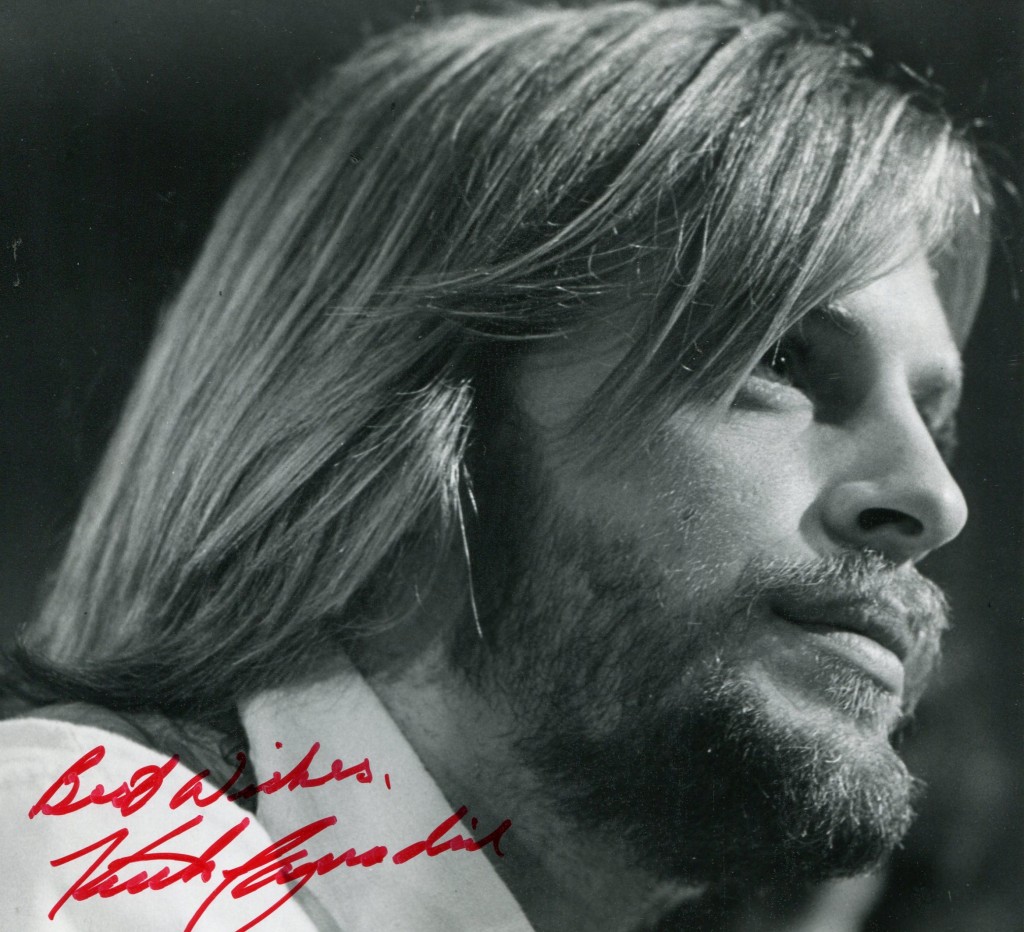
Keith Carradine (born 1949) is a singular figure in American cinema: an Oscar-winning songwriter and a foundational actor of the “New Hollywood” movement. While he was born into an acting dynasty (son of John, brother to David and Robert), Keith carved out a path defined by understated, naturalistic masculinity and a unique ability to play “the observer.”
A critical analysis of his work reveals an actor who mastered the art of minimalism, often serving as the quiet, moral, or musical heart of sprawling ensemble films.
1. The Altman Muse and New Hollywood (1971–1975)
Carradine became a key collaborator for director Robert Altman, whose improvisational style perfectly suited Carradine’s relaxed, unforced delivery.
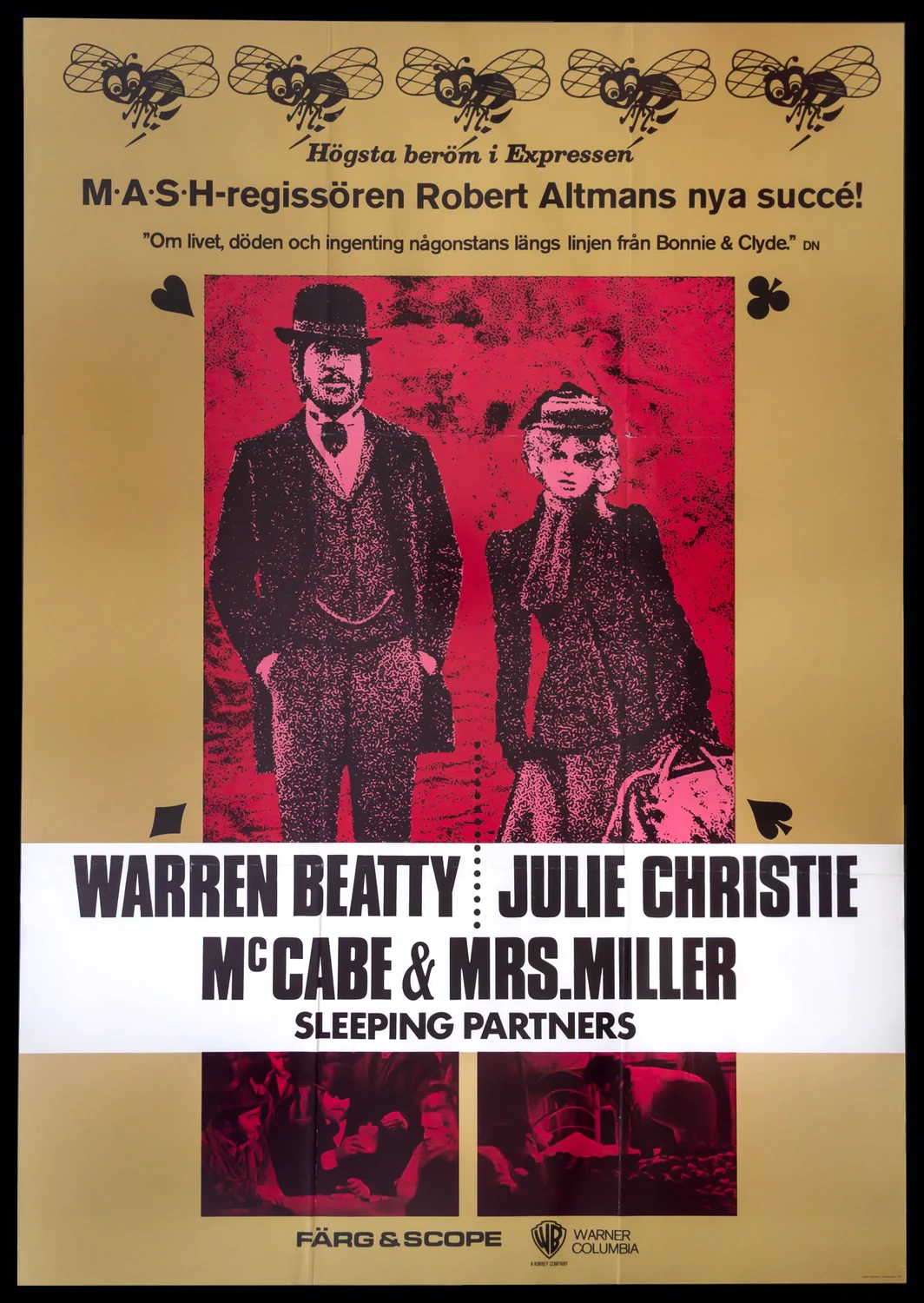
McCabe & Mrs. Miller (1971): Playing a young, doomed cowboy.
Critical Analysis: Even in a small role, Carradine stood out for his “innocent arrogance.” Critics noted he brought a authentic, scruffy realism to the Western that helped dismantle the “Hollywood Cowboy” myth.
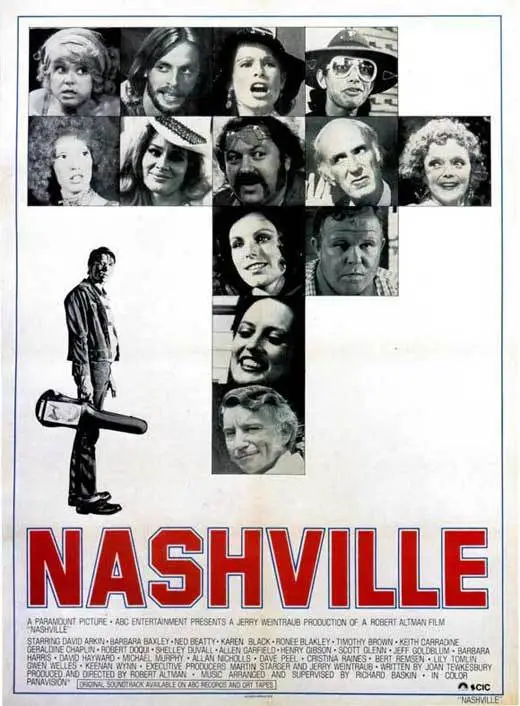
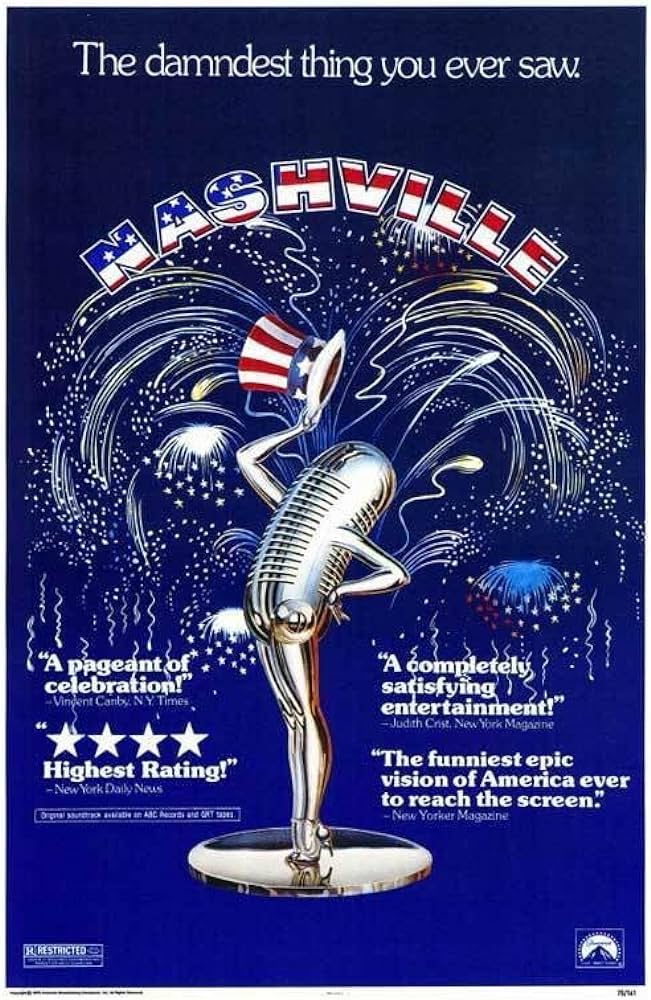
Nashville (1975): As Tom Frank, a narcissistic folk singer.
Detailed Analysis: This is Carradine’s most culturally significant performance. He won the Academy Award for Best Original Song for “I’m Easy.”
Technique: Critics marveled at how Carradine used his musicality as a character trait. In the famous “I’m Easy” club scene, he performs a song that is ostensibly vulnerable but is actually a tool for seduction and control. He captured the “soft-spoken predator” of the 70s folk-rock scene with chilling accuracy.
2. The European and Art-House Peak (1977–1980)
Following his Oscar win, Carradine became a favorite of “prestige” directors, utilizing his lean, aristocratic-pioneer looks to play men of high principle or deep obsession.
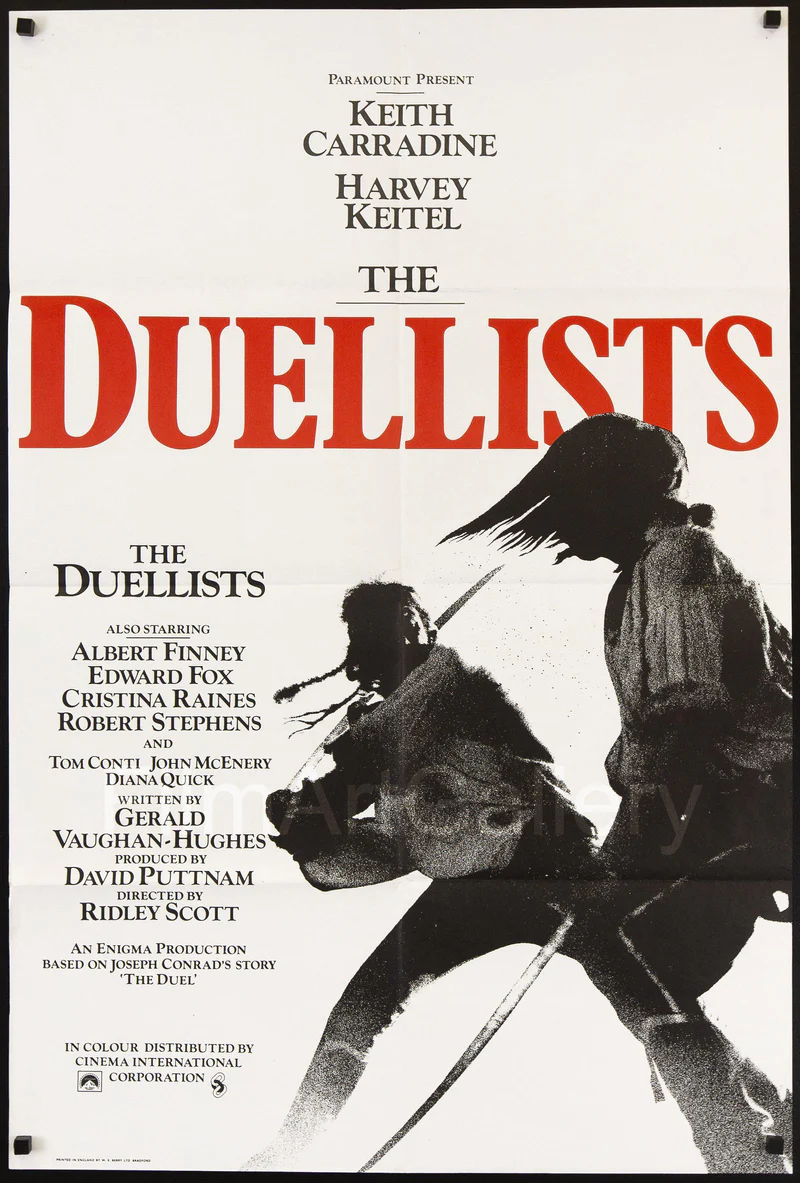
The Duellists (1977): Directed by Ridley Scott.
Analysis: Playing D’Hubert, a Napoleonic officer locked in a decades-long feud. Critics praised Carradine’s “physical restraint.” Opposite Harvey Keitel’s volcanic energy, Carradine provided a “rational fatigue.” He managed to make the character’s obsession feel like a burden rather than a choice, anchoring the film’s visual splendor in psychological truth.
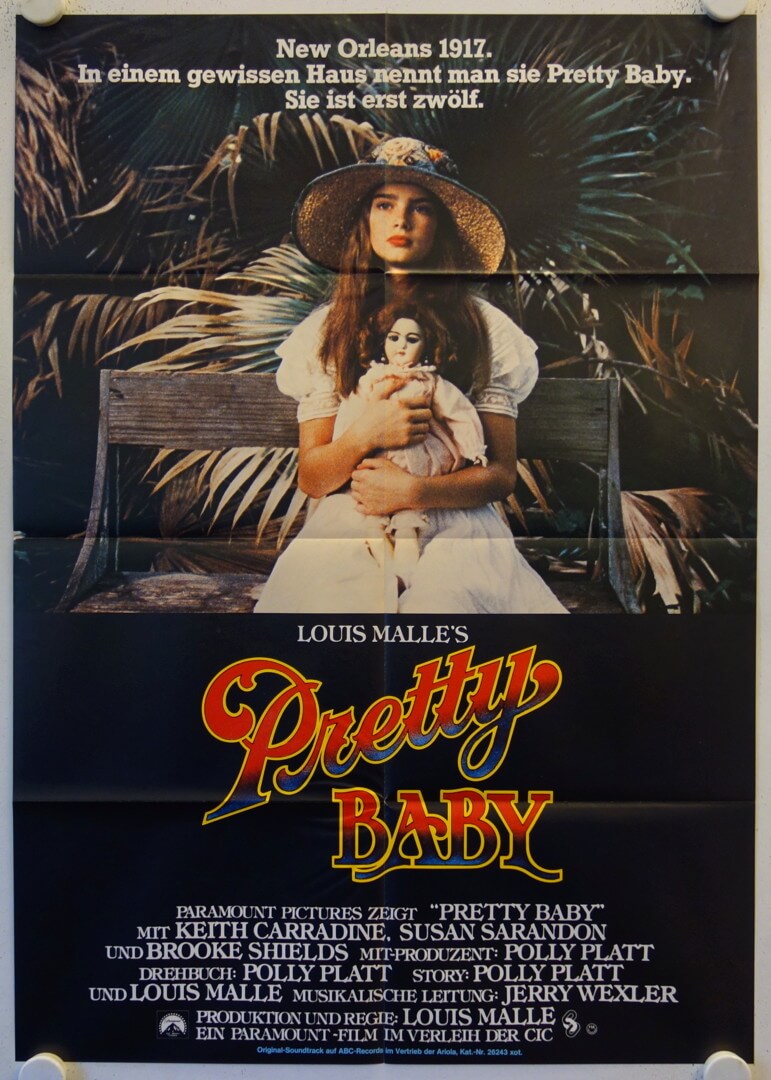
Pretty Baby (1978): Directed by Louis Malle.
Critical Note: As a photographer in a New Orleans brothel, Carradine played a role that required extreme sensitivity. Critics noted his ability to remain a passive yet profound observer, a technique that became his signature.
3. The “Western Legend” and TV Transformation (1990s–2010s)
As he aged, Carradine’s features sharpened, and his voice deepened into a resonant baritone, making him the definitive choice for playing historical figures of the American West.
Deadwood (2004): As Wild Bill Hickok.
Analysis: This is widely considered one of the greatest TV guest arcs in history. Critics lauded Carradine for portraying Hickok as a “weary monument.” He didn’t play the legend; he played the man exhausted by the legend. His “stillness” in the midst of Deadwood’s chaos made his eventual death feel like a monumental loss for the show’s moral structure.
Dexter (2007–2009): As Special Agent Frank Lundy.
Critical Analysis: Carradine brought a “Sherlockian” intellect to the role. He utilized a methodical, gentle authority that made him the only character who truly felt like a threat to the protagonist. He proved that high-status characters don’t need to raise their voices to be intimidating.
Detailed Critical Analysis: Style and Persona
The “Unassuming Dominance”
Carradine’s greatest technical asset is his lack of artifice. He belongs to the school of “non-acting” acting. Critics often describe his performances as “beings” rather than “doings.” He has an incredible capacity for listening on screen, making his reactions often more interesting than the dialogue of his scene partners.
Musicality as Acting
Because Carradine is a legitimate musician, he brings a rhythmic timing to his dialogue. In Nashville and his Broadway turn in The Will Rogers Follies, he demonstrated that his movements and speech are dictated by a musical internal clock. This gives his characters a “grace” that is rare among his grittier 70s contemporaries.
The “Moral Outsider” Archetype
Throughout his career, Carradine has played the man who sees the truth but cannot—or will not—shout it. Whether as the President in Madam Secretary or the investigator in Fargo, he represents the “Voice of Reason” in a world of madness. He is the actor directors use when they need the audience to feel safe.
Key Career Milestones
| Work | Year | Role | Significance |
| Nashville | 1975 | Tom Frank | Won an Oscar; defined the “70s Sensitive Rogue.” |
| The Duellists | 1977 | D’Hubert | Proved his mettle in high-concept period drama. |
| Choose Me | 1984 | Mickey | A peak of his collaboration with director Alan Rudolph. |
| The Will Rogers Follies | 1991 | Will Rogers | Tony Award nomination; showcased his stage command. |
| Deadwood | 2004 | Wild Bill Hickok | Redefined a Western legend for a new generation. |
Legacy Summary: Keith Carradine is the “Gentle Giant of Naturalism.” He successfully navigated the transition from a 70s counter-culture icon to a venerable patriarch of American television. He remains a critical favorite for his intellectual honesty and his refusal to ever “overplay” a moment, proving that in cinema, the quietest voice is often the one that carries the most weight.